
Serving Los Angeles and Southern California for Foundation Repair Since 1993


Residential
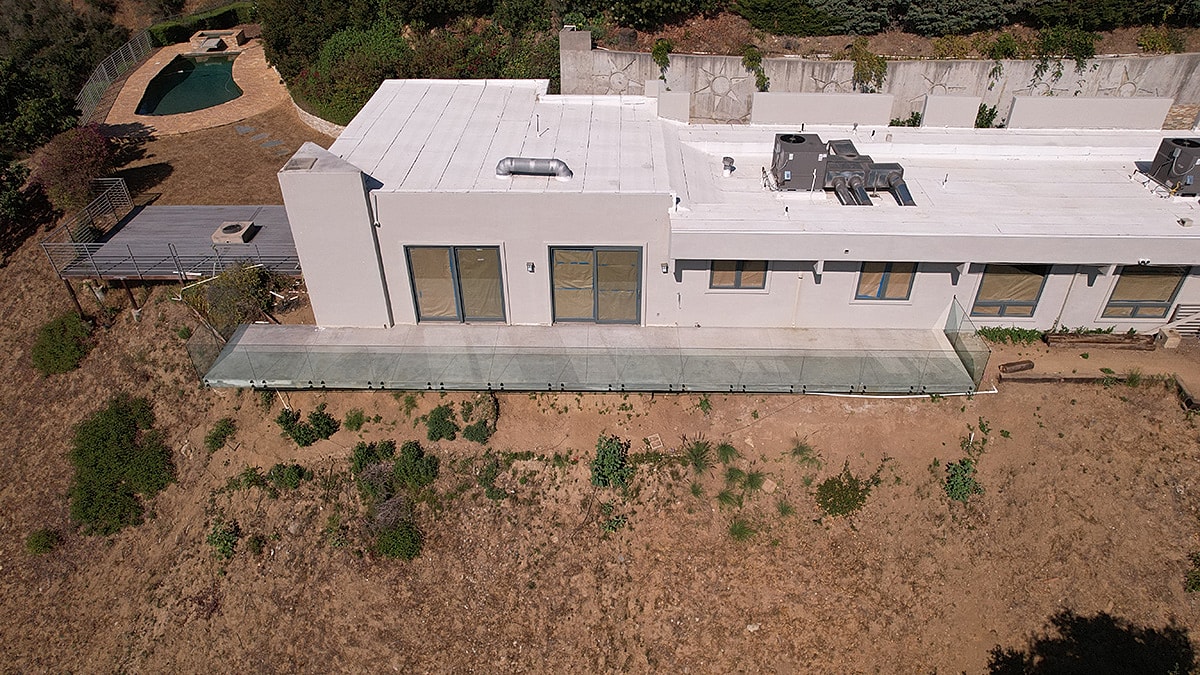
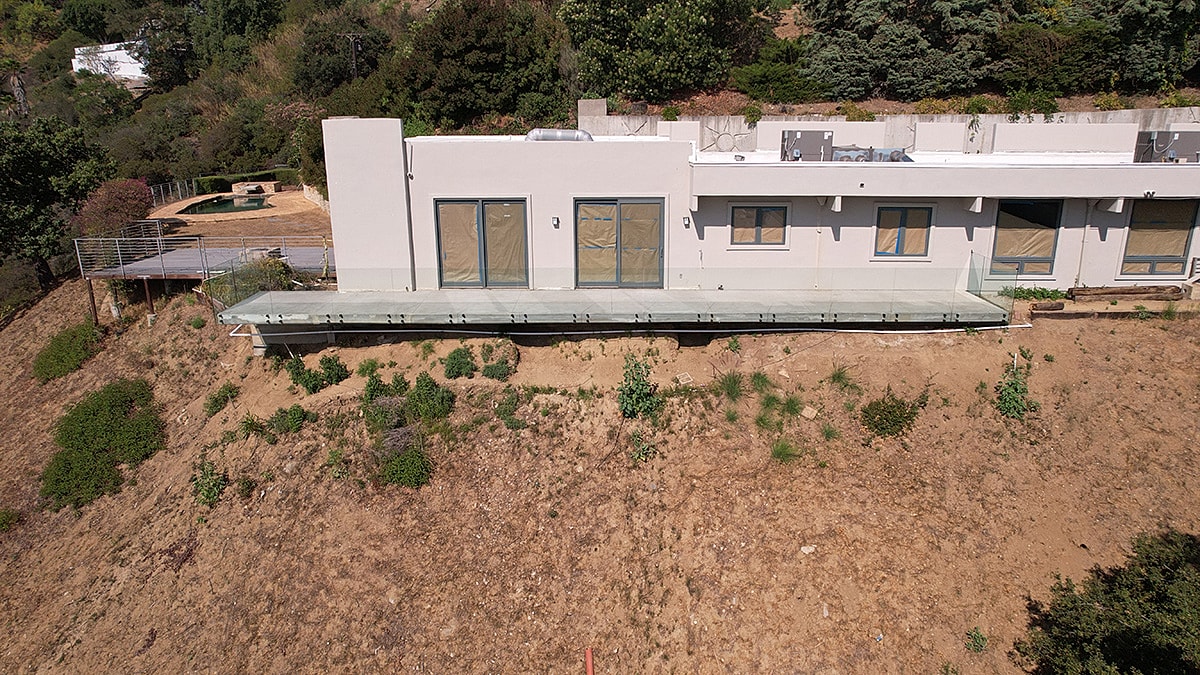
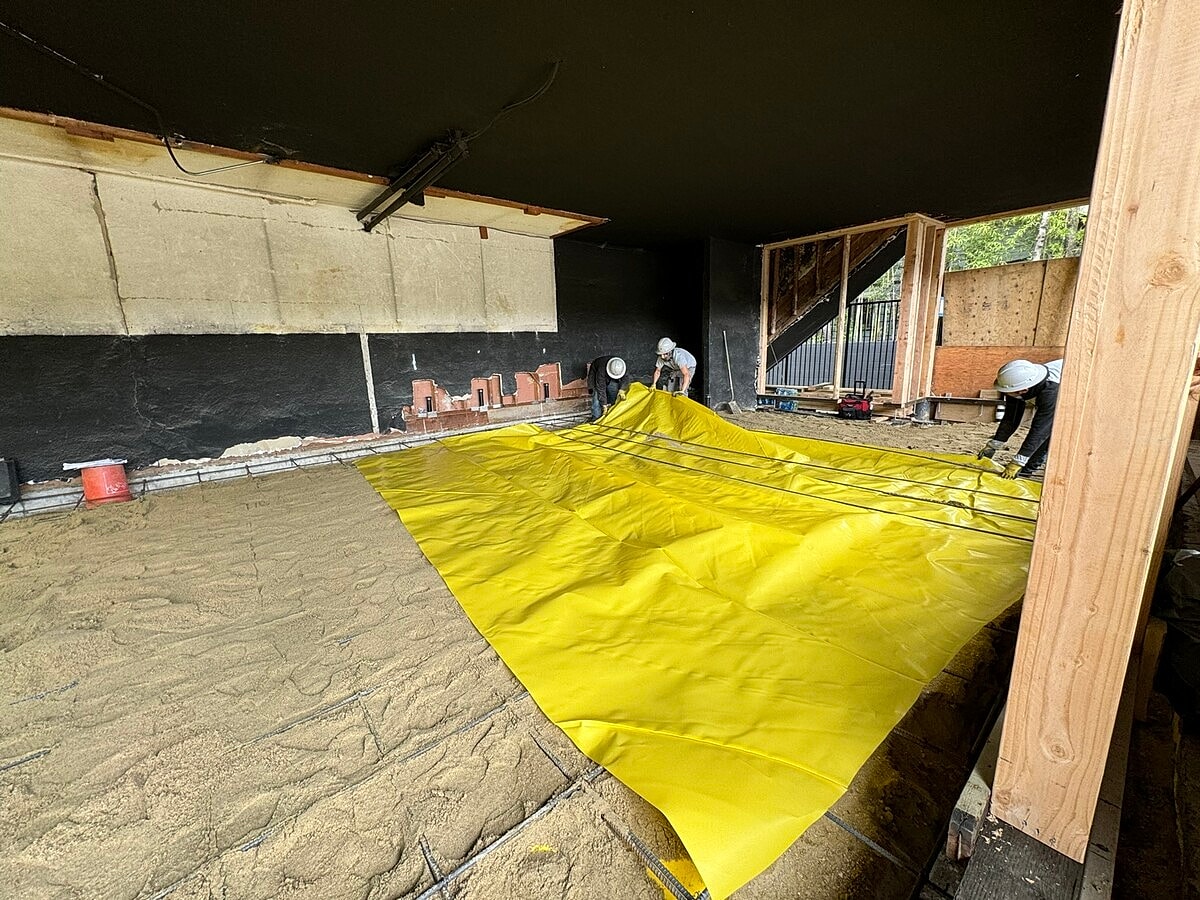
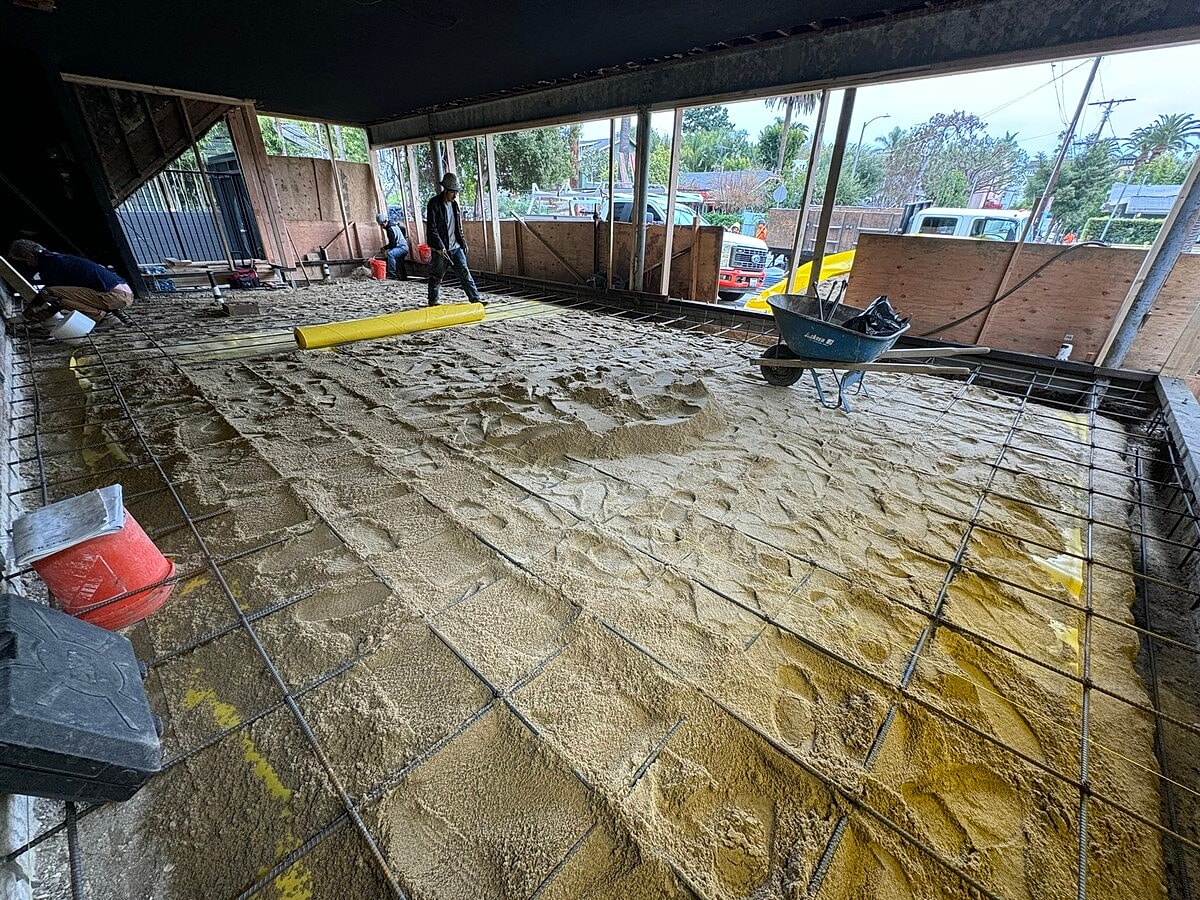
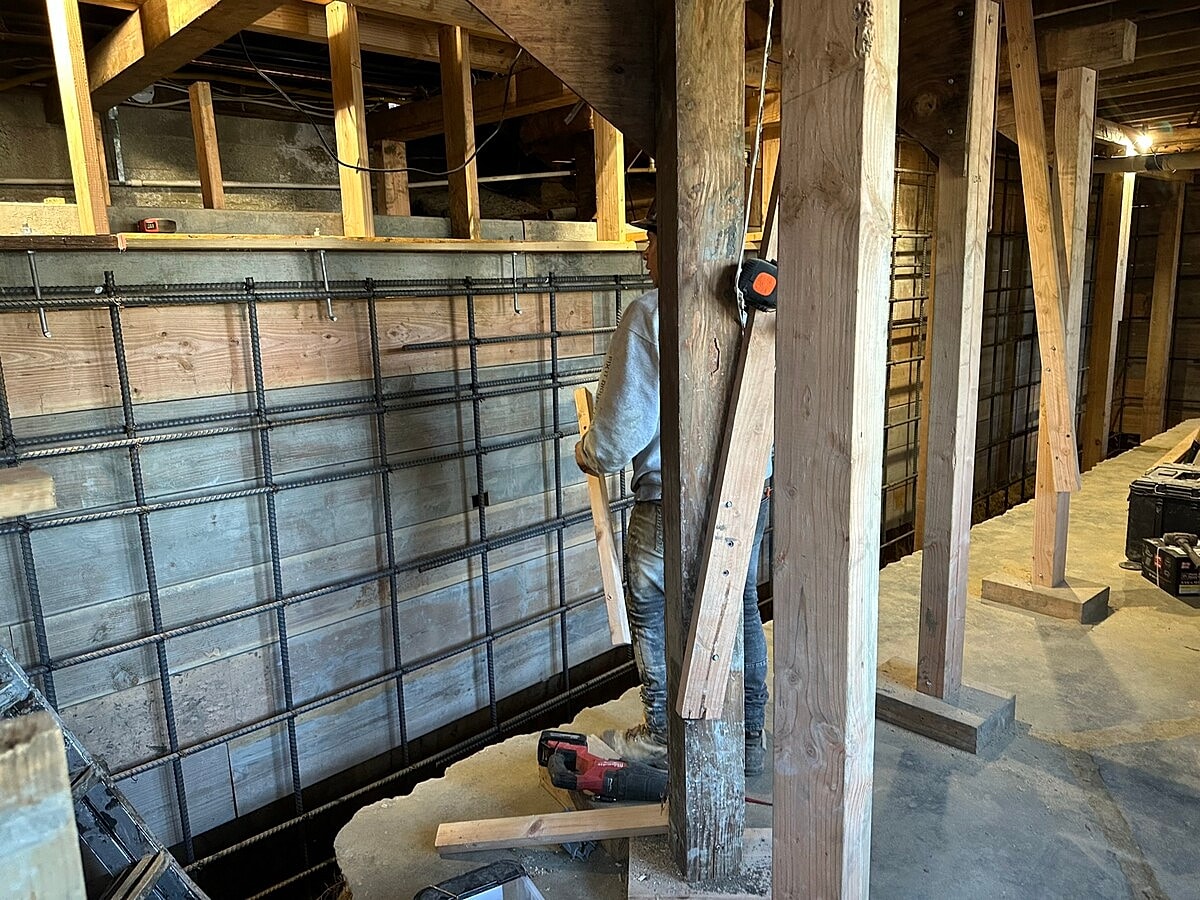
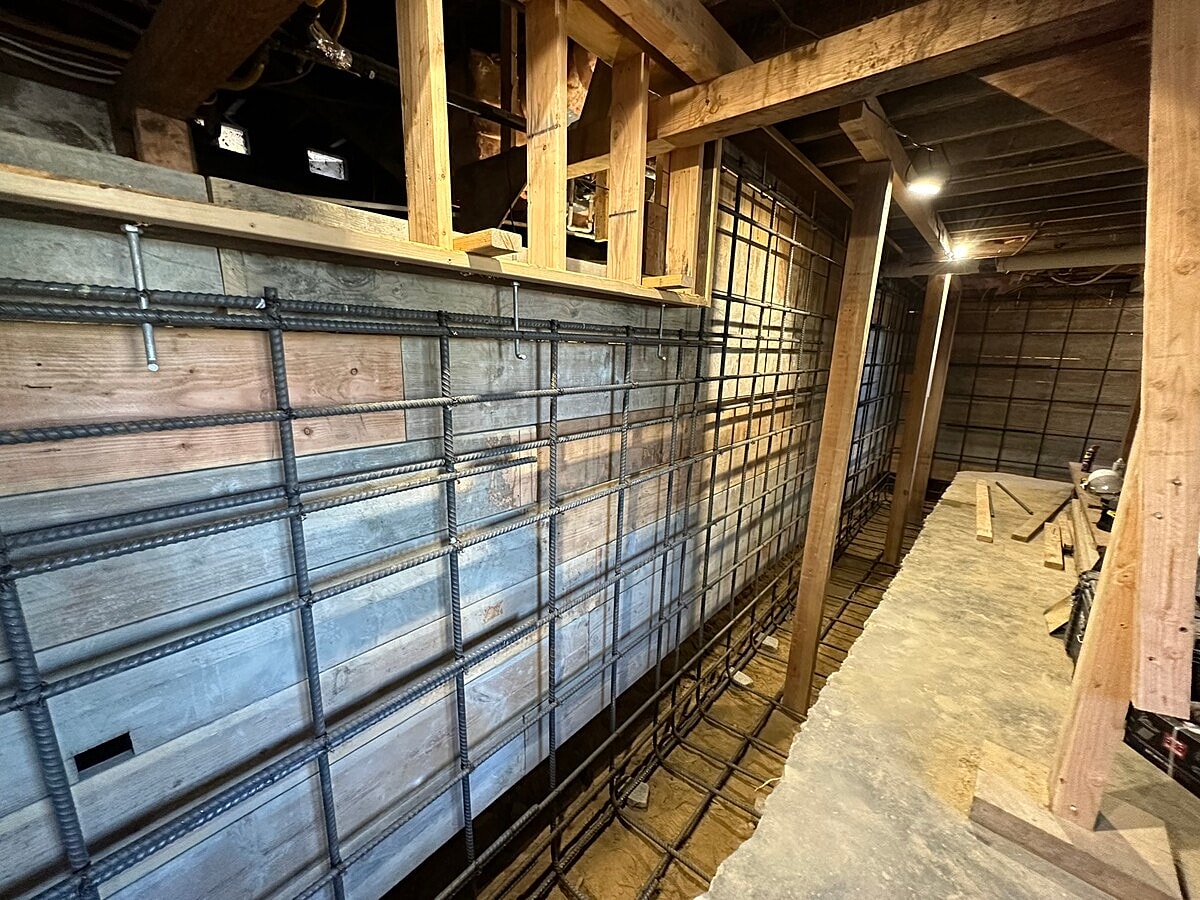
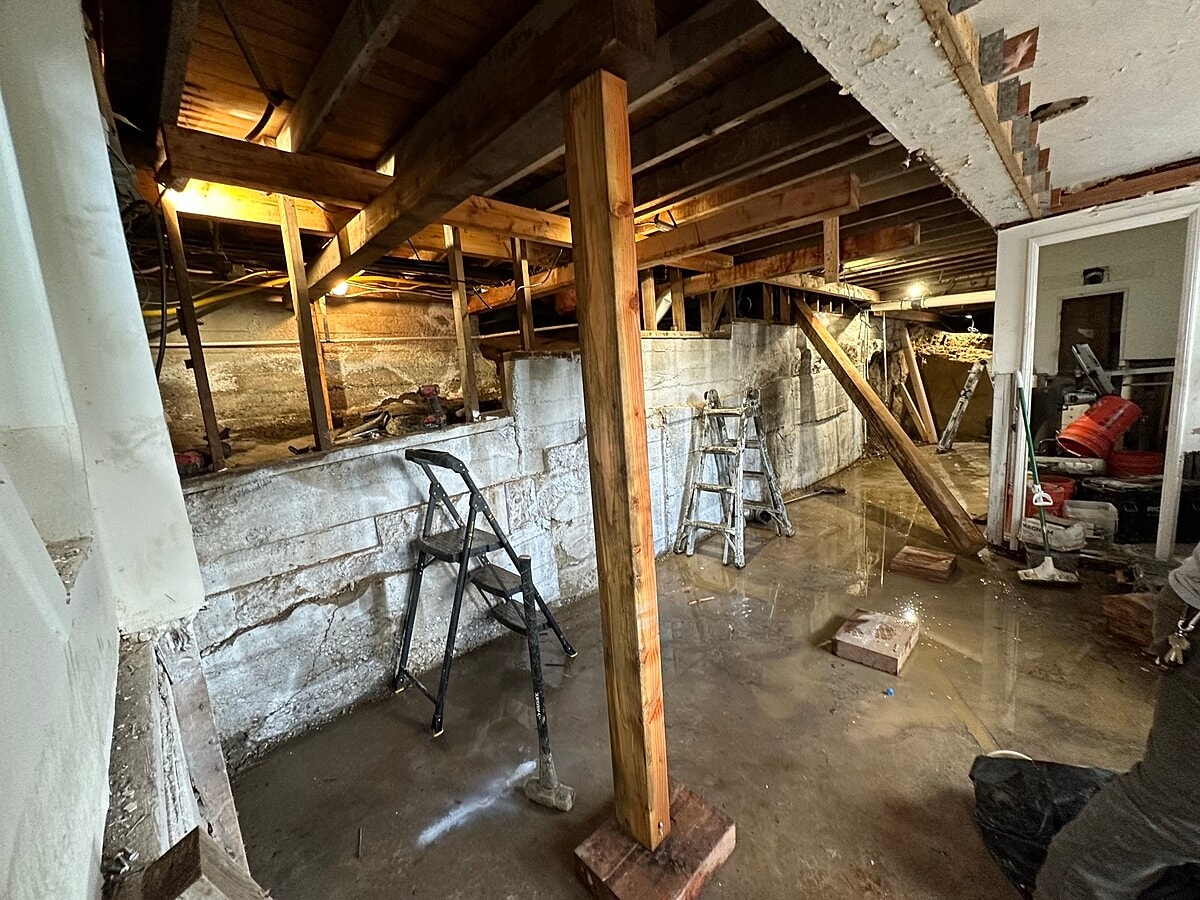
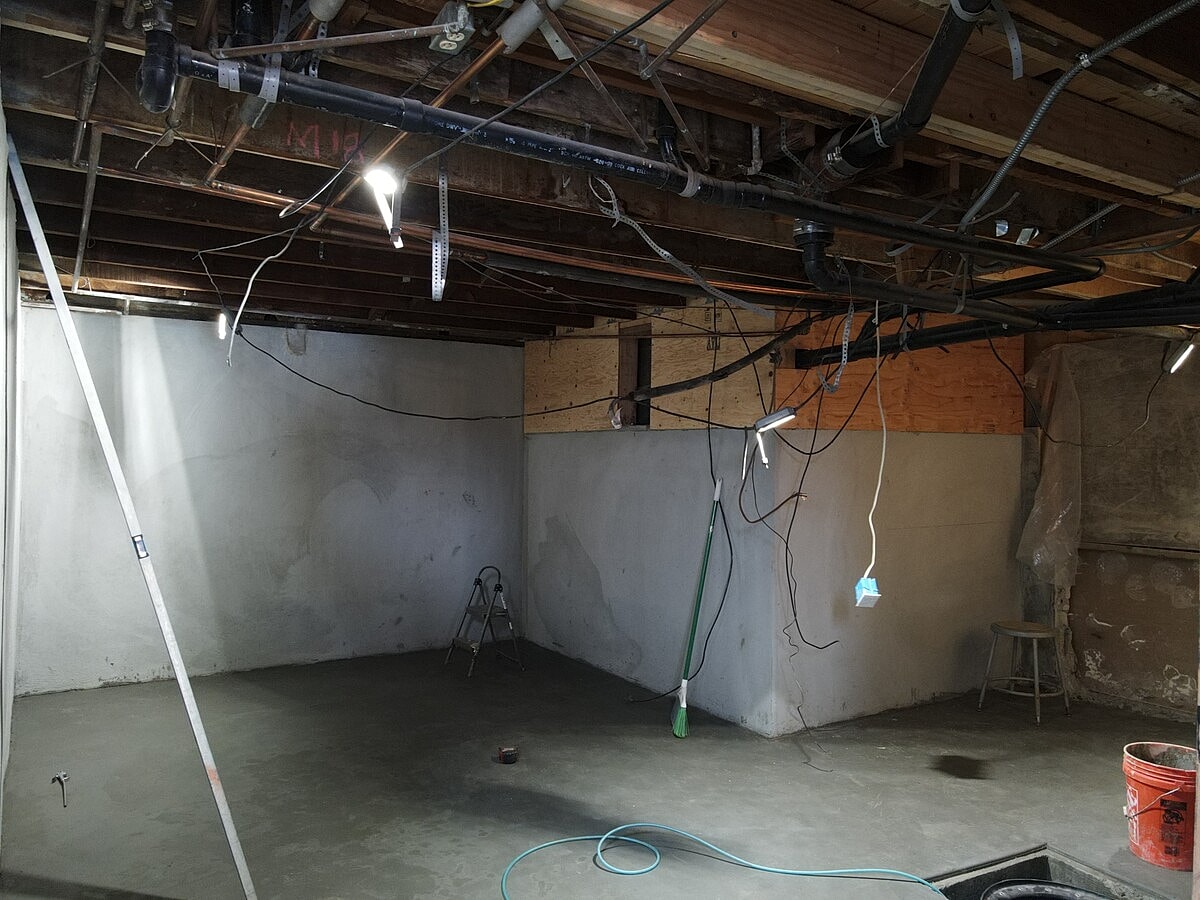
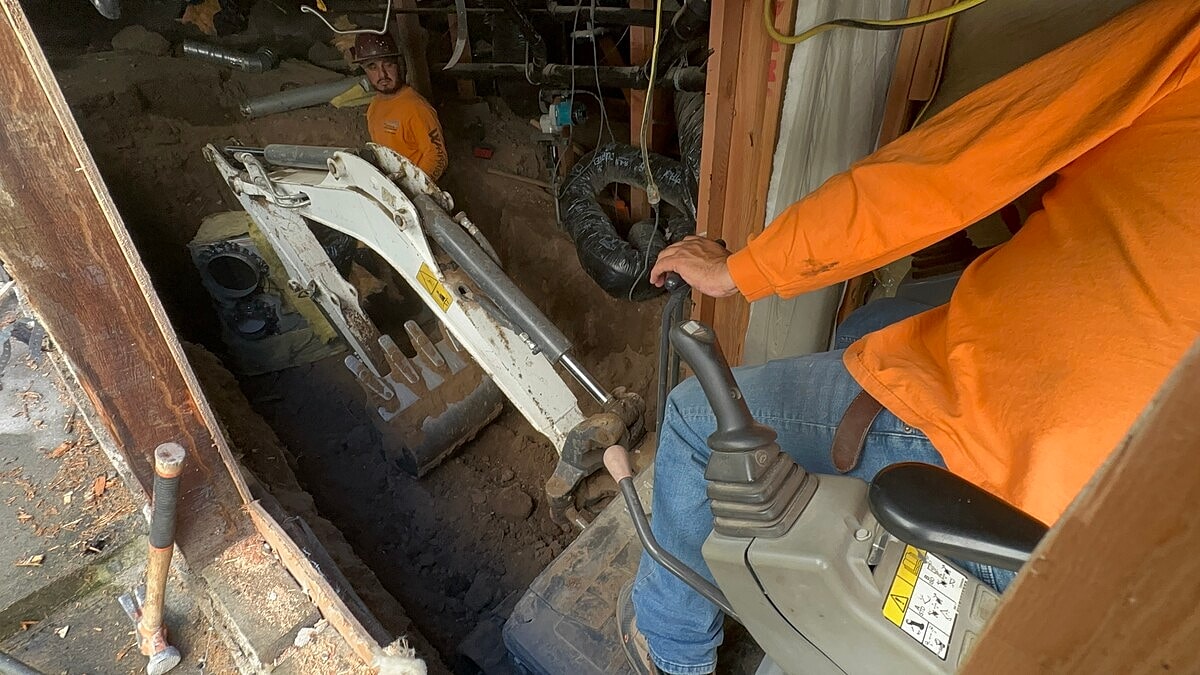
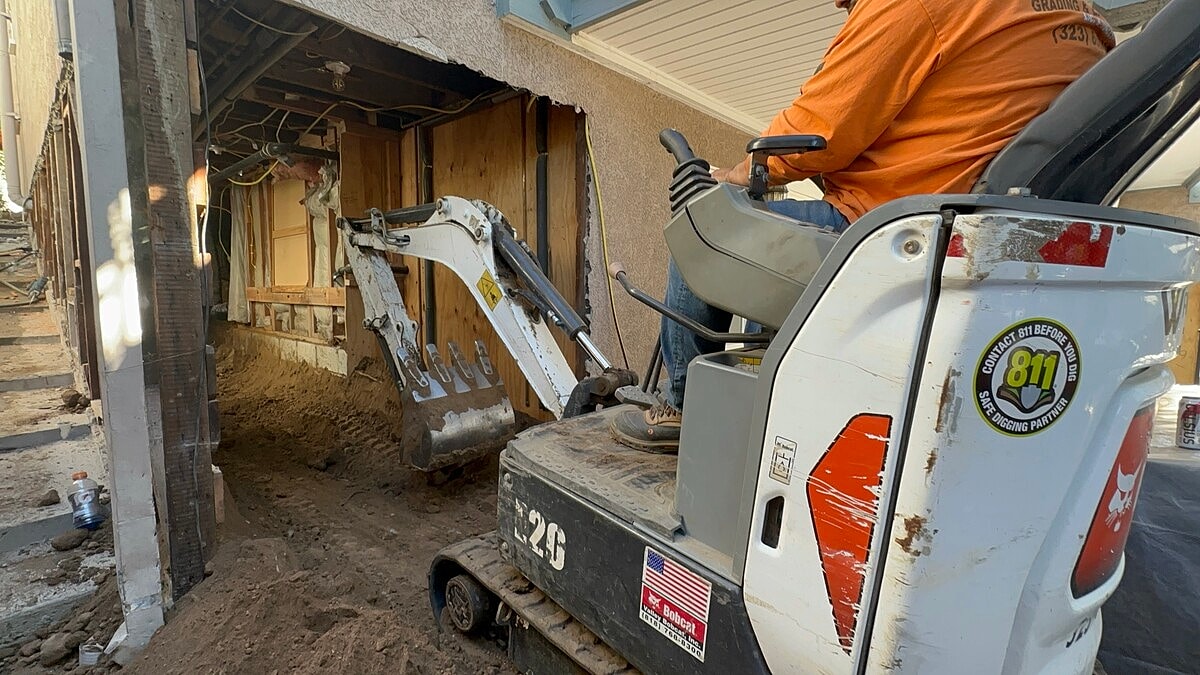
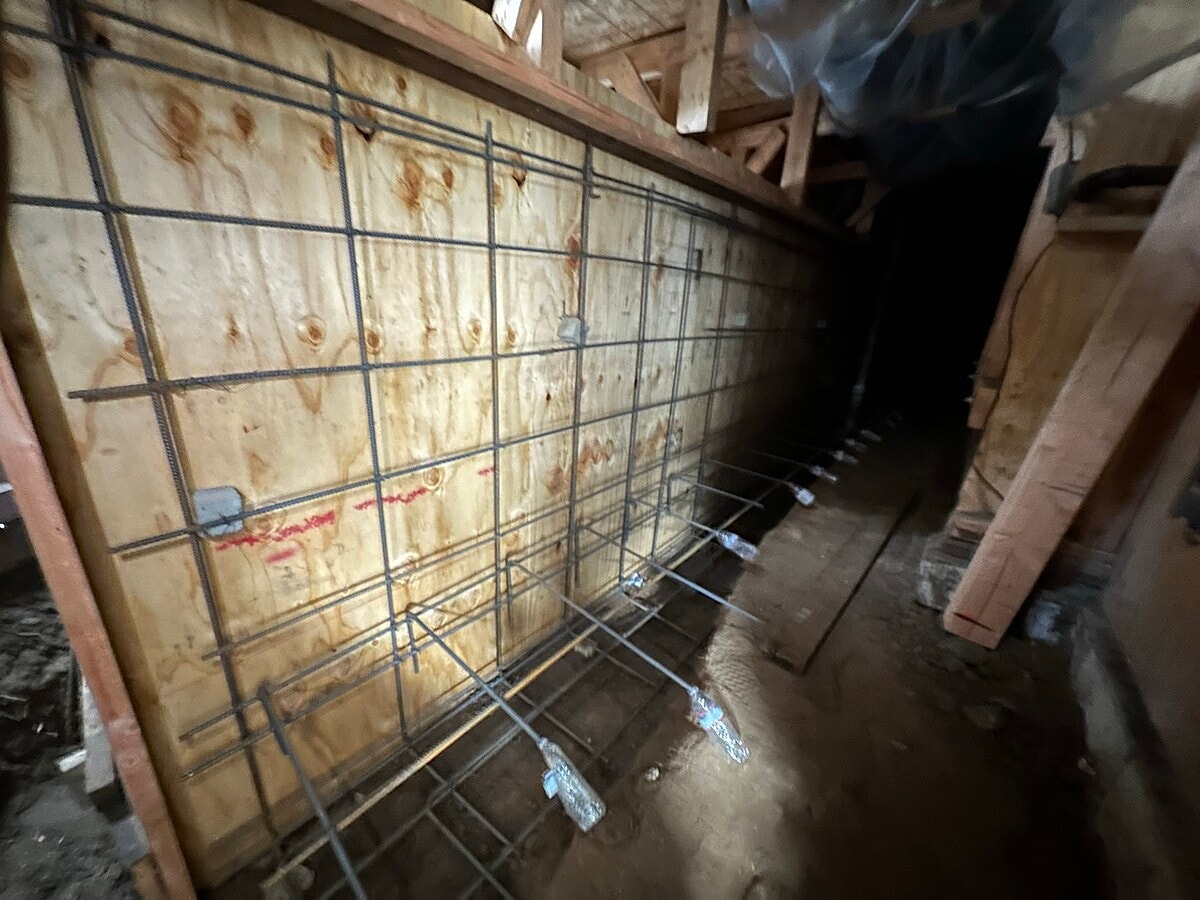
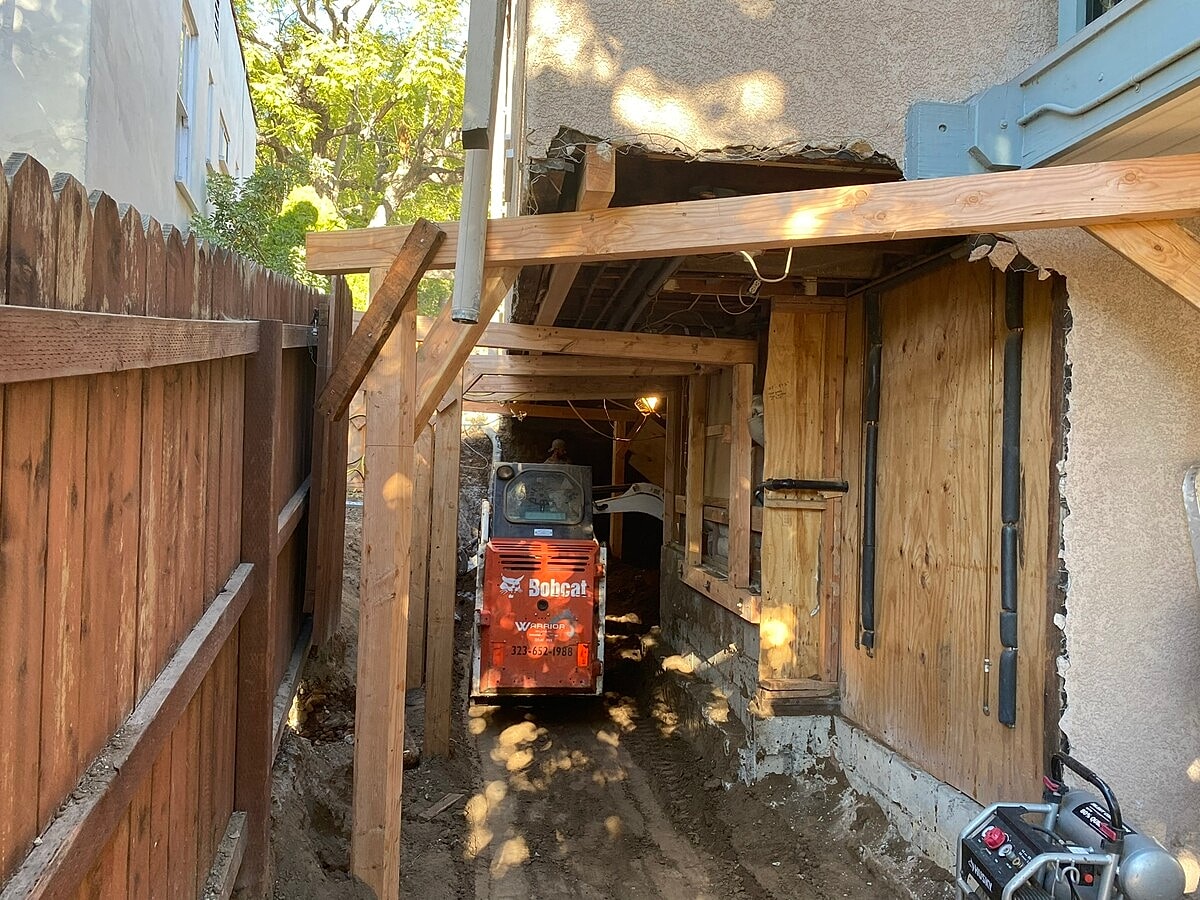
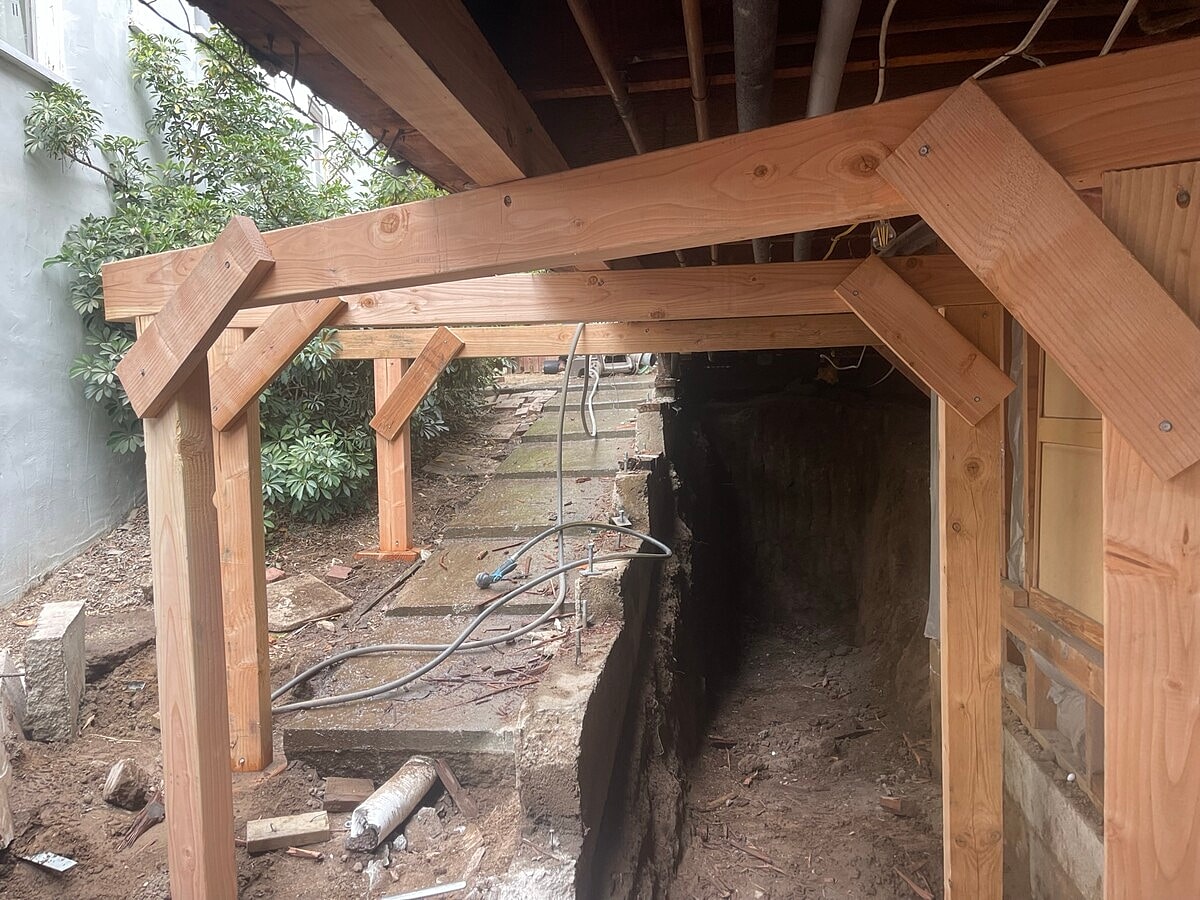
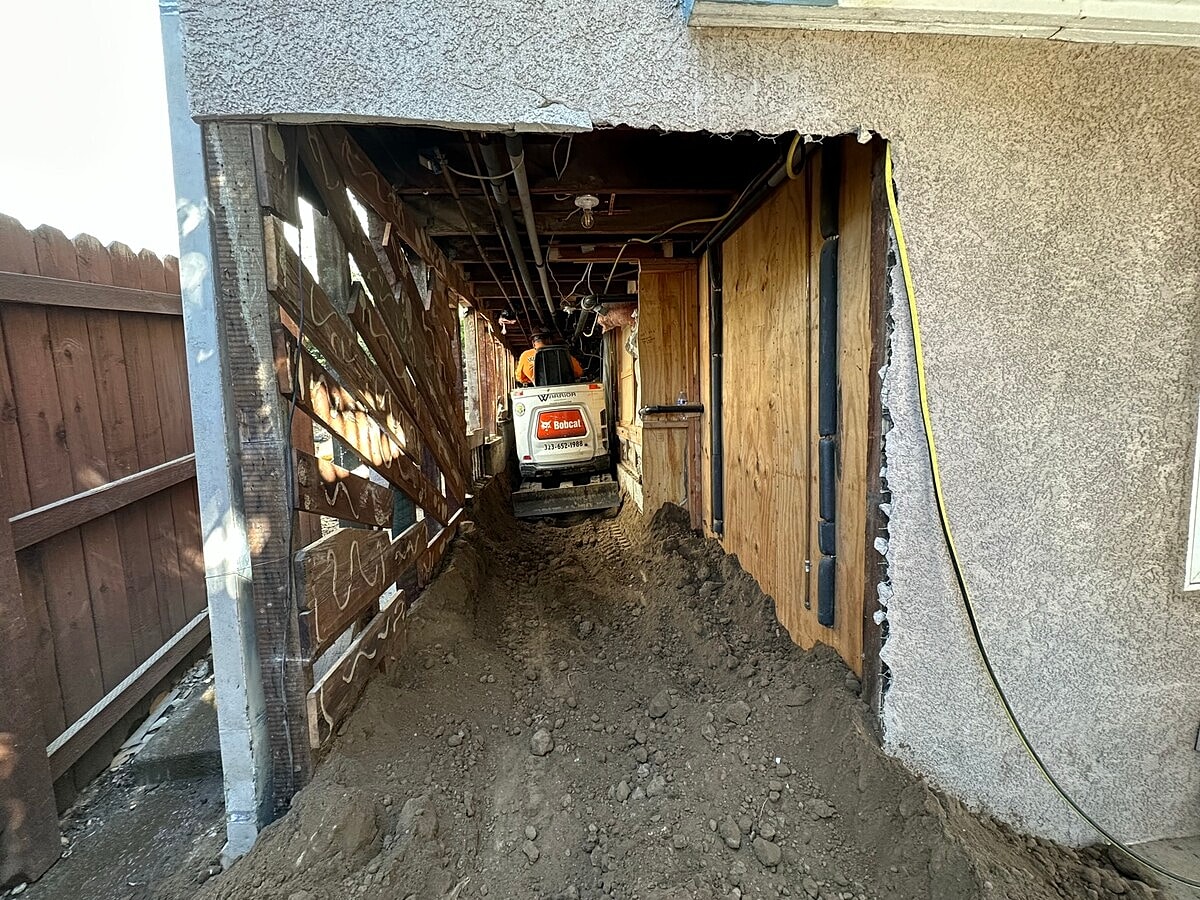
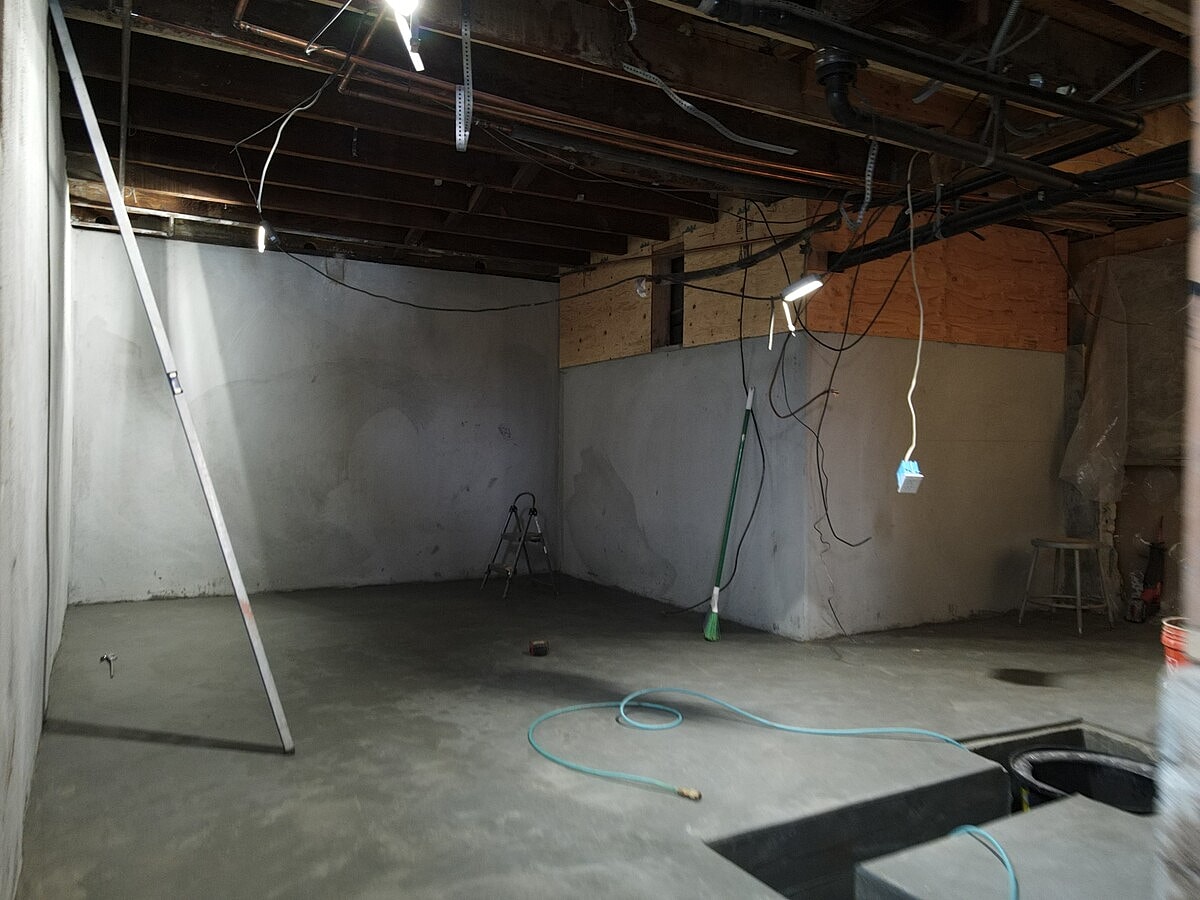
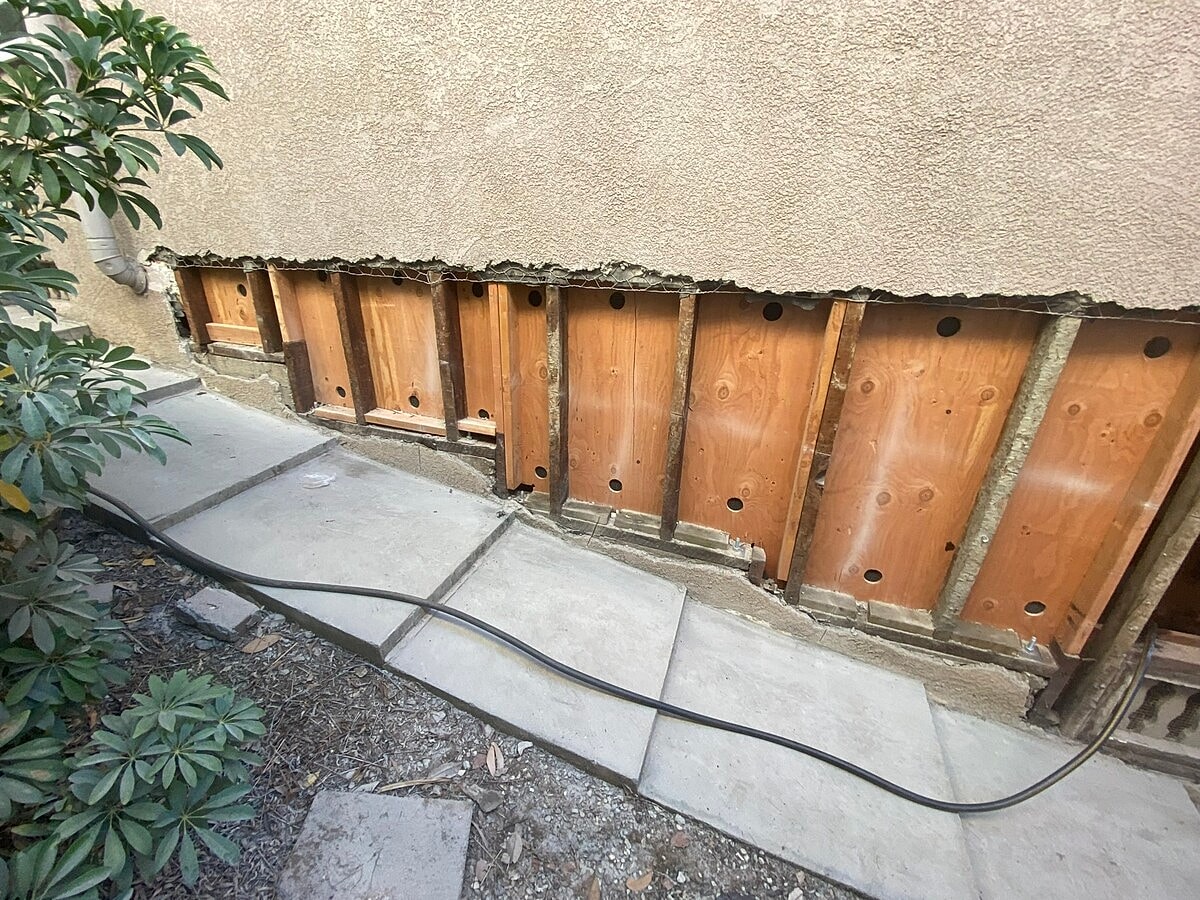
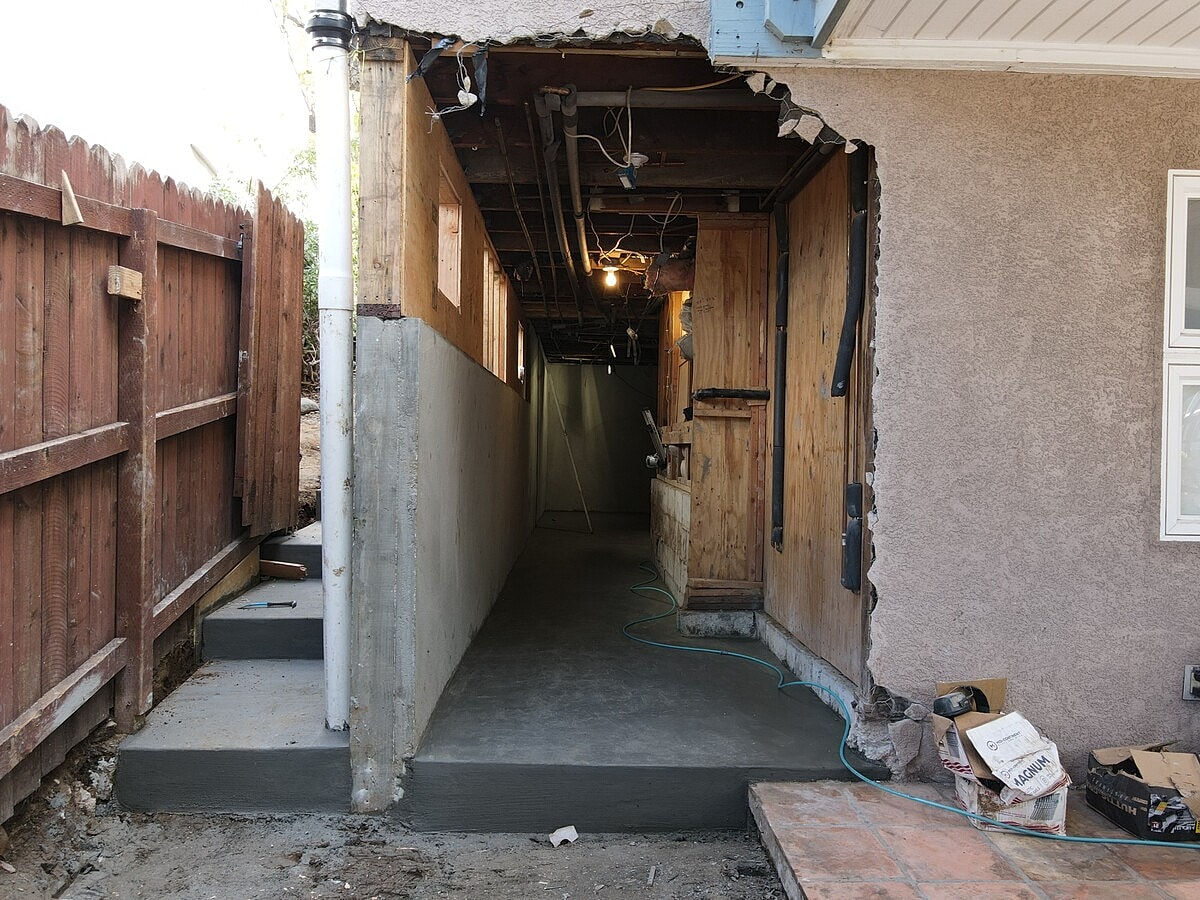
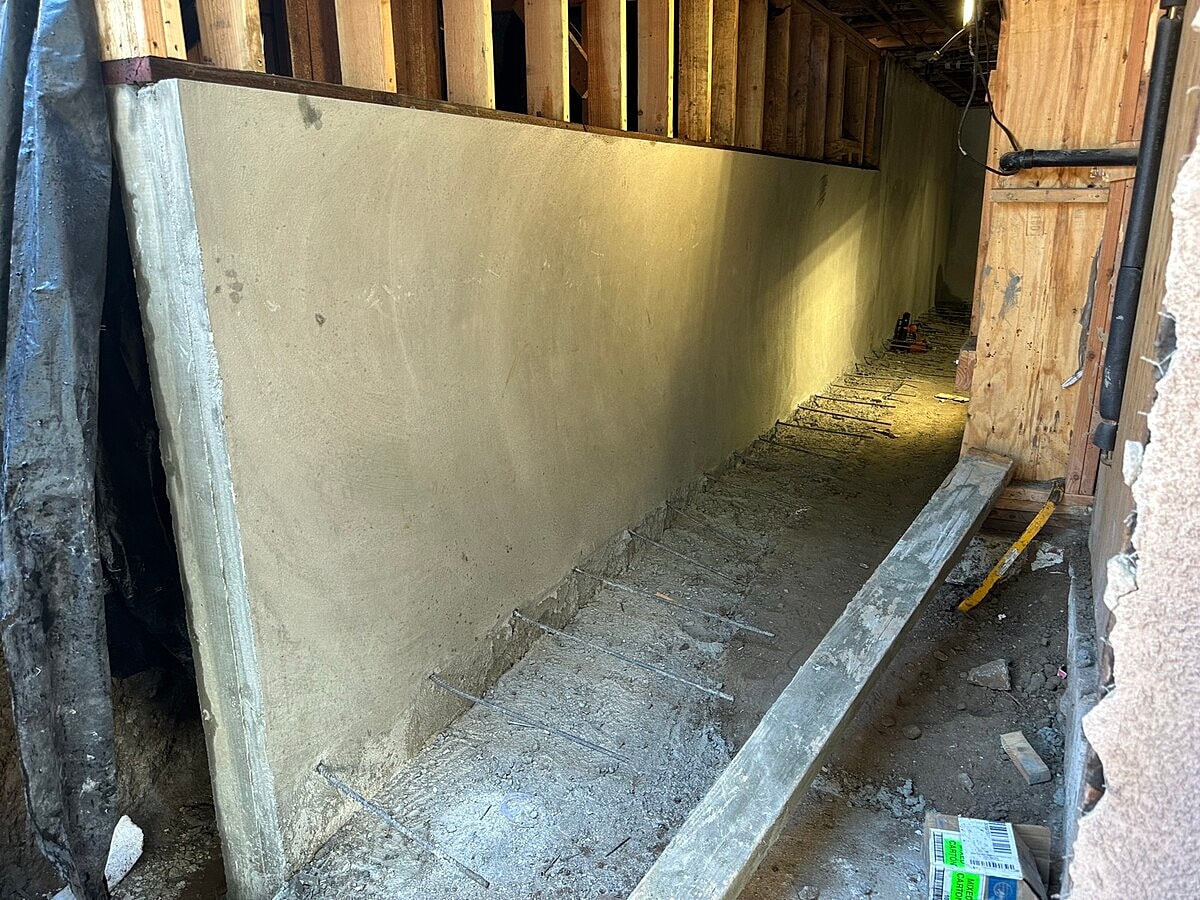
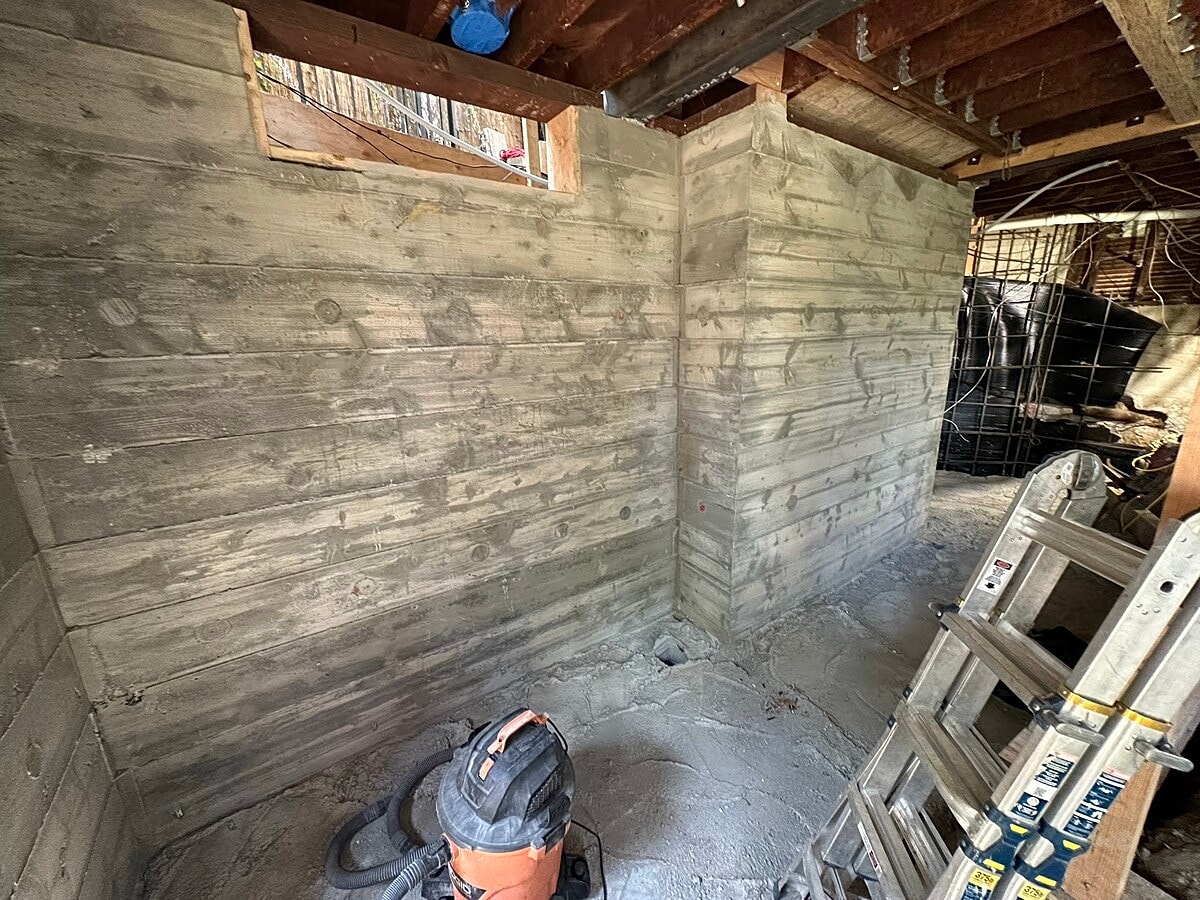
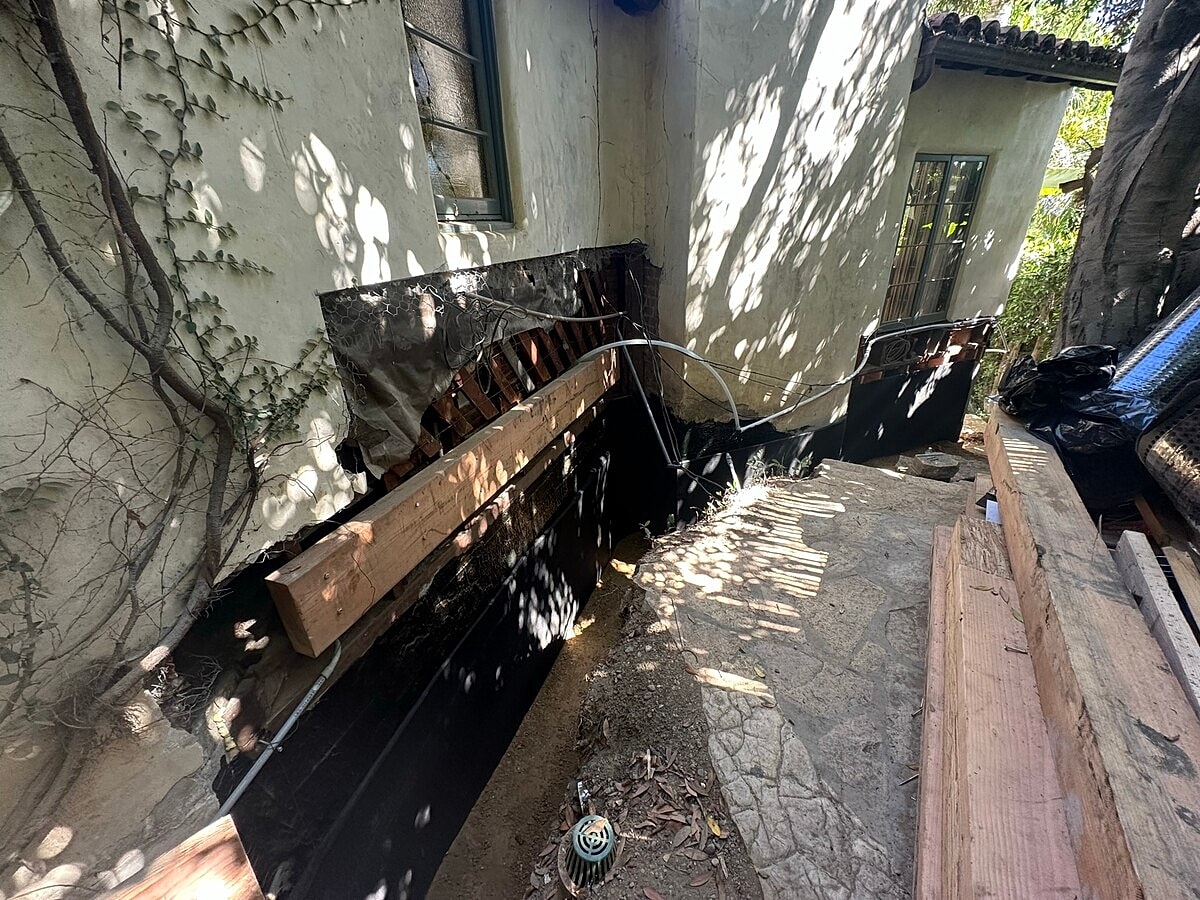
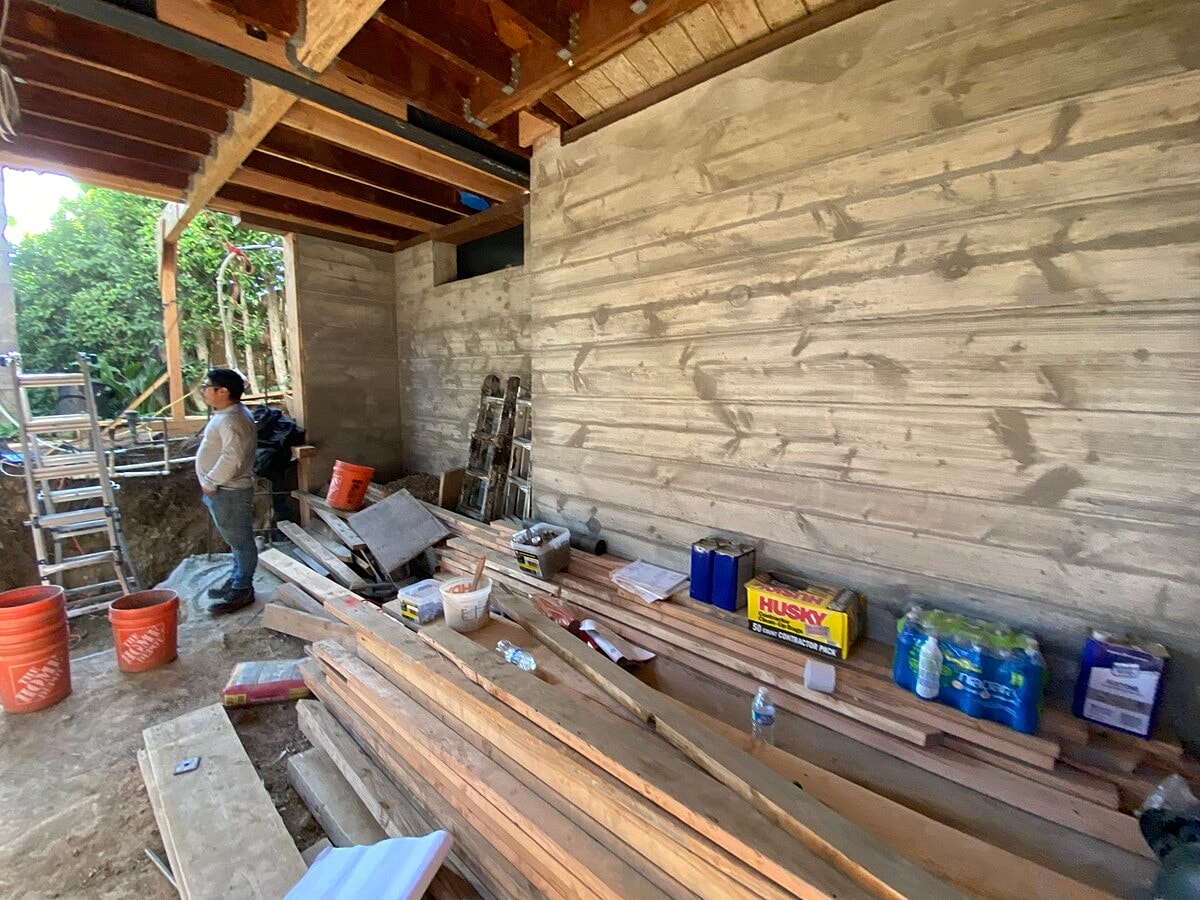
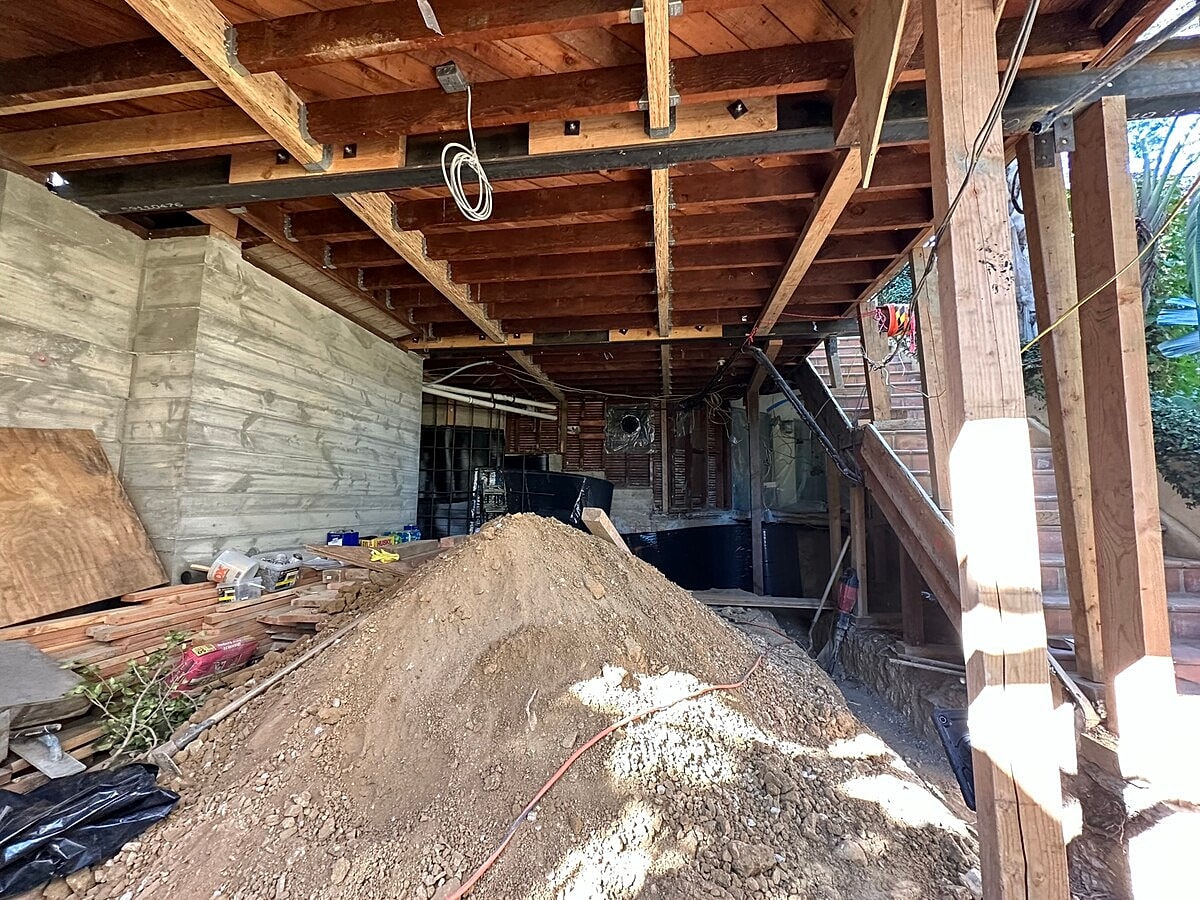
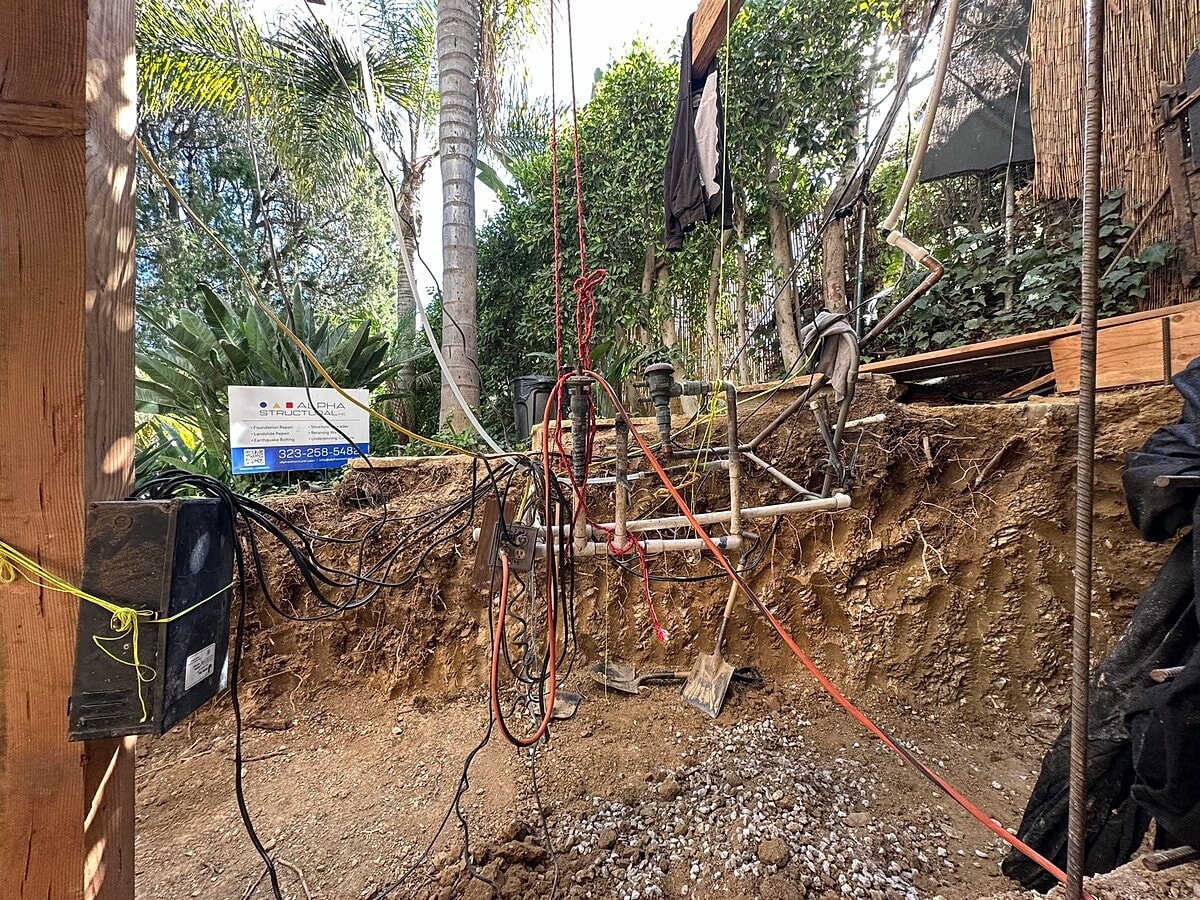
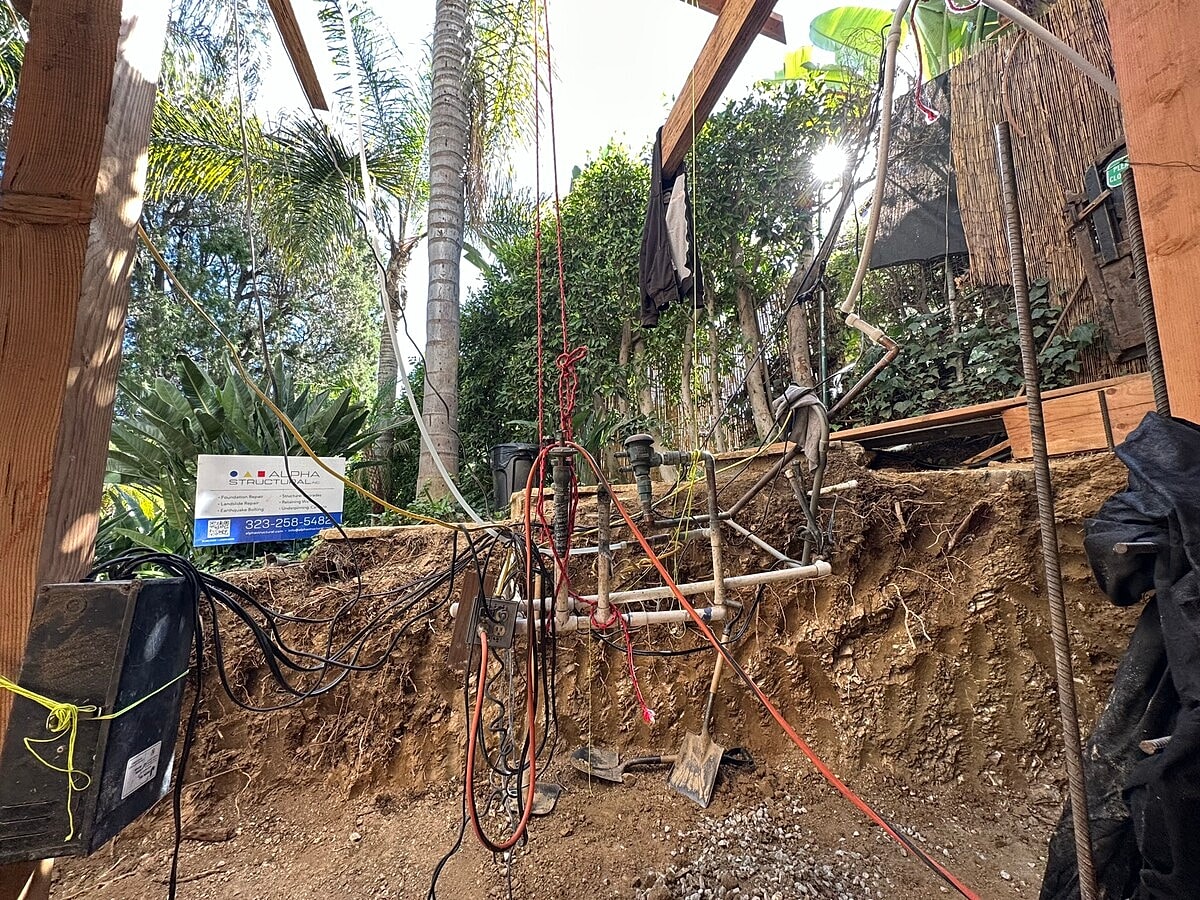
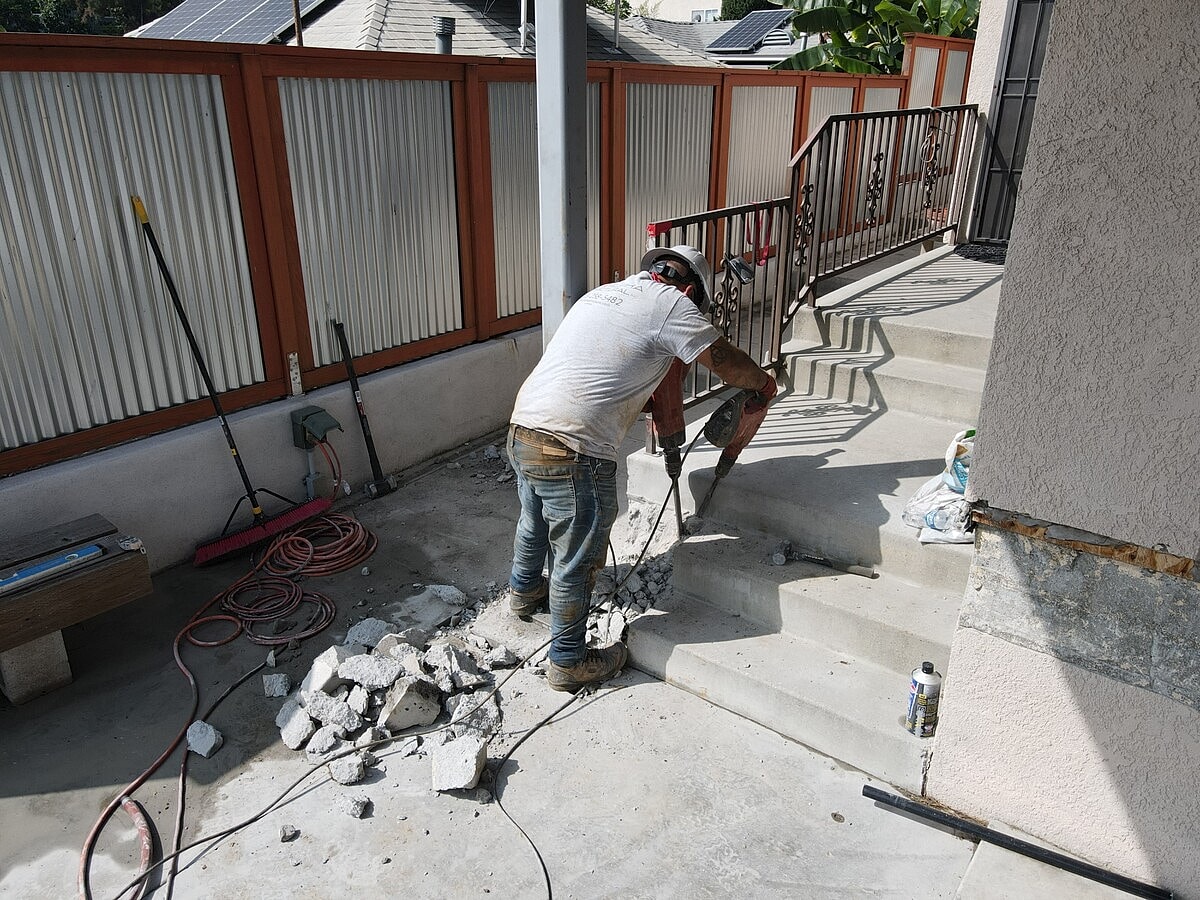
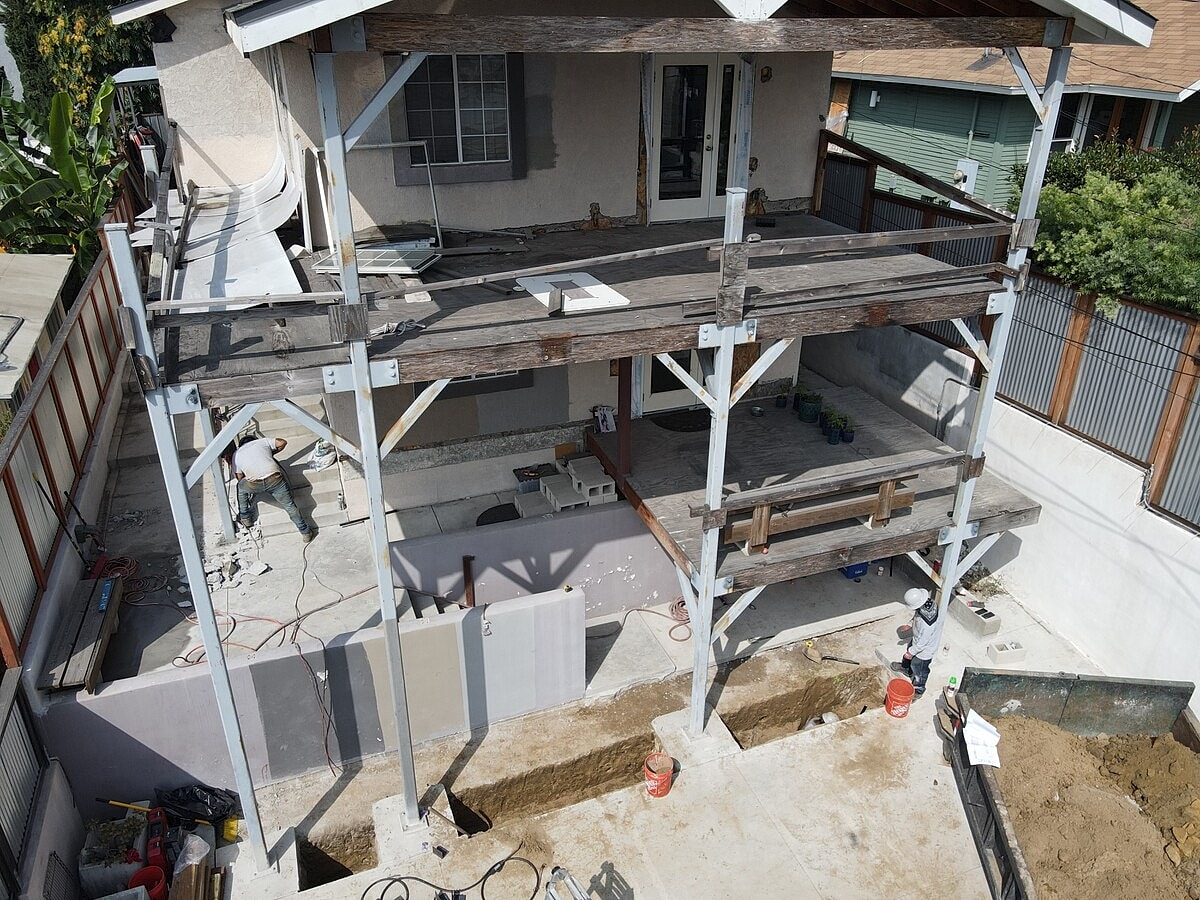
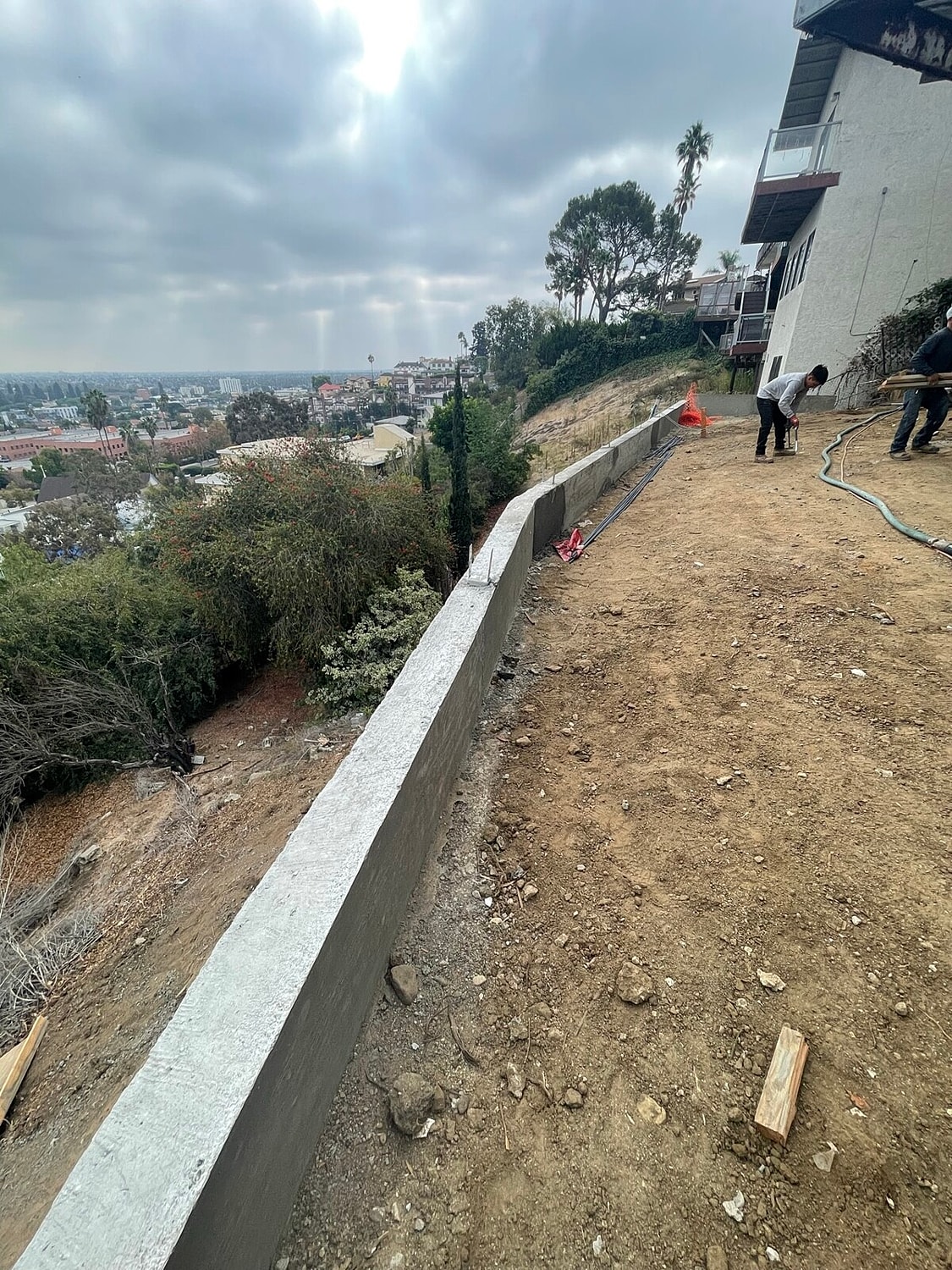
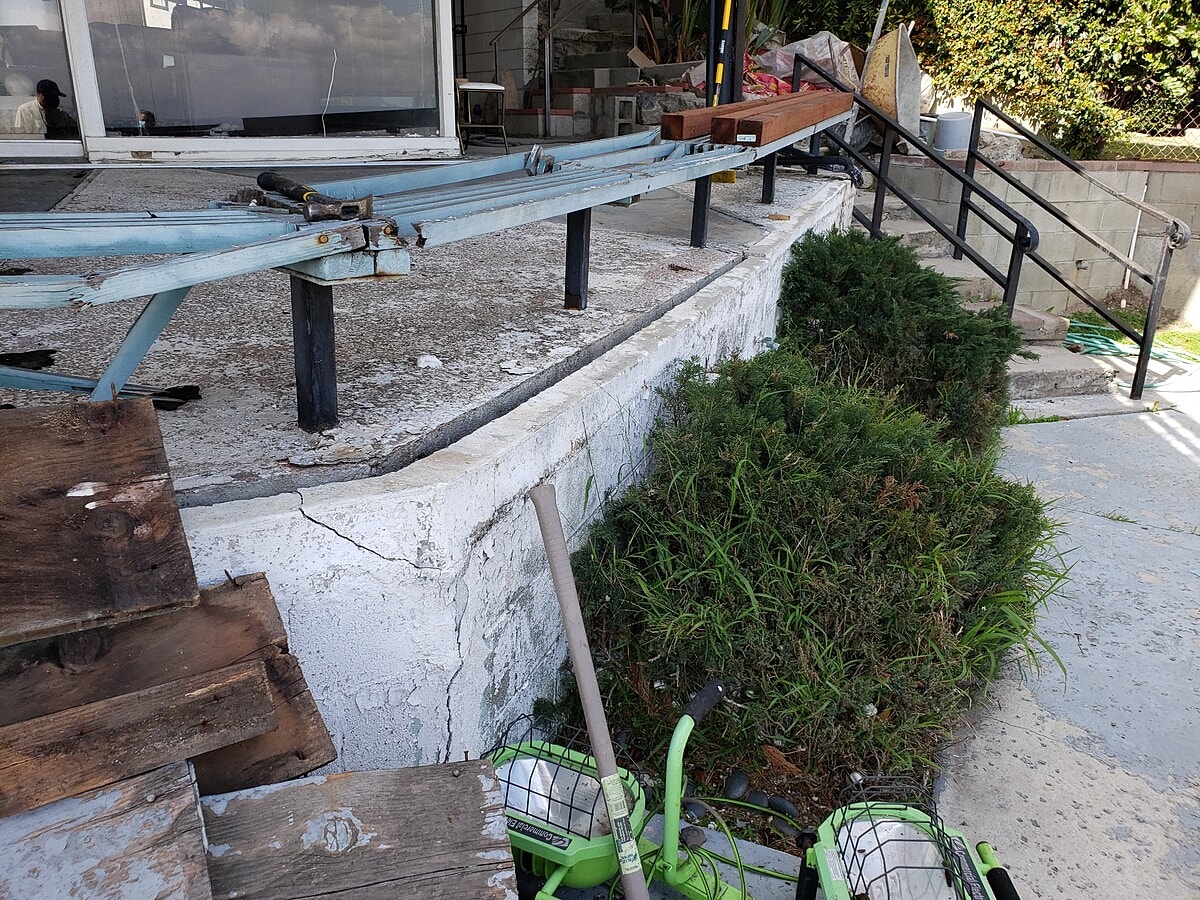
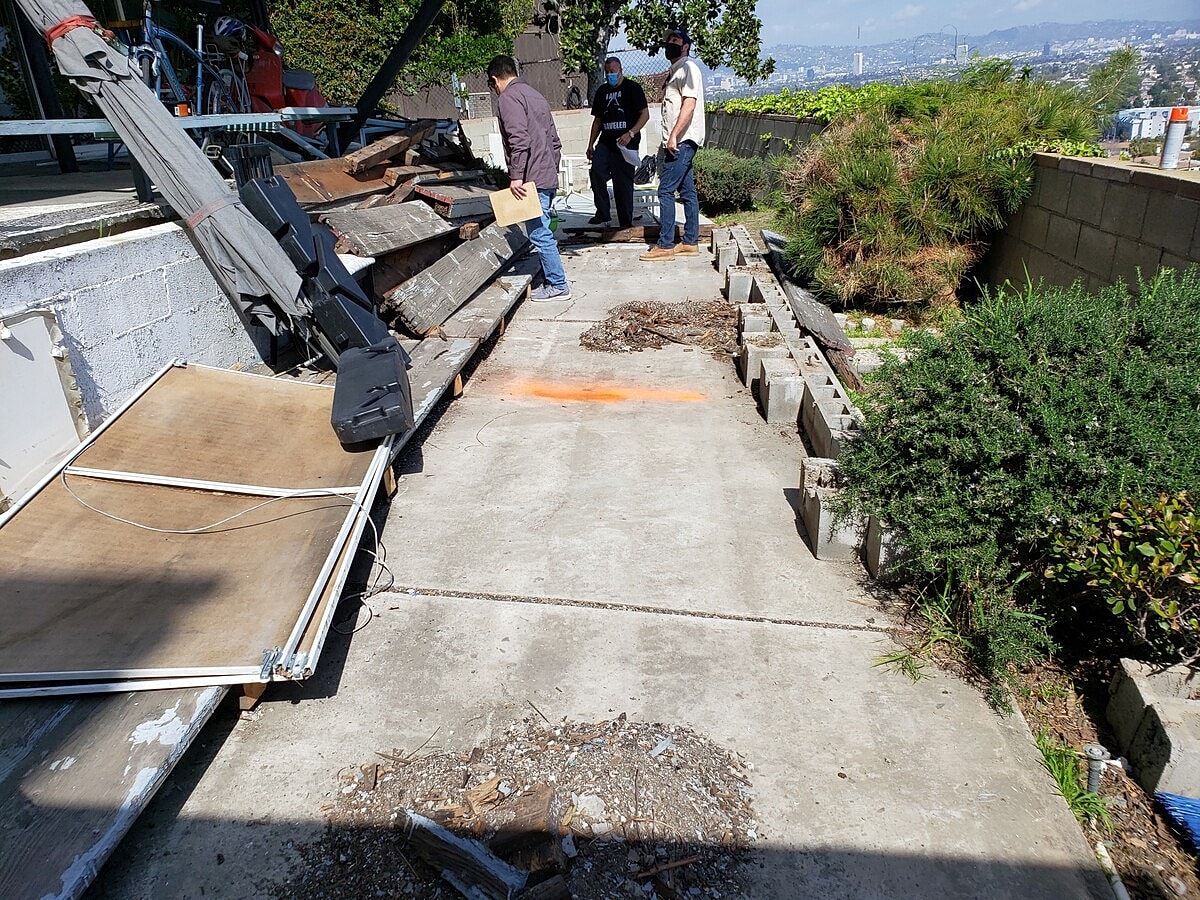
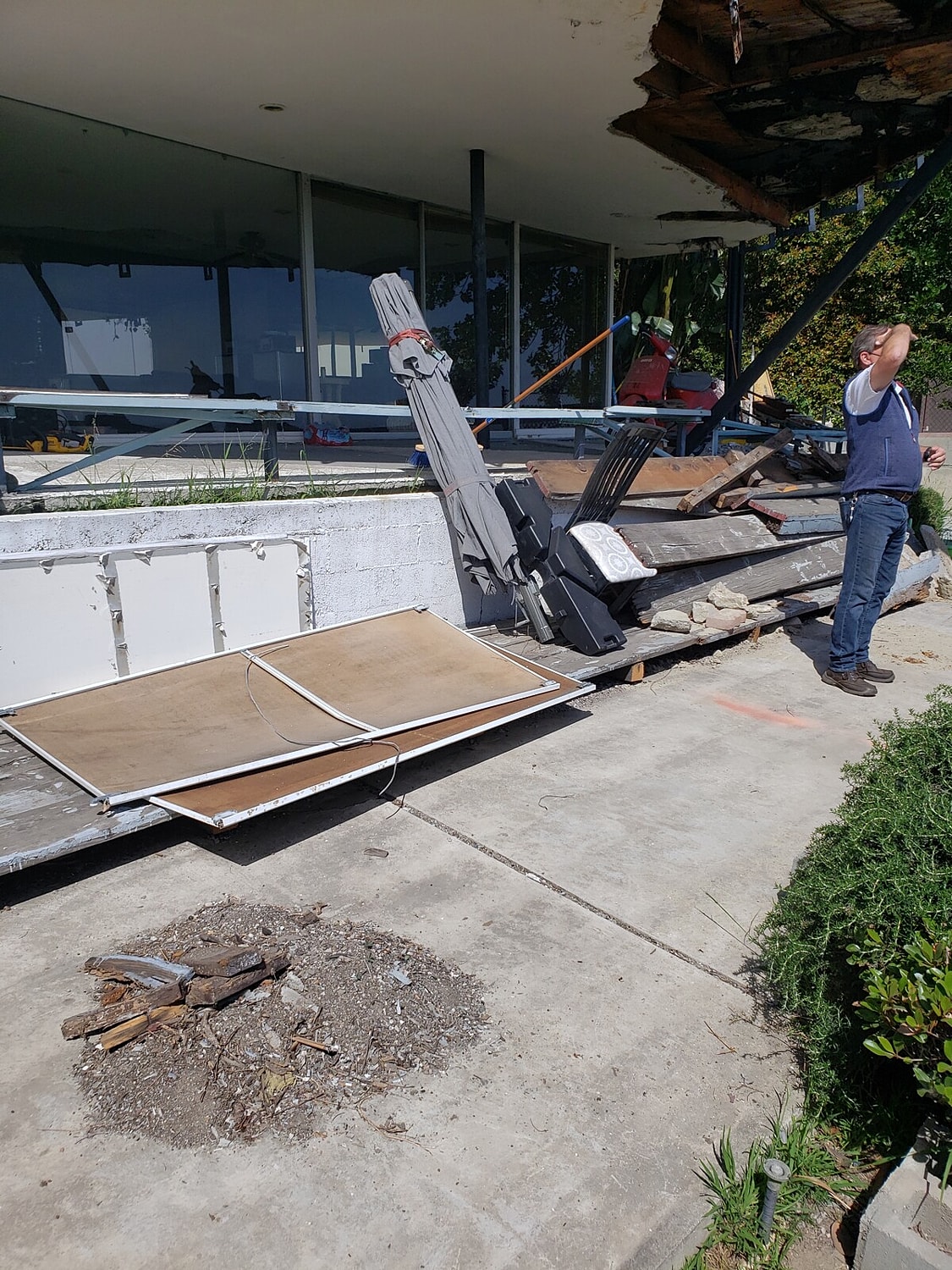
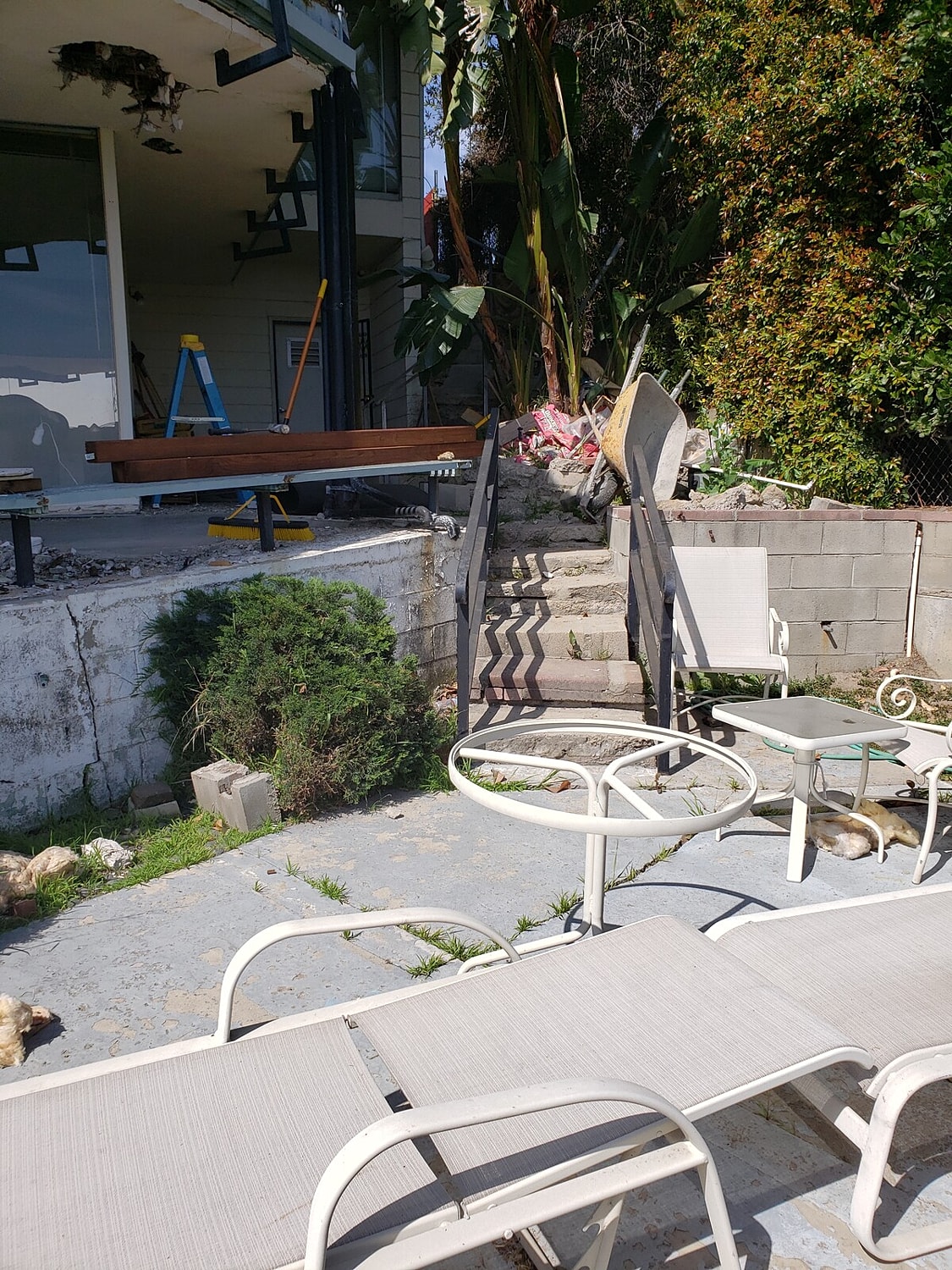
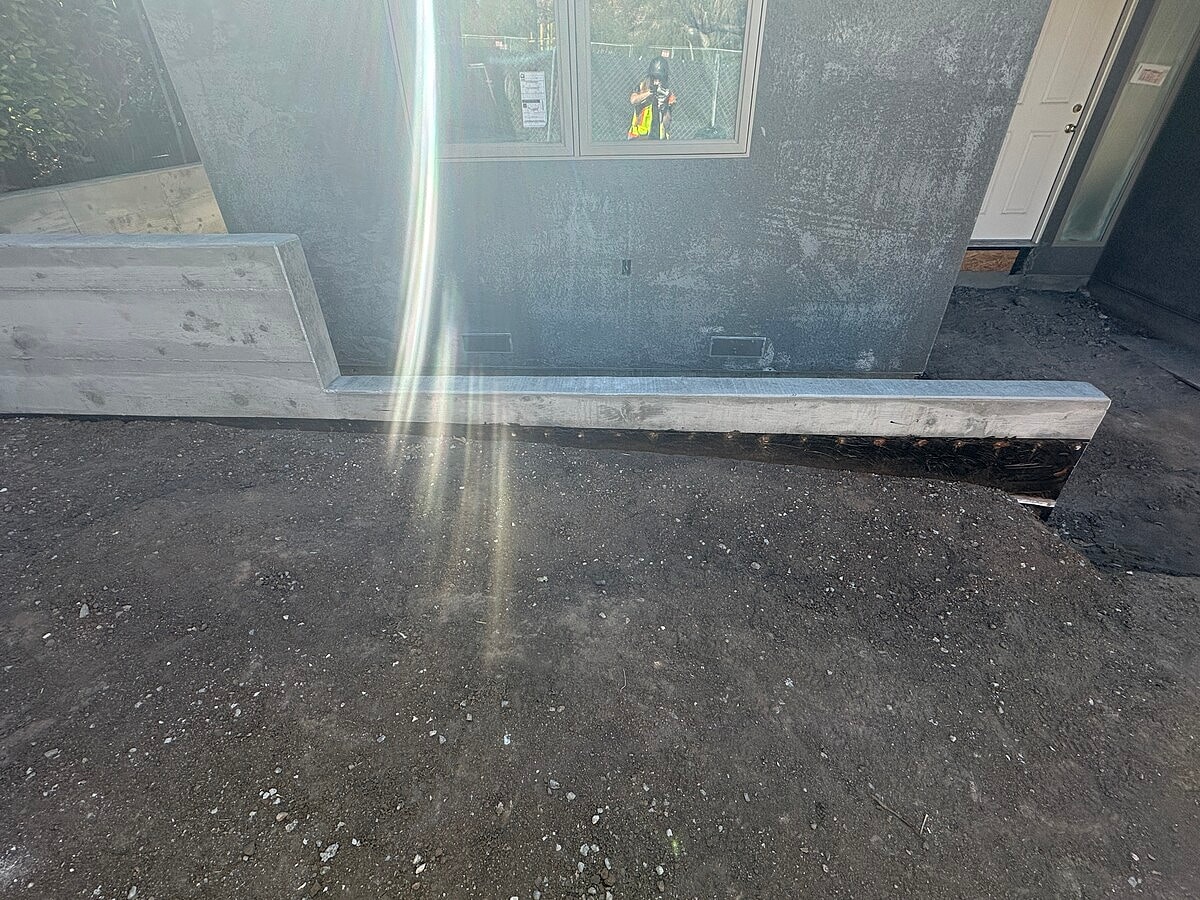
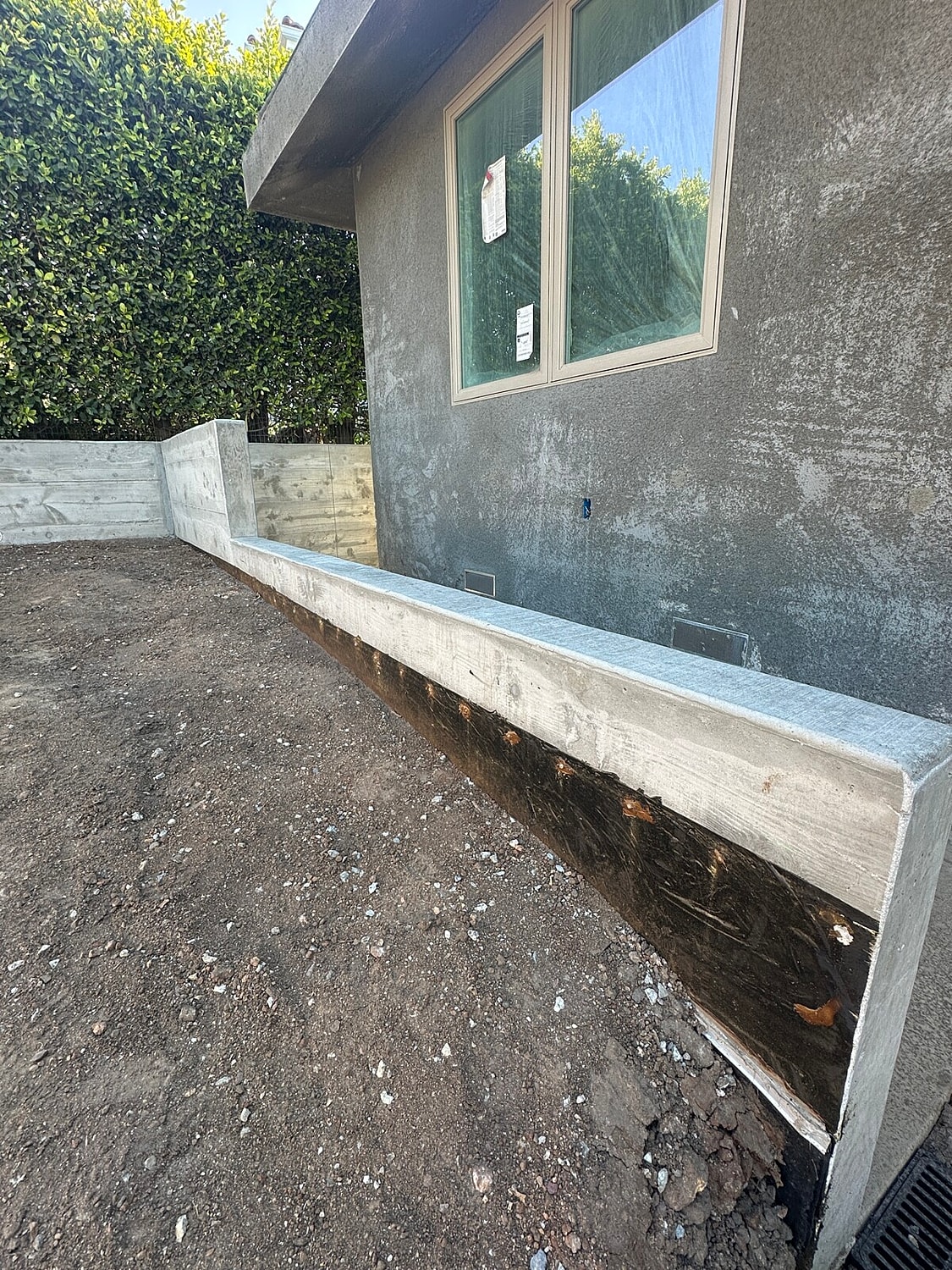
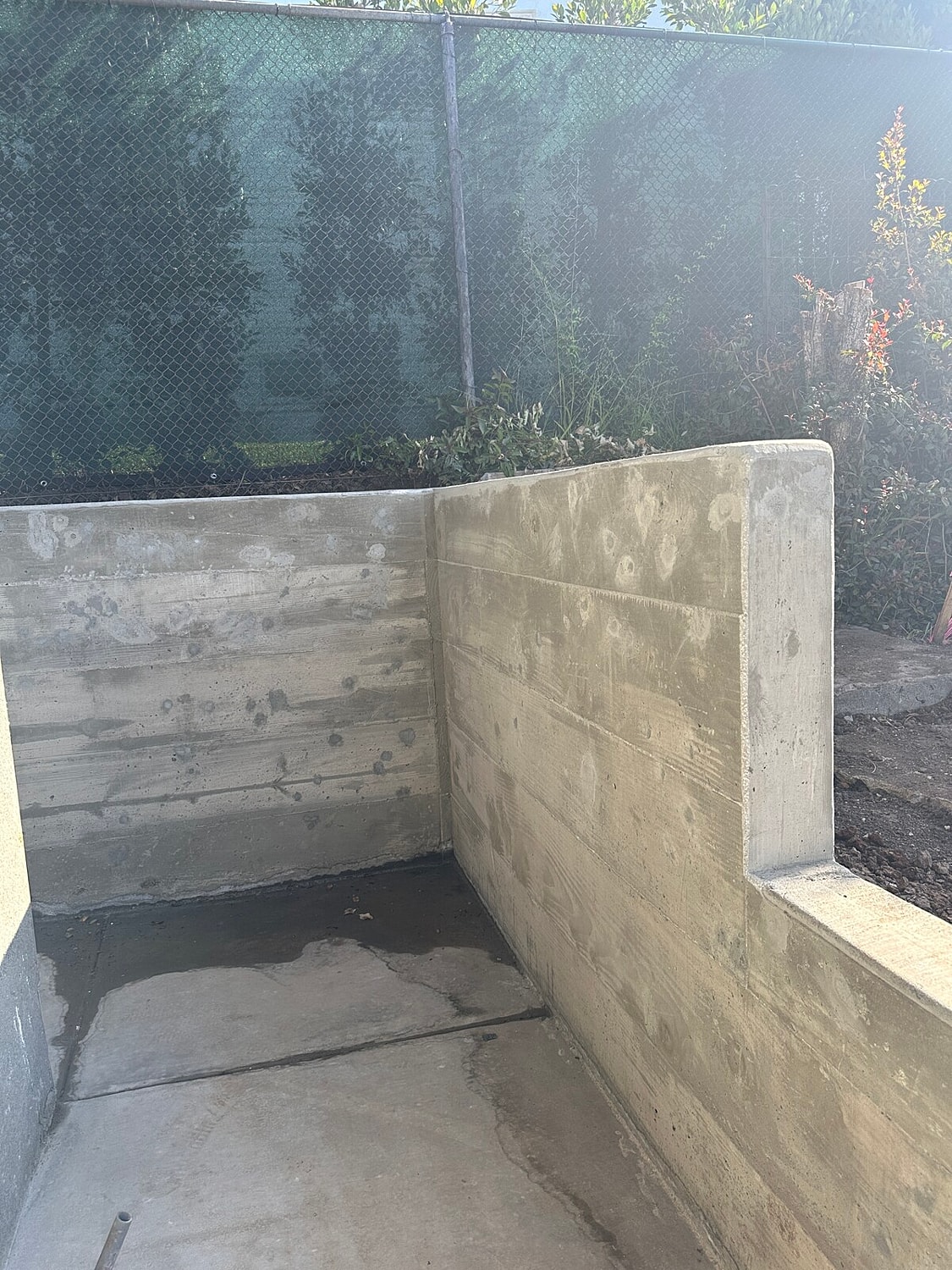
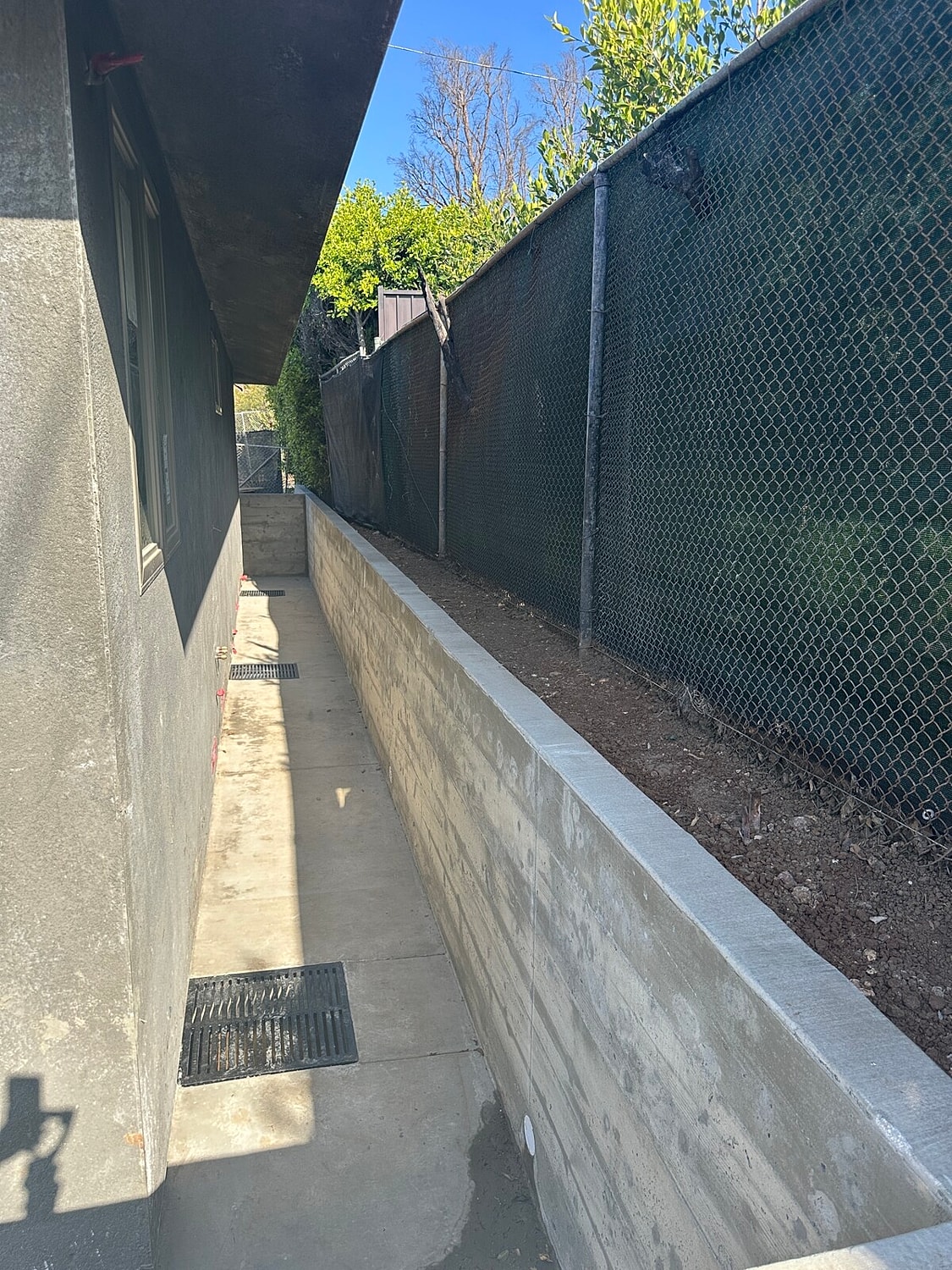
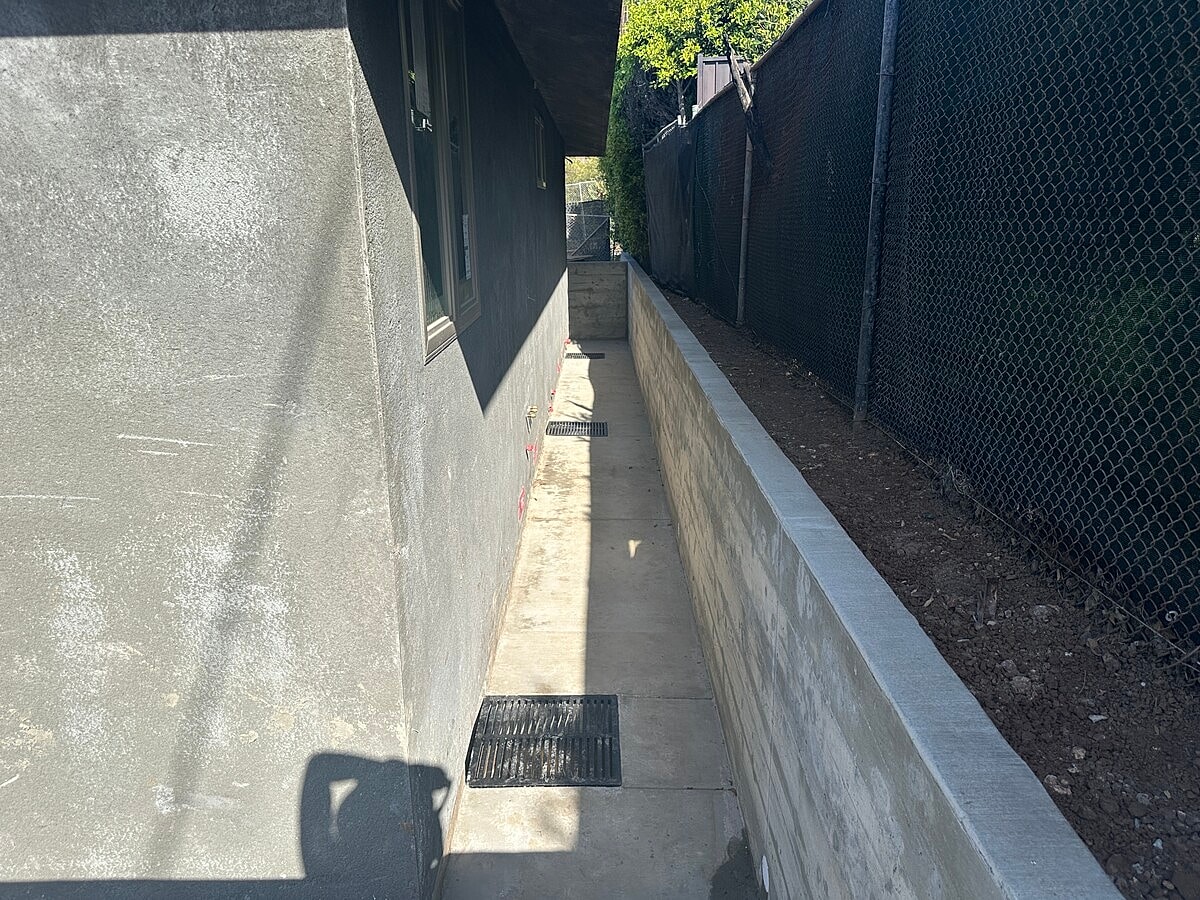
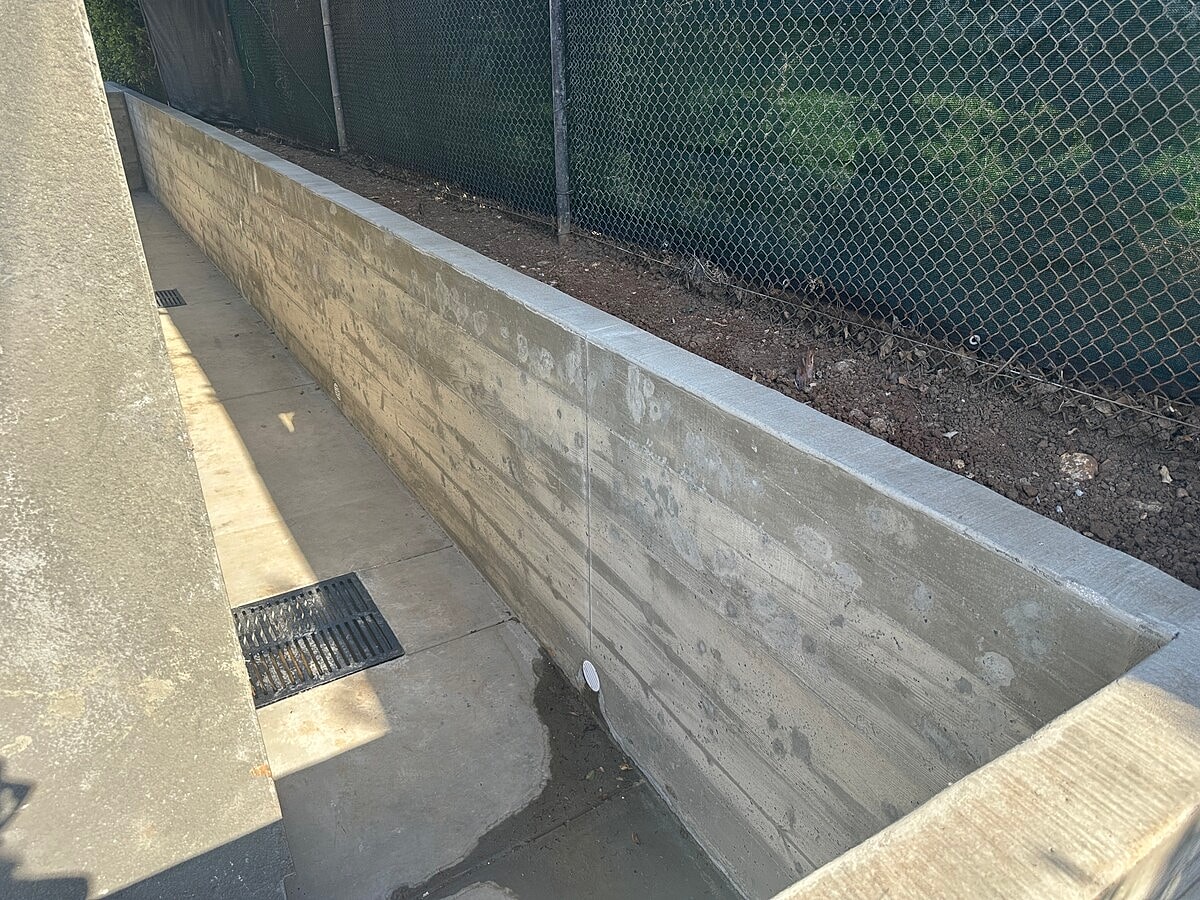
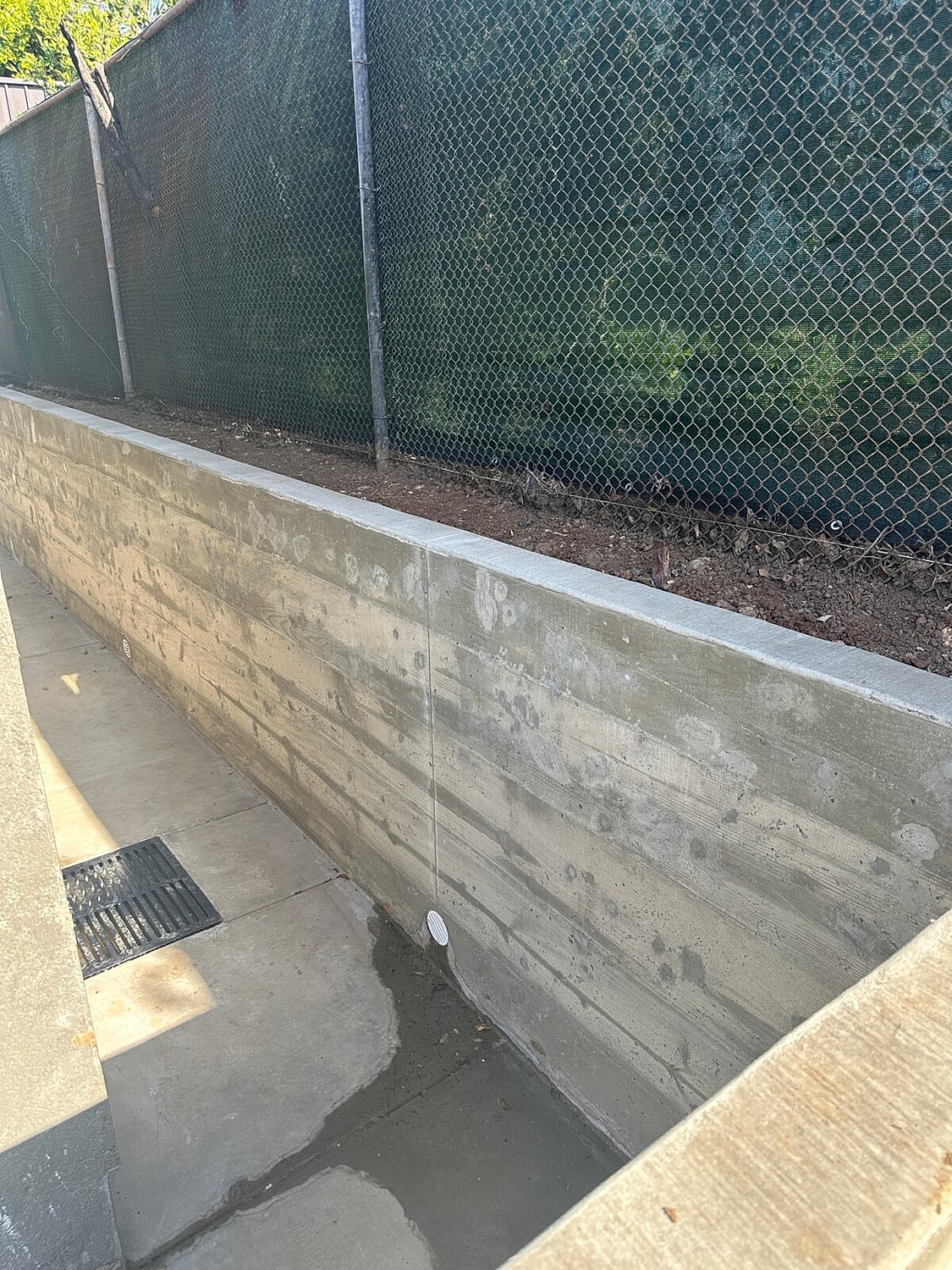
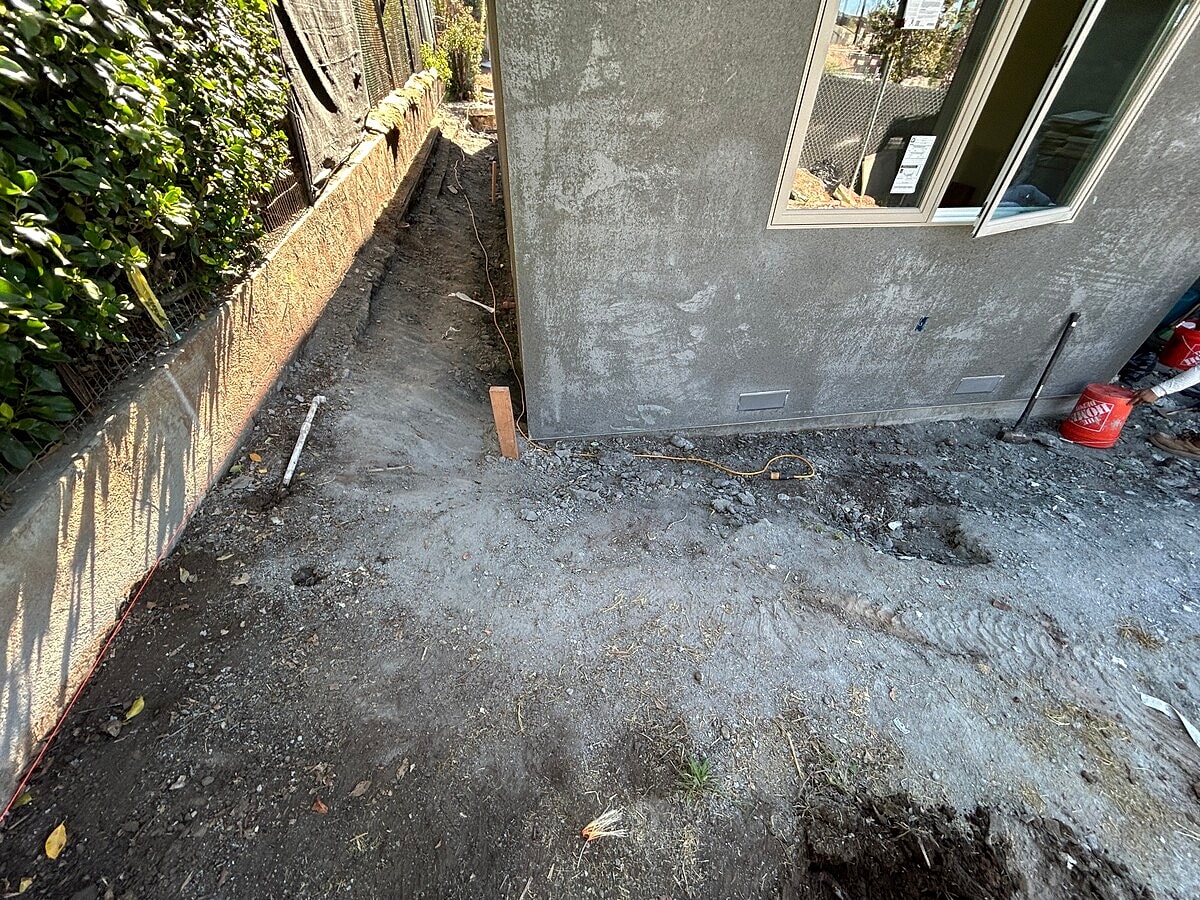
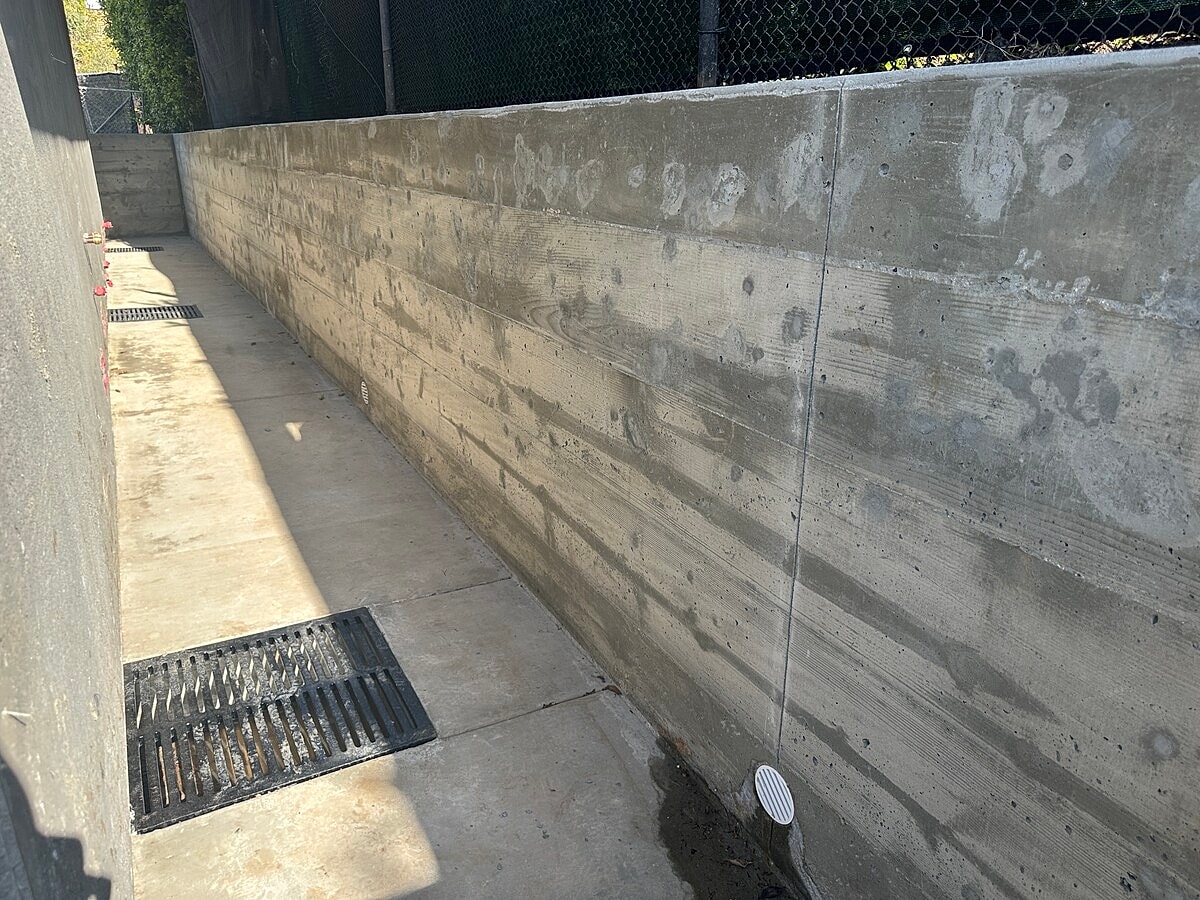
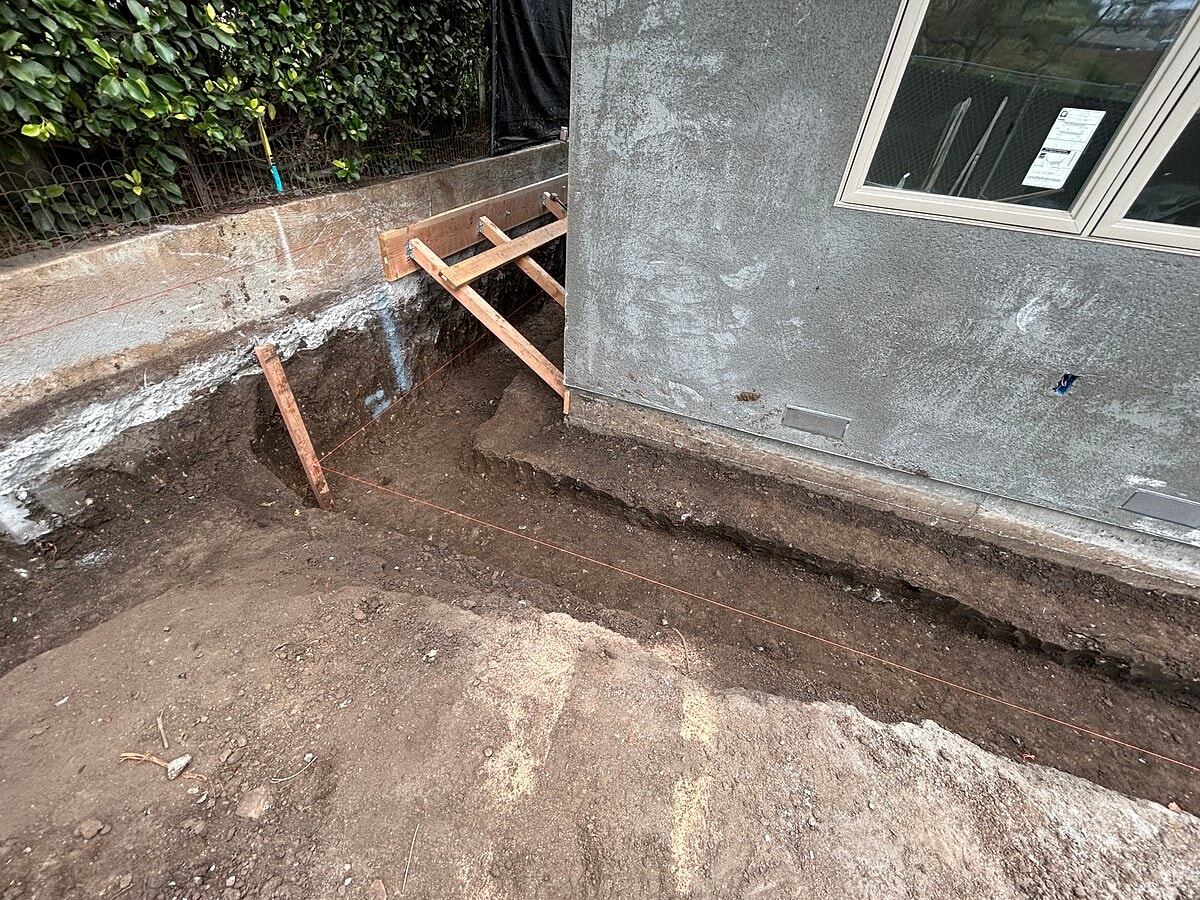
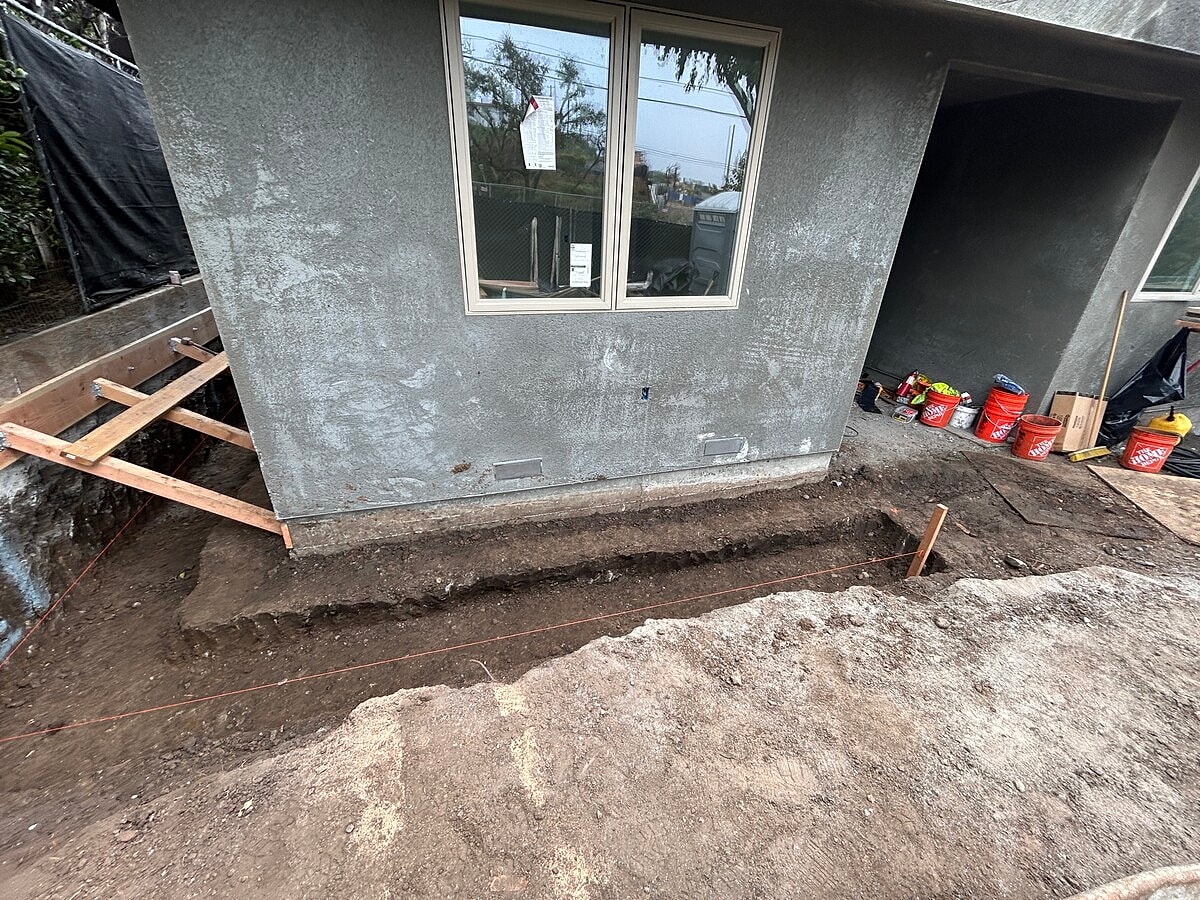
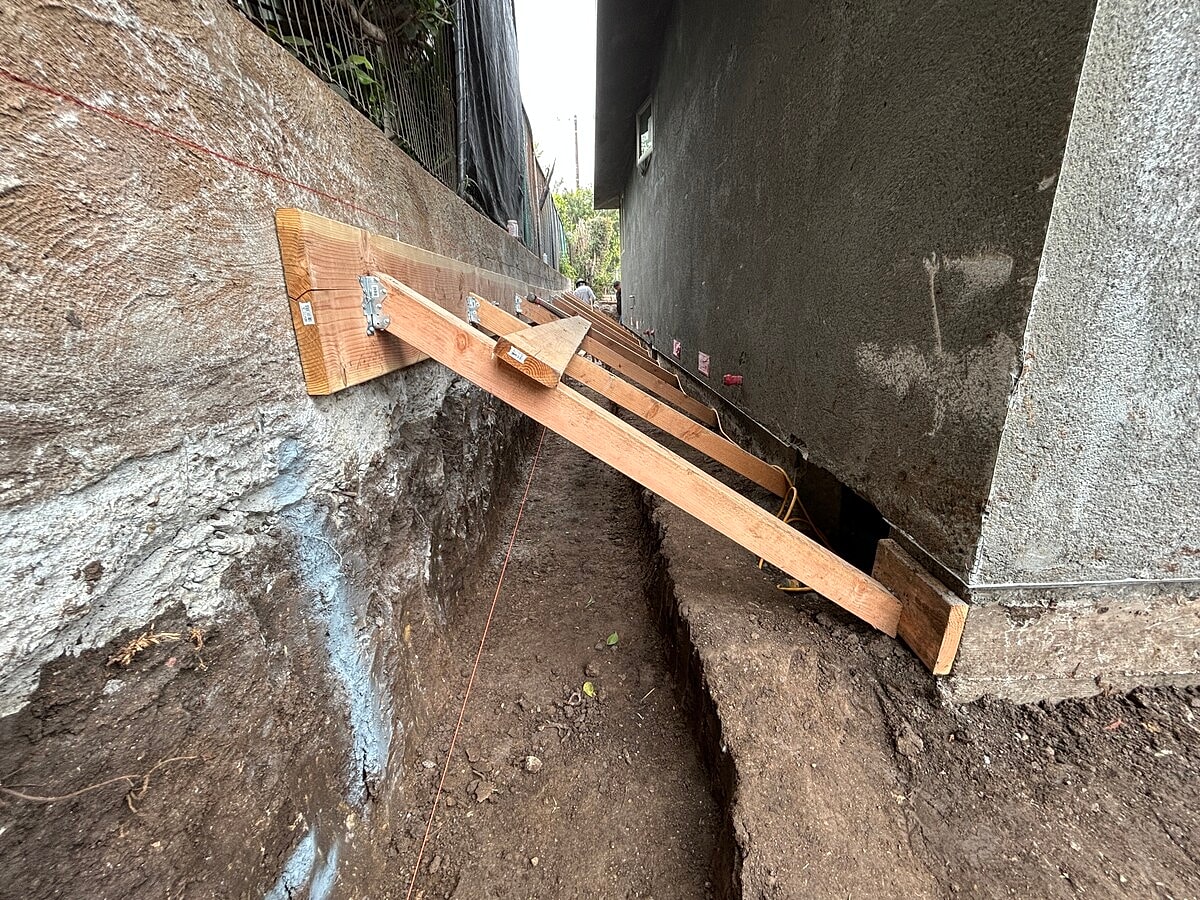
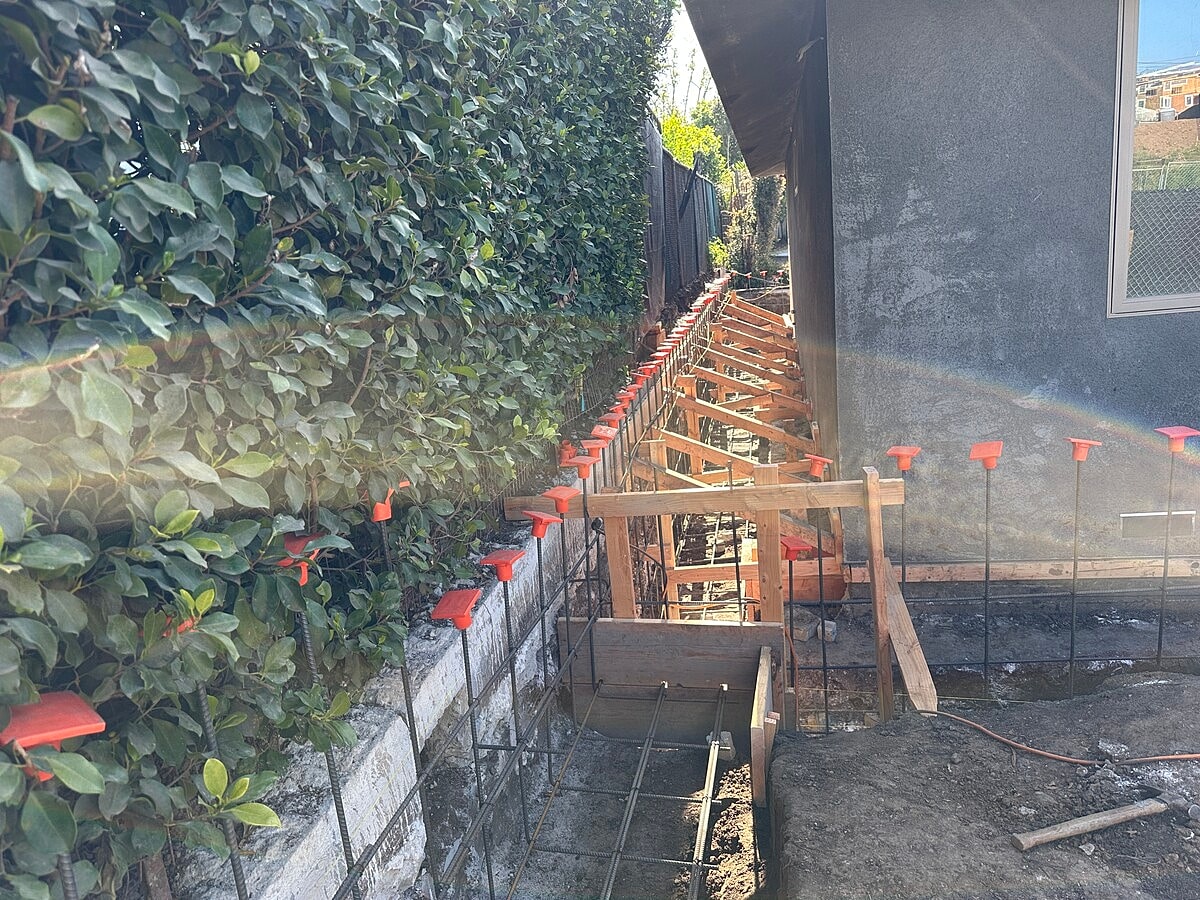
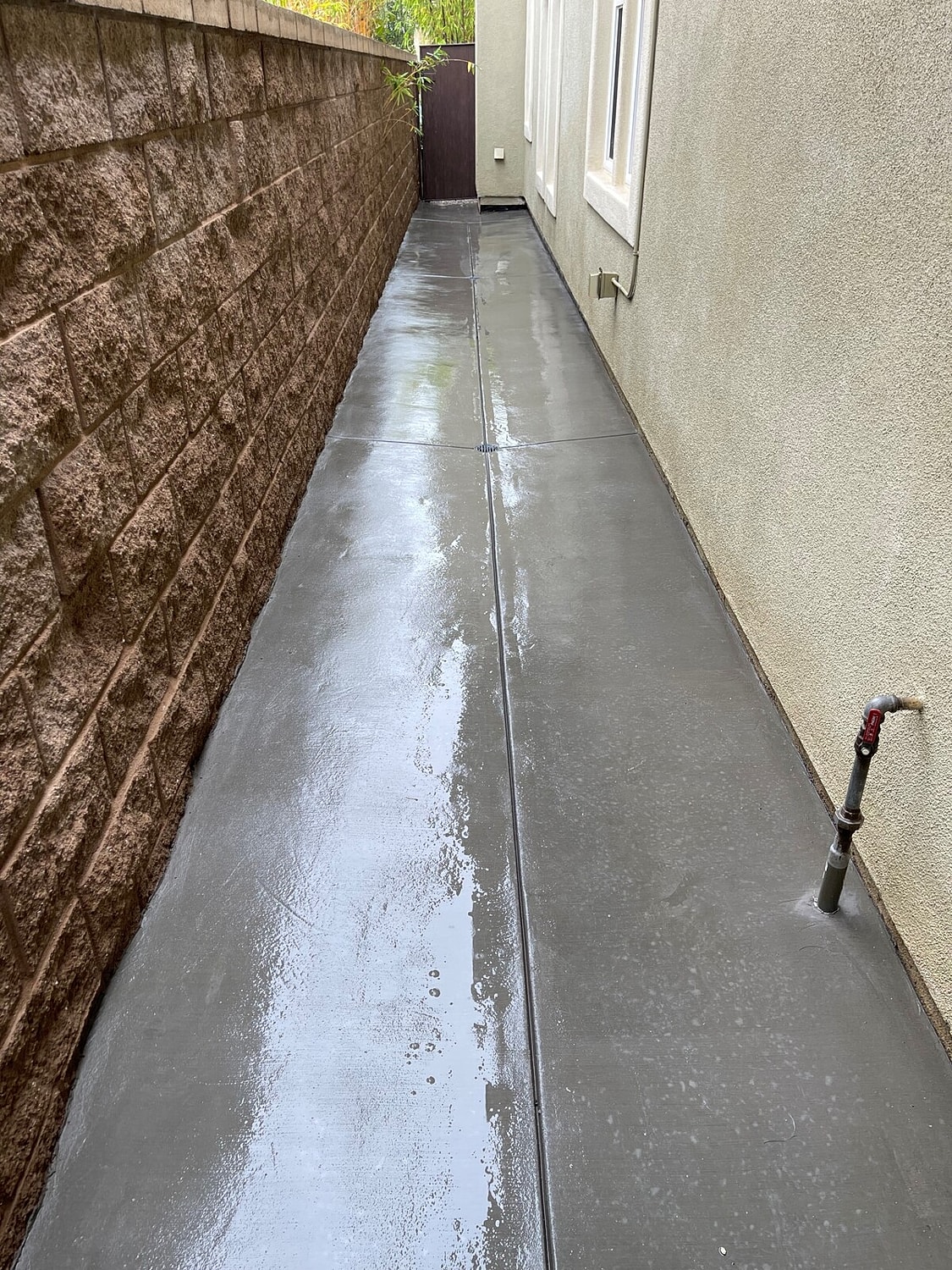
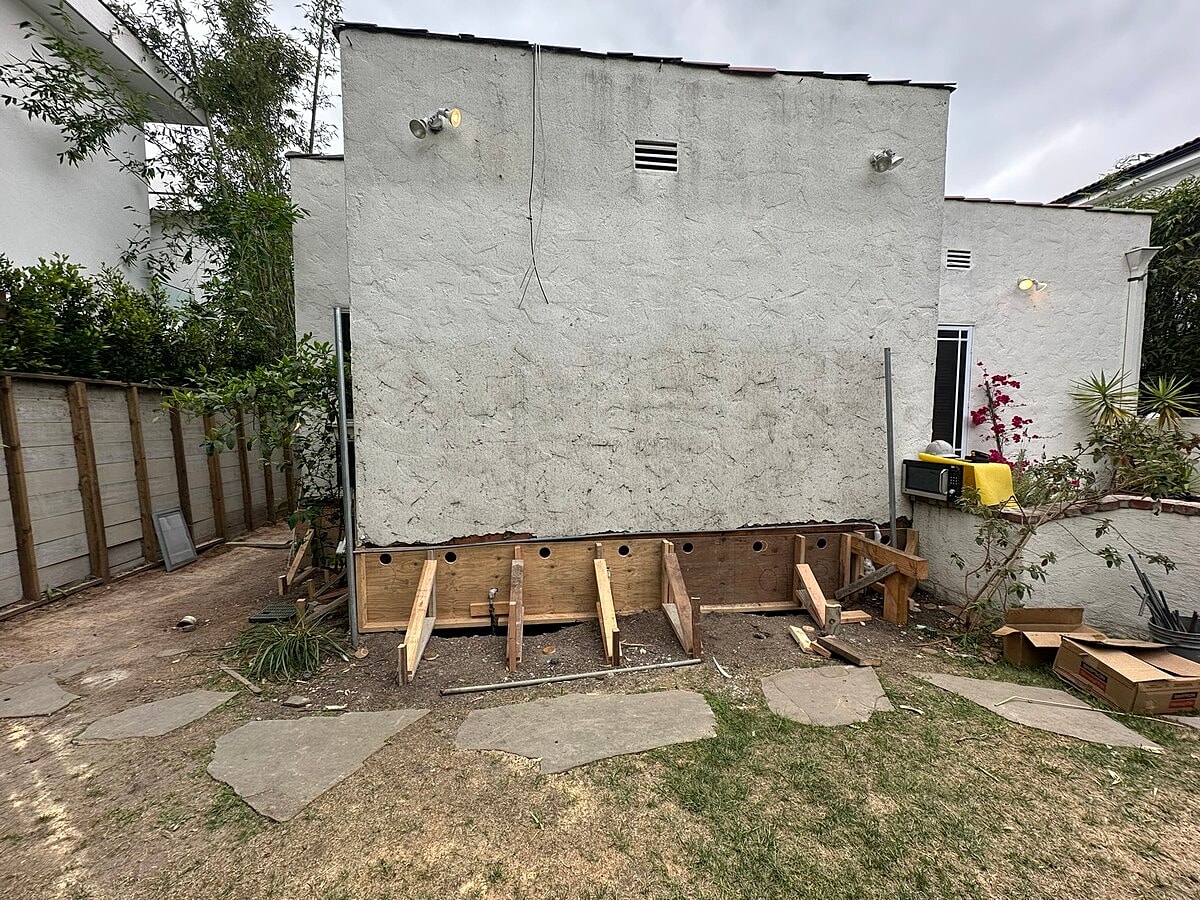
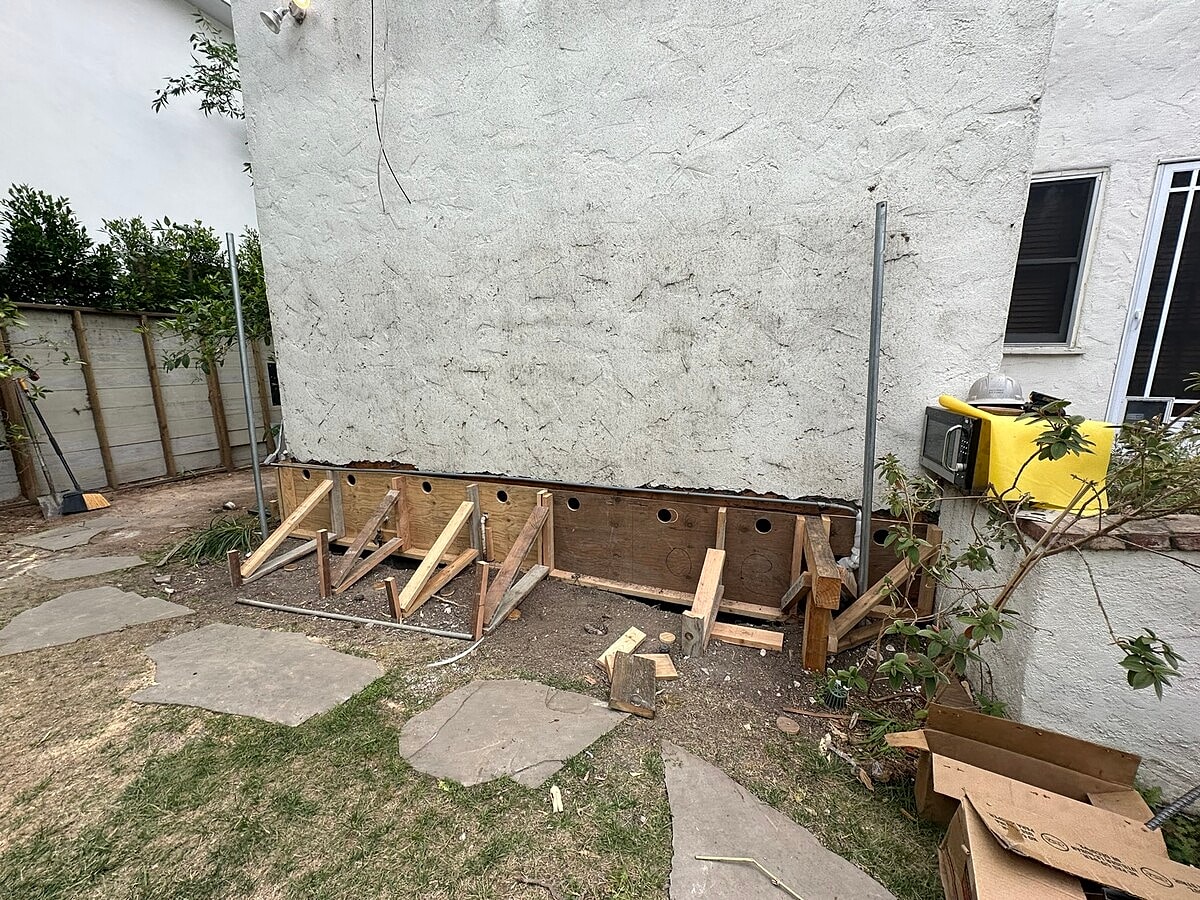
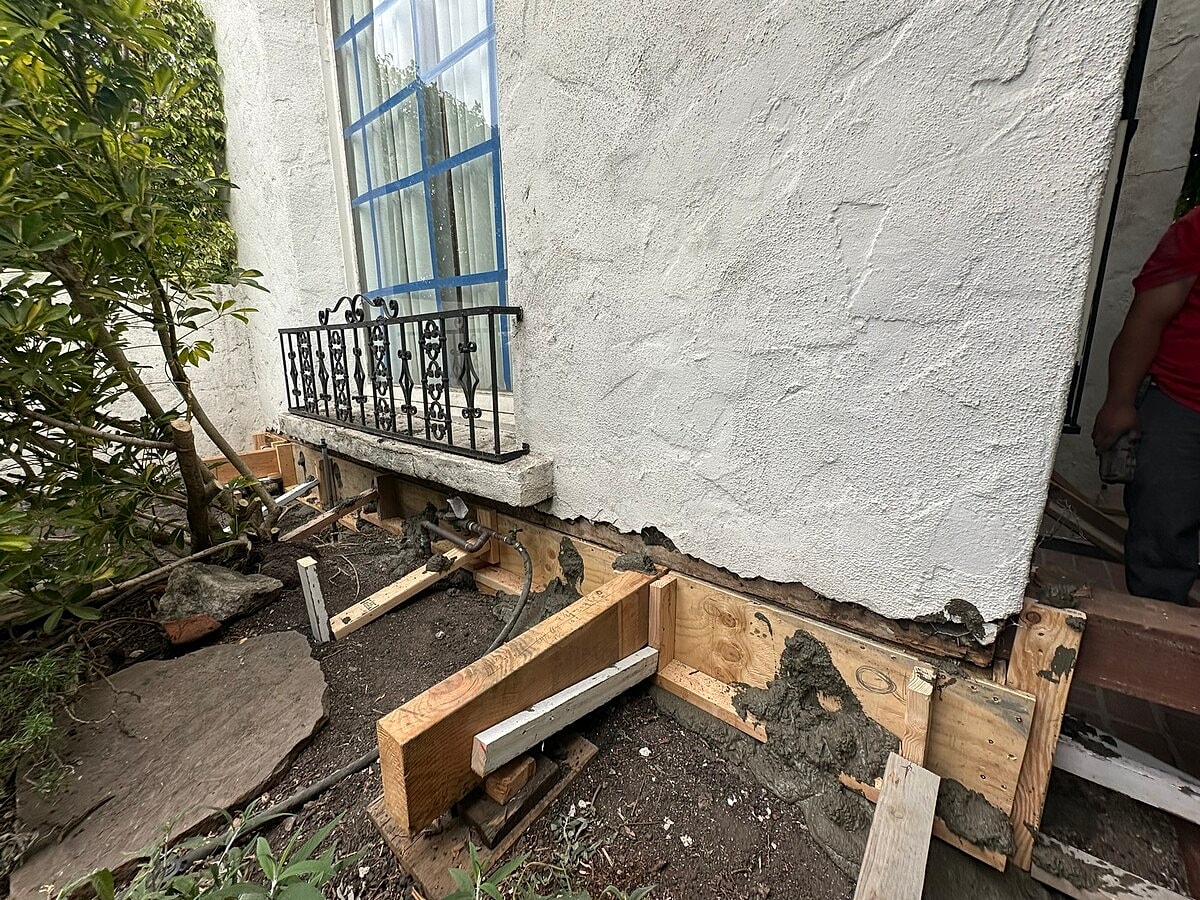
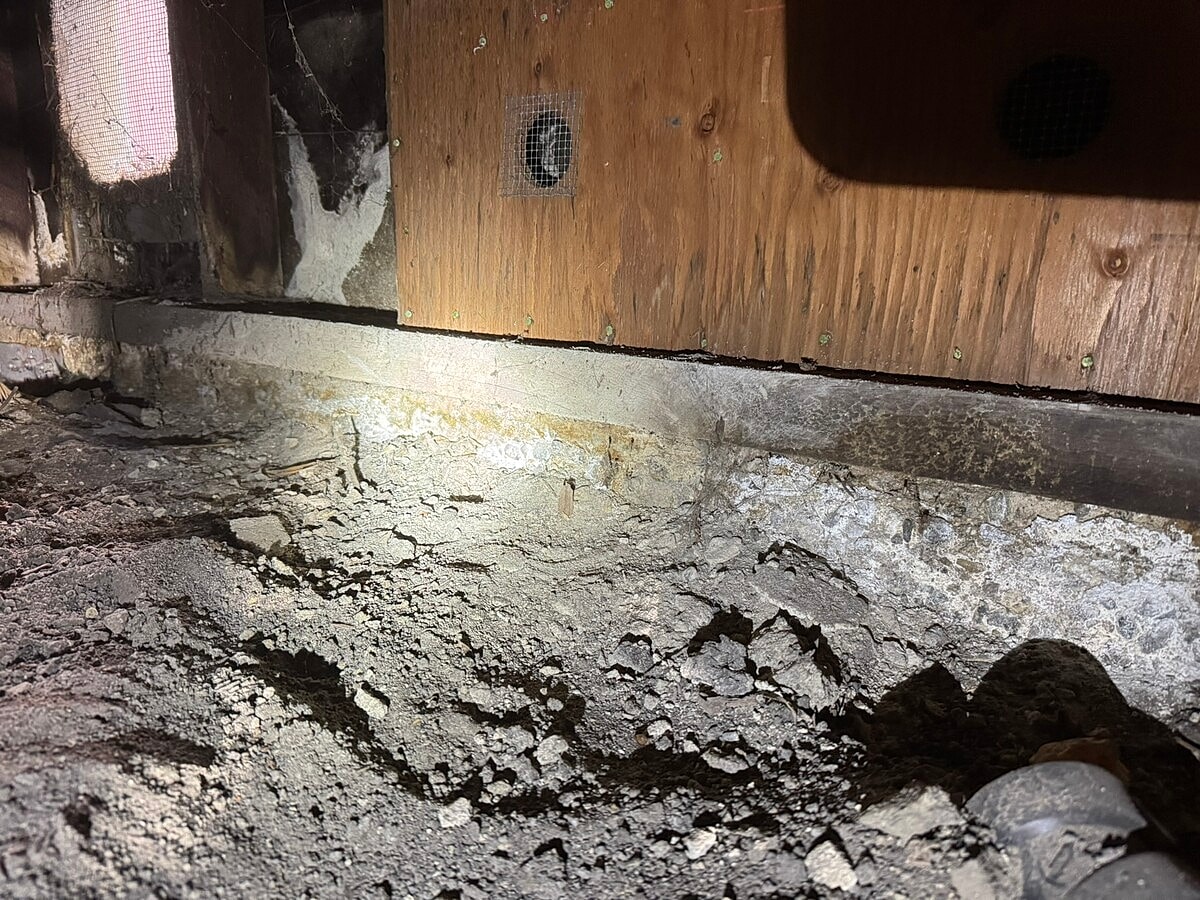
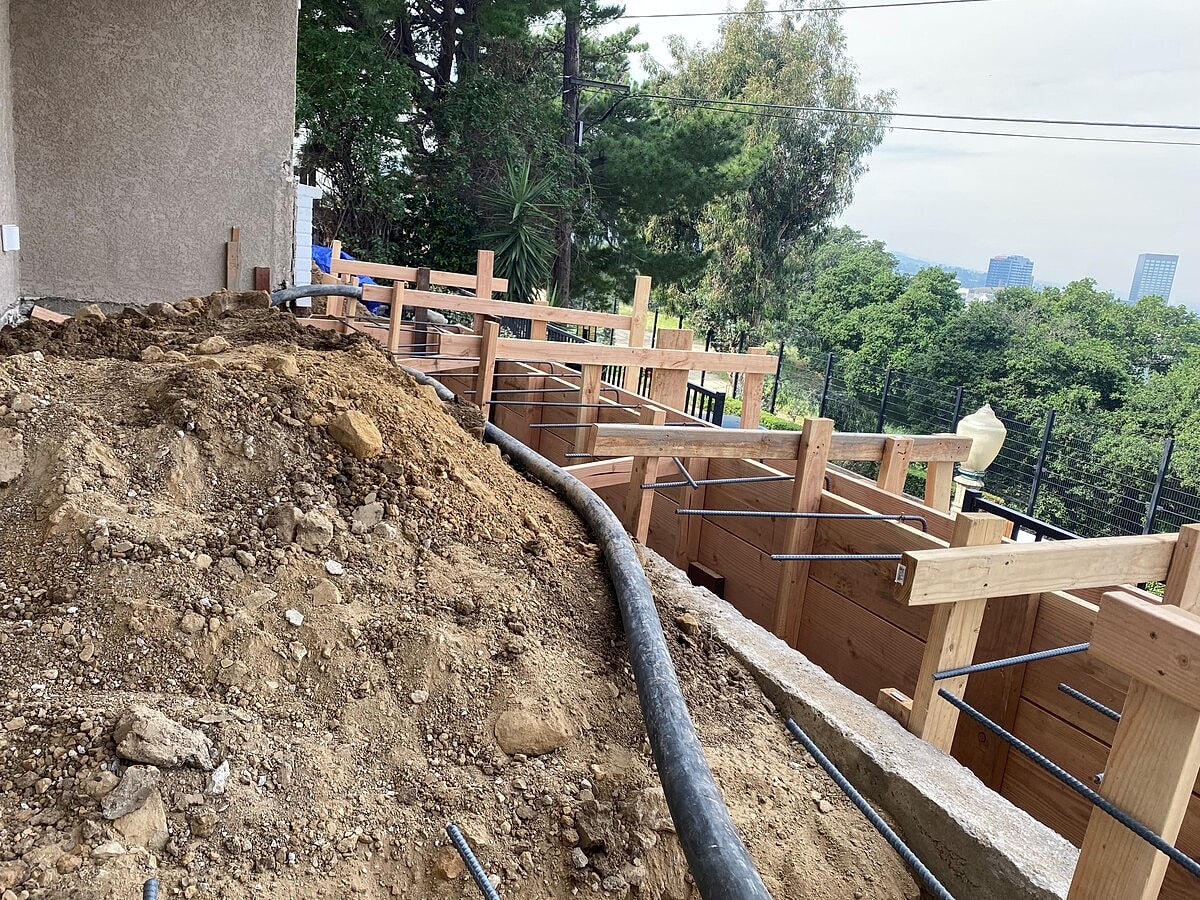
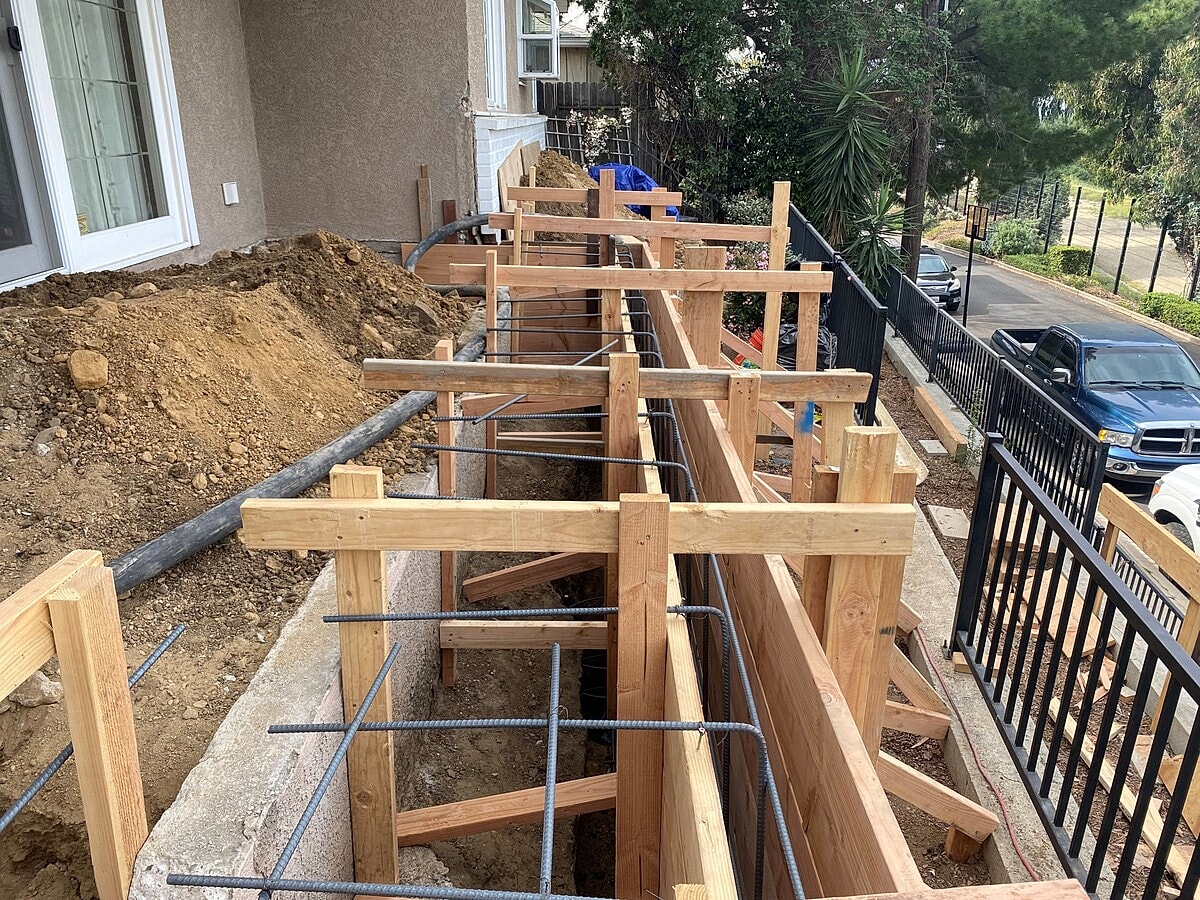
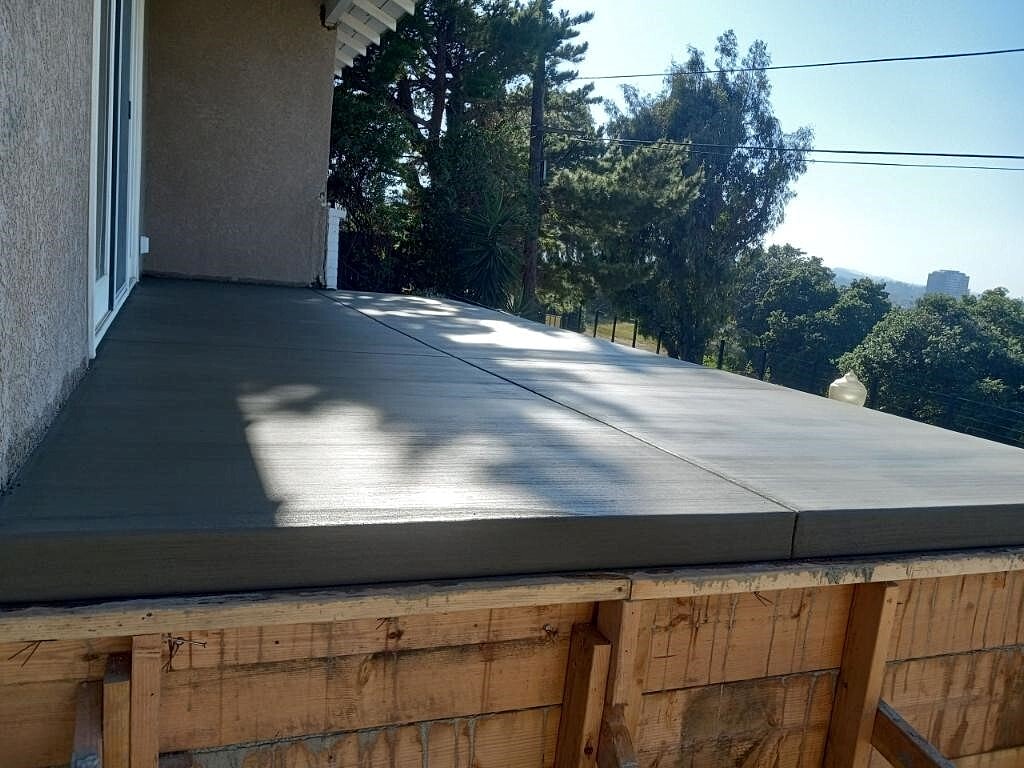
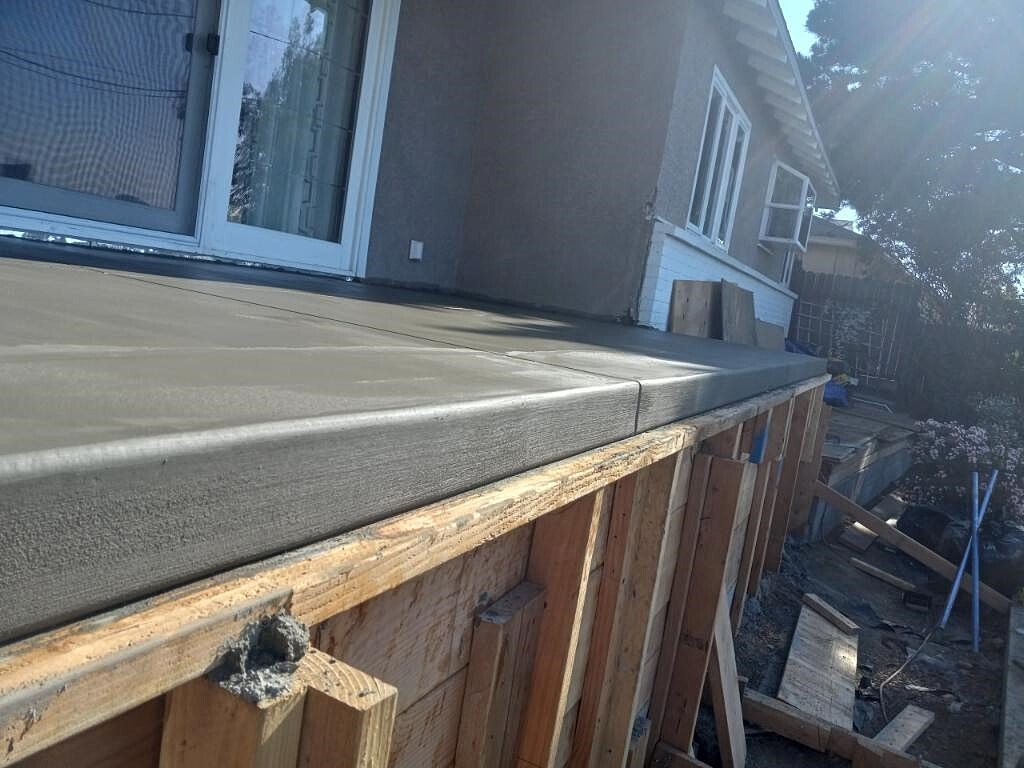
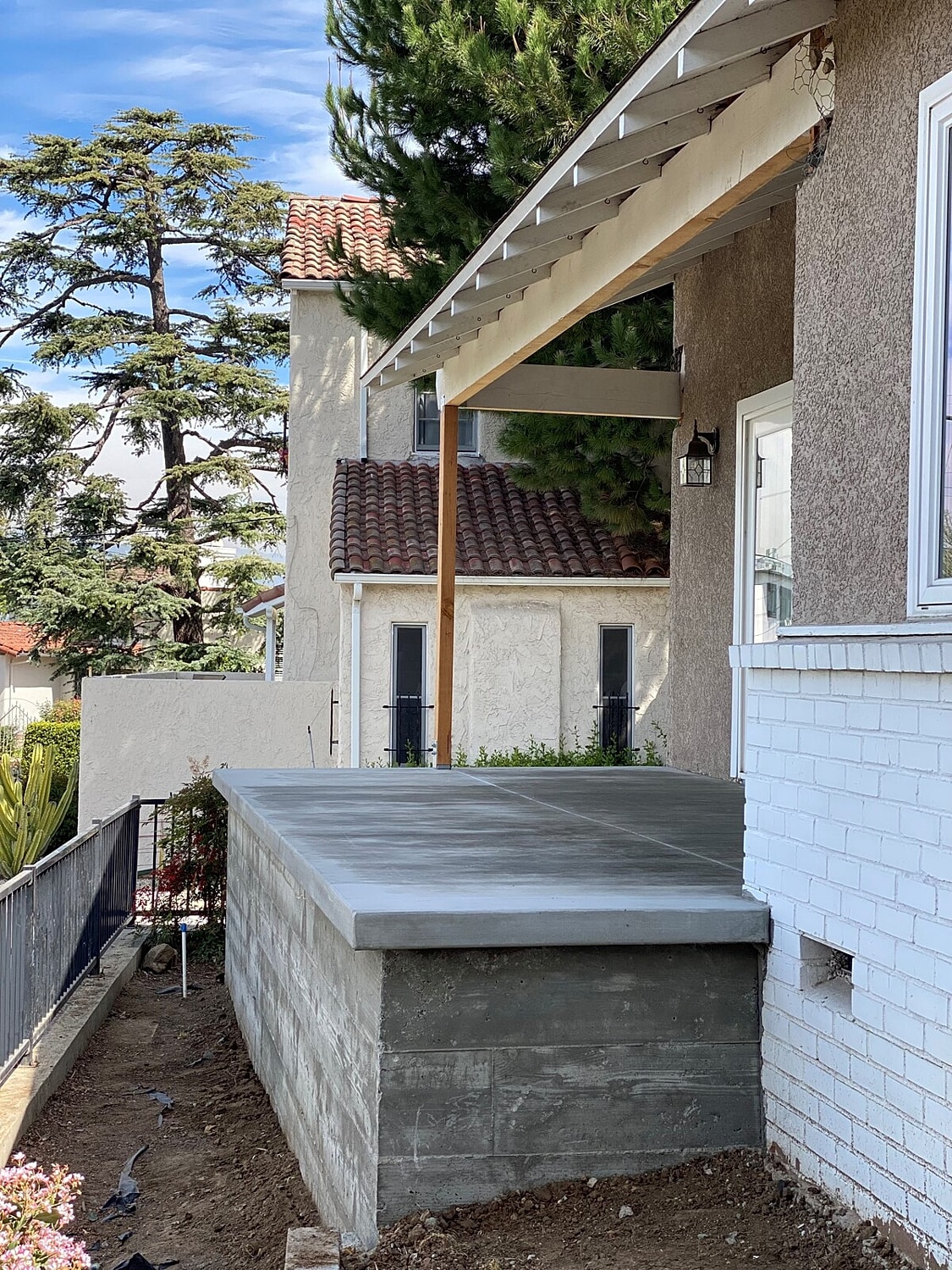
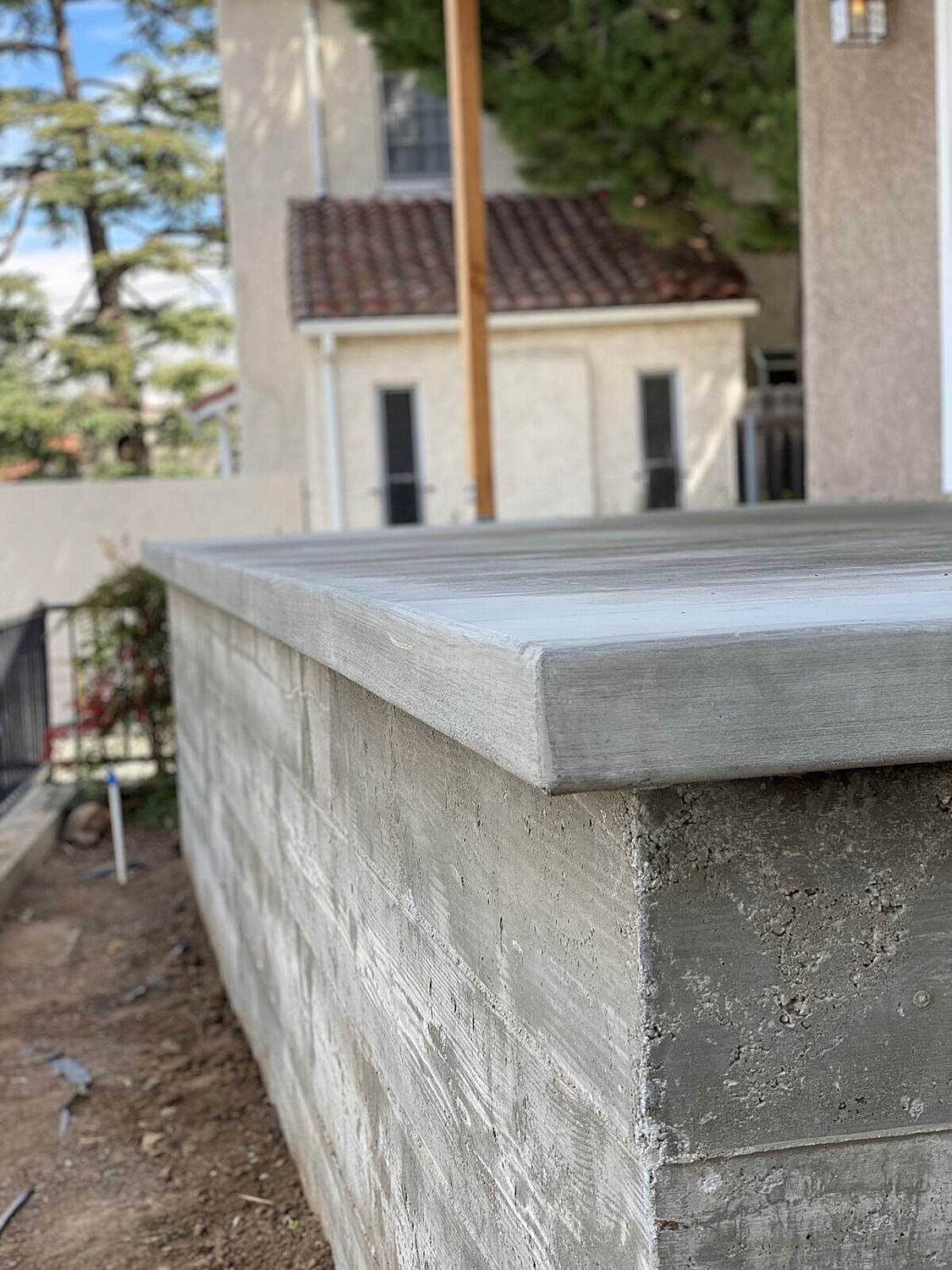
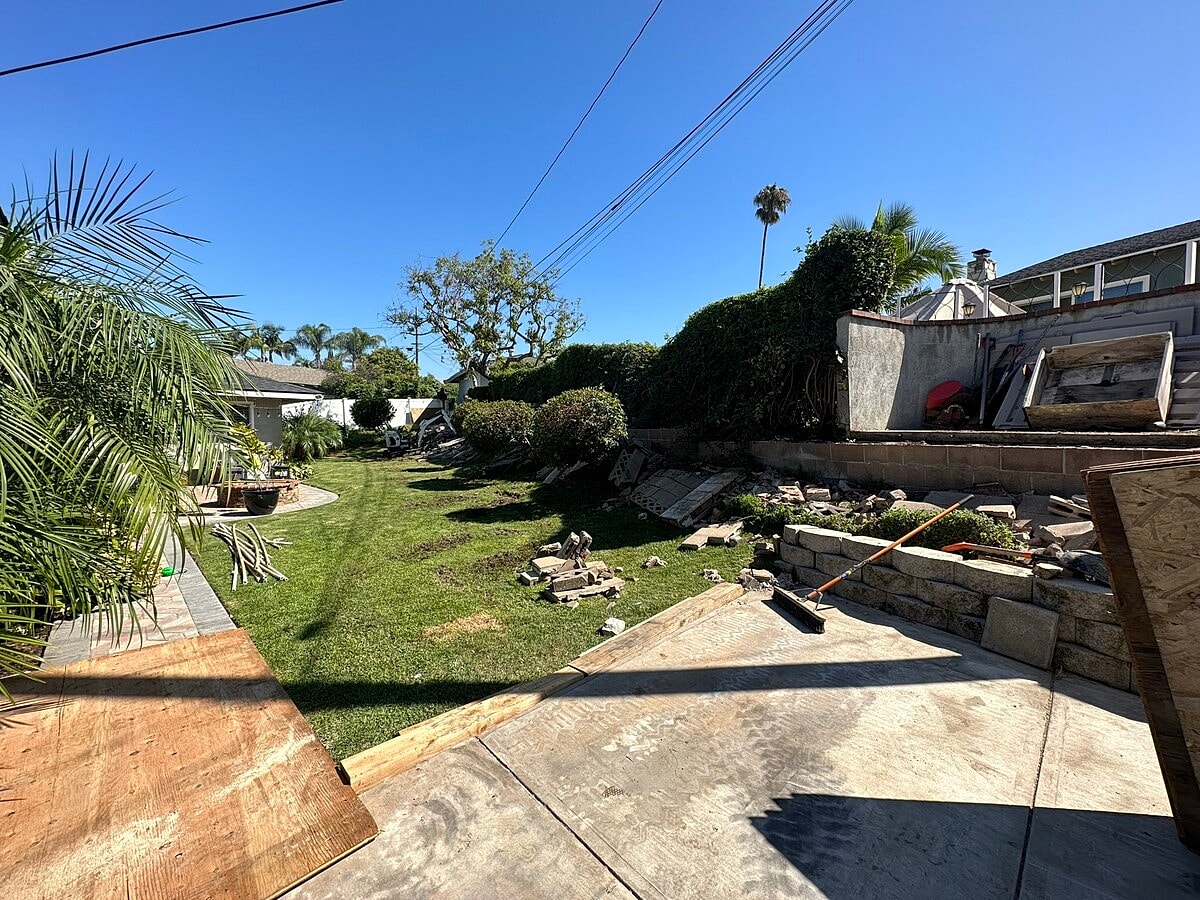
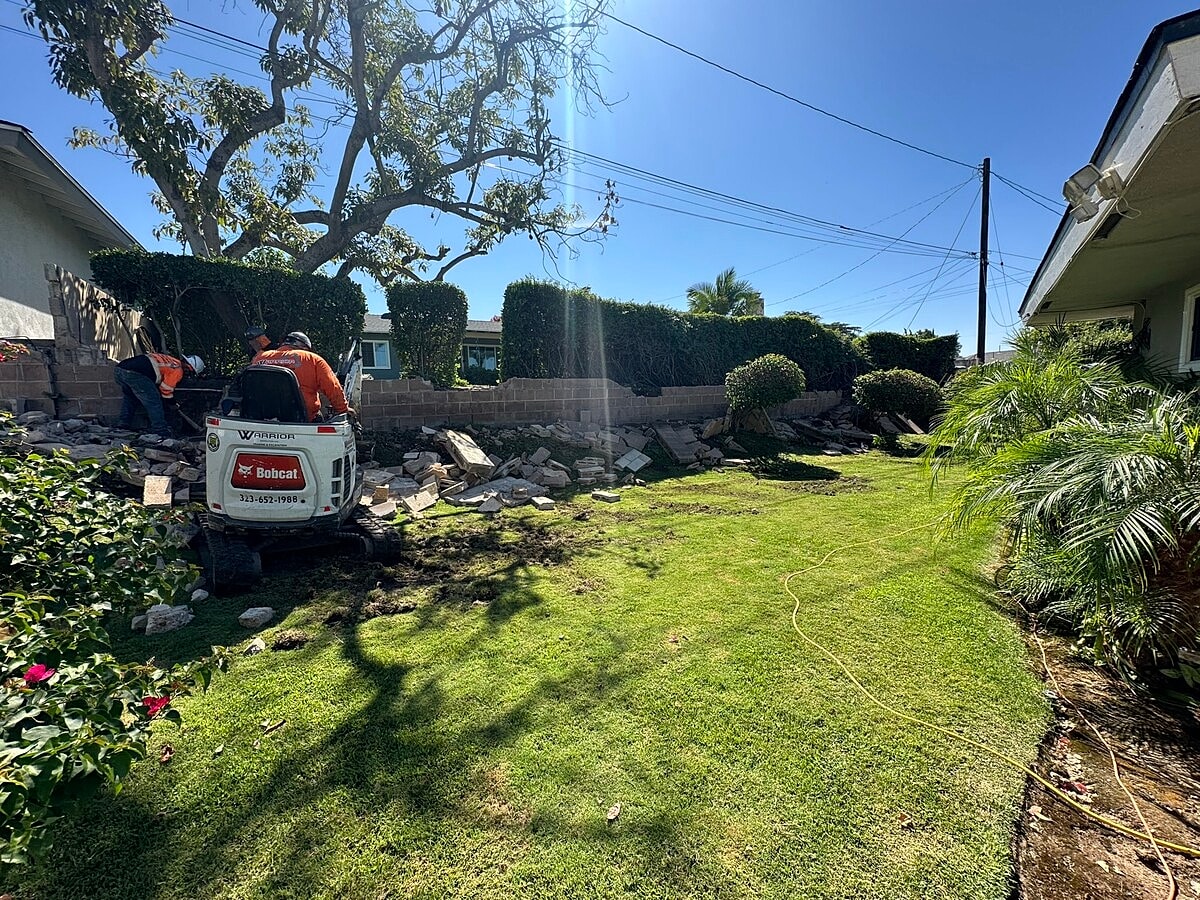
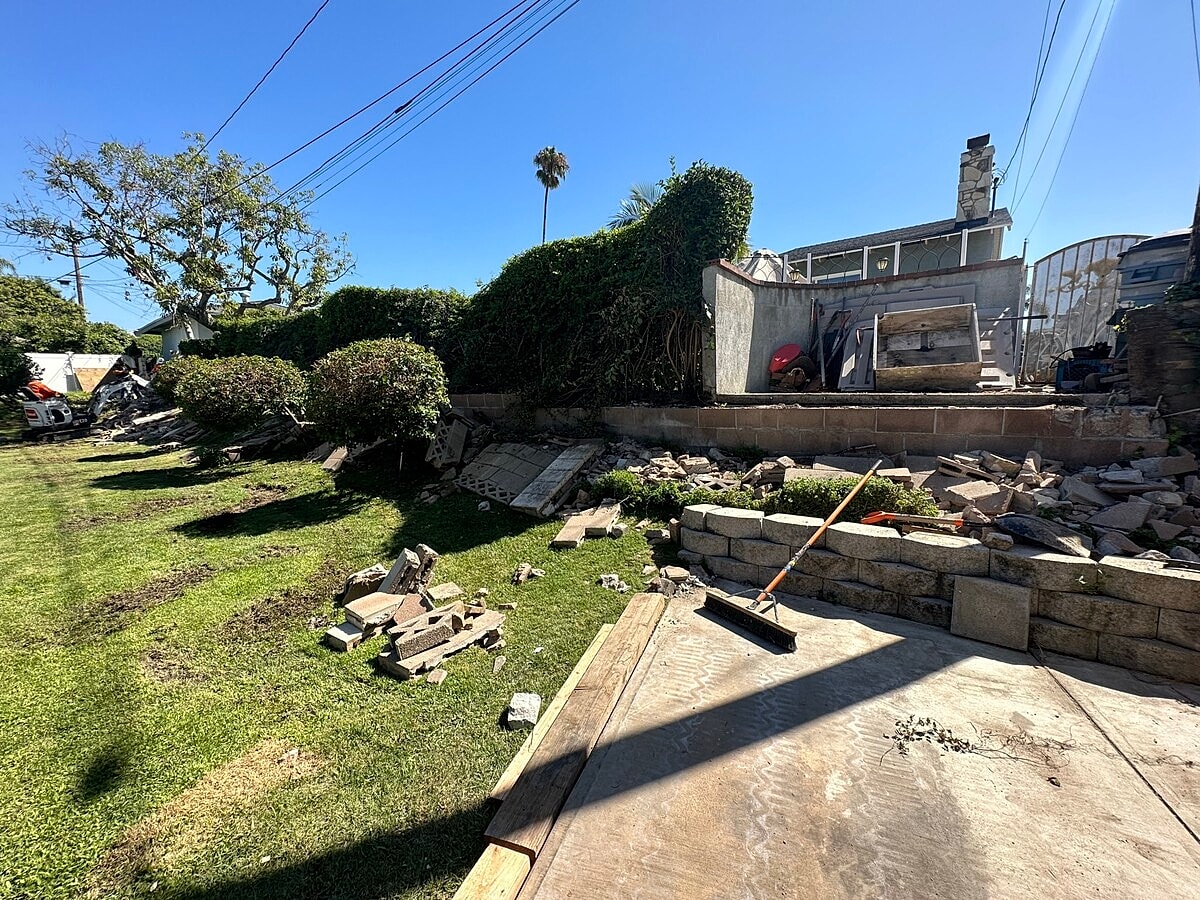
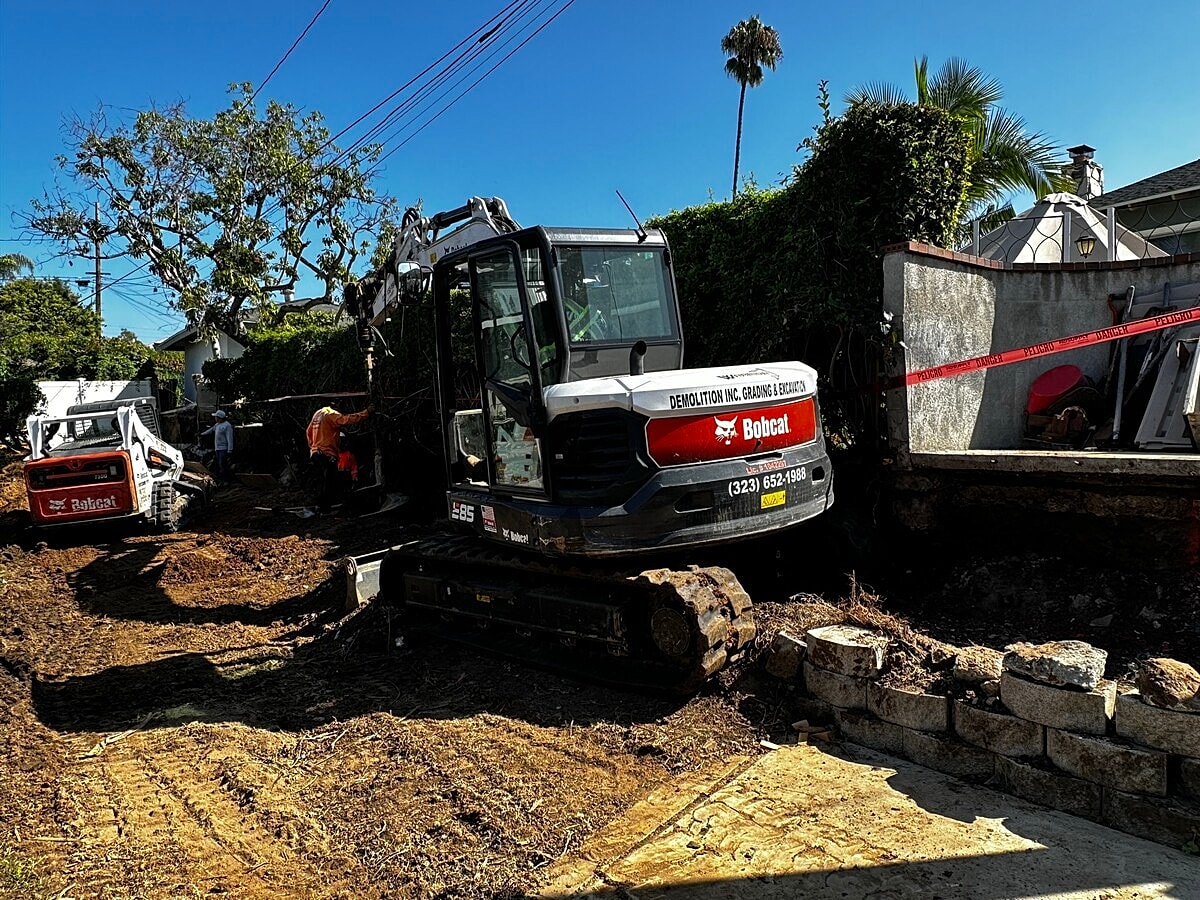
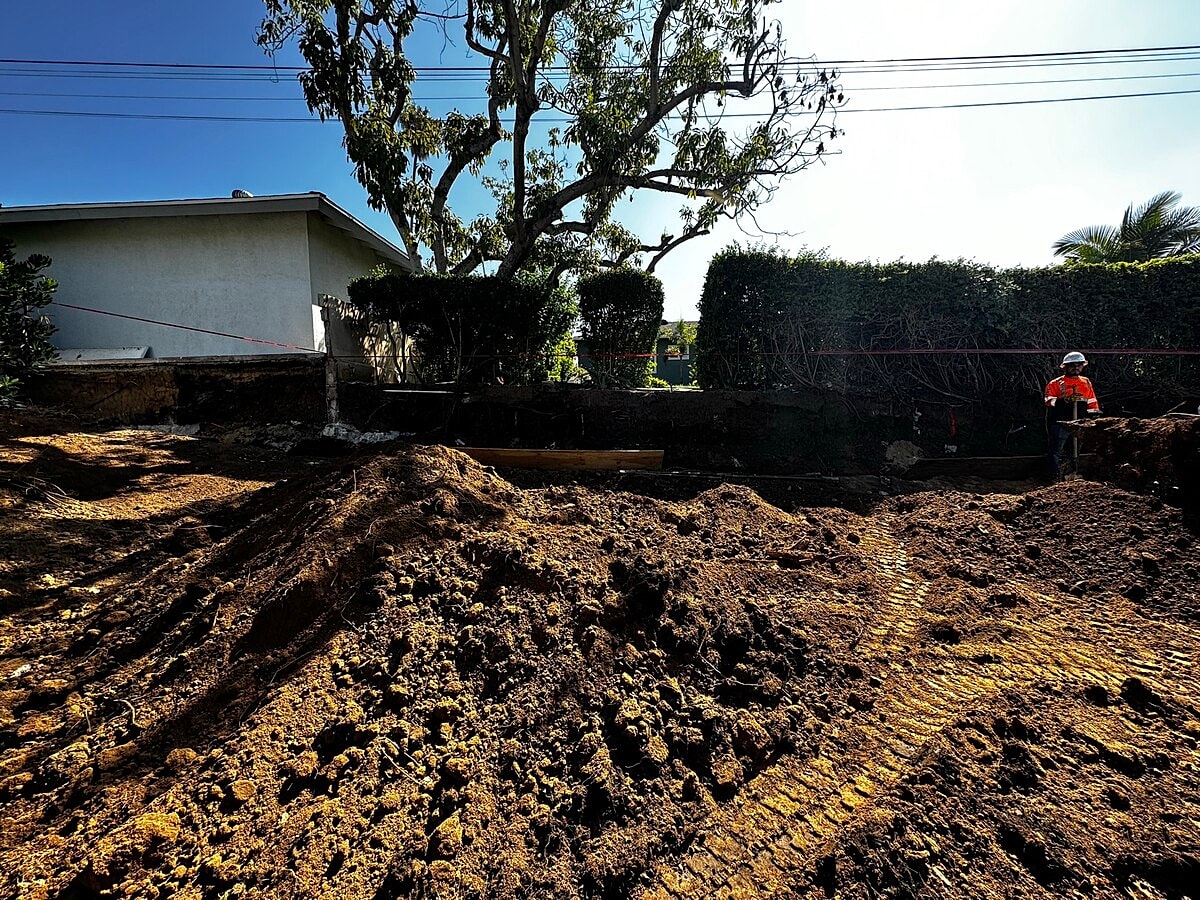
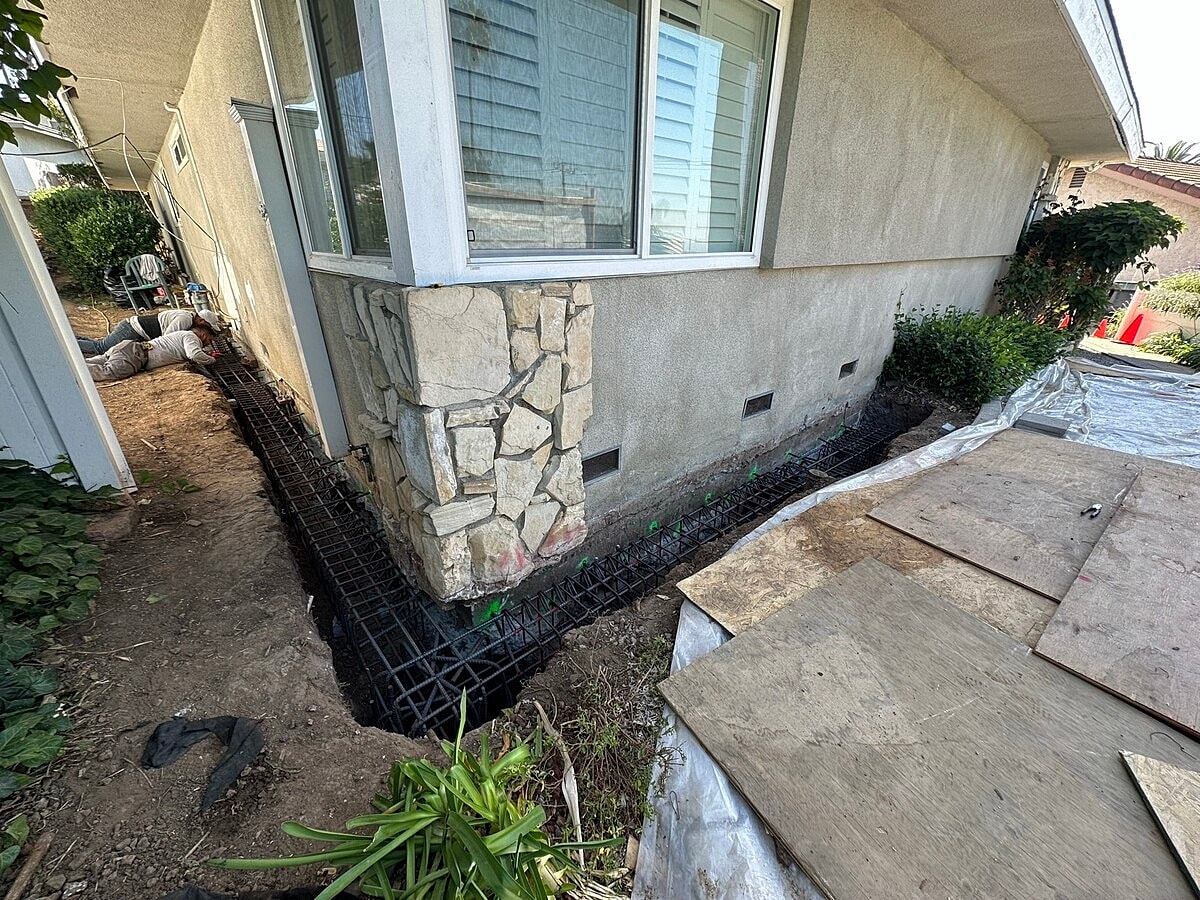
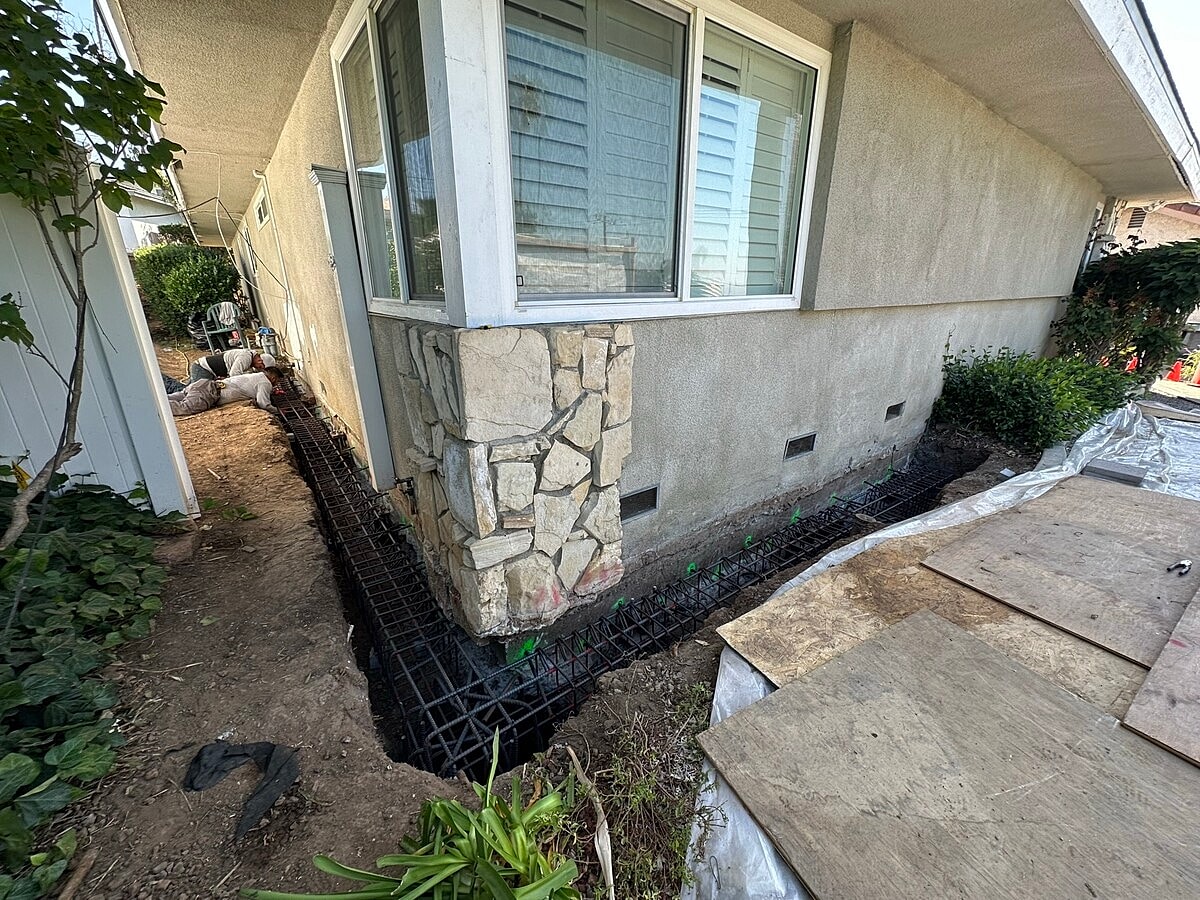
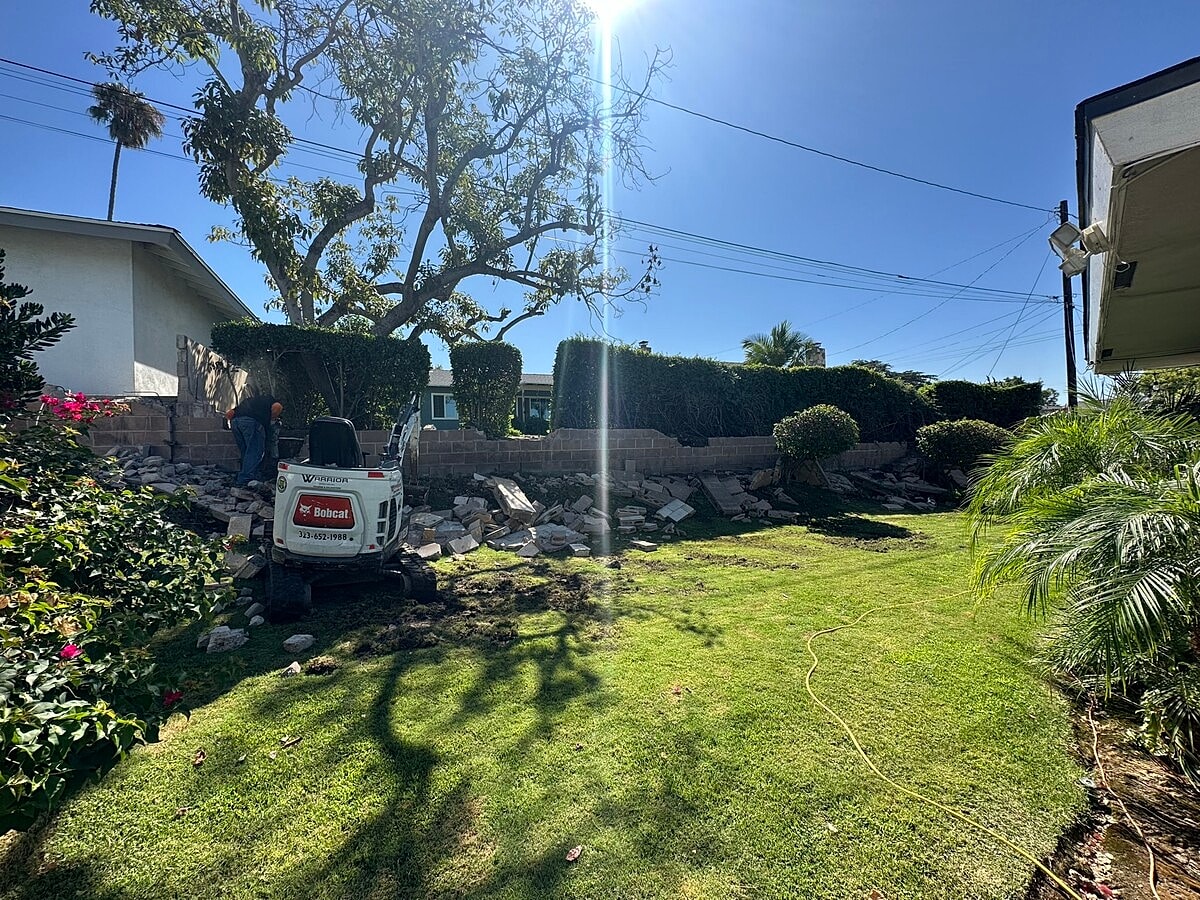
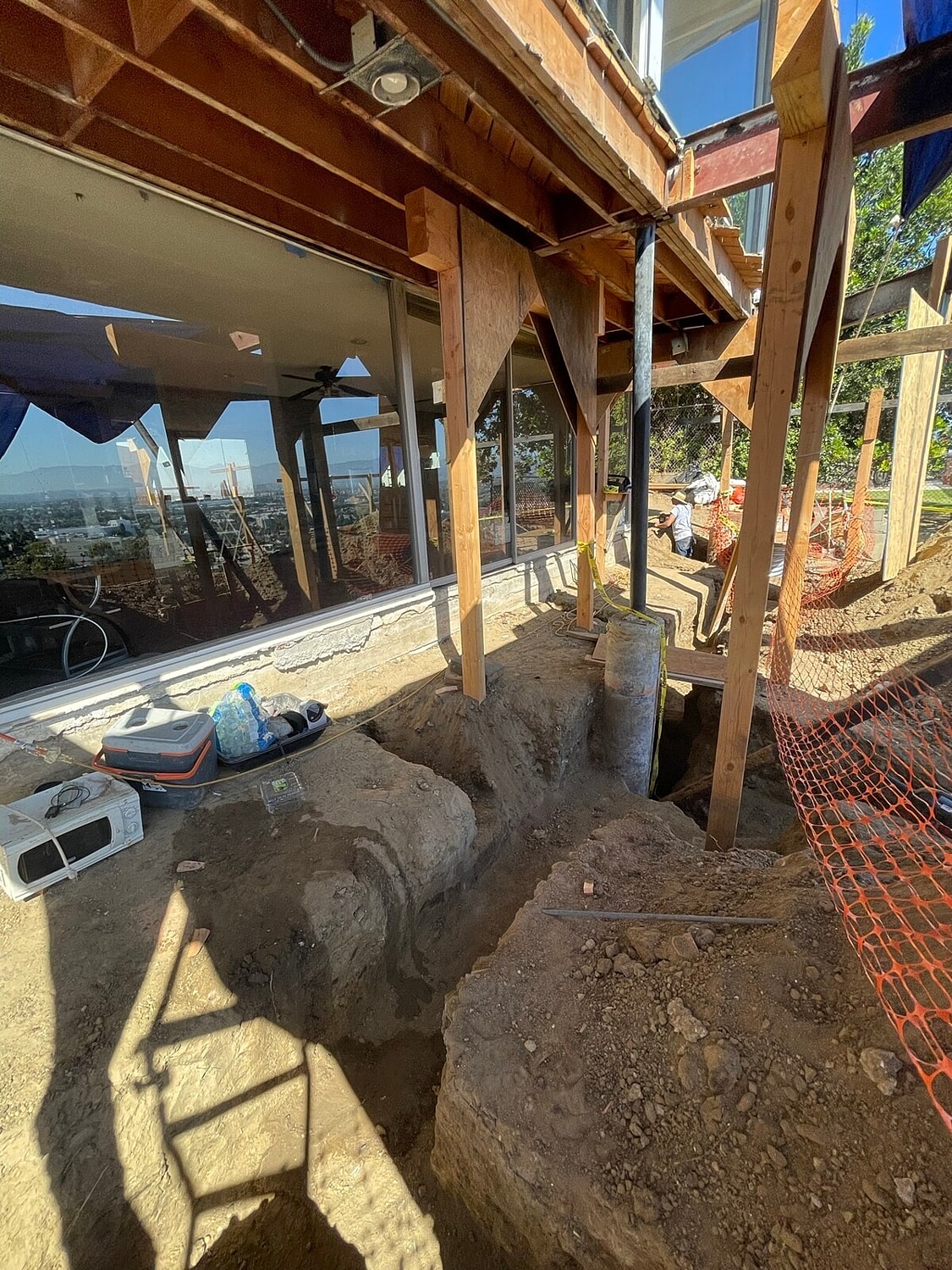
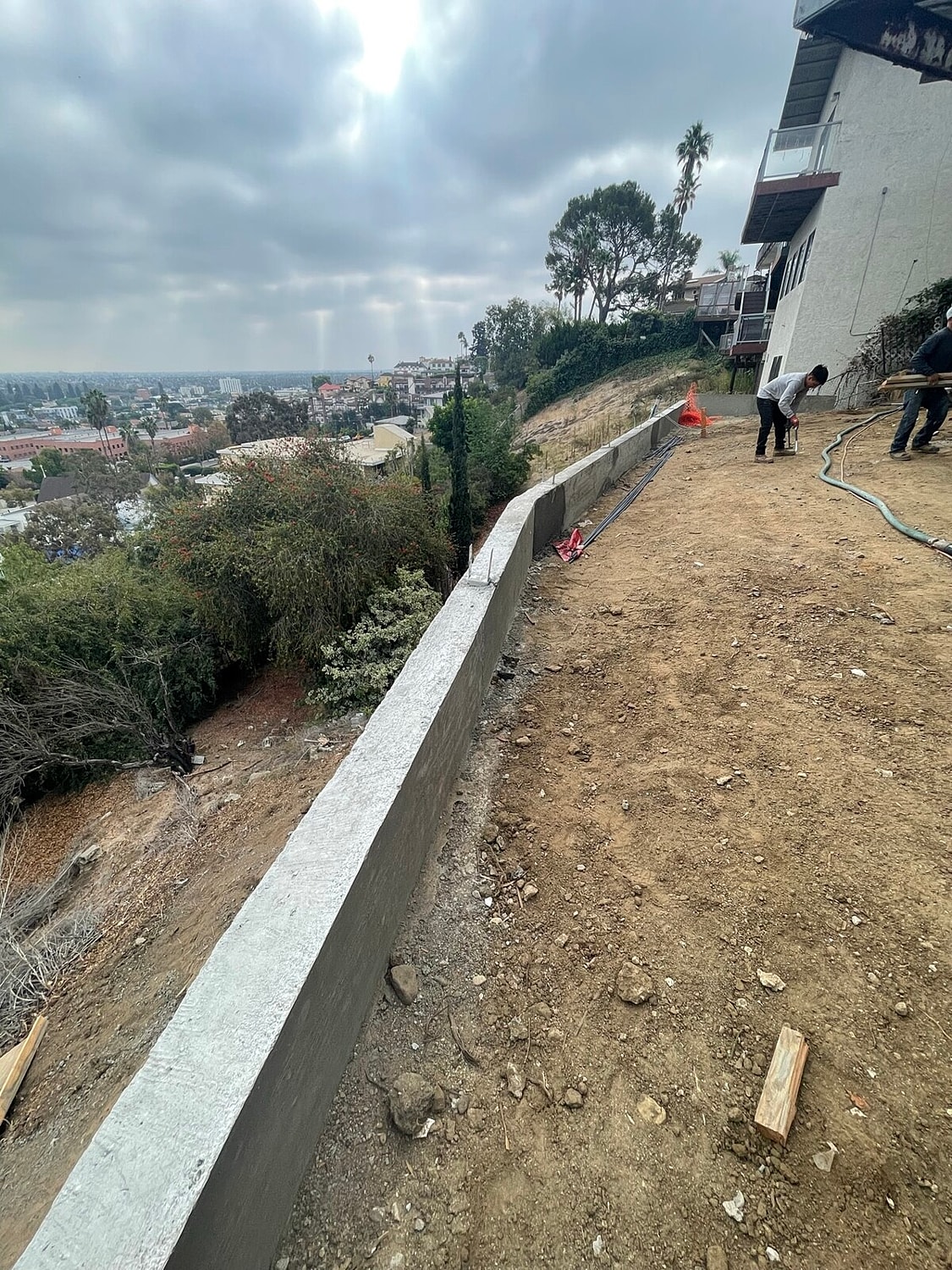
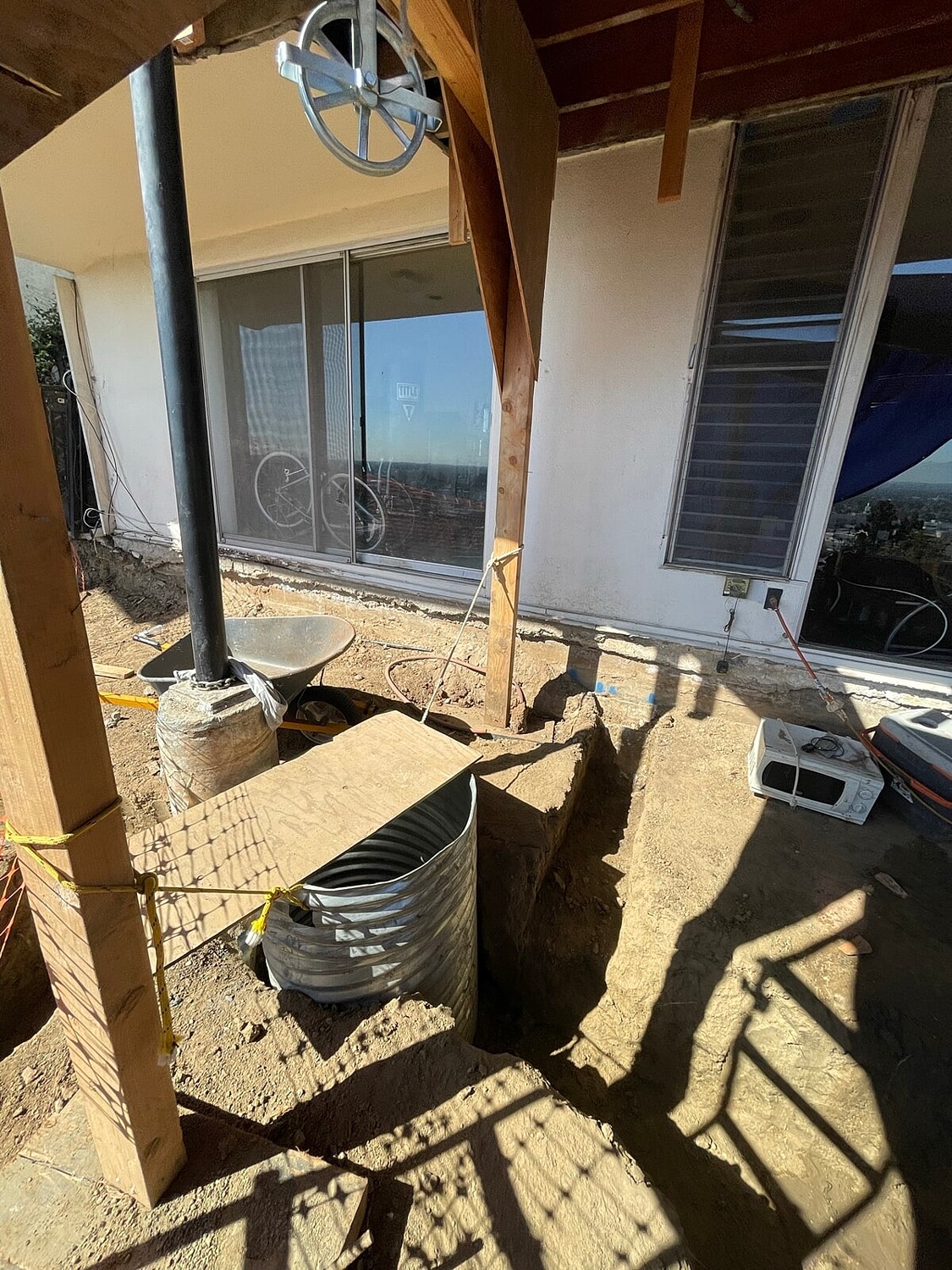
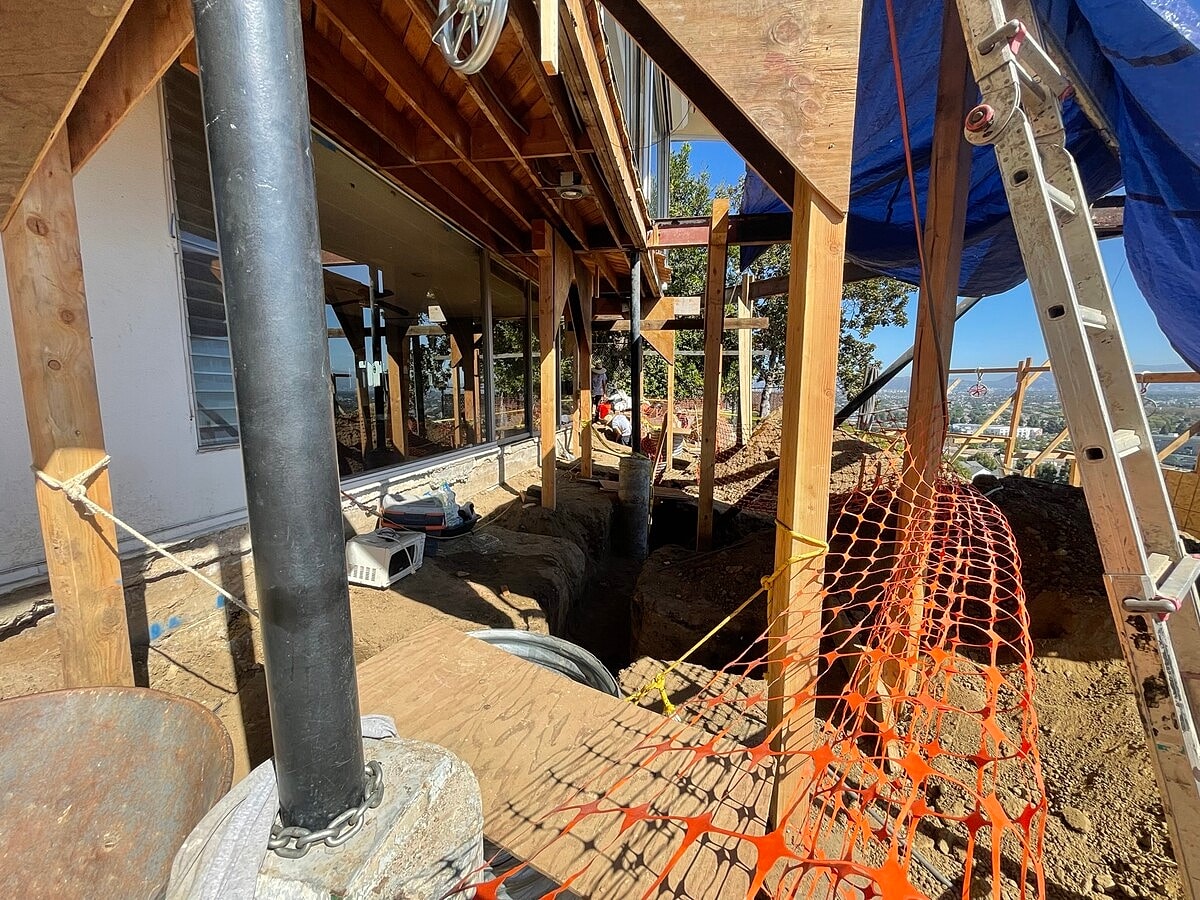
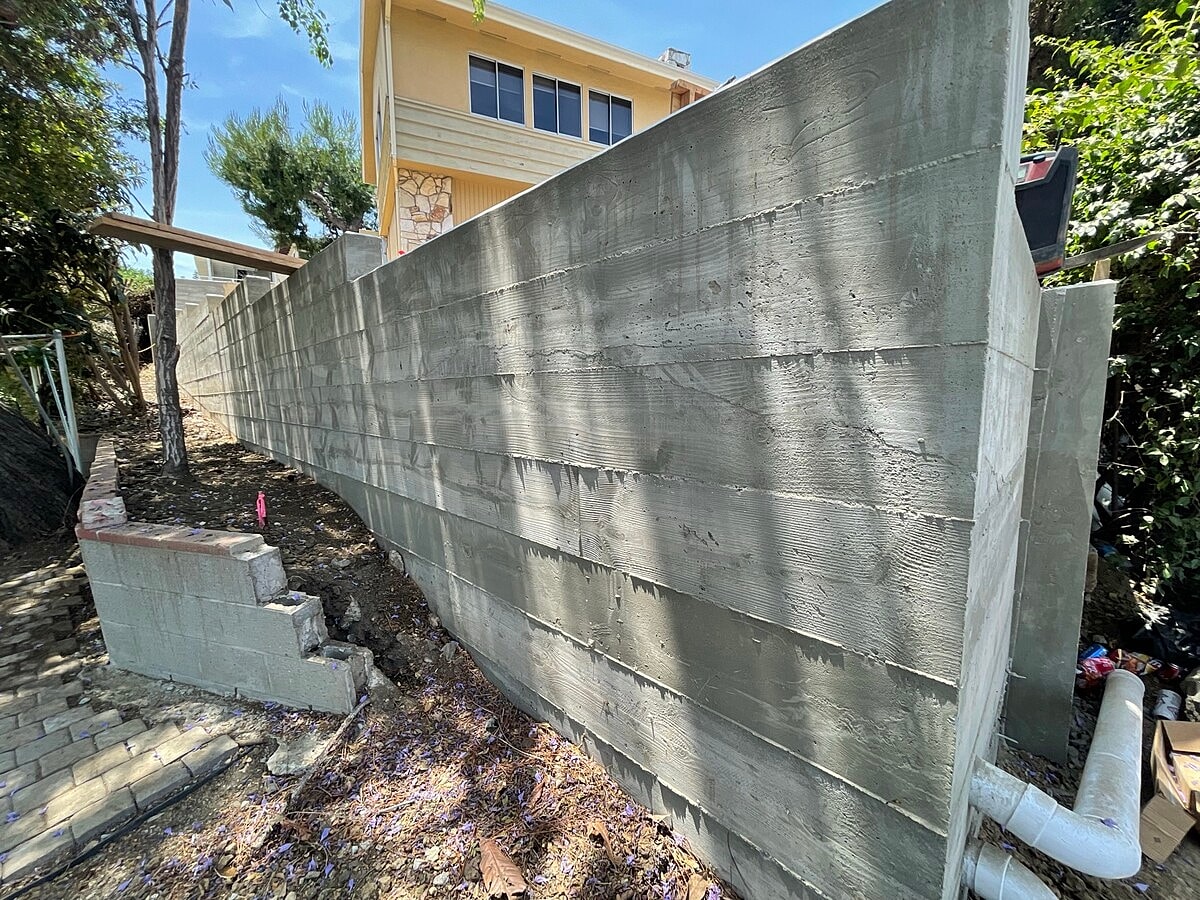
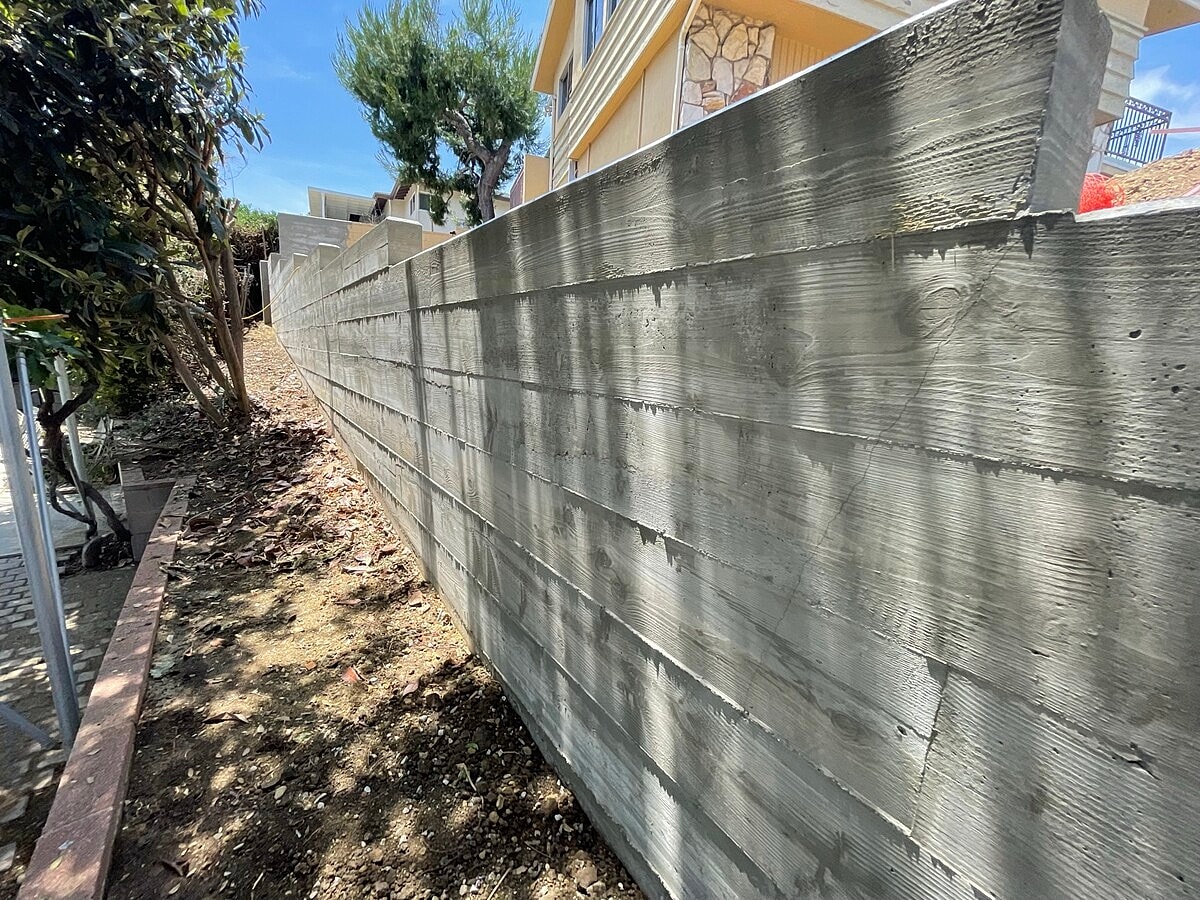
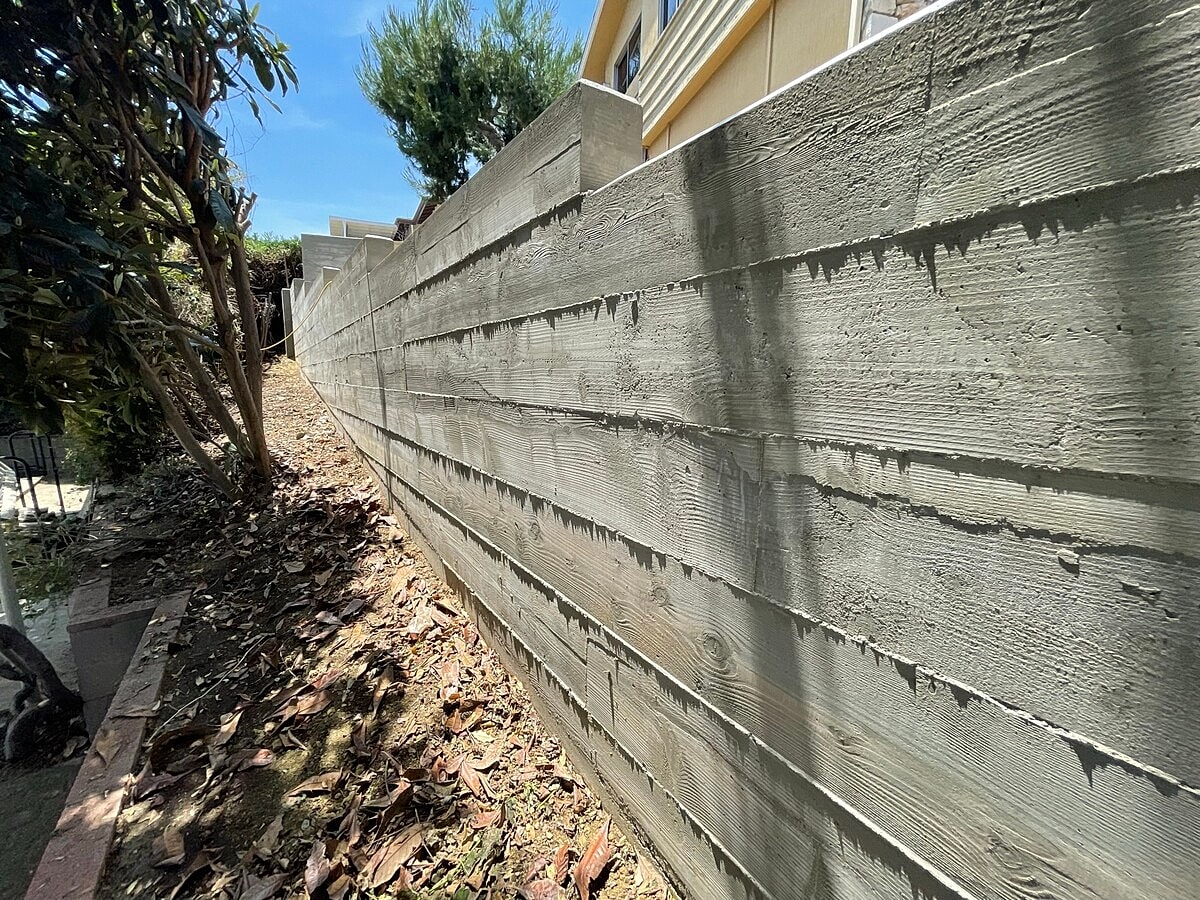
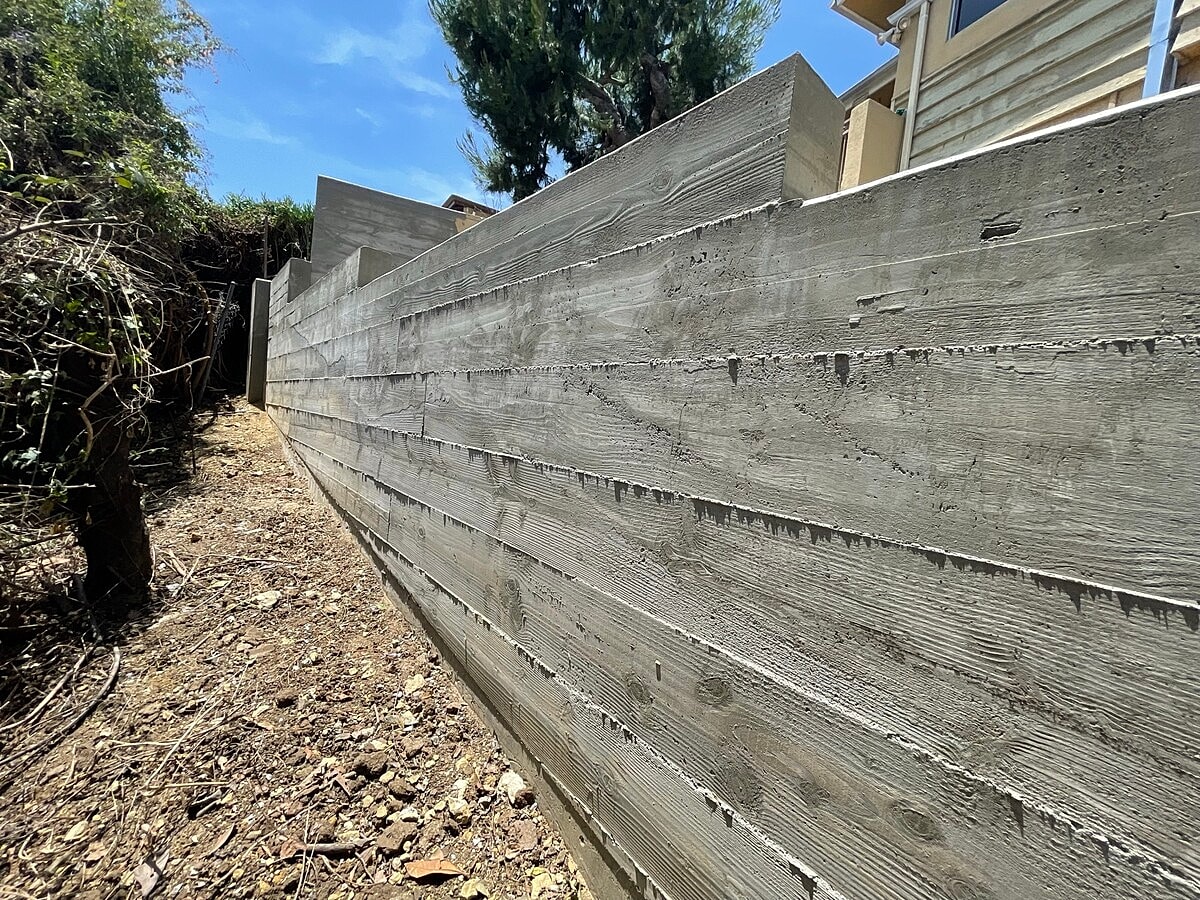
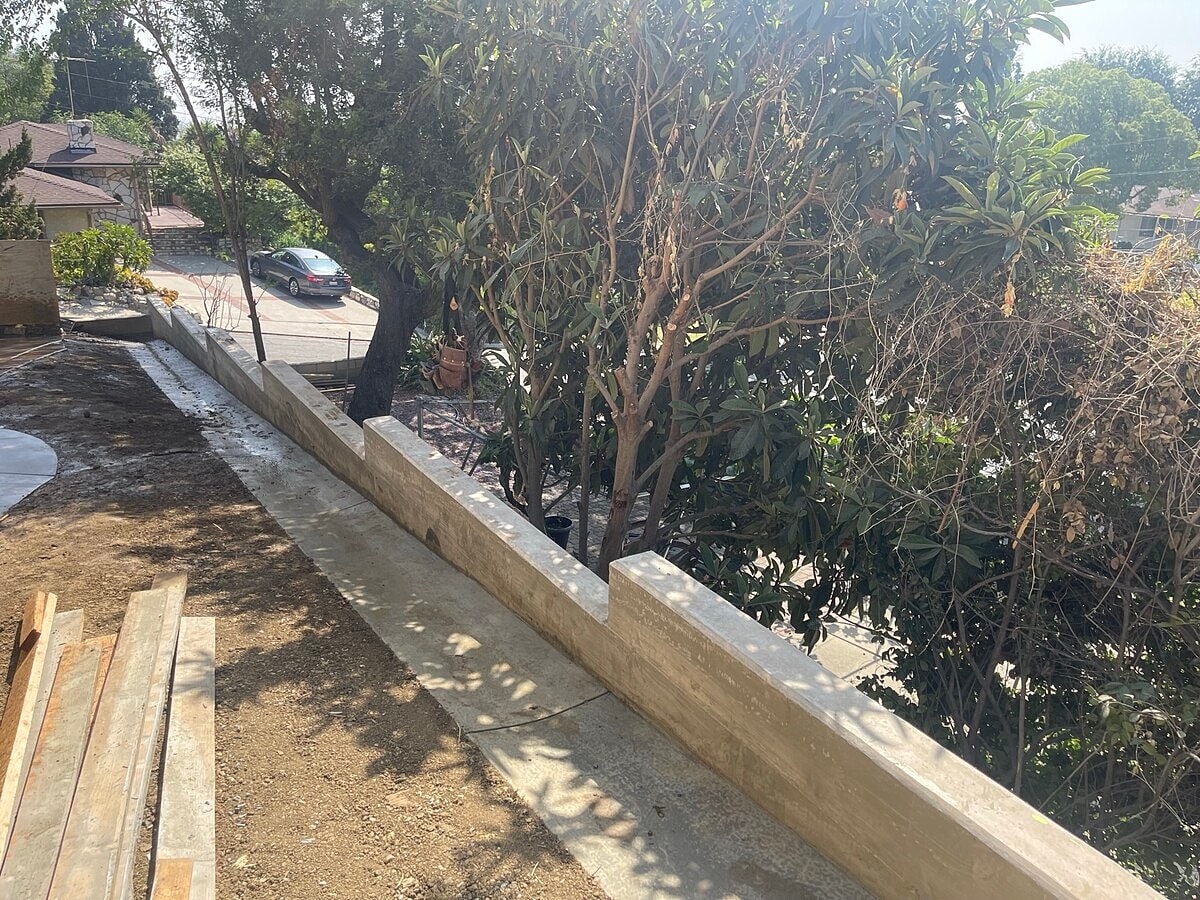
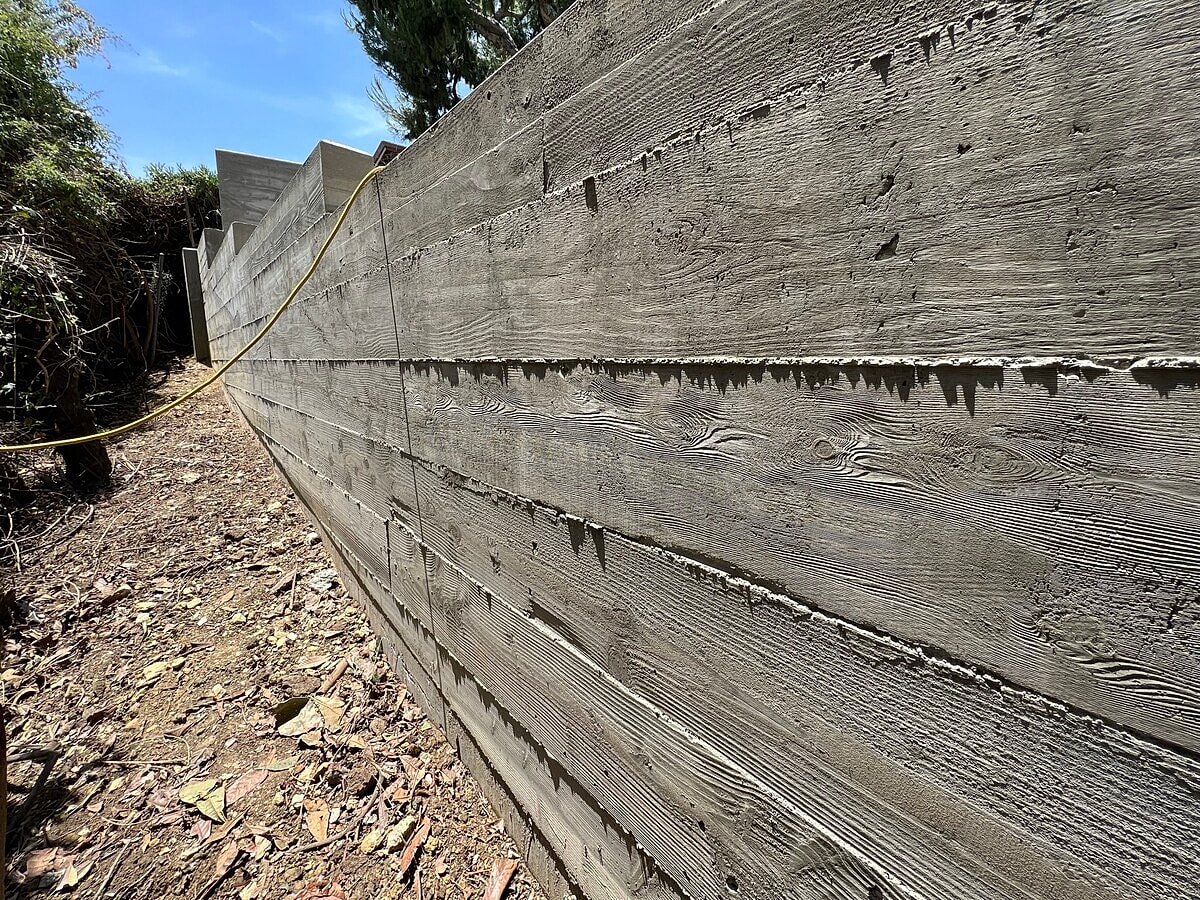
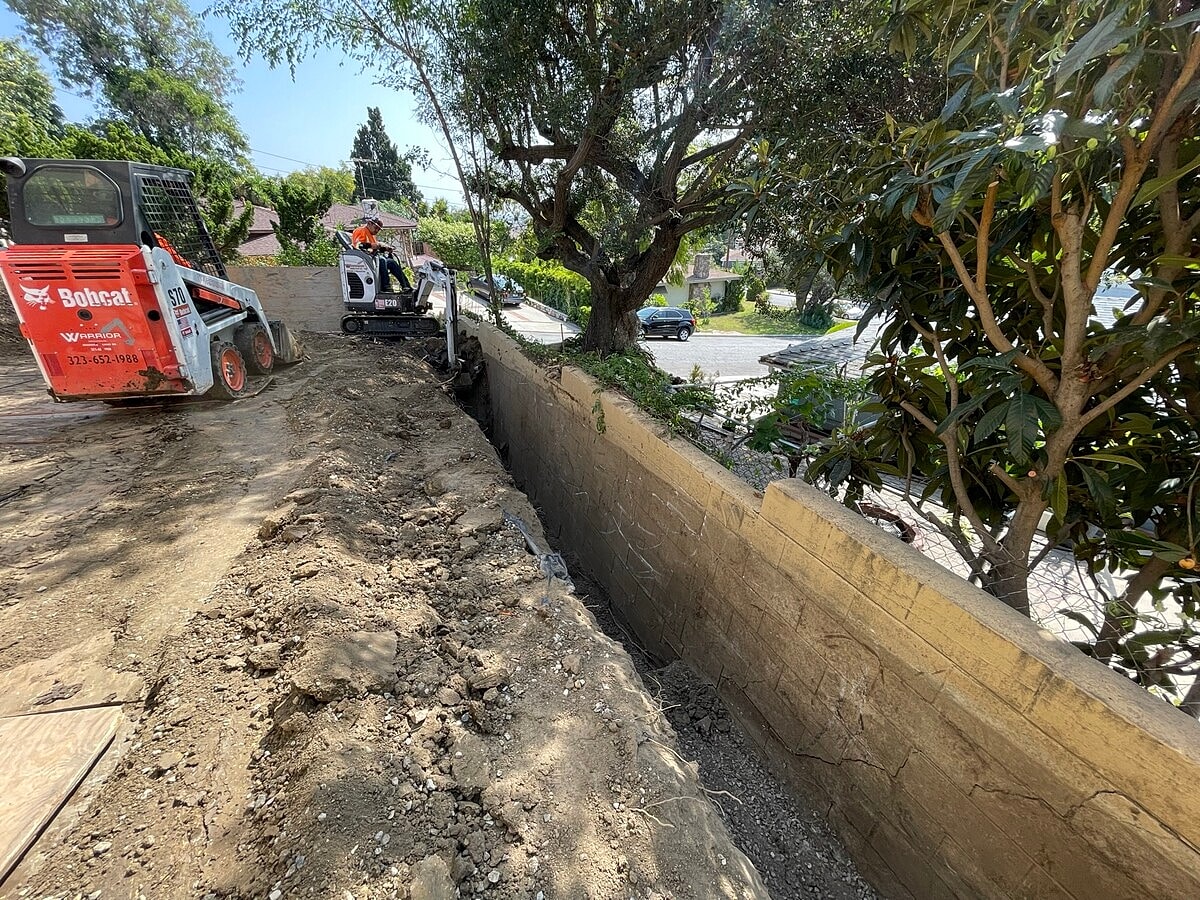
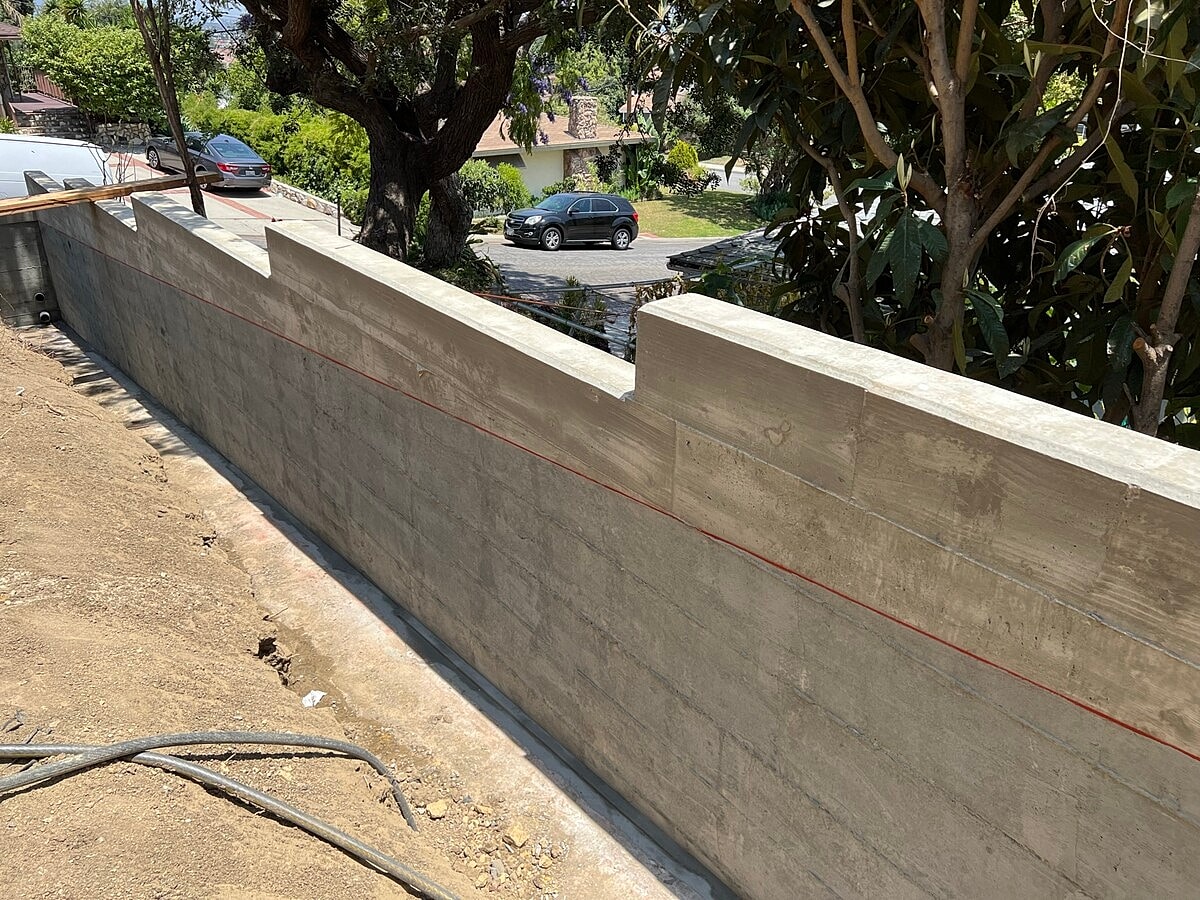
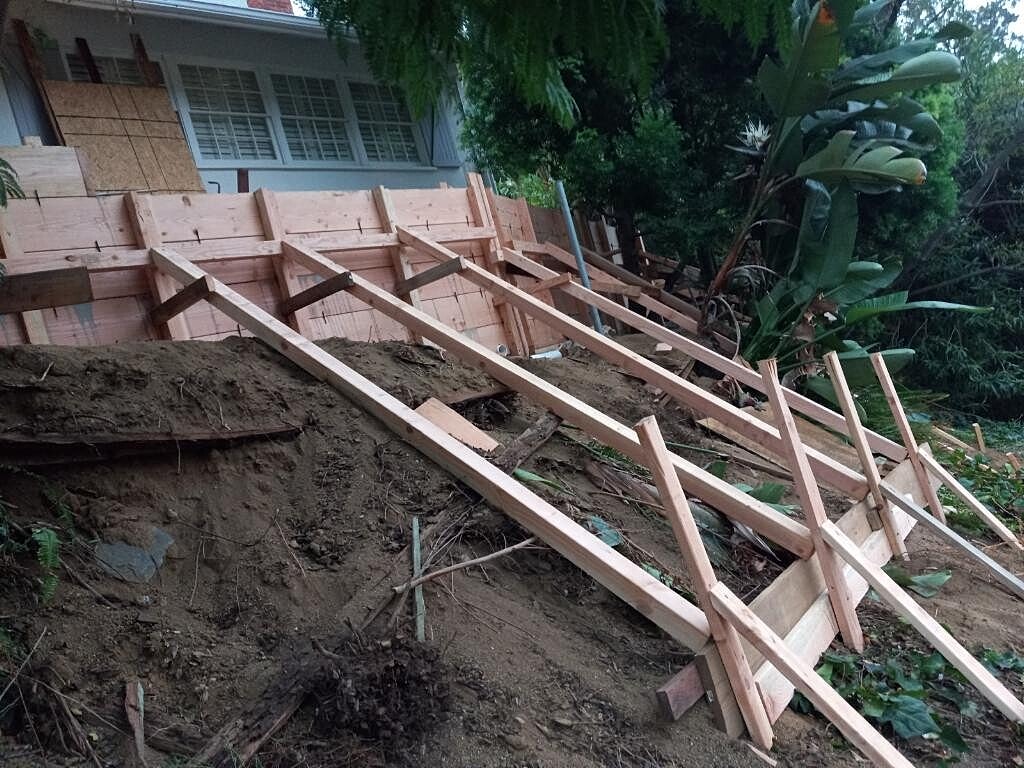
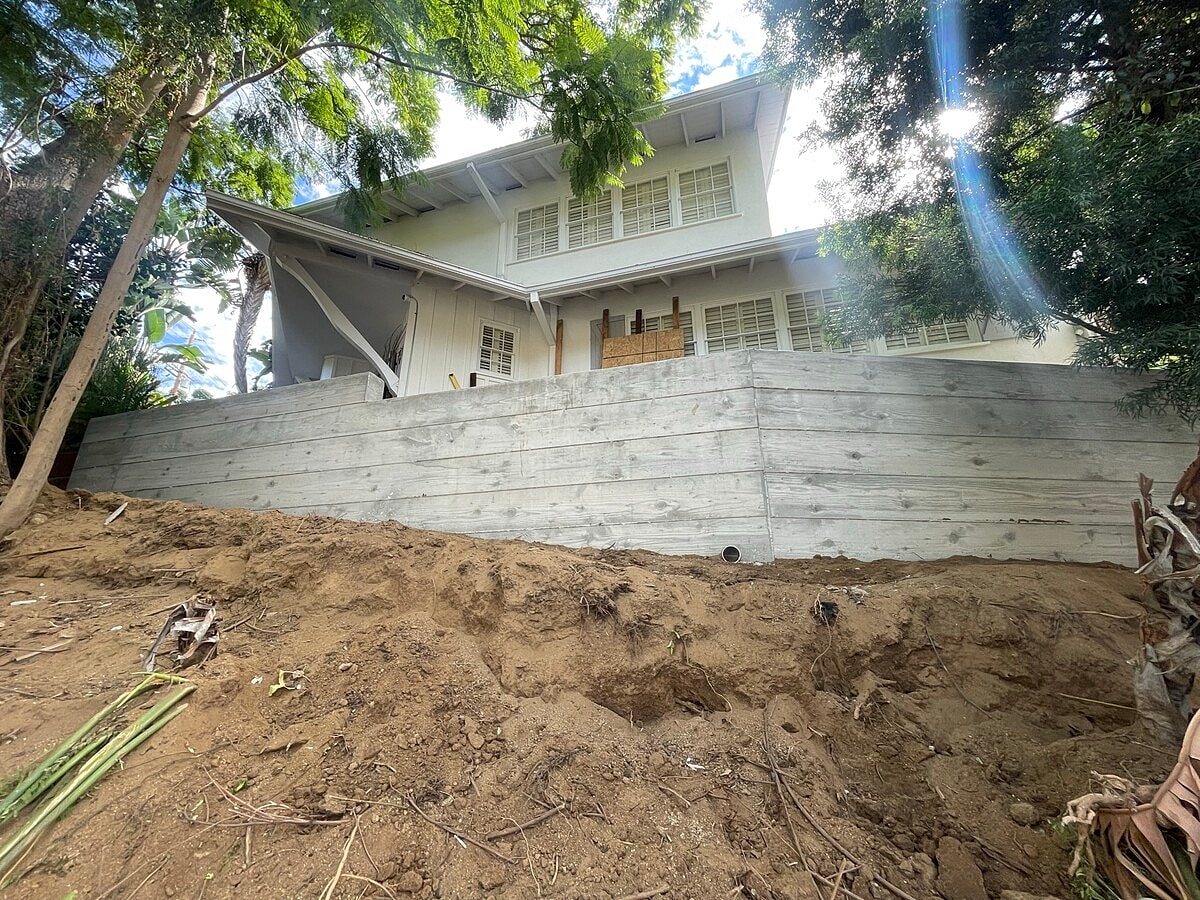
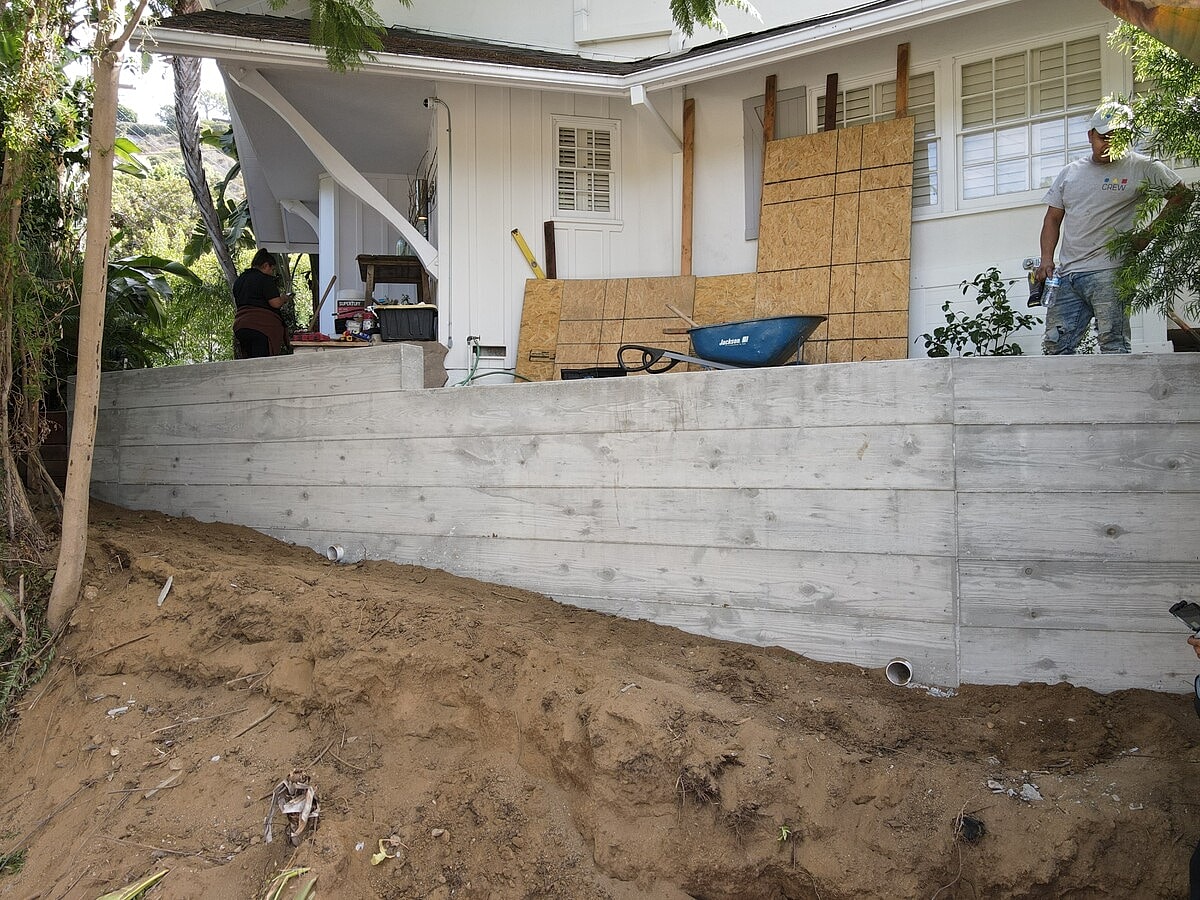
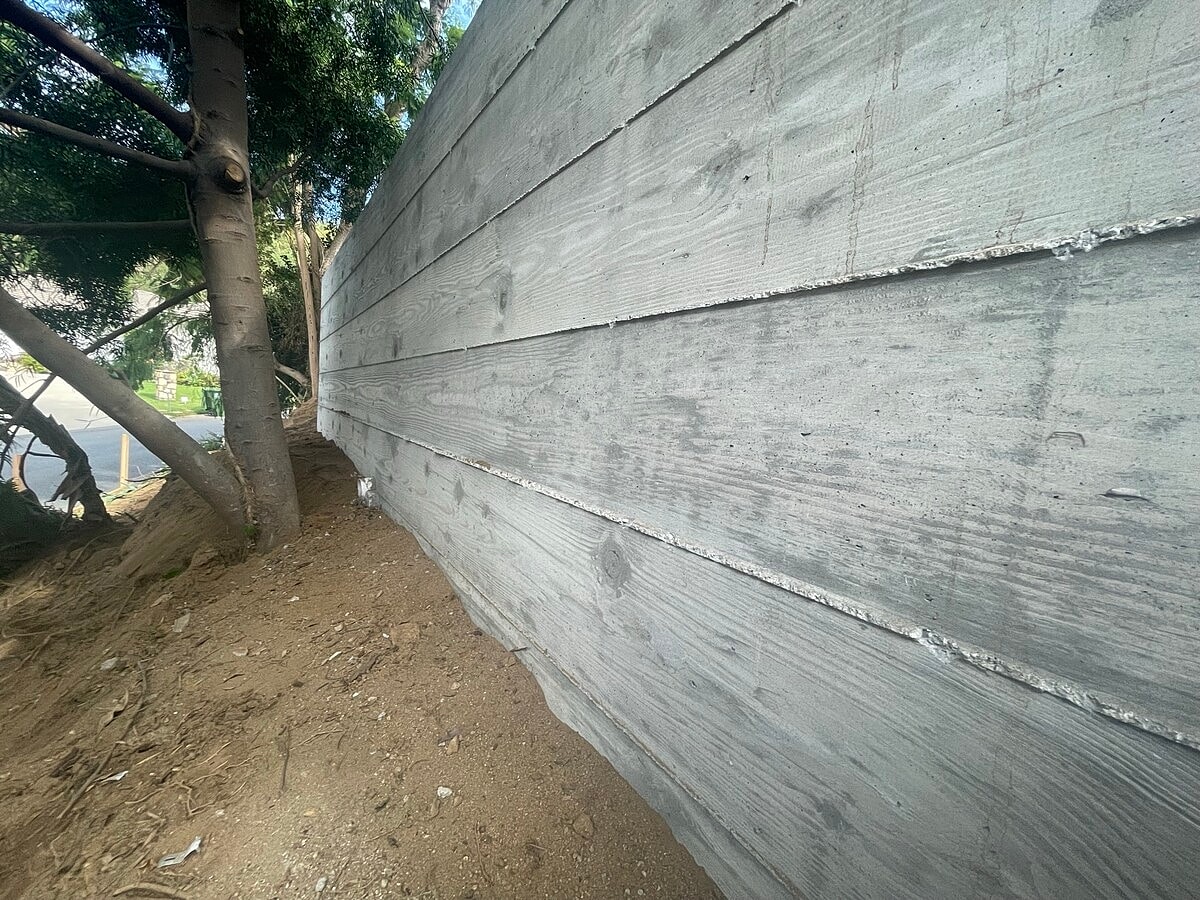
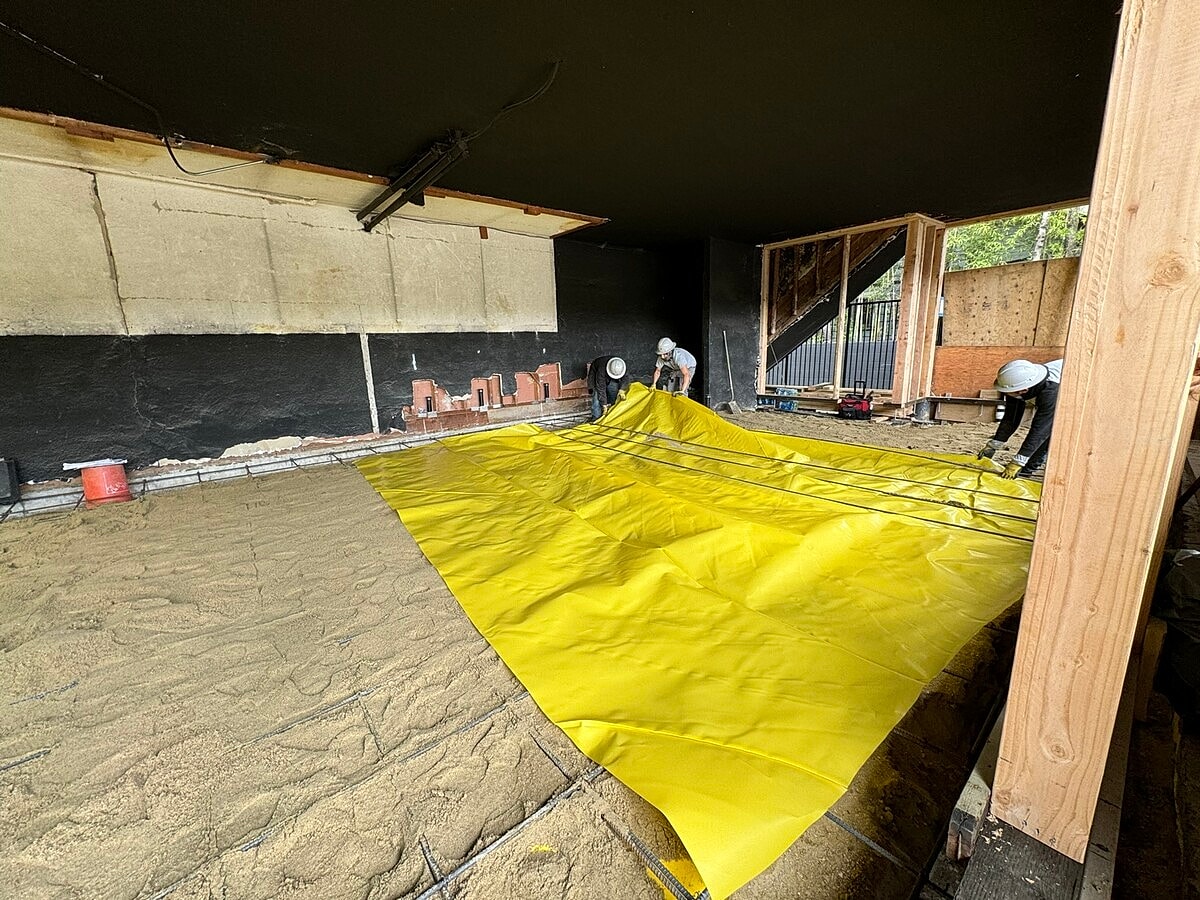
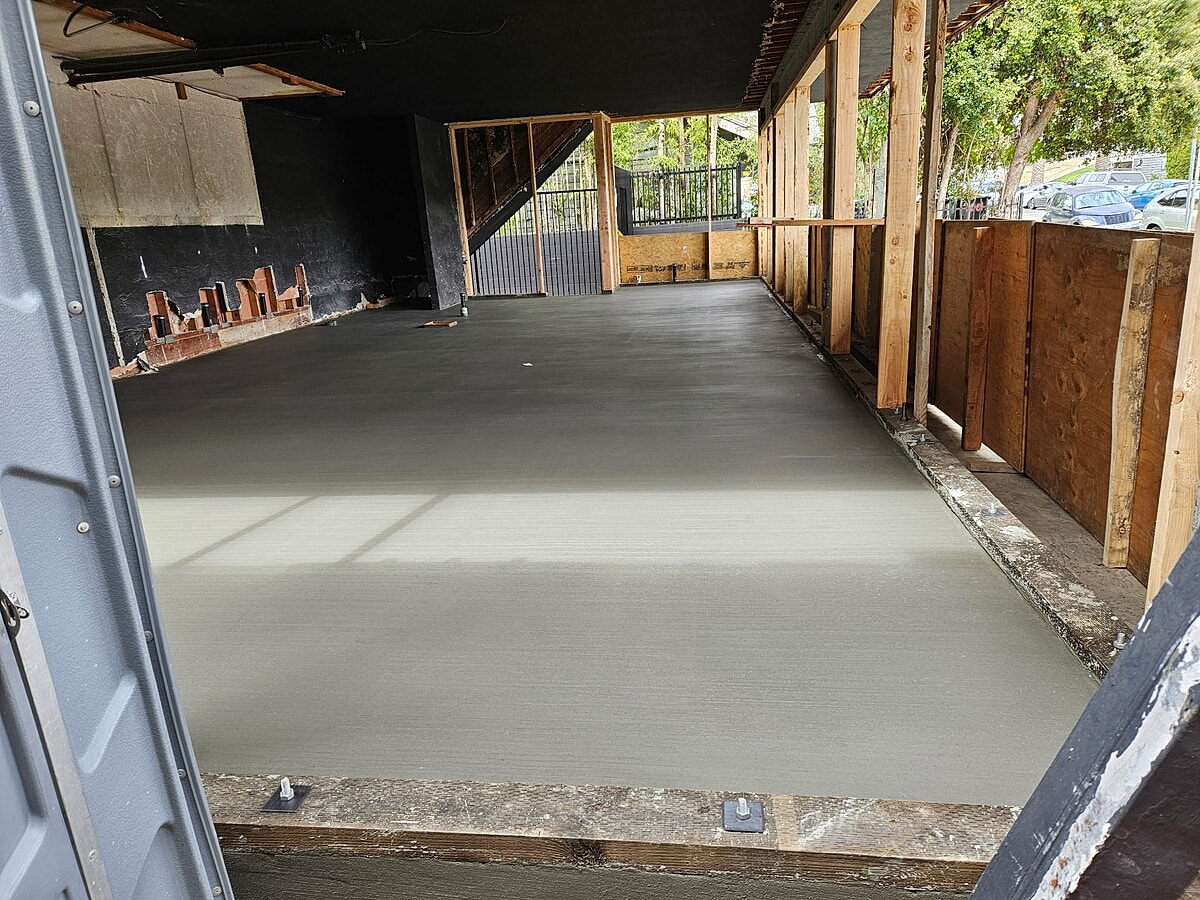
A comprehensive structural project was completed in Los Angeles to resolve water permeating into a finished basement. The project involved demolishing approximately 42 linear feet of an existing driveway retaining wall and removing an approximately 1,400-square-foot concrete topping slab. To properly waterproof the structure, approximately 72 linear feet of soil was excavated along the basement perimeter. The team then installed two layers of elastomeric waterproofing membrane, a sheet drain layer, and 72 feet of perforated pipe. Additionally, approximately 46 feet of new 5-foot-tall concrete retaining walls were constructed. Finally, the driveway was restored with a new engineered waterproofing membrane and a 1,400-square-foot steel-reinforced concrete topping slab.
Commercial/Multi-Family
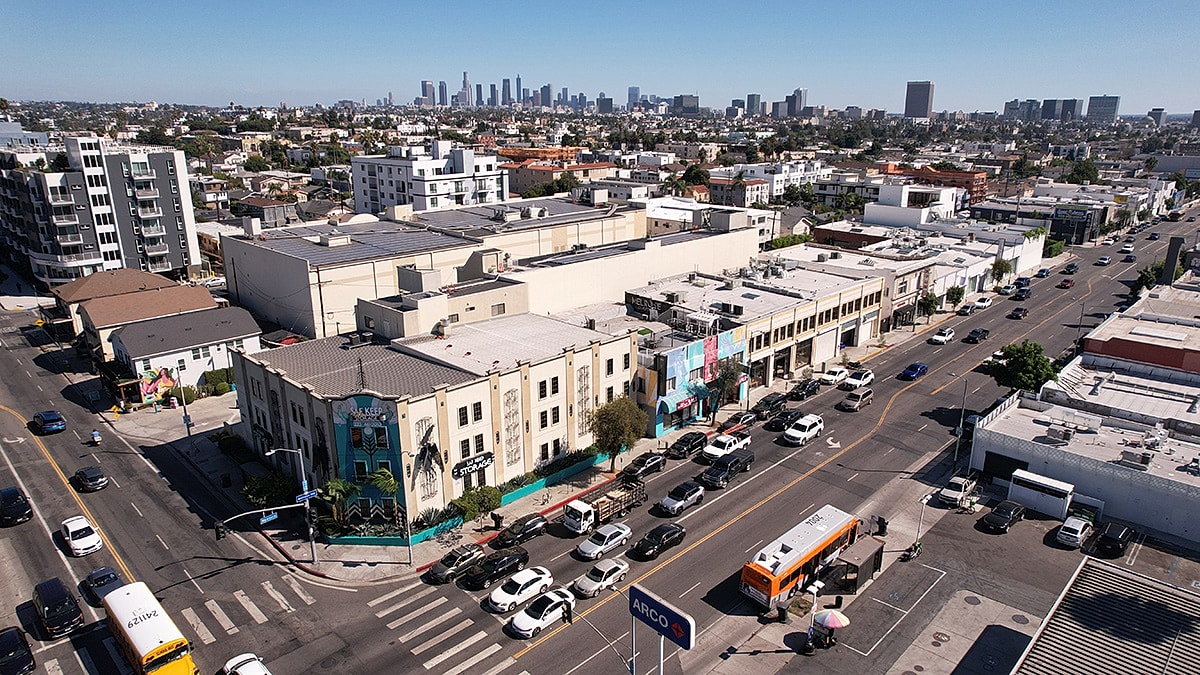
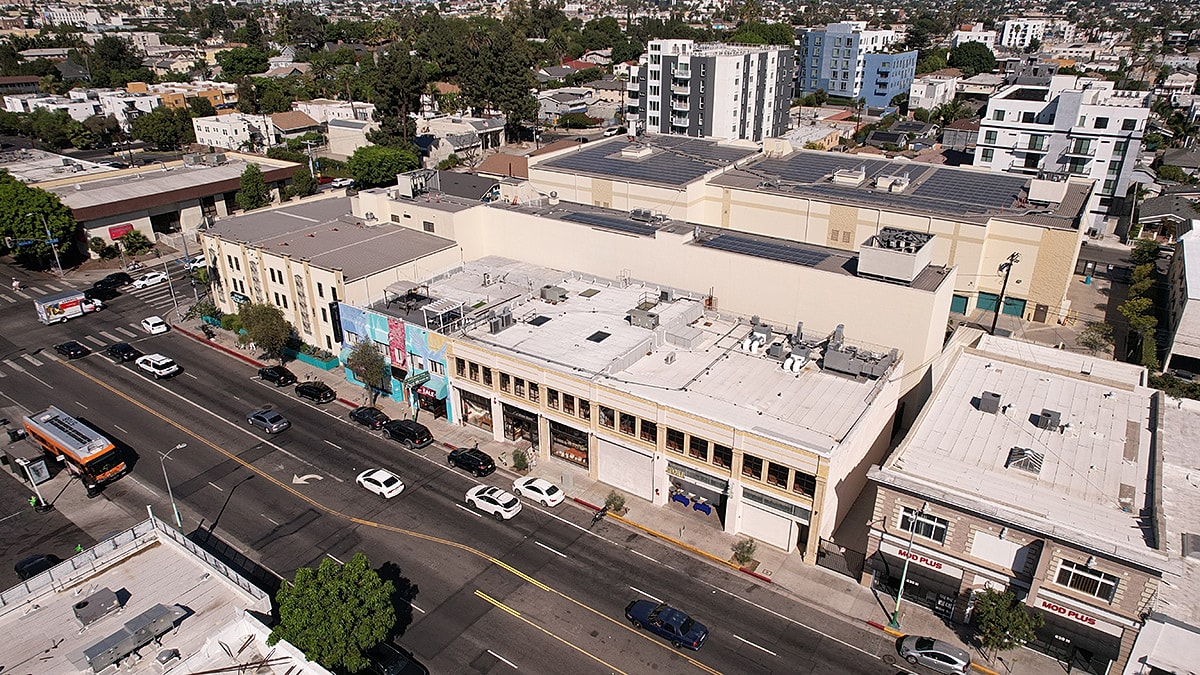
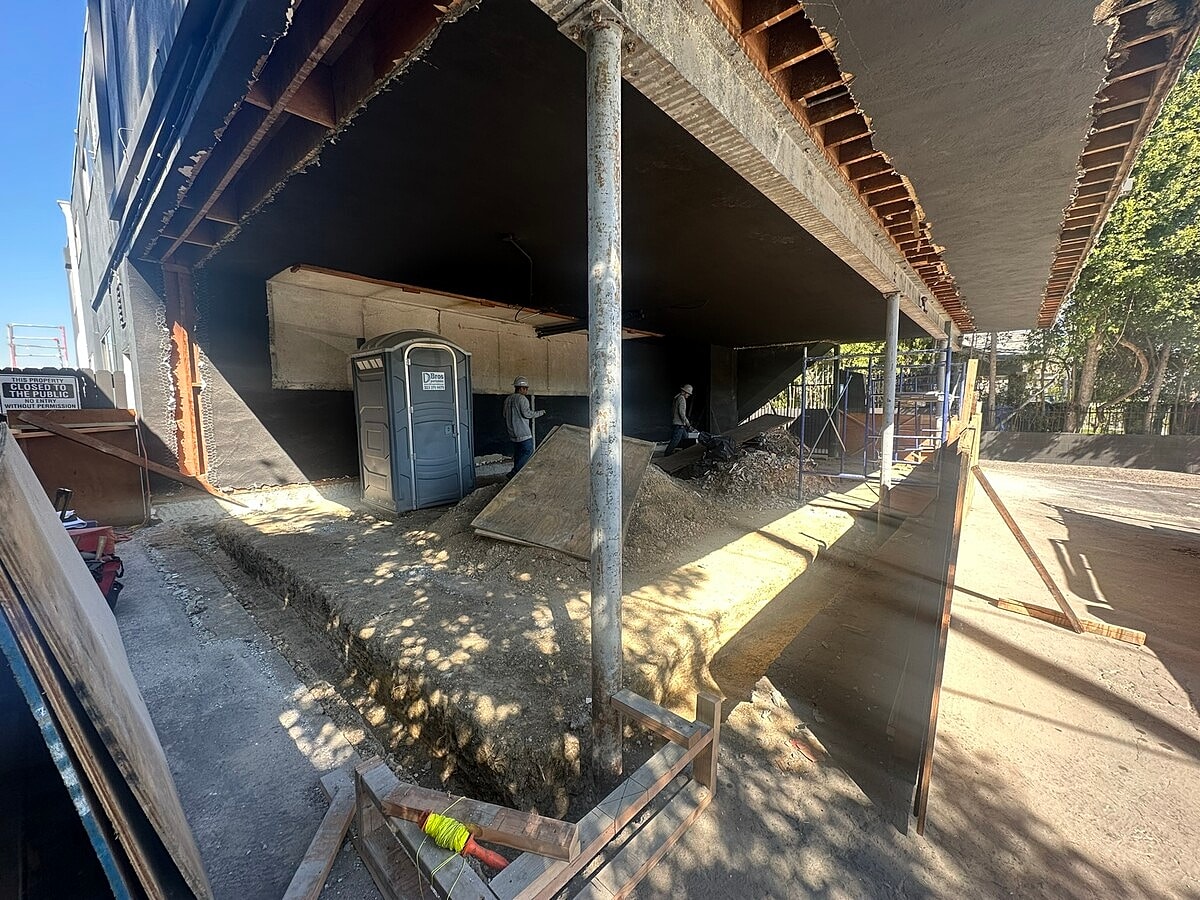
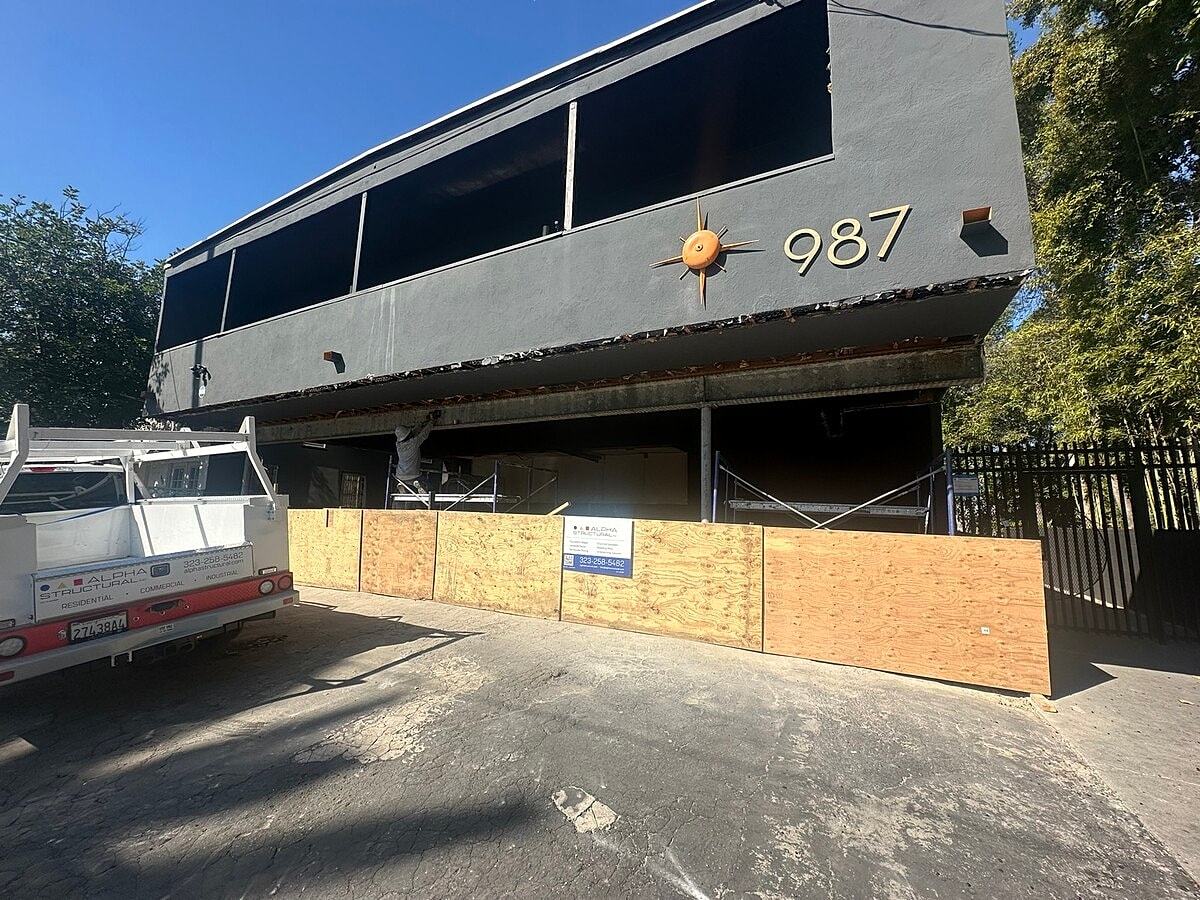
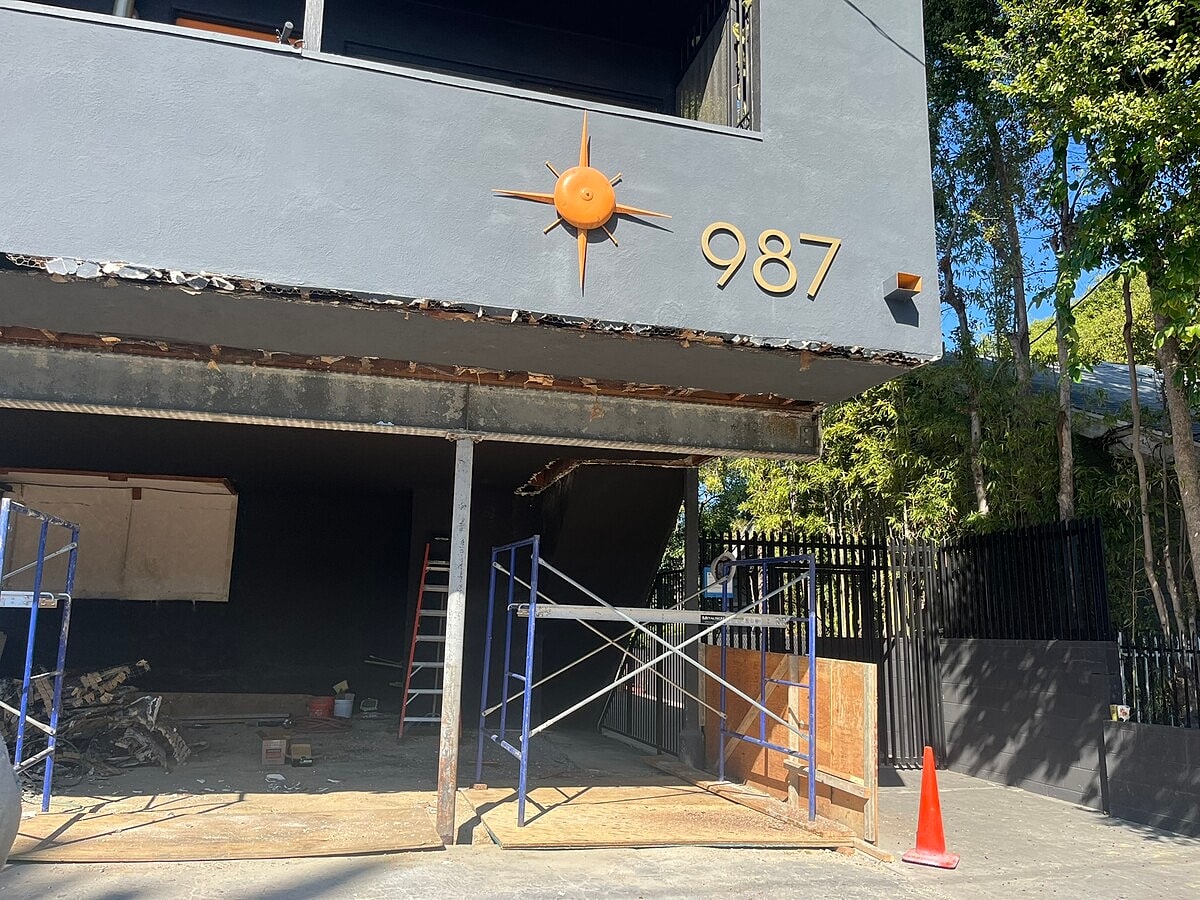
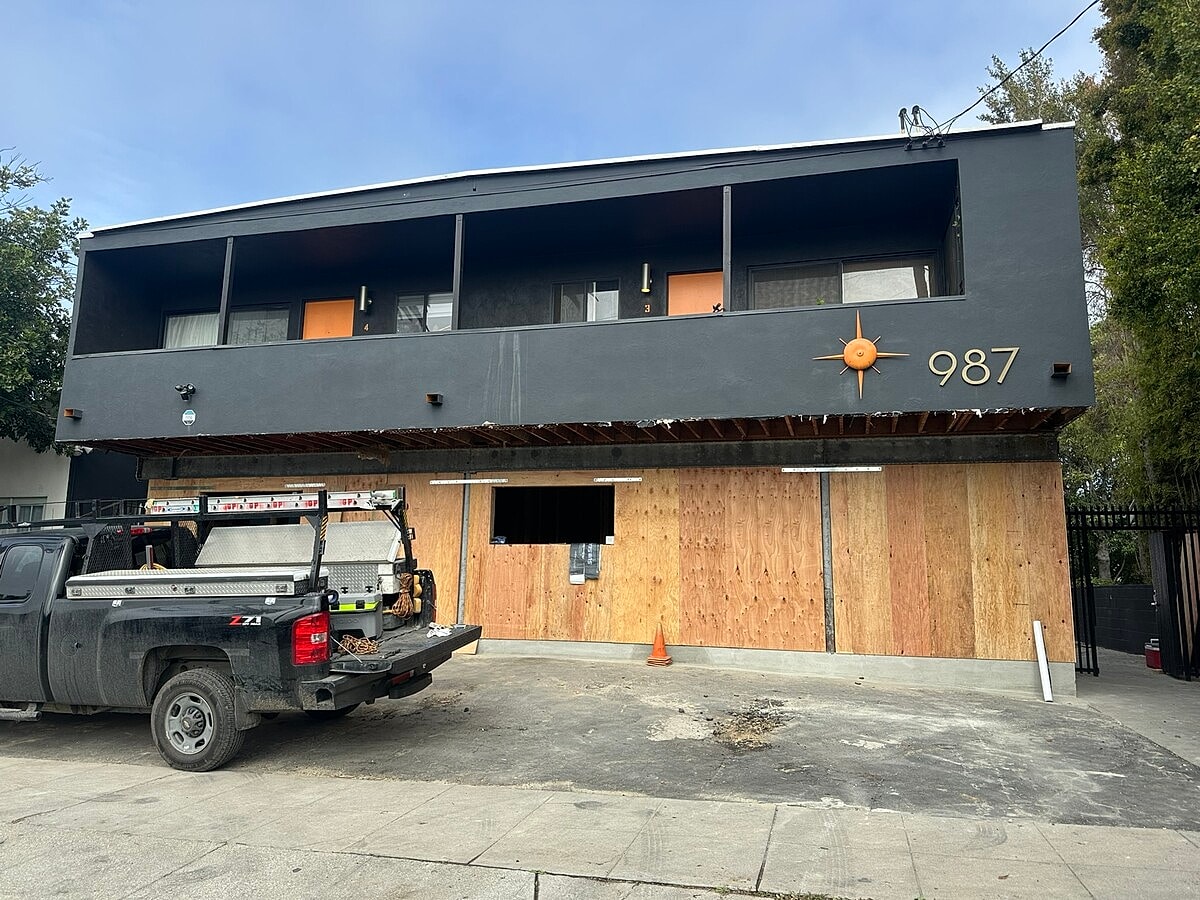
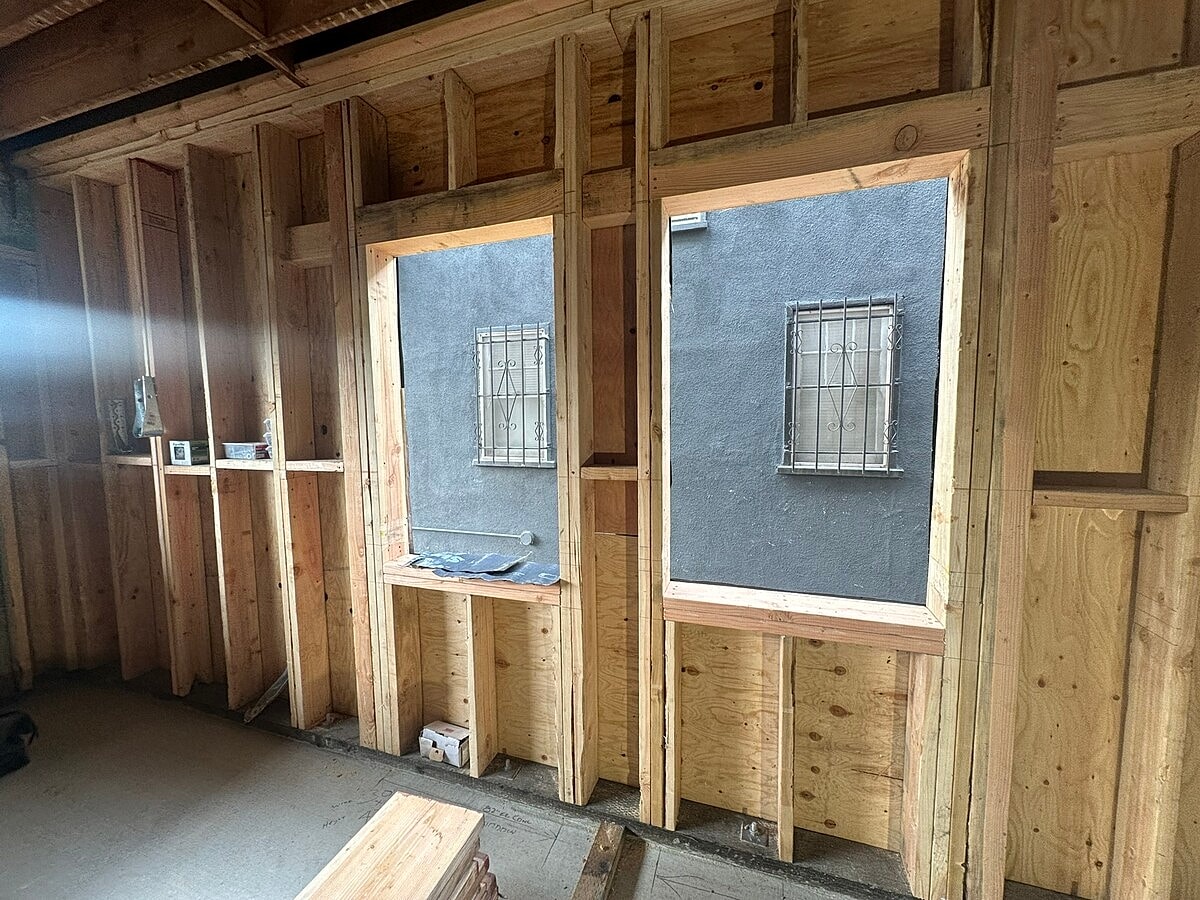
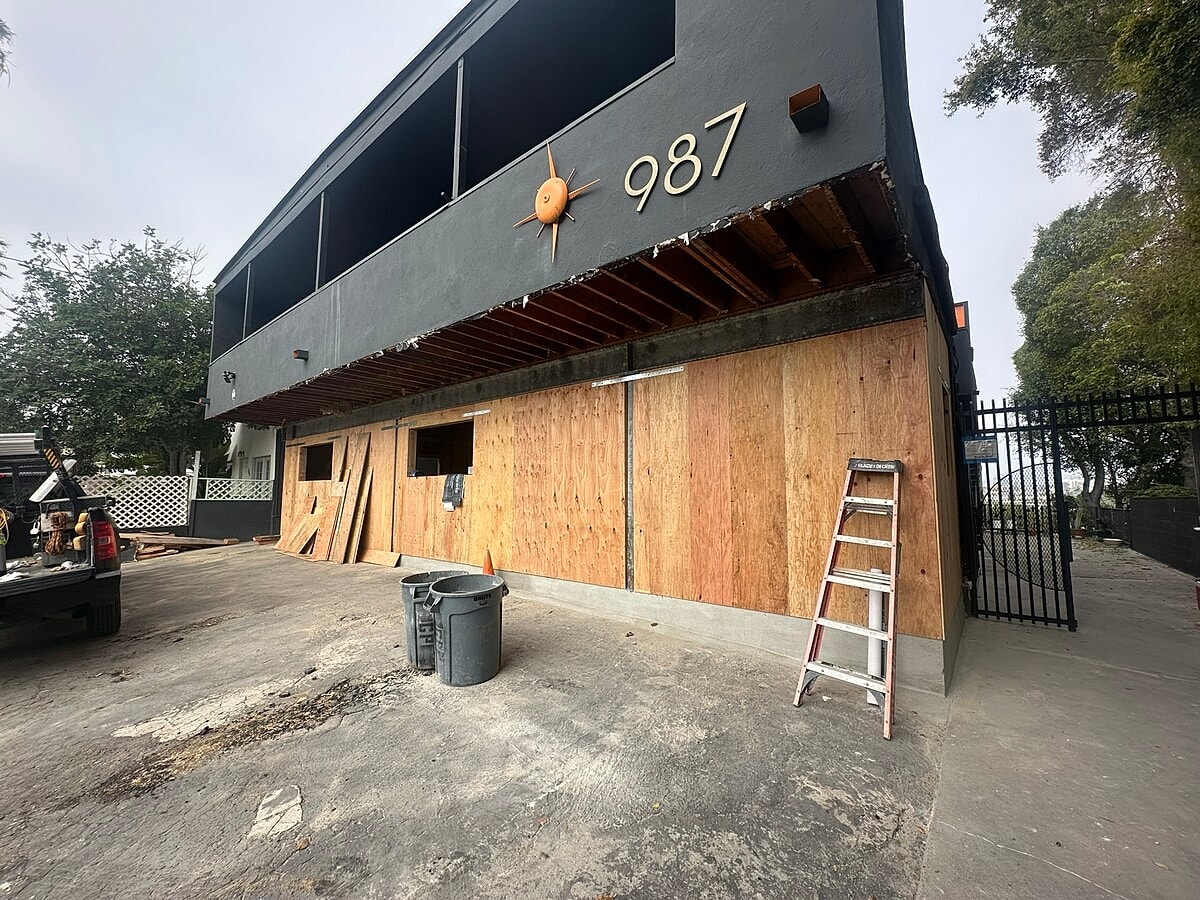
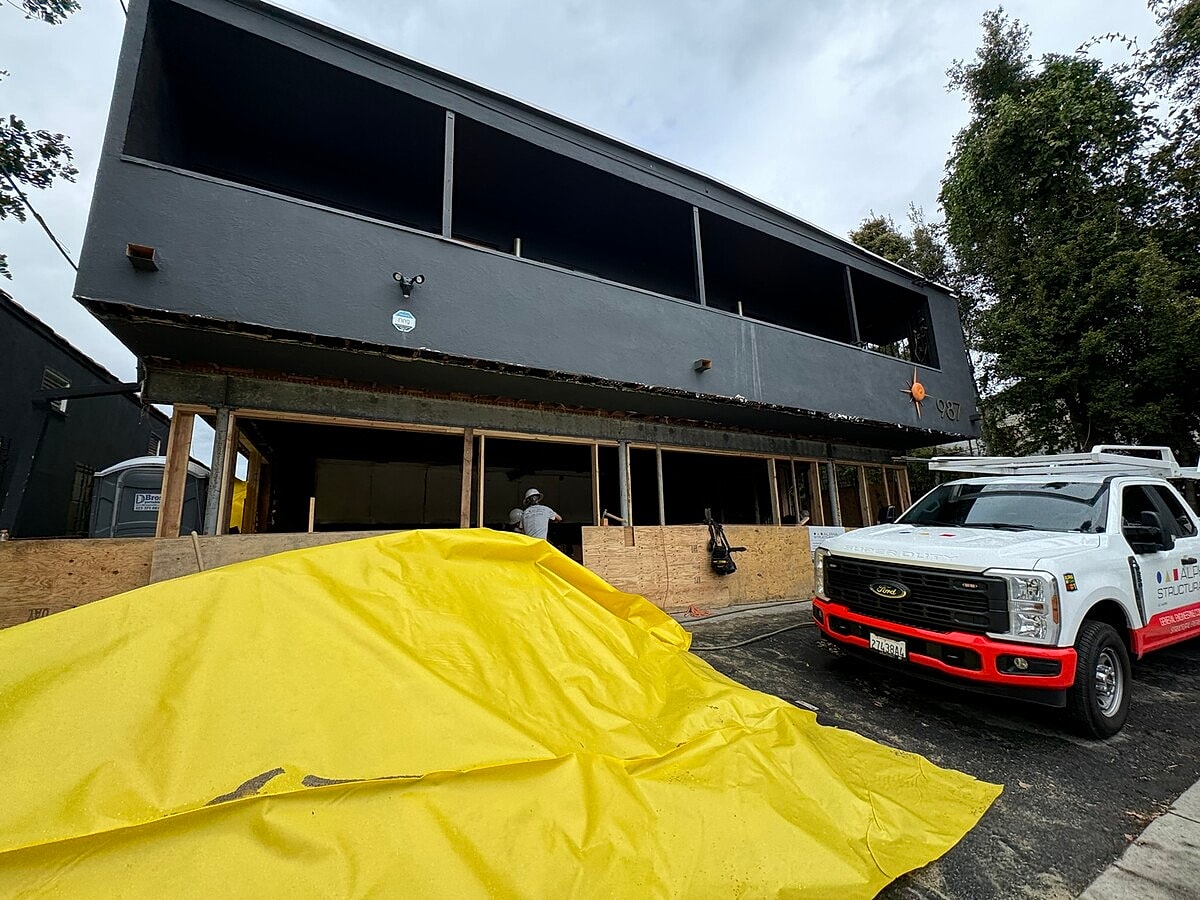
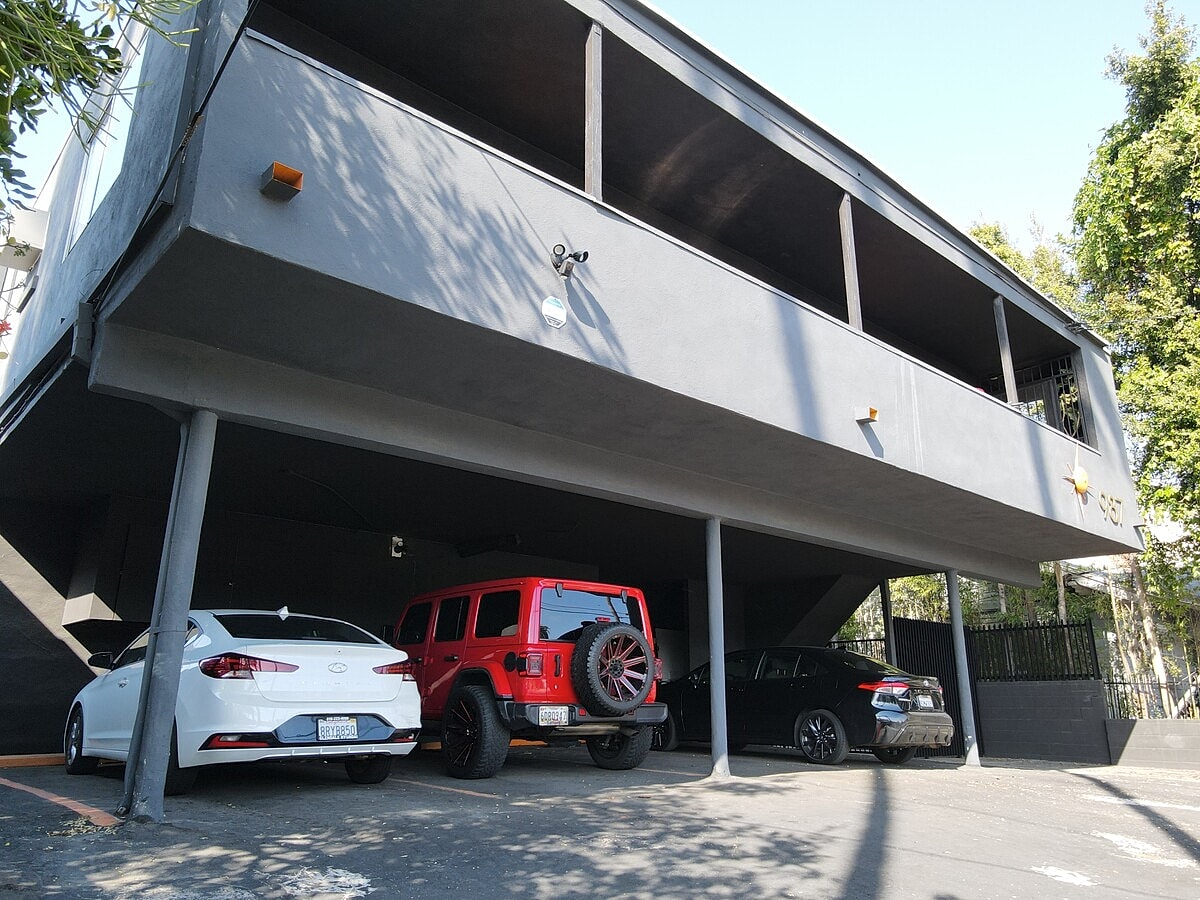
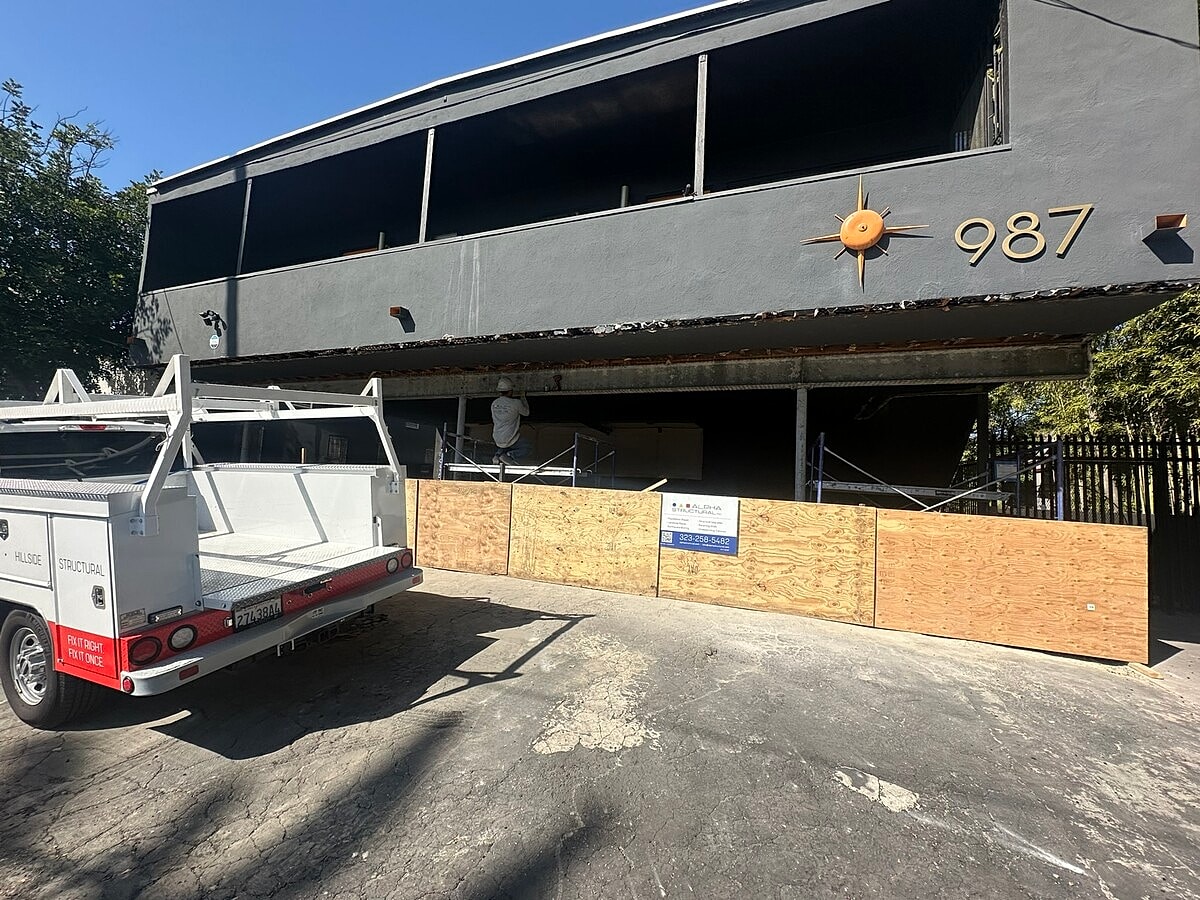
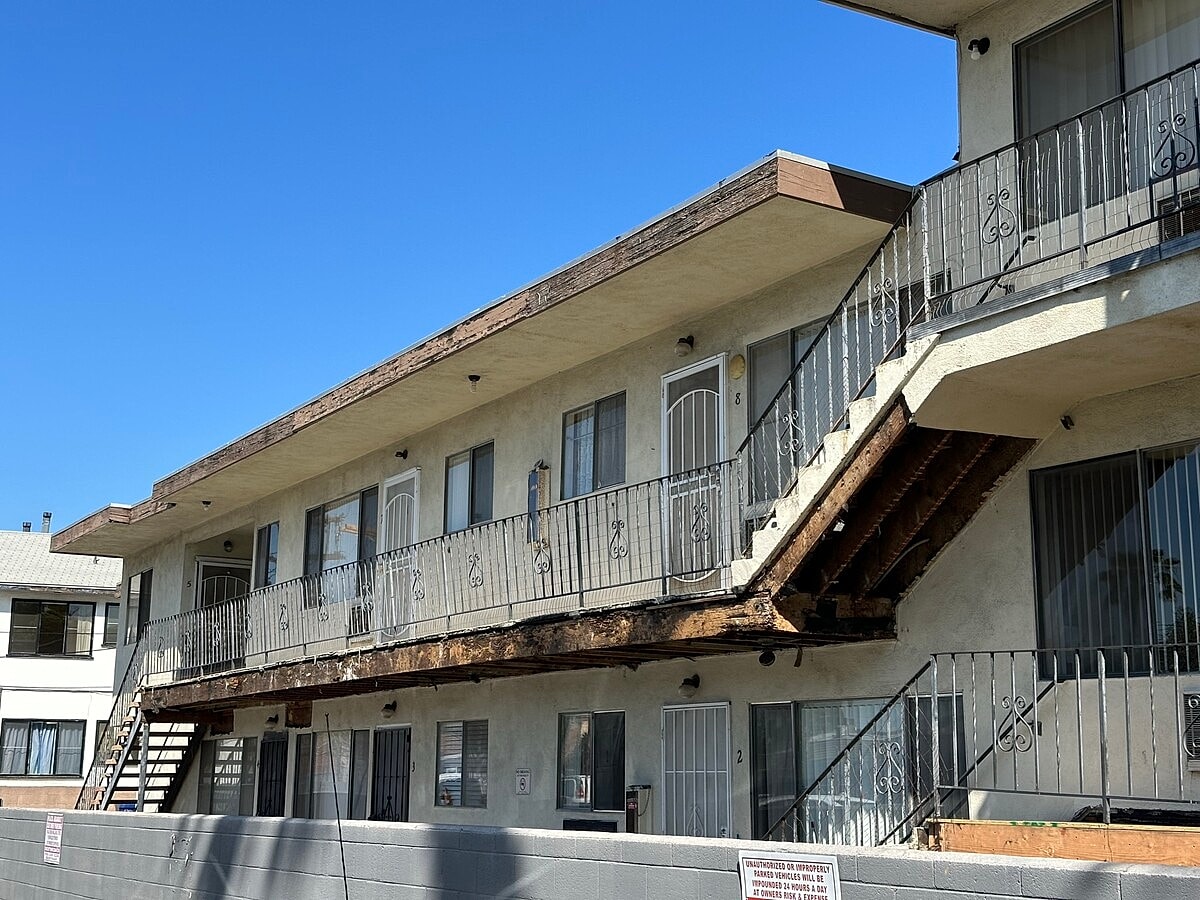
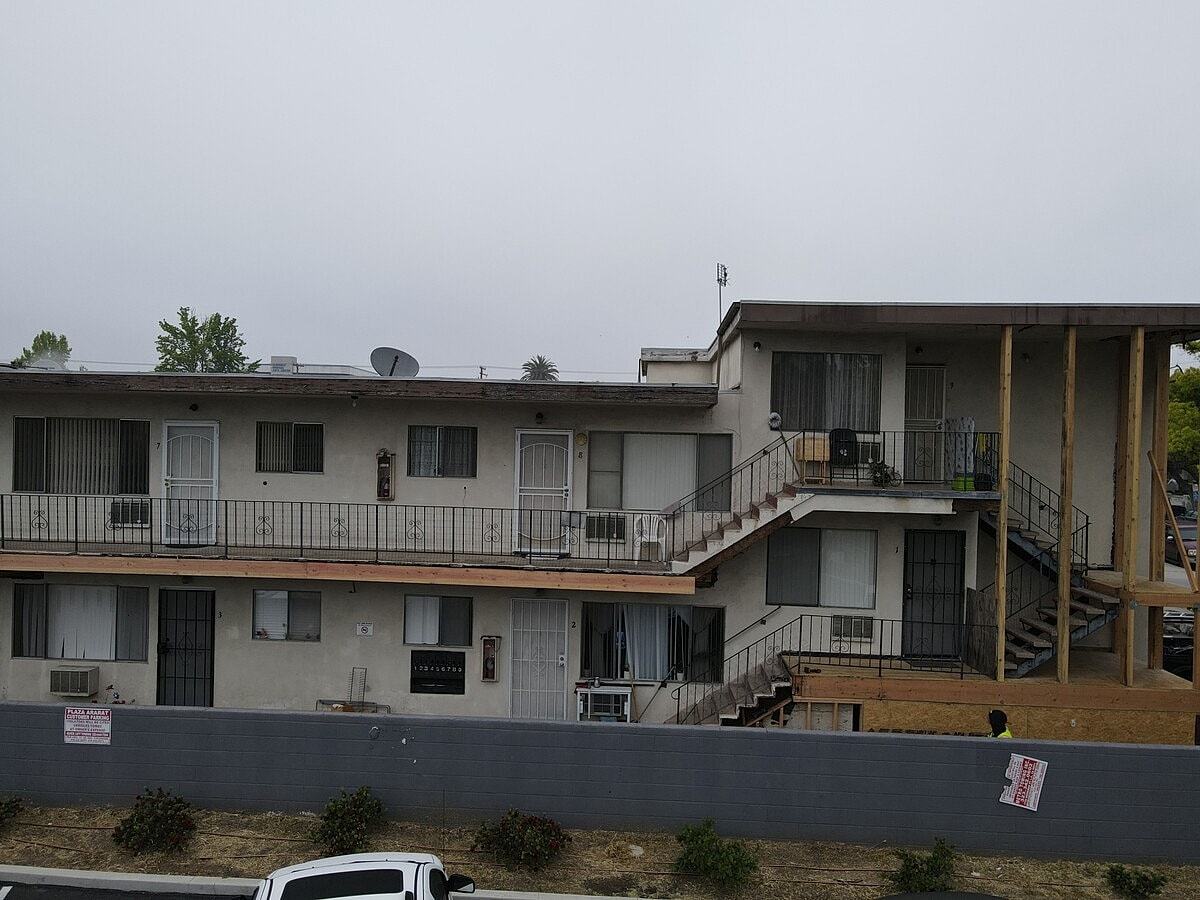
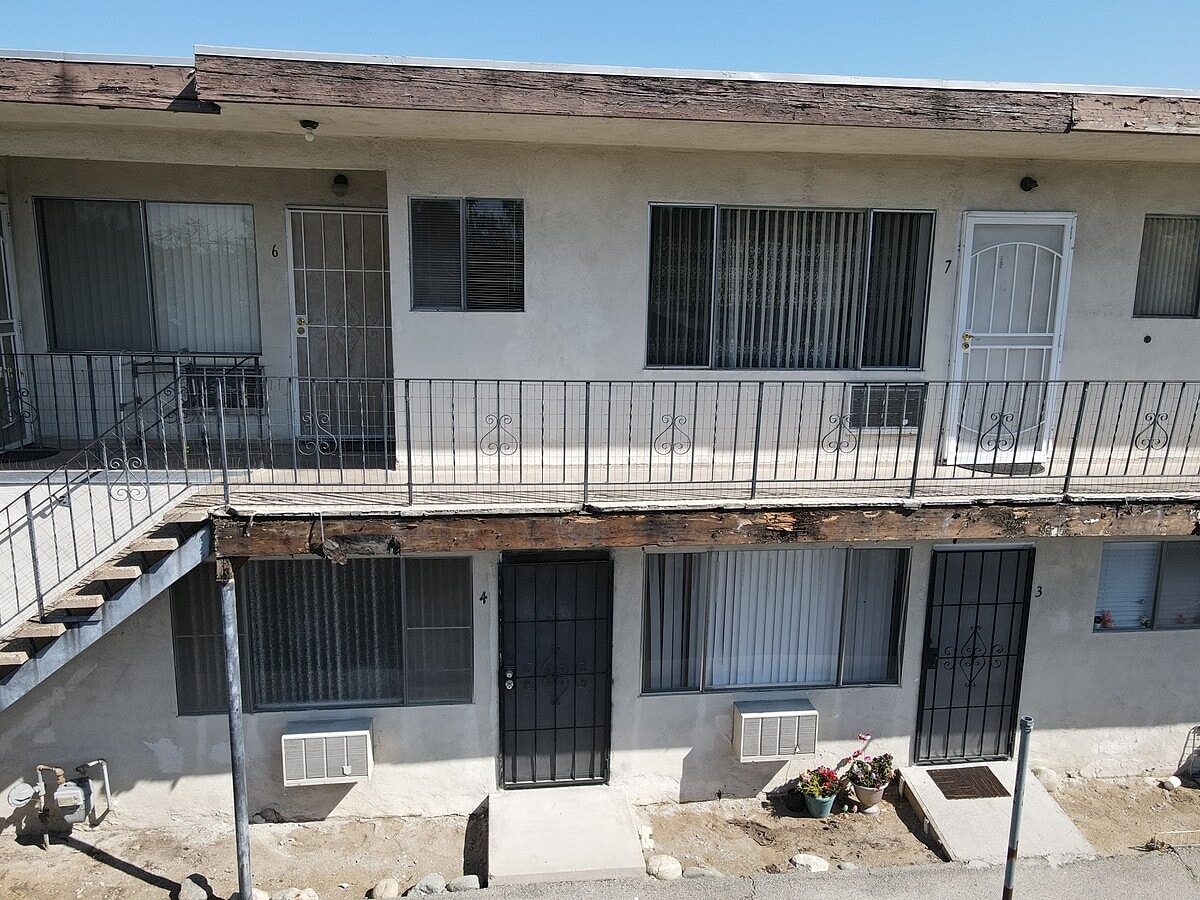
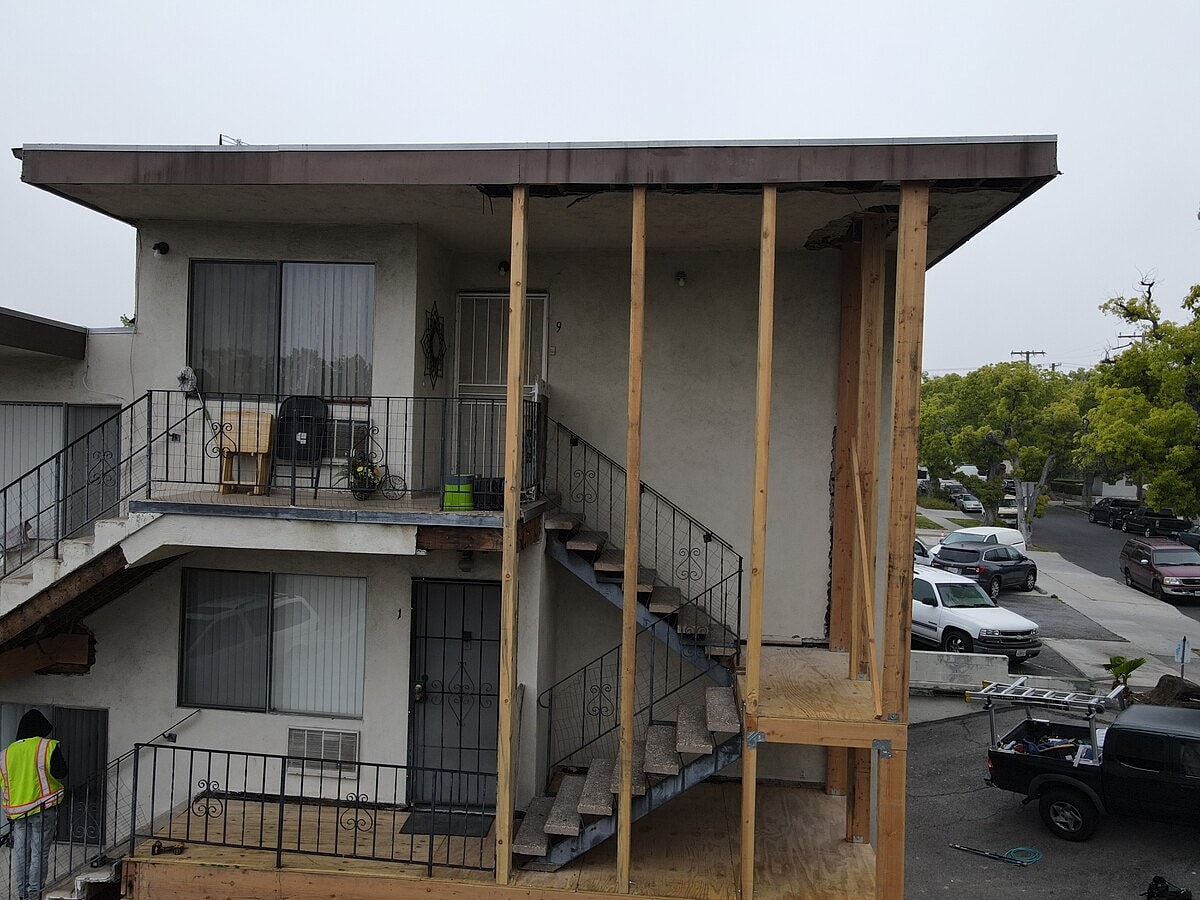
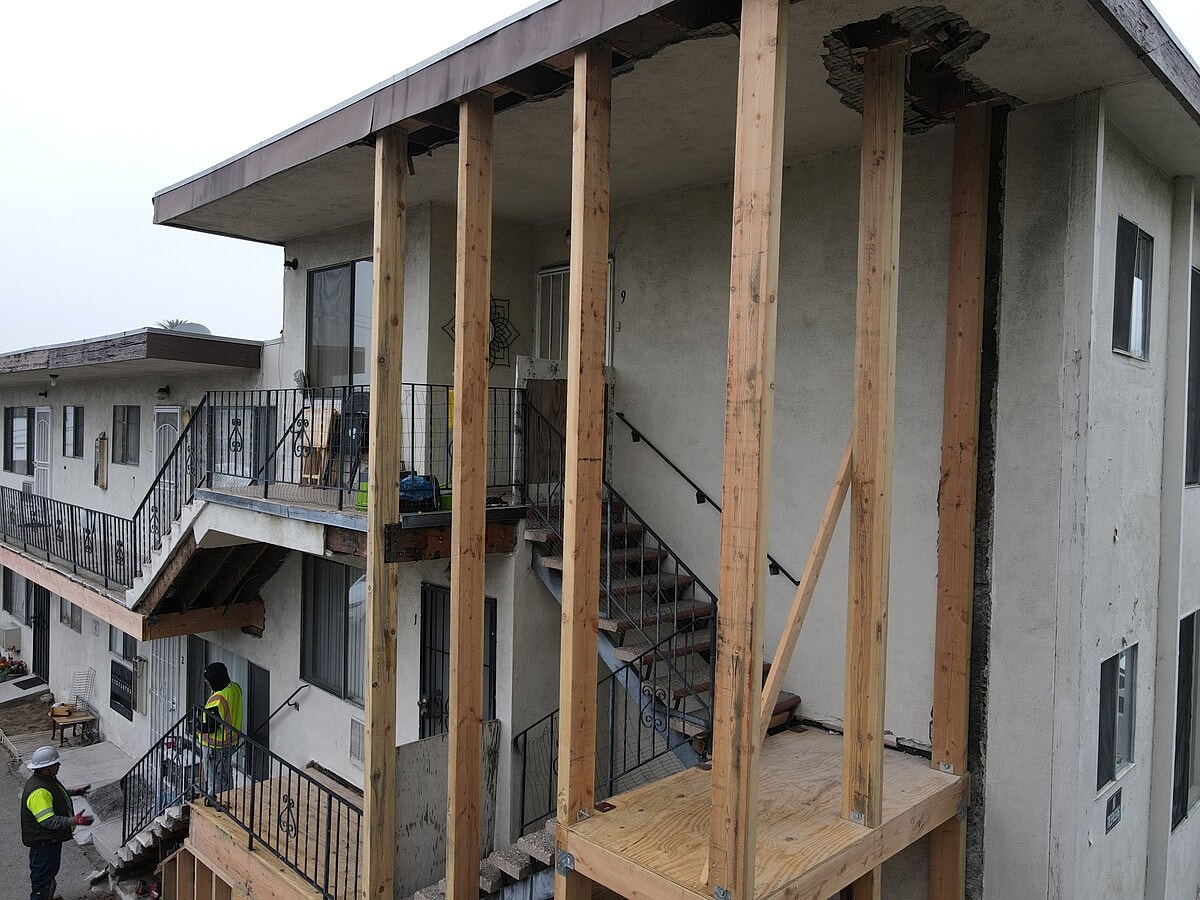
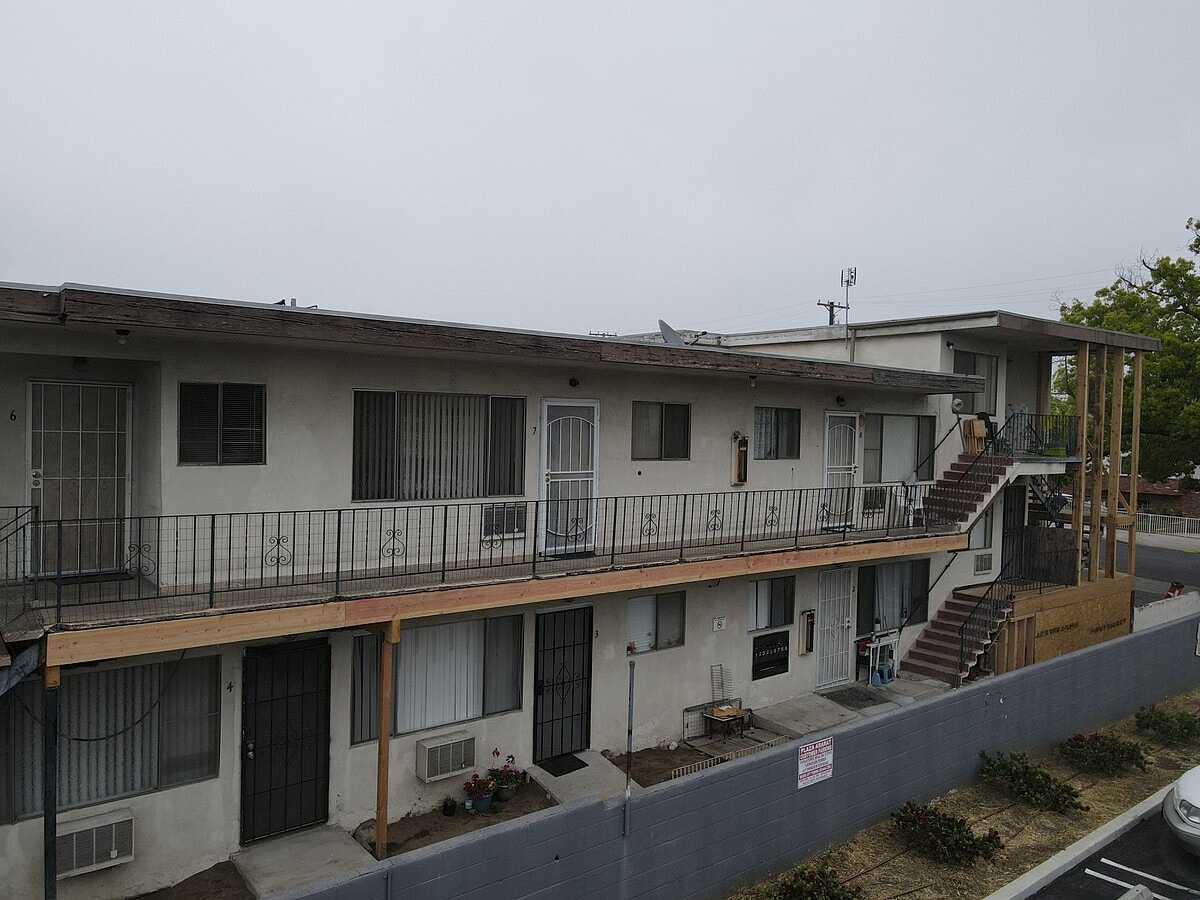
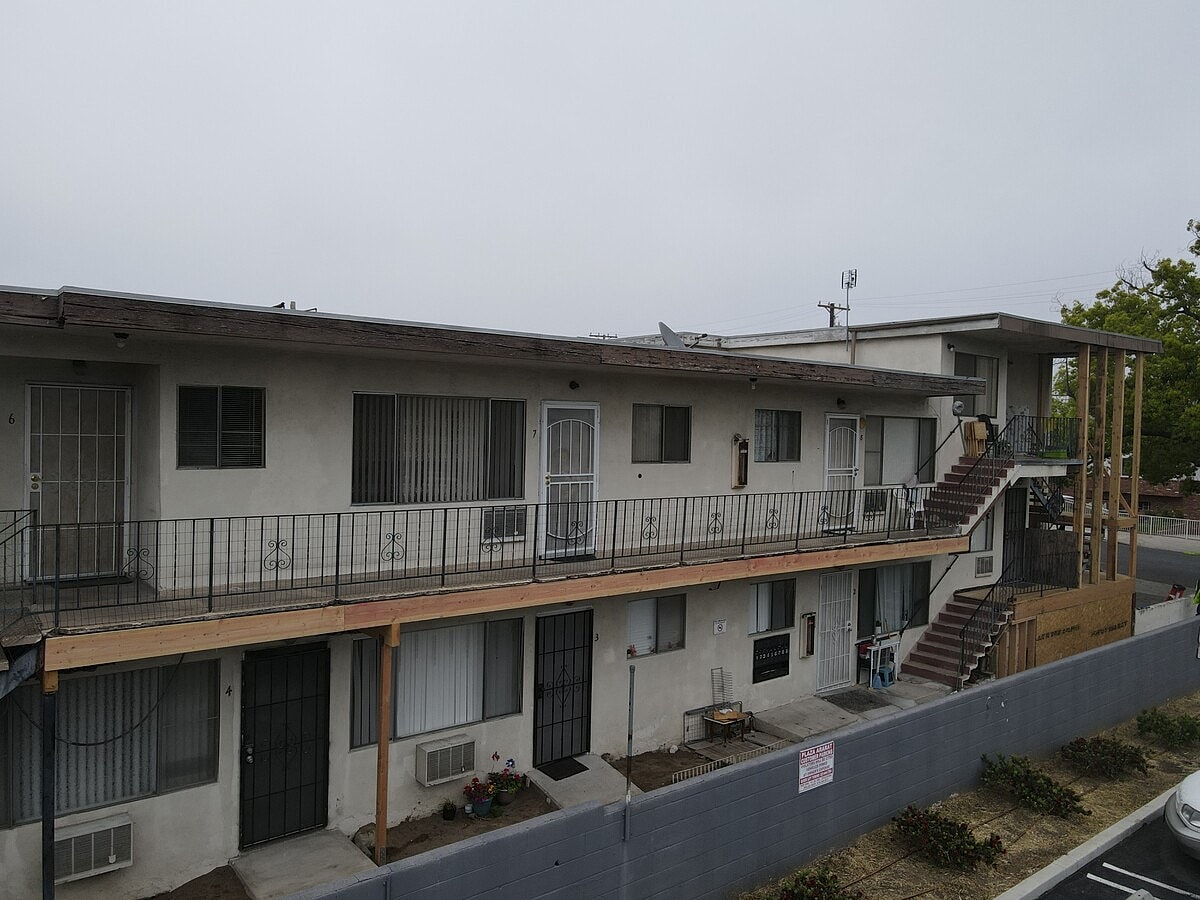
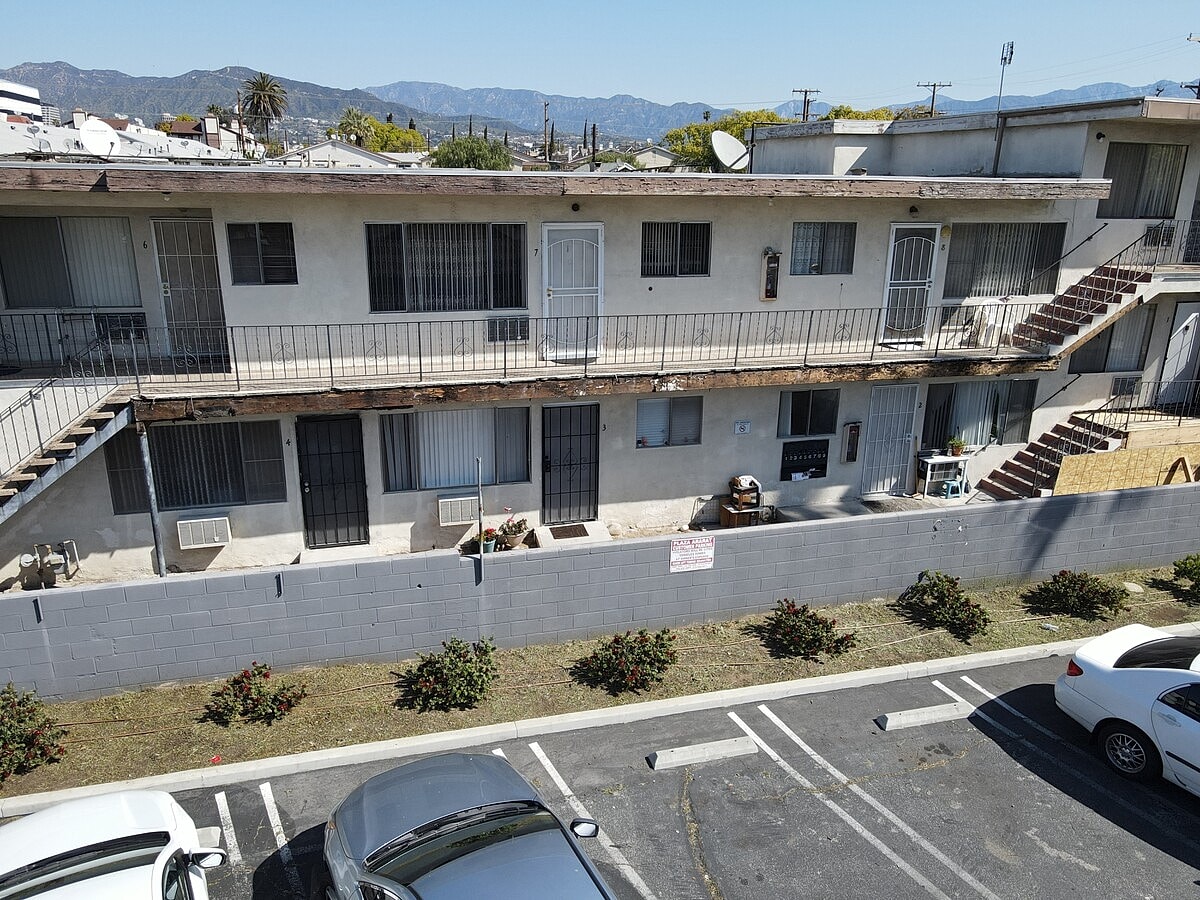
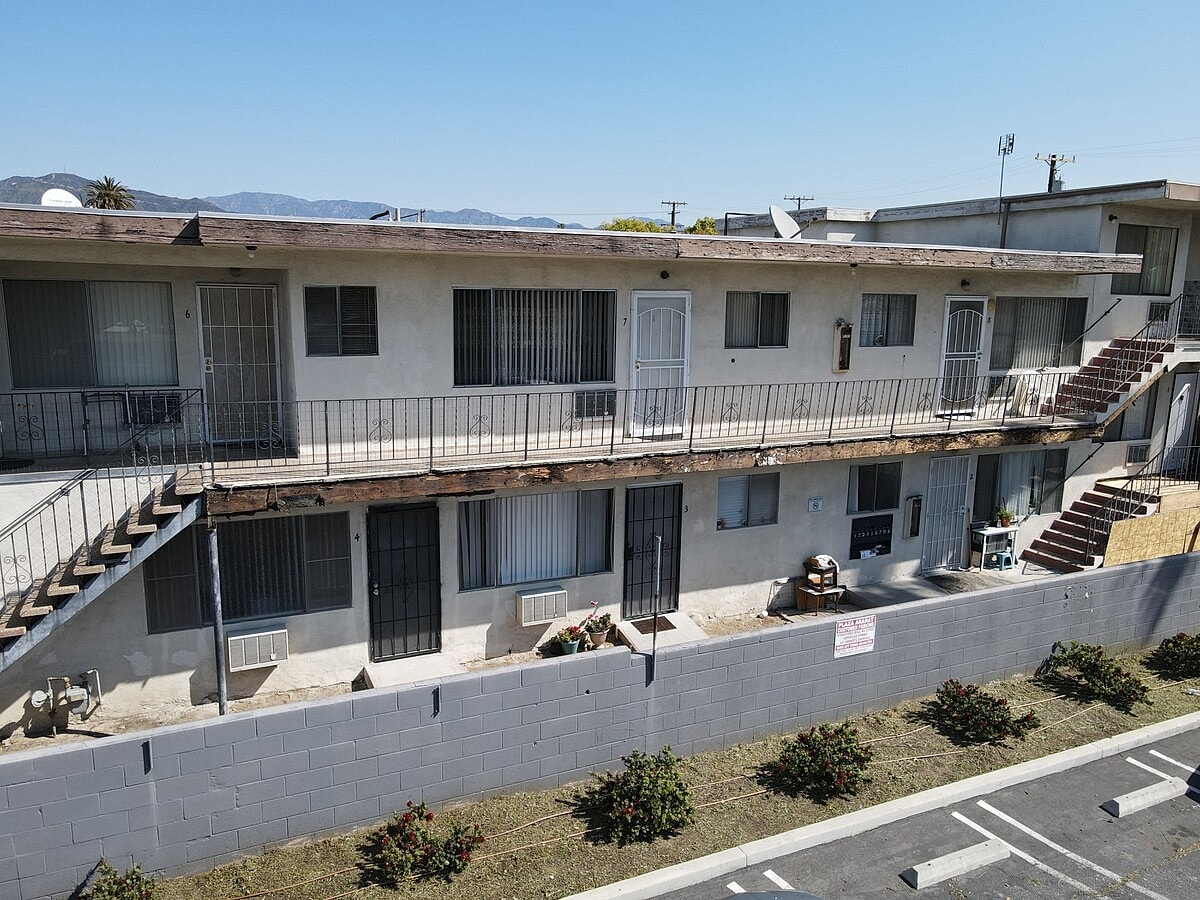
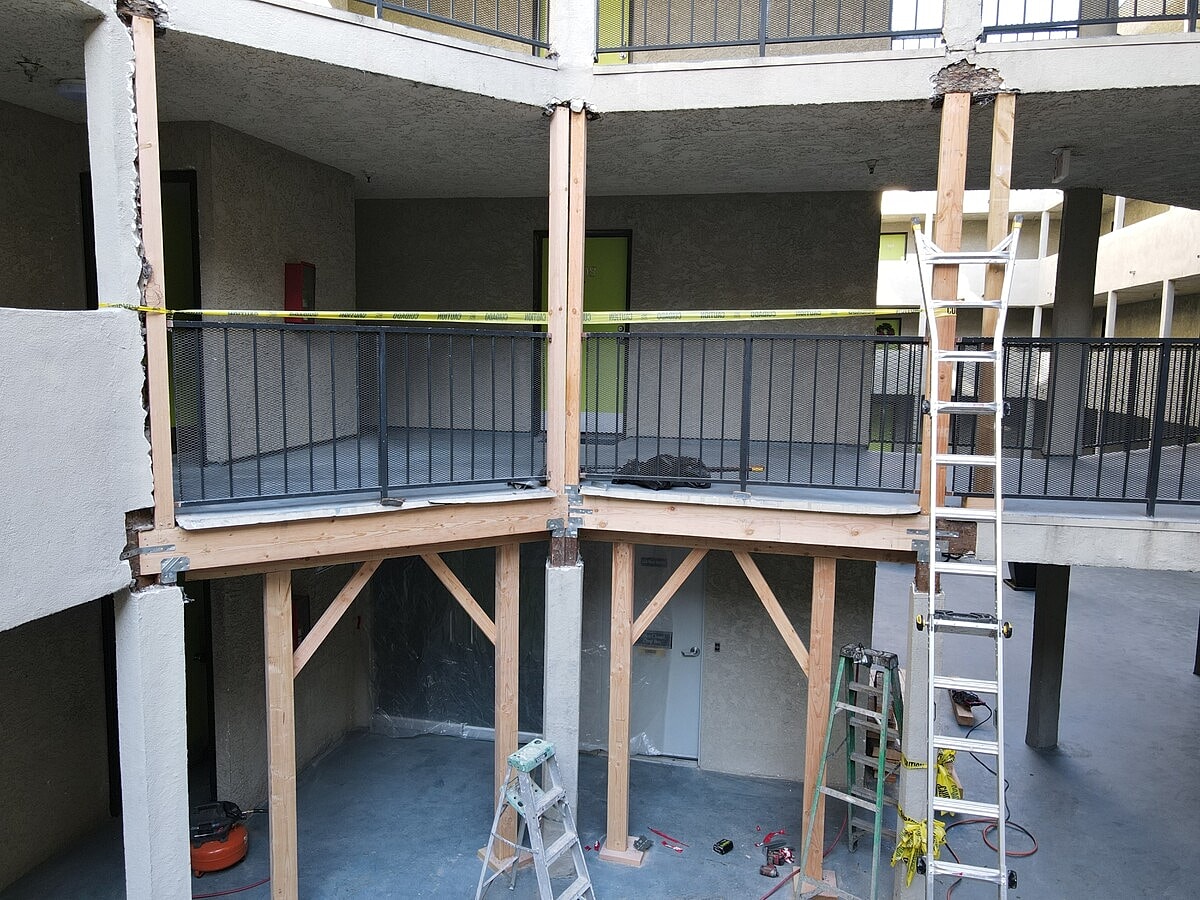
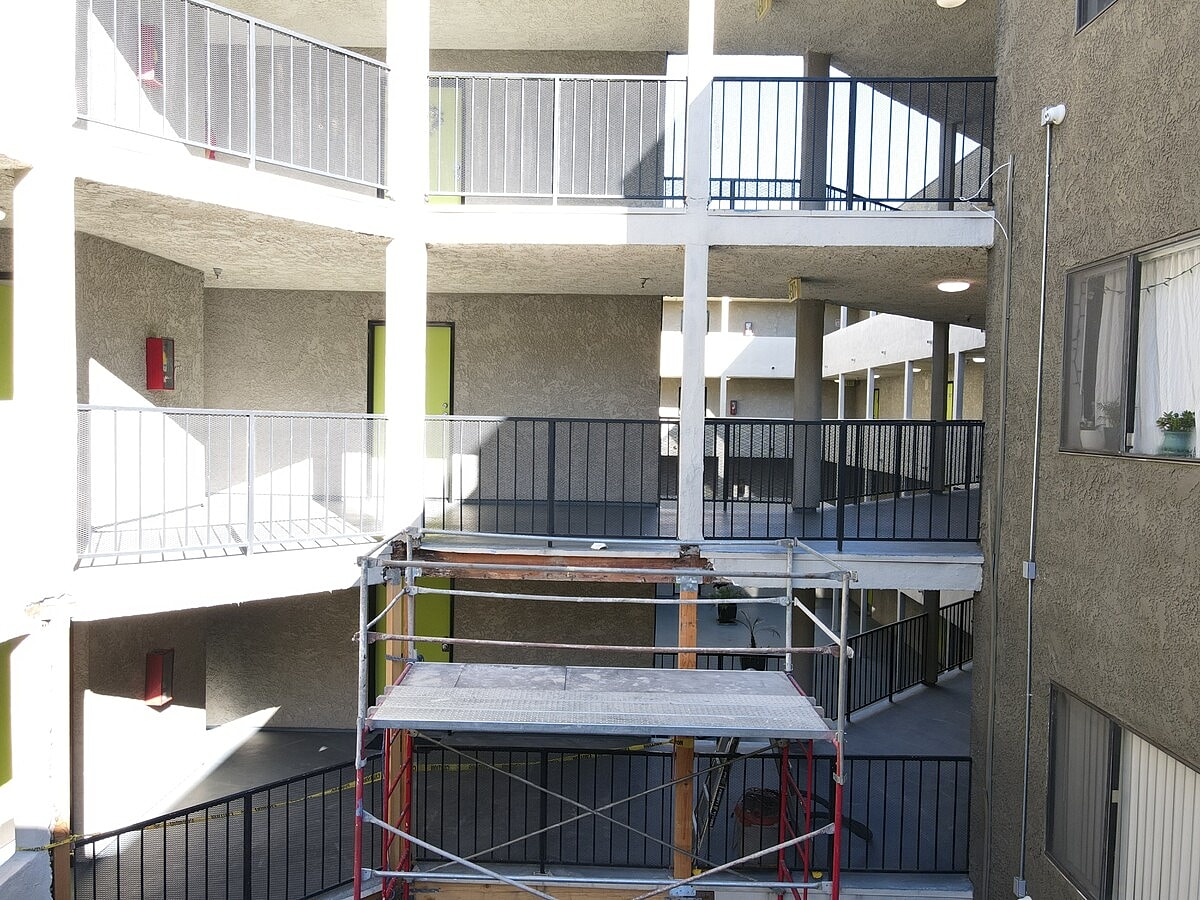
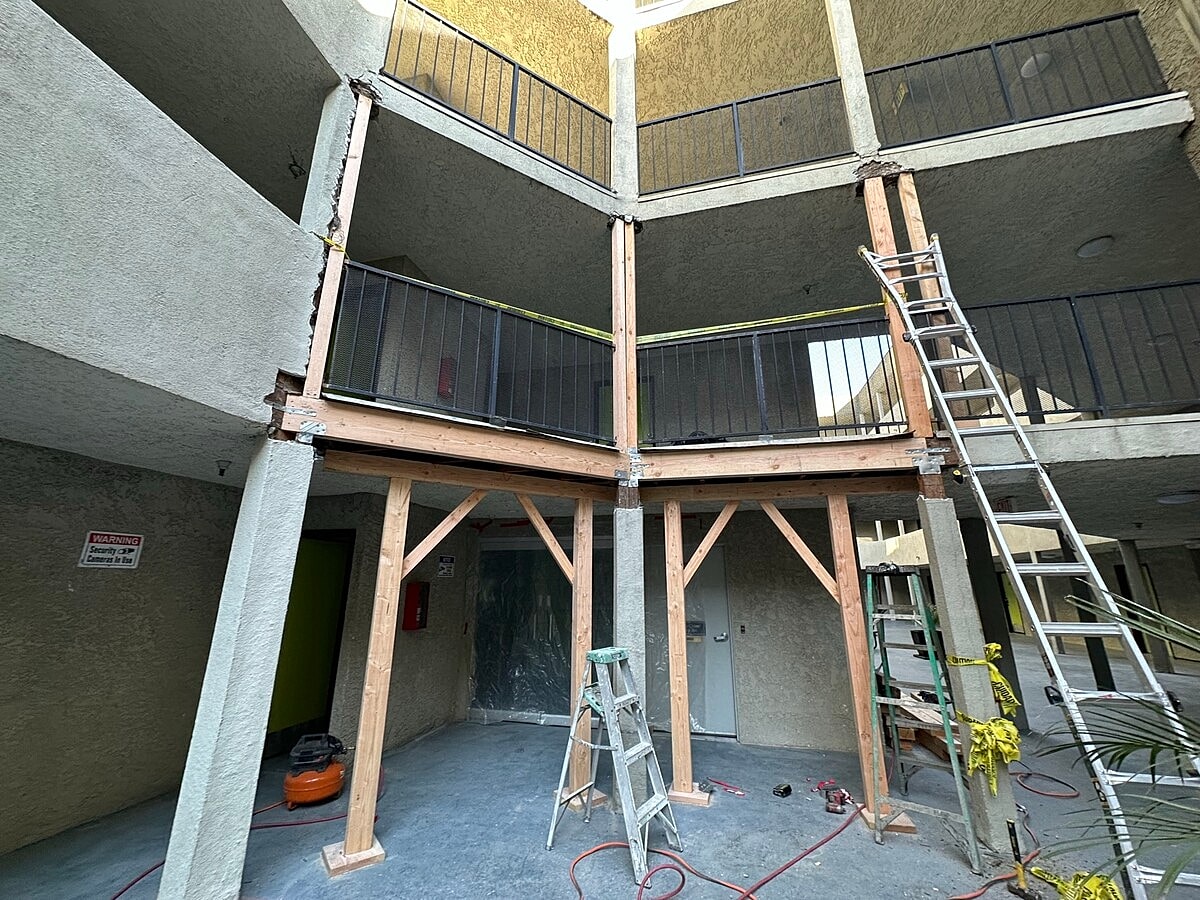
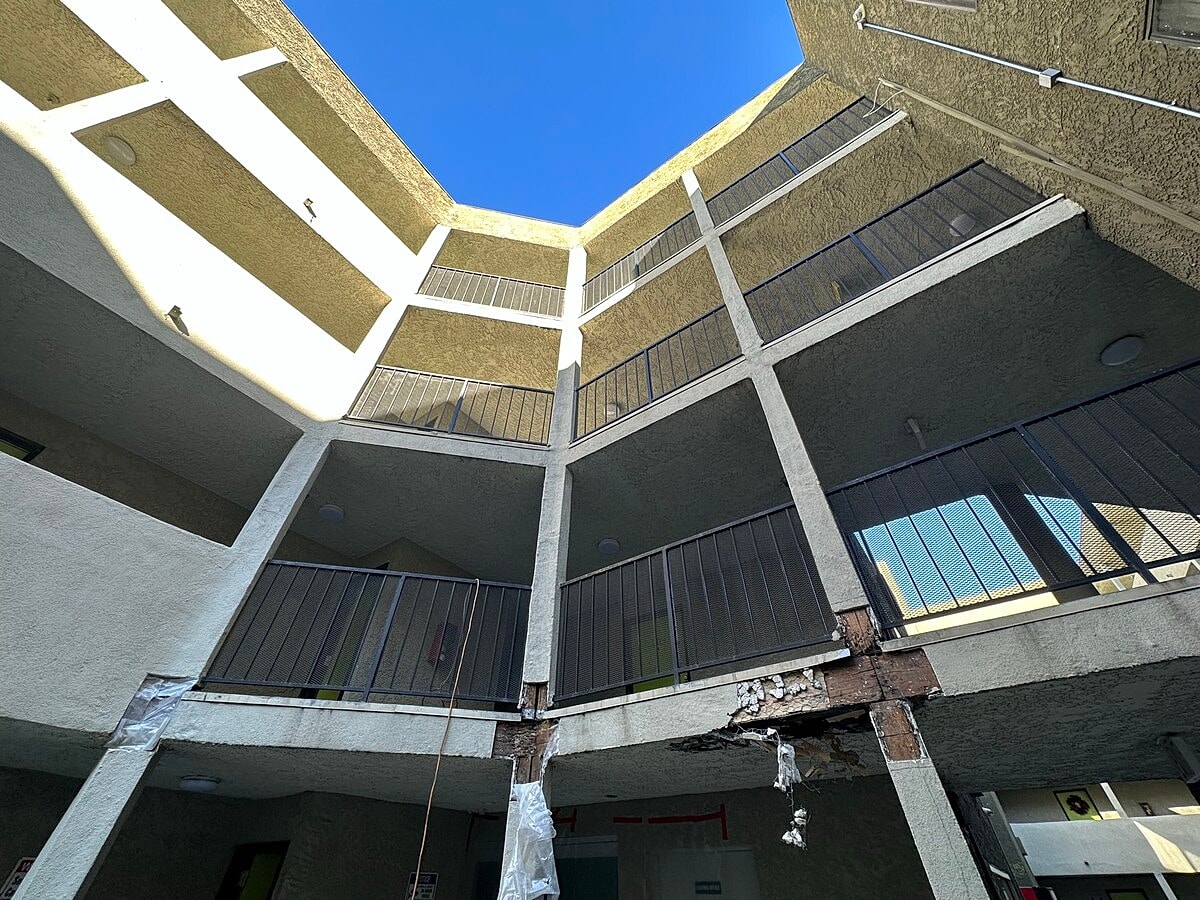
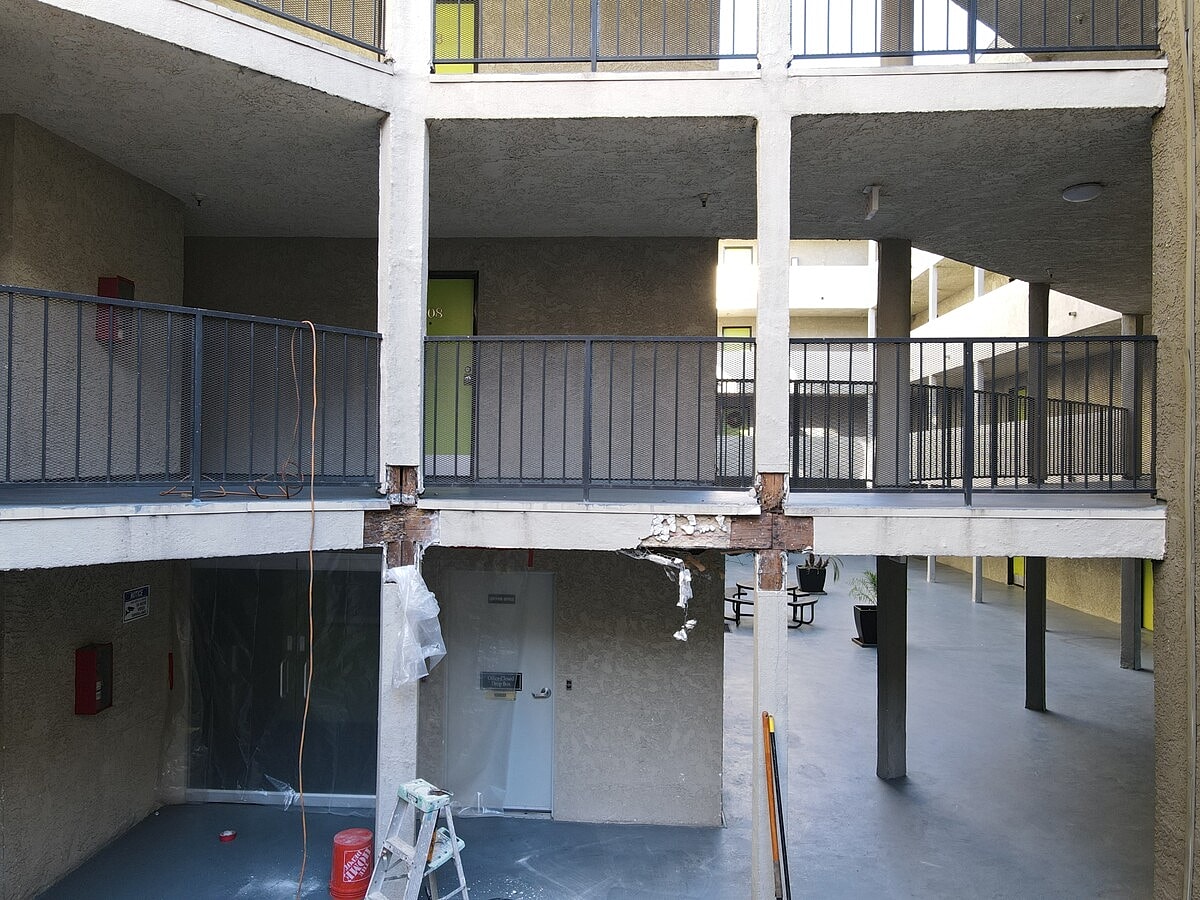
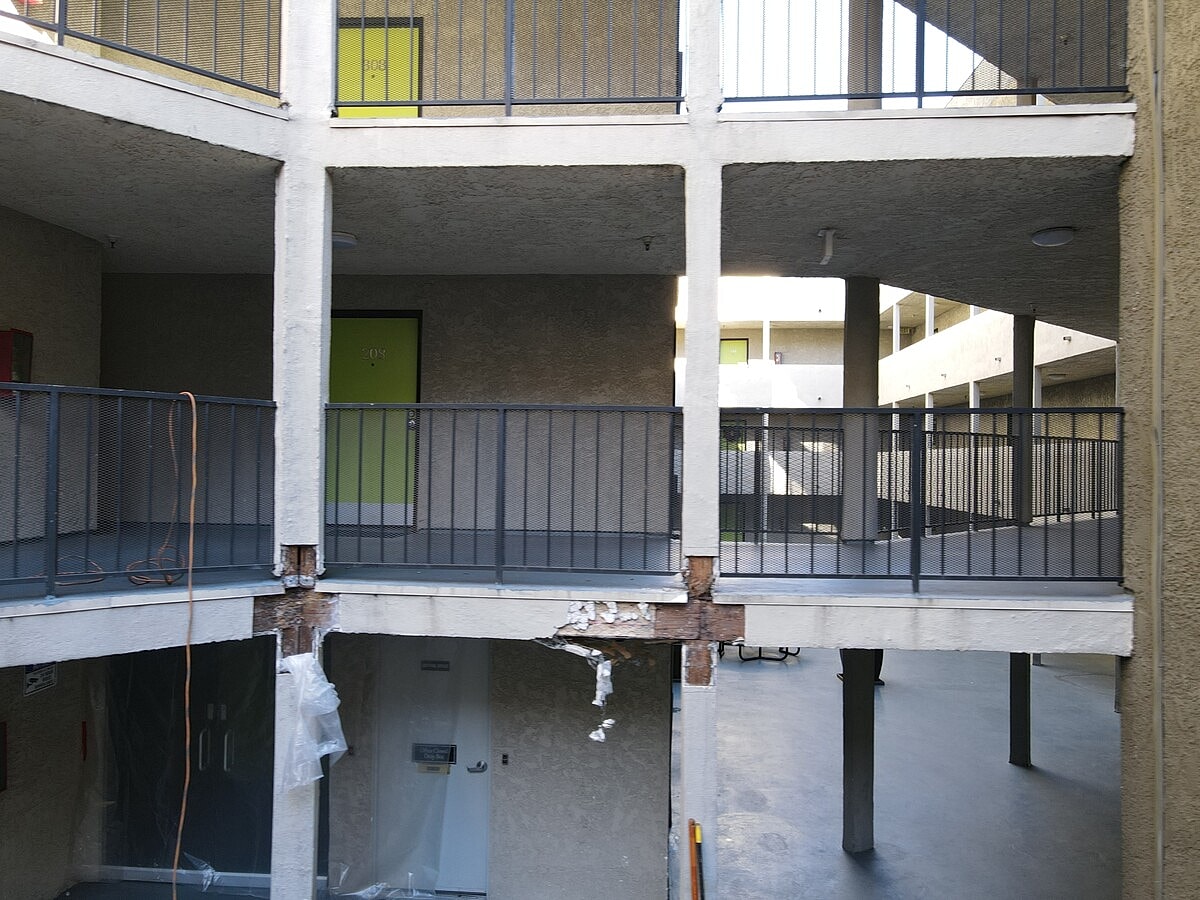
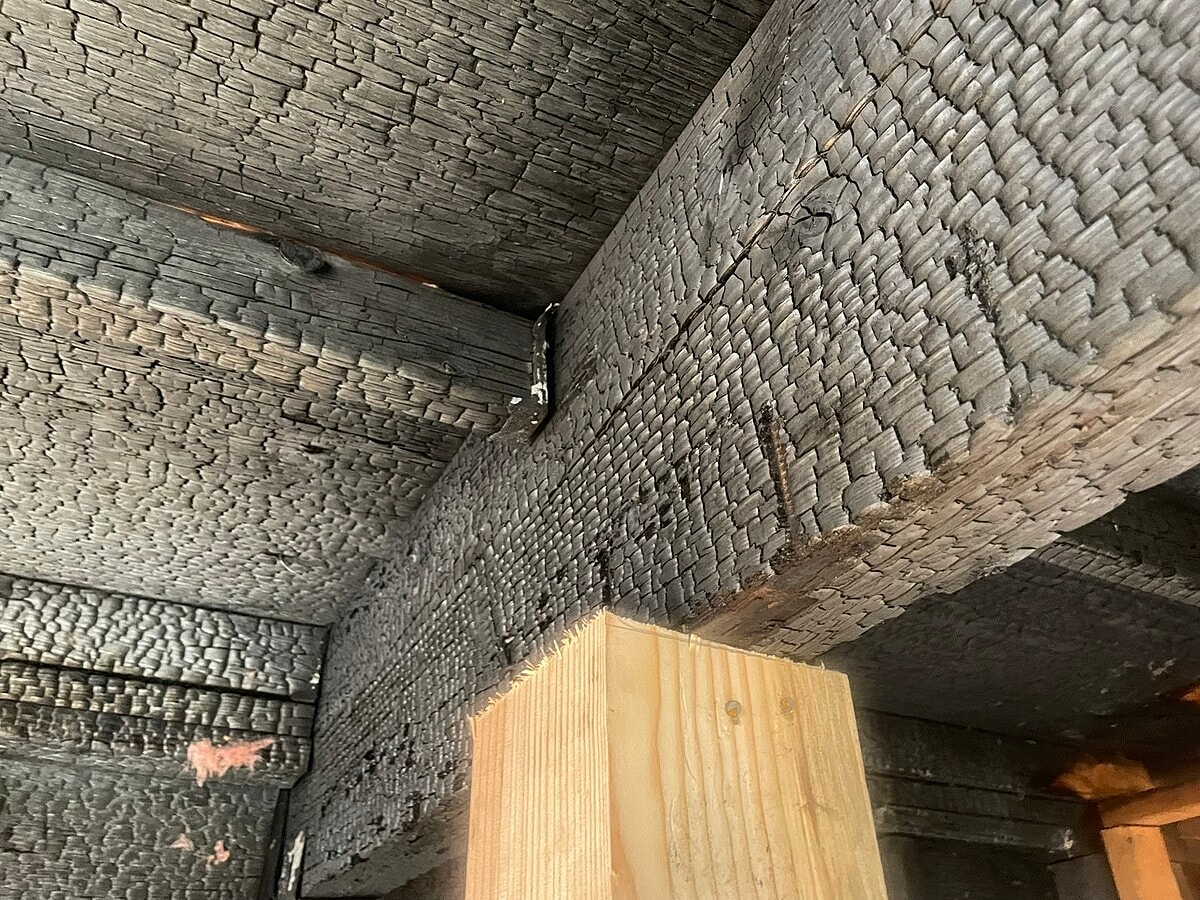
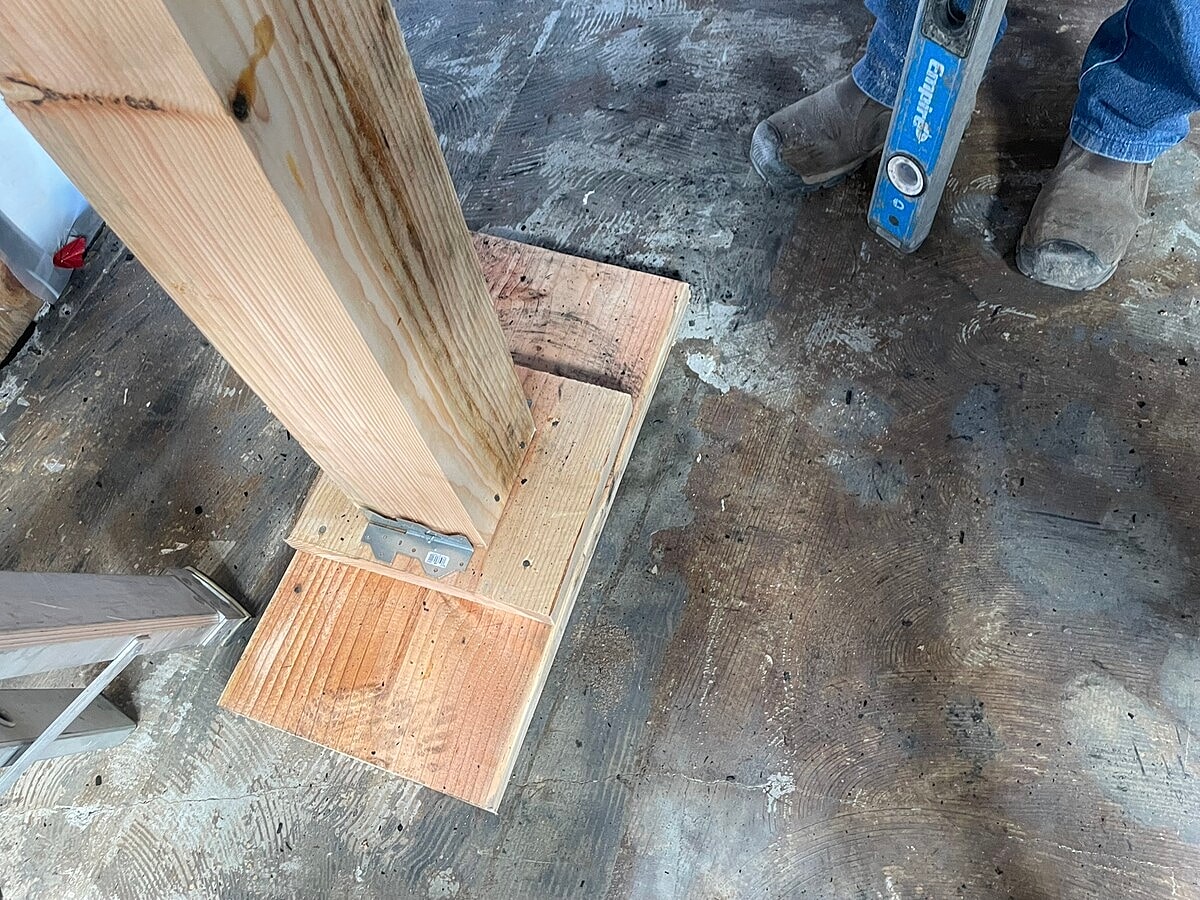
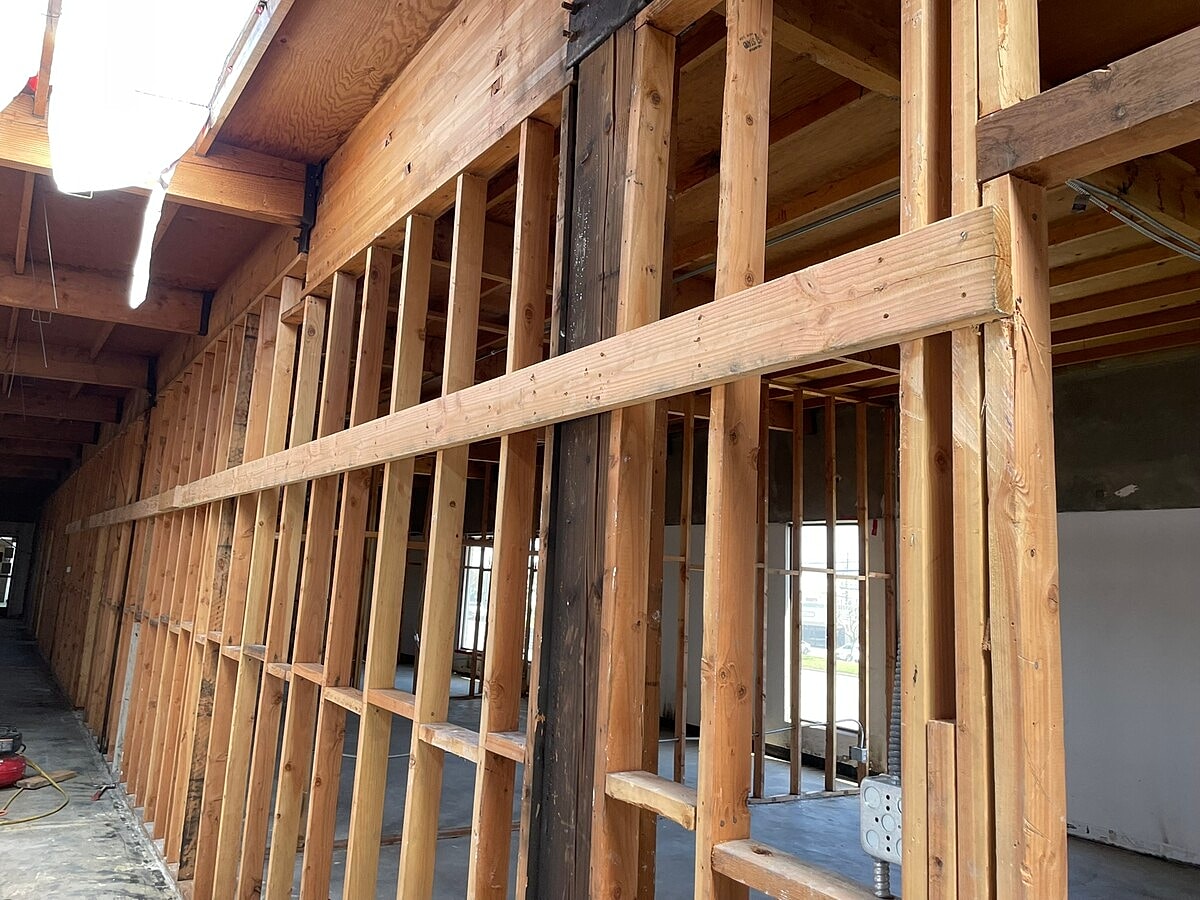
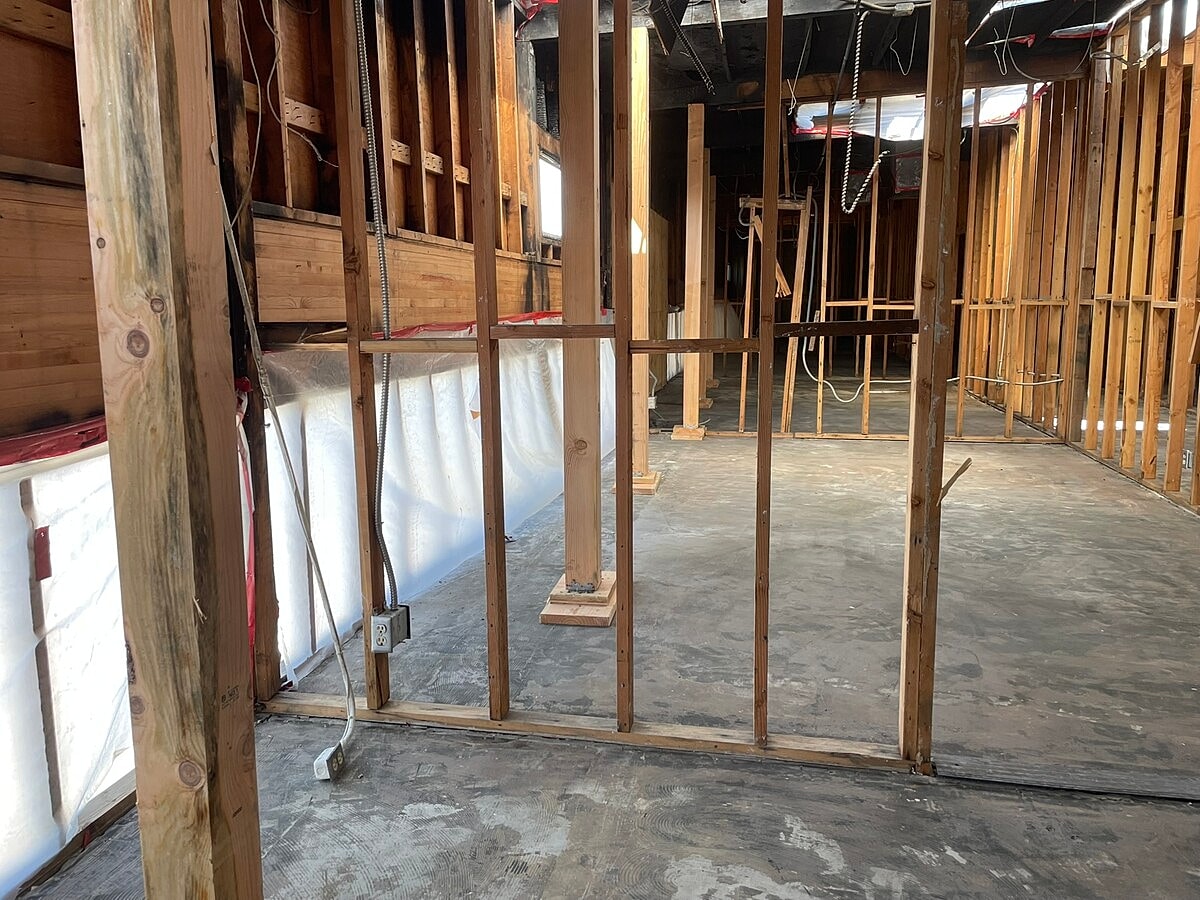
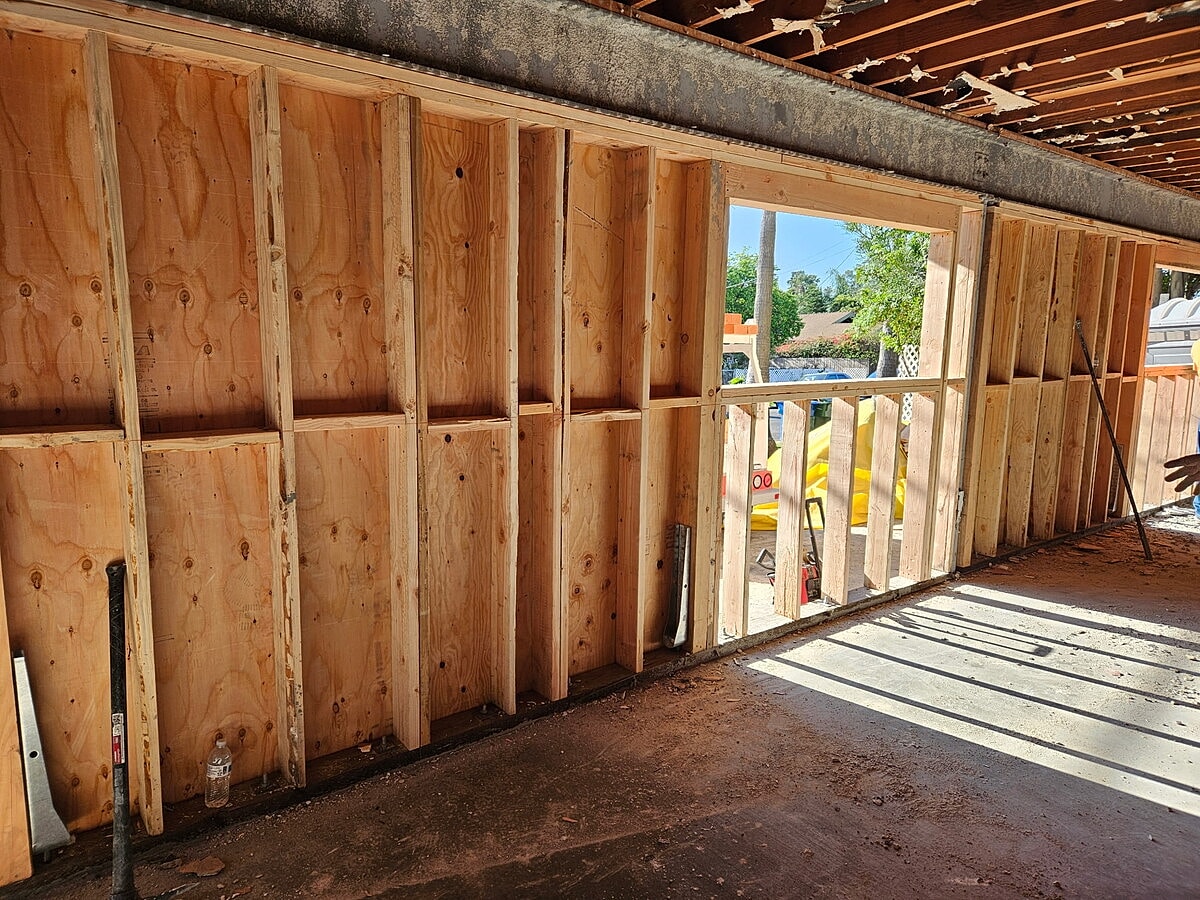
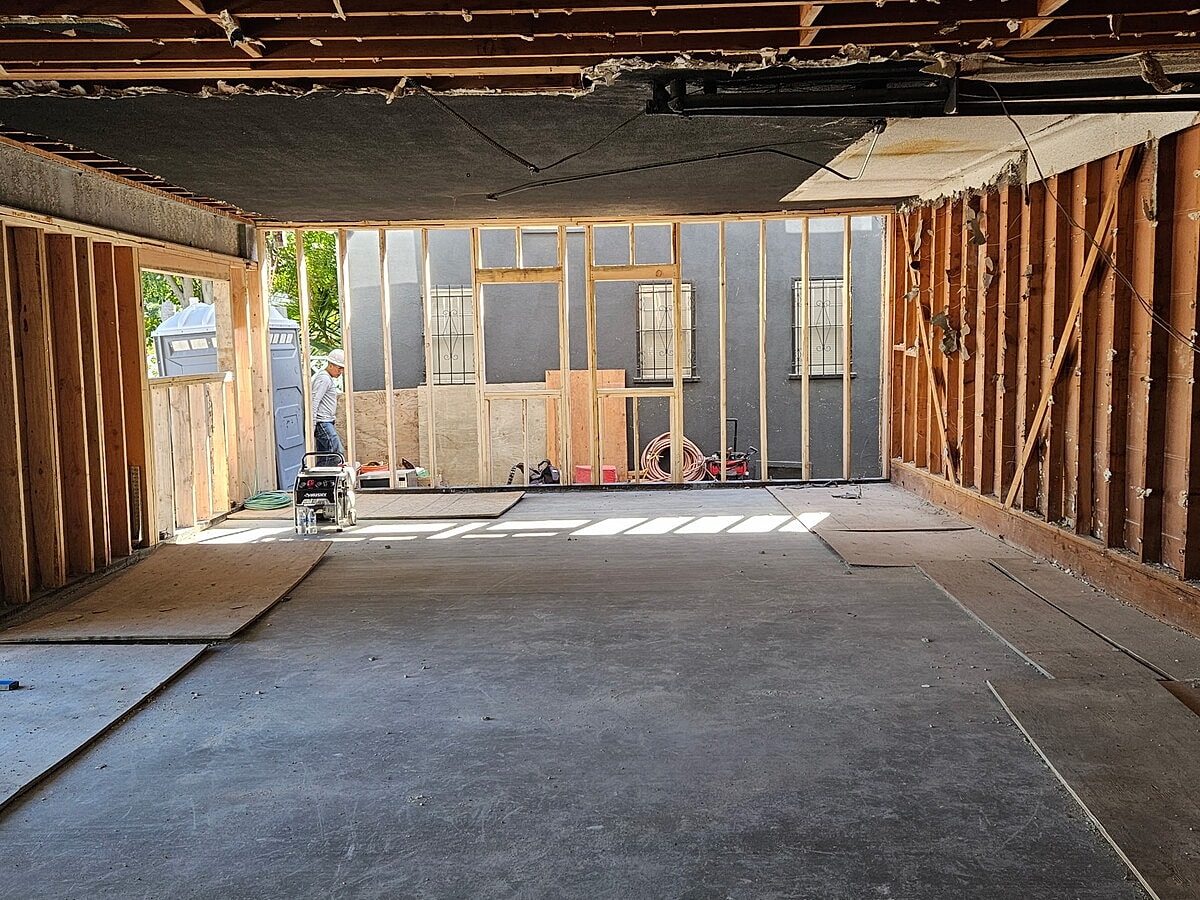
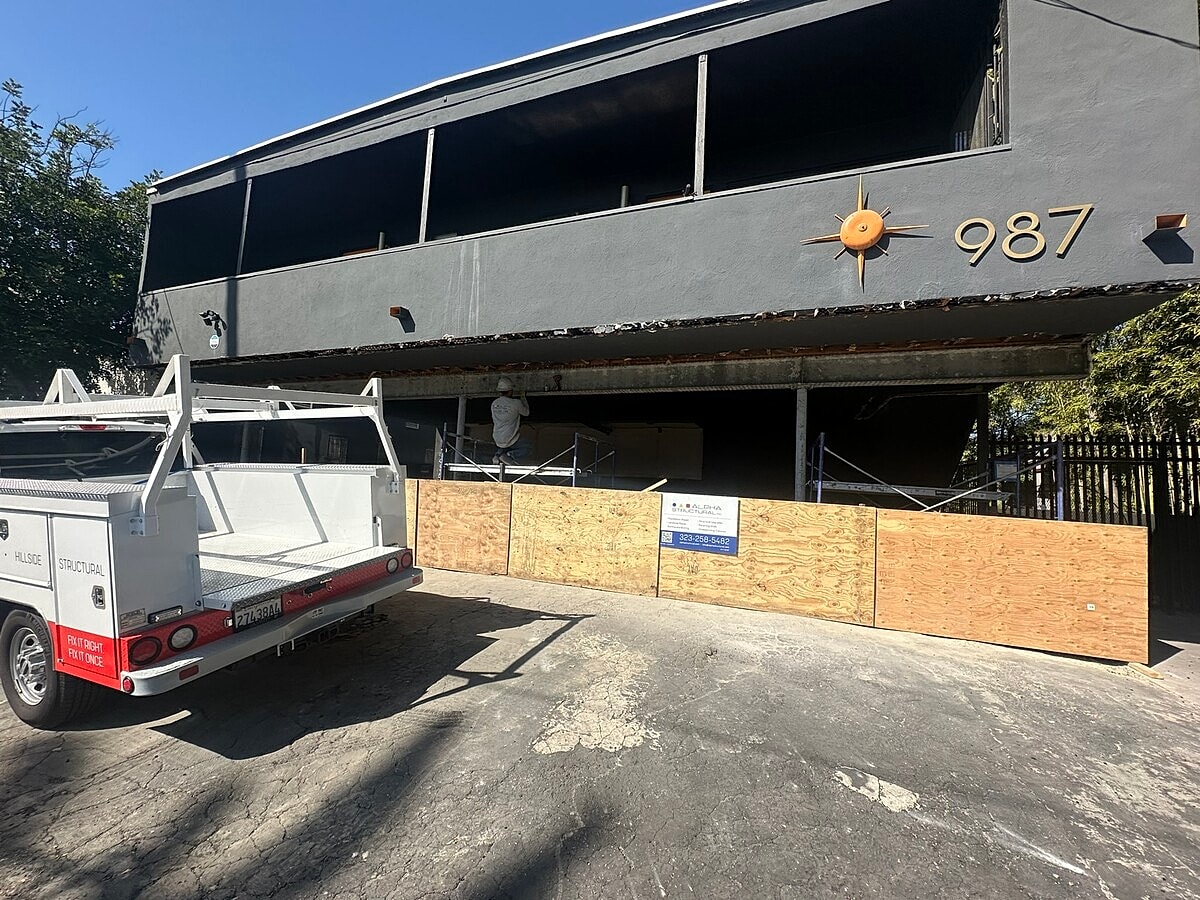
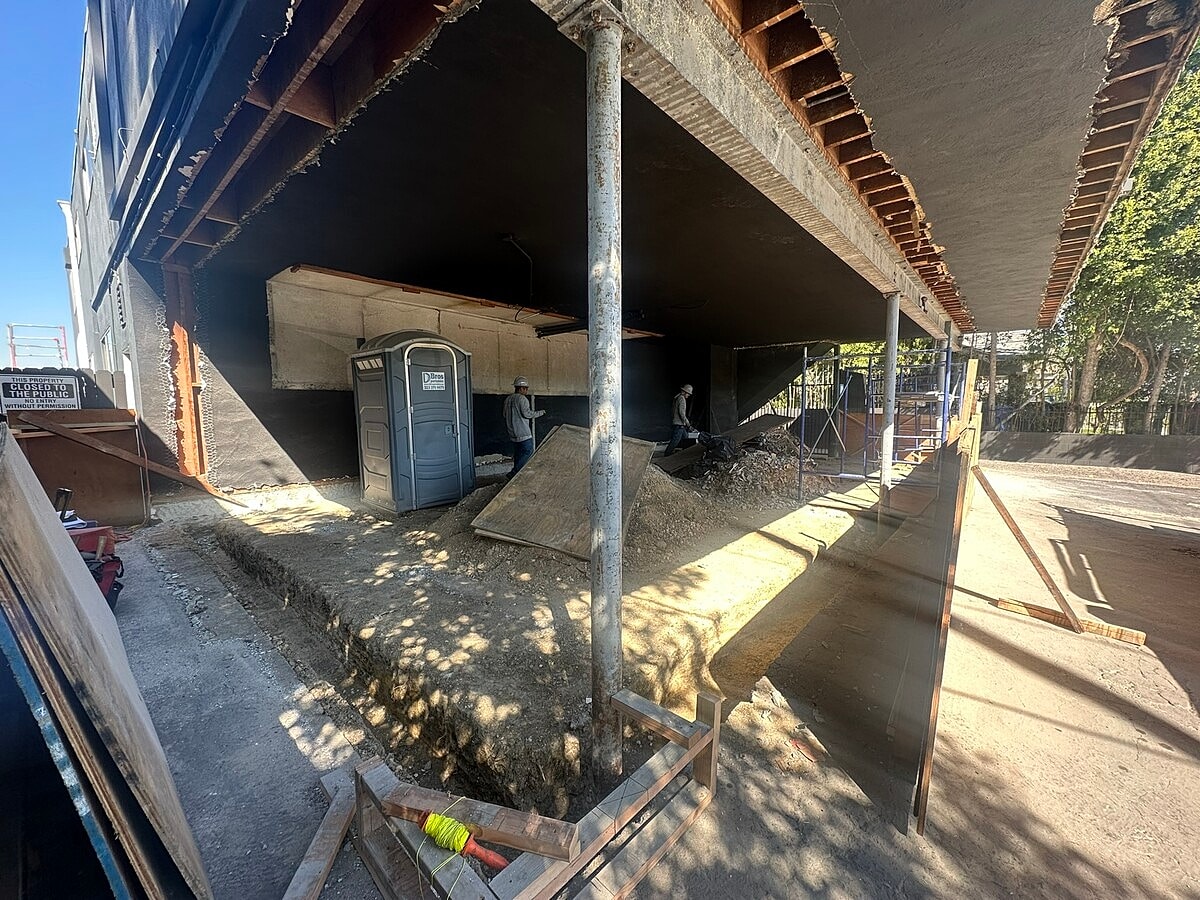
A structural change order project was completed in Los Angeles to address warped and unanchored columns. The scope of work included installing temporary shoring at the south roof girder systems to remove three warped 8x wooden columns and replacing them with new 8x, #1 lumber from floor to ceiling. To properly secure the structure, new manufactured steel base connection plates were installed on these and all remaining second-floor columns in the south building, which were previously sitting on the ground with no connection. Additionally, new steel supports were manufactured at two southeast HSS steel perimeter columns to "fur out" and bypass an existing drain system.
Residential
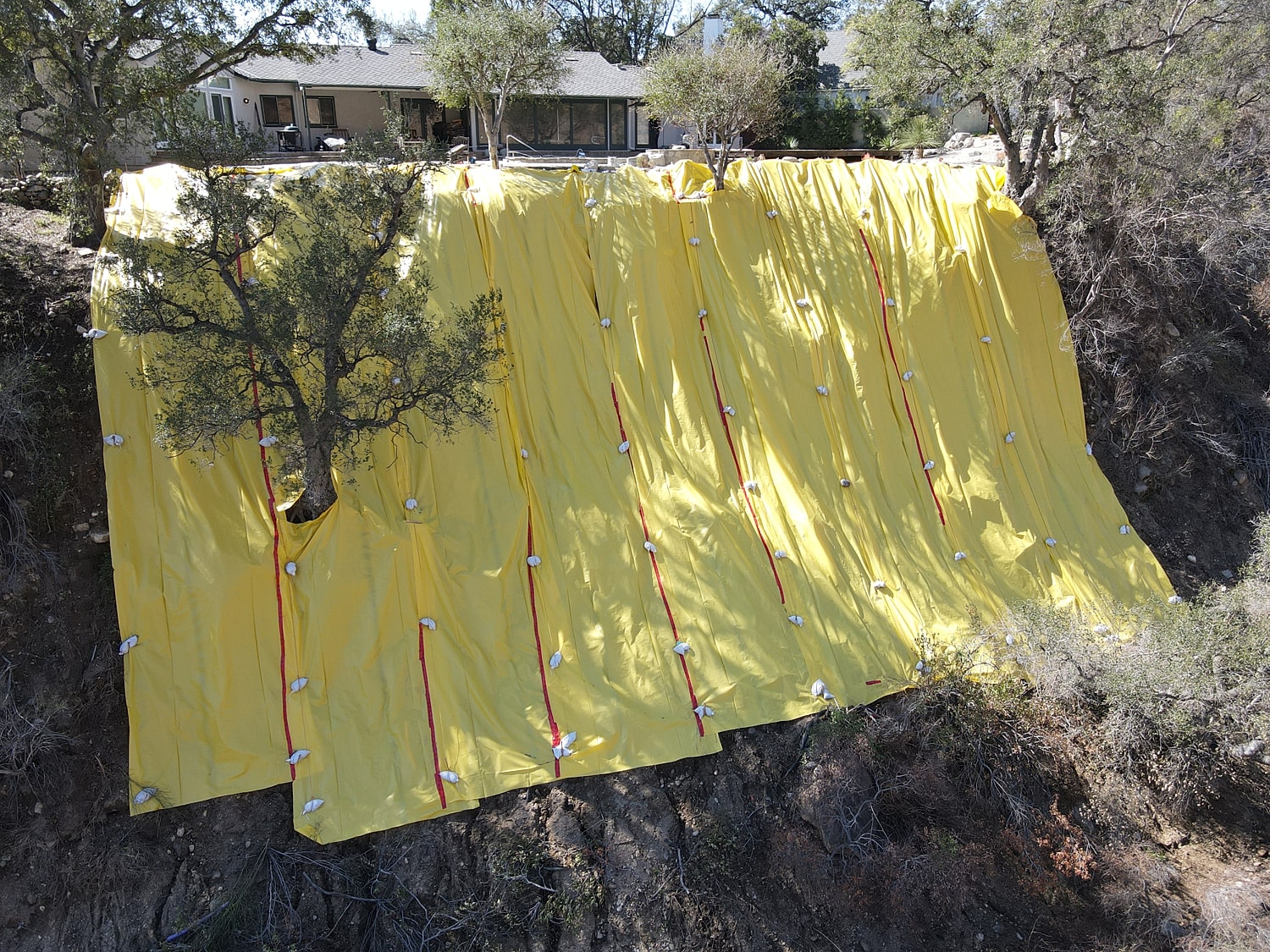
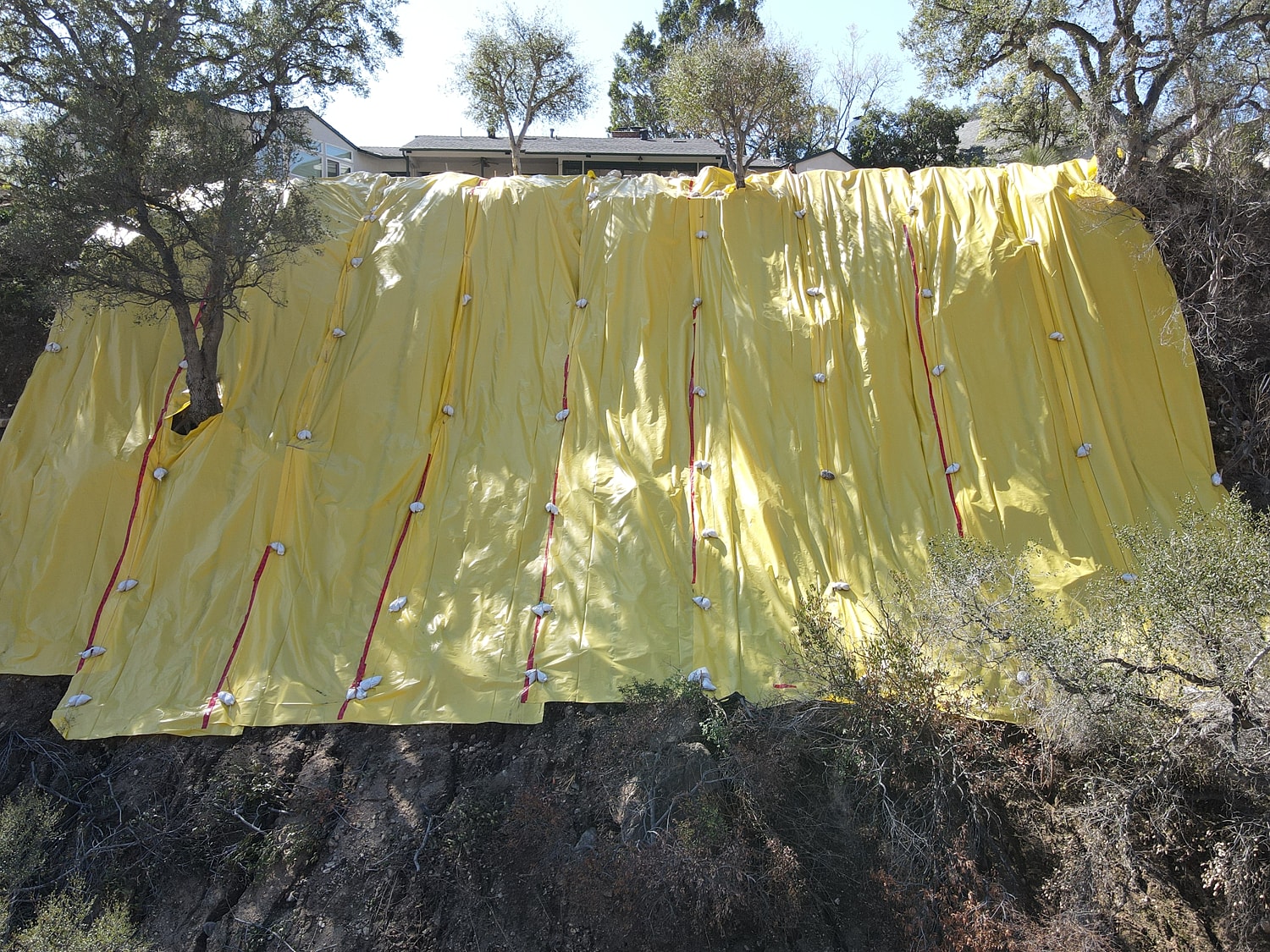
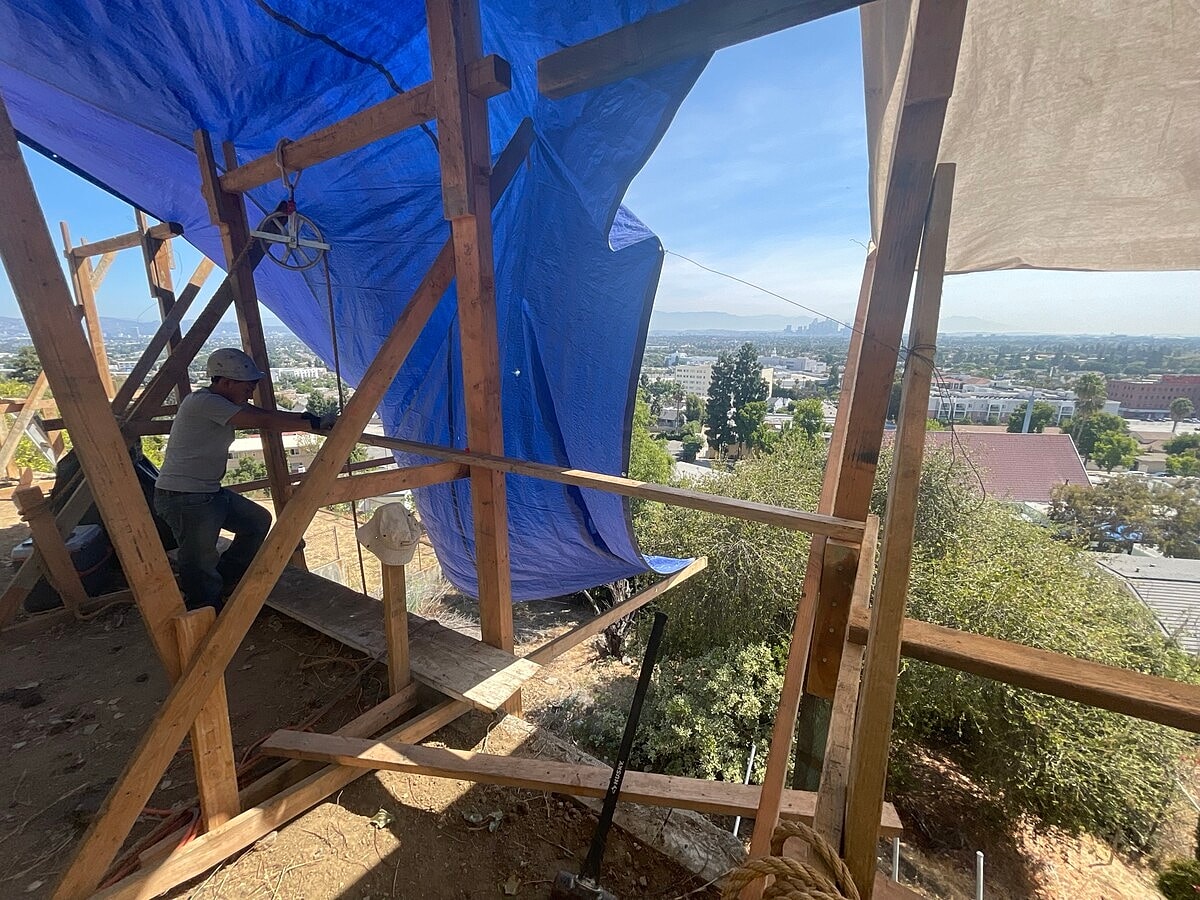
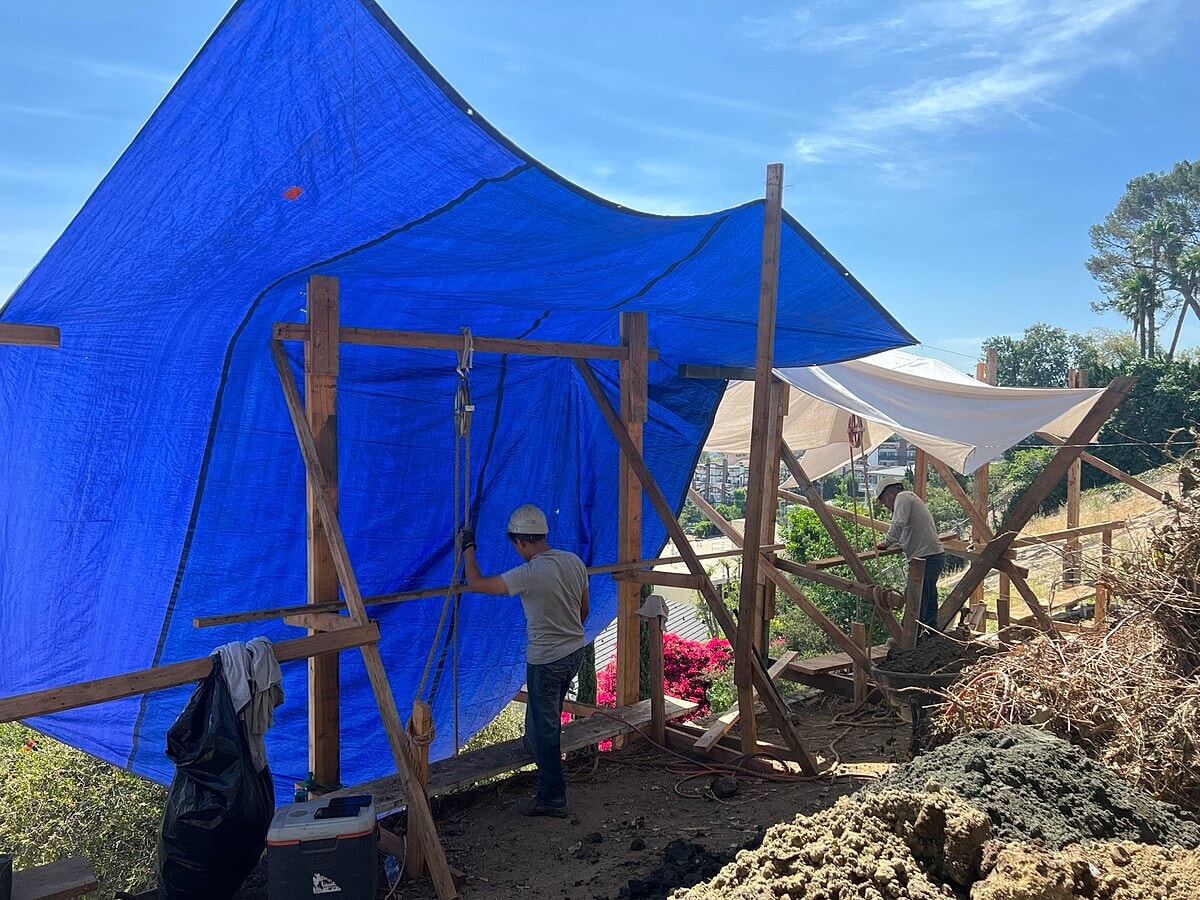
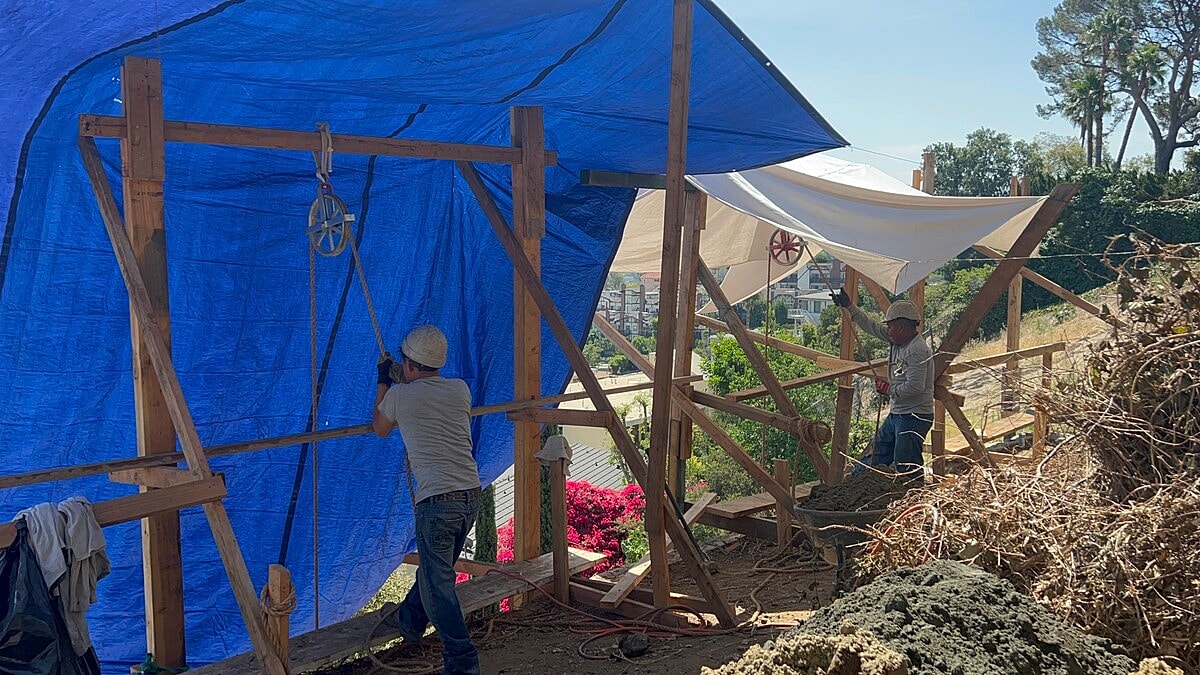
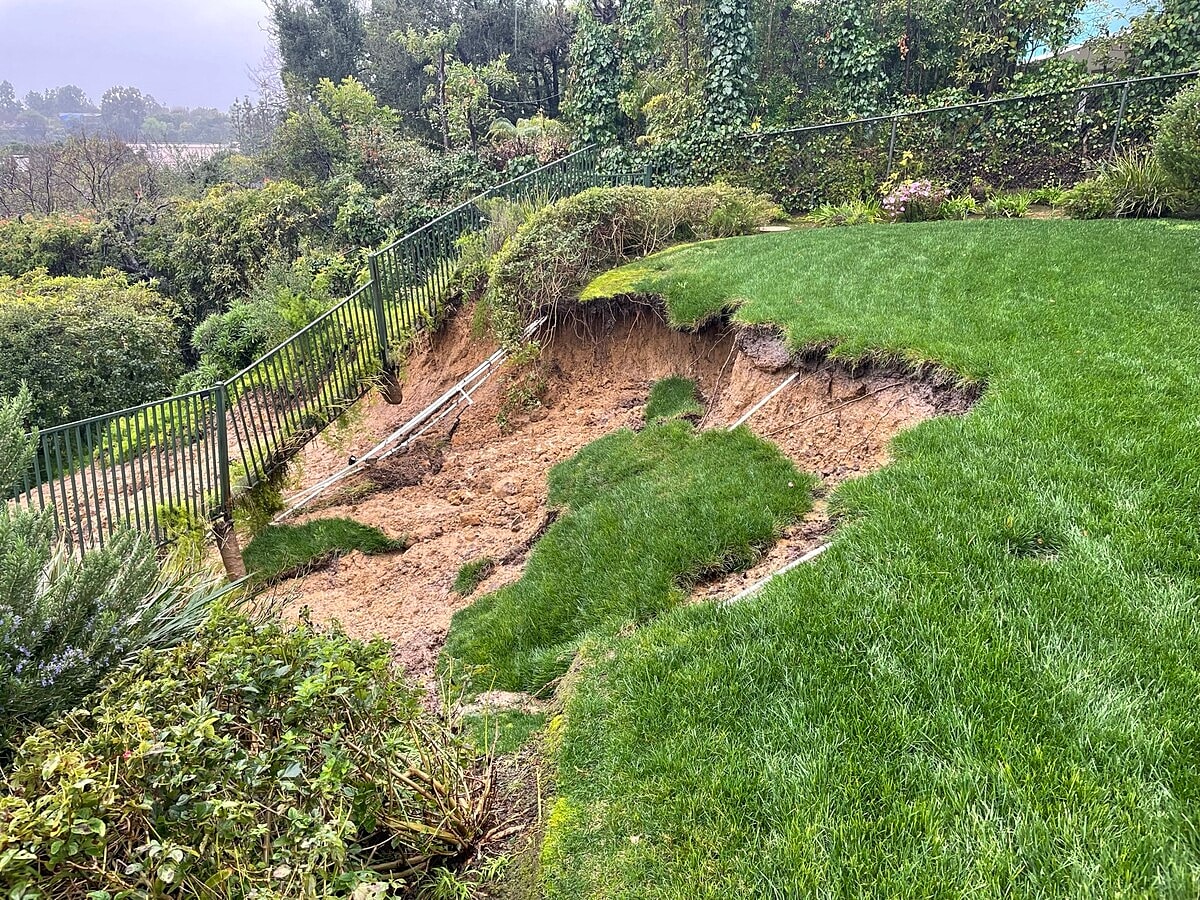
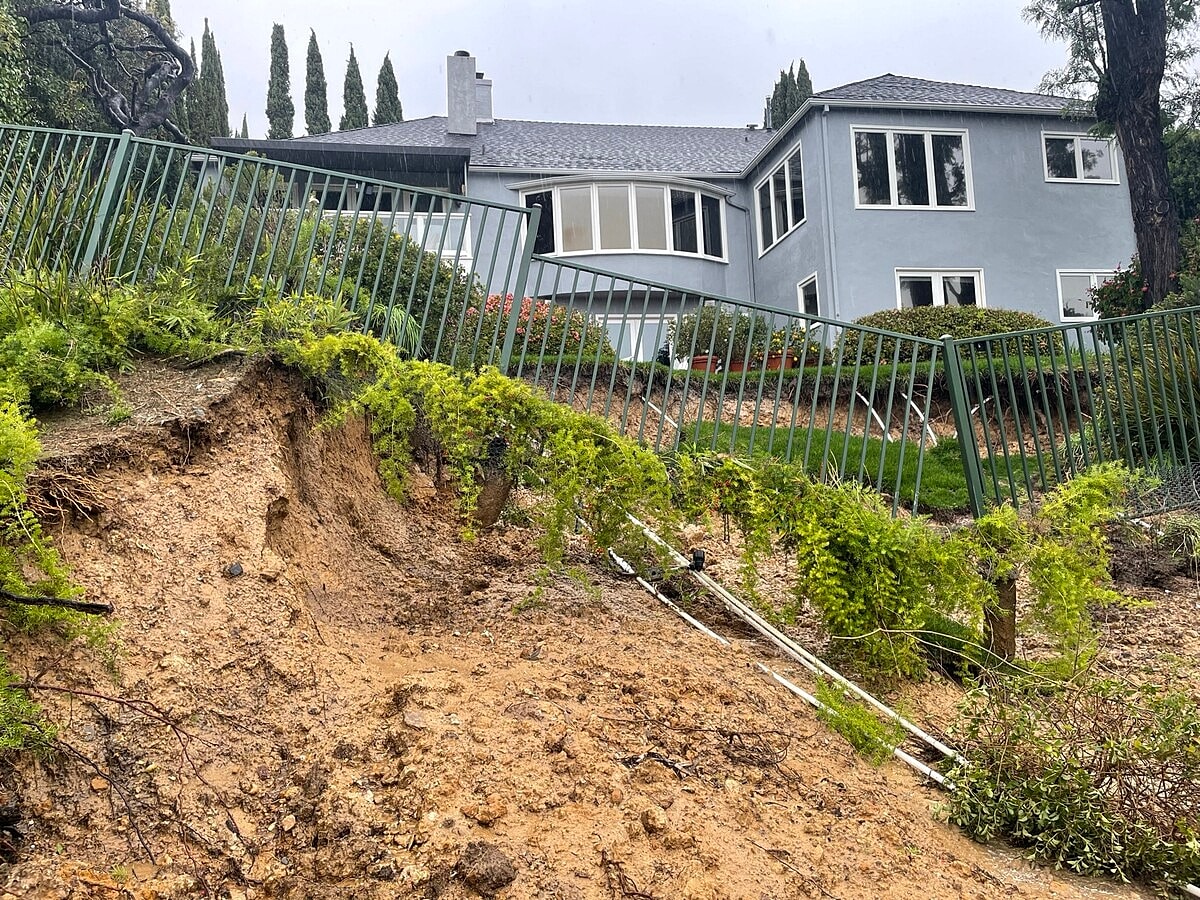
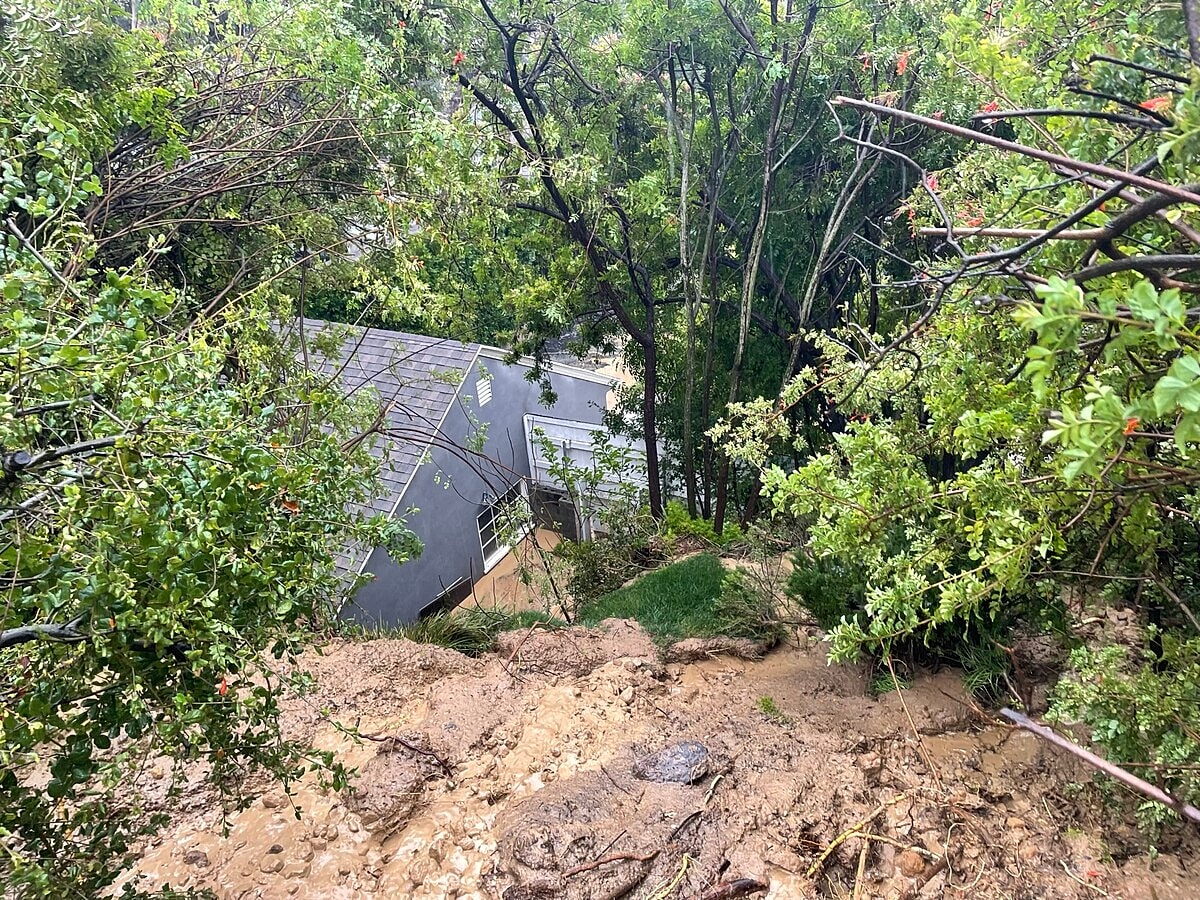
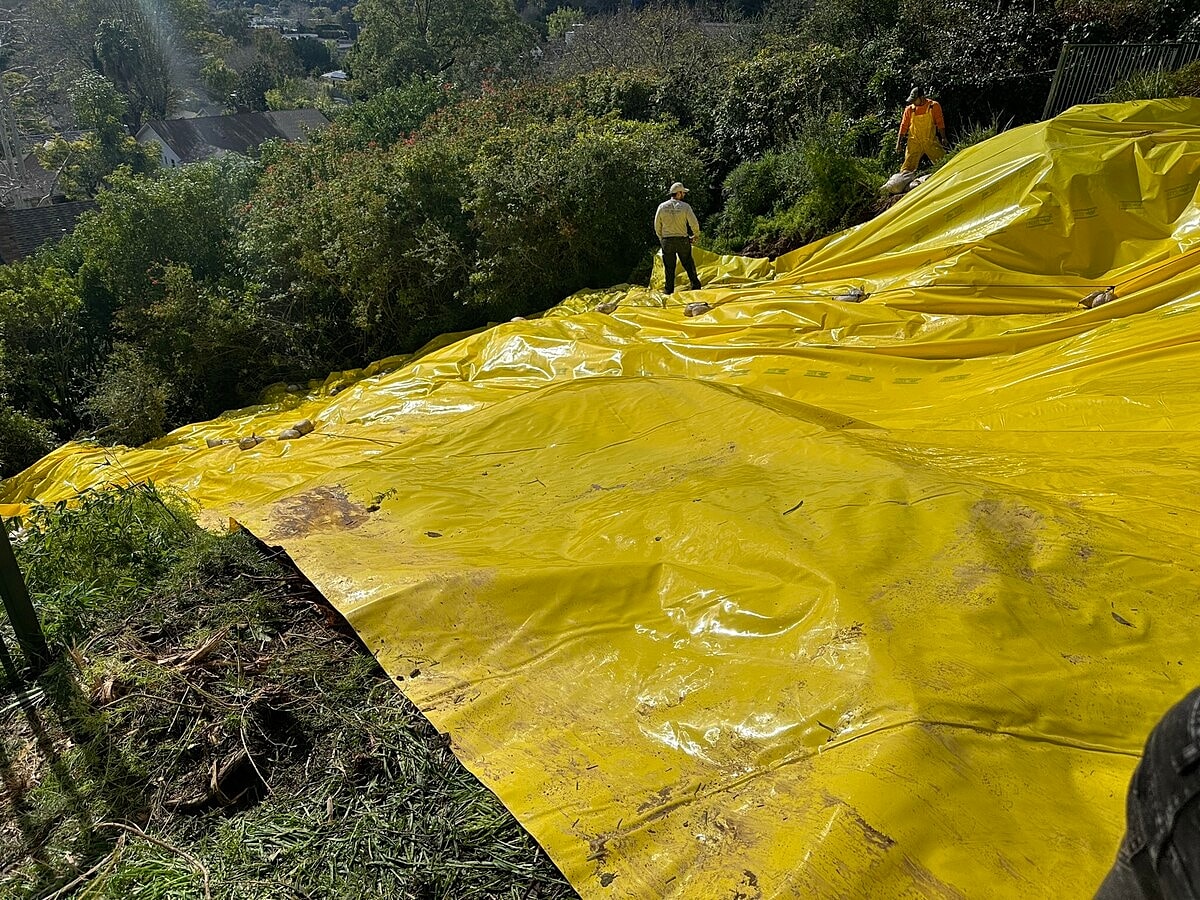
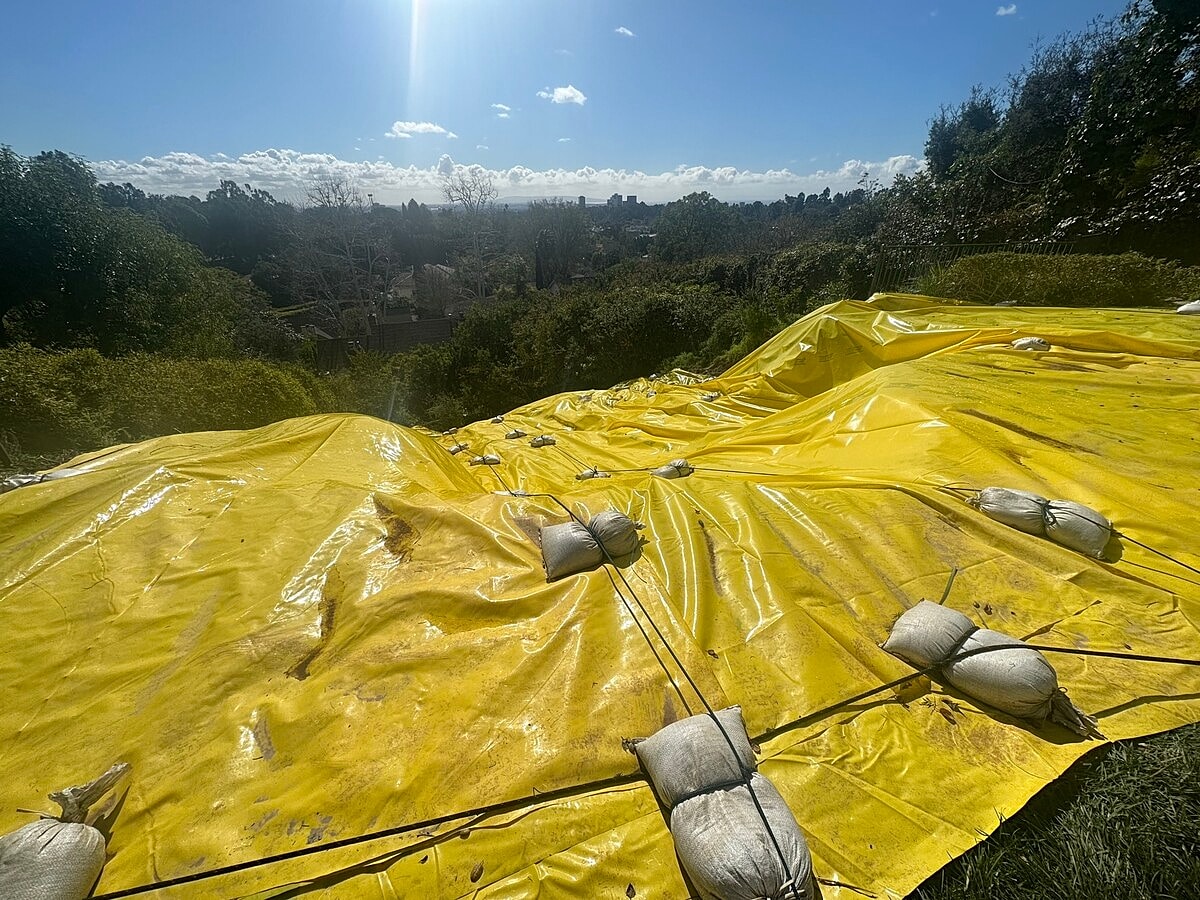
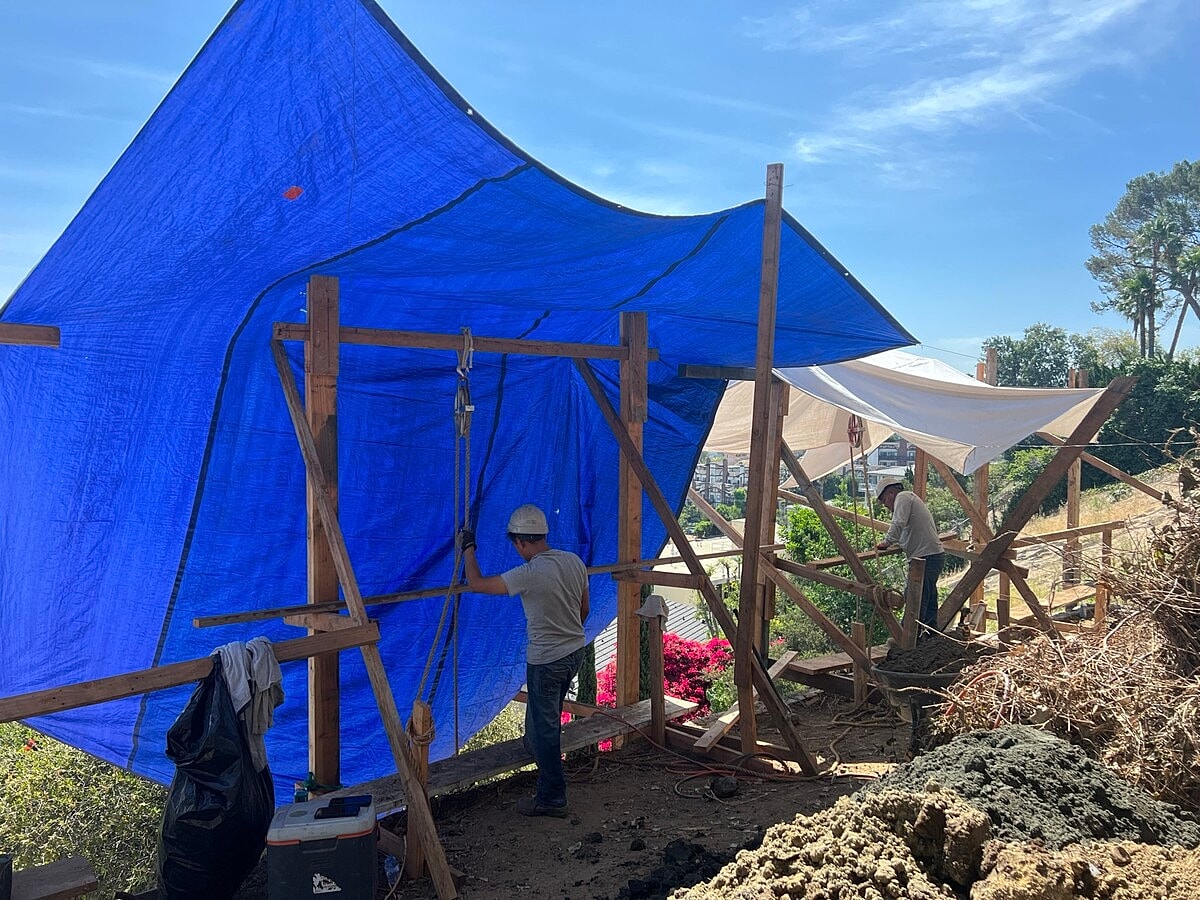
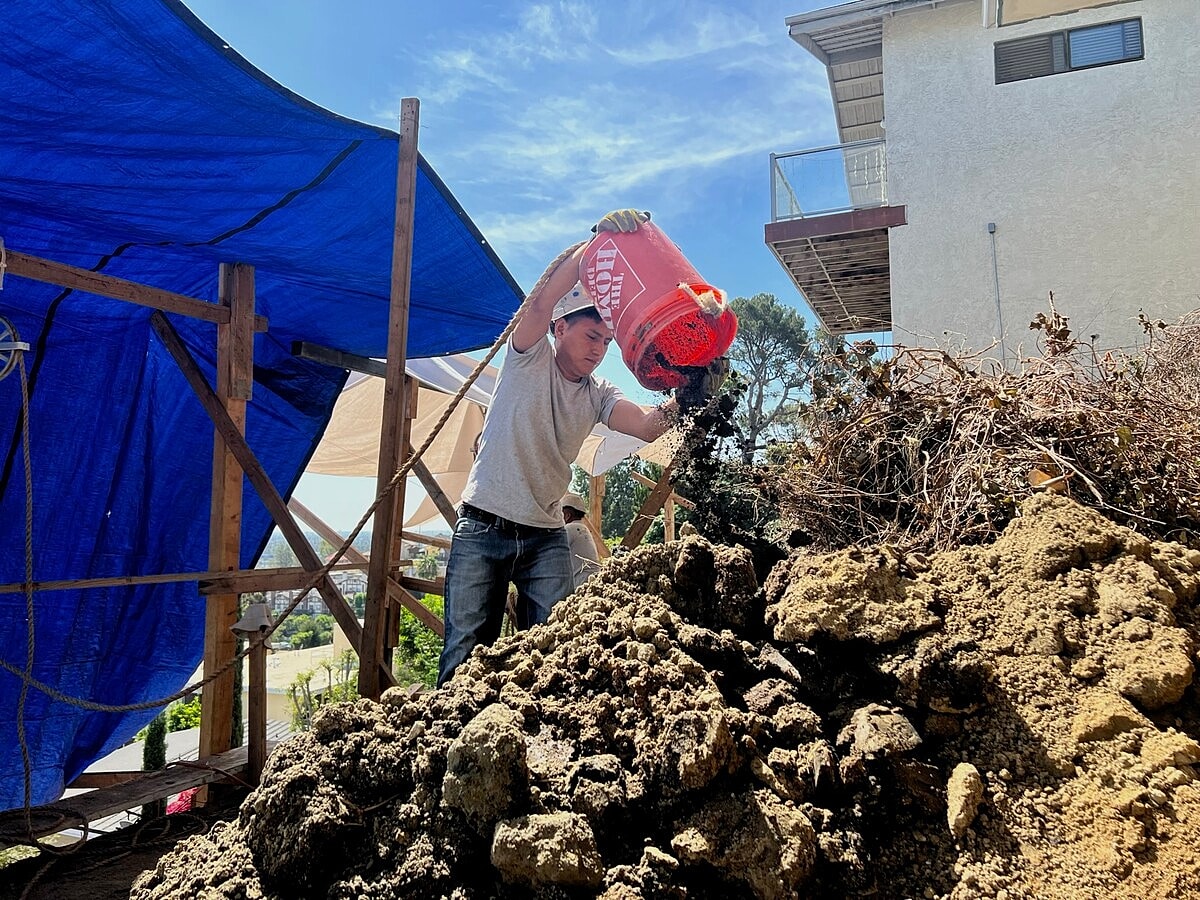
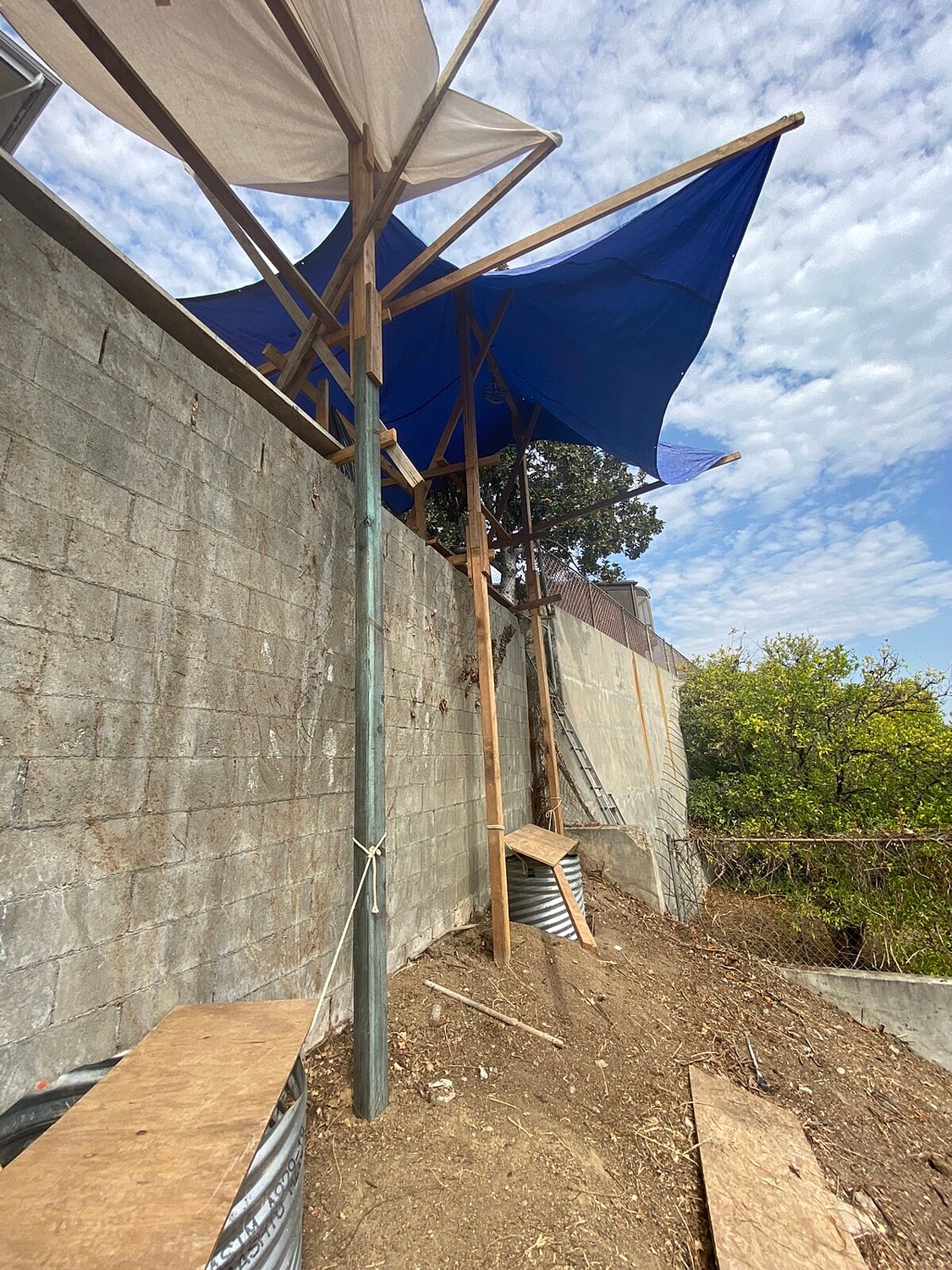
An emergency temporary slope winterization project was completed in Pasadena to protect an eroding rear yard slope. The scope of work began with the removal of three to four small trees and the installation of safety harnessing fasteners to allow the crew to rappel down the slope safely. A layer of minimum 12-mil plastic sheeting was then installed over an approximately 80-foot by 80-foot area, draped from the top of the rear slope down into the canyon below. Finally, sandbags were installed to properly secure the tarp.
Commercial/Multi-Family
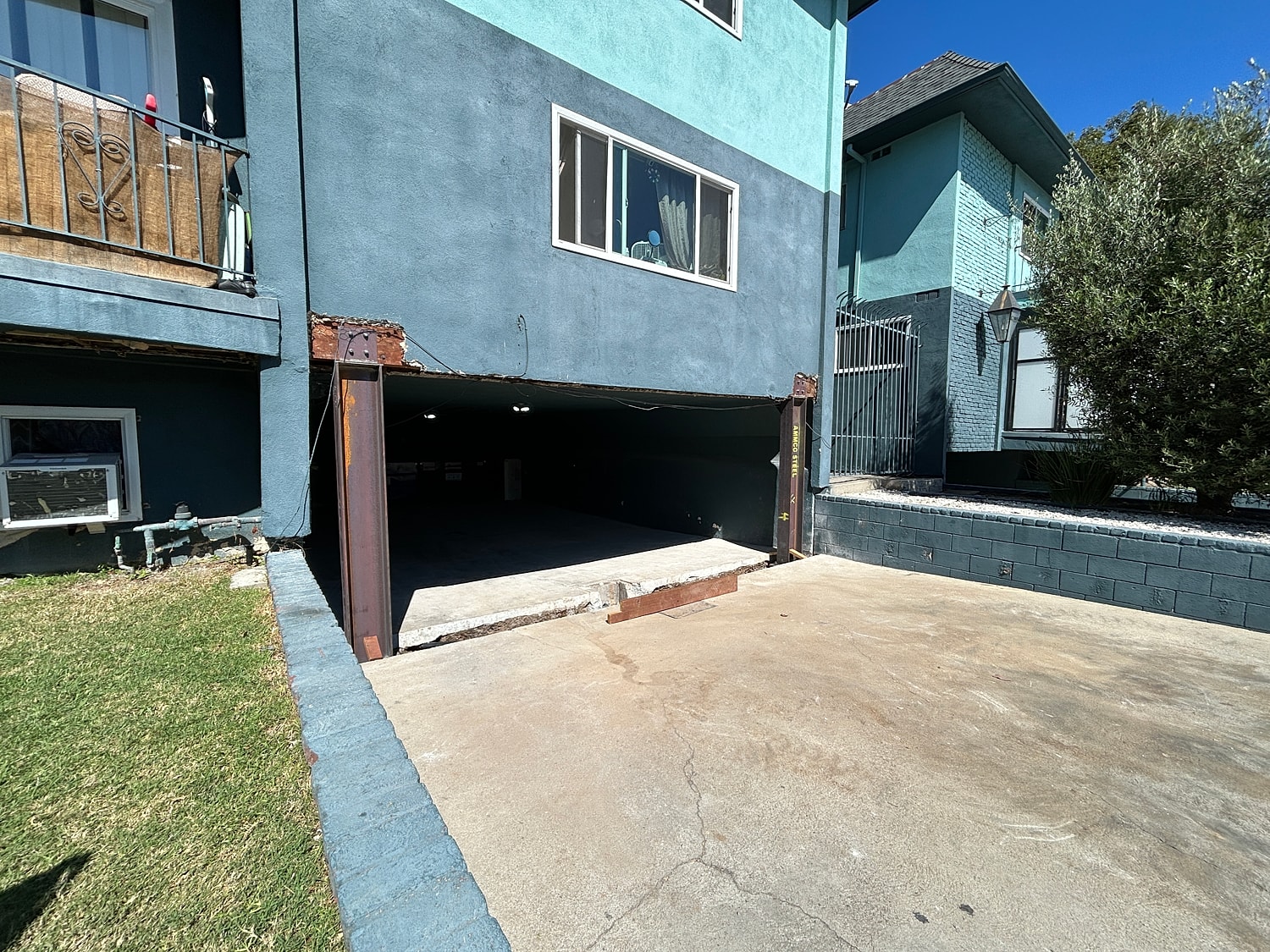
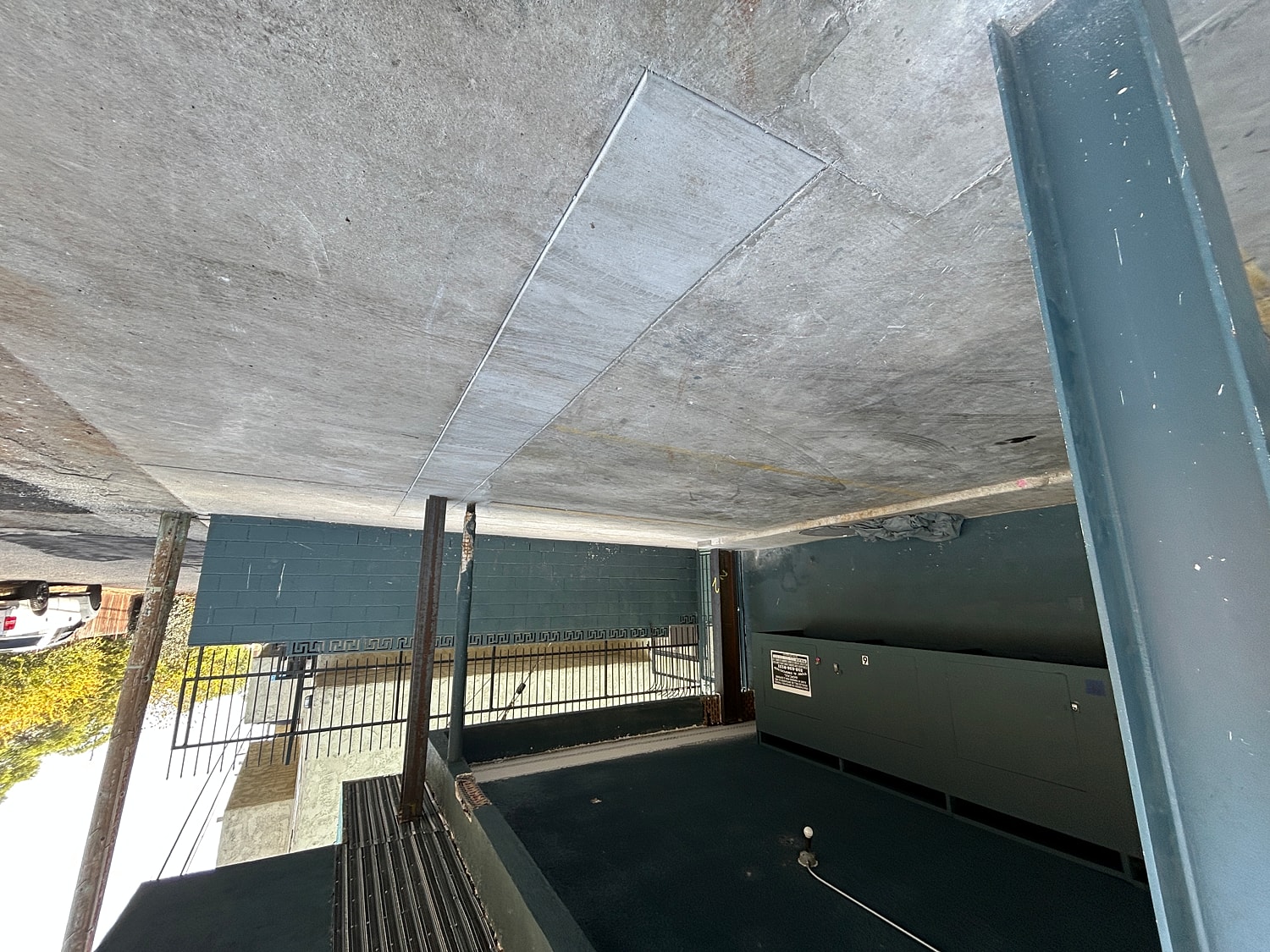
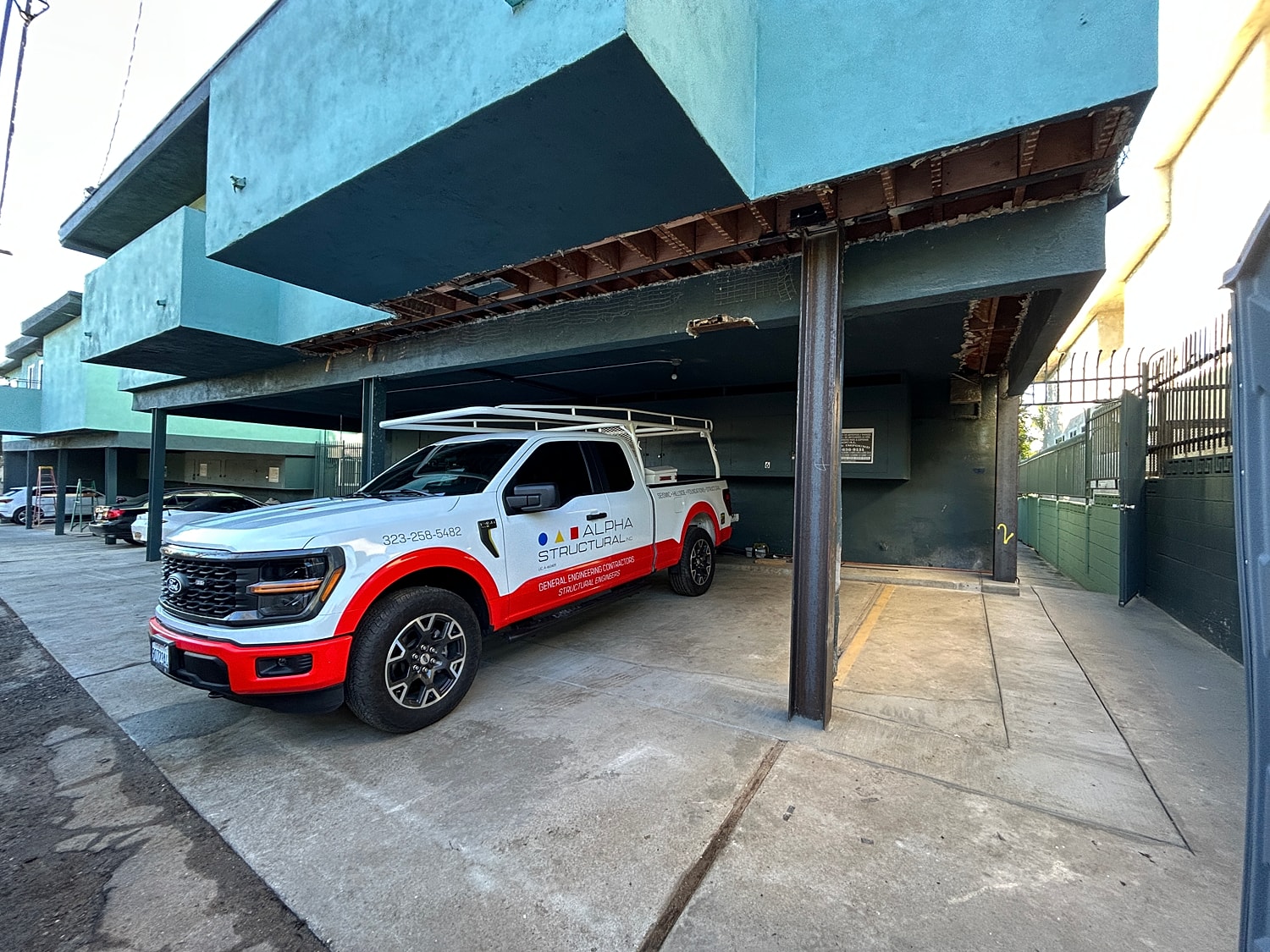
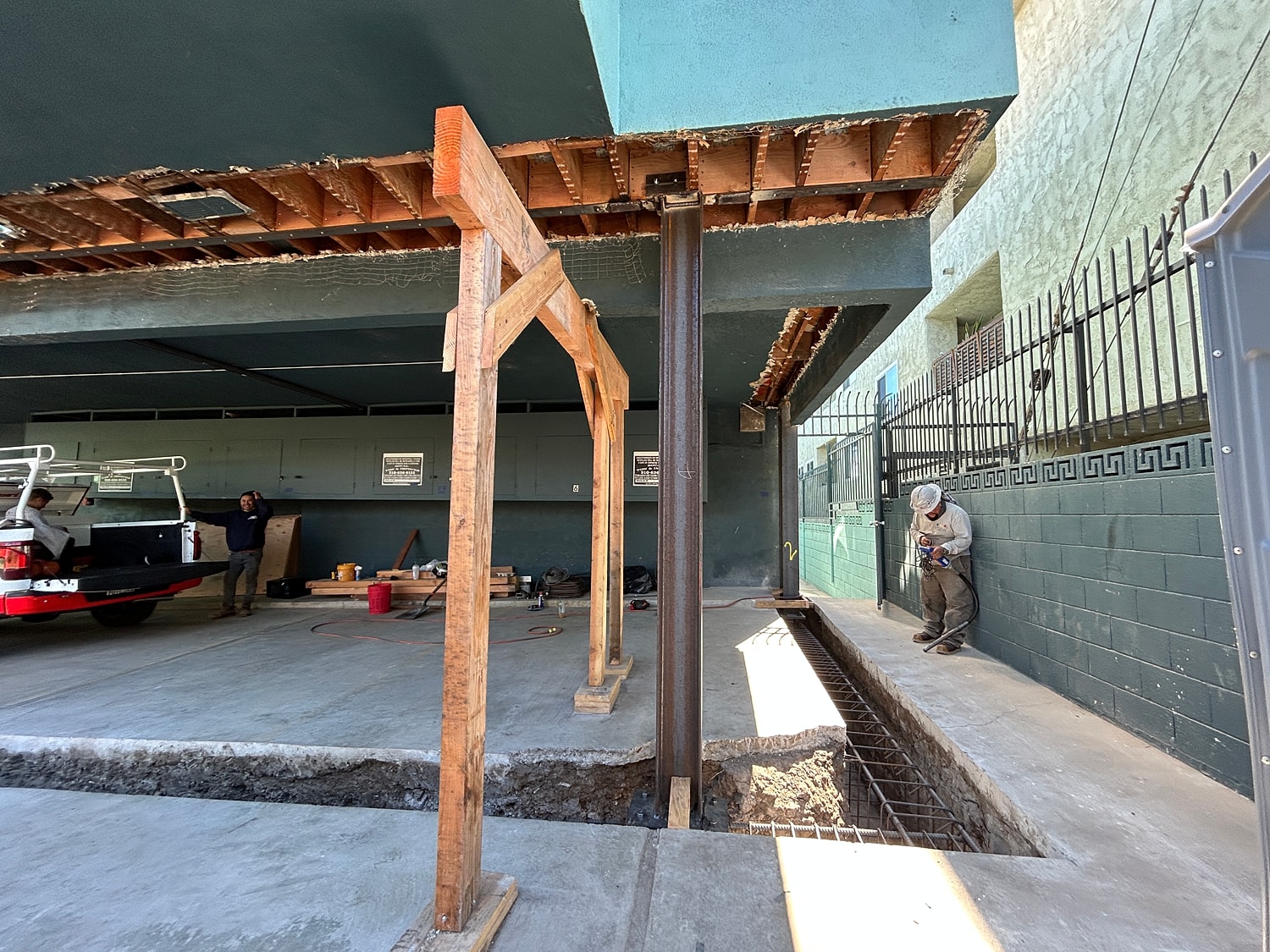
A mandatory soft story seismic retrofitting project was completed for compliance in Los Angeles. The structural reinforcement involved excavating three new 20-inch by 33-inch grade beam footings spanning approximately 63 feet at three garage bays, along with four pad footings. Three new offset cantilevered wide flange W columns (W12x45 and W14x48) were installed and bolted to the newly poured pad footings. The grade beams were poured using a minimum of 4000 PSI concrete. Additionally, the structure was reinforced by installing 4x blocking and 1/4-inch by 4-inch partitioned steel drag plates across the easterly and northerly diaphragms , secured with A35 and LTP5 framing anchors.
Residential
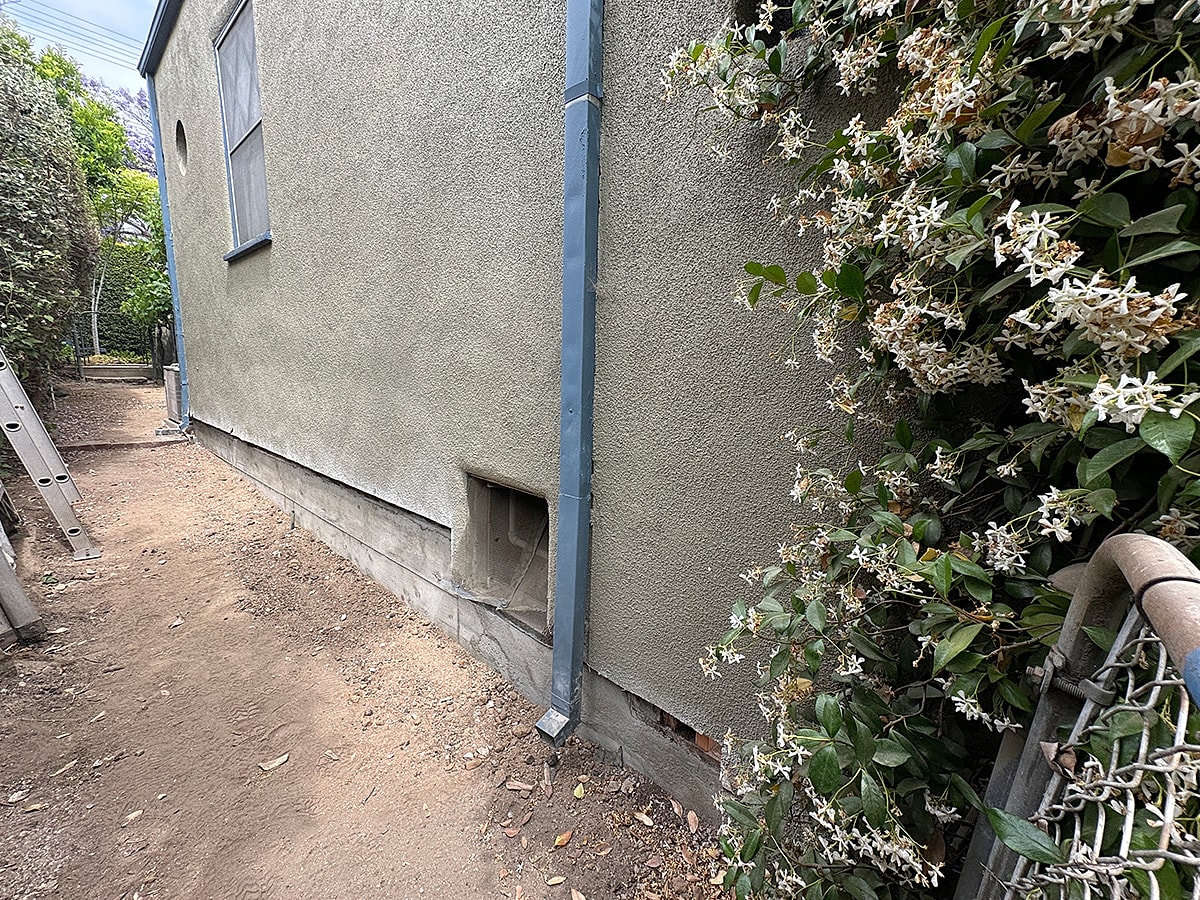
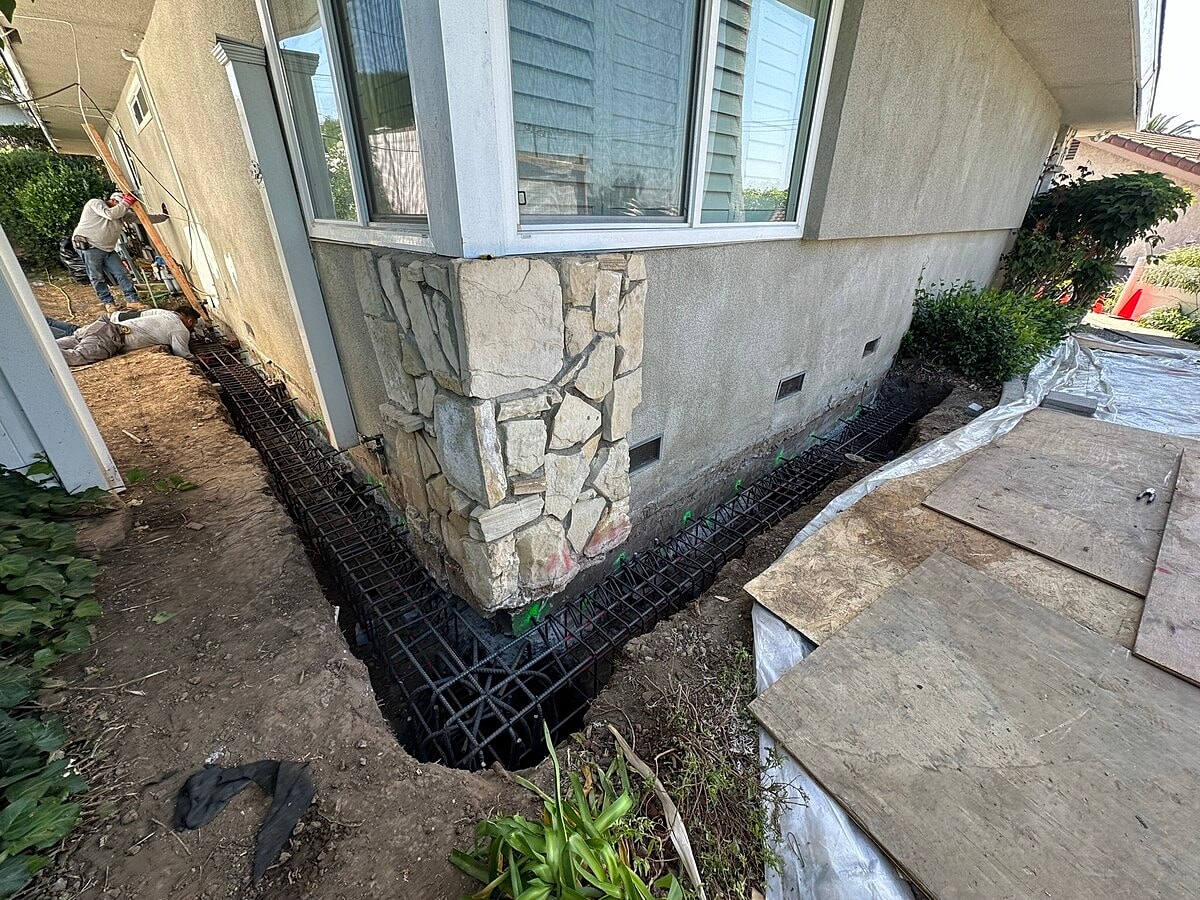
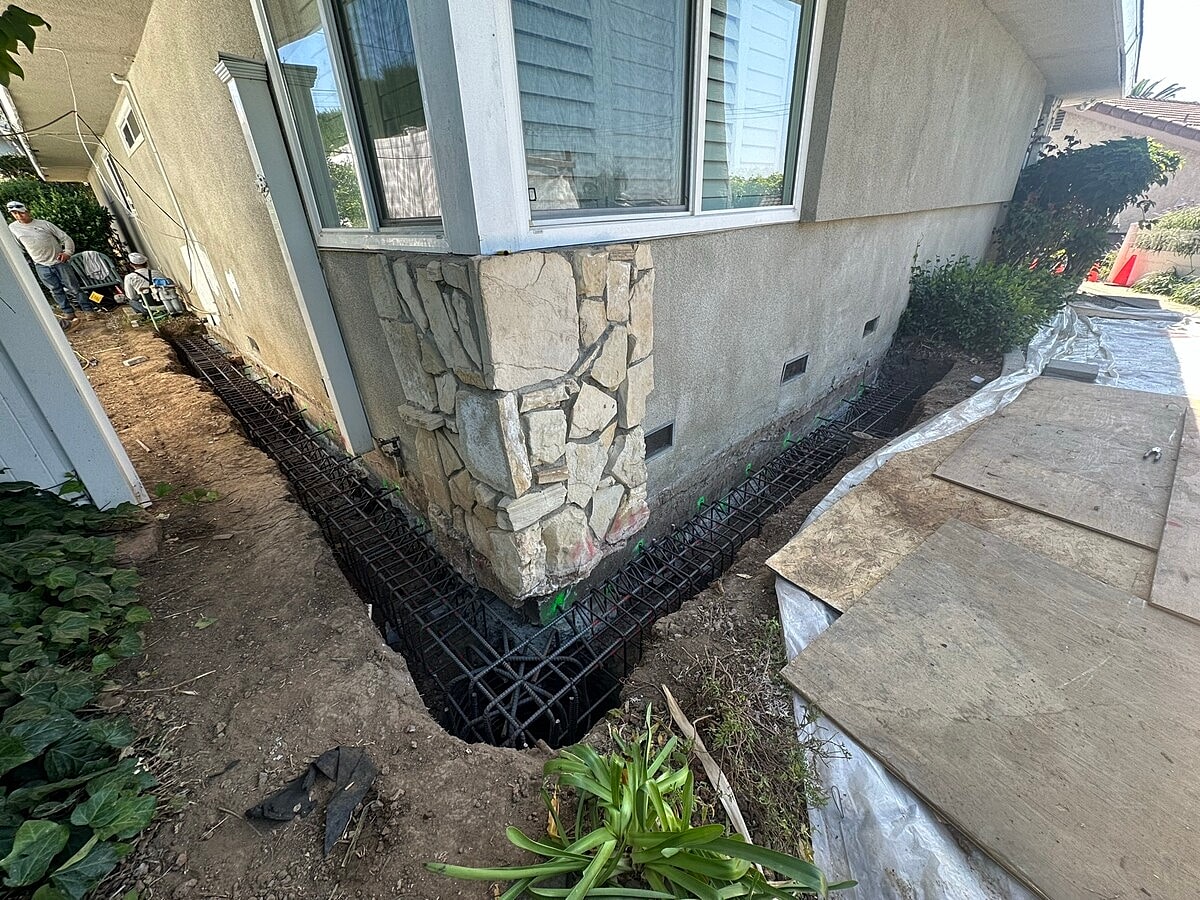
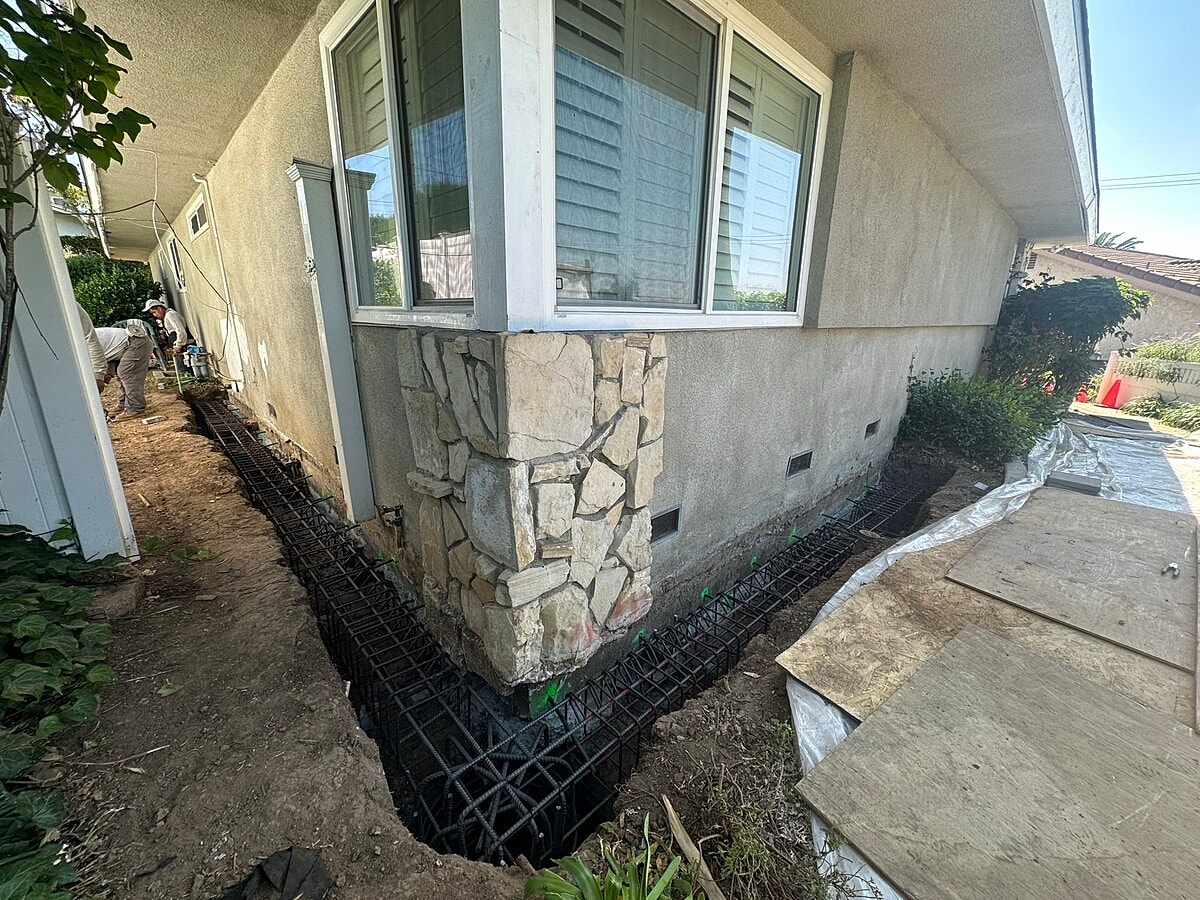
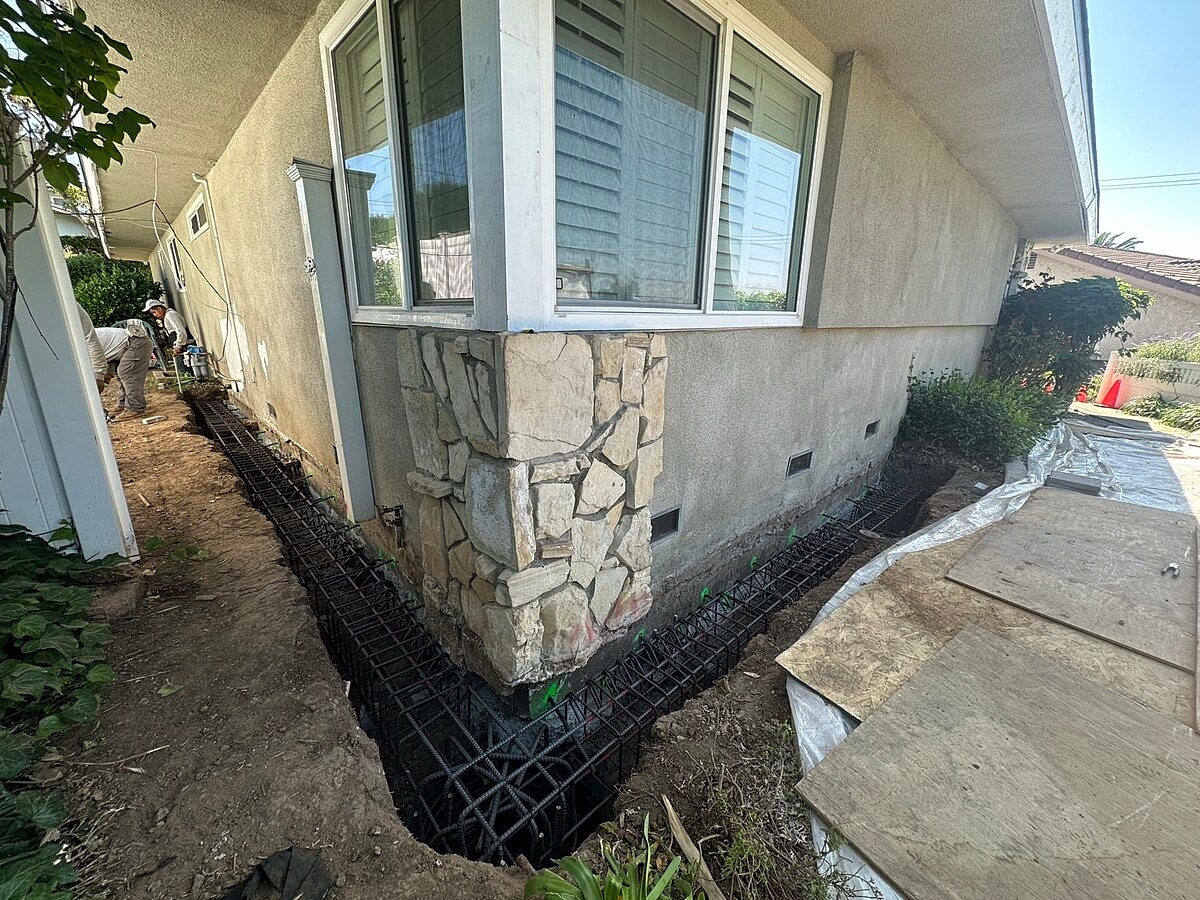
A partial engineered bypass and foundation replacement was completed in Los Angeles. The project involved the removal of 141 feet of failing foundation to install a total of 165 feet of new engineered, steel-reinforced perimeter foundation. This new structural support consists of 24 feet of sister foundation and 141 feet of replacement foundation, utilizing 8-inch wide concrete stem walls on top of 18-inch wide by 24-inch deep concrete footings. Additionally, the home's cripple walls were reinforced with new blocking and 5-ply structural plywood, and an approximately 8-foot by 12-foot exterior deck was replaced.
Residential
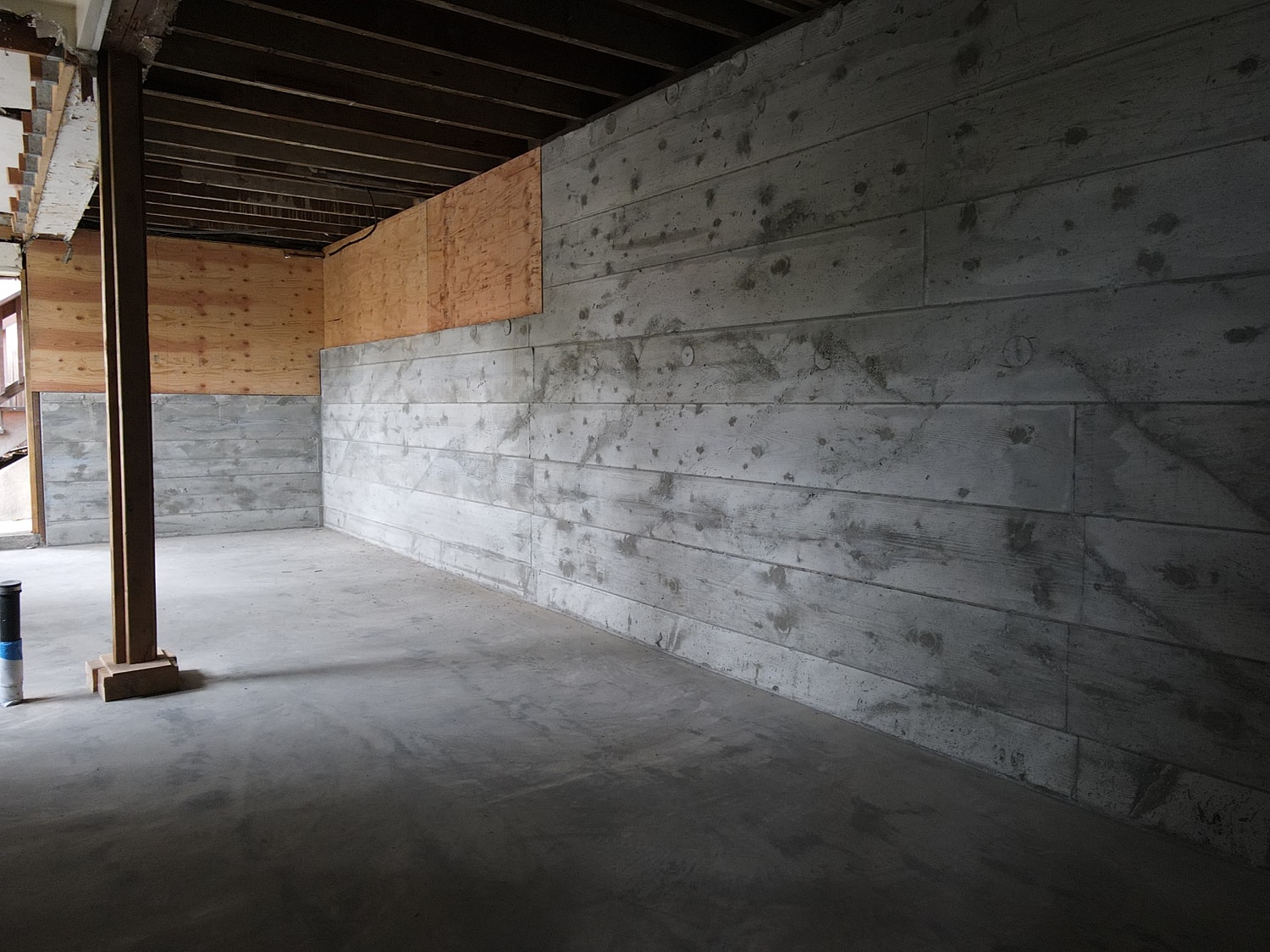
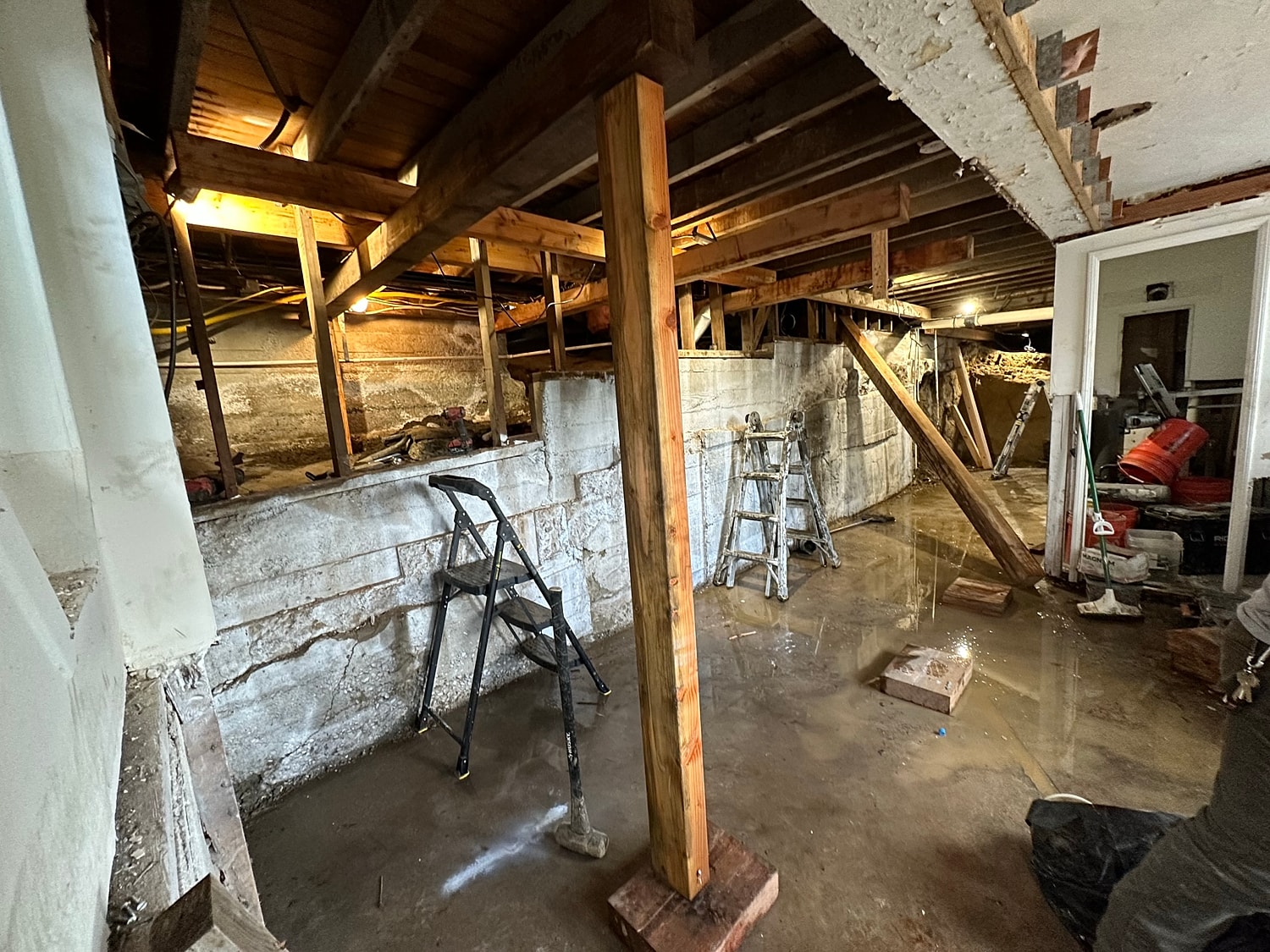
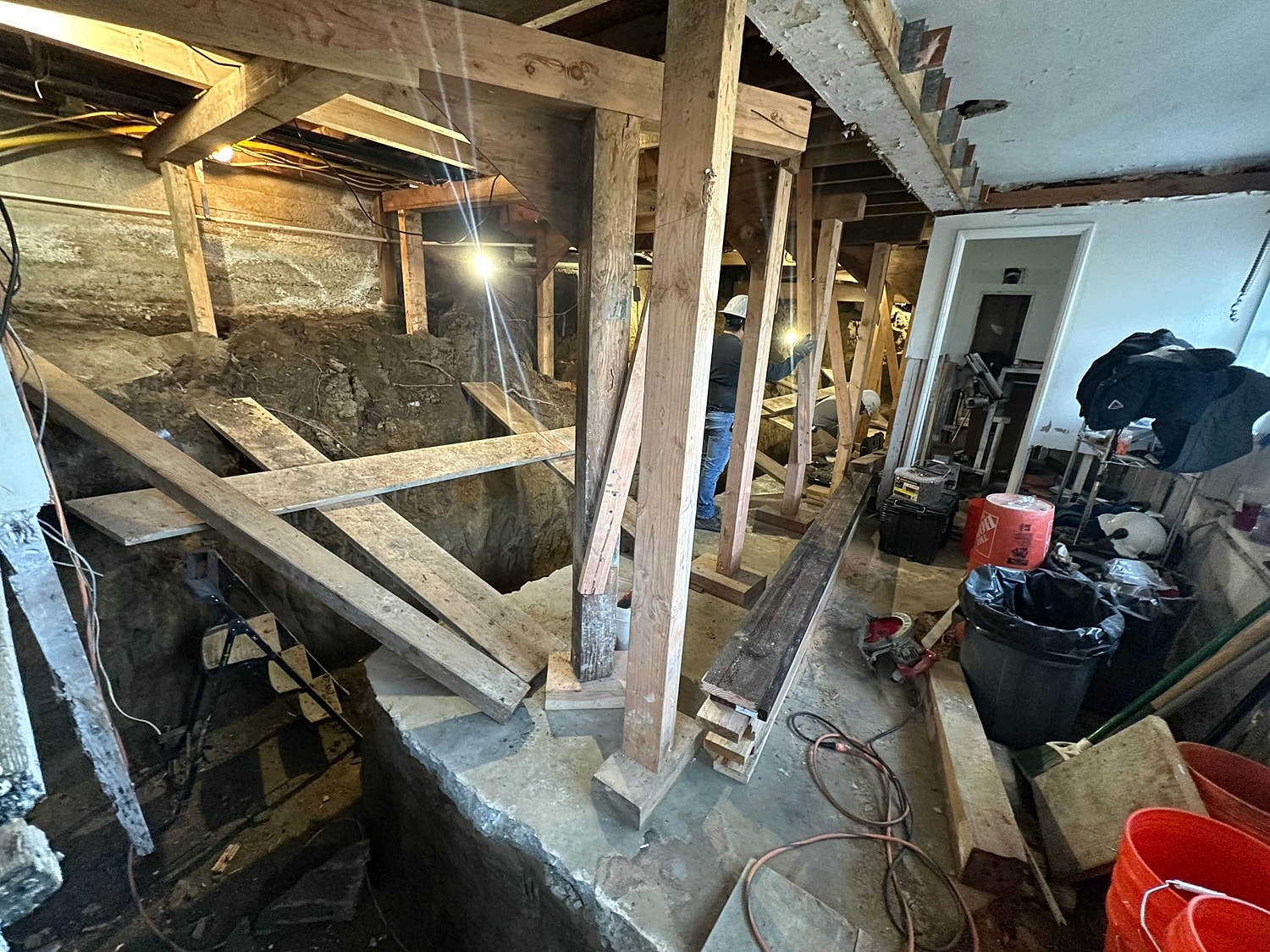
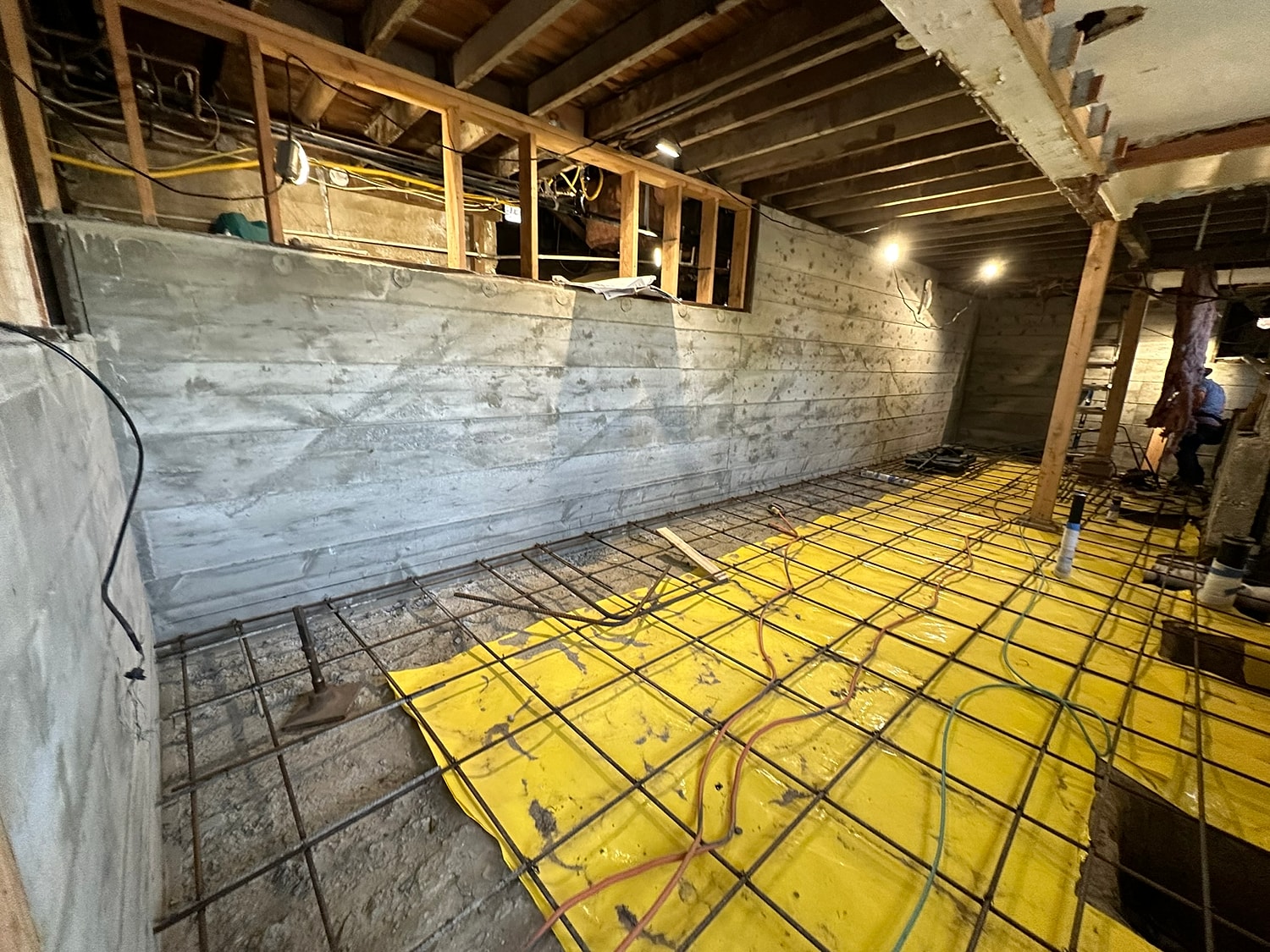
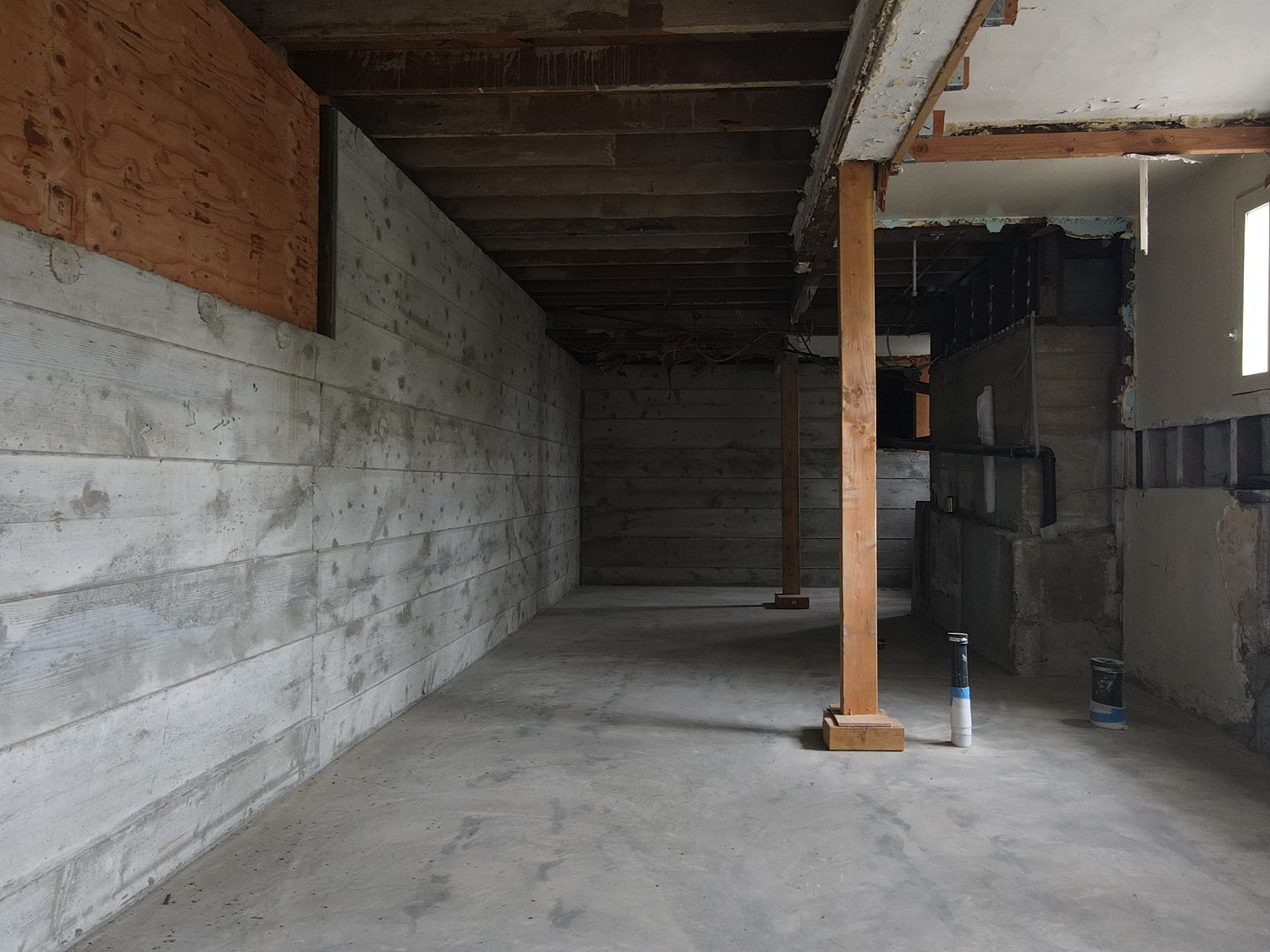
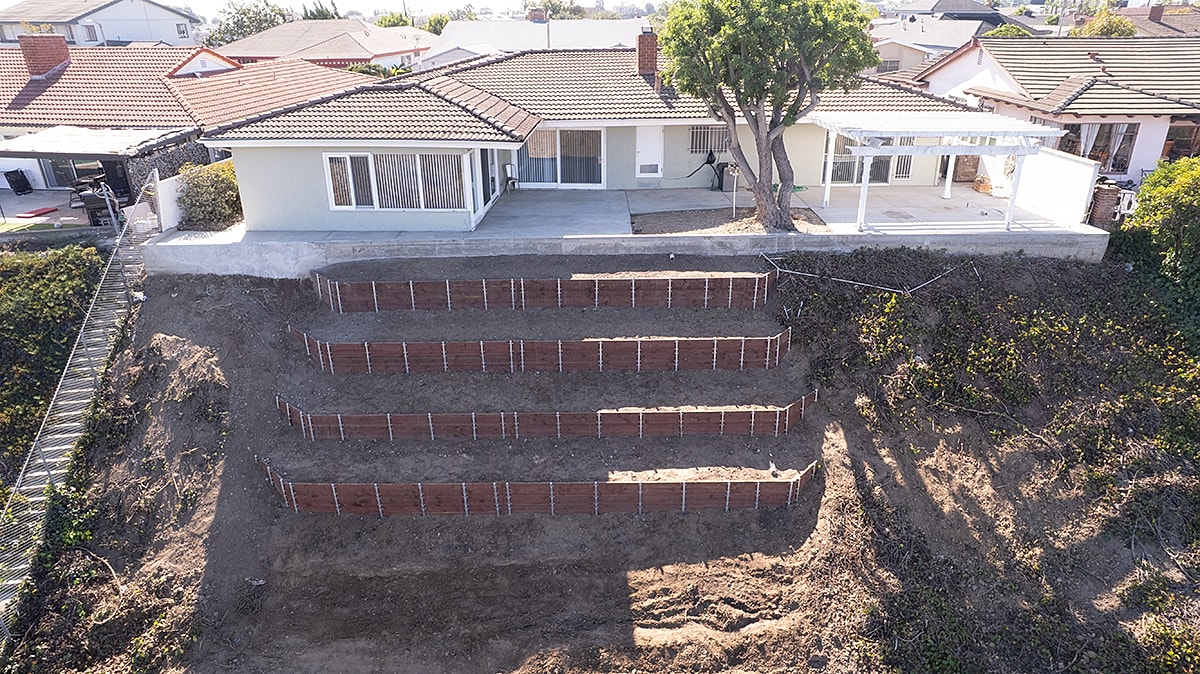
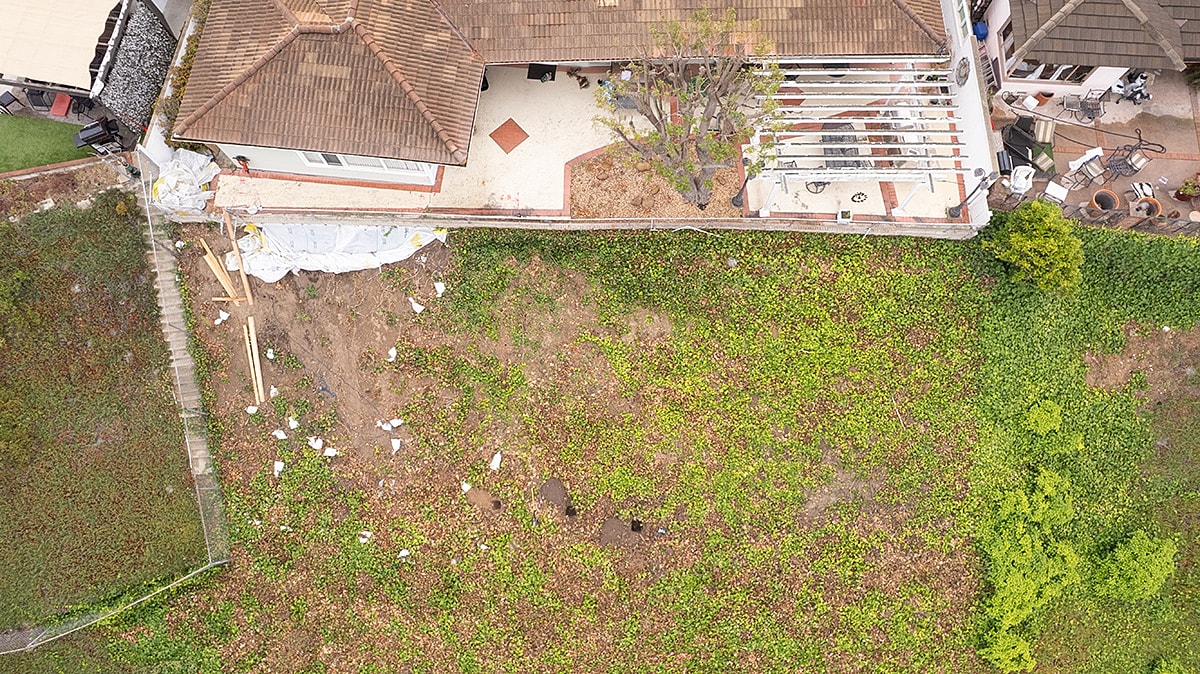
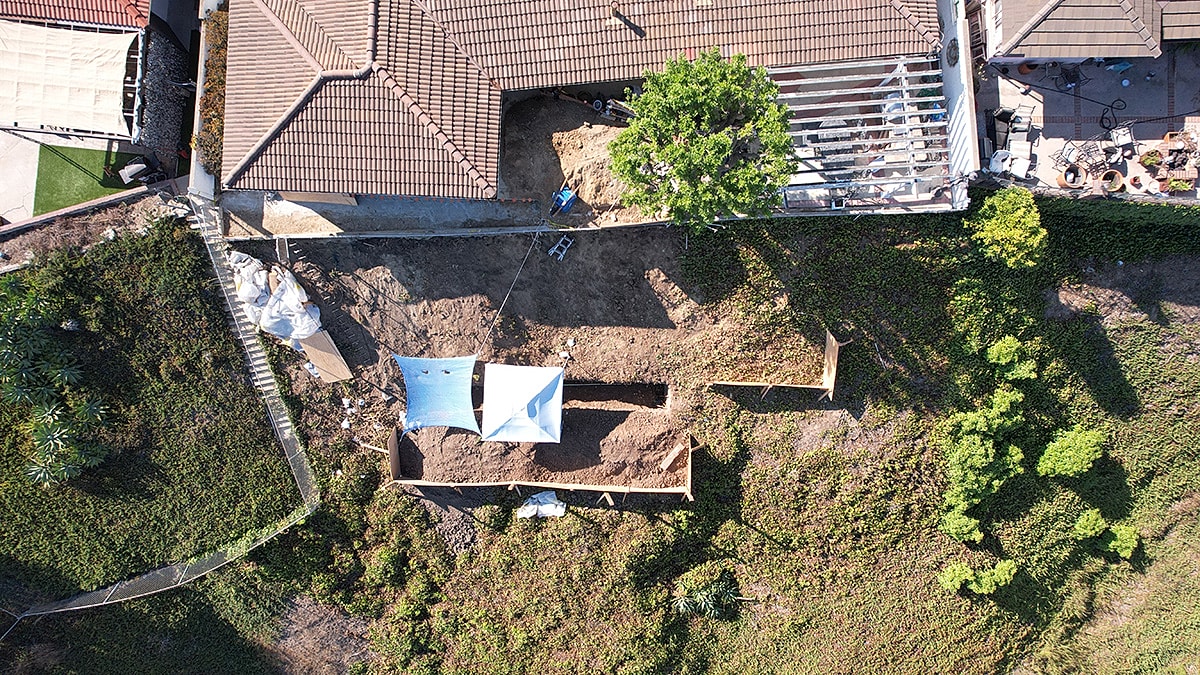
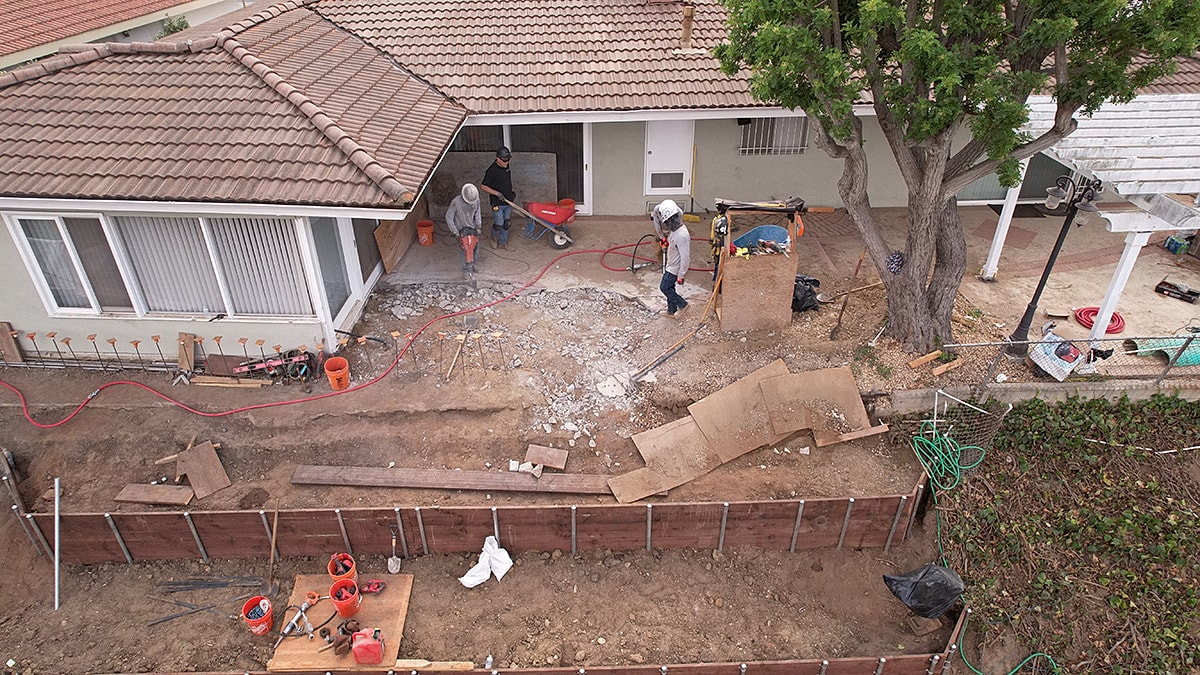
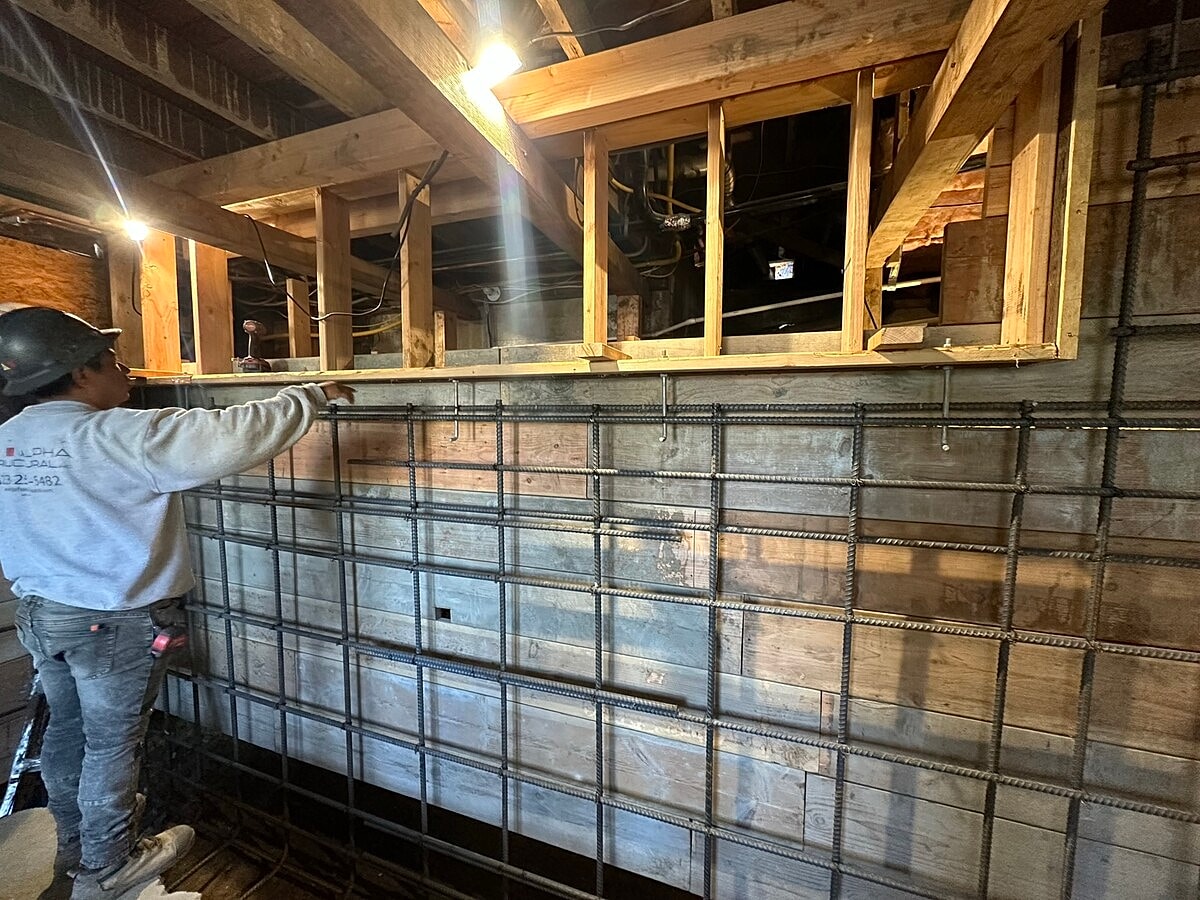
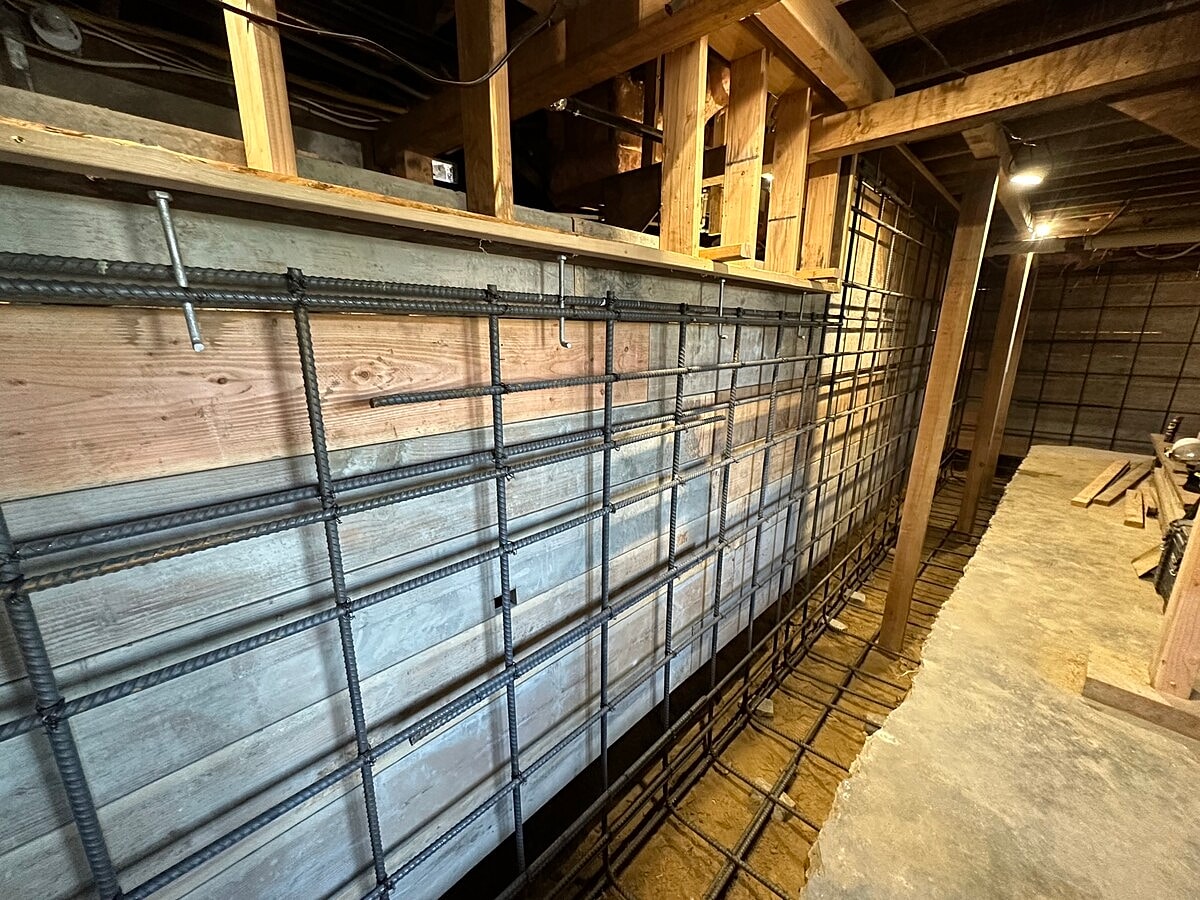
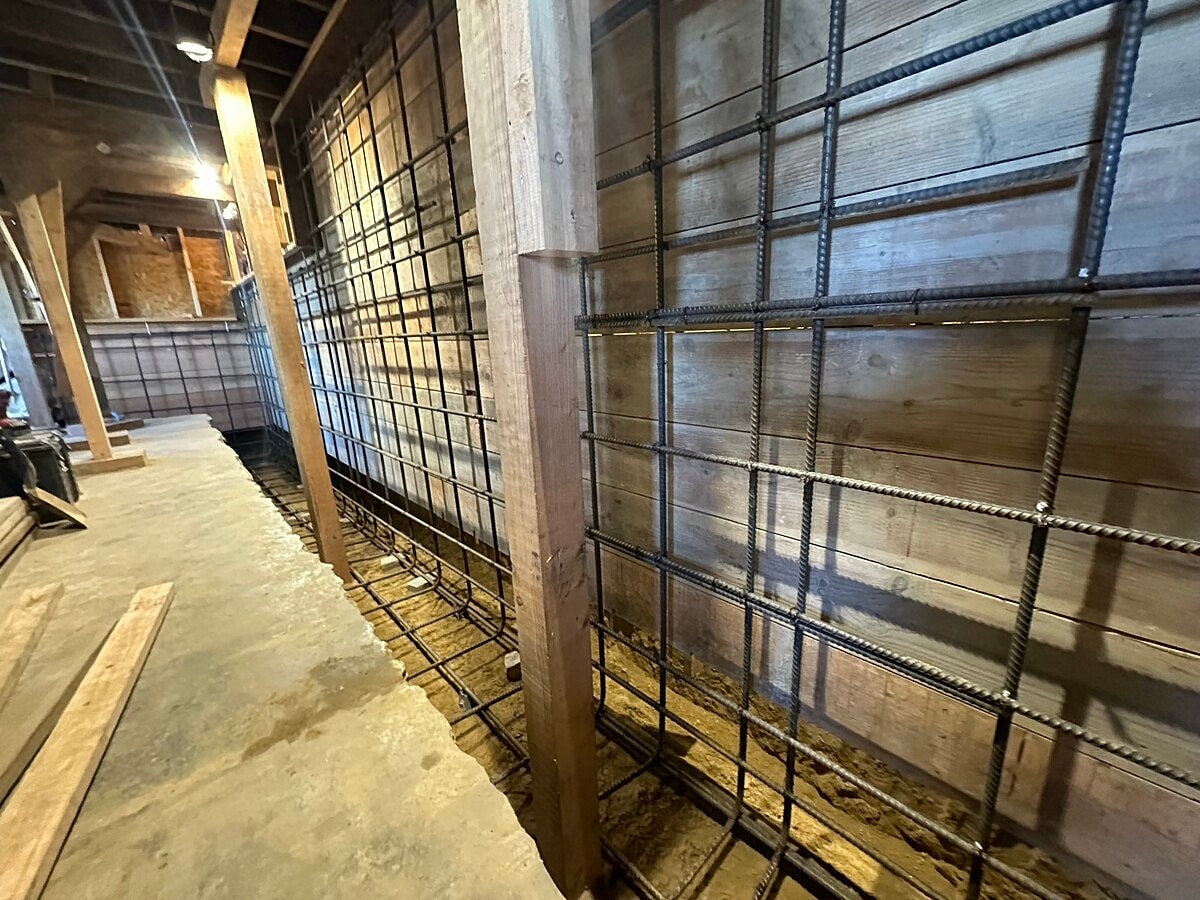
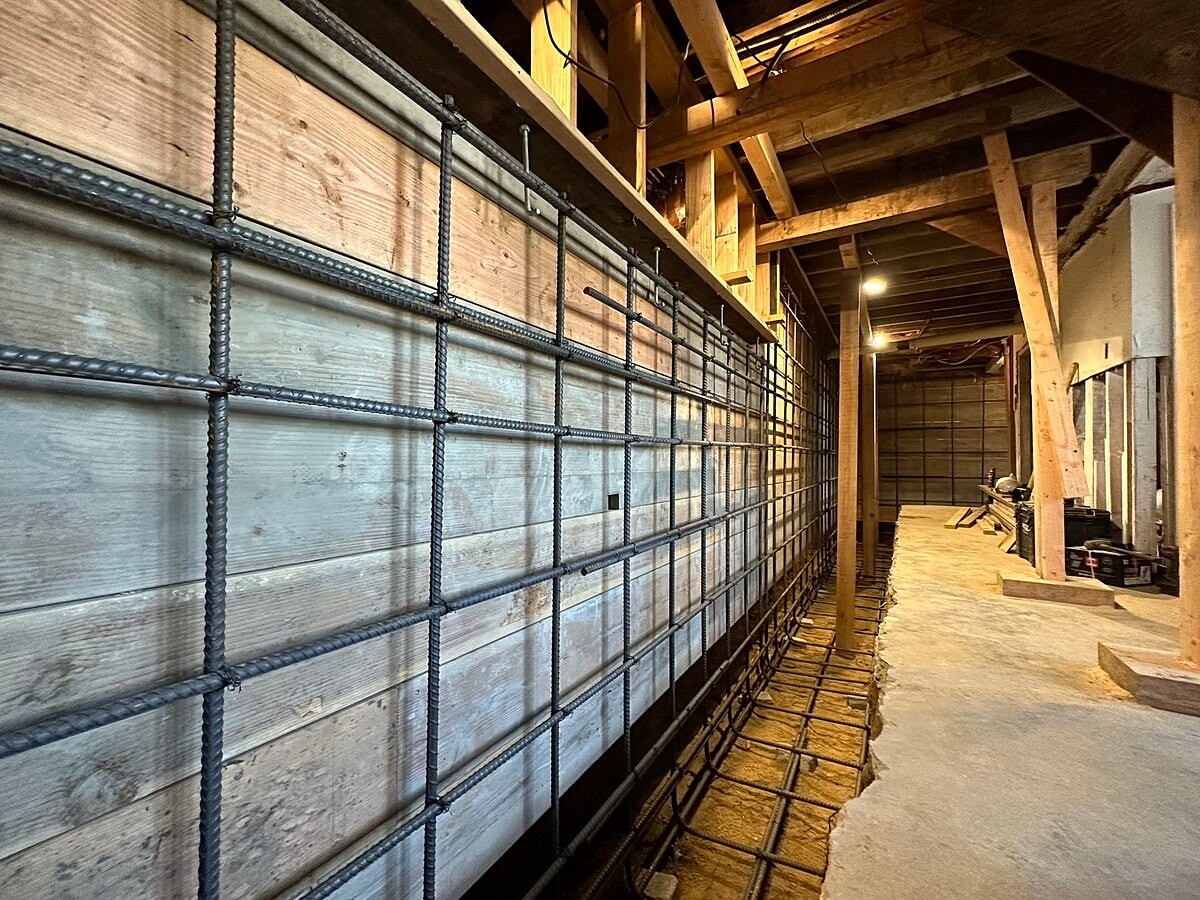
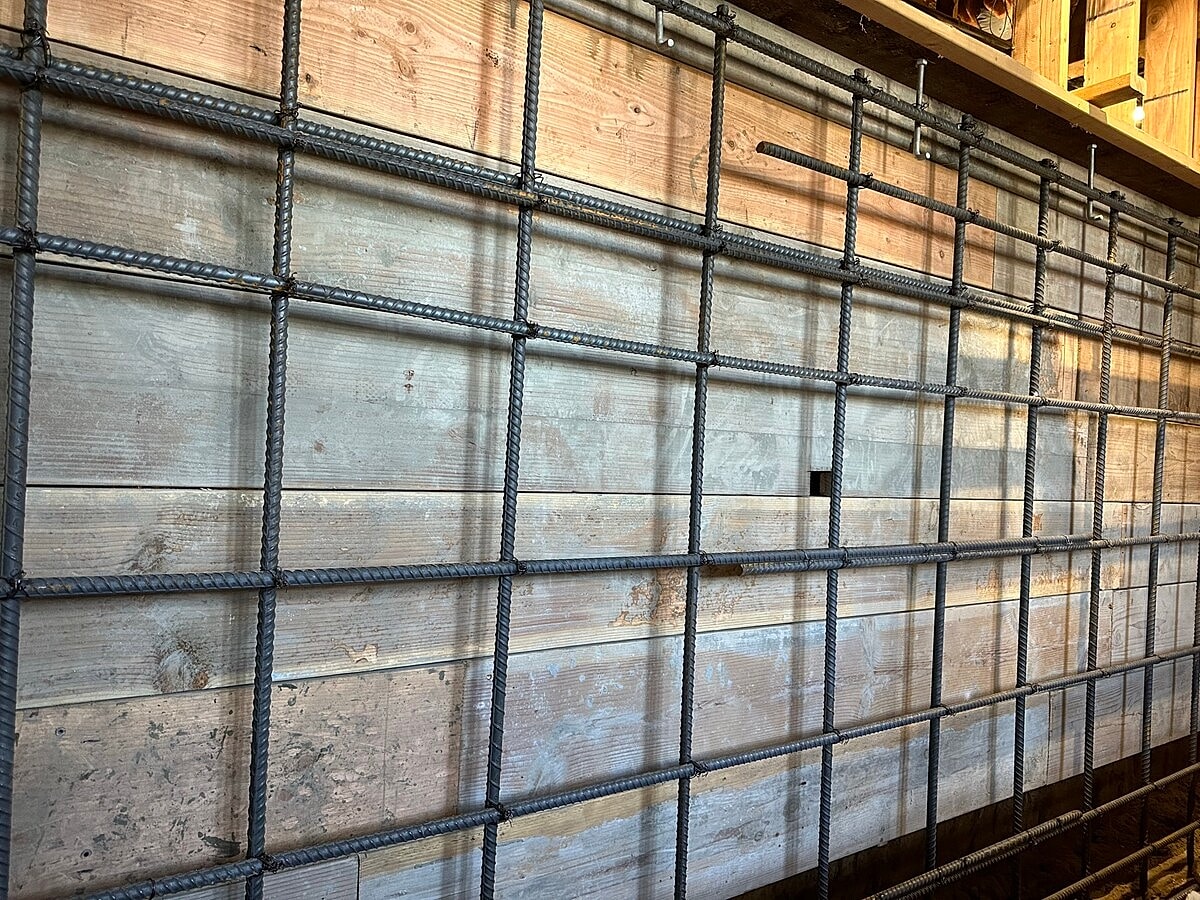
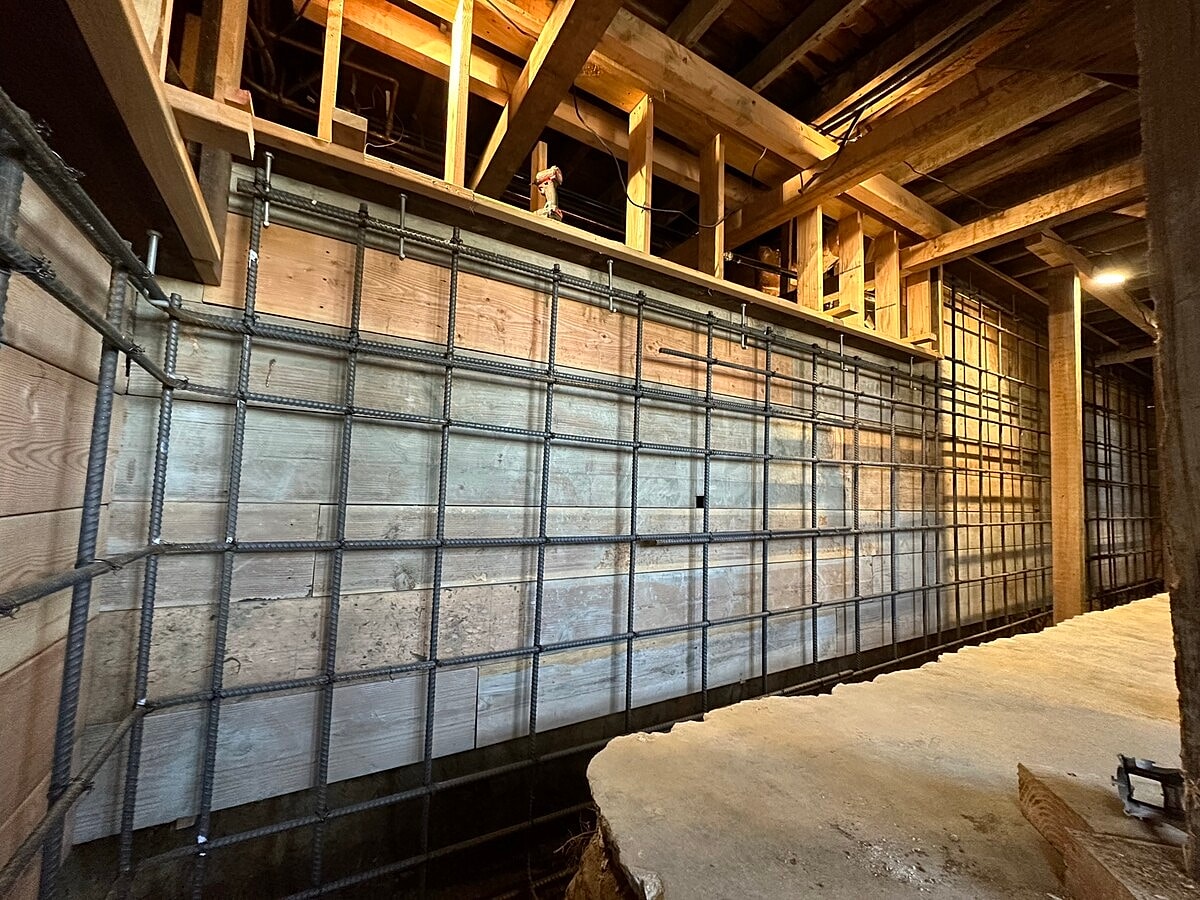
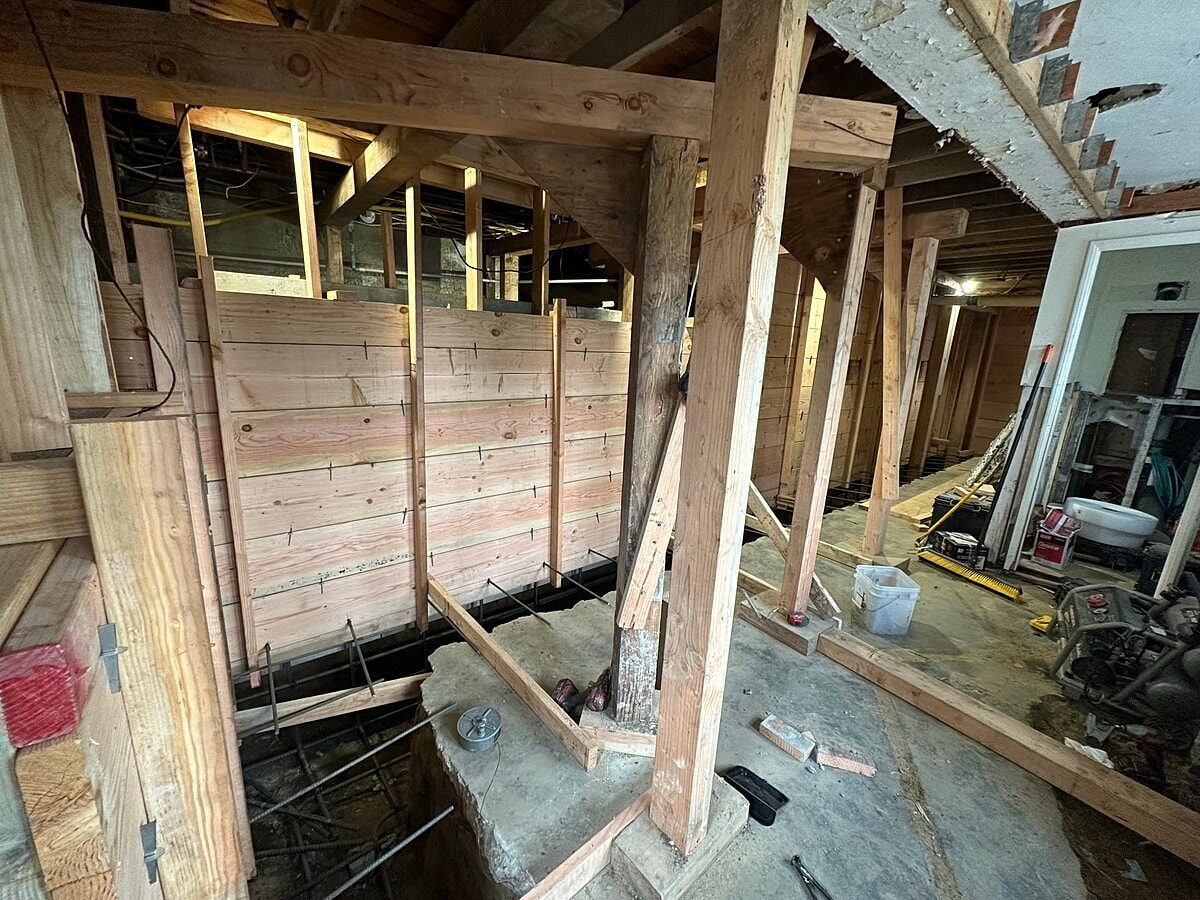
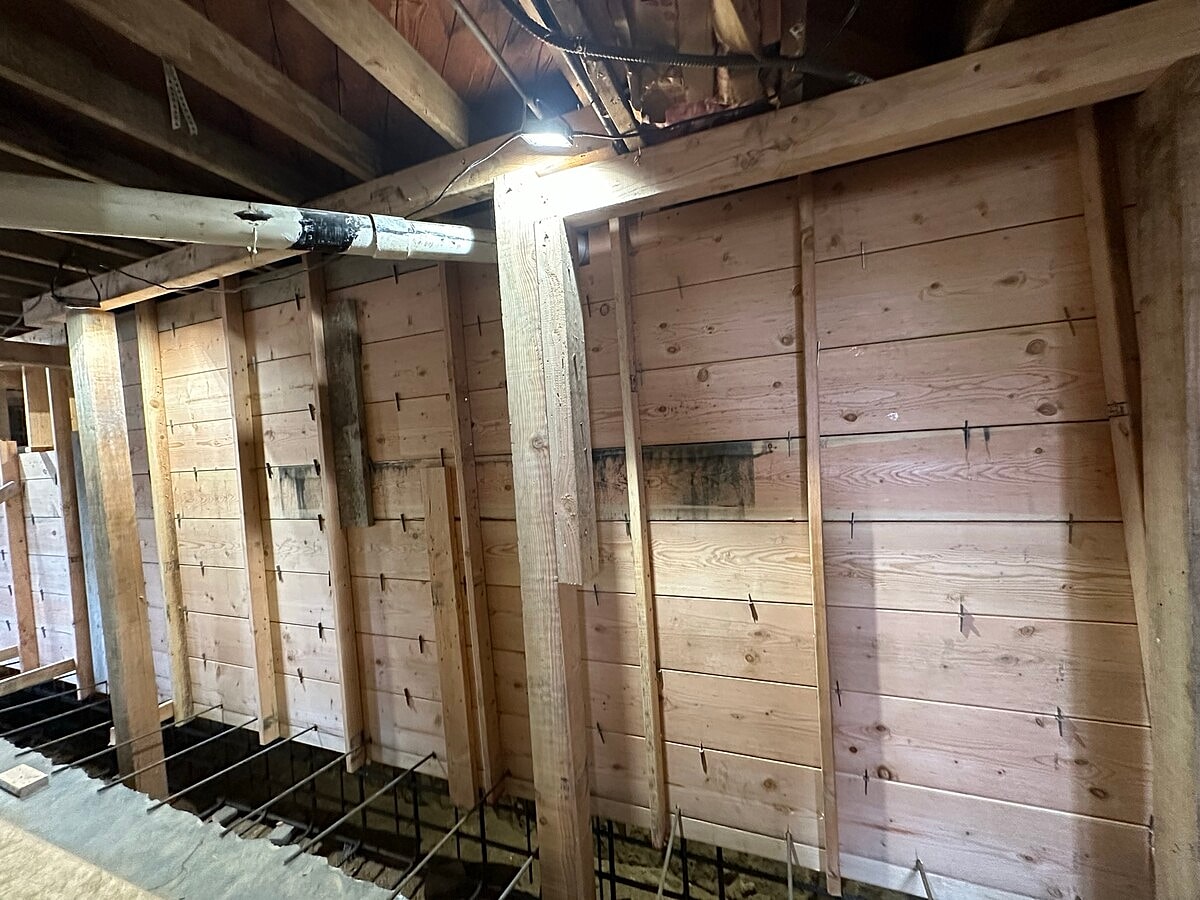
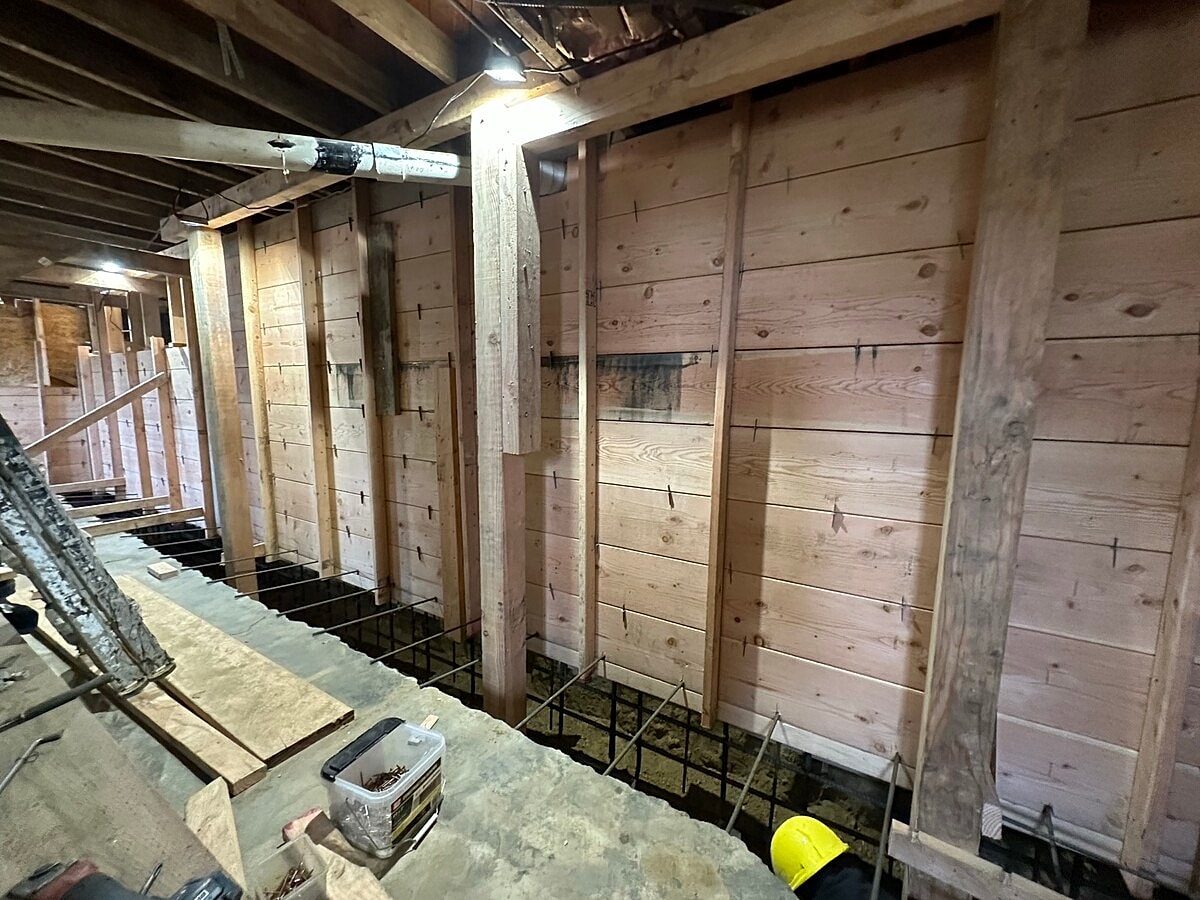
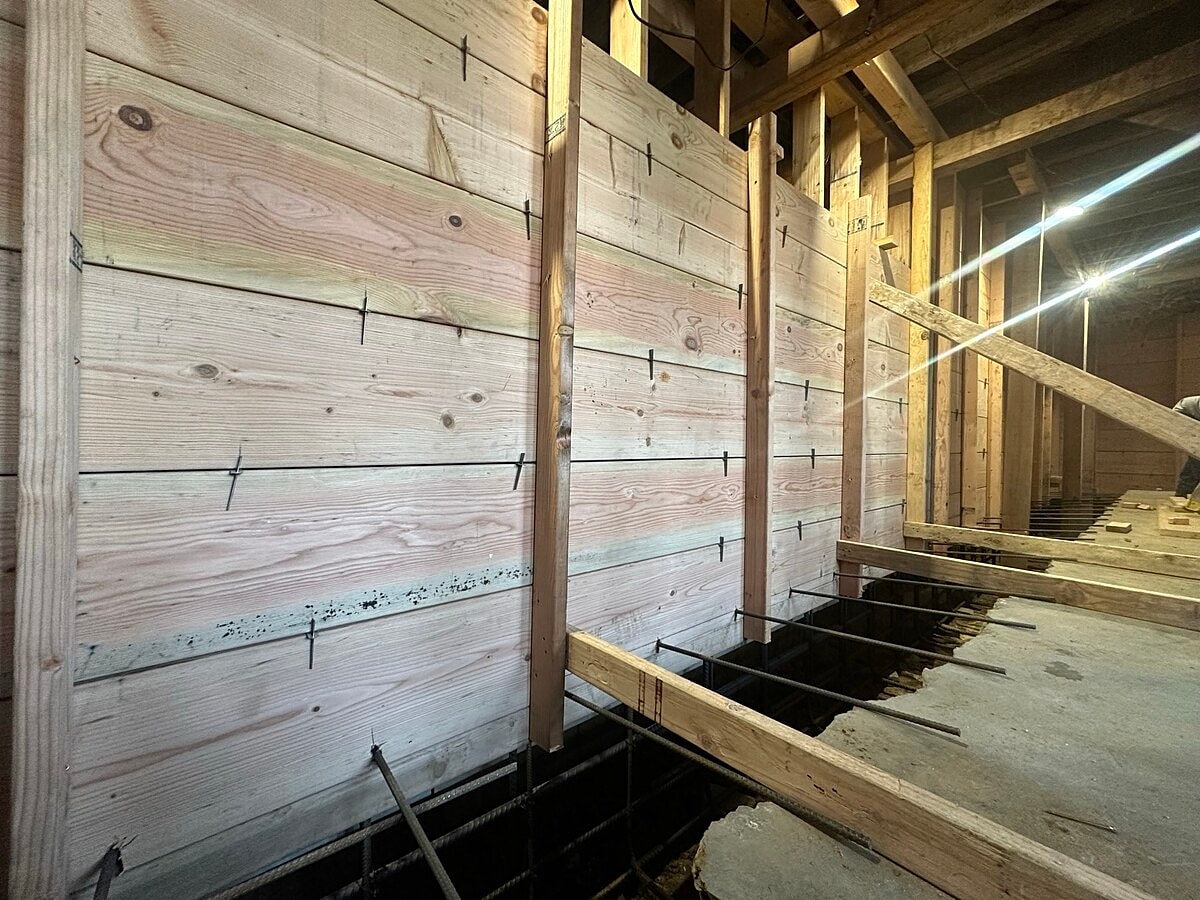
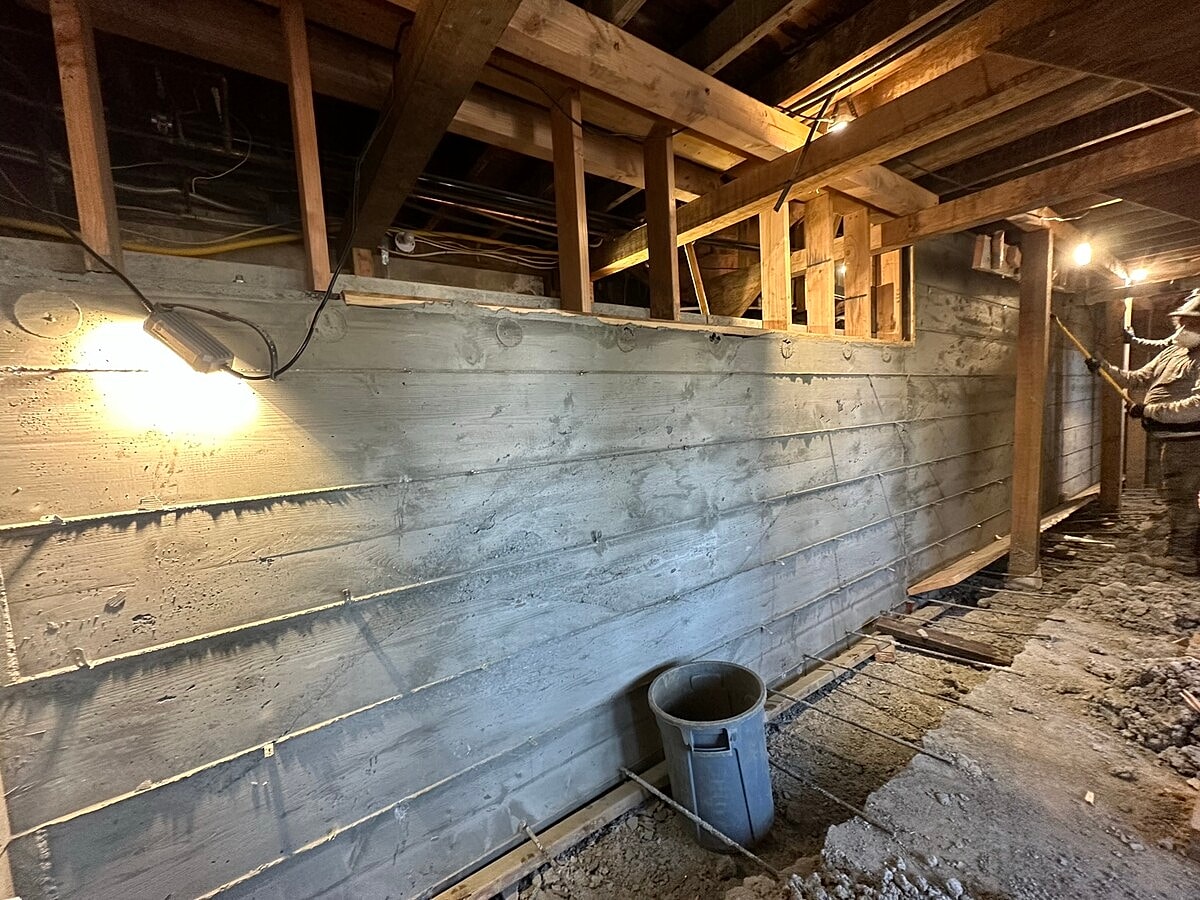
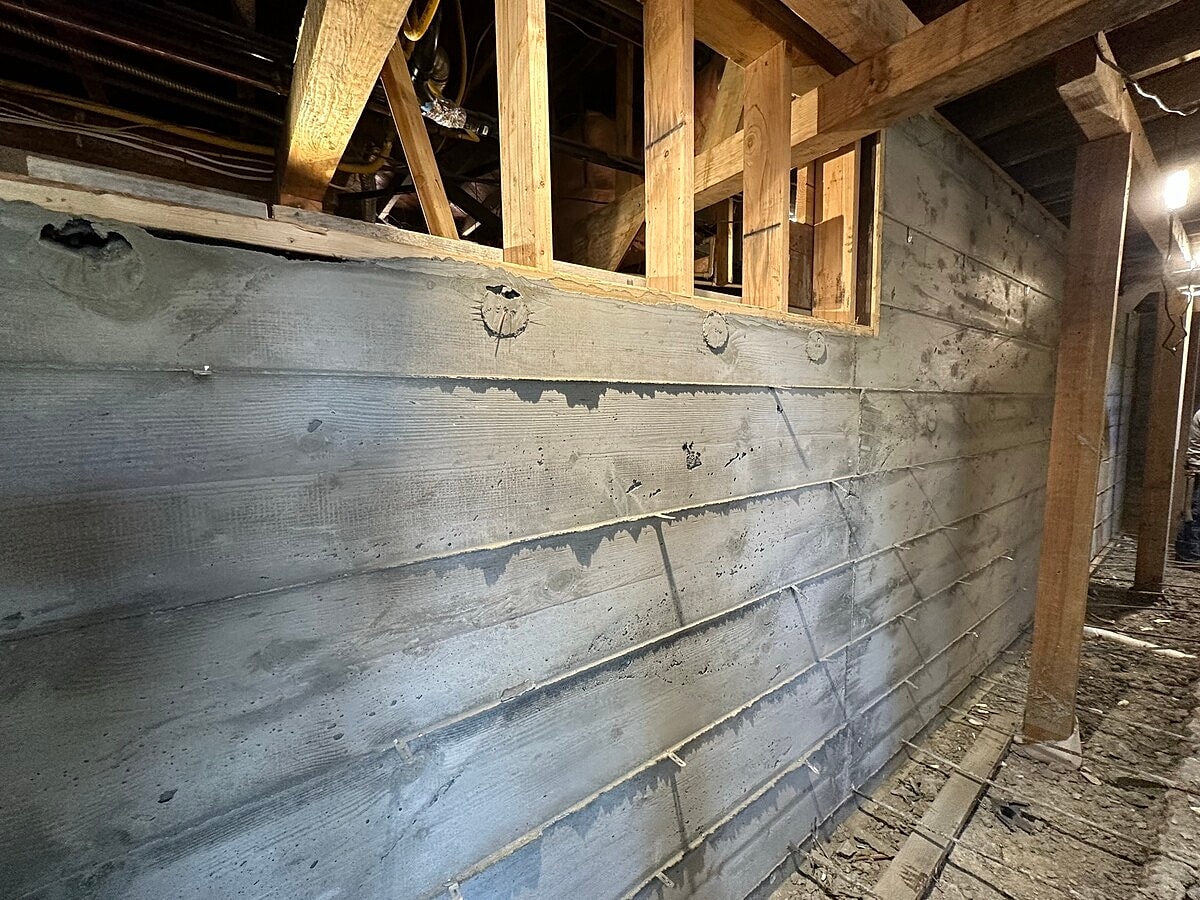
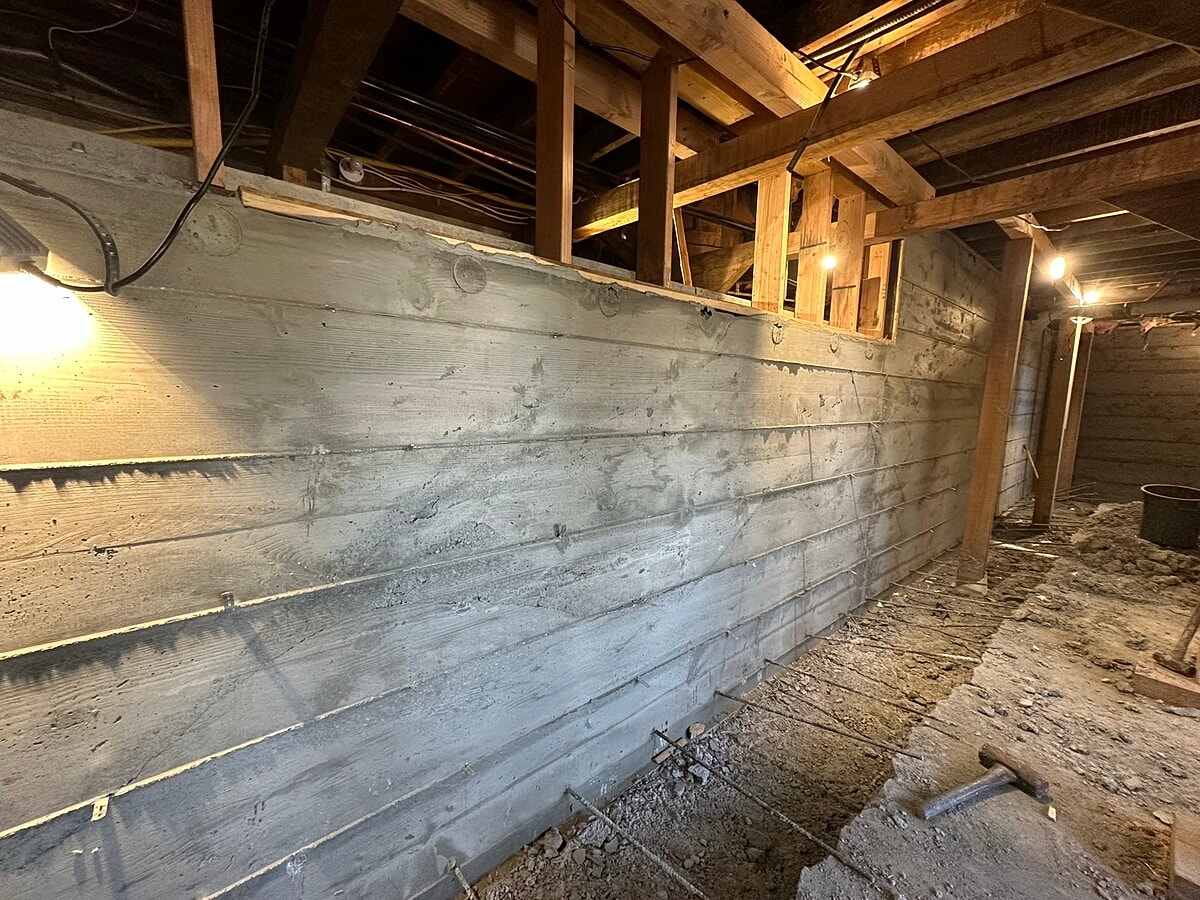
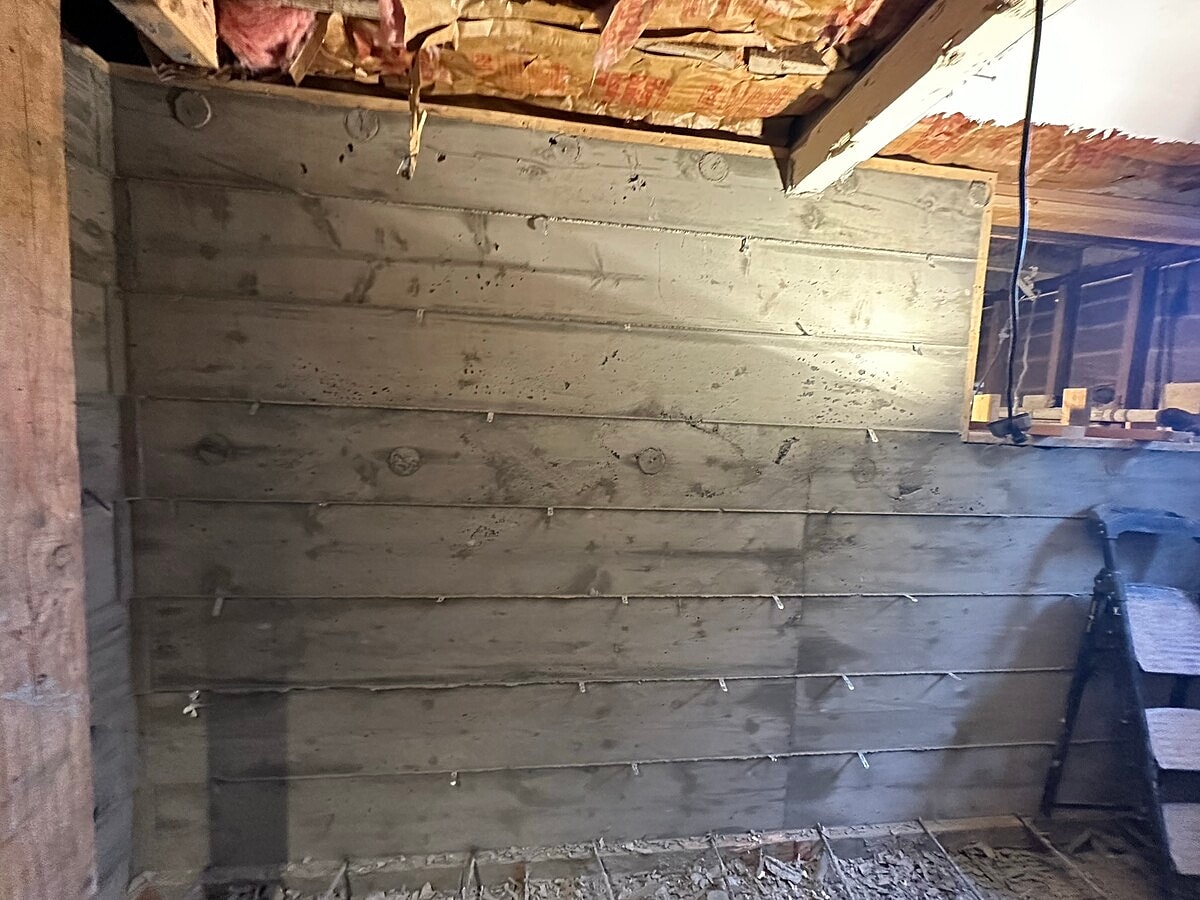
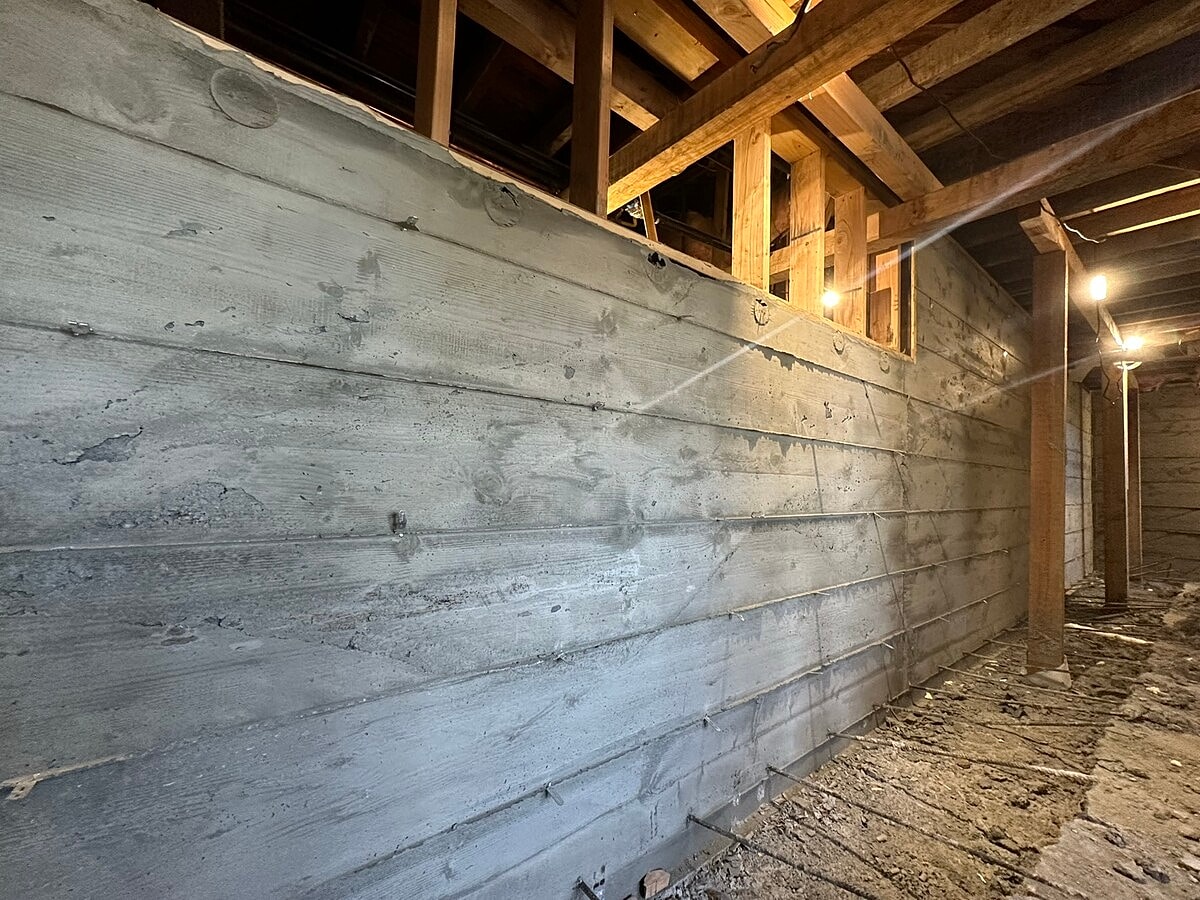
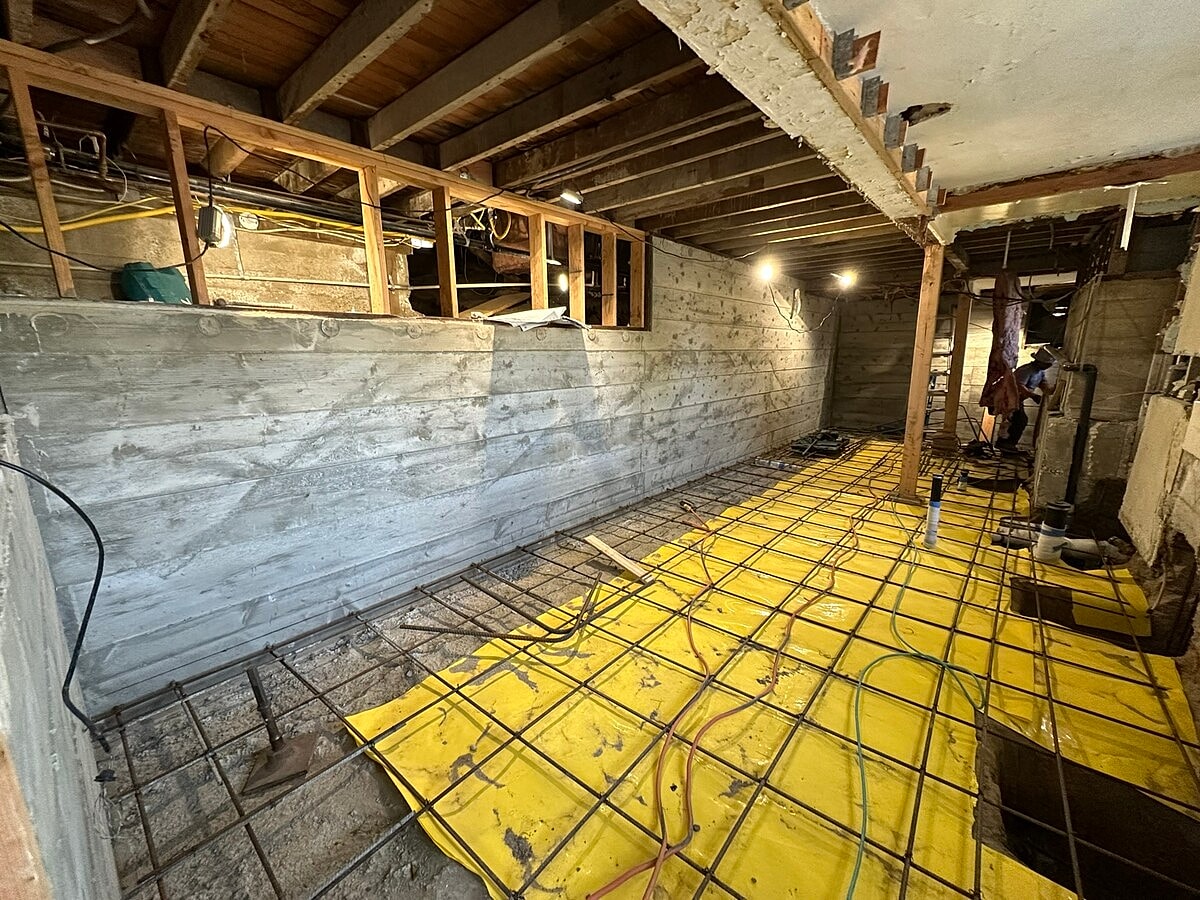
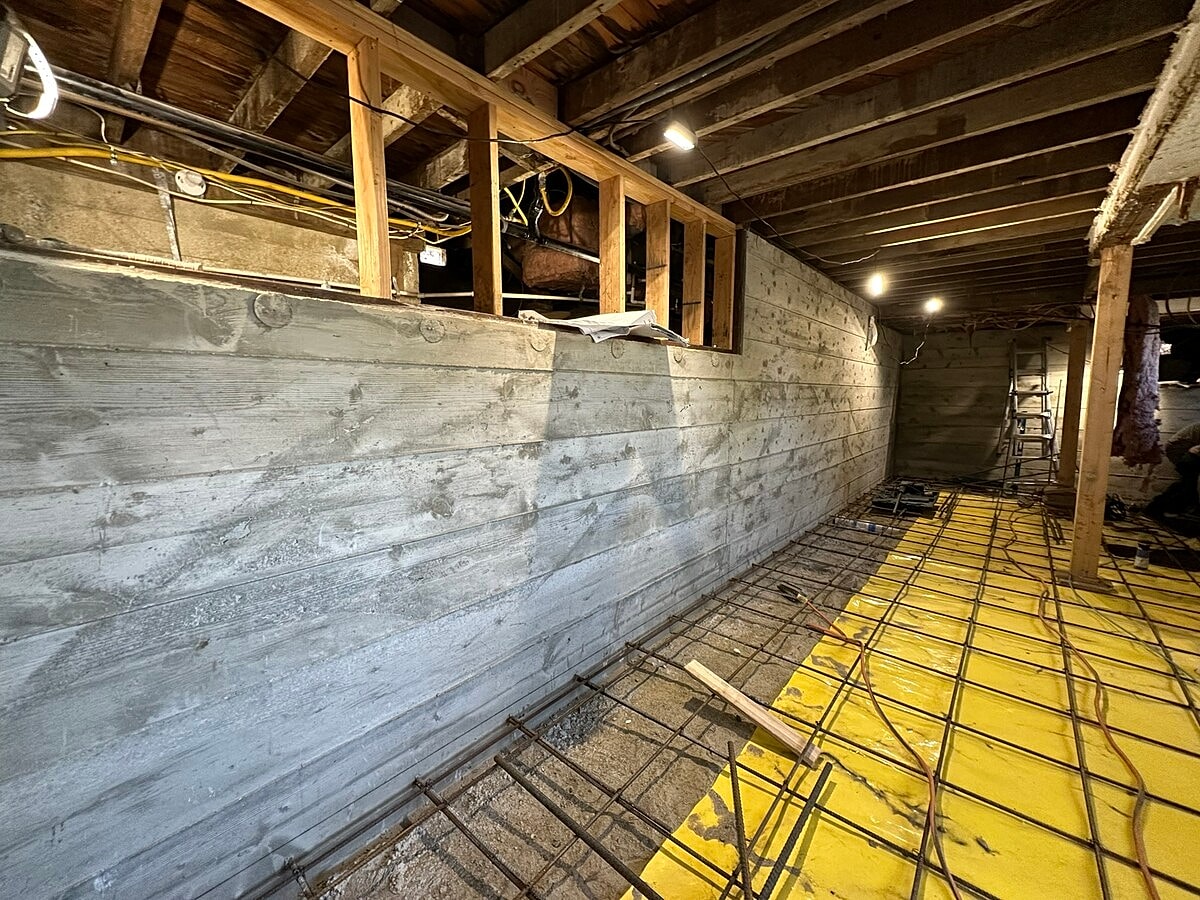
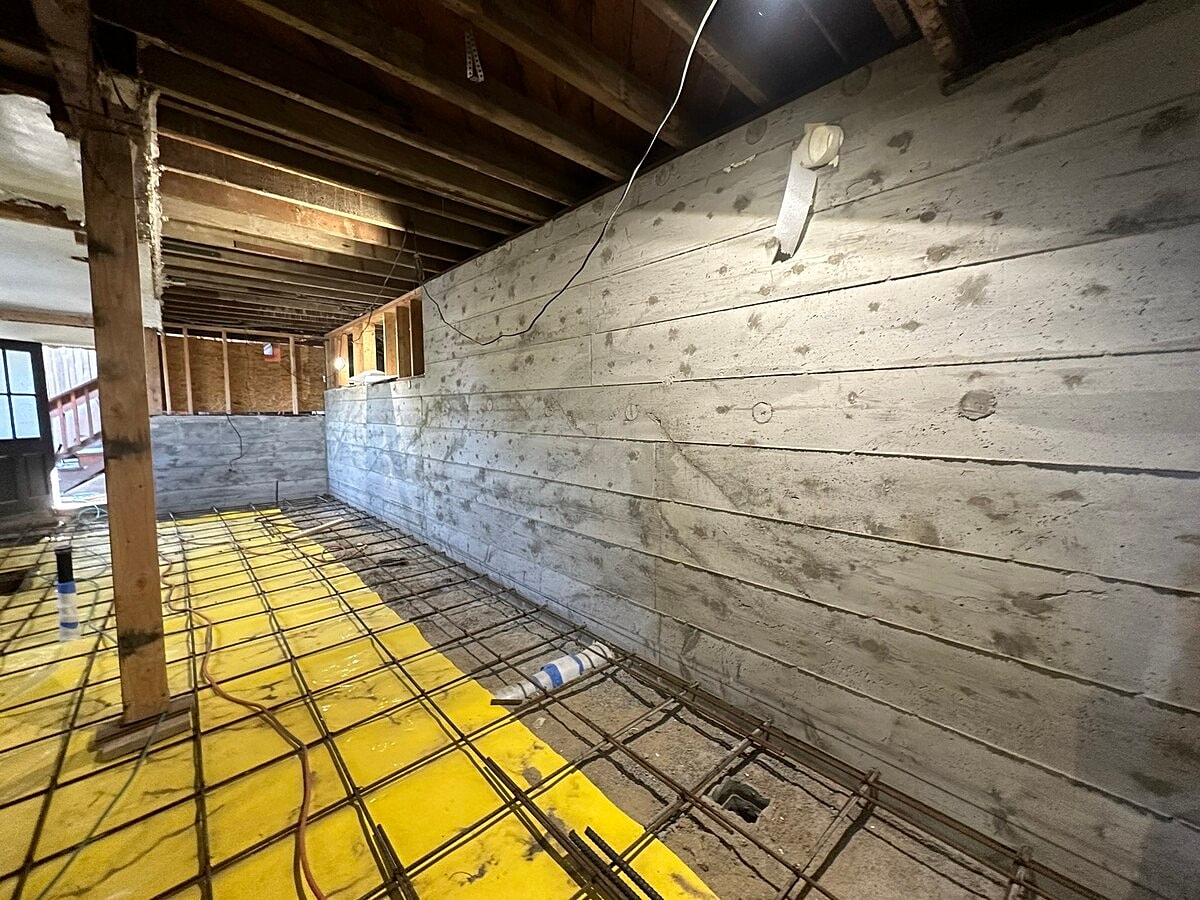
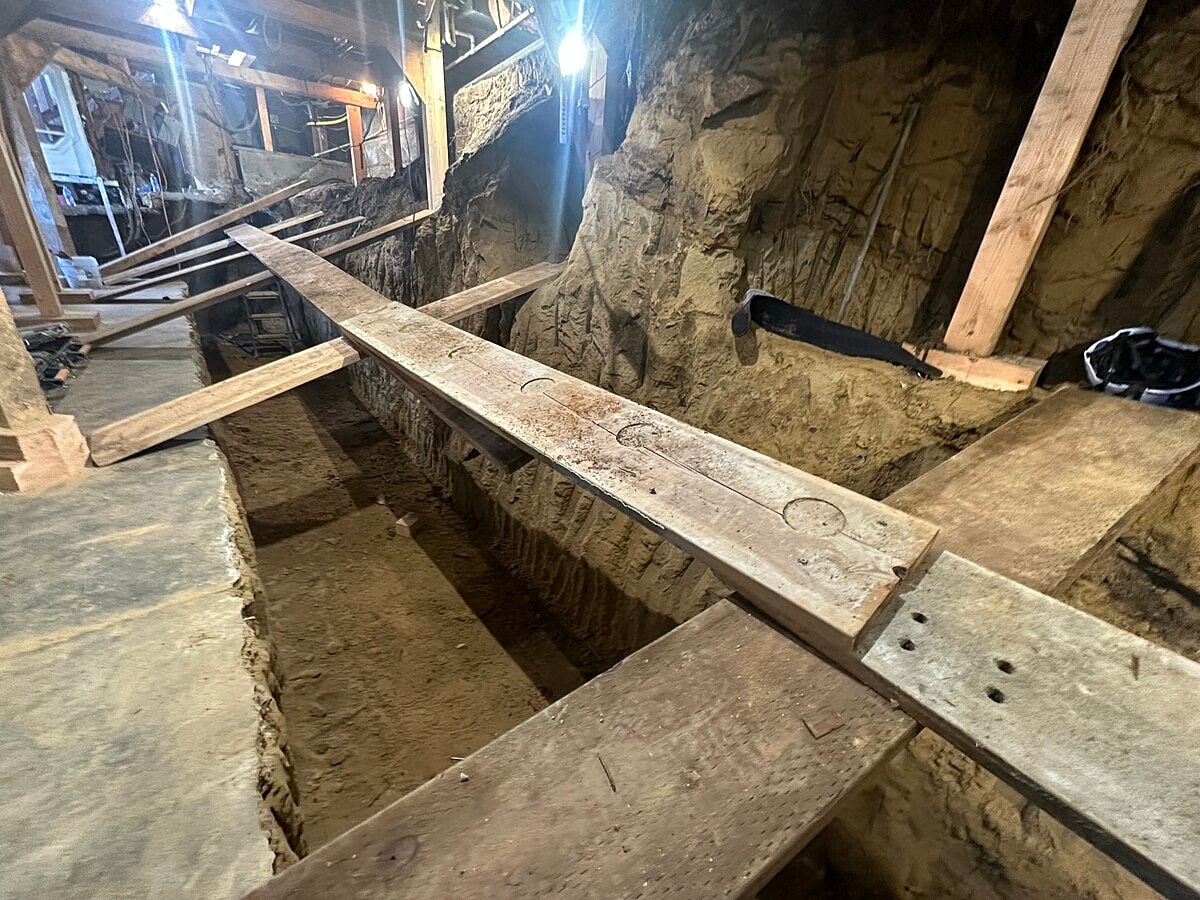
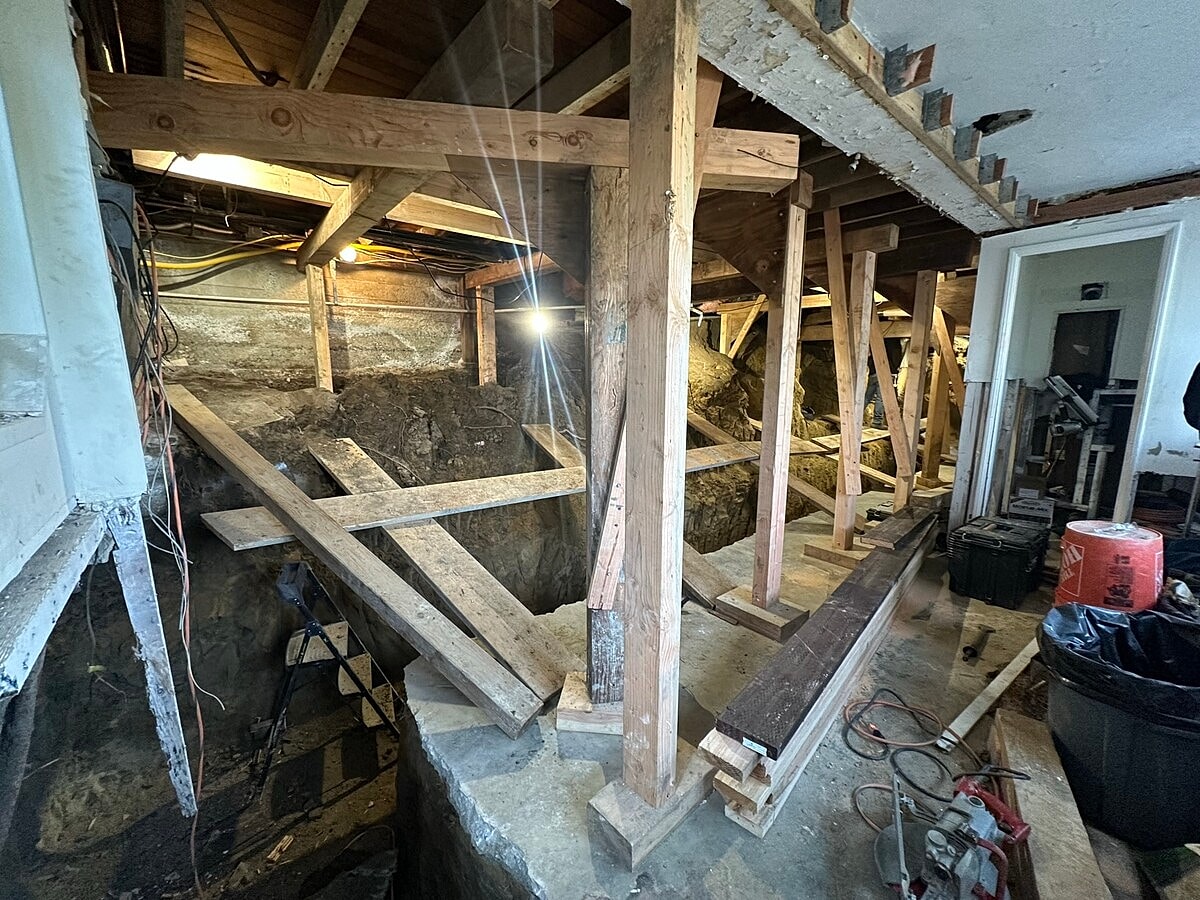
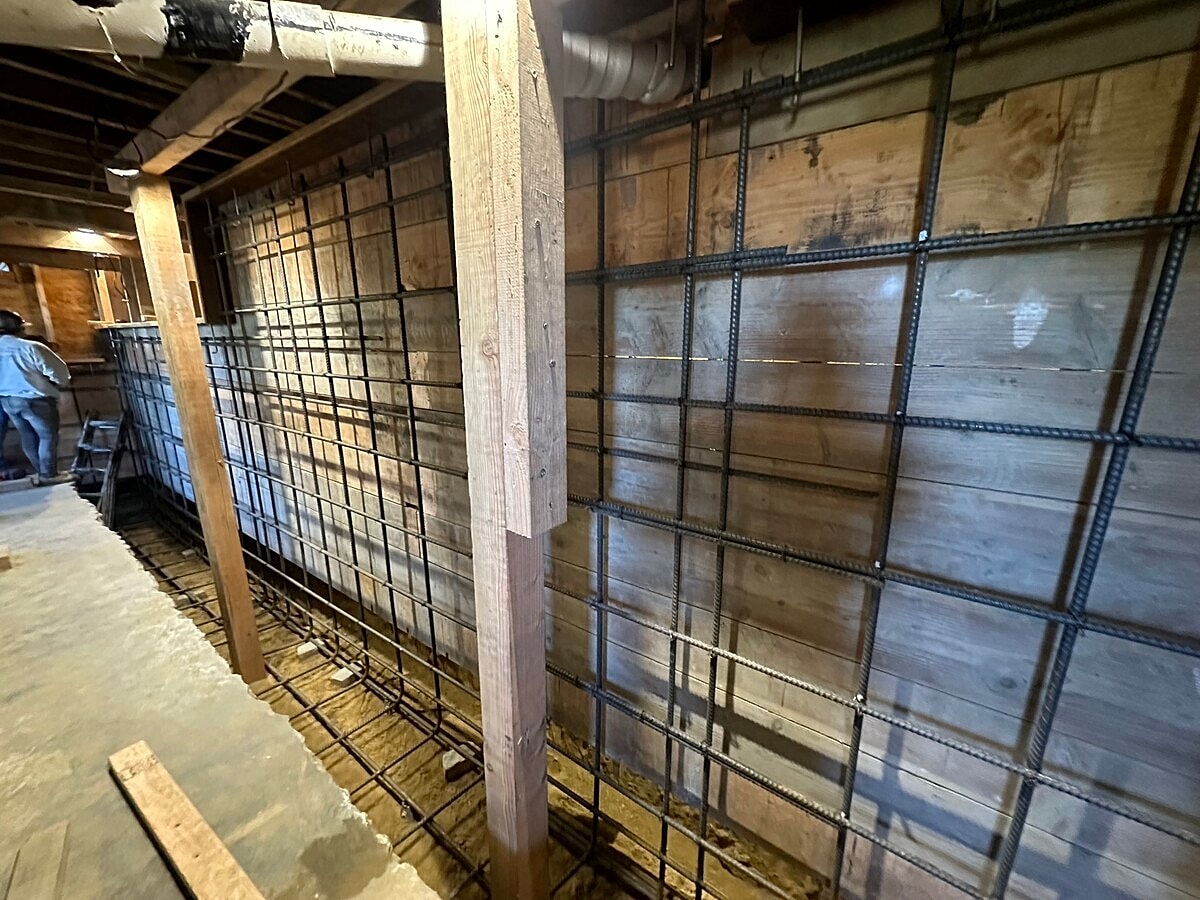
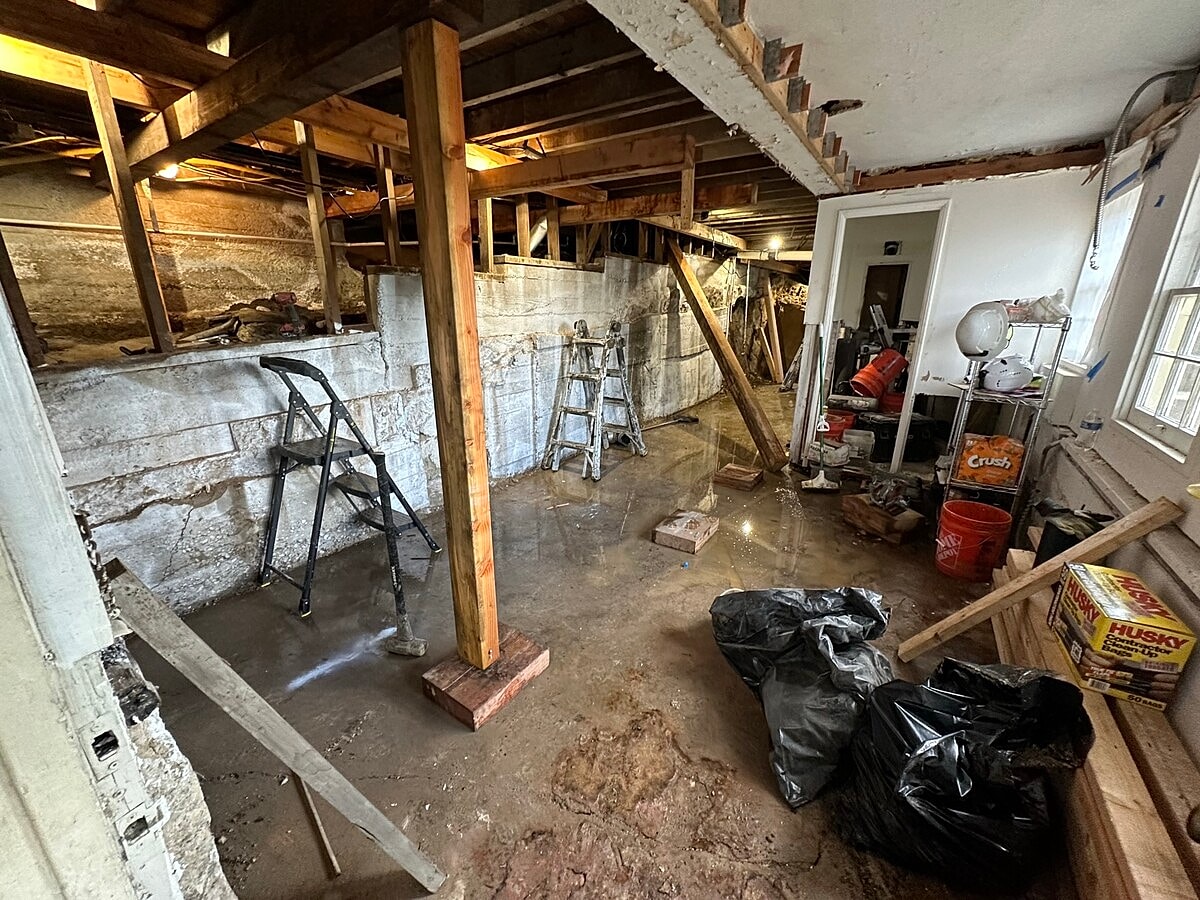
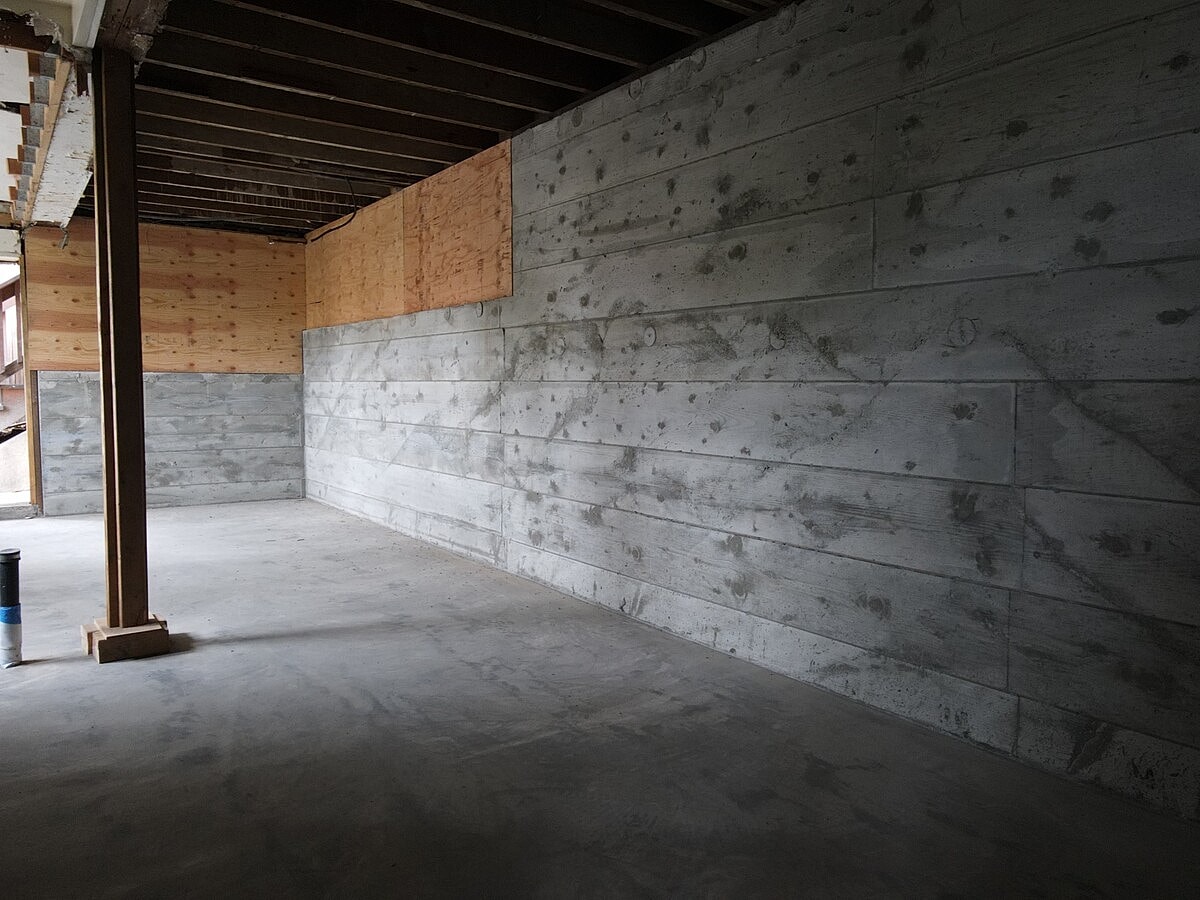
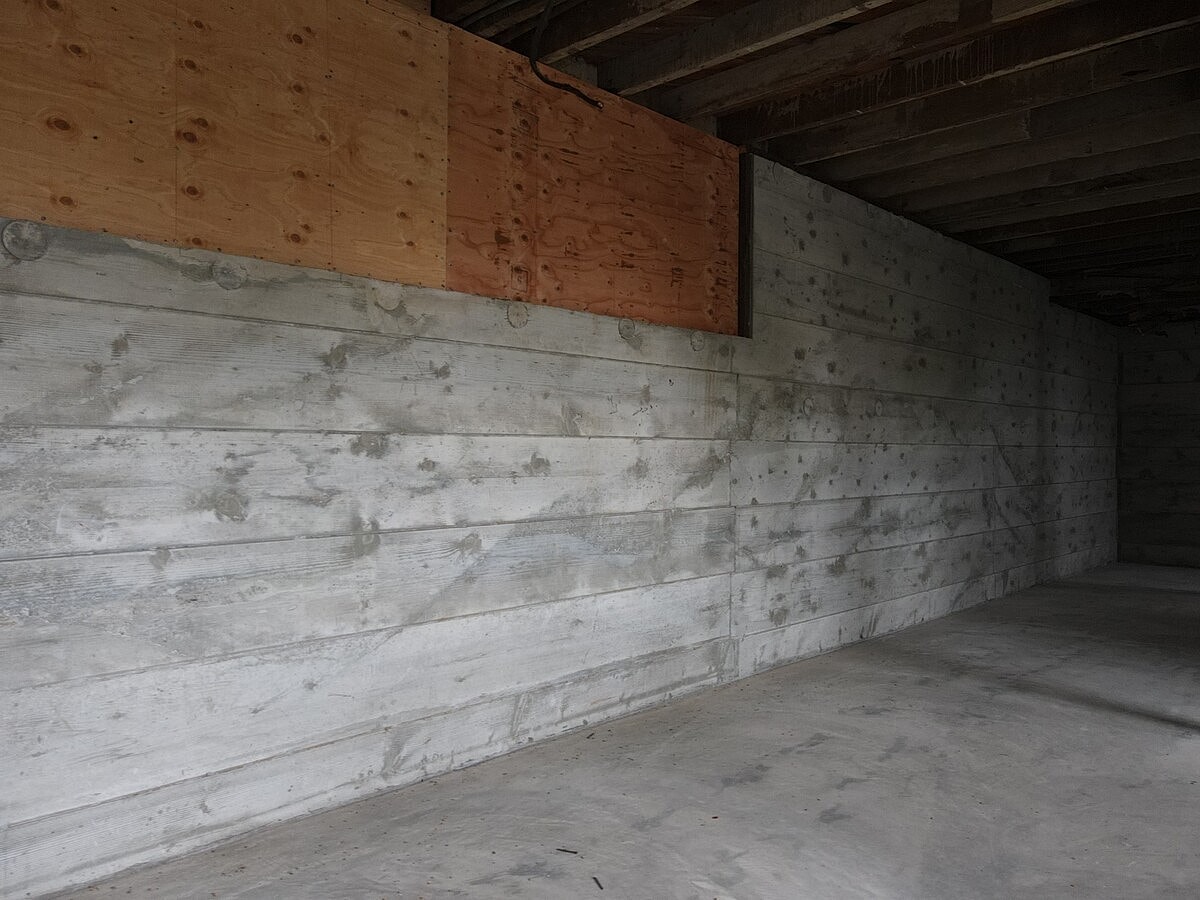
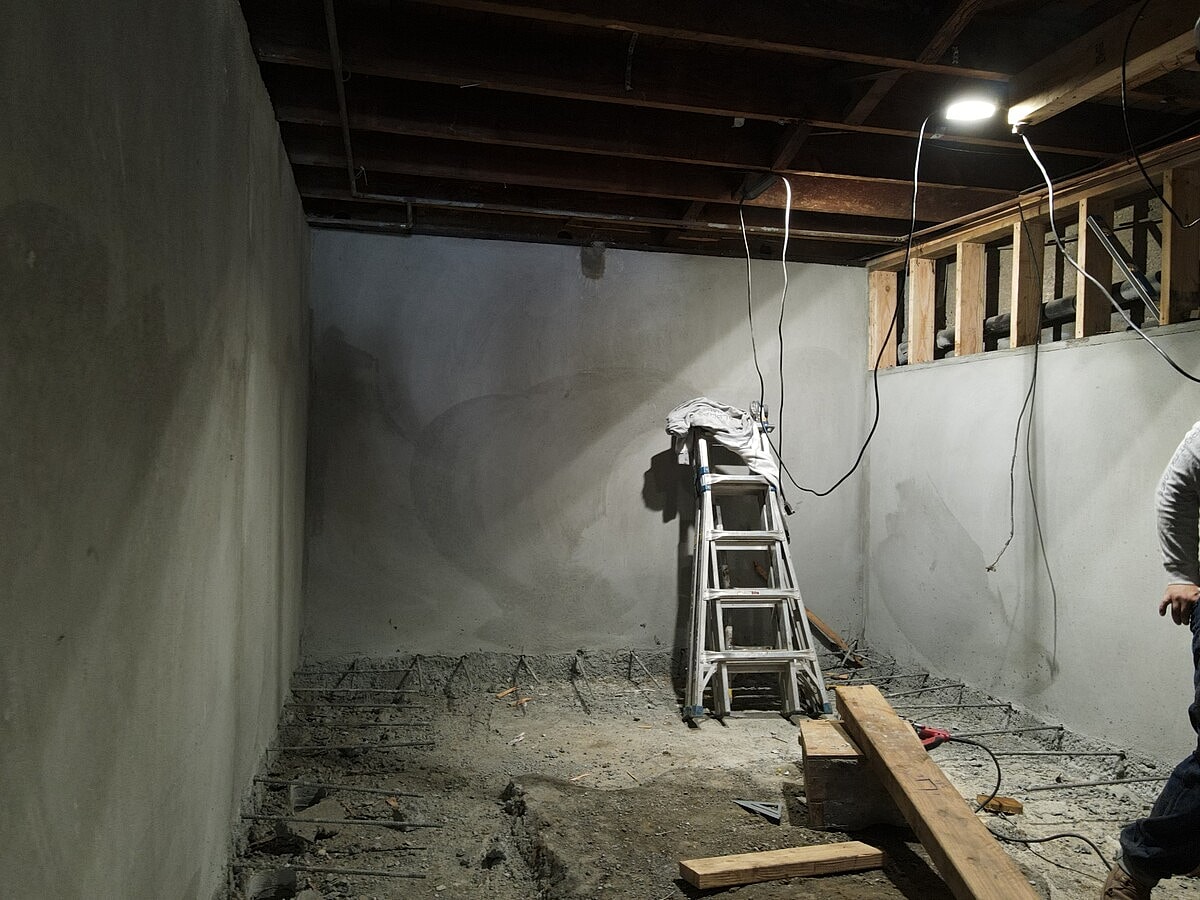
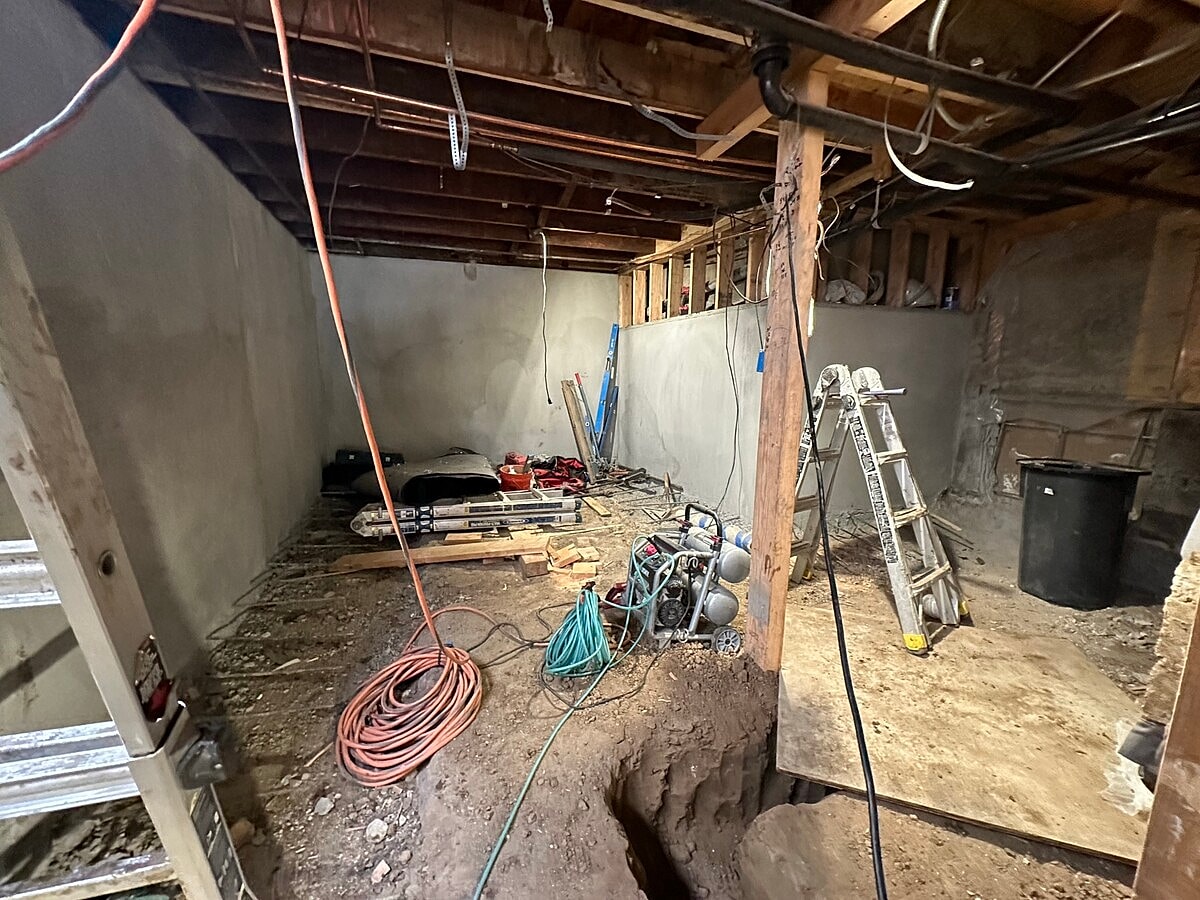
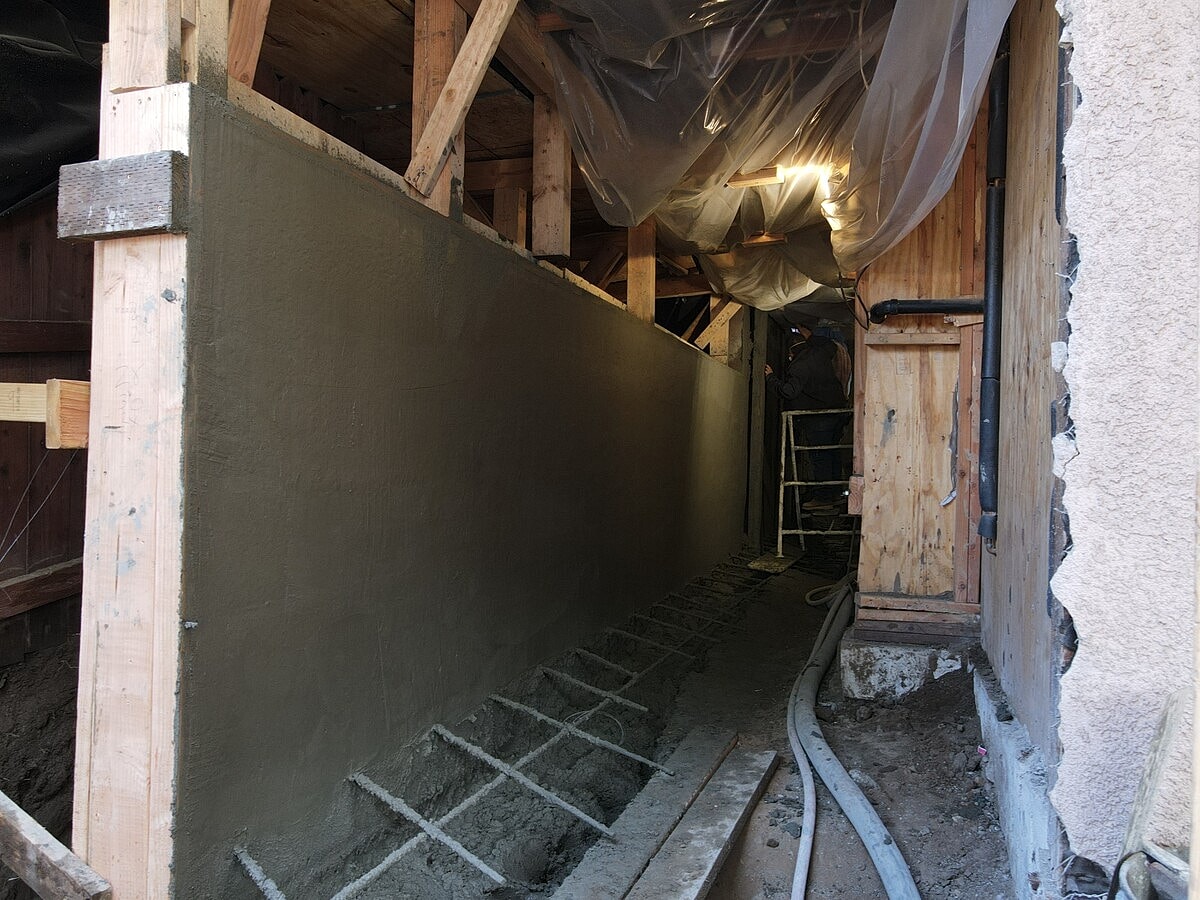
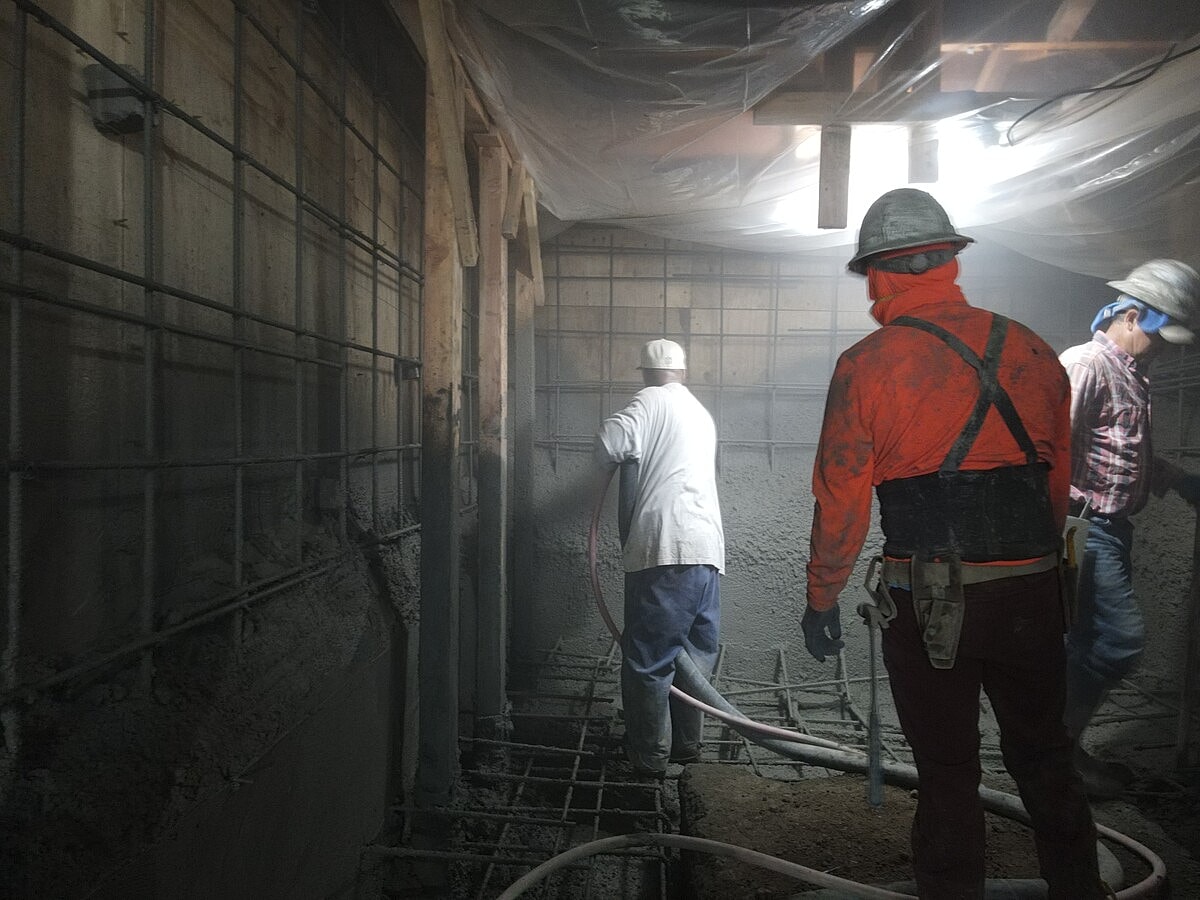
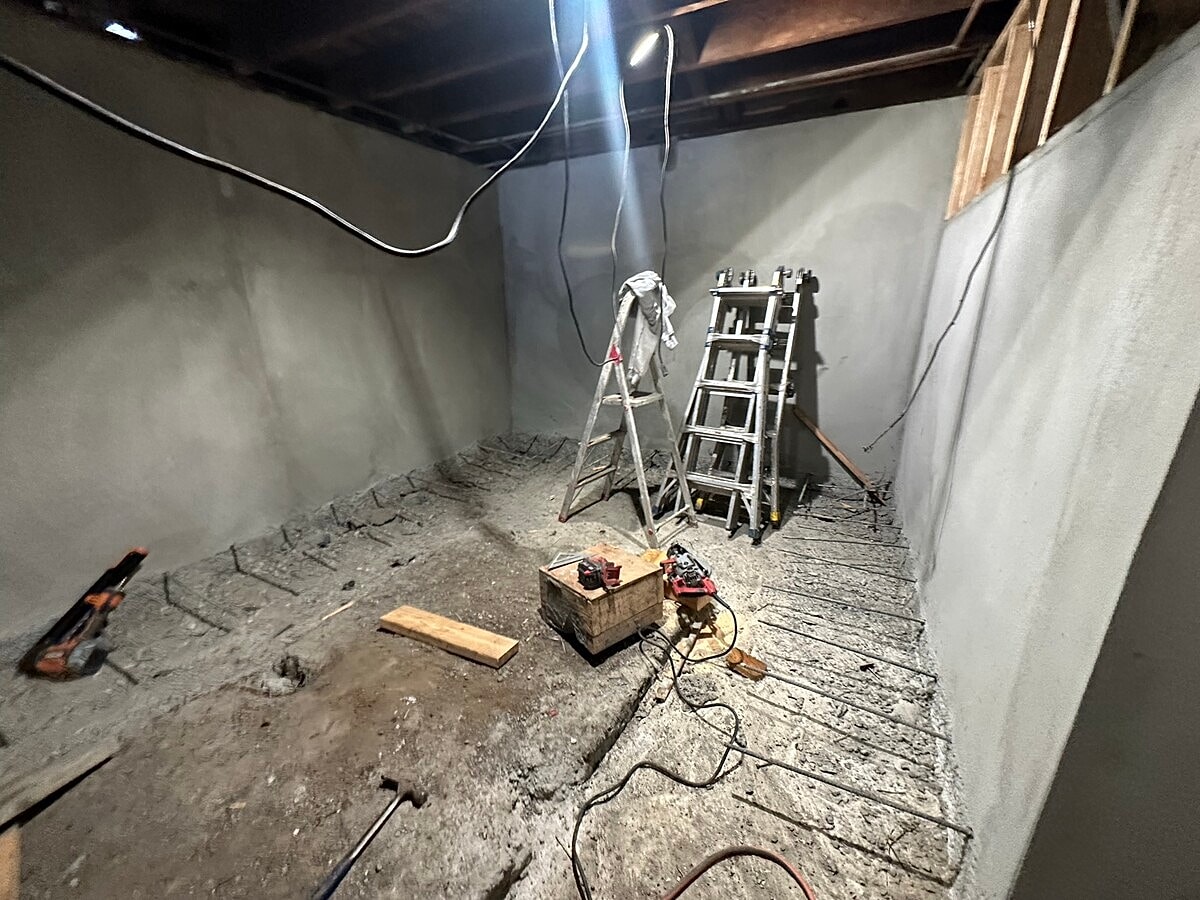
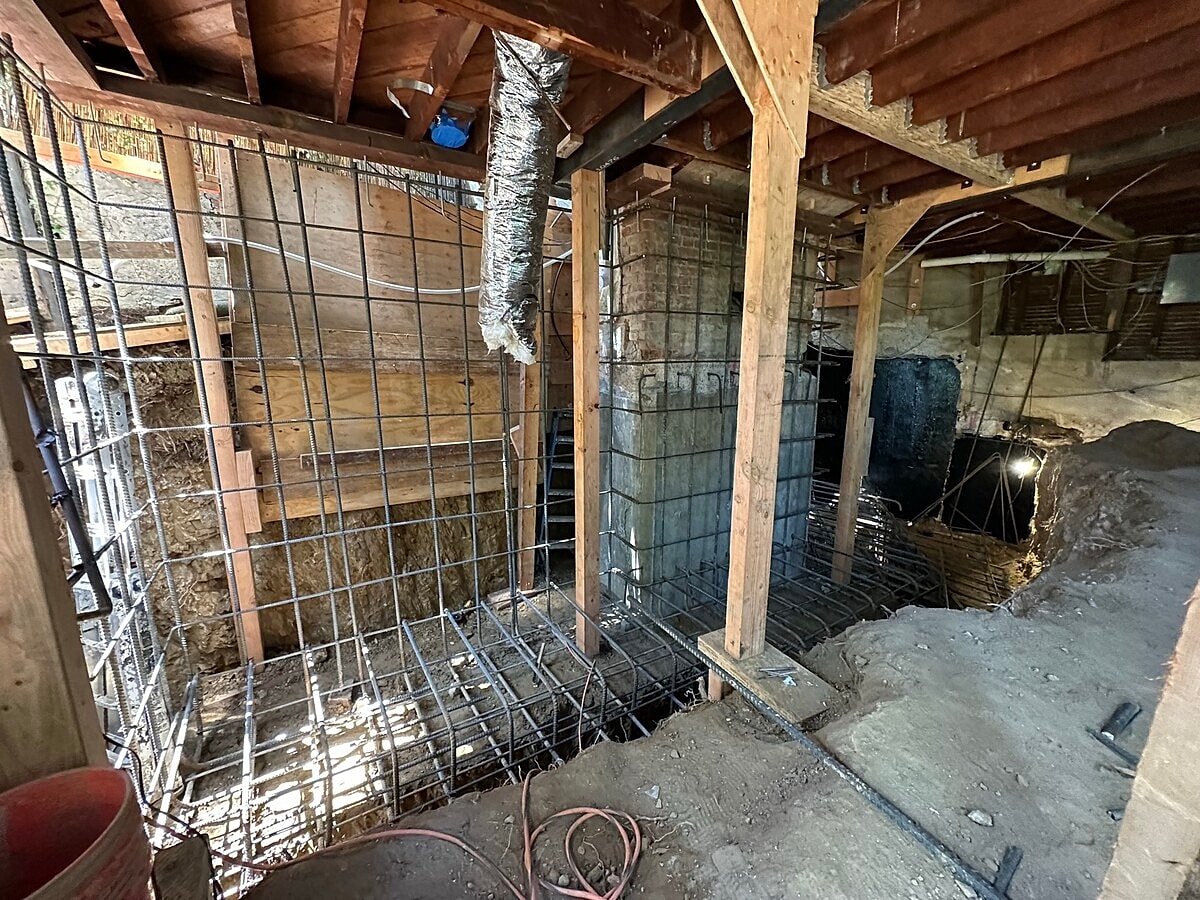
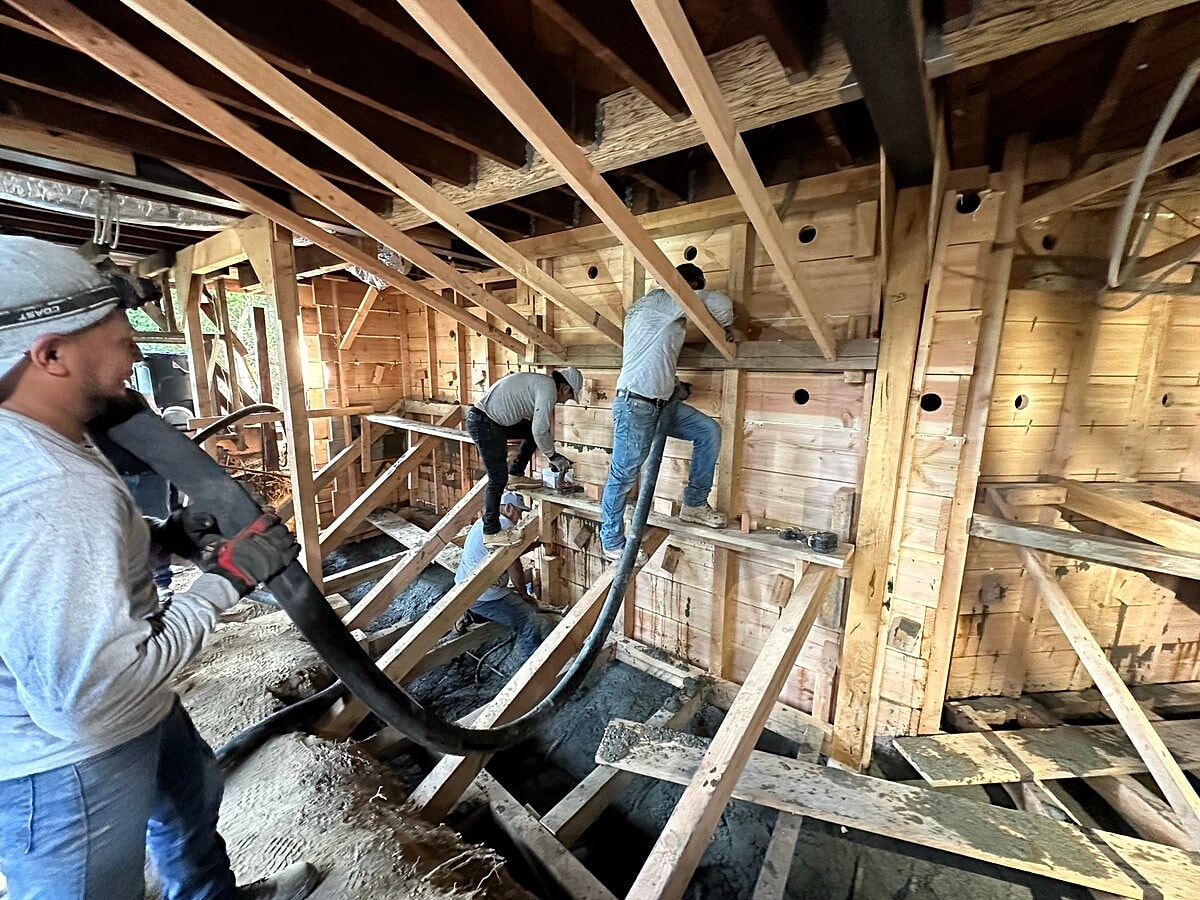
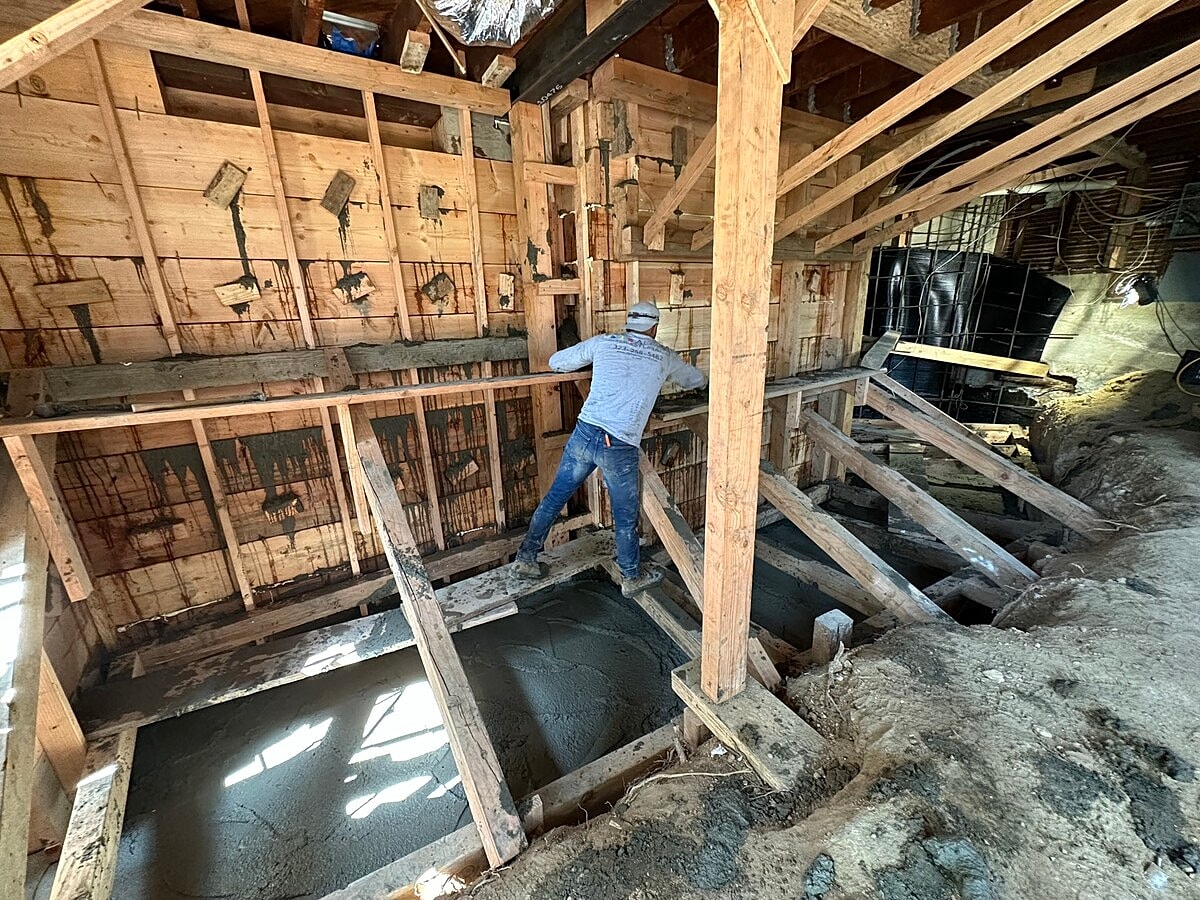
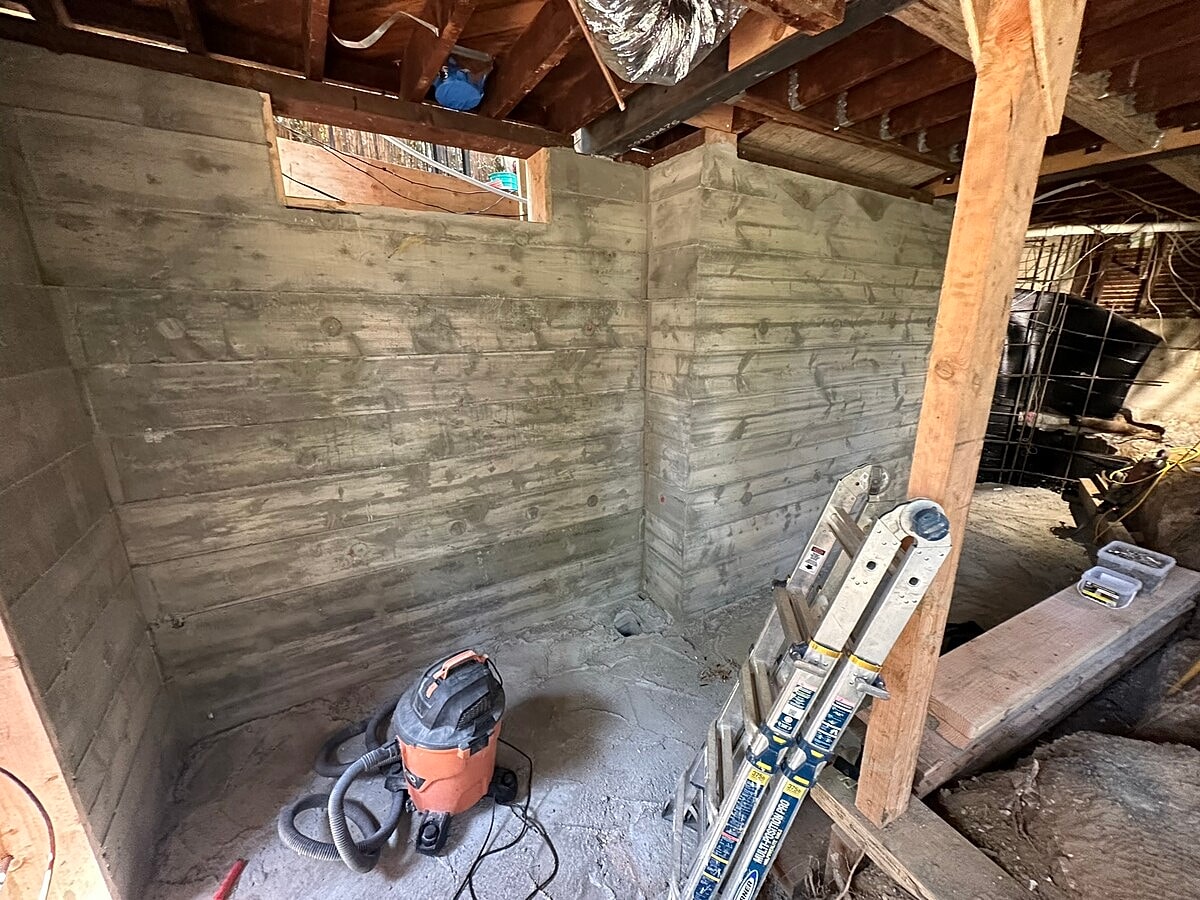
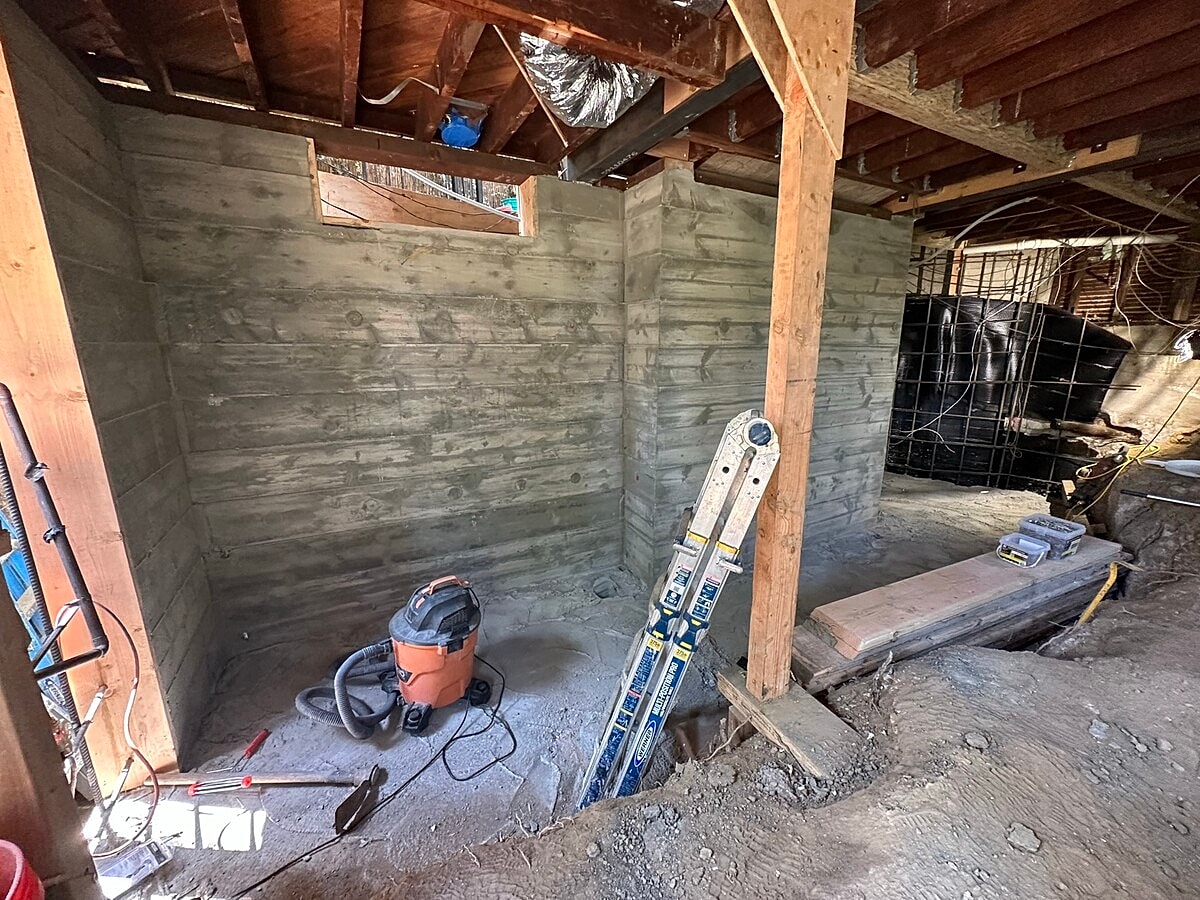
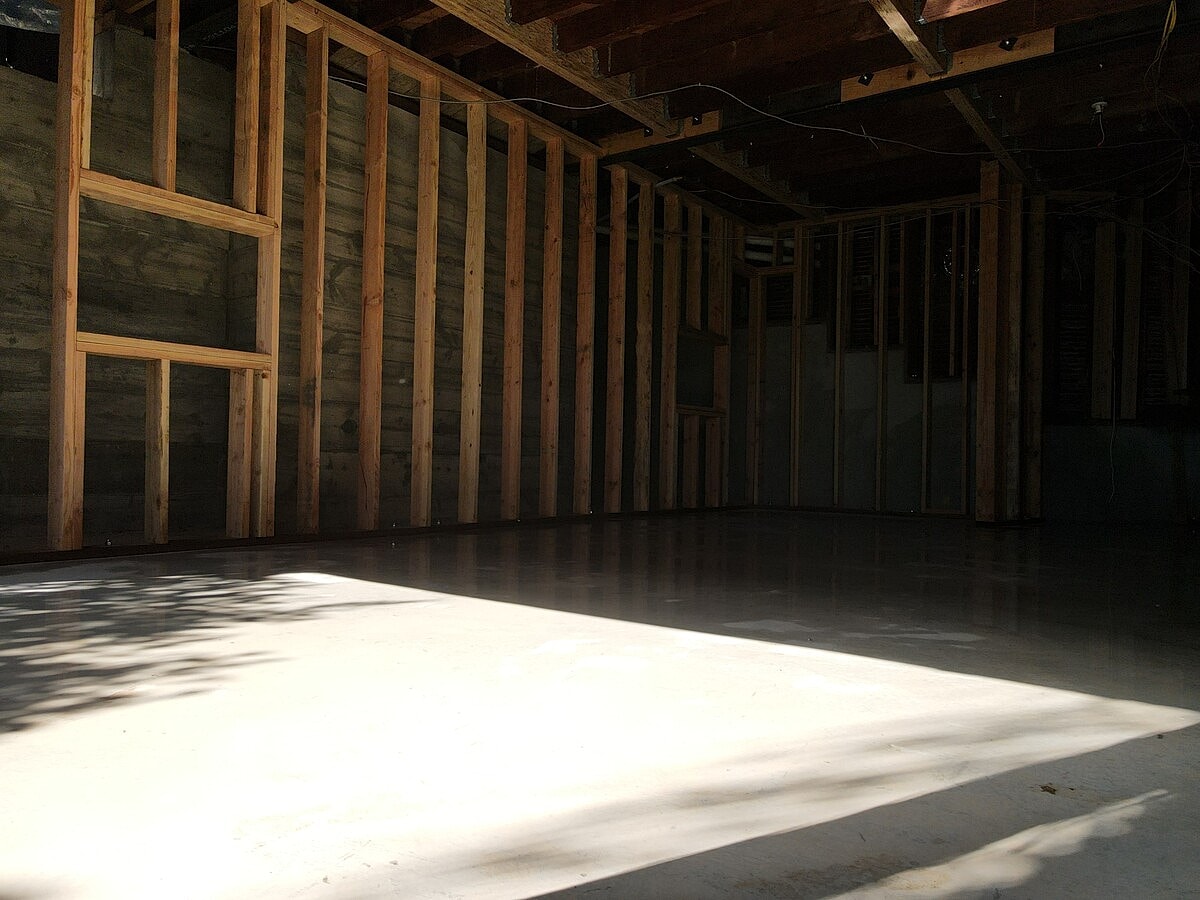
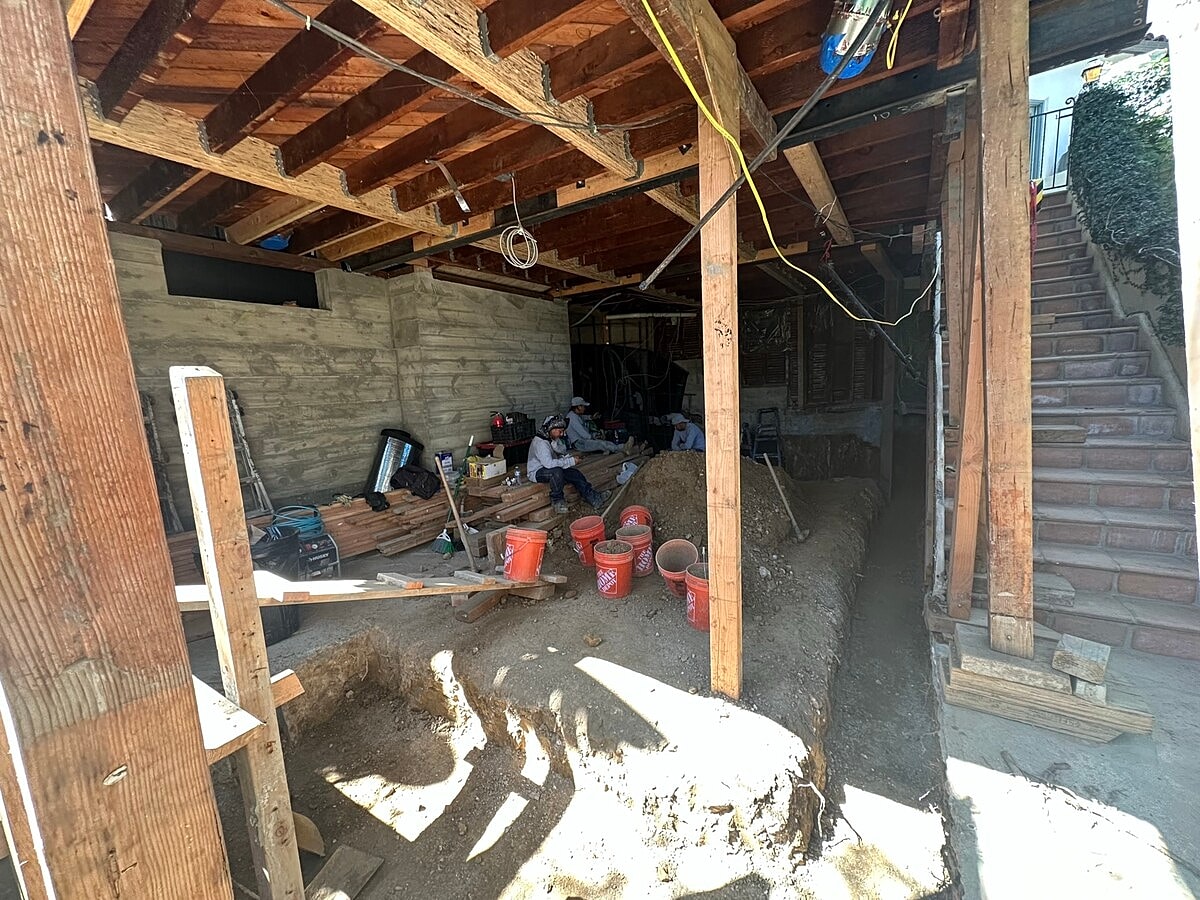
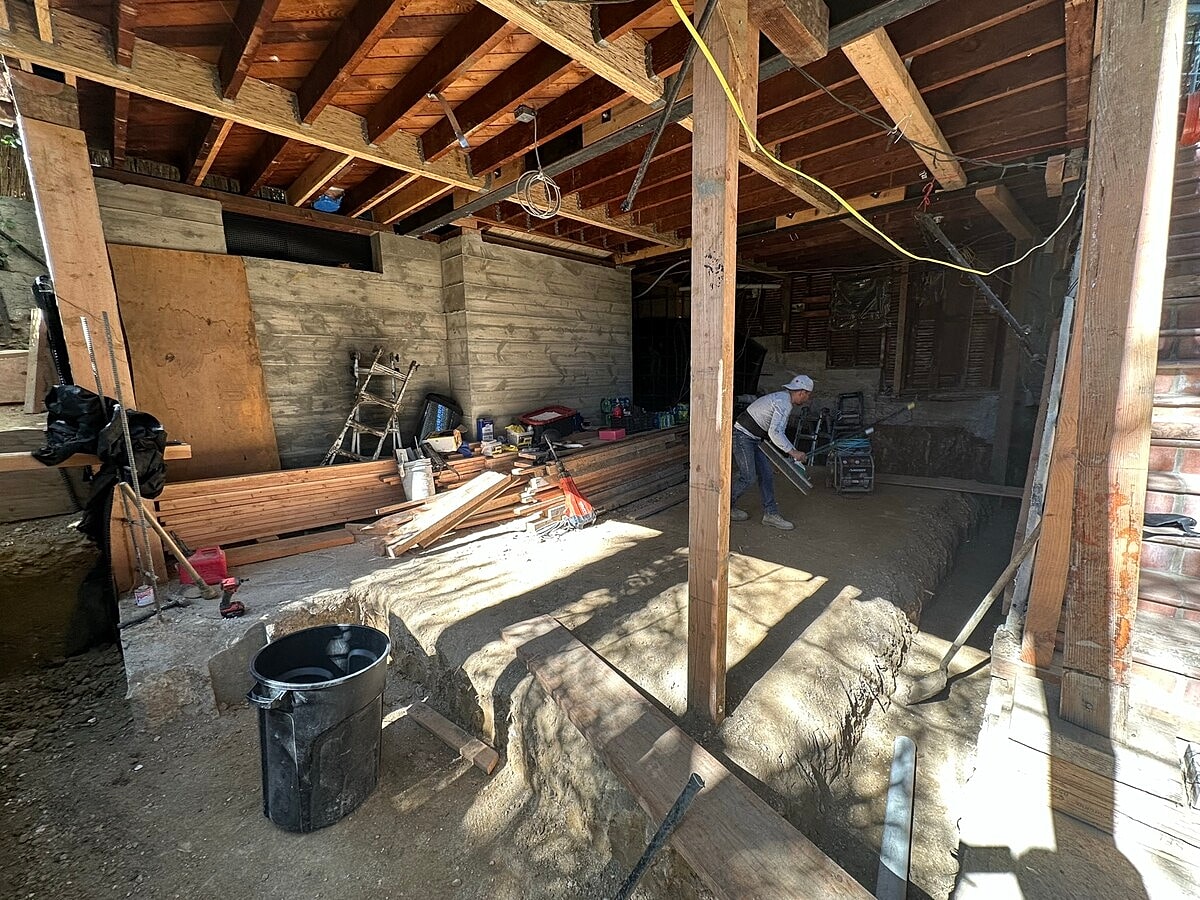
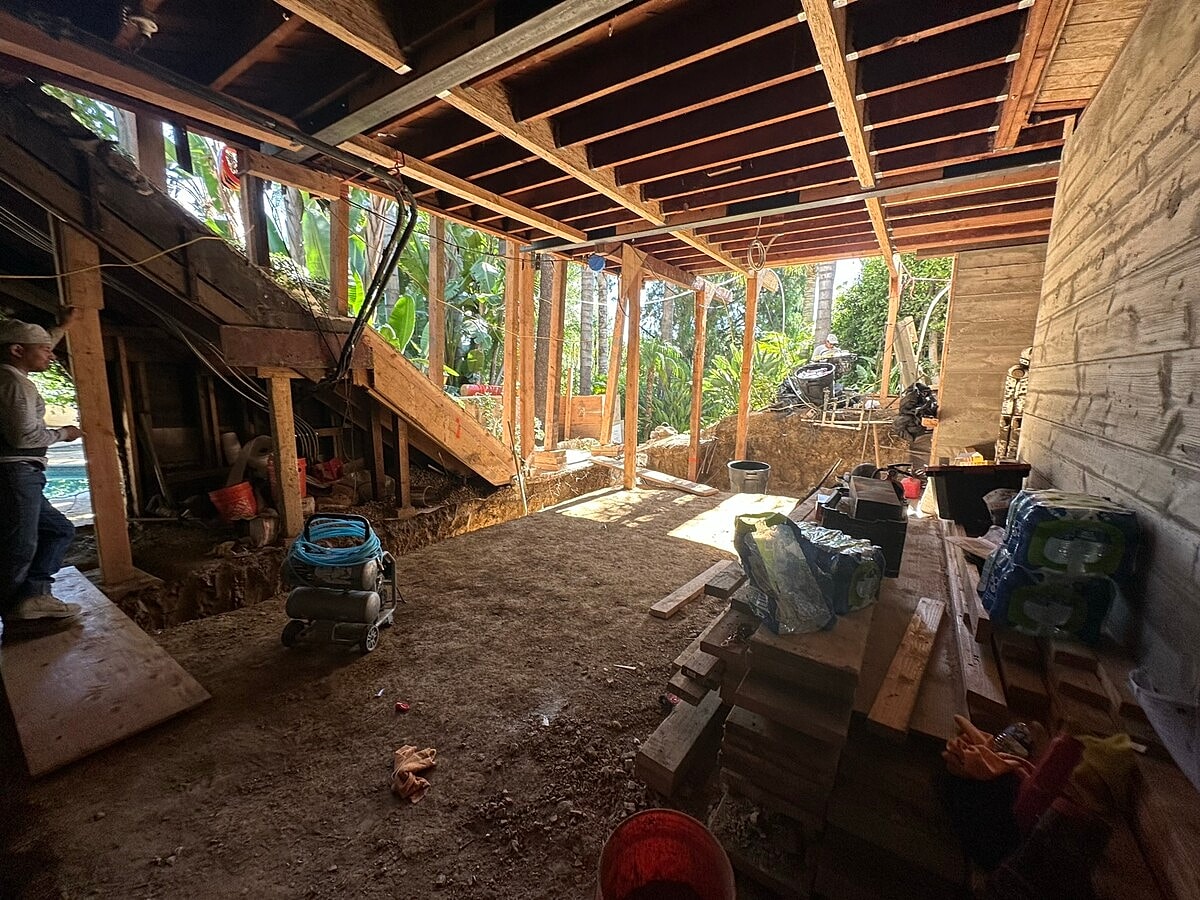
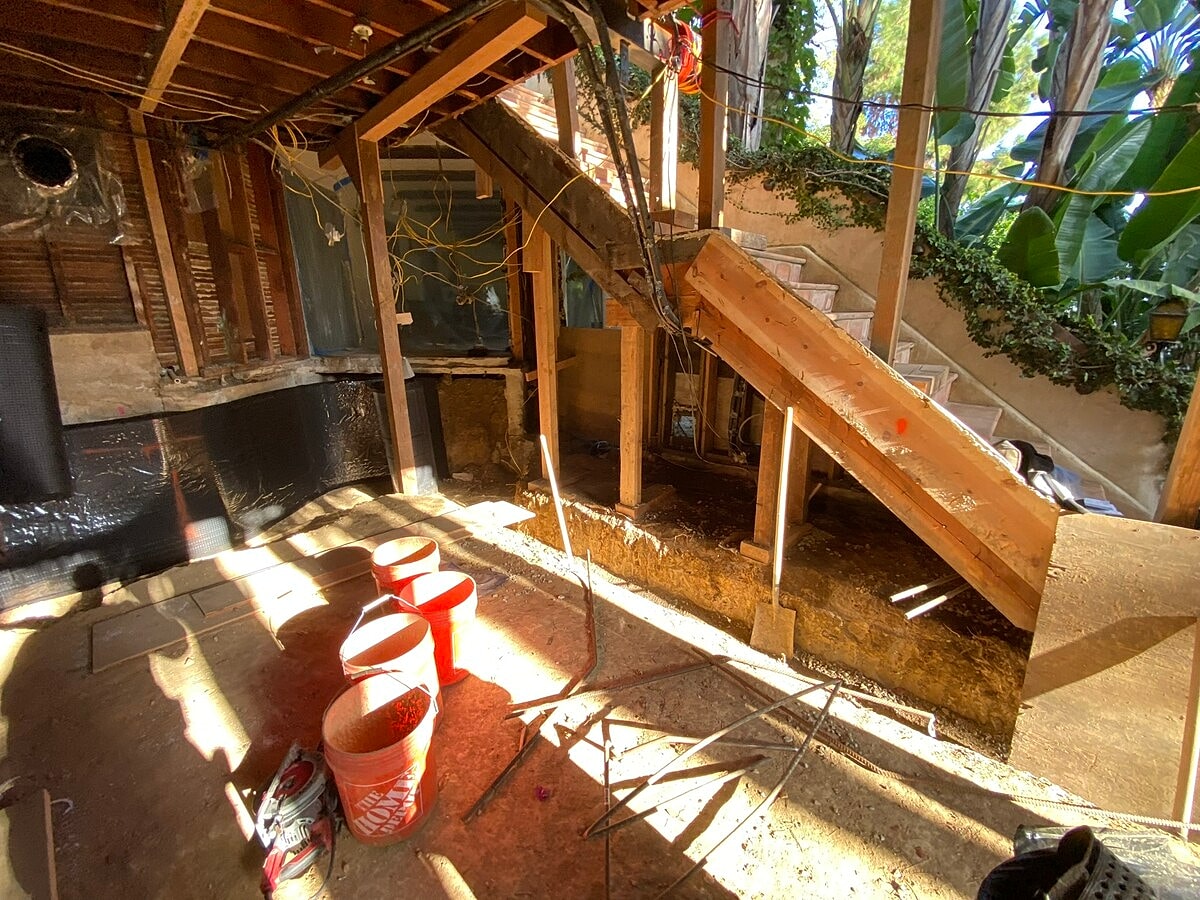
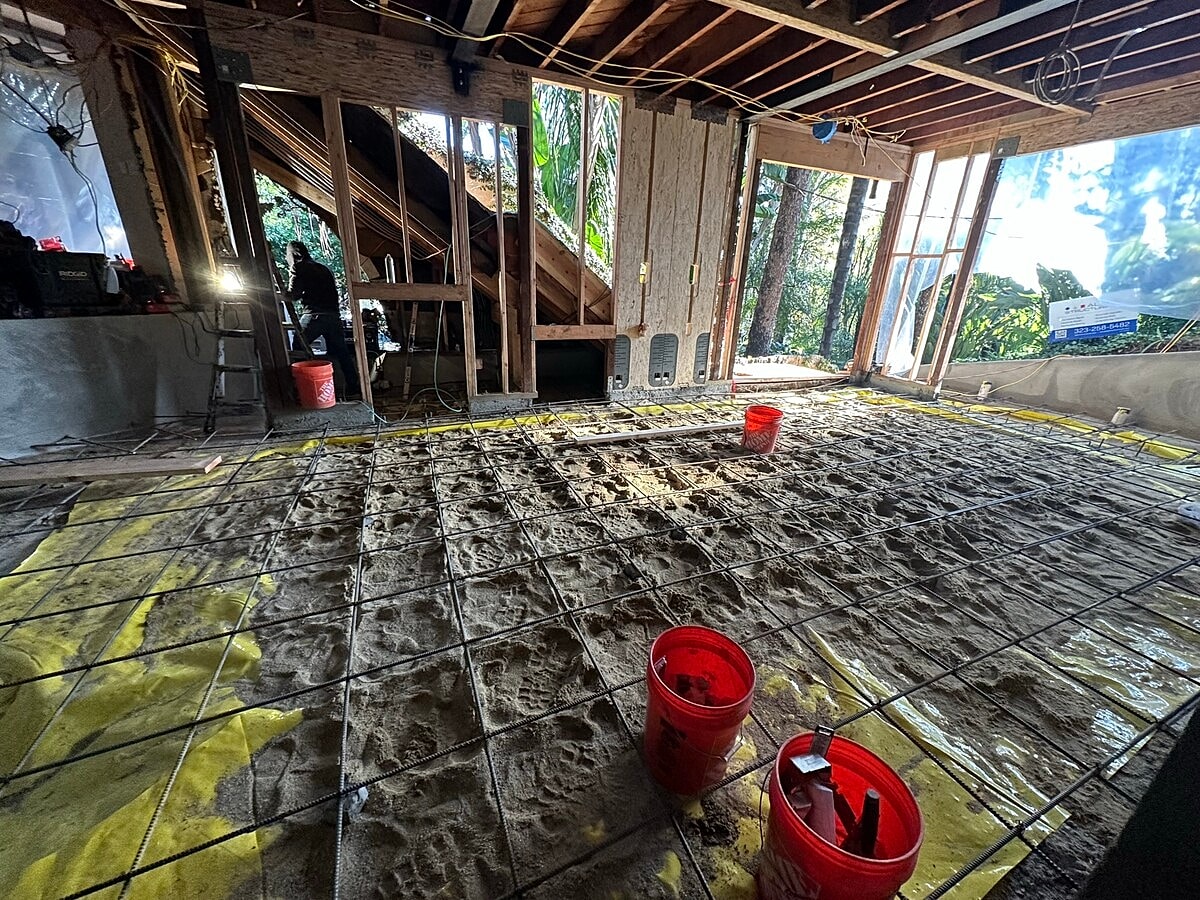
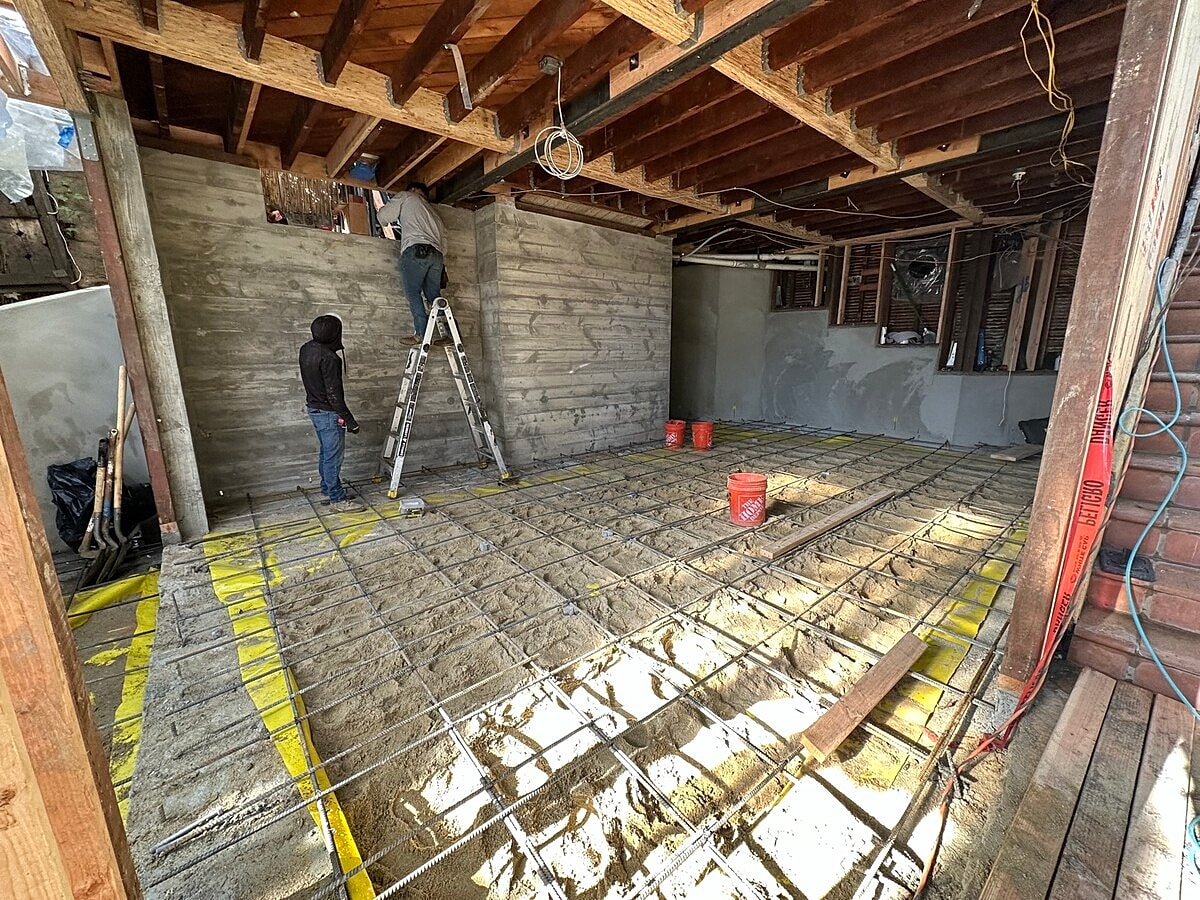
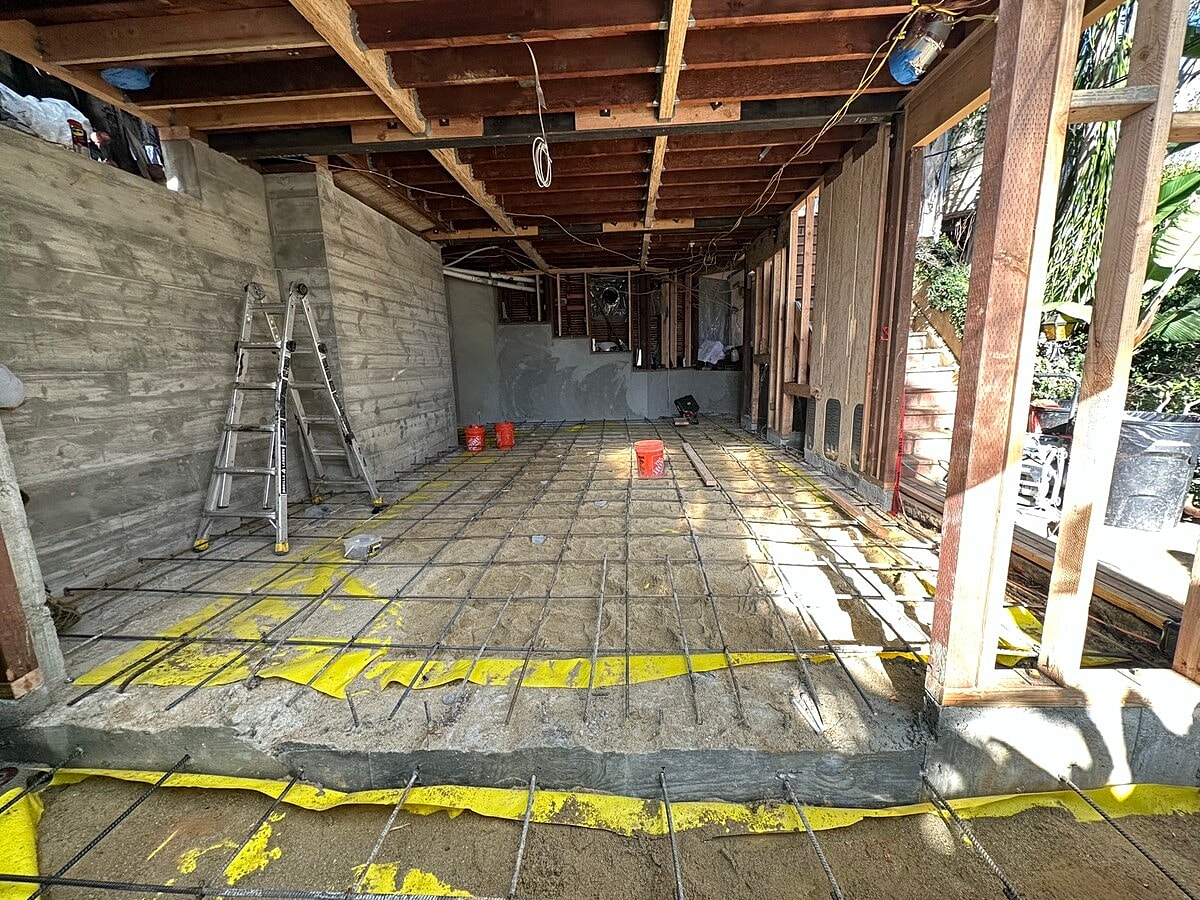
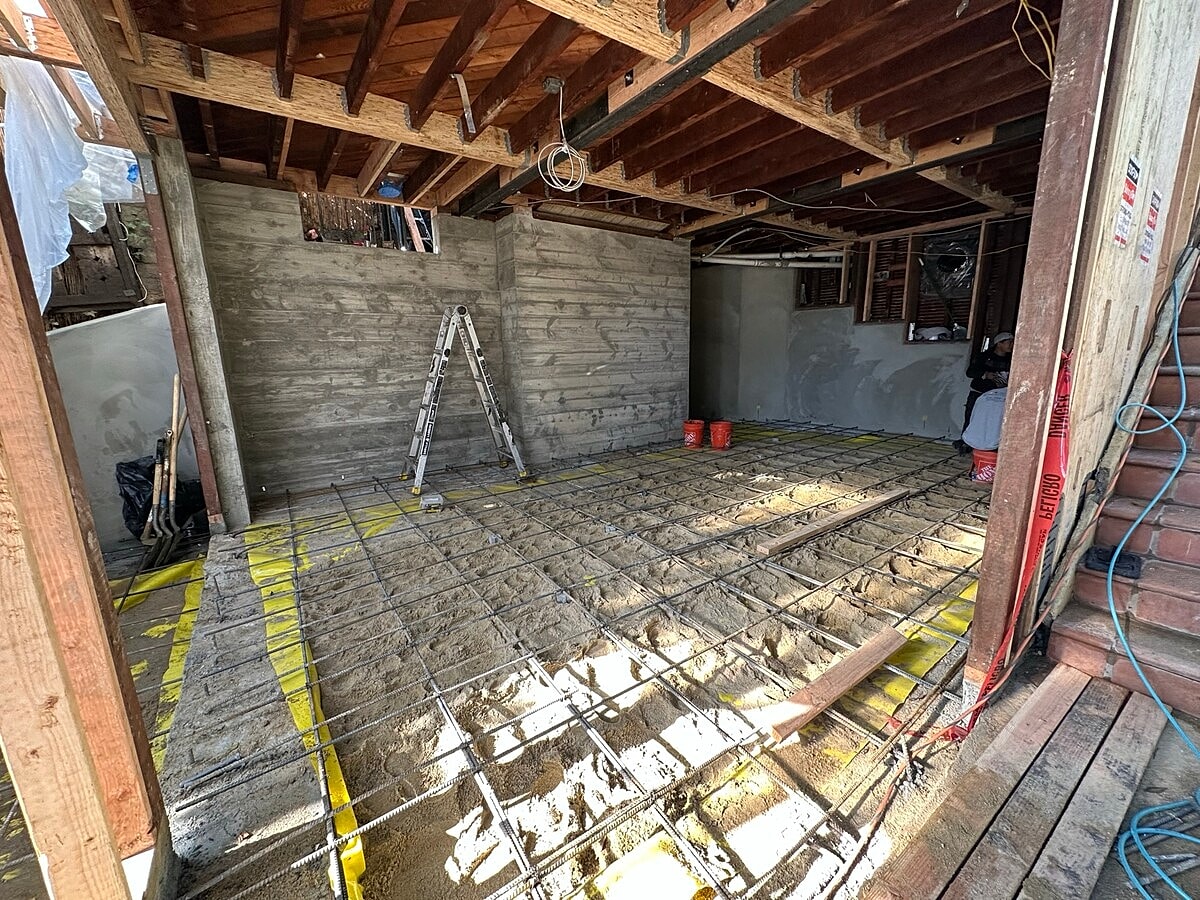
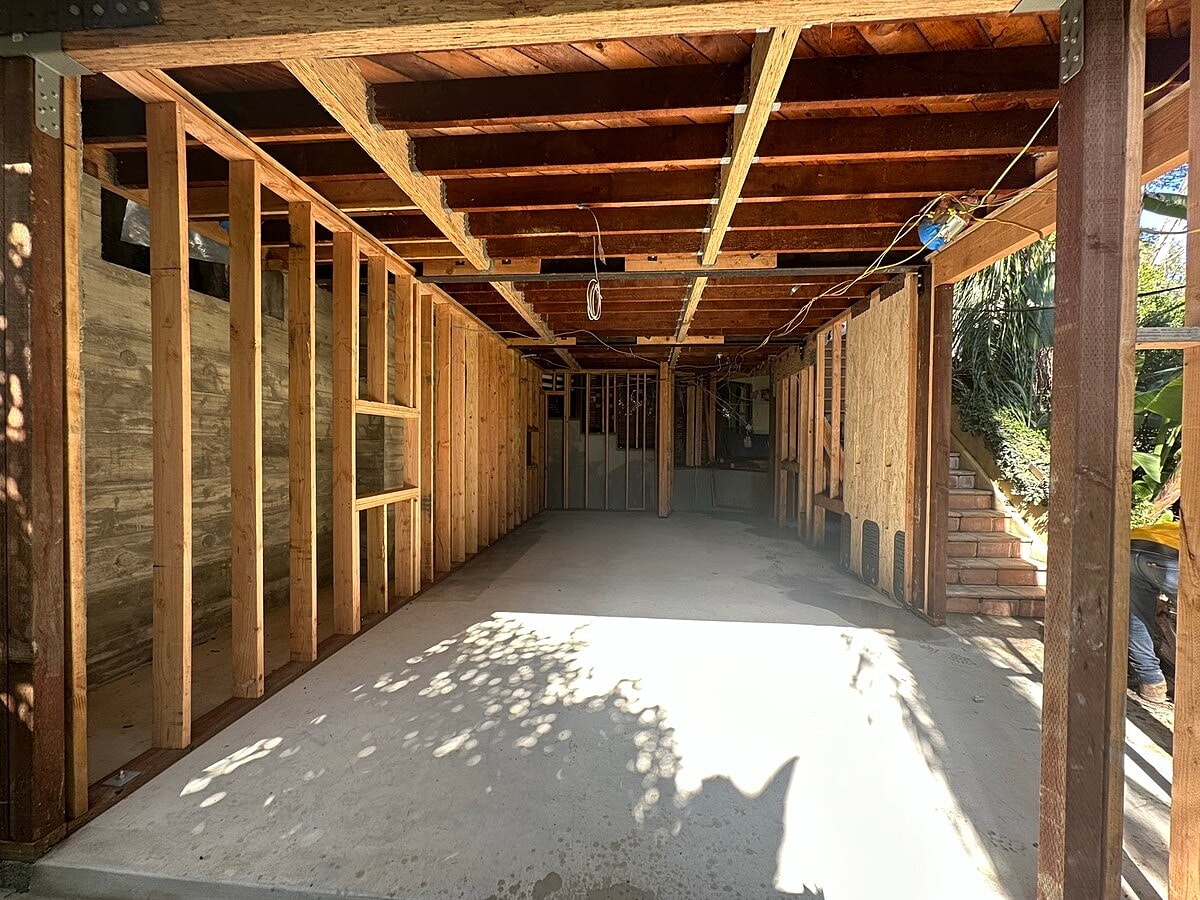
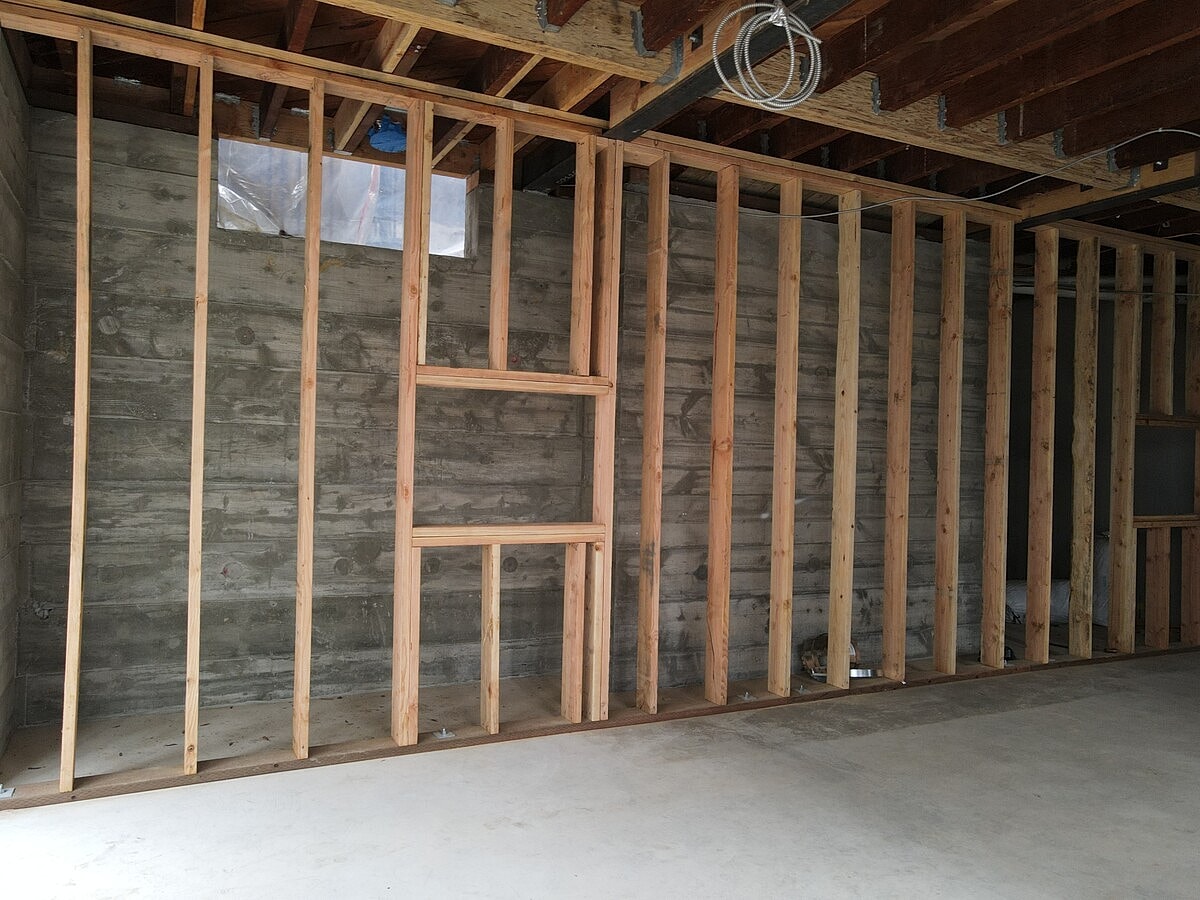
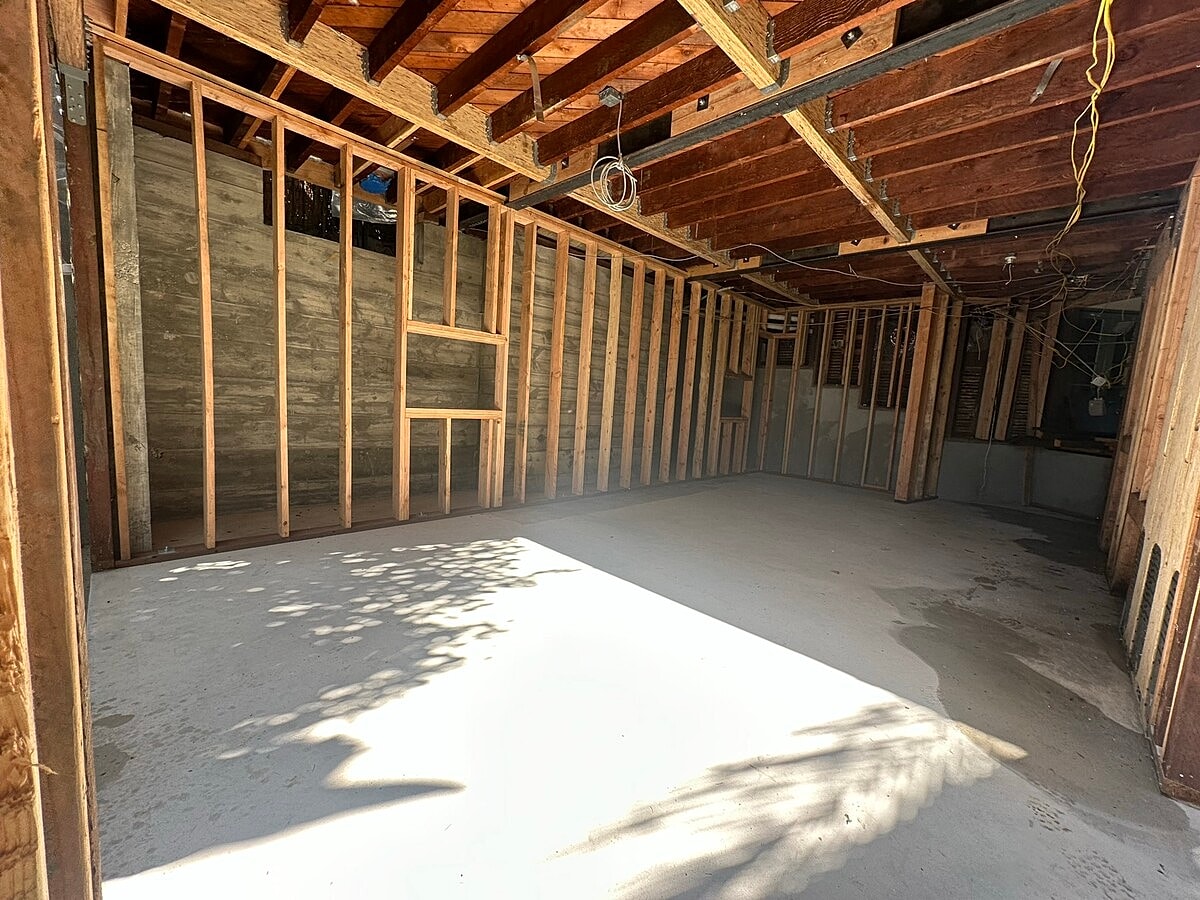
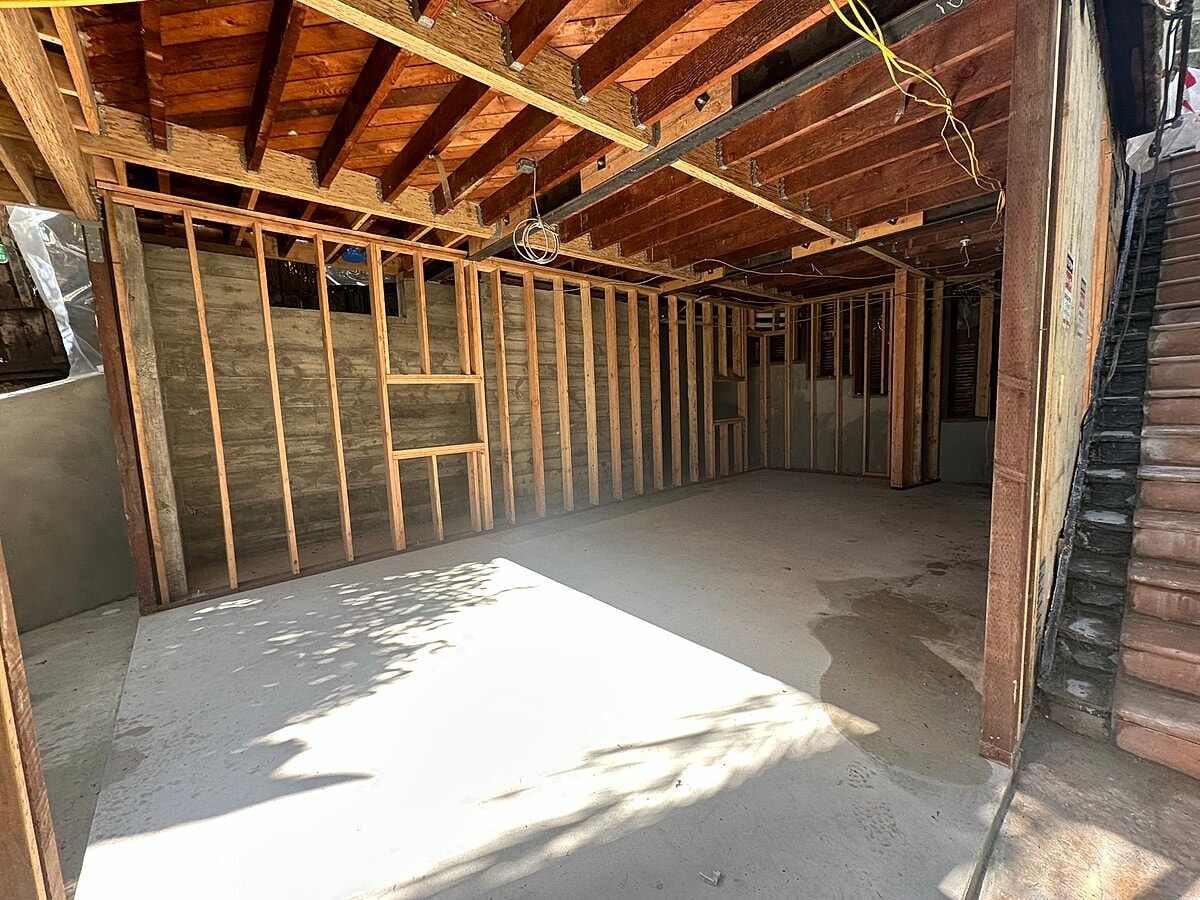
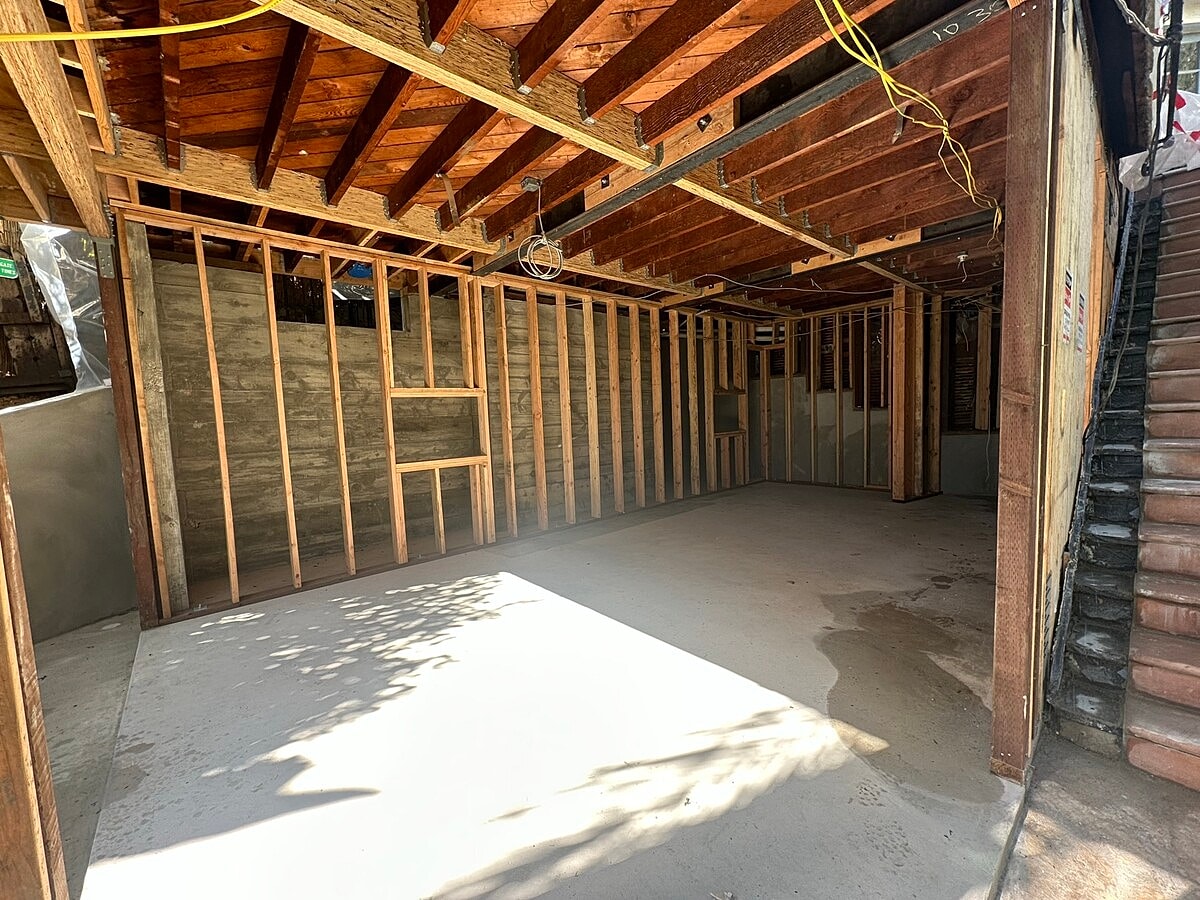
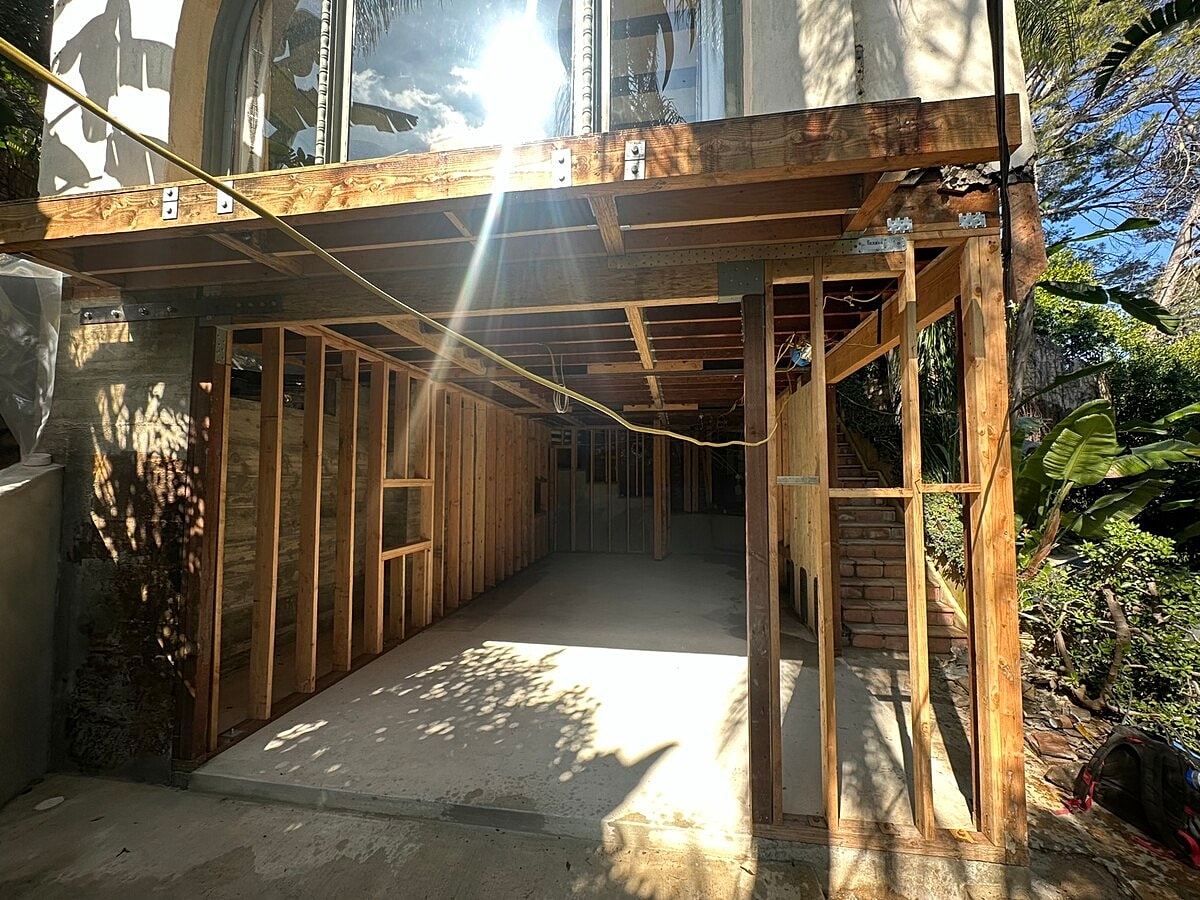
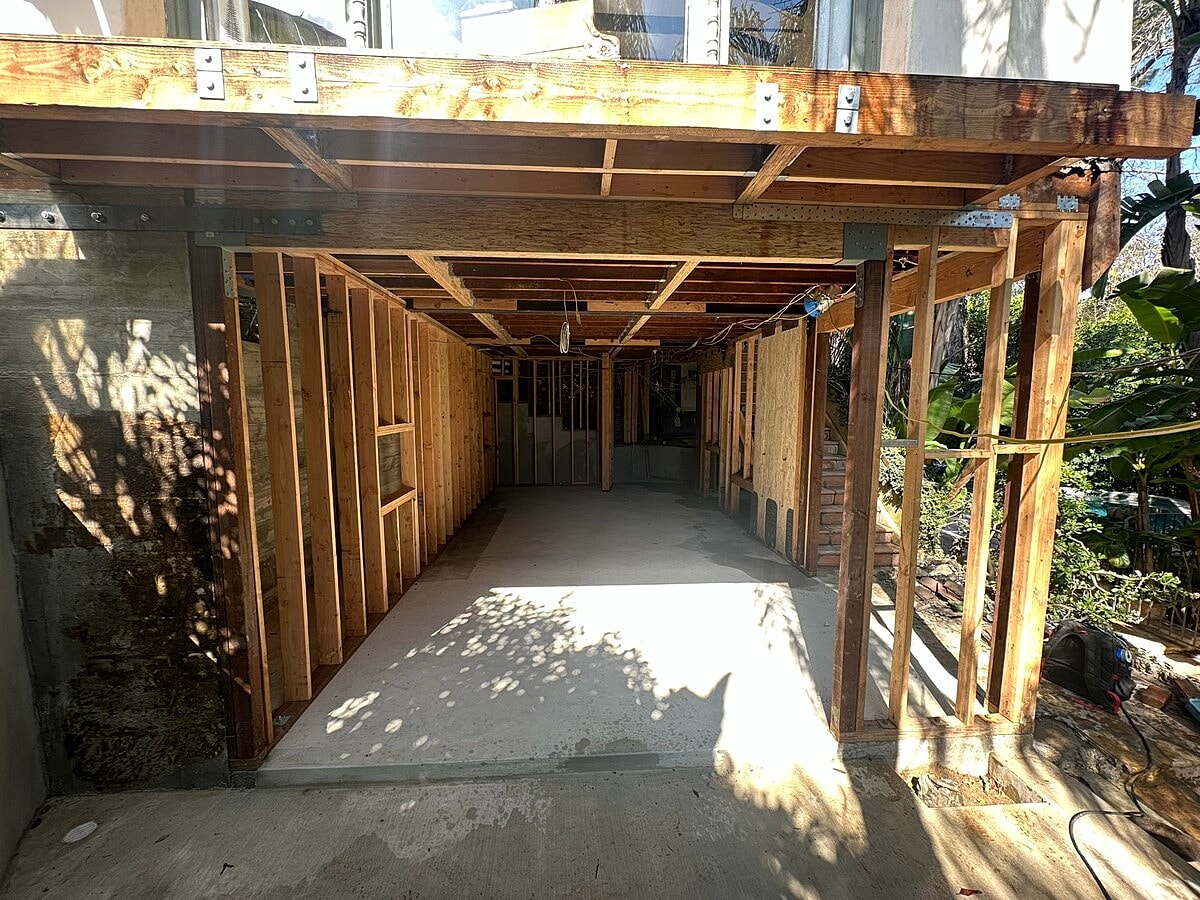
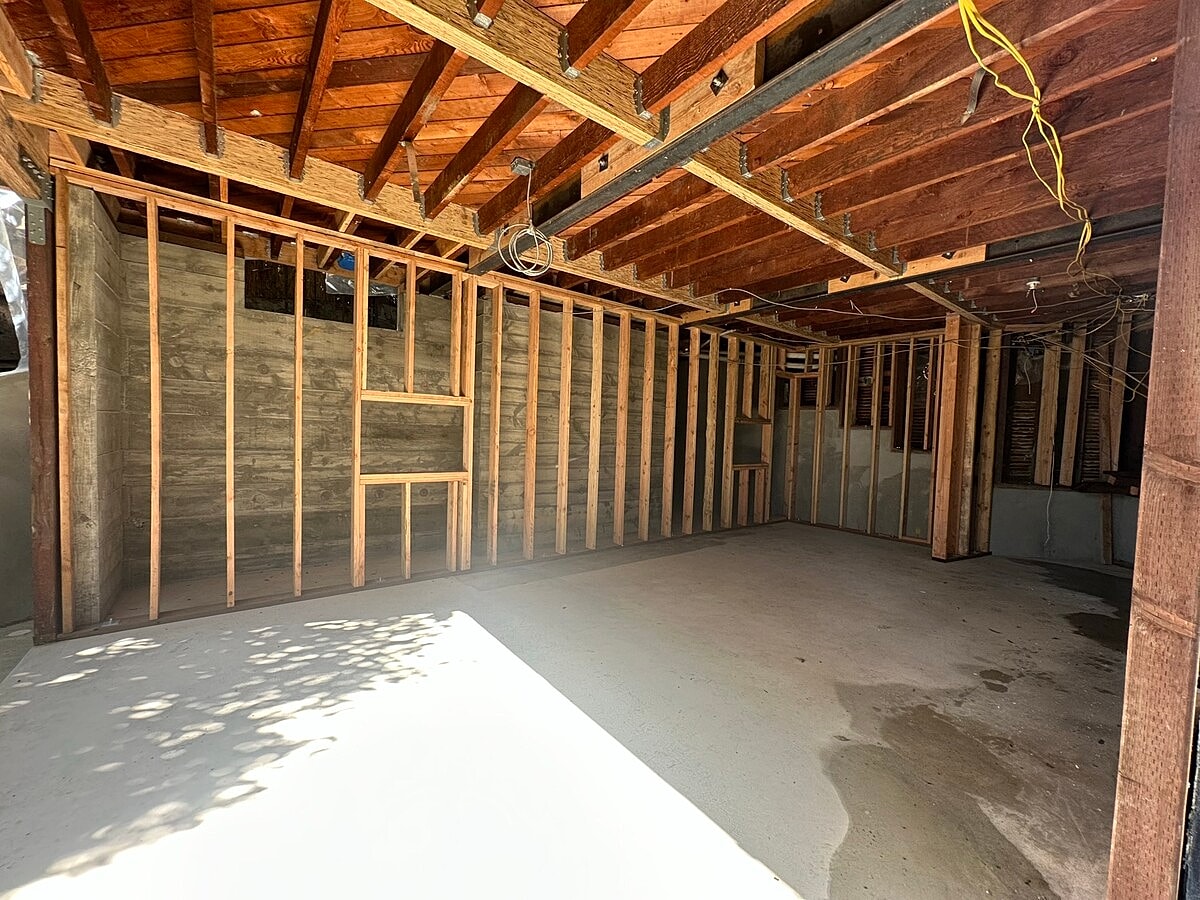
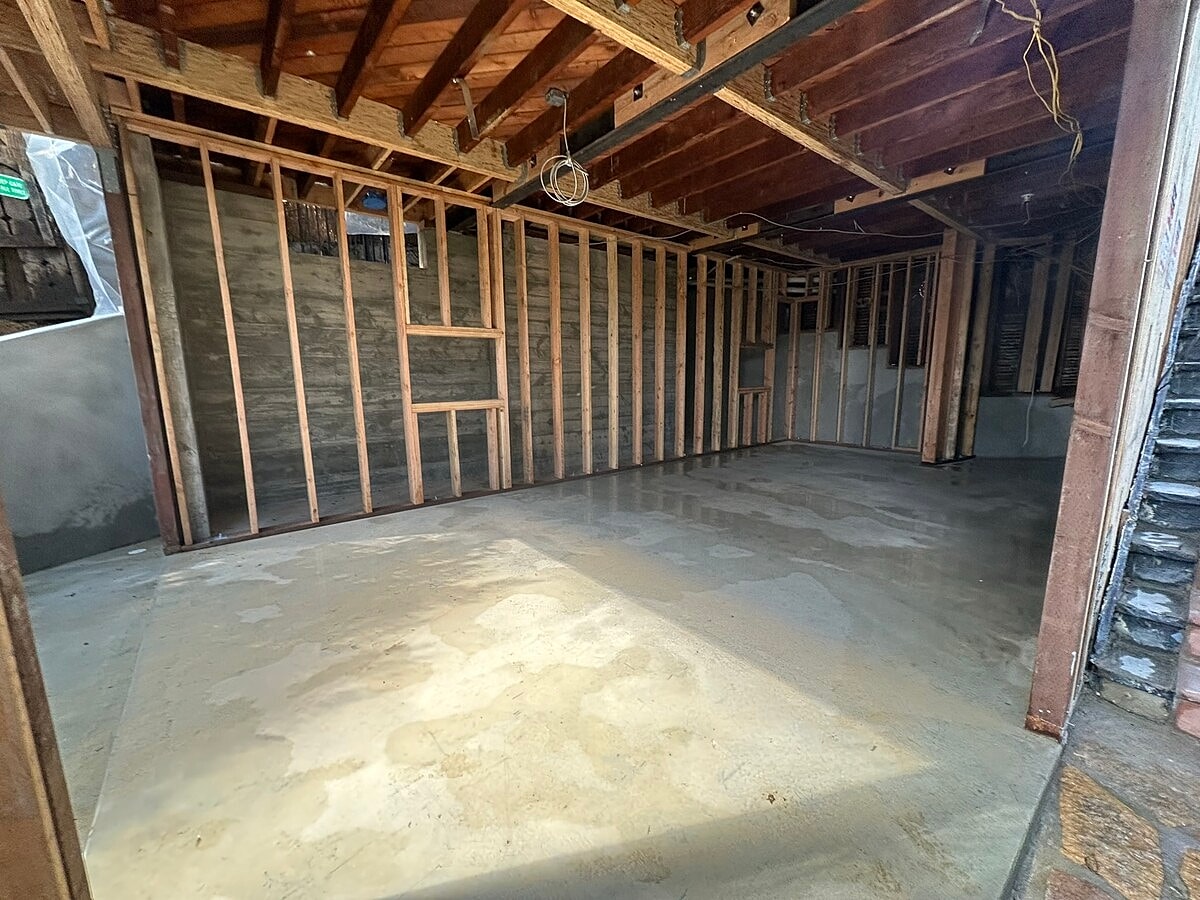
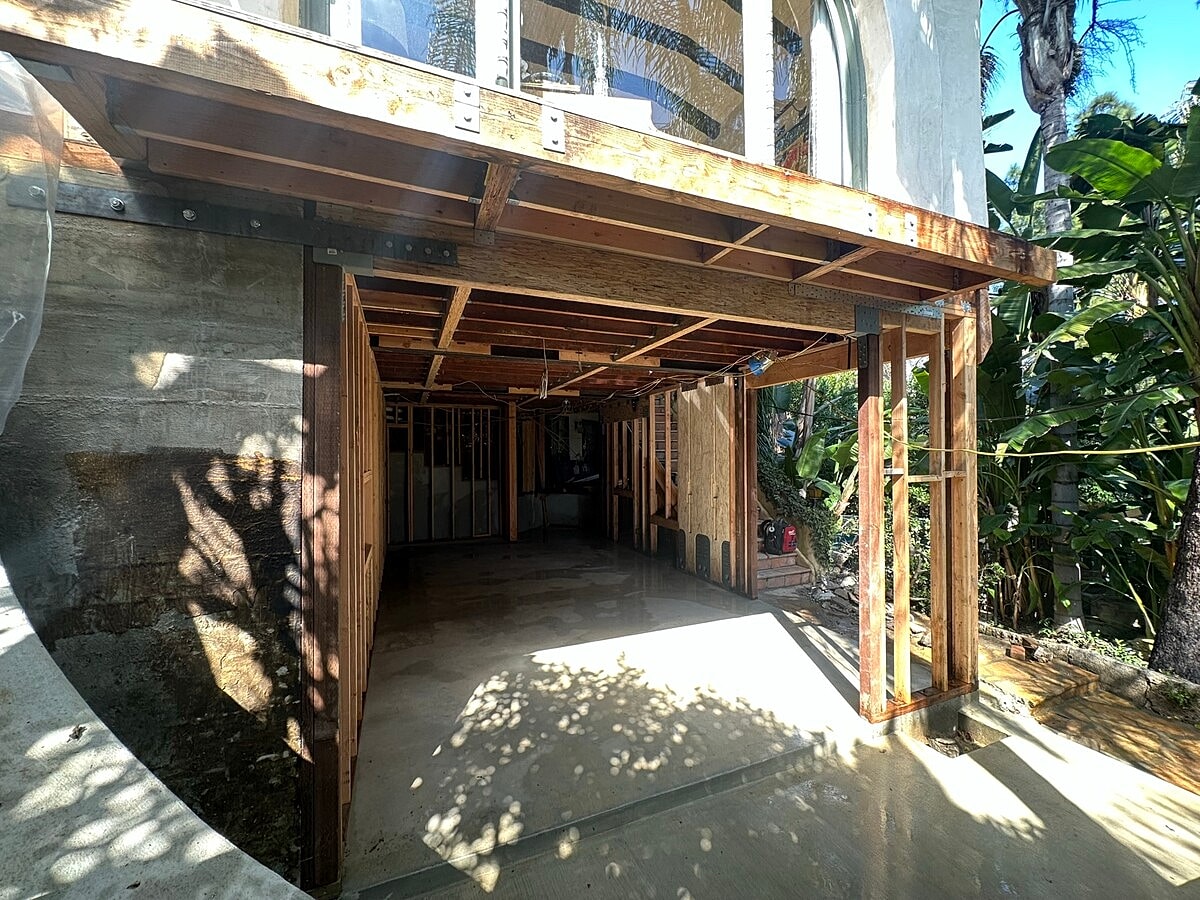
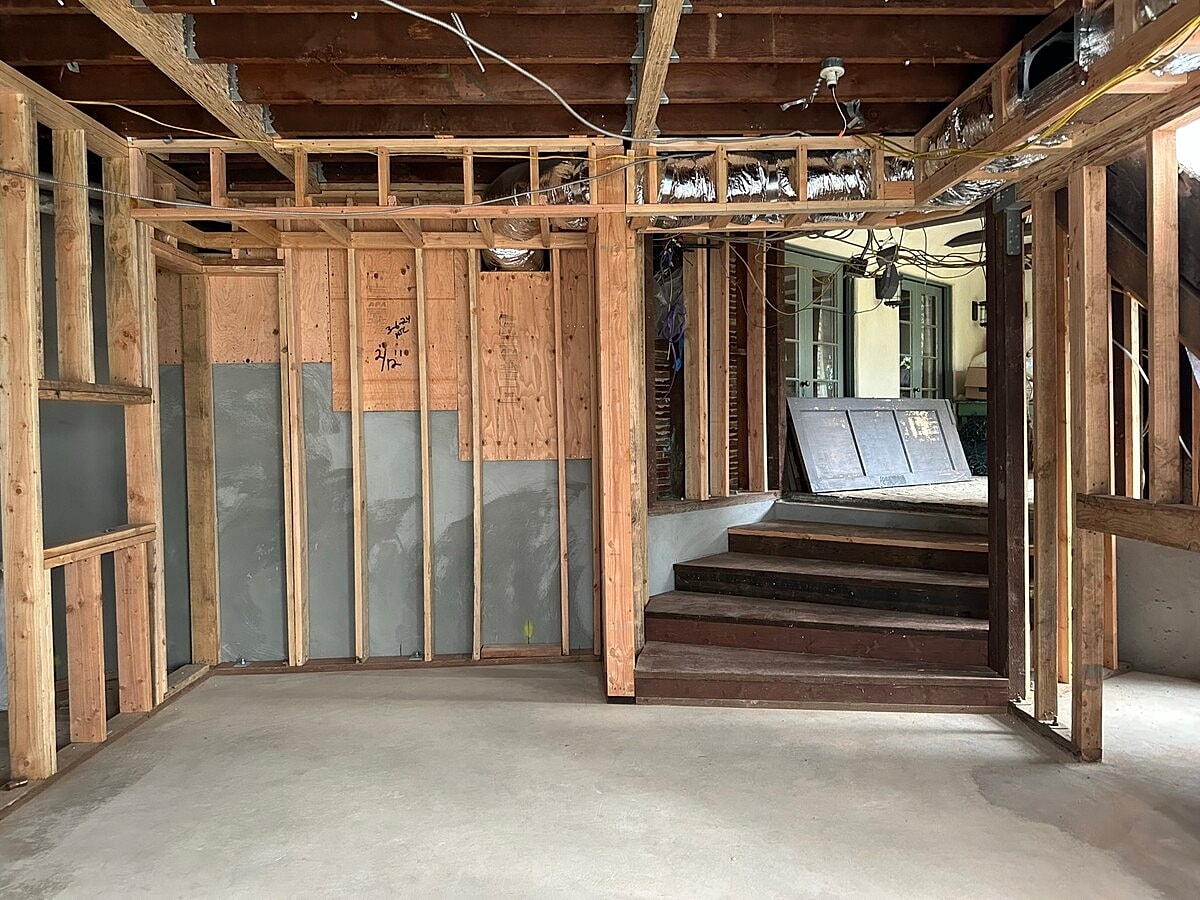
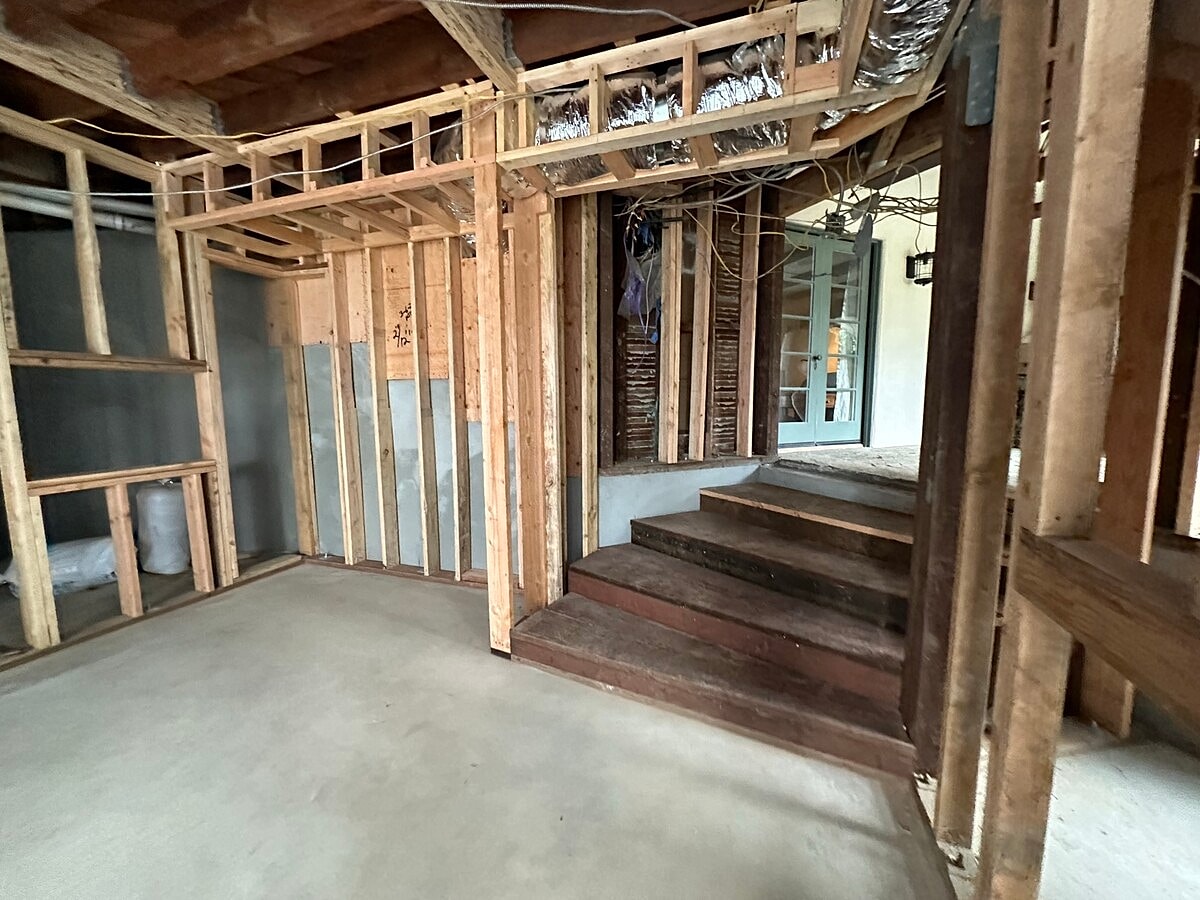
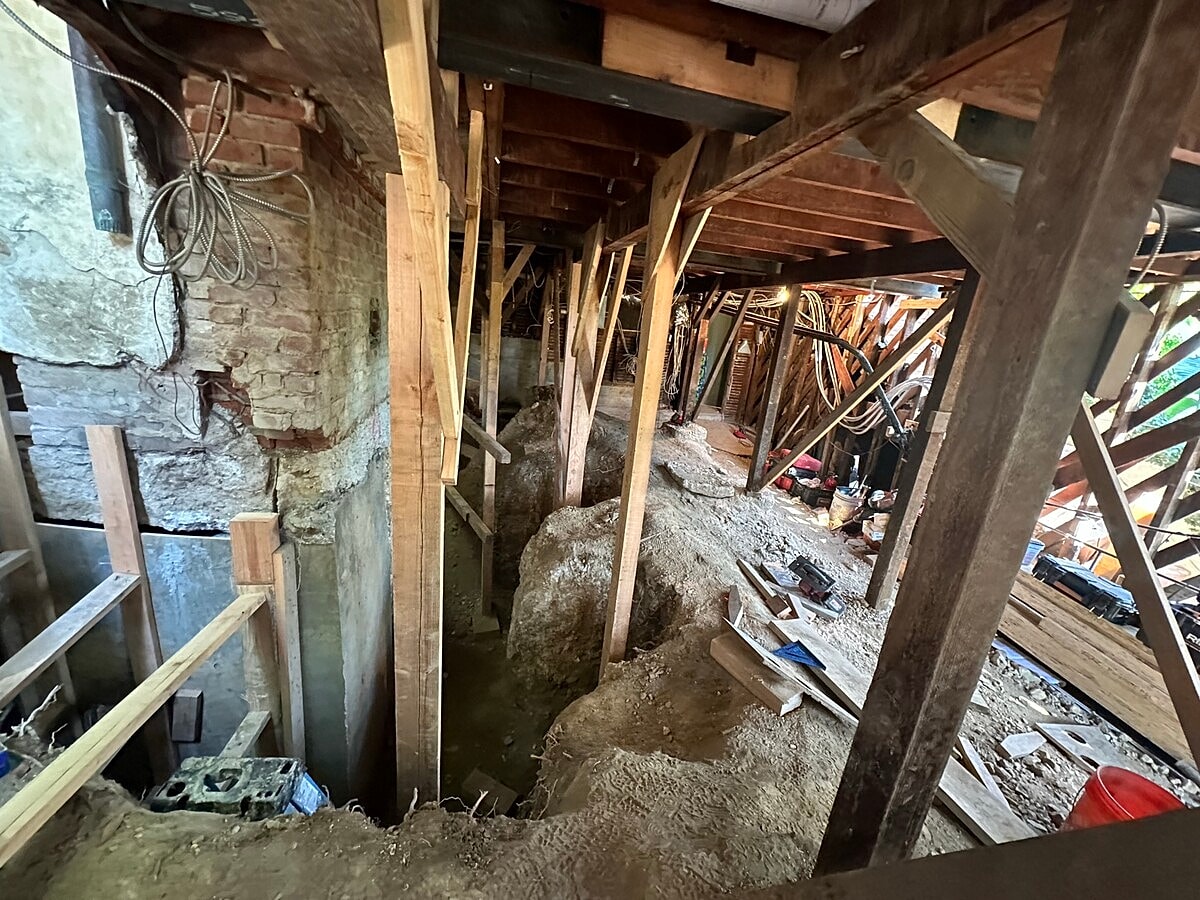
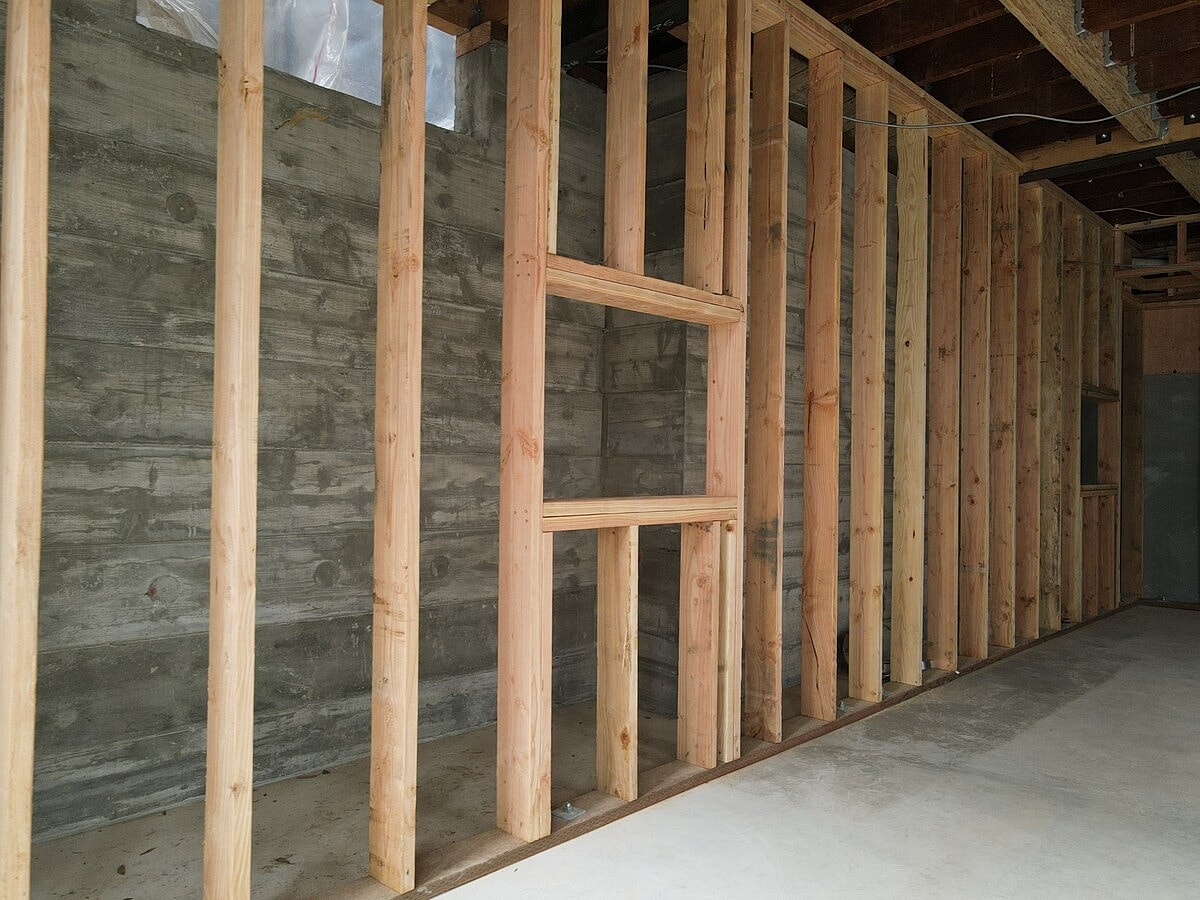
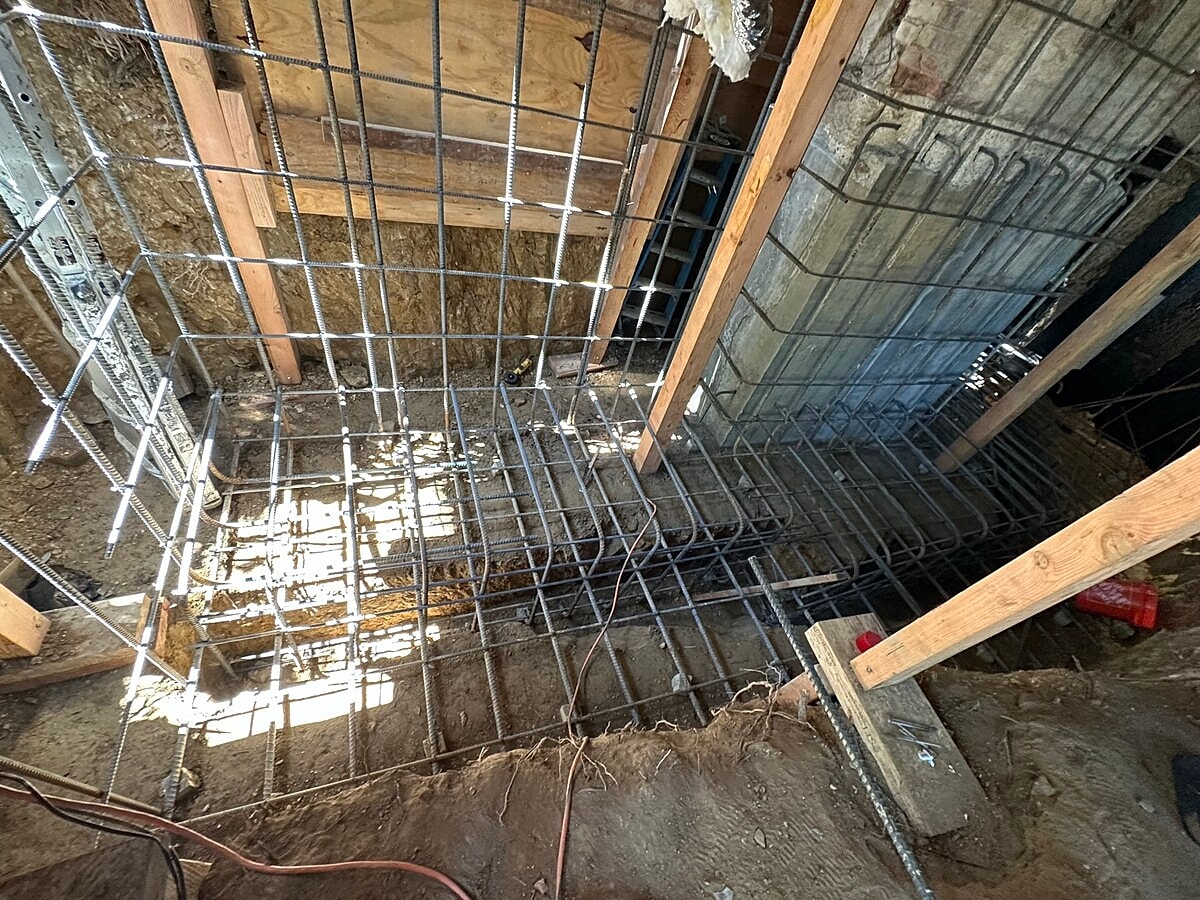
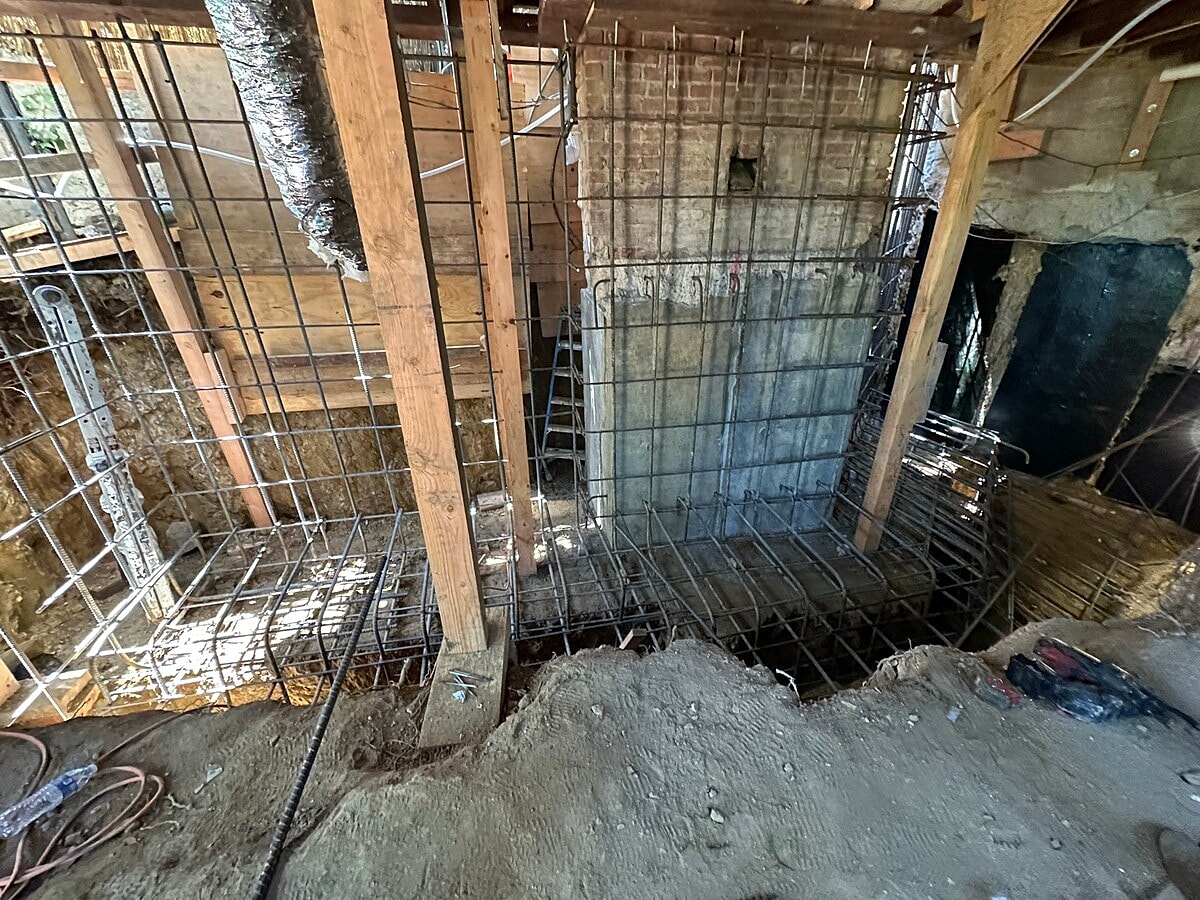
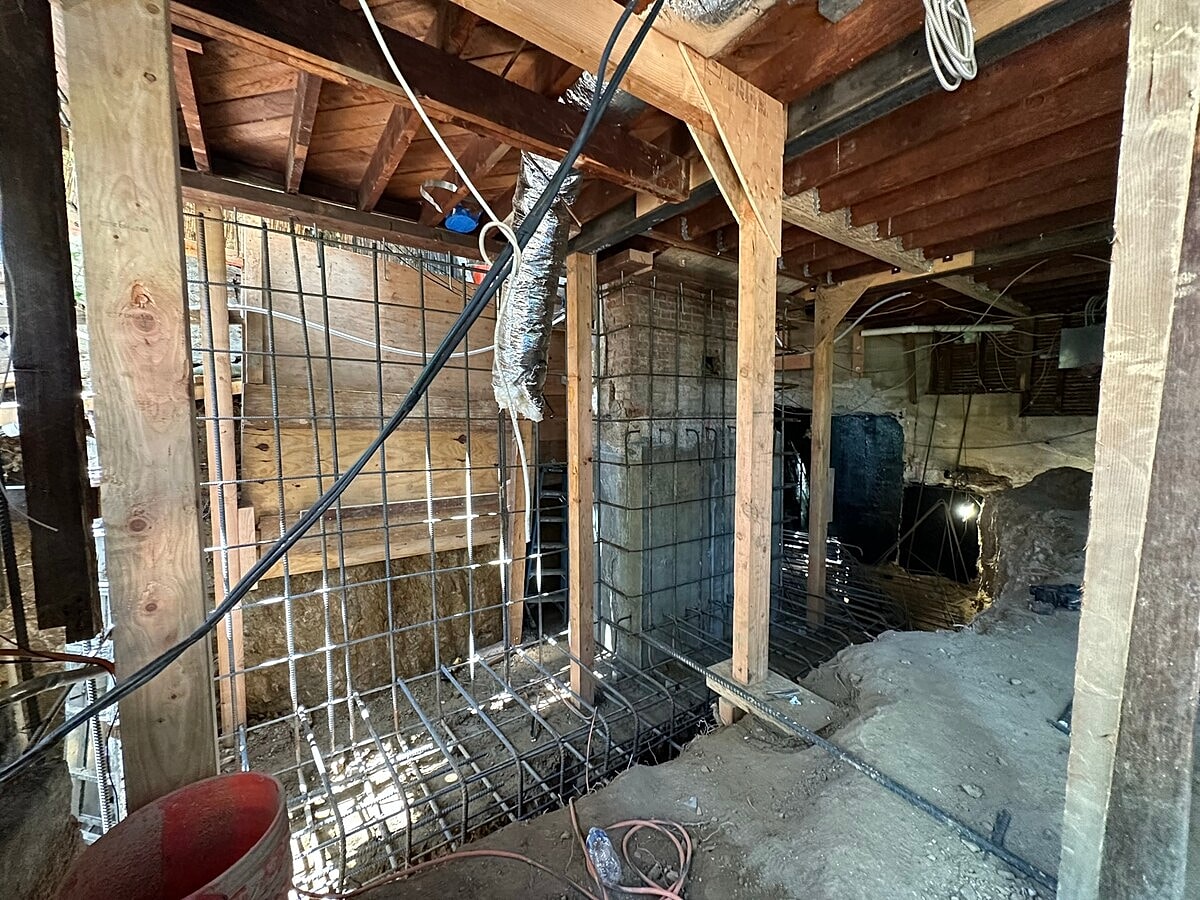
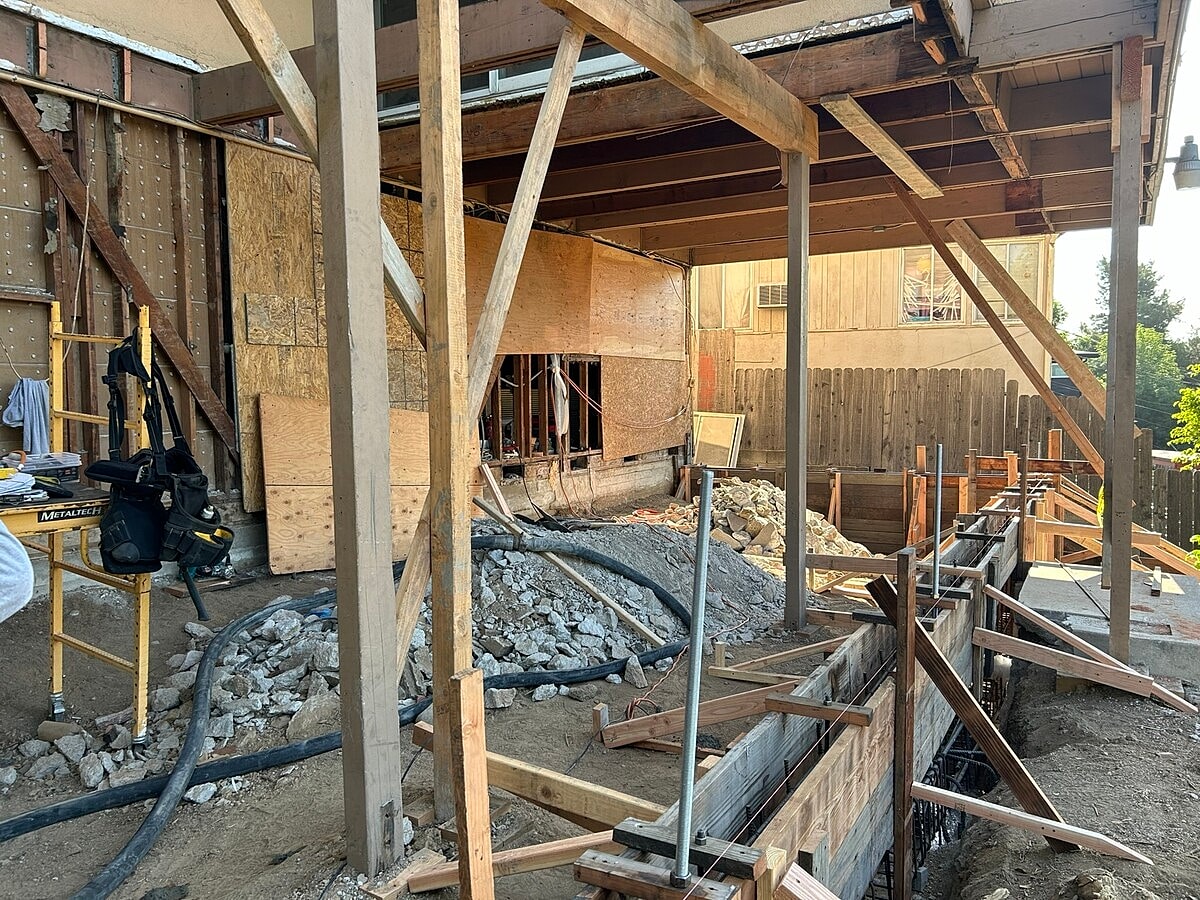
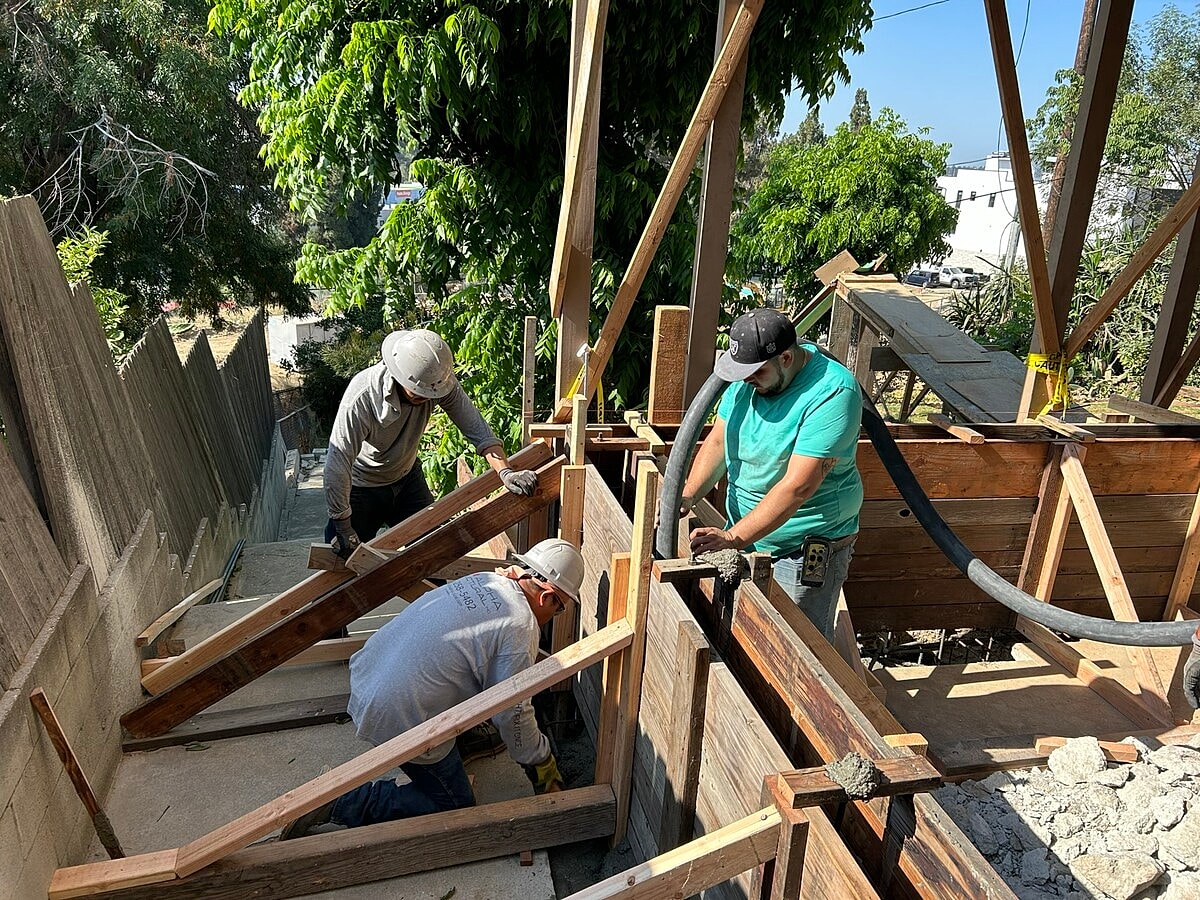
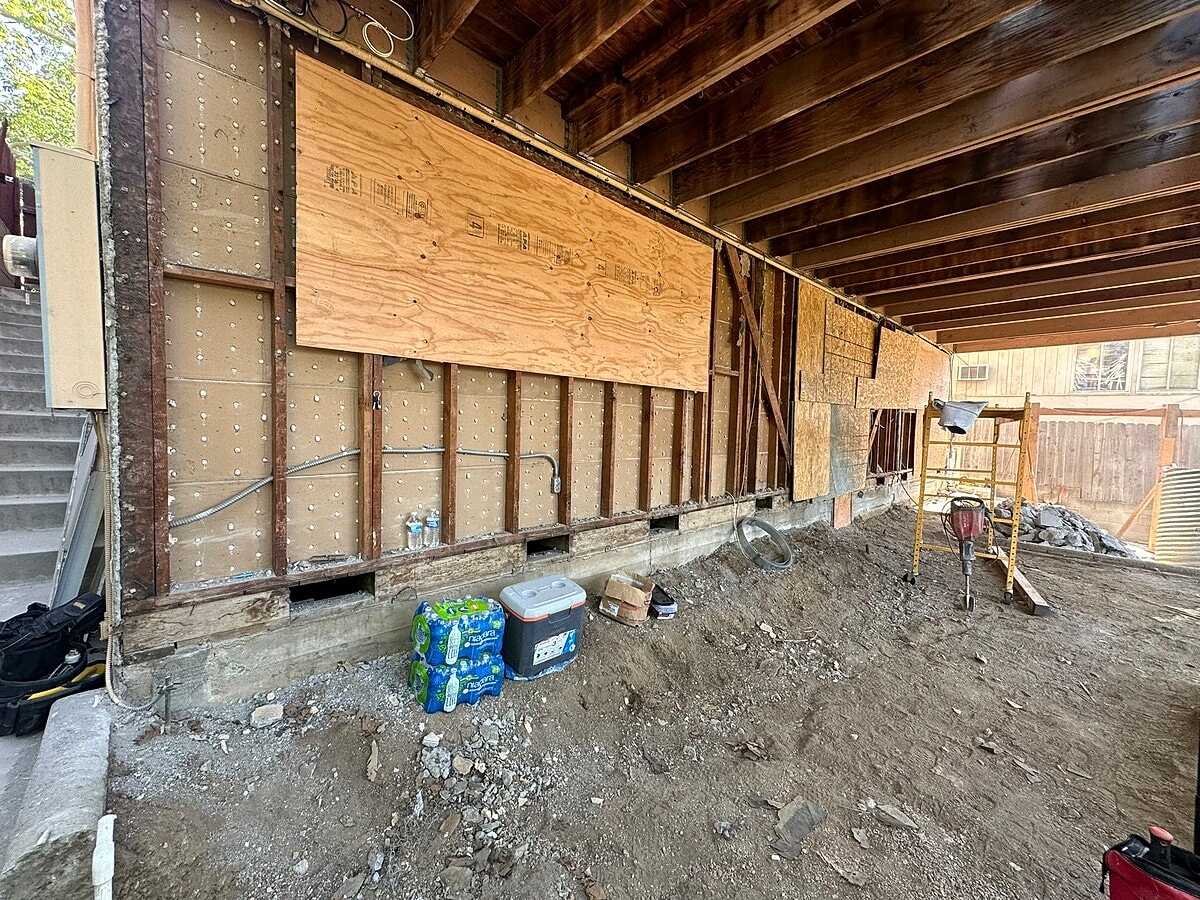
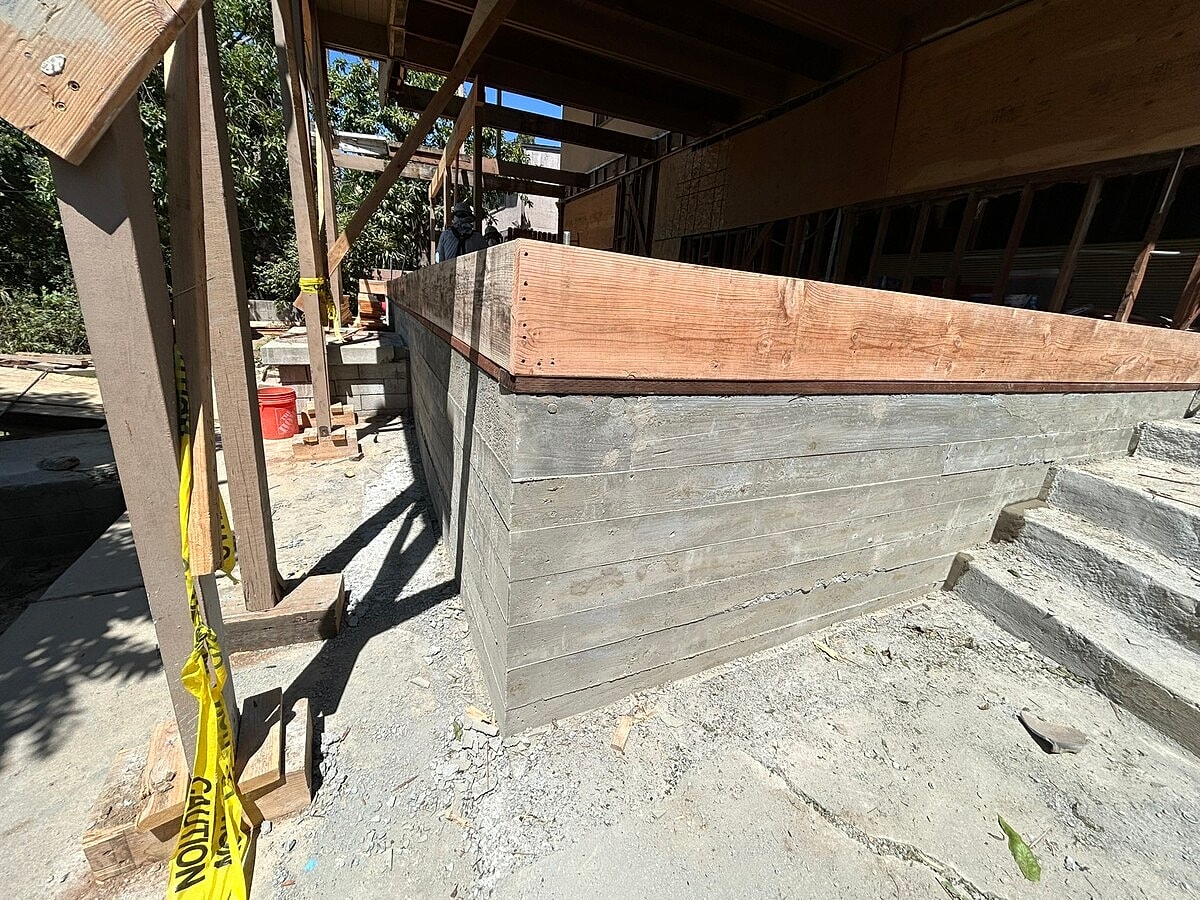
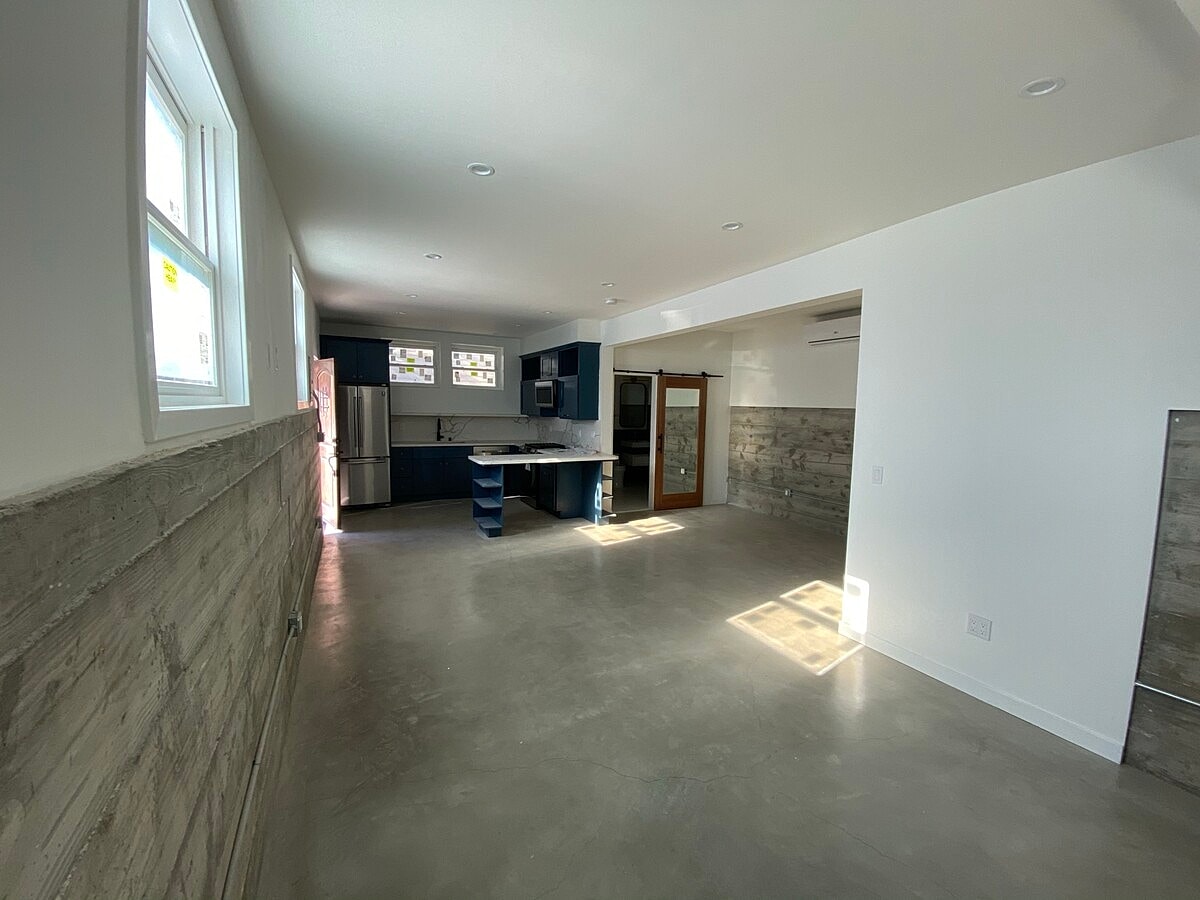
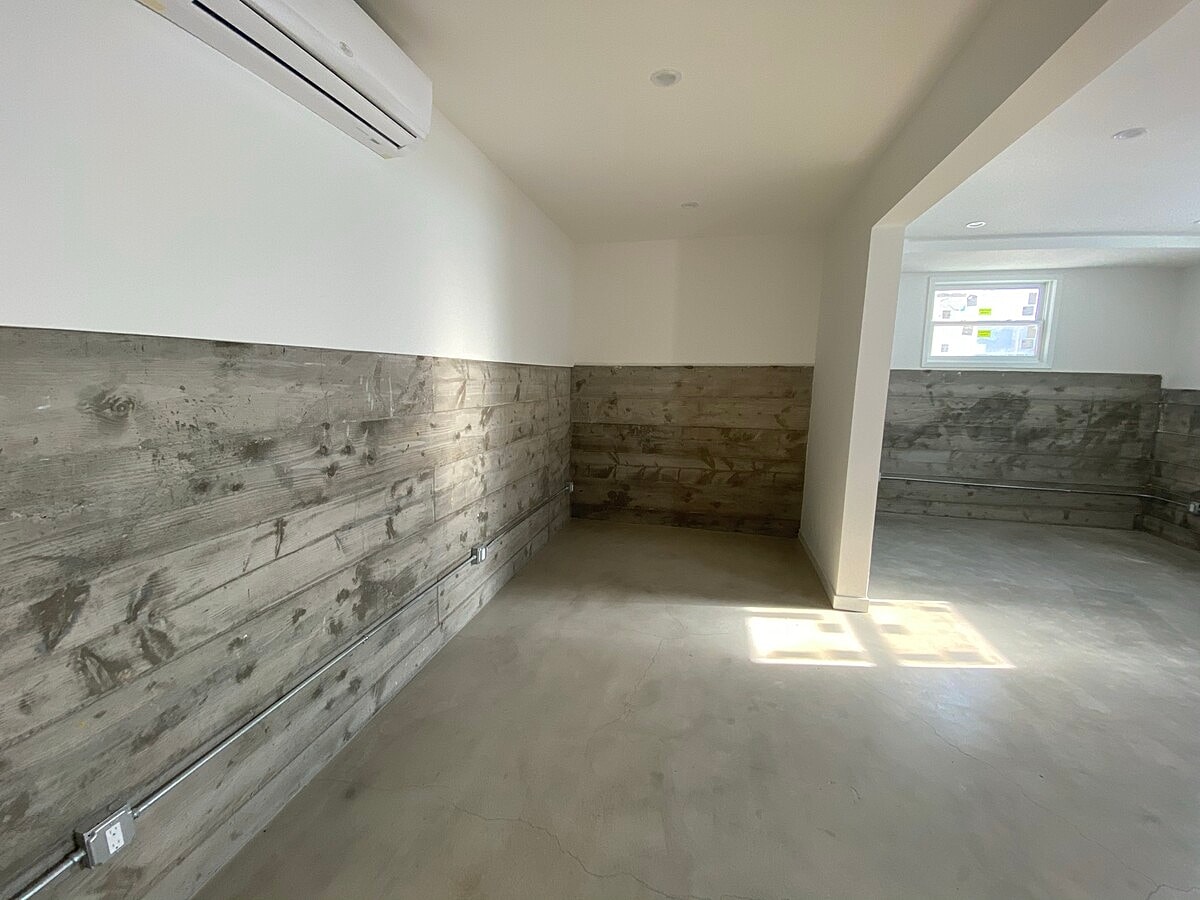
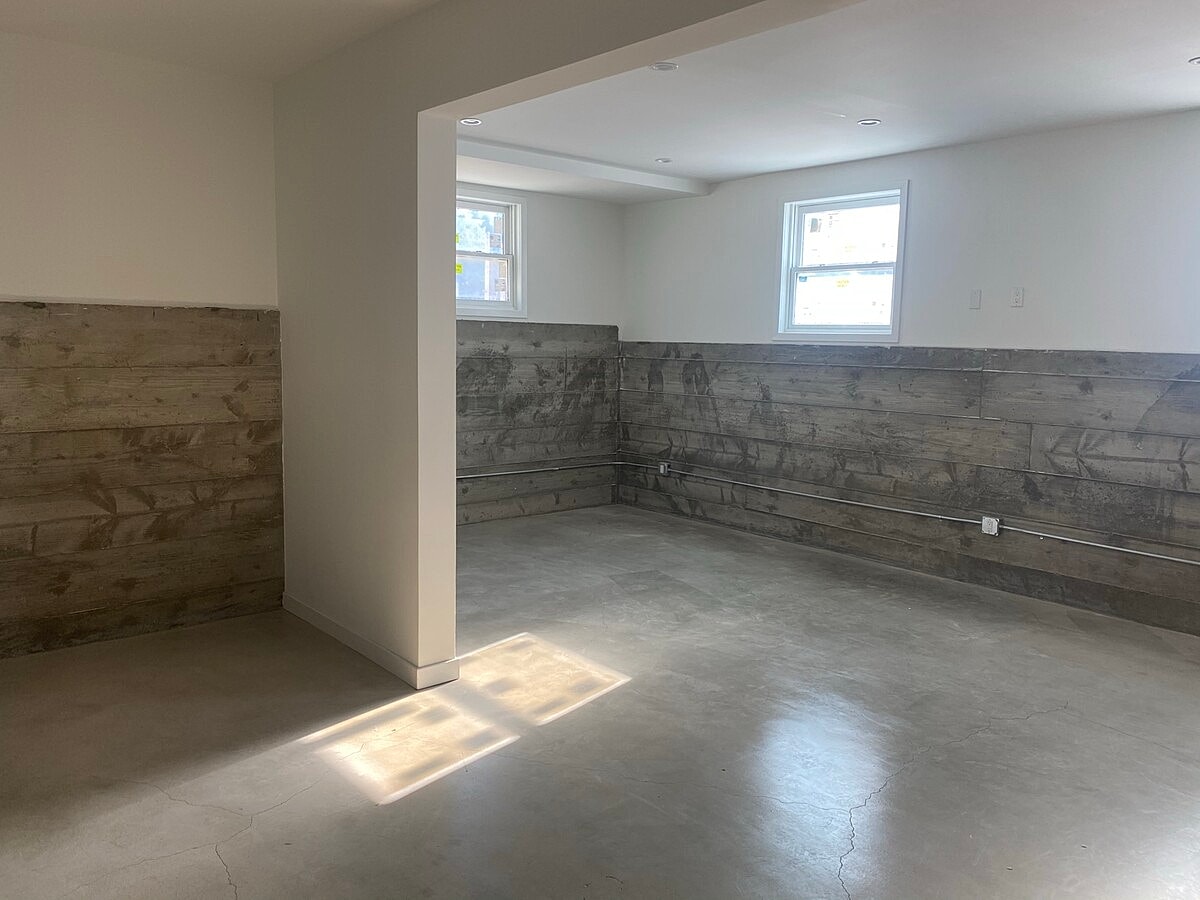
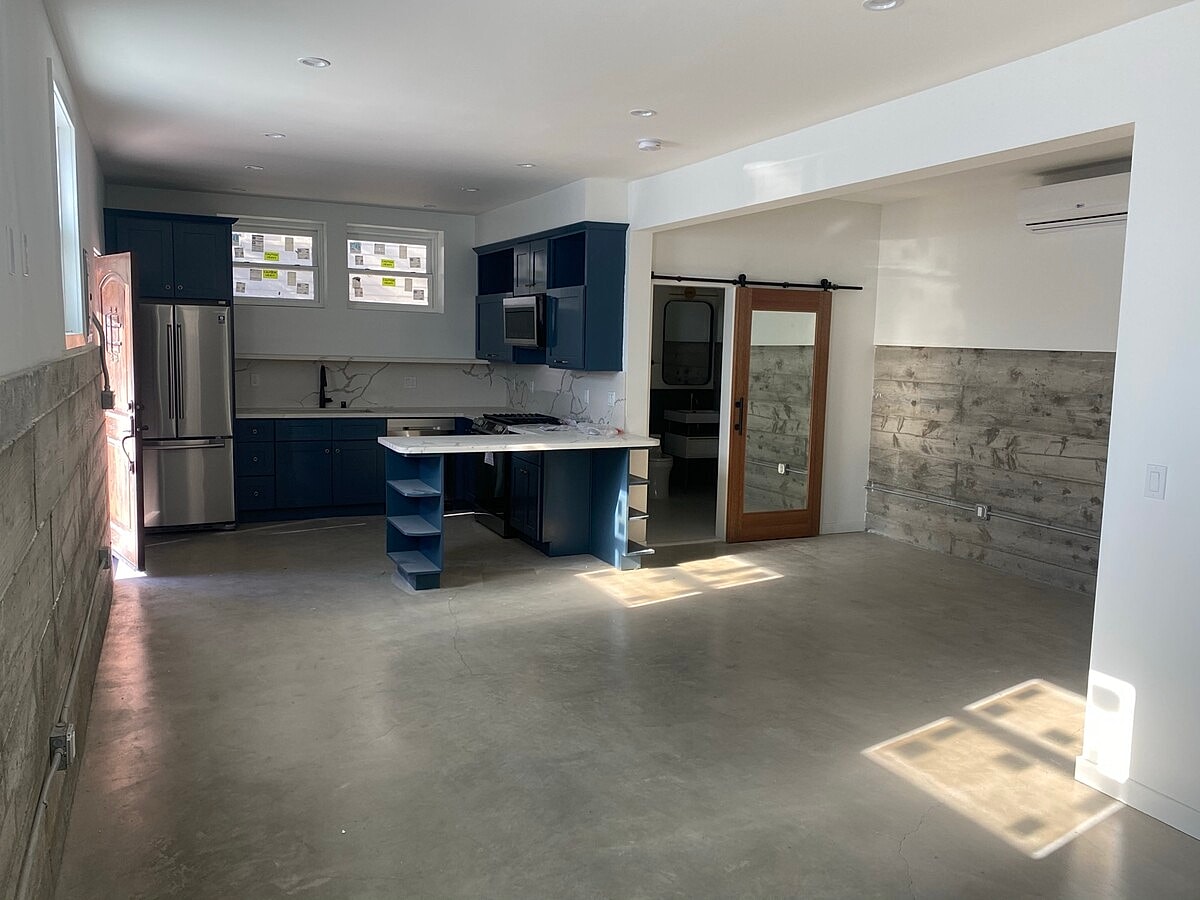
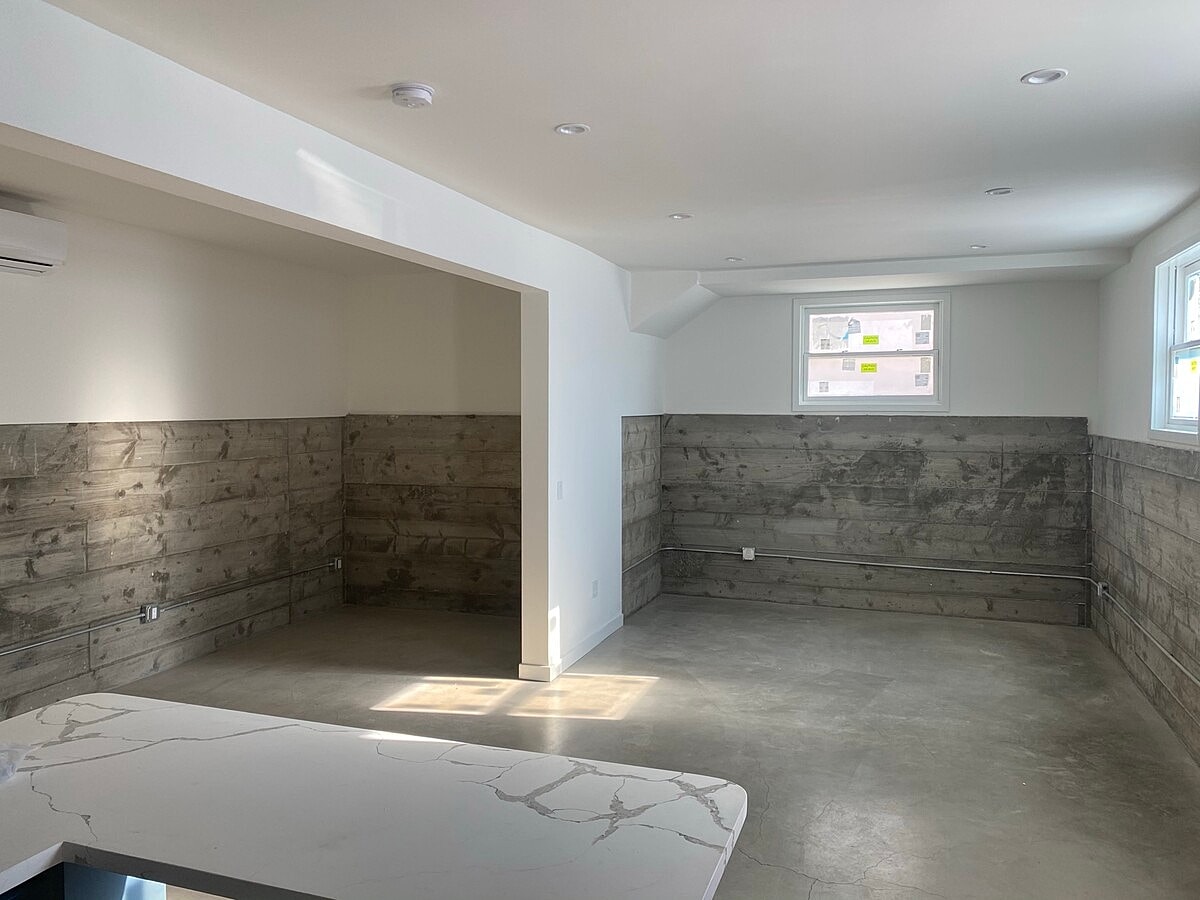
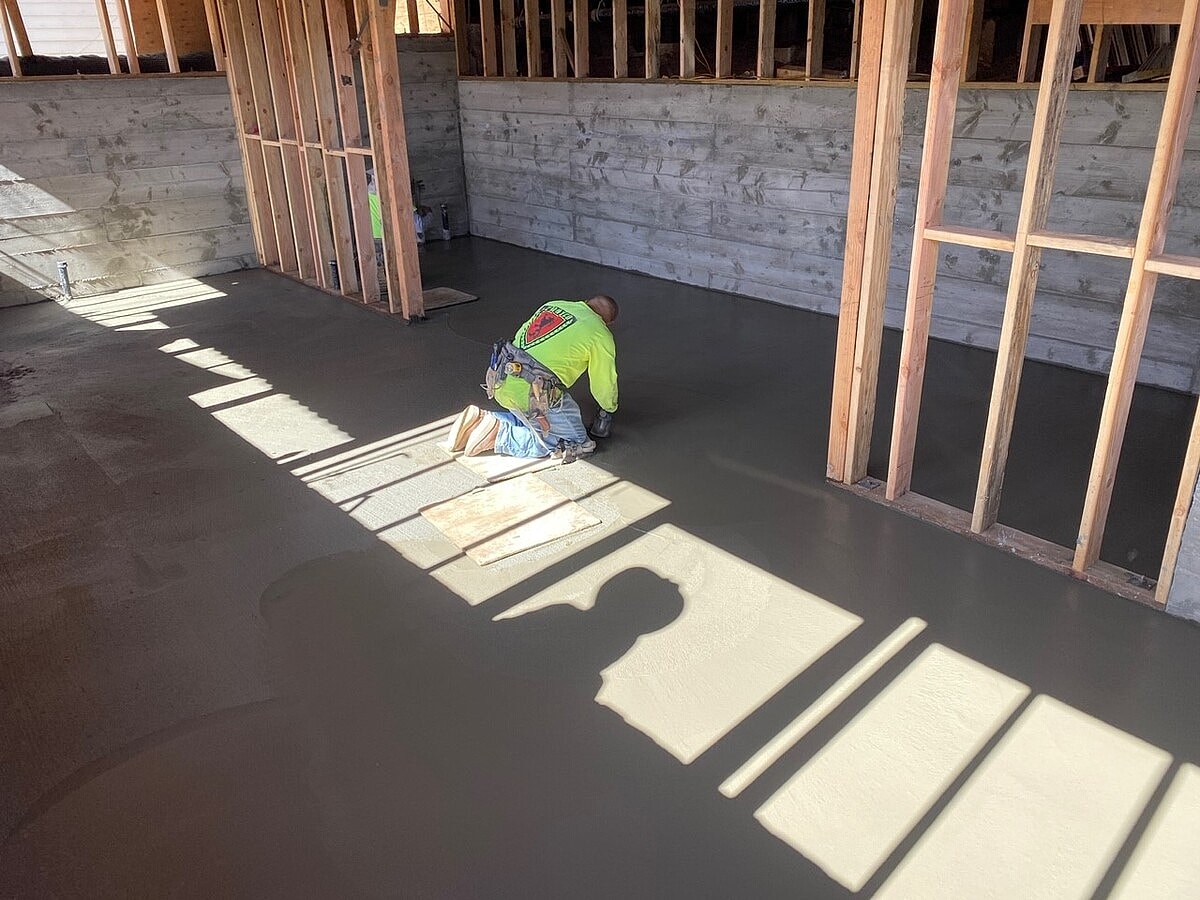
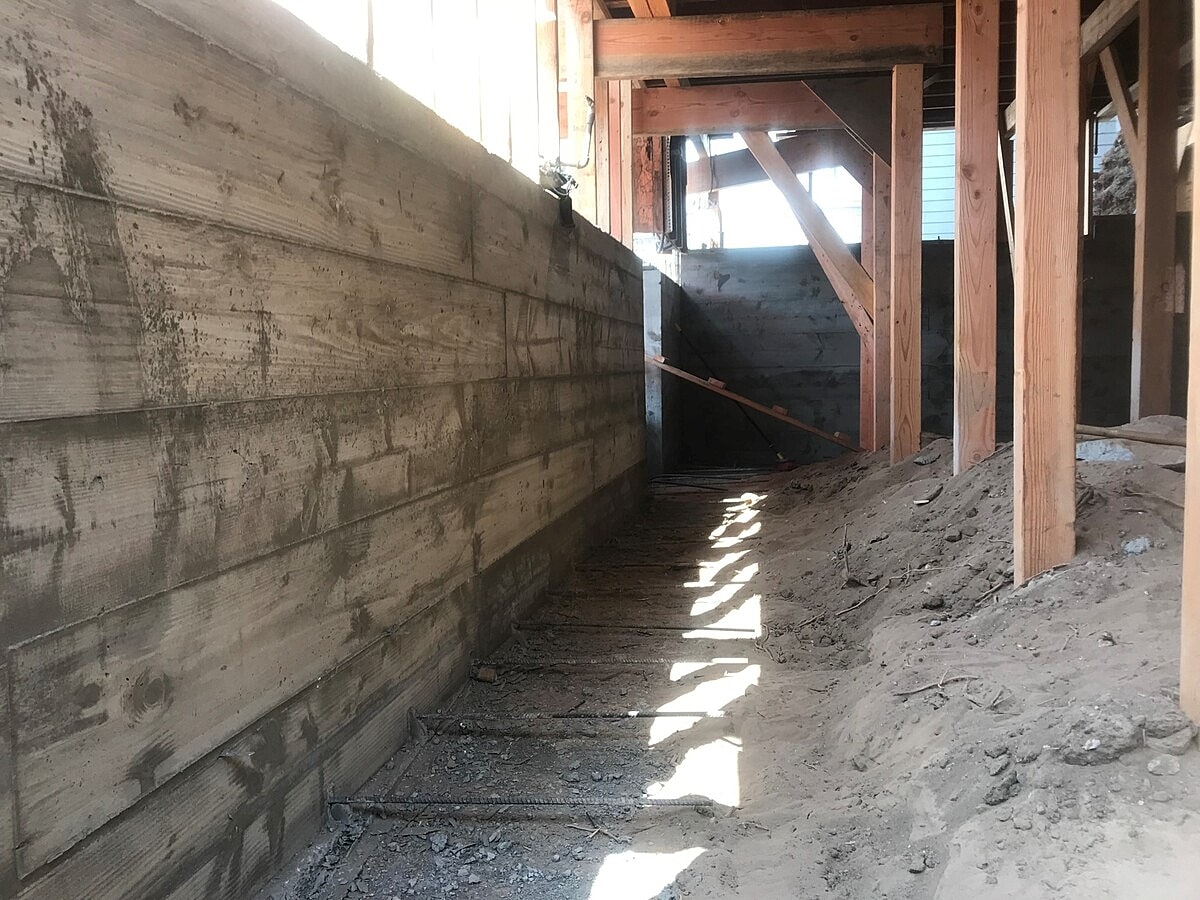
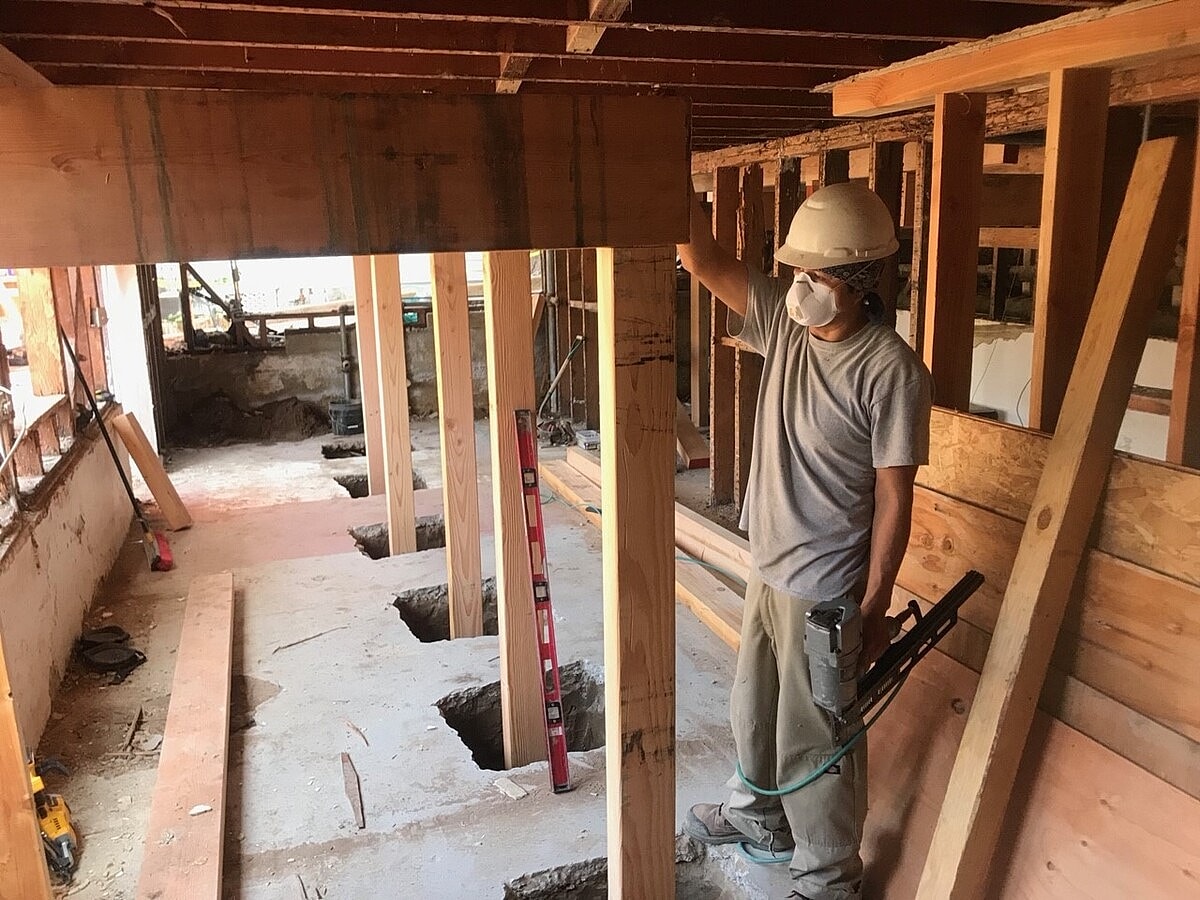
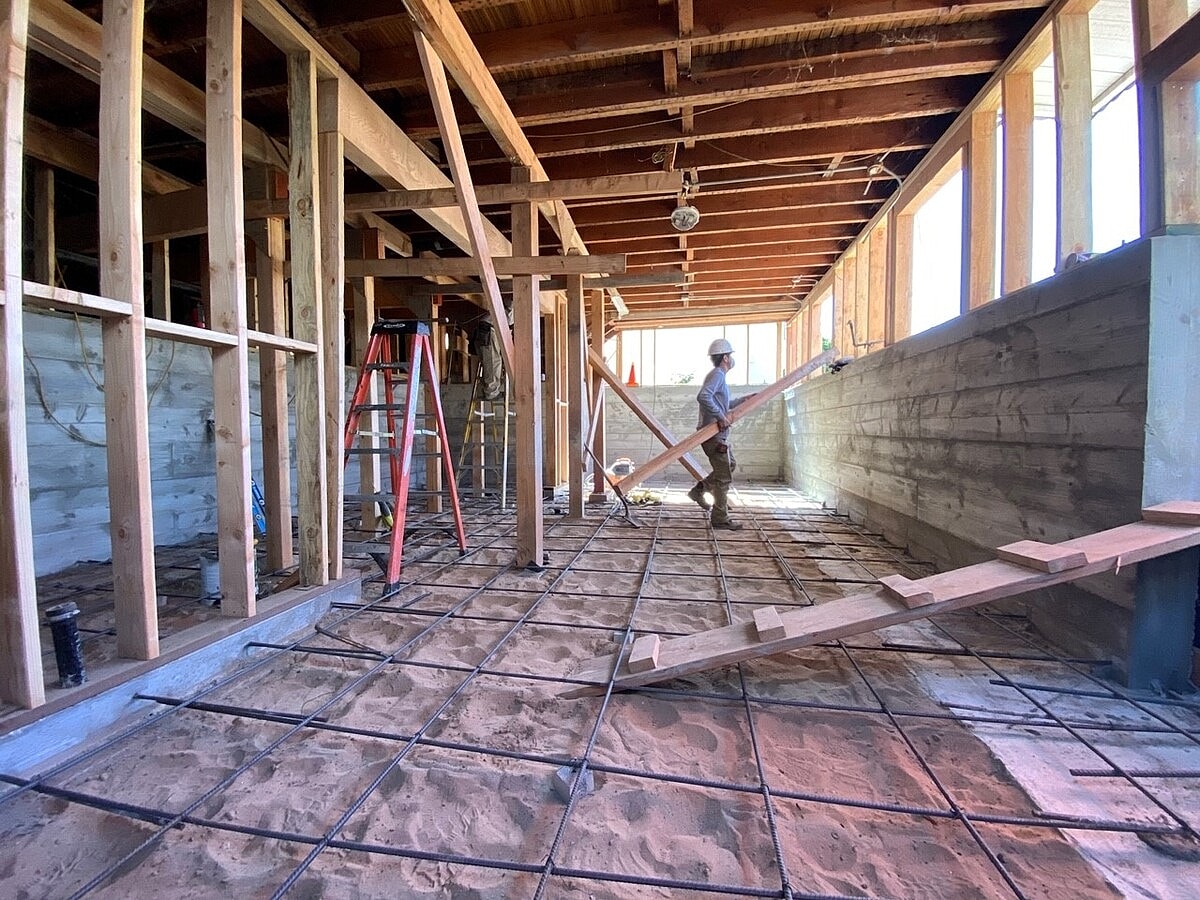
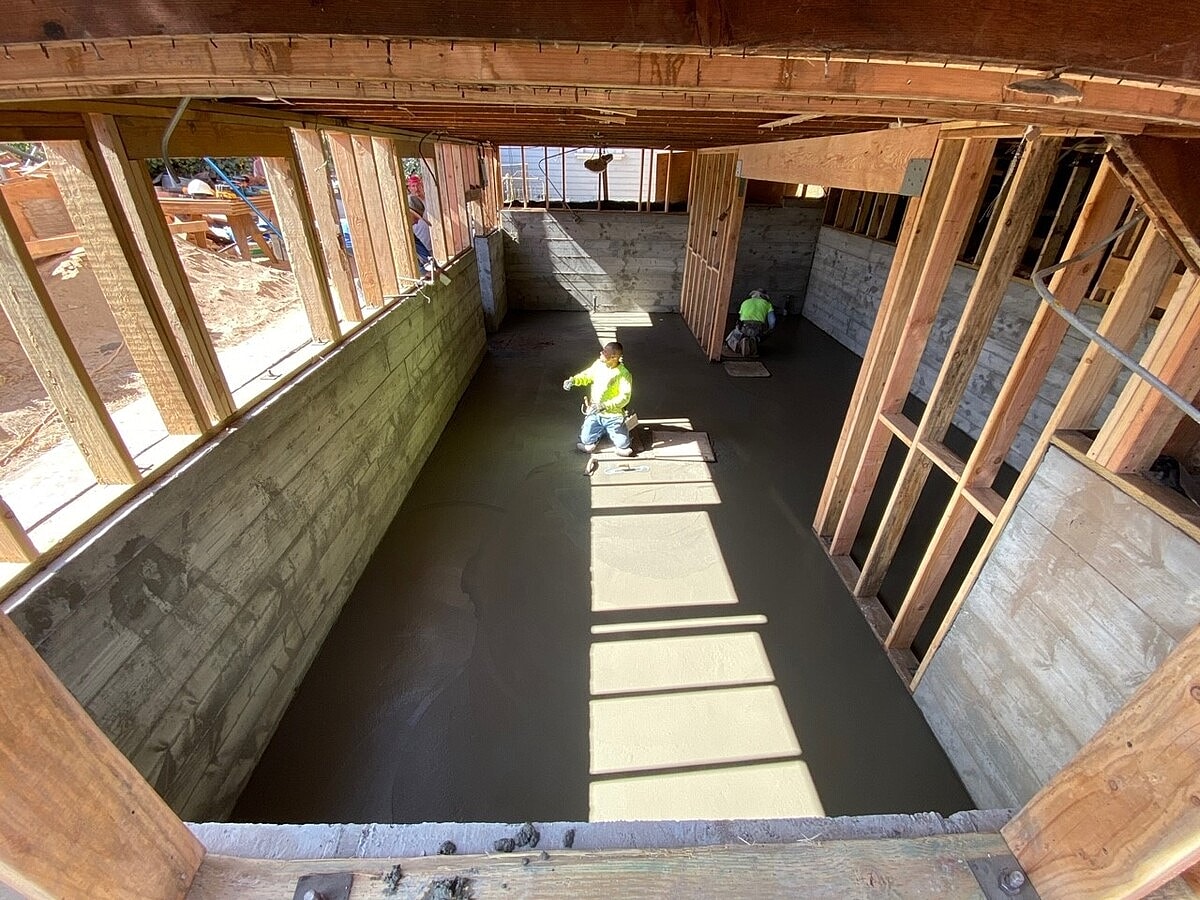
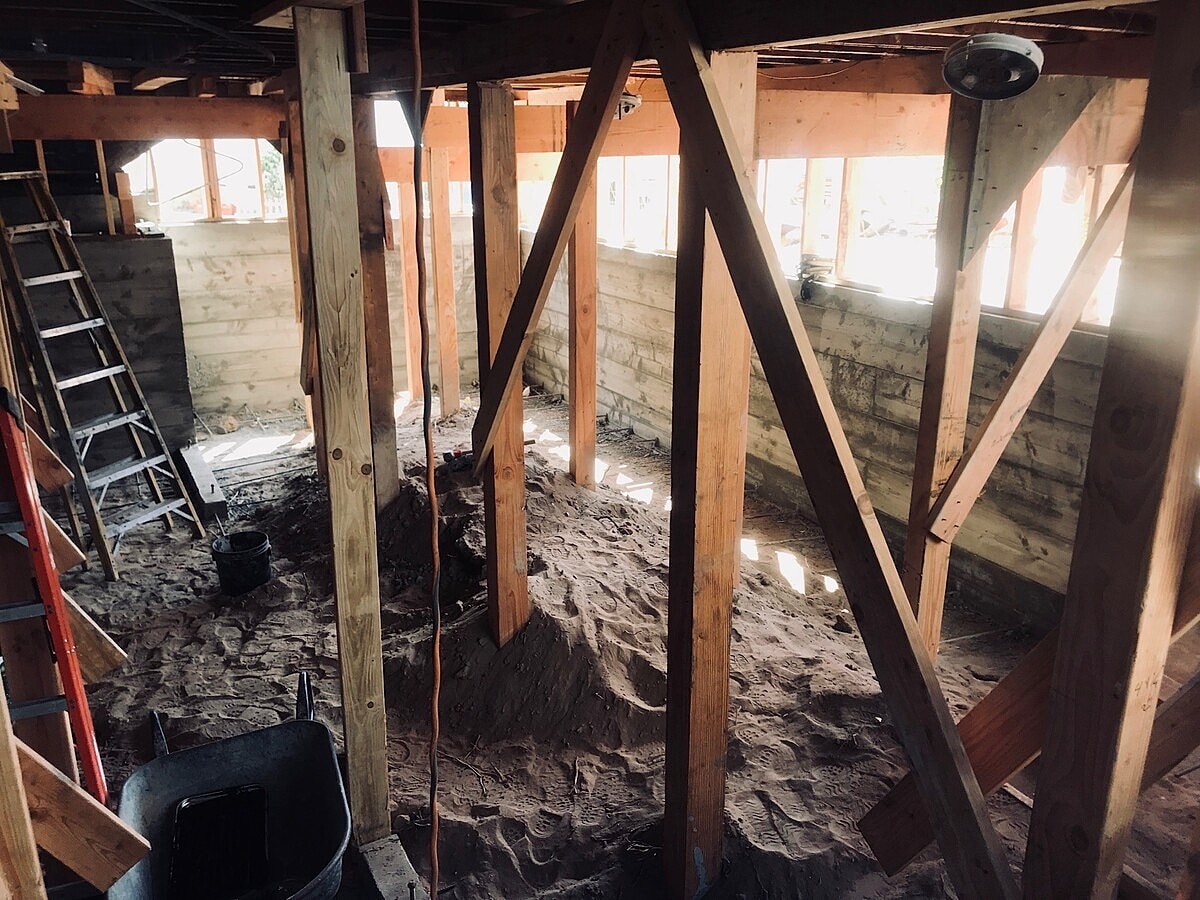
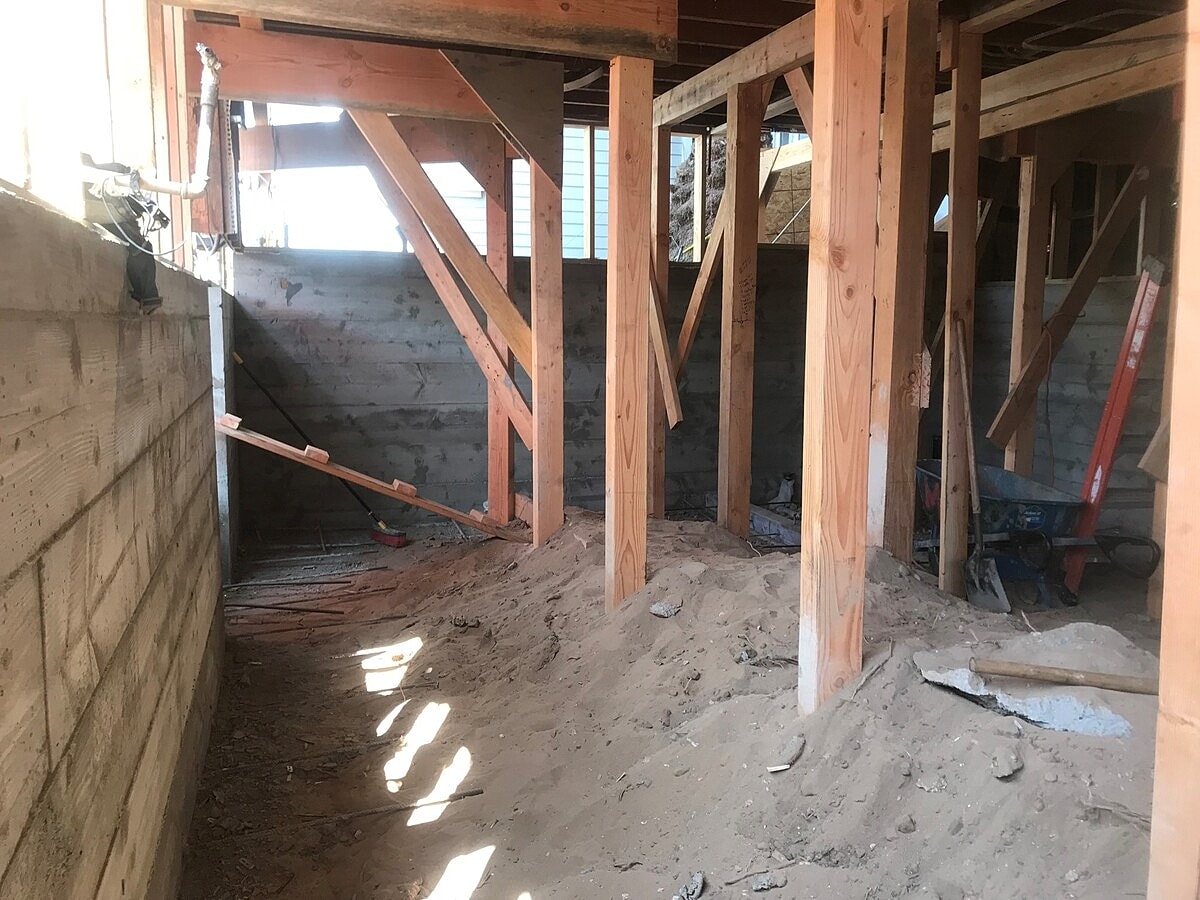
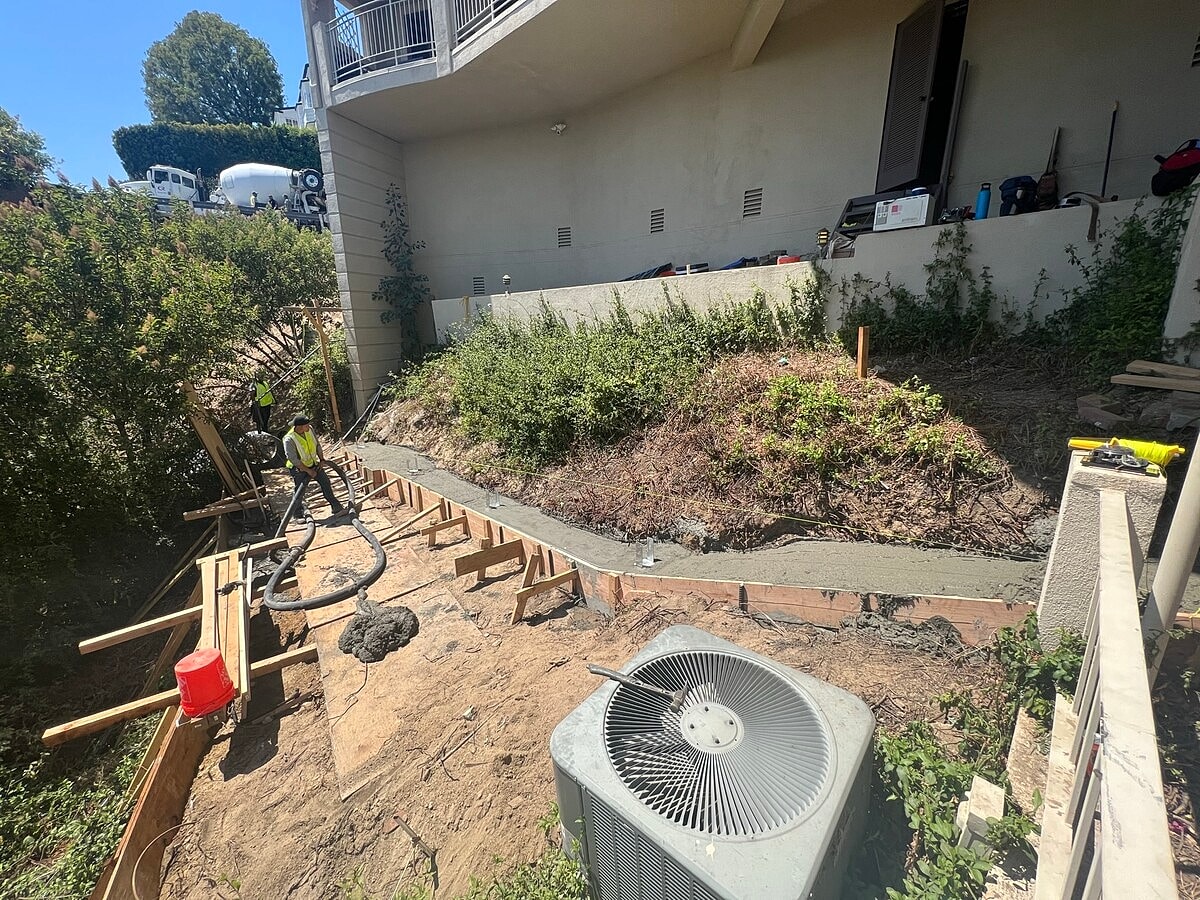
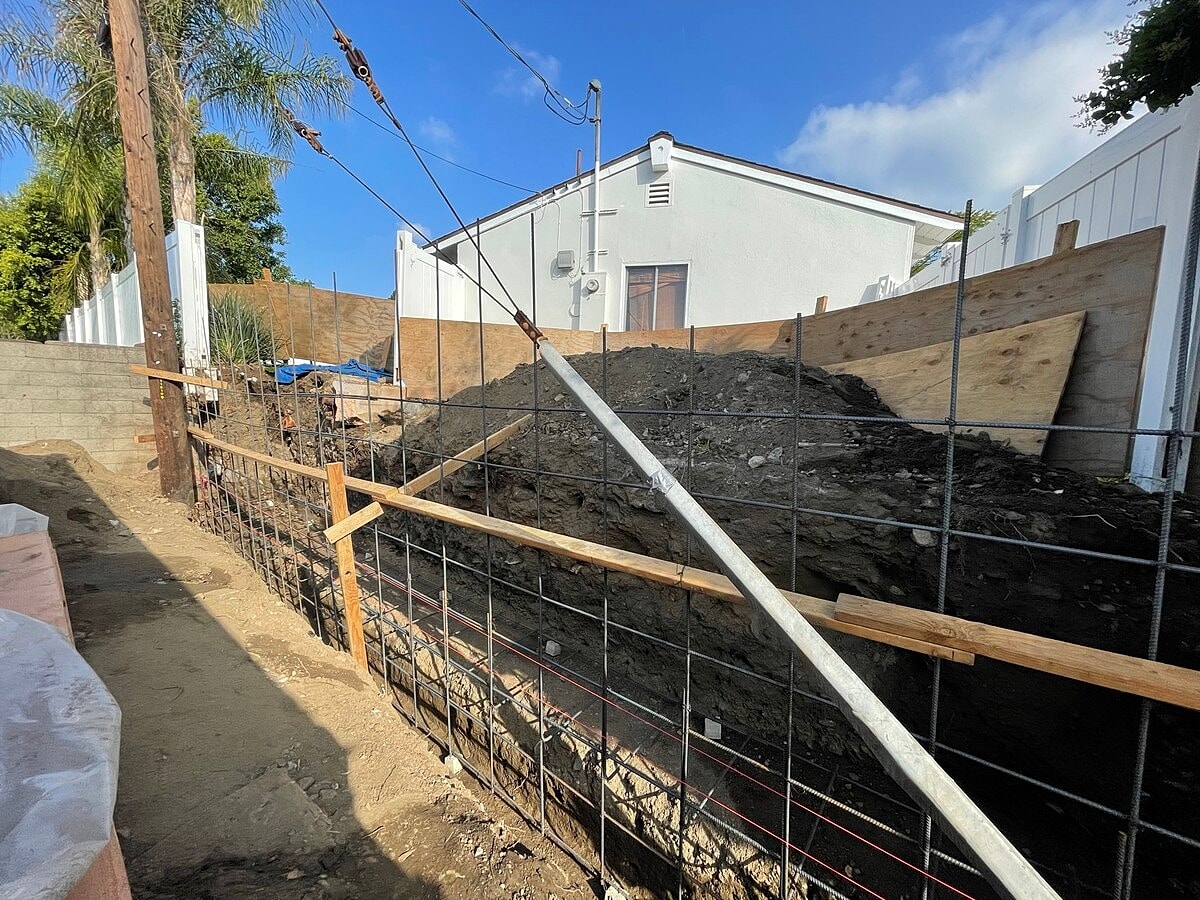
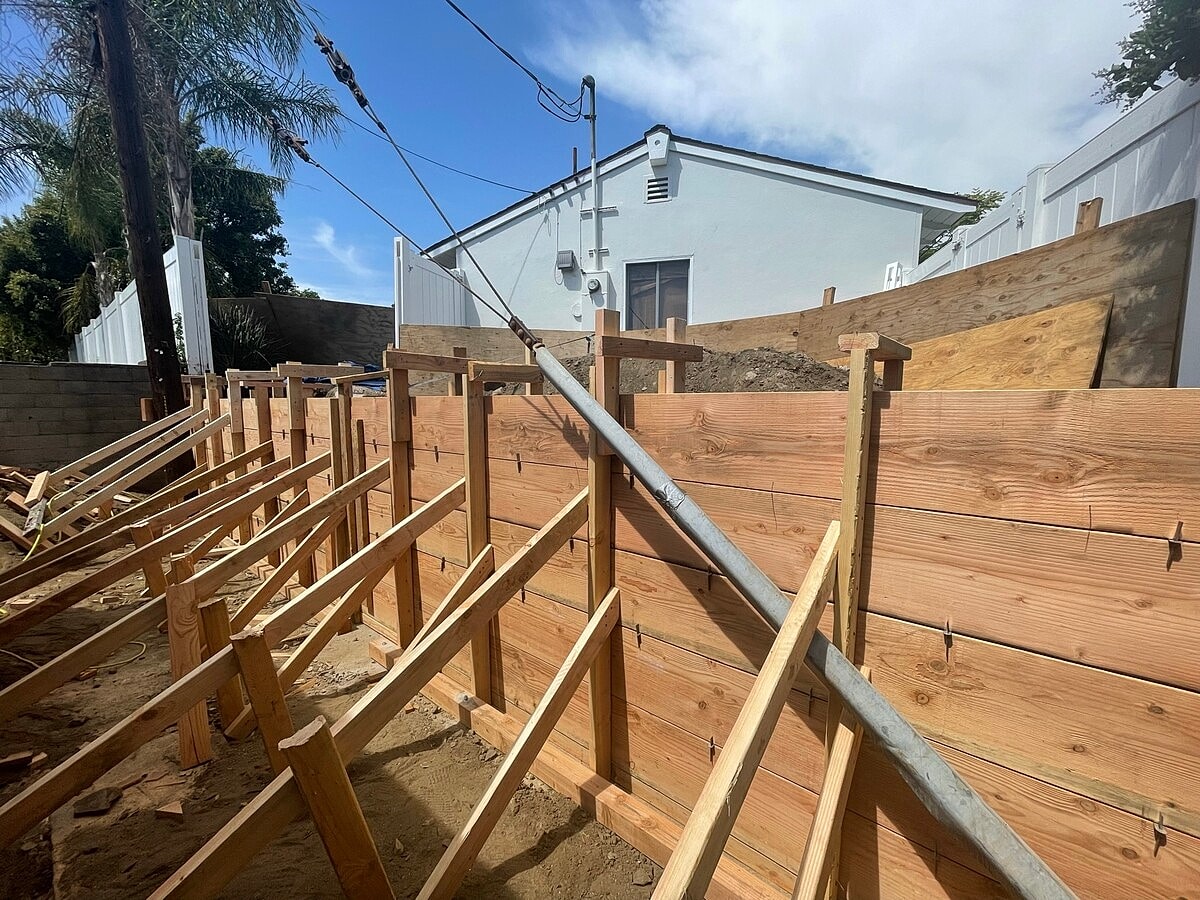
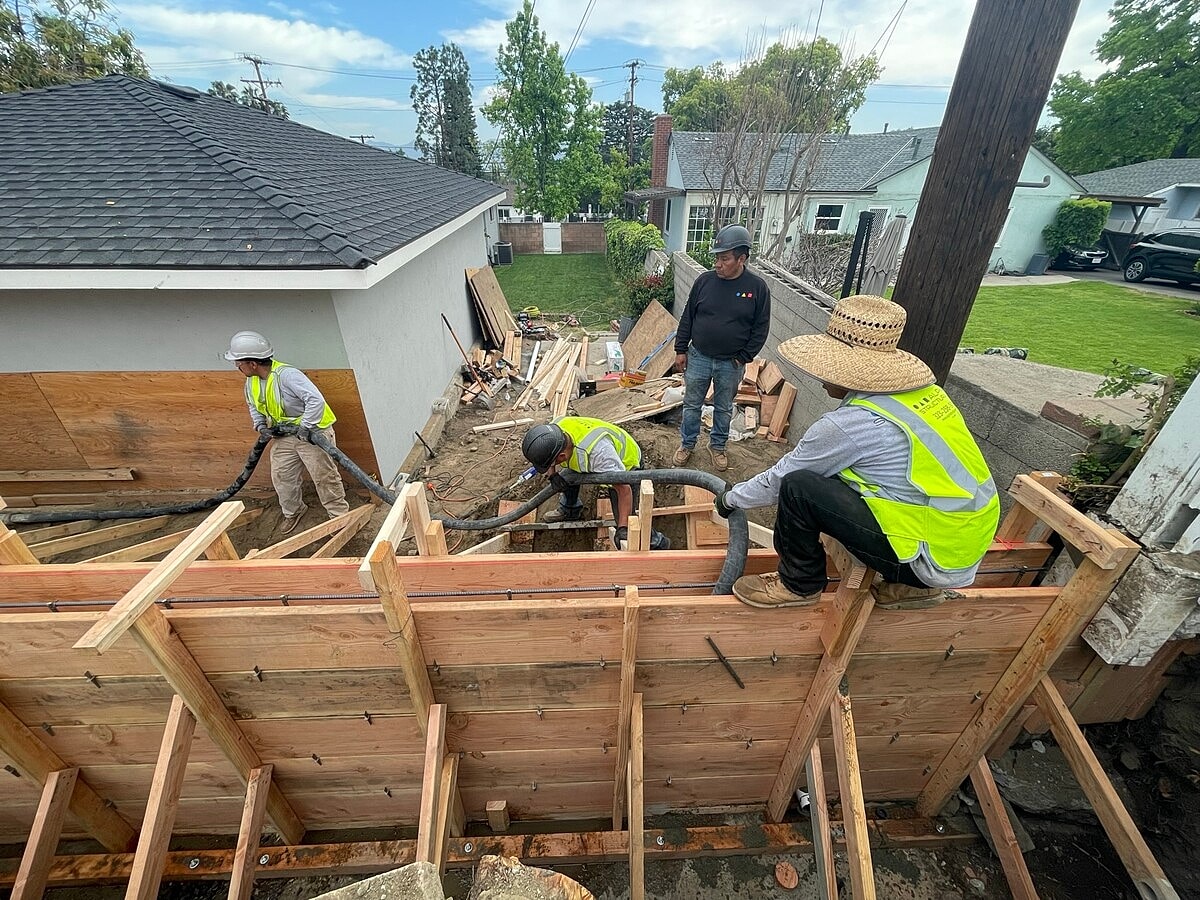
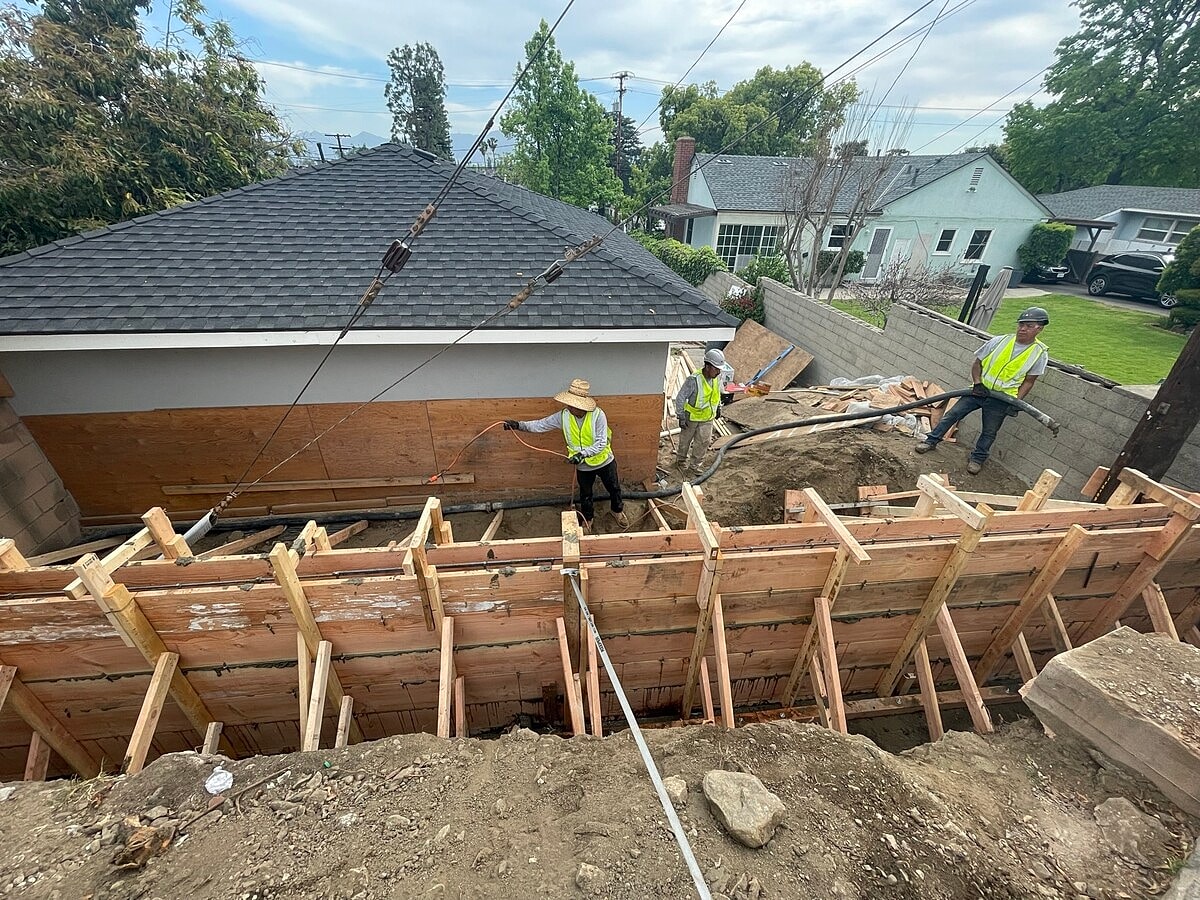
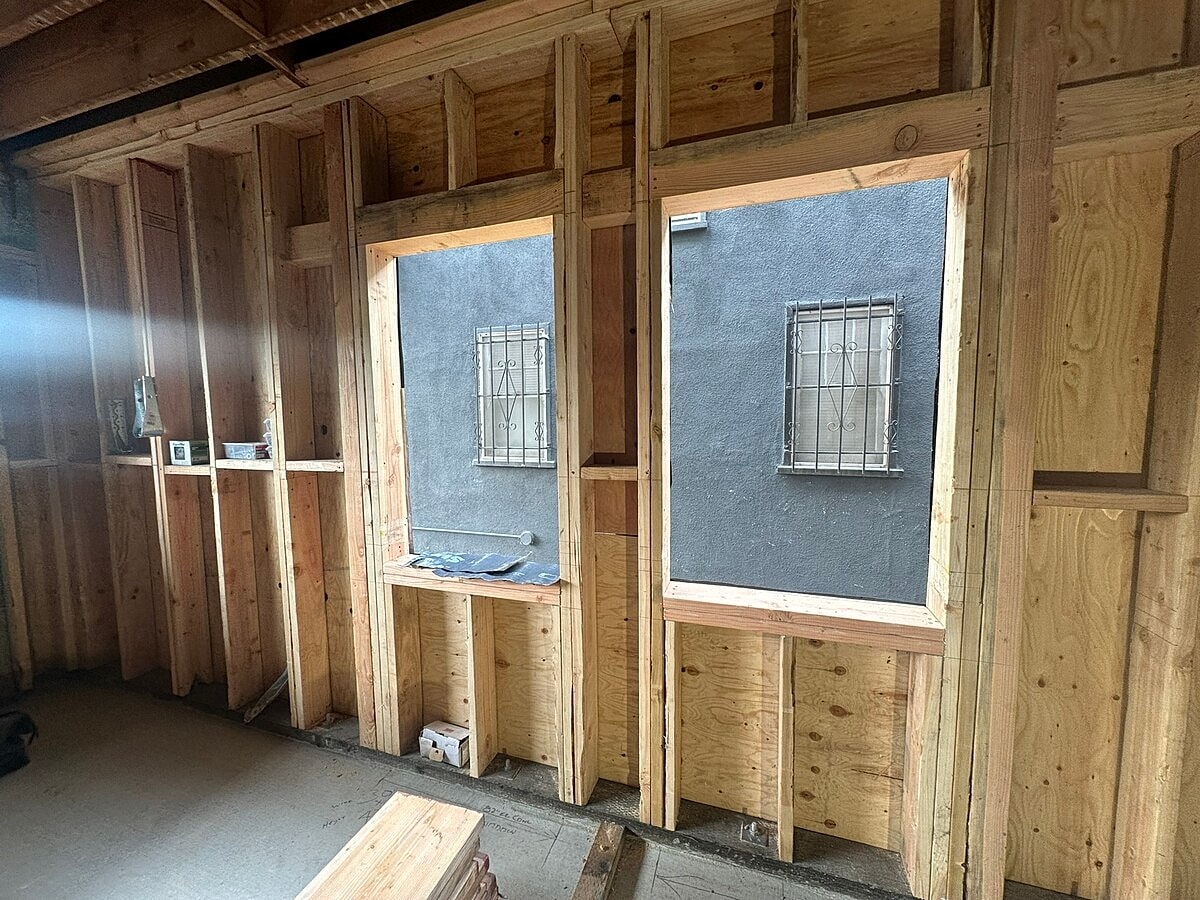
A structural build-out of an approximately 445-square-foot basement was completed per engineered plans. The project involved the demolition of an existing 33-foot rear retaining wall and the existing slab-on-grade flooring system. Work included excavating soils to a new finished grade, installing up to seven new underpinning pads at the front wall line, and pouring new 8-inch-thick concrete retaining walls and a new concrete slab. Additionally, the project encompassed structural floor framing connections and the installation of new waterproofing and sub-drains behind the newly built retaining walls.
Residential
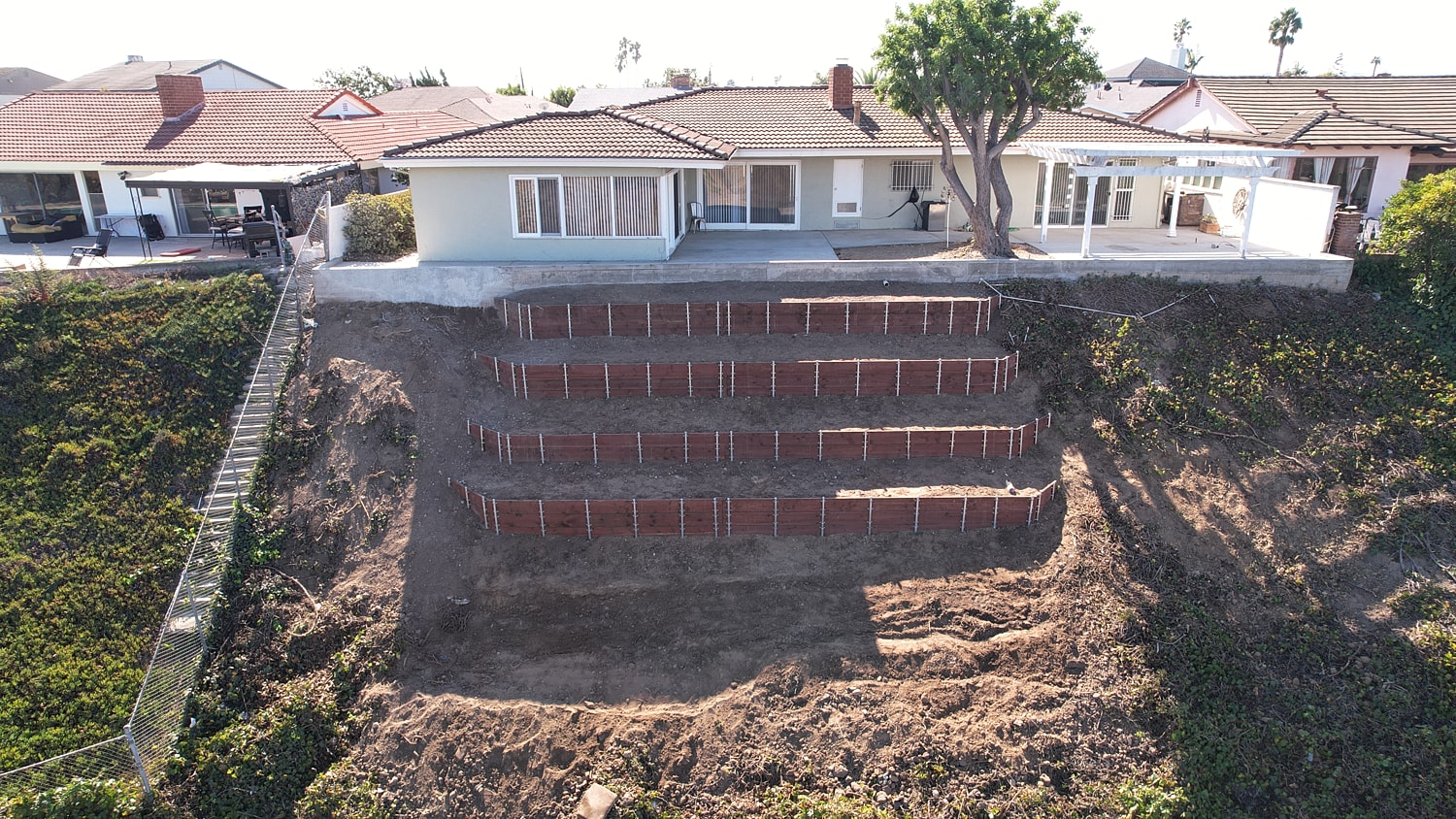
A slab foundation repair was completed on a 1960 home in Los Angeles. This structural work was performed to resolve foundation cracks and properly level out sloping floors that were leaning toward the hillside.
Residential
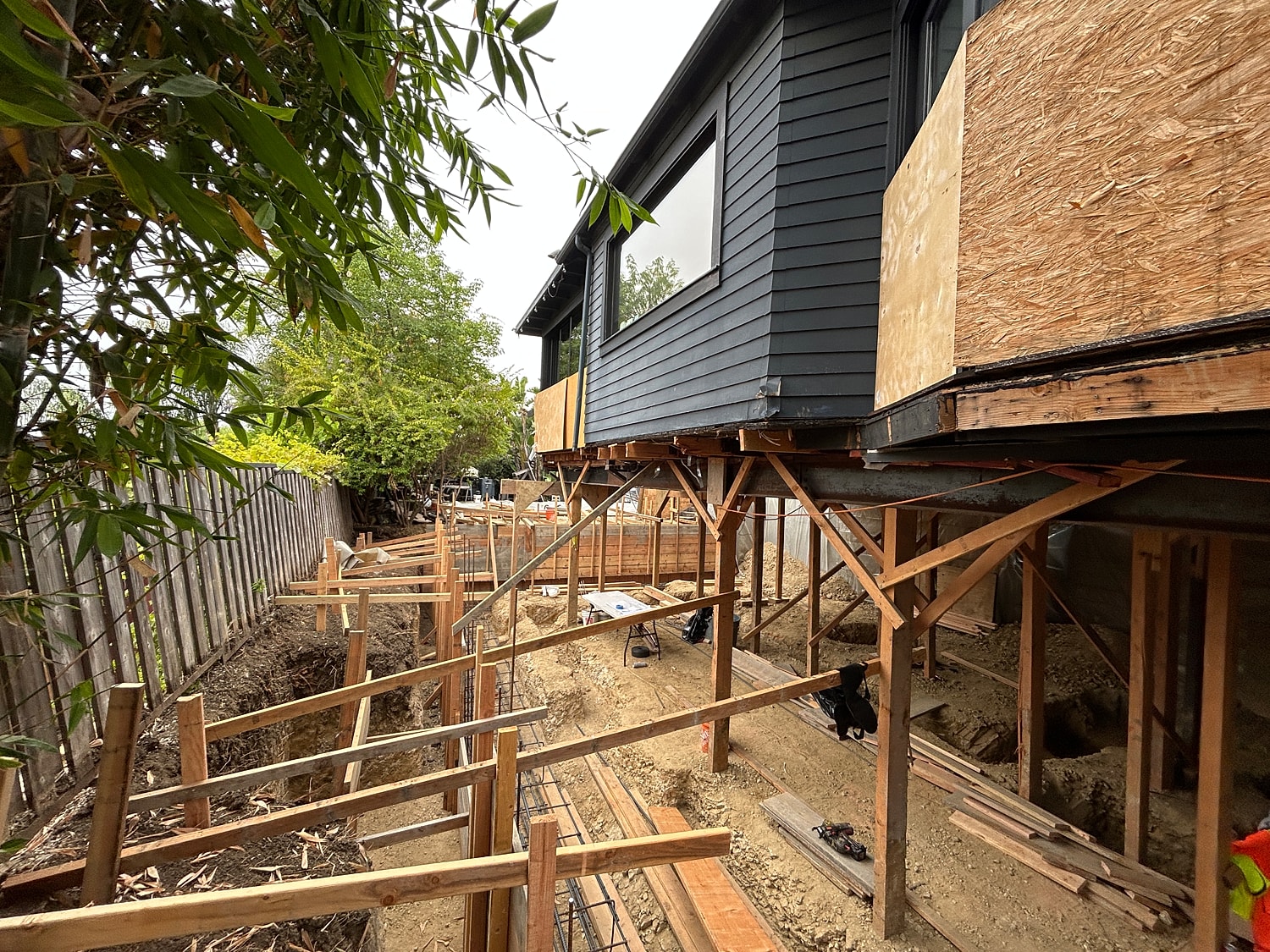
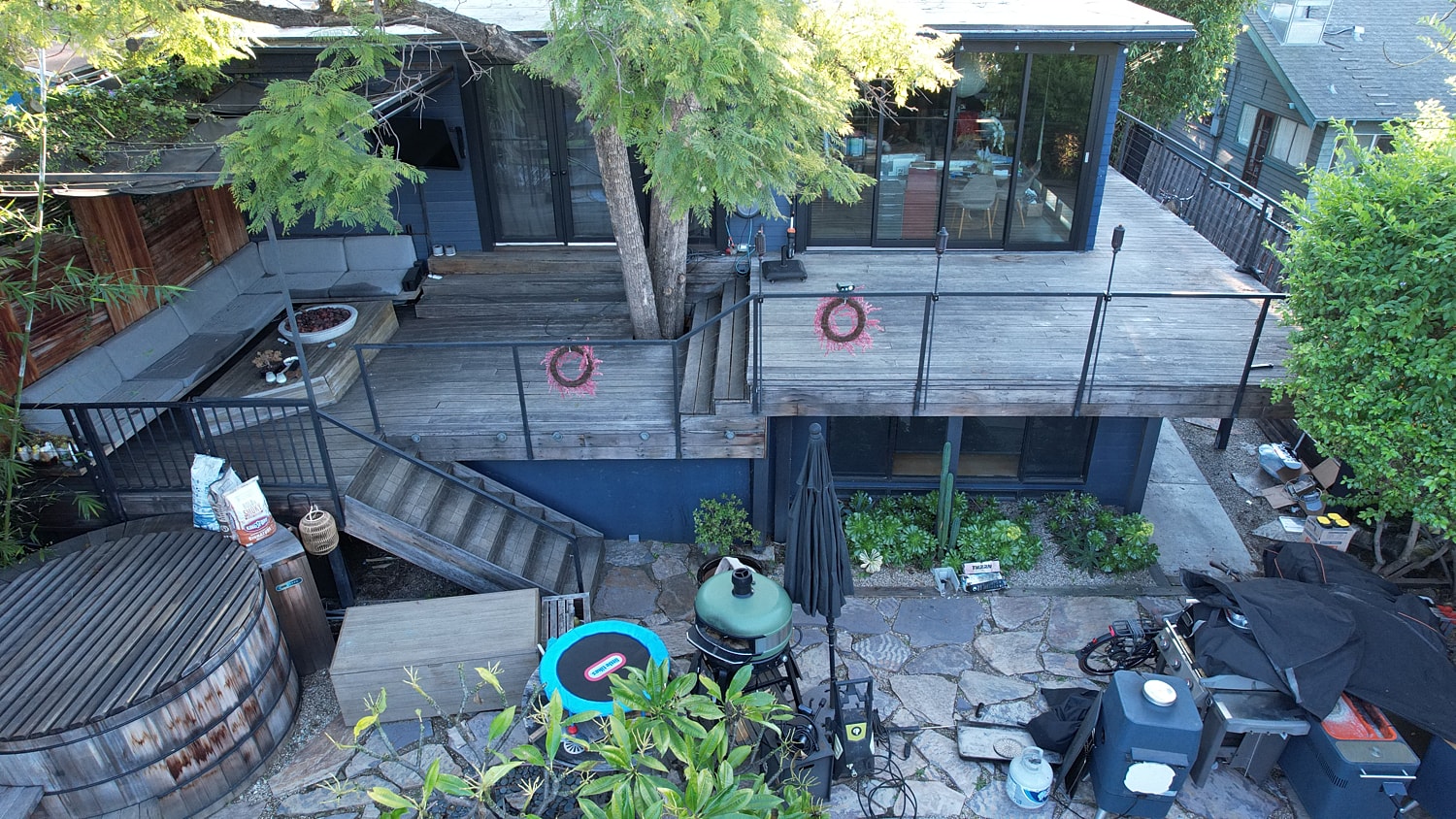
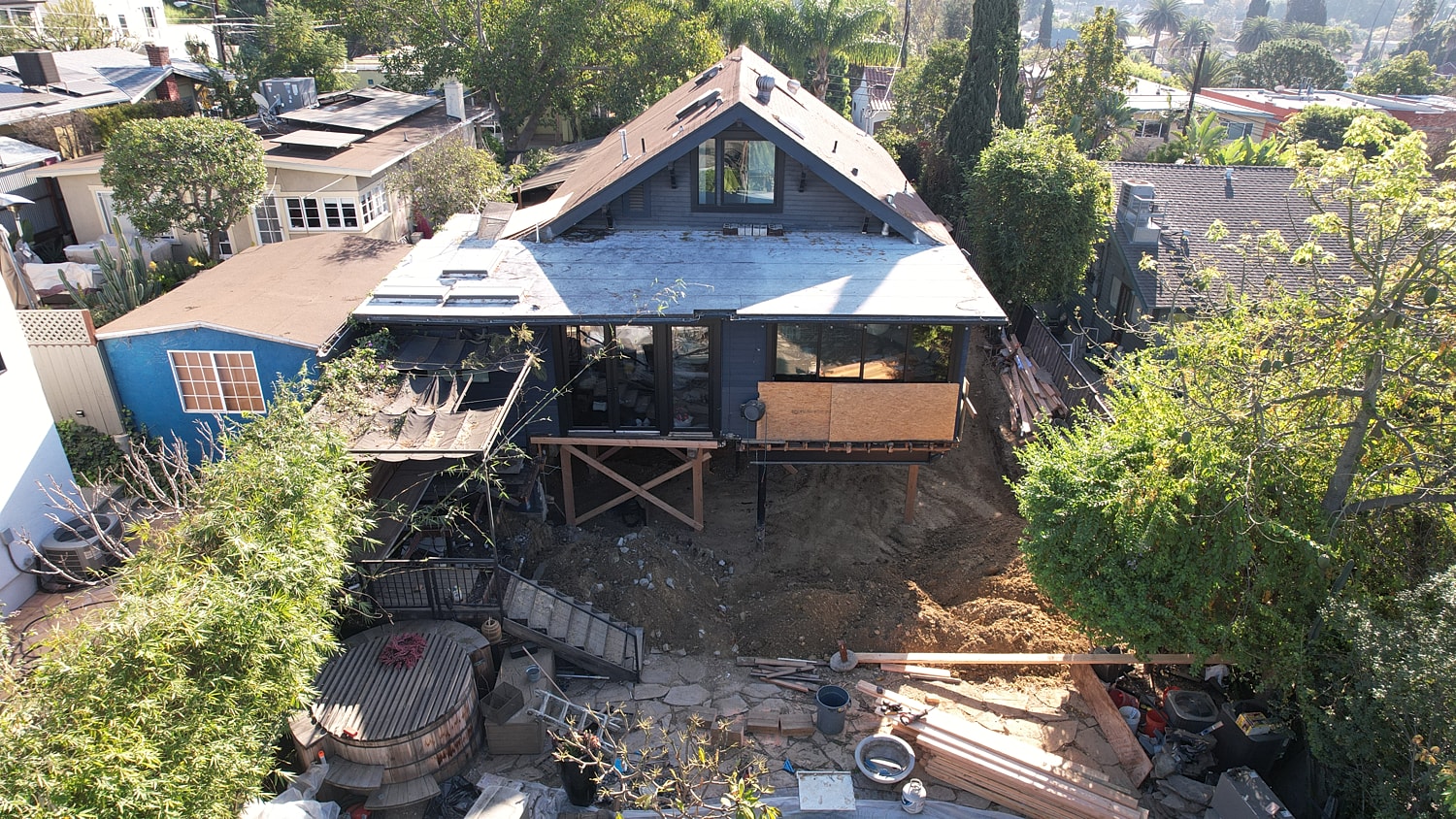
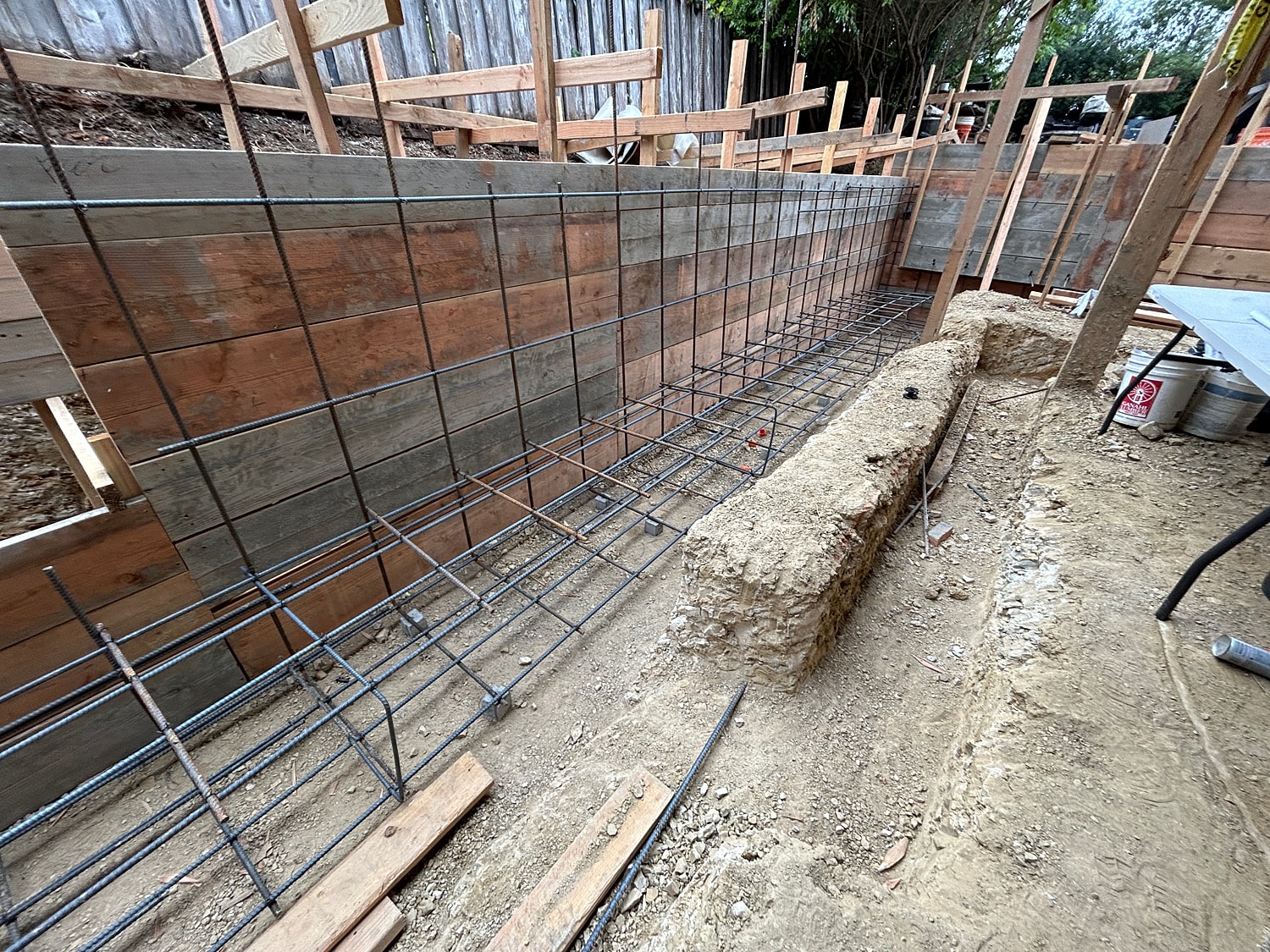
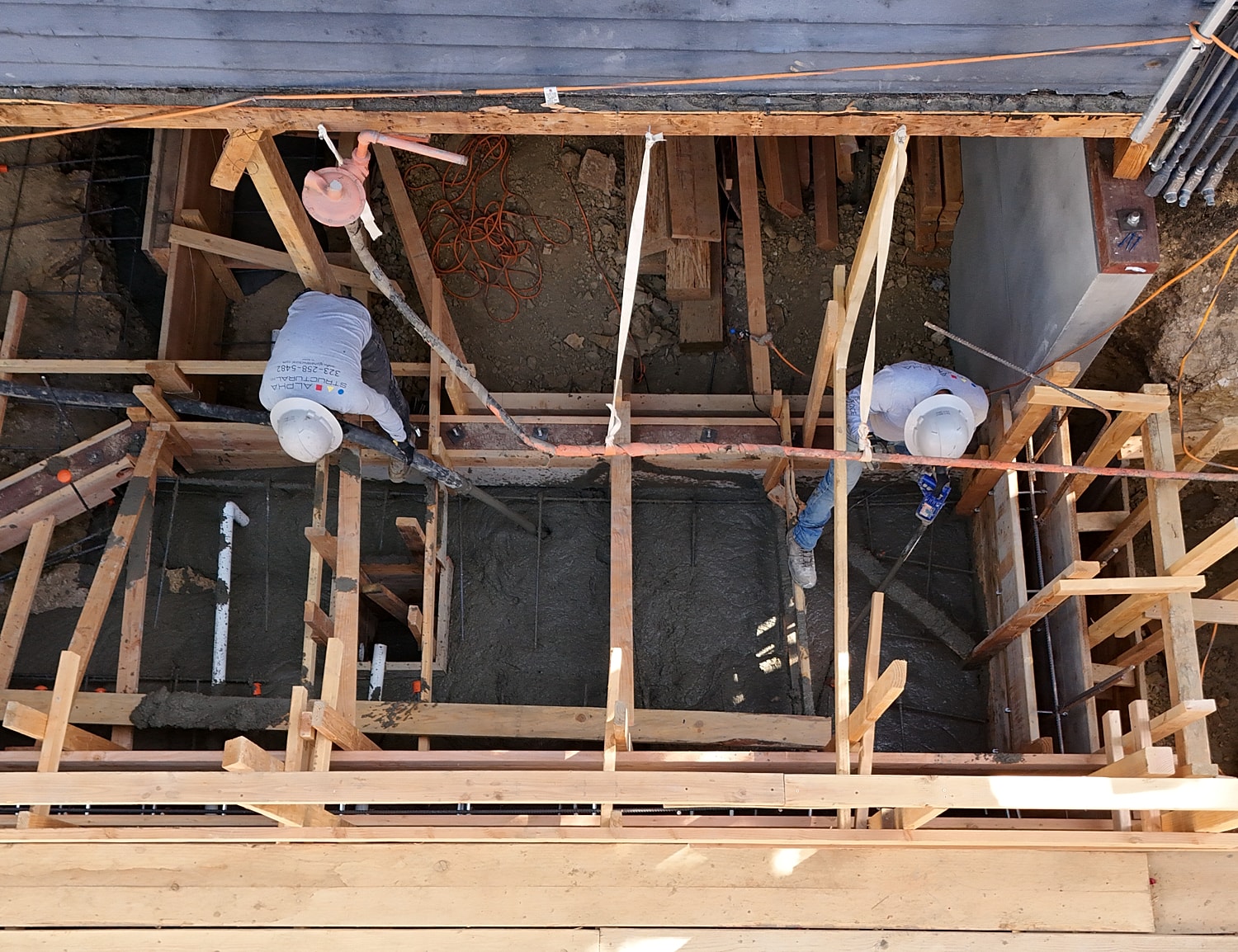
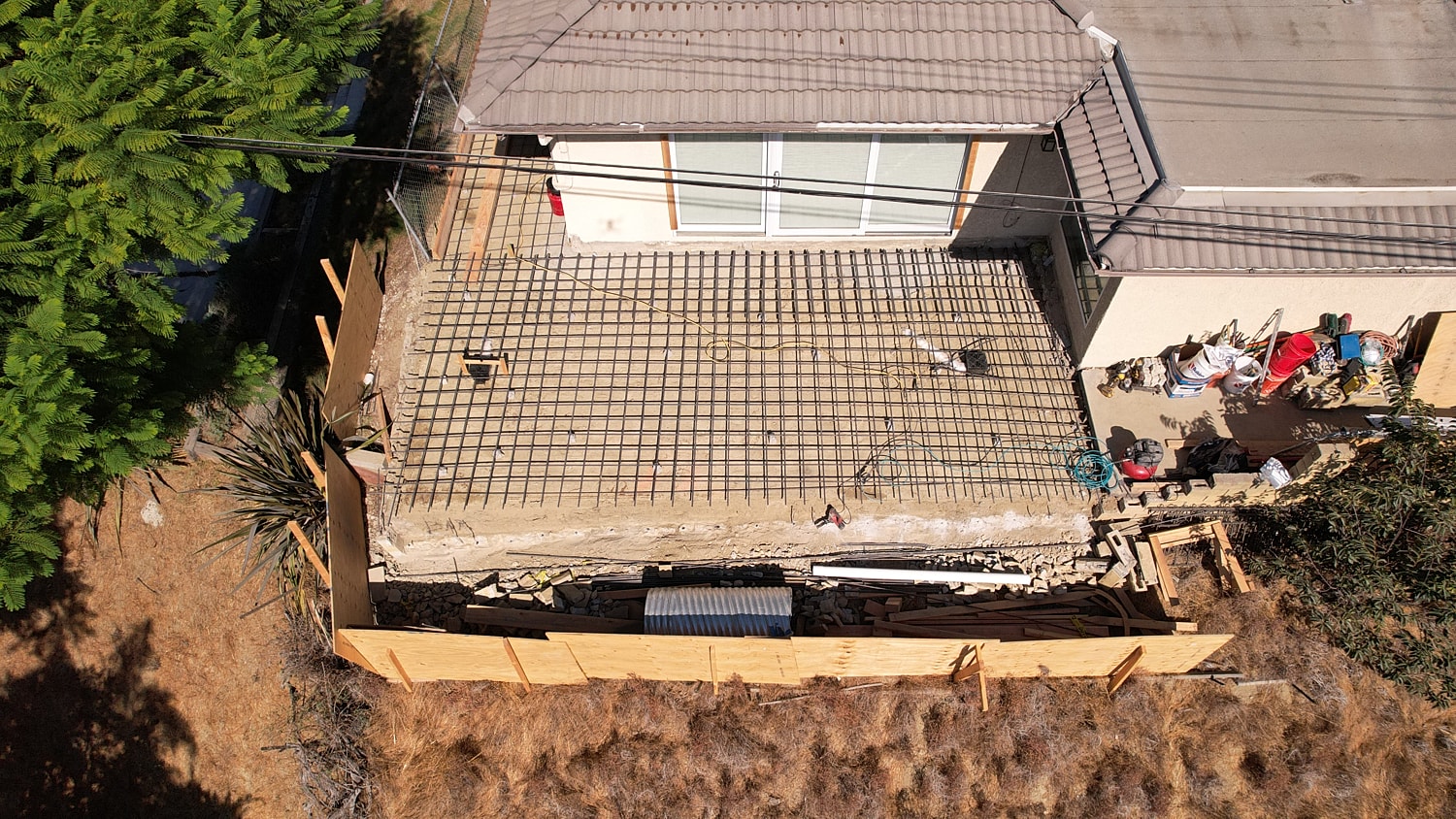
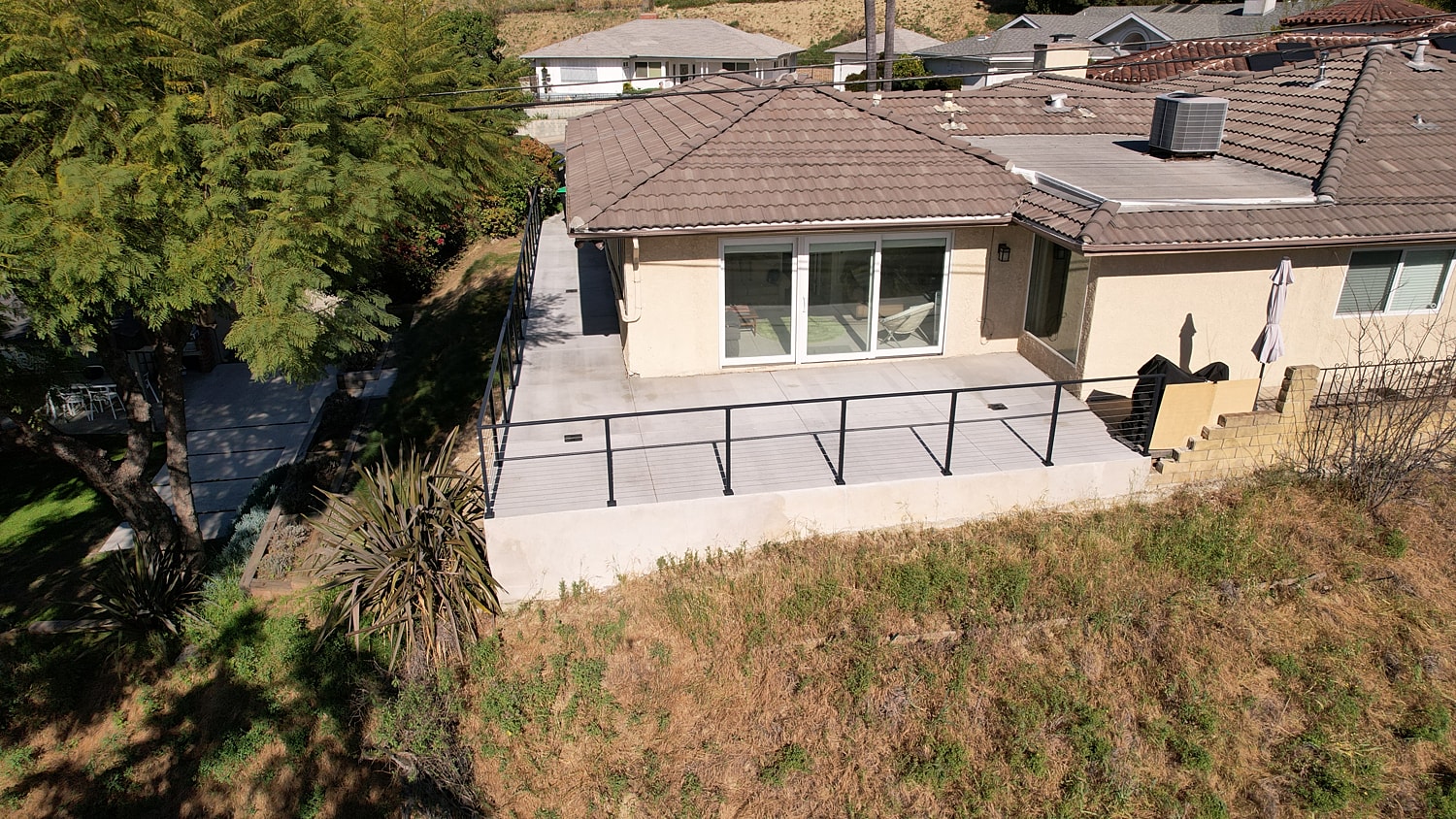
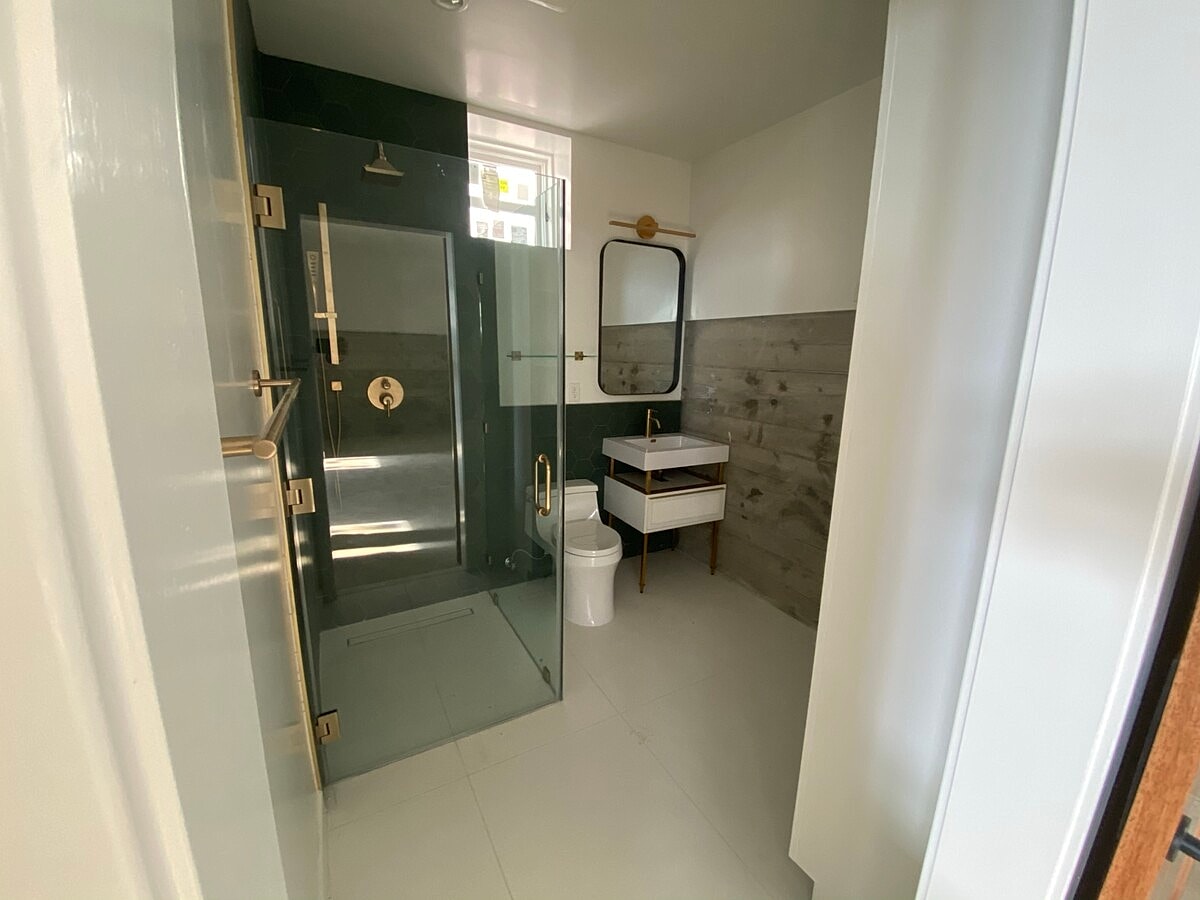
Structural build-out of a new 1,600-square-foot basement expansion and Accessory Dwelling Unit (ADU) was completed beneath an existing home, encompassing all essential grading, retaining walls, and framing.
Residential
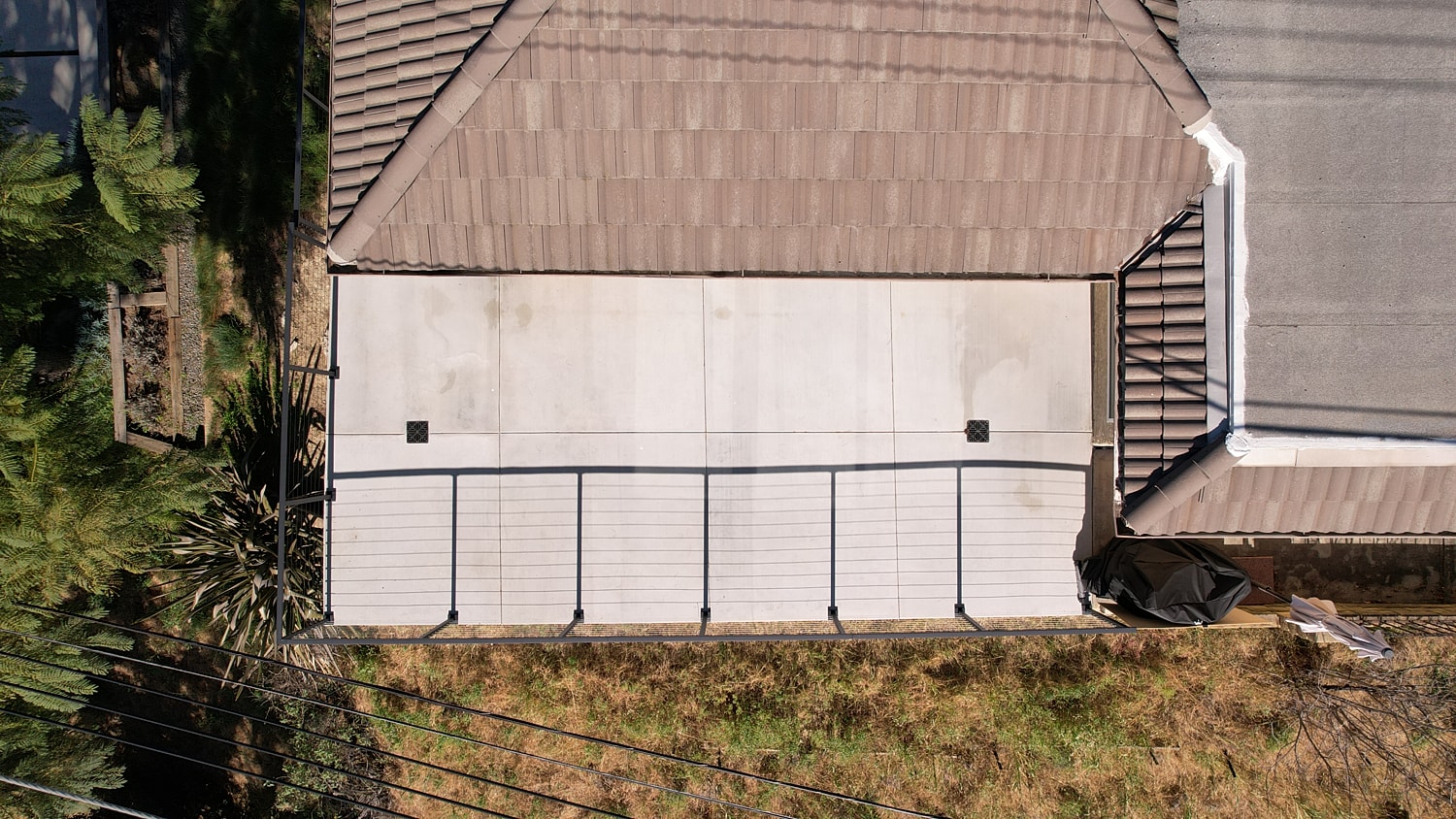
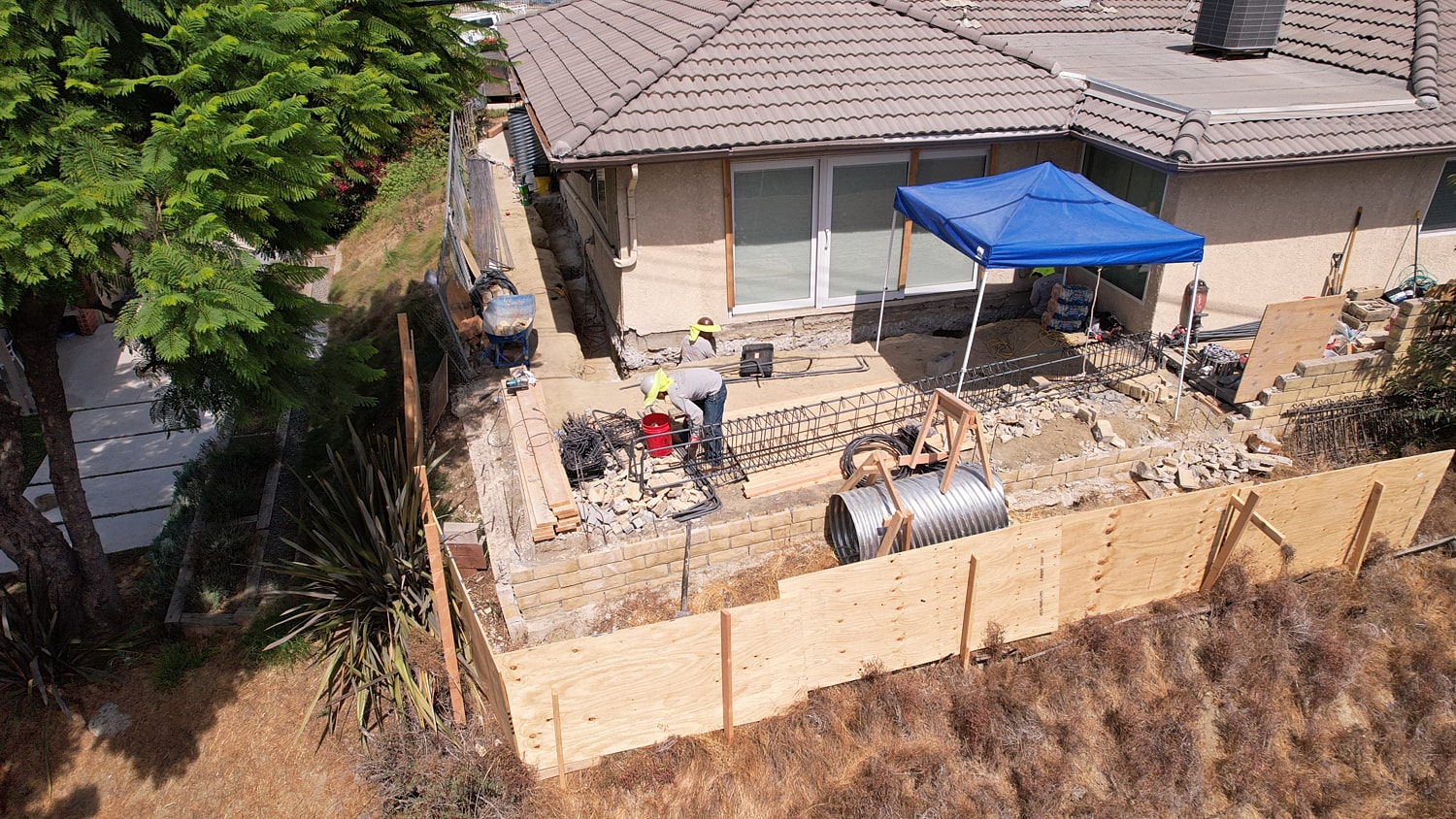
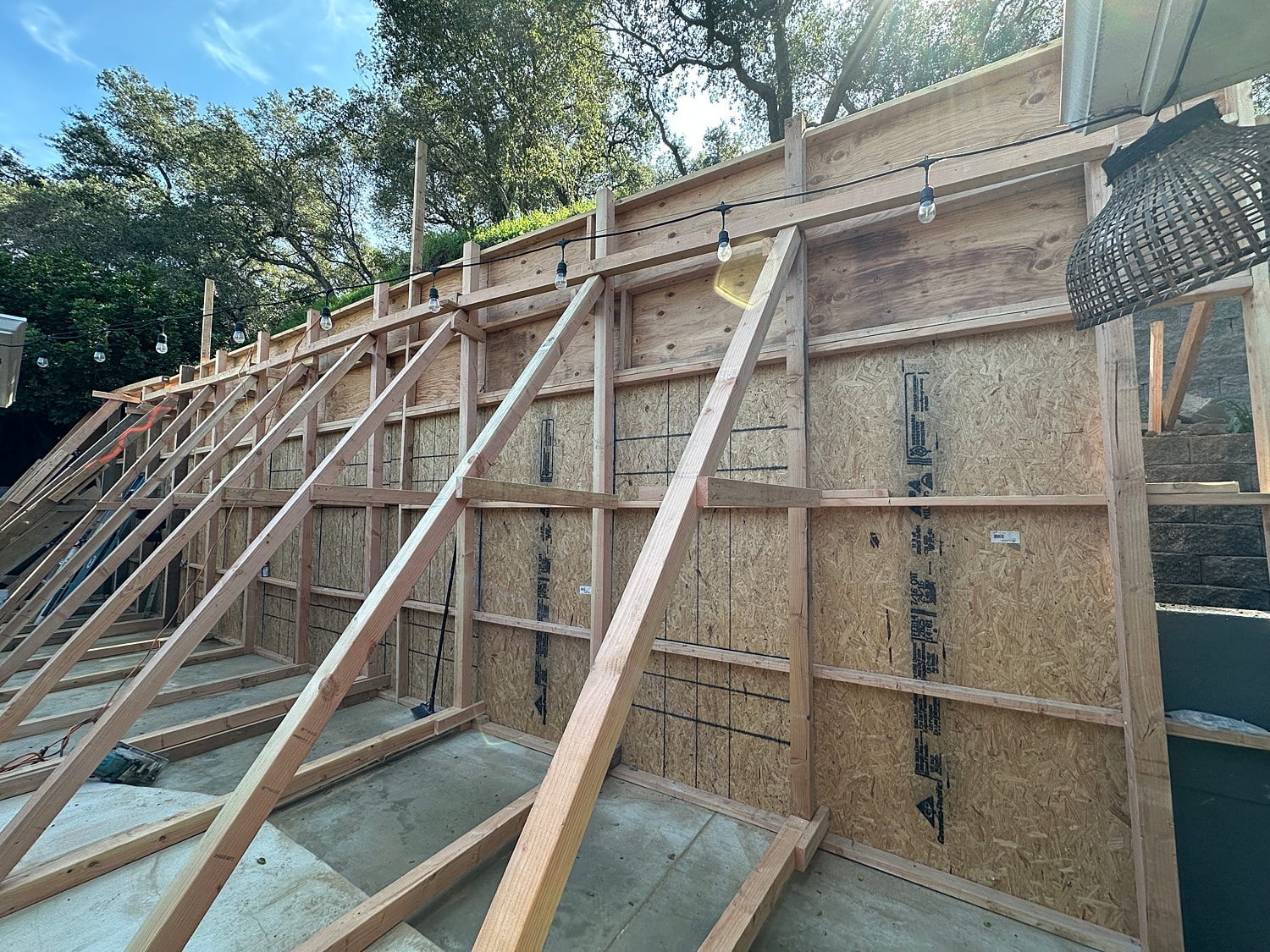
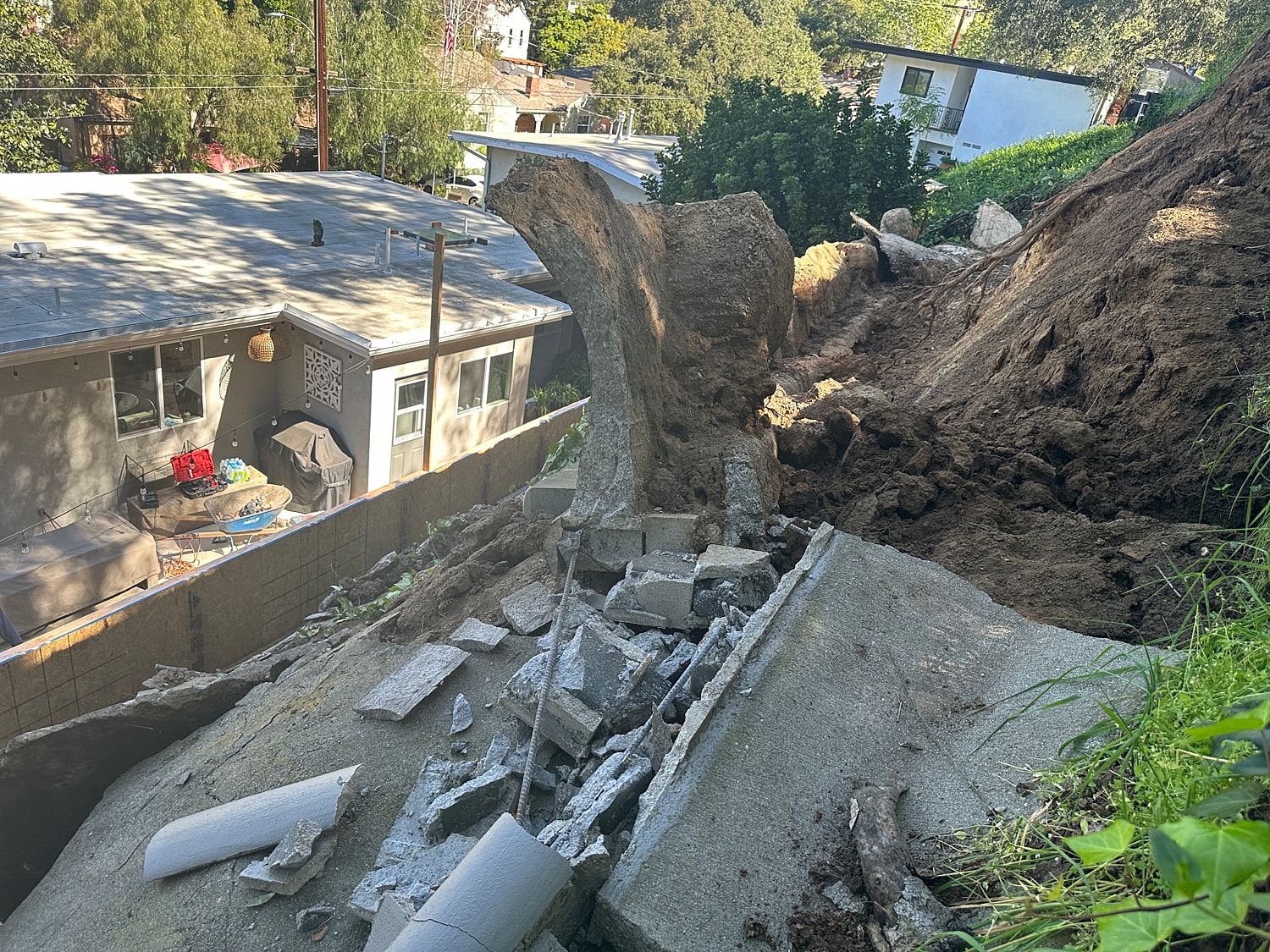
A remedial structural project was completed to stabilize a settling home foundation using a new engineered pile-supported underpinning system, alongside comprehensive concrete hardscaping replacement and the installation of a new property drainage system.
Residential
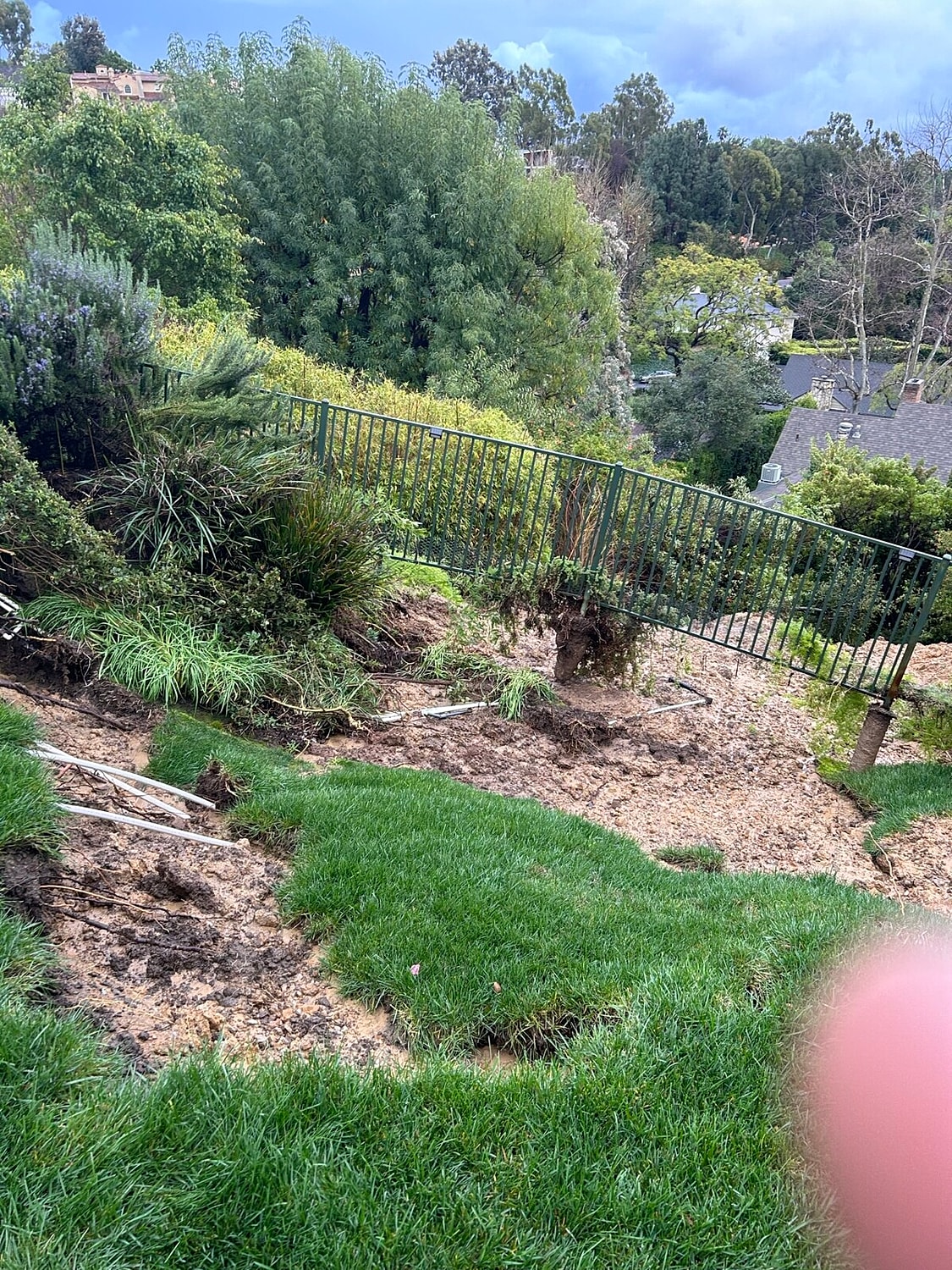
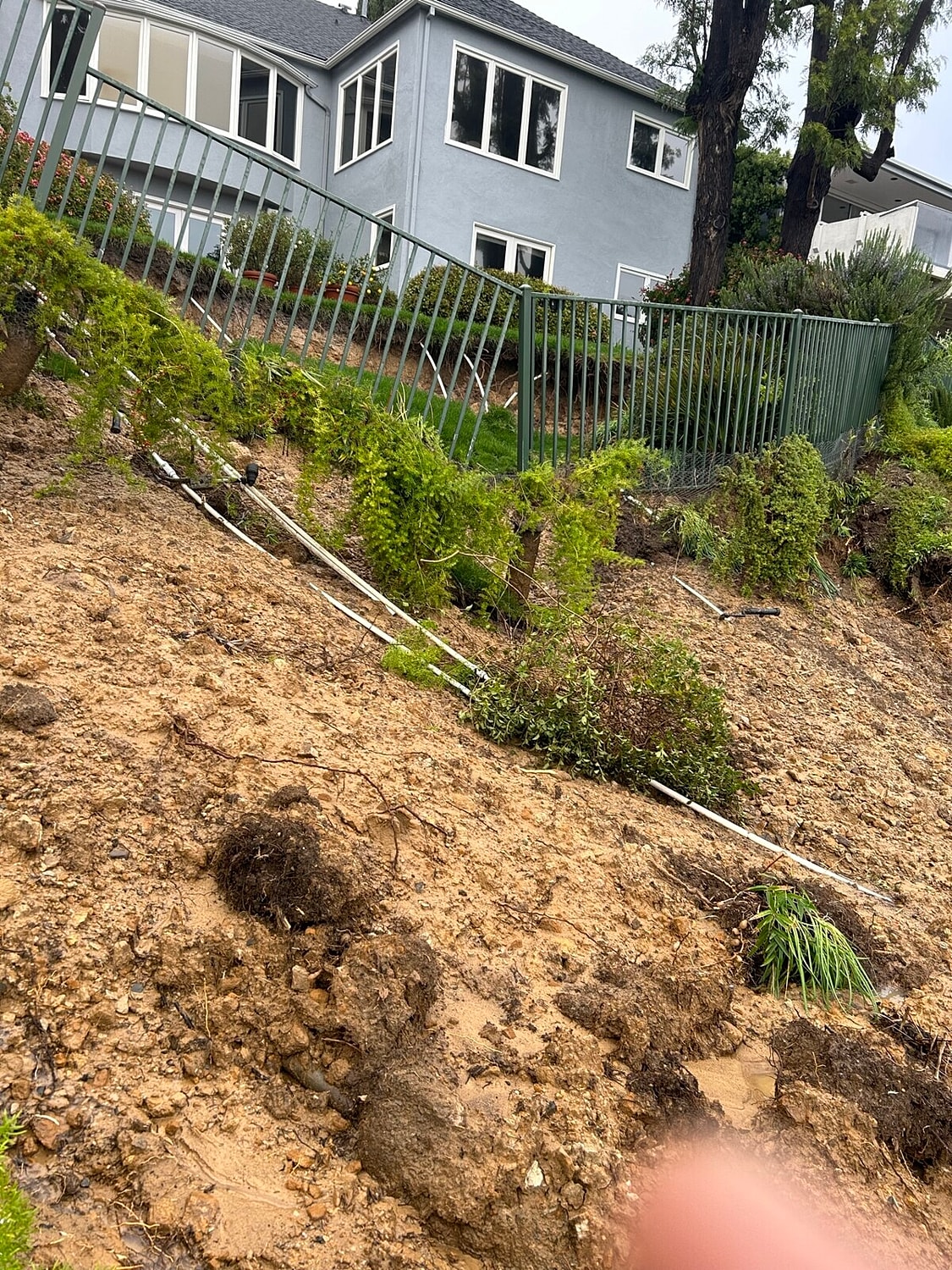
An emergency mobilization project was completed in Glendale to winterize and protect an approximately 30-foot by 75-foot slope area following a failure. The scope included the partial demolition and hauling away of high-risk debris, vulnerable Gunite, and a failing v-ditch. To mitigate further erosion, a heavy-duty 15-mil tarp was installed and secured with stakes, ropes, and sandbags.
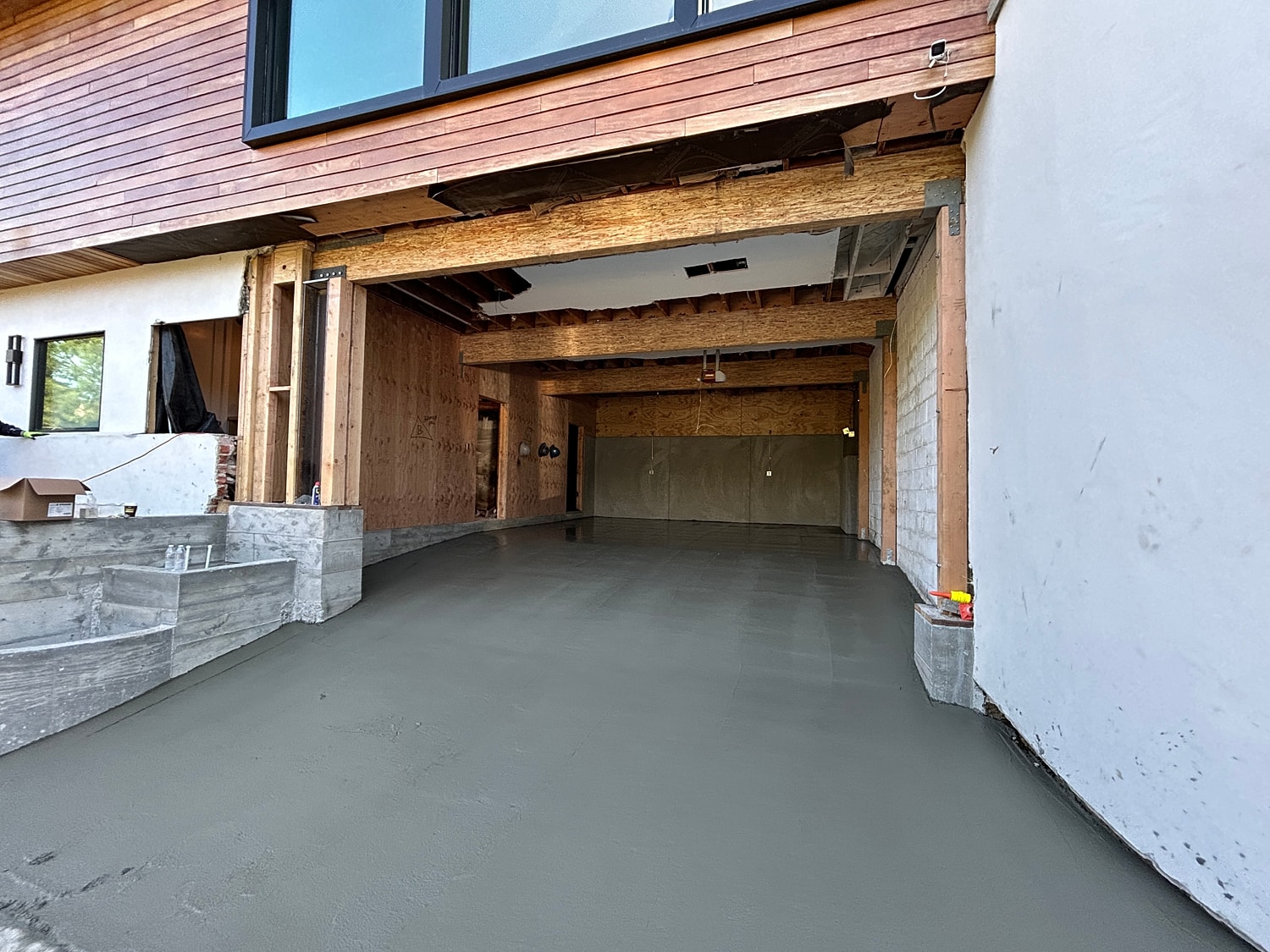
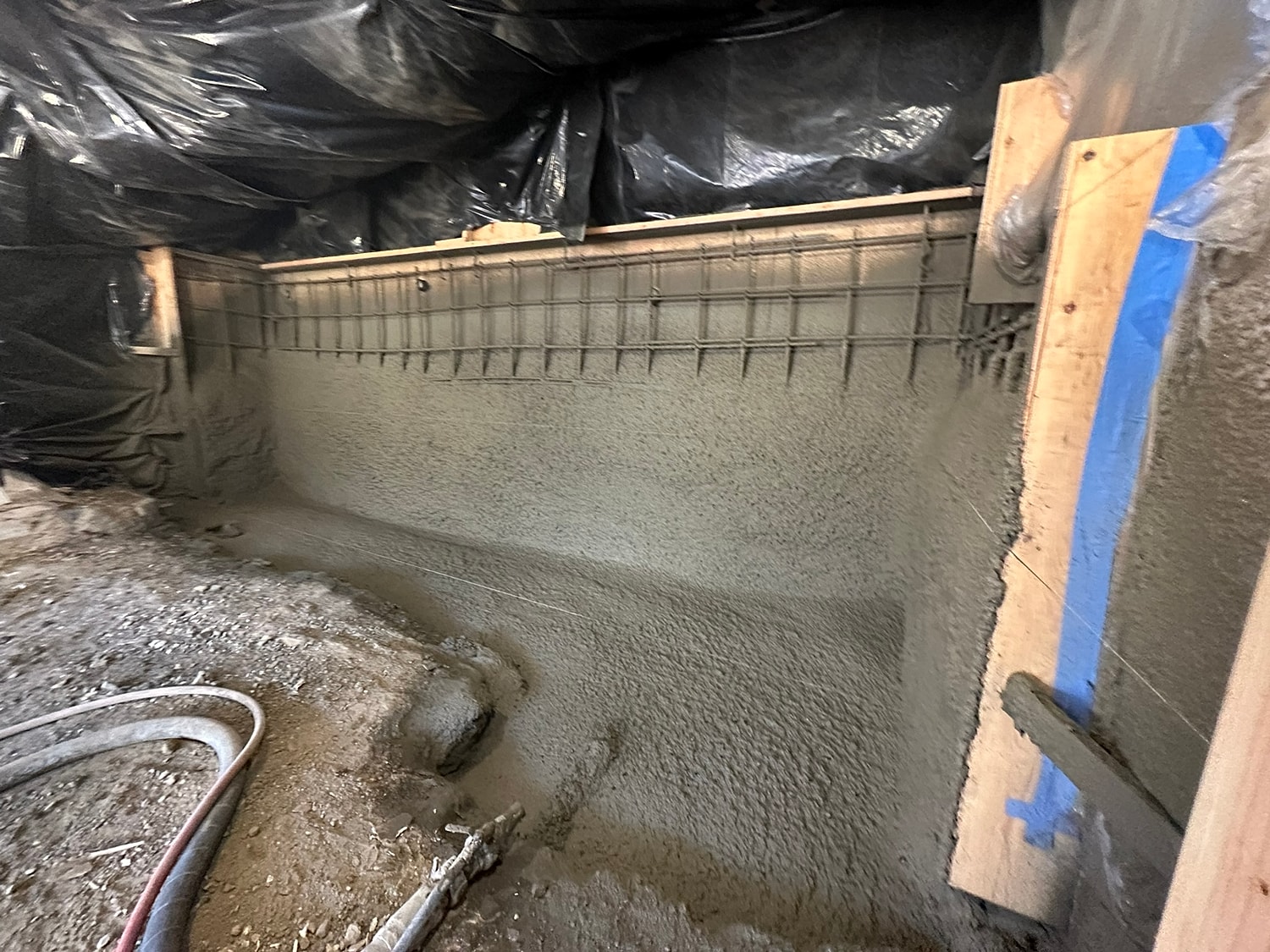
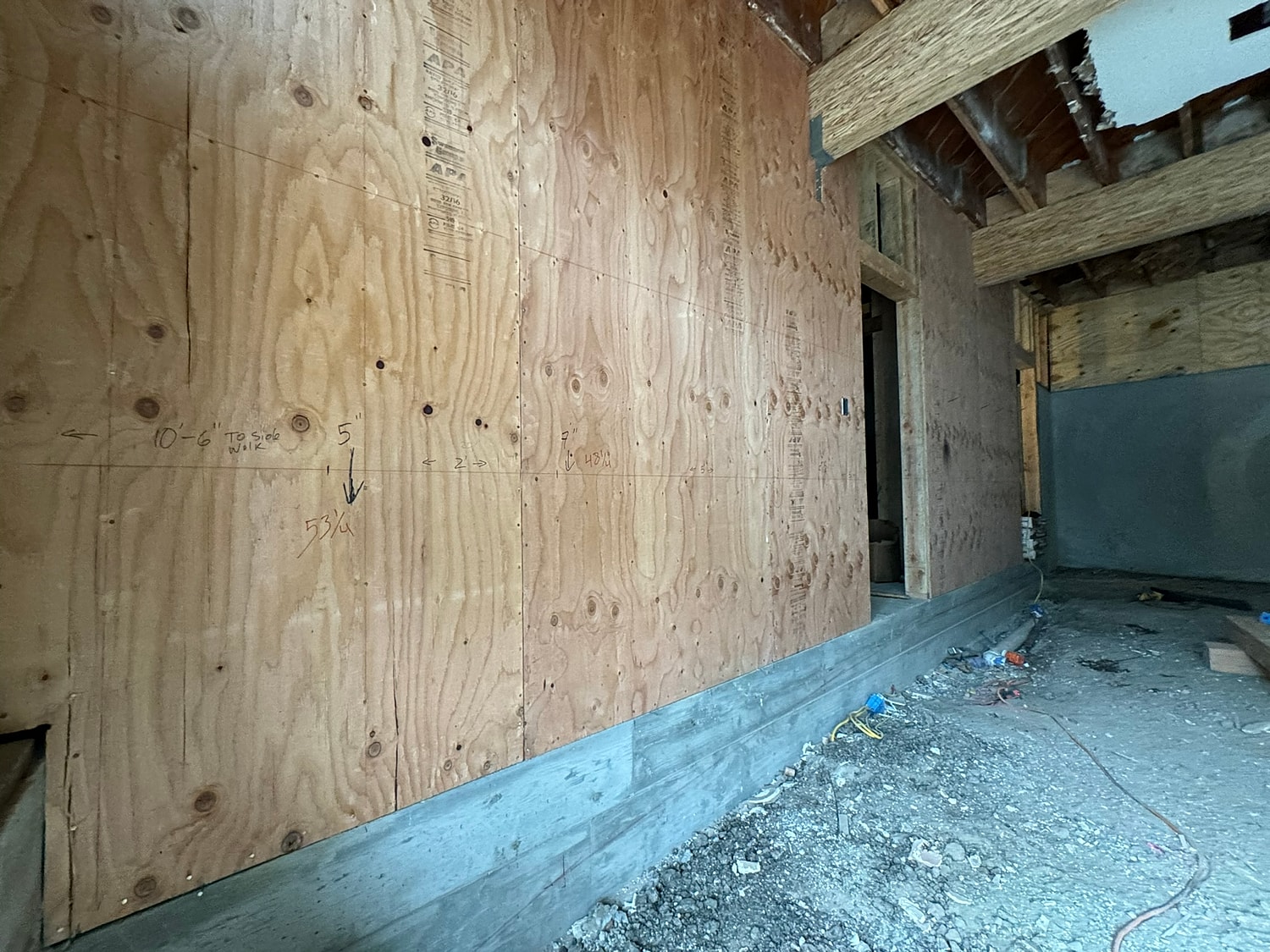
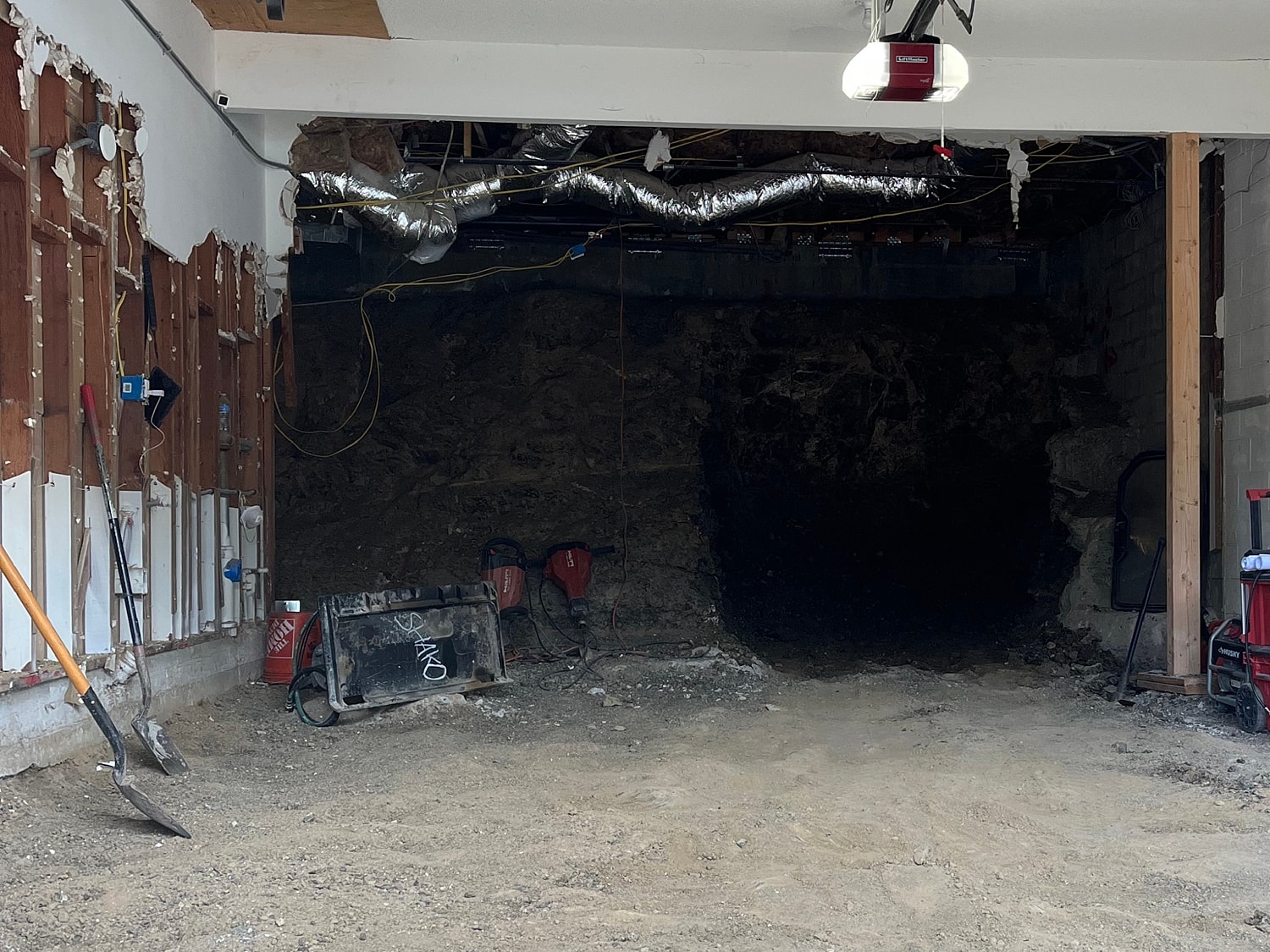
A comprehensive structural project was completed in Los Angeles to expand an existing garage. The scope of work involved demolishing the original slab, lowering the grade, and pouring a newly widened concrete slab foundation. Additionally, the project included the construction of a new 6-foot rear retaining wall, the installation of a structural steel column and beam system across the garage opening, and the complete replacement of the front retaining wall and entryway stairs.
Residential
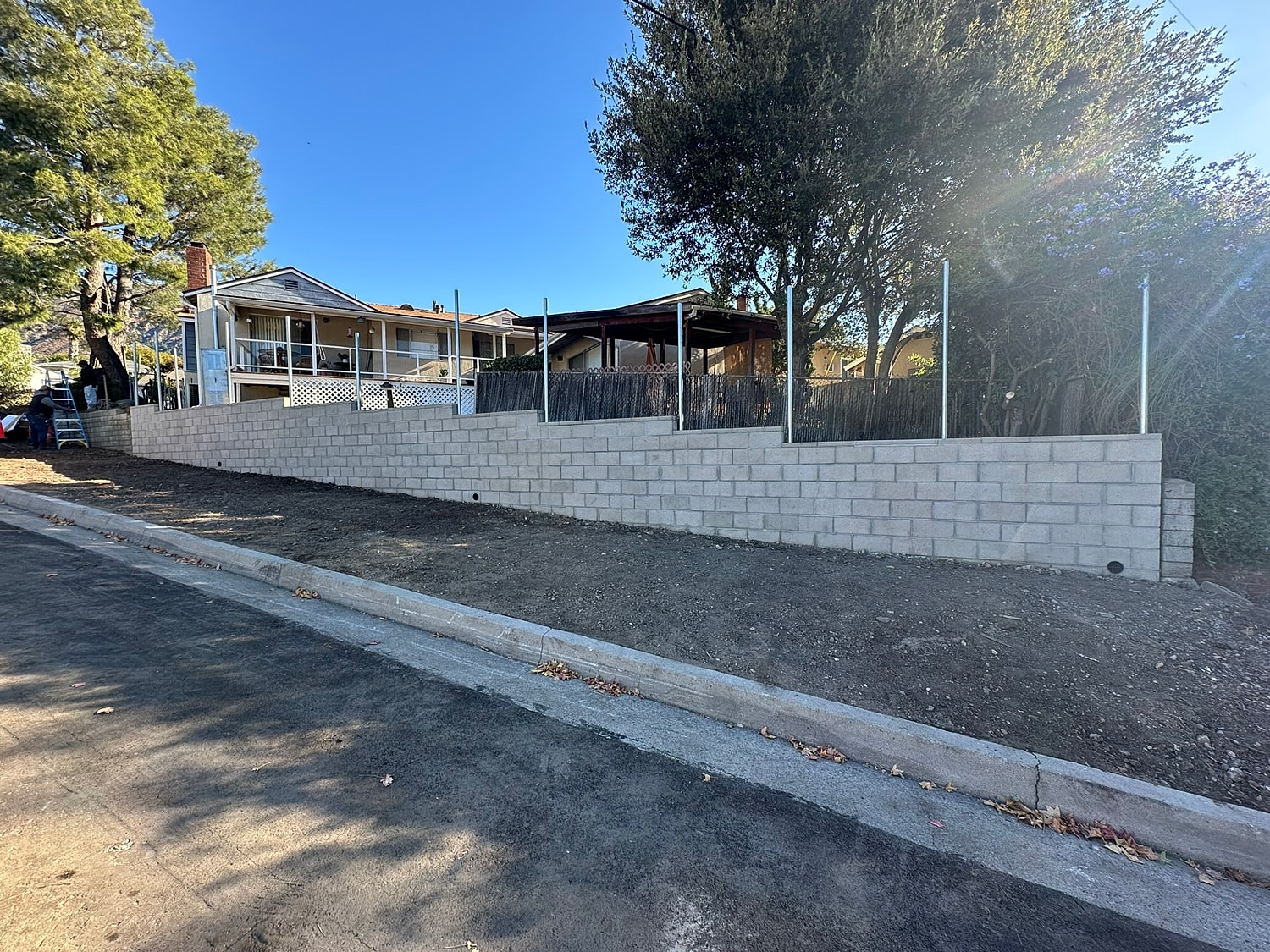
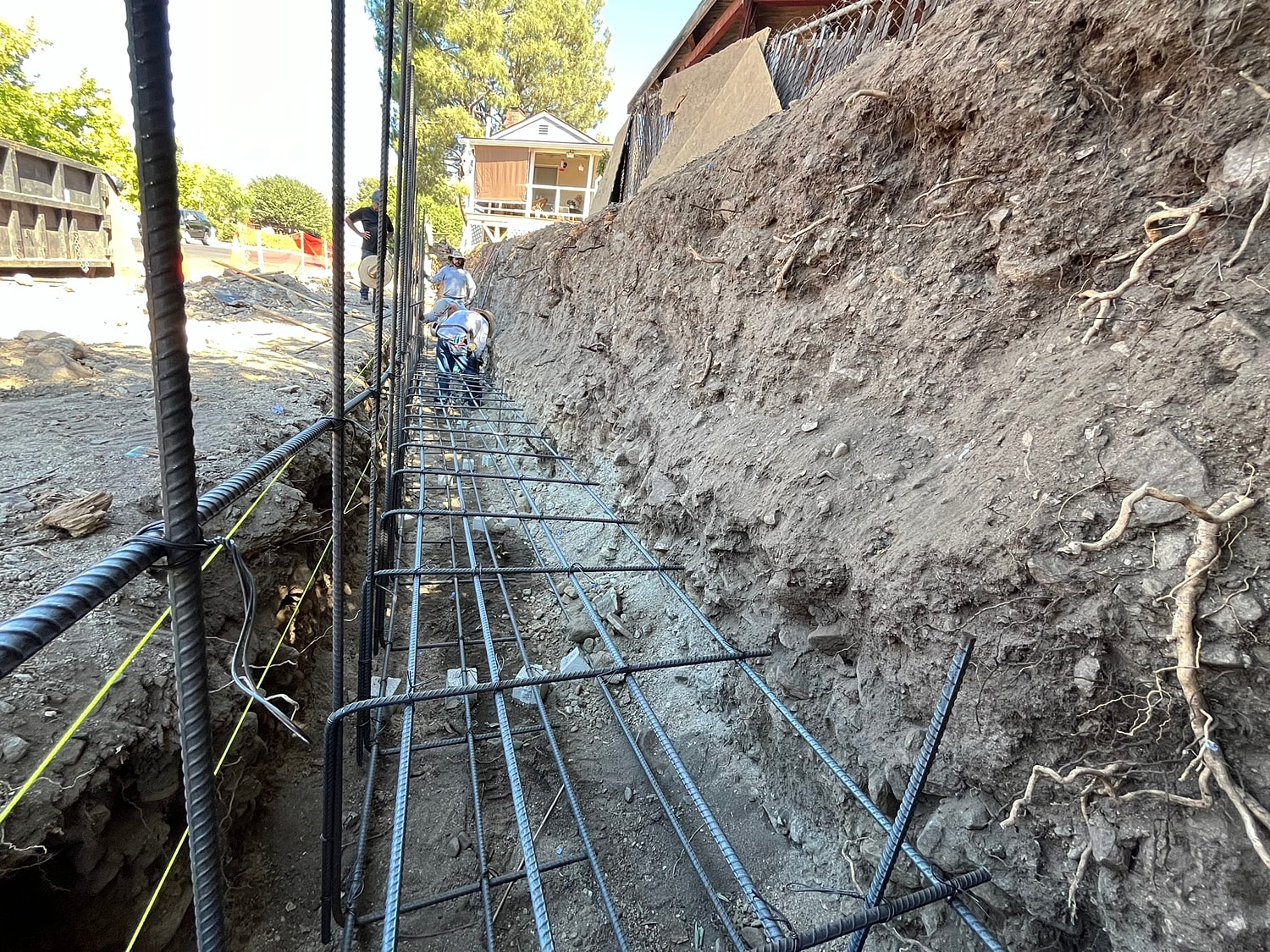
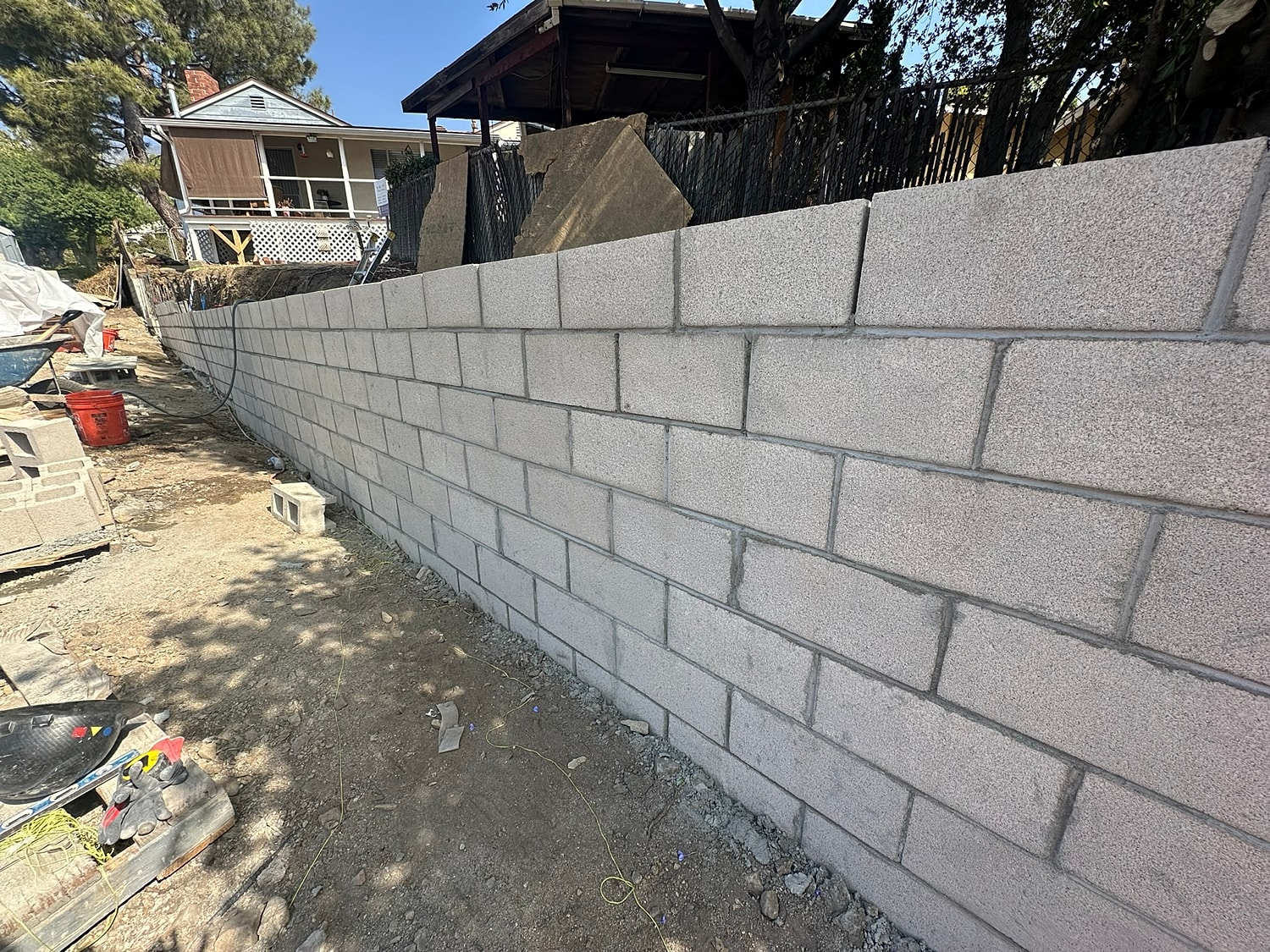
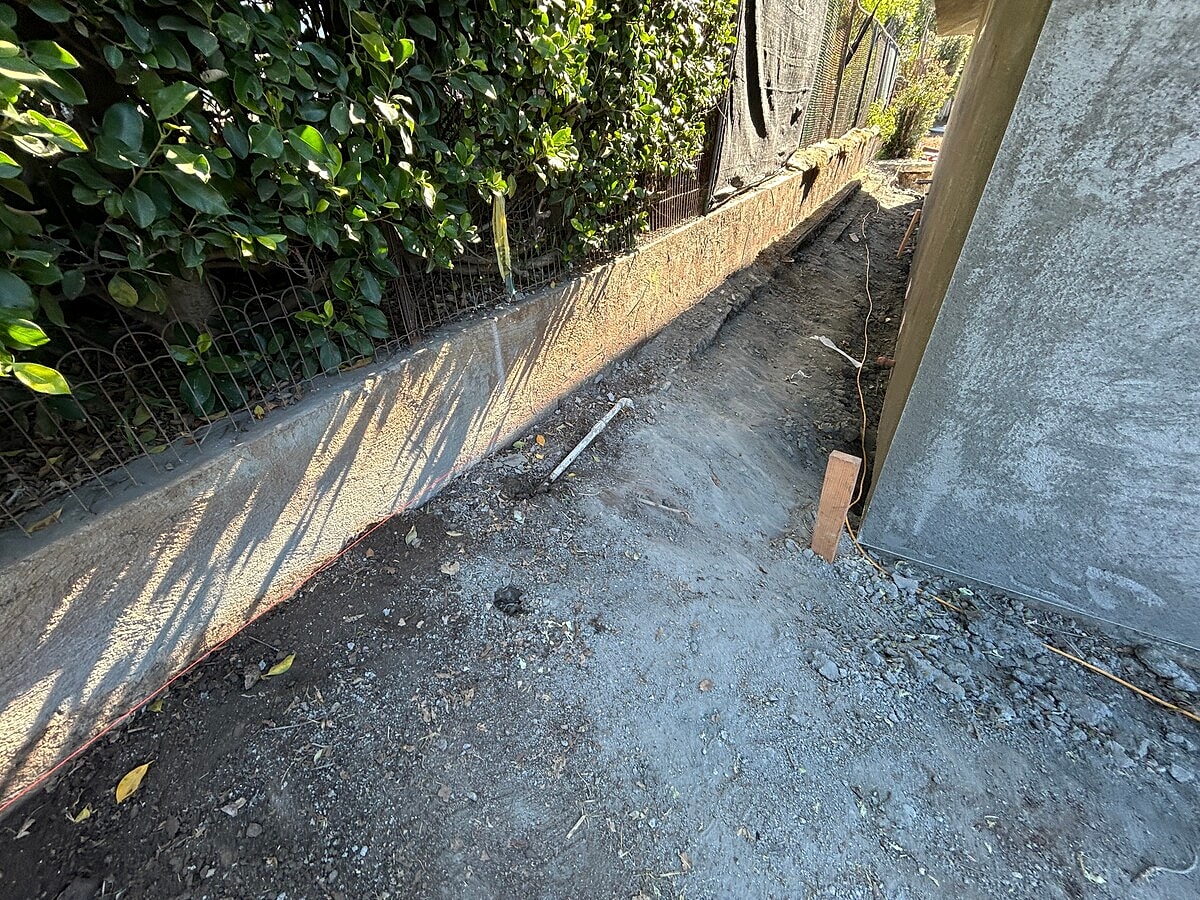
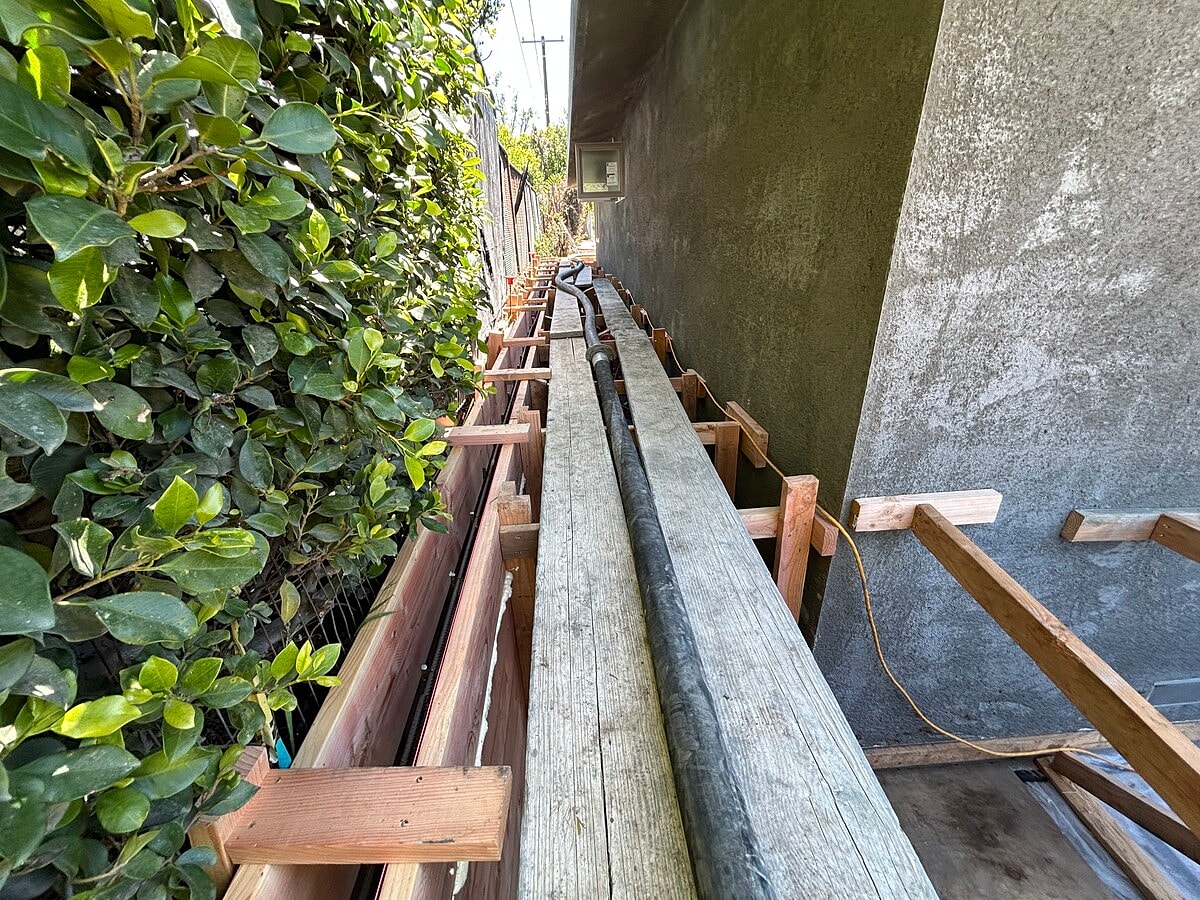
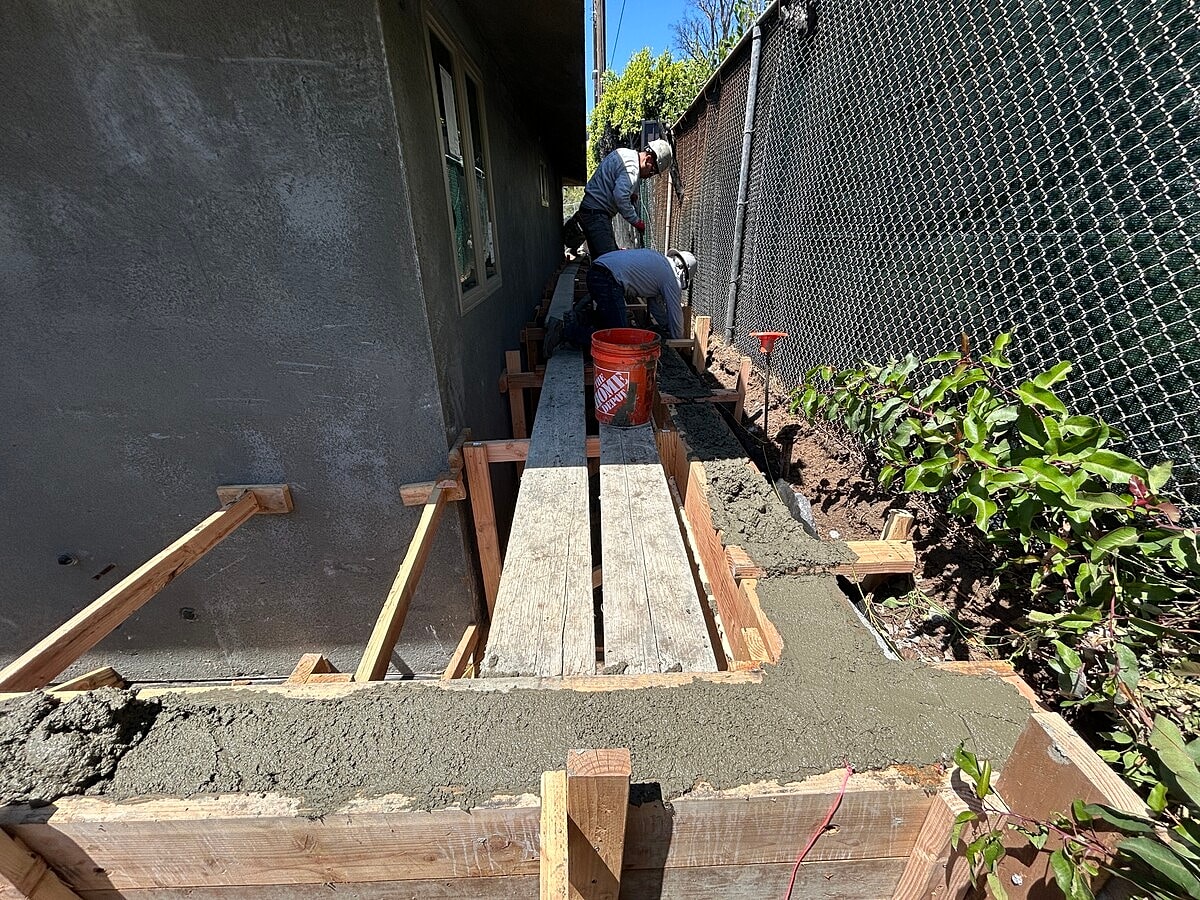
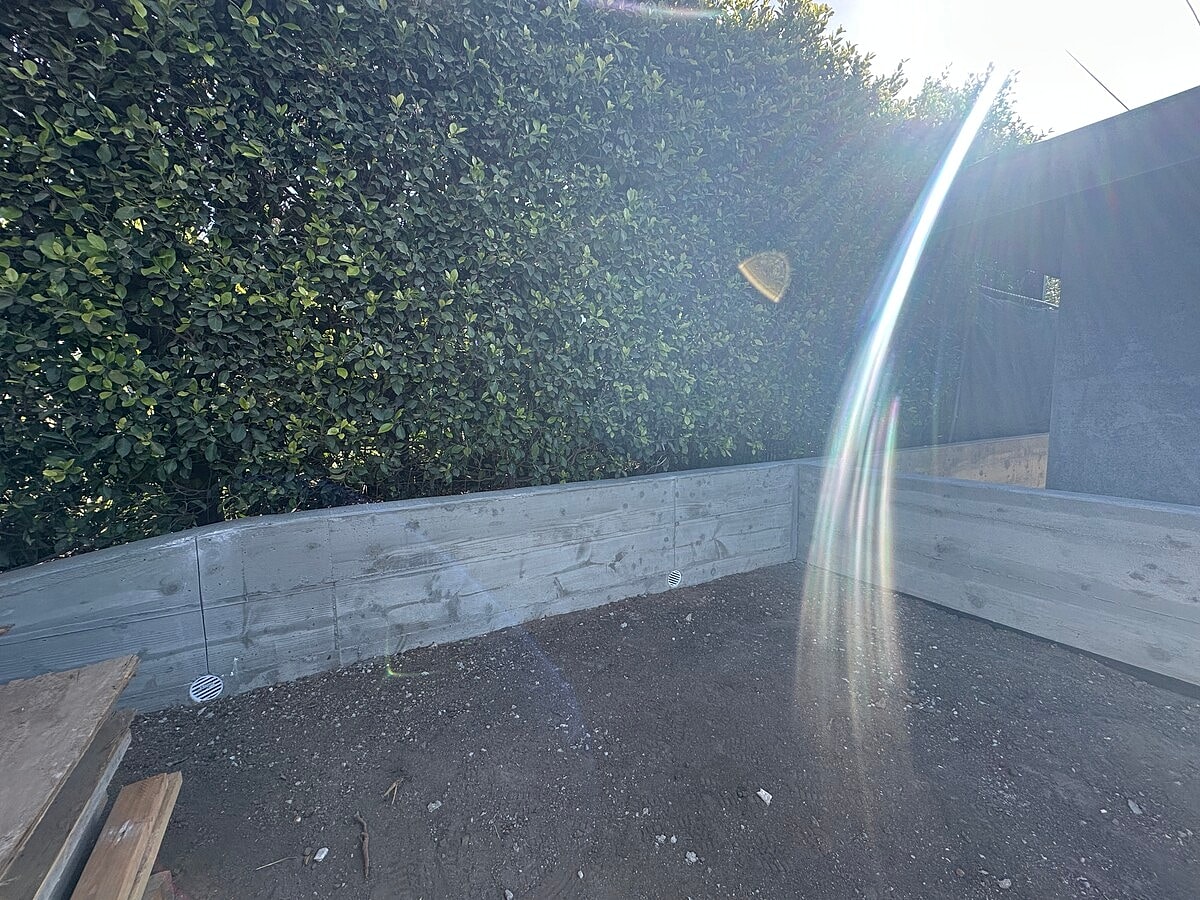
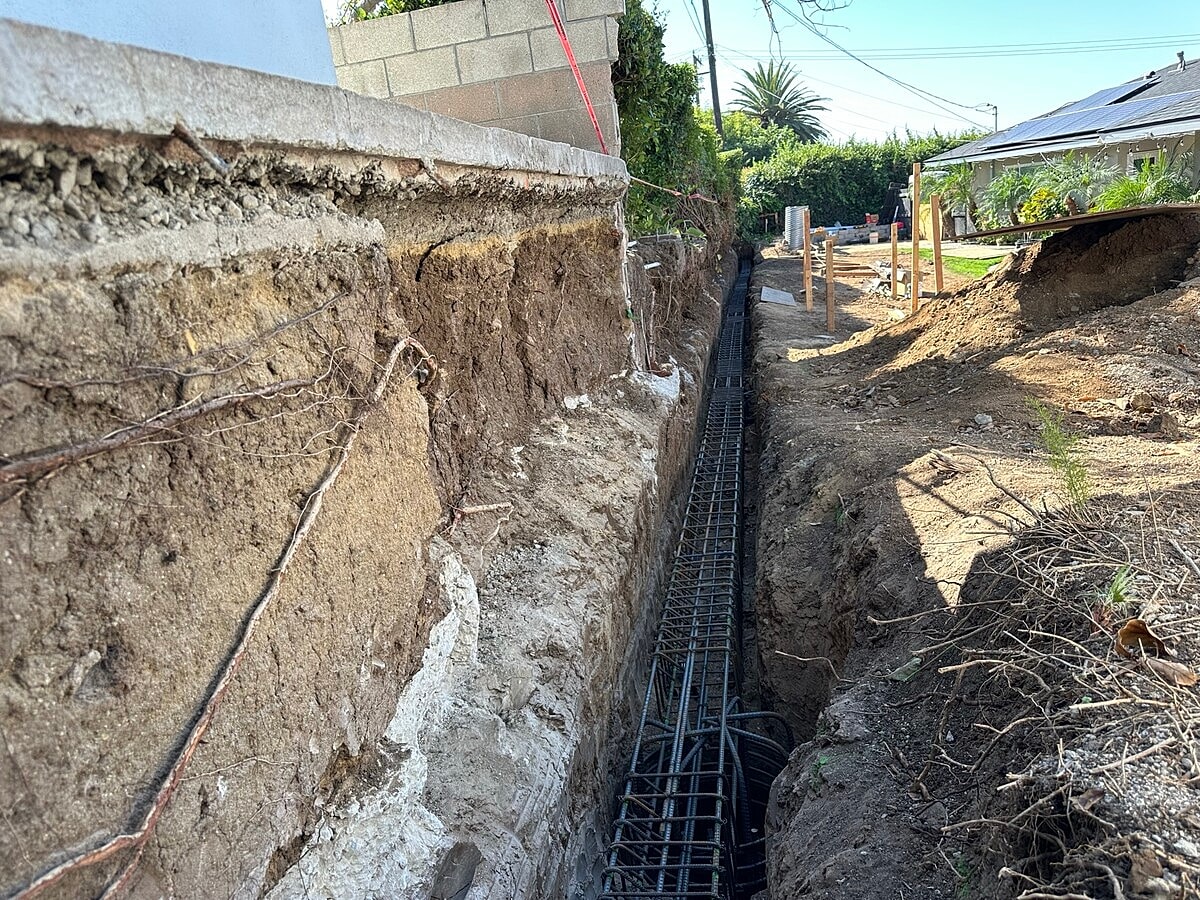
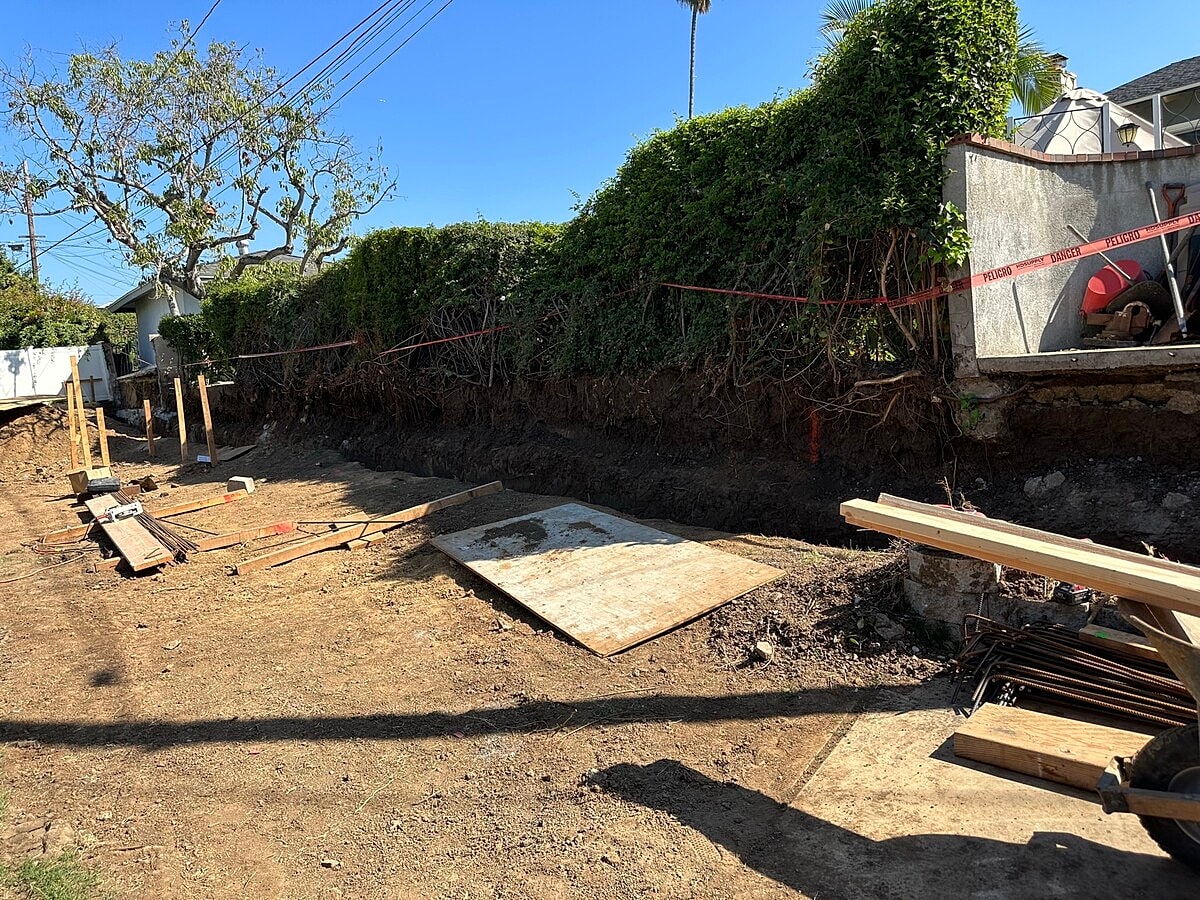
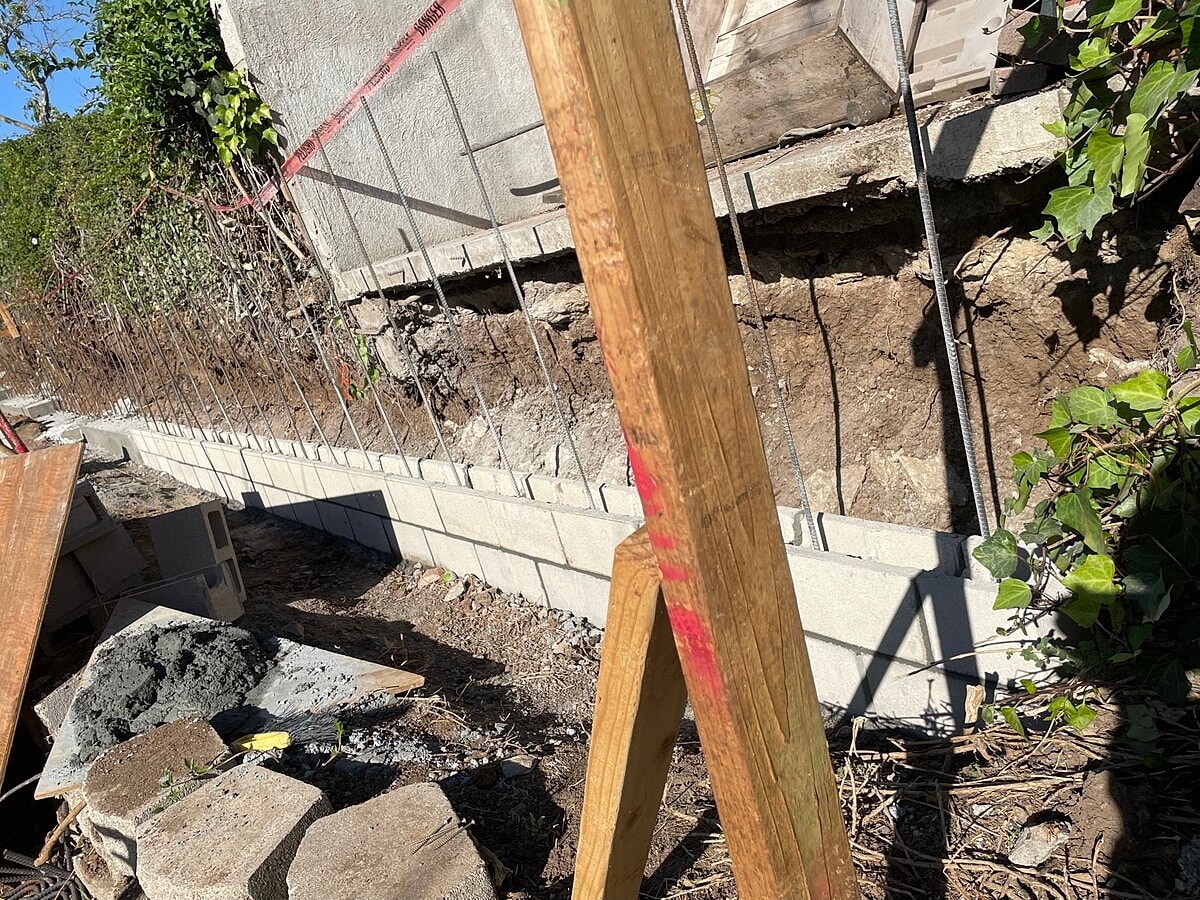
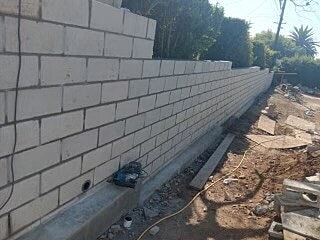
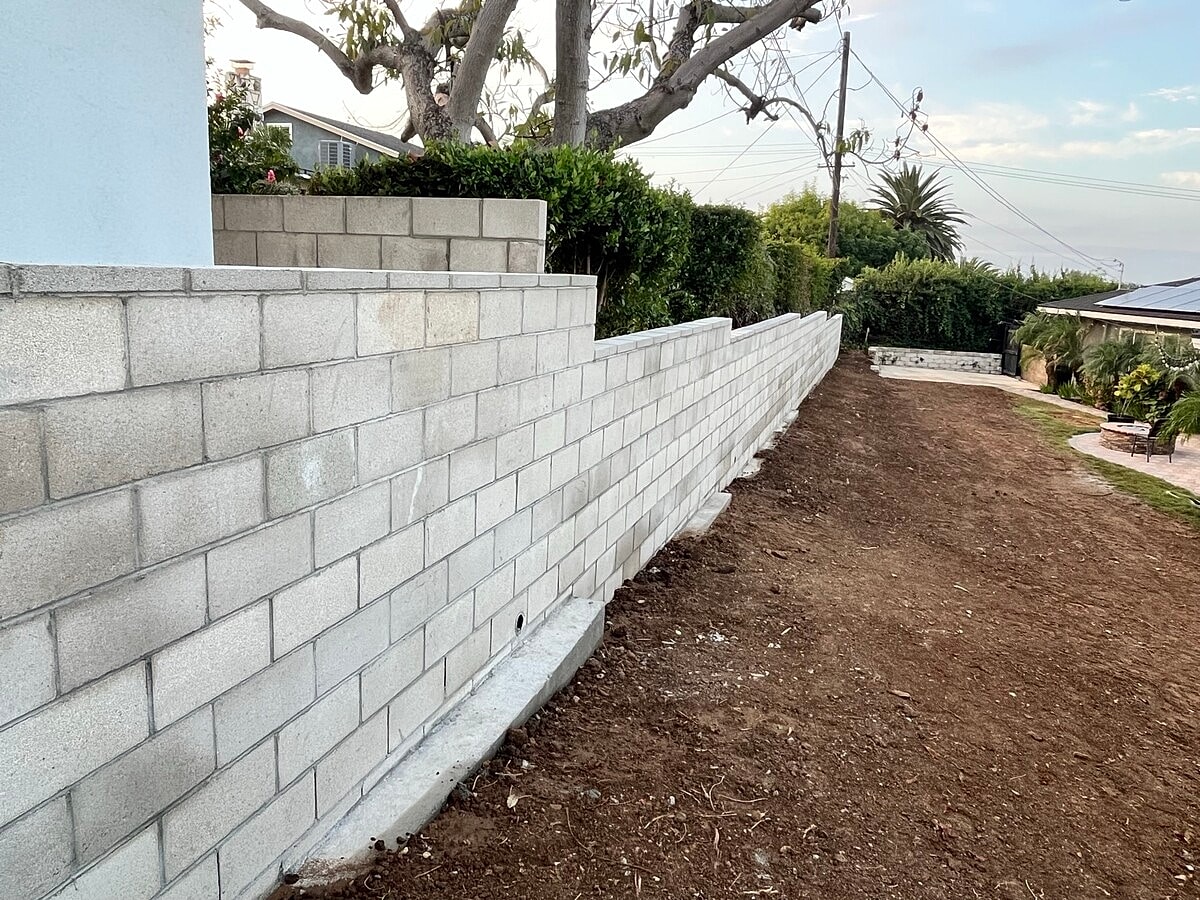
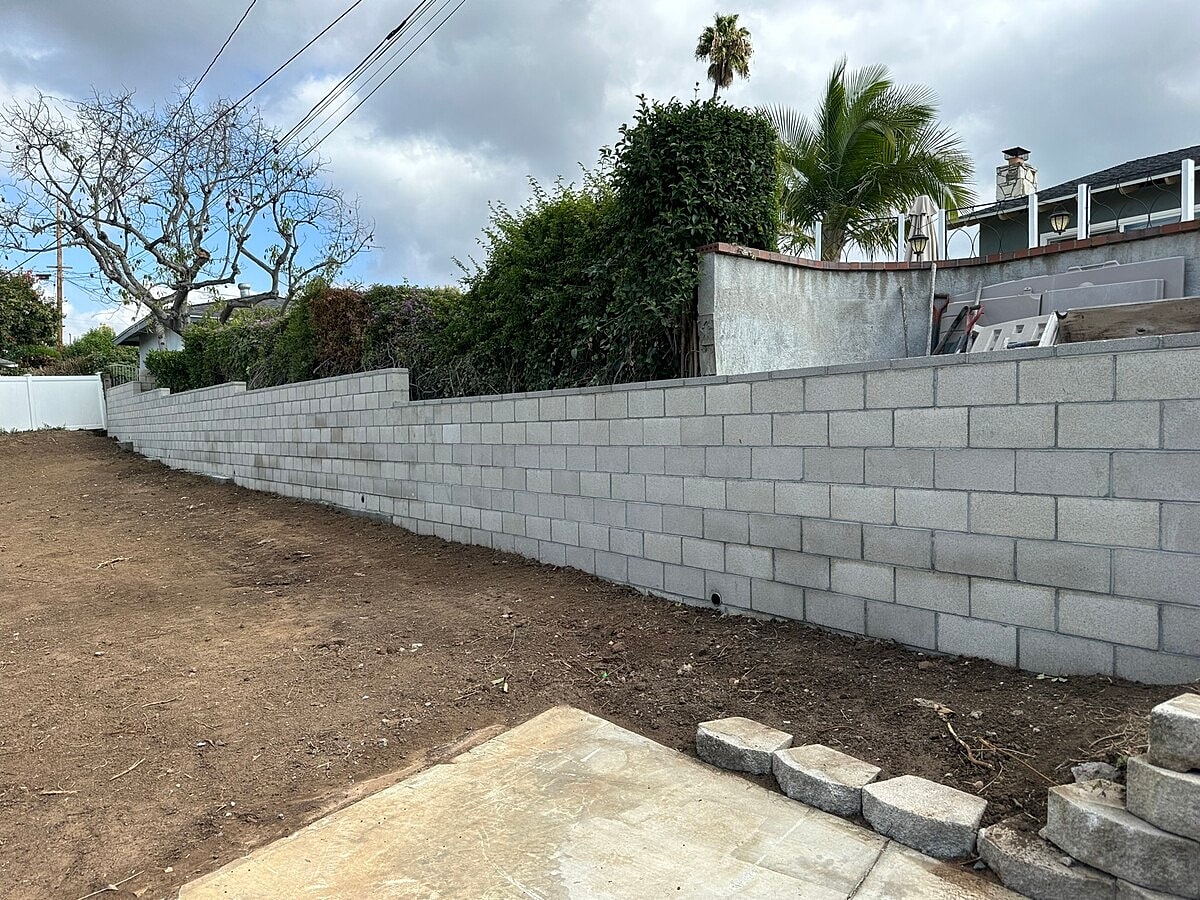
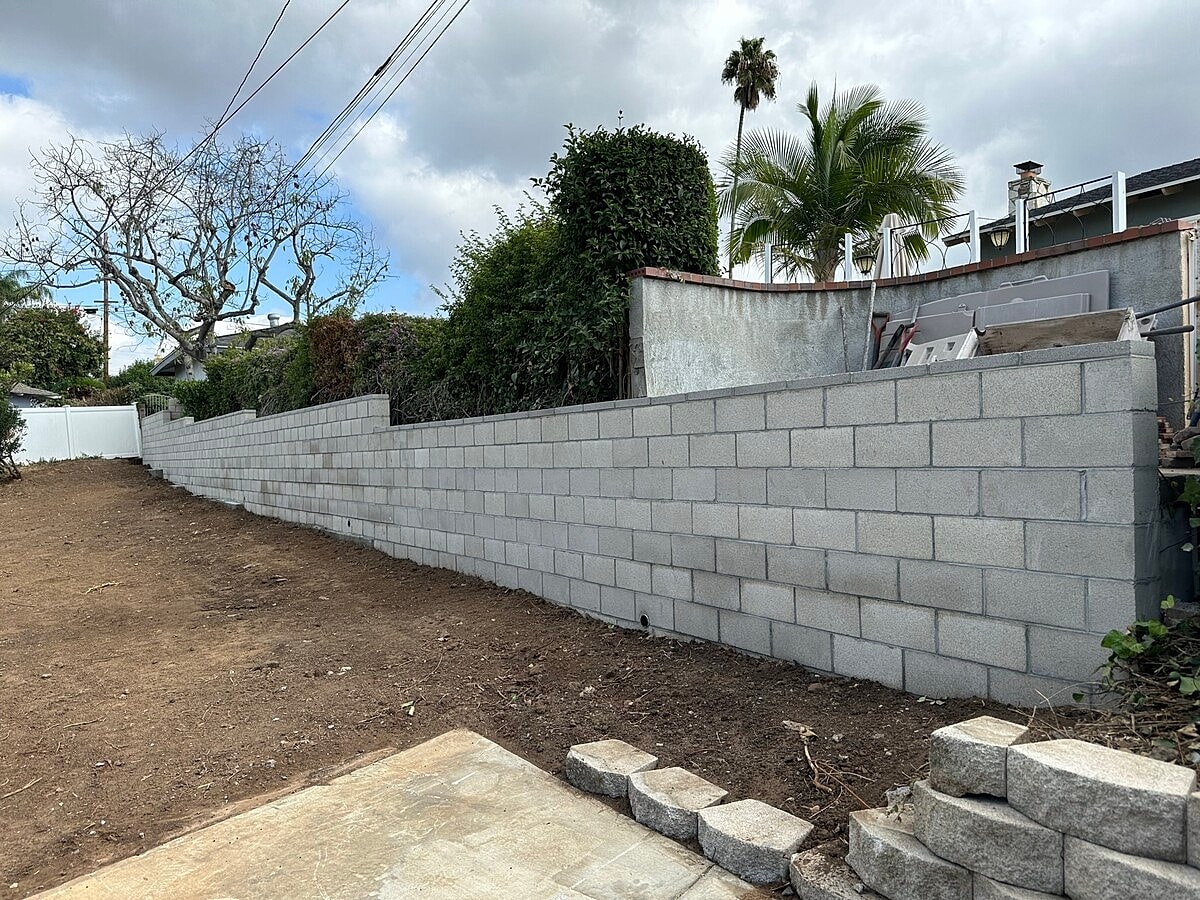
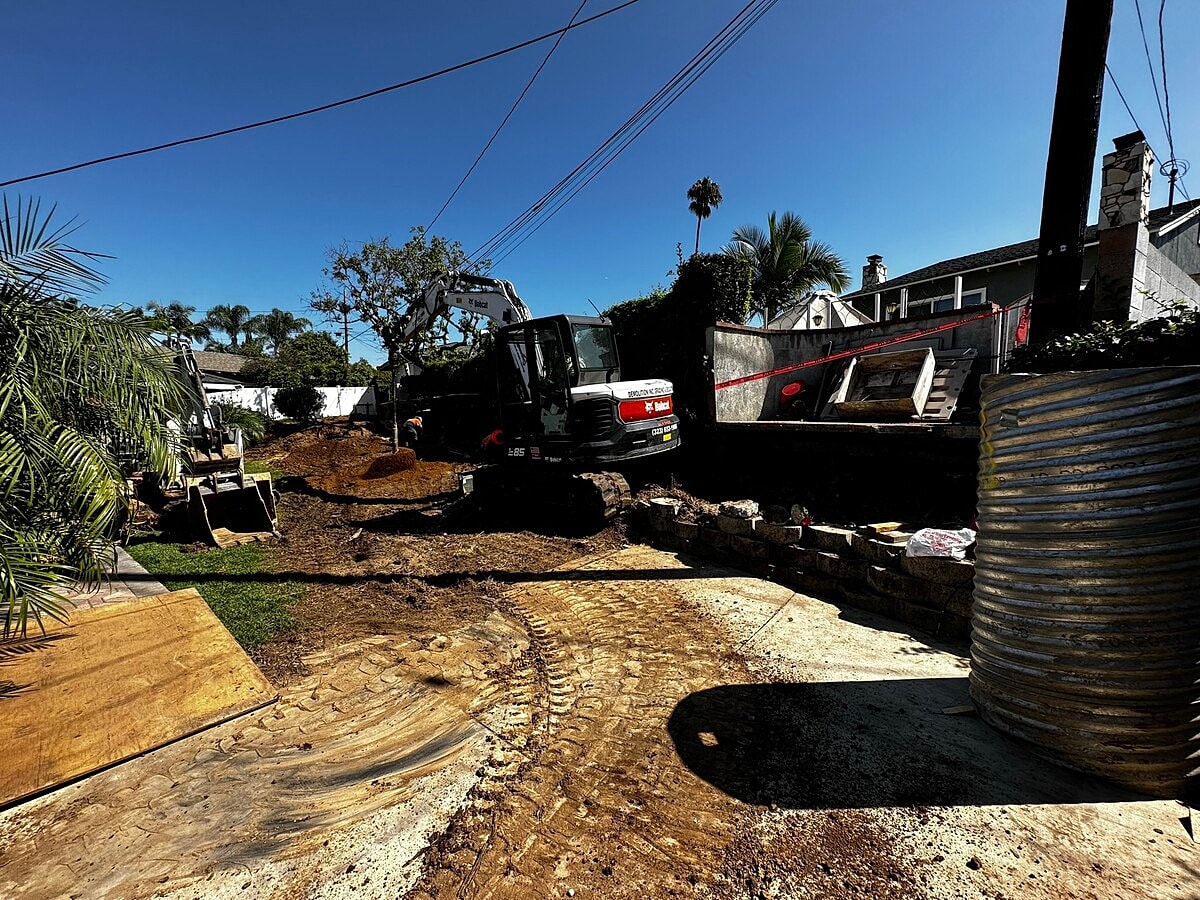
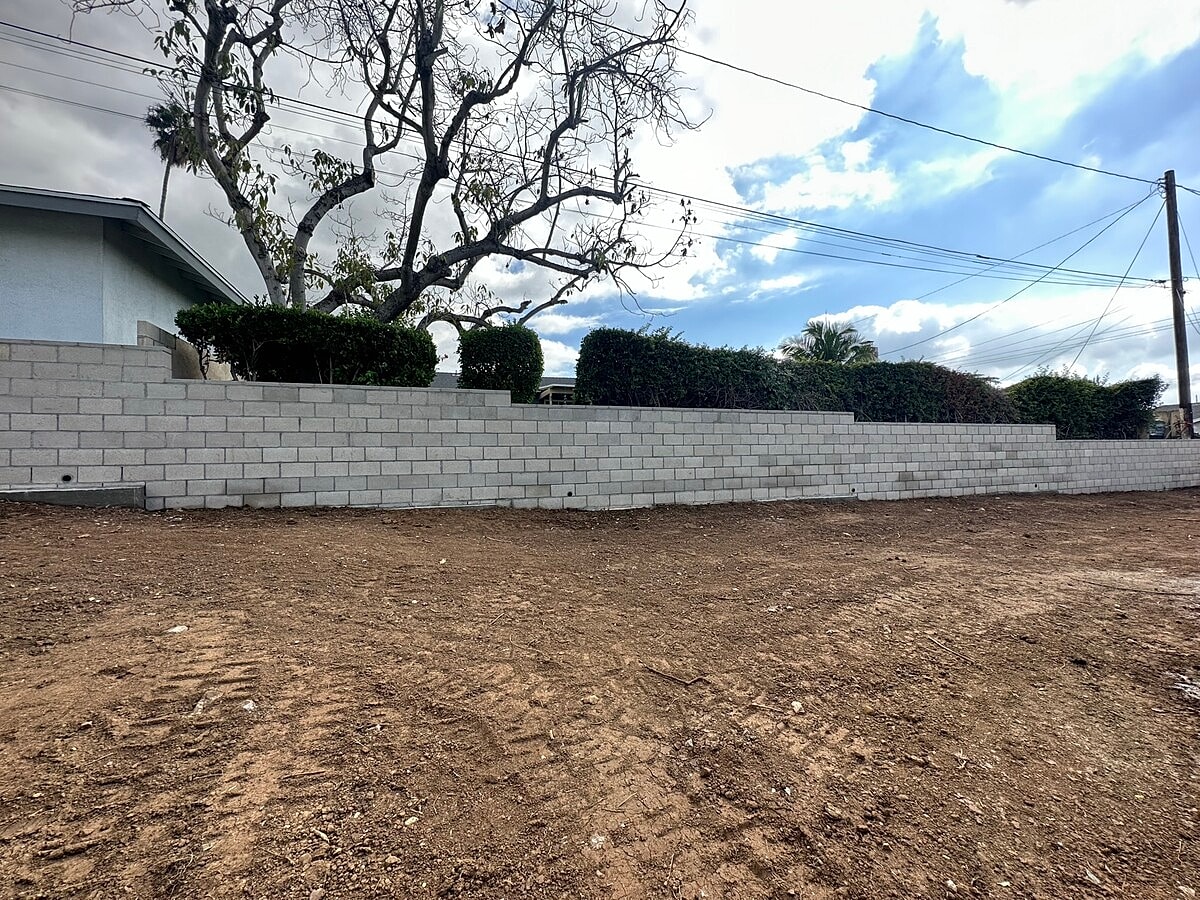
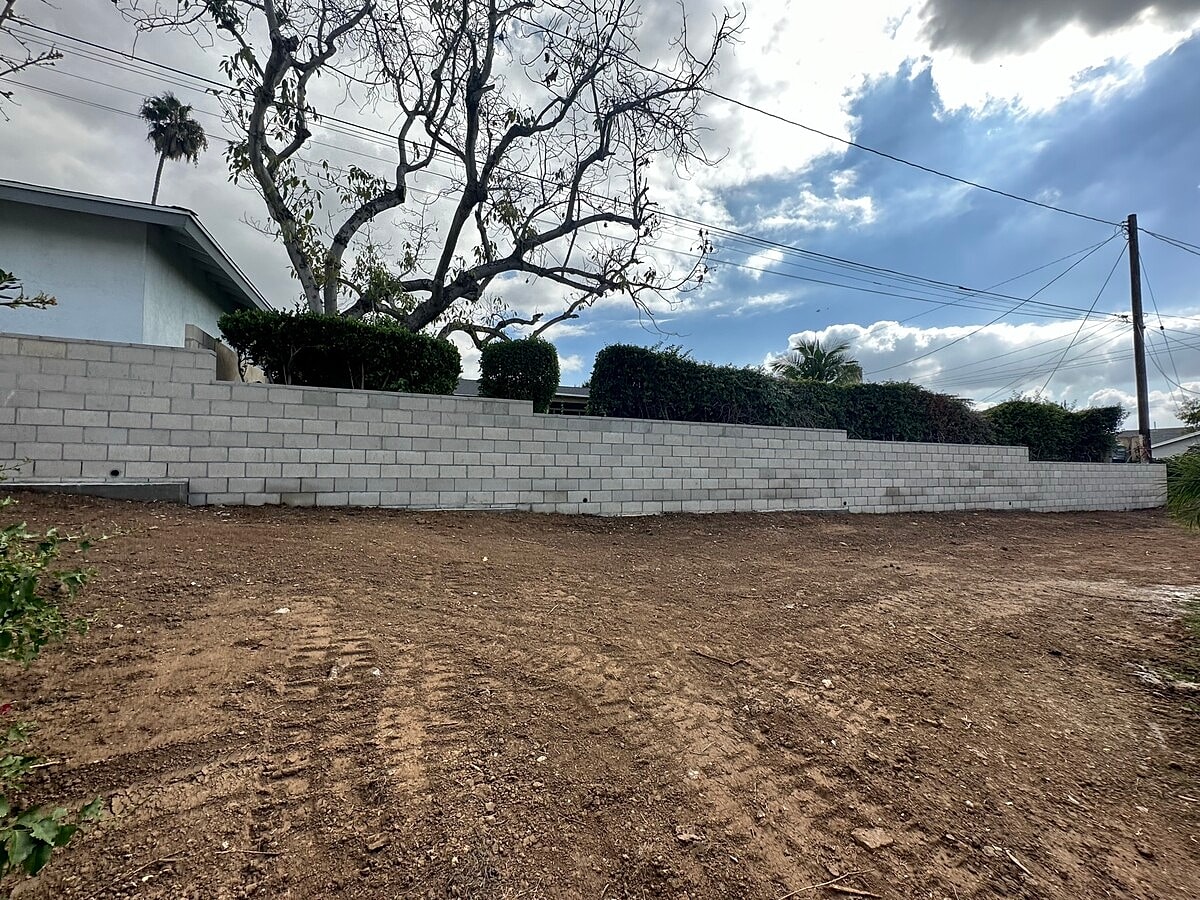
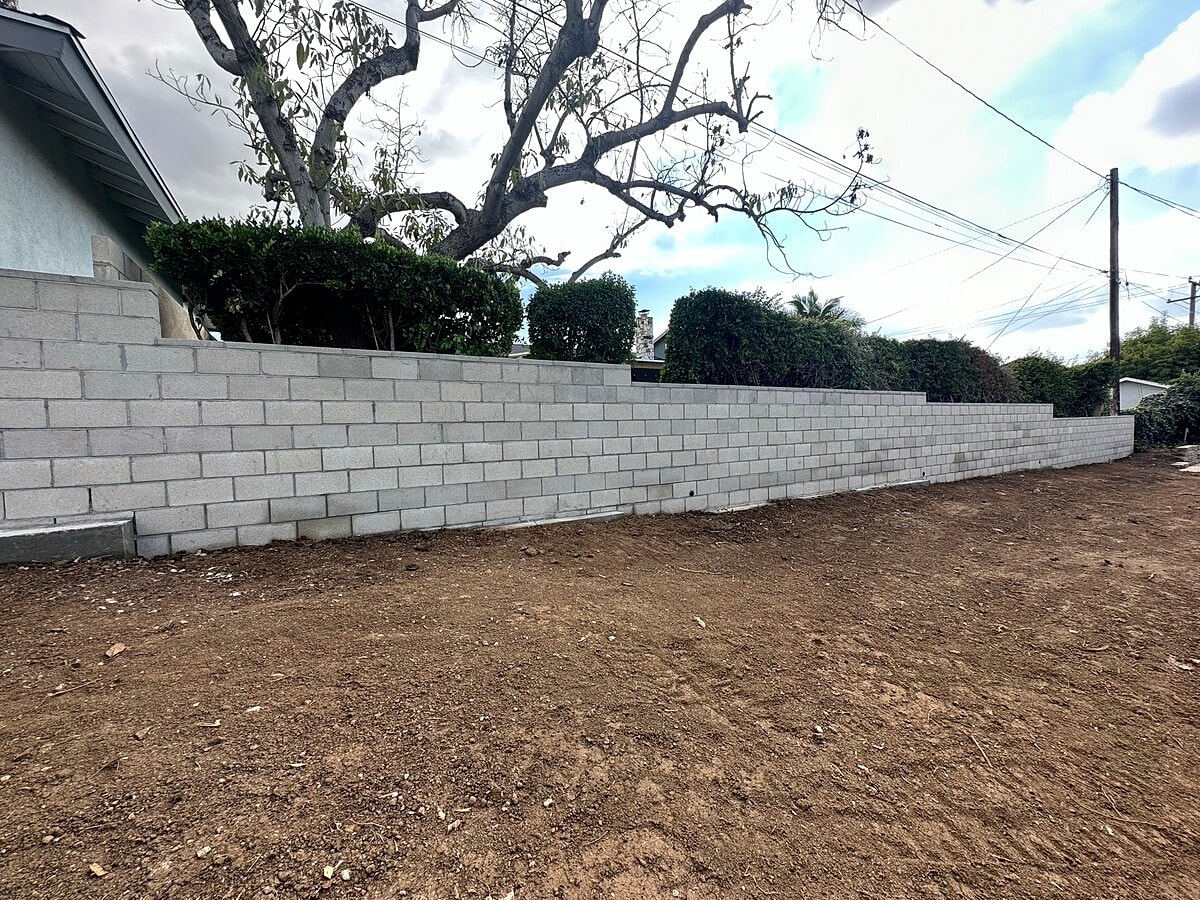
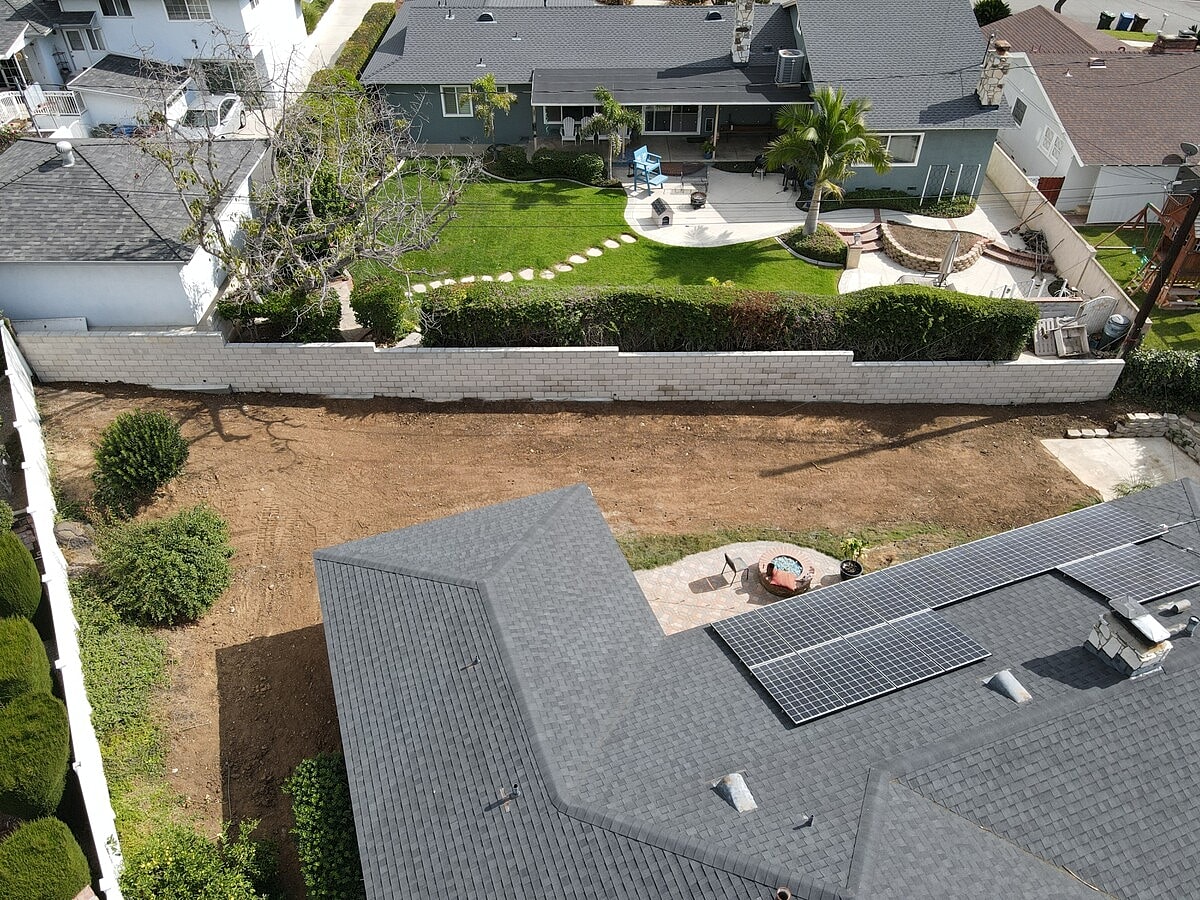
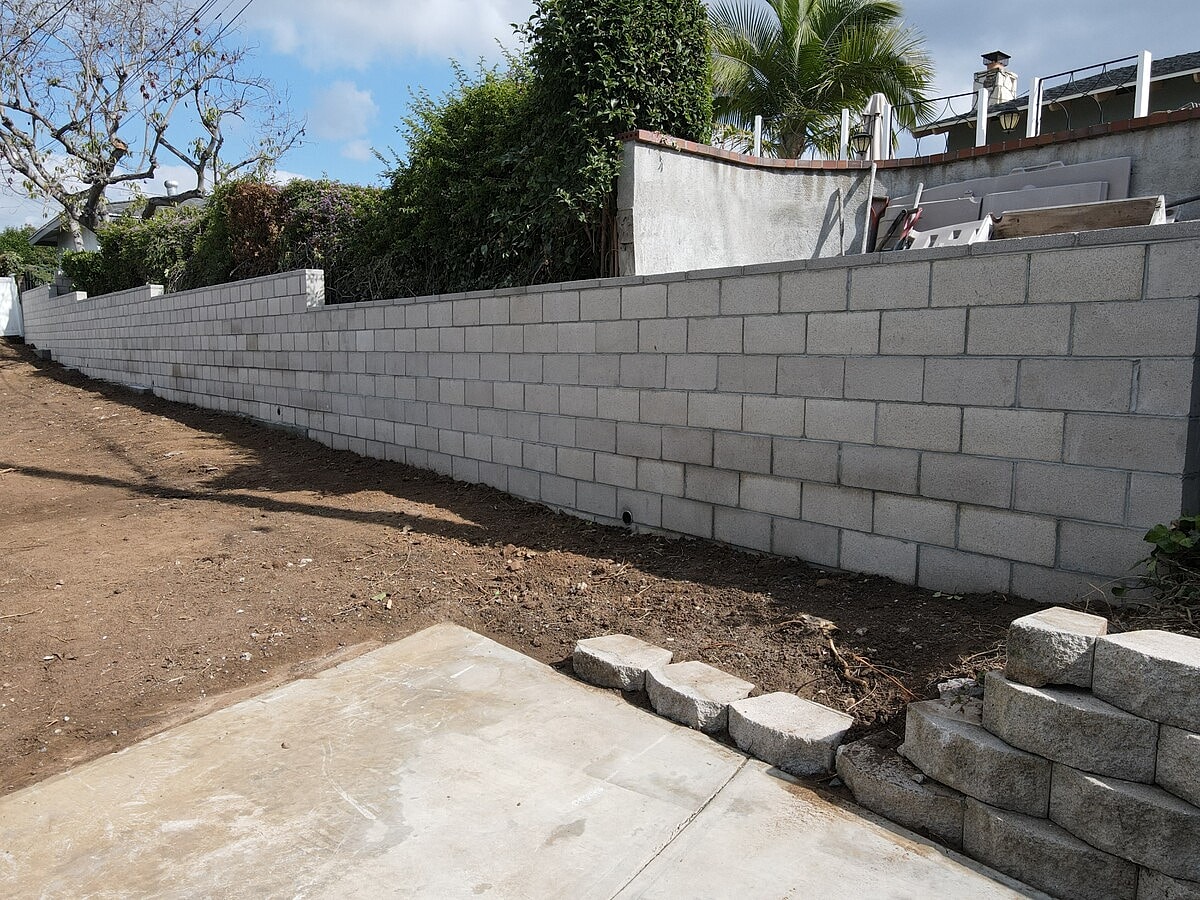
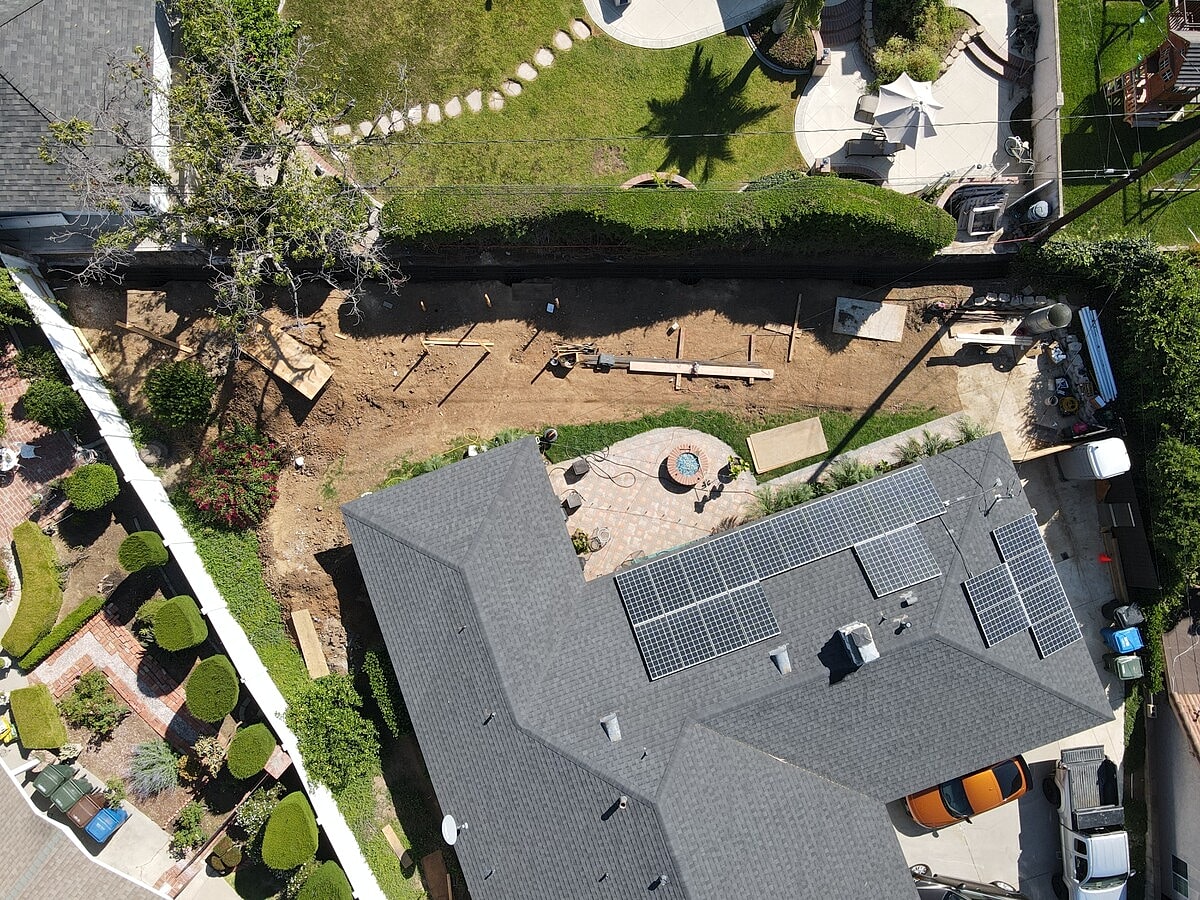
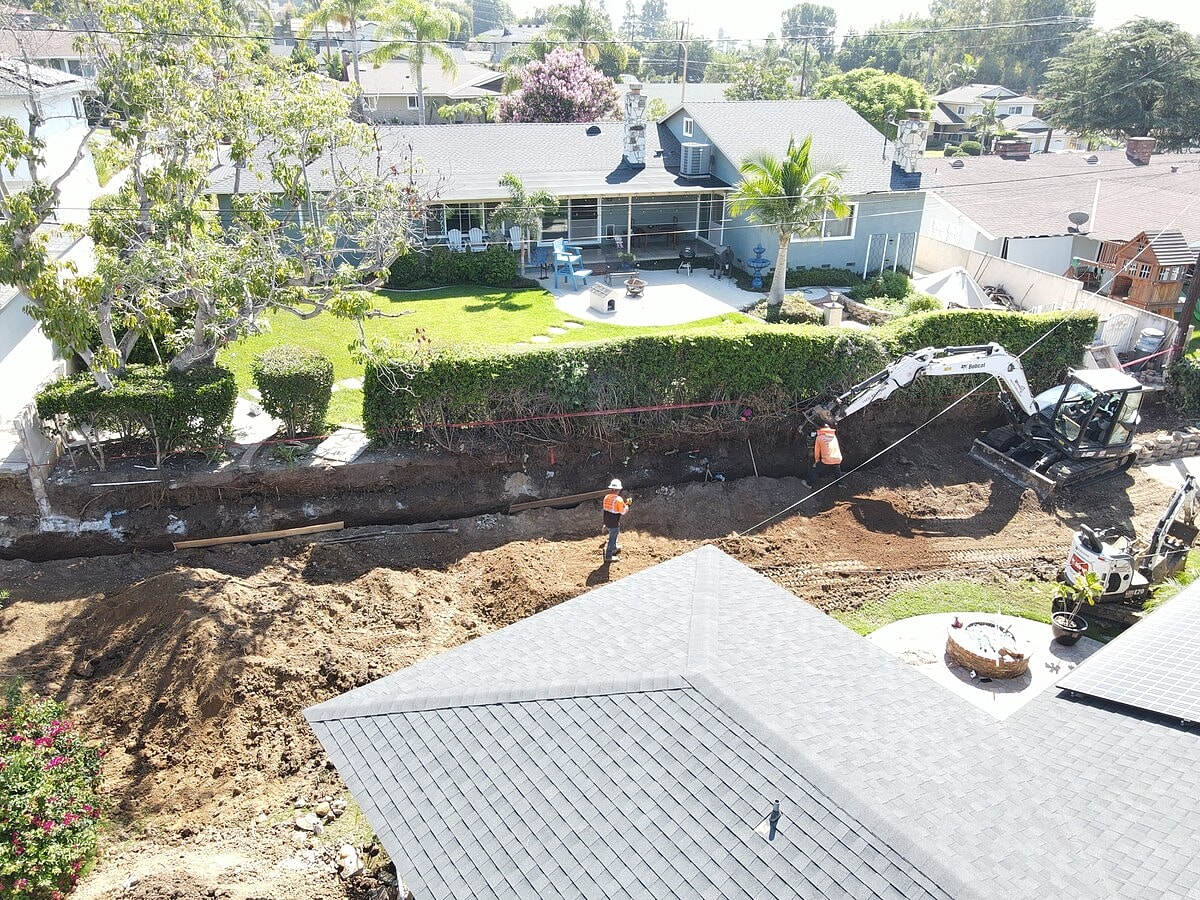
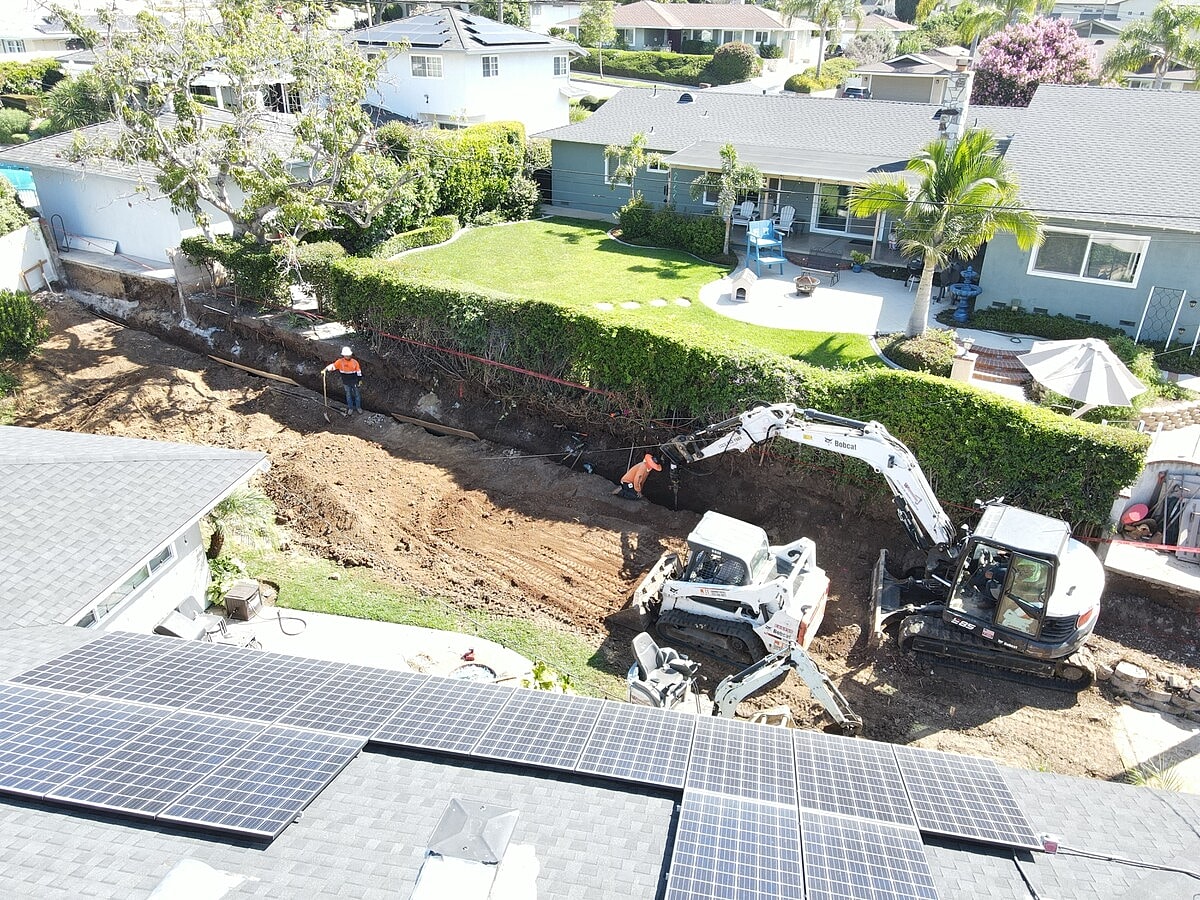
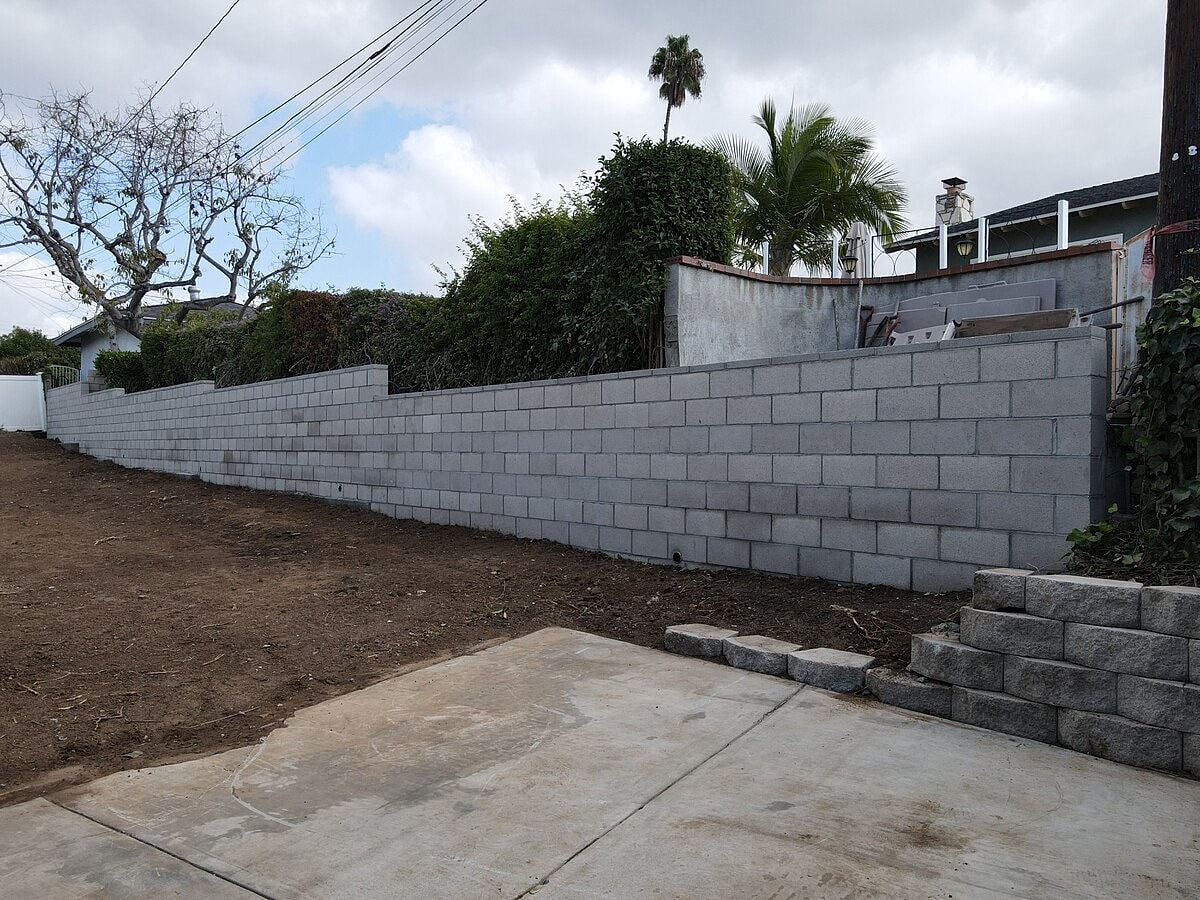
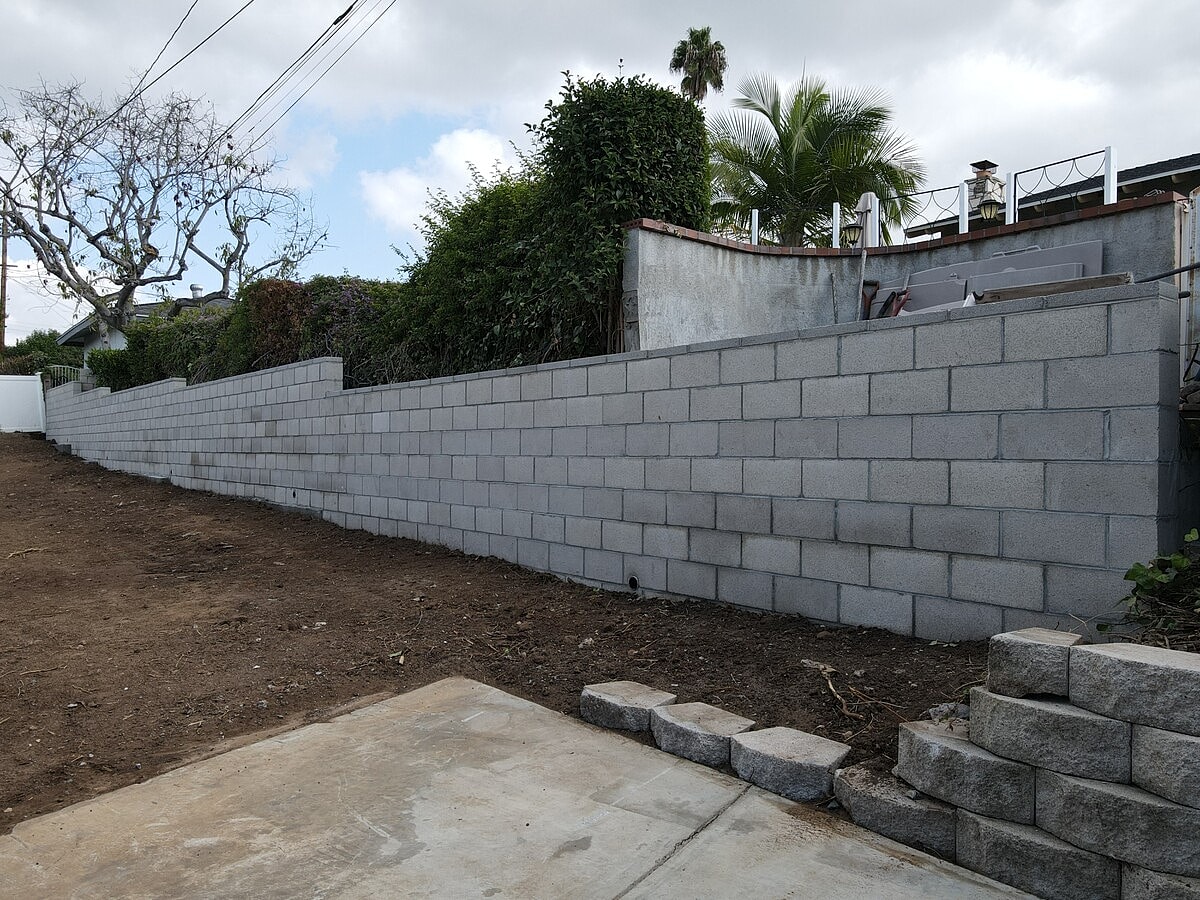
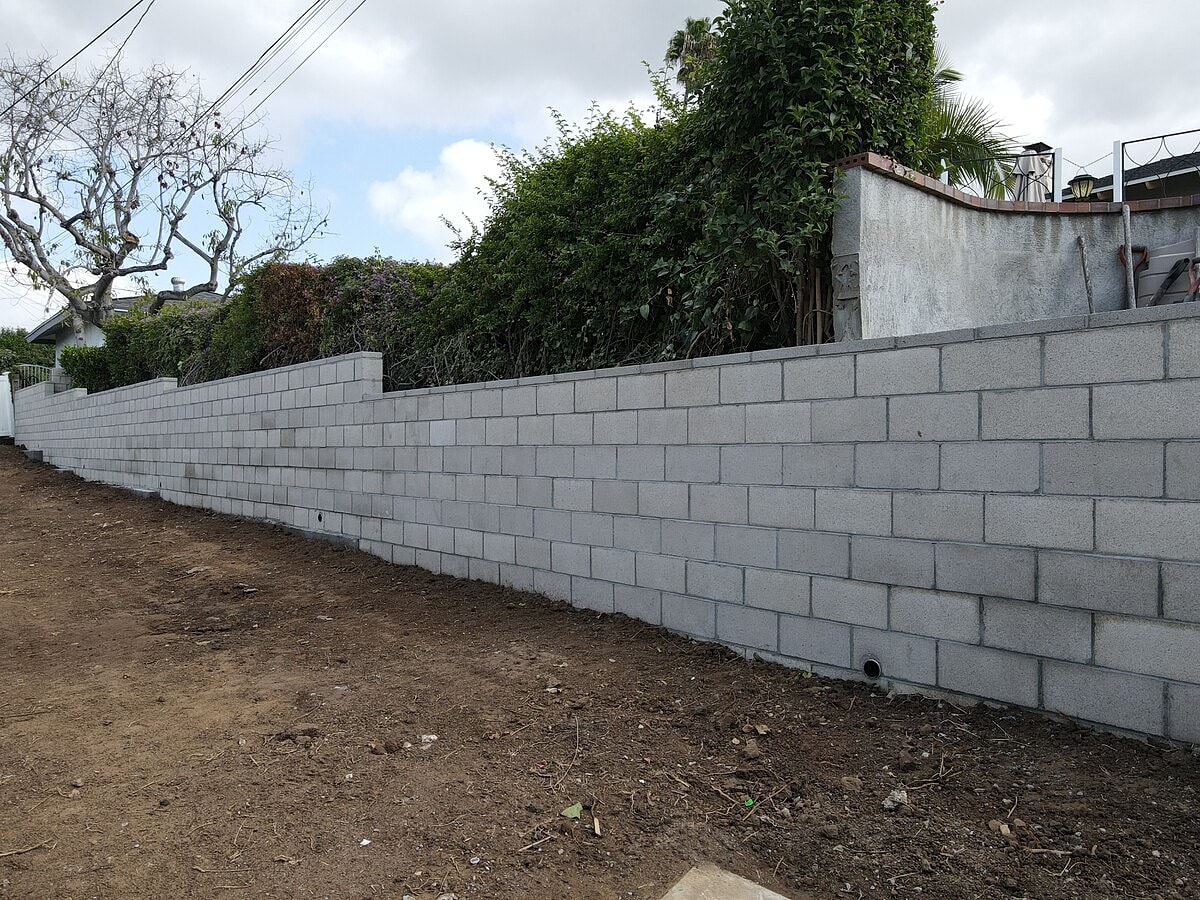
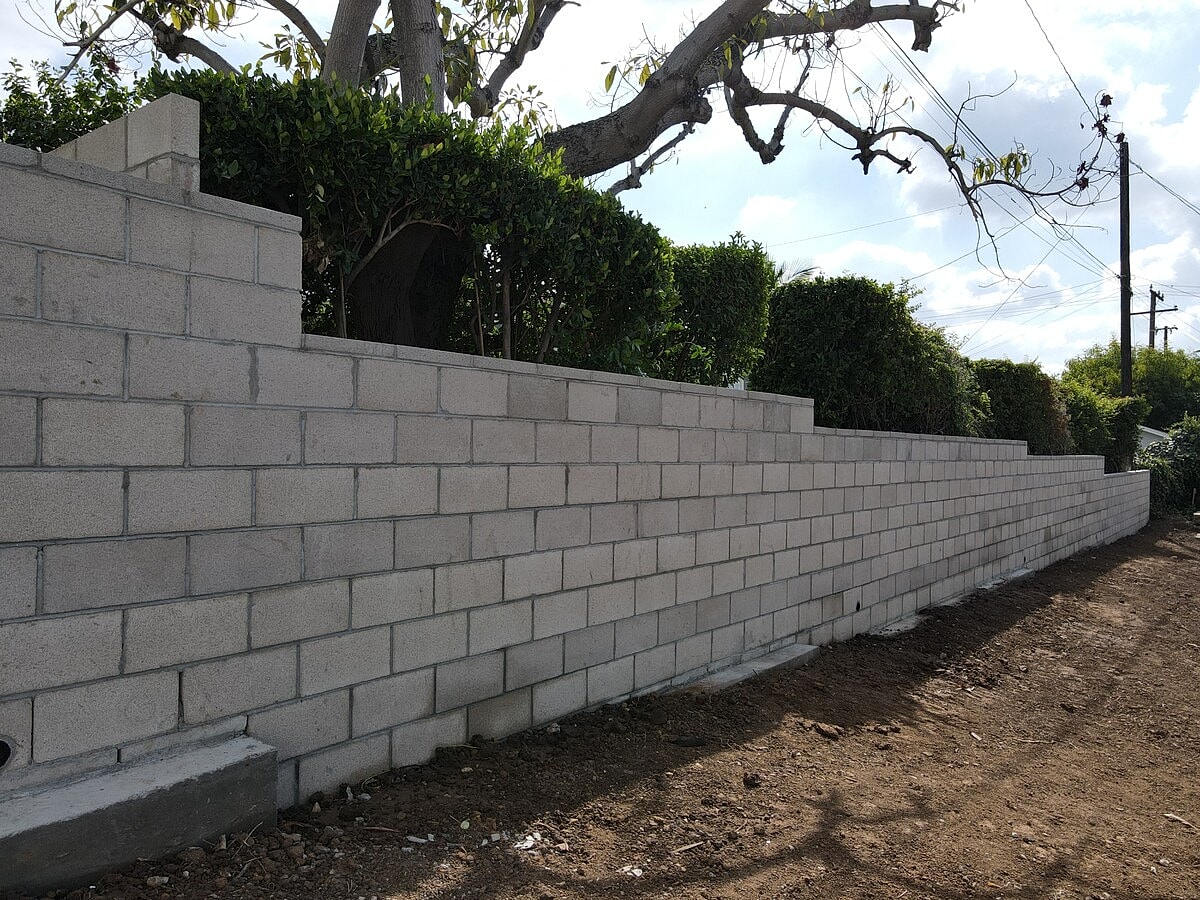
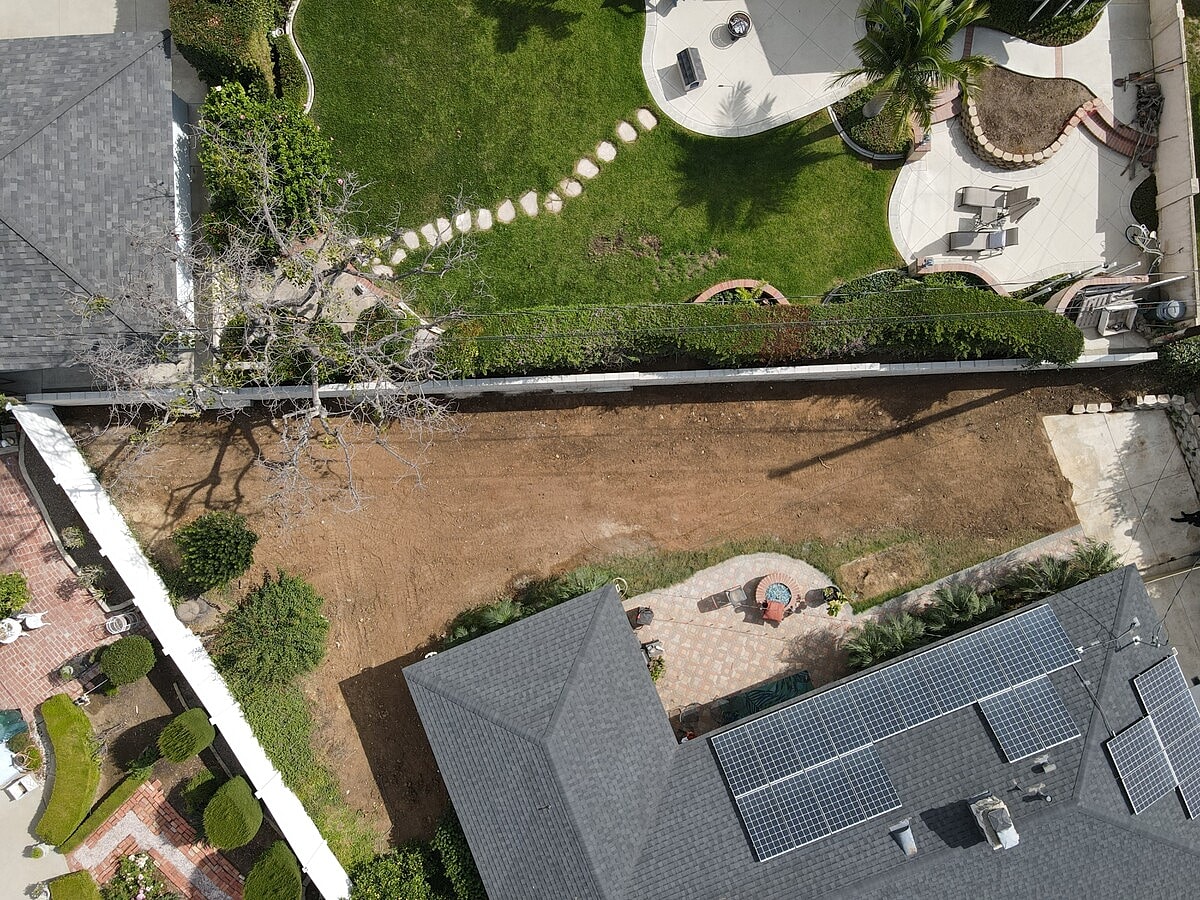
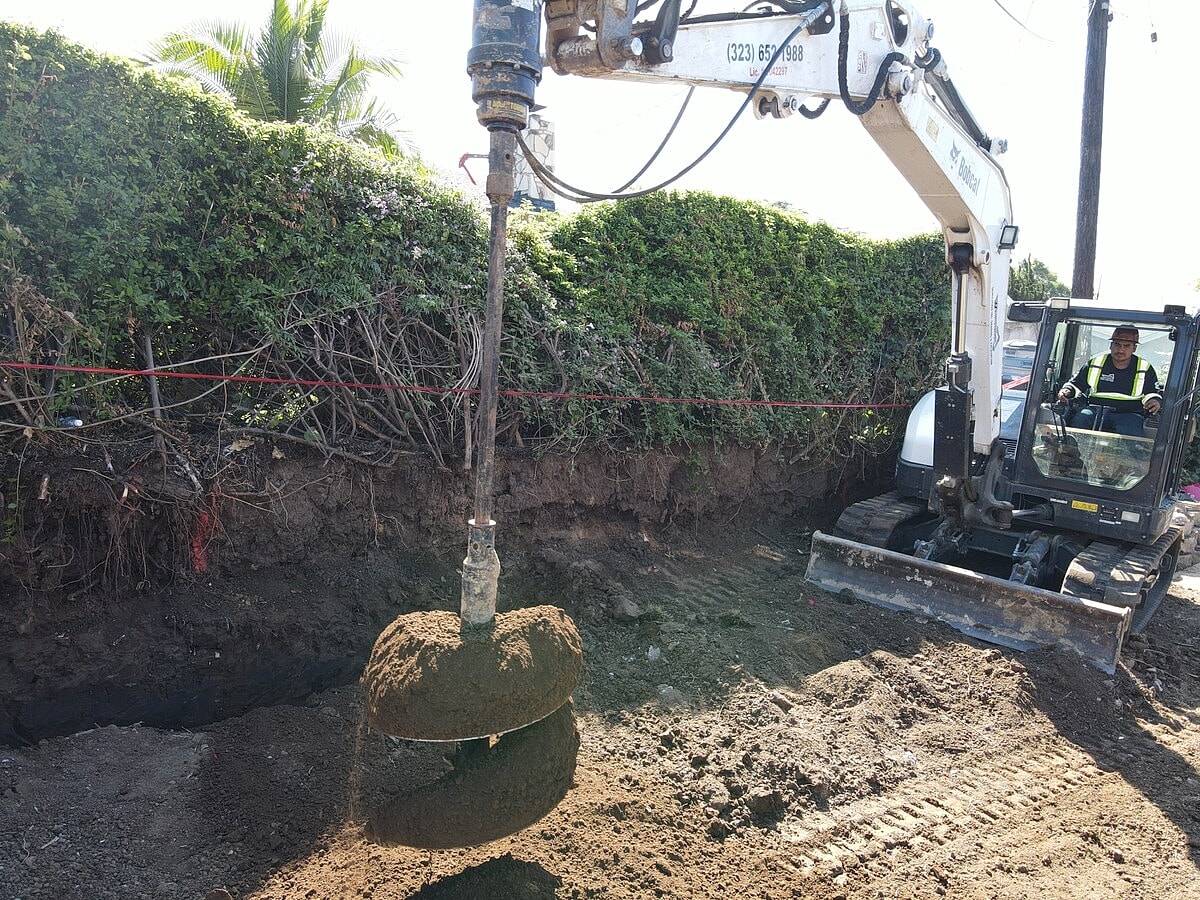
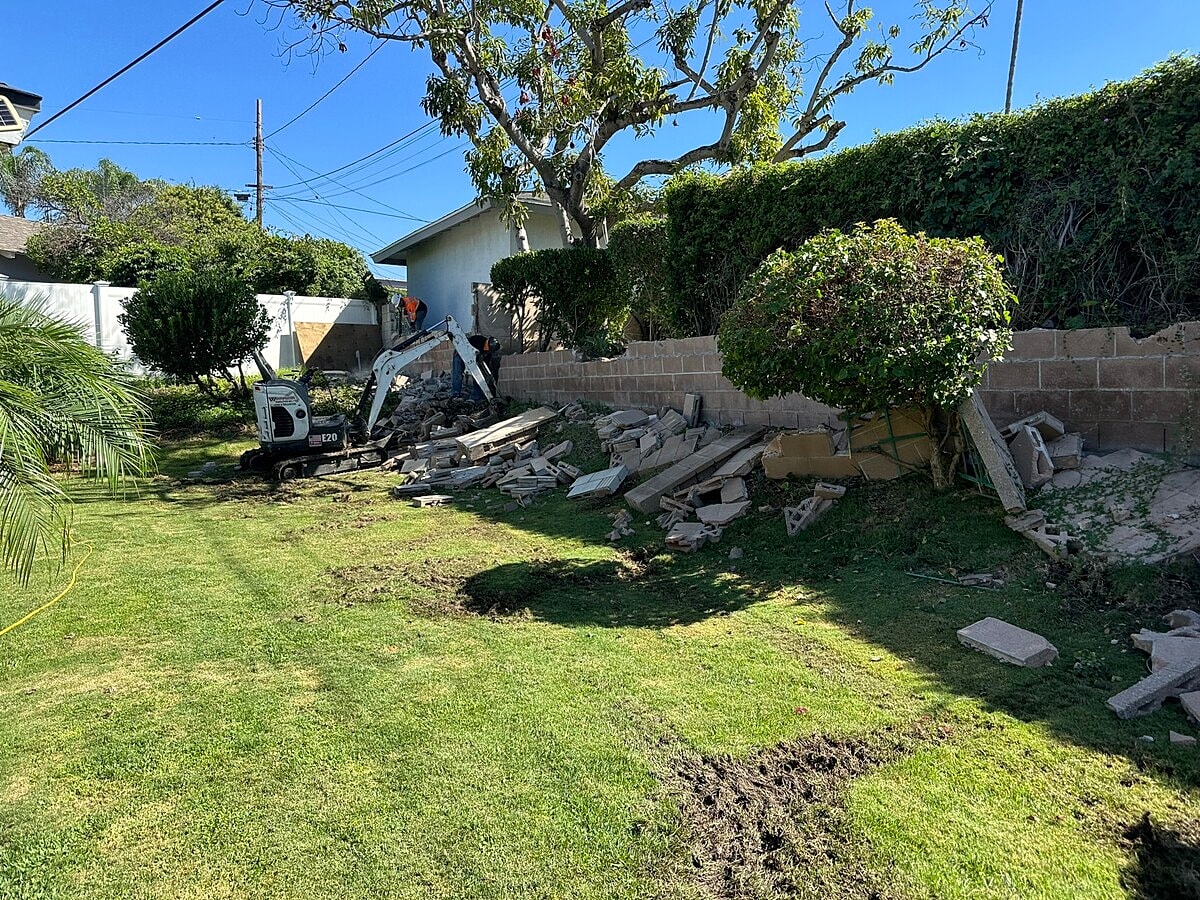
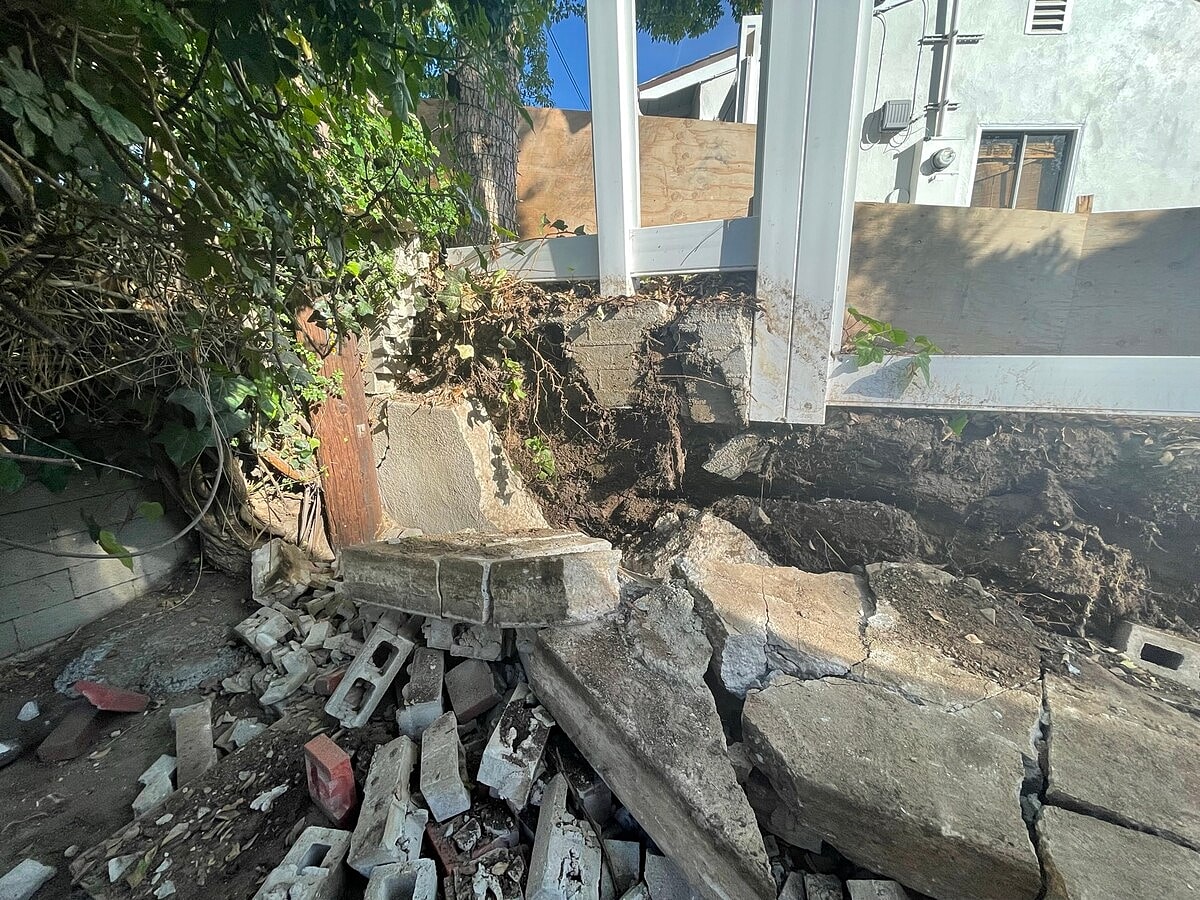
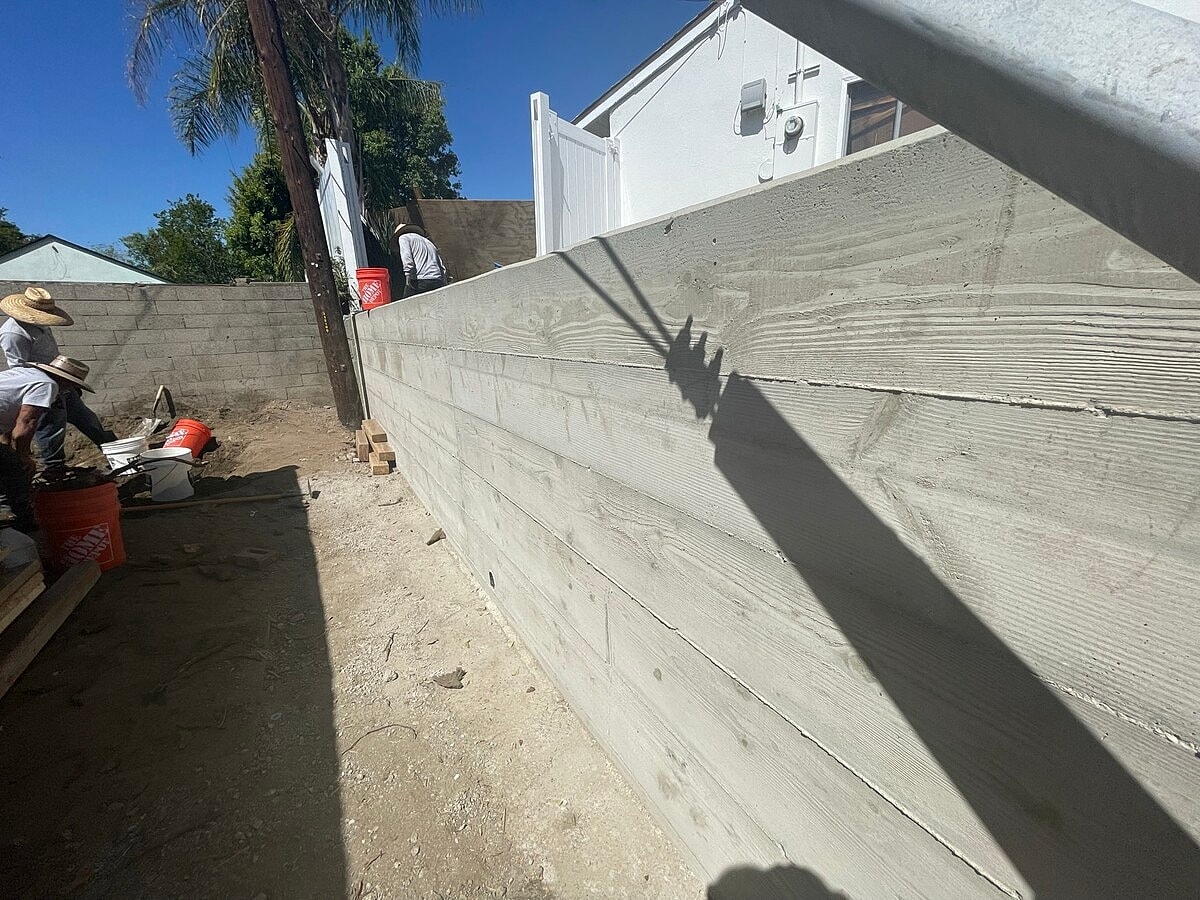
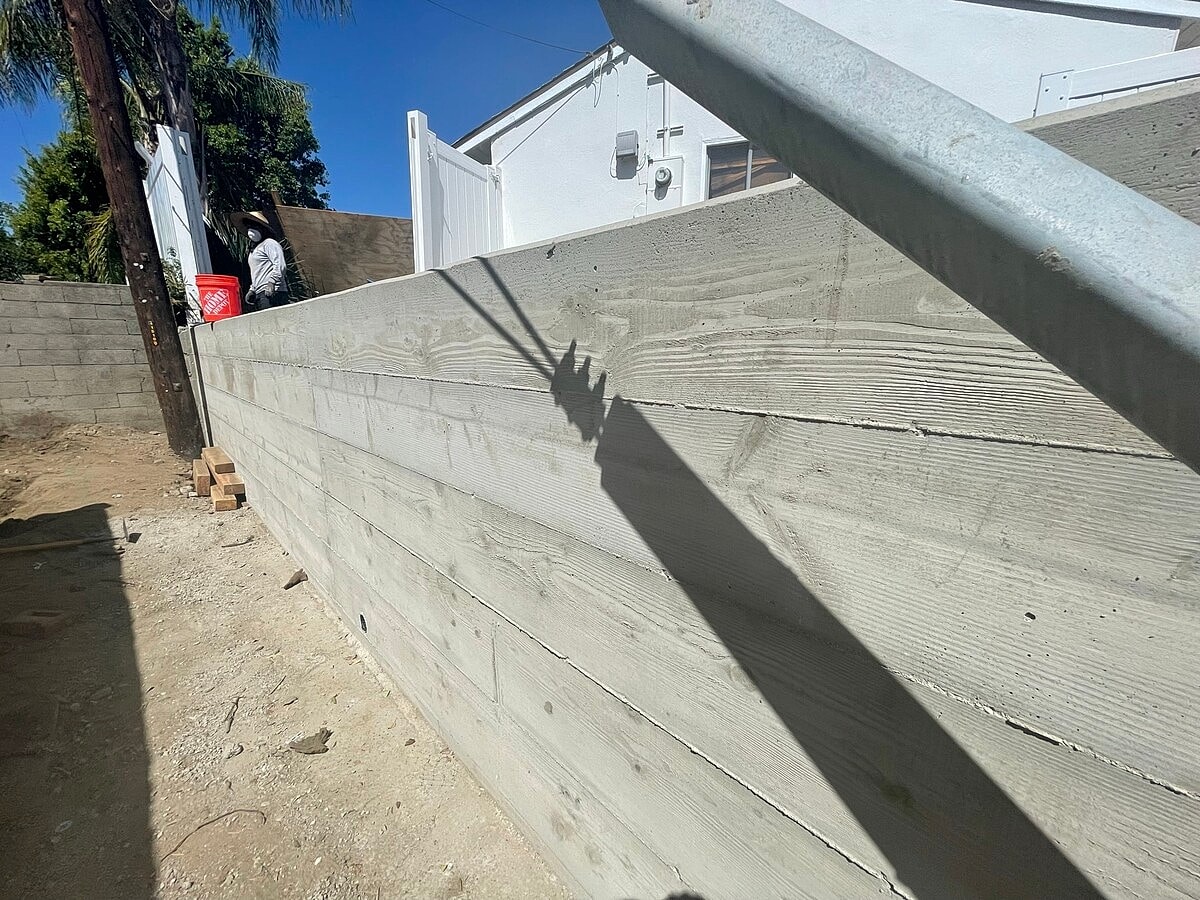
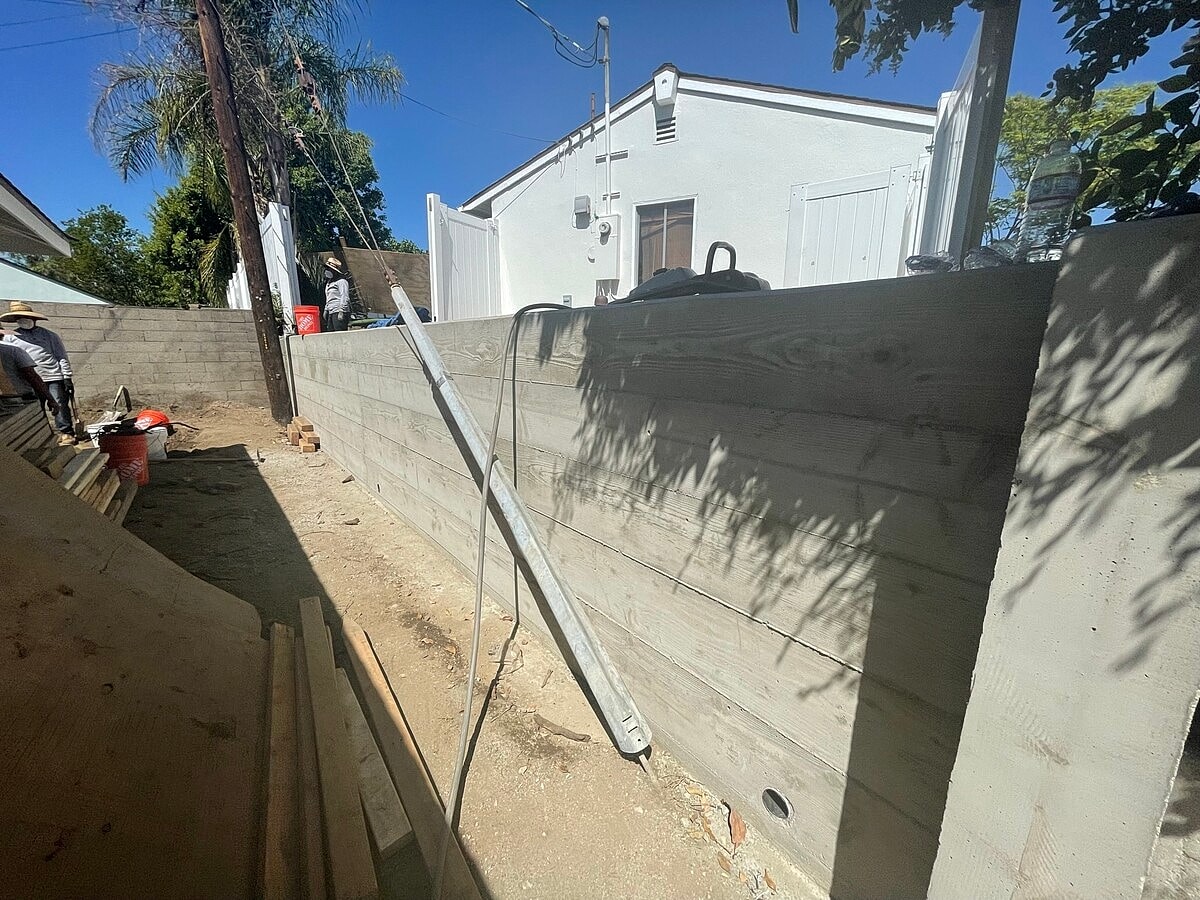
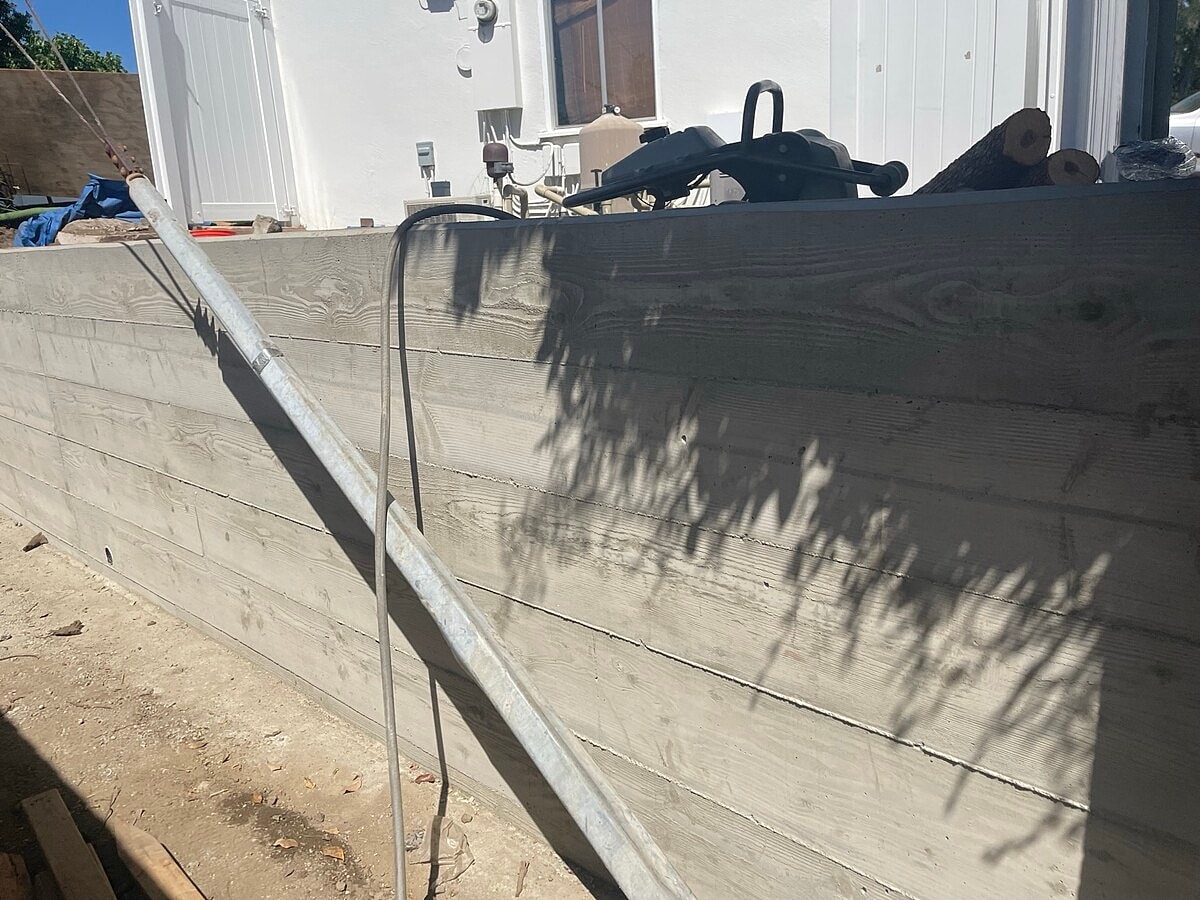
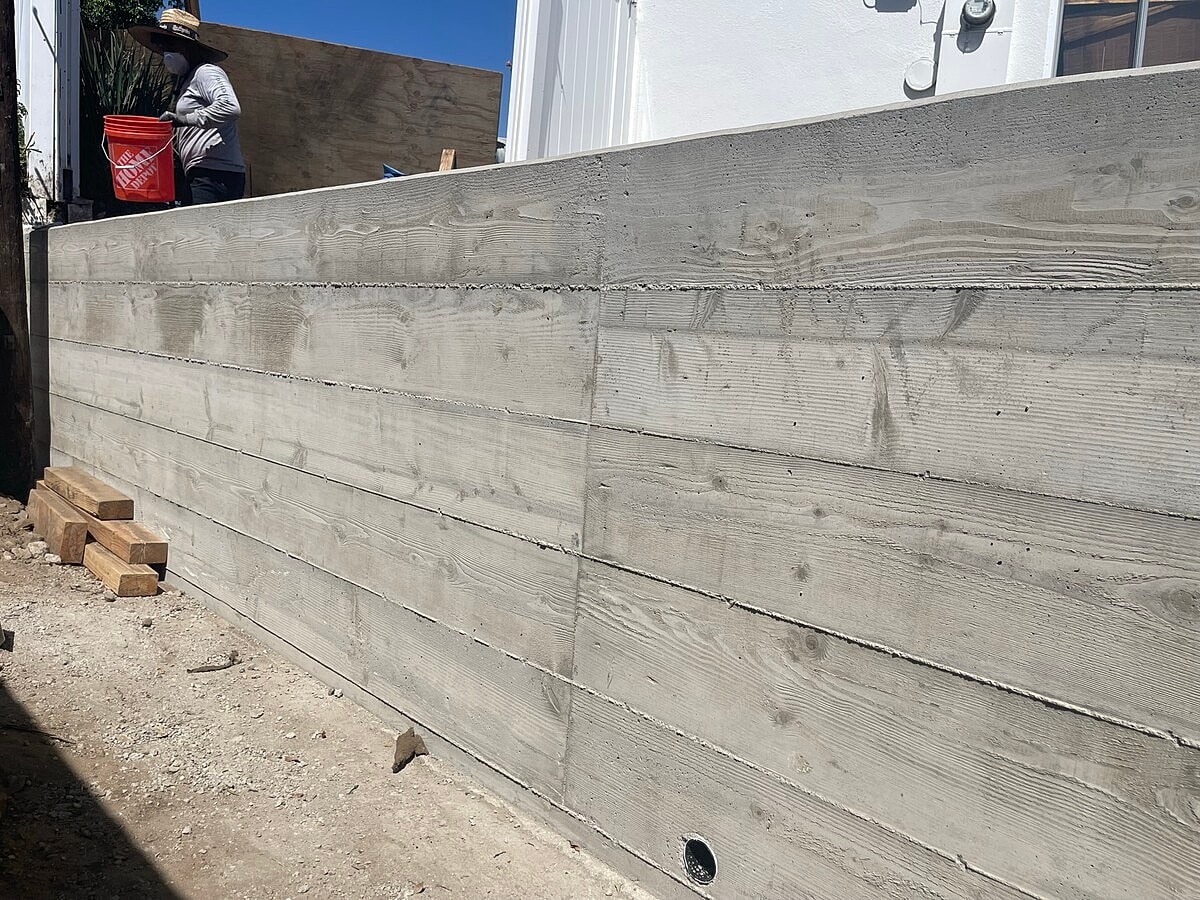
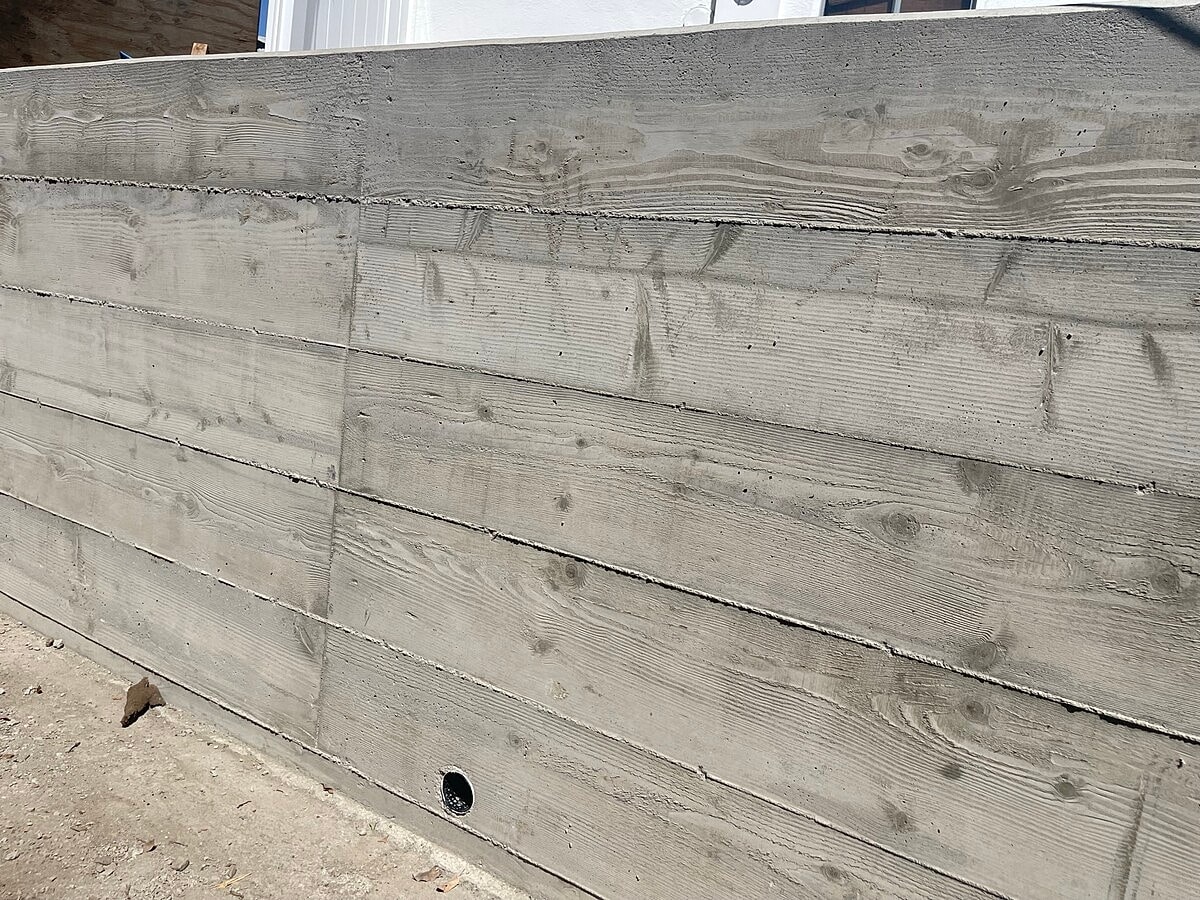
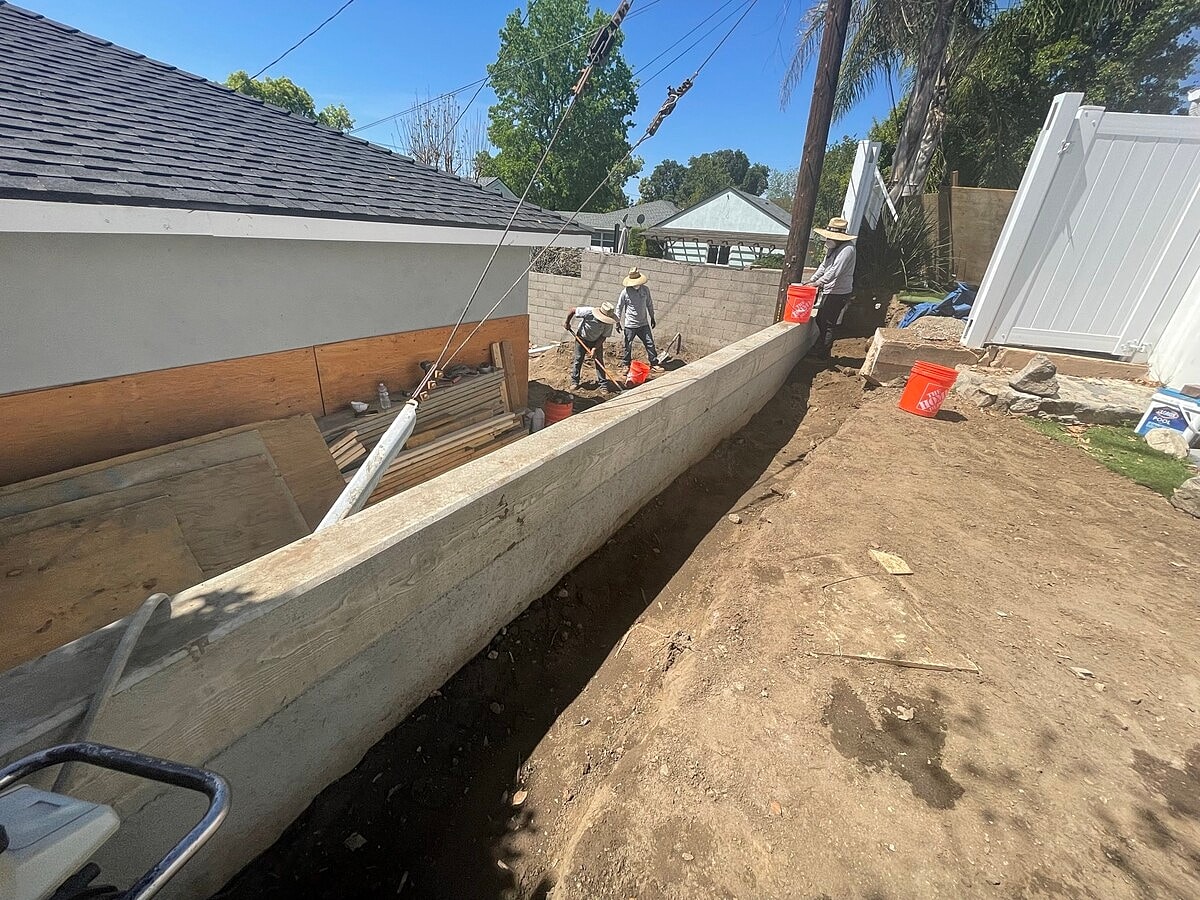
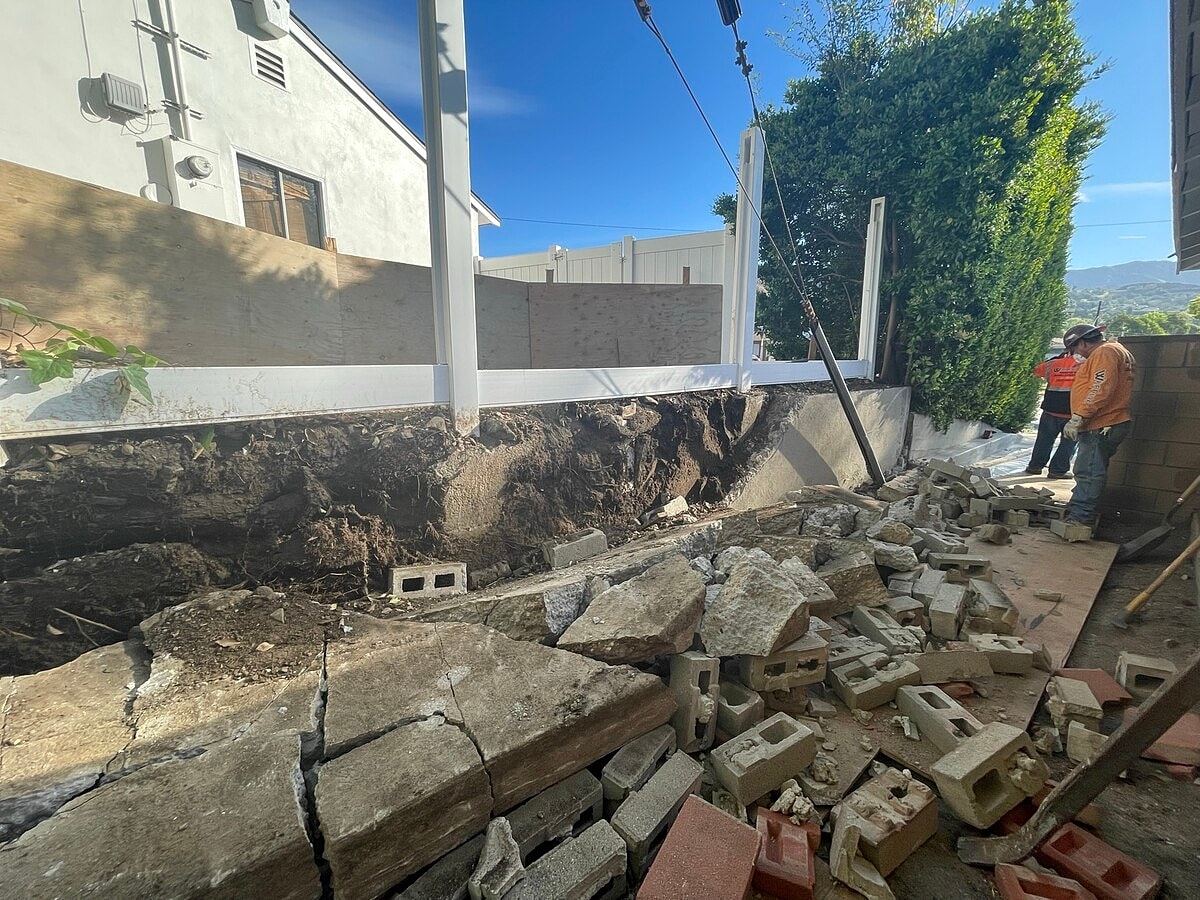
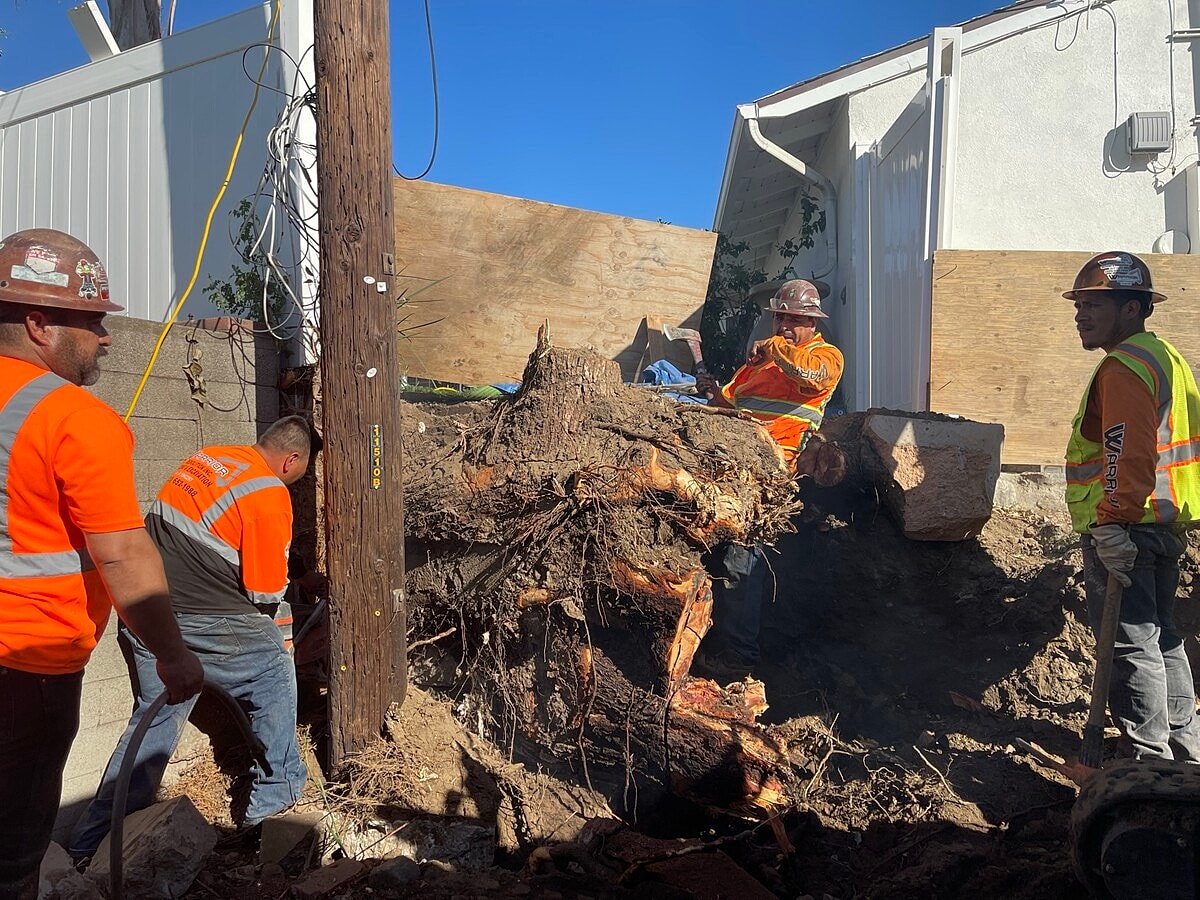
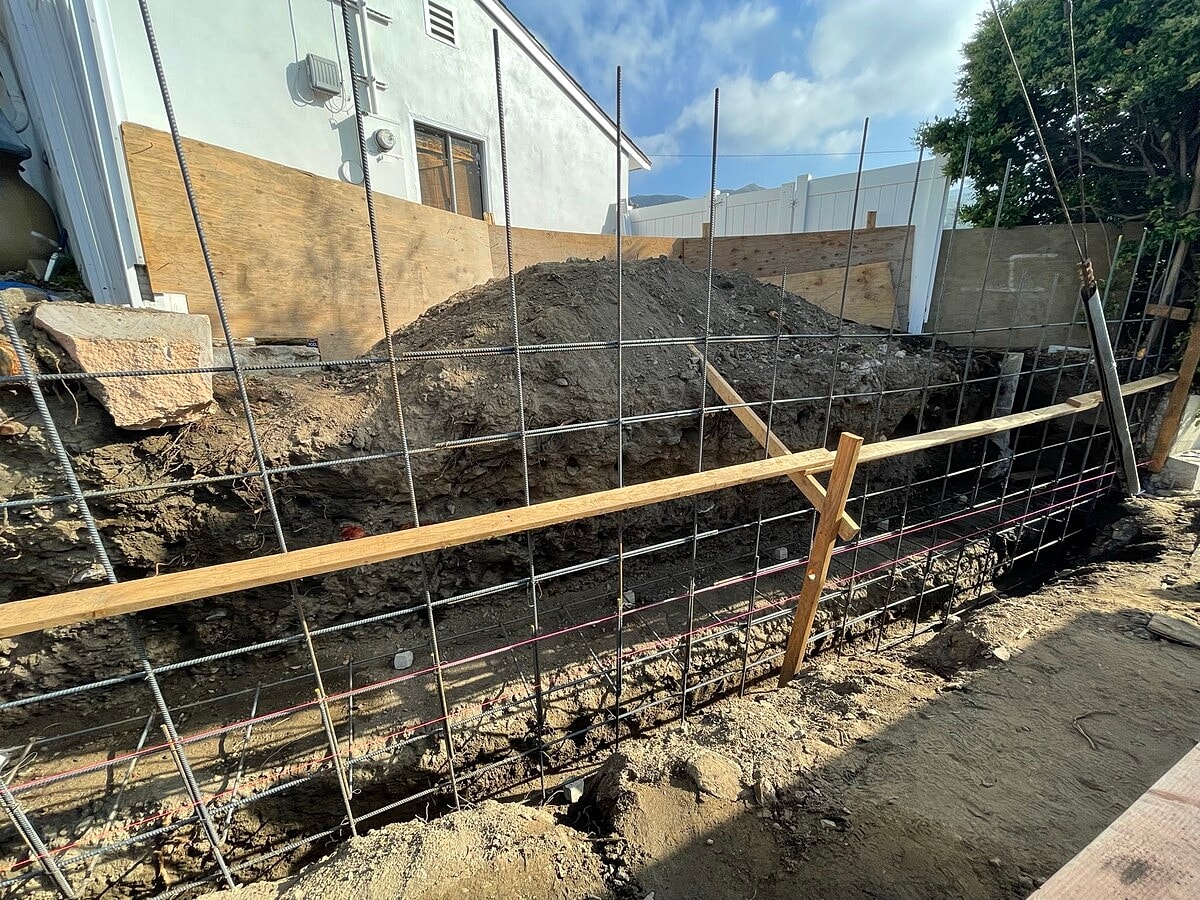
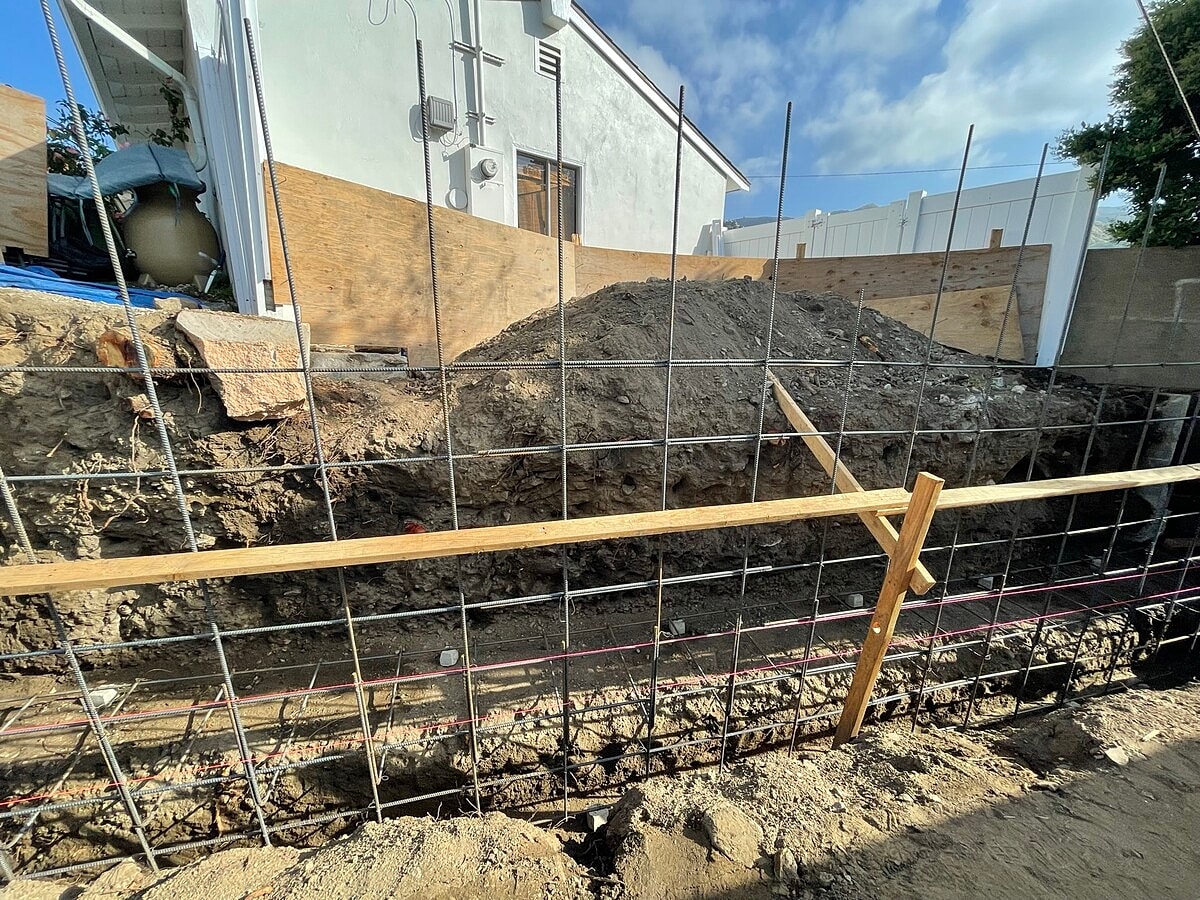
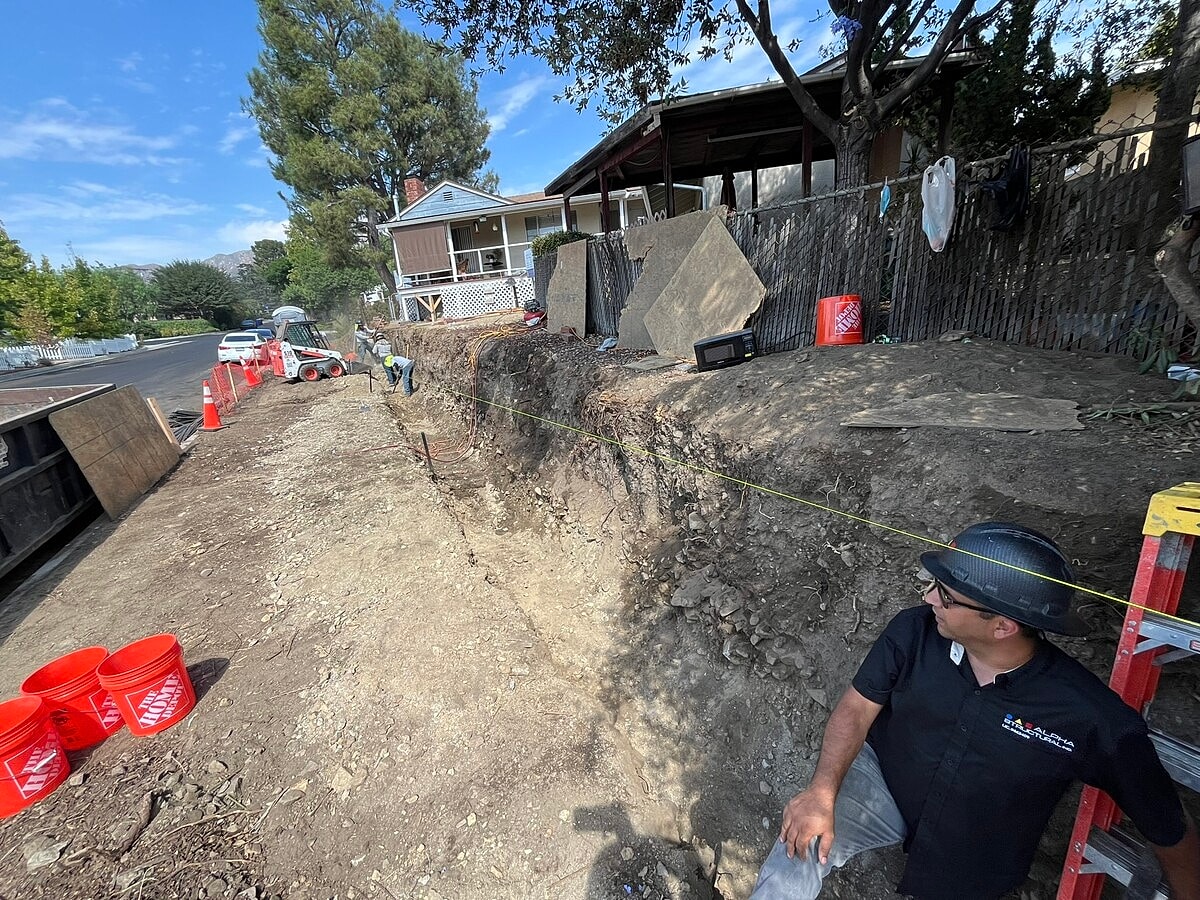
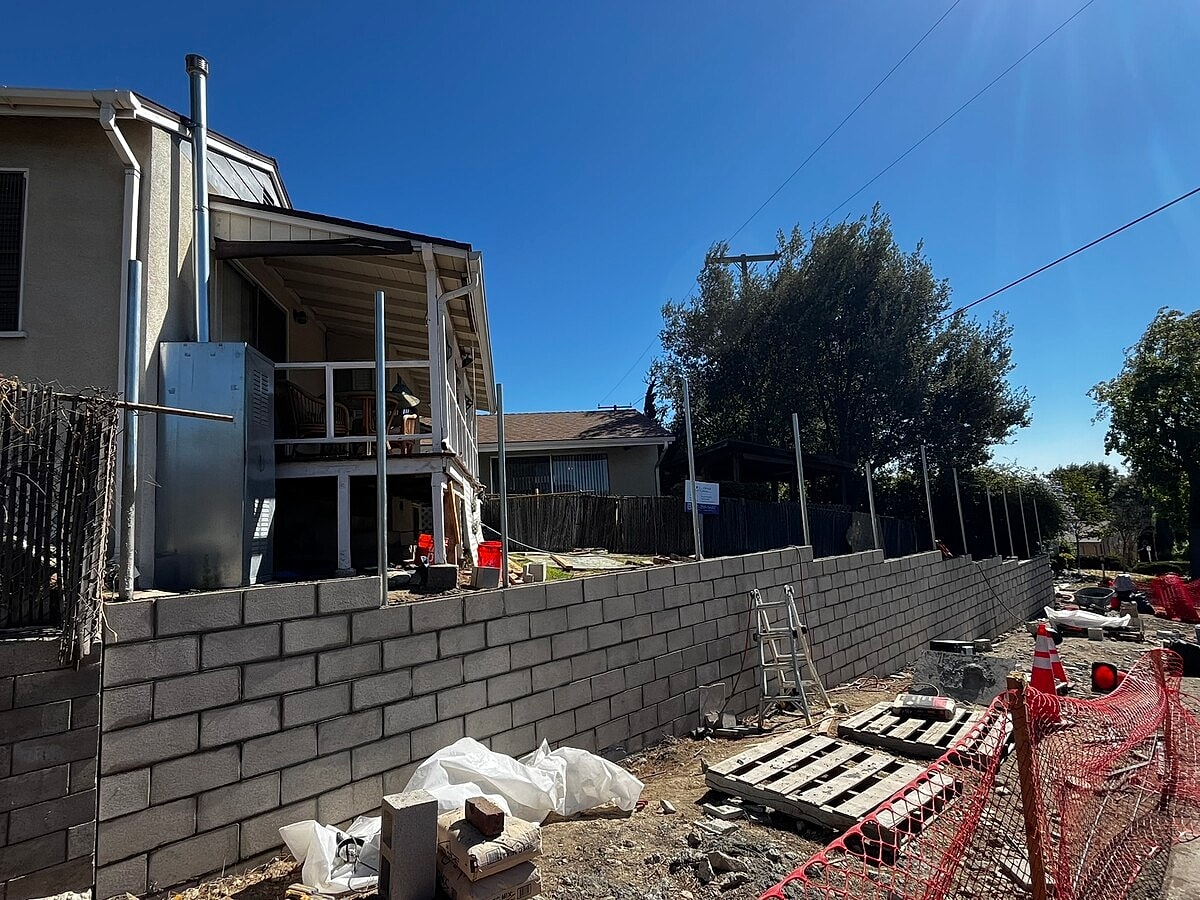
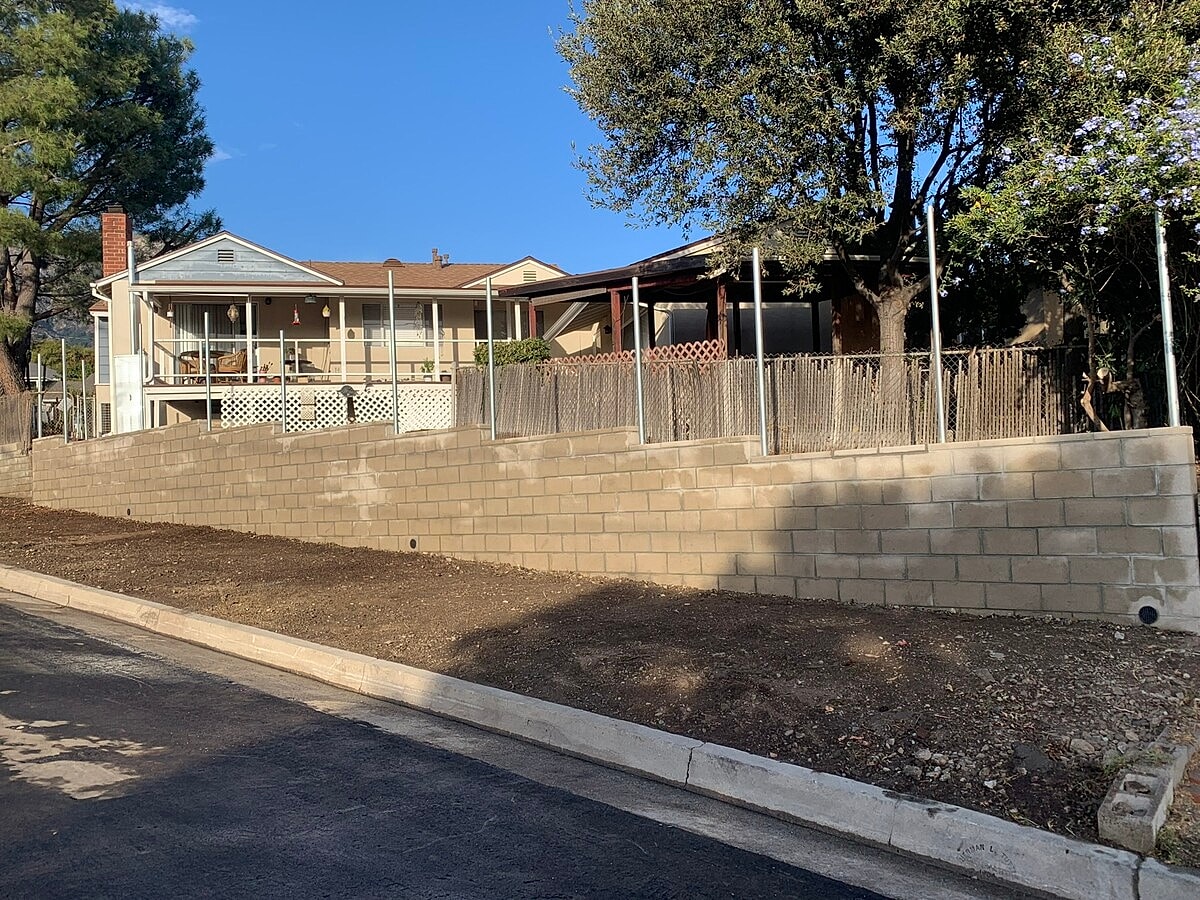
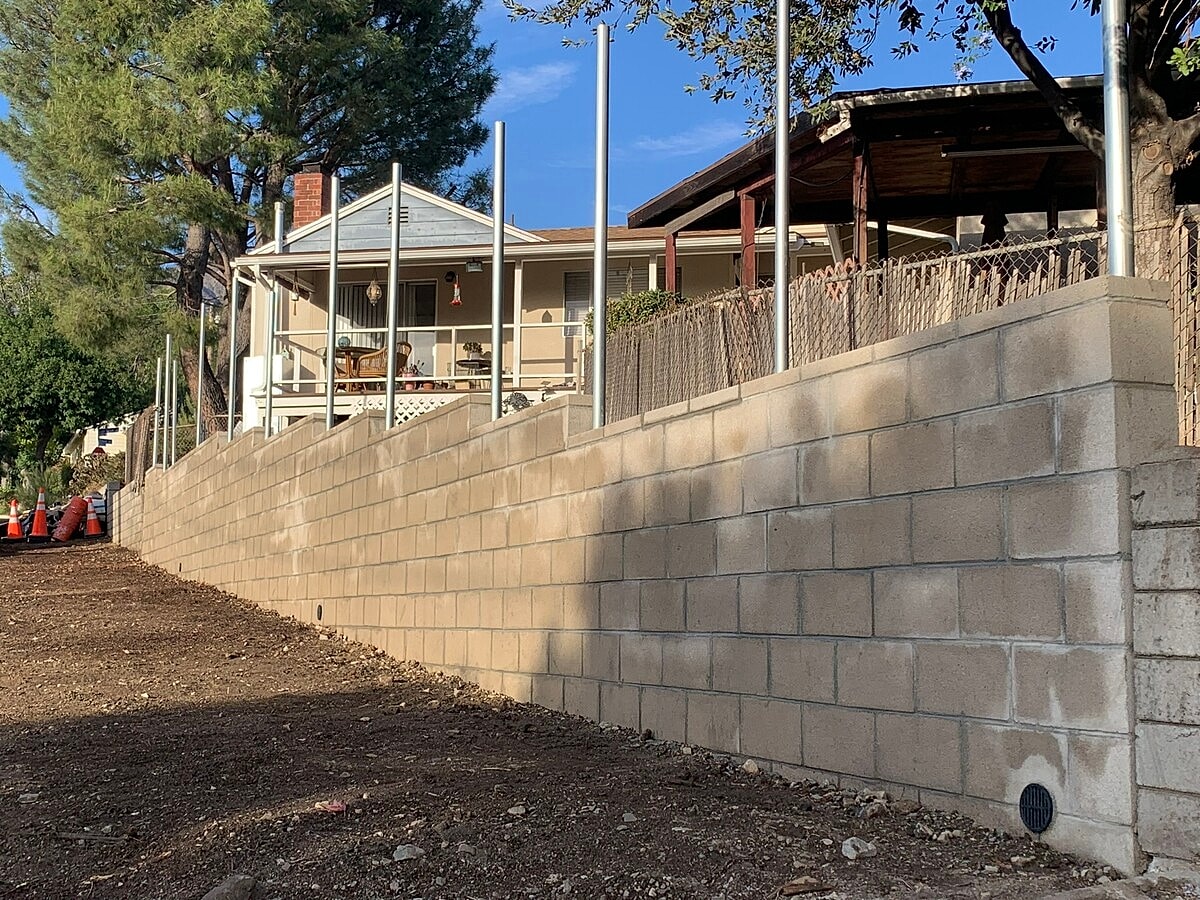
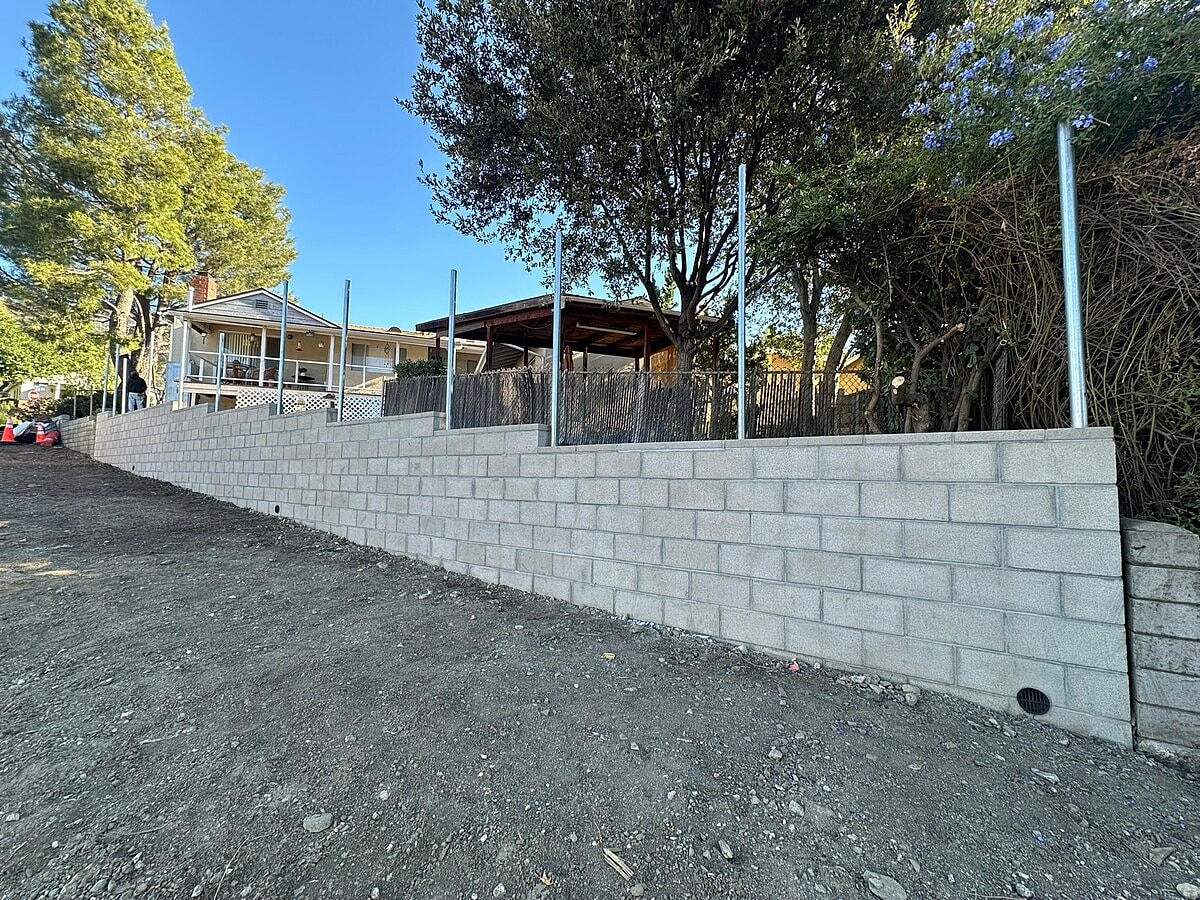
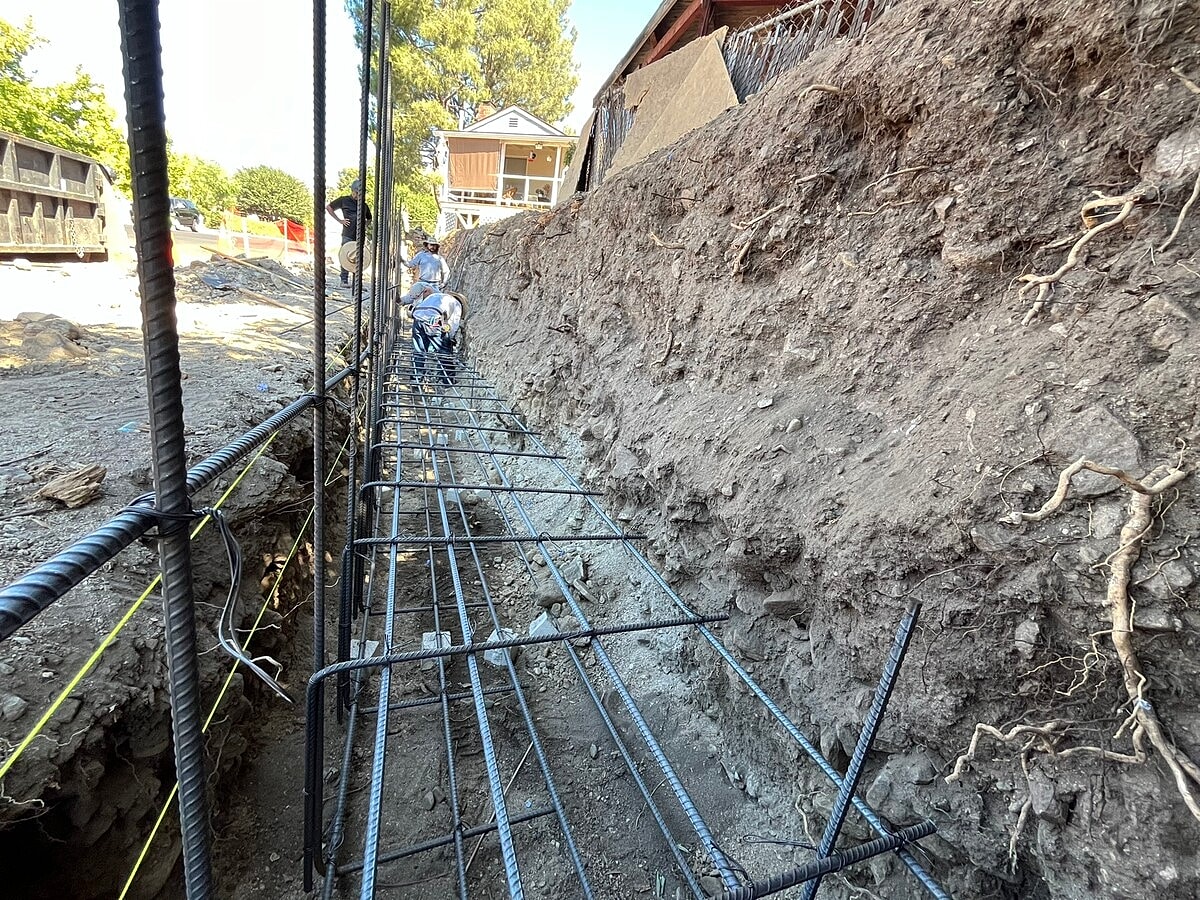
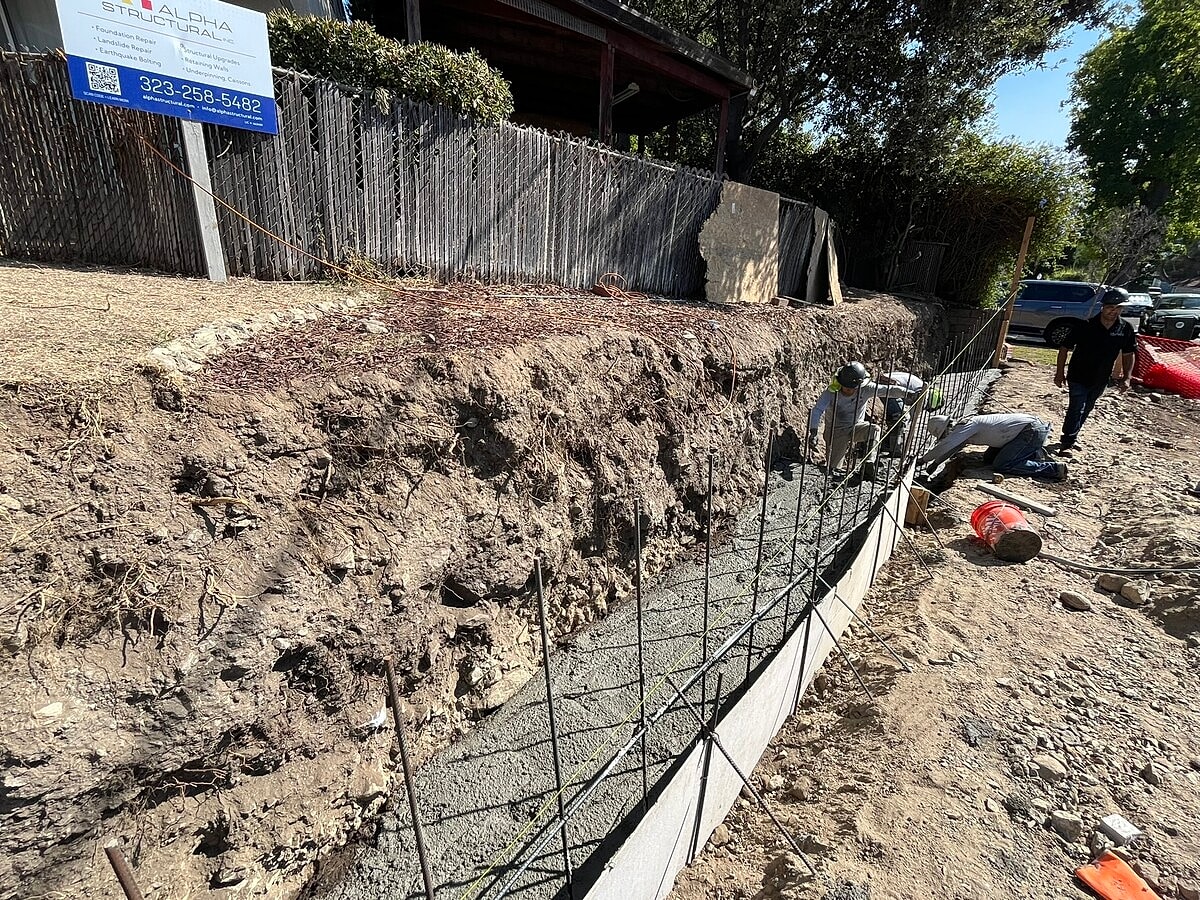
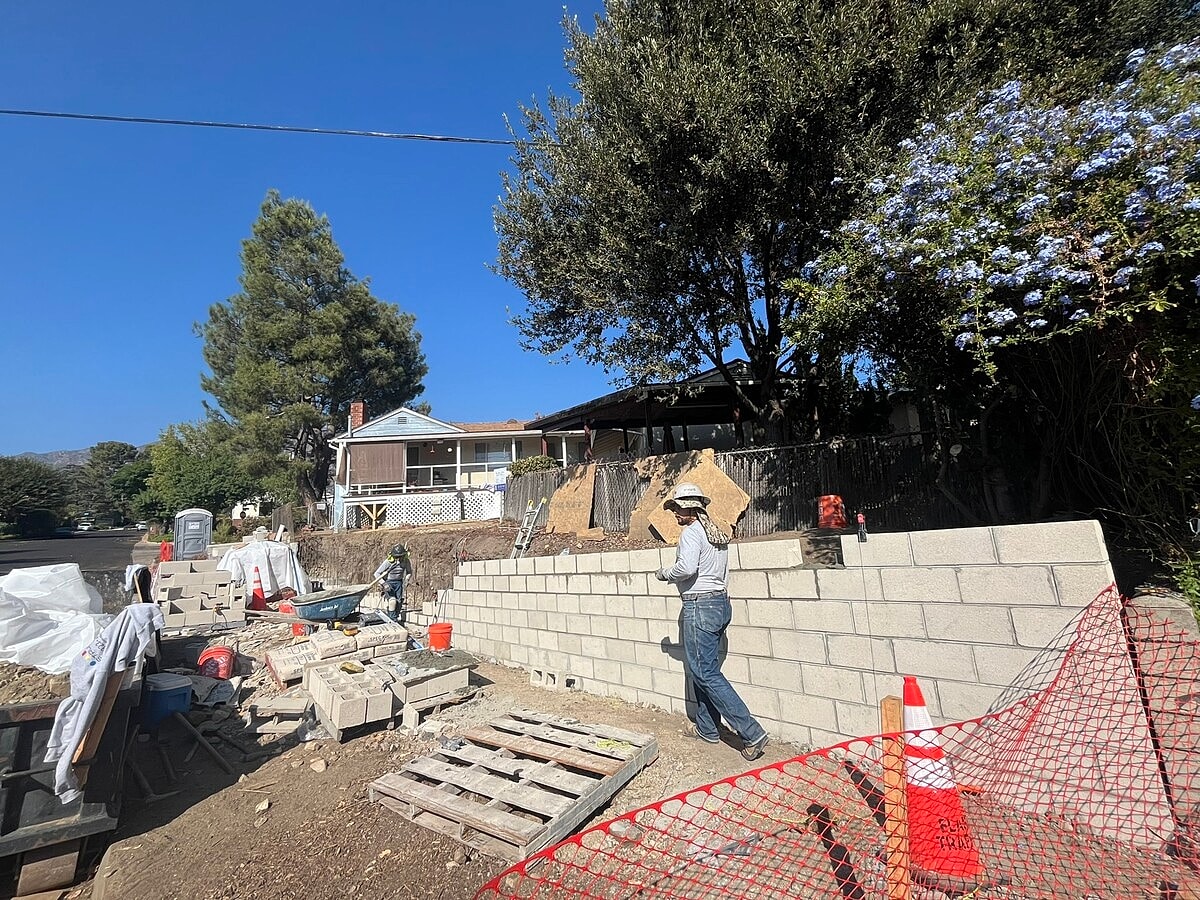
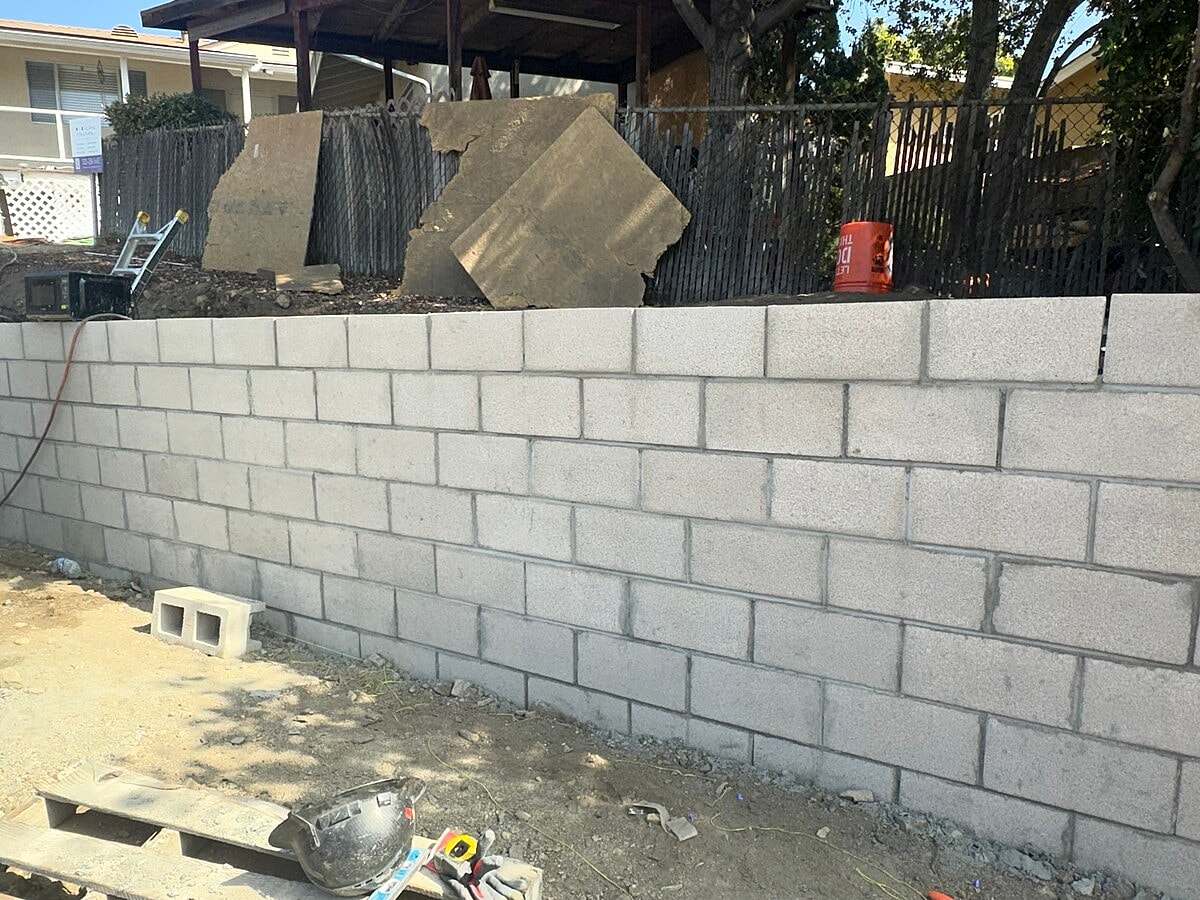
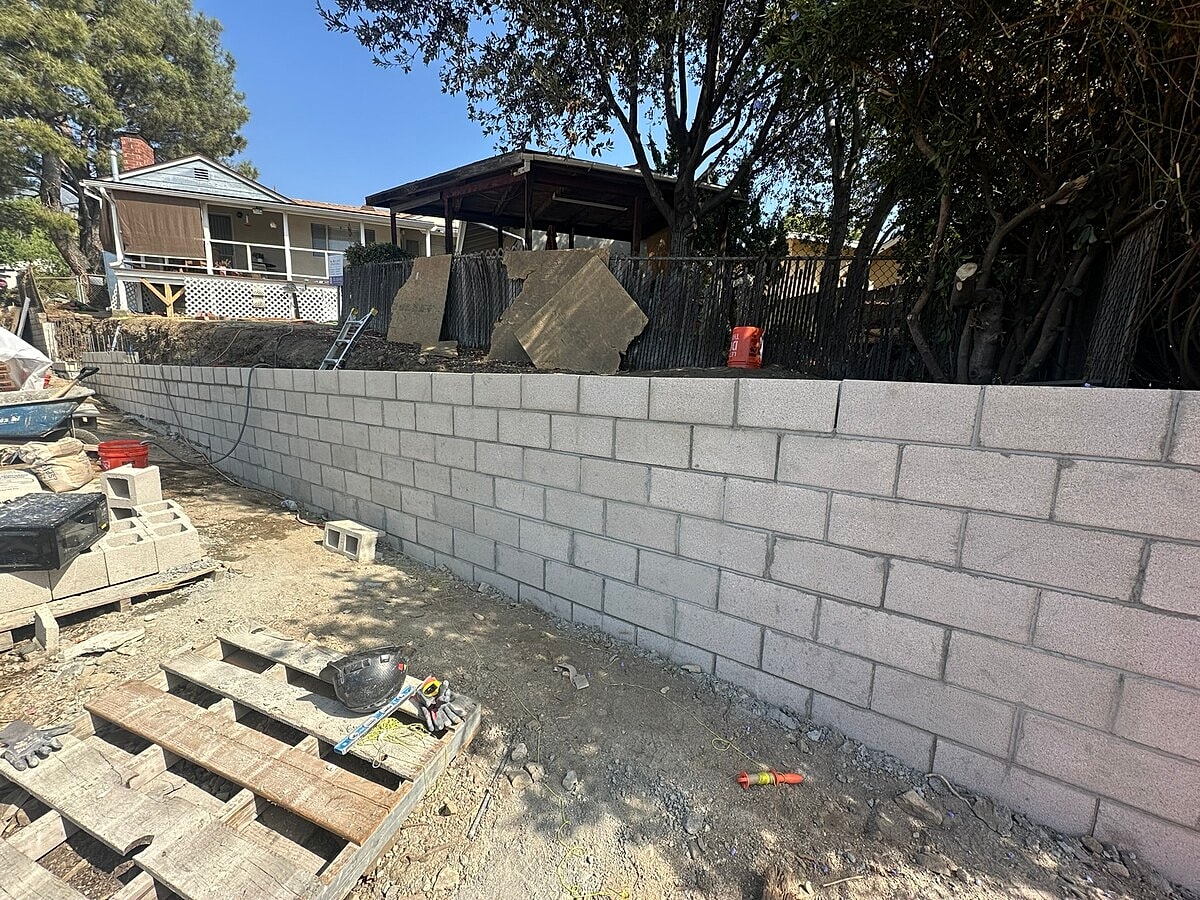
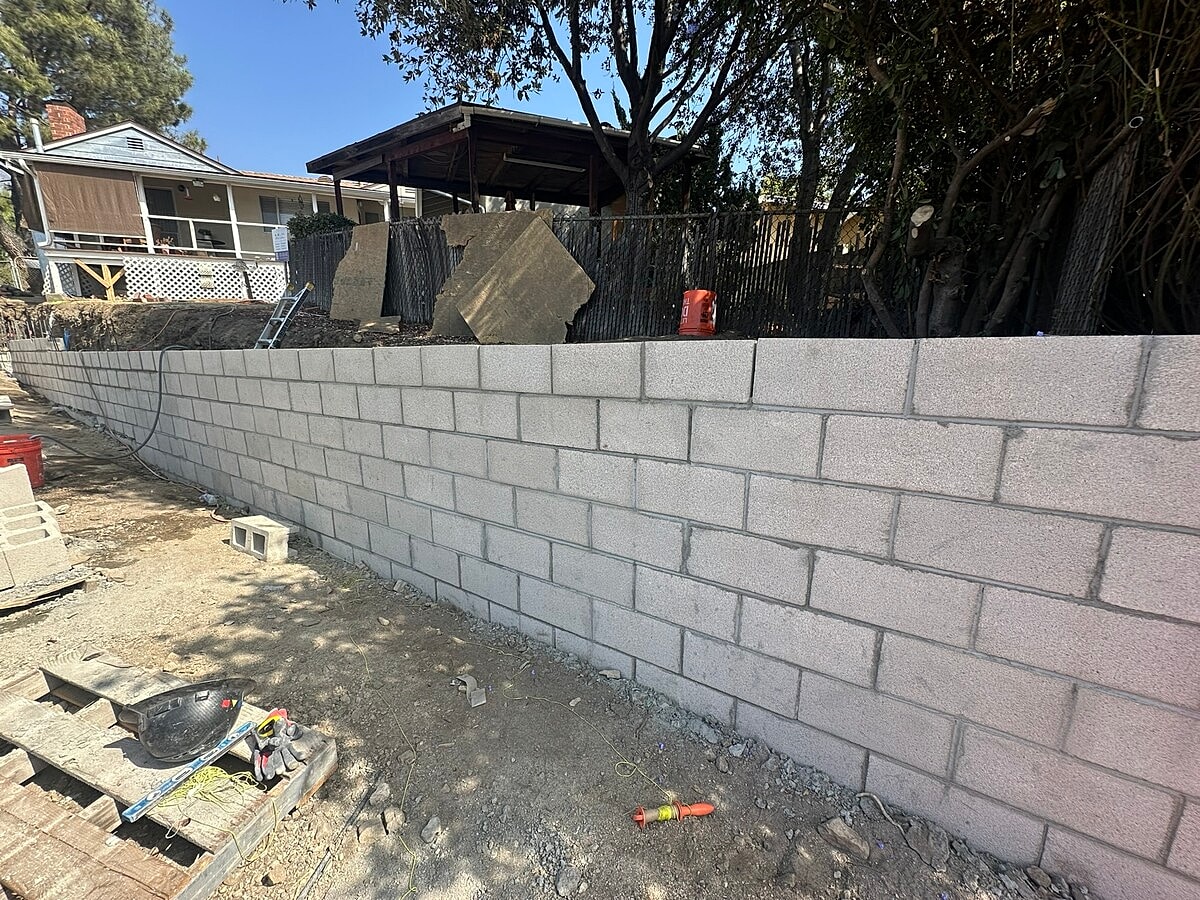
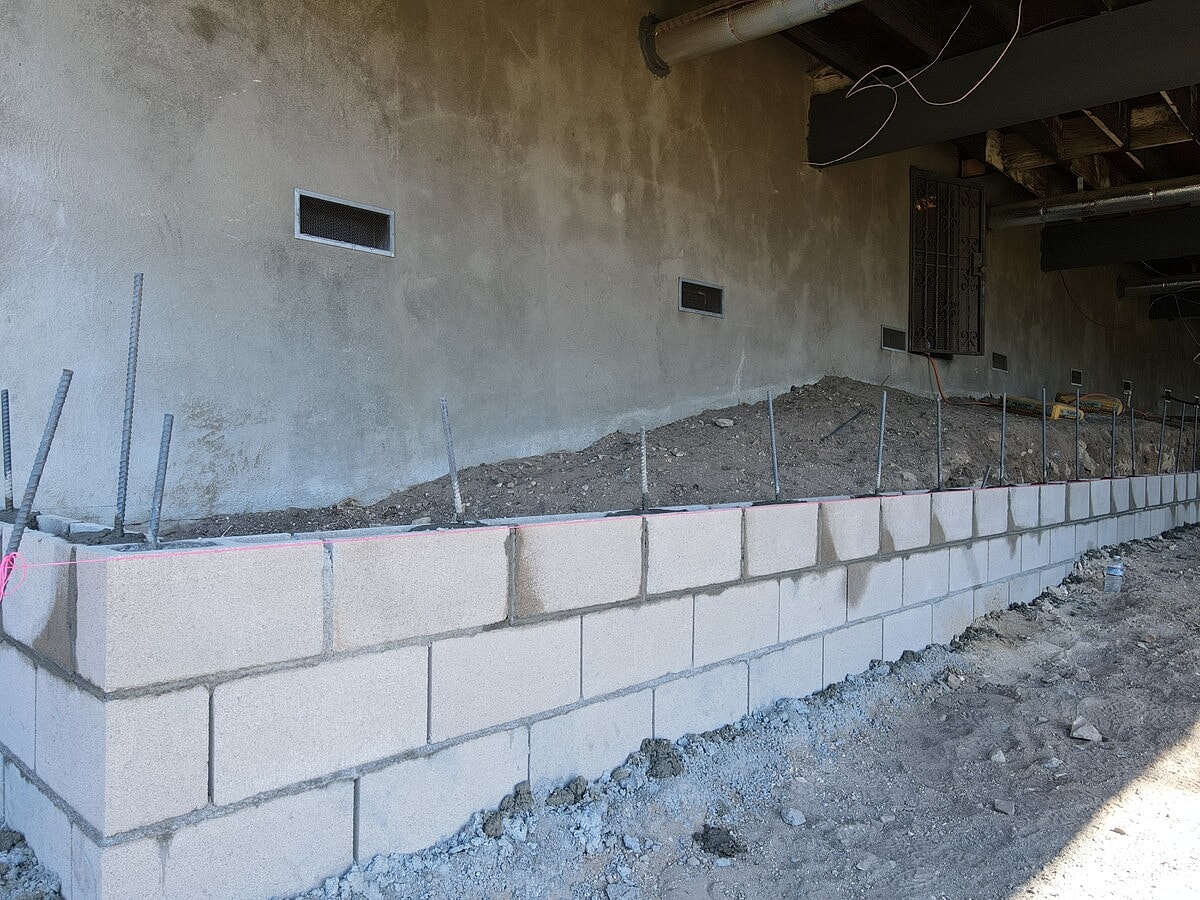
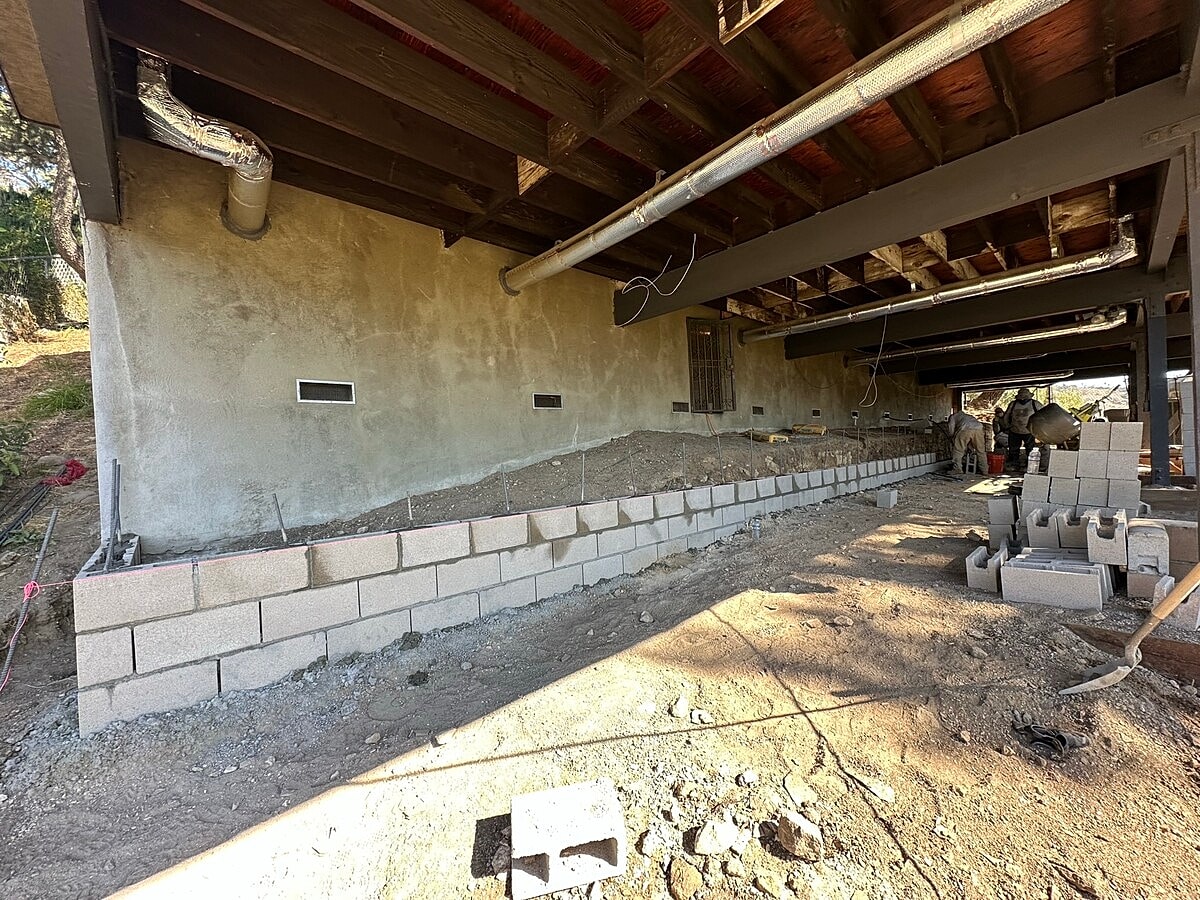
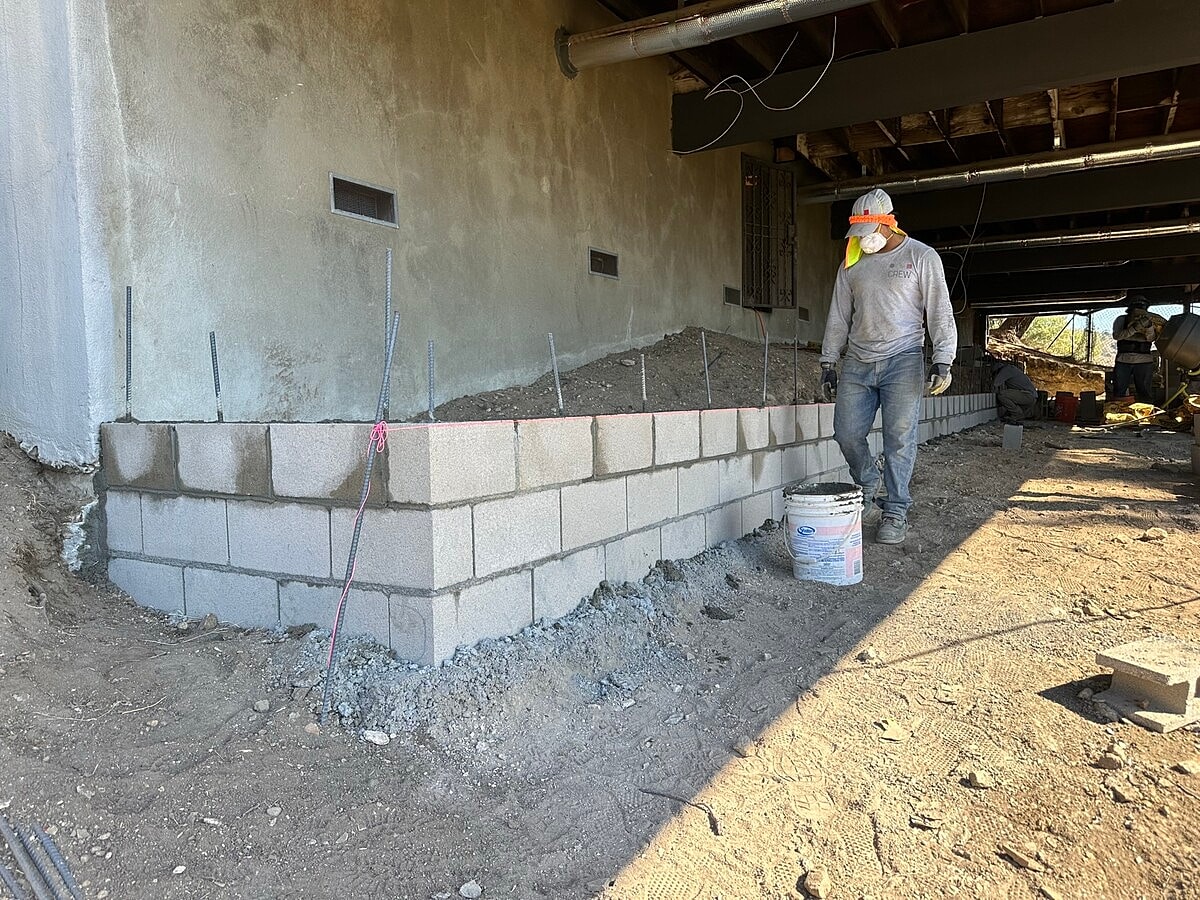
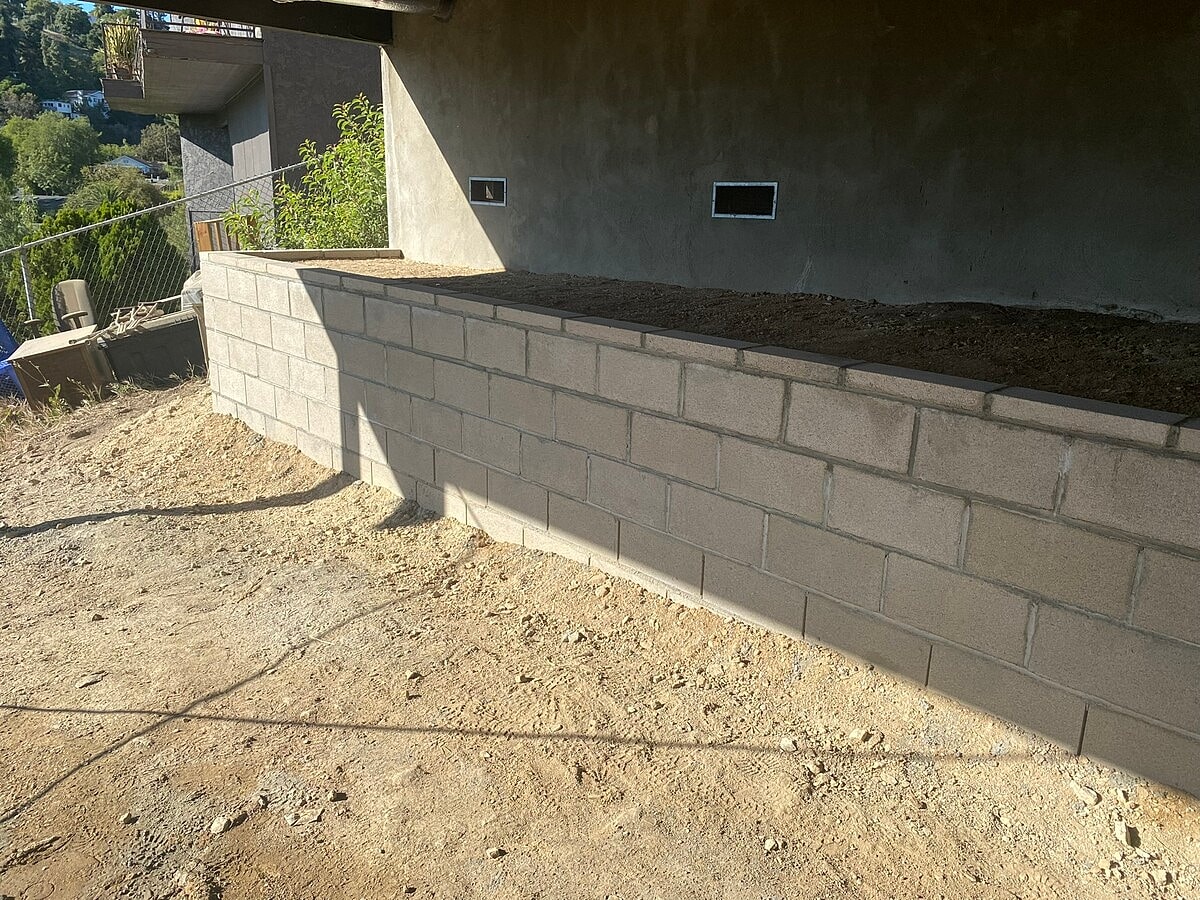
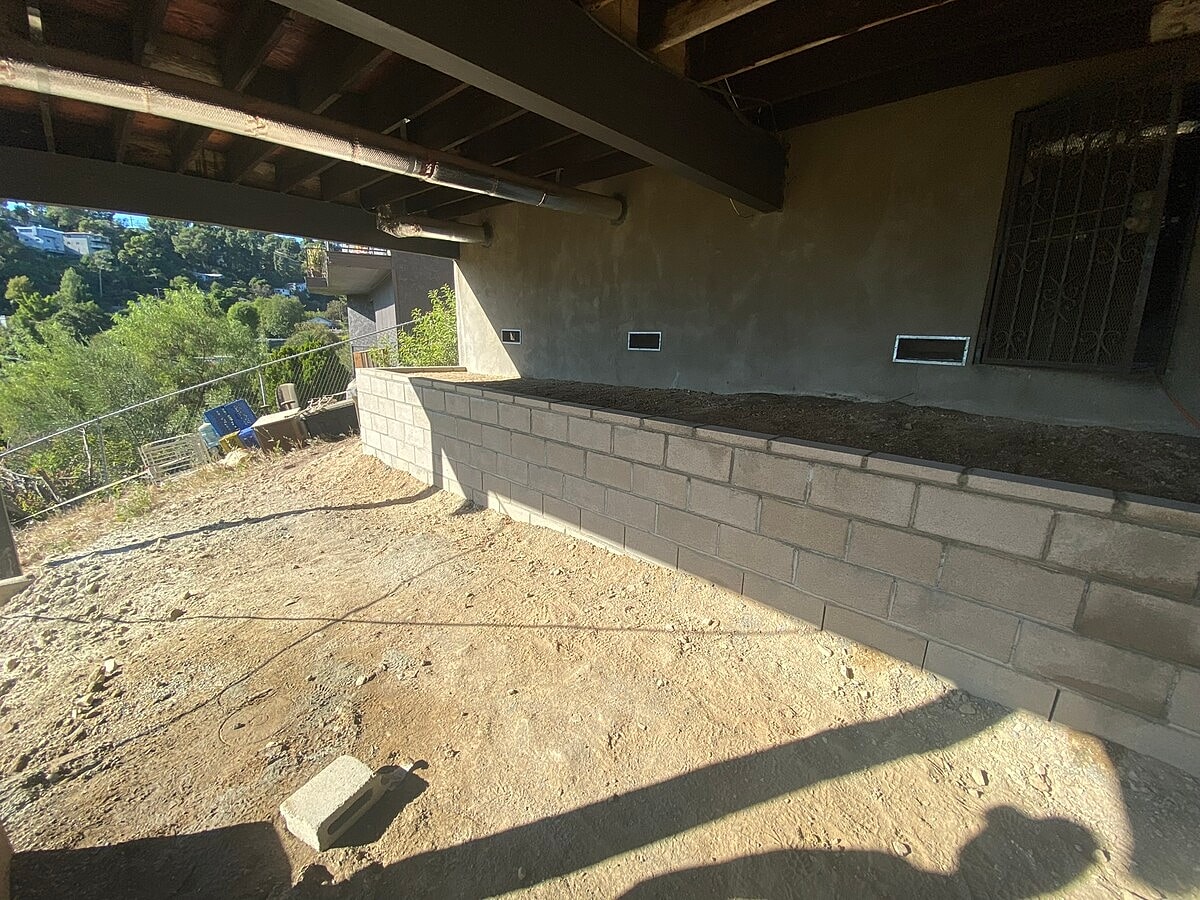
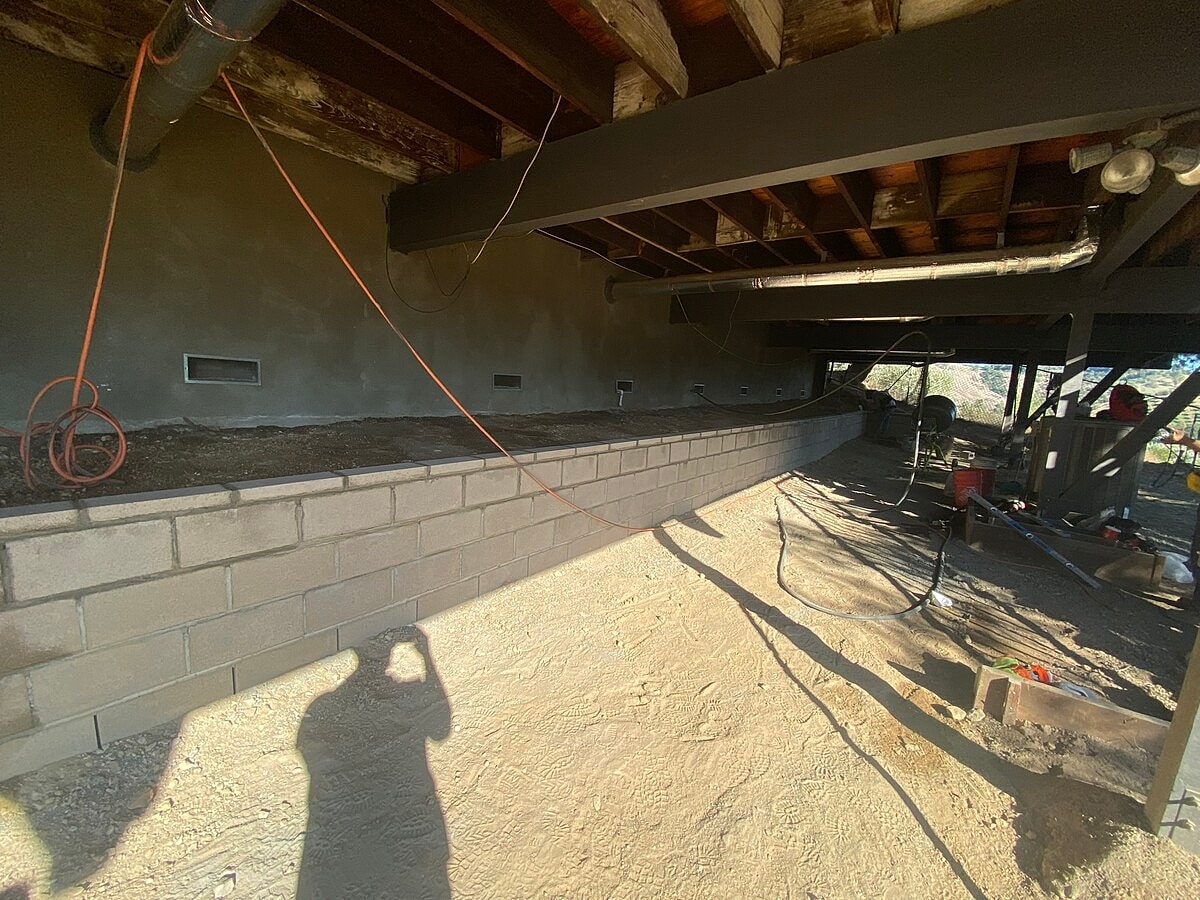
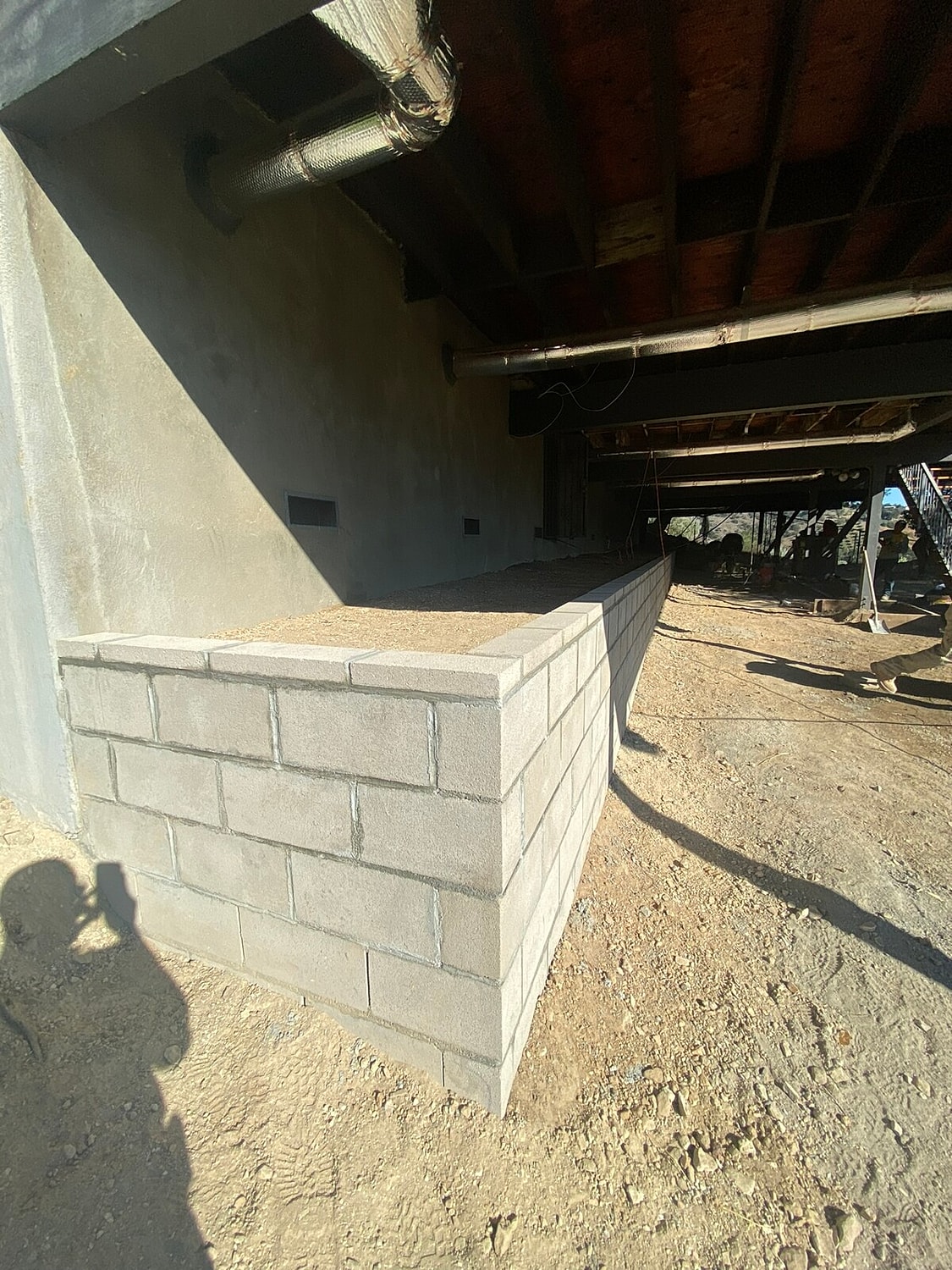
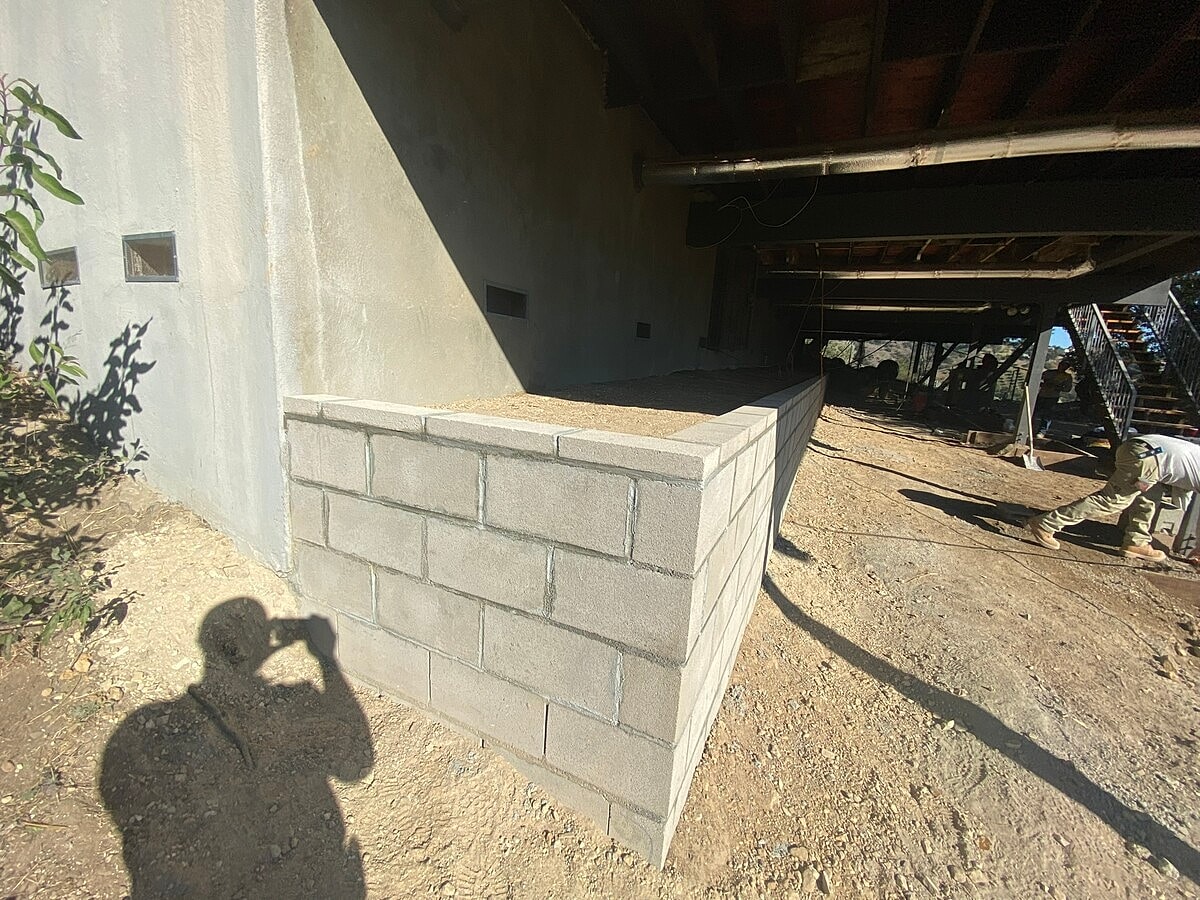
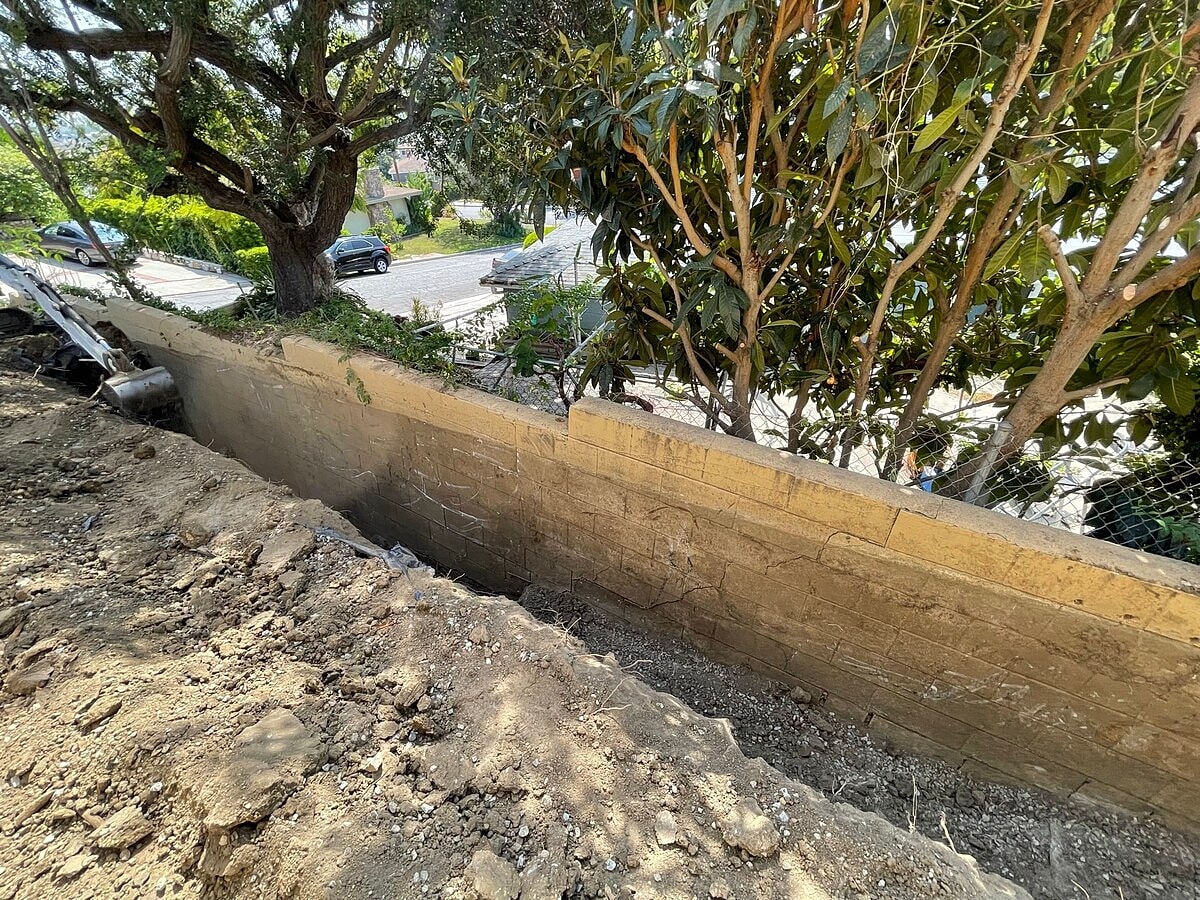
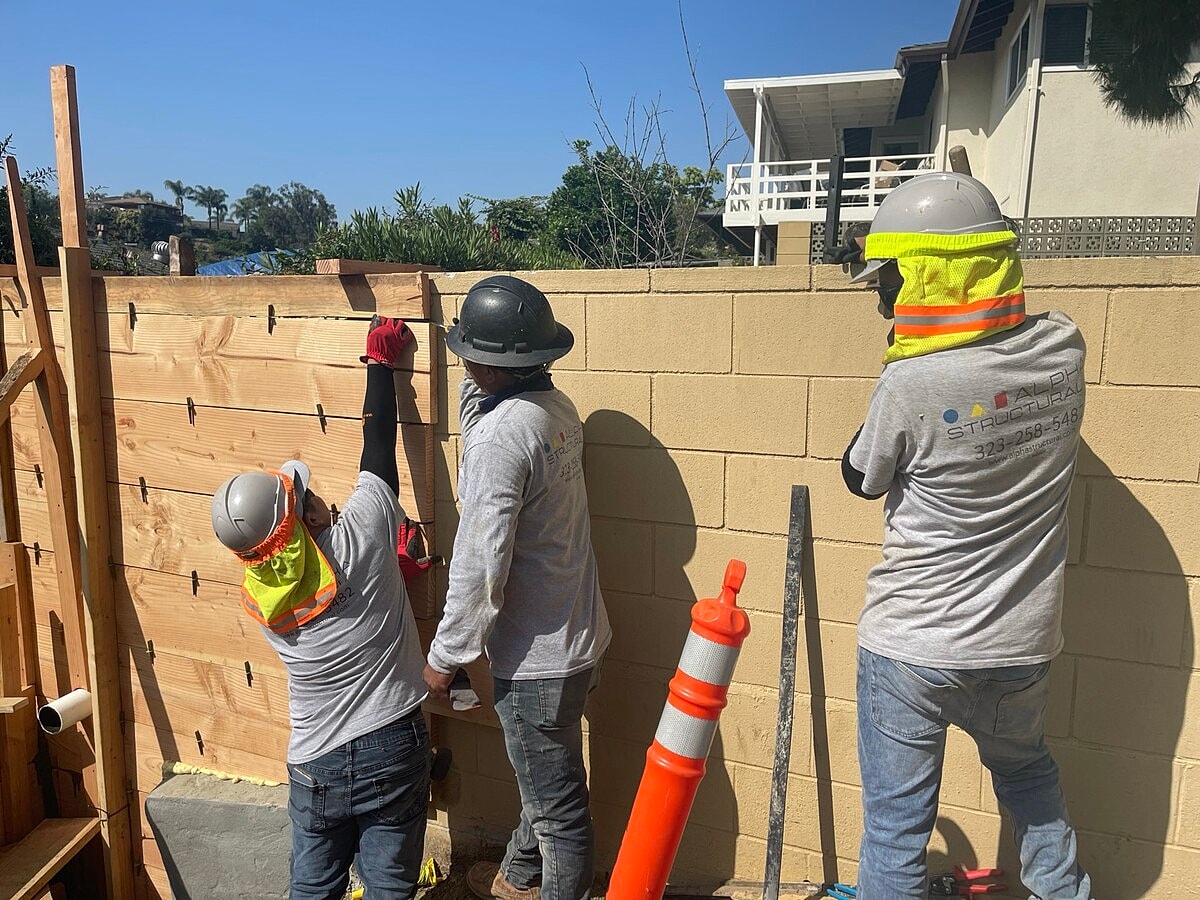
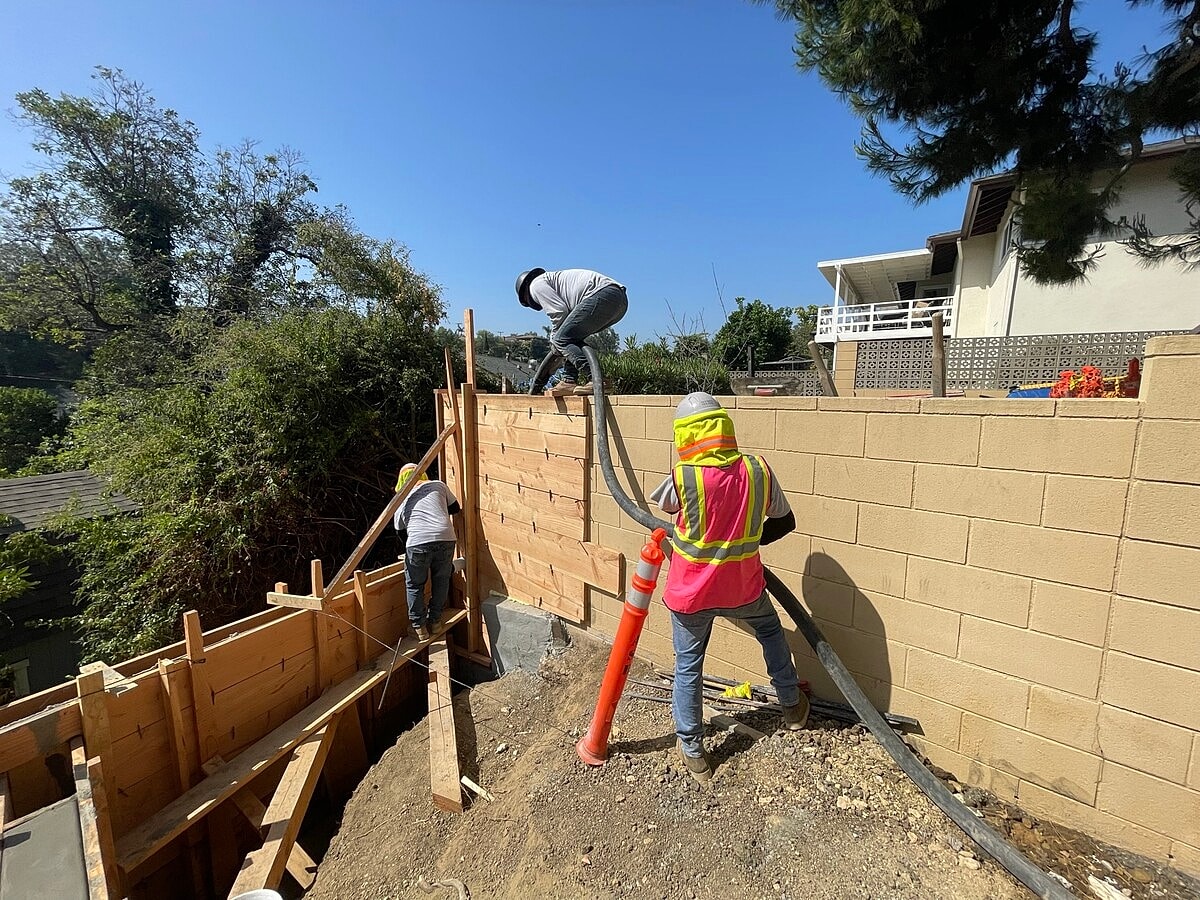
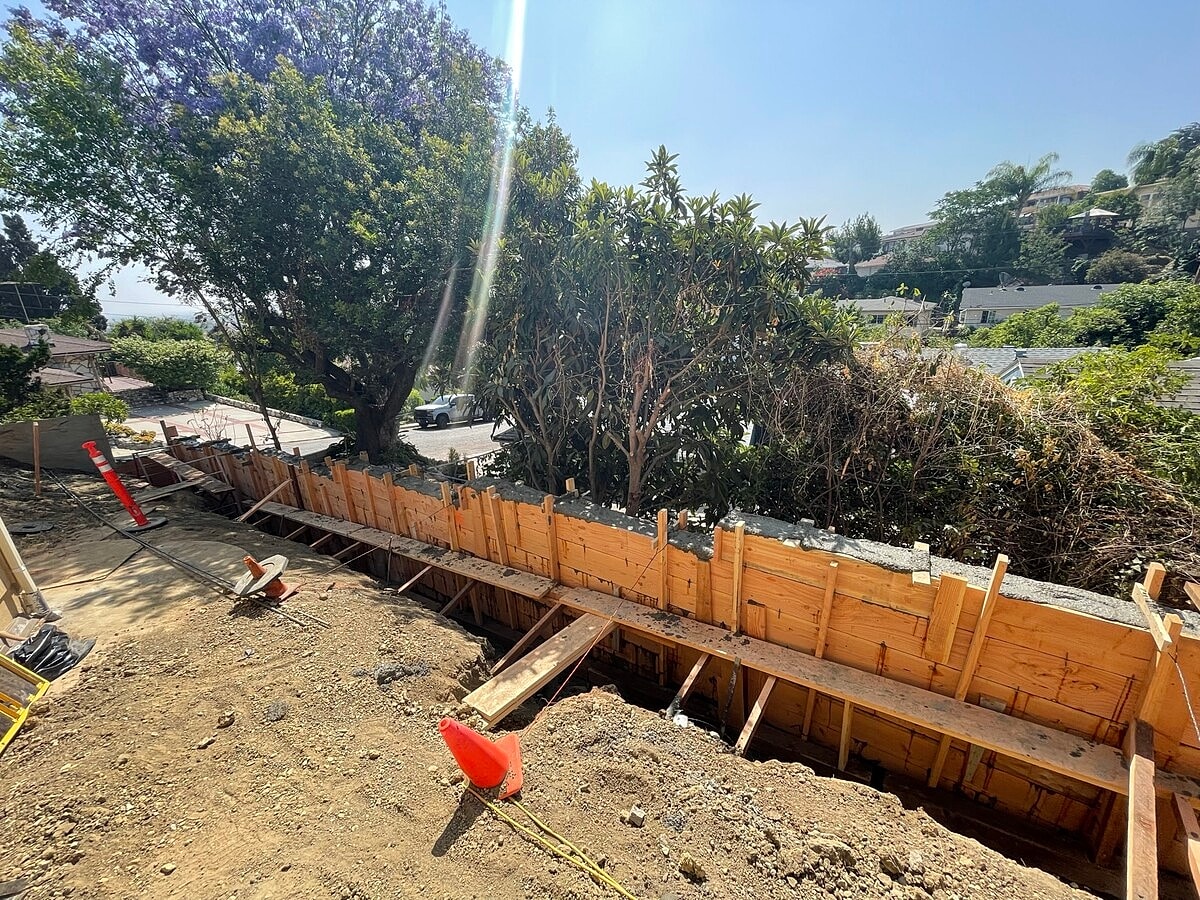
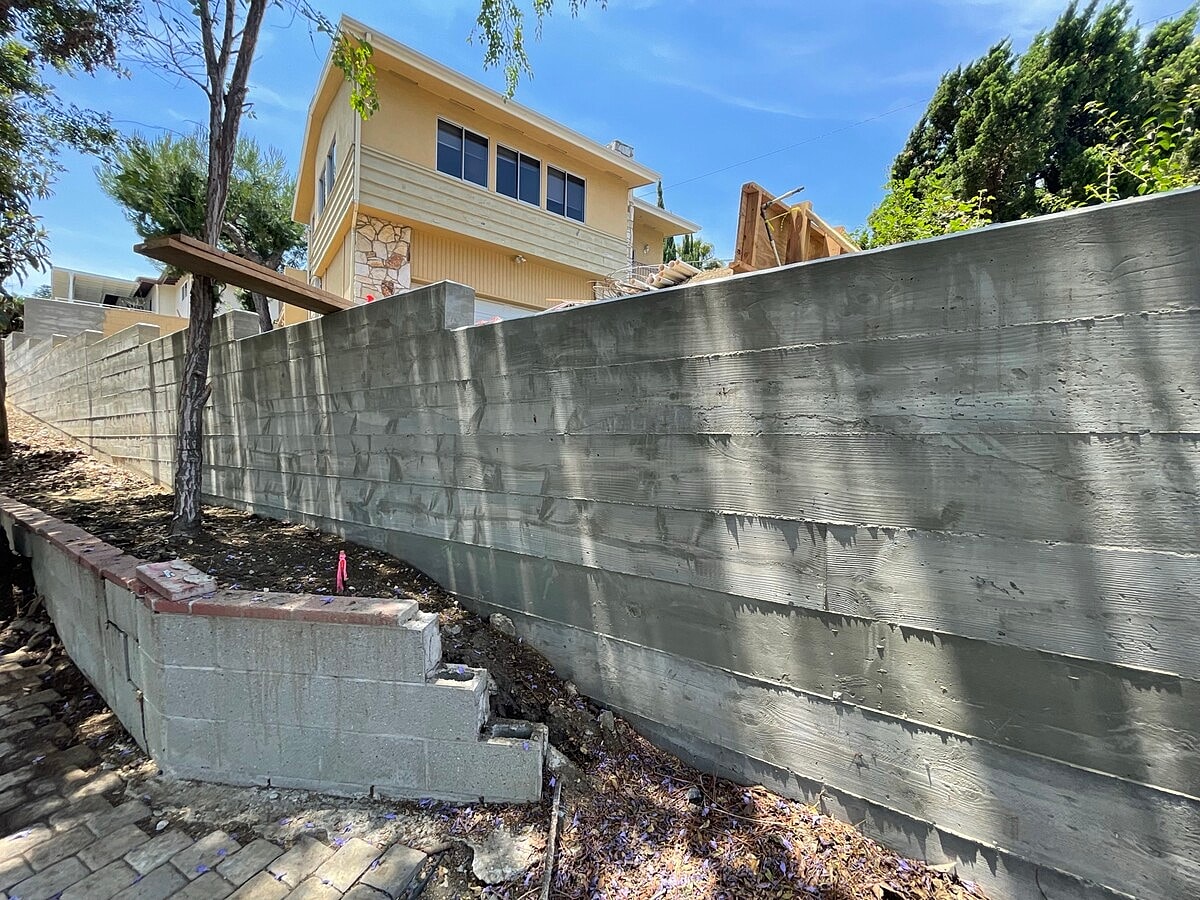
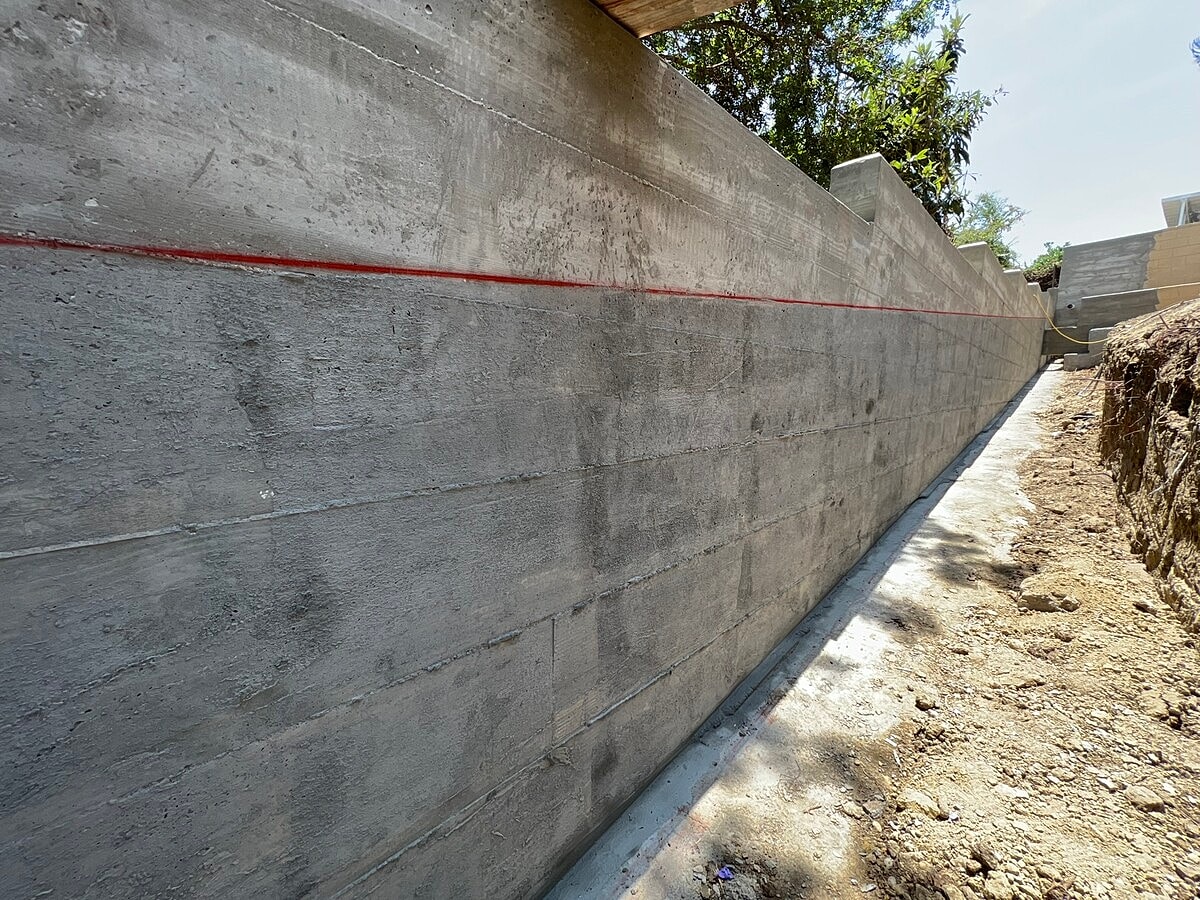
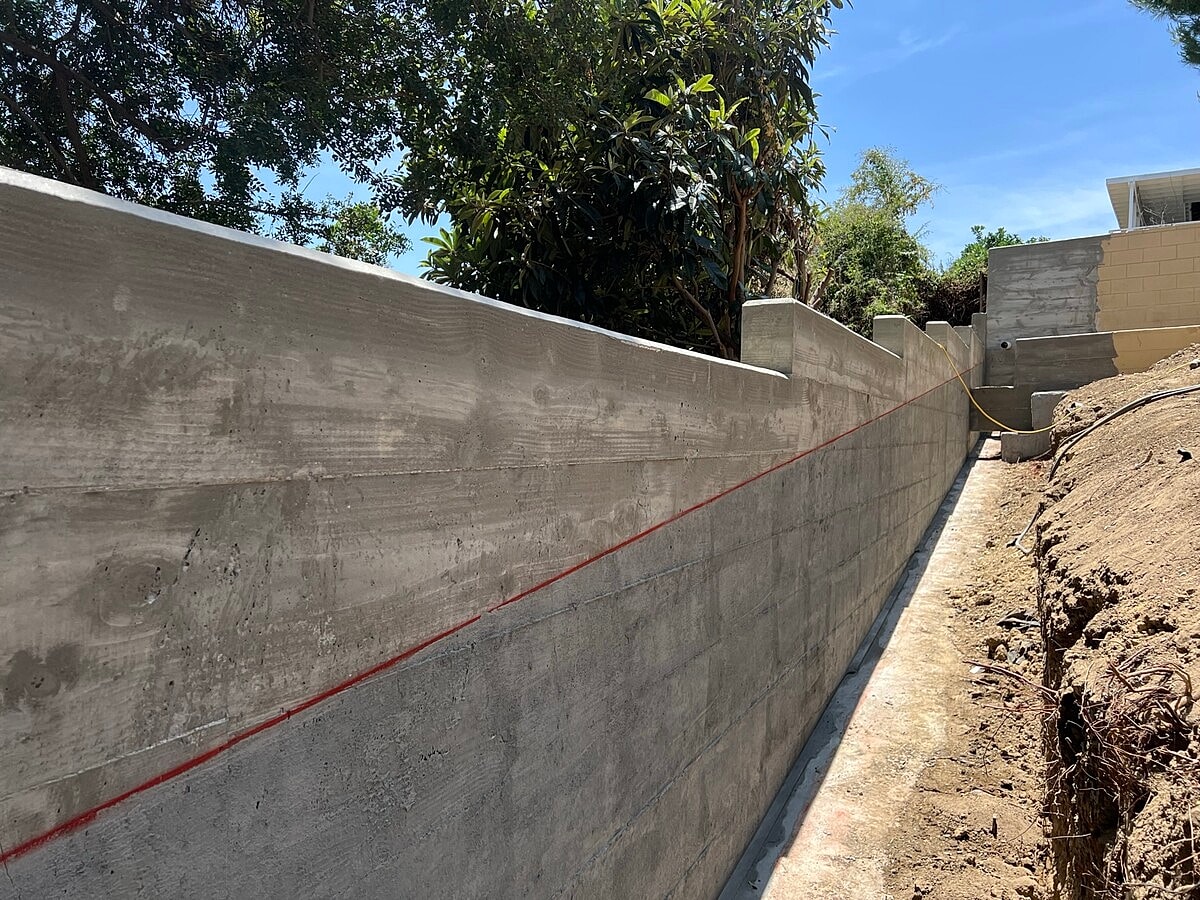
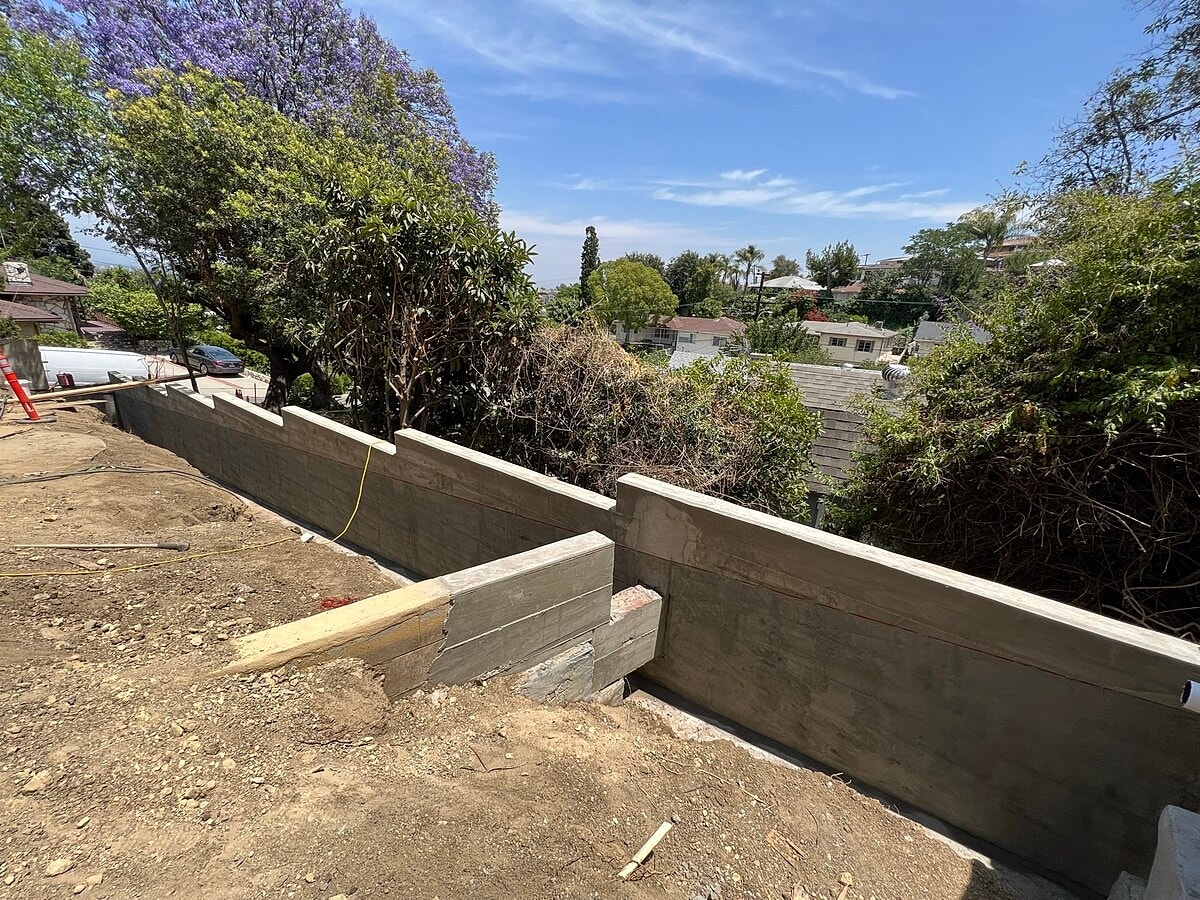
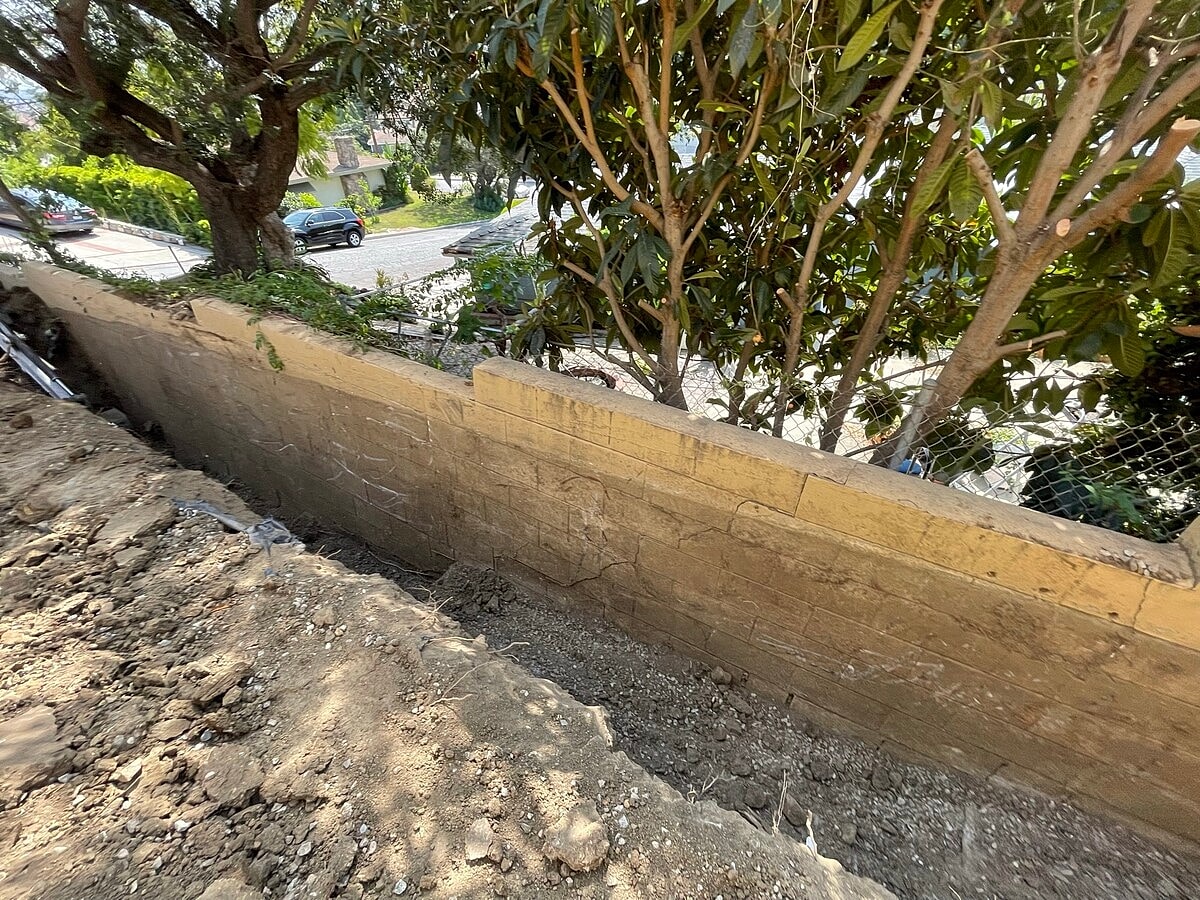
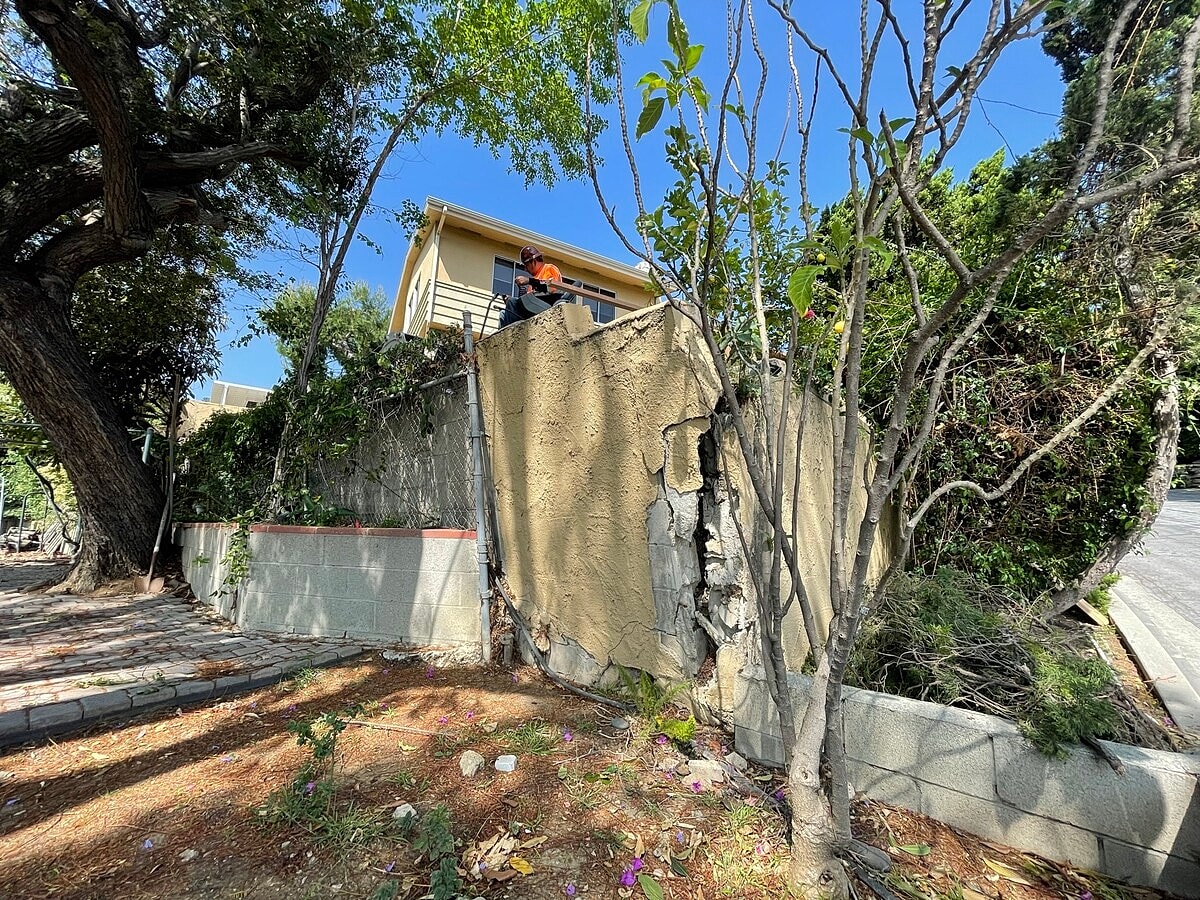
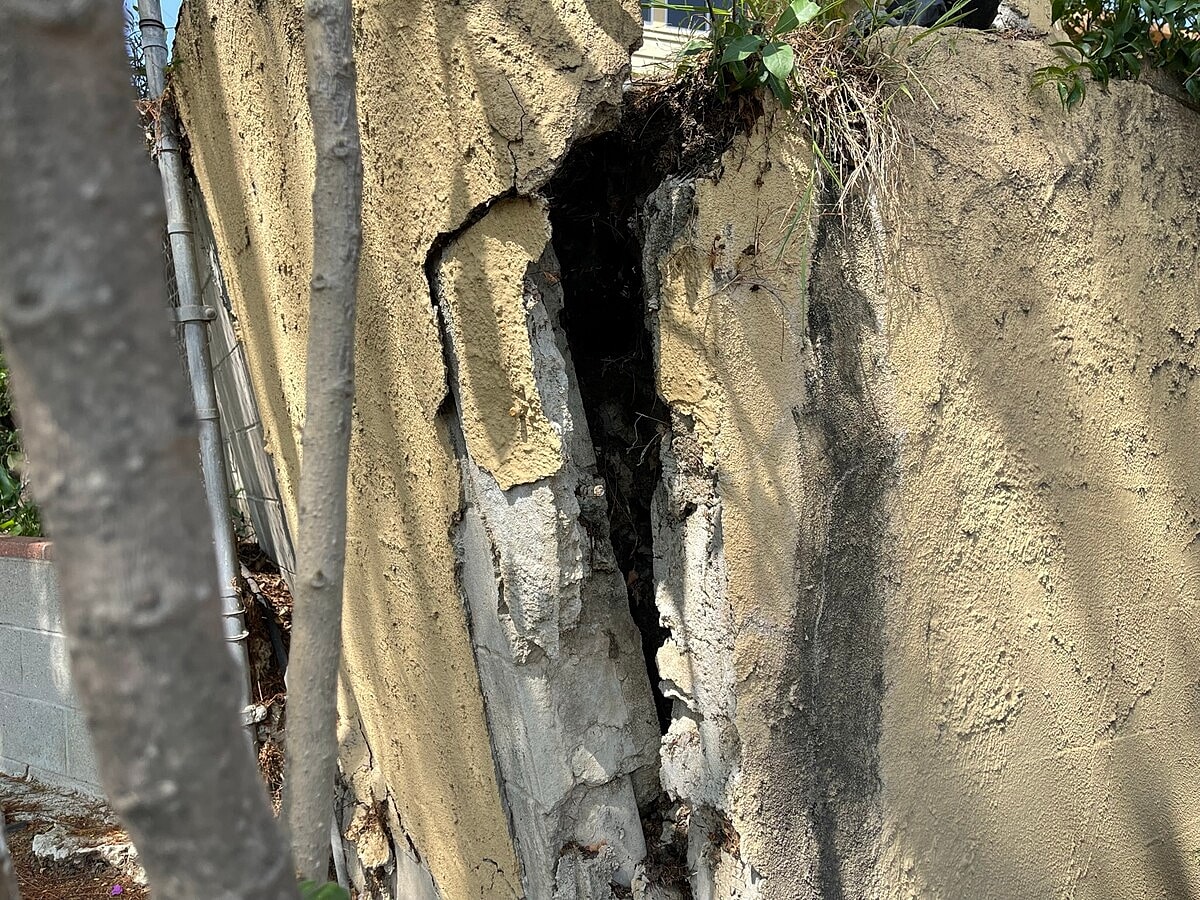
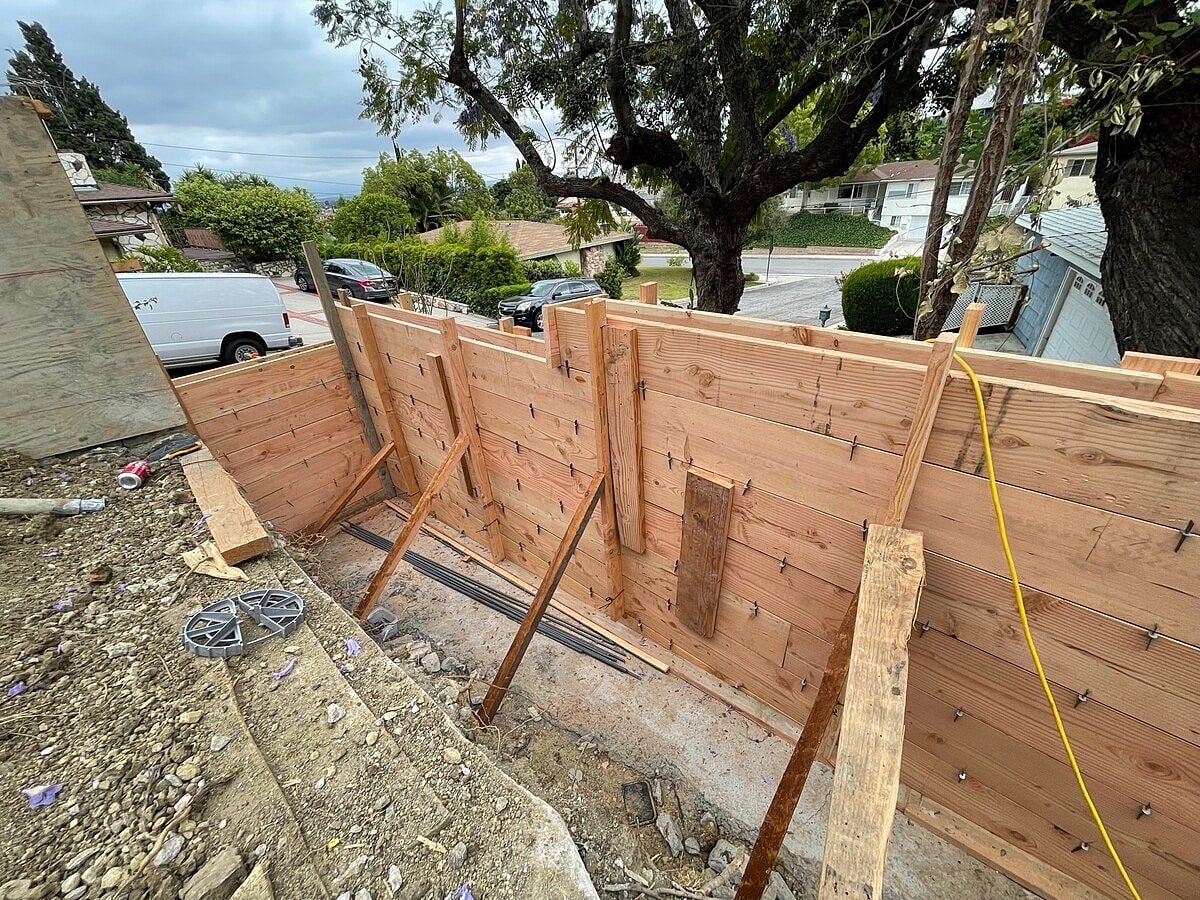
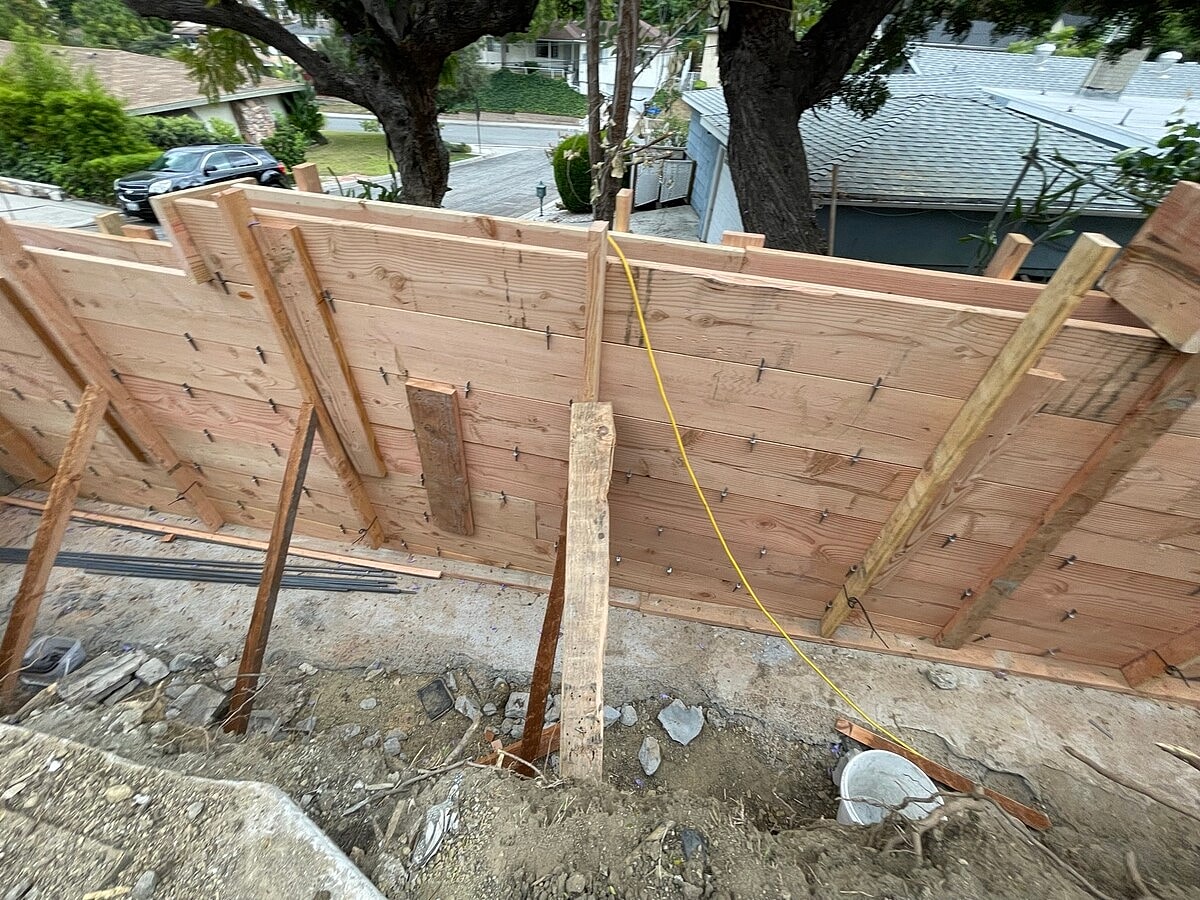
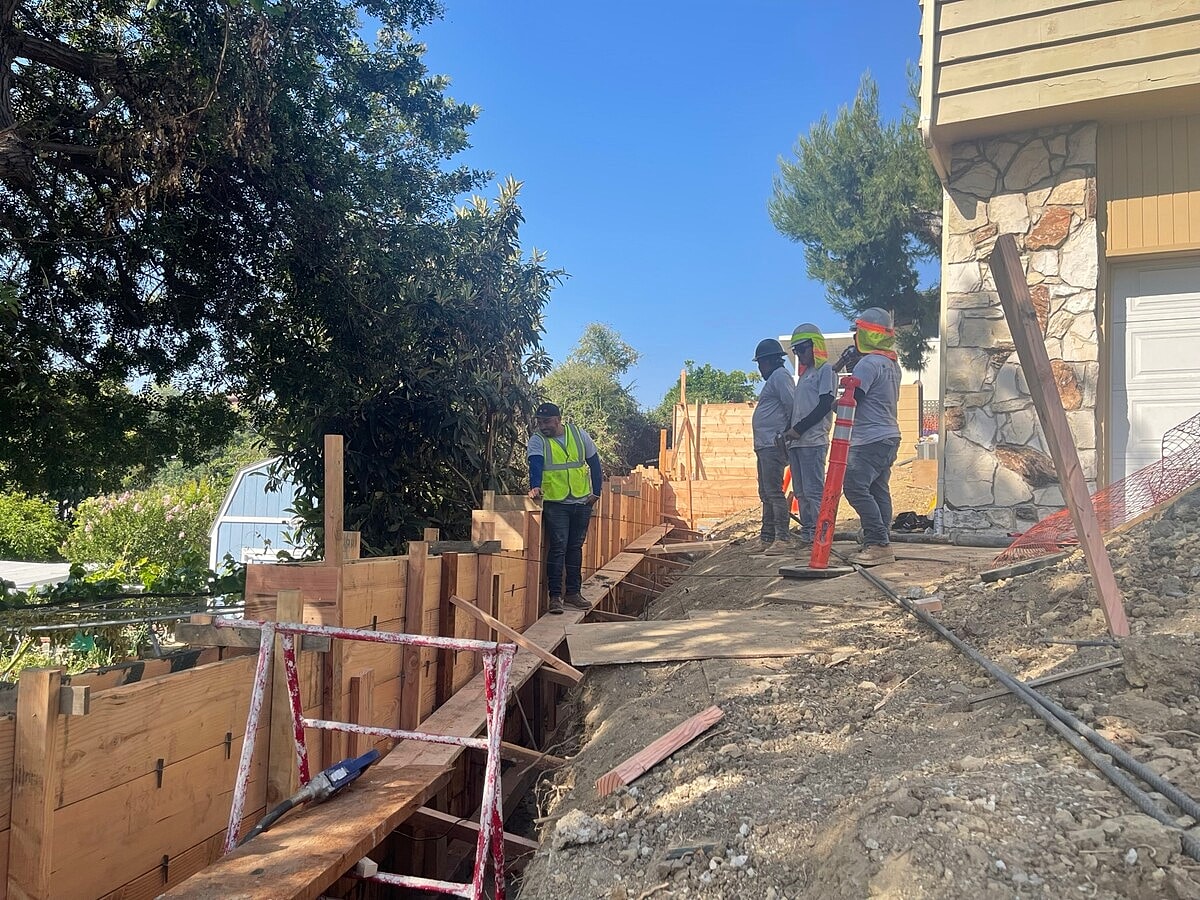
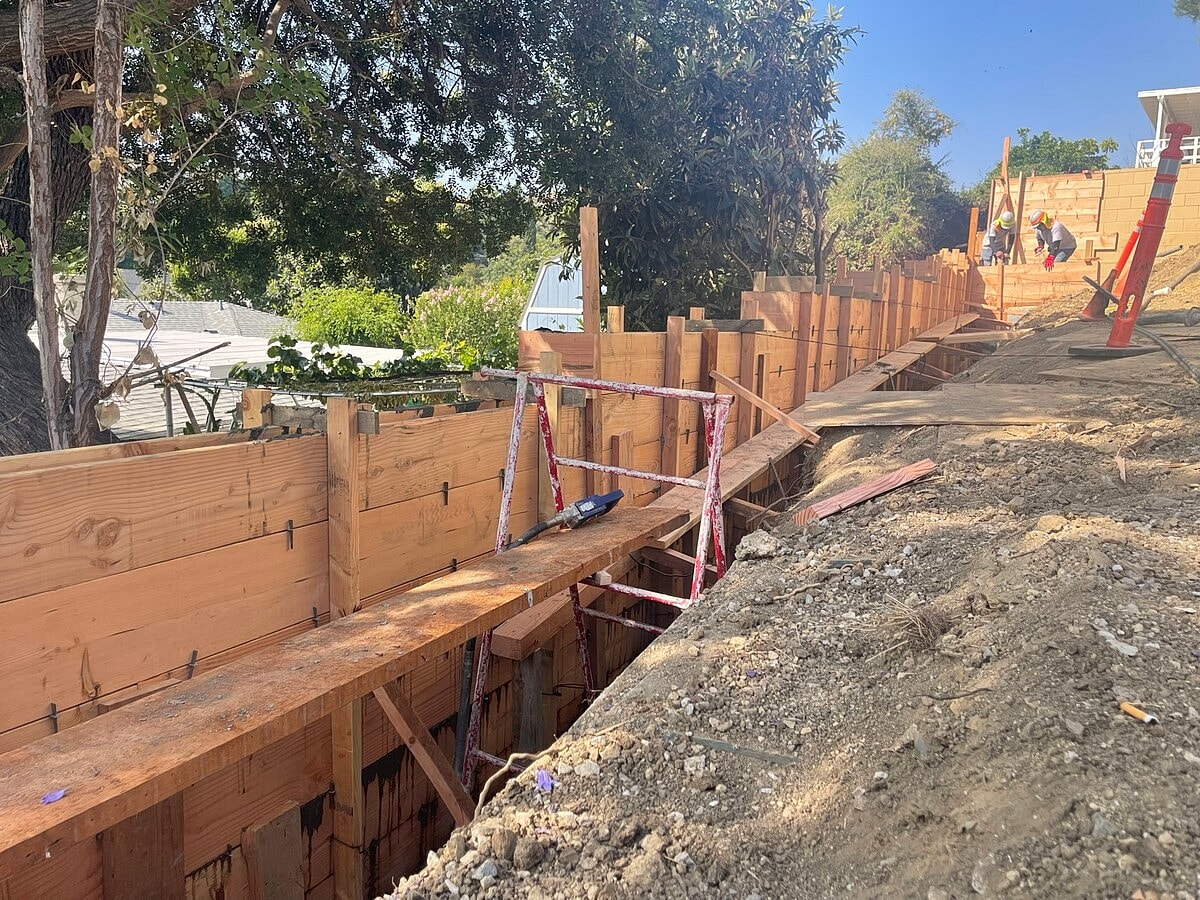
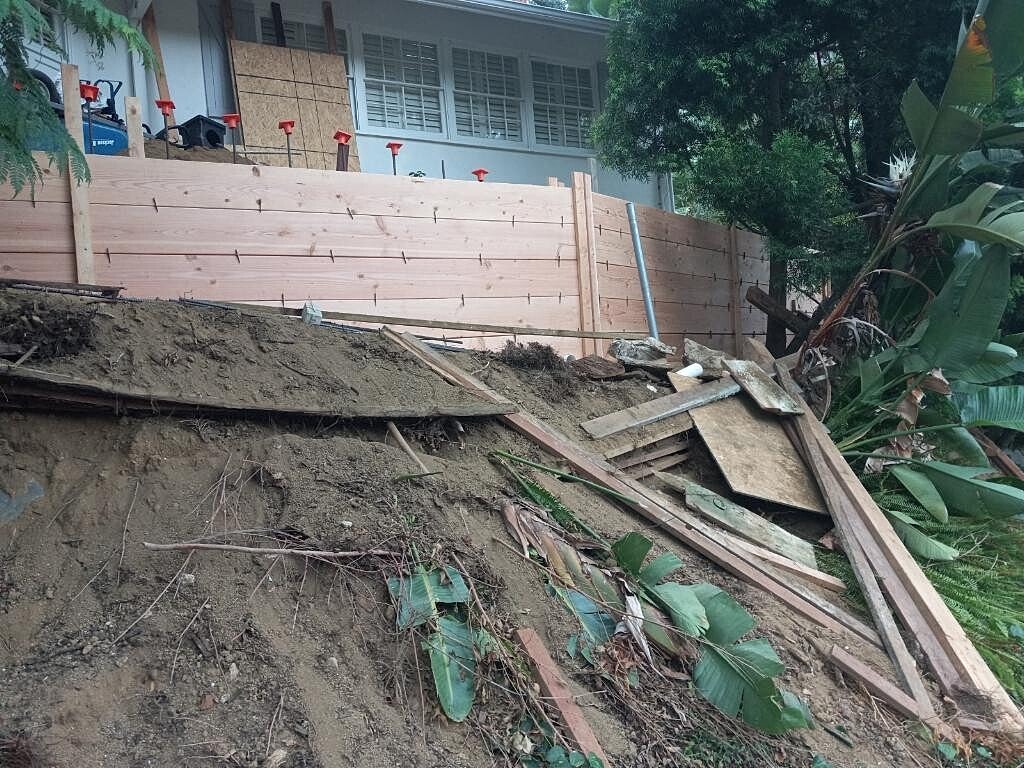
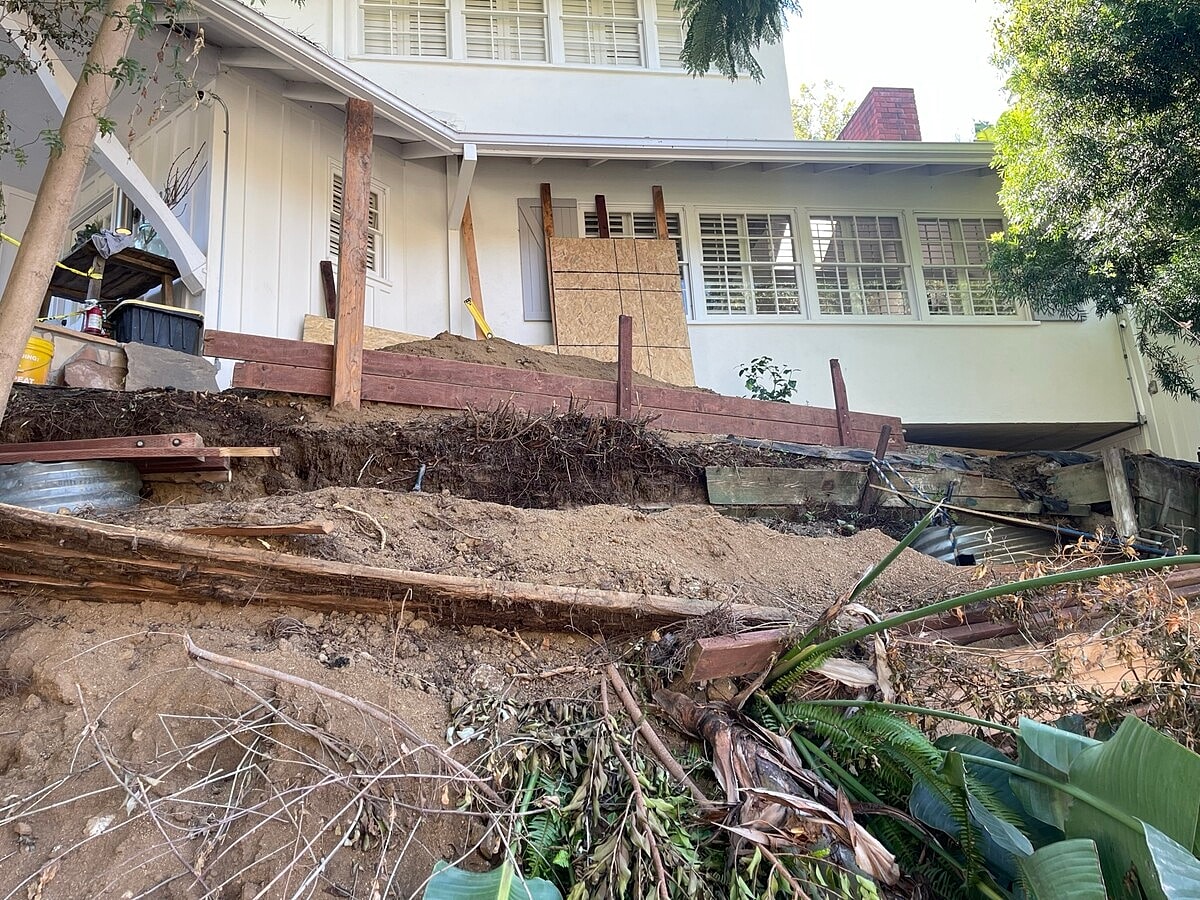
An engineered retaining wall construction project was completed in La Crescenta-Montrose to replace 66 feet of a failing retaining wall along the western perimeter. The scope of work included excavating and pouring a new continuous retaining wall foundation utilizing an inverted conventional spread footing that is 24 inches deep and 36 inches wide, using 4,000 PSI concrete. A cinder block (CMU) wall was constructed to a maximum height of 5 feet 5 inches, featuring solid grout-filled hollow cores using 1,500 PSI concrete, heavy-duty rebar reinforcement, and a CMU cap. Additionally, the retaining wall was waterproofed per the engineered plan, and a 4-inch sub-drain line wrapped in a gravel pocket was installed to release hydrostatic pressure. The project concluded with complete soil backfill and compaction.
Commercial/Multi-Family
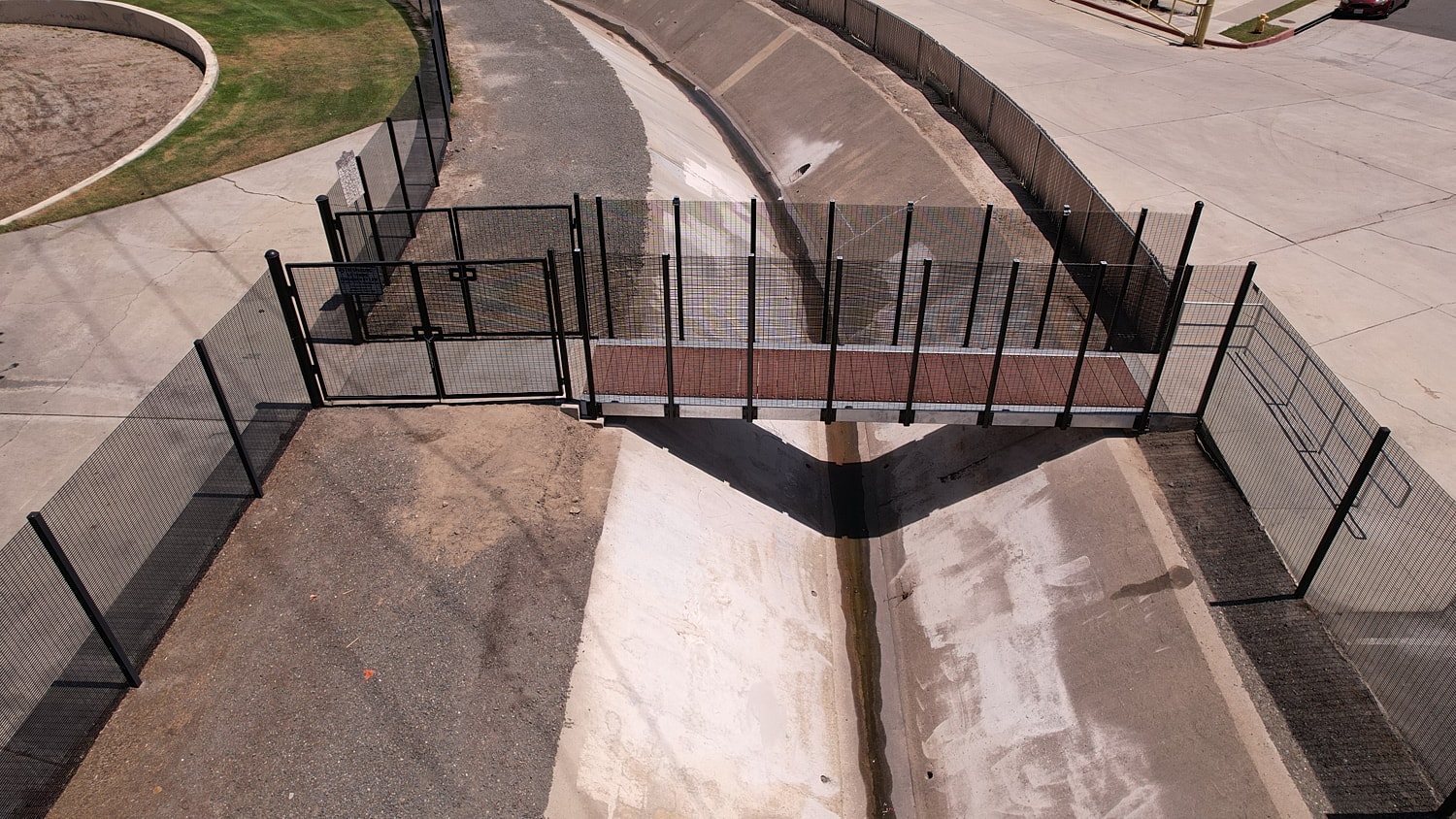
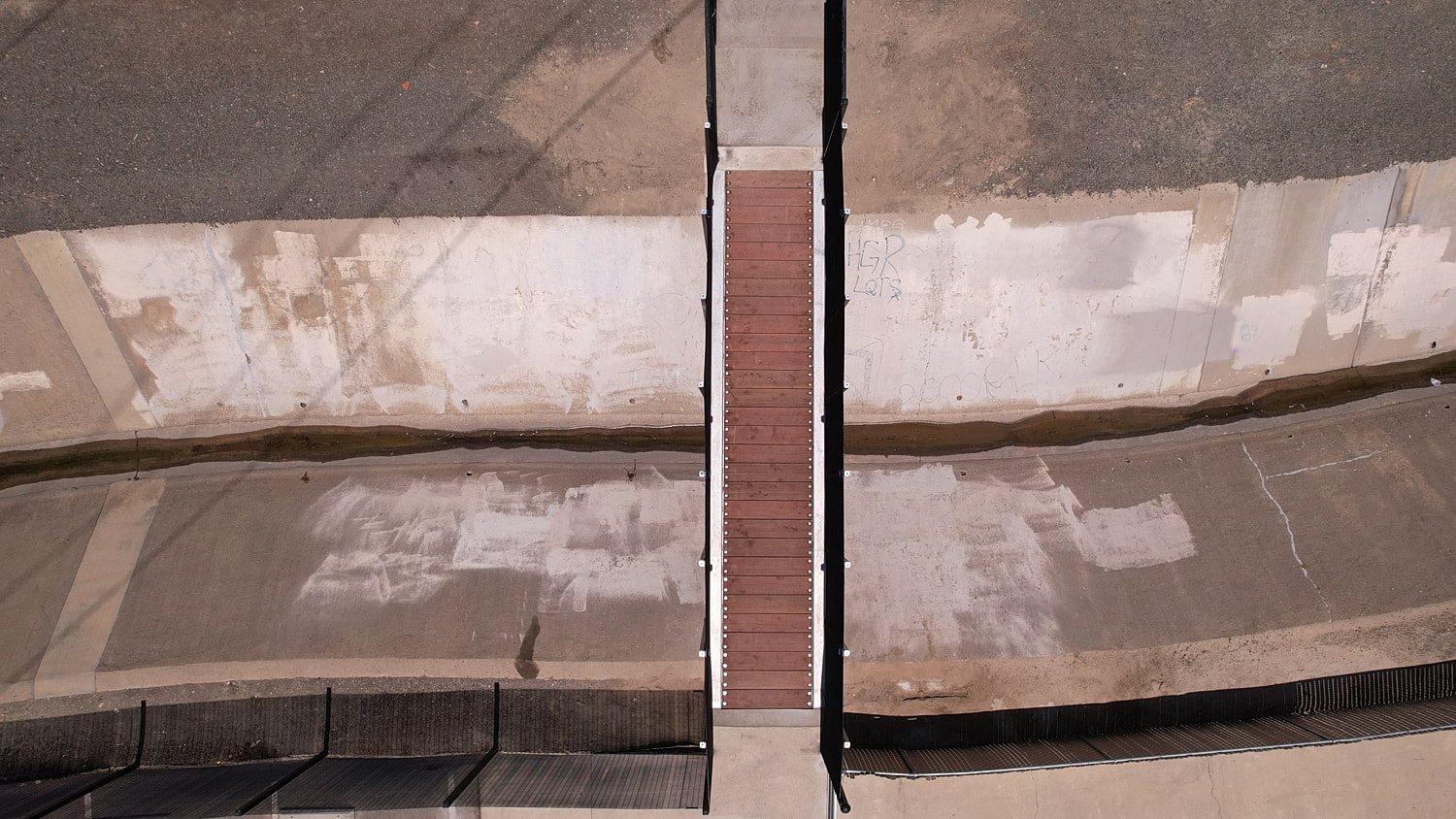
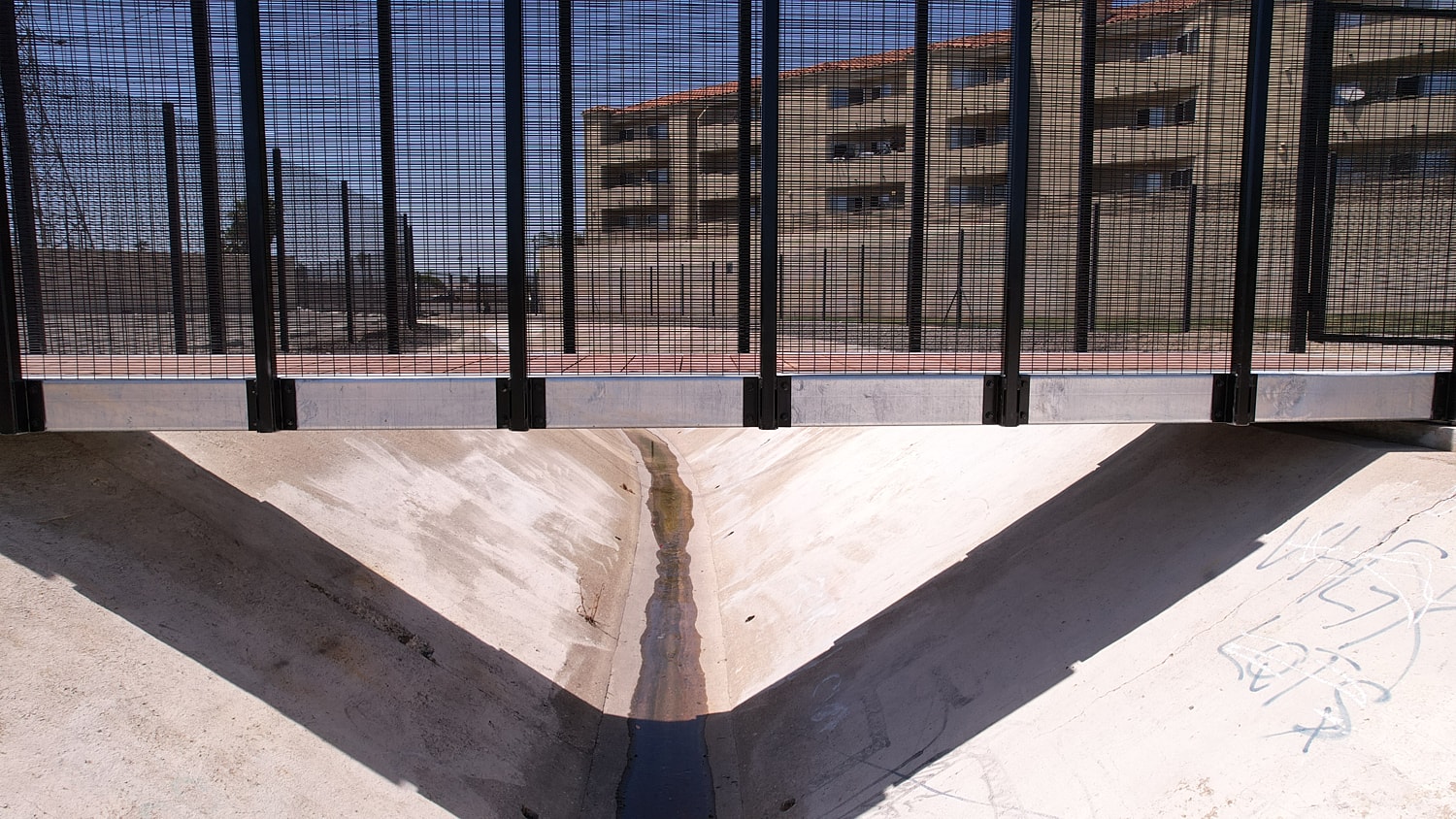
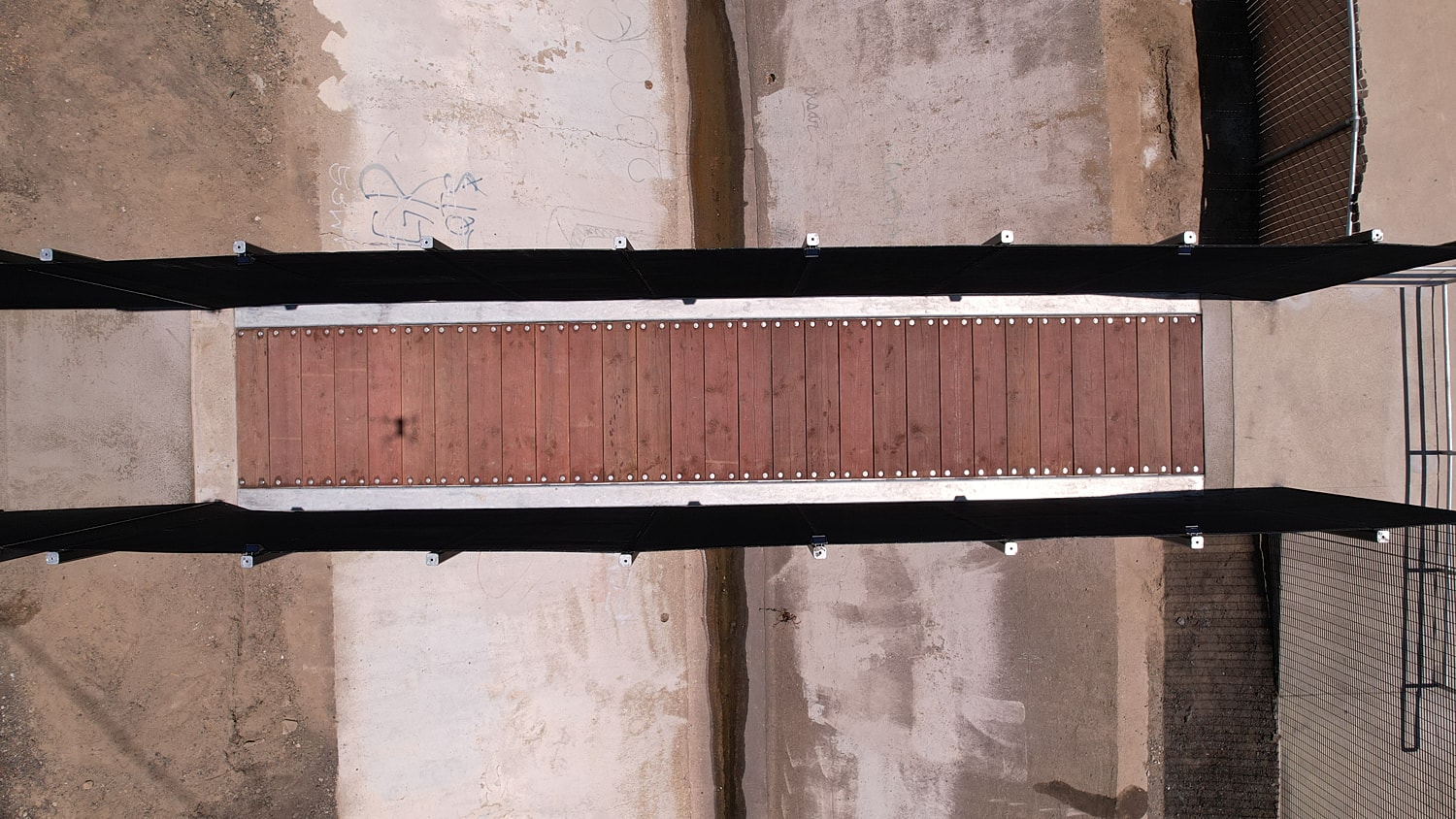
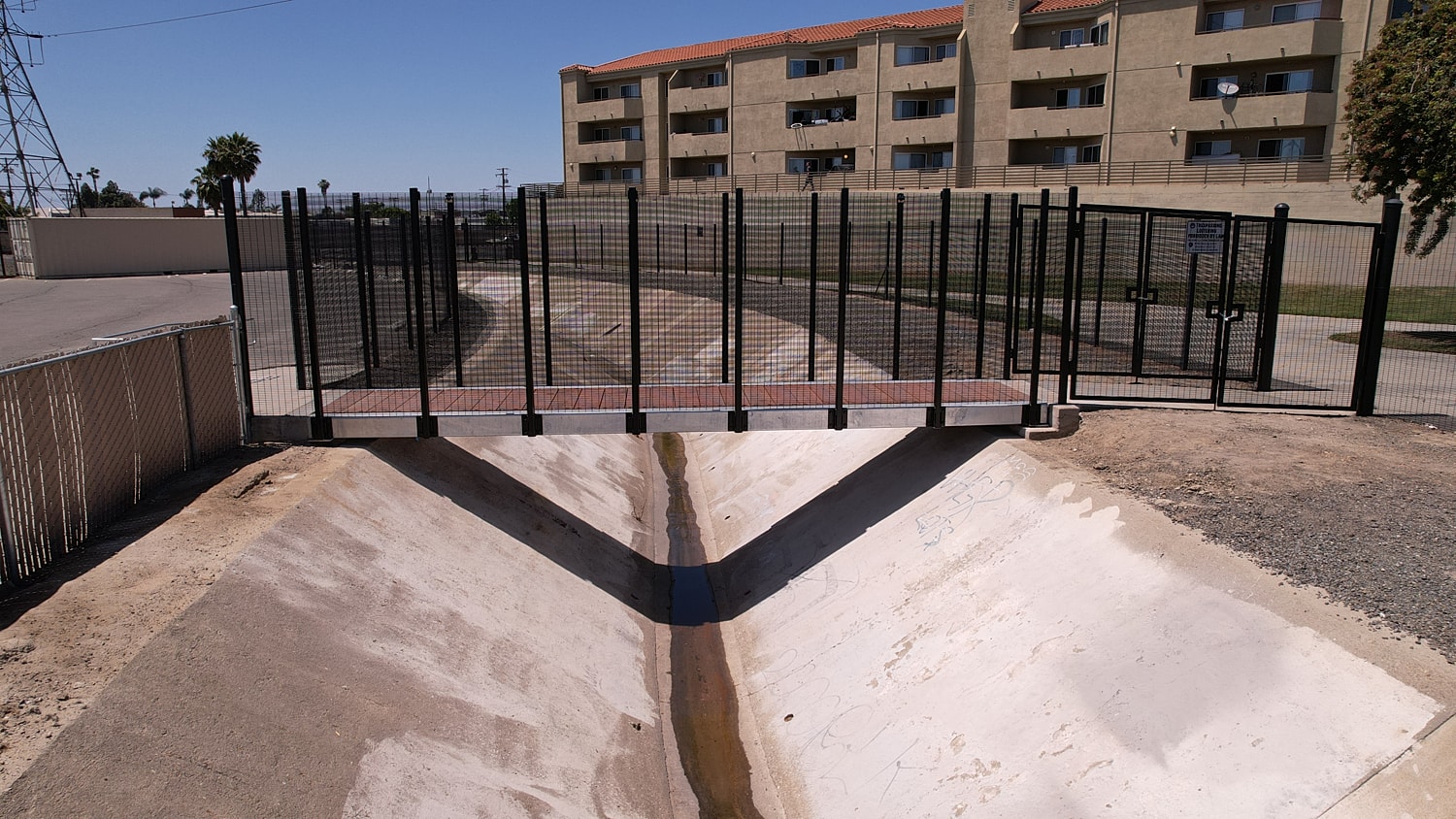
A combined engineering and construction project was completed in Stanton to replace a pedestrian bridge and partial fencing that failed due to a vehicle collision. The scope of work included the demolition of the damaged bridge and fencing systems, hardscape approach demolition and replacement on both sides, and the preparation and reinforcement of the bridge pedestals. Using crane operations, a newly shop-fabricated 6-foot by 28-foot clear-span steel bridge, constructed with HSS beams and L-angle lateral reinforcement, was installed. The structural steel components were double-dip galvanized, and the walkway was finished with new timber planking across the entire span using counter sunk bolts. Finally, new HSS fencing posts and 8-foot-tall mesh fencing were installed to match the original structure.
Commercial/Multi-Family
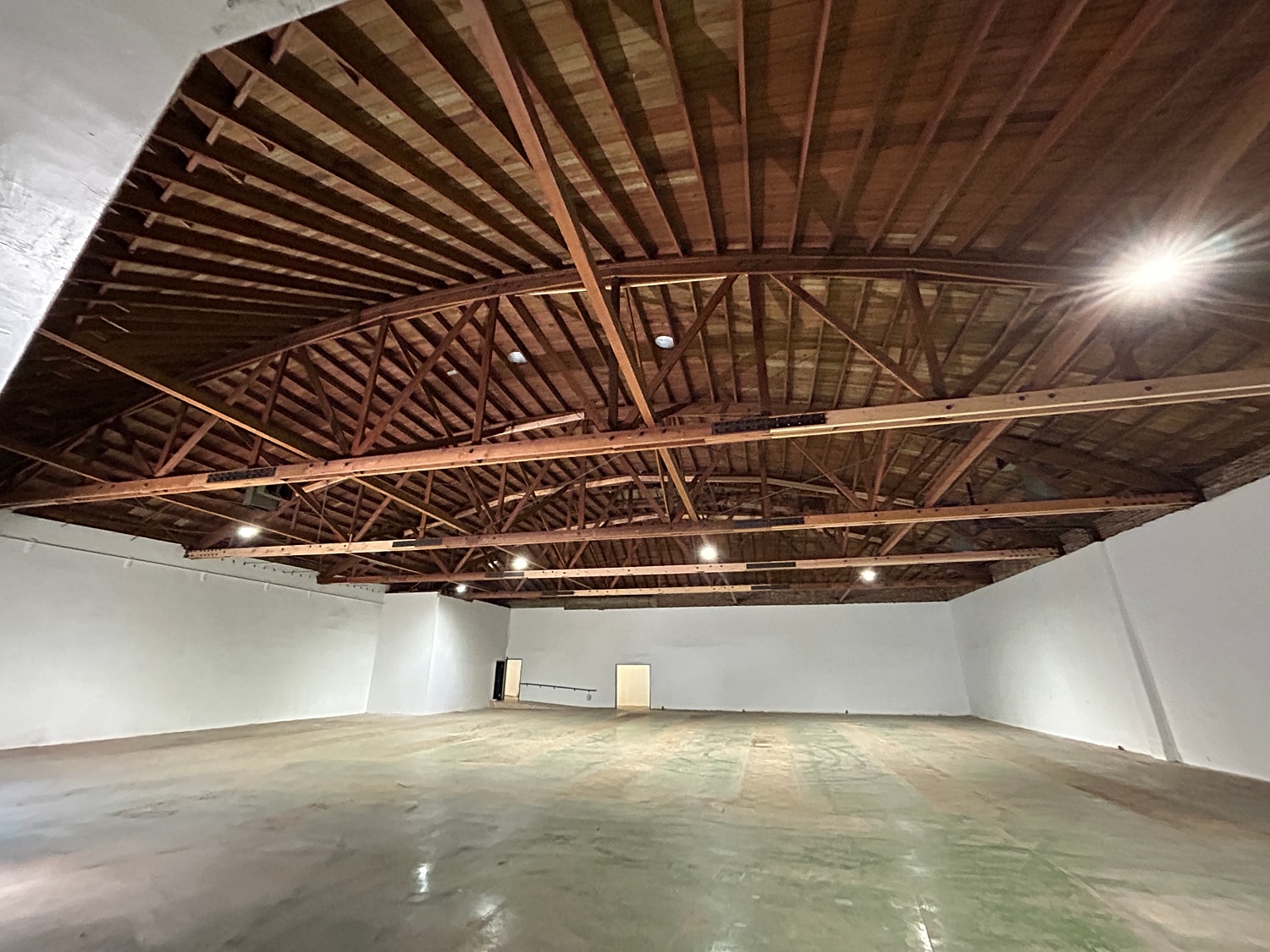
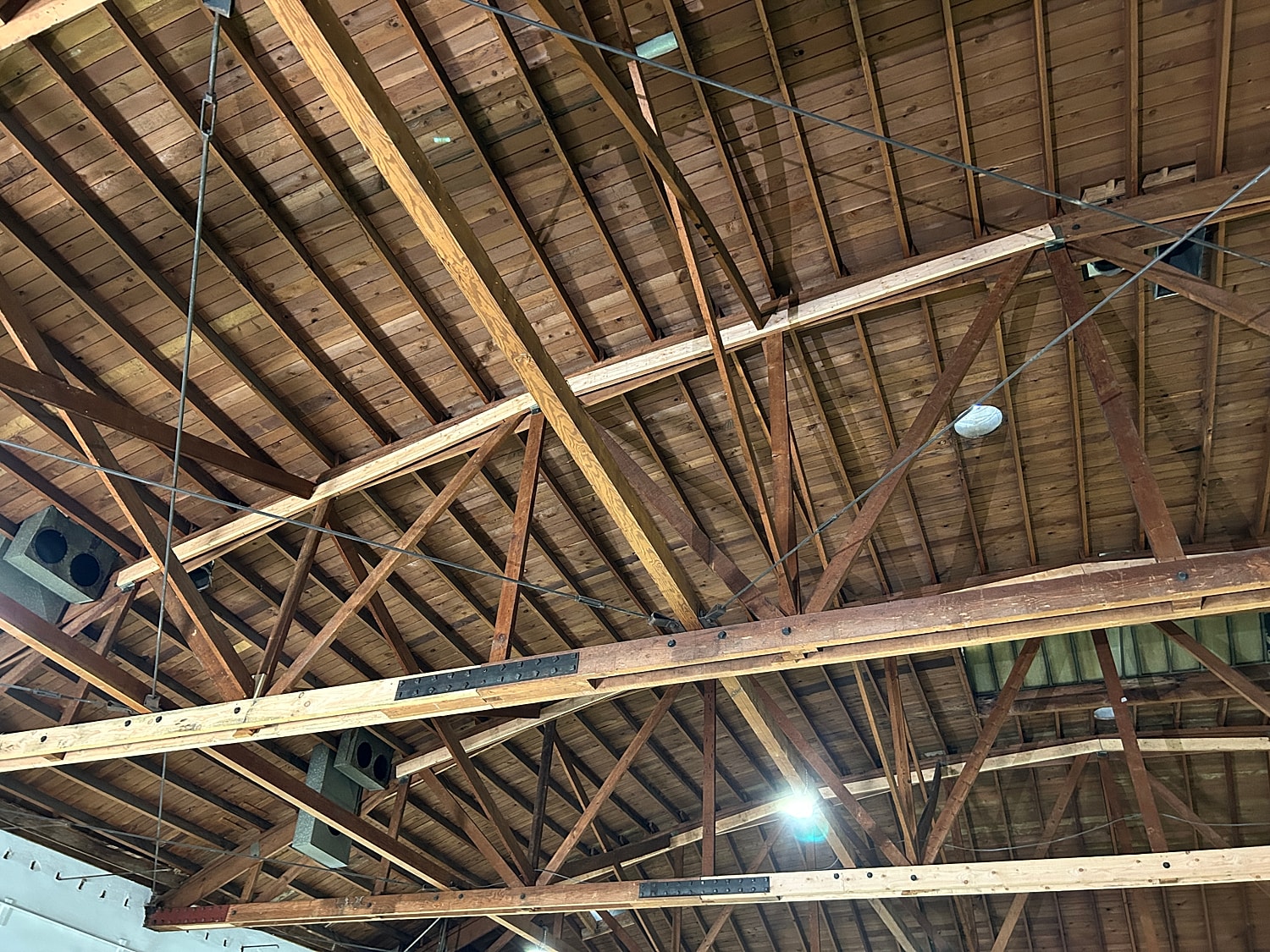
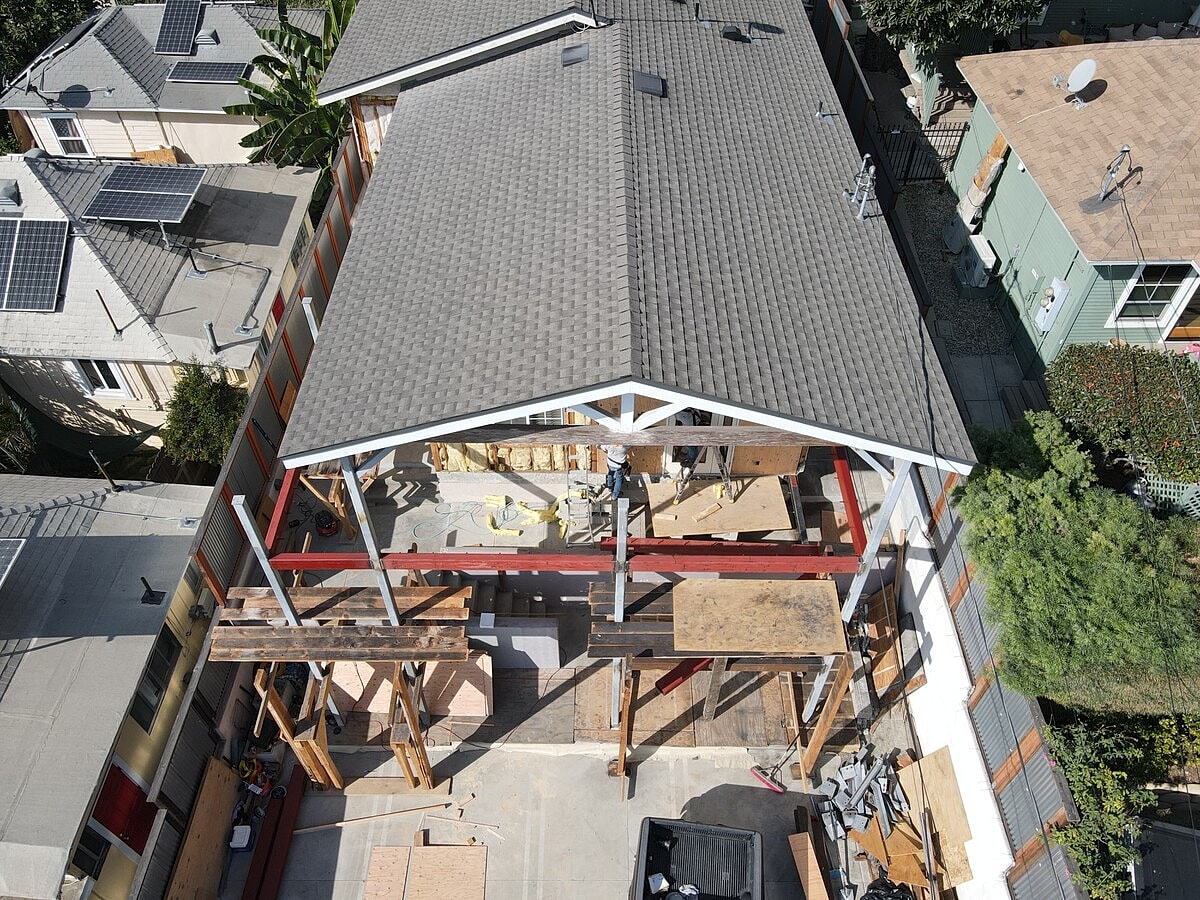
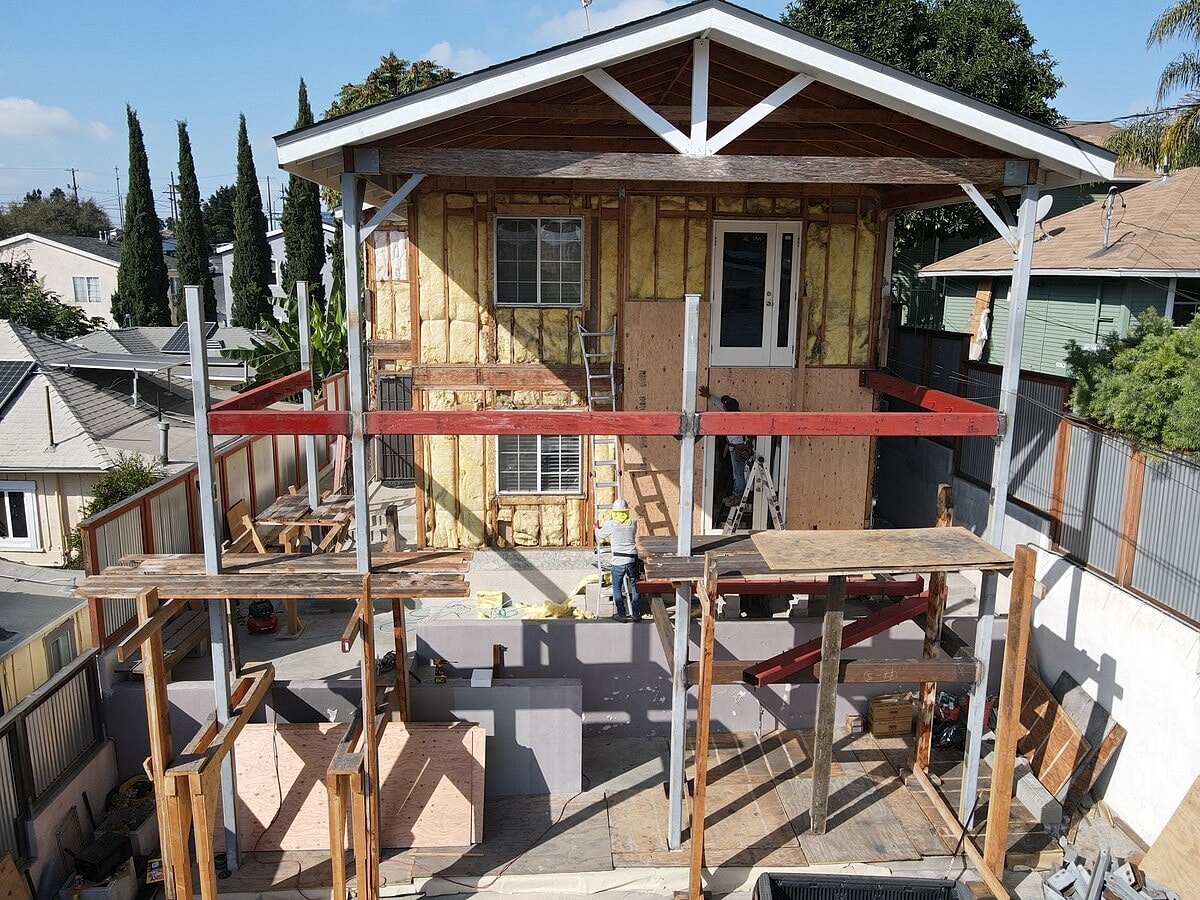
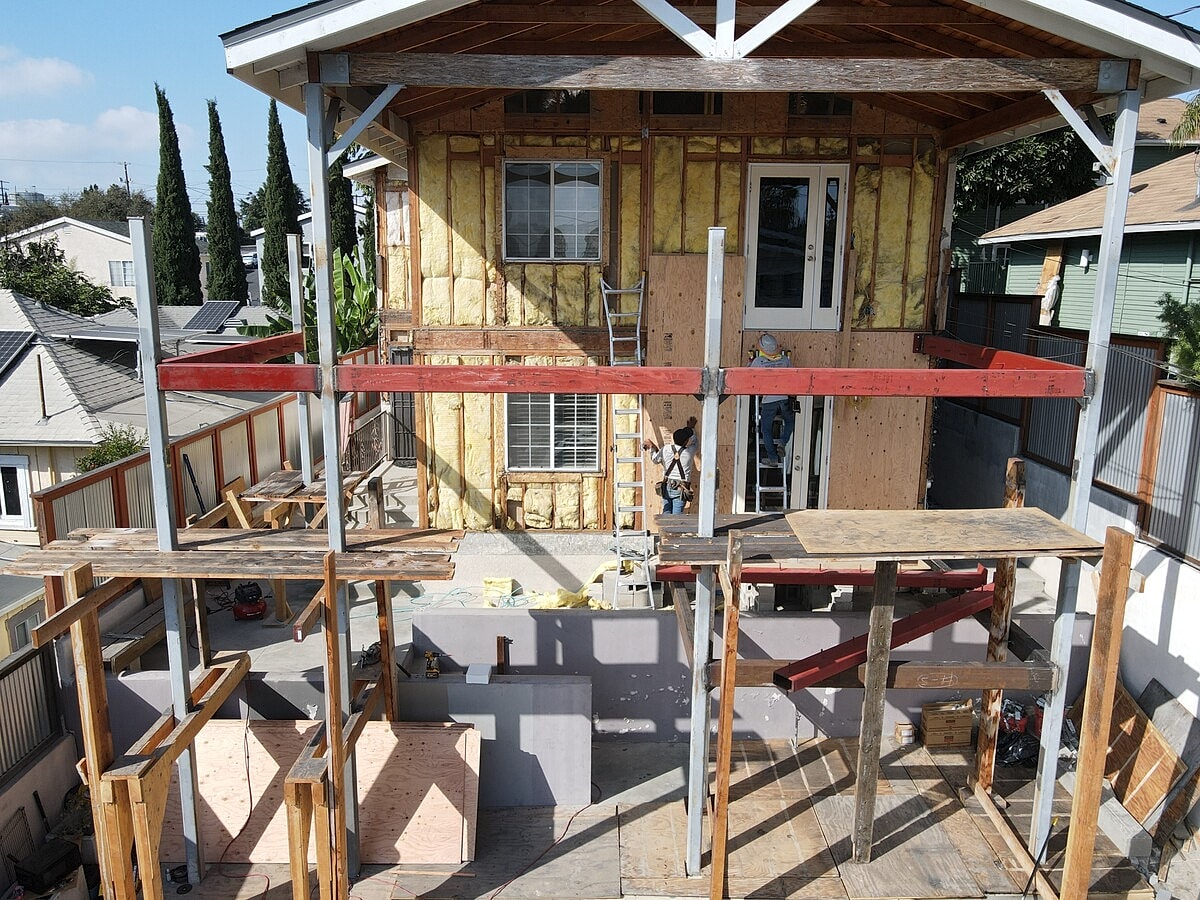
A structural project was completed in Los Angeles to address damaged framing within an existing wood bow truss system. The scope of work required the installation of a temporary shoring system to support the roof load throughout the repair and replacement process. This involved placing ten pairs of temporary shoring columns and ten temporary 4x10 beams to support one full row of the roof truss system along an 88-foot length. Repairs were performed at 21 identified locations, consisting of 13 upper truss split framing locations and 8 lower truss repair locations. The team sistered existing framing at the upper roof truss, temporarily detached the steel bracket bolt system to replace fractured framing members with matching lumber, and reattached the steel hardware. The shoring system was then systematically disassembled and relocated to complete framing repairs across 4 rows of the roof truss system.
Residential
A comprehensive design and build structural project was completed in Los Angeles to stabilize and level a home. The scope of work included a pile-supported partial foundation replacement along approximately 30 linear feet at the northeasterly foundation. To support this, two deepened piles, approximately 14 feet deep and 30 inches in diameter, were excavated and tied together with a 30-foot steel-reinforced grade beam. The project also involved jack-lifting the northeasterly perimeter to improve floor flatness across the top and bottom floors. Finally, structural framing repairs were executed, including the installation of a new 6x12 PSL beam under the kitchen wall and a new pad footing to support the structural loads.
Residential
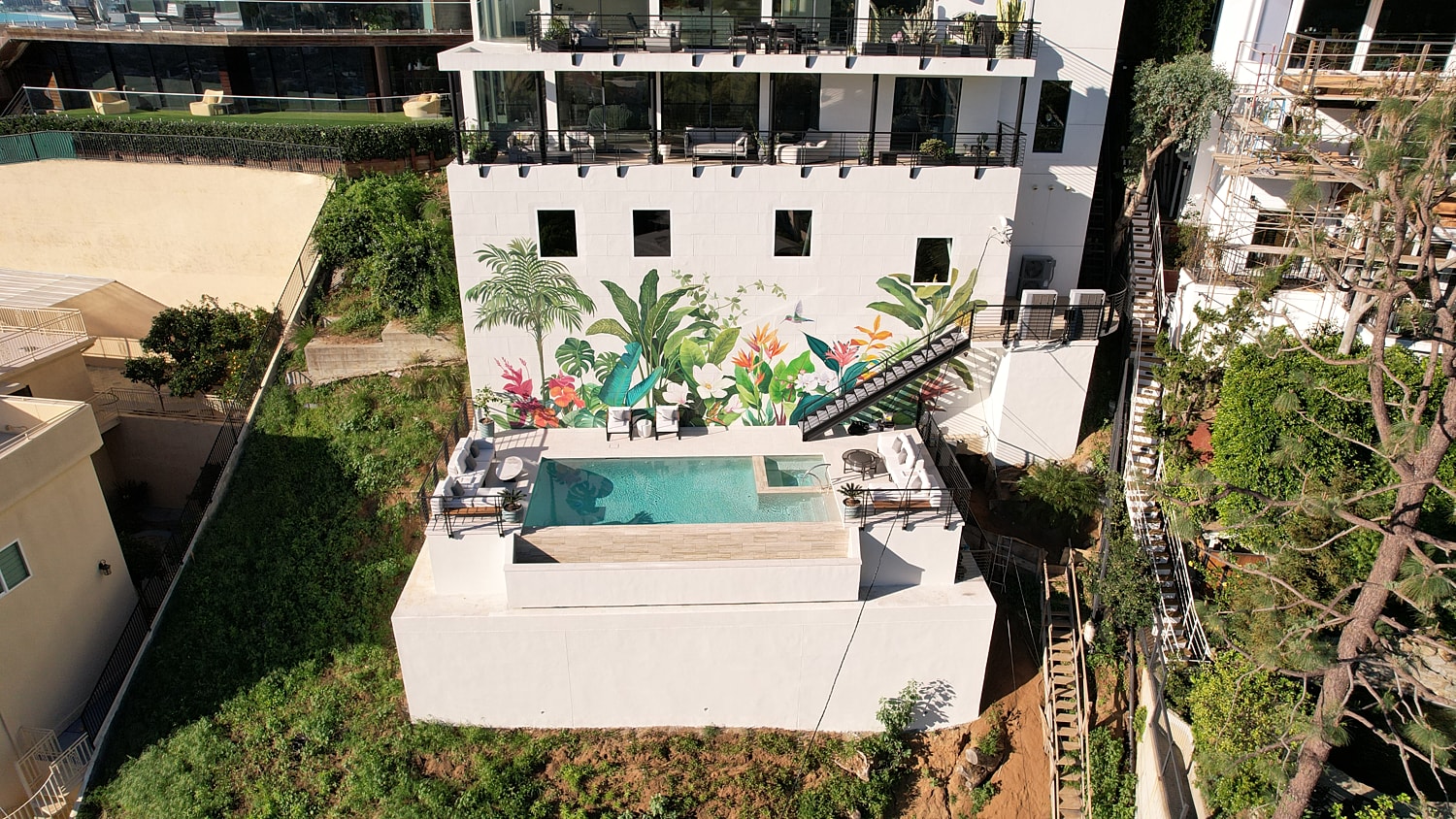
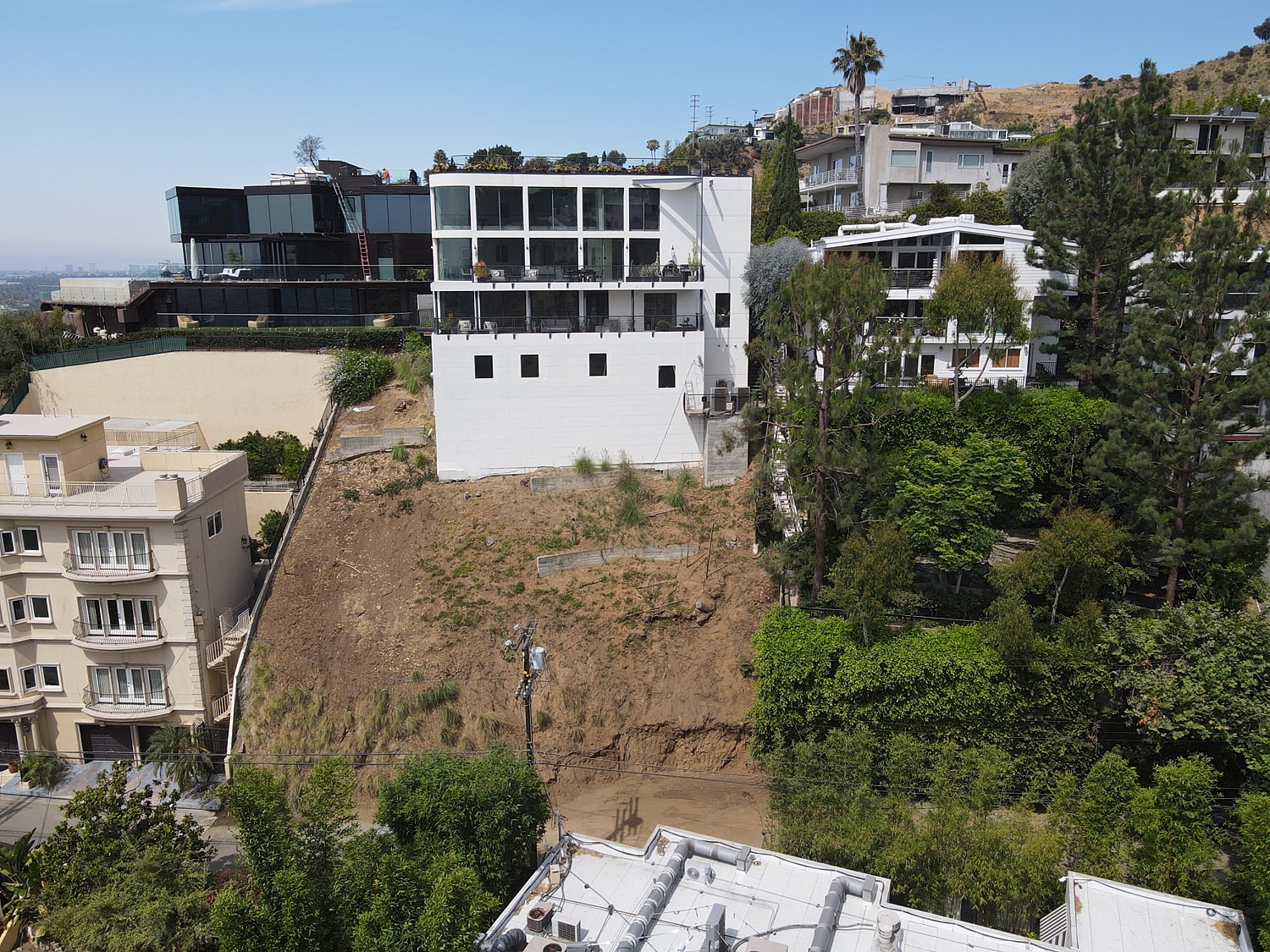
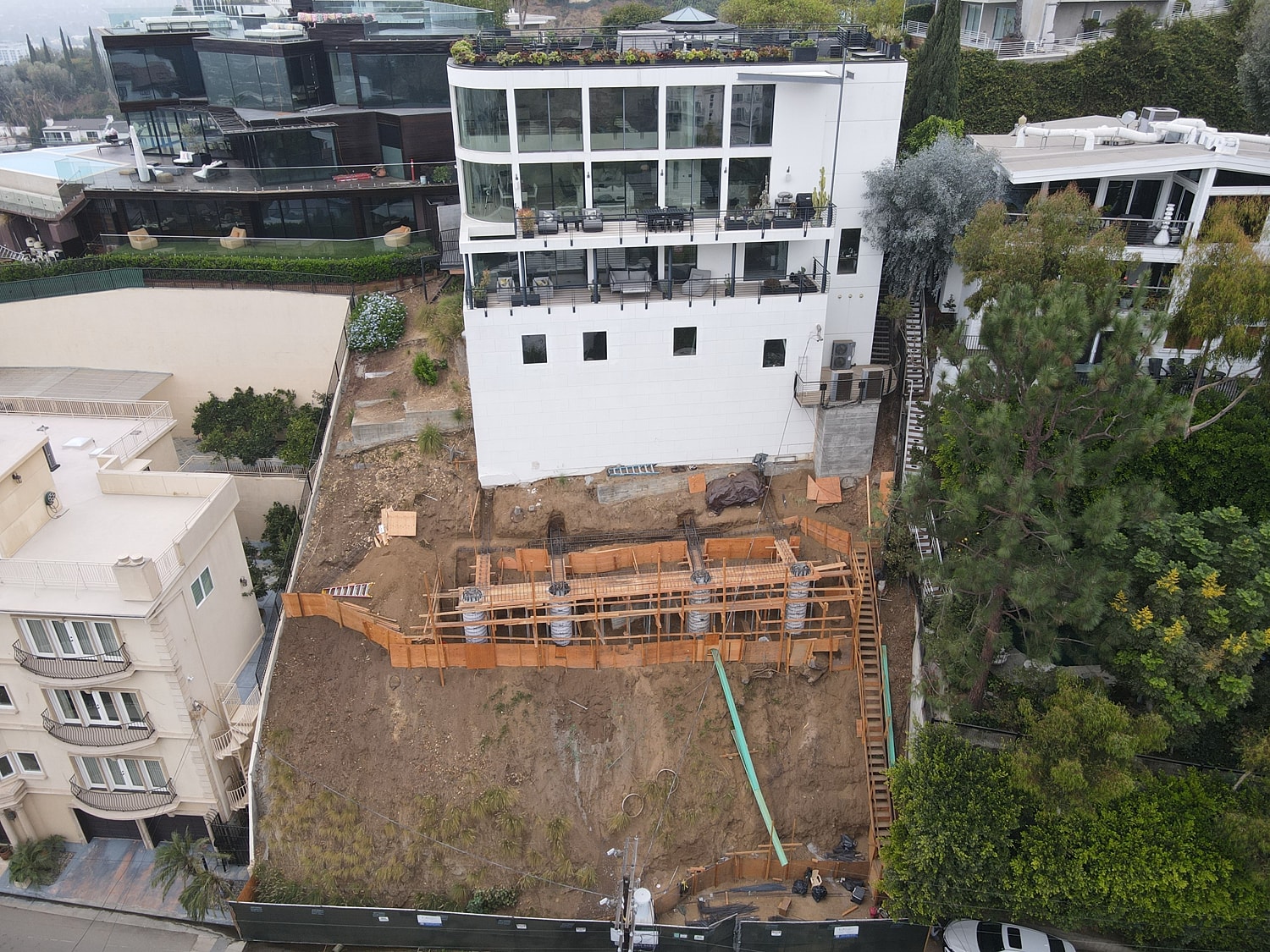
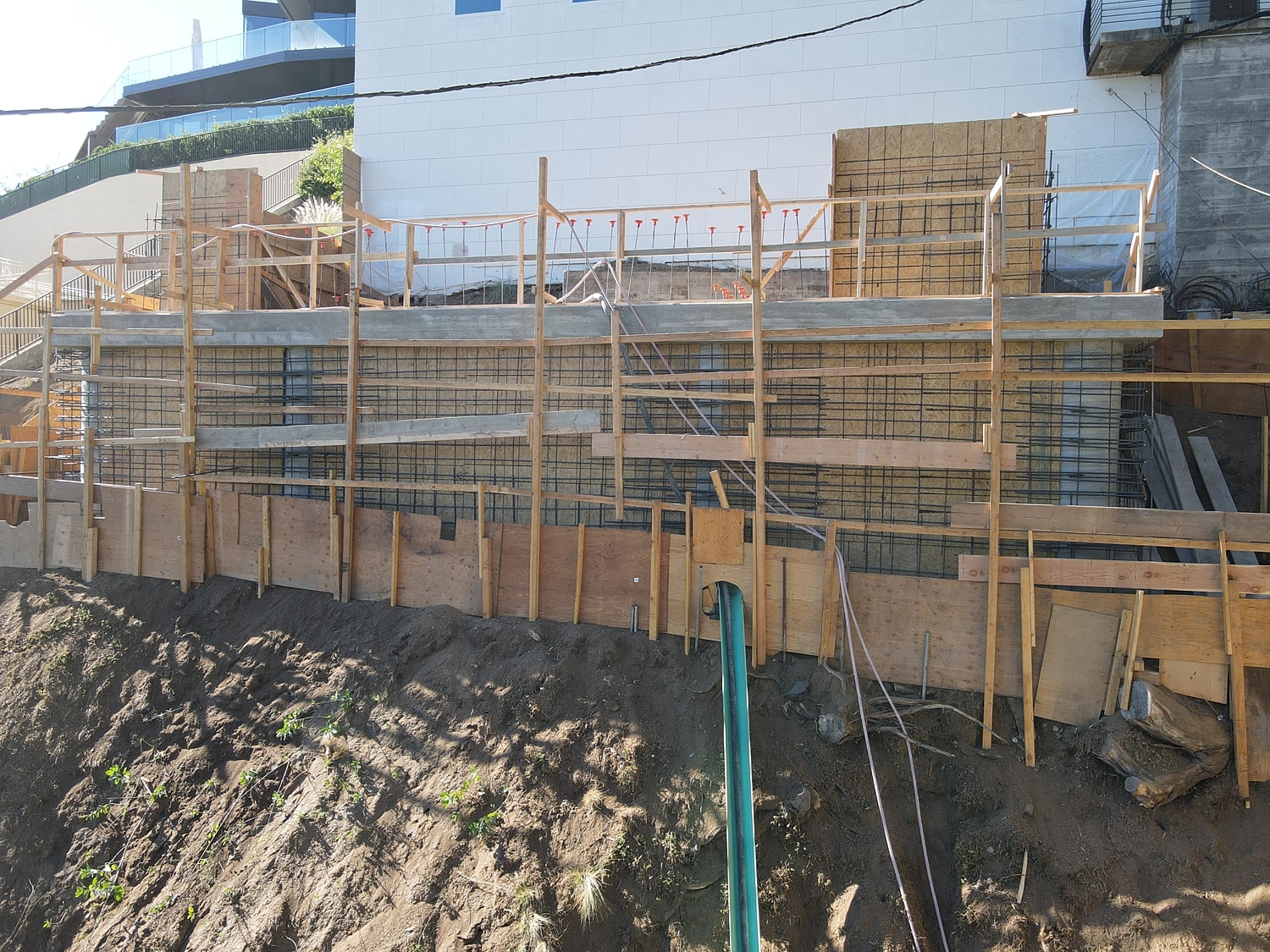
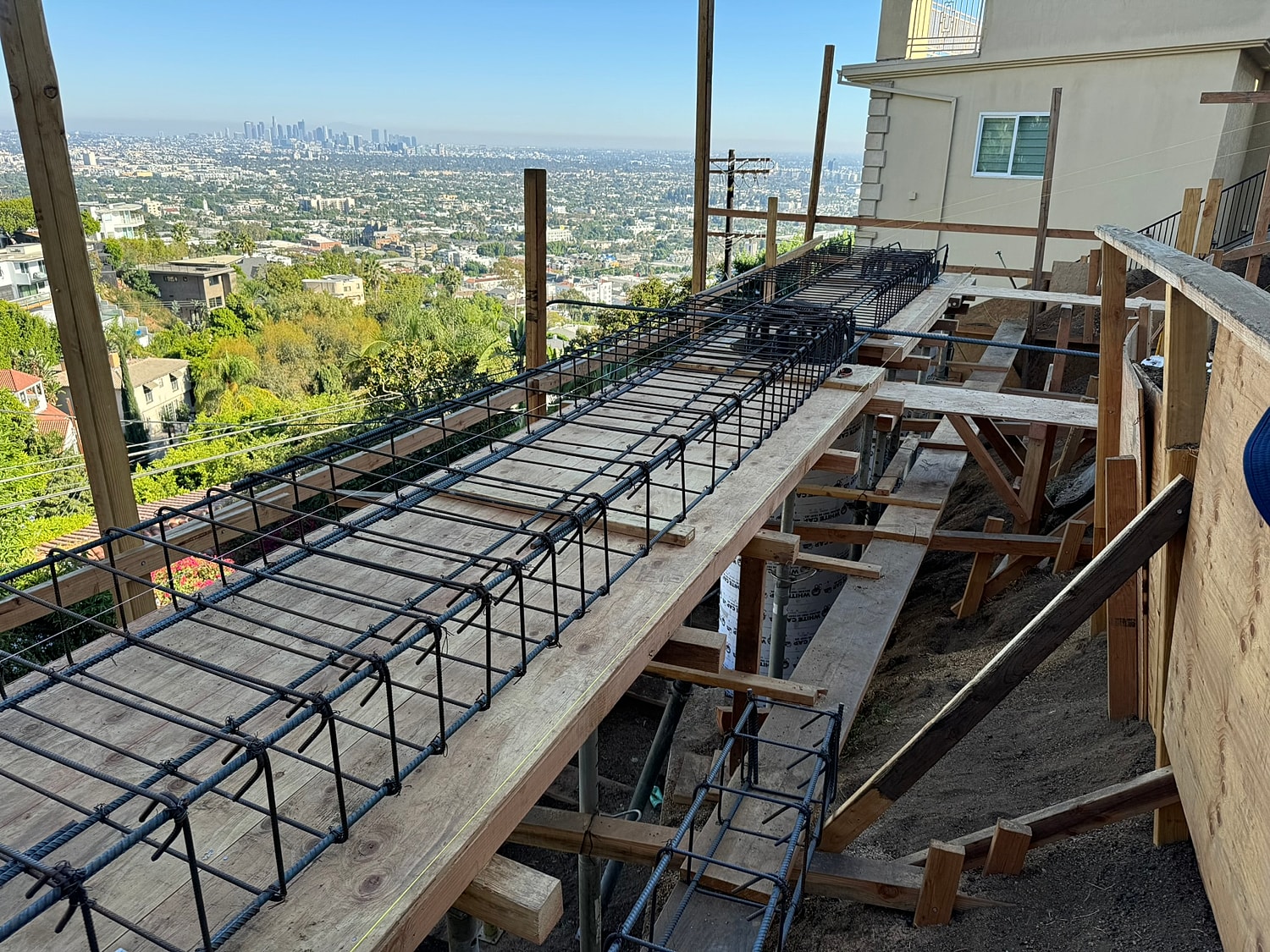
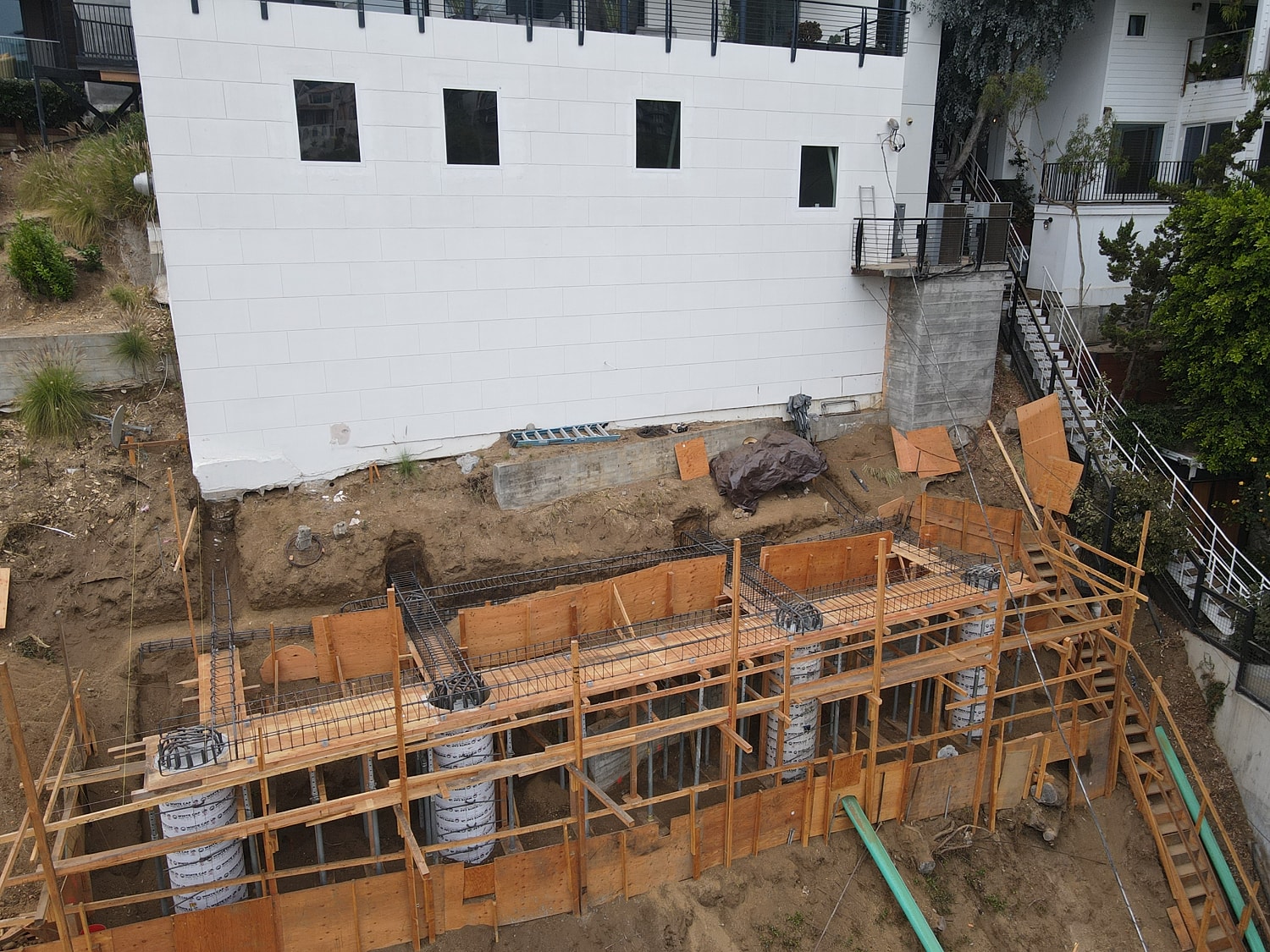
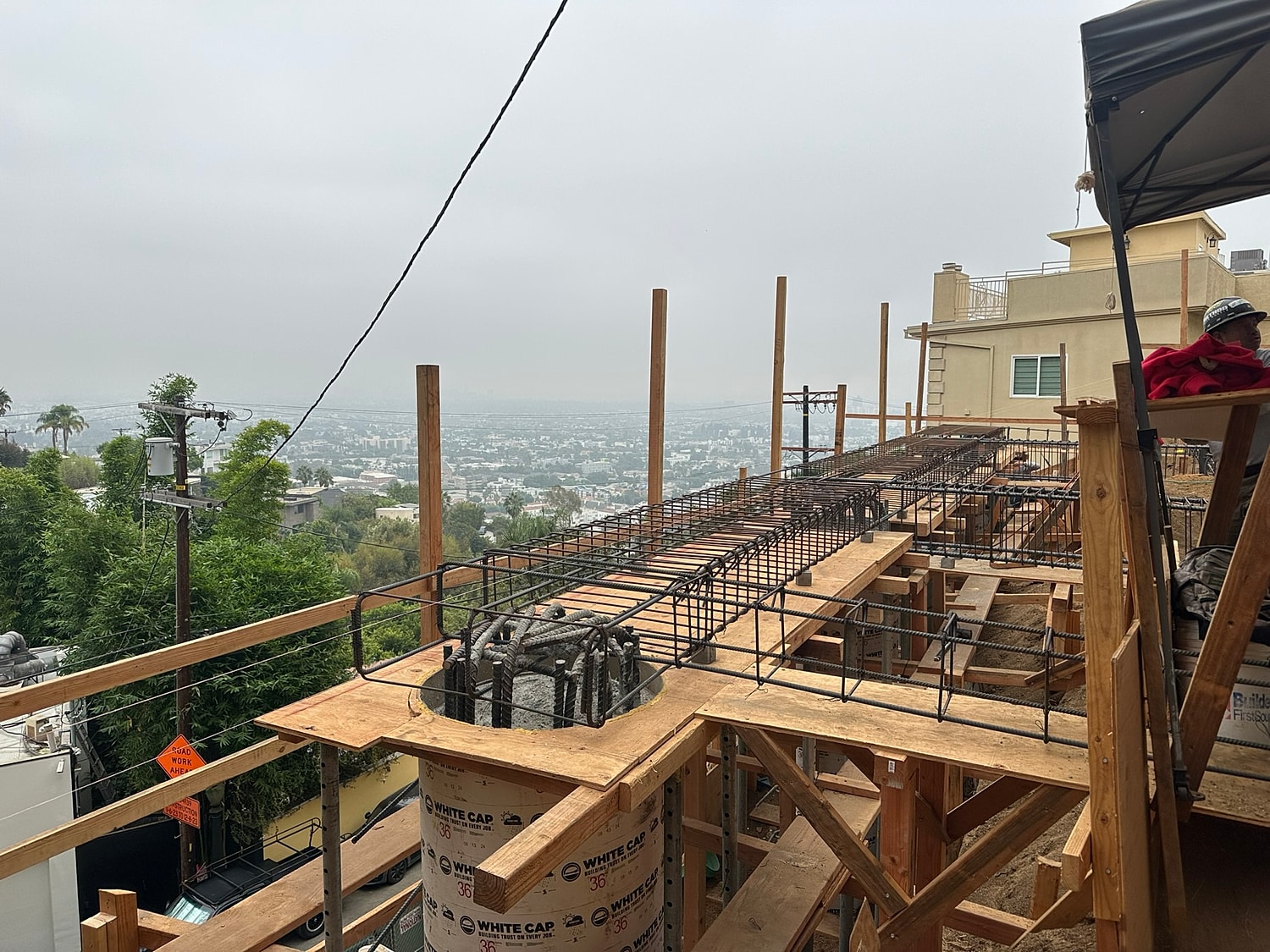
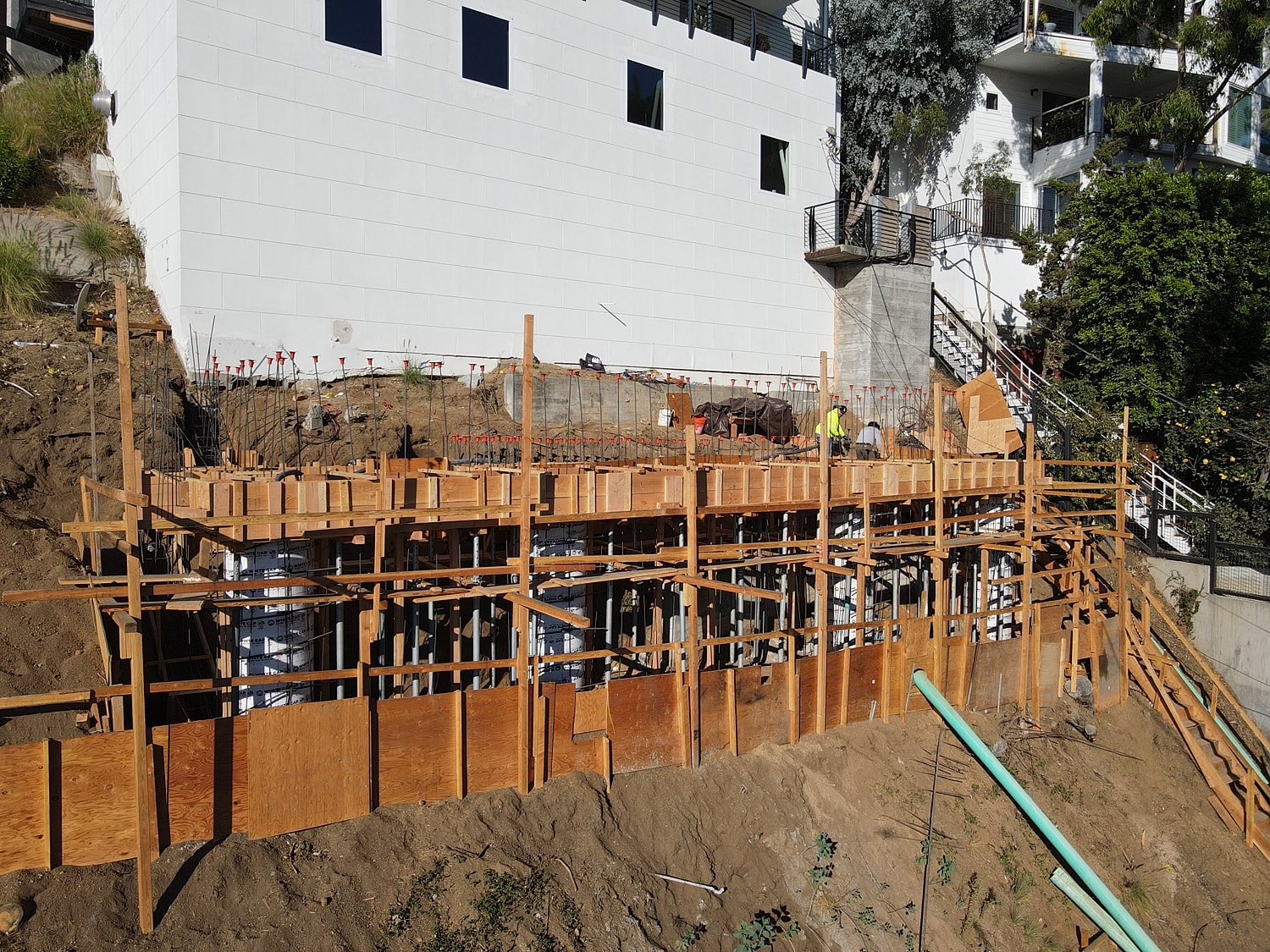
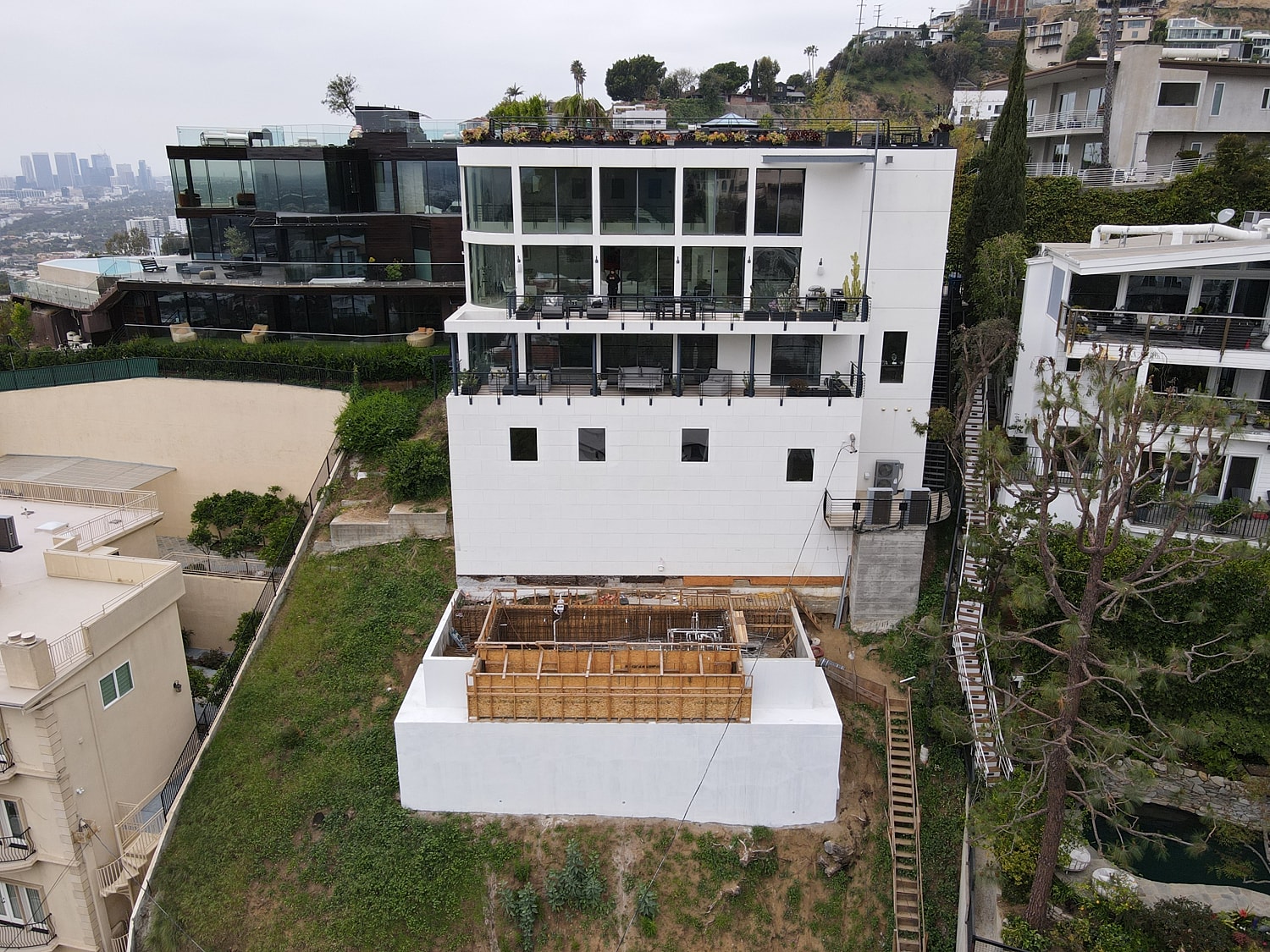
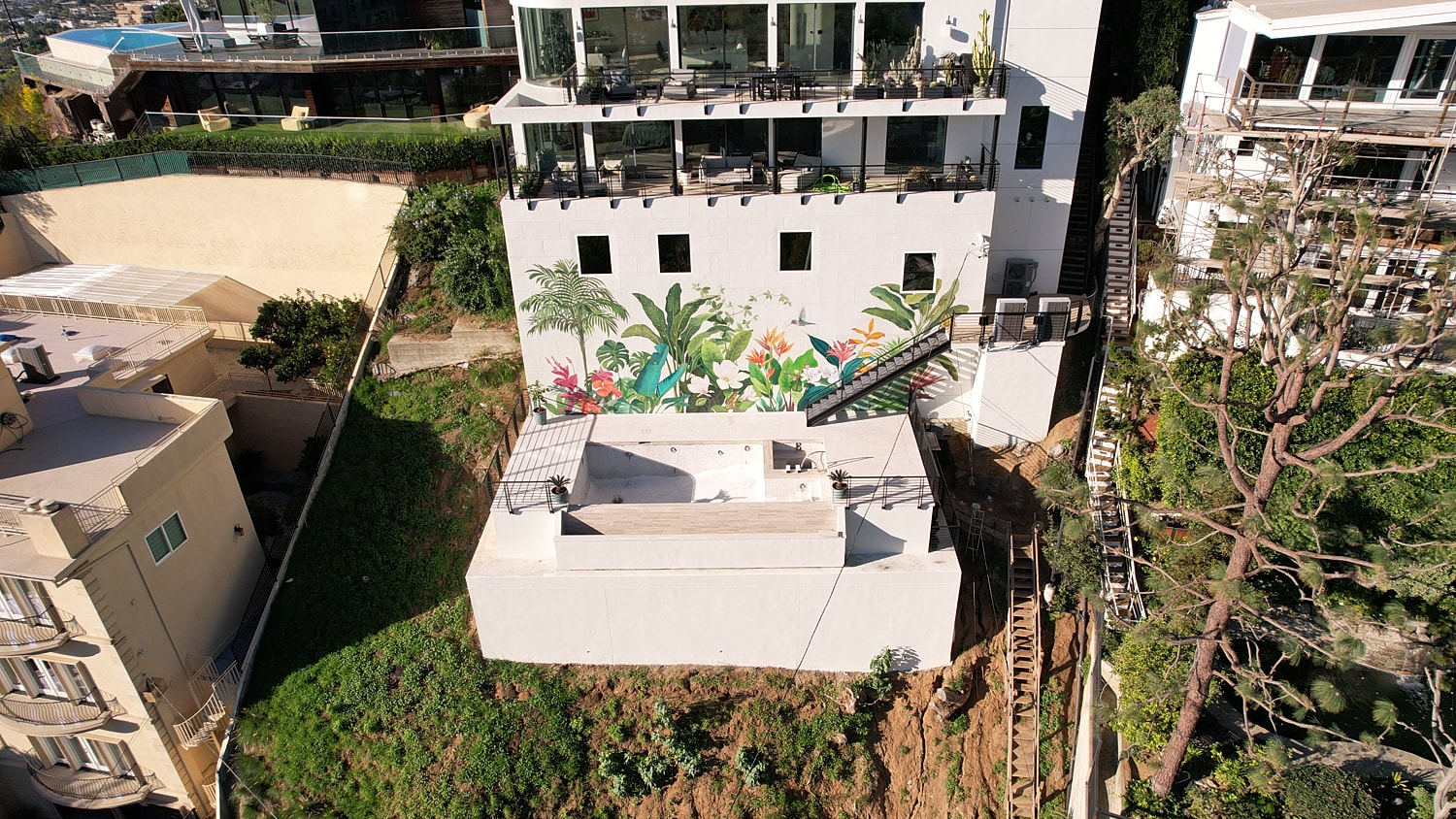
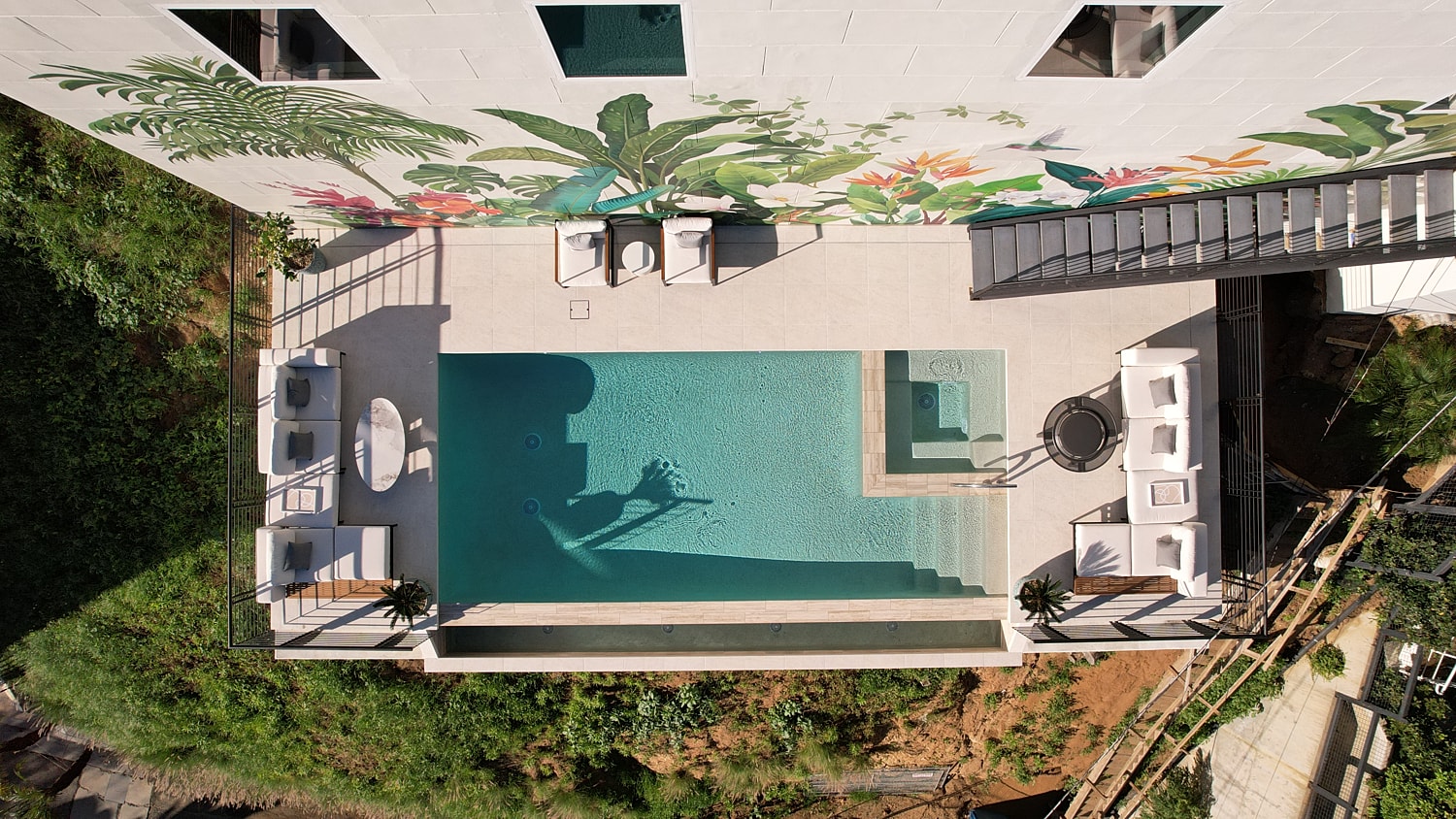
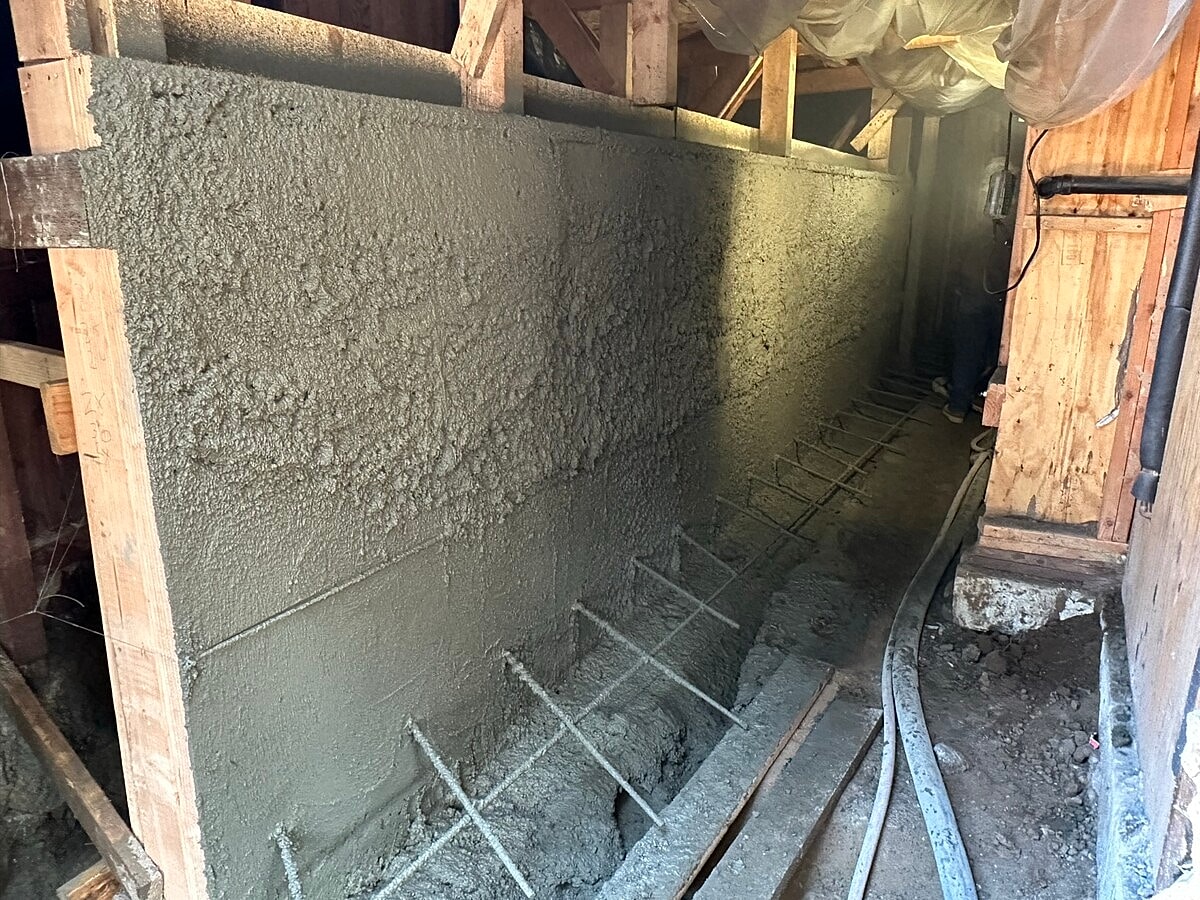
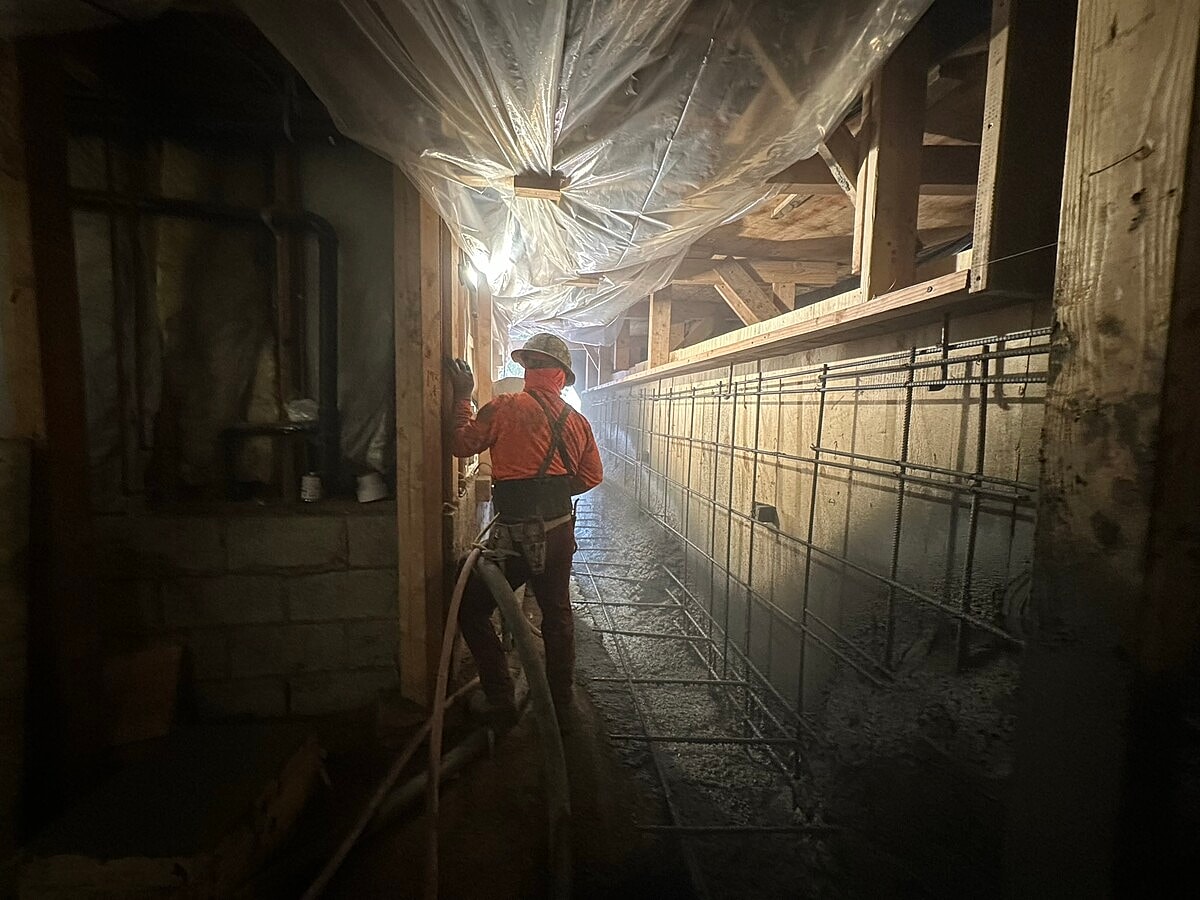
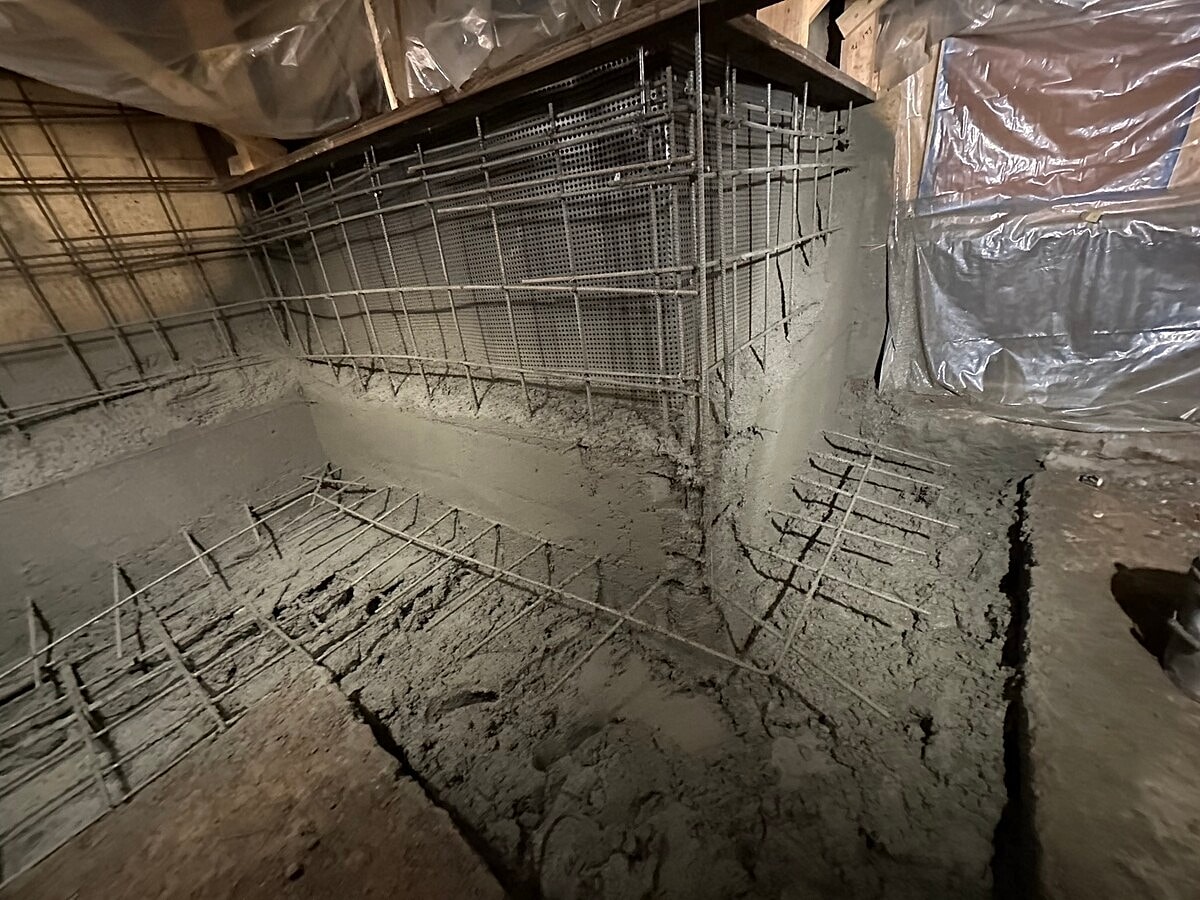
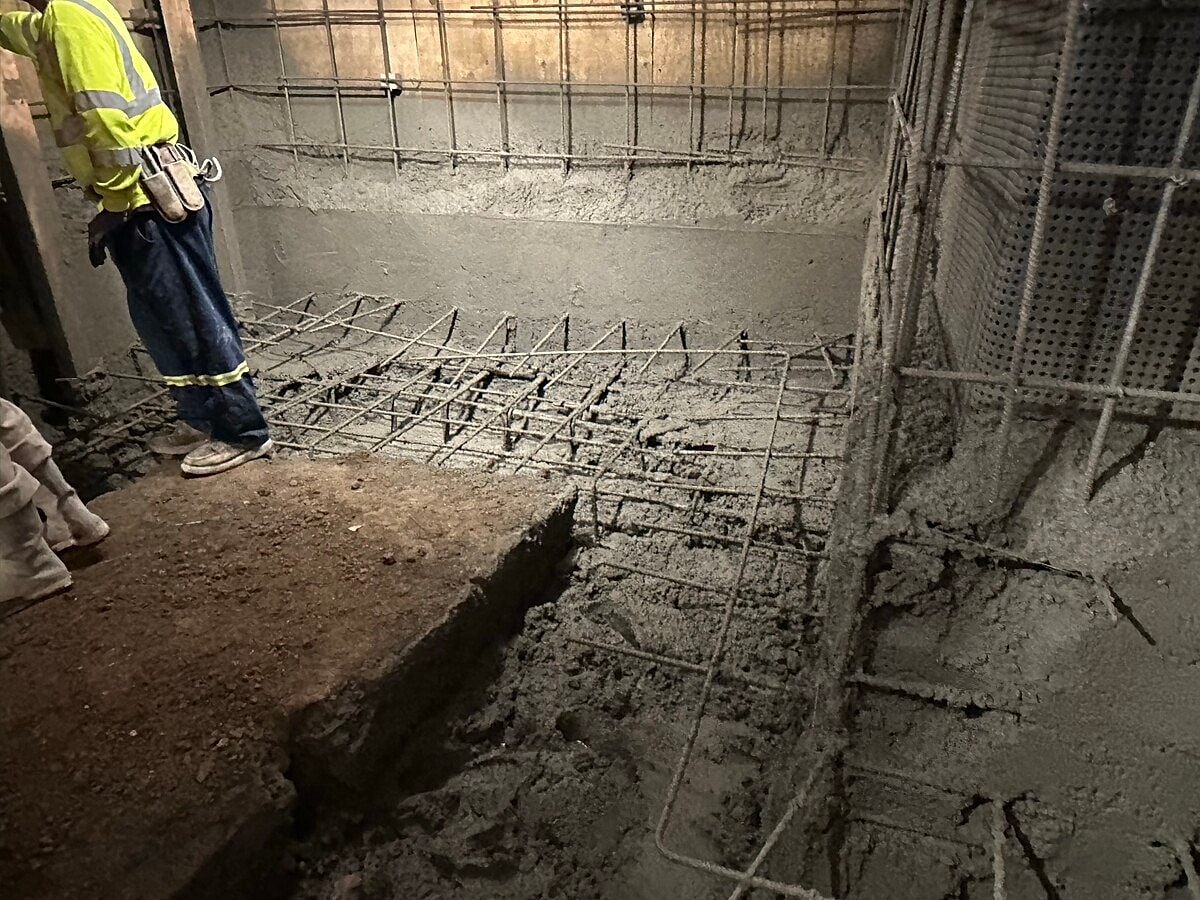
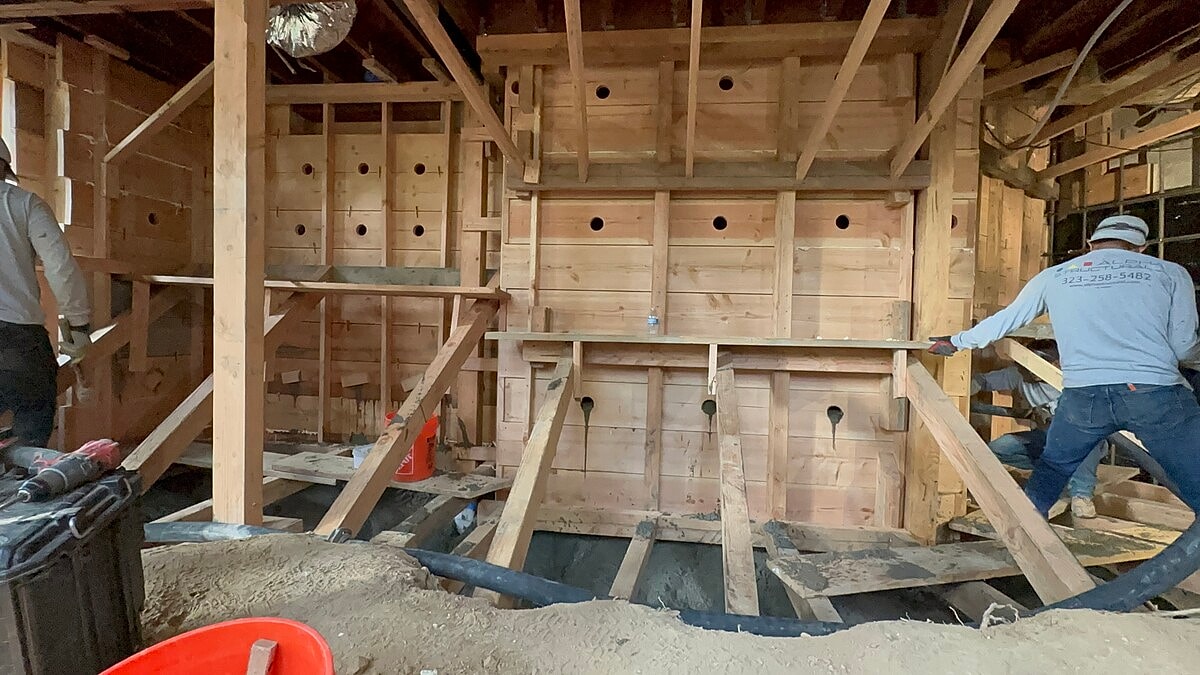
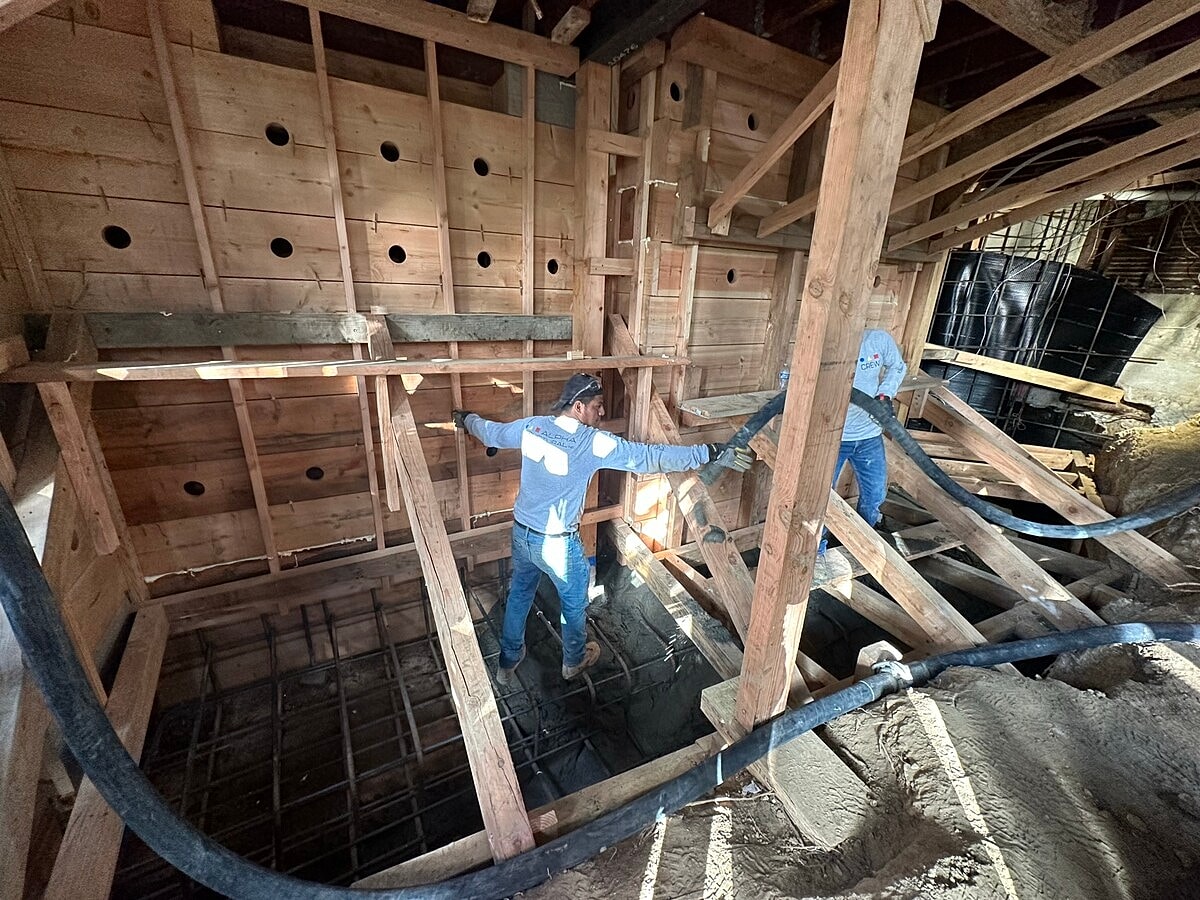
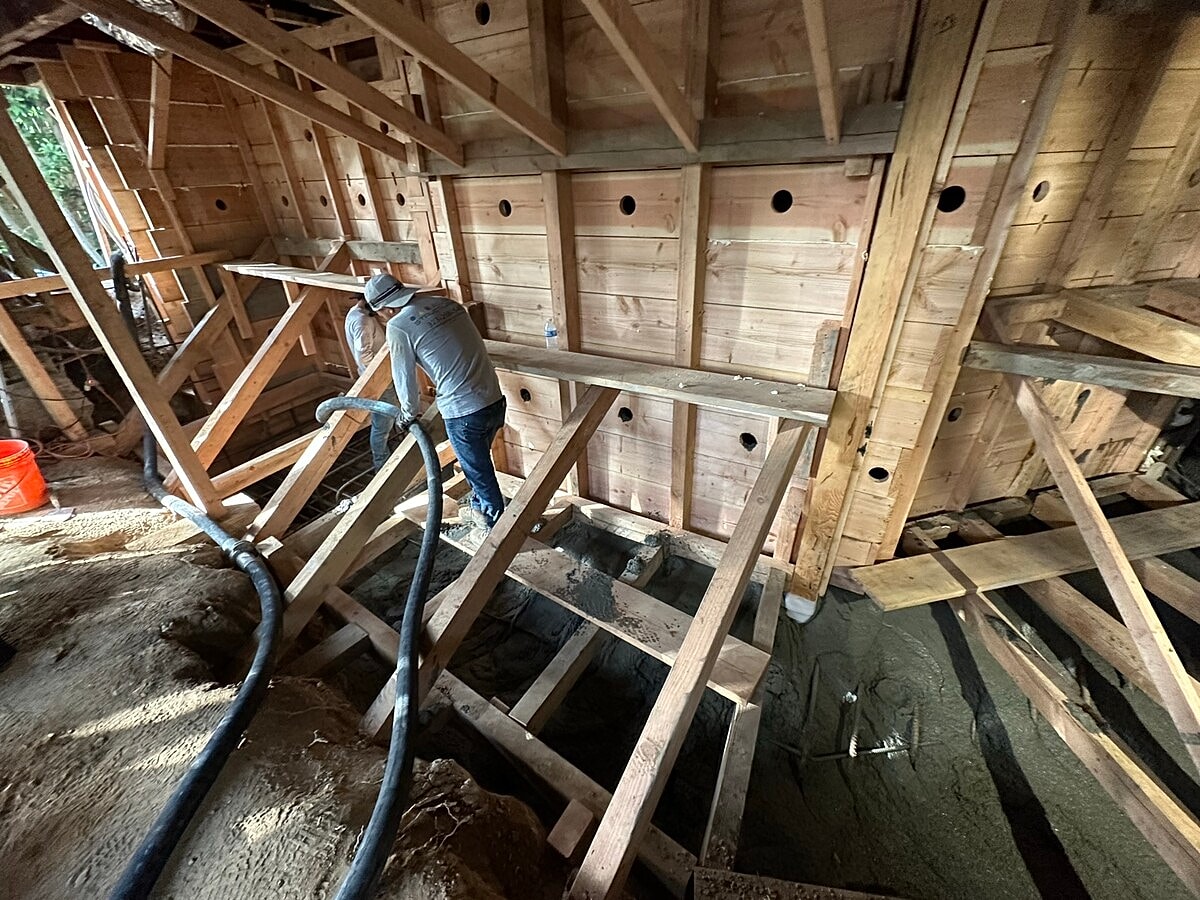
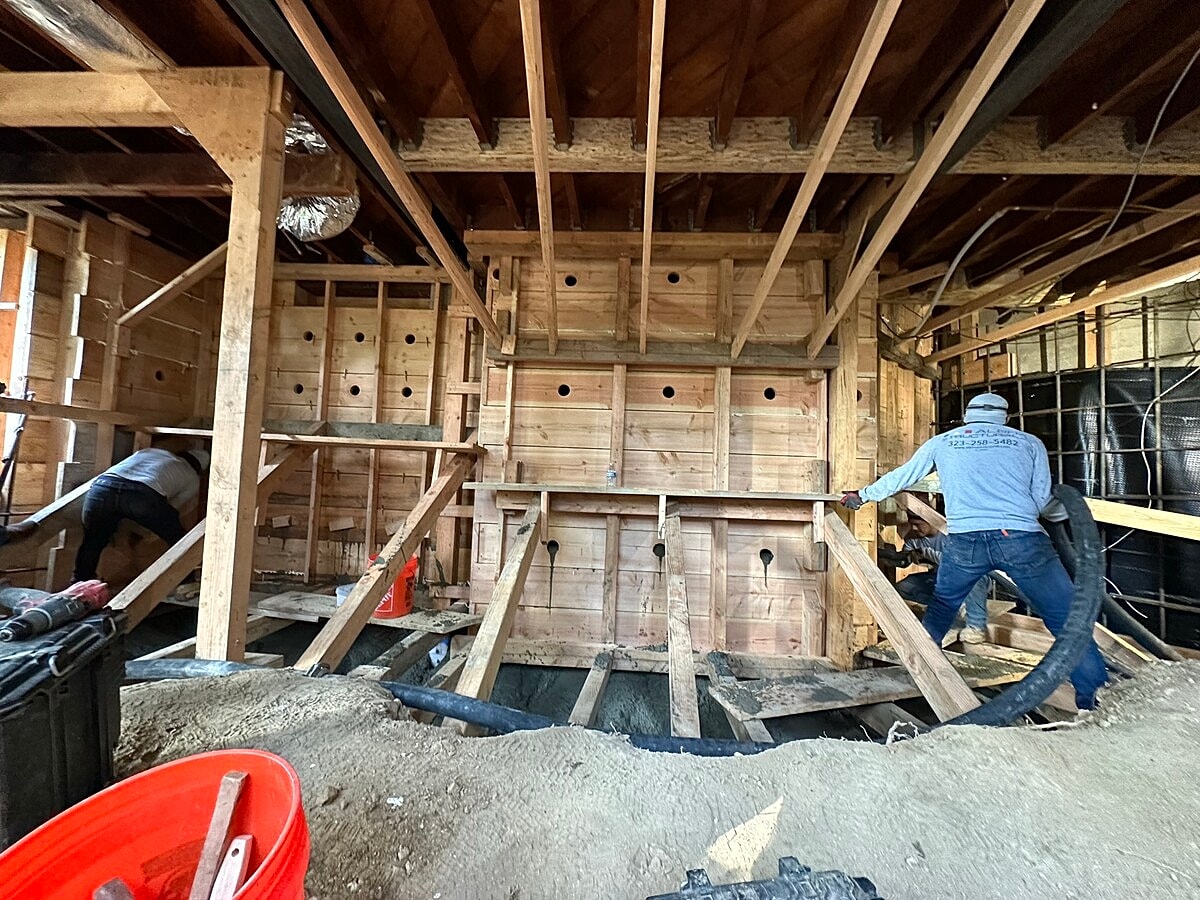
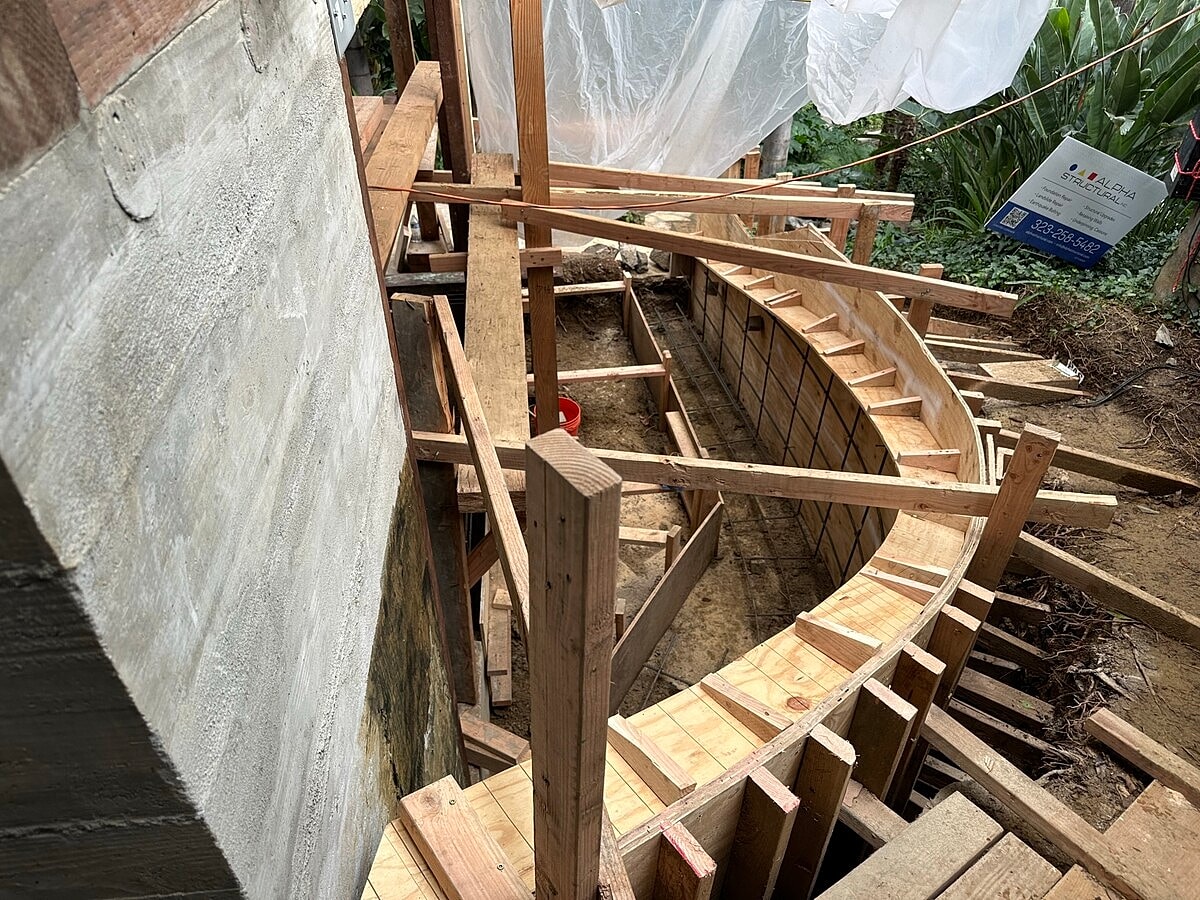
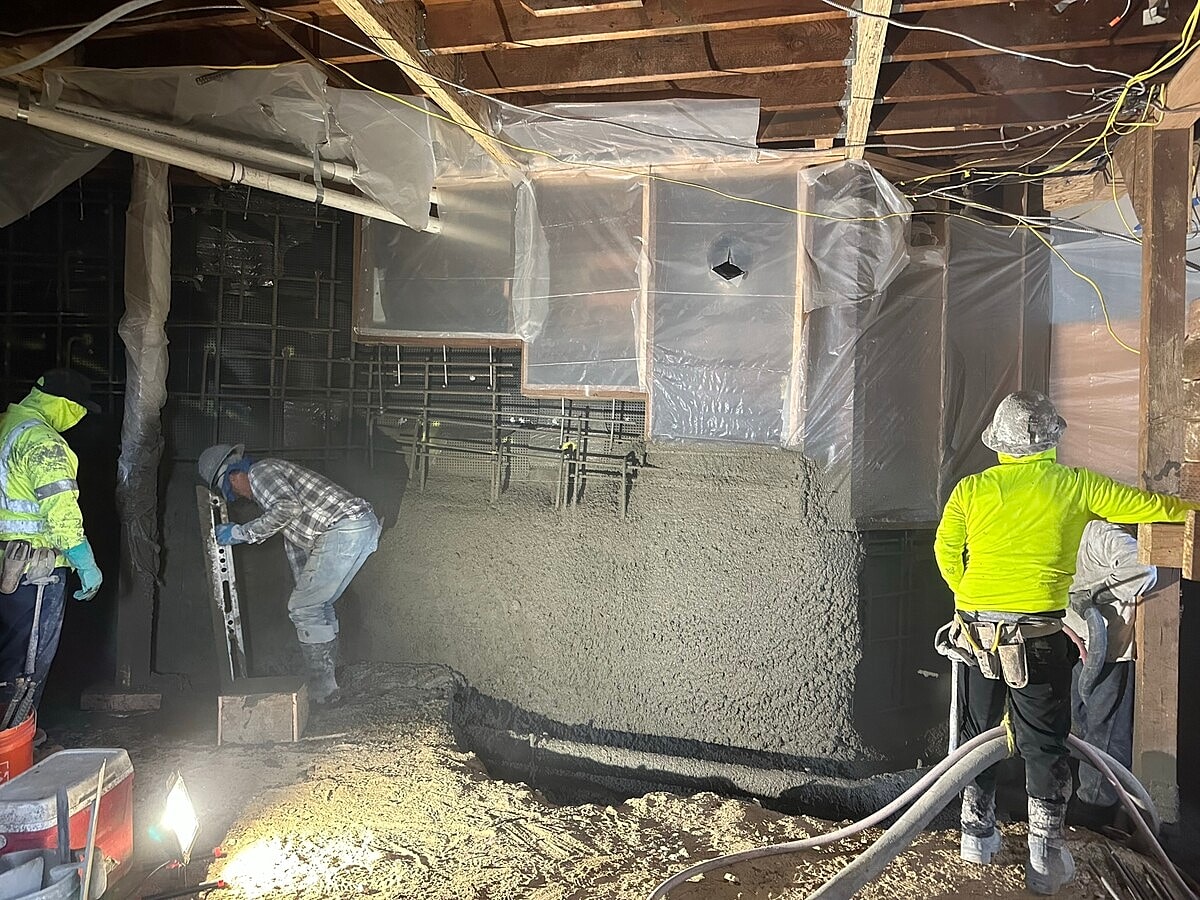
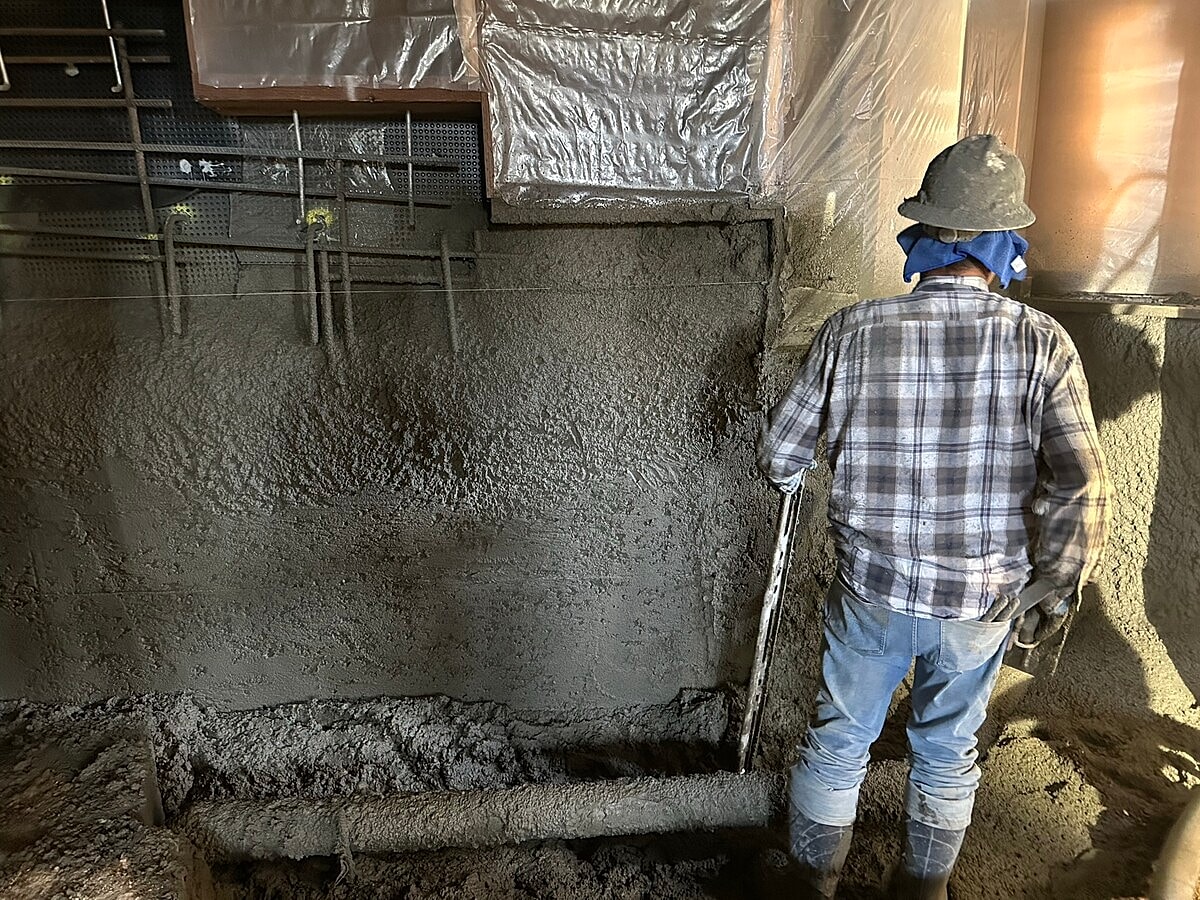
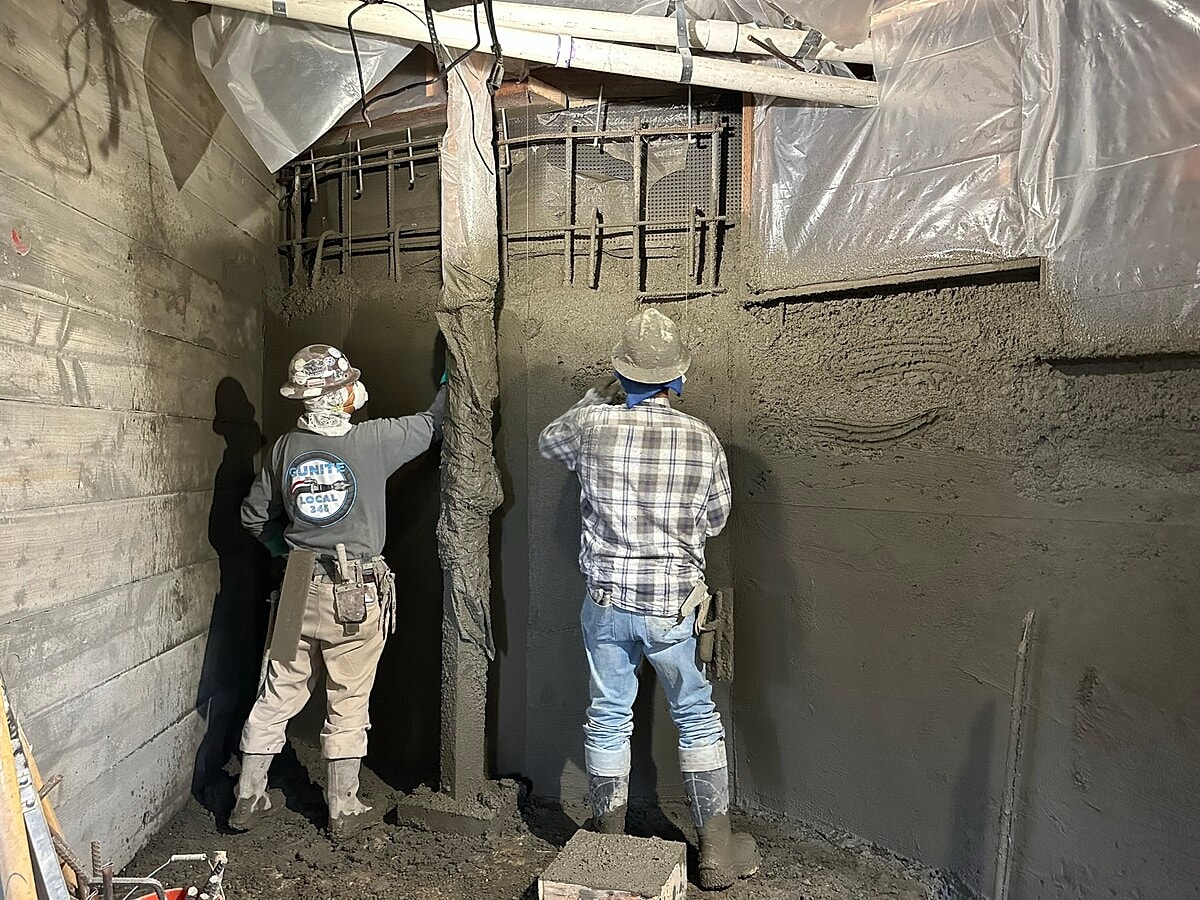
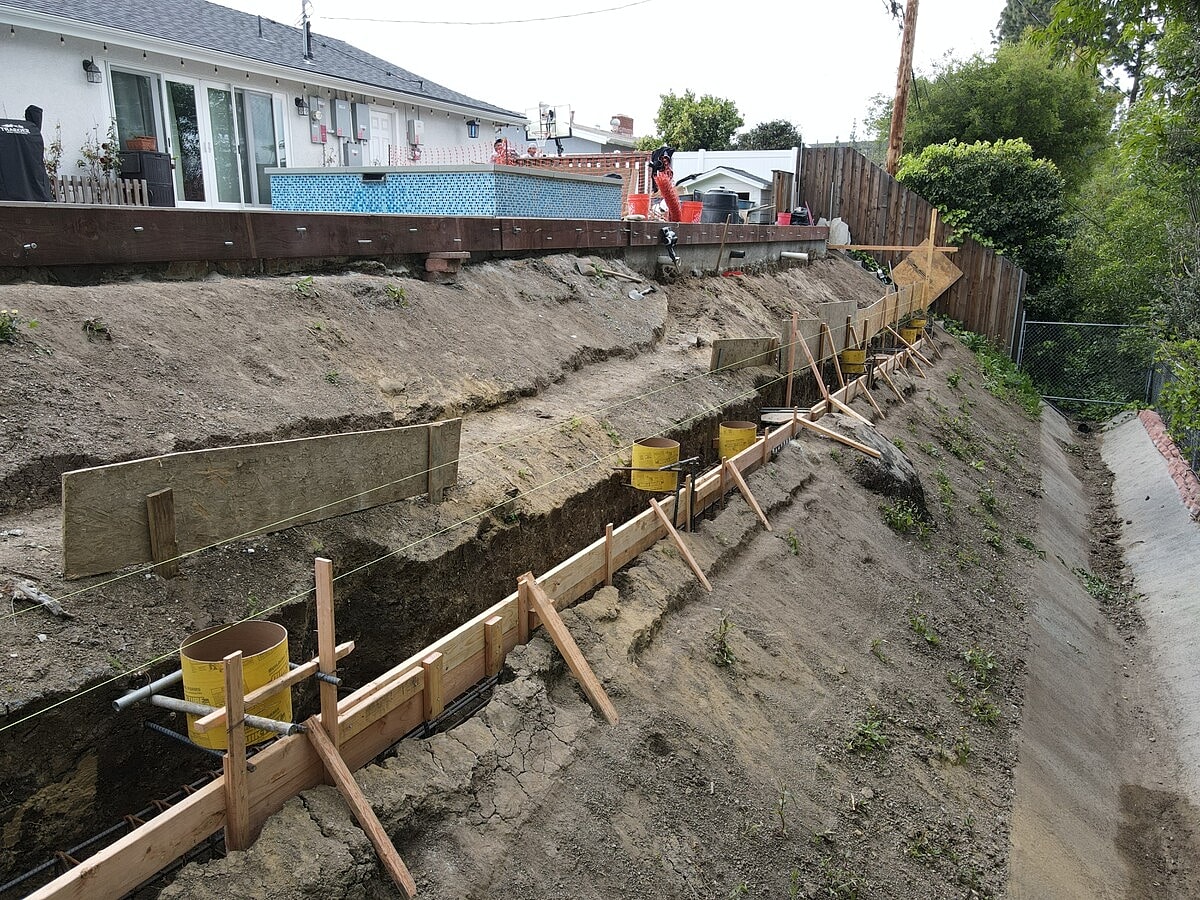
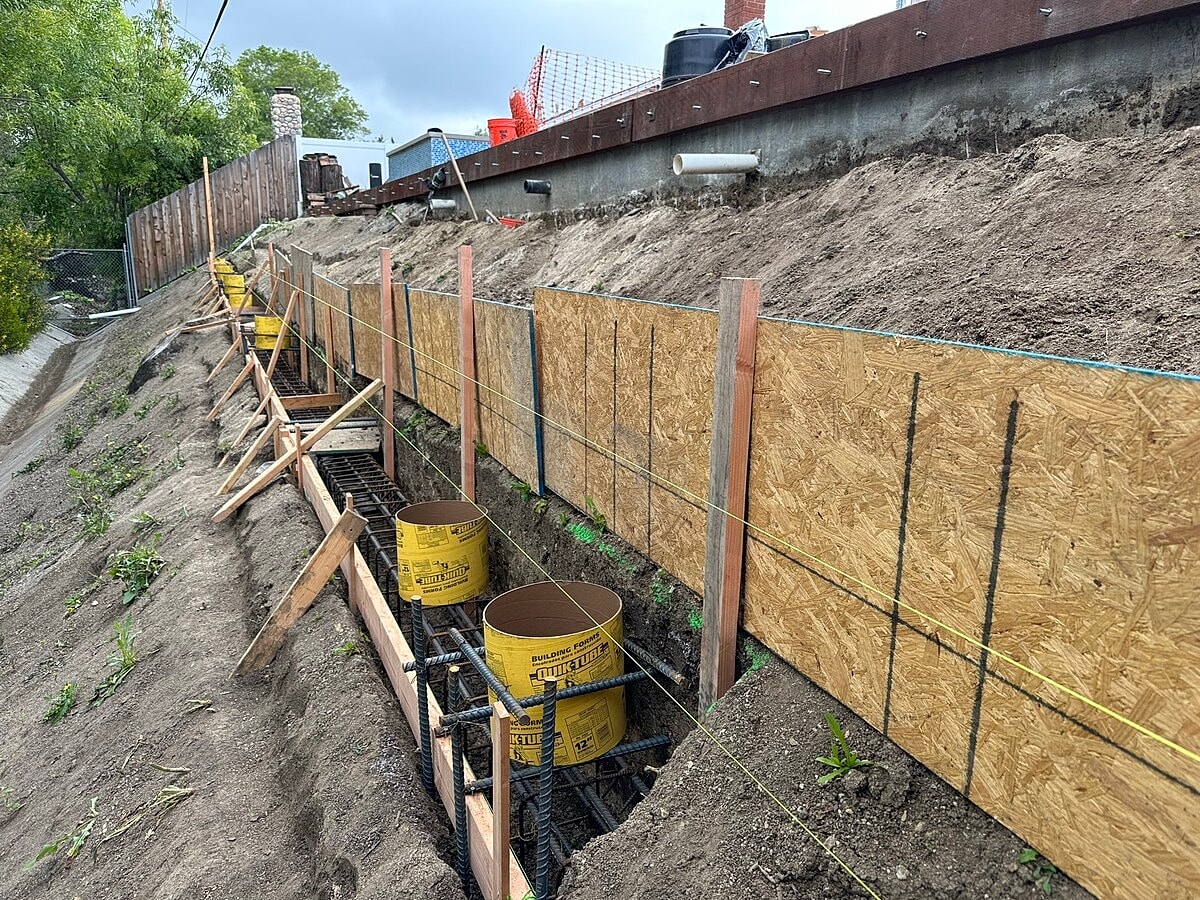
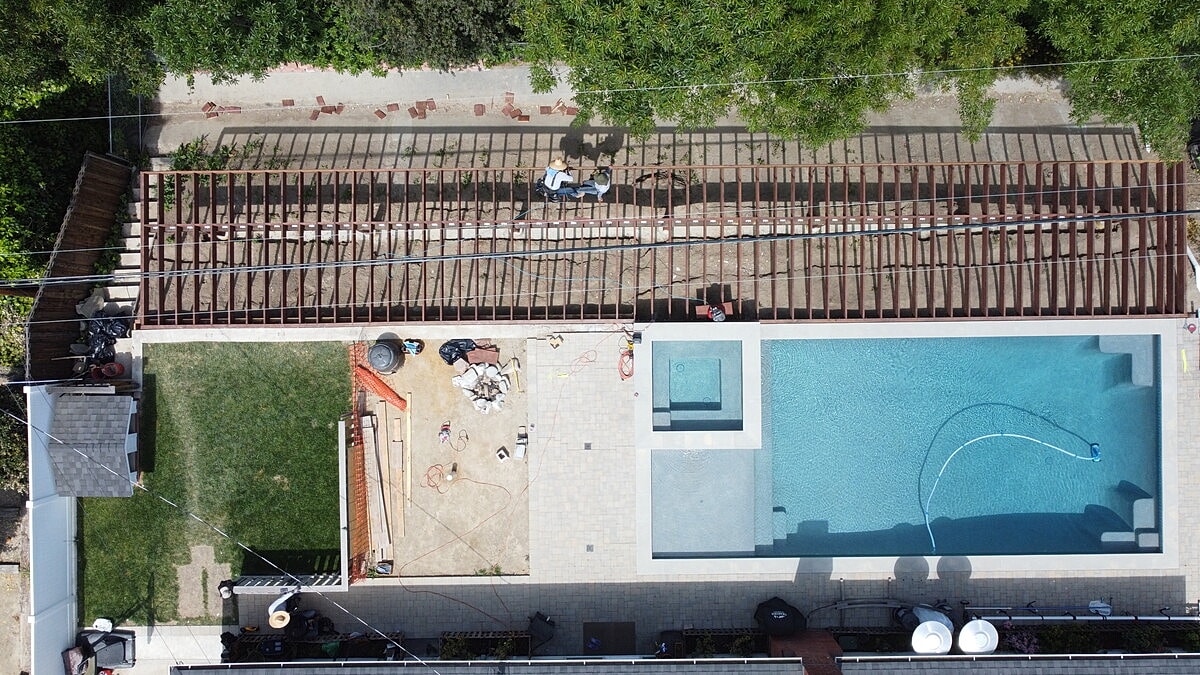
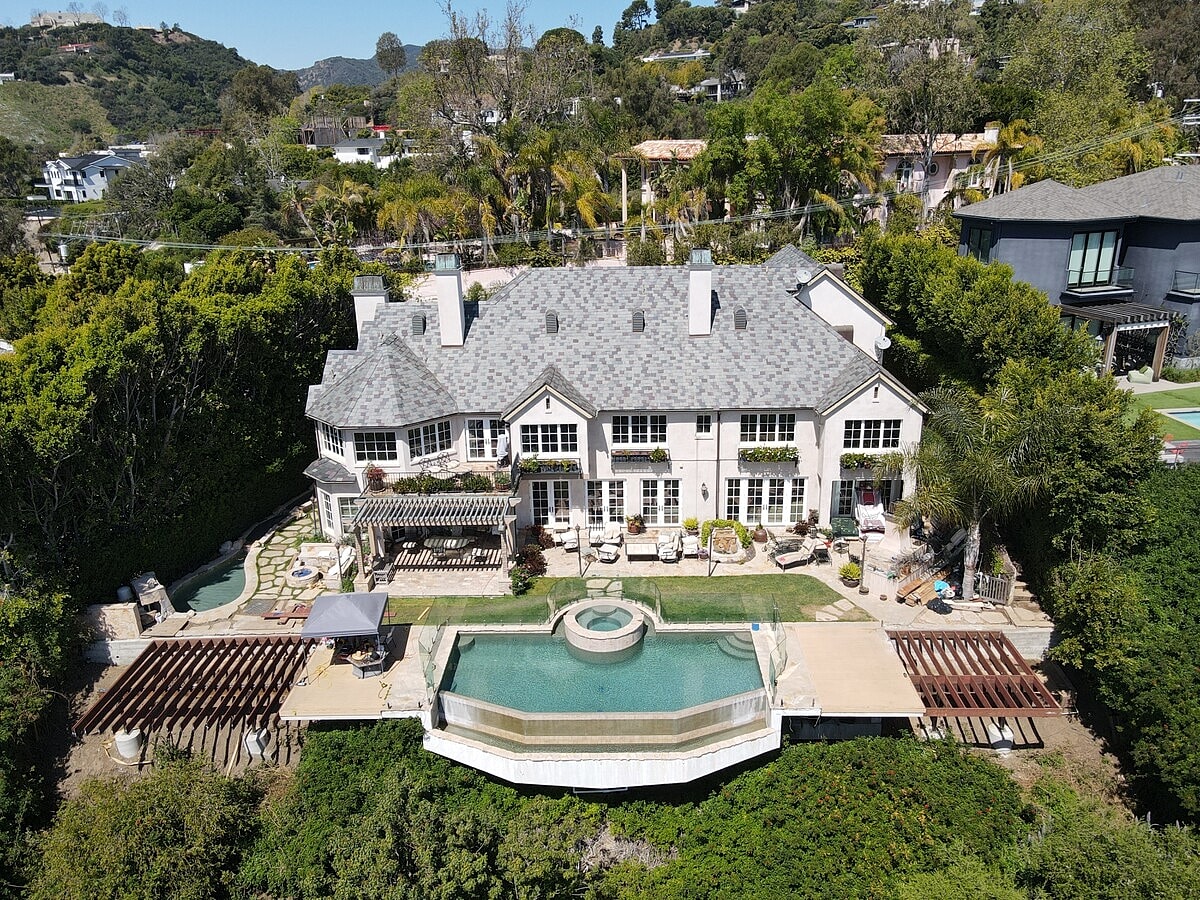
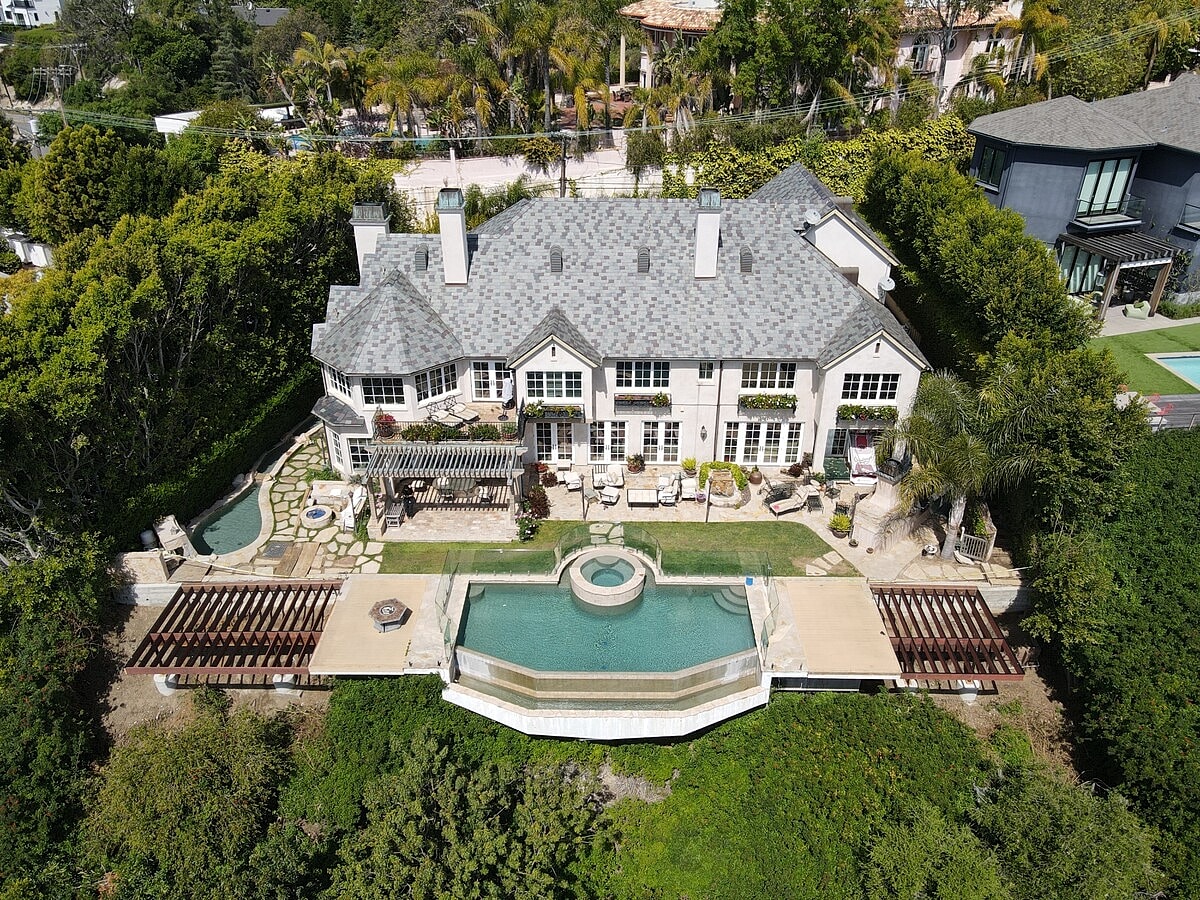
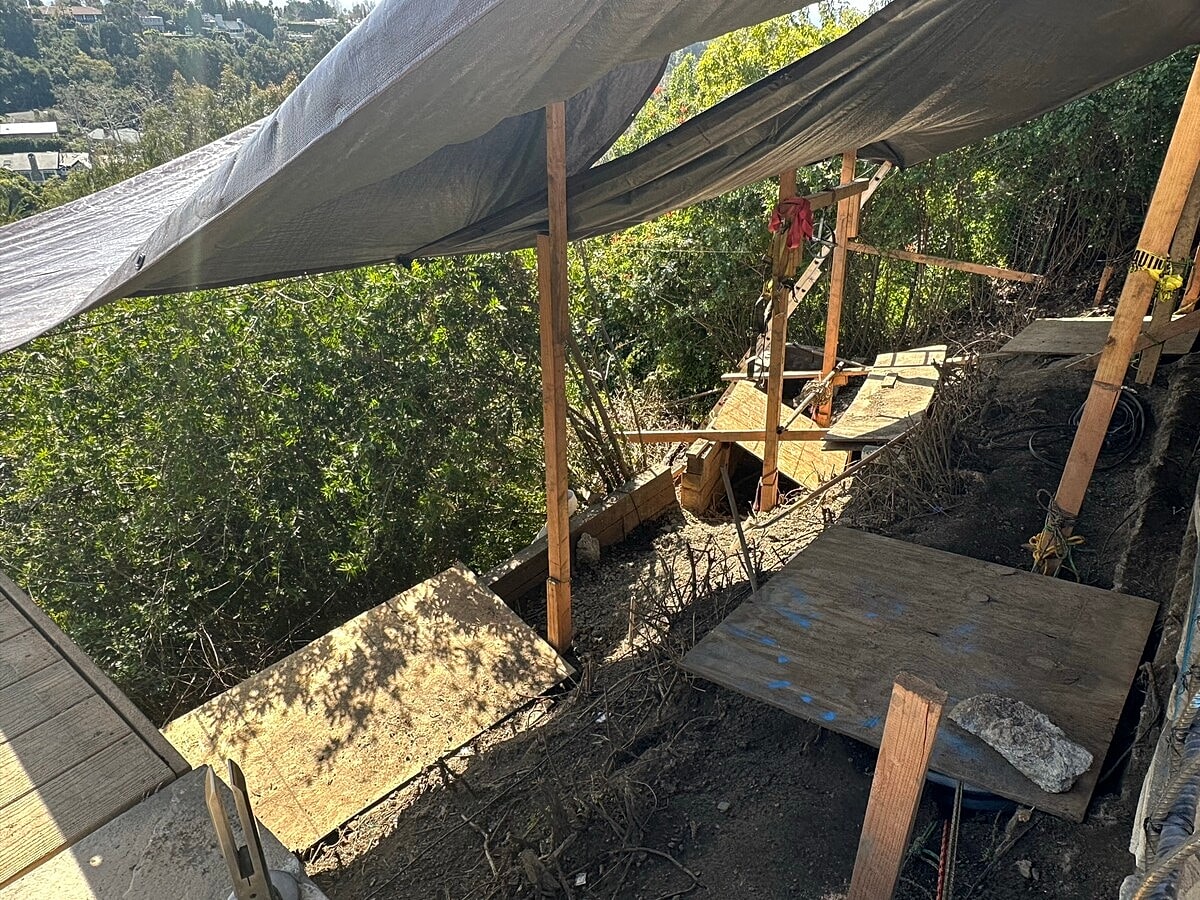
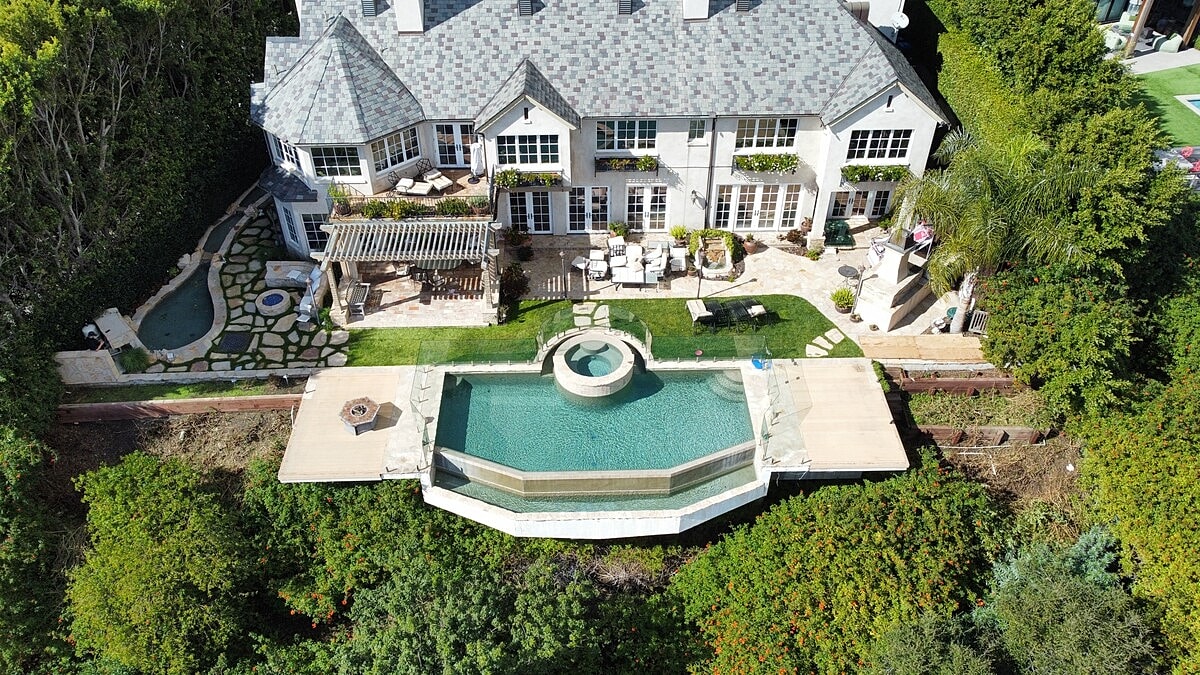
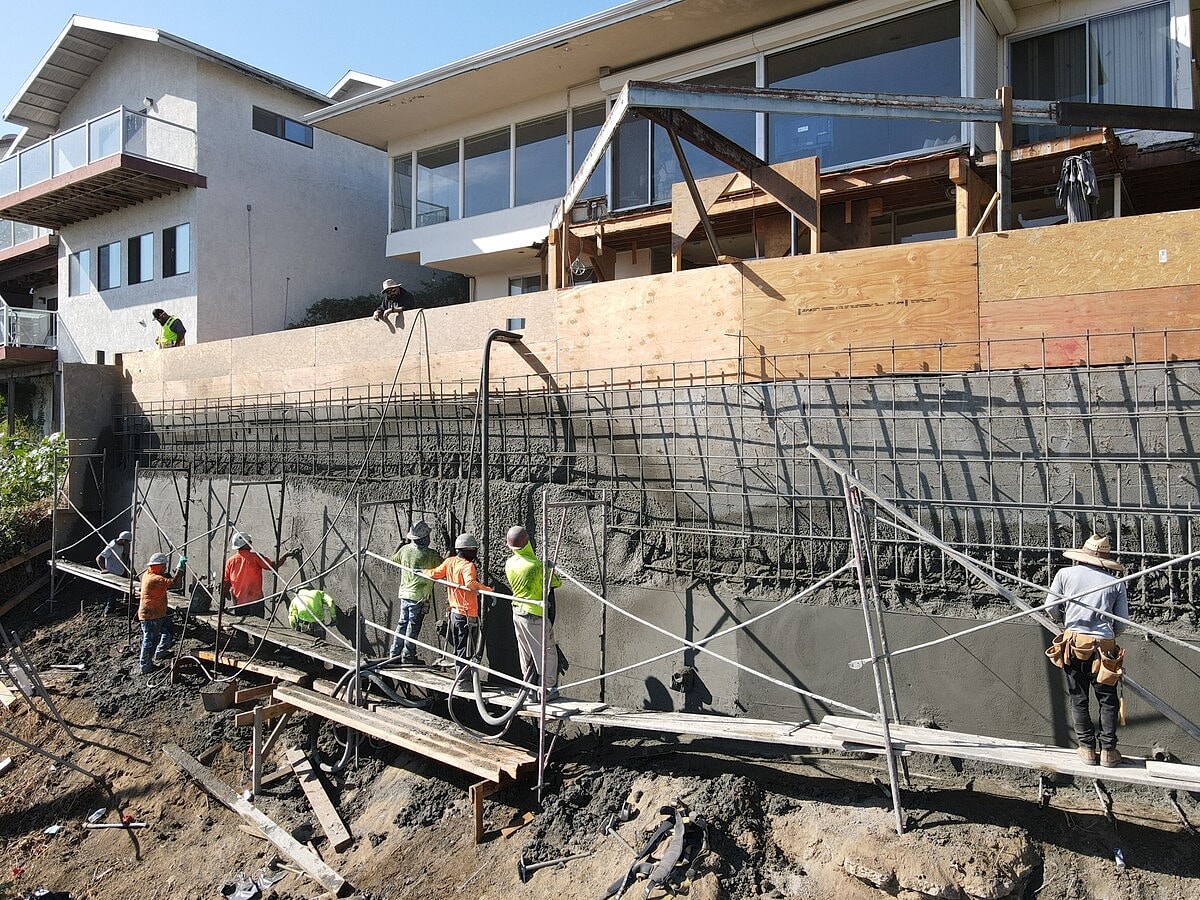
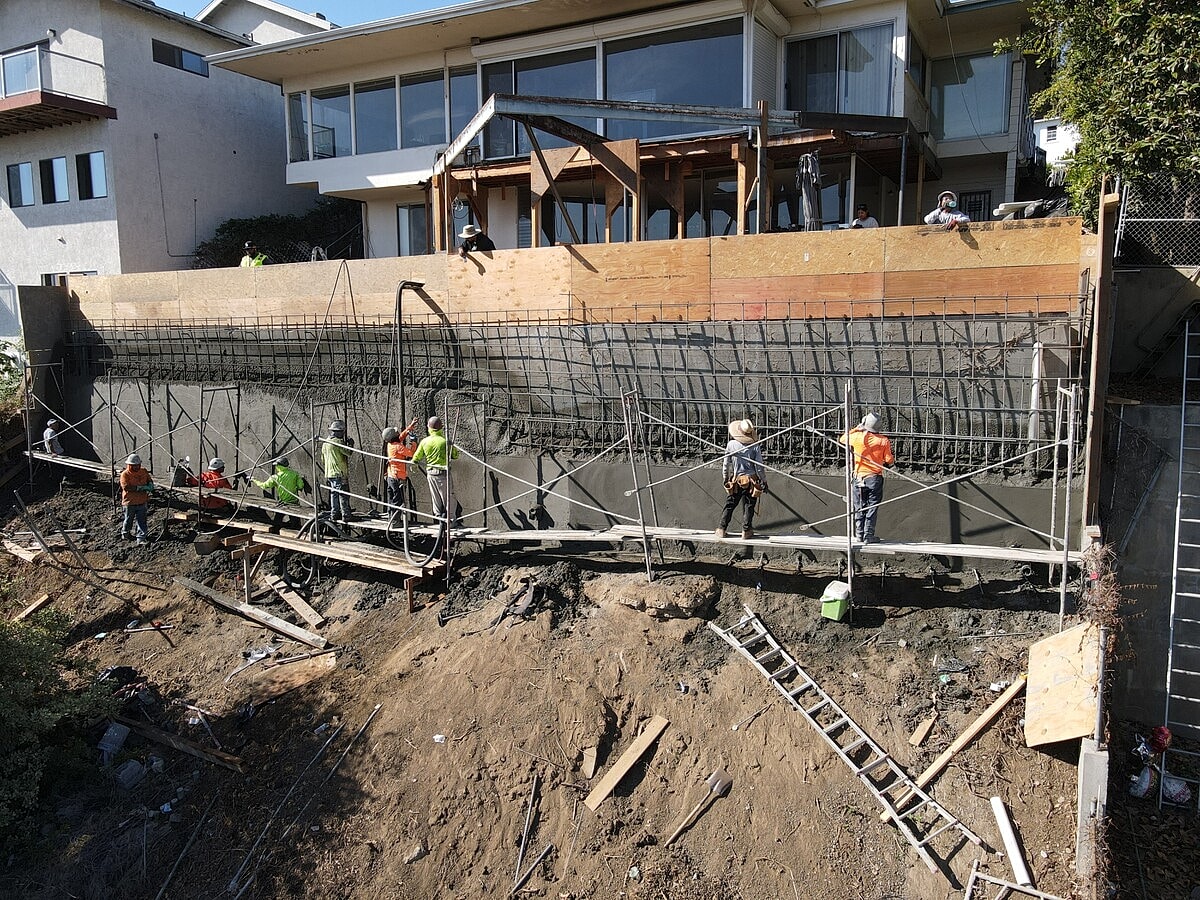
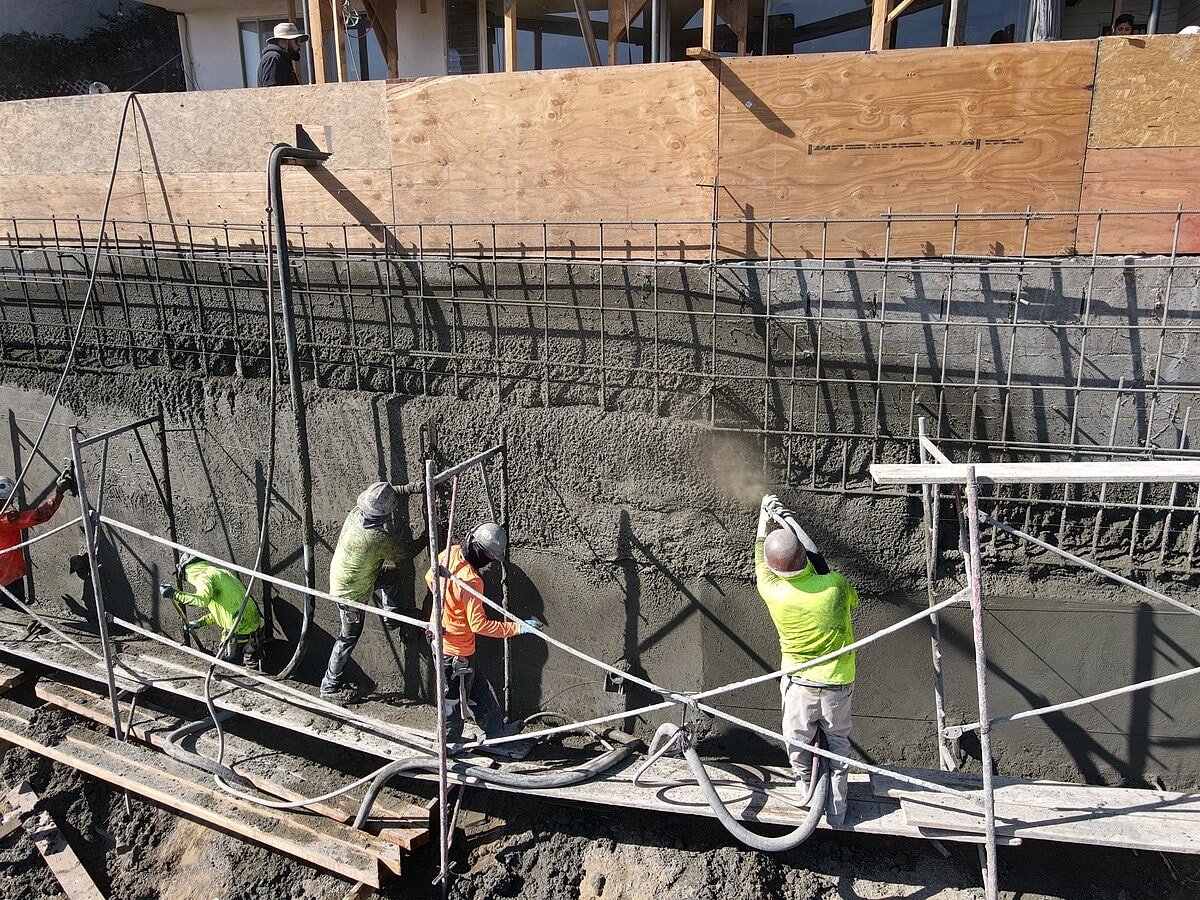
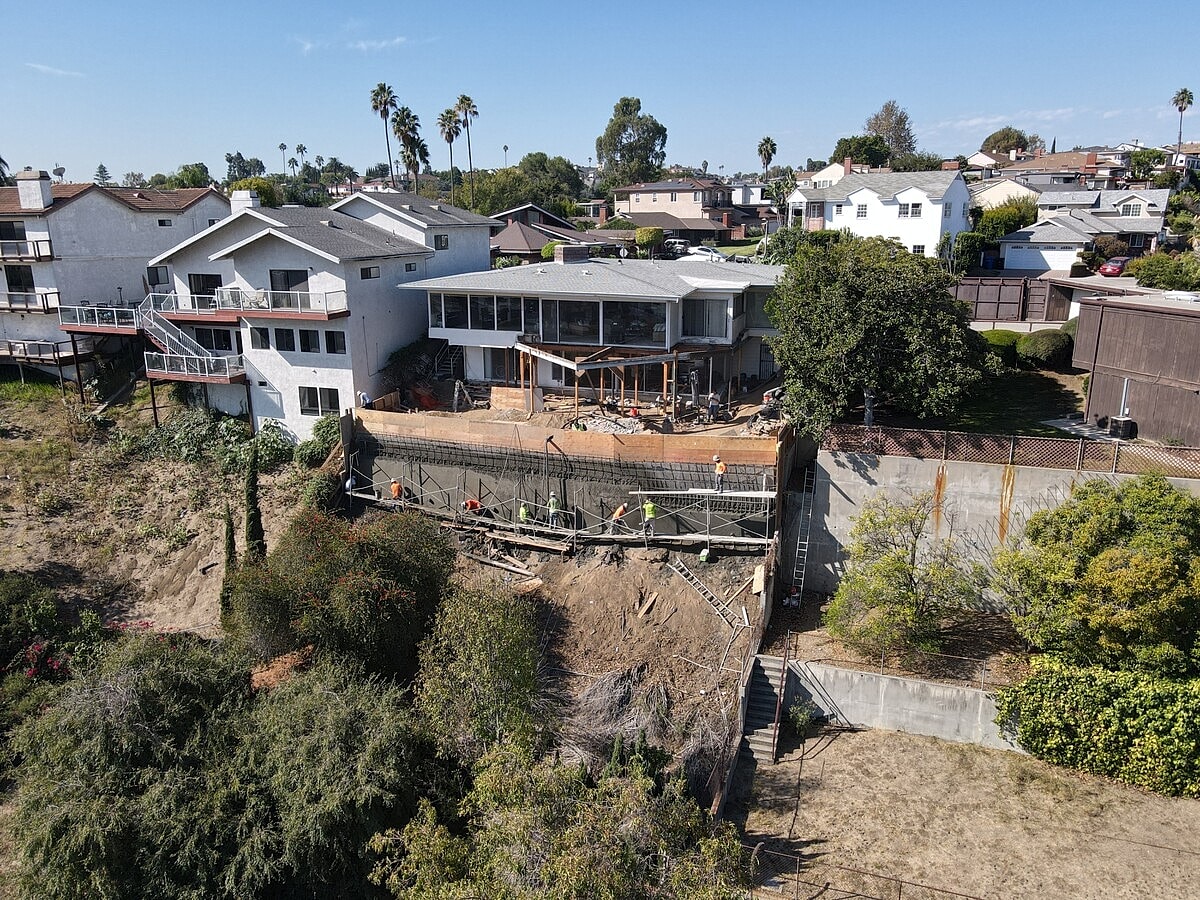
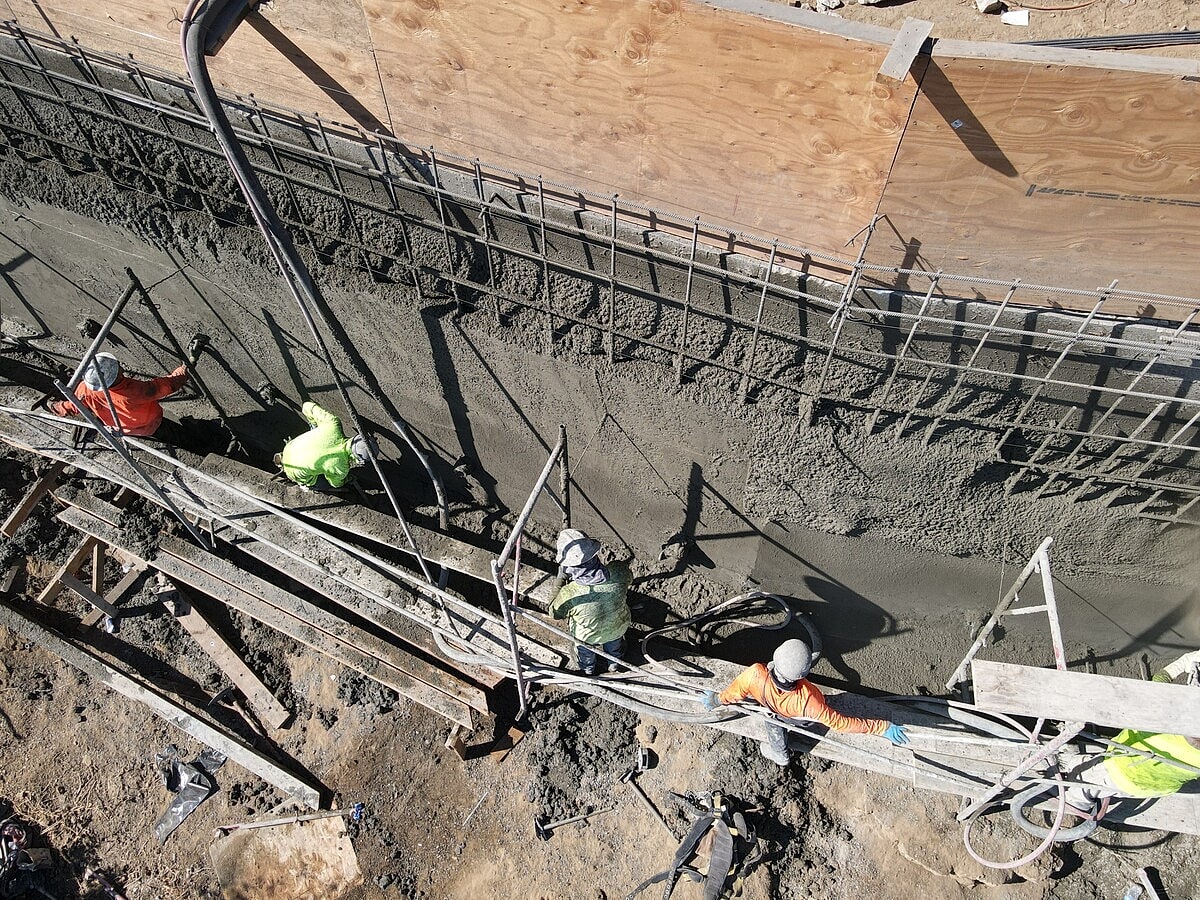
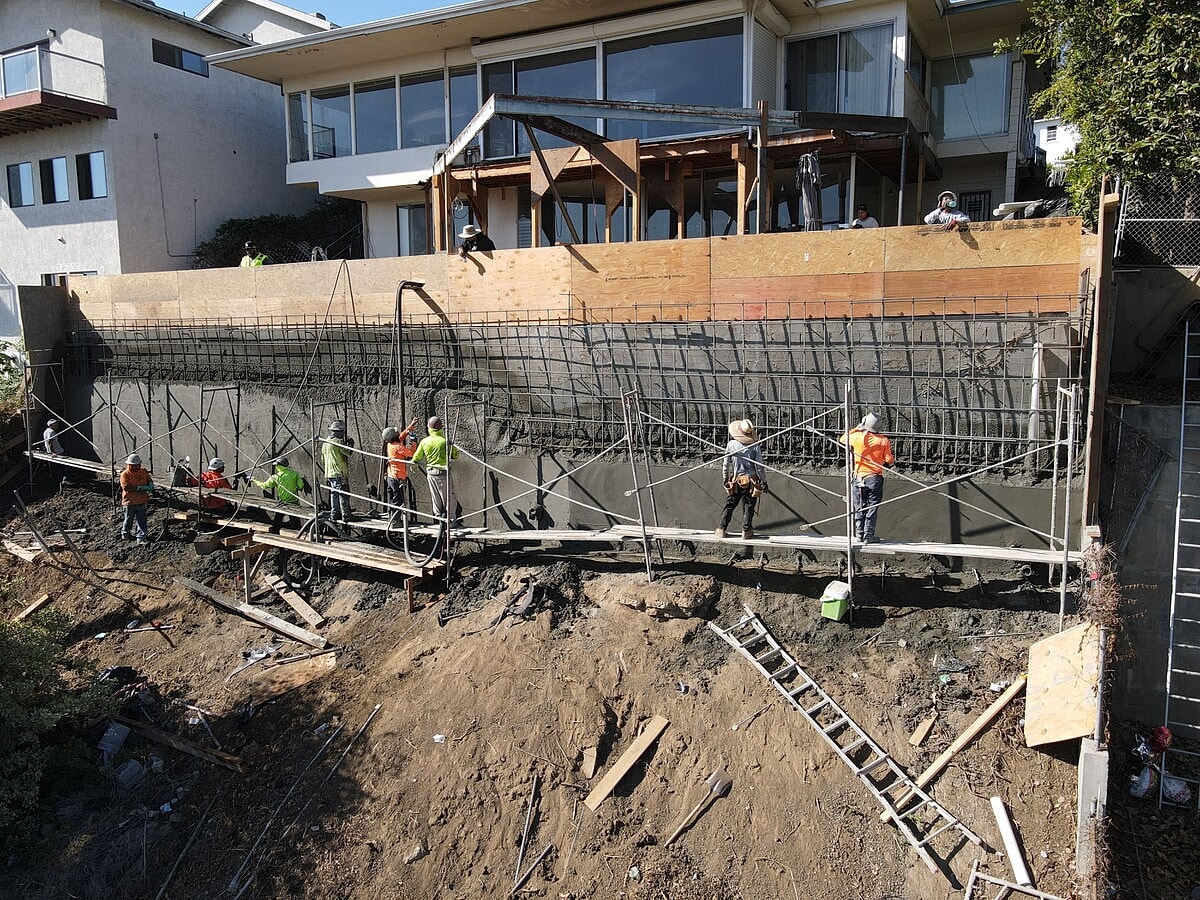
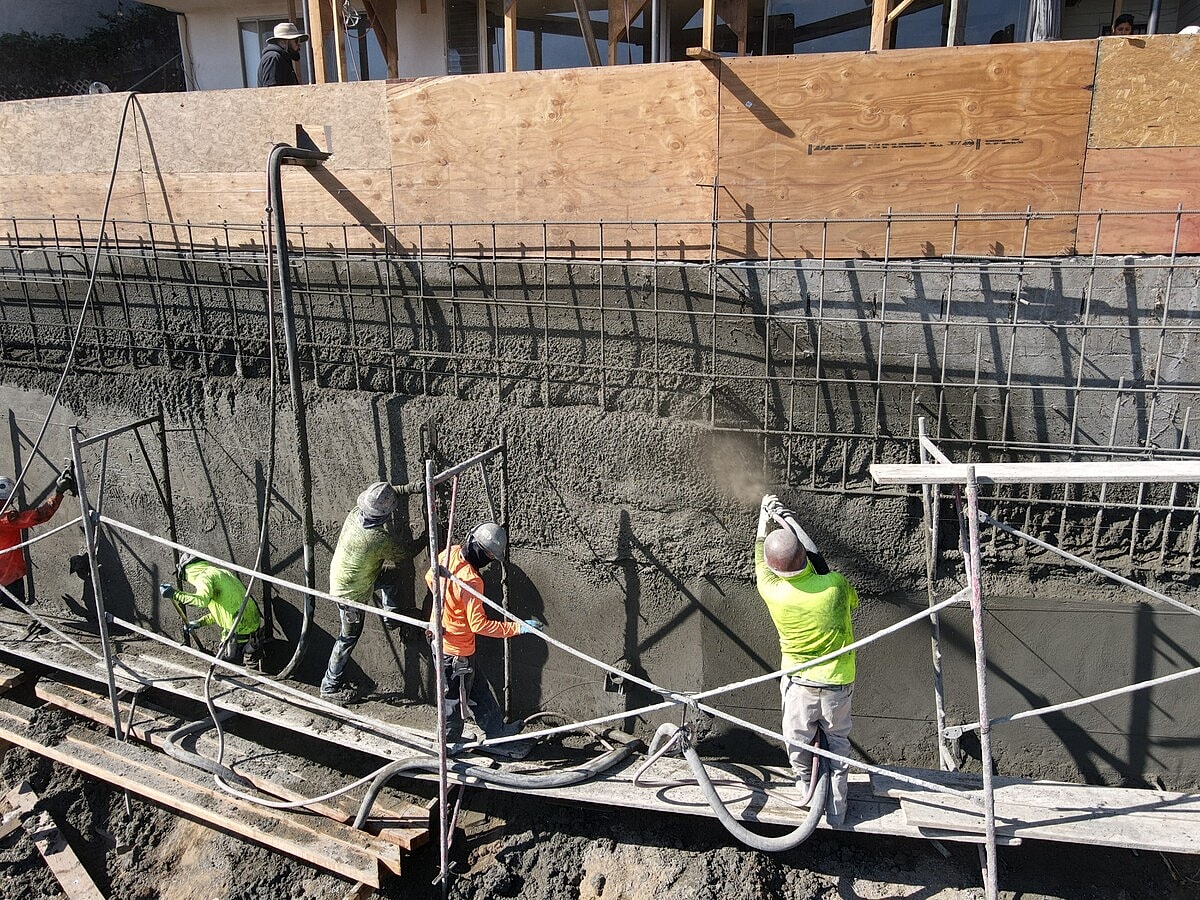
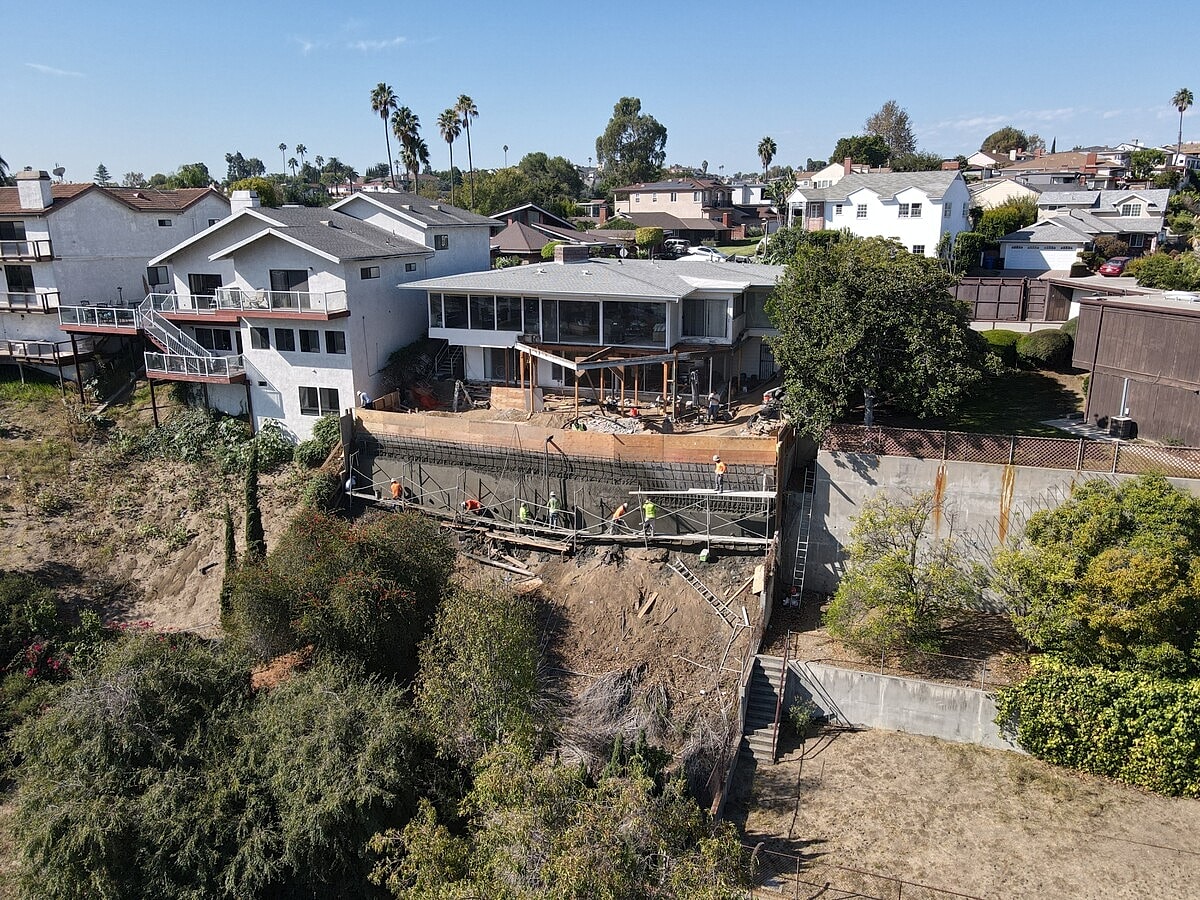
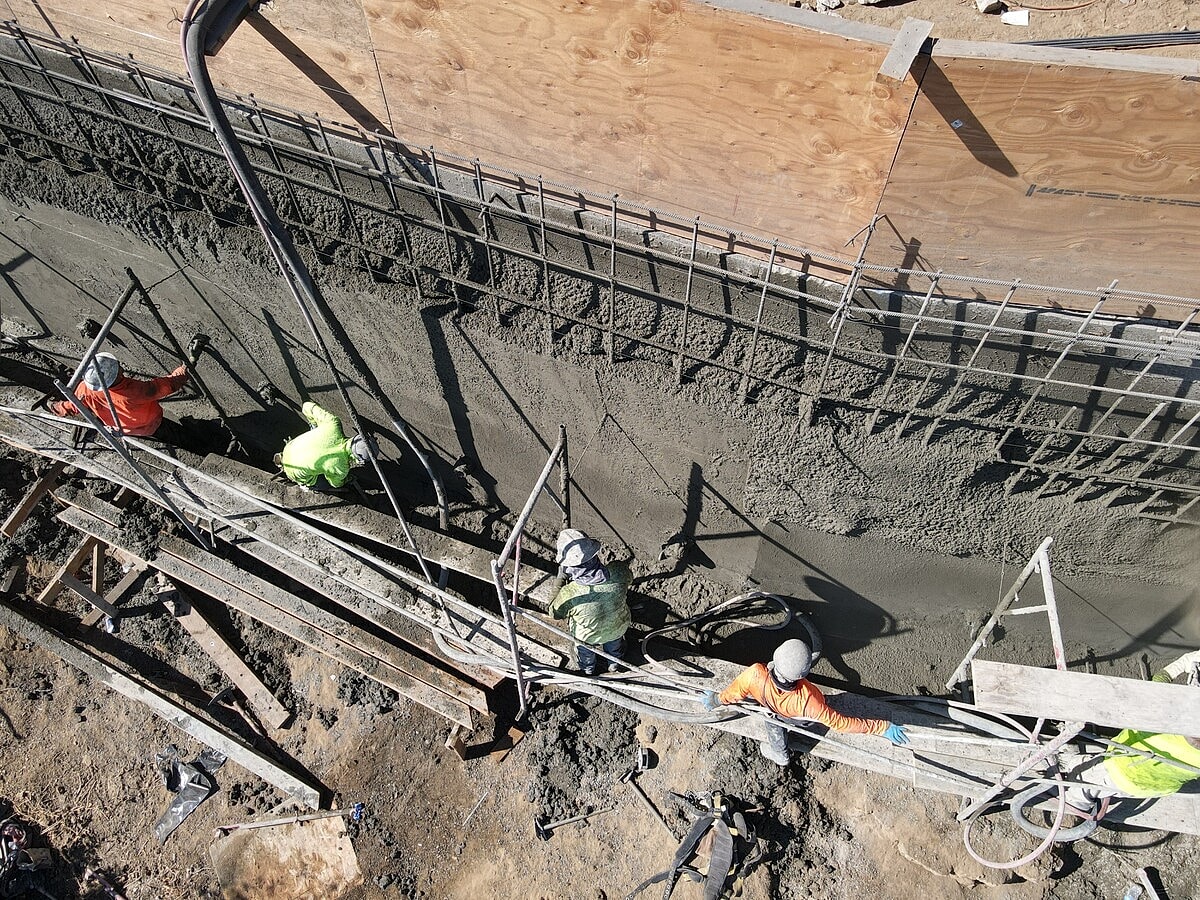
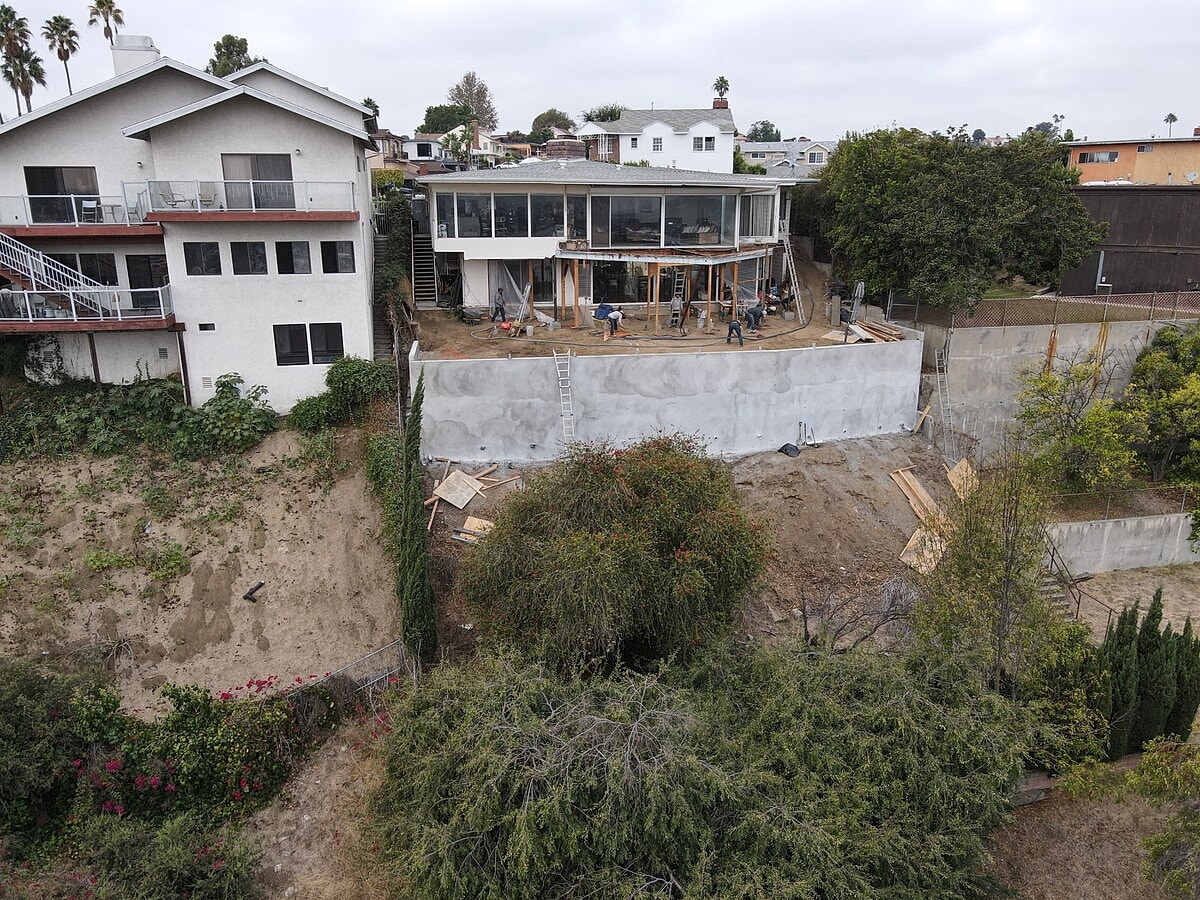
A structural project was completed in Los Angeles to construct two new pile-supported retaining walls in a rear yard. The scope of work included building a lower shotcrete wall up to 10 feet high and approximately 51 feet long, alongside an upper shotcrete wall approximately 6 feet tall and 53 feet long. Both walls feature return sections that taper to grade. The project also involved excavating and installing grade beams and tie beams, which serve as the structural support for a pool shell to be built by a separate contractor. Additionally, a sub-drain system was installed, and the area behind the walls was backfilled with slurry up to the required level.
Residential
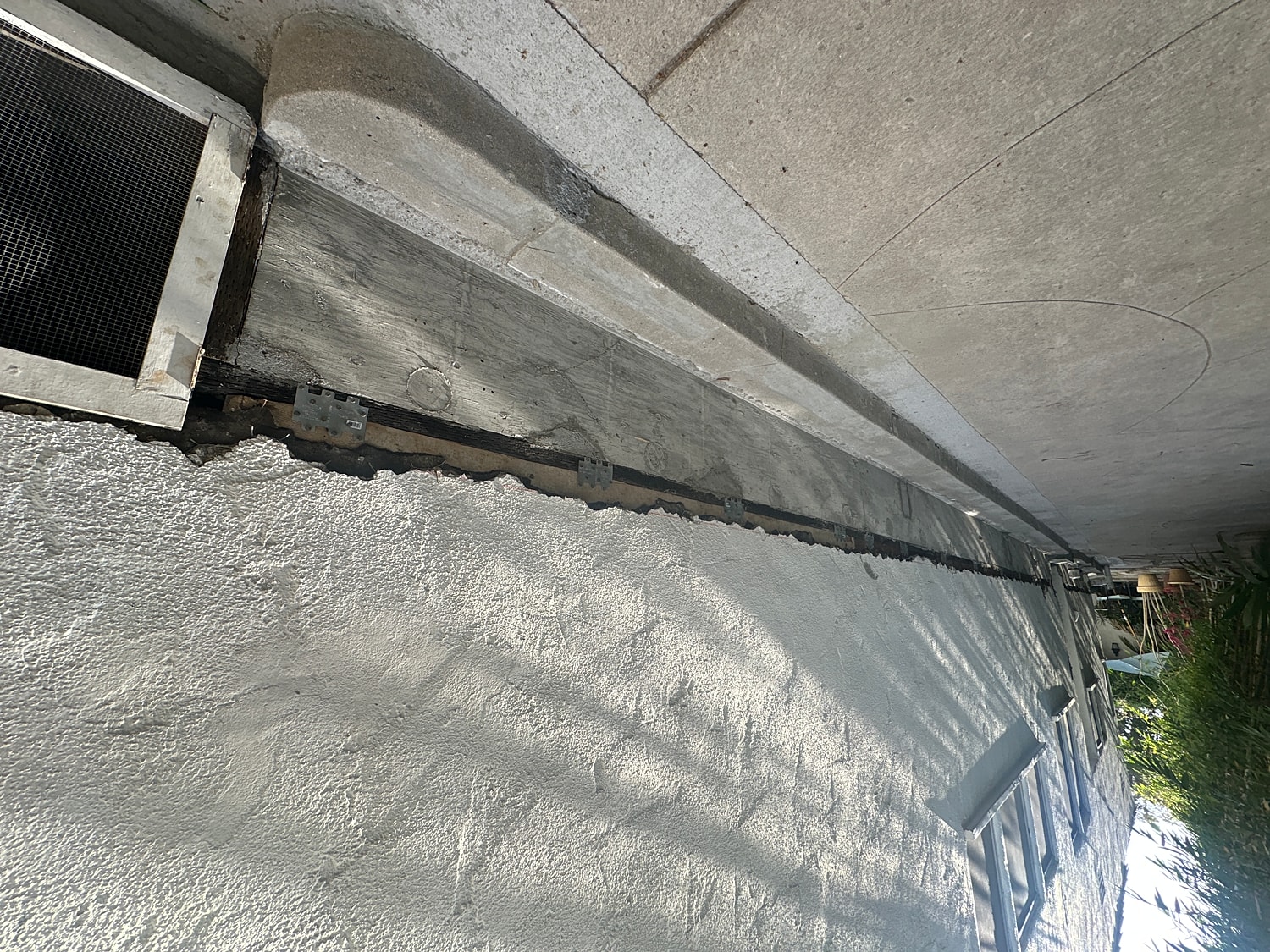
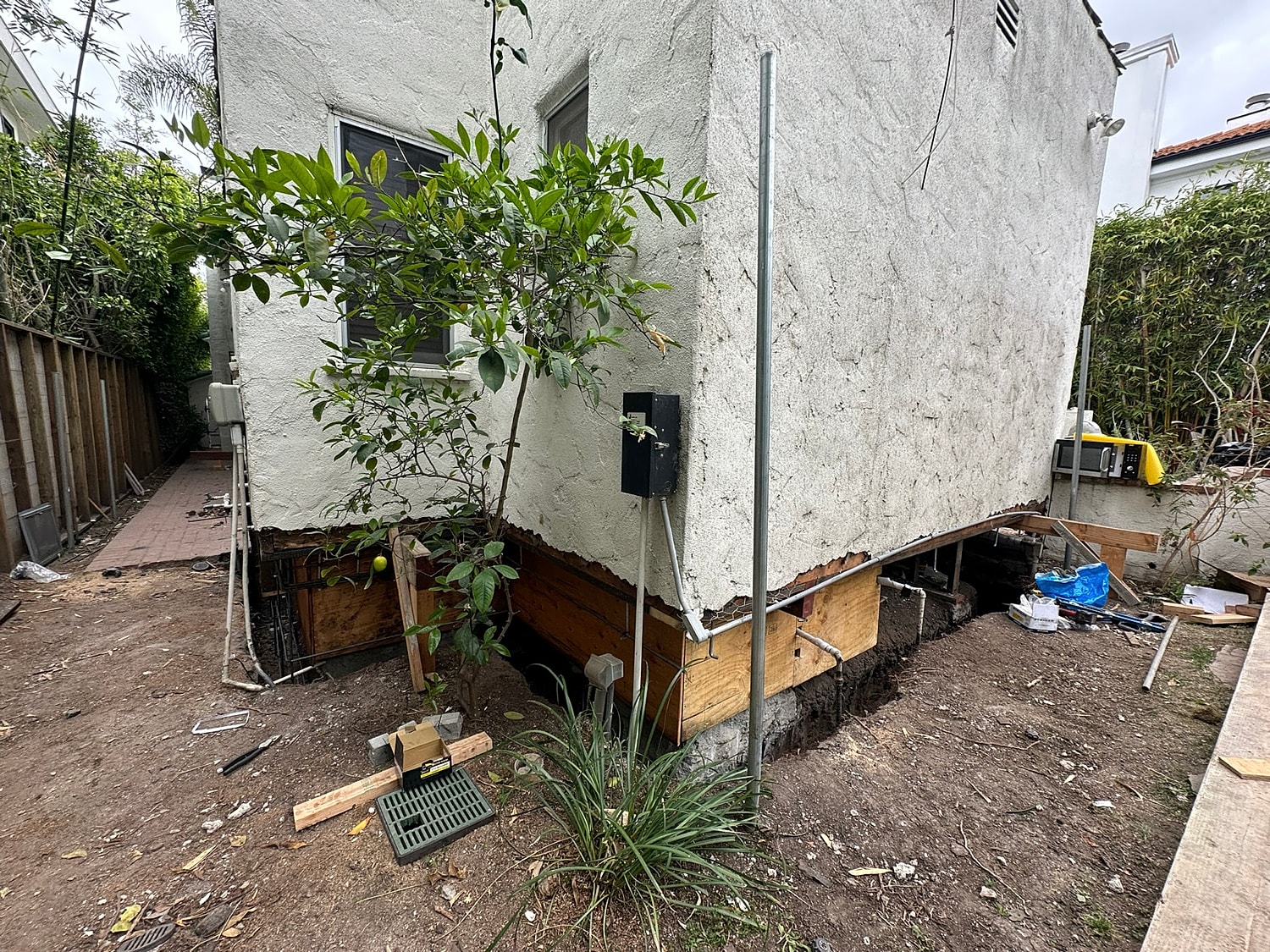
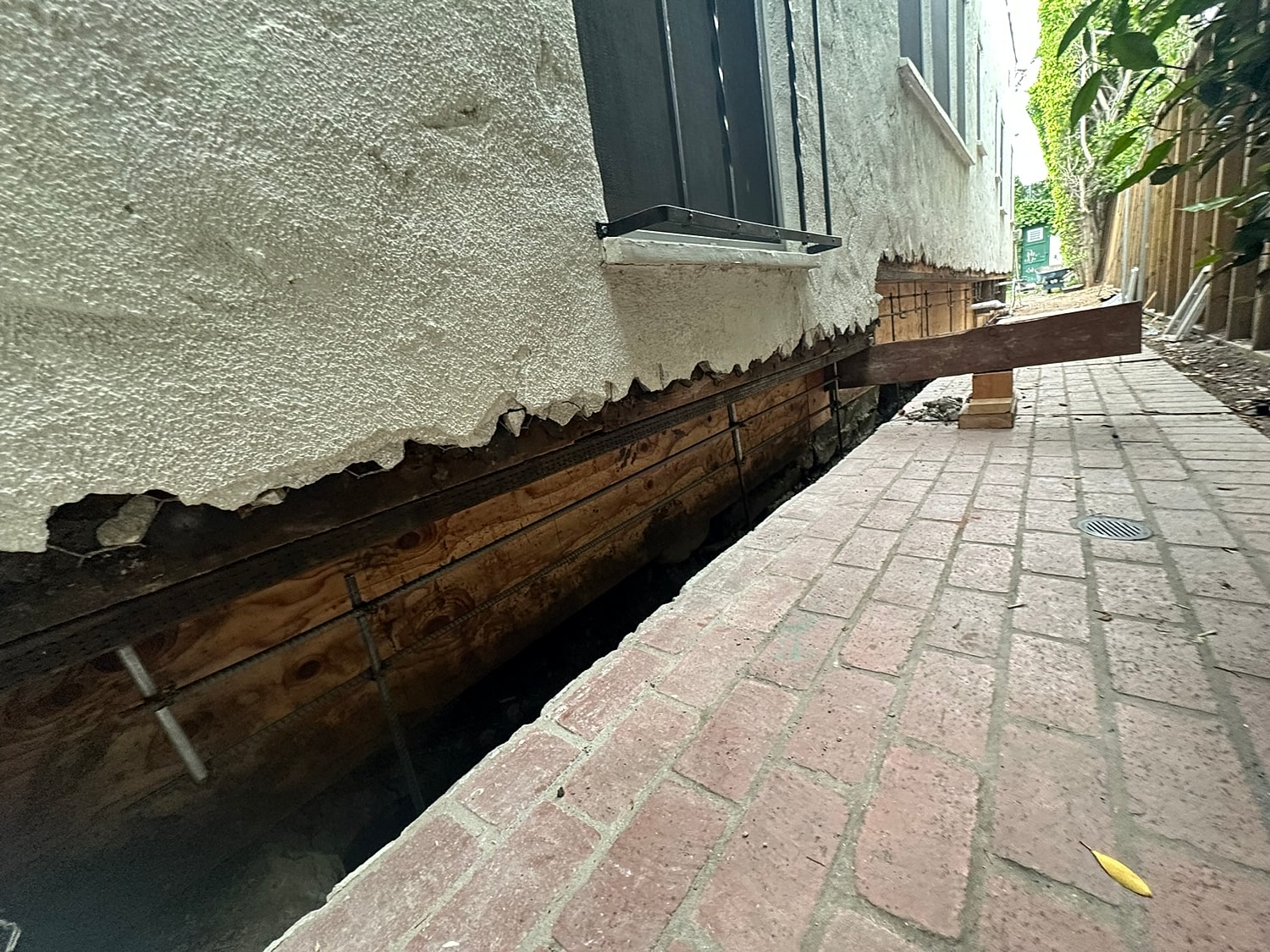
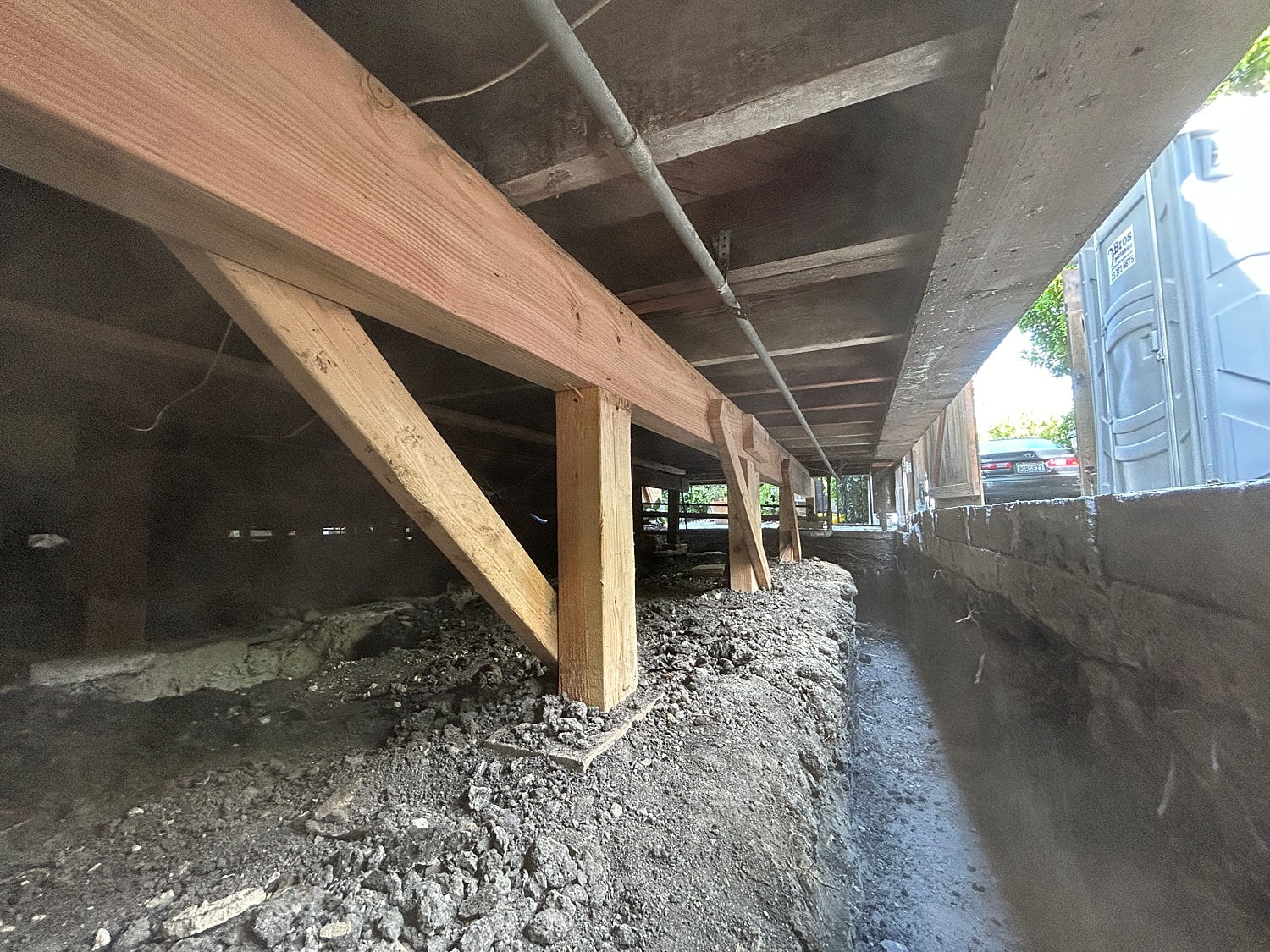
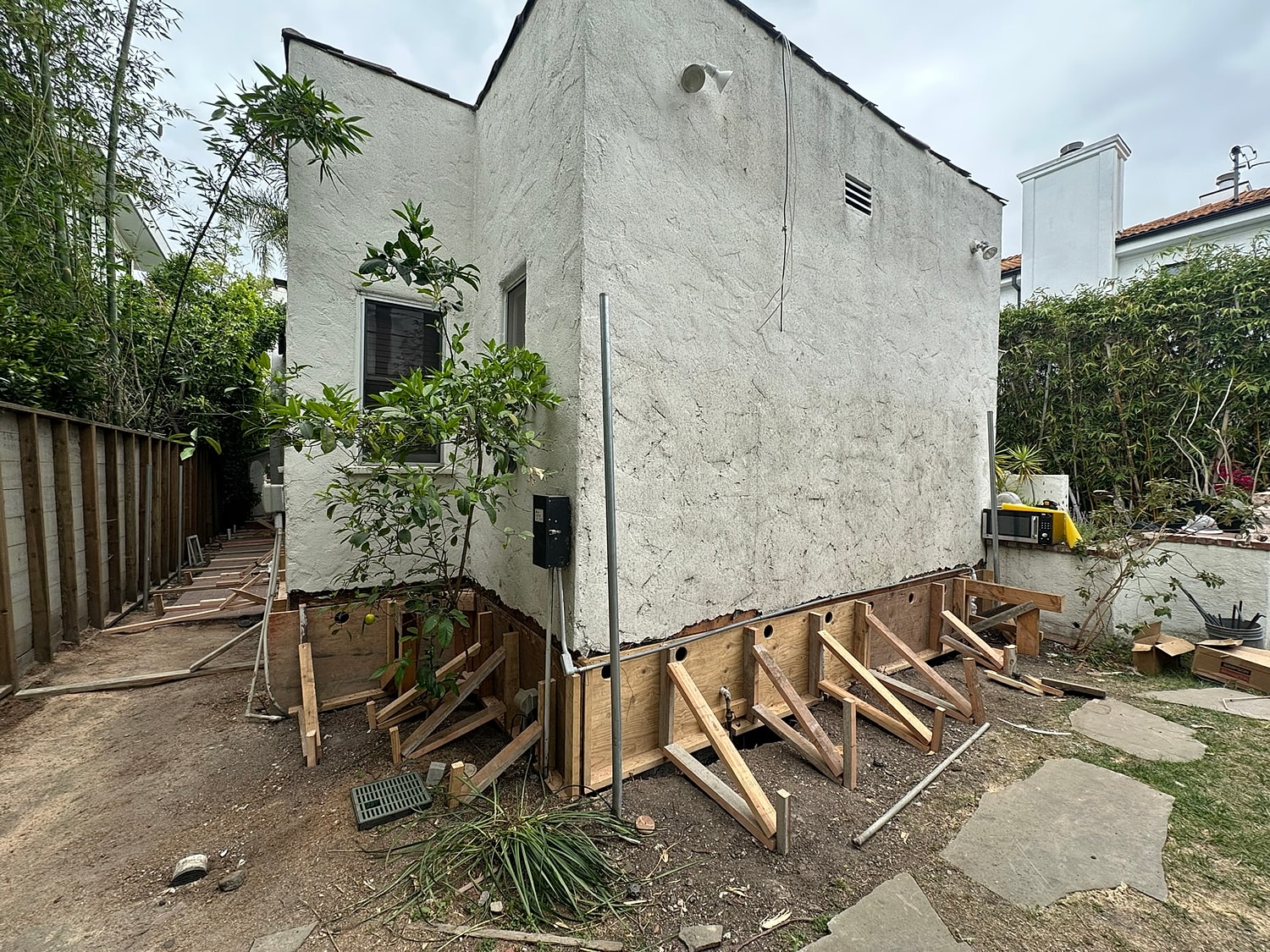
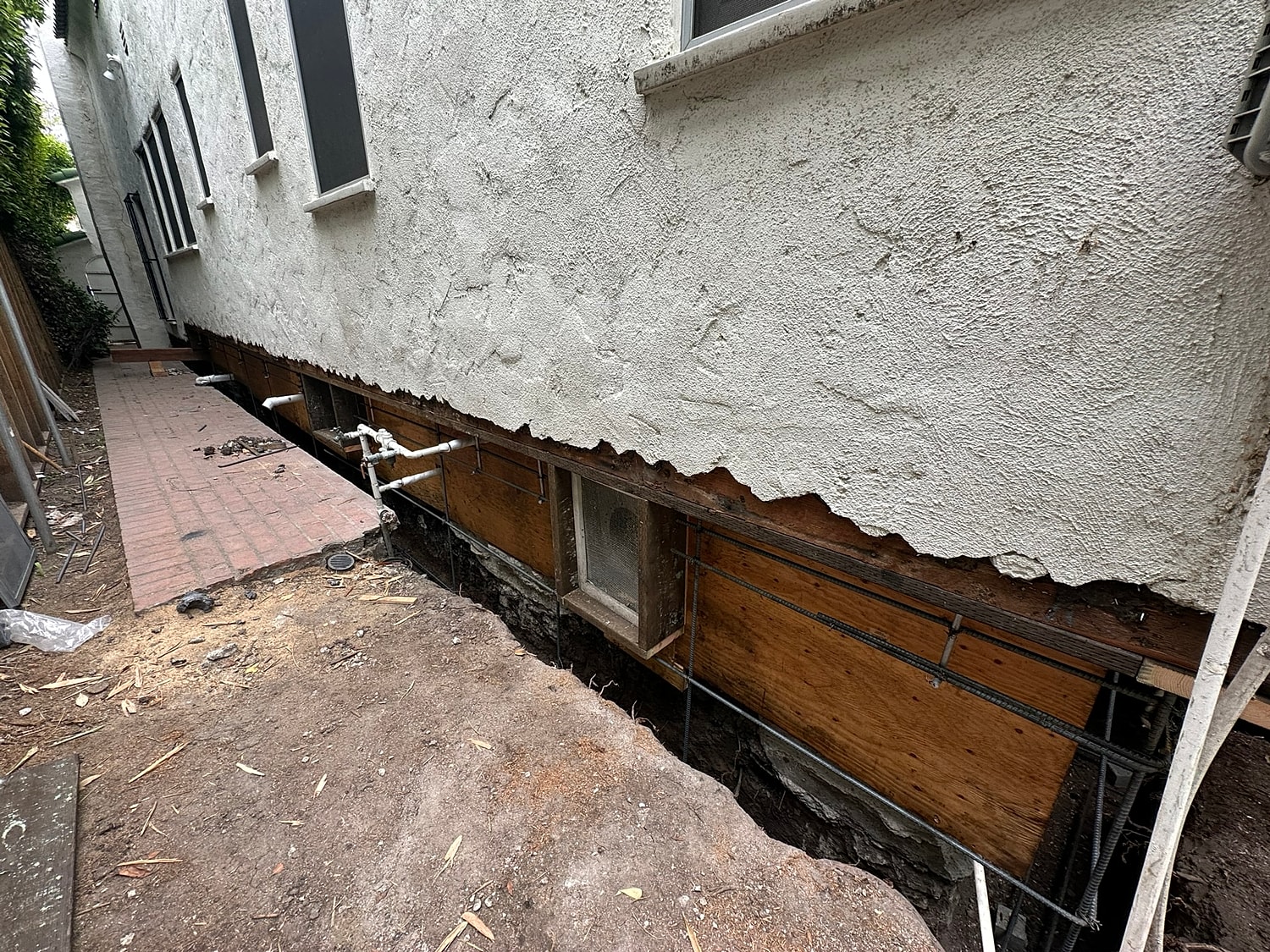
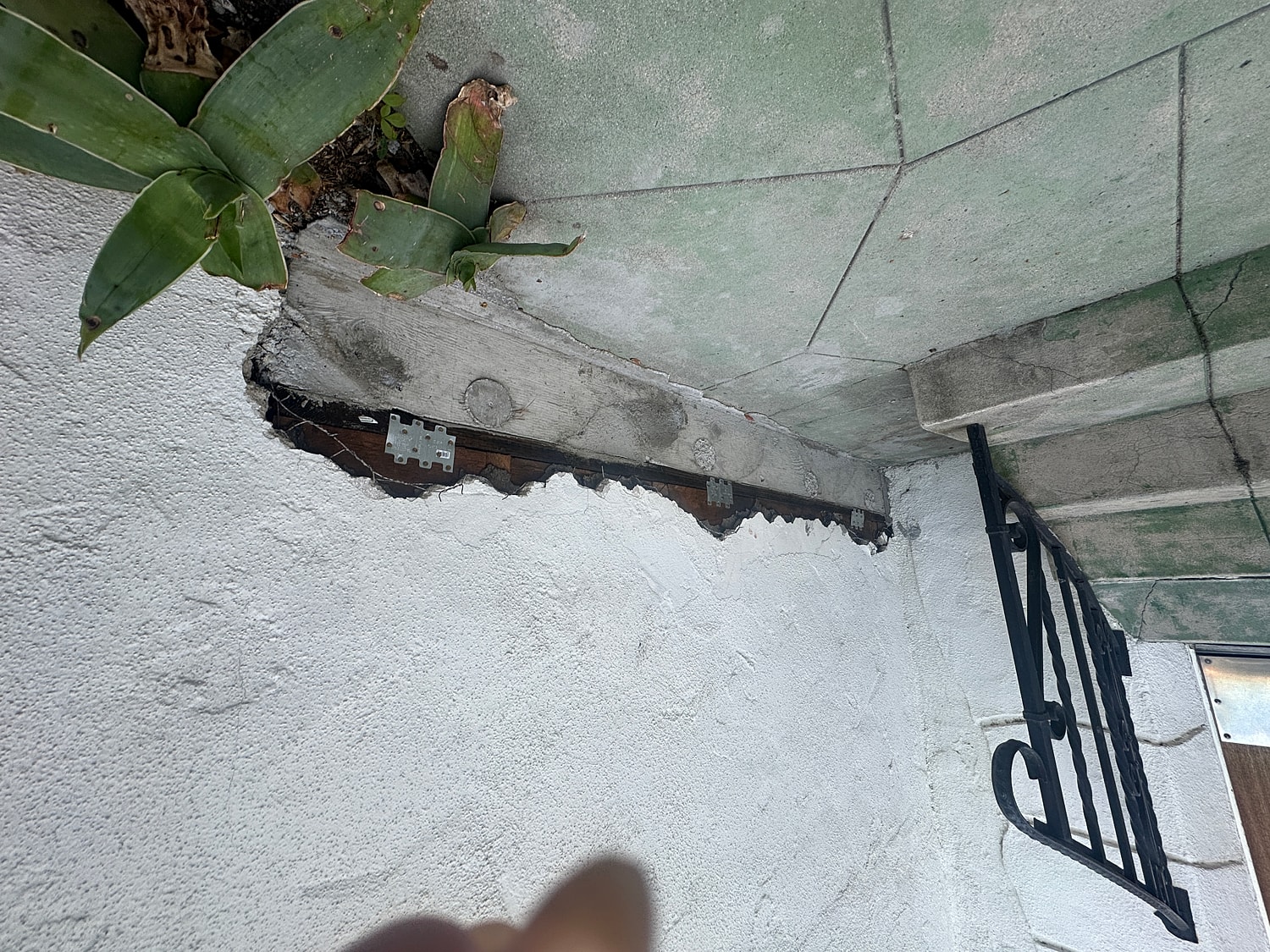
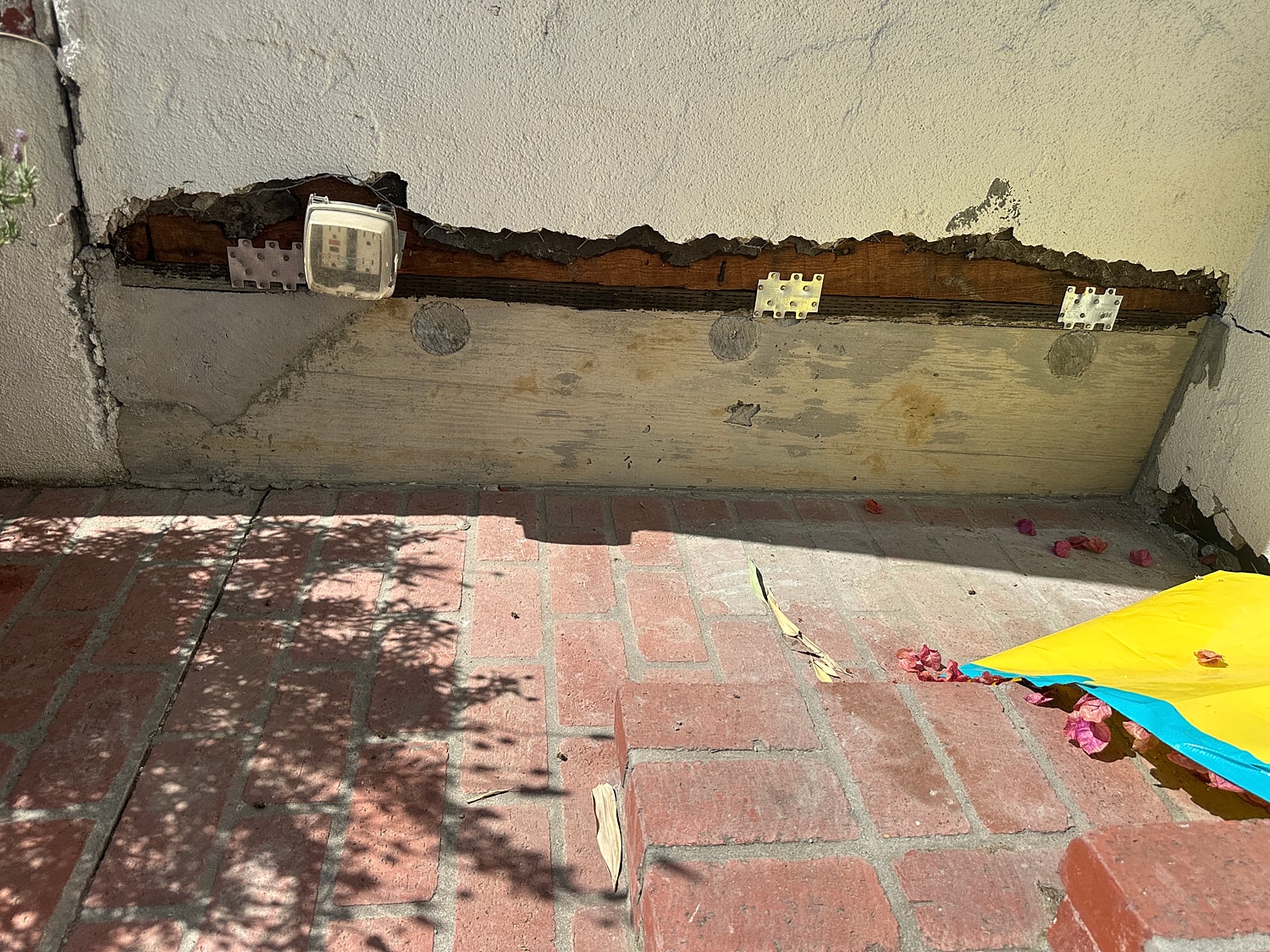
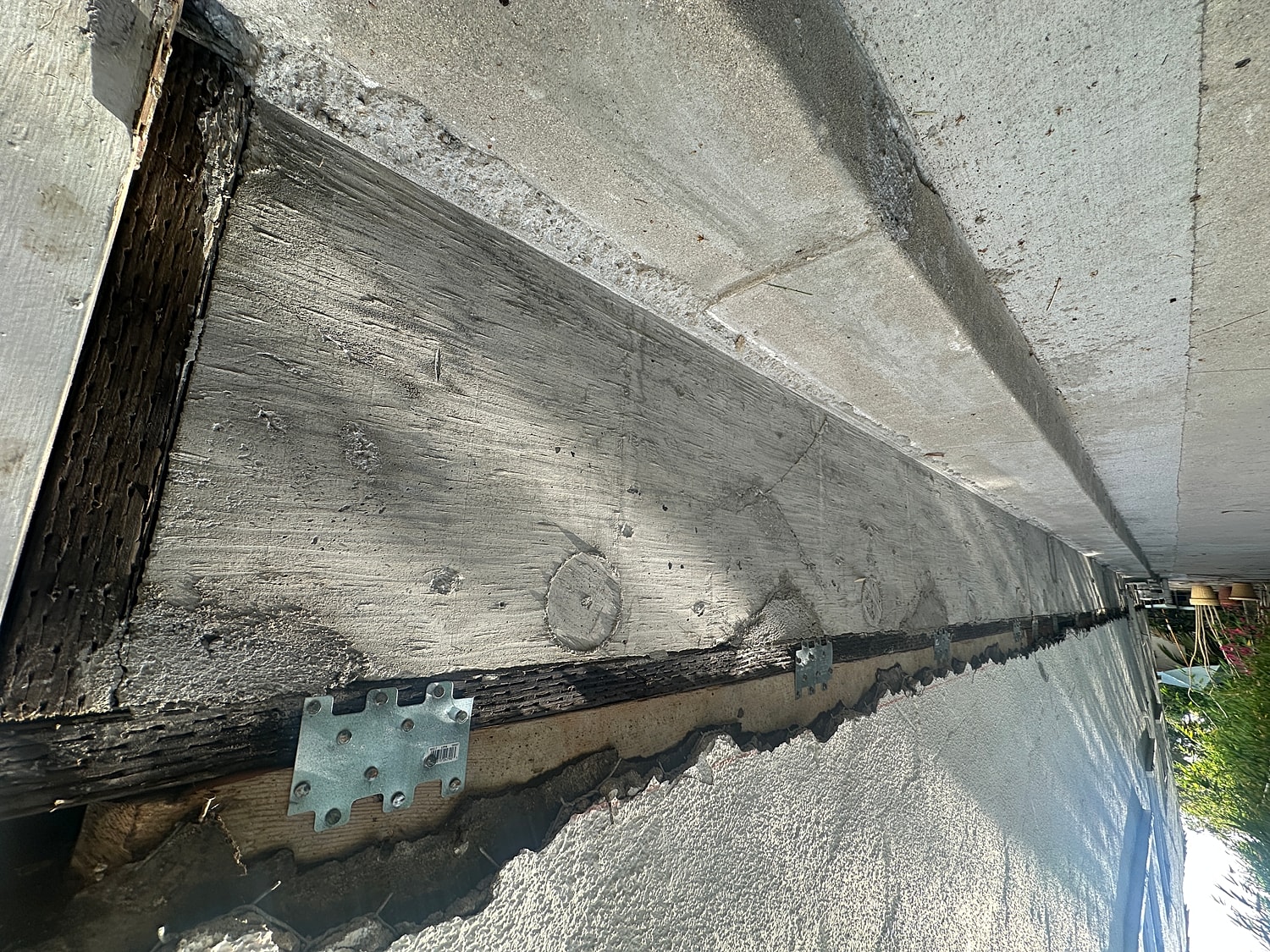
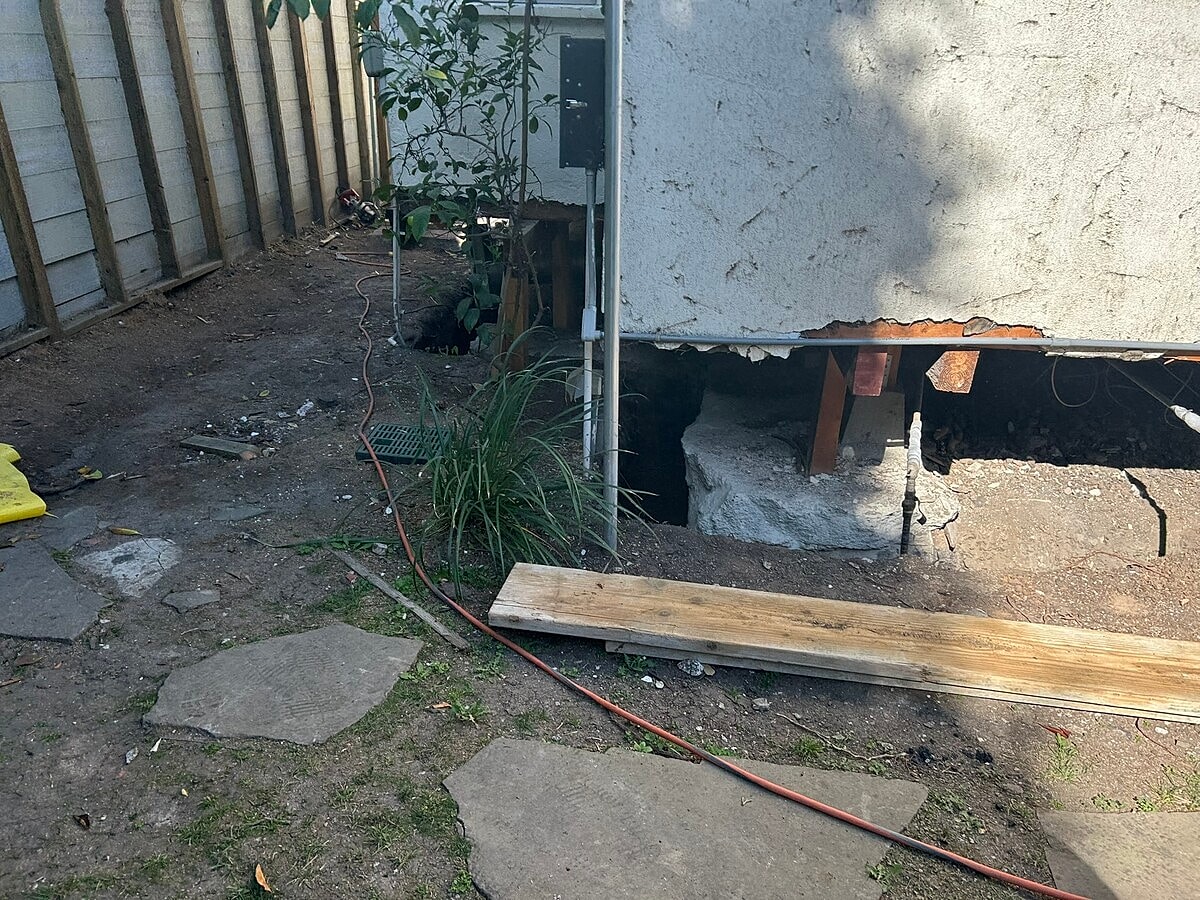
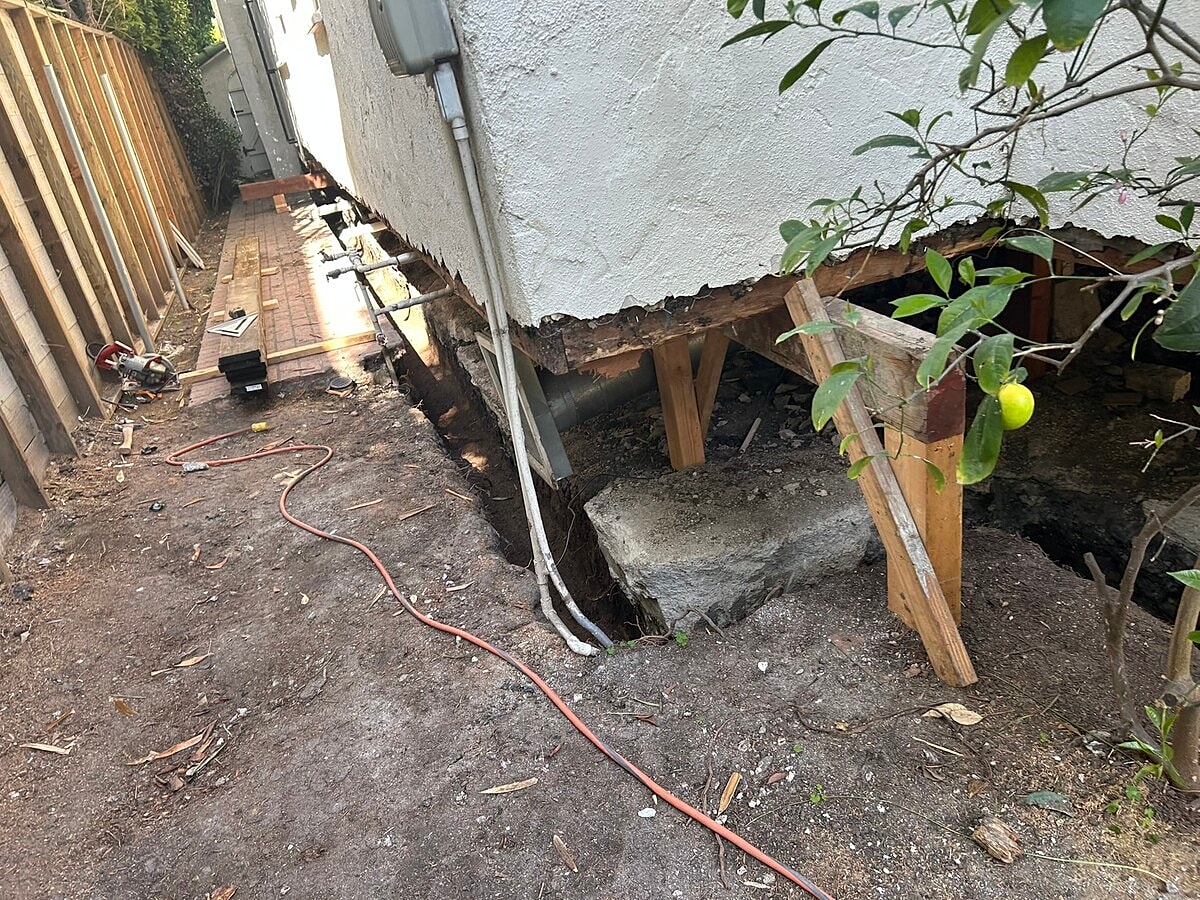
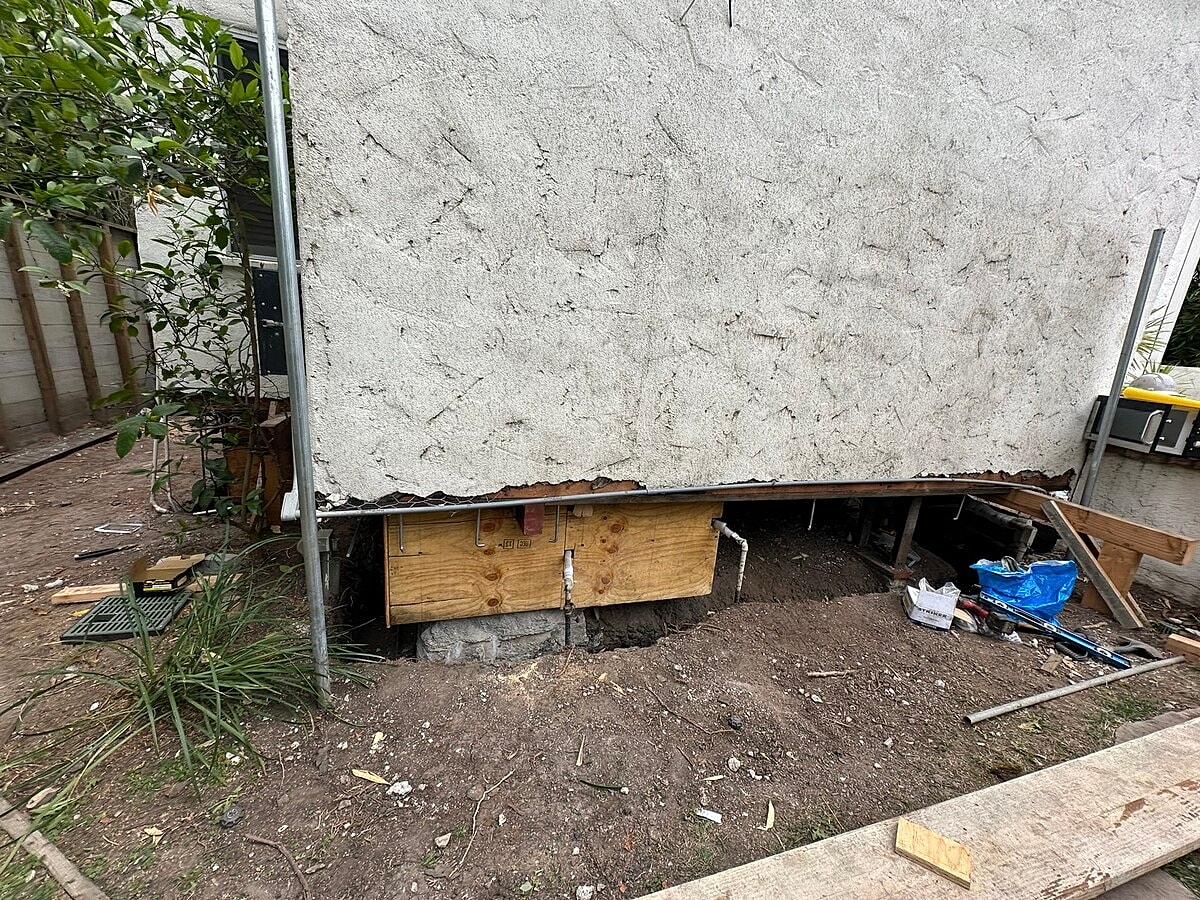
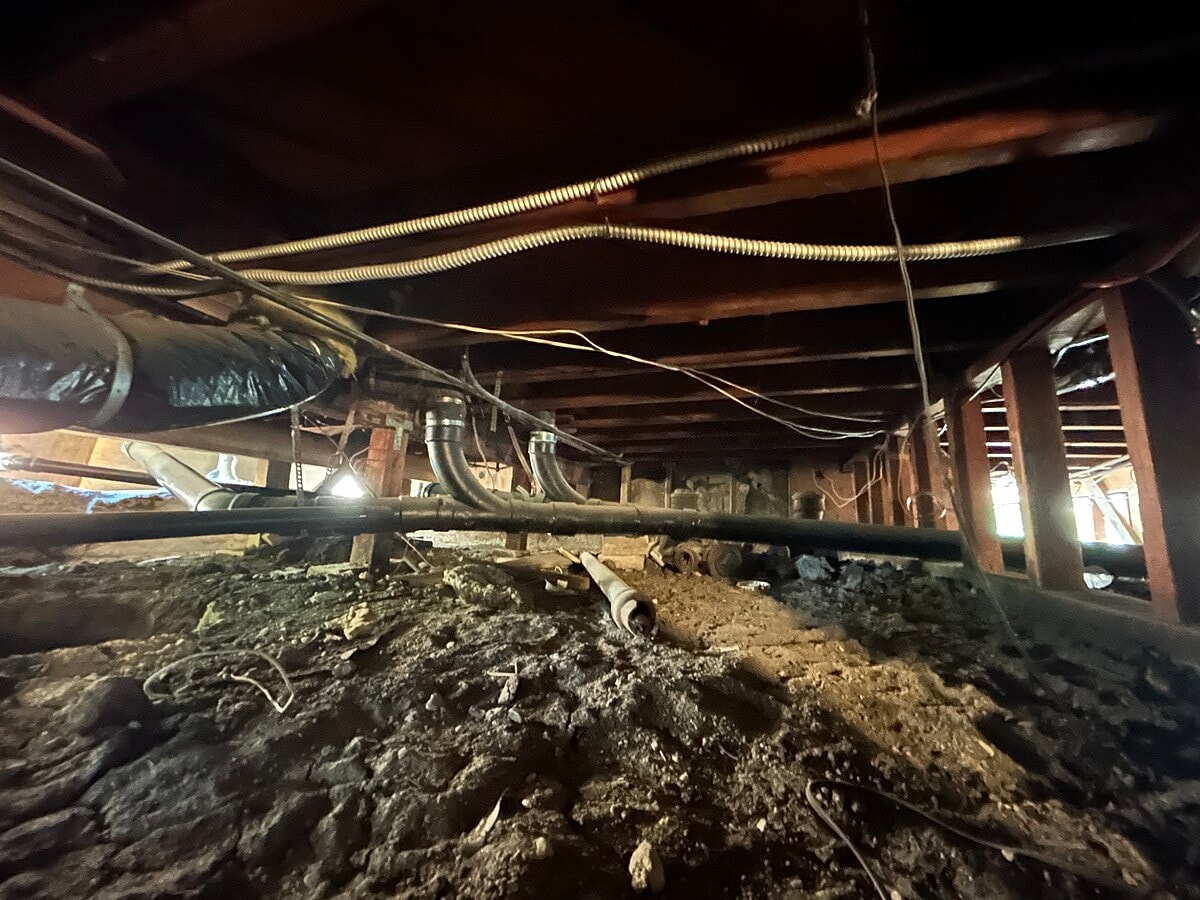
A foundation retrofit and house jack-lift were completed on a 1929 home in Los Angeles. This structural work was performed to stabilize a sinking side of the structure and properly relevel the foundation.
Commercial/Multi-Family
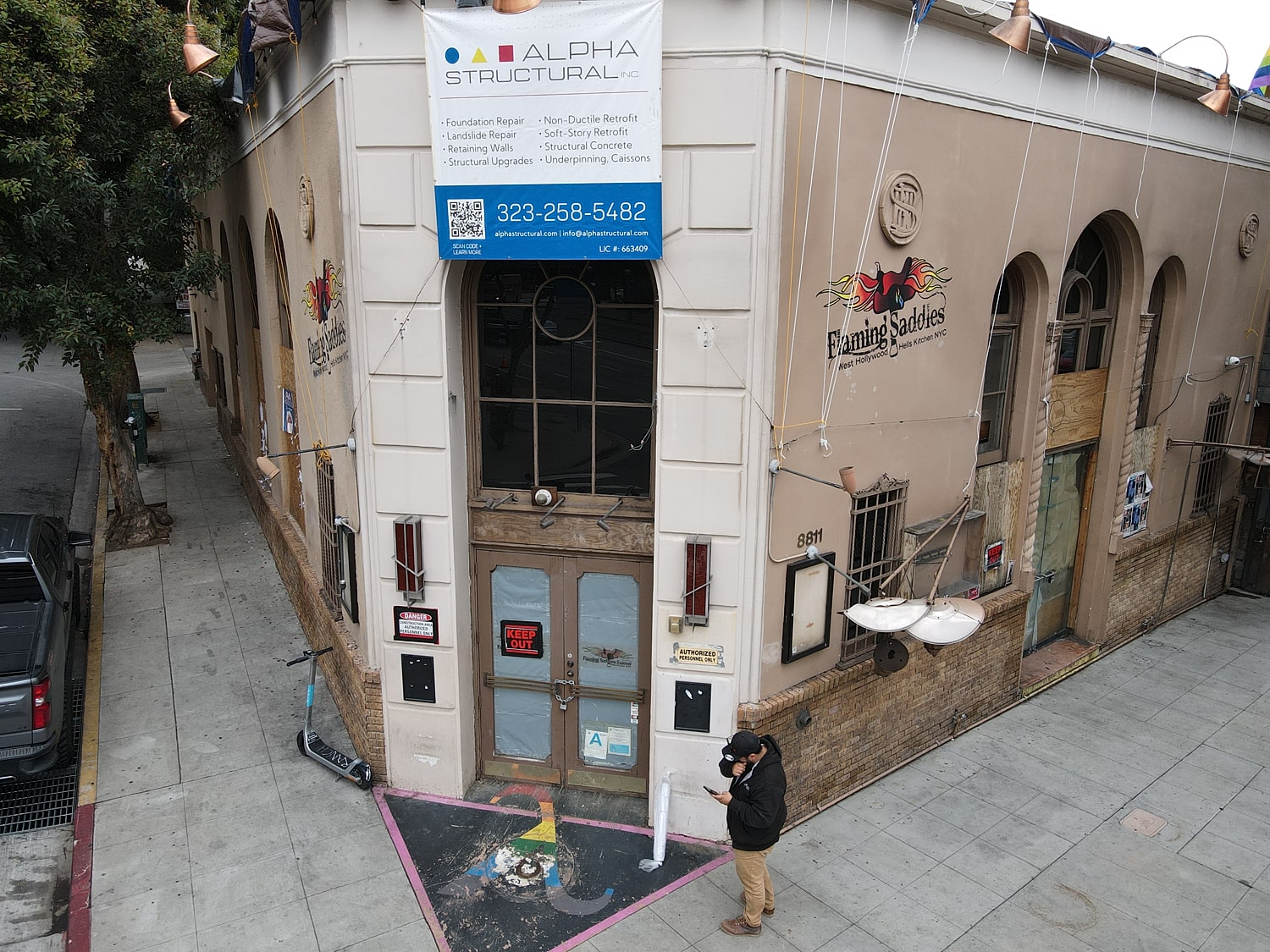
A structural change order project was completed in West Hollywood to modify an existing foundation and update steel framing. The scope of work involved changing an existing horizontal sectional curved wall to radial HSS curved steel. To accommodate architectural changes, columns and the foundation were offset by installing a new foundation underpin and relocating a column at the elevator shaft. This required sawcutting and demolishing concrete to excavate a new 12-inch by 30-inch by 8-inch foundation section, followed by the installation of #4 rebar dowels and 4,000 PSI concrete. Finally, the team refabricated and field-welded the sectional curved wall into four continuous horizontal members up to the roofline.
Residential
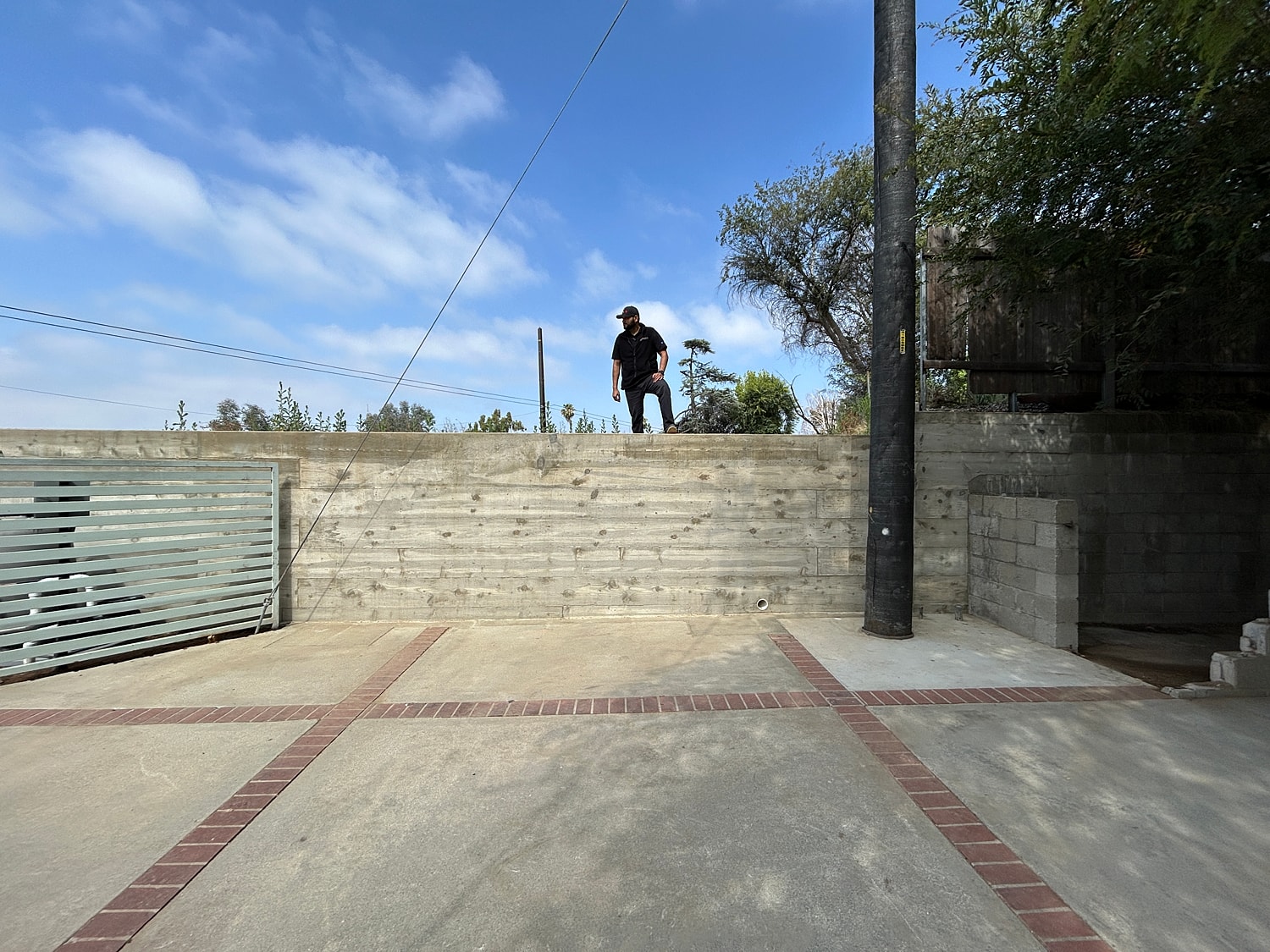
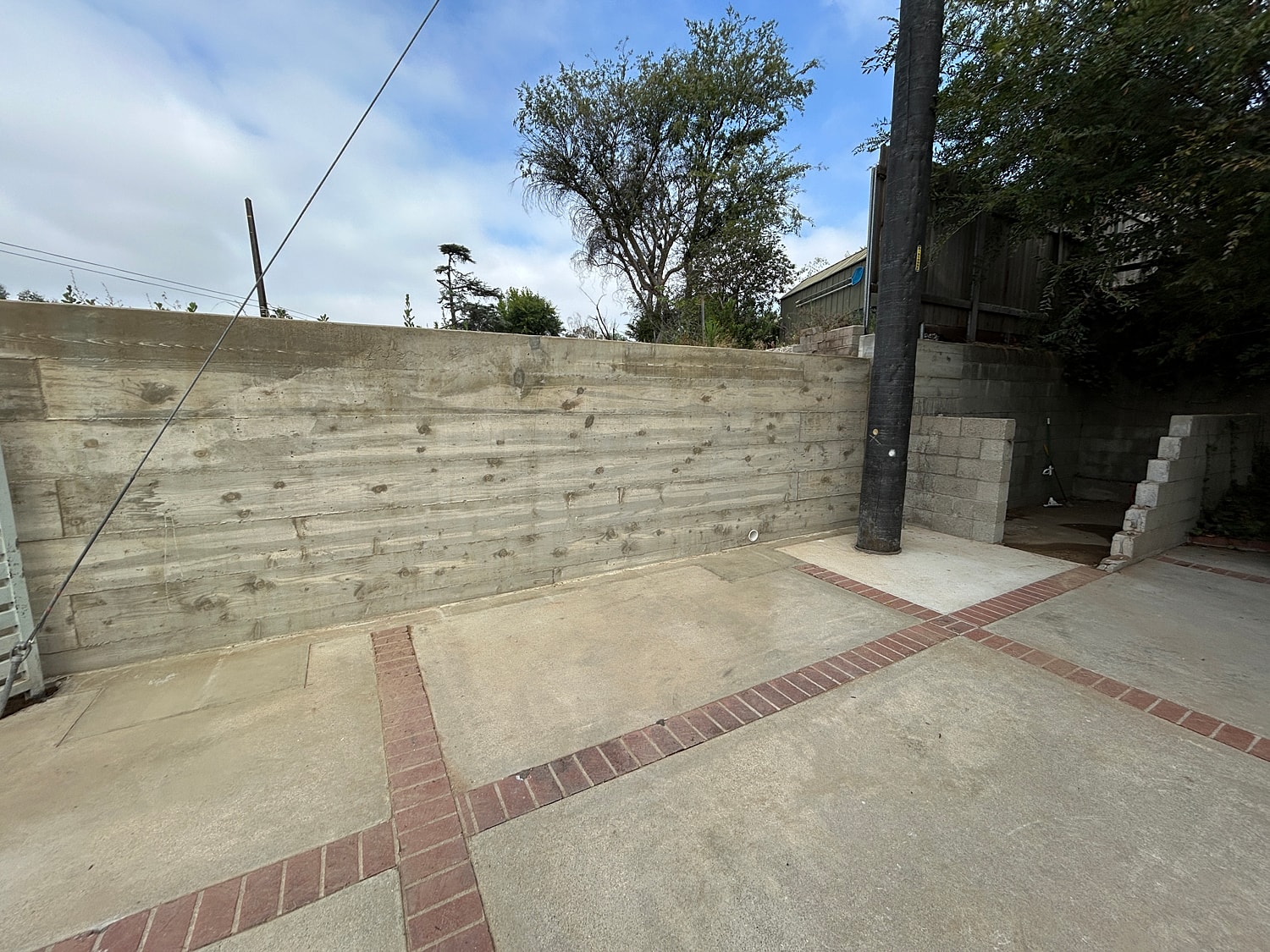
An engineered retaining wall construction project was completed in La Crescenta-Montrose to replace 66 feet of a failing retaining wall along the western perimeter. The scope of work included excavating and pouring a new continuous retaining wall foundation utilizing an inverted conventional spread footing that is 24 inches deep and 36 inches wide, using 4,000 PSI concrete. A cinder block (CMU) wall was constructed to a maximum height of 5 feet 5 inches, featuring solid grout-filled hollow cores using 1,500 PSI concrete, heavy-duty rebar reinforcement, and a CMU cap. Additionally, the retaining wall was waterproofed per the engineered plan, and a 4-inch sub-drain line wrapped in a gravel pocket was installed to release hydrostatic pressure. The project concluded with complete soil backfill and compaction.
Residential
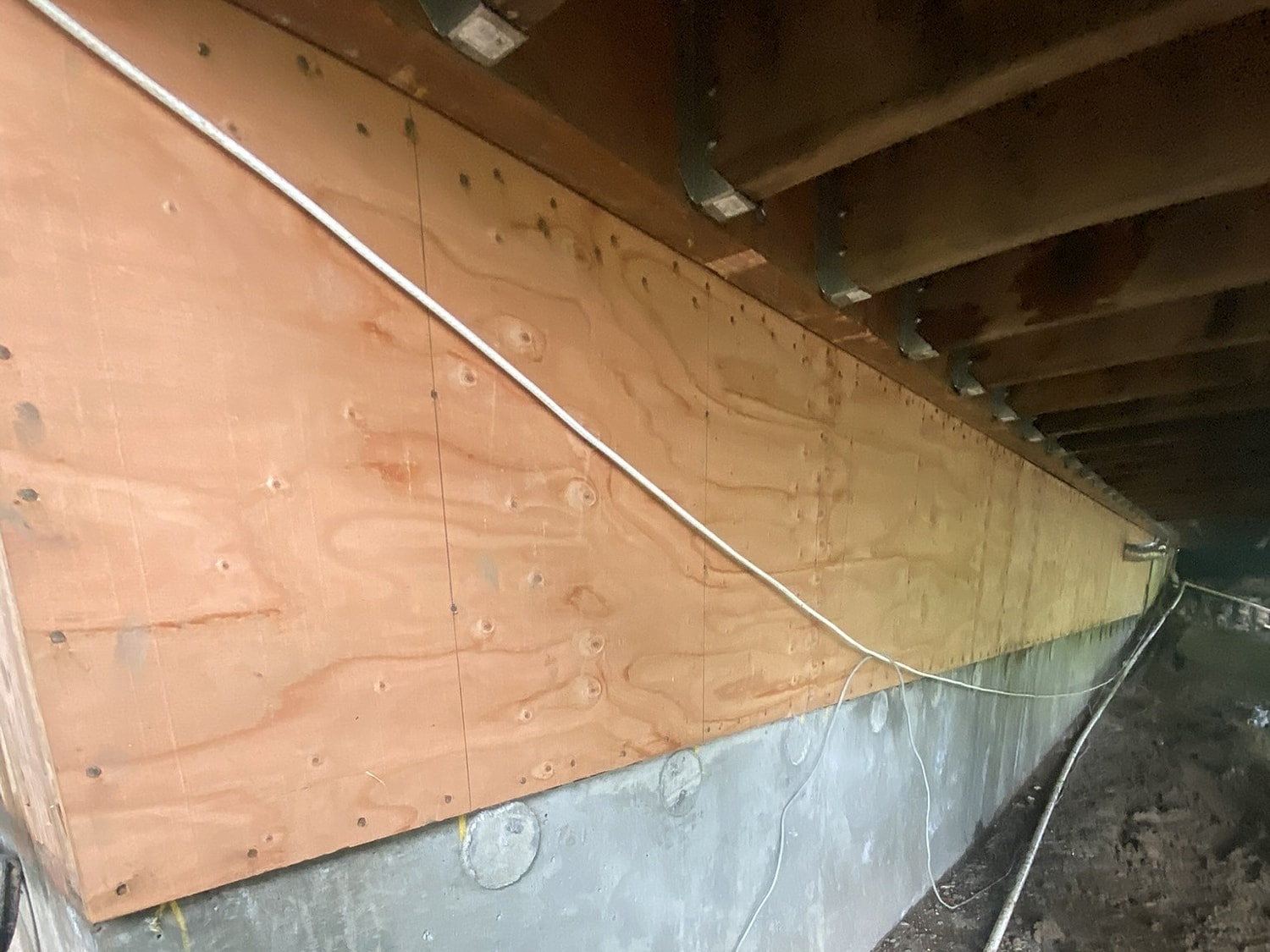
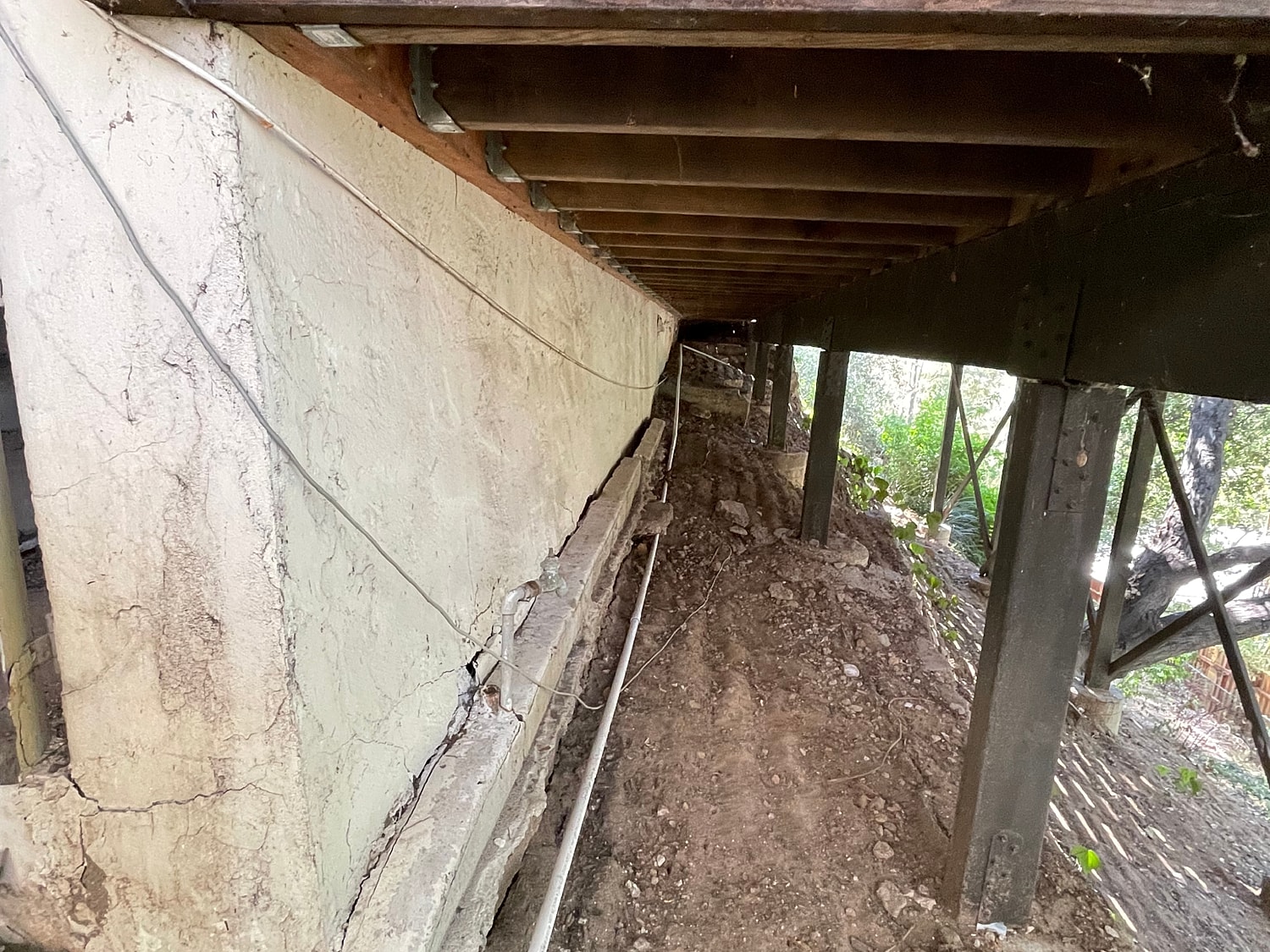
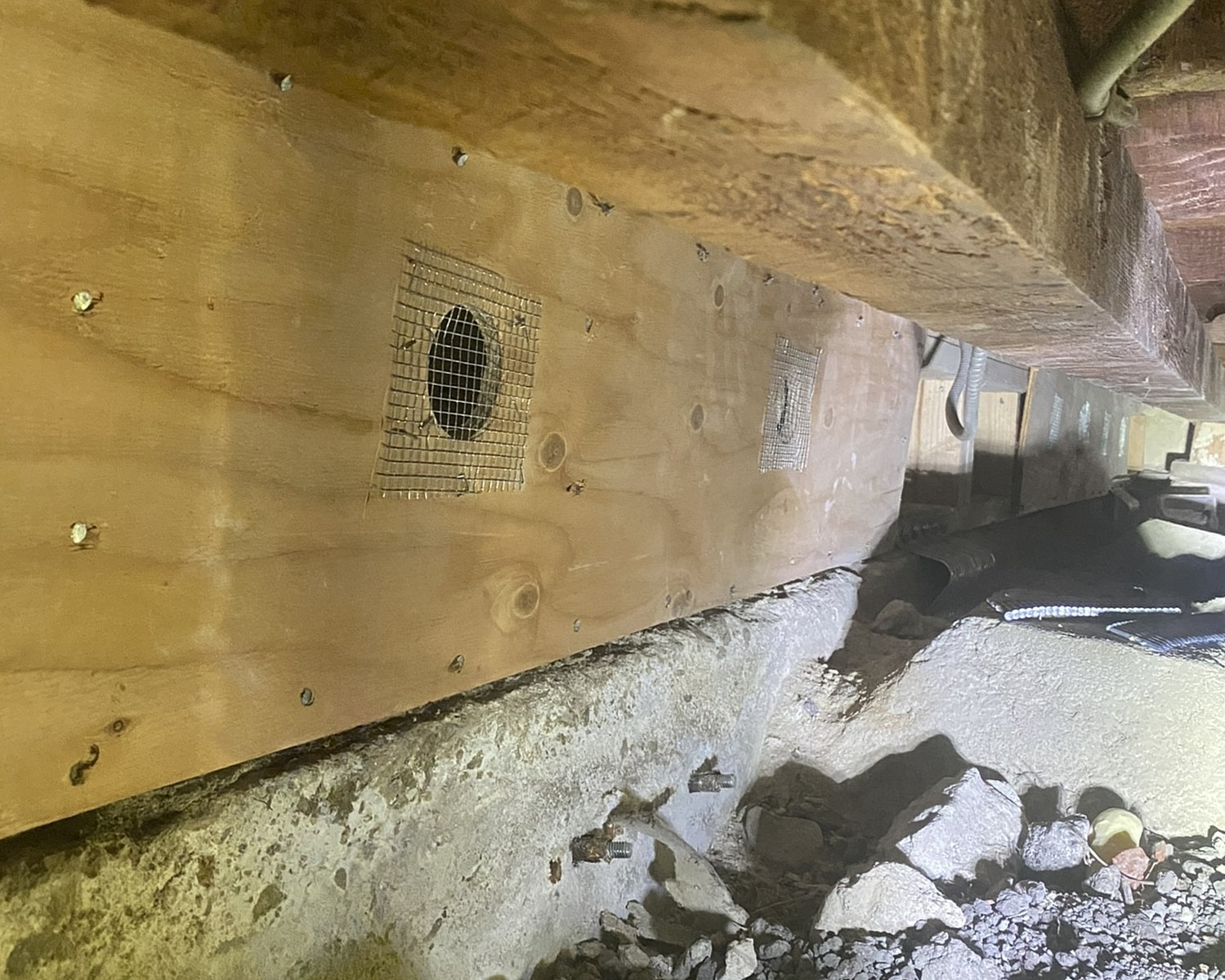
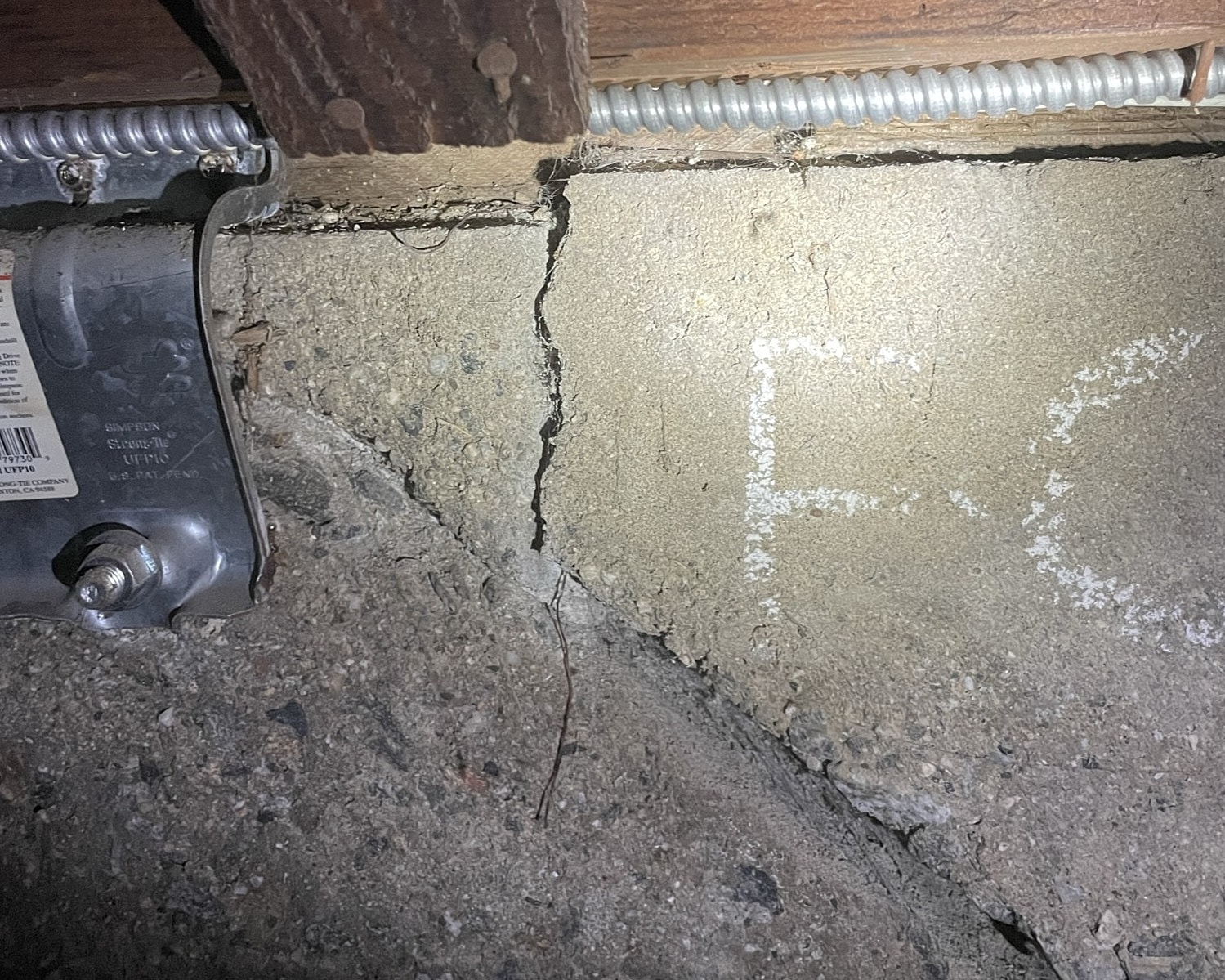
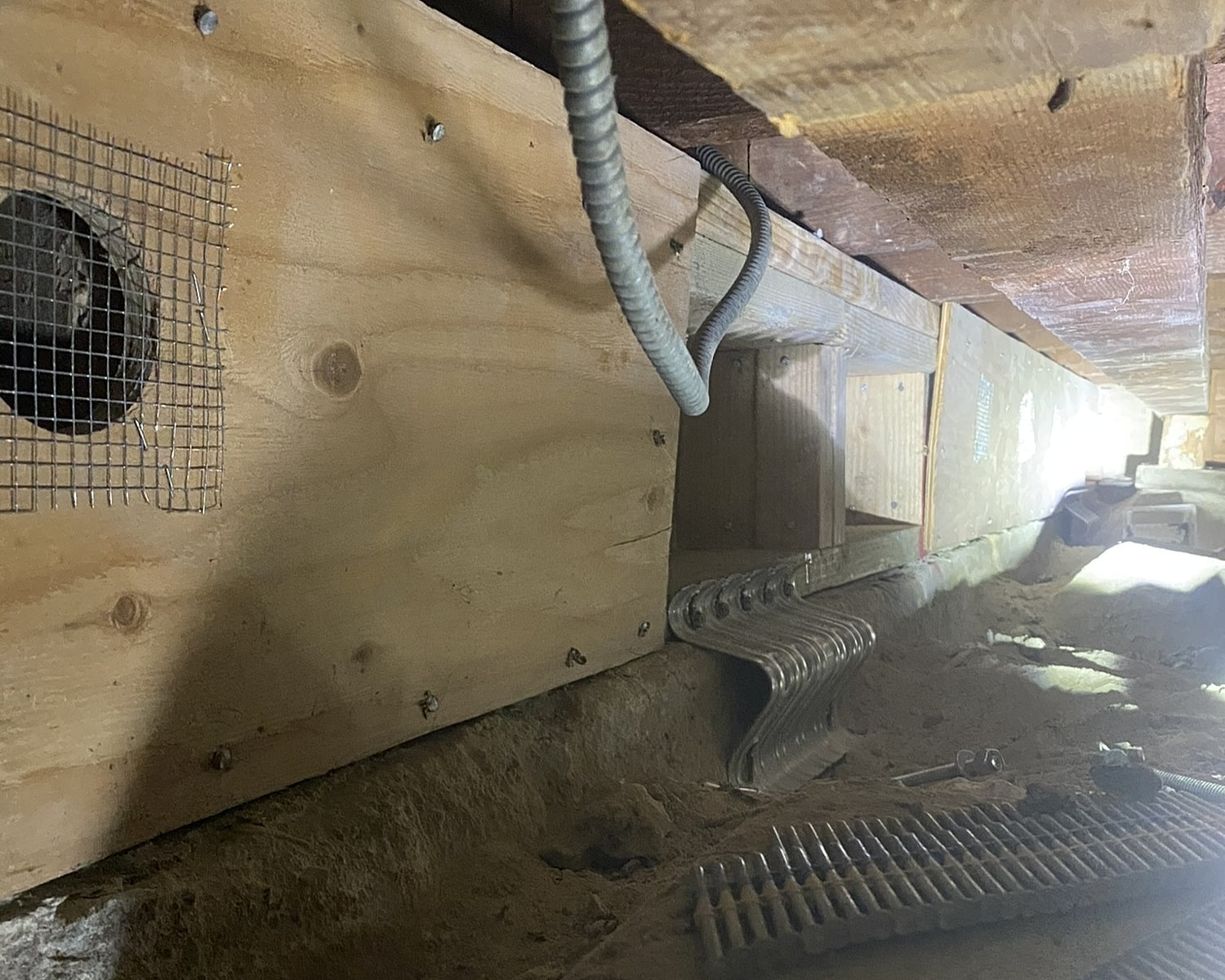
A remedial structural project was completed to replace deteriorating cripple wall framing and perform concrete crack repairs. The scope of work began with installing a 4x beam for temporary shoring. Approximately 45 linear feet of the westerly perimeter cripple wall framing was replaced using 2x pressure-treated sill plates, studs, top plates, 15/32" plywood sheathing, and Simpson URFP anchors. Furthermore, 15 linear feet of the easterly basement cripple wall framing was replaced. The project concluded with two remedial crack repairs, which were executed by infilling the areas with structural grade non-shrink mortar and 1/2" angle irons.
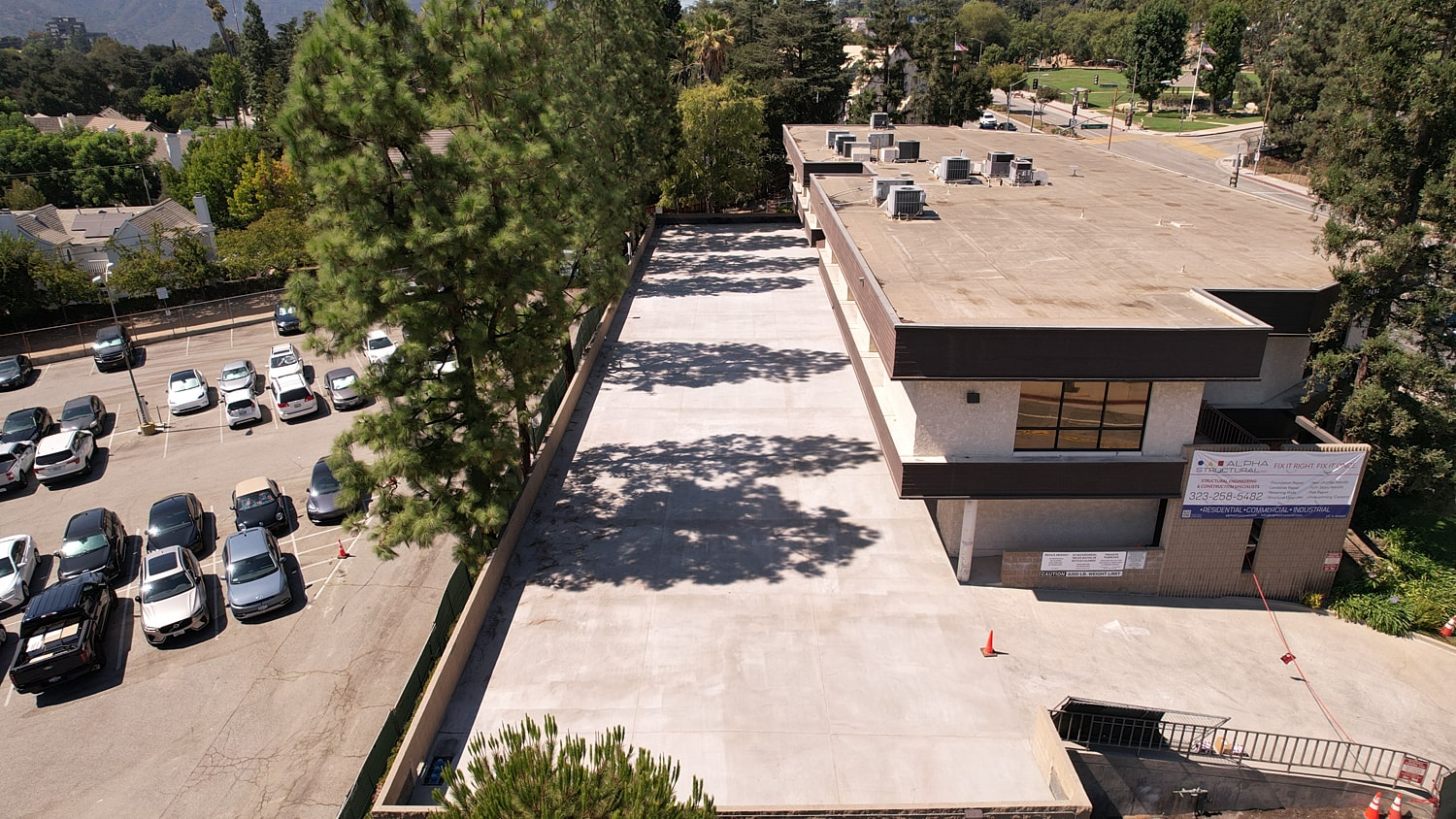
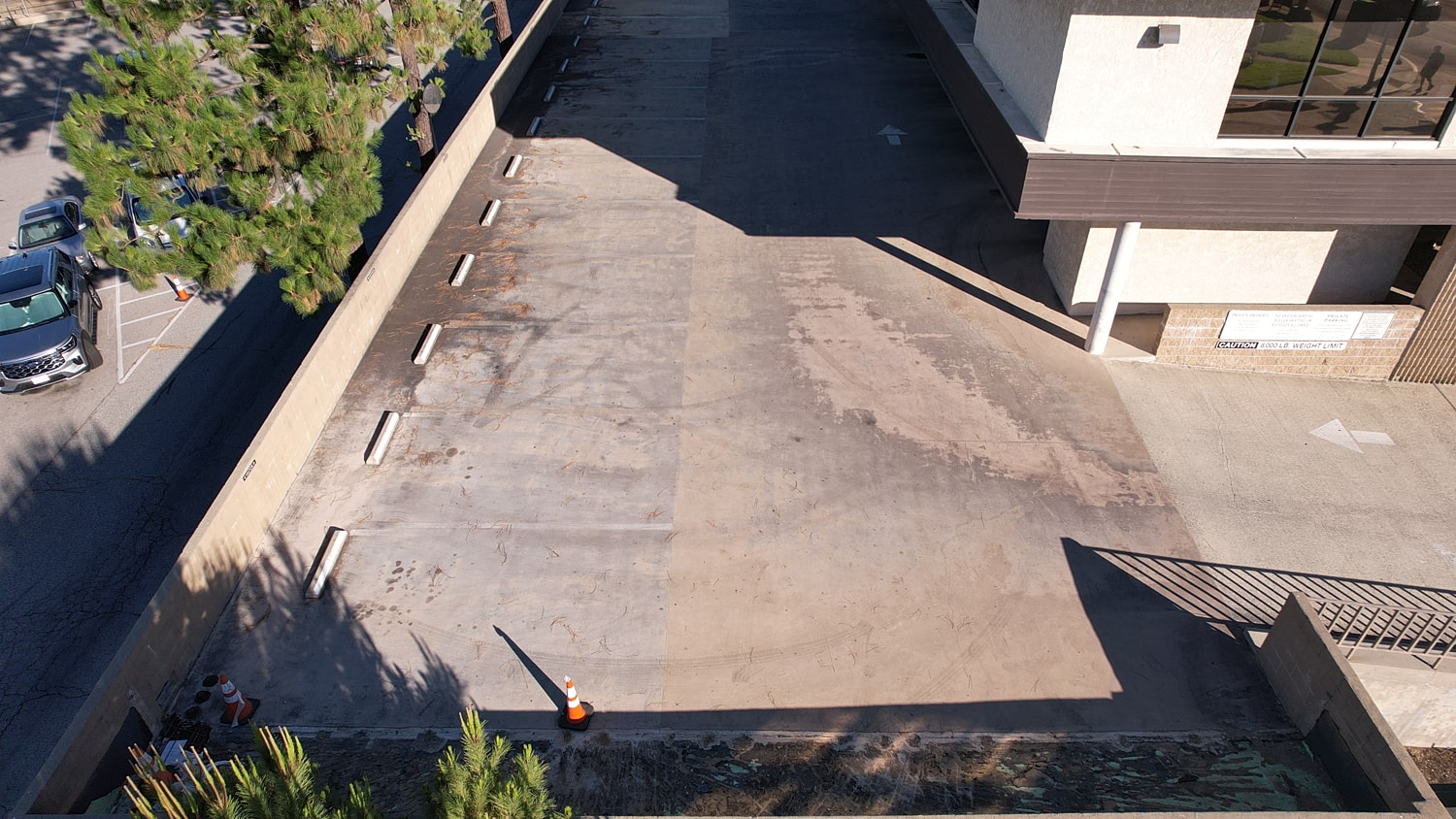
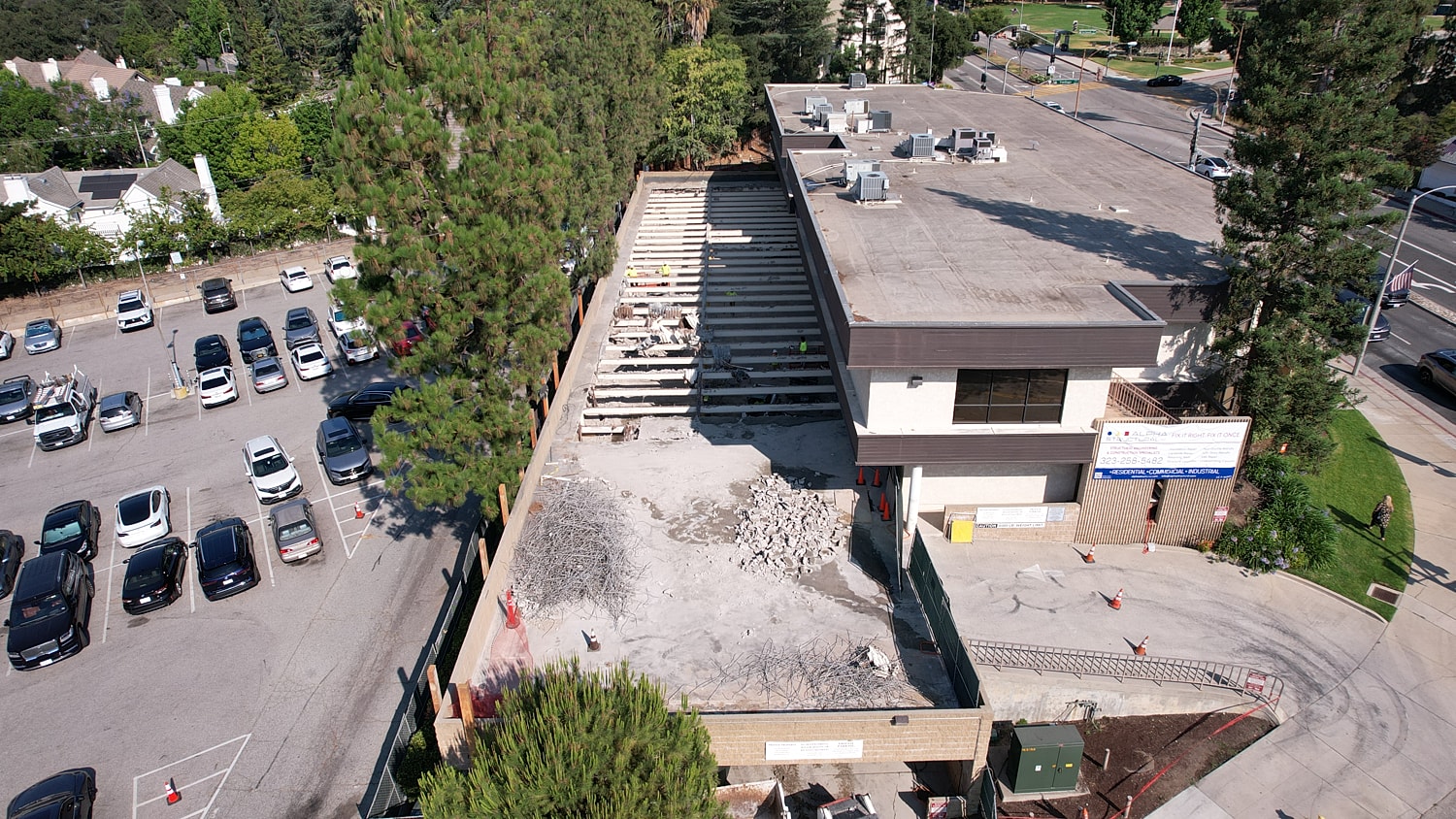
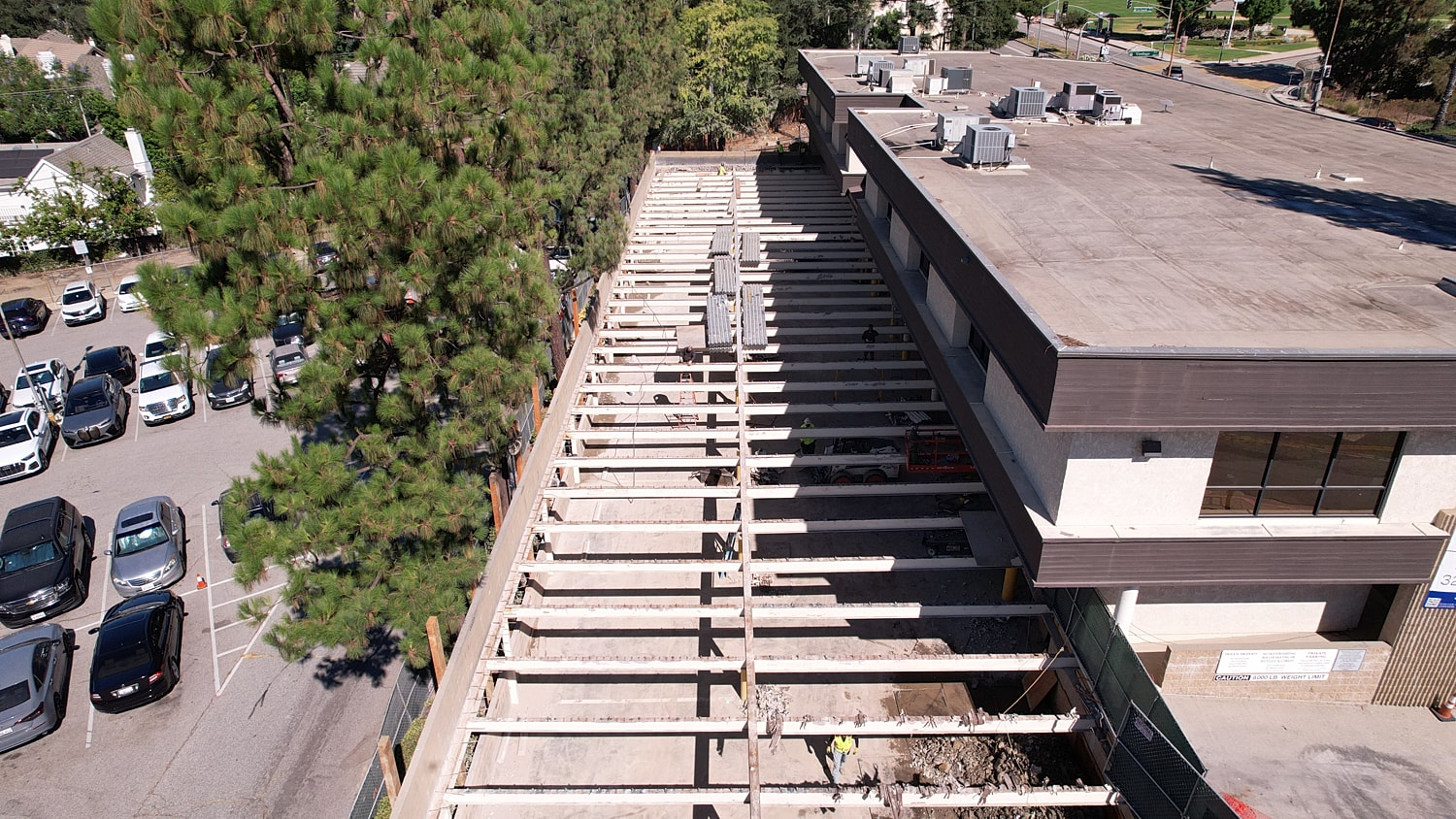
A structural project was completed in La Cañada to address a delaminated and corroded overhead parking garage slab. The scope of work required the saw cutting and removal of up to 9,200 square feet of the existing concrete slab and steel Verco decking. To rebuild the structure, approximately 9,200 square feet of new Verco decking was installed, which included welding new steel studs to the existing I-beams. Additionally, corroded areas on the south side rim beams were mechanically brushed and treated with a protective zinc coating. A new rebar mat utilizing #4 bars spaced at 6 inches each way was placed alongside rebar epoxy dowels to properly tie the new slab to the existing concrete walls. Finally, a boom pump was mobilized to pour a new minimum 4,000 PSI high-strength lightweight concrete slab, sloped at a minimum of 2% toward newly installed atrium drains.
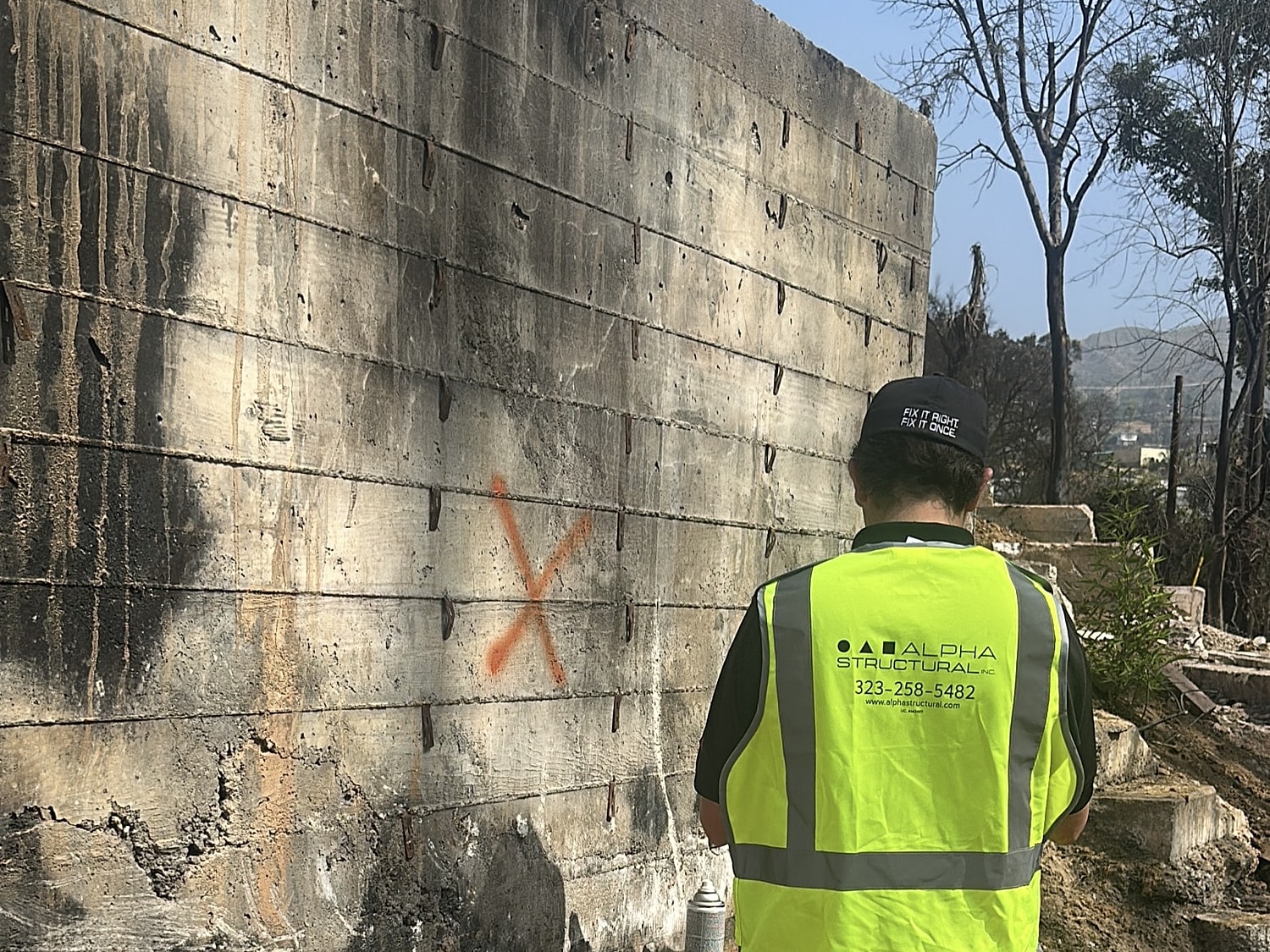
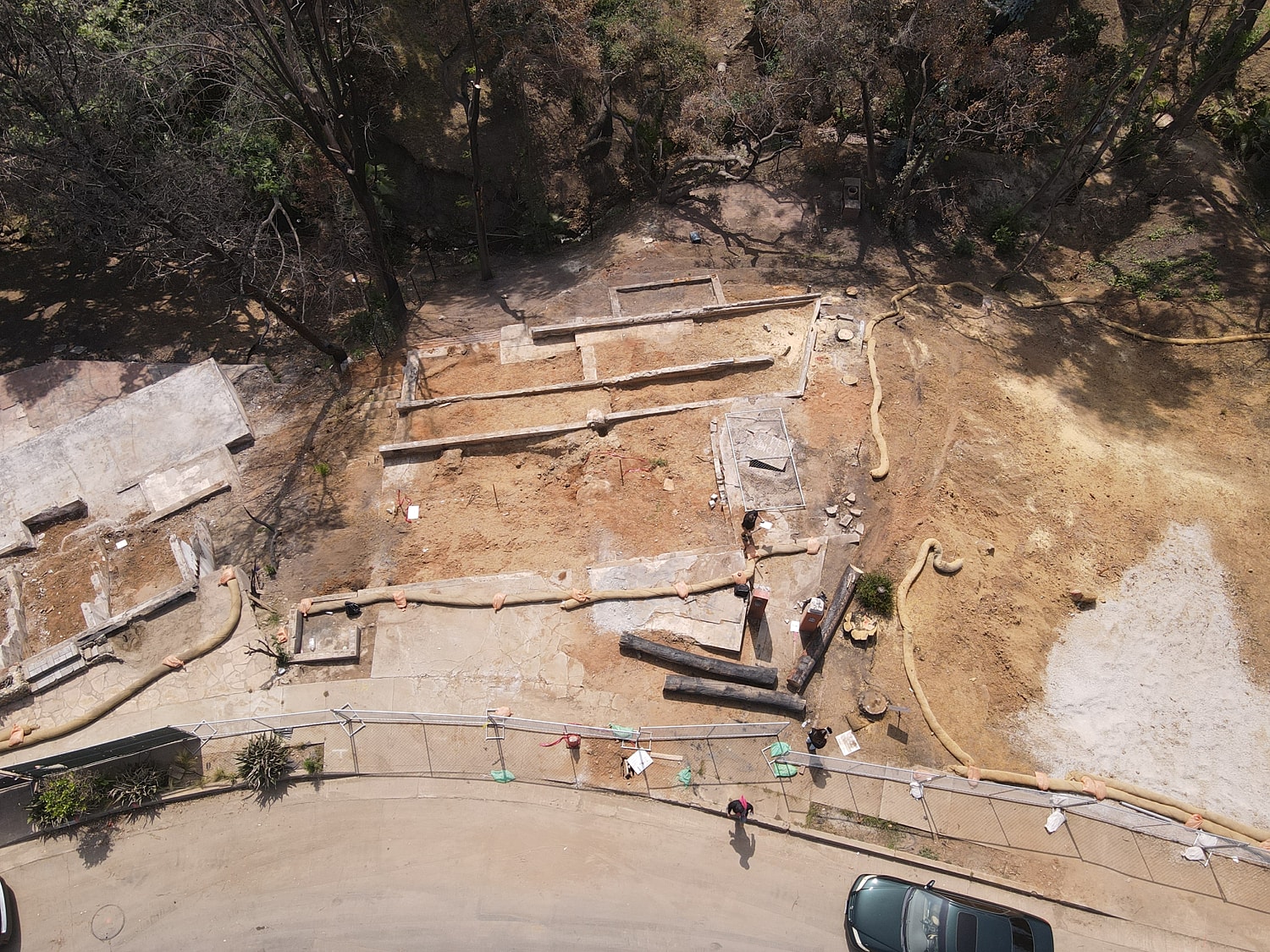
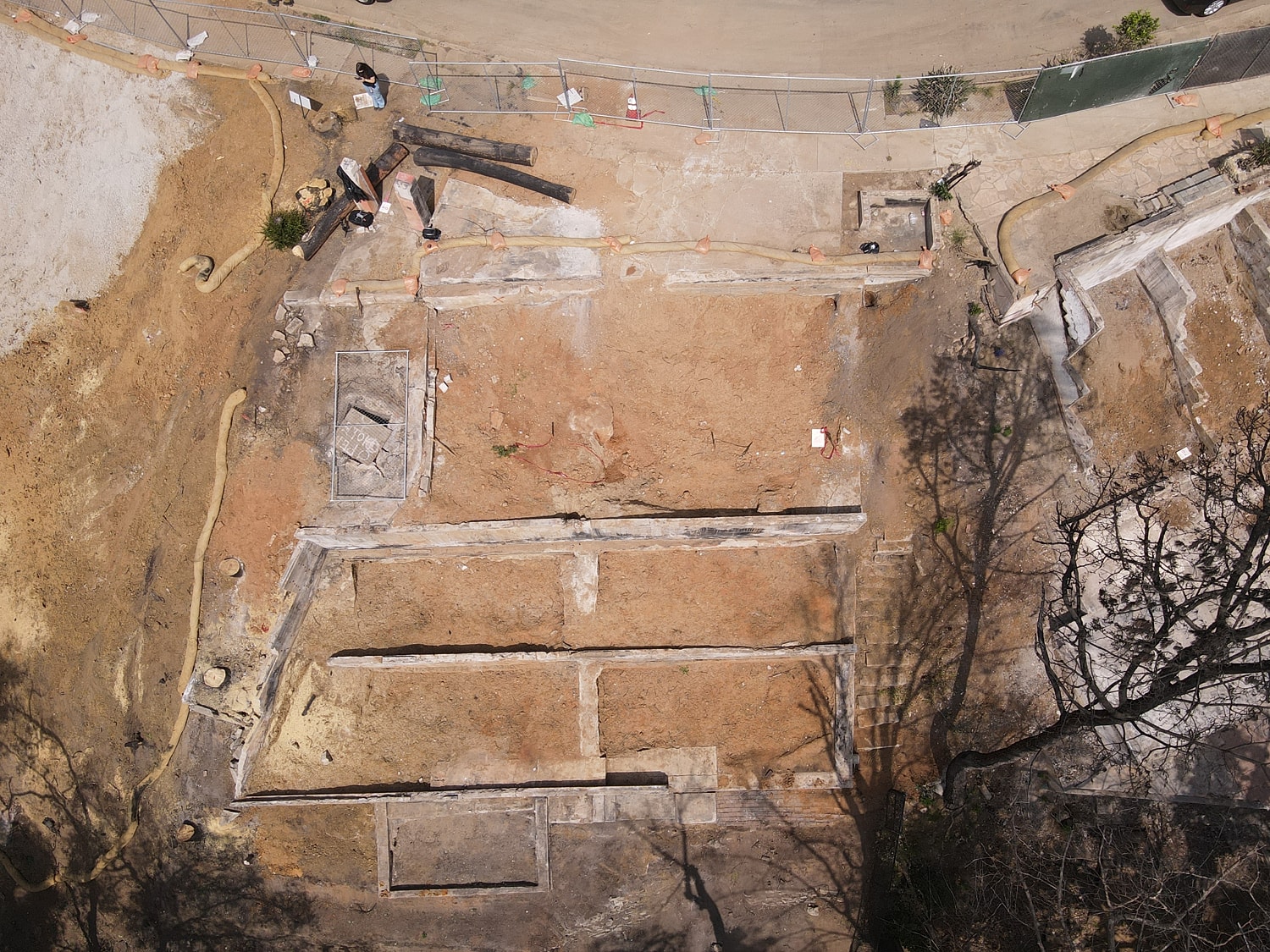
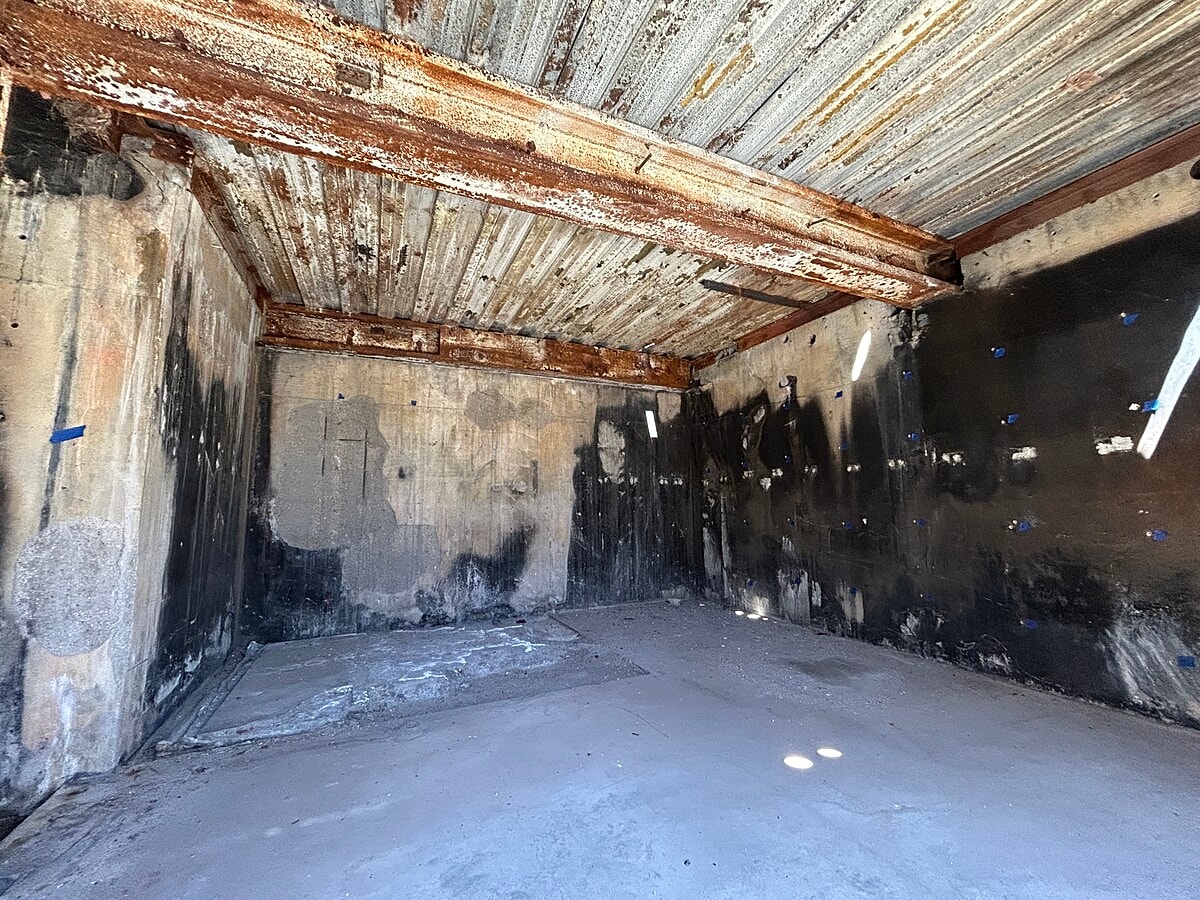
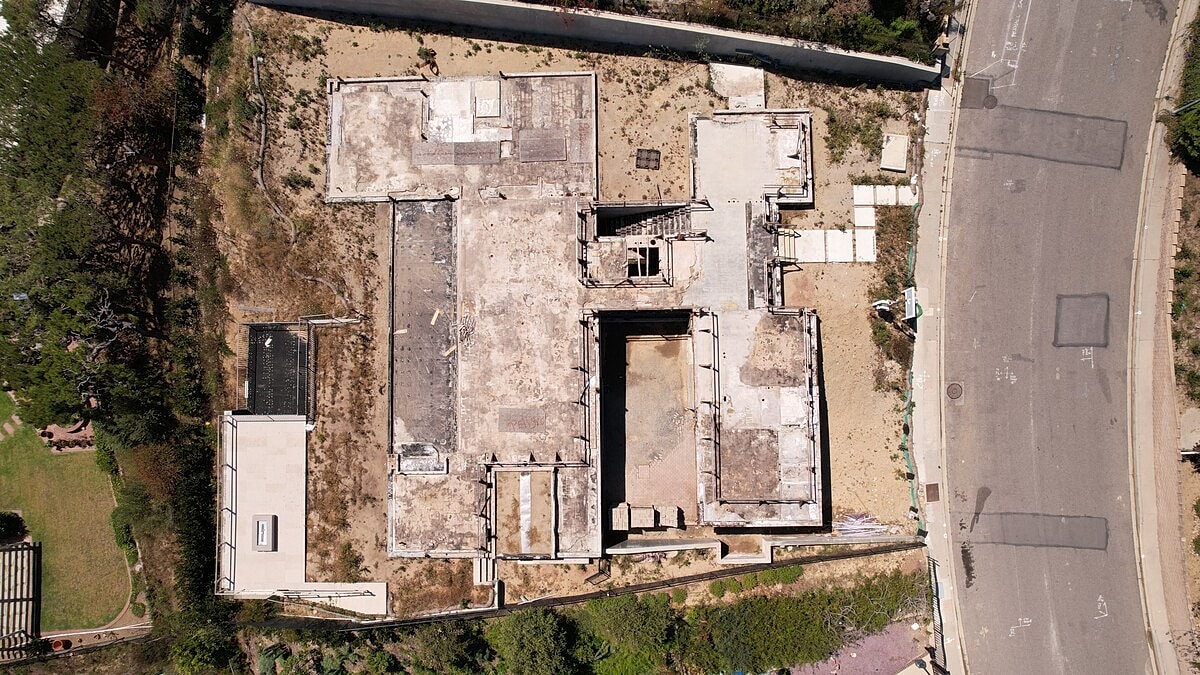
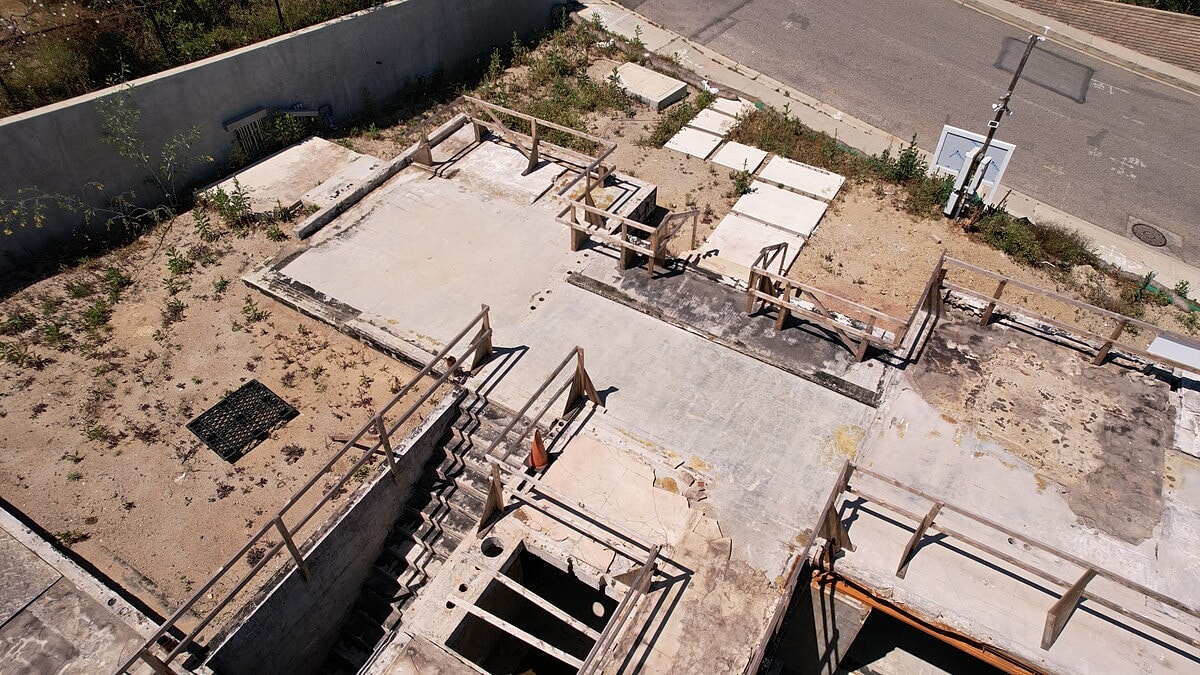
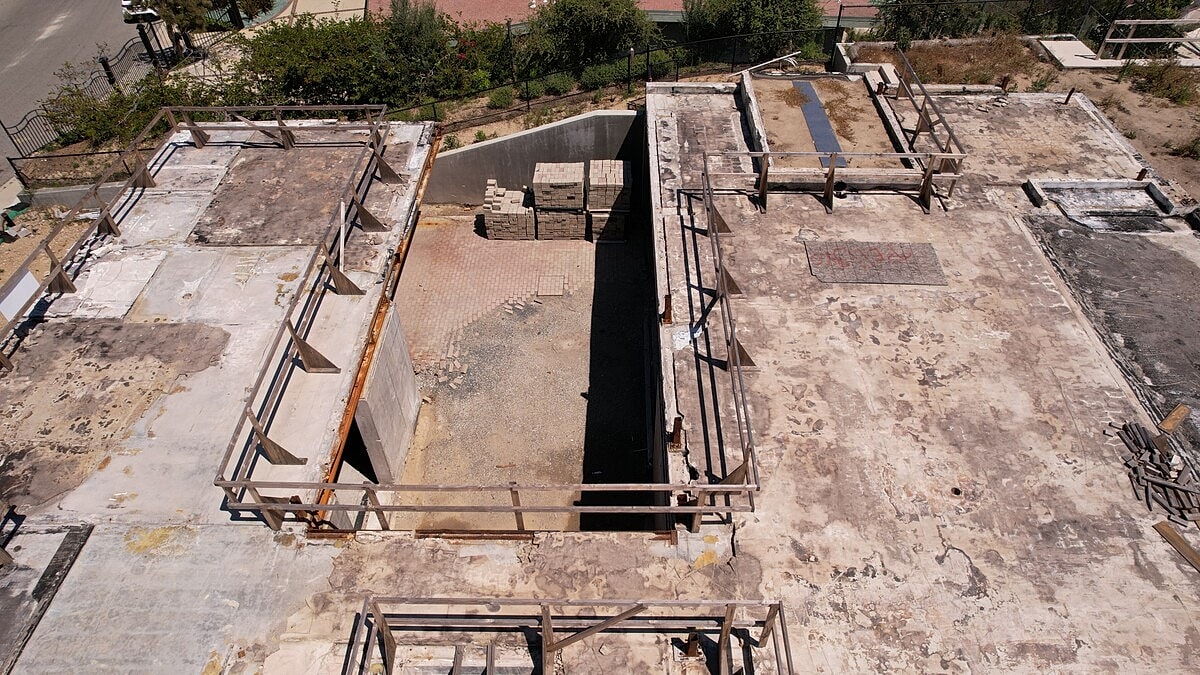
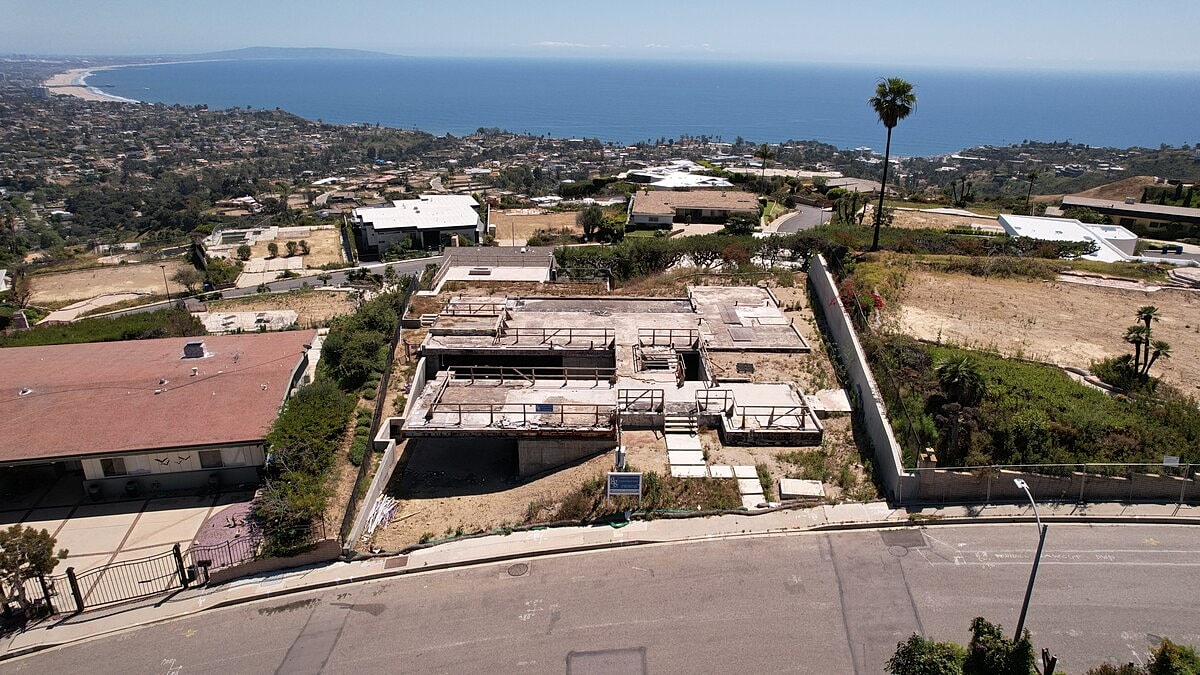
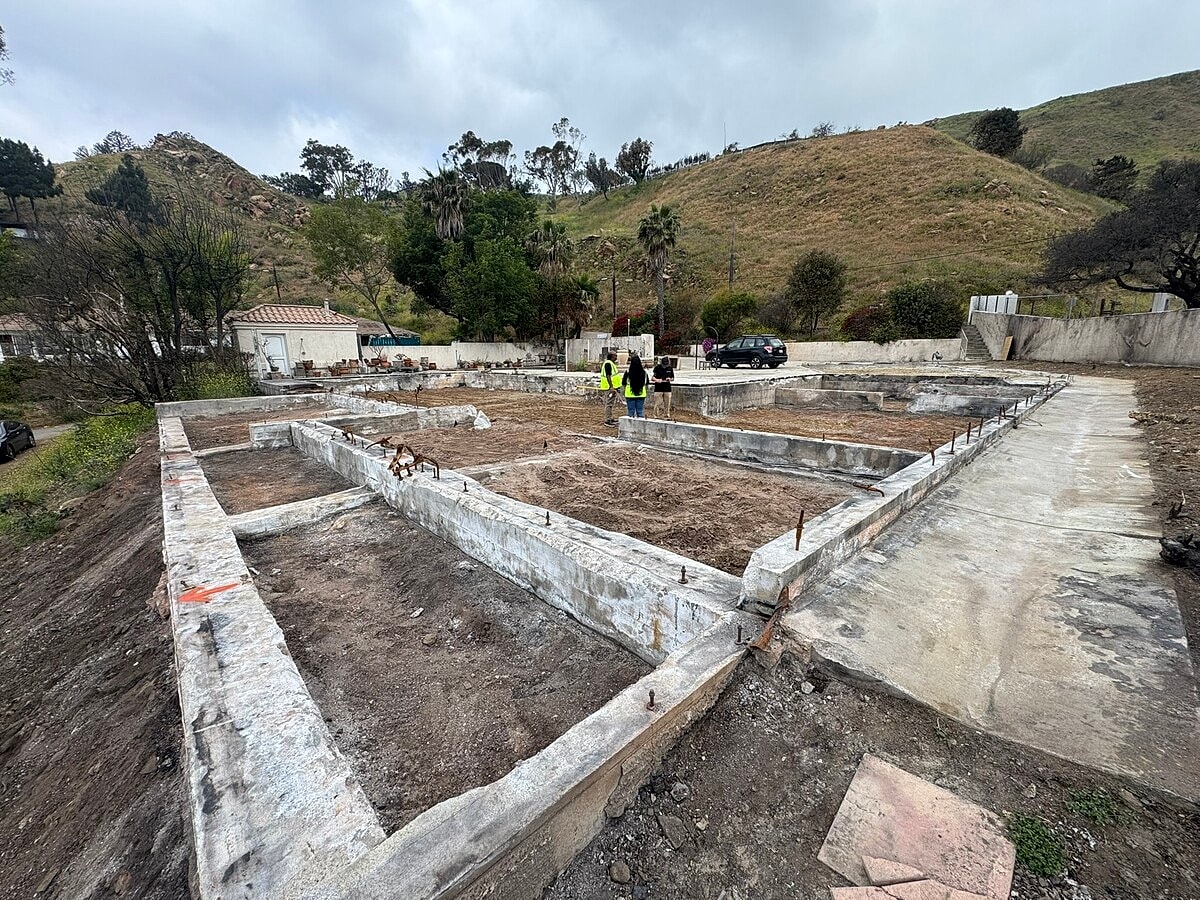
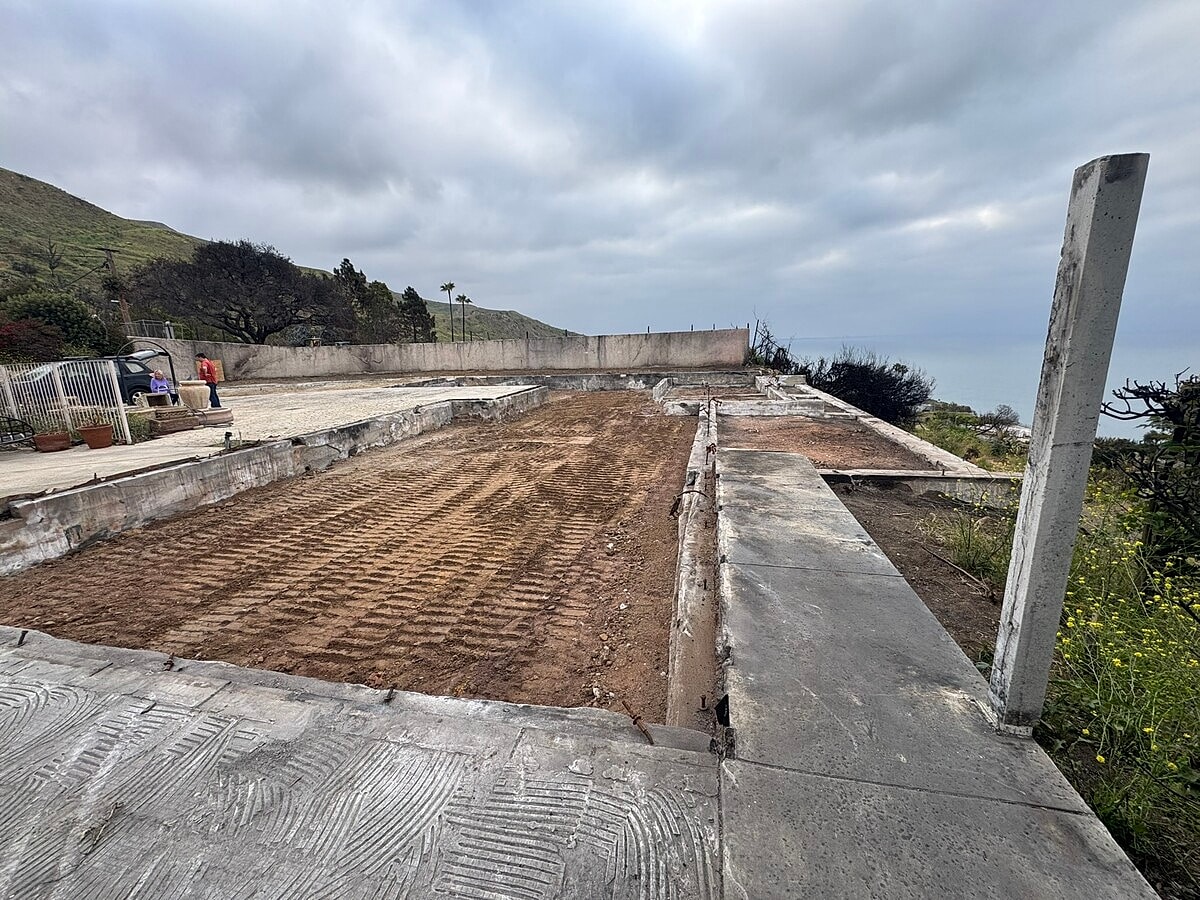
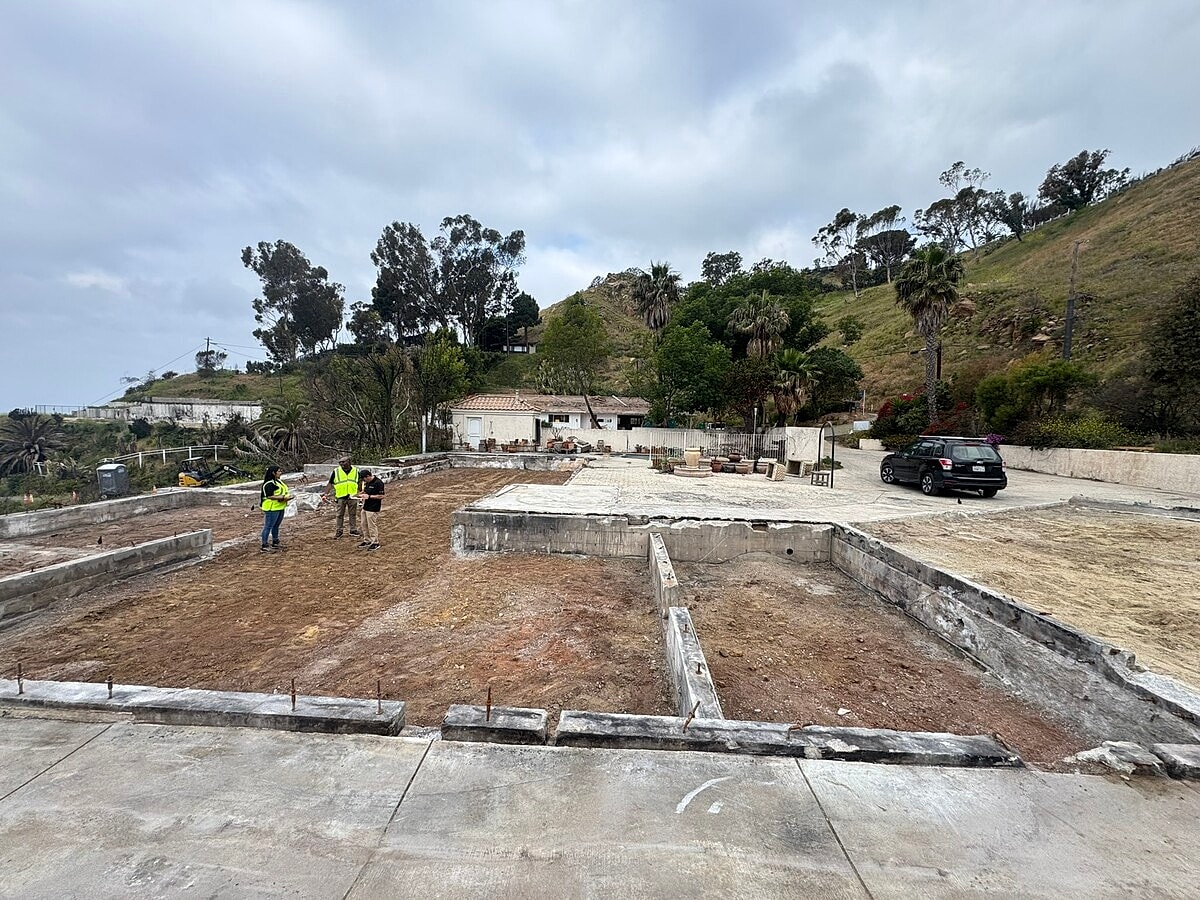
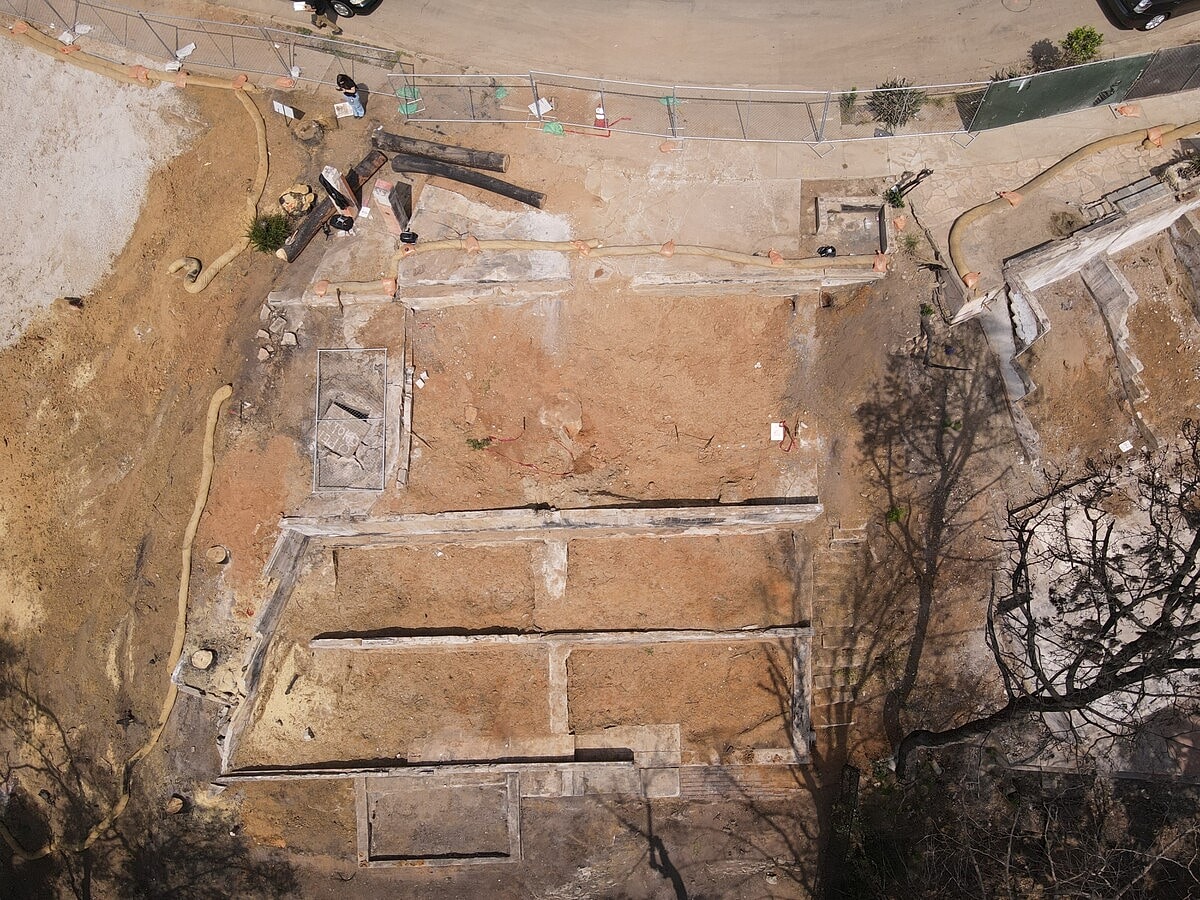
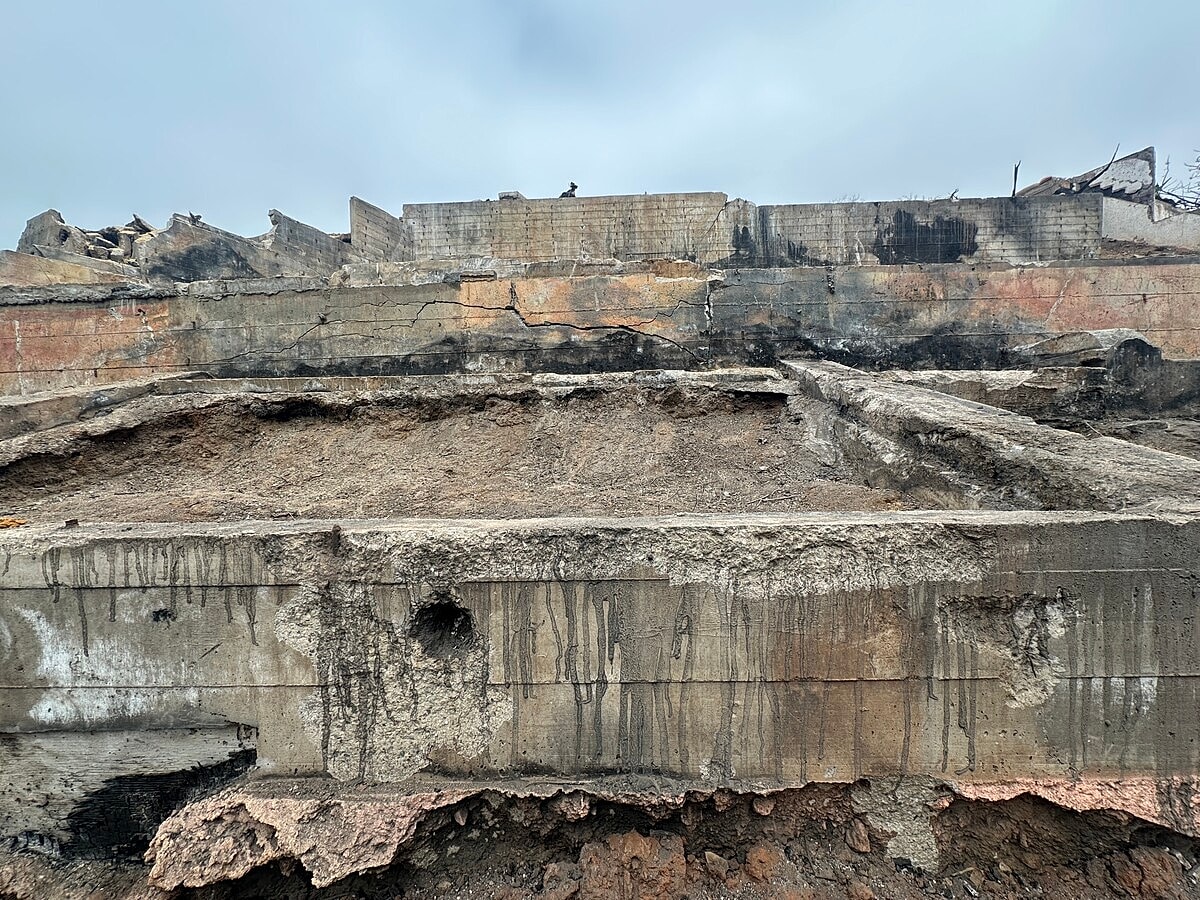
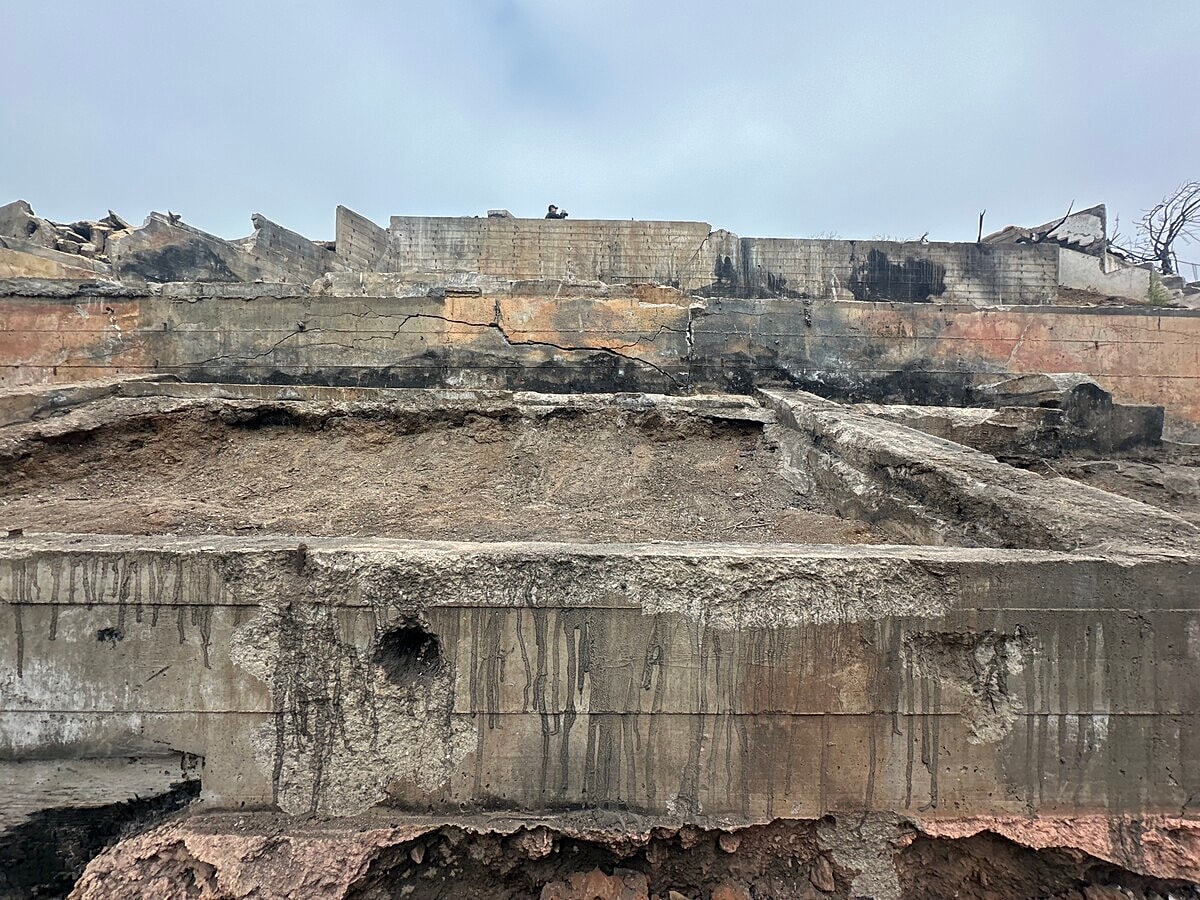
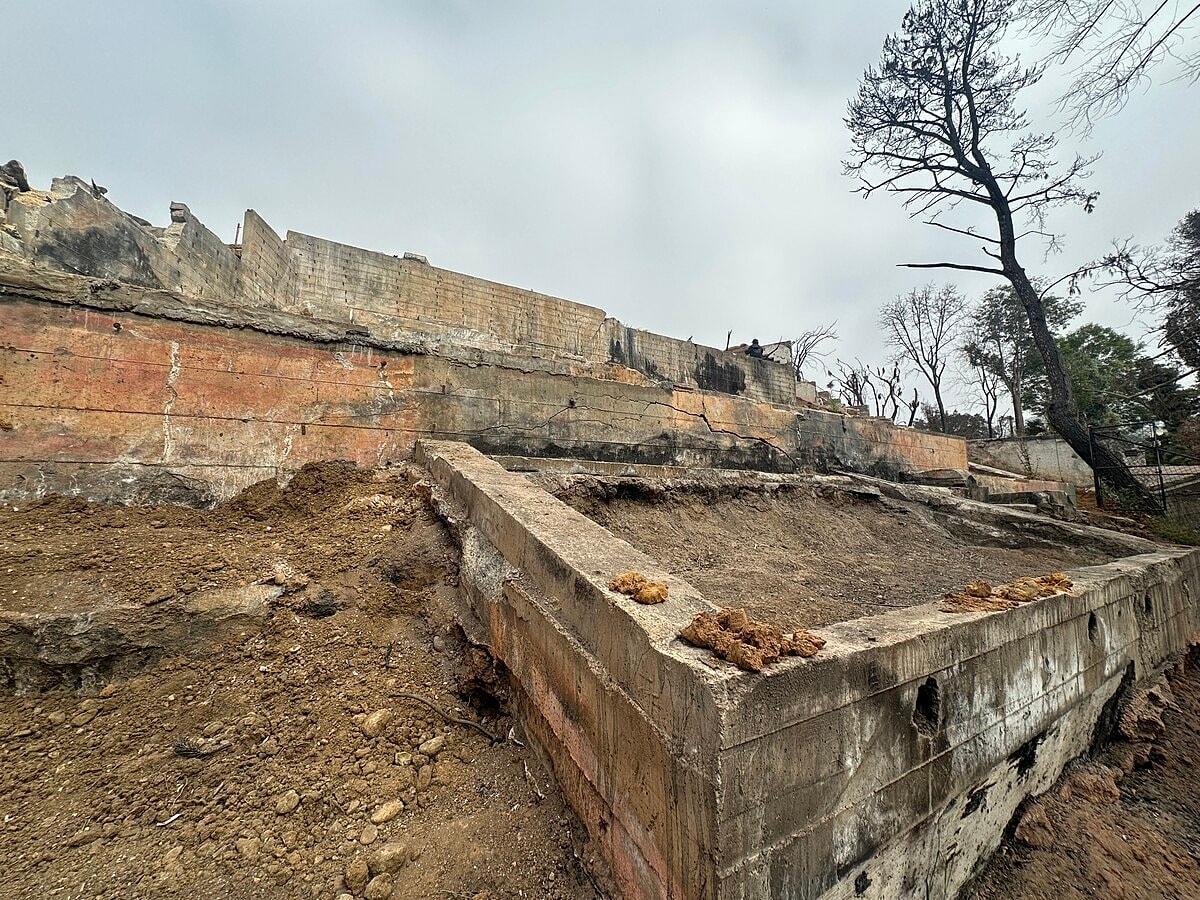
A structural damage assessment and forensic testing project was completed in Pacific Palisades to evaluate a foundation subjected to intense heat from the recent Palisades fire. The scope of work focused on determining the extent of concrete and rebar damage to ascertain what portions of the grade beam and stem wall systems were salvageable. Following permit history research and field verification, a Schmidt Test was performed to determine optimal coring locations. The team then extracted approximately 30 core samples from the perimeter and internal stem wall lines, which were submitted to a laboratory for compressive strength testing. Upon completion of the materials testing, a structural plan was drafted to outline the recommended foundation reuse and clearly specify any required repair areas.
Residential
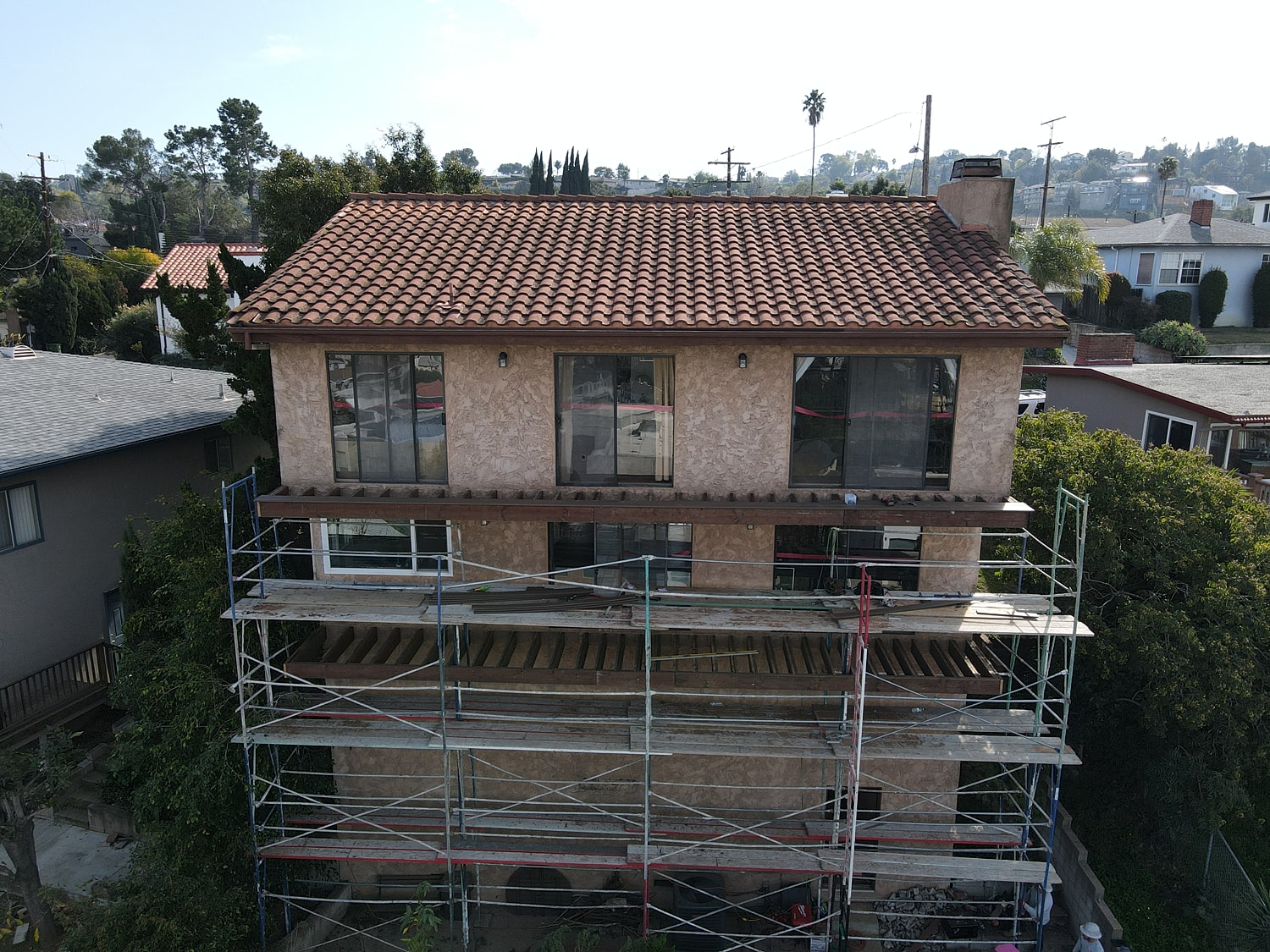
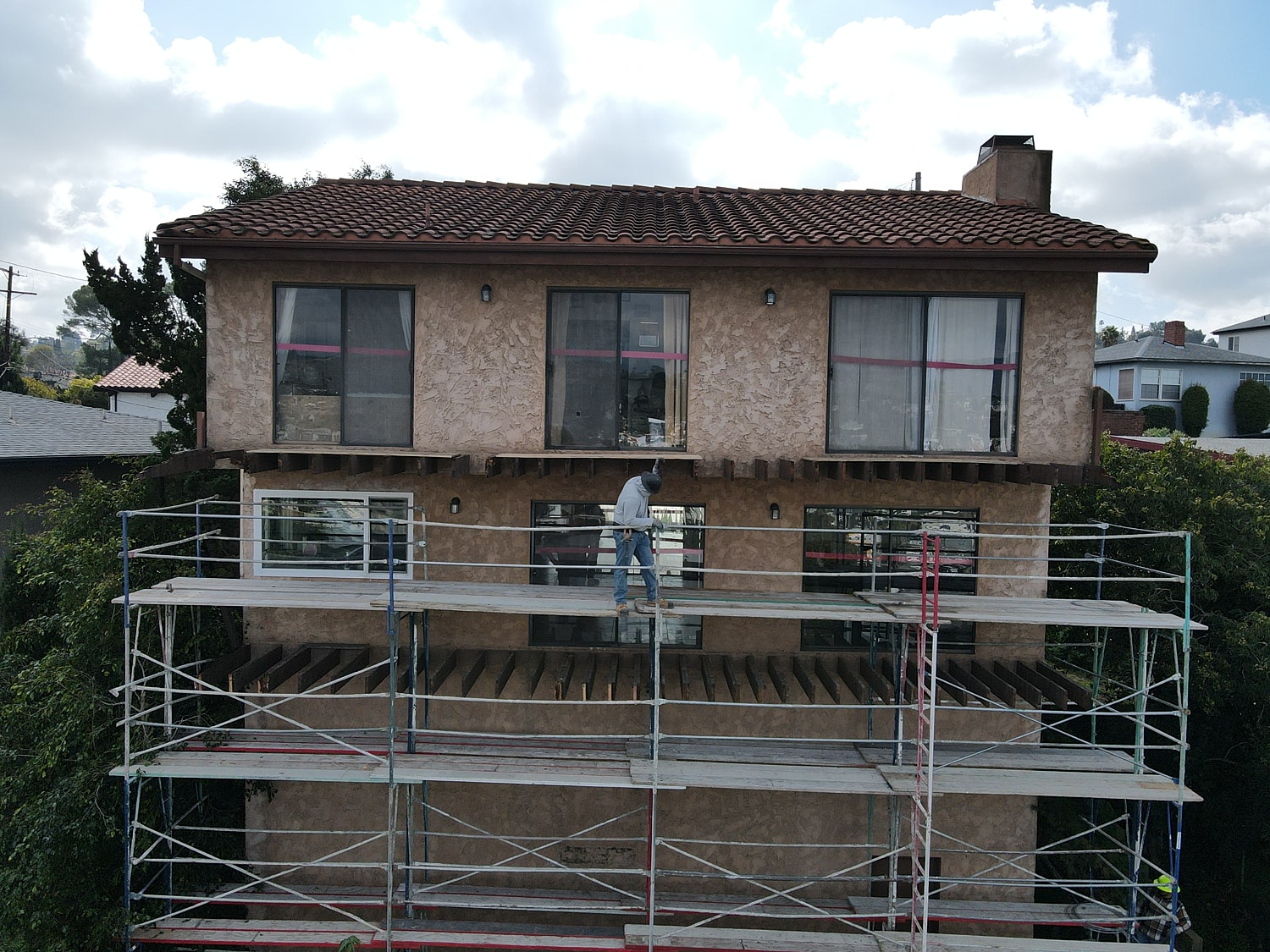
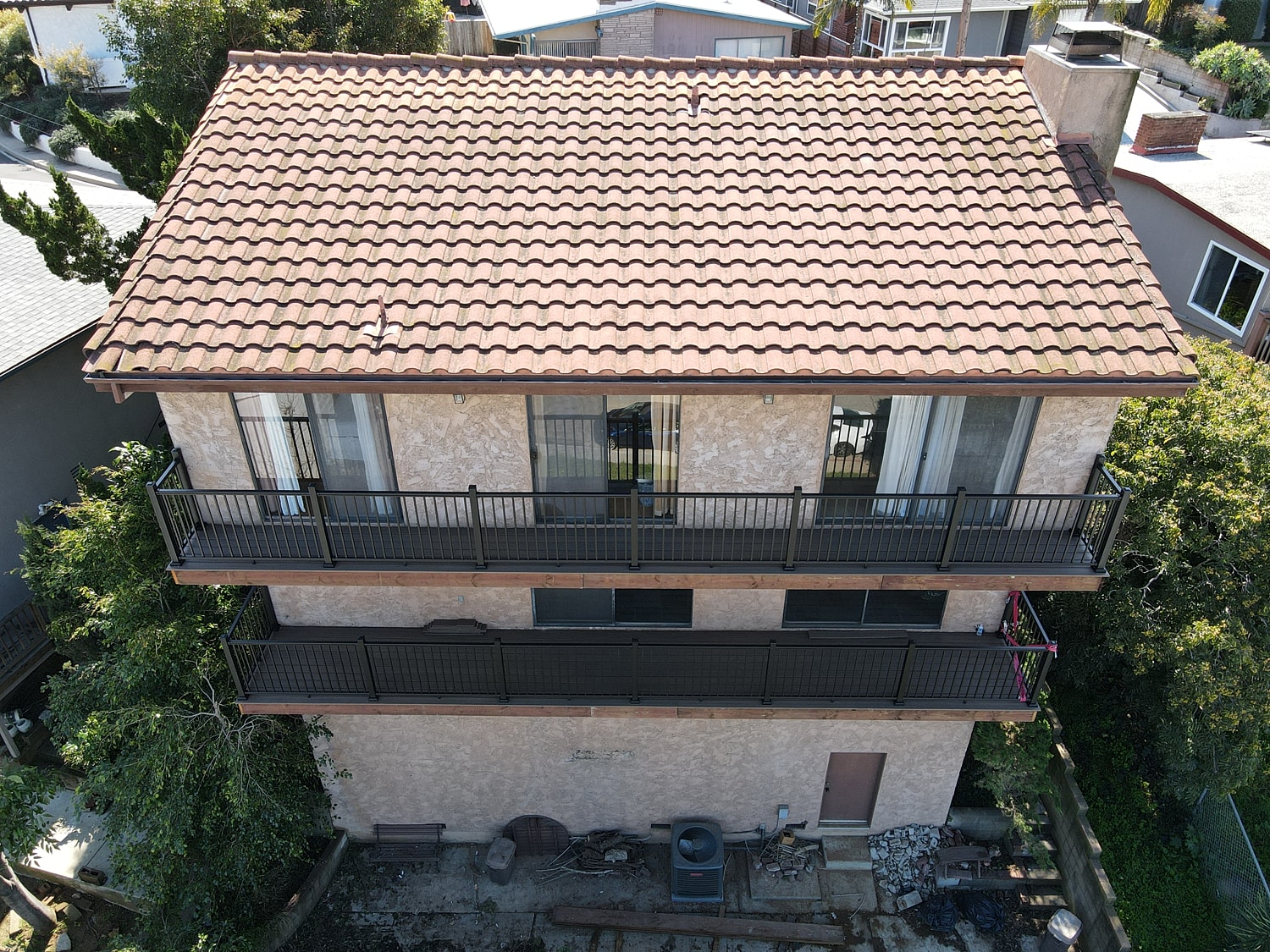
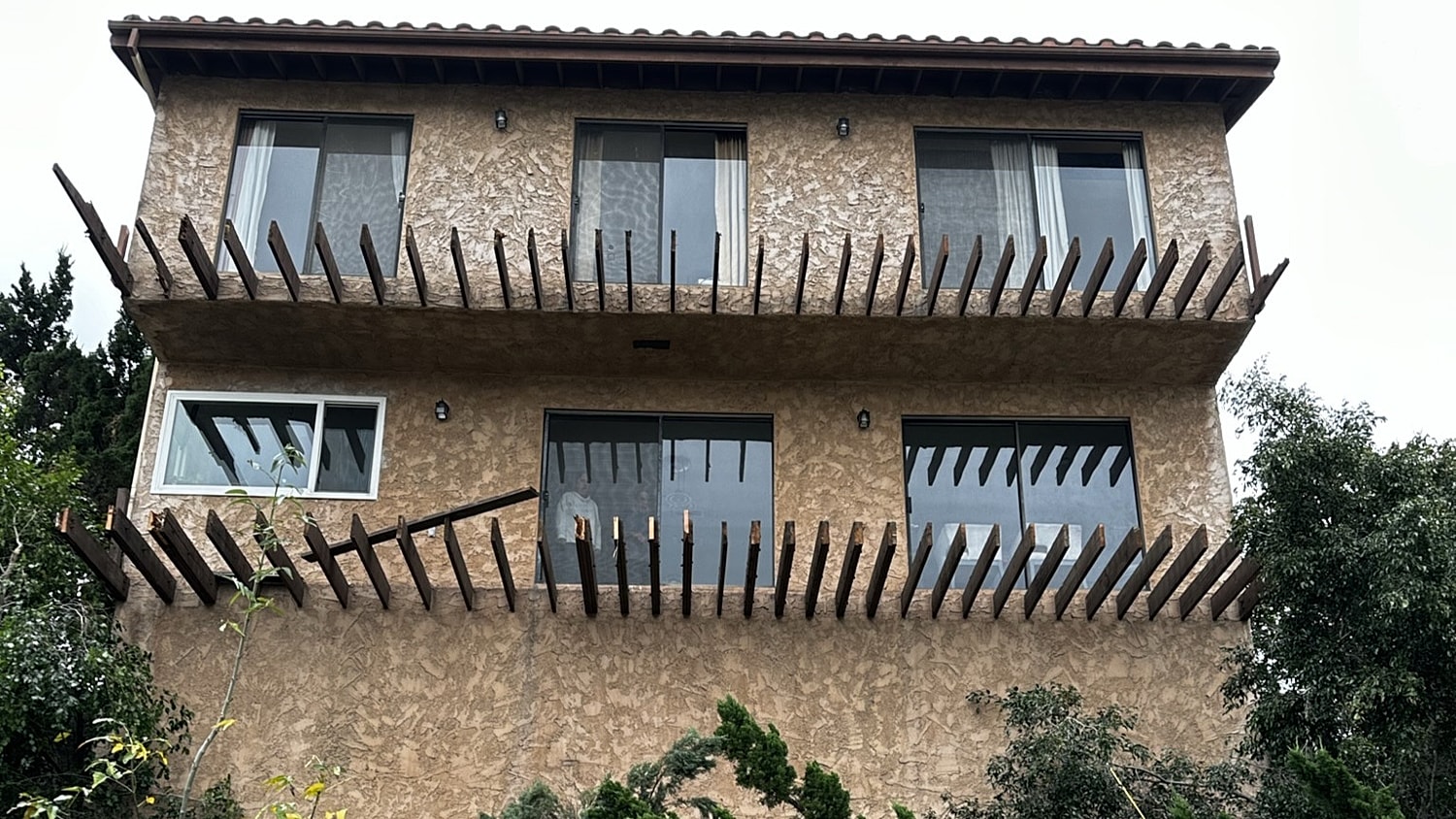
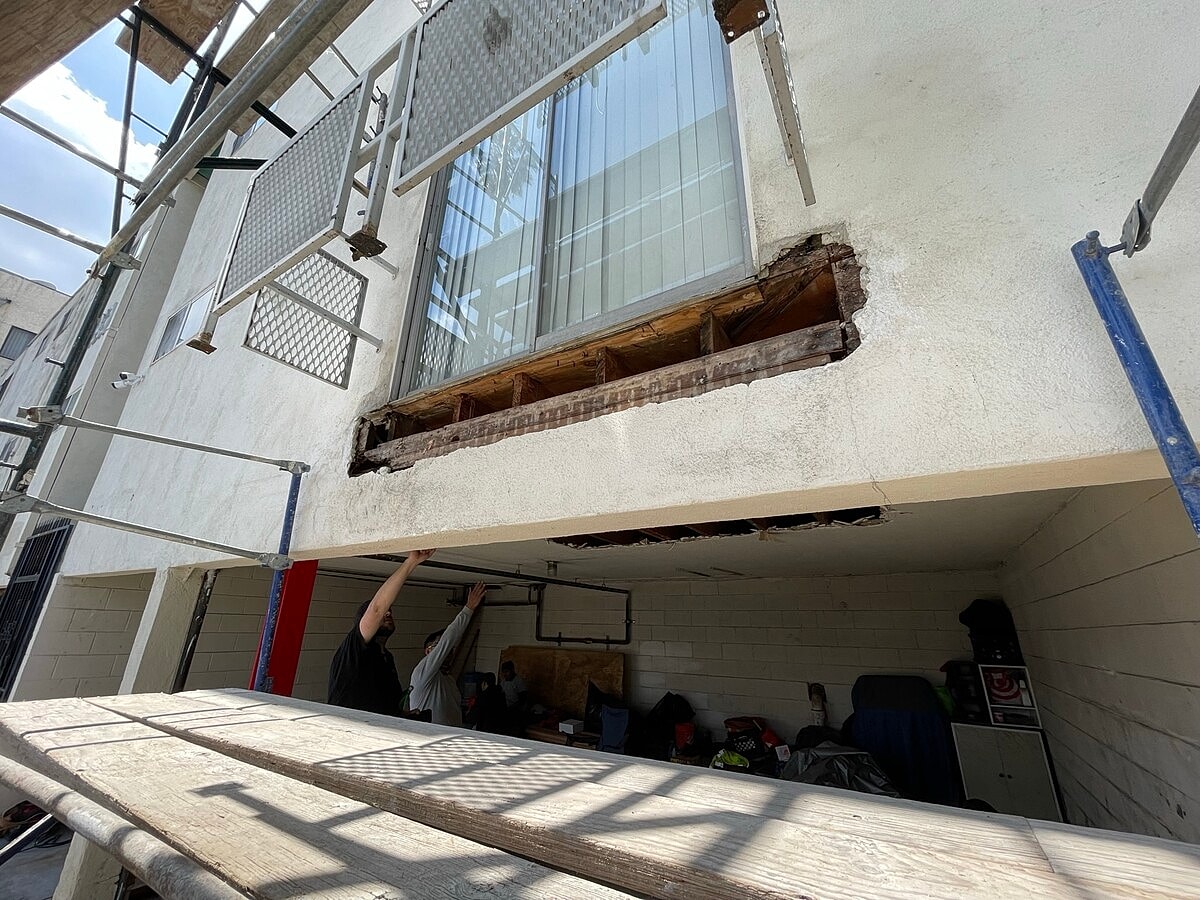
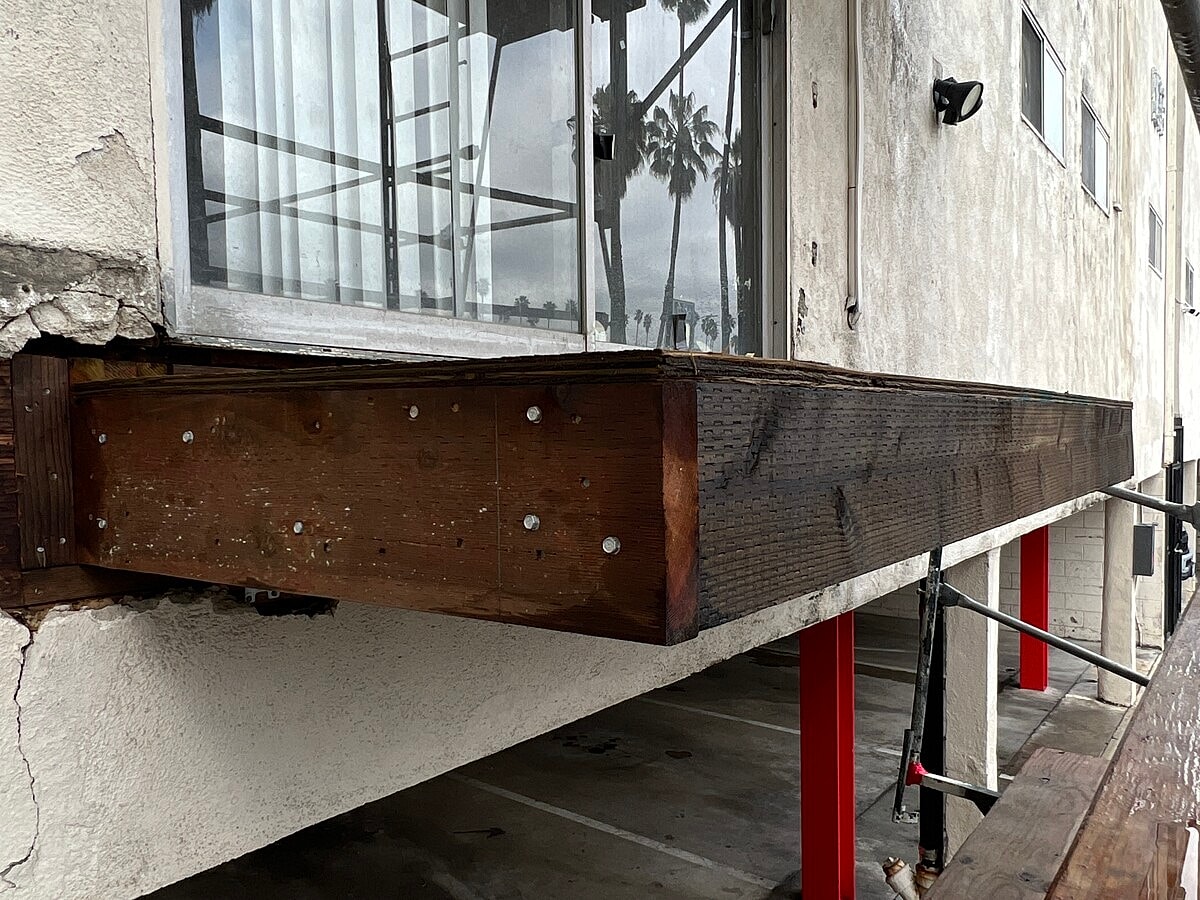
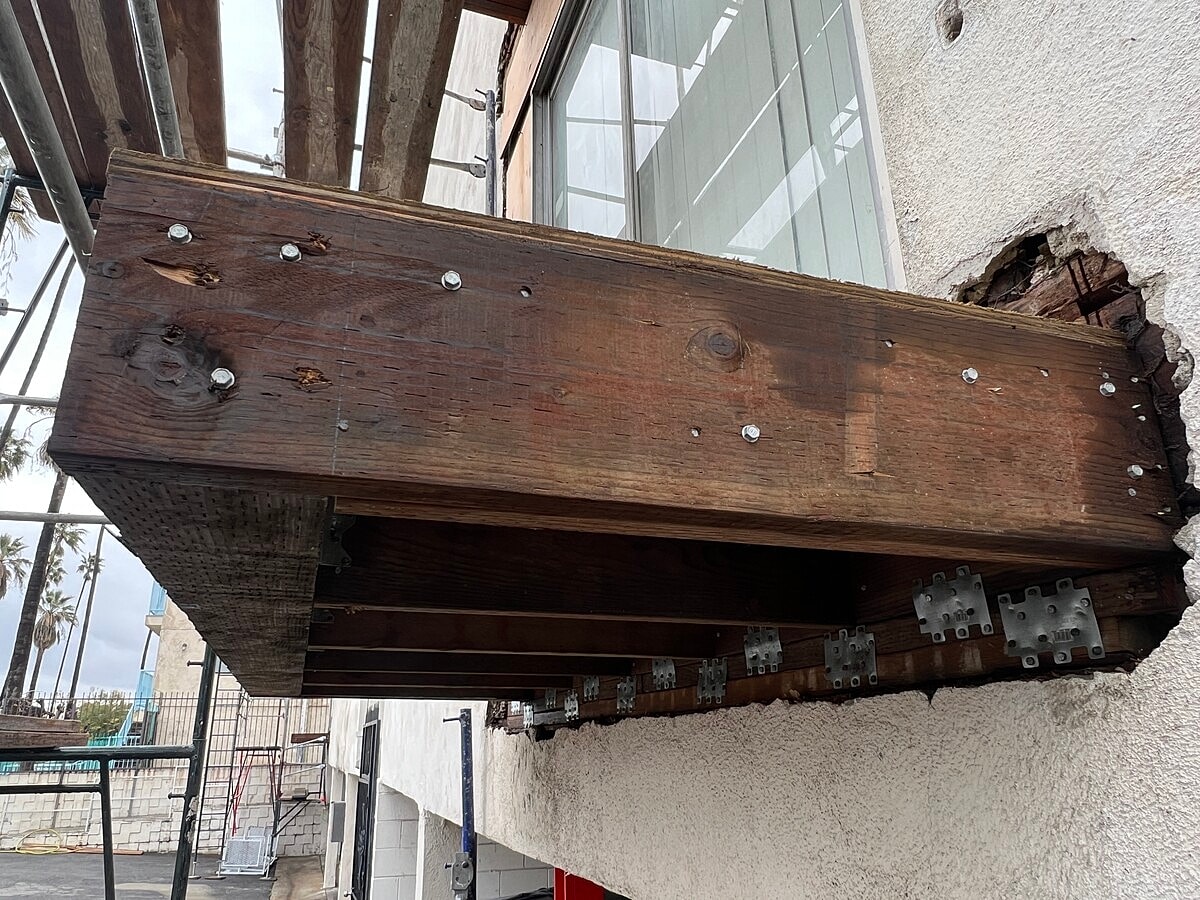
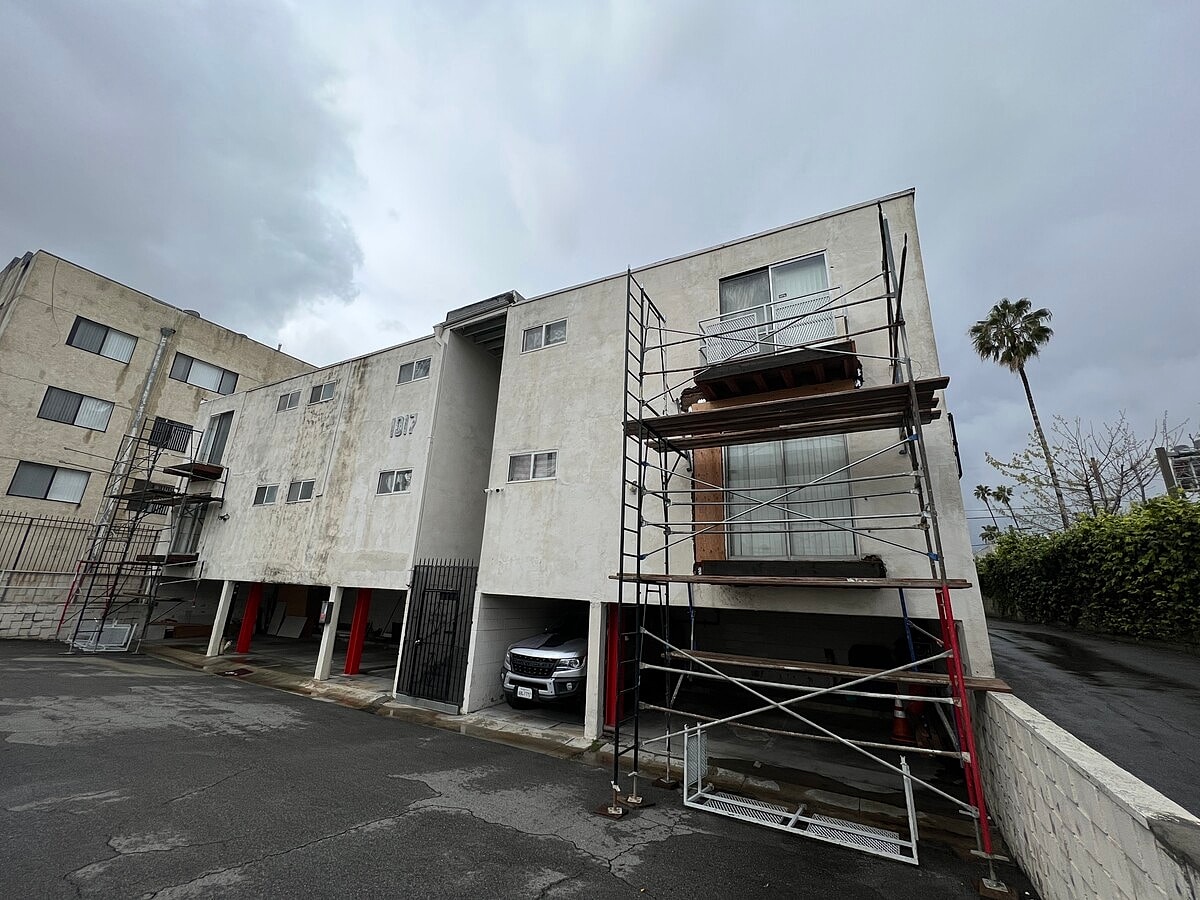
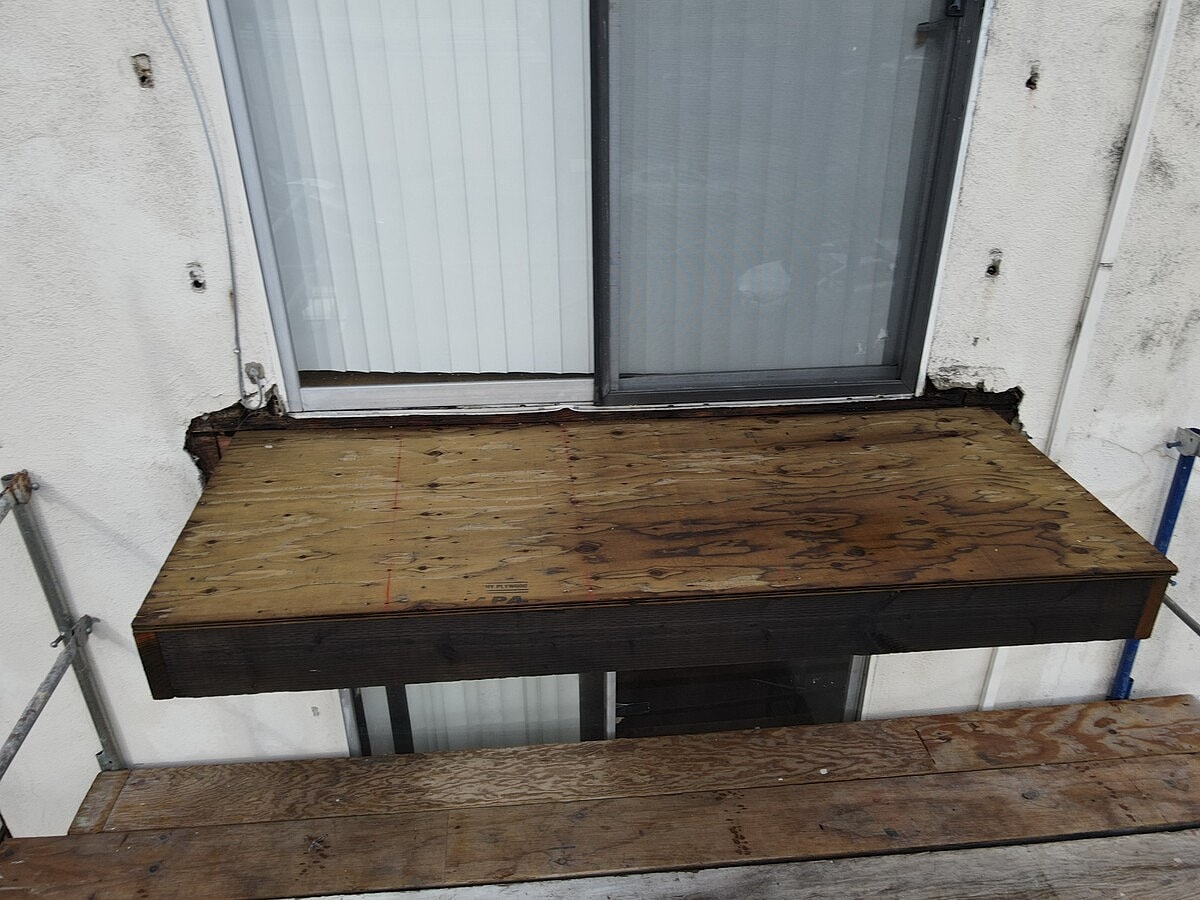
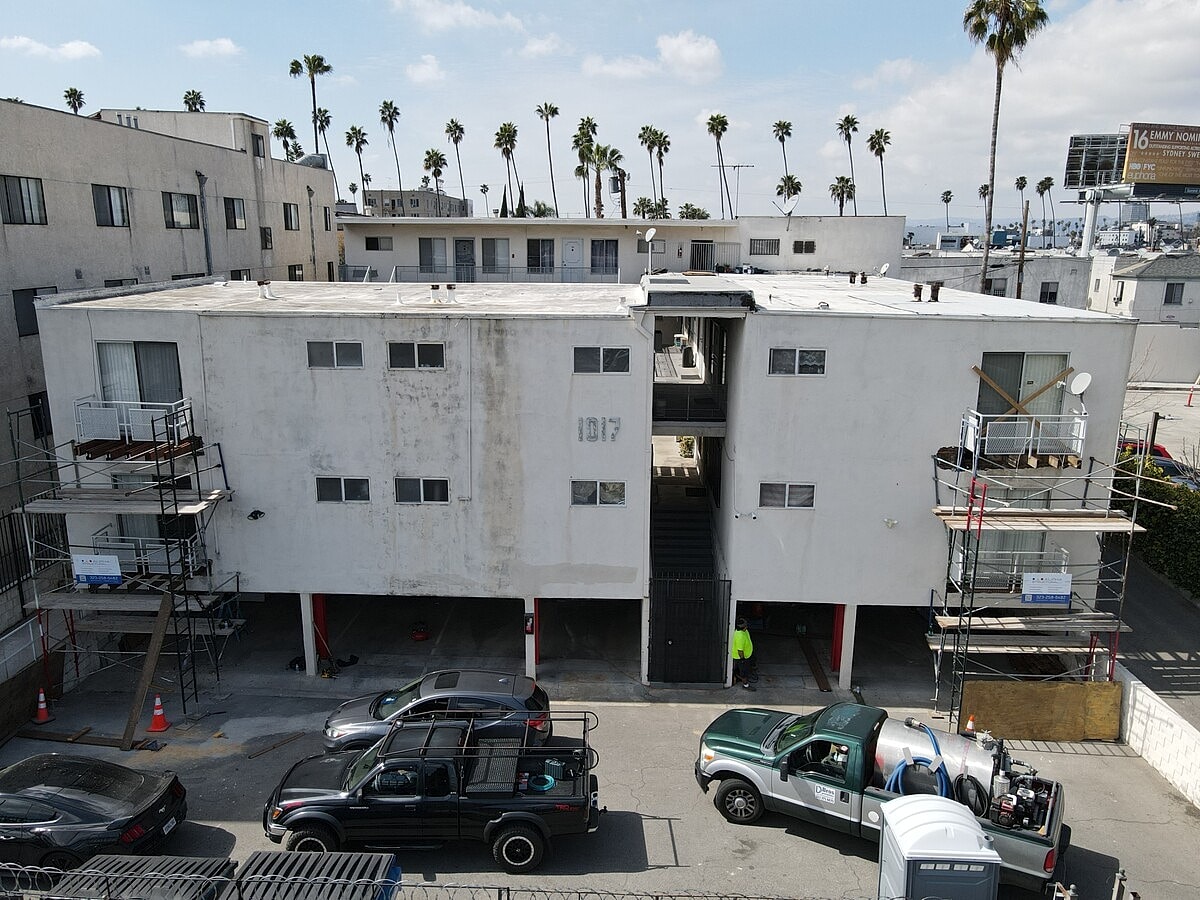
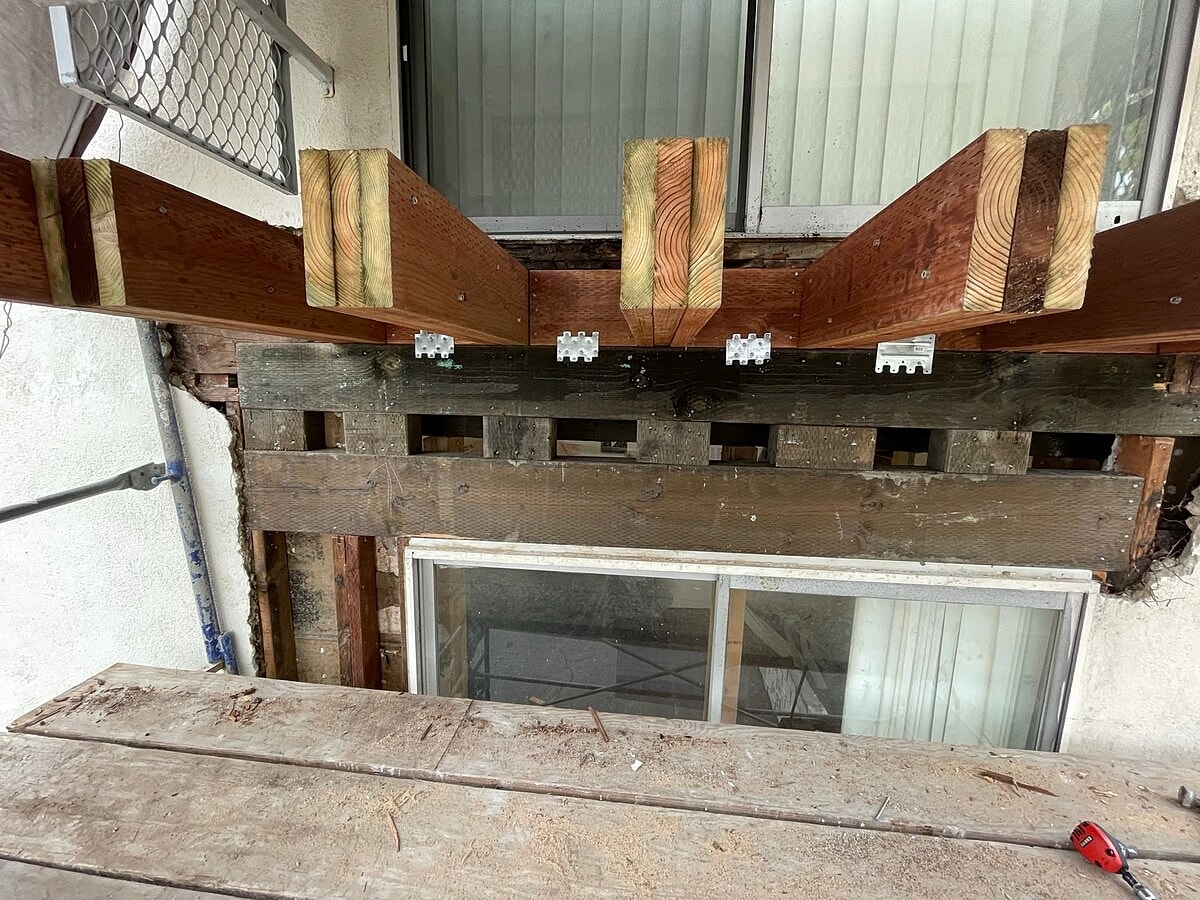
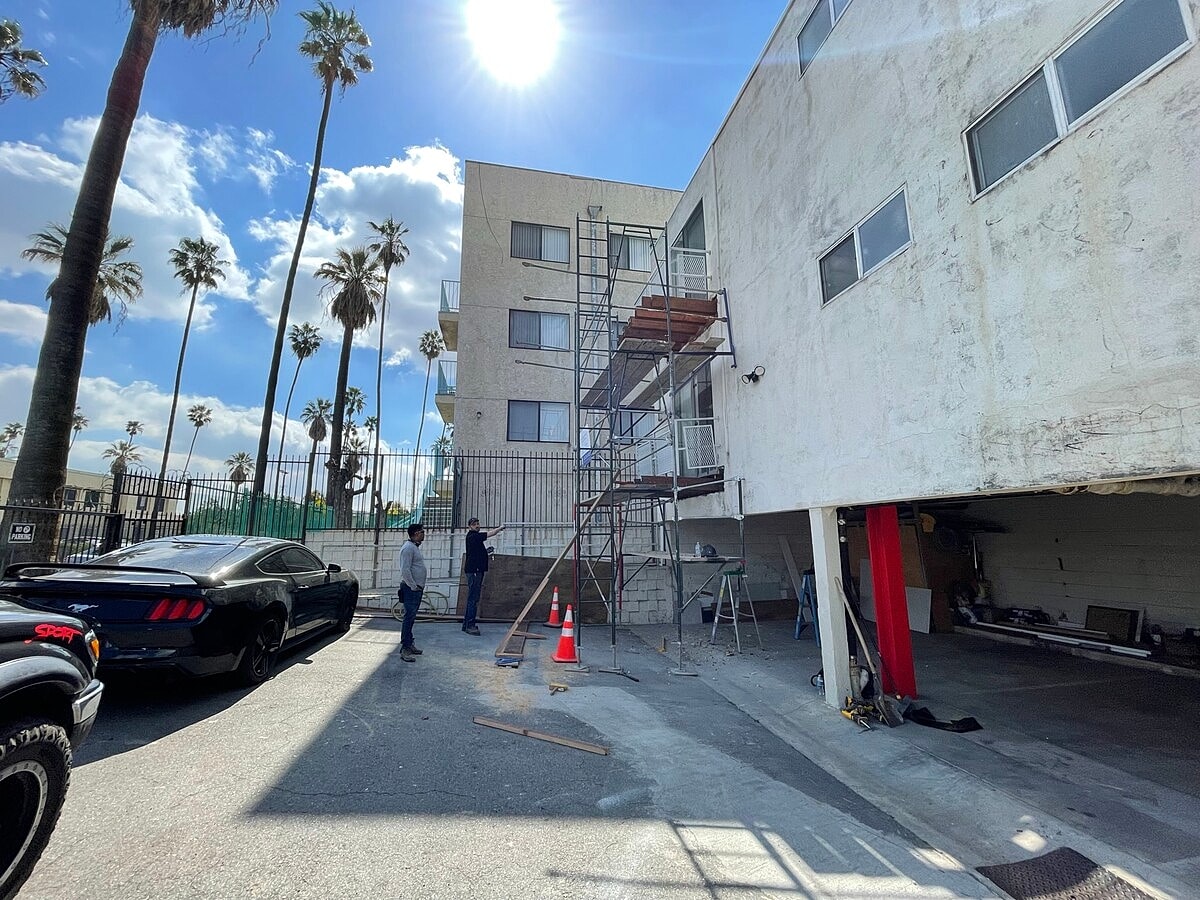
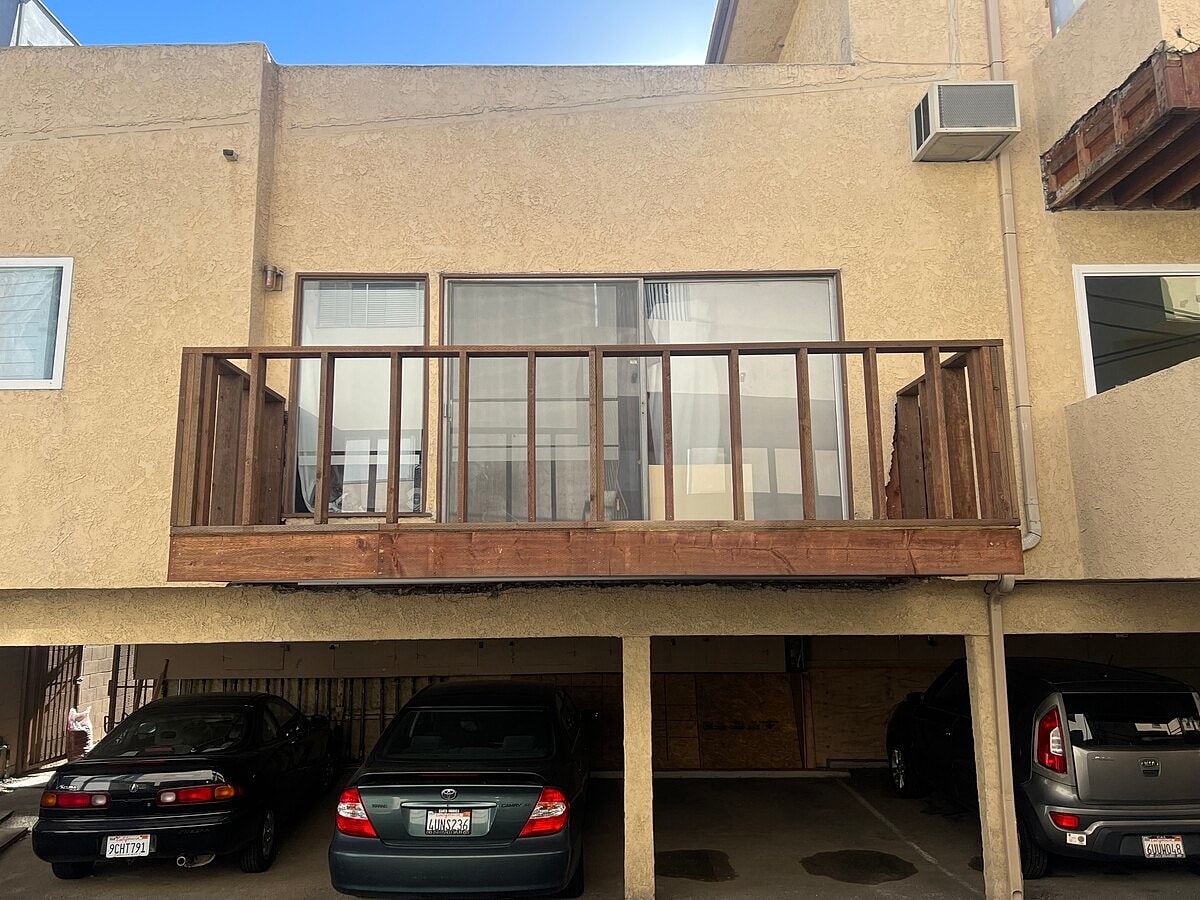
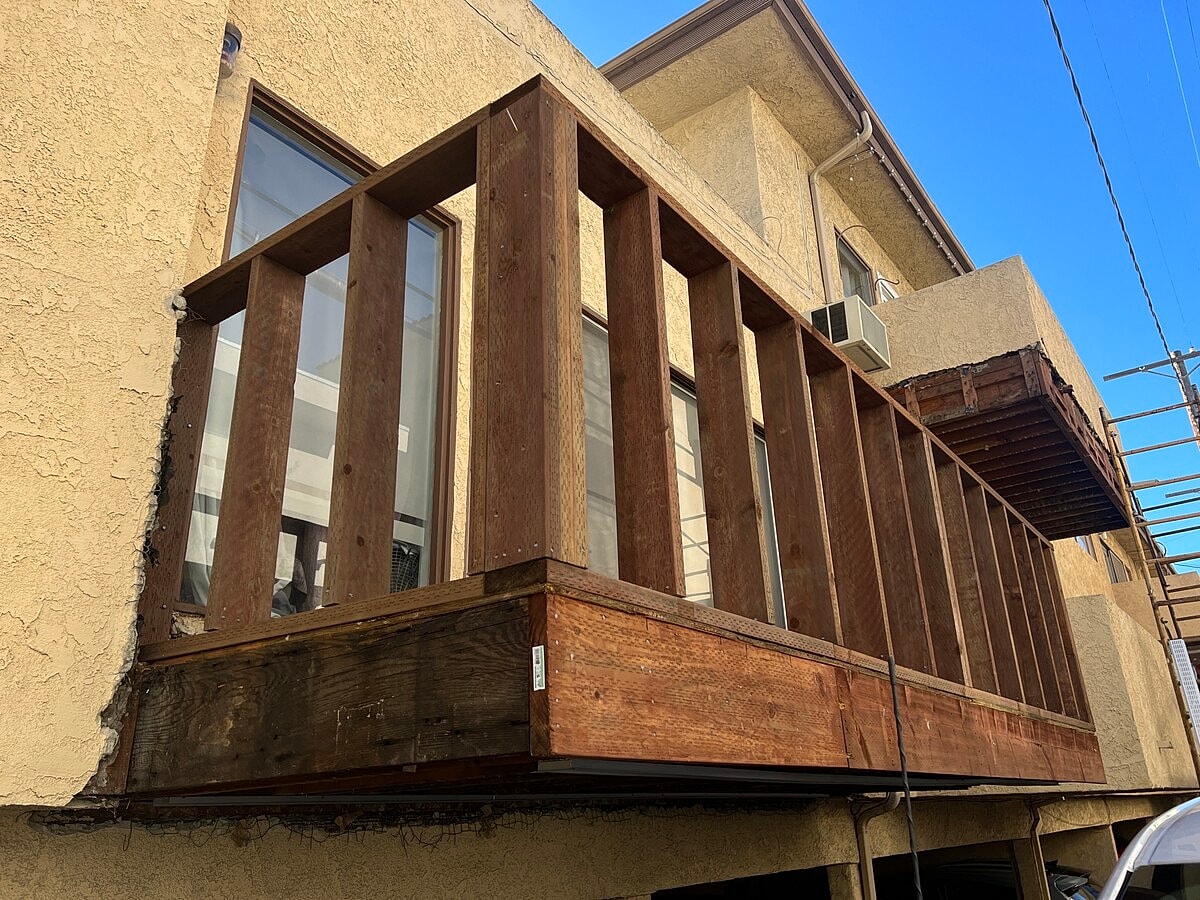
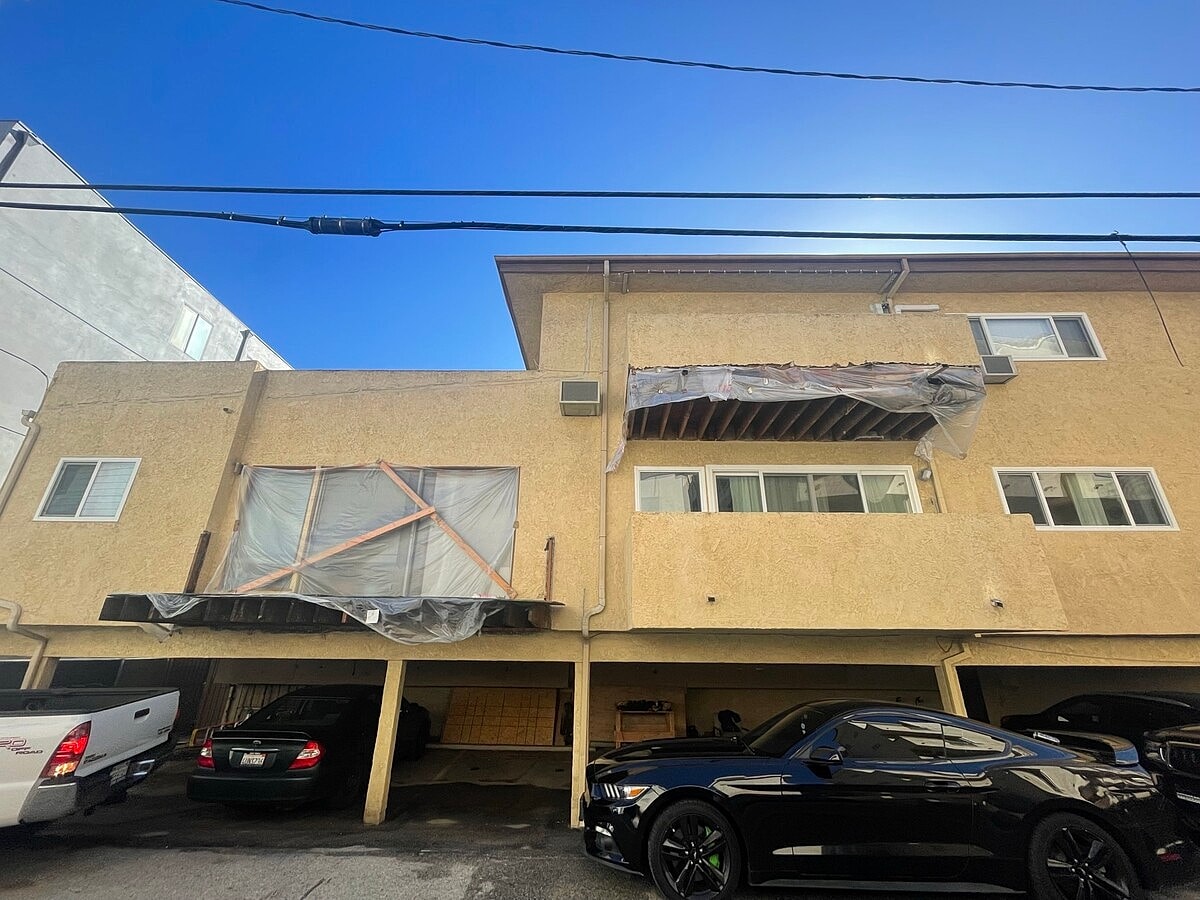
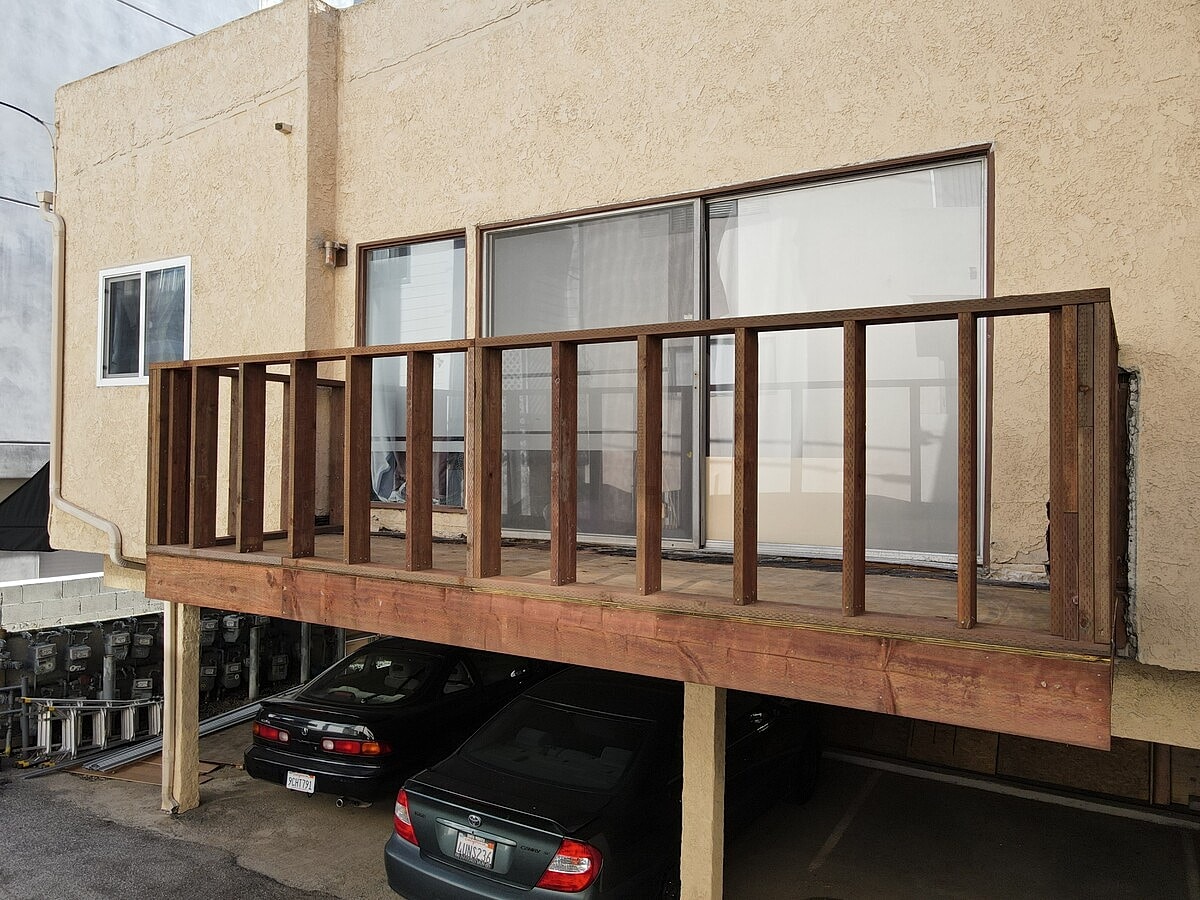
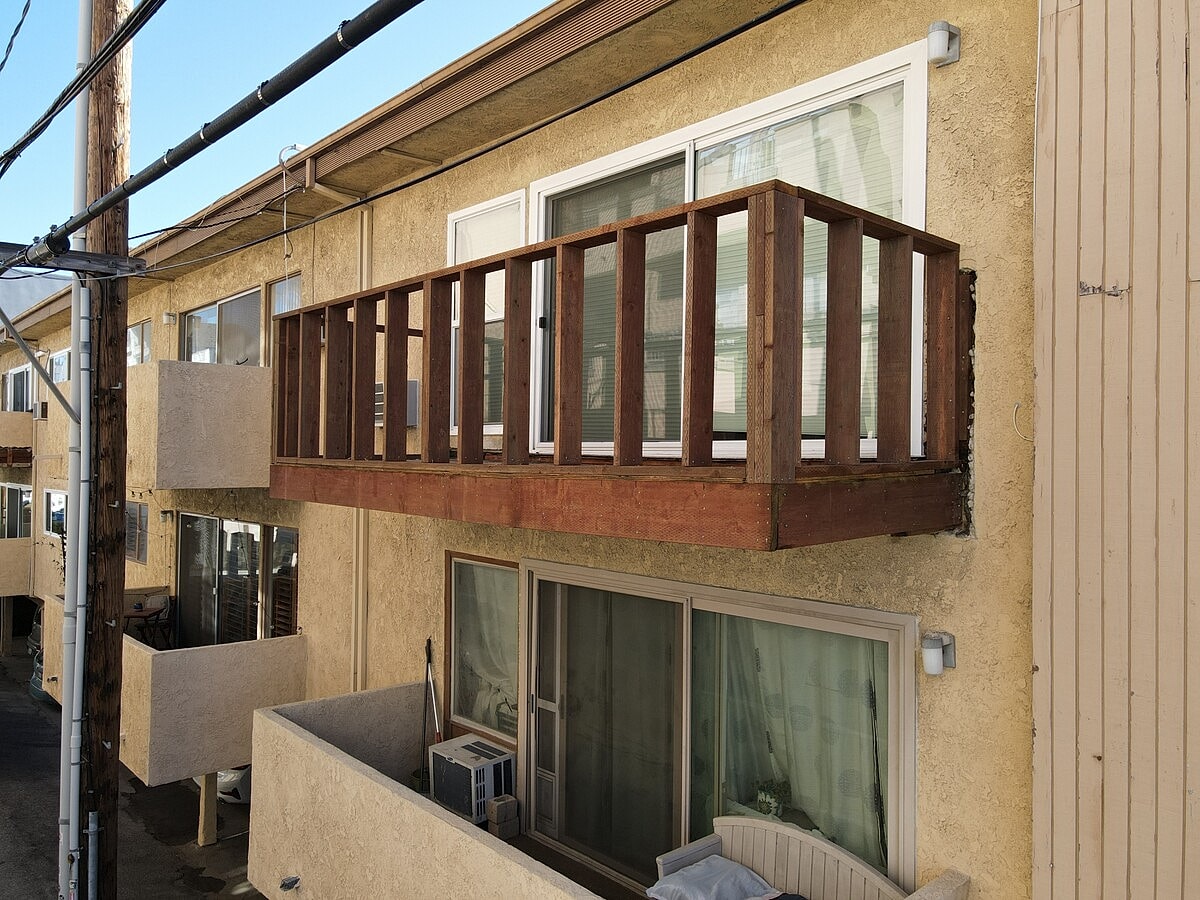
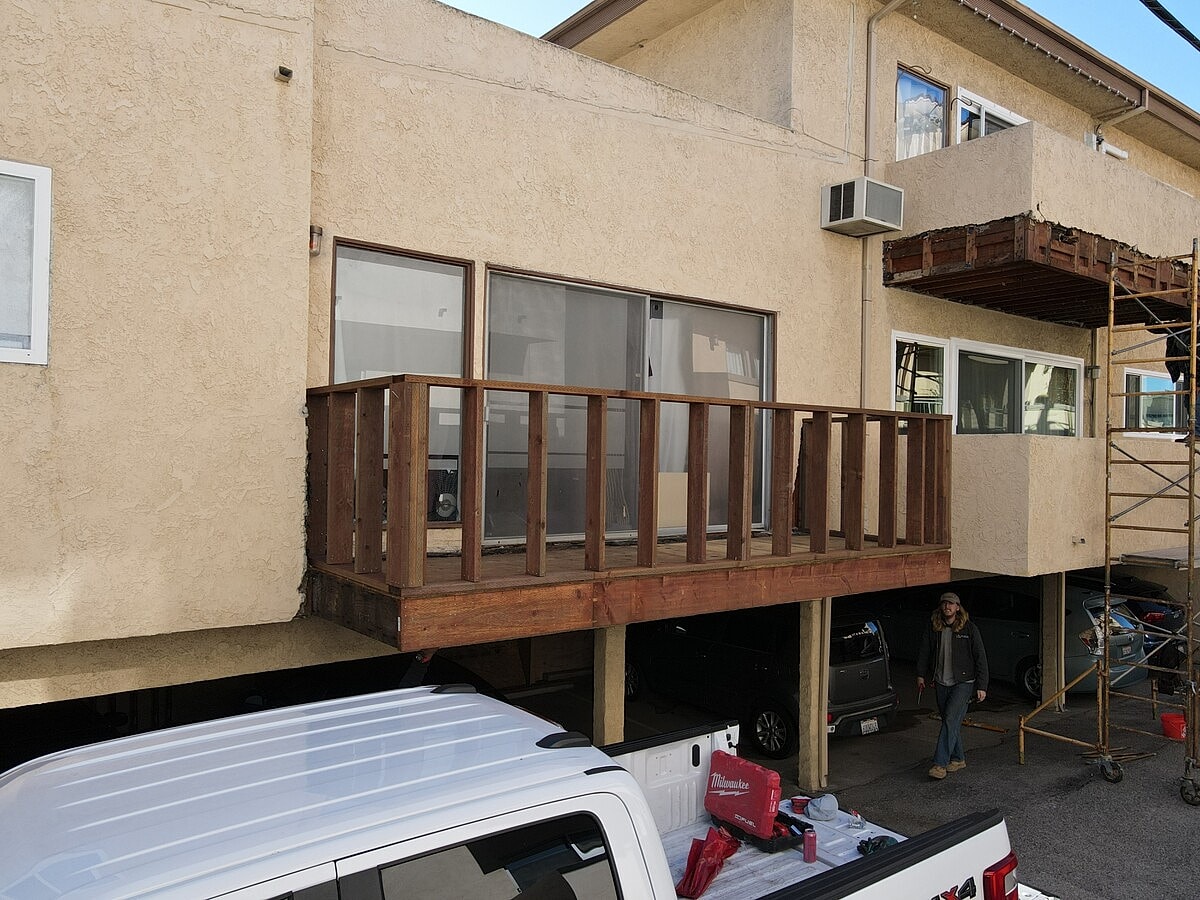
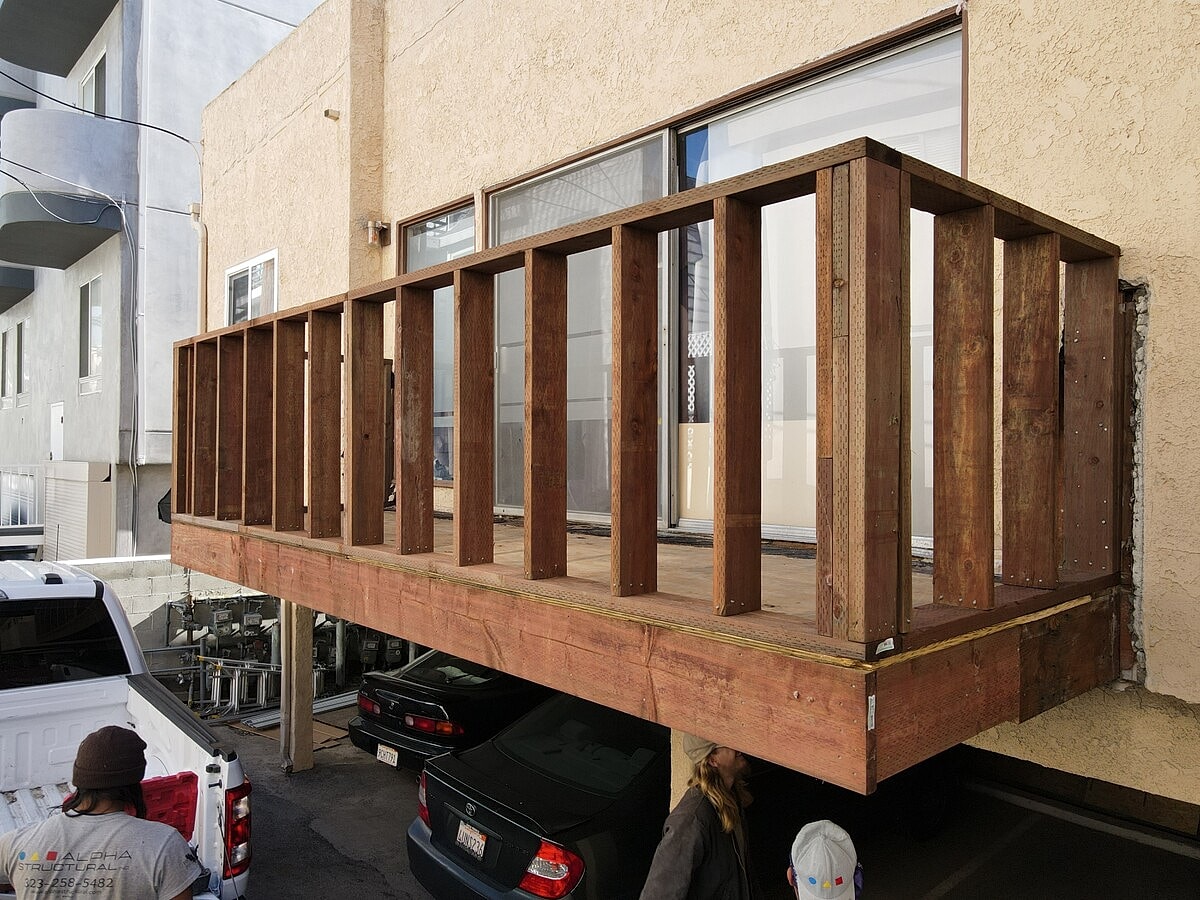
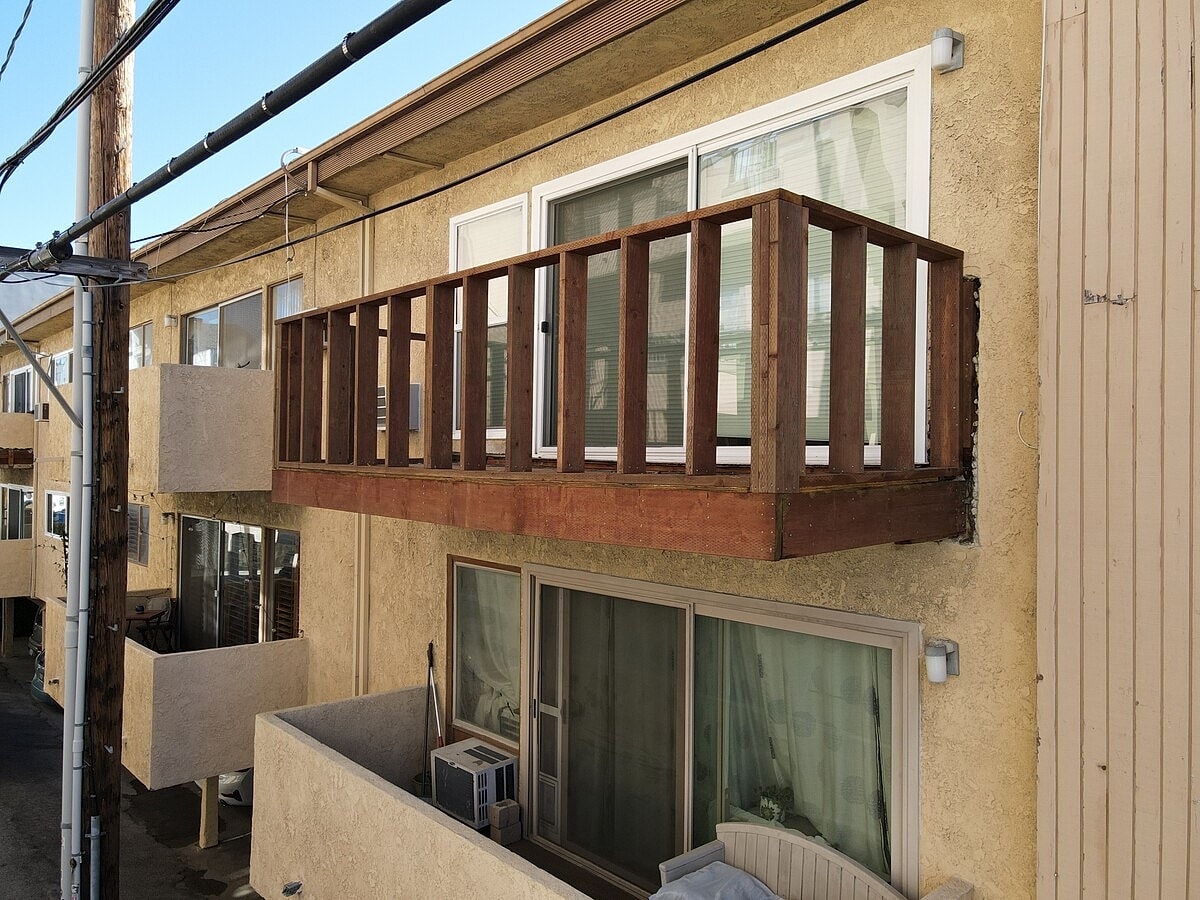
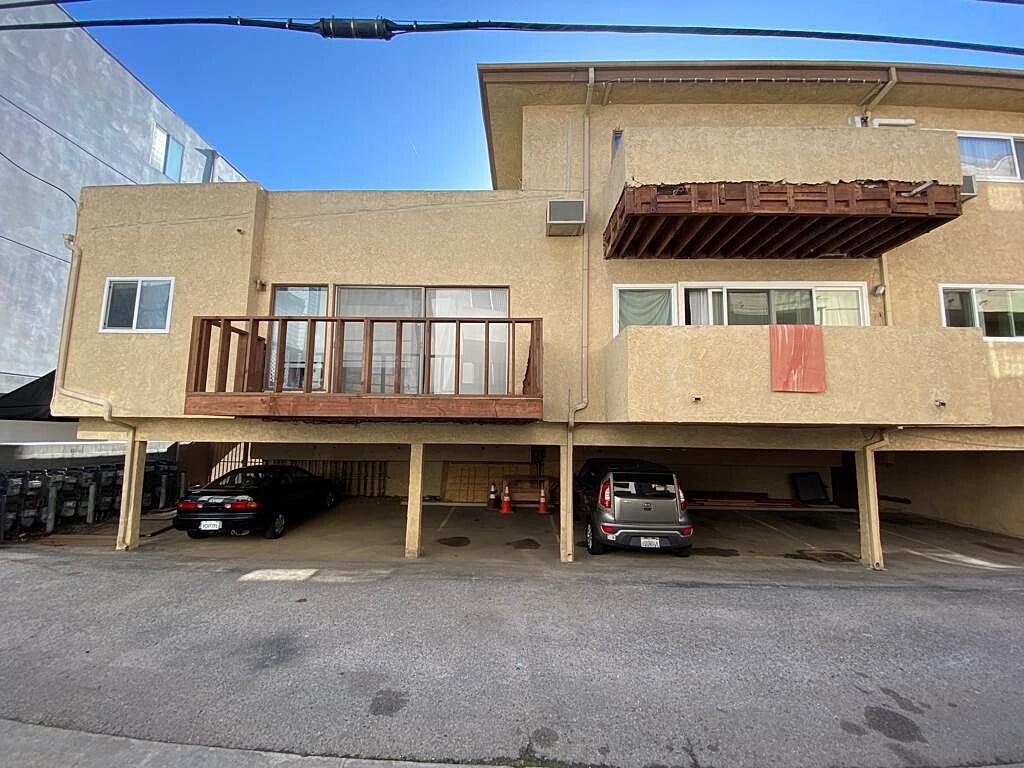
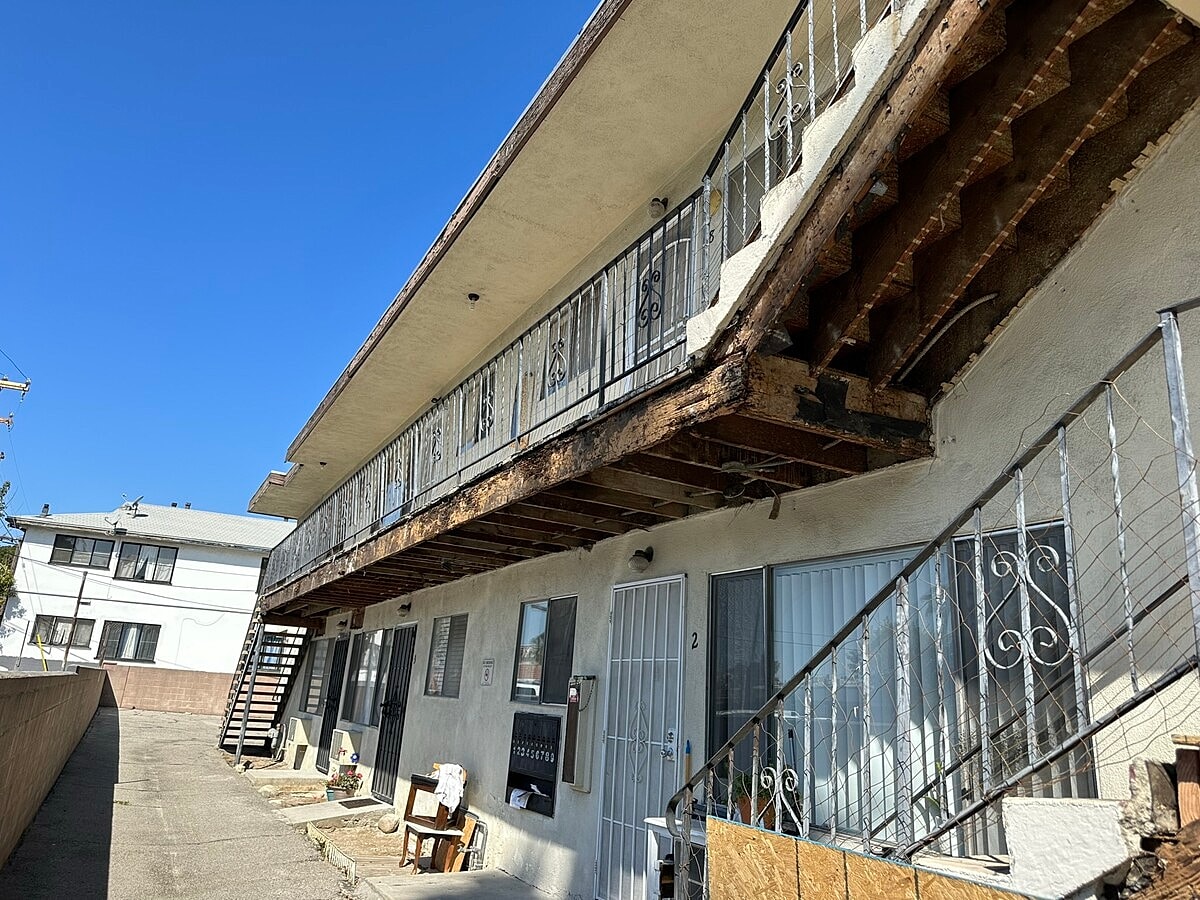
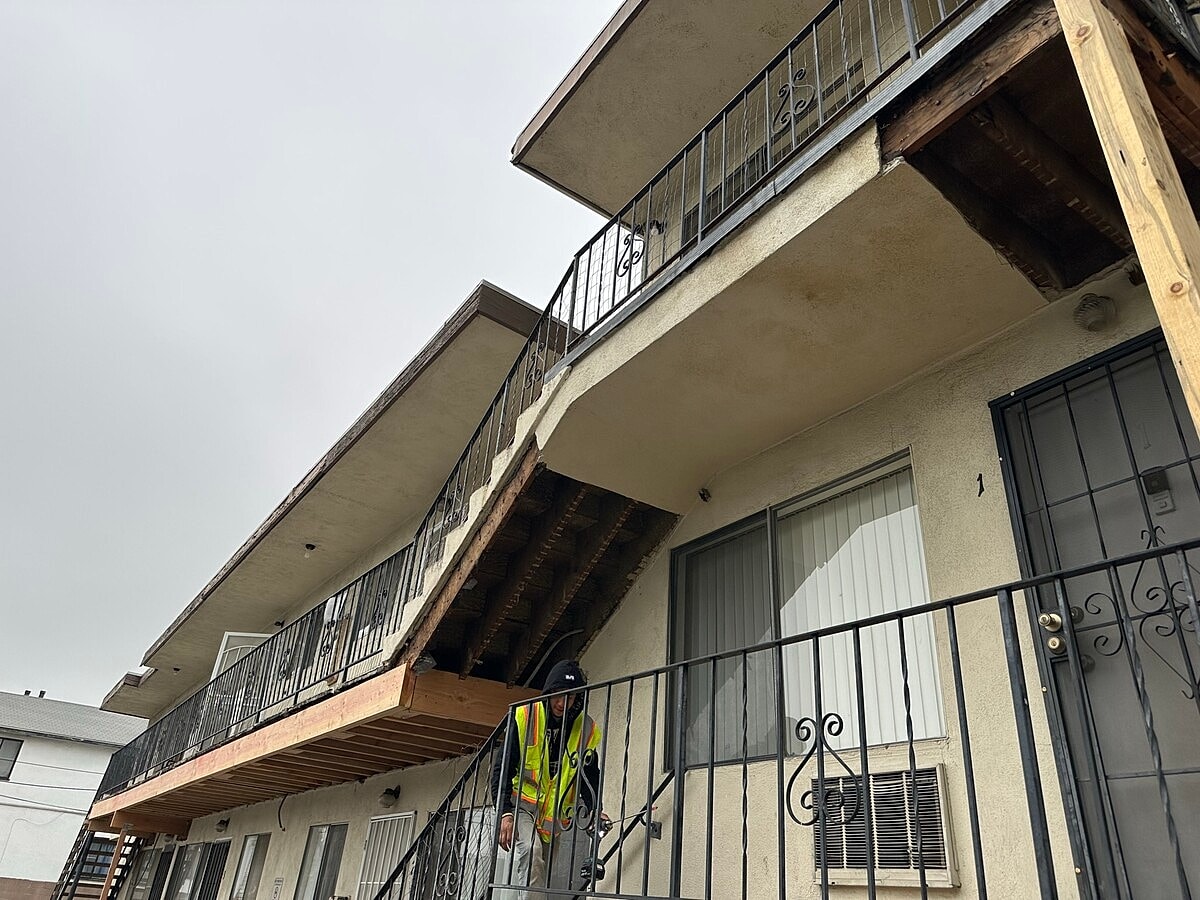
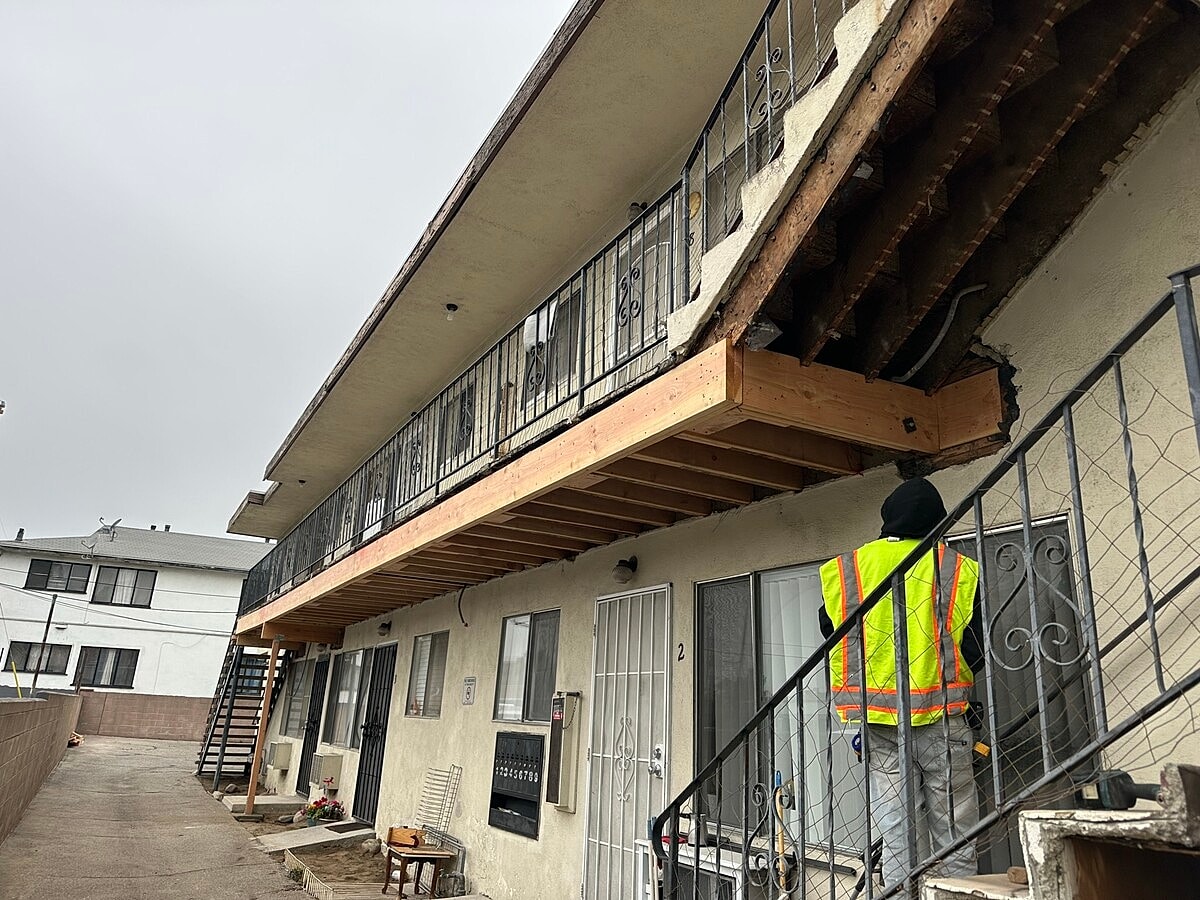
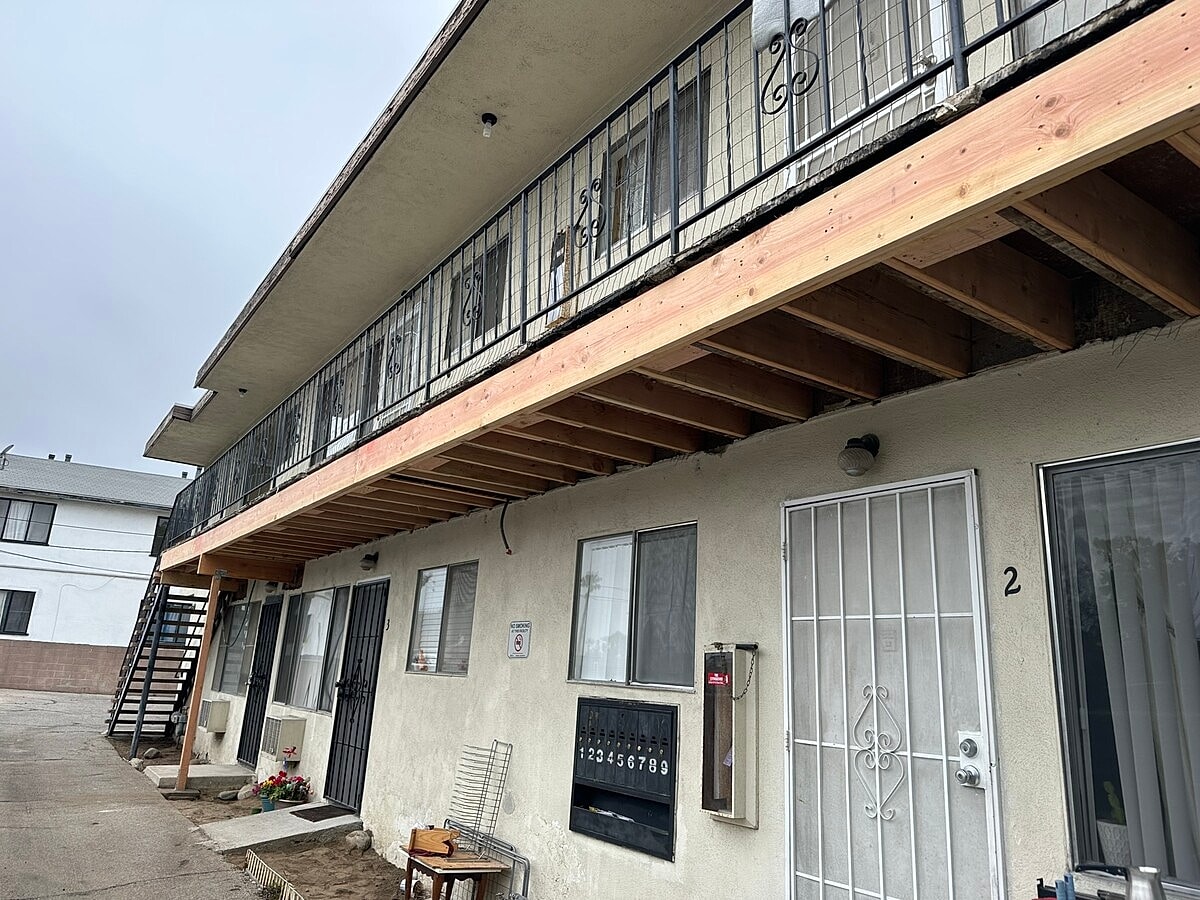
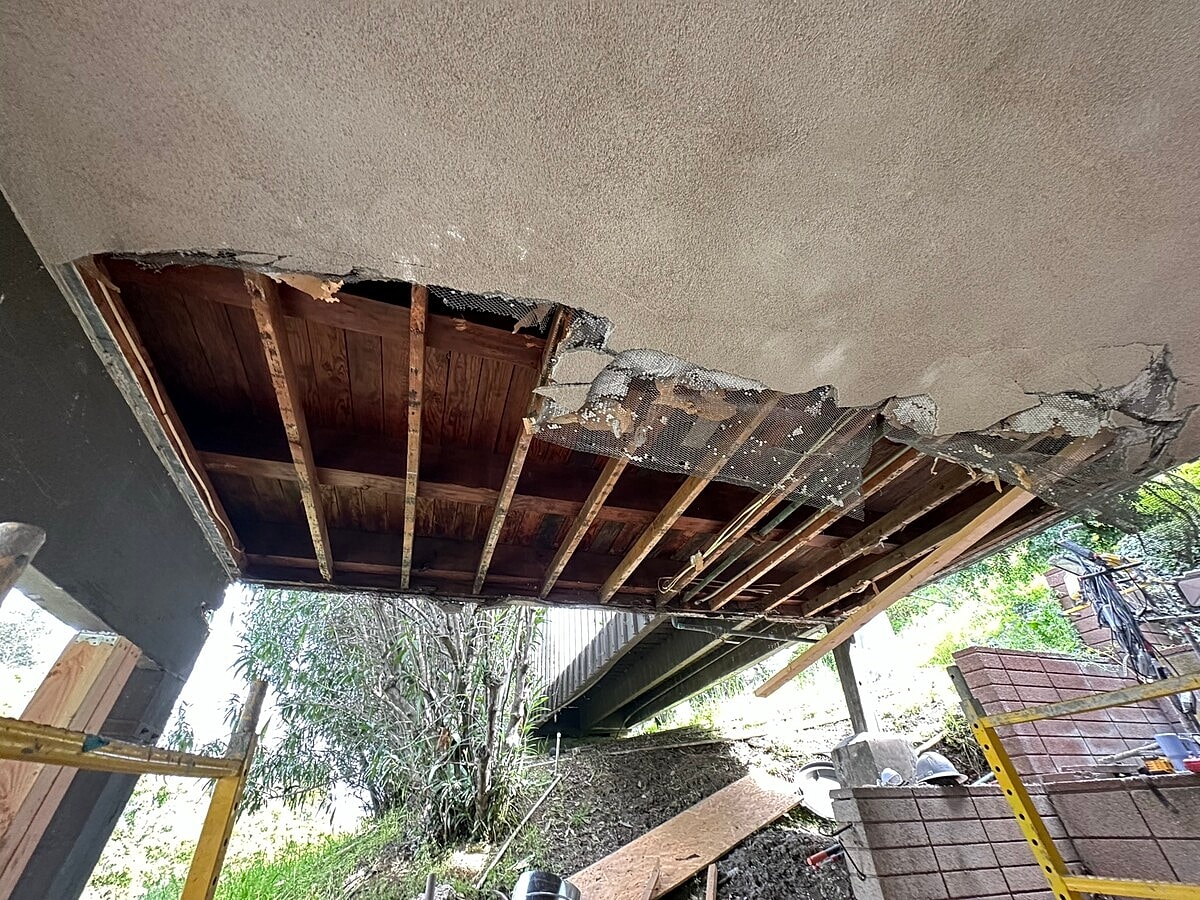
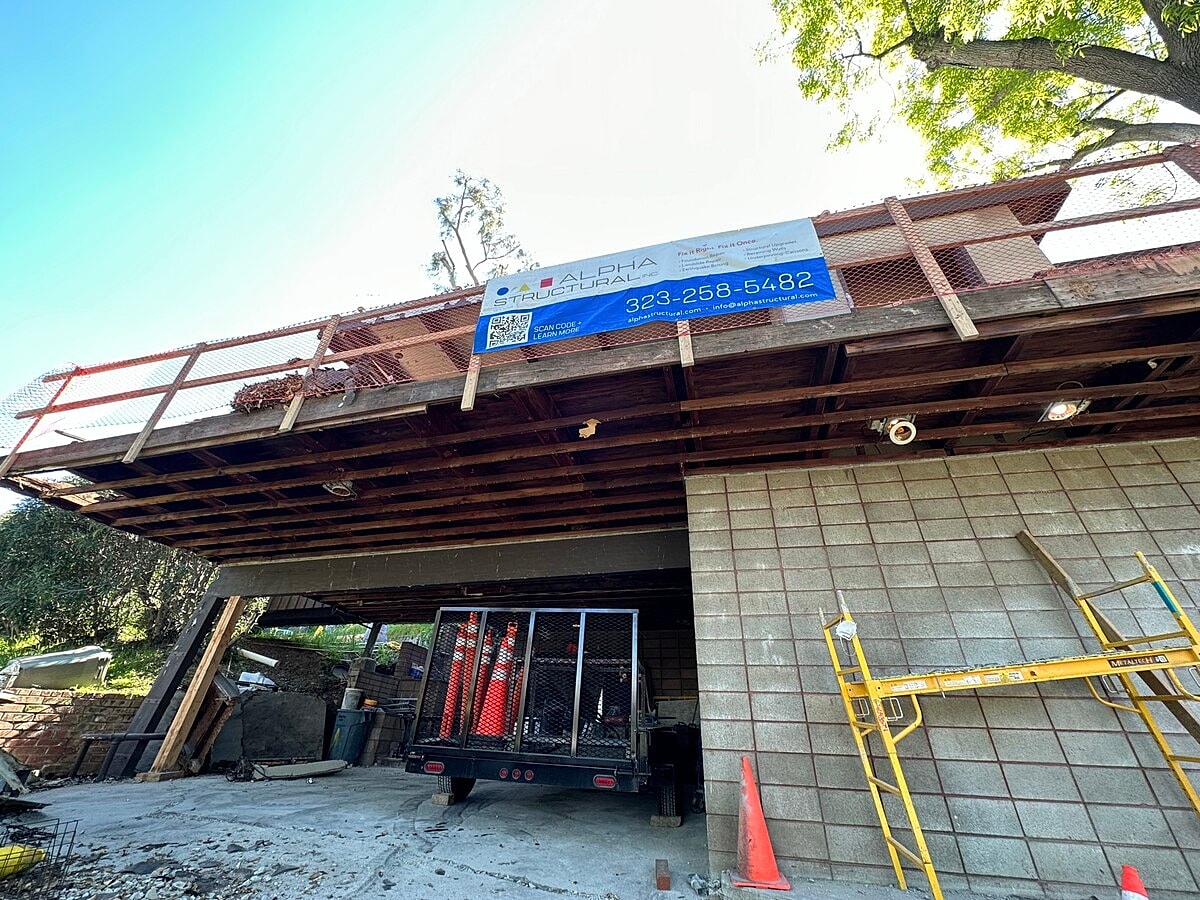
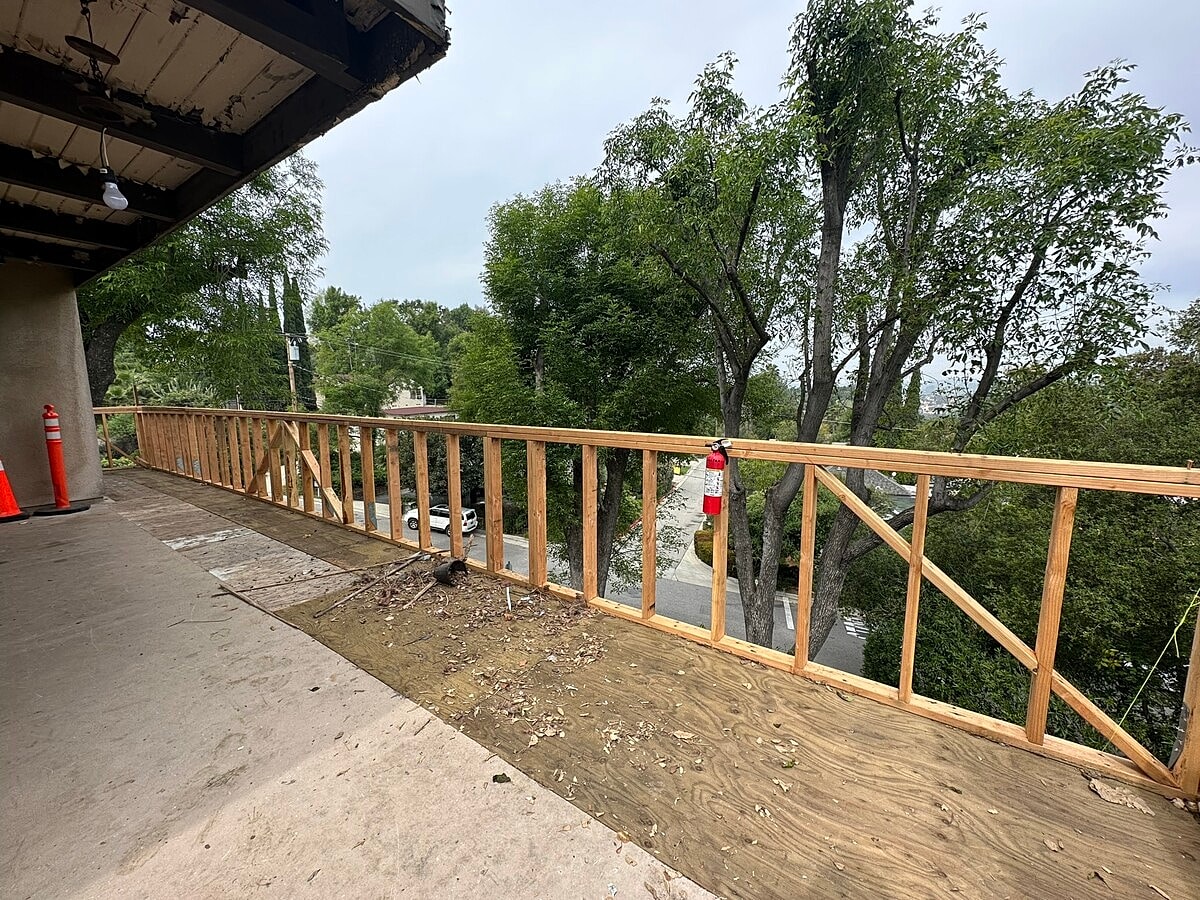
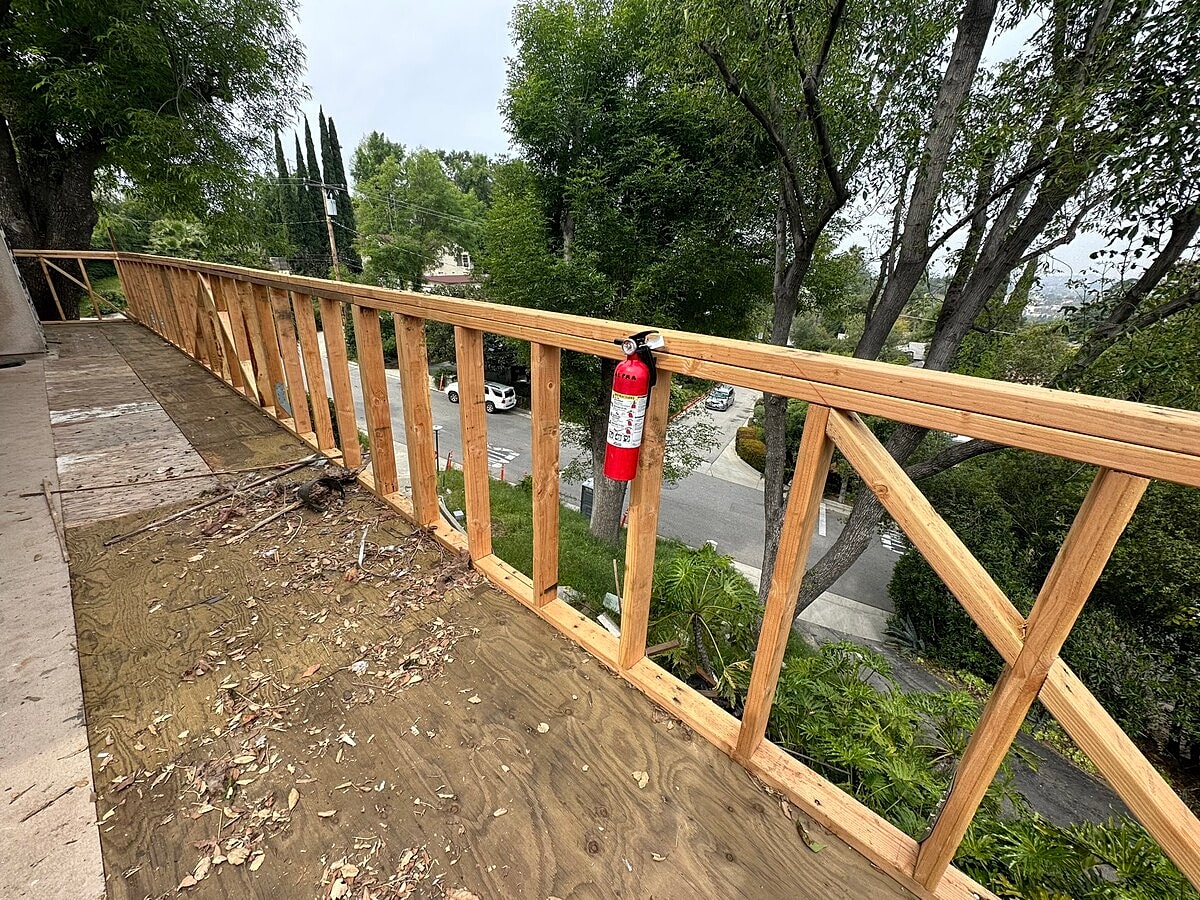
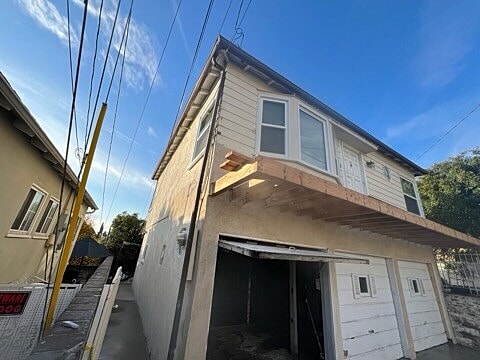
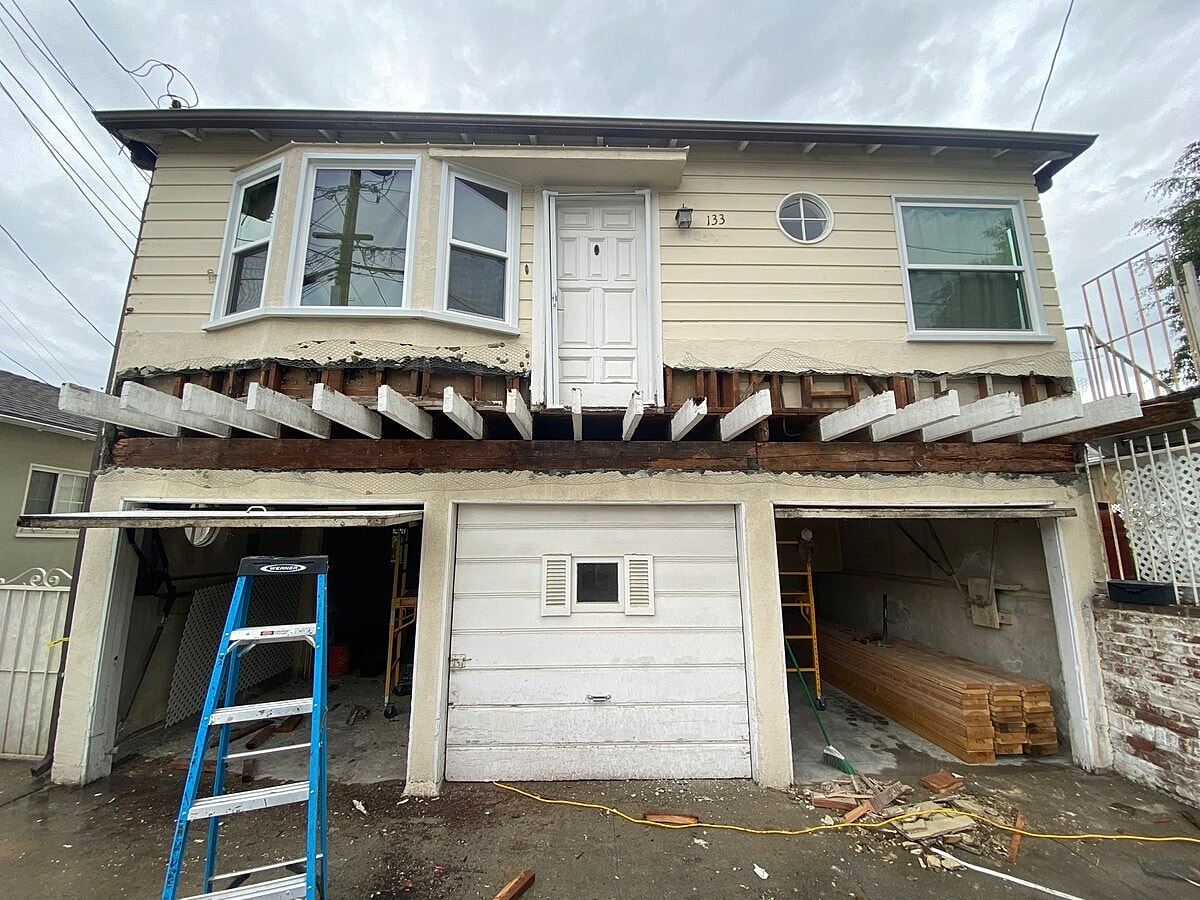
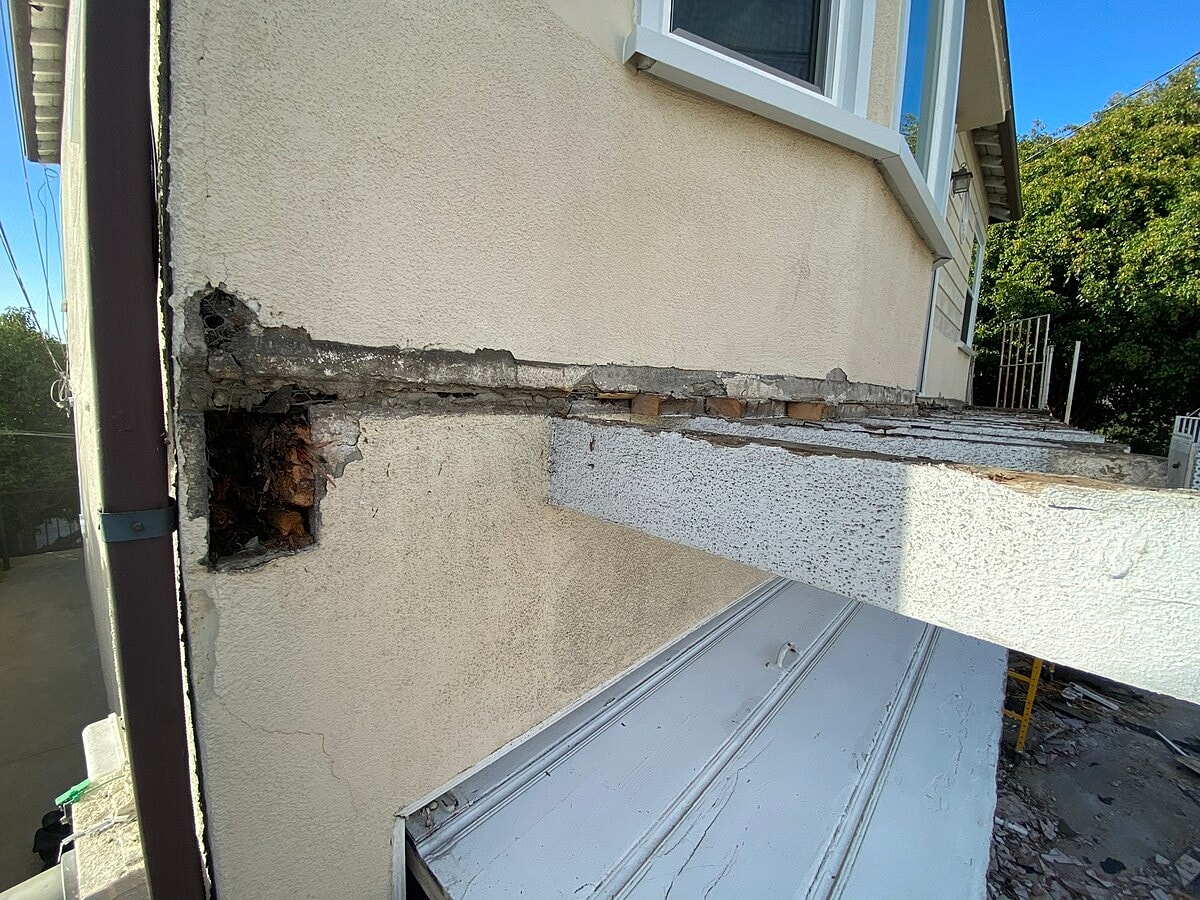
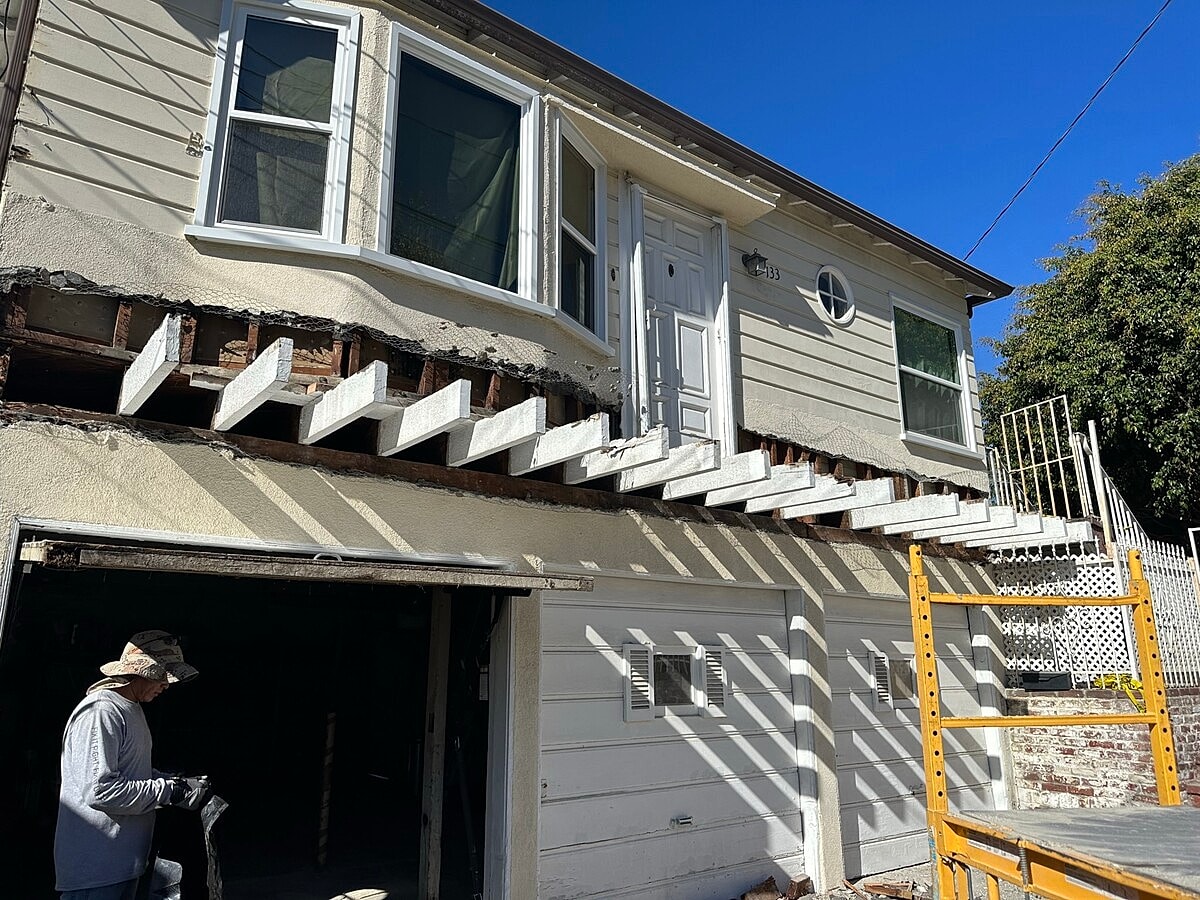
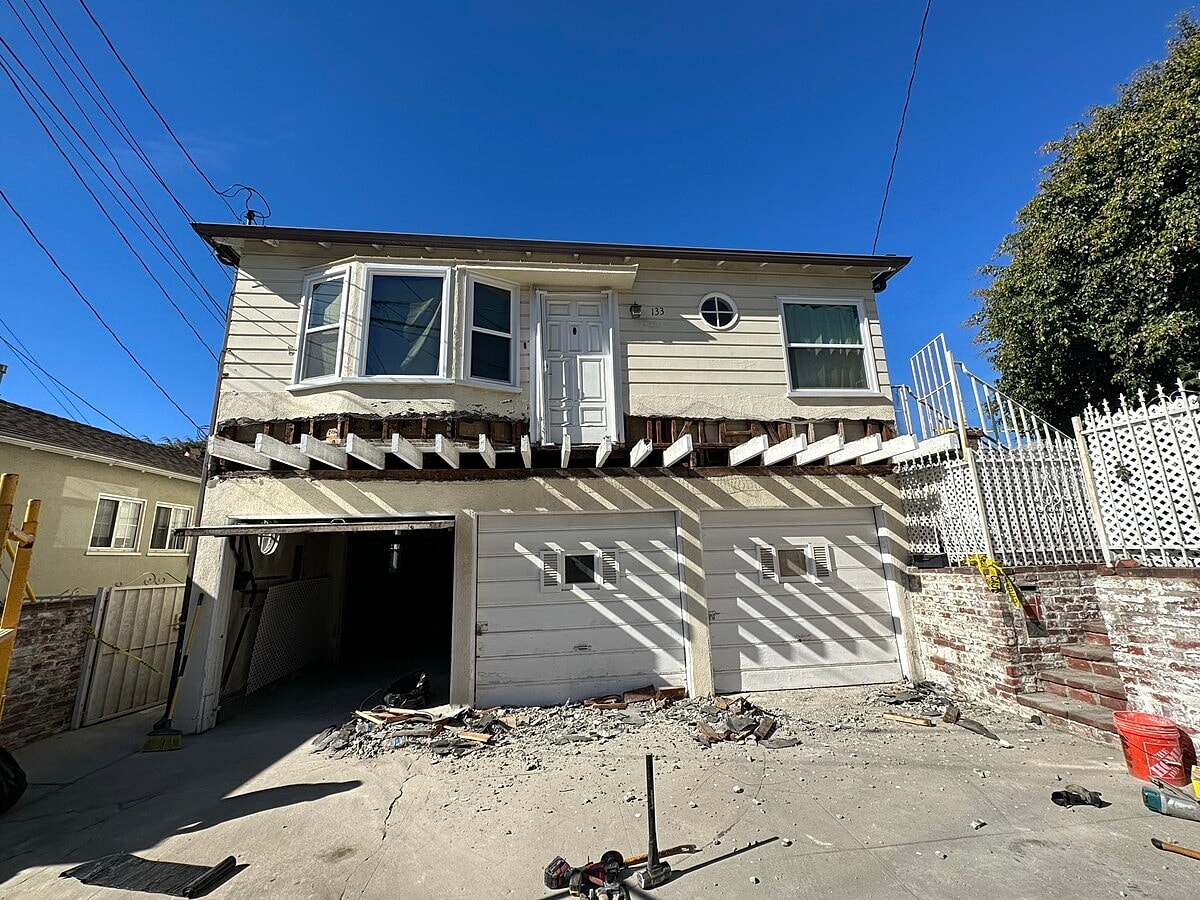
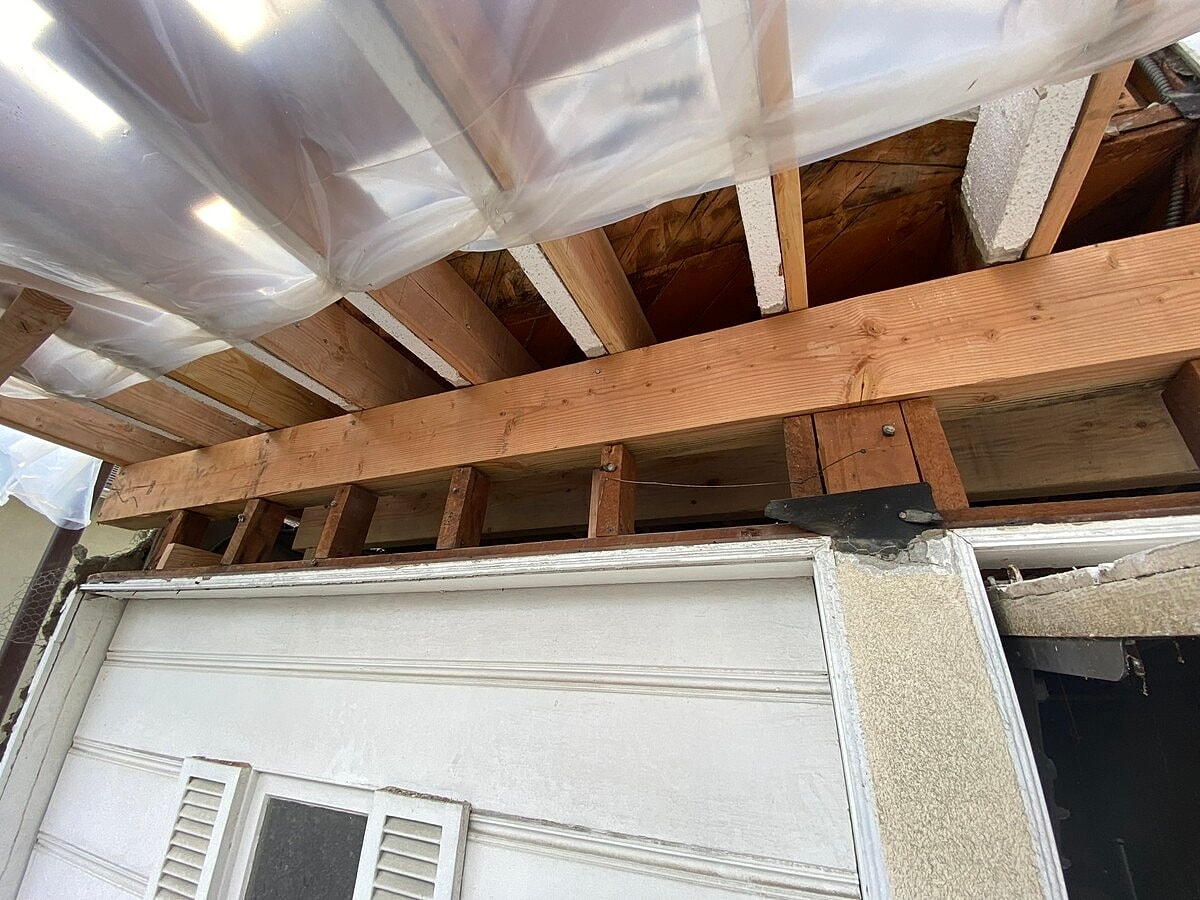
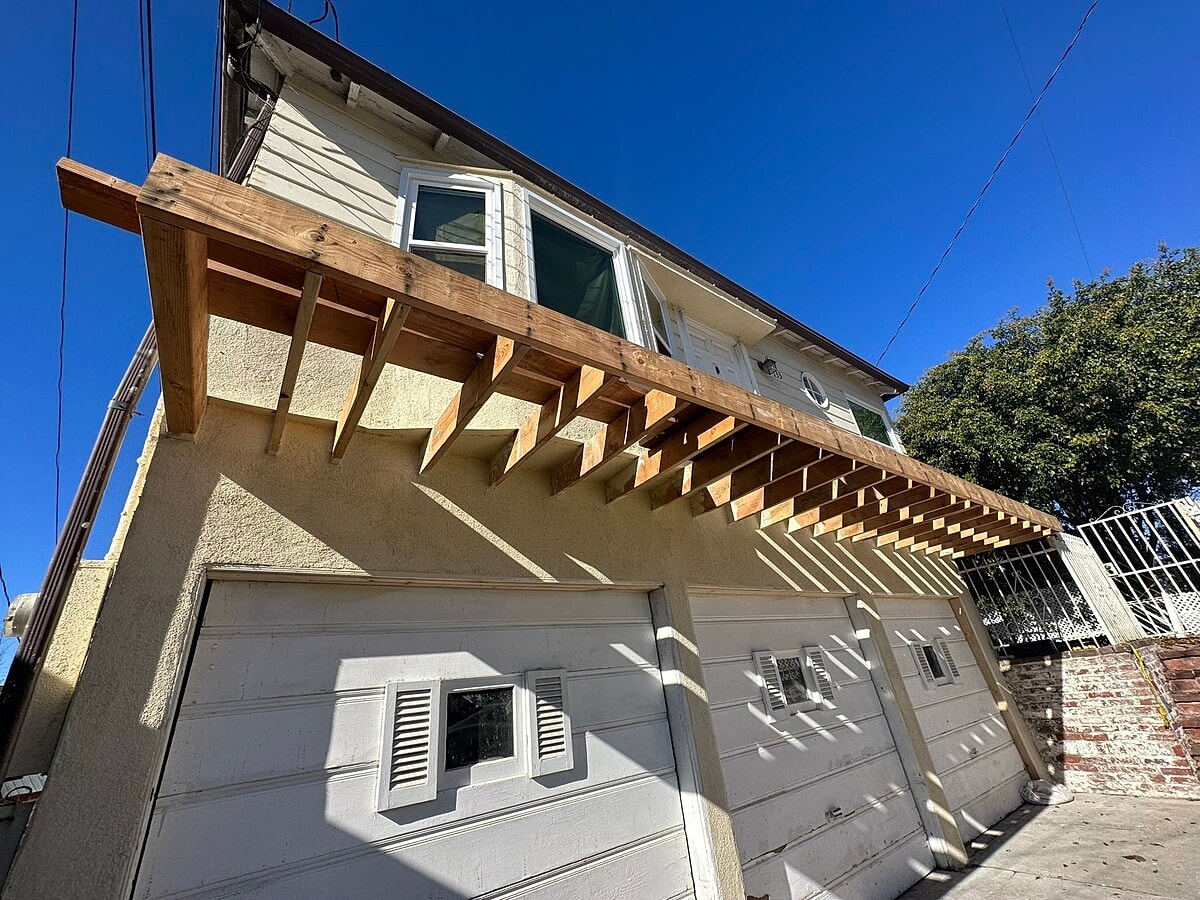
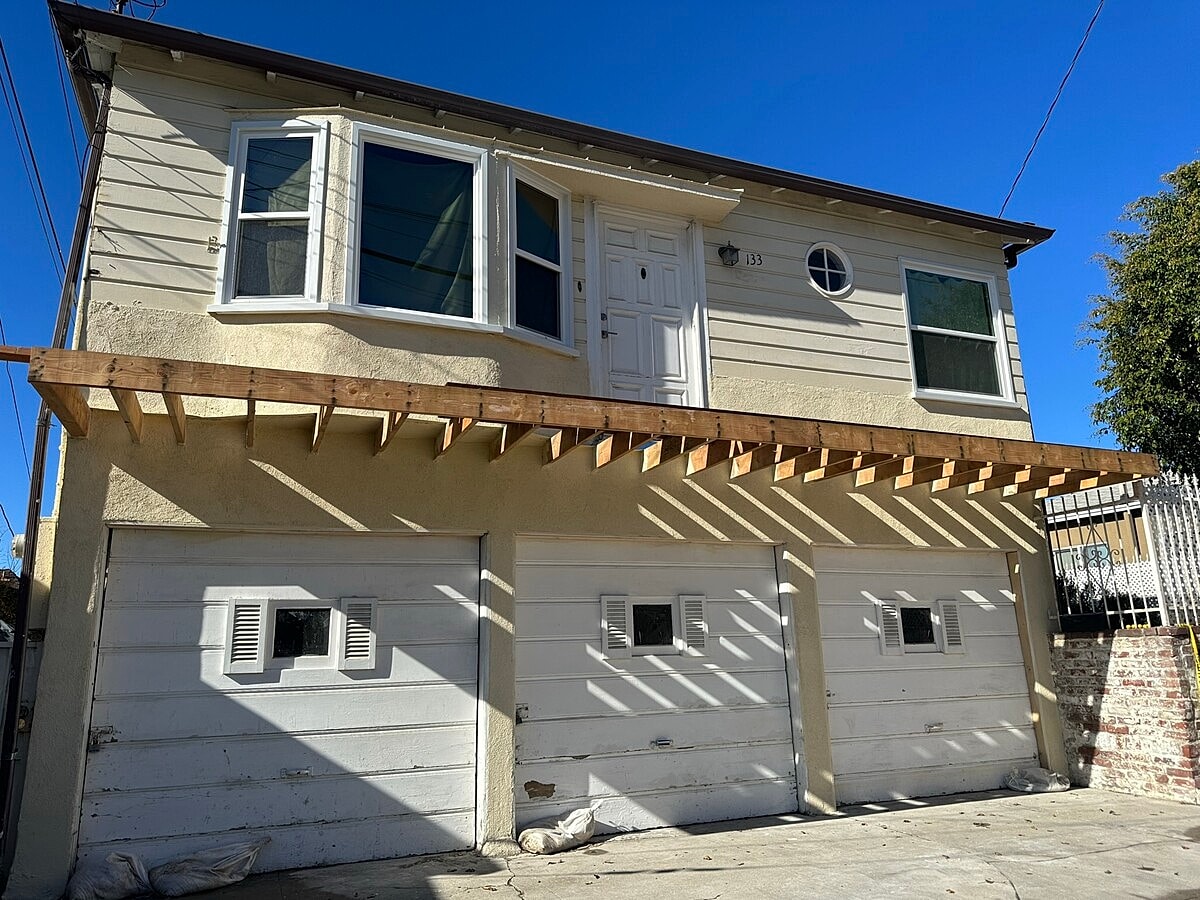
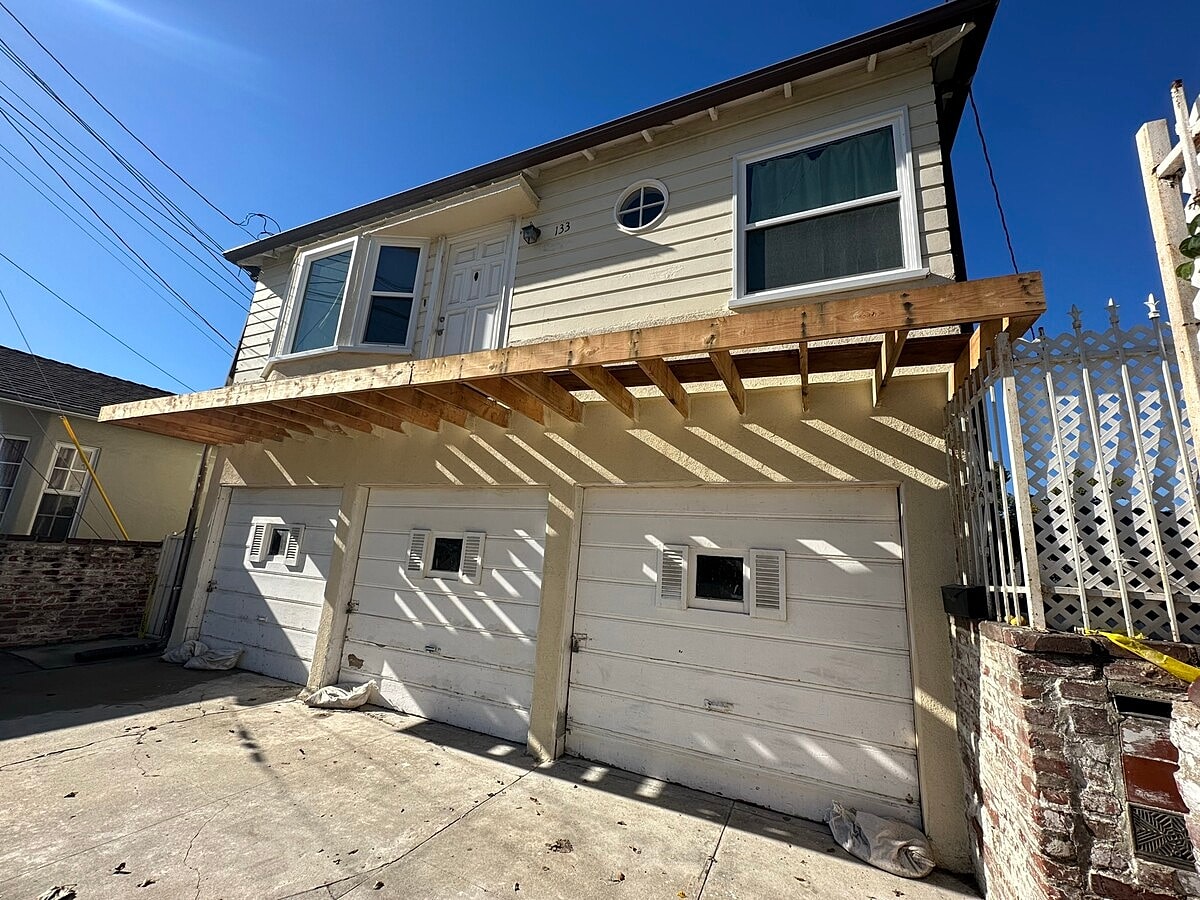
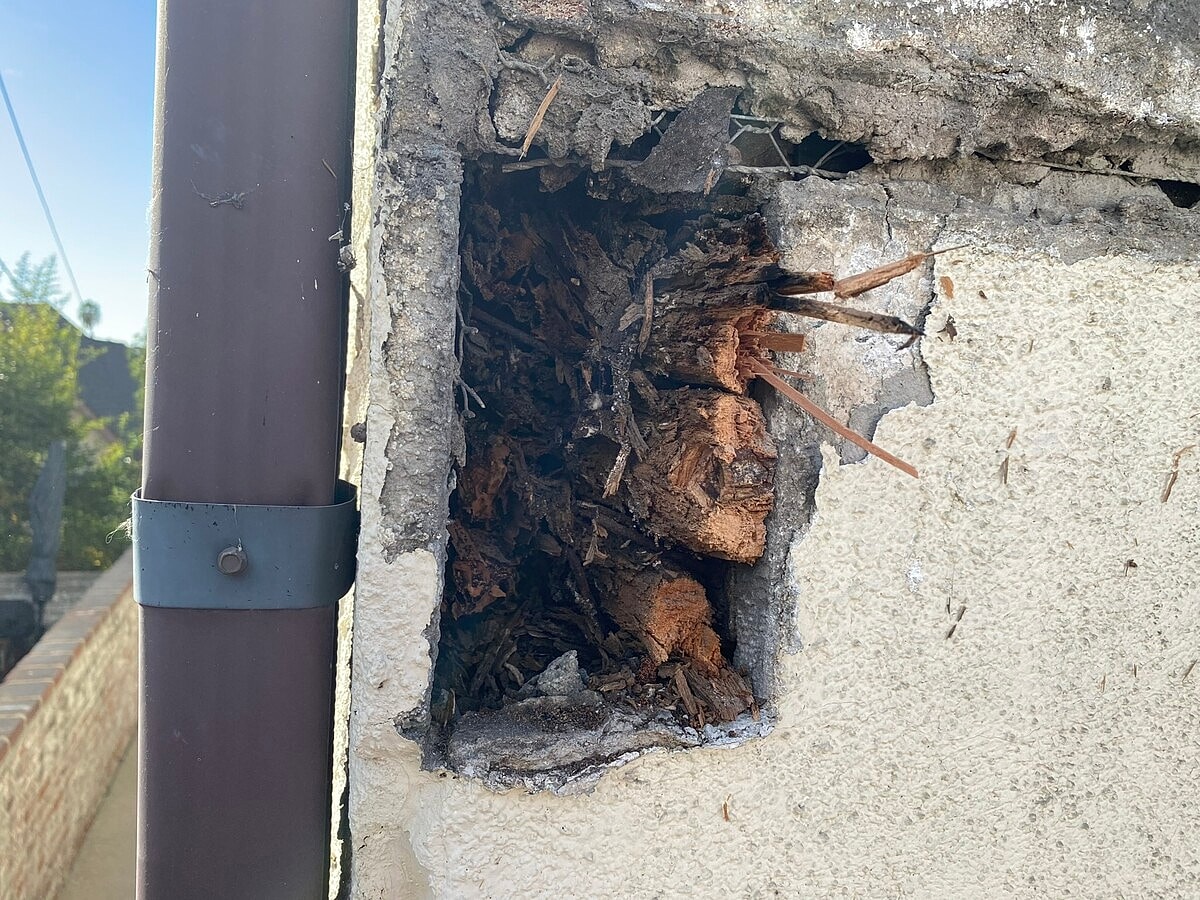
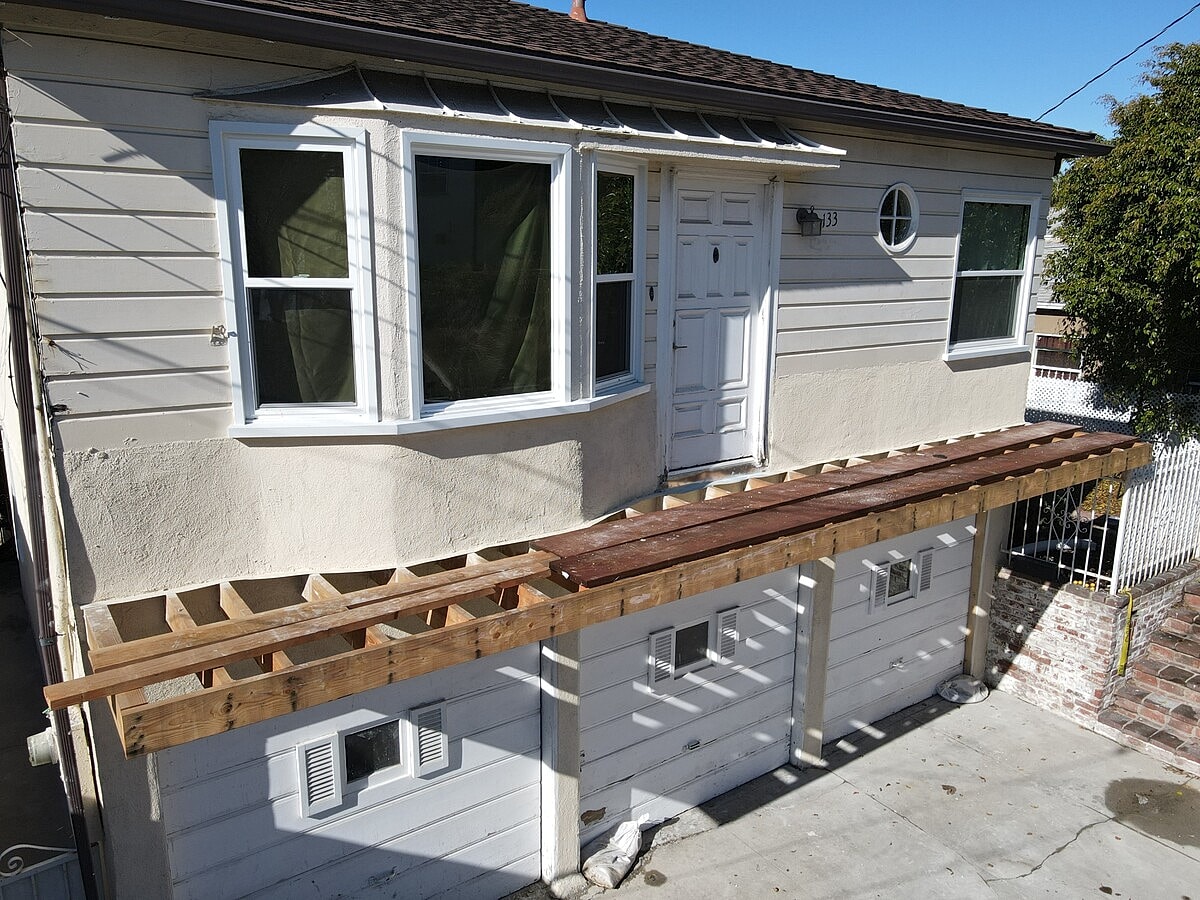
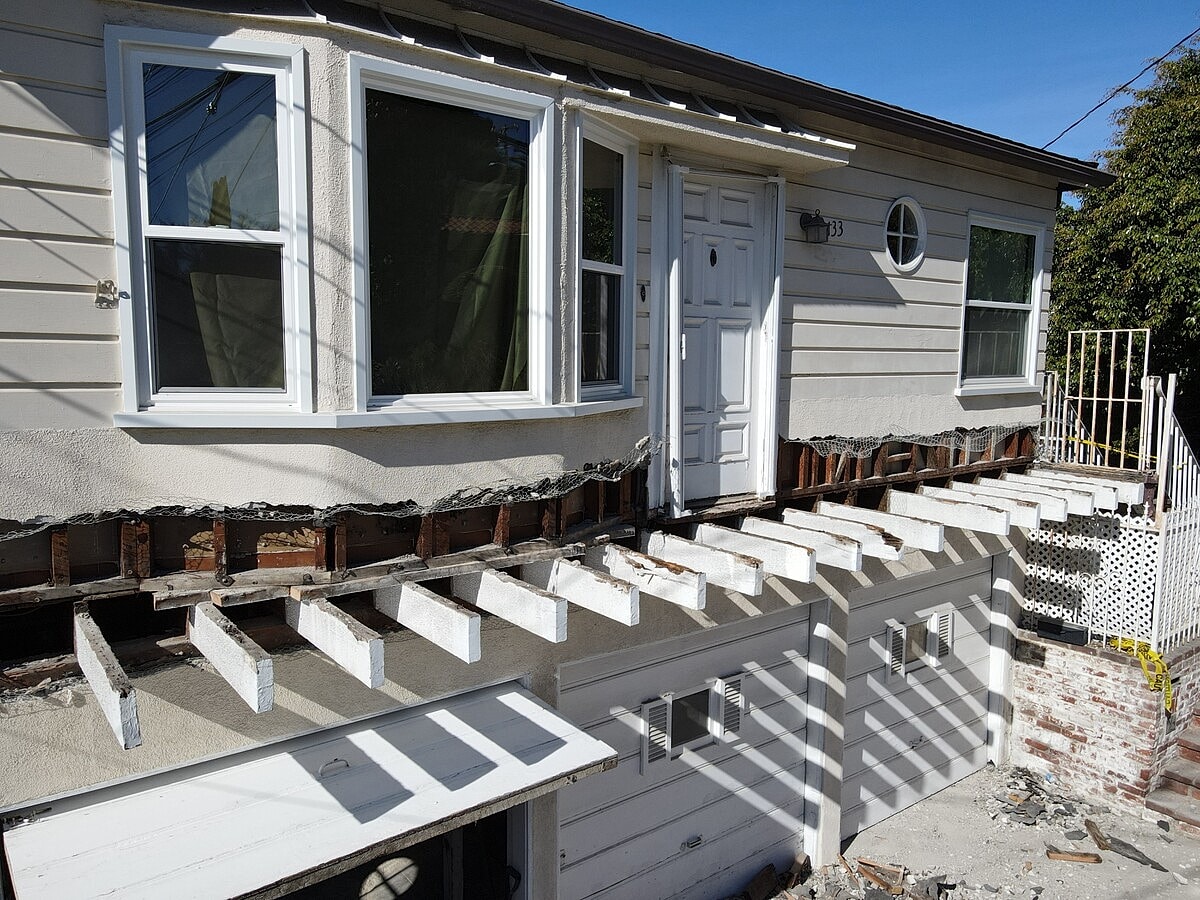
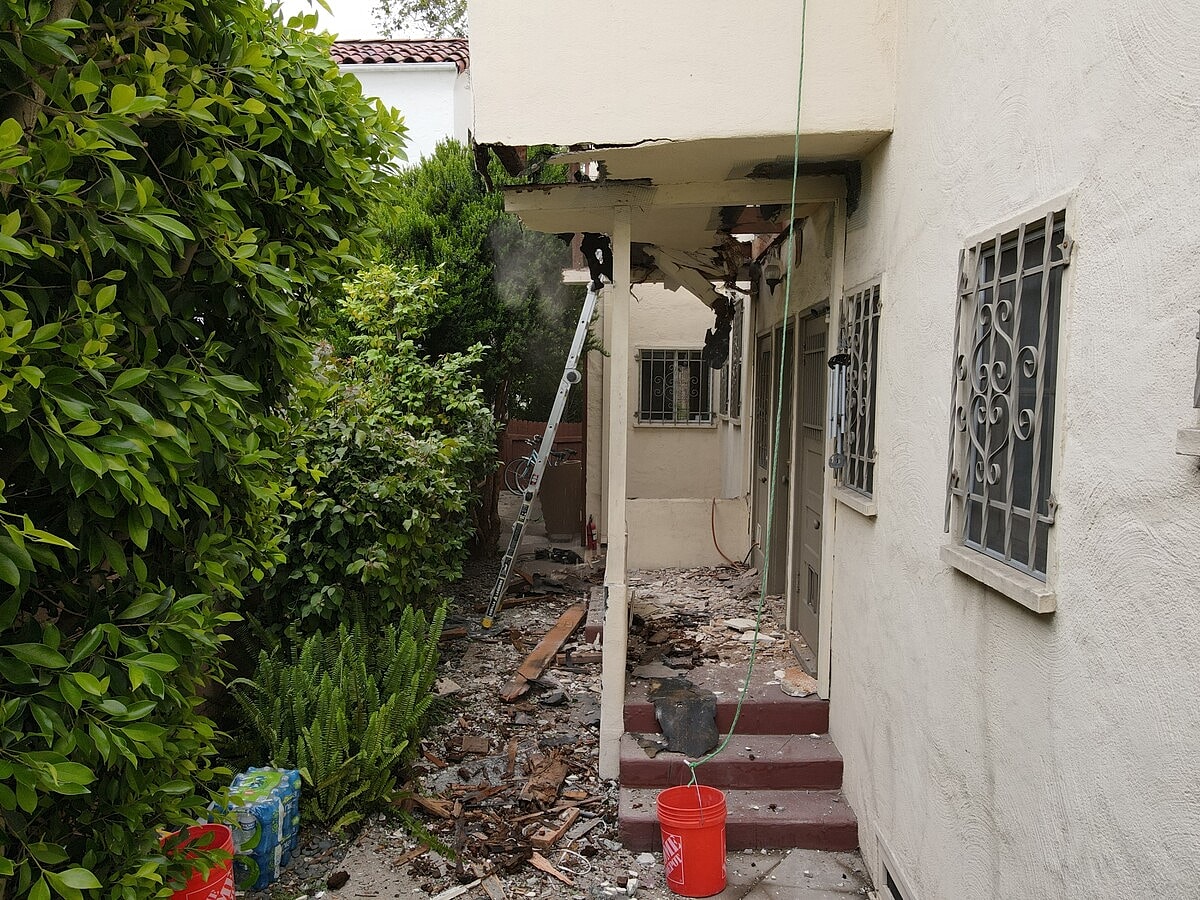
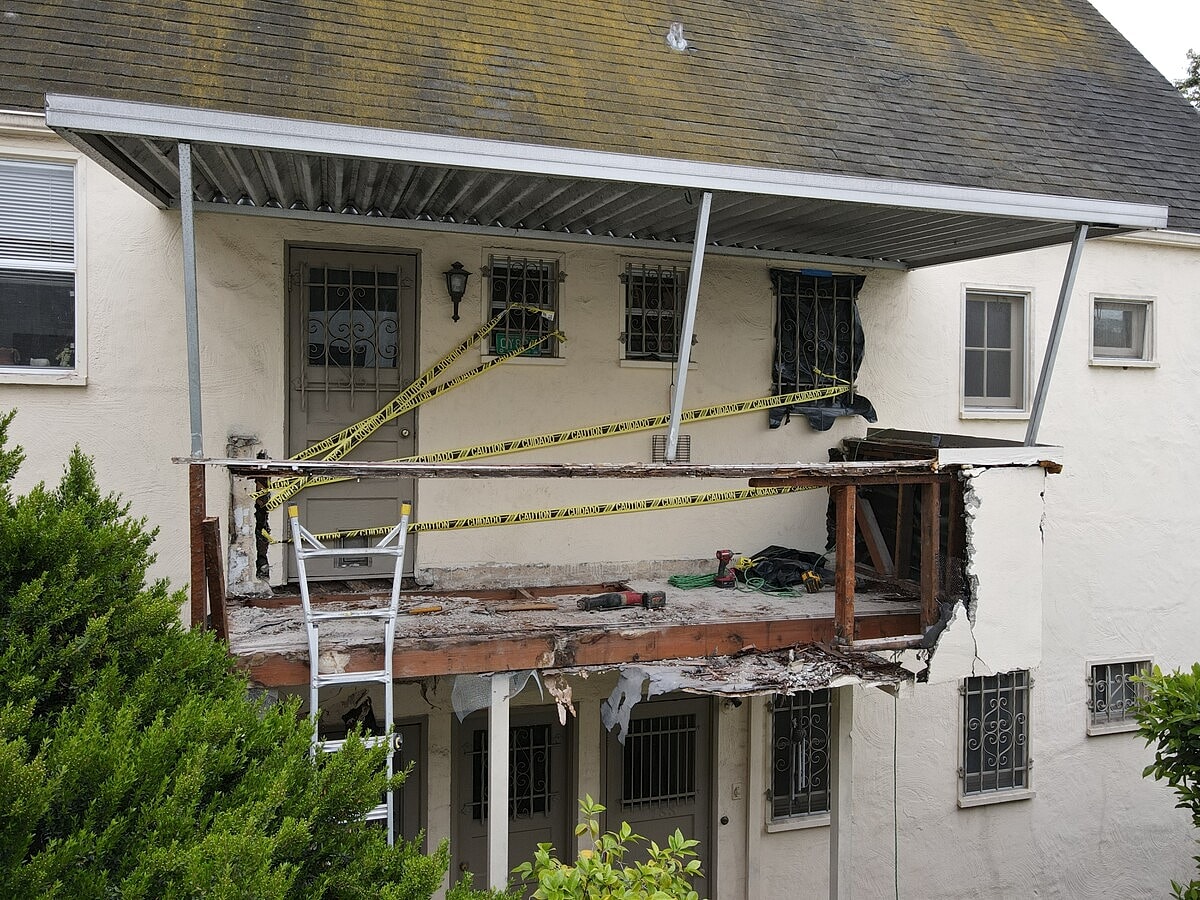
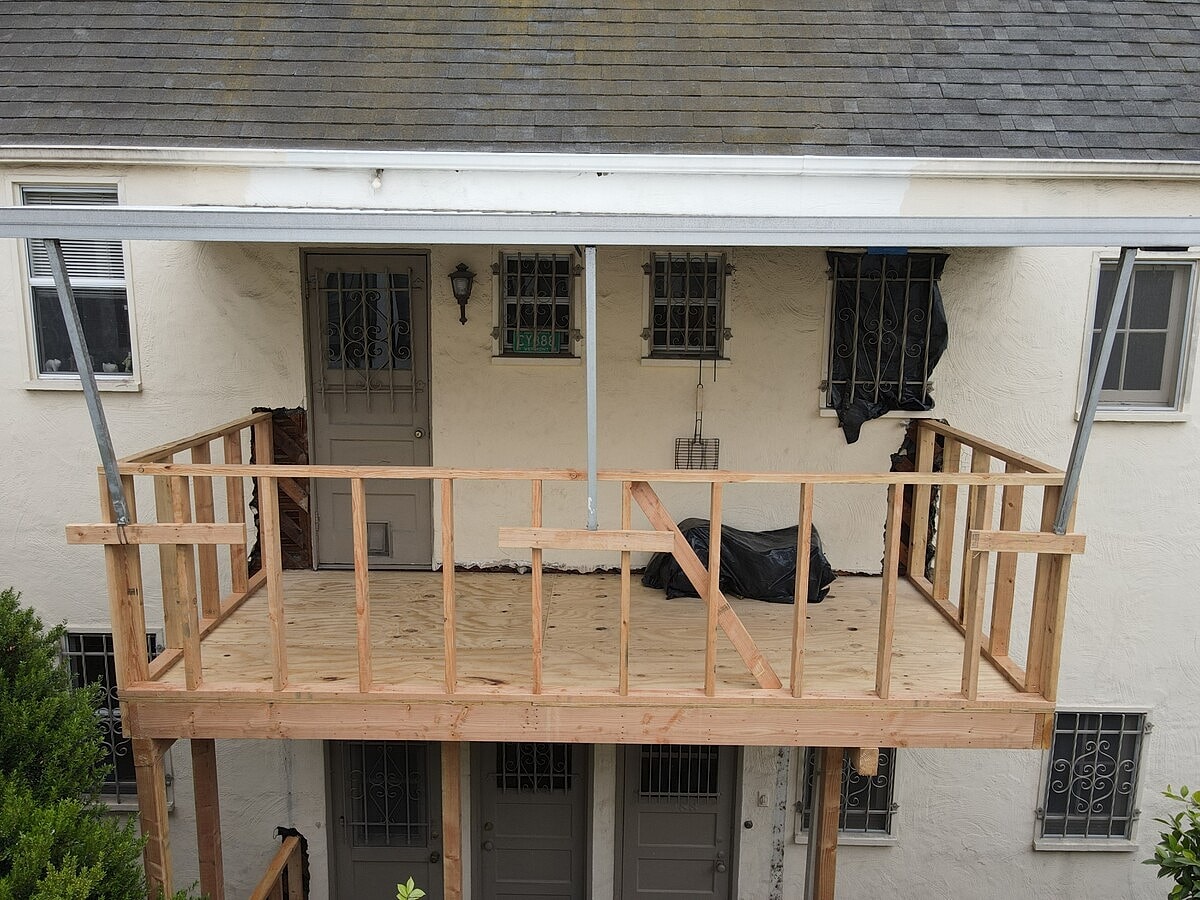
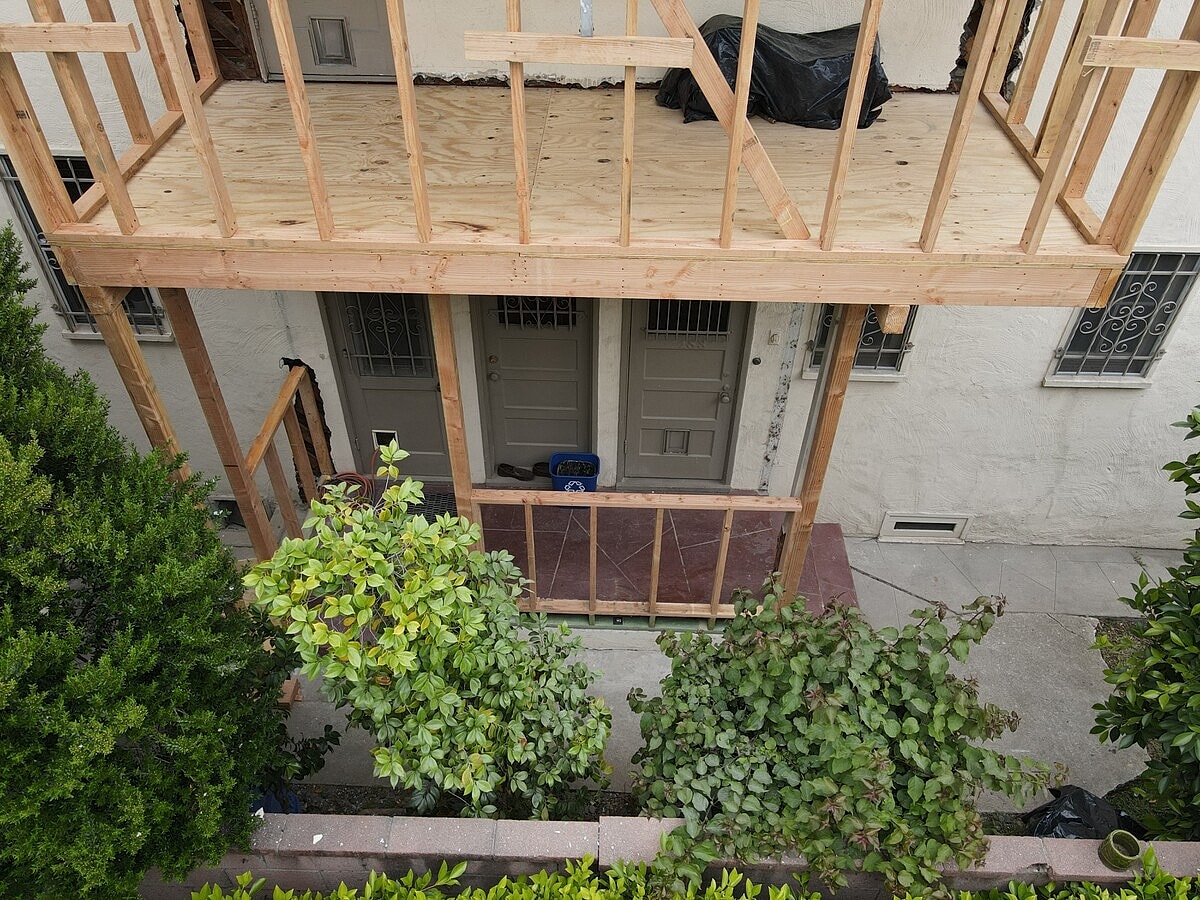
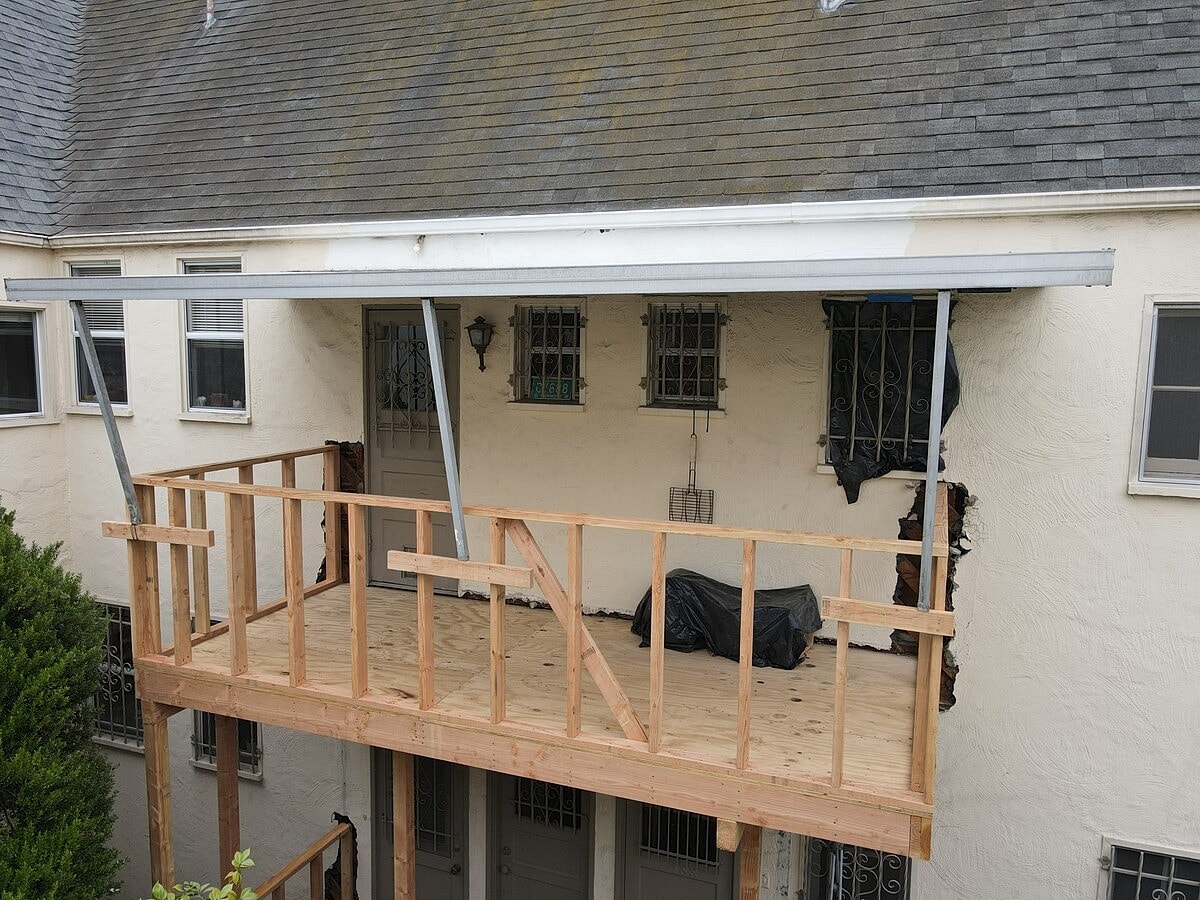
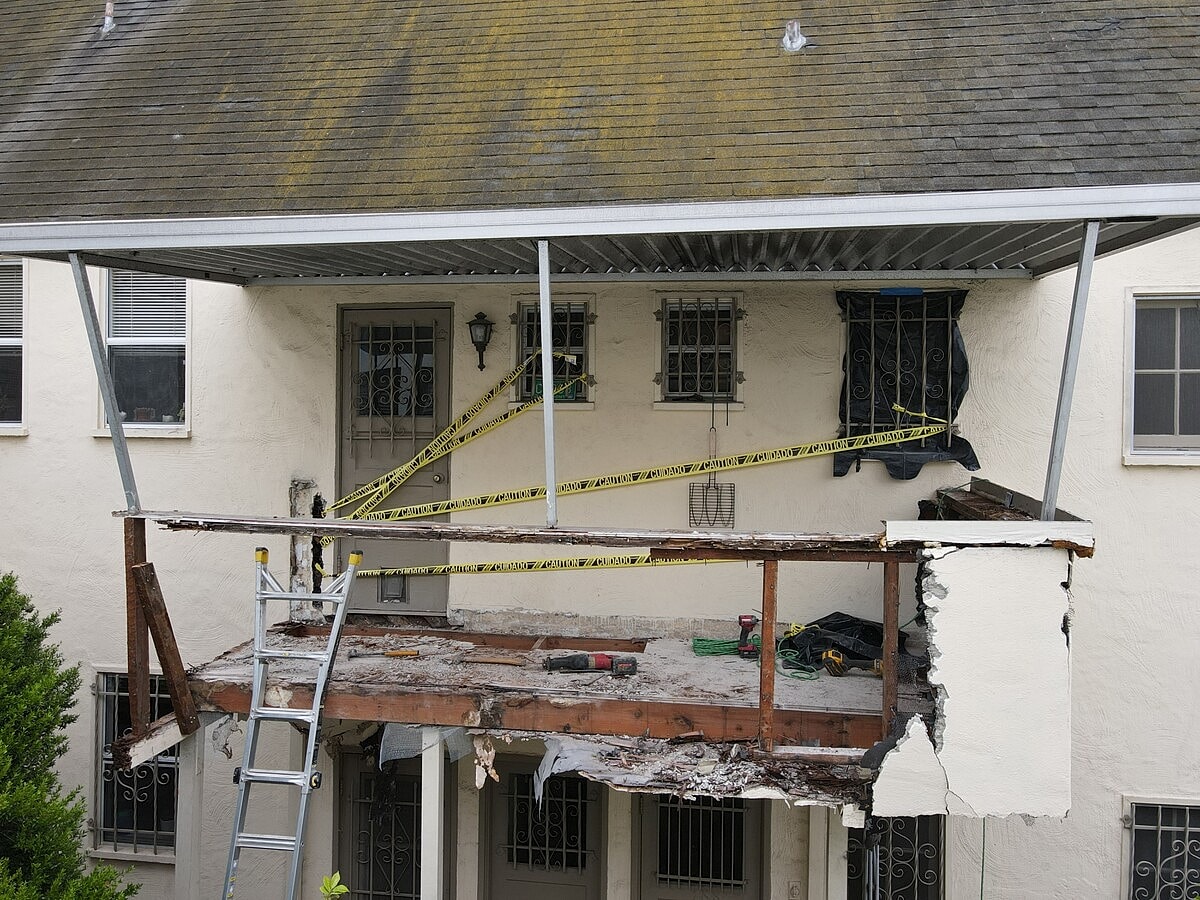
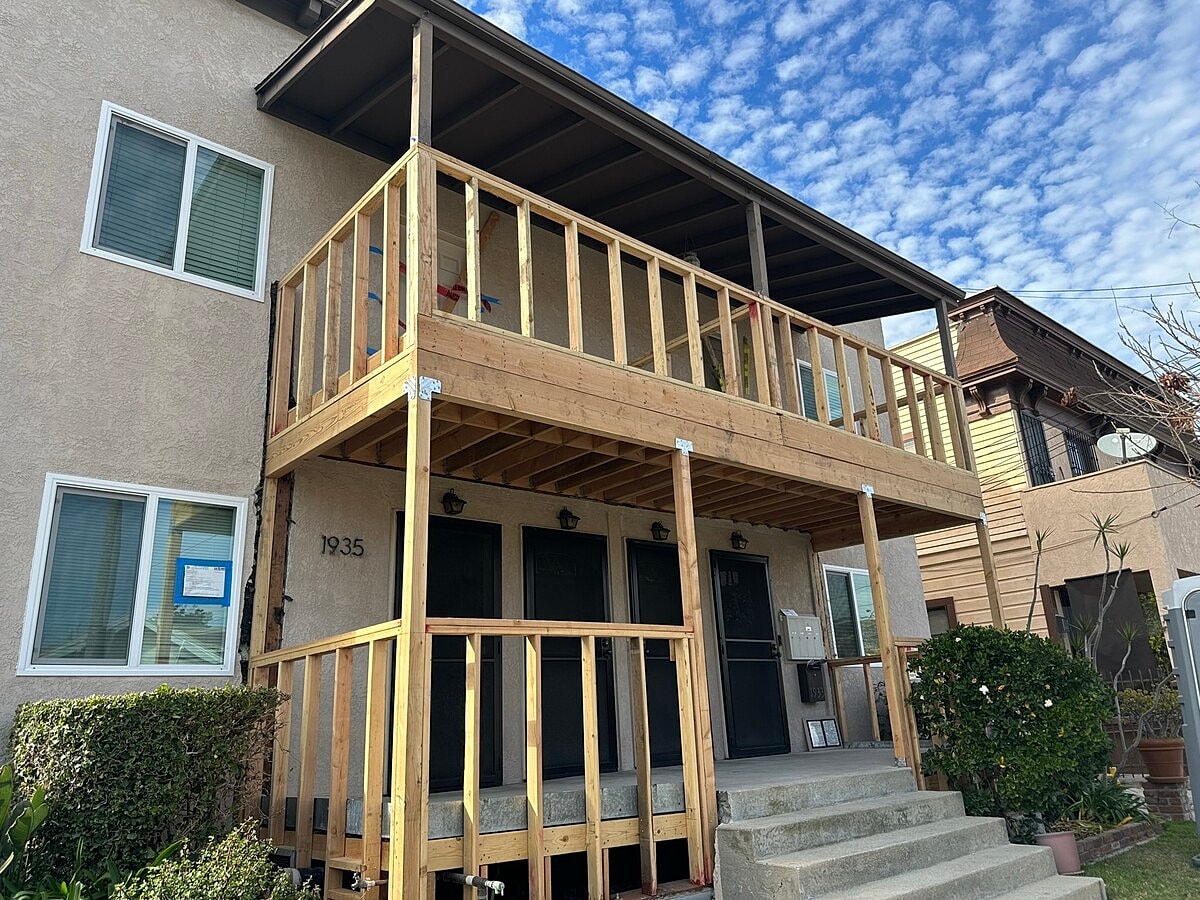
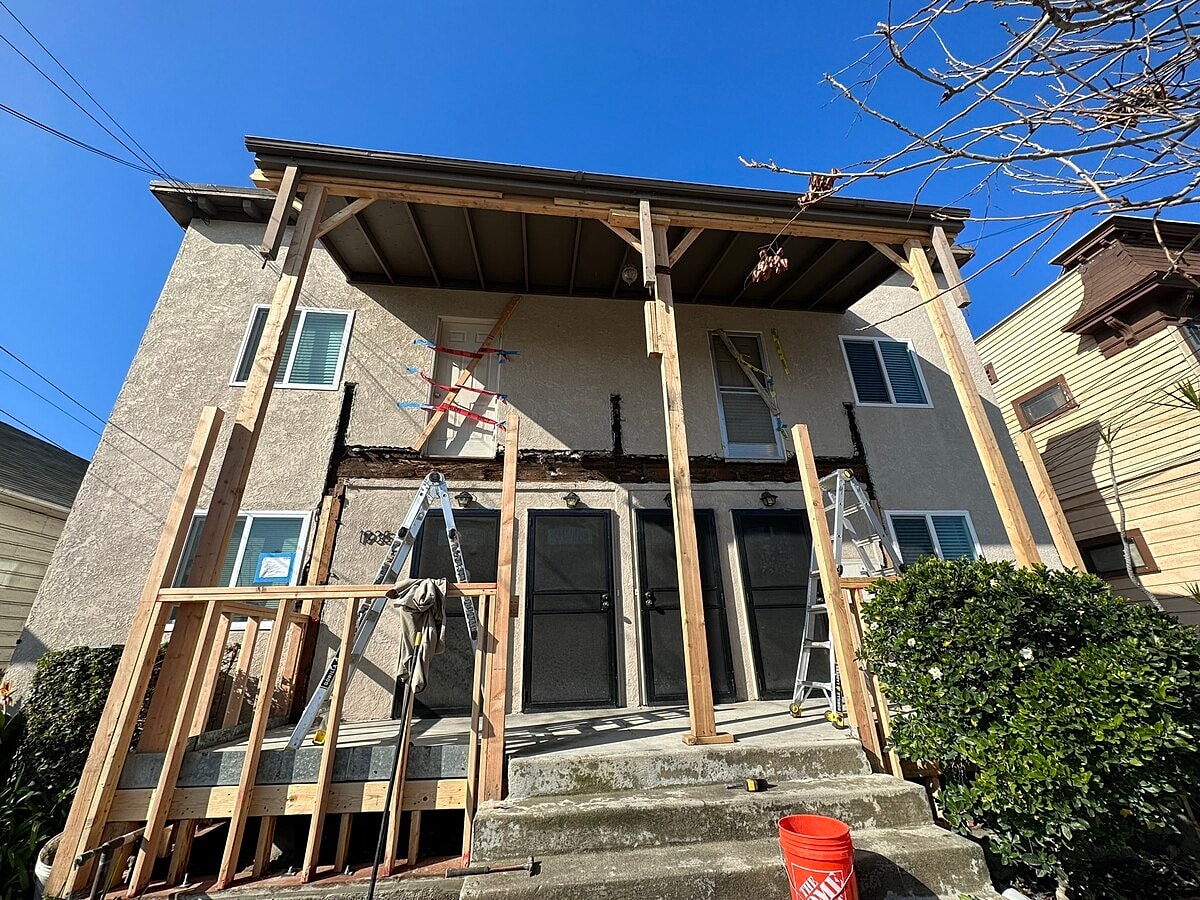
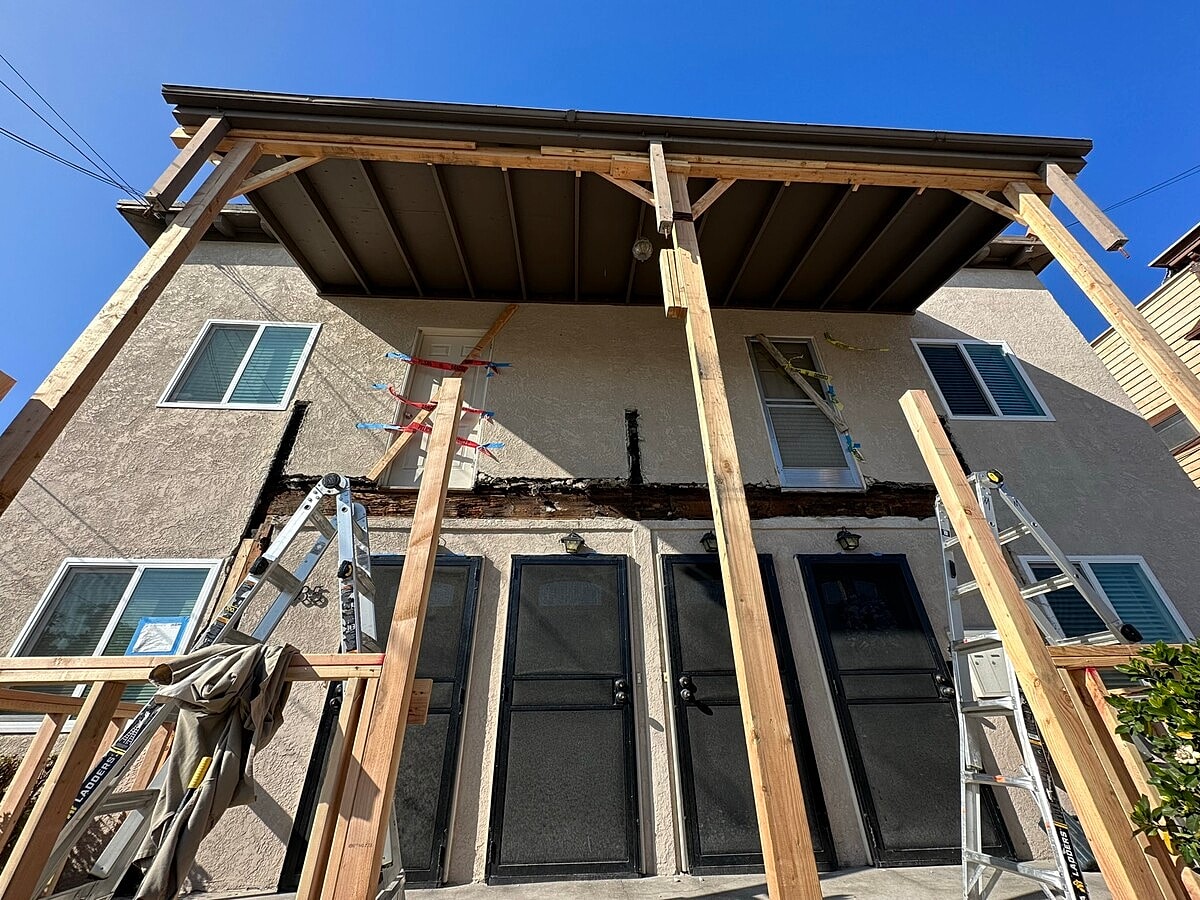
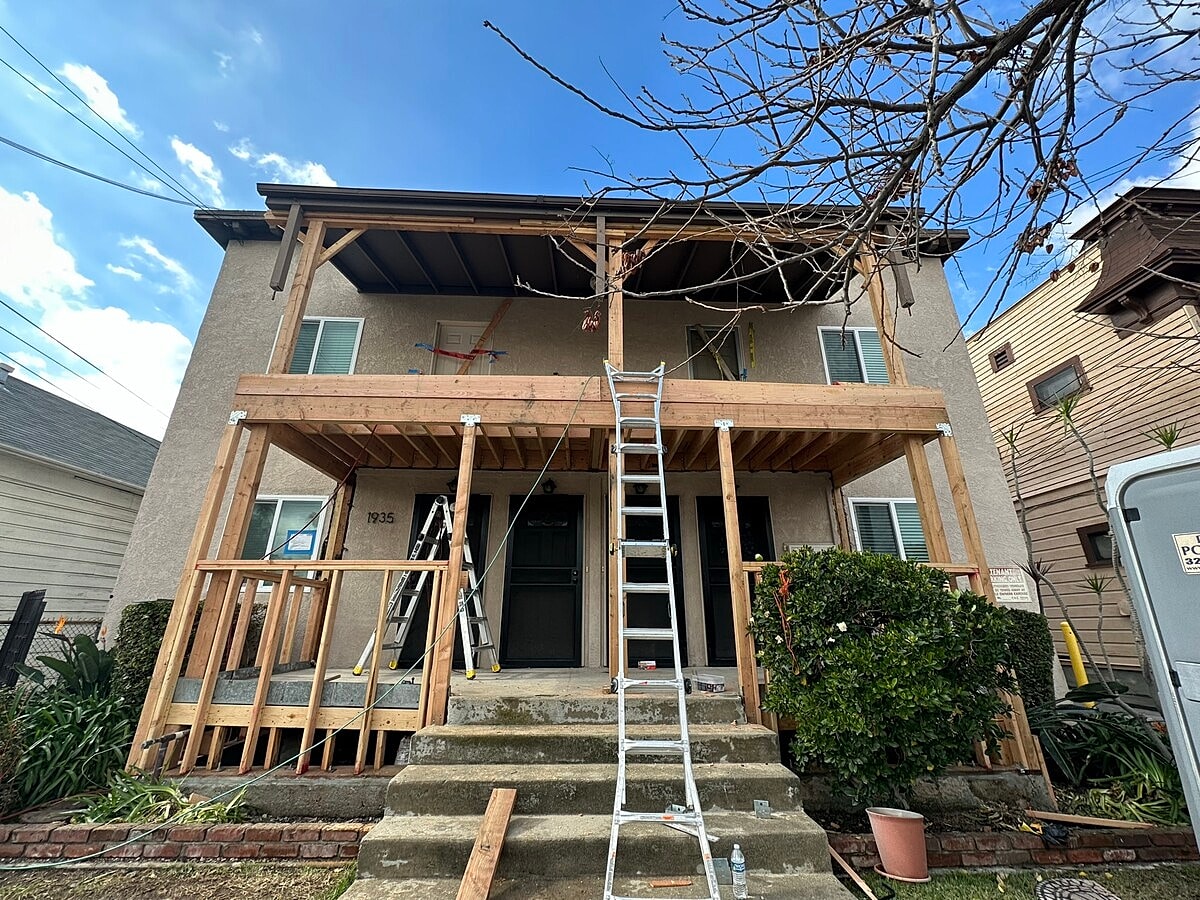
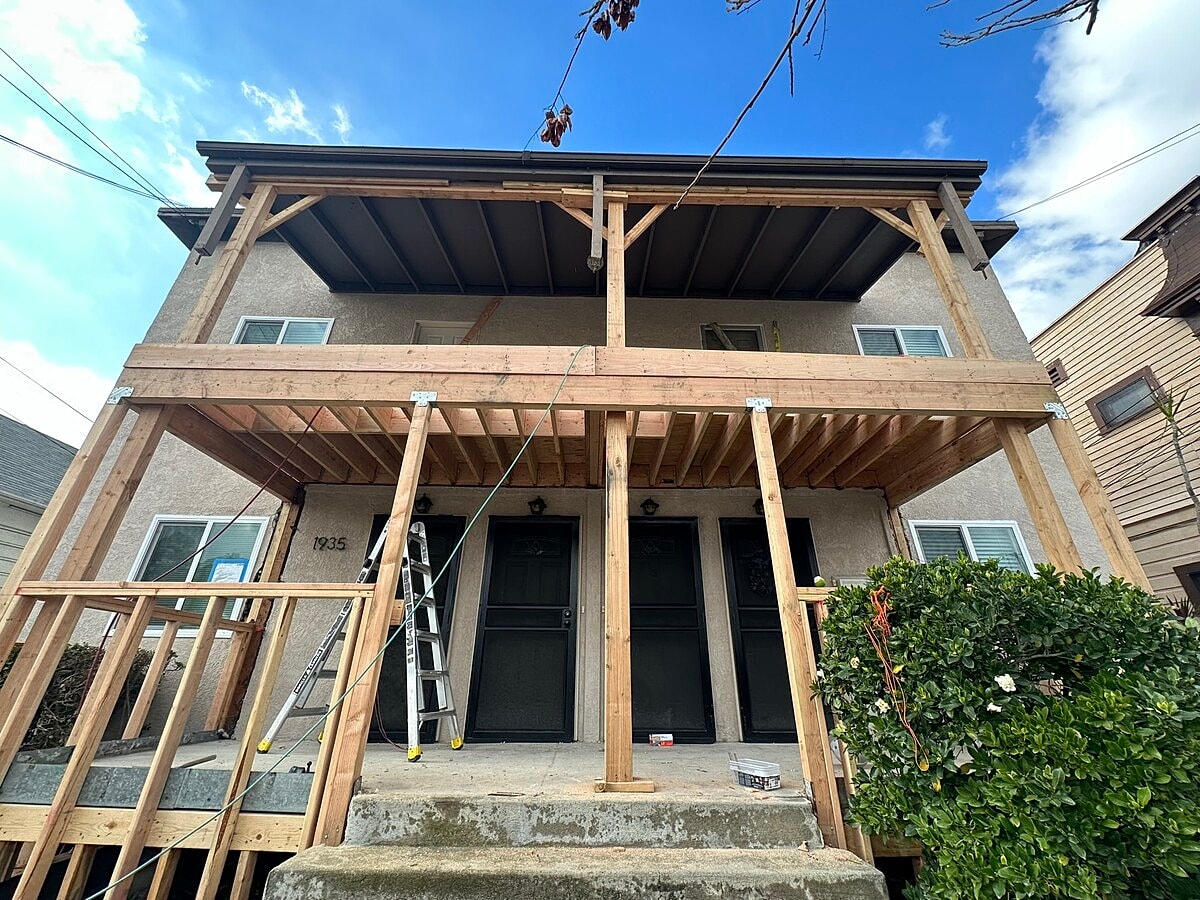
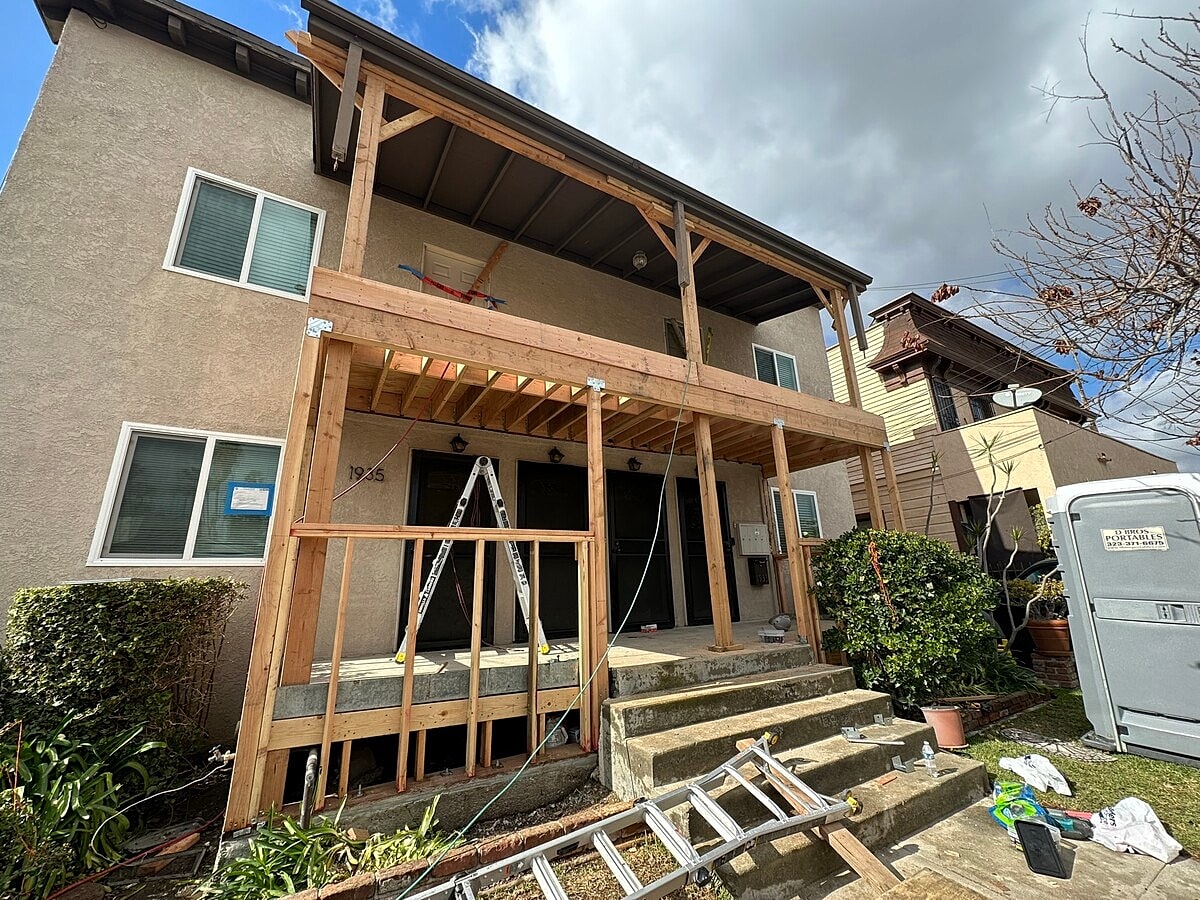
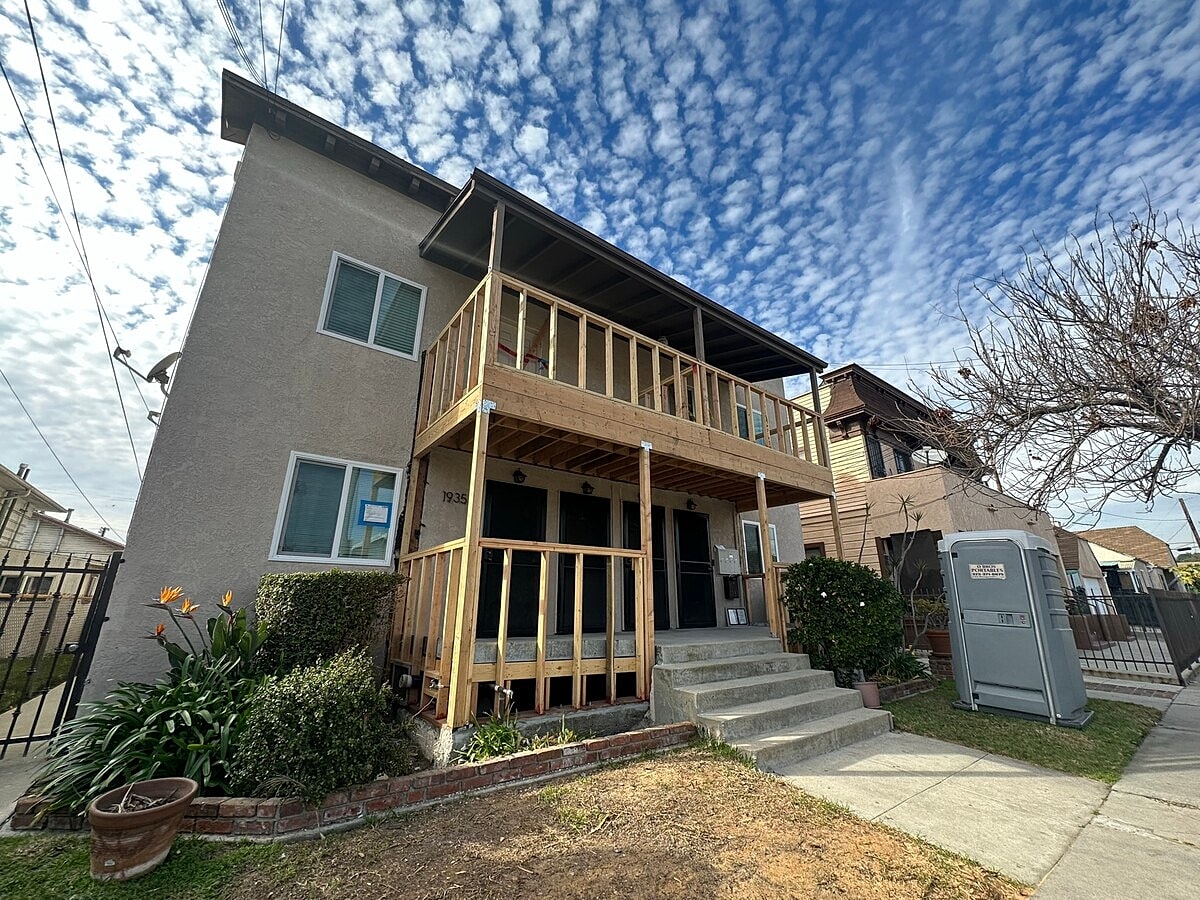
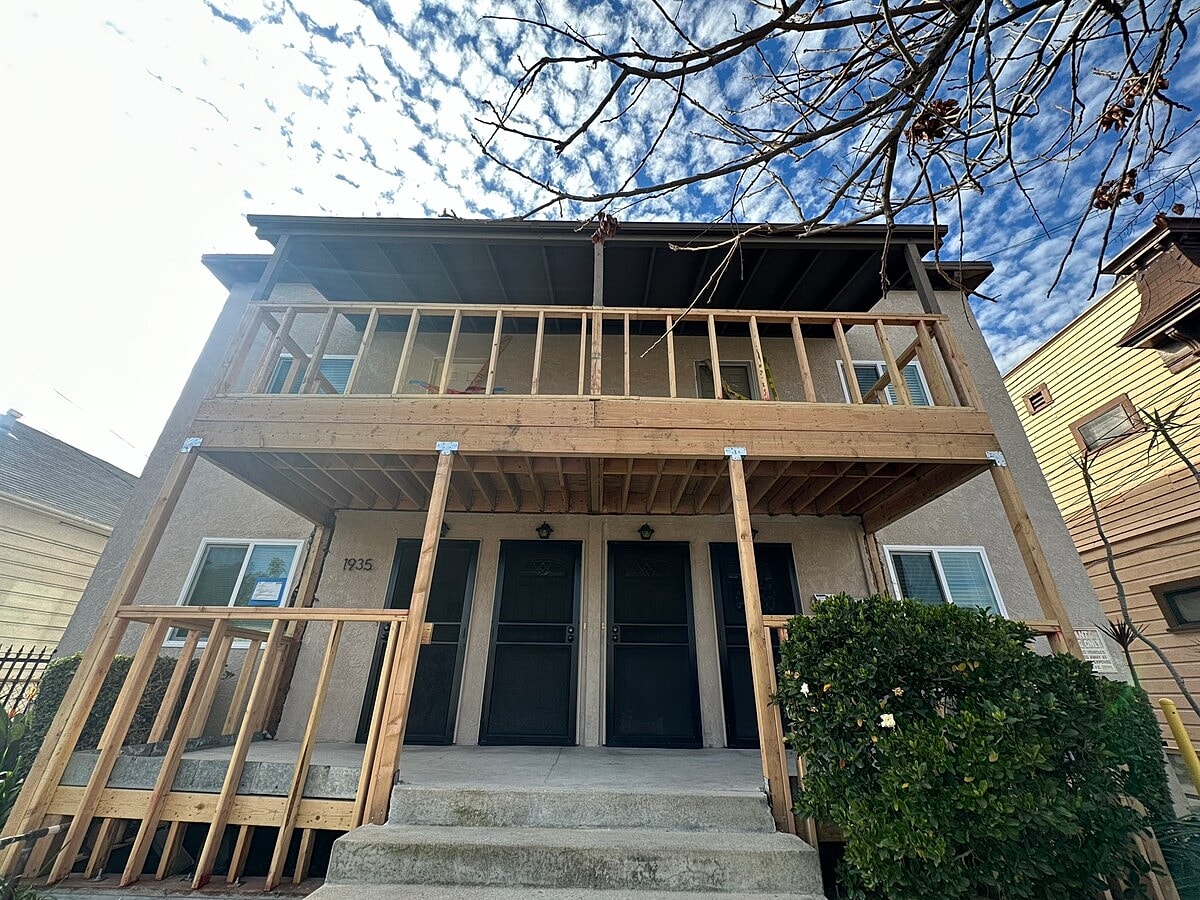
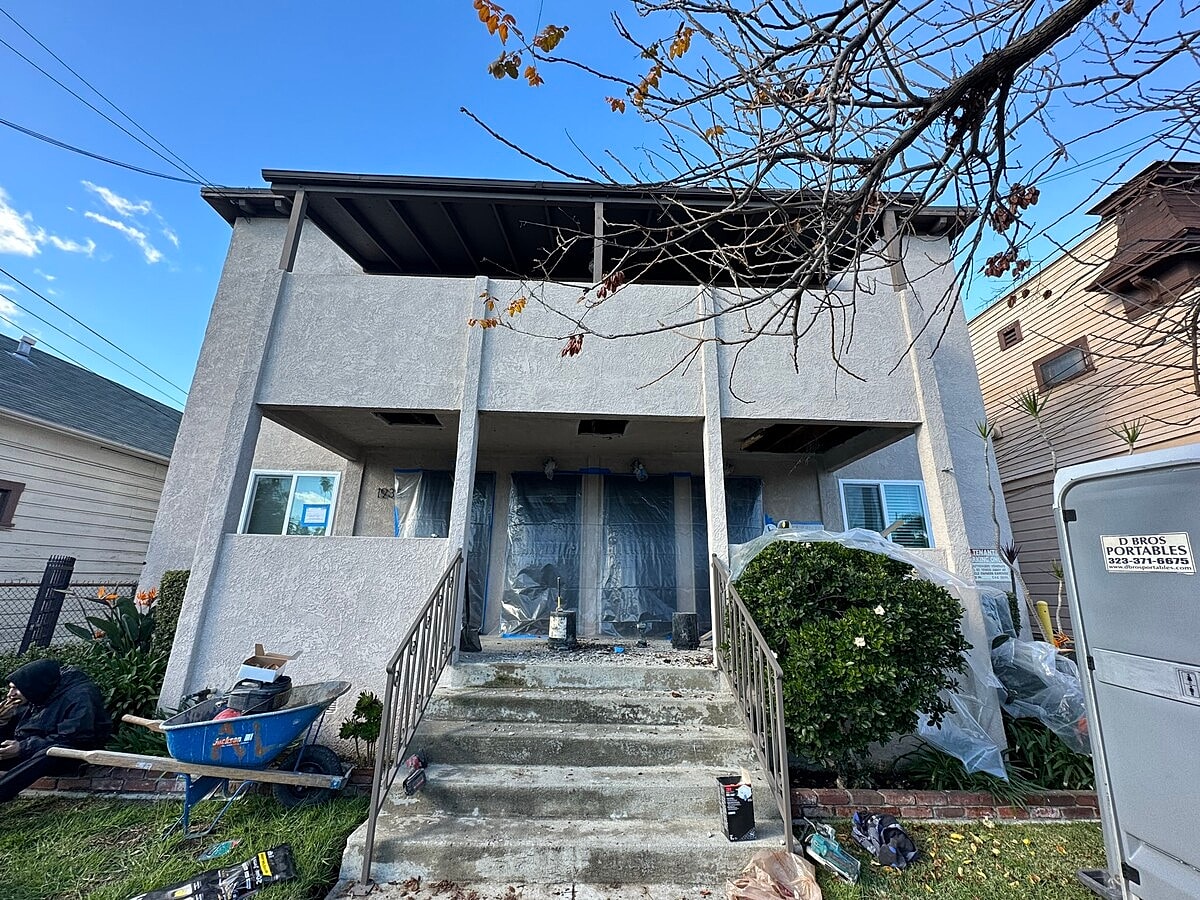
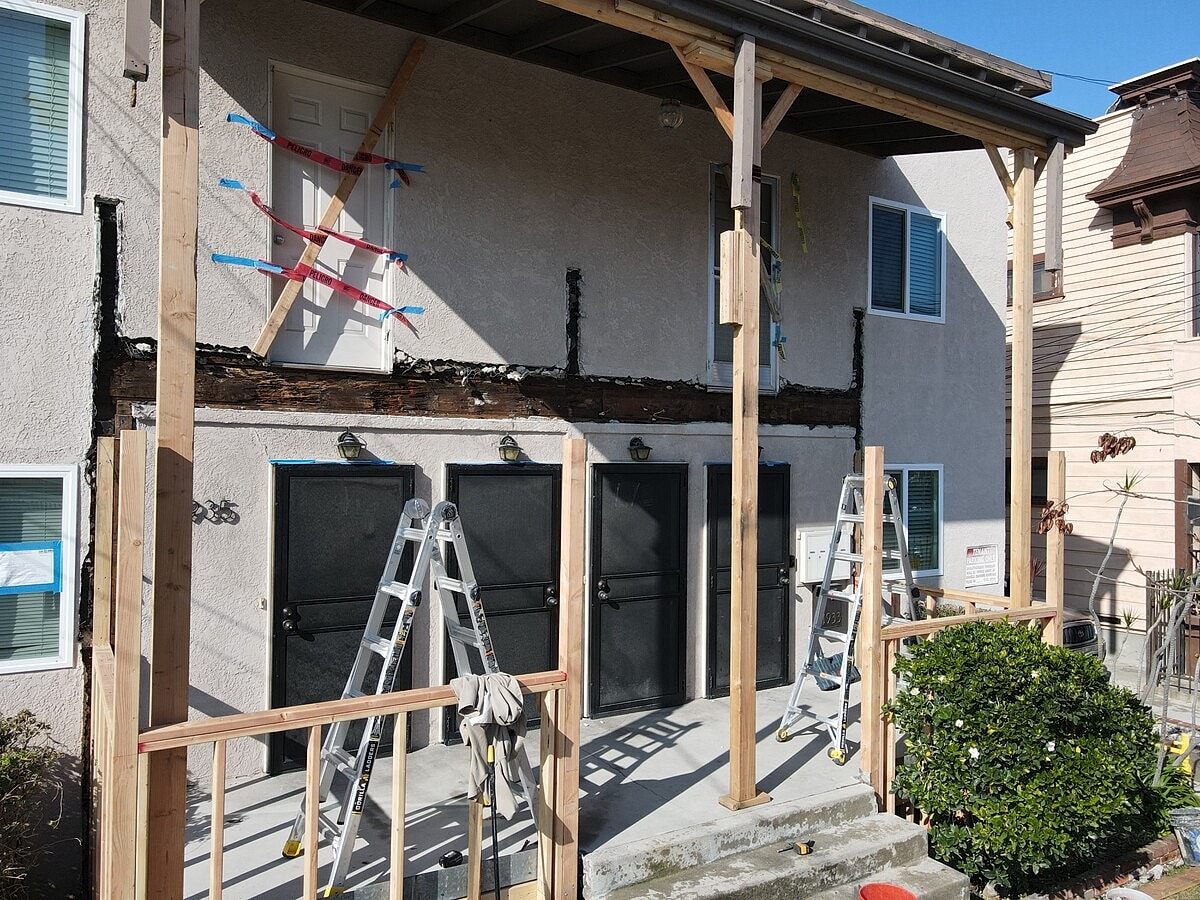
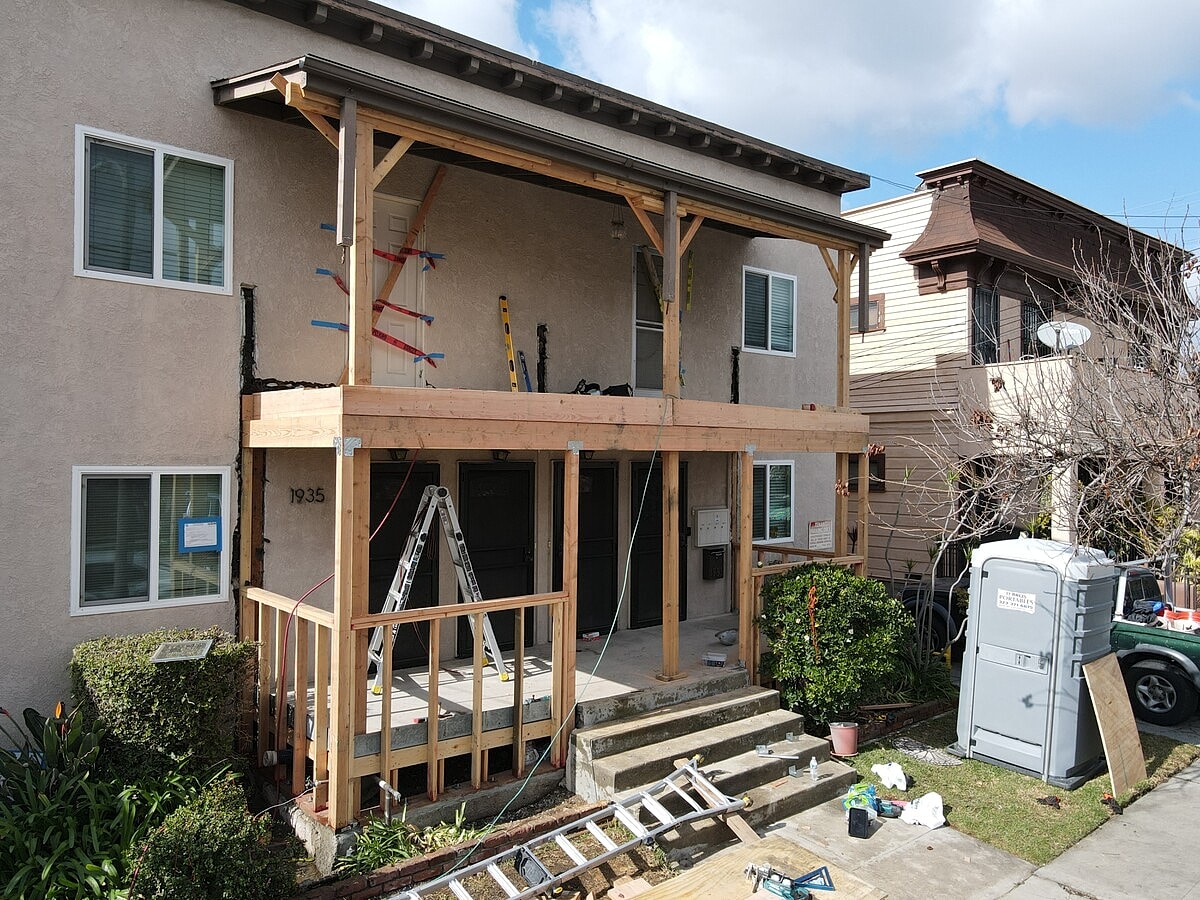
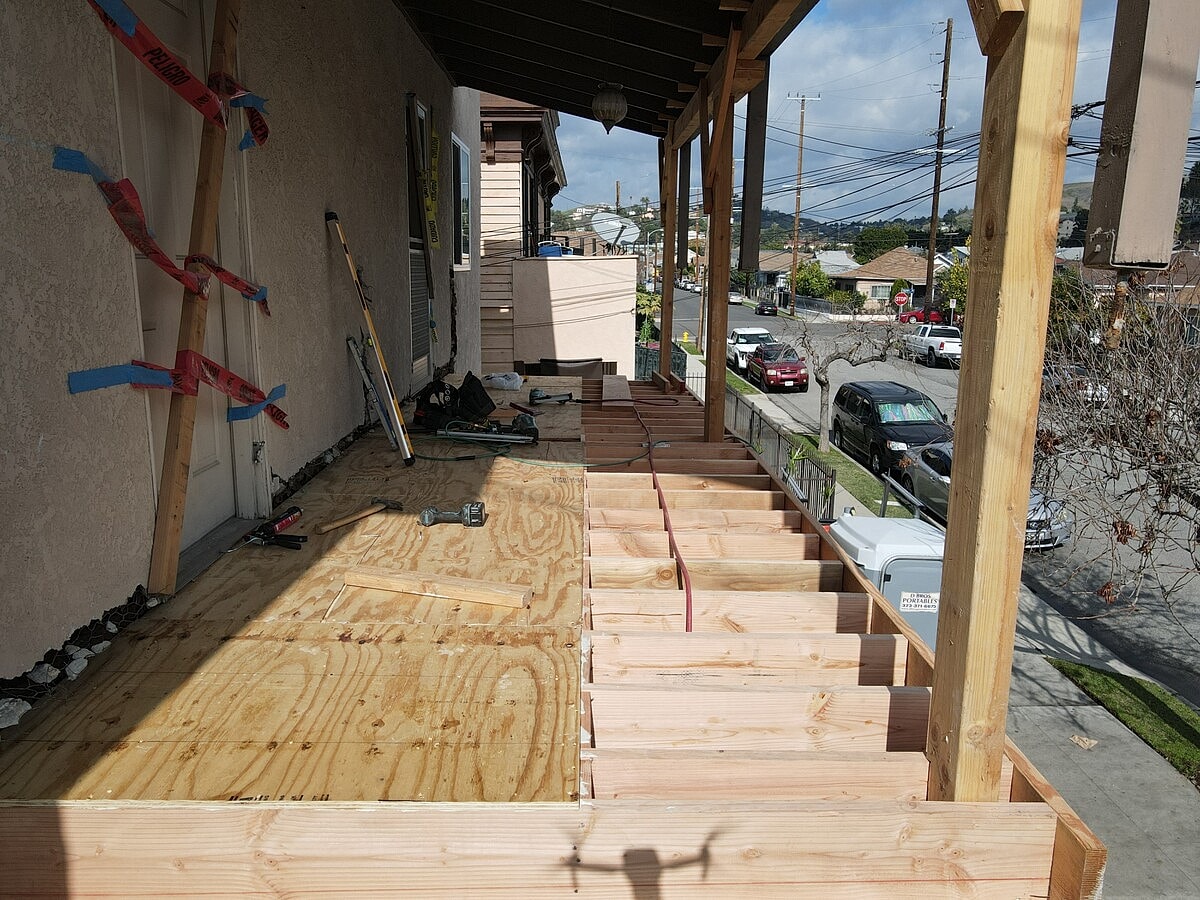
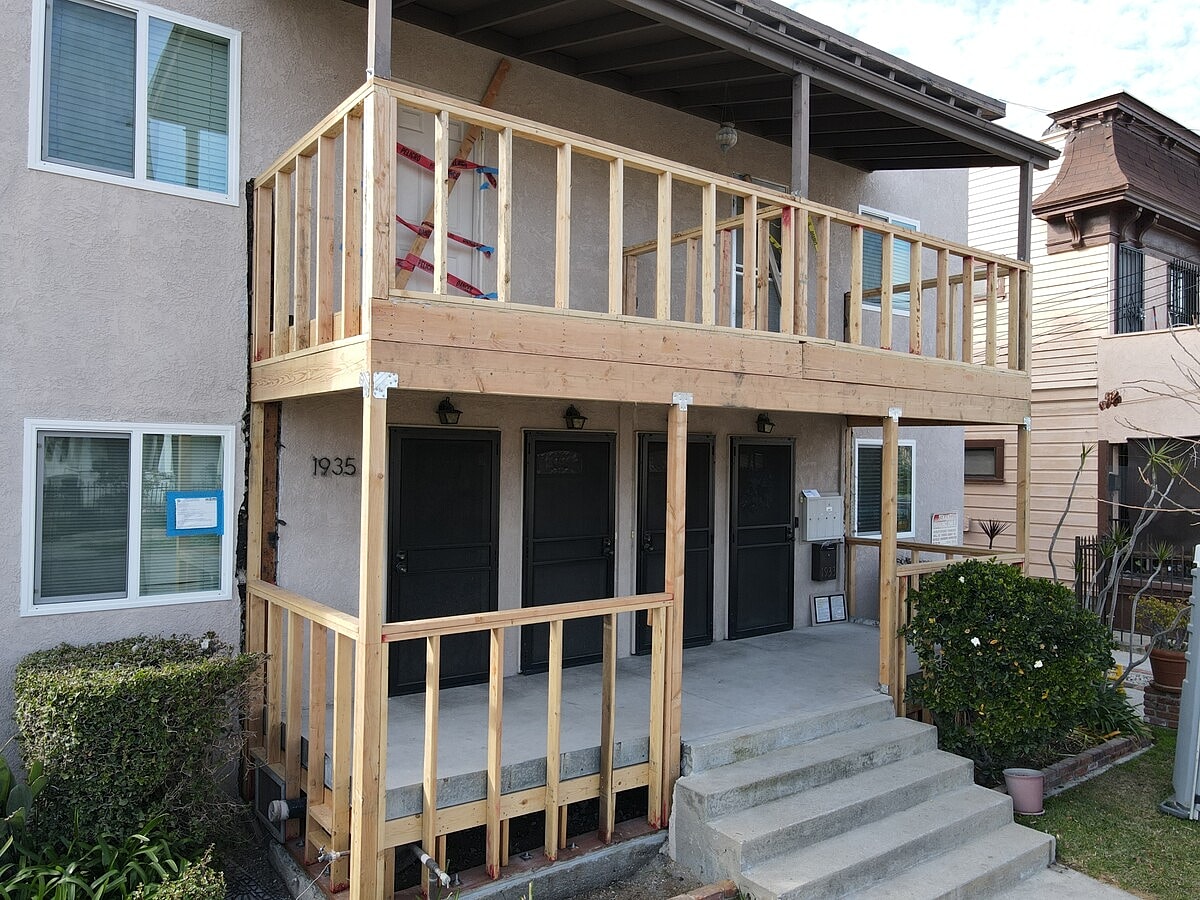
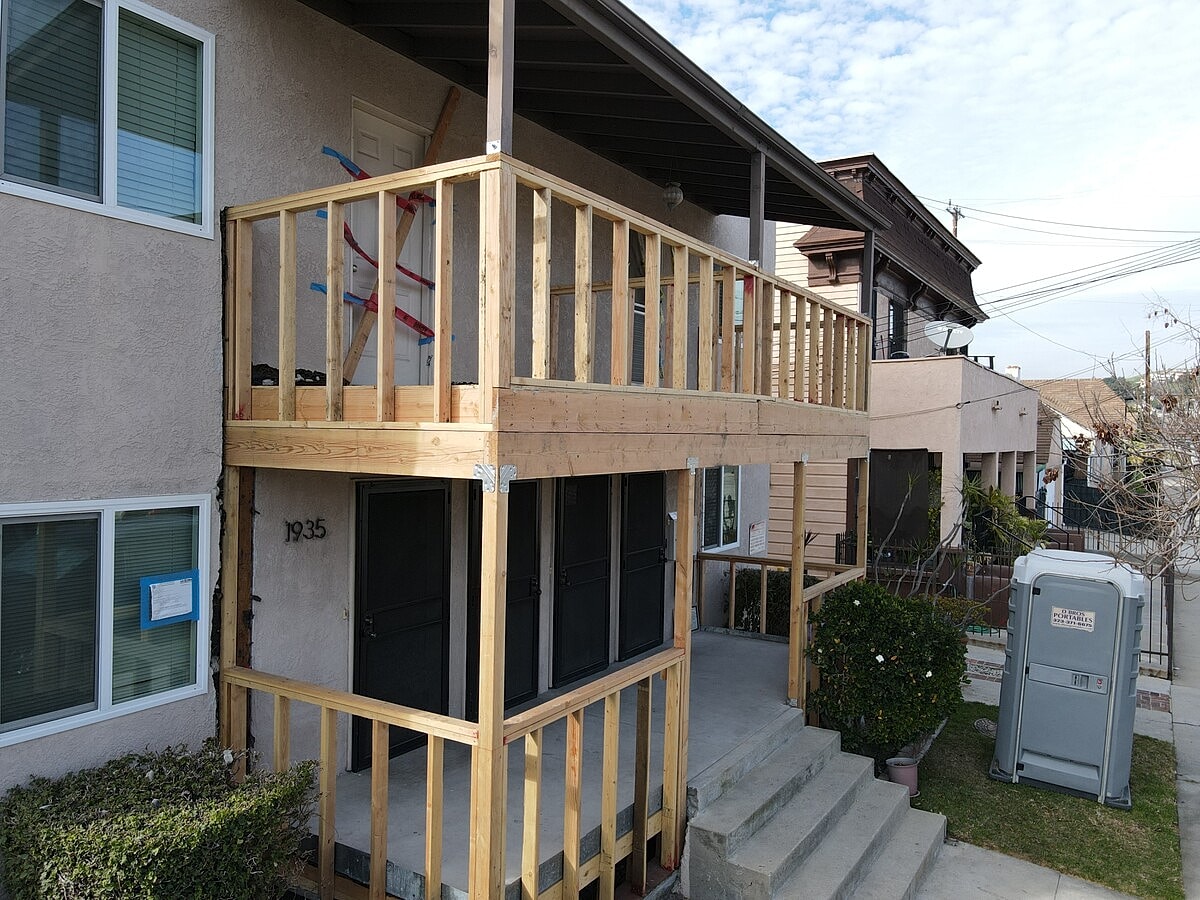
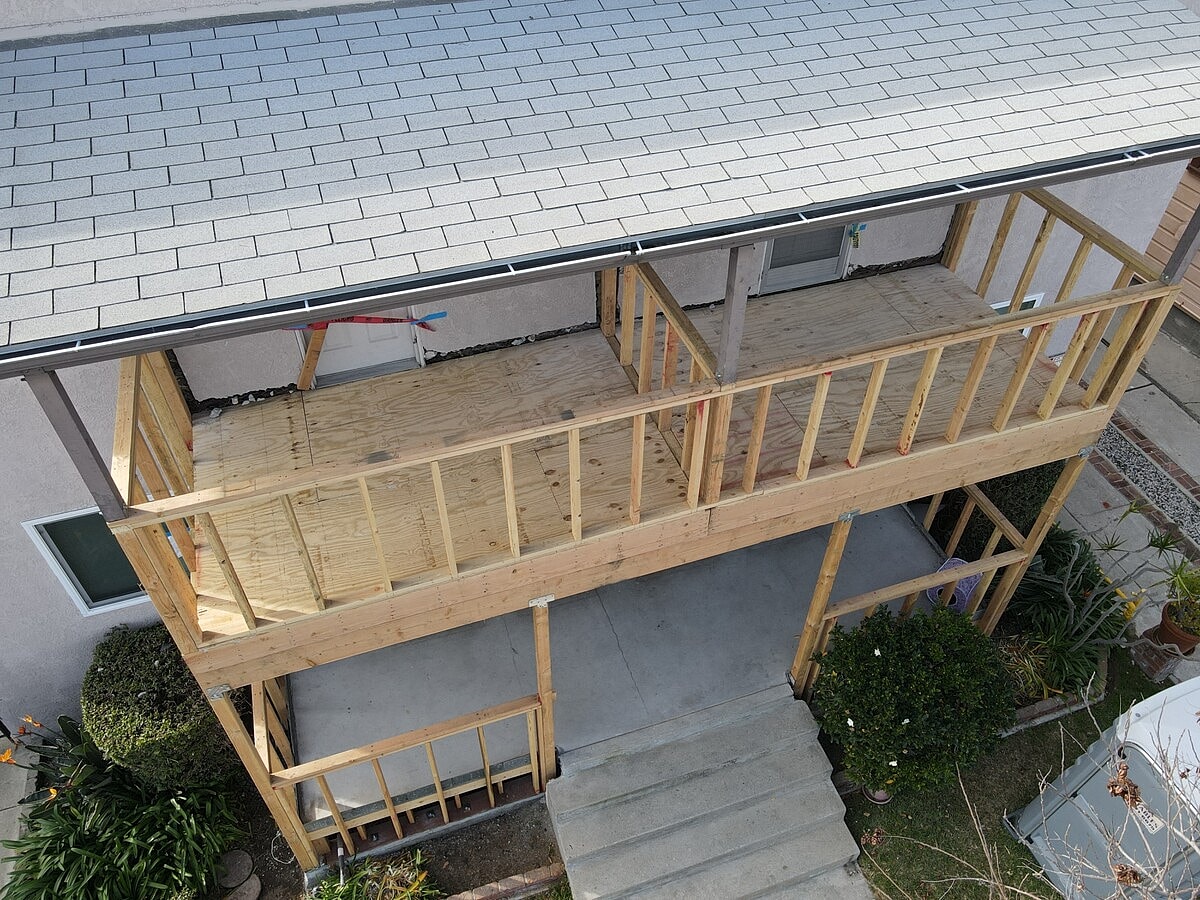
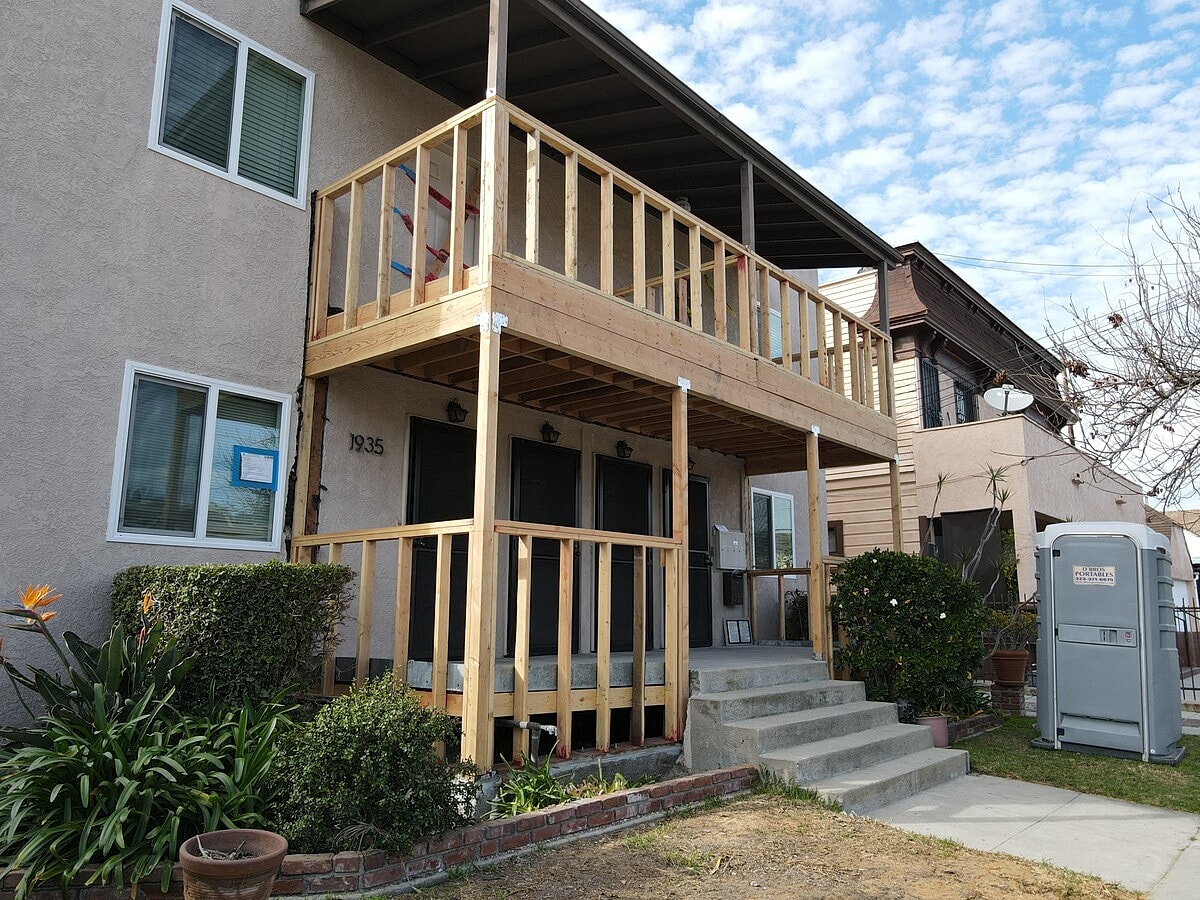
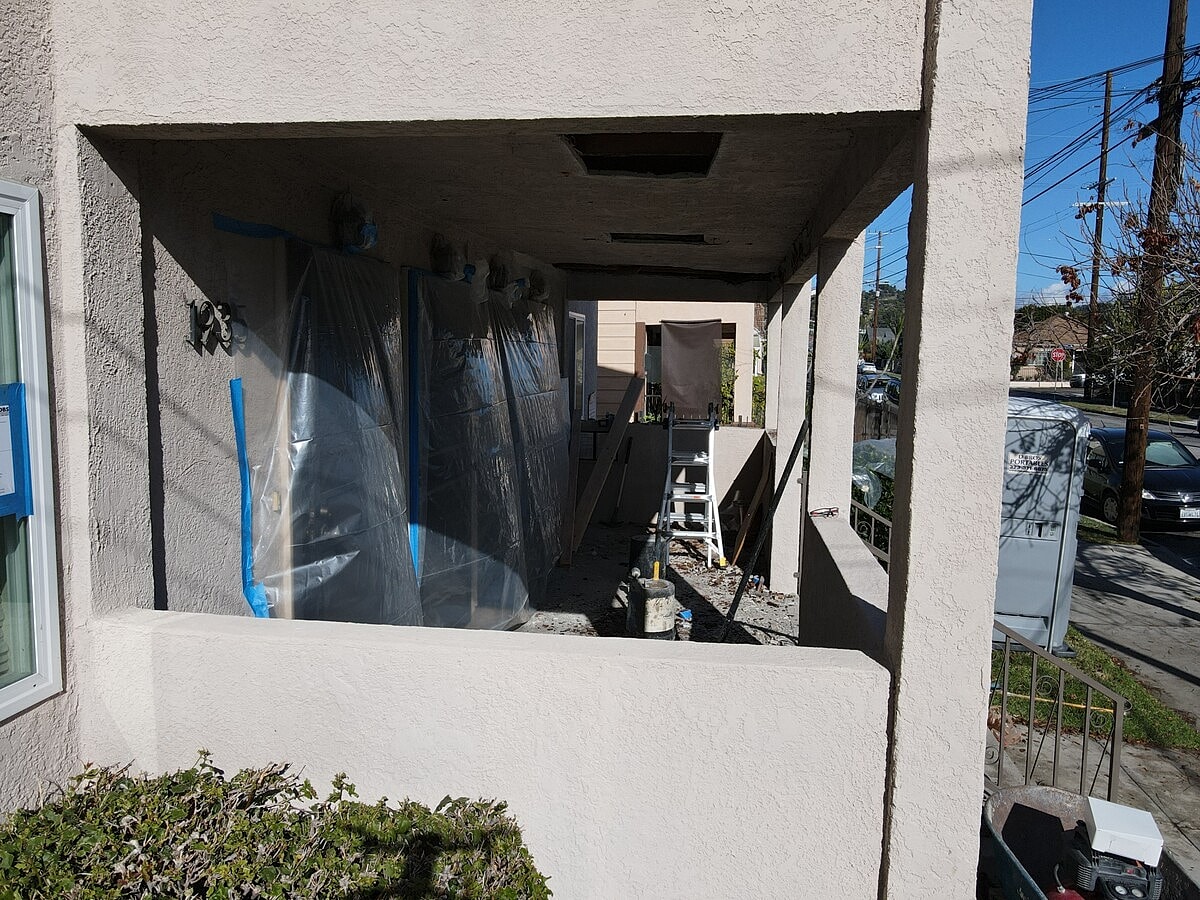
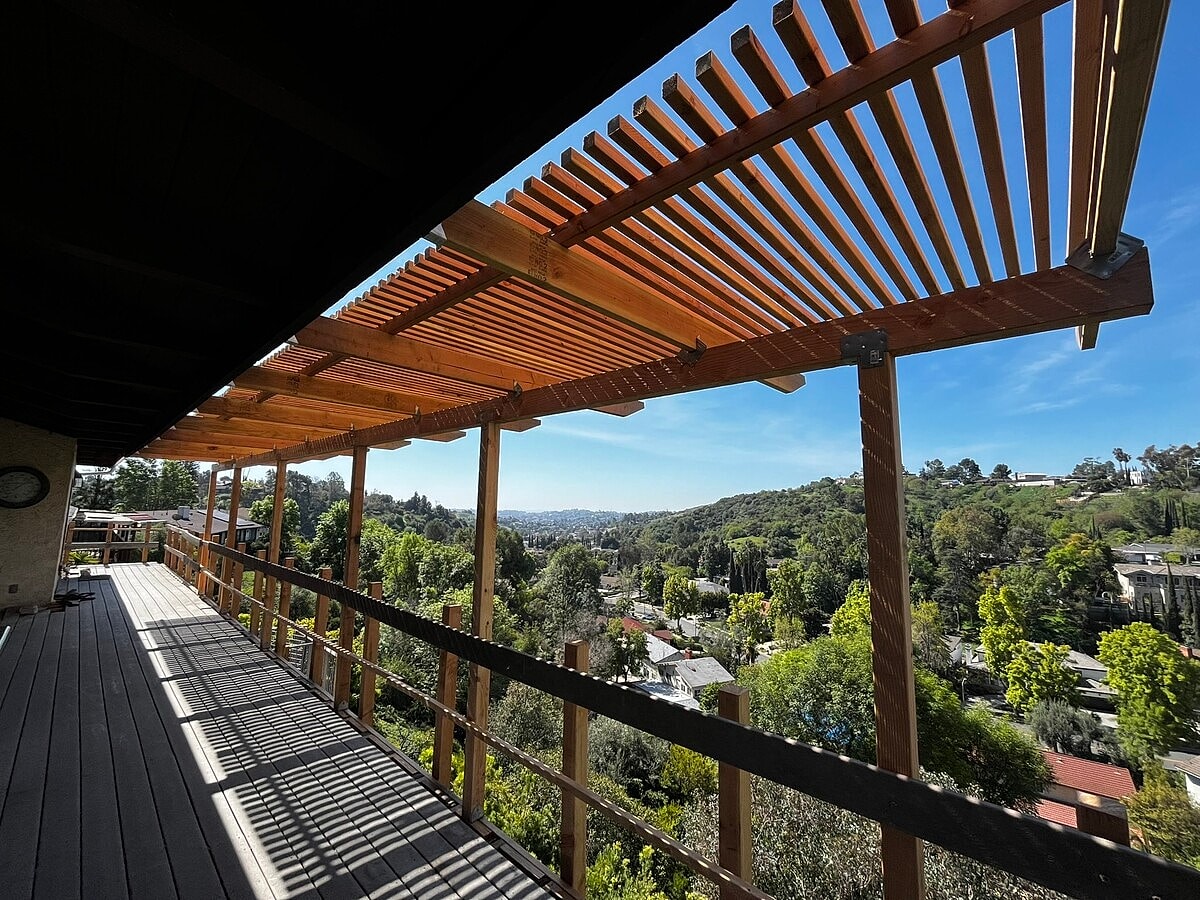
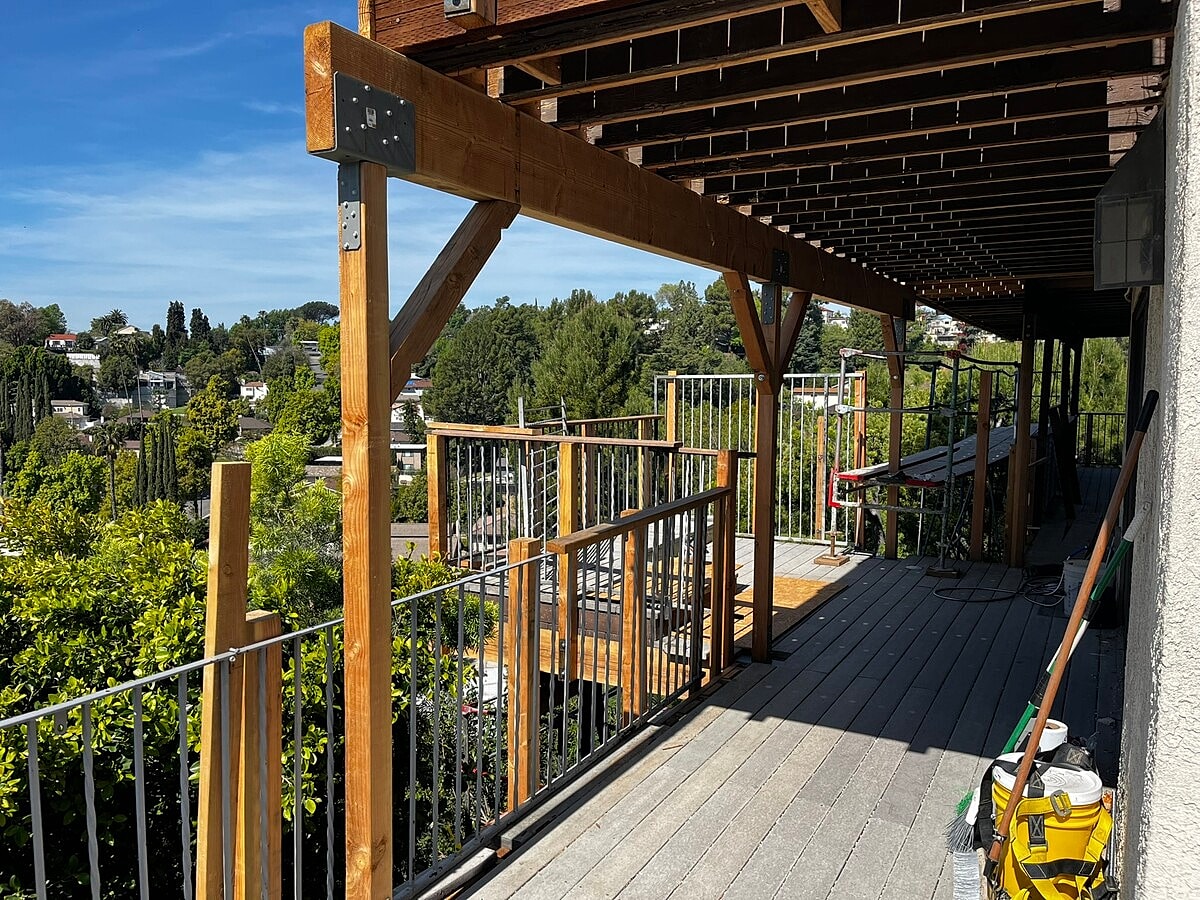
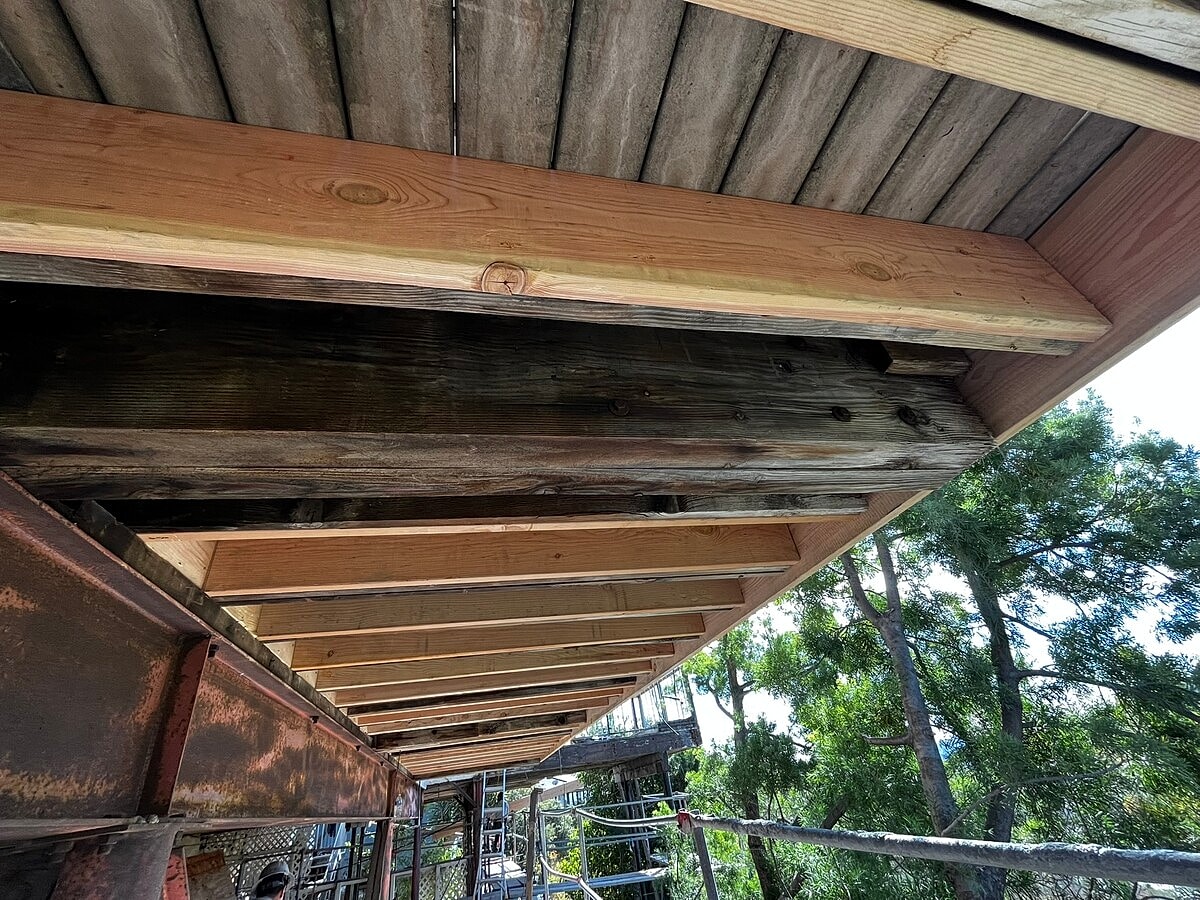
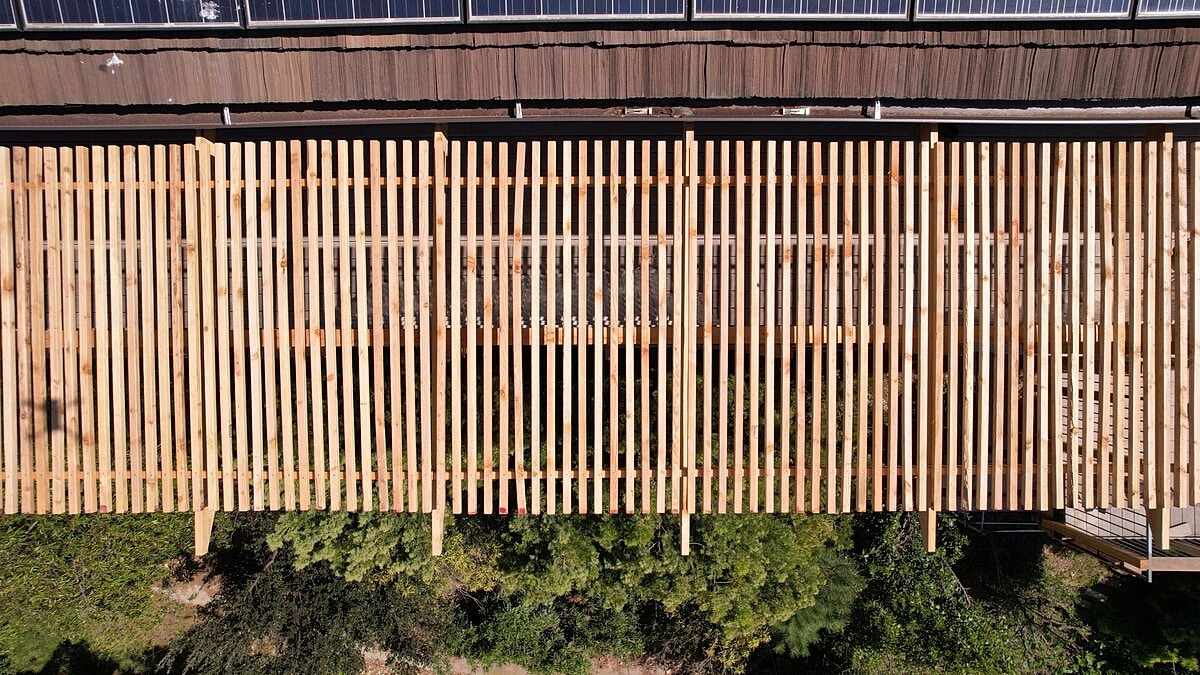
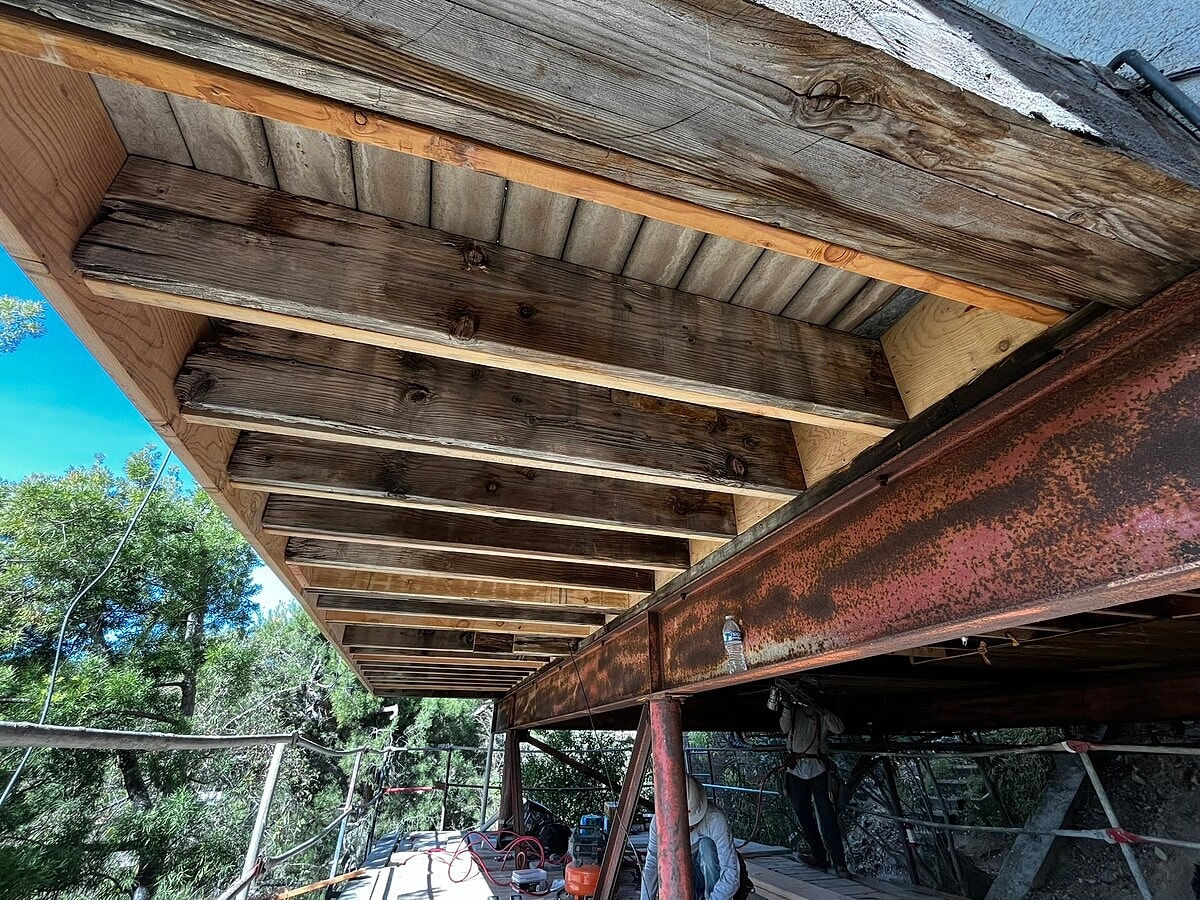
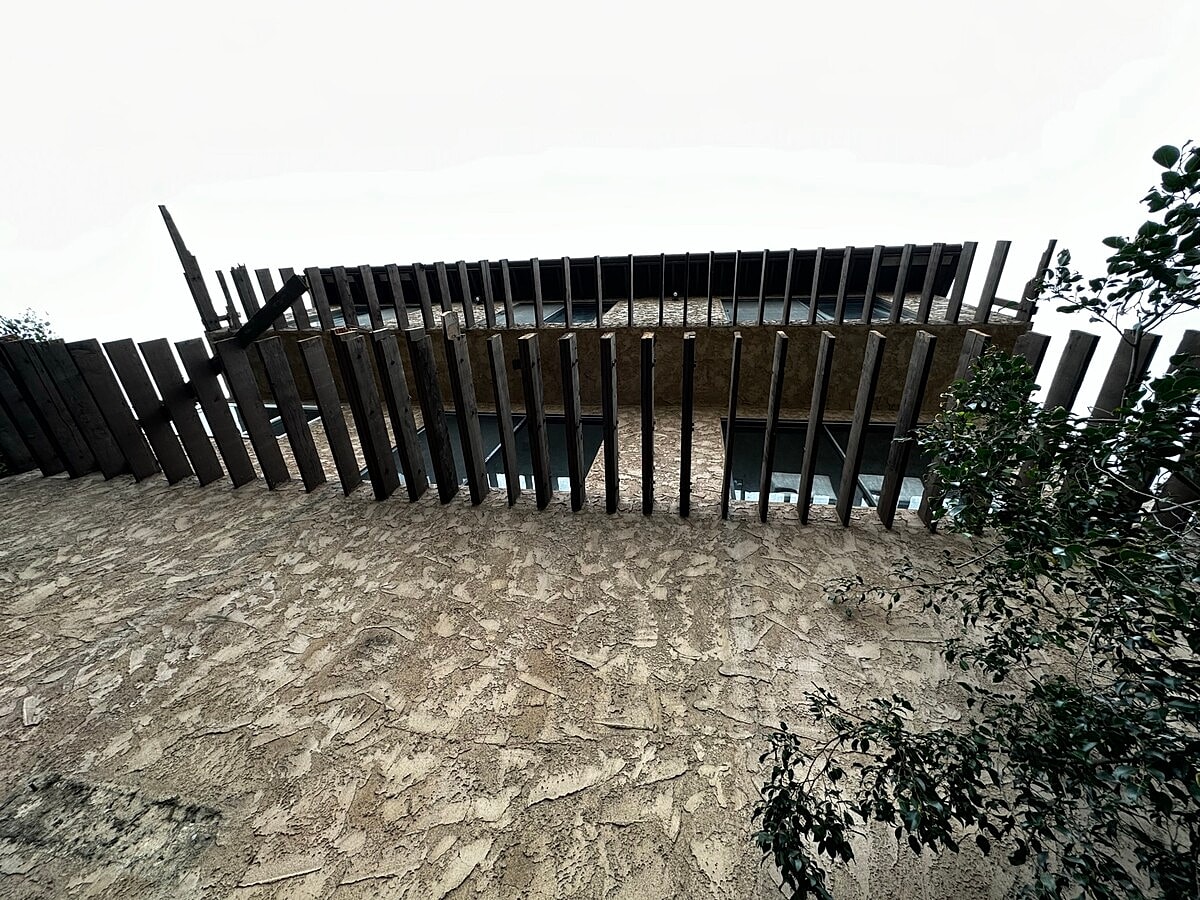
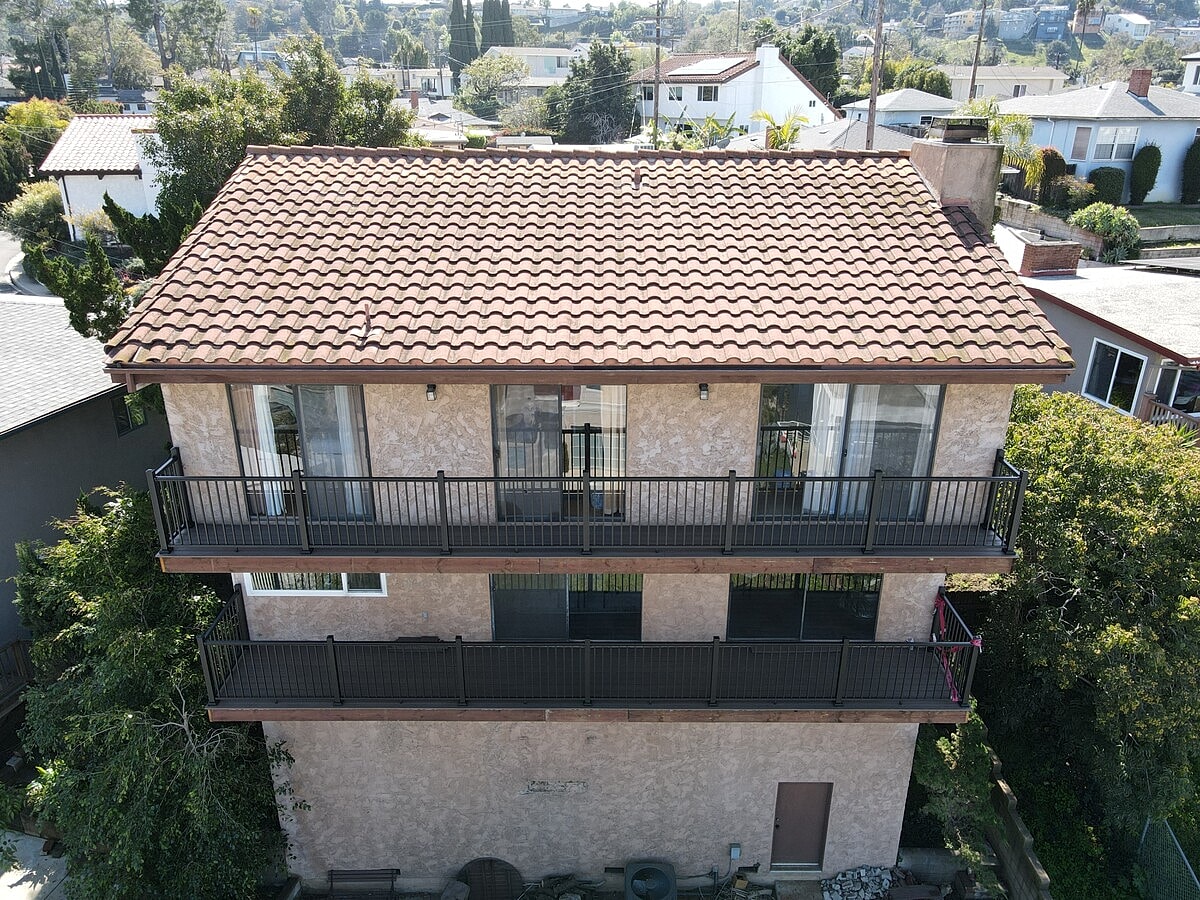
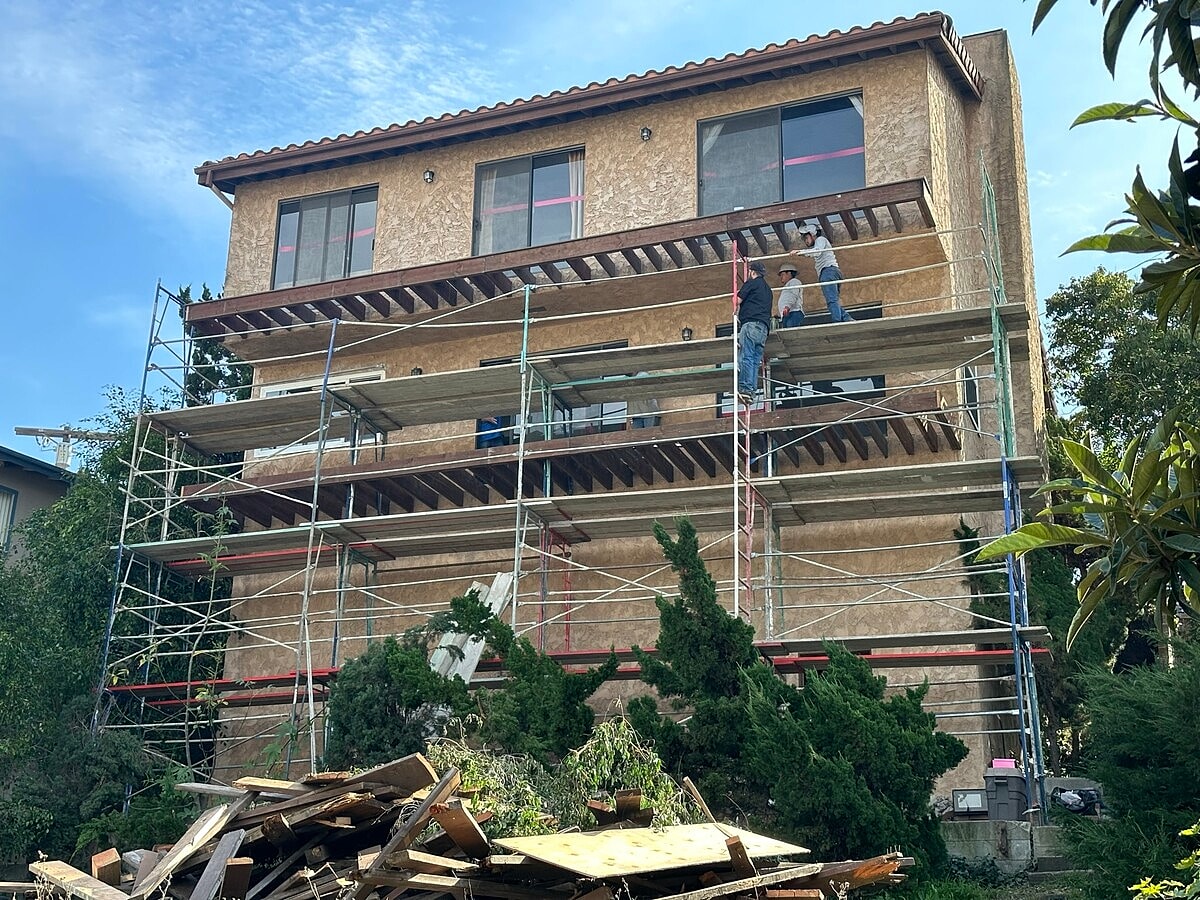
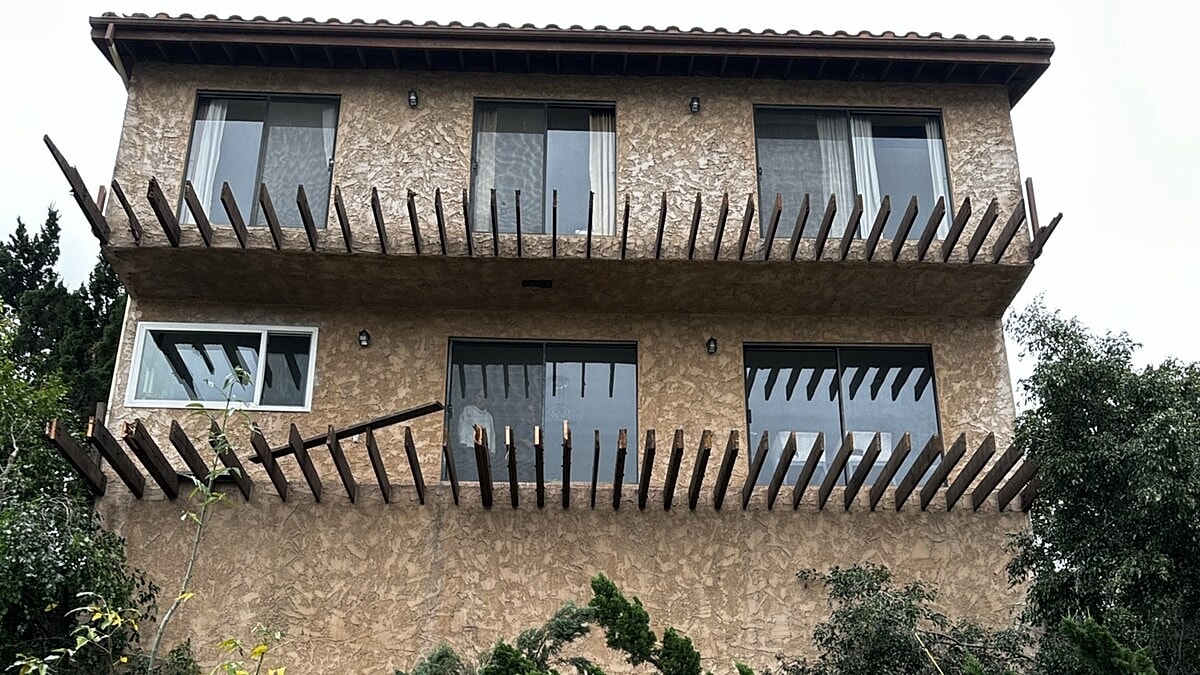
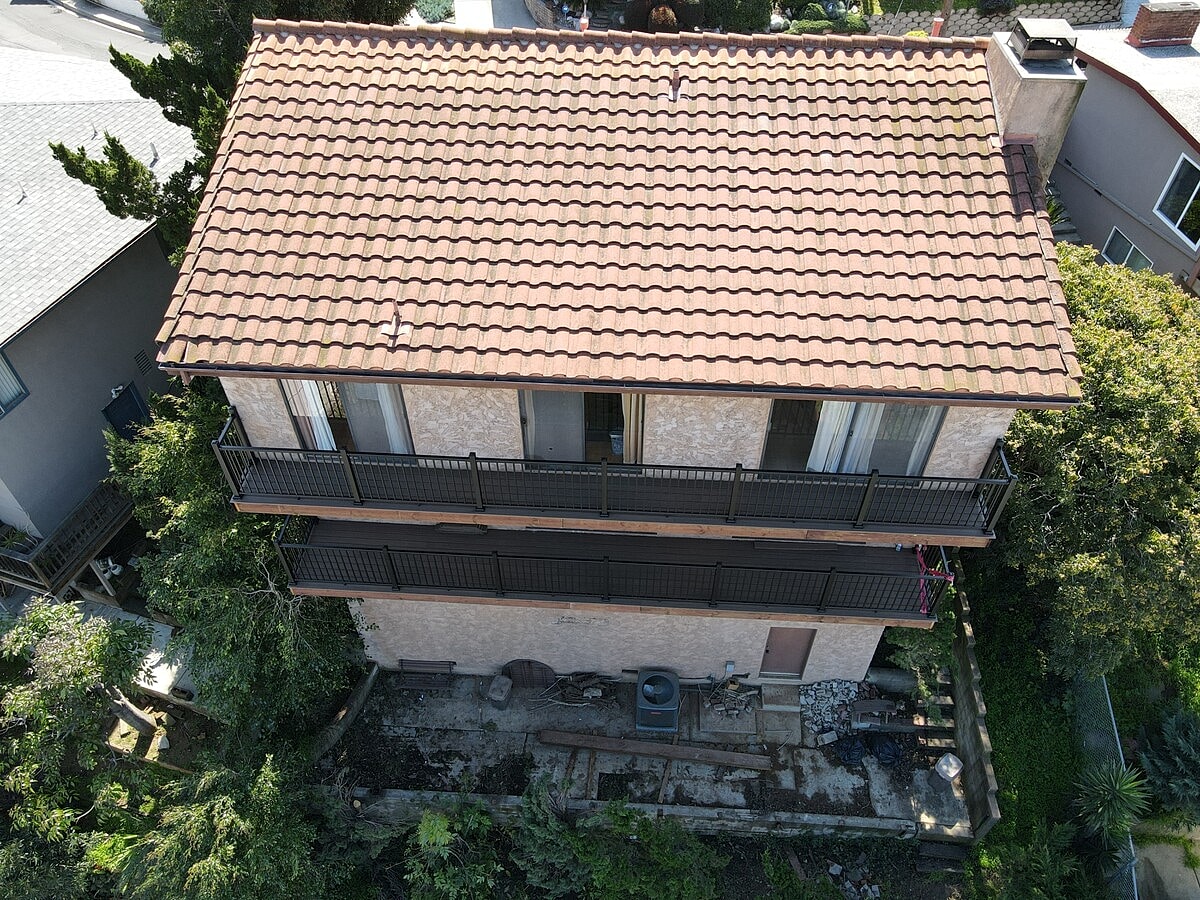
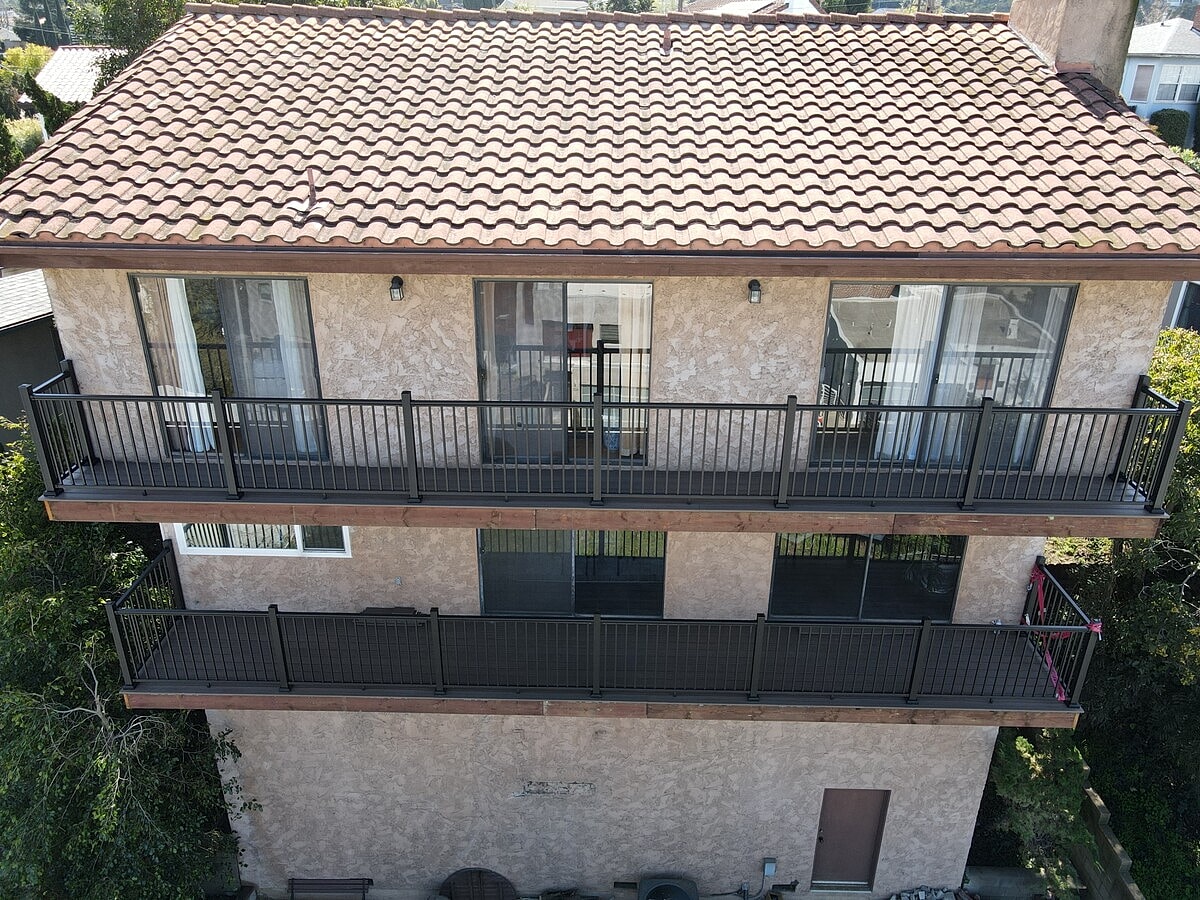
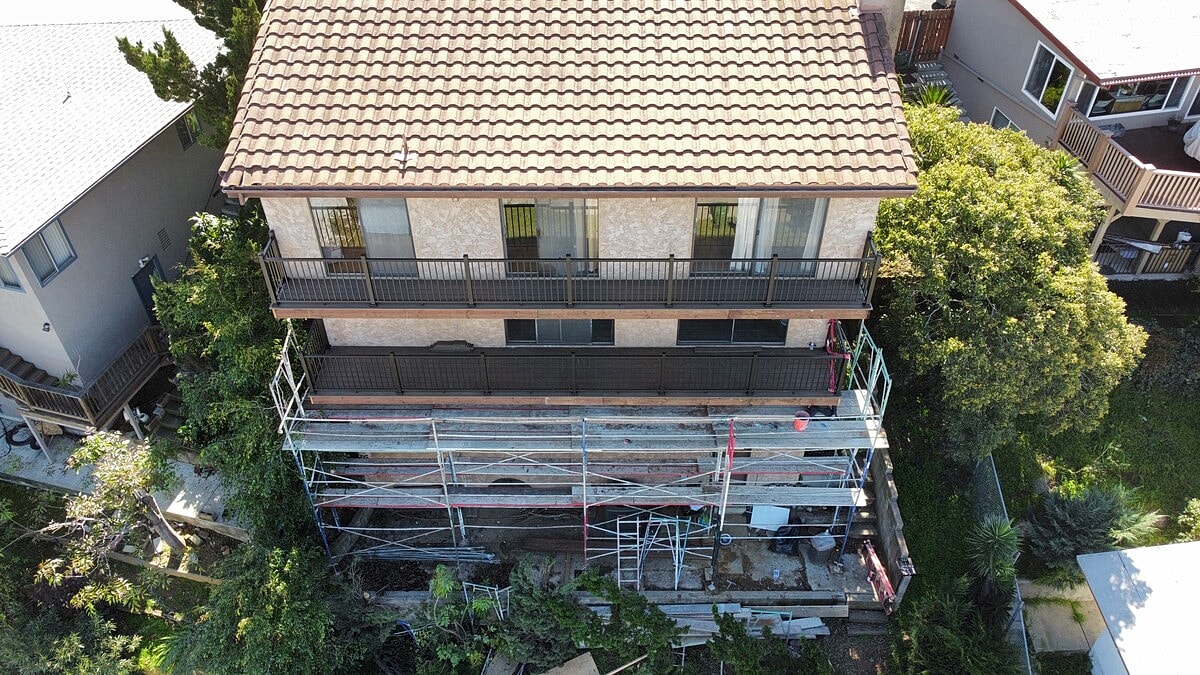
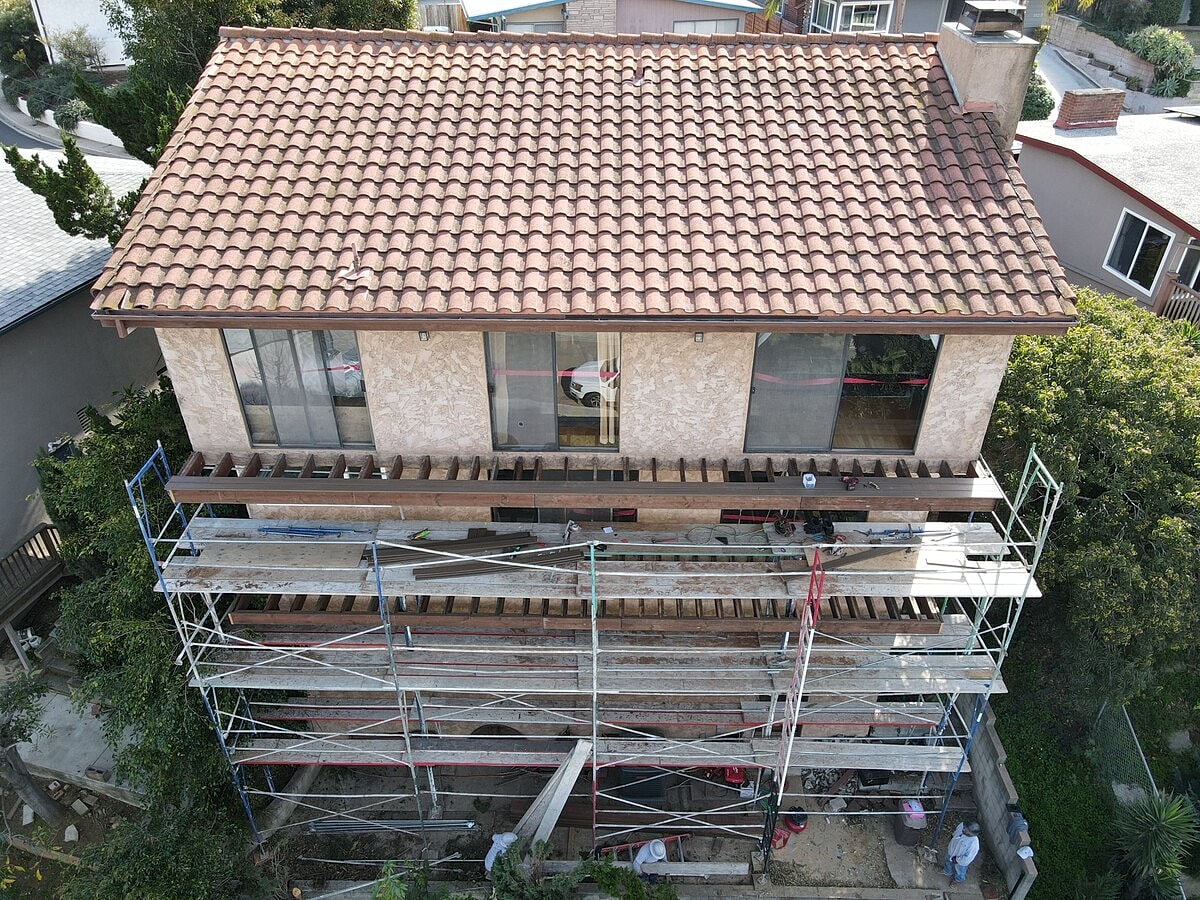
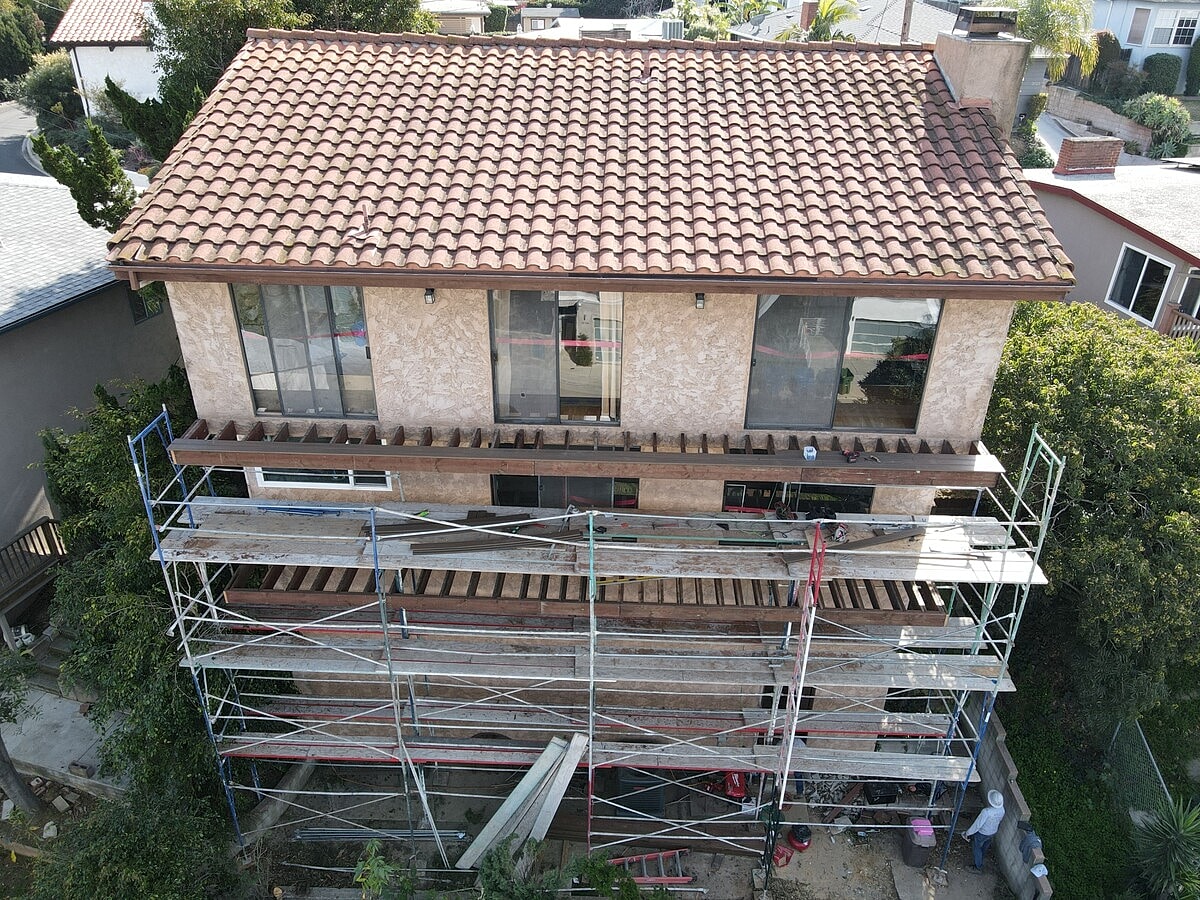
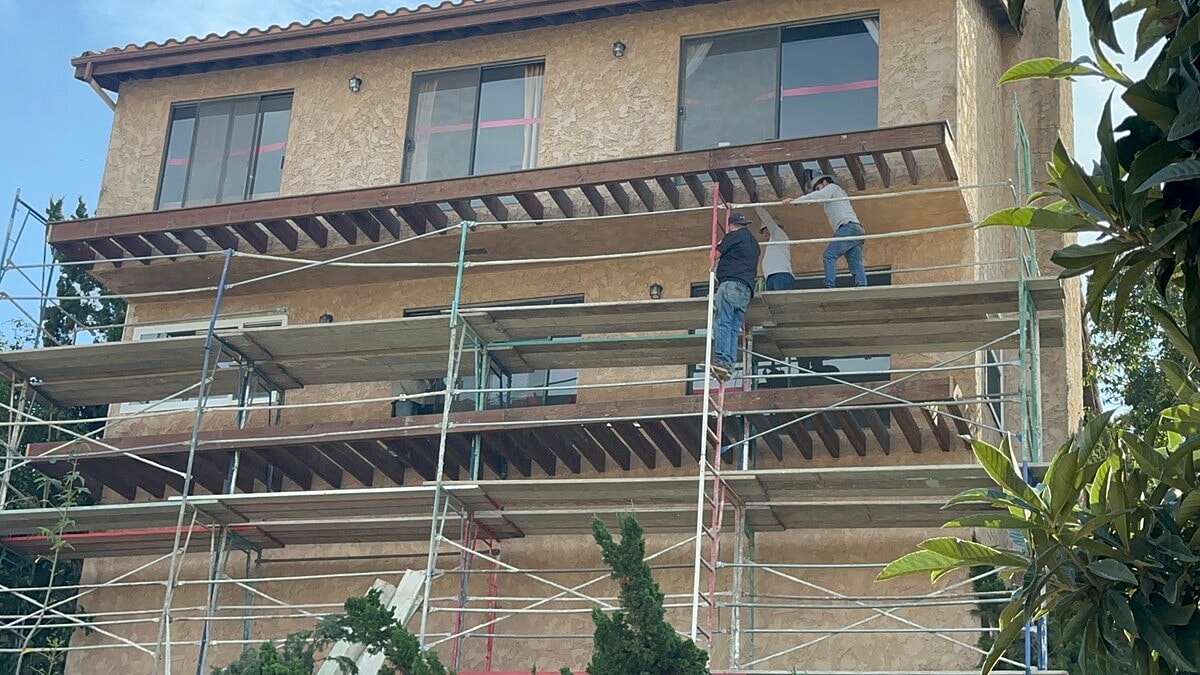
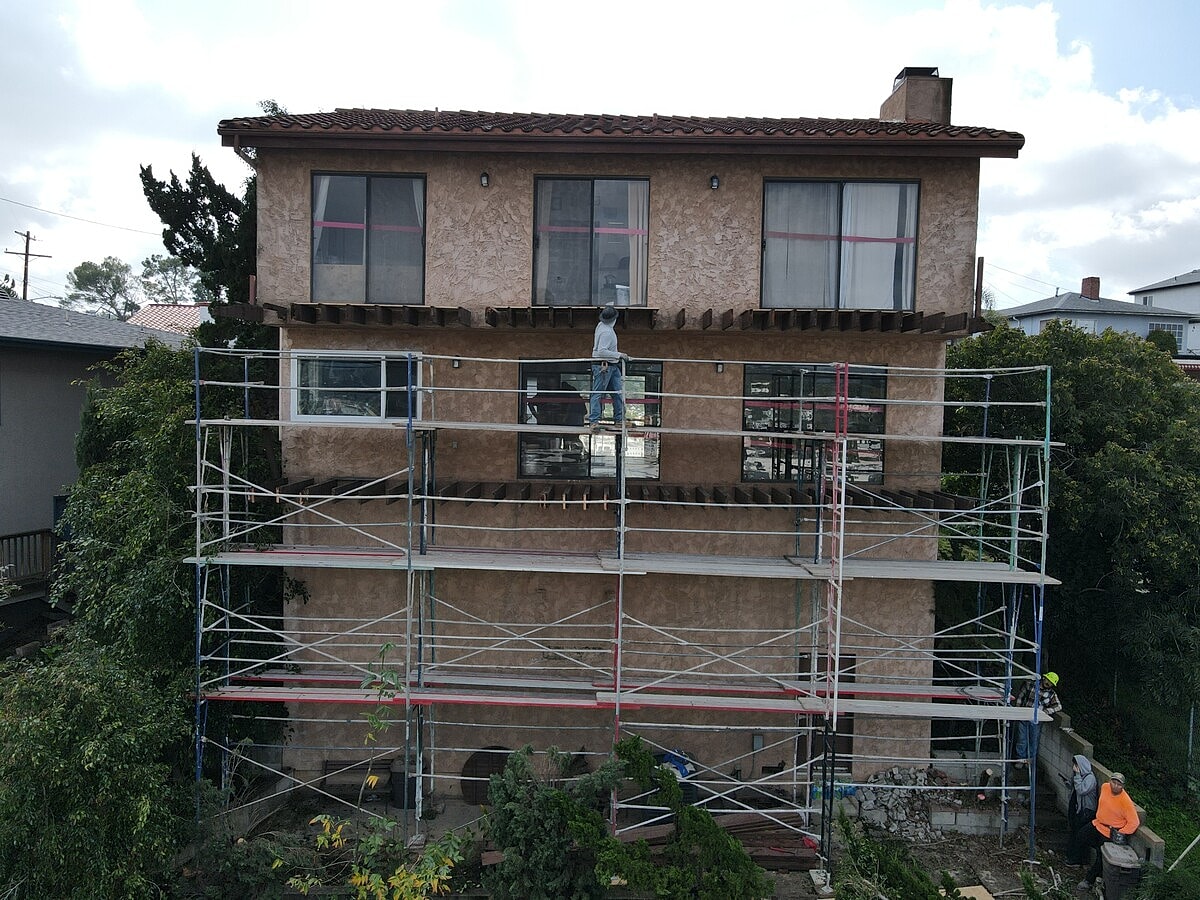
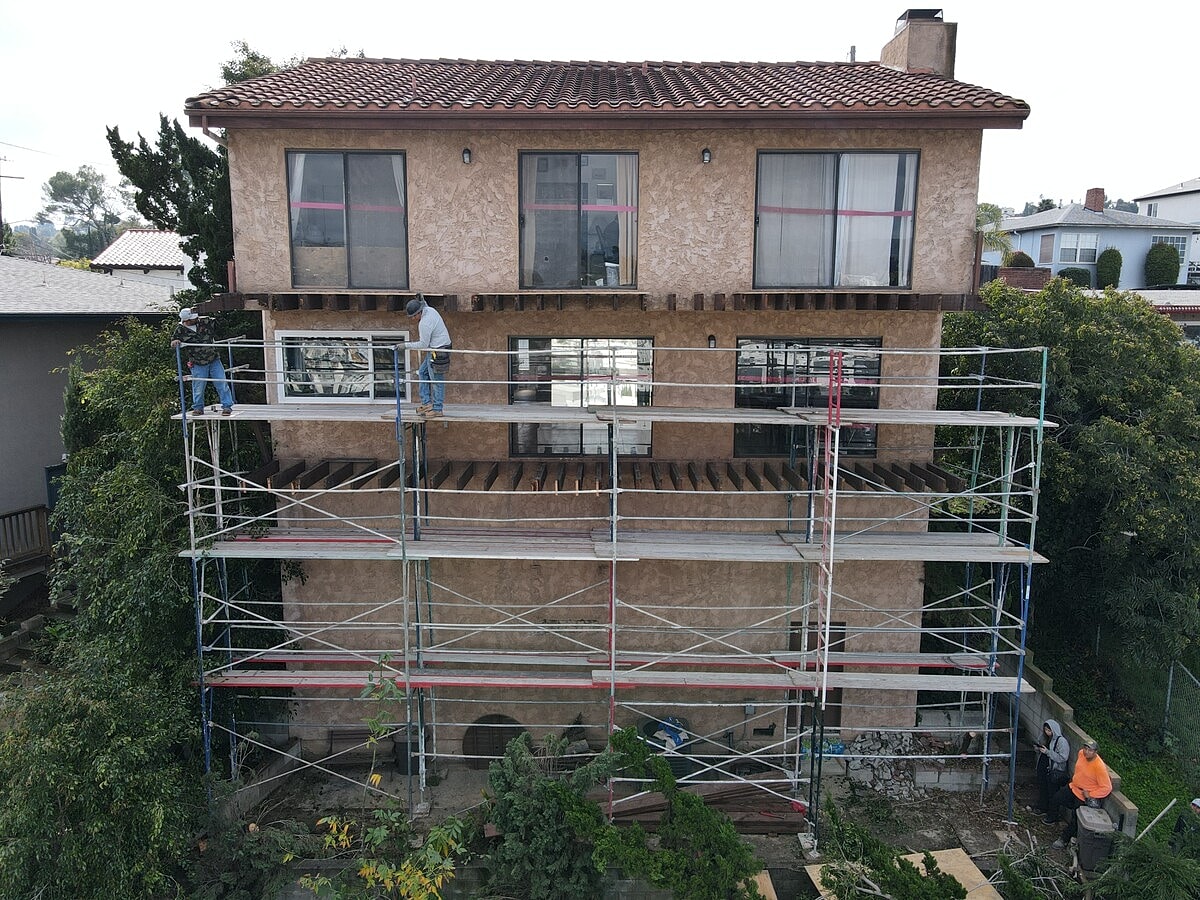
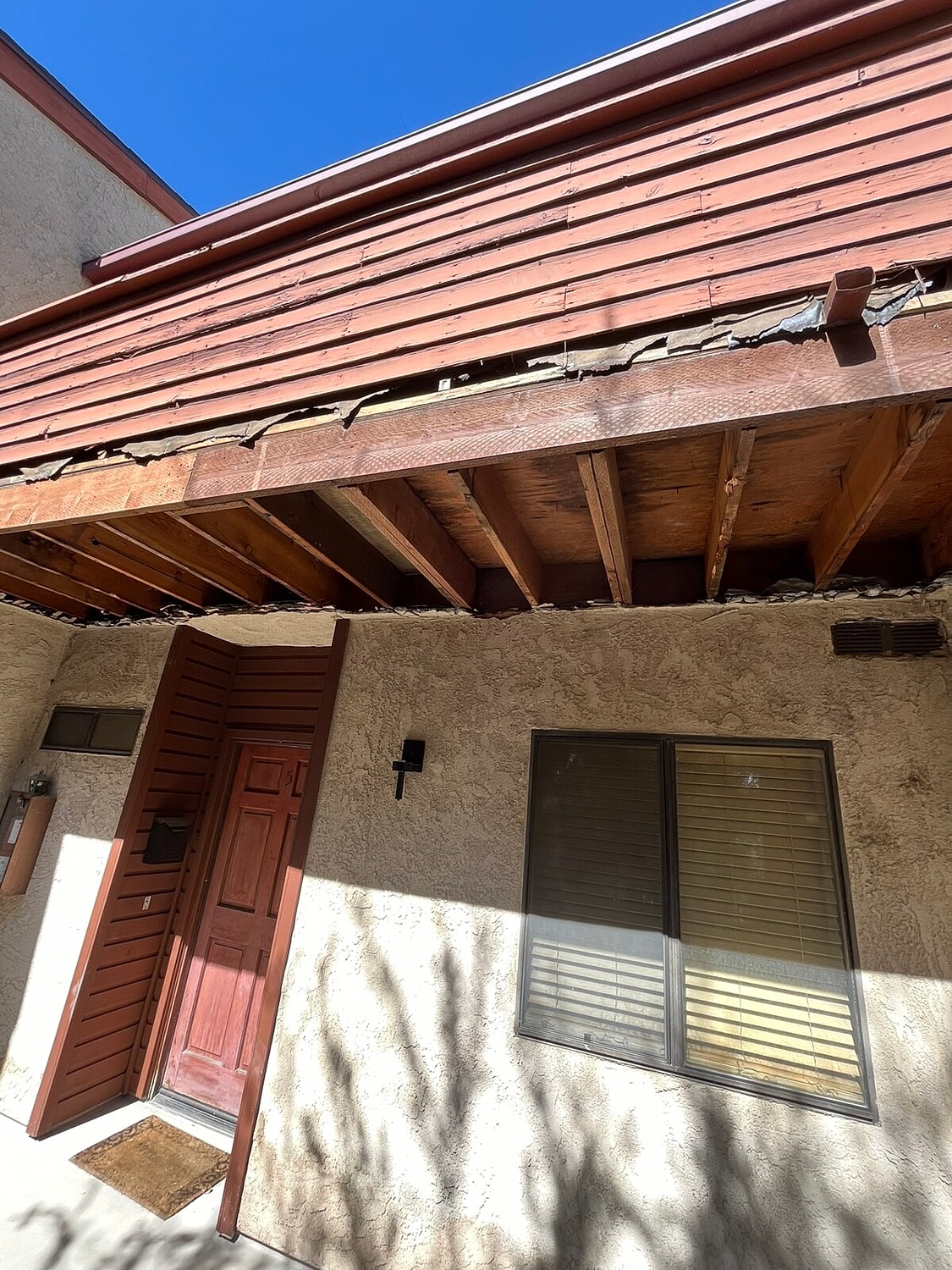
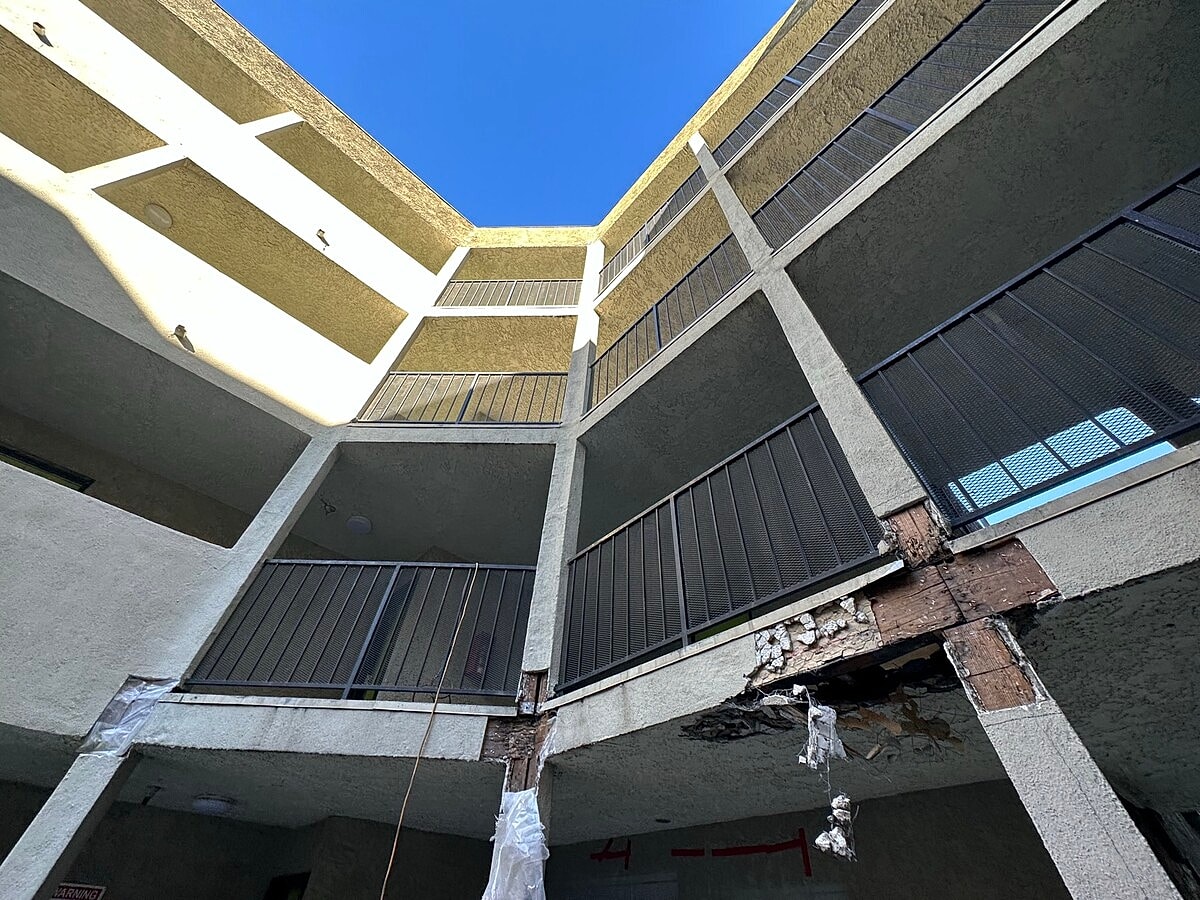
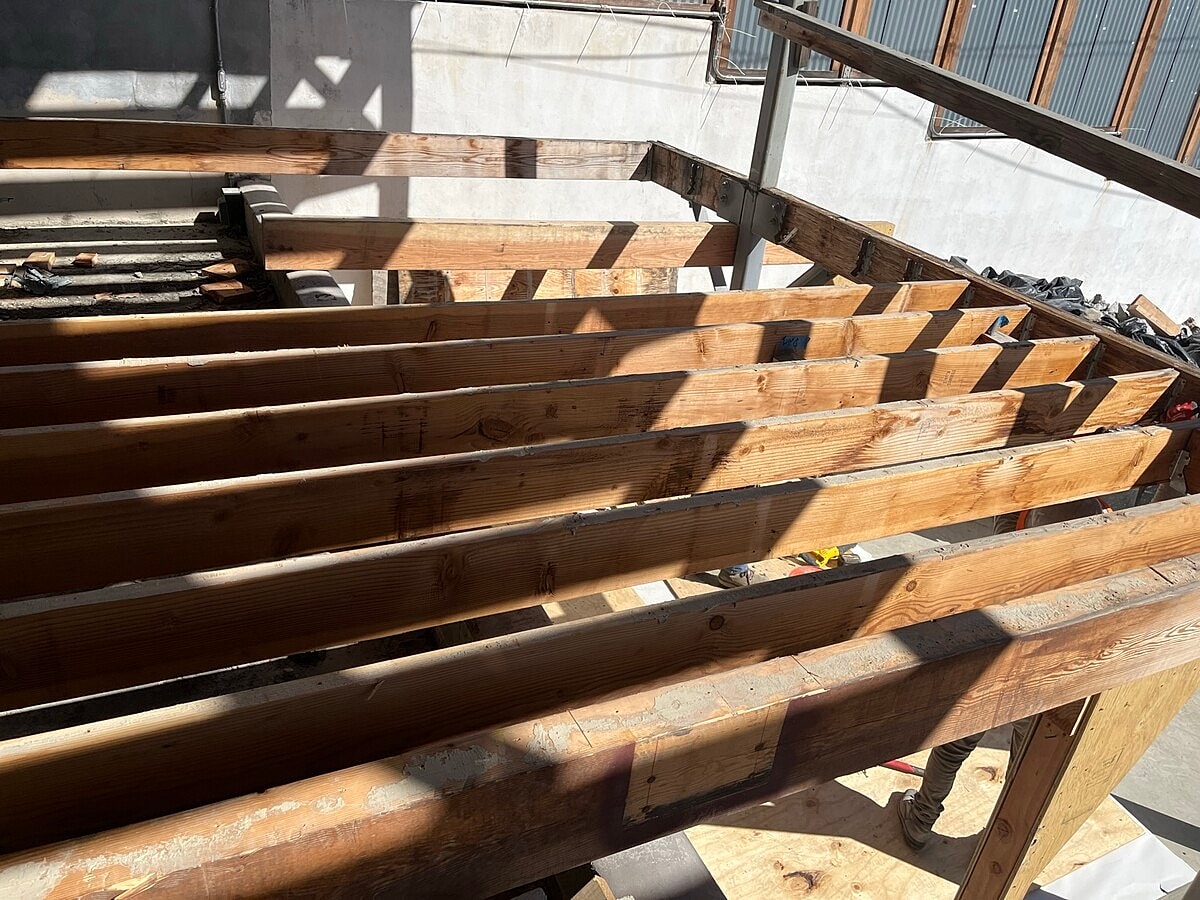
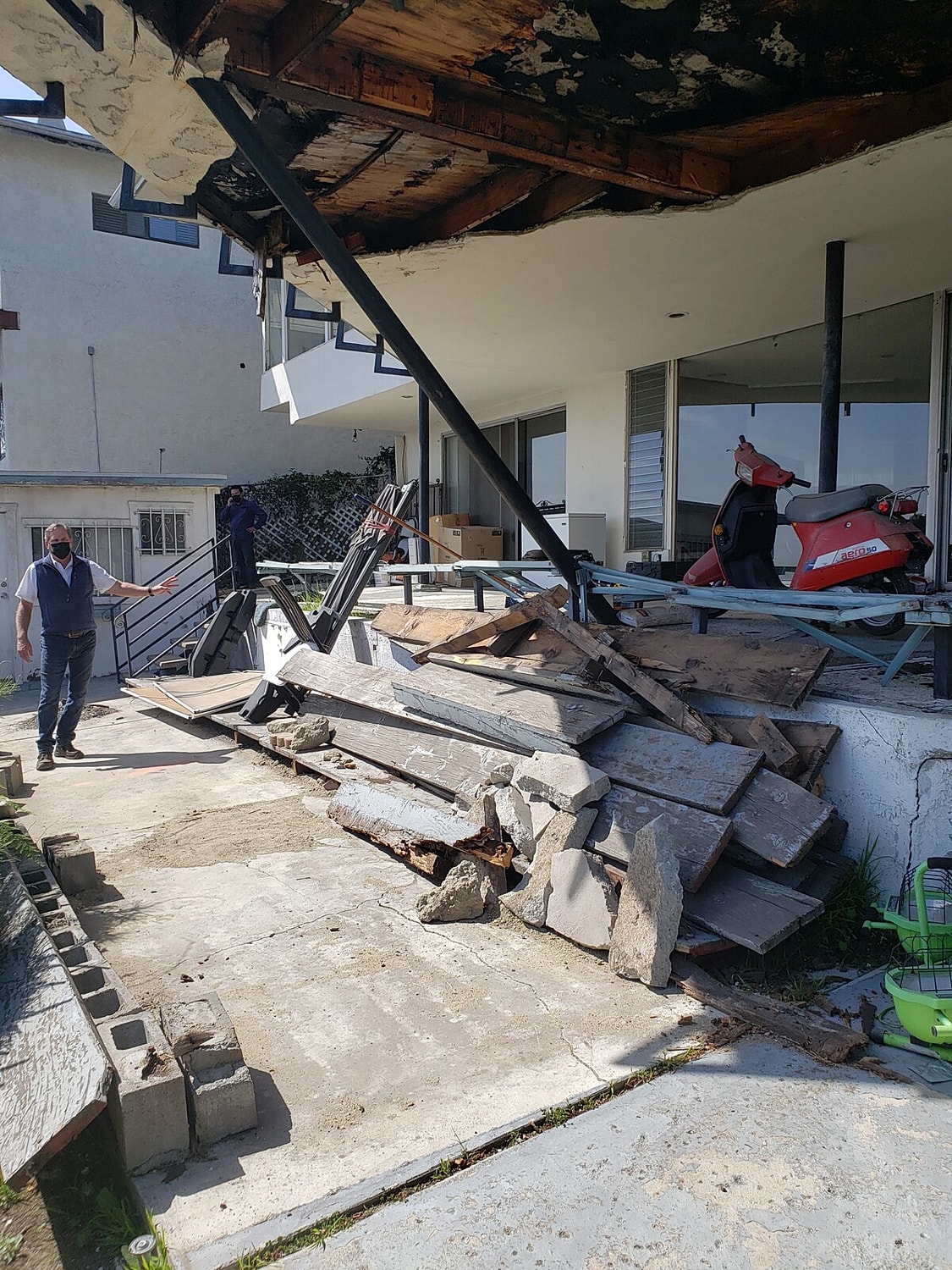
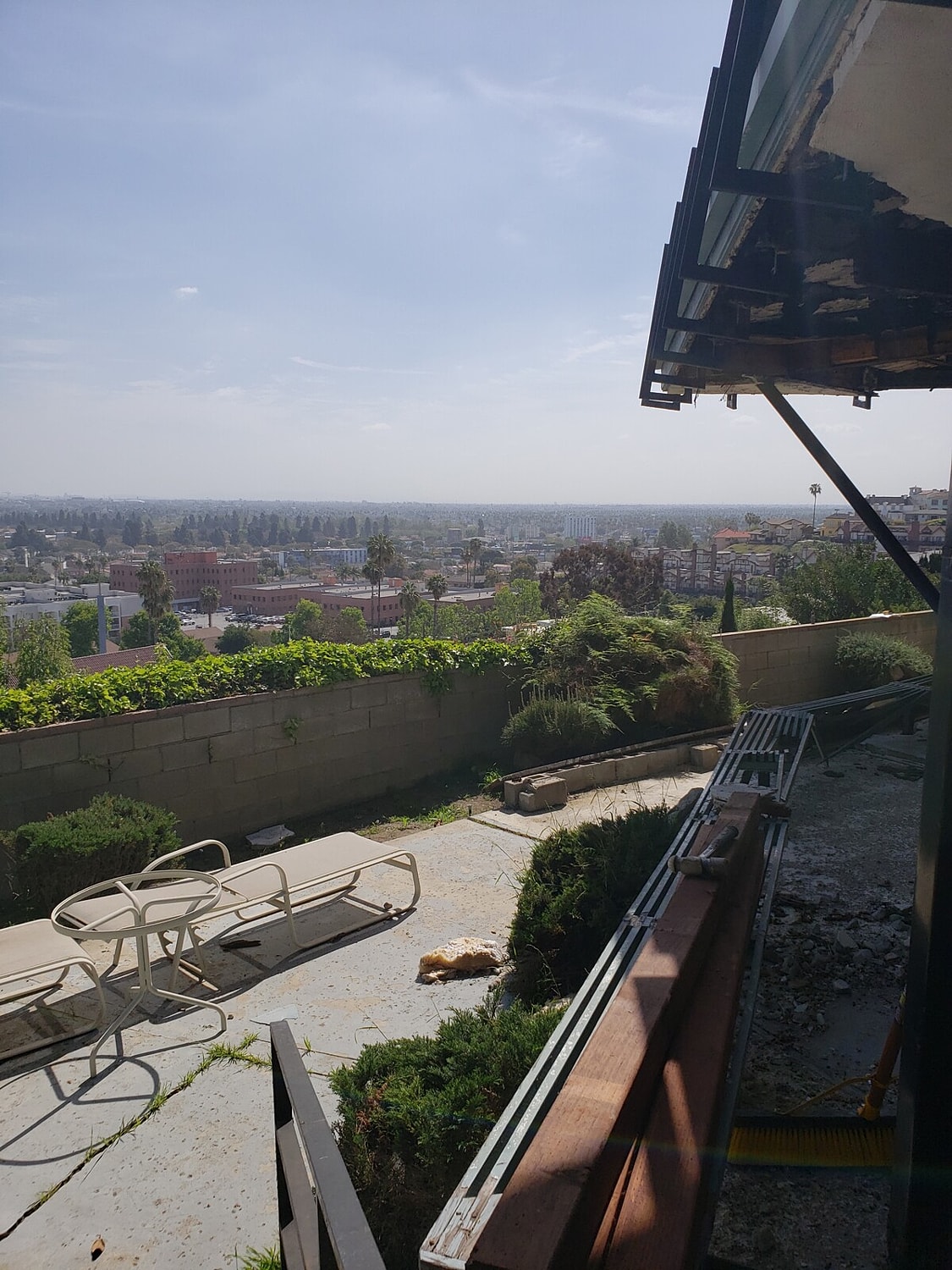
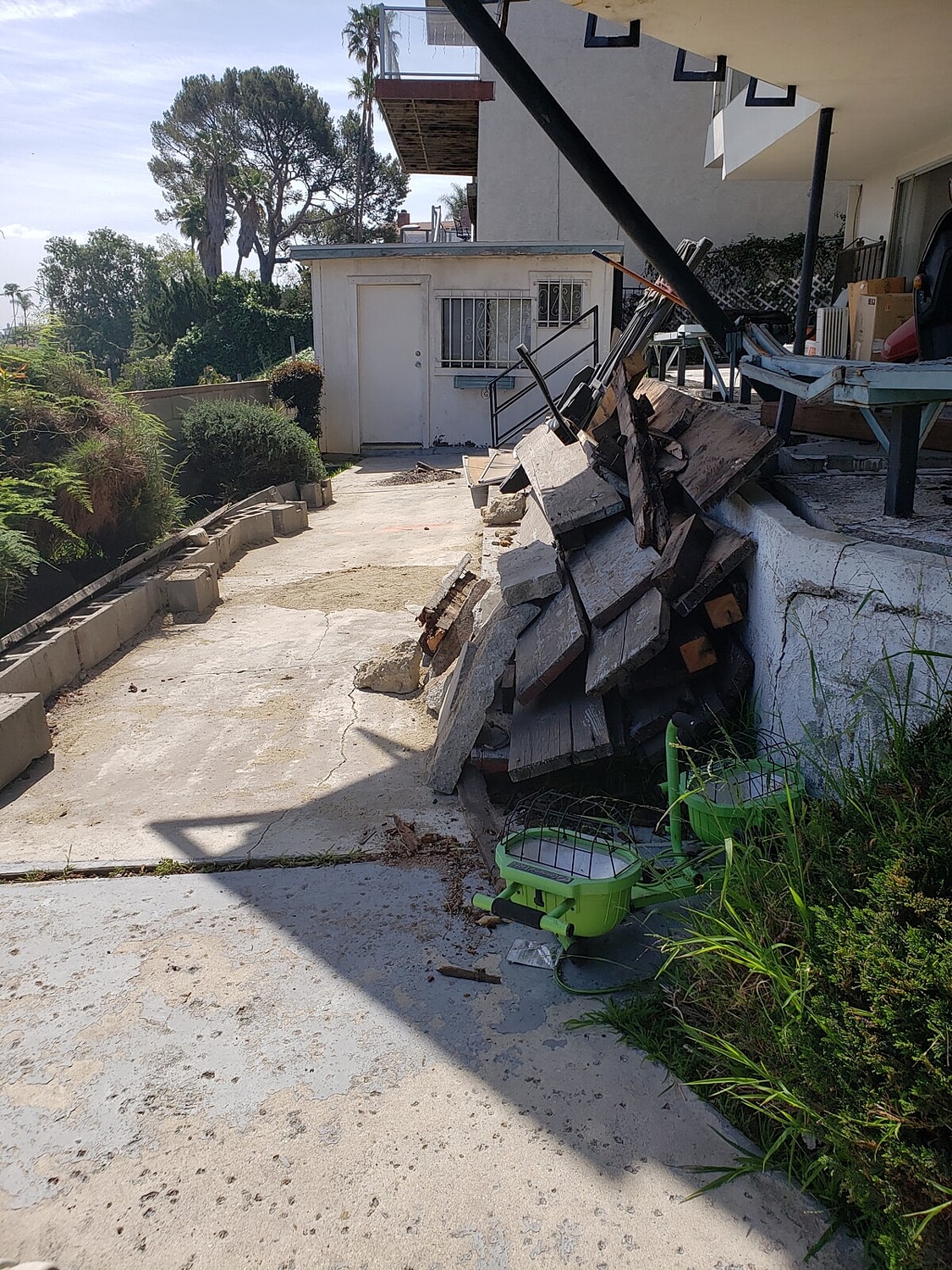
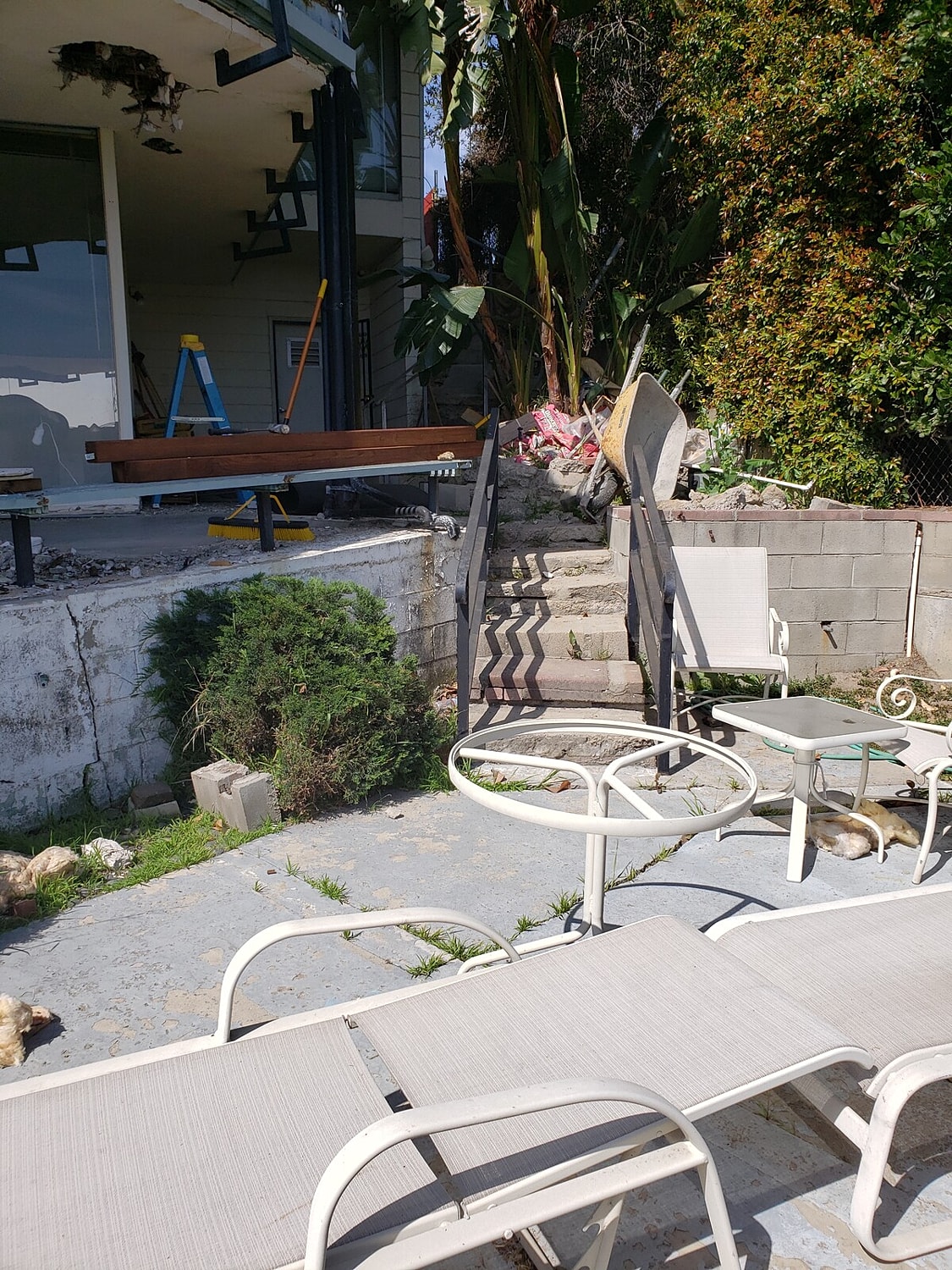
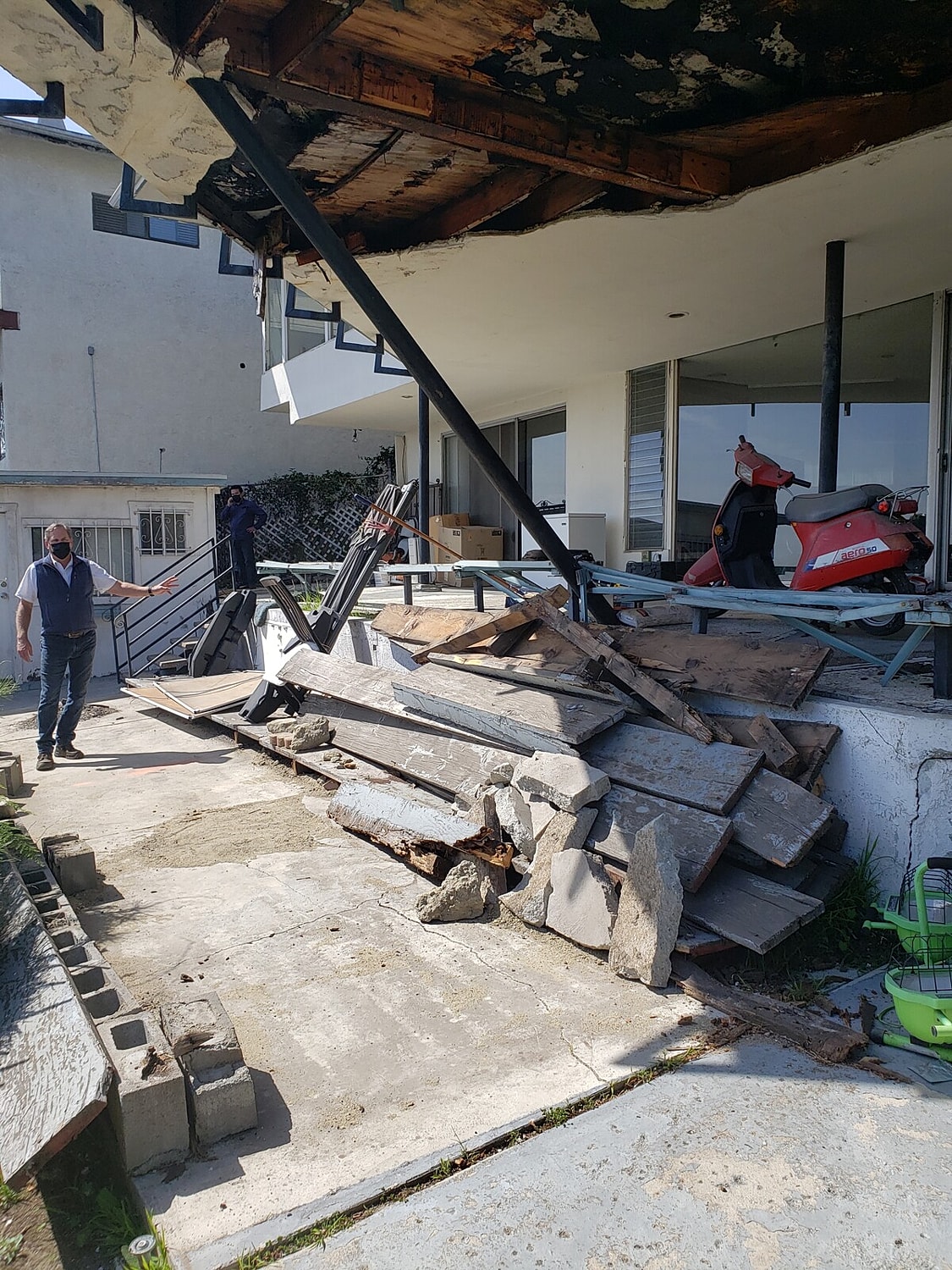
A structural repair project was completed on a 2nd and 3rd-story balcony. The scope of work involved inspecting and repairing the existing cantilevered joists, which included sistering the damaged joists. Additionally, new rim joists were installed per the approved plans, along with new rim joist hardware and blocking specifically for handrail attachment. The project was finished with the installation of new deck boards and a new, owner-provided handrail.
Residential
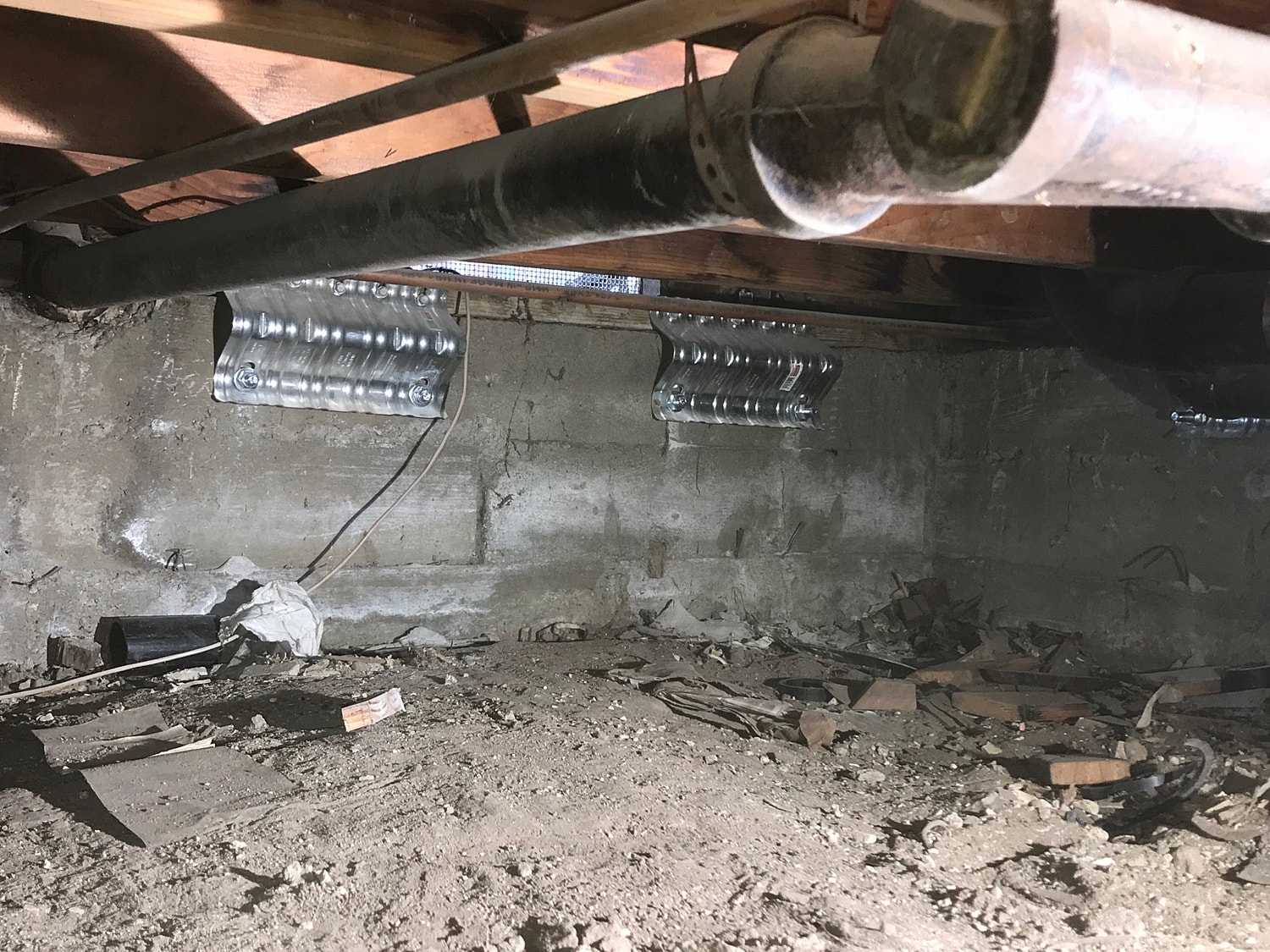
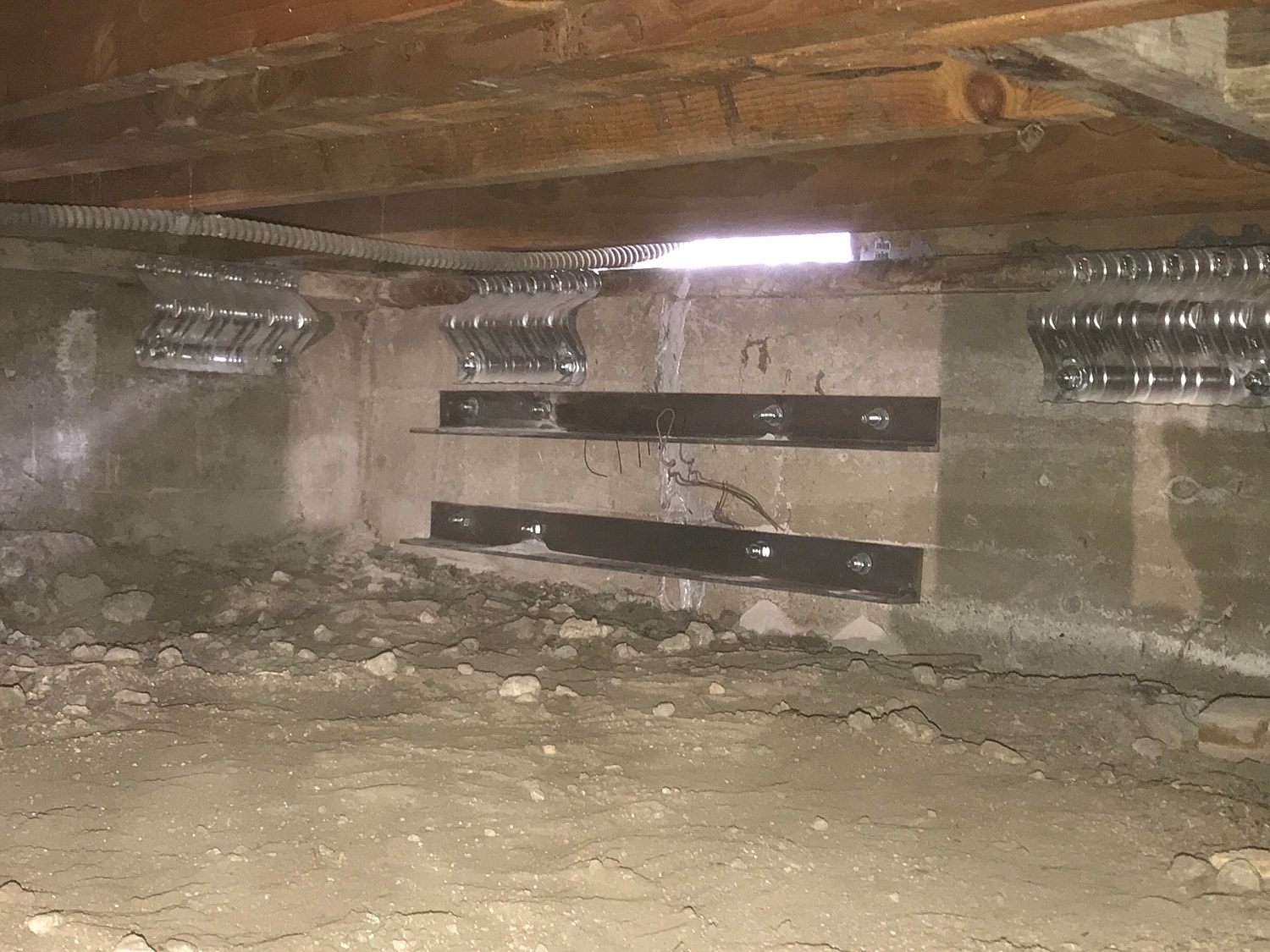
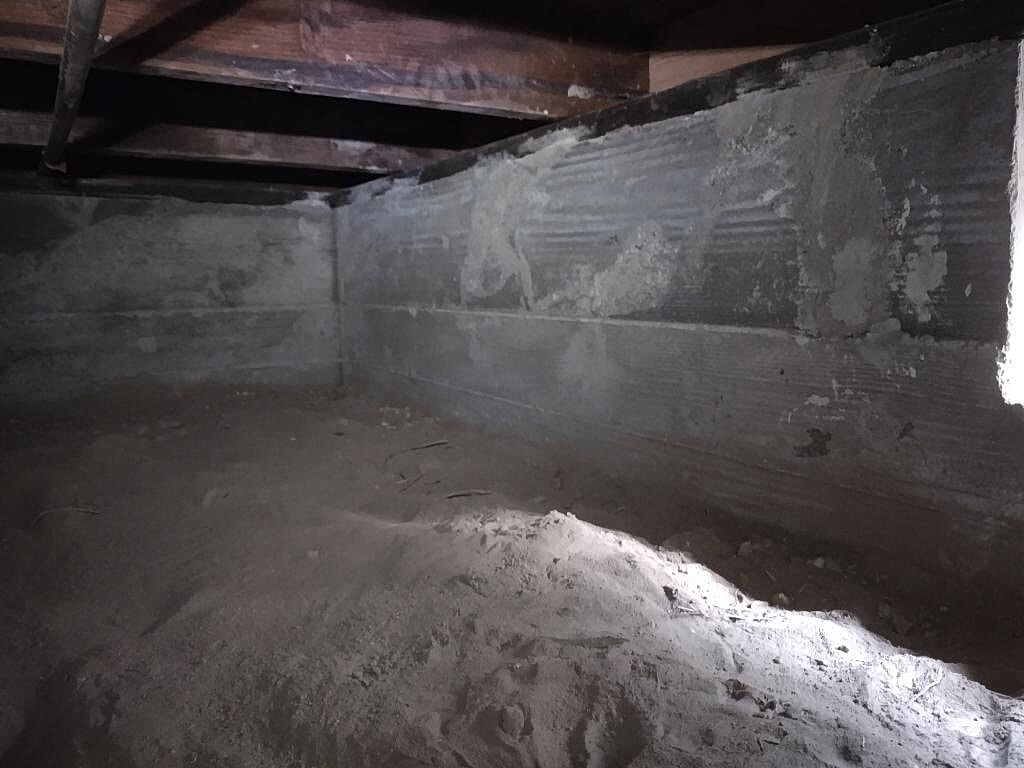
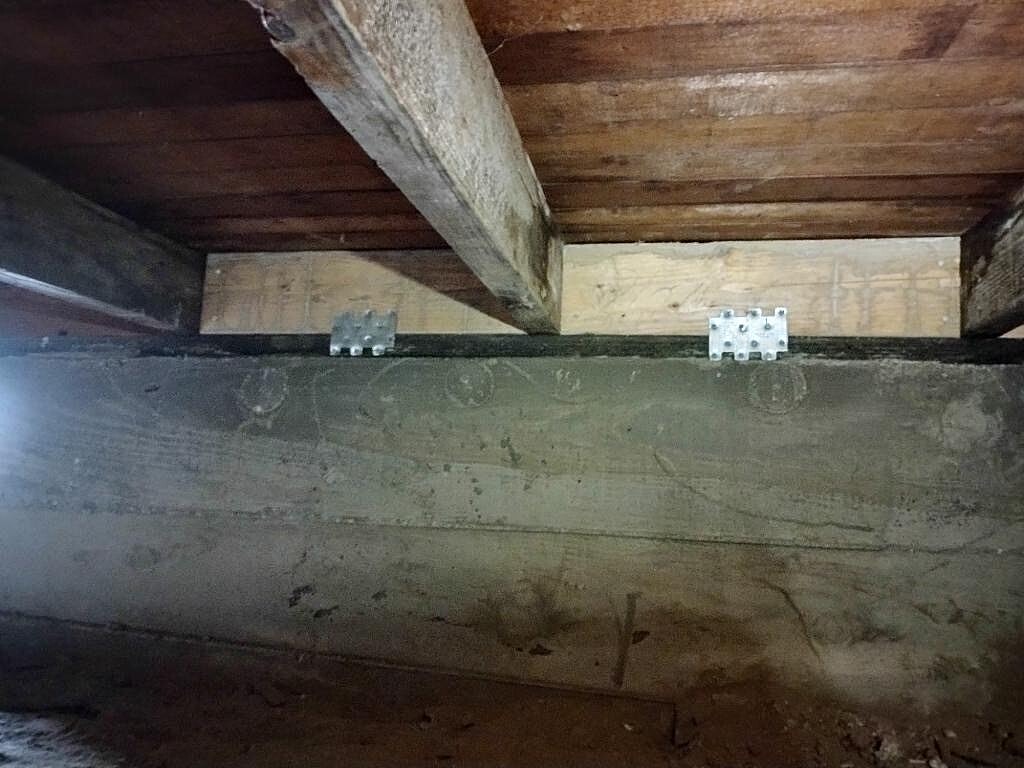
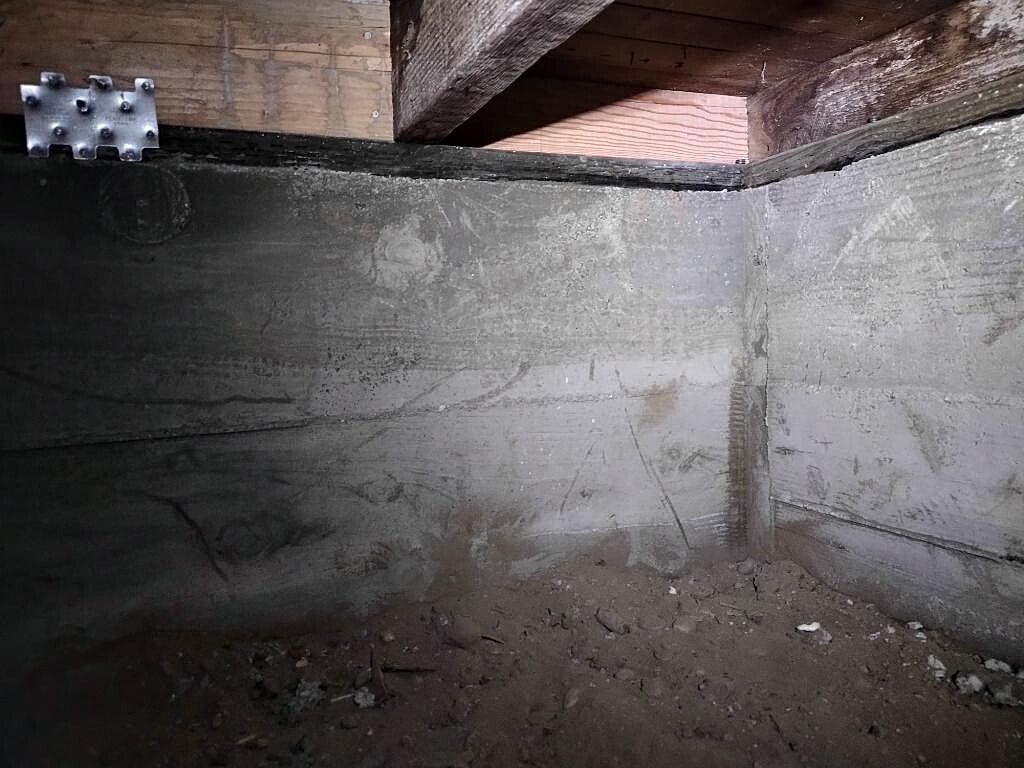
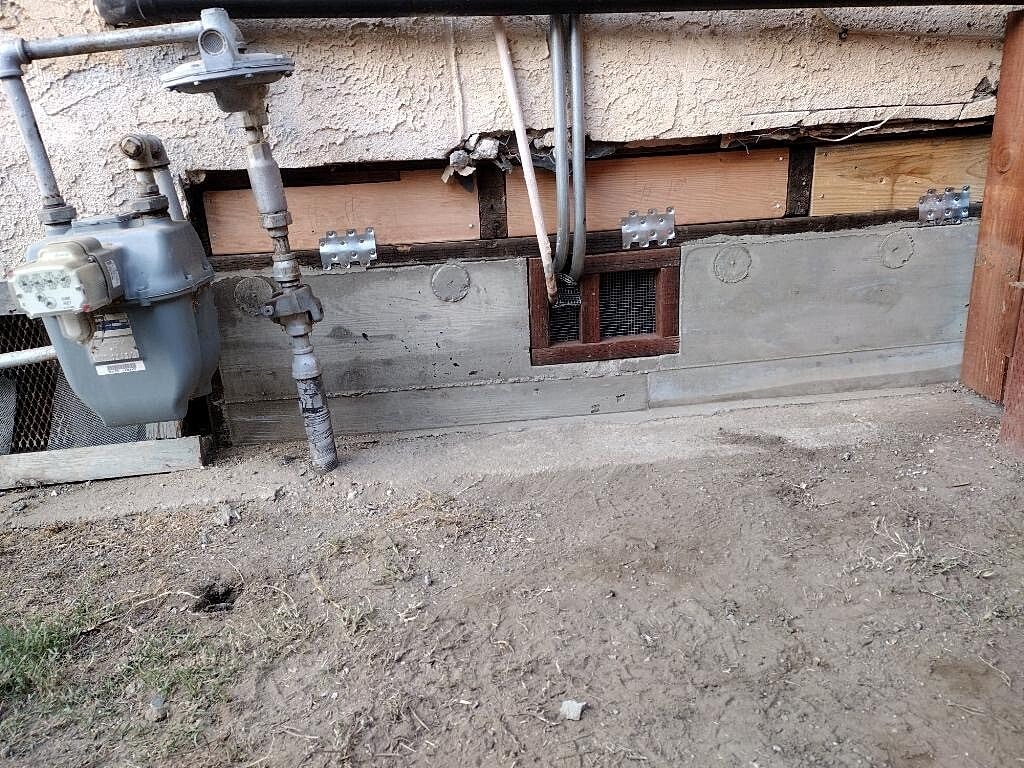
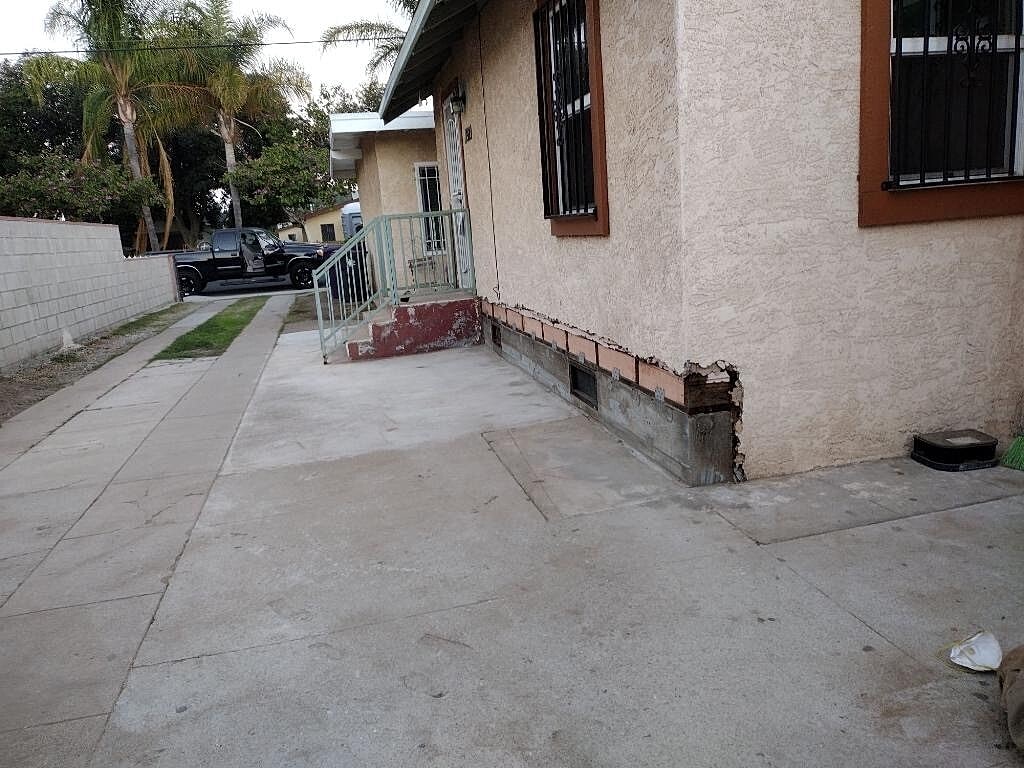
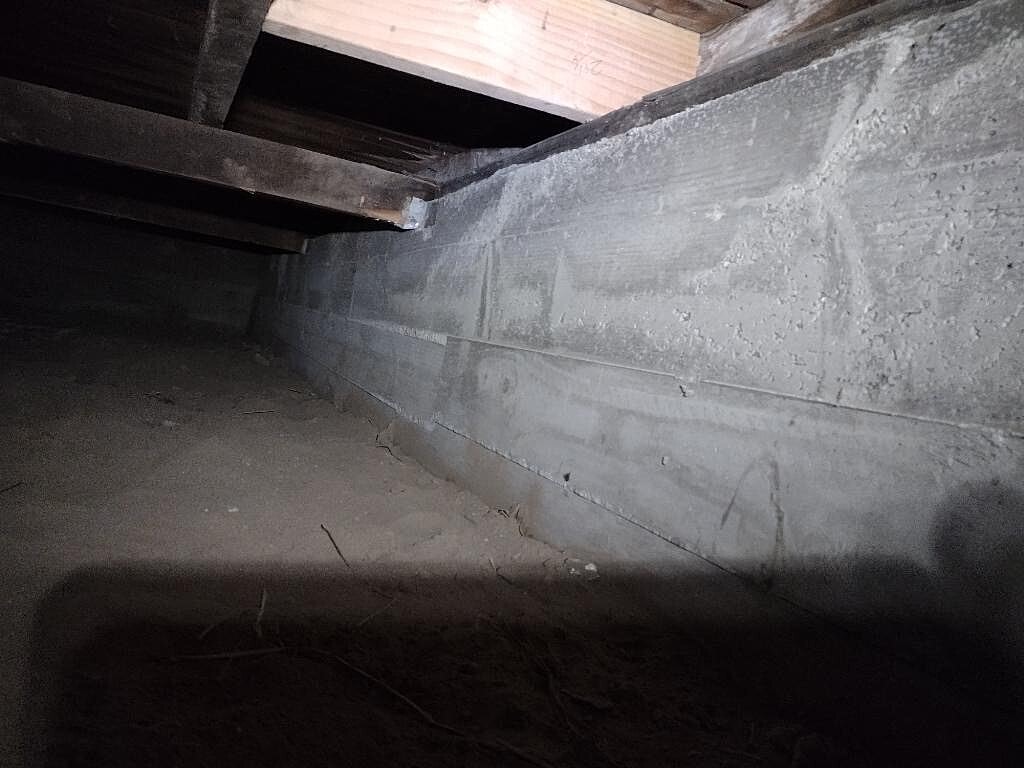
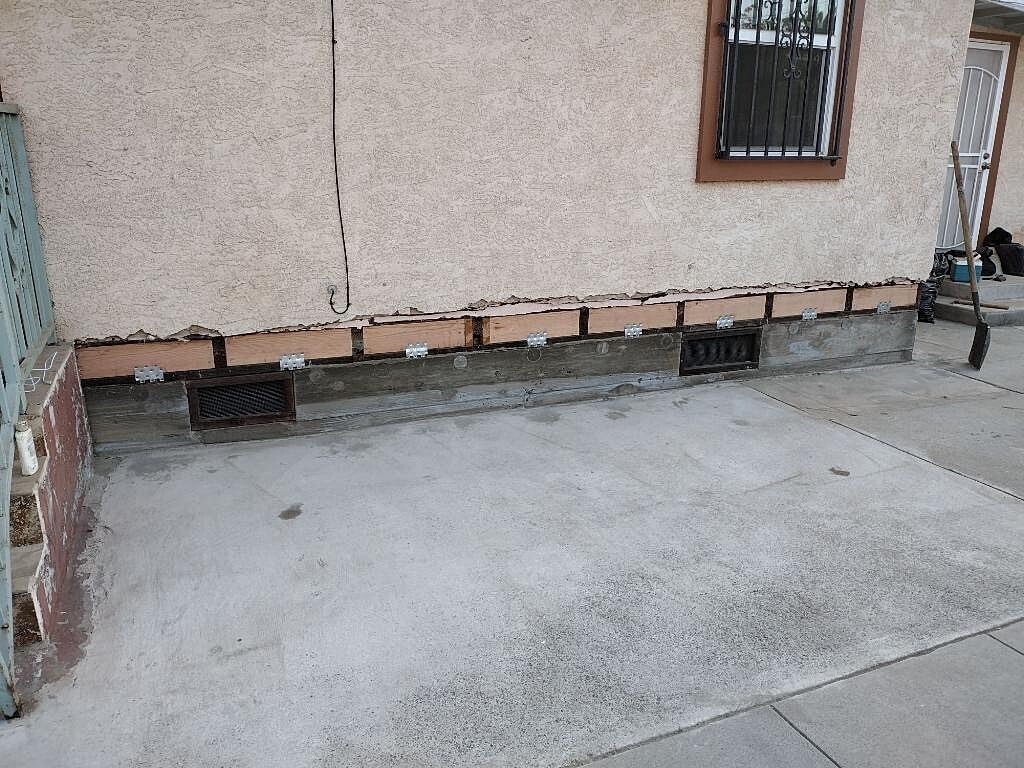
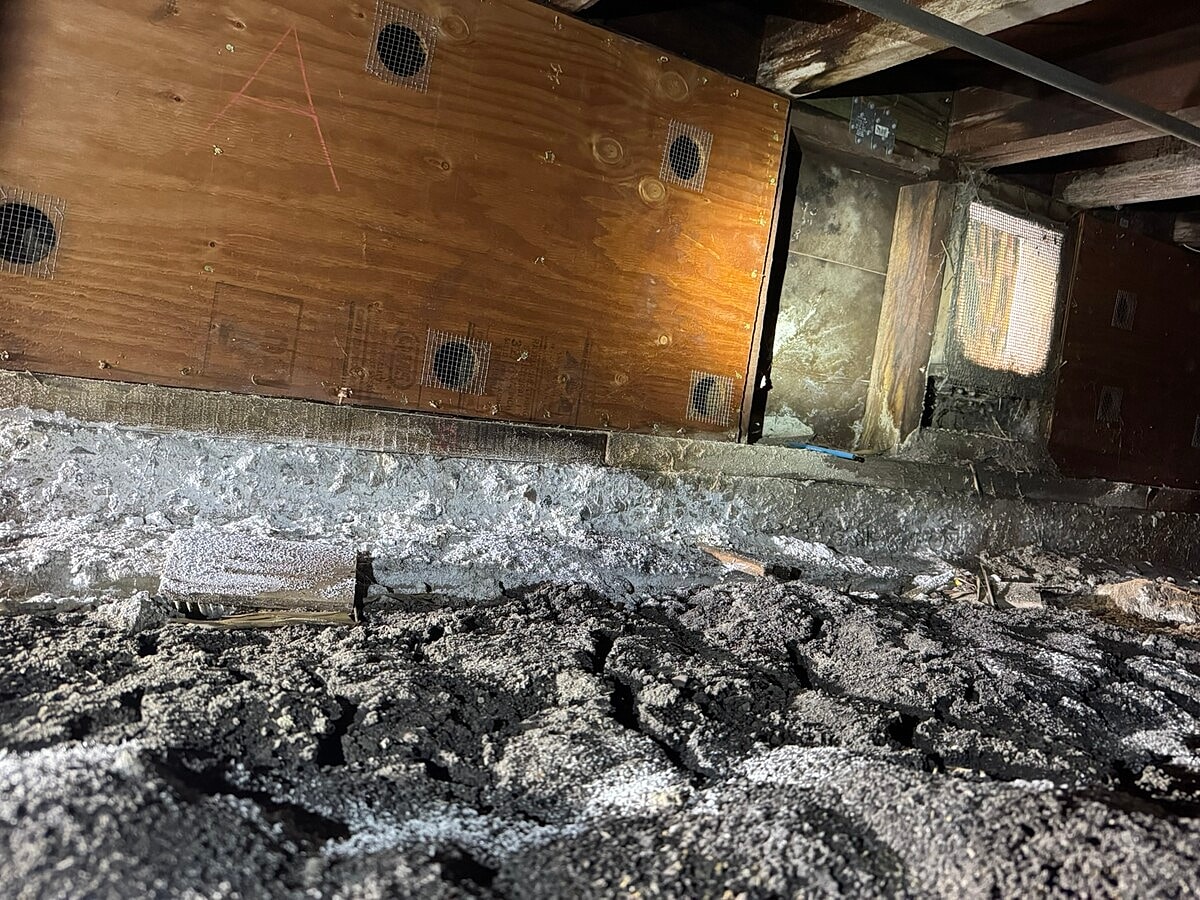
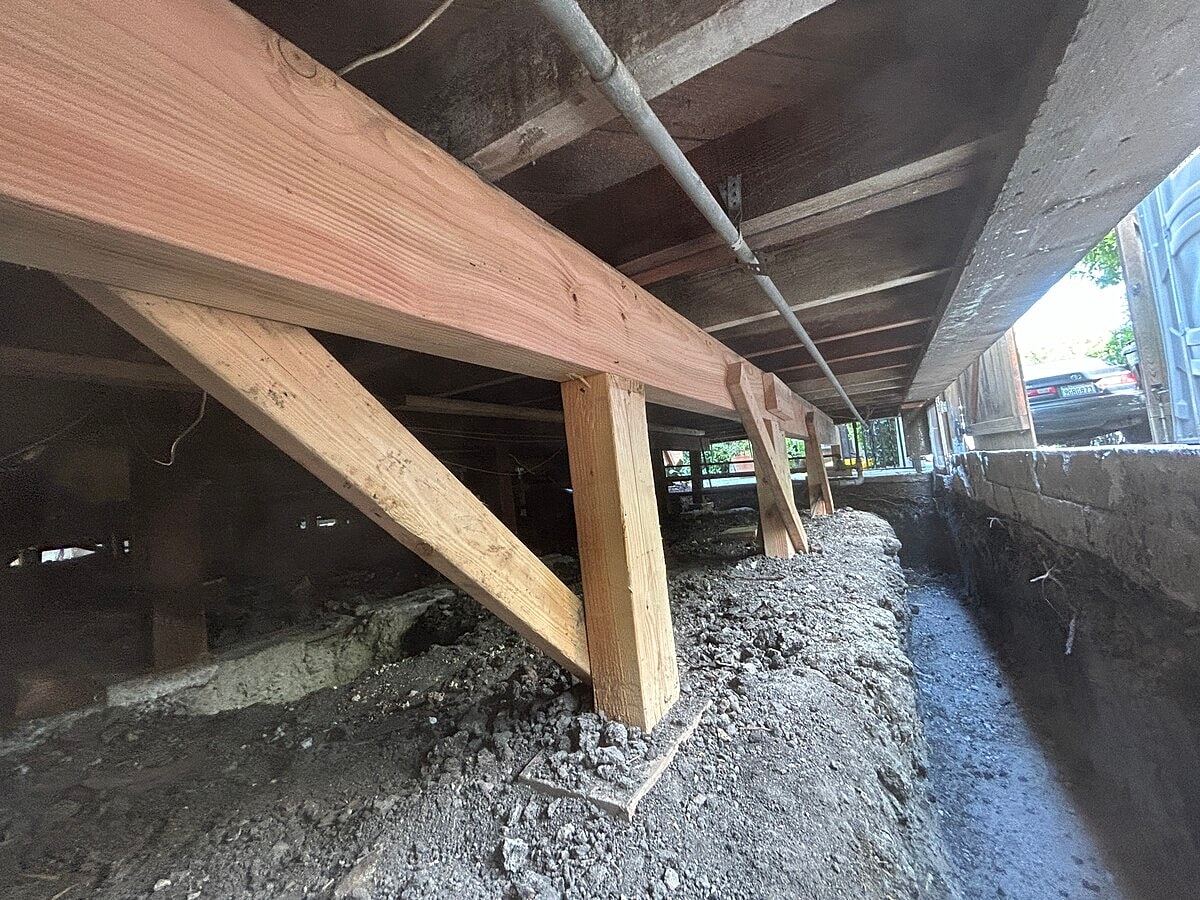
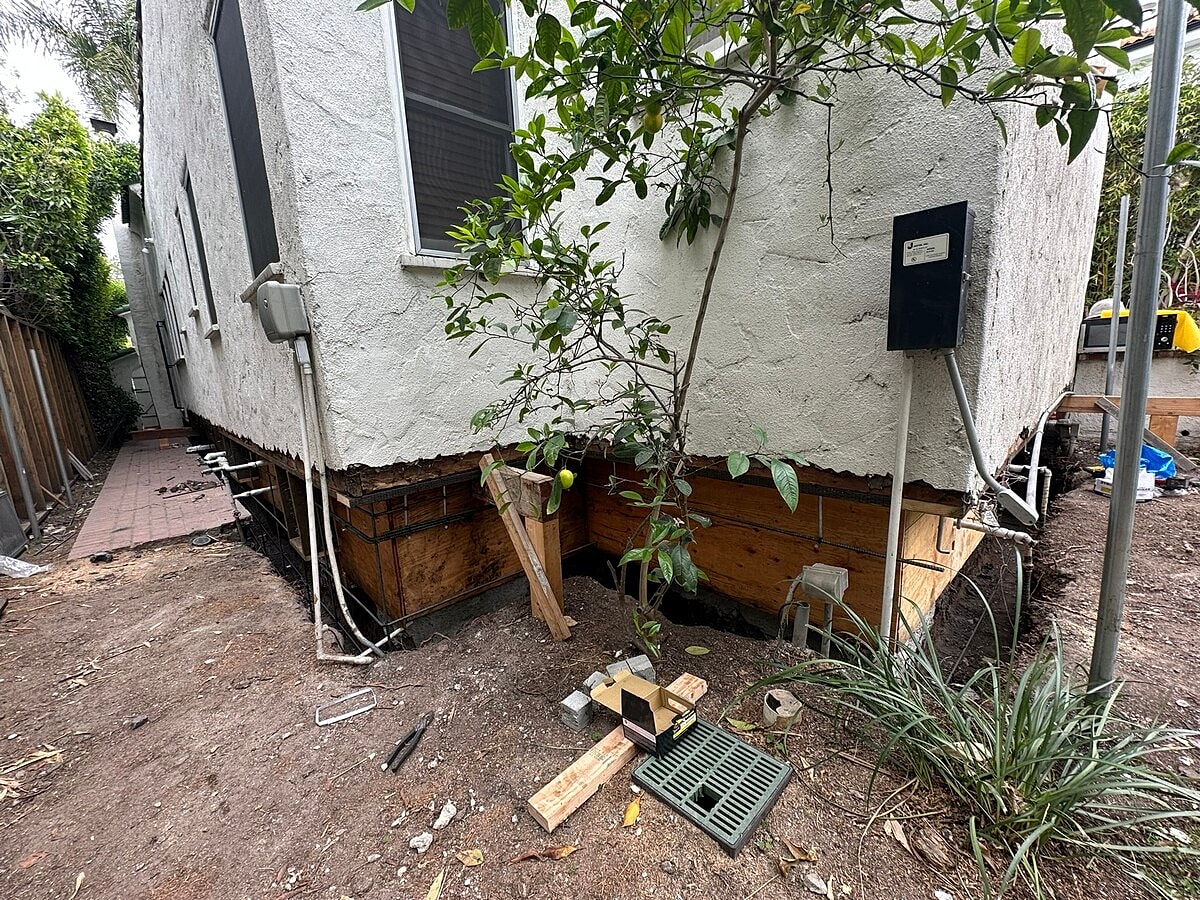
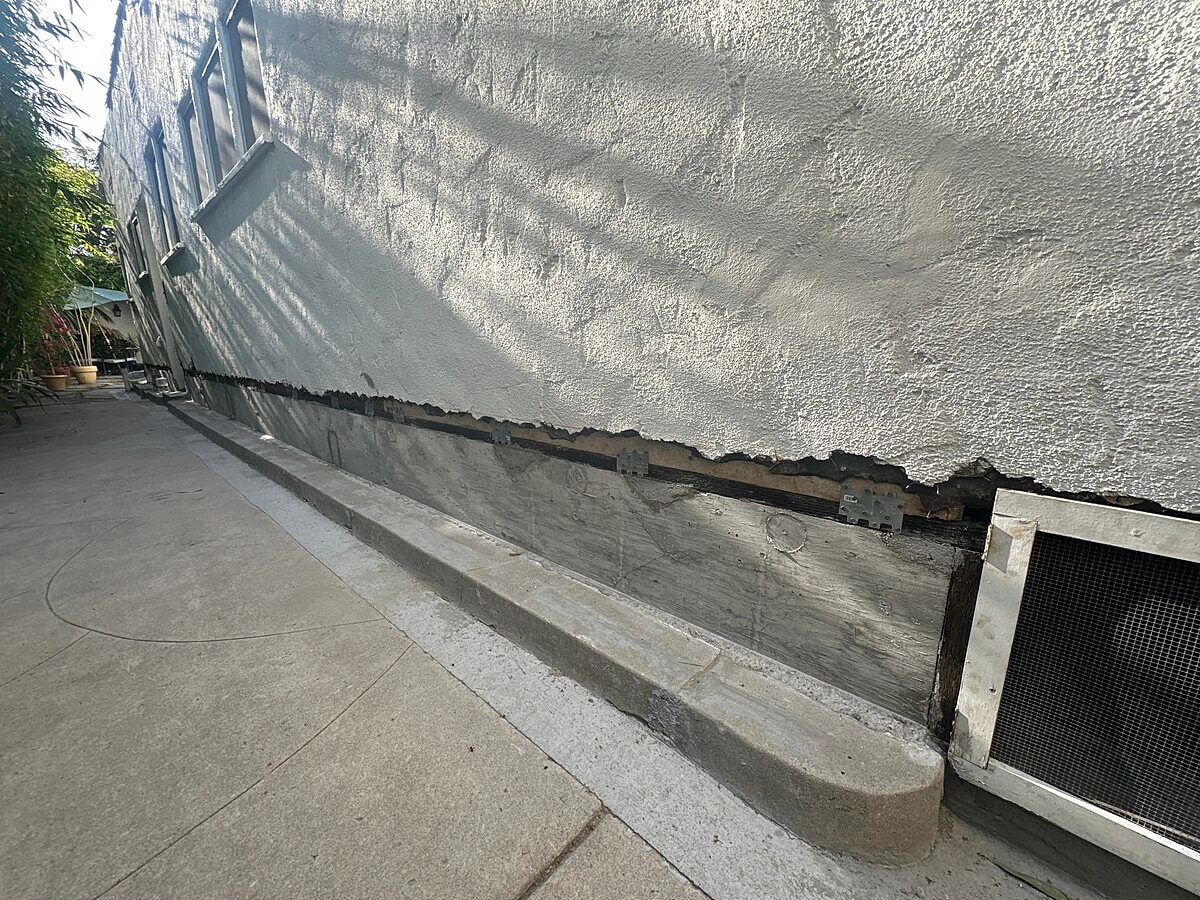
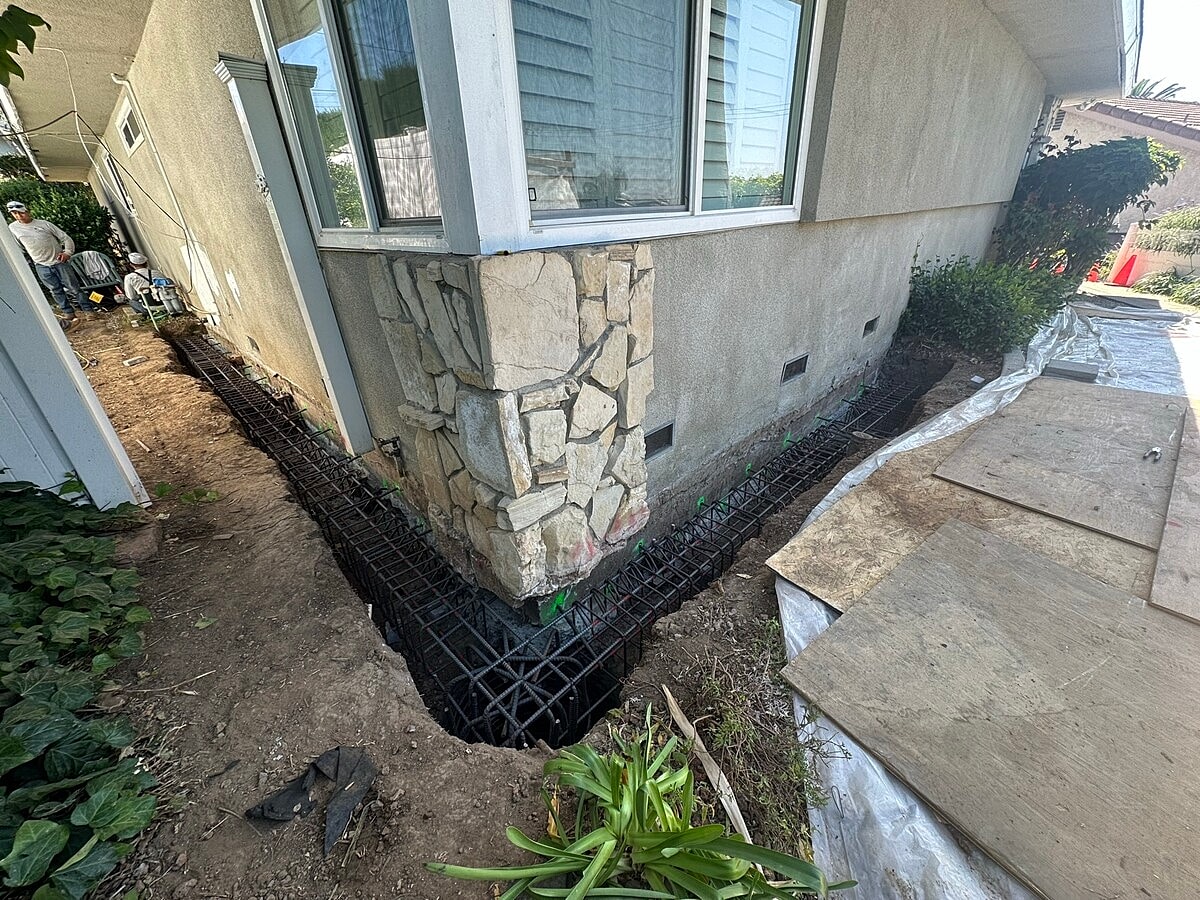
The project included strengthening the connection between the home's wood framing and concrete foundation through foundation bolting, cripple wall bracing, and the installation of structural connectors where needed. These improvements help the home better resist the lateral forces generated during an earthquake and reduce the likelihood of excessive structural movement.
Because no two homes are alike, every earthquake retrofitting project is customized to the property's age, foundation type, framing, and existing structural conditions. By combining in-house engineering with experienced construction crews, Alpha Structural provides comprehensive seismic retrofit solutions that help improve the safety, stability, and long-term resilience of Southern California homes.
Residential
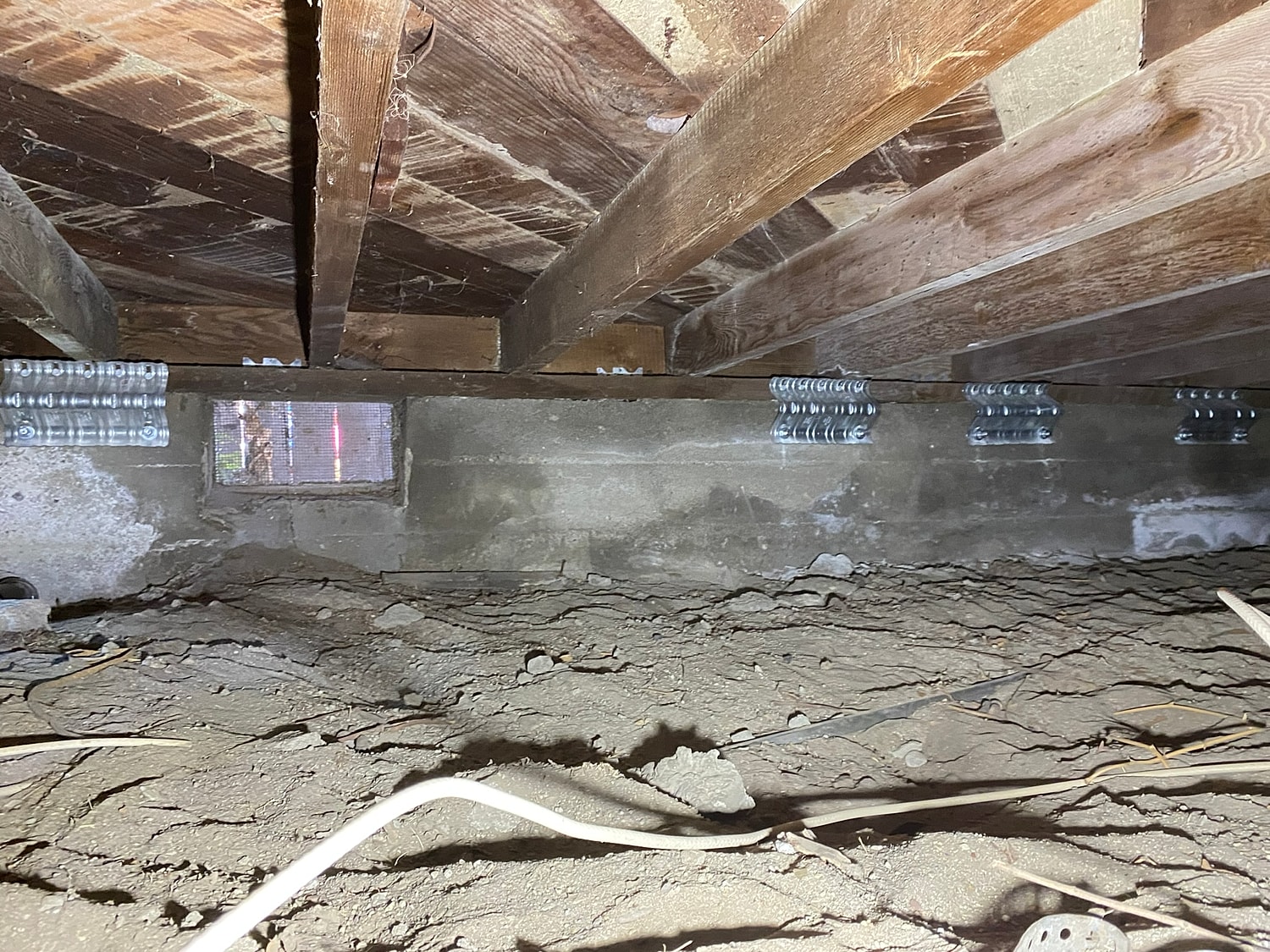
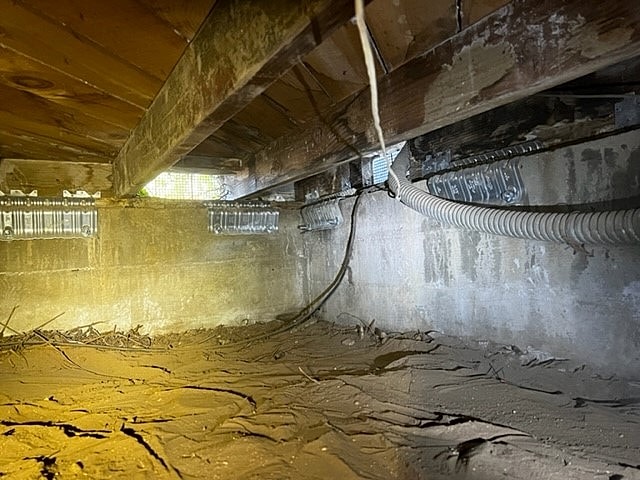
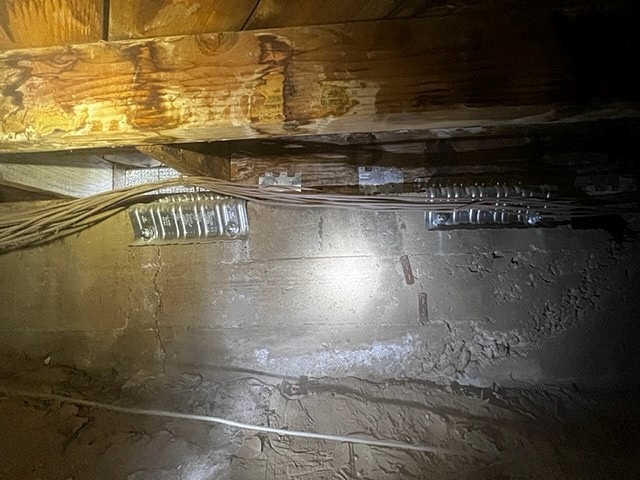
This Southern California home underwent a earthquake retrofit to improve its structural performance during seismic events. Our team installed foundation anchorage, structural bracing, and seismic connectors to strengthen the home's connection to its foundation and reinforce key structural components.
Every earthquake retrofitting project is designed around the home's unique construction and structural conditions. By combining in-house engineering with experienced construction crews, Alpha Structural delivers customized seismic upgrades that help improve the safety, stability, and long-term resilience of homes throughout Southern California.
Residential
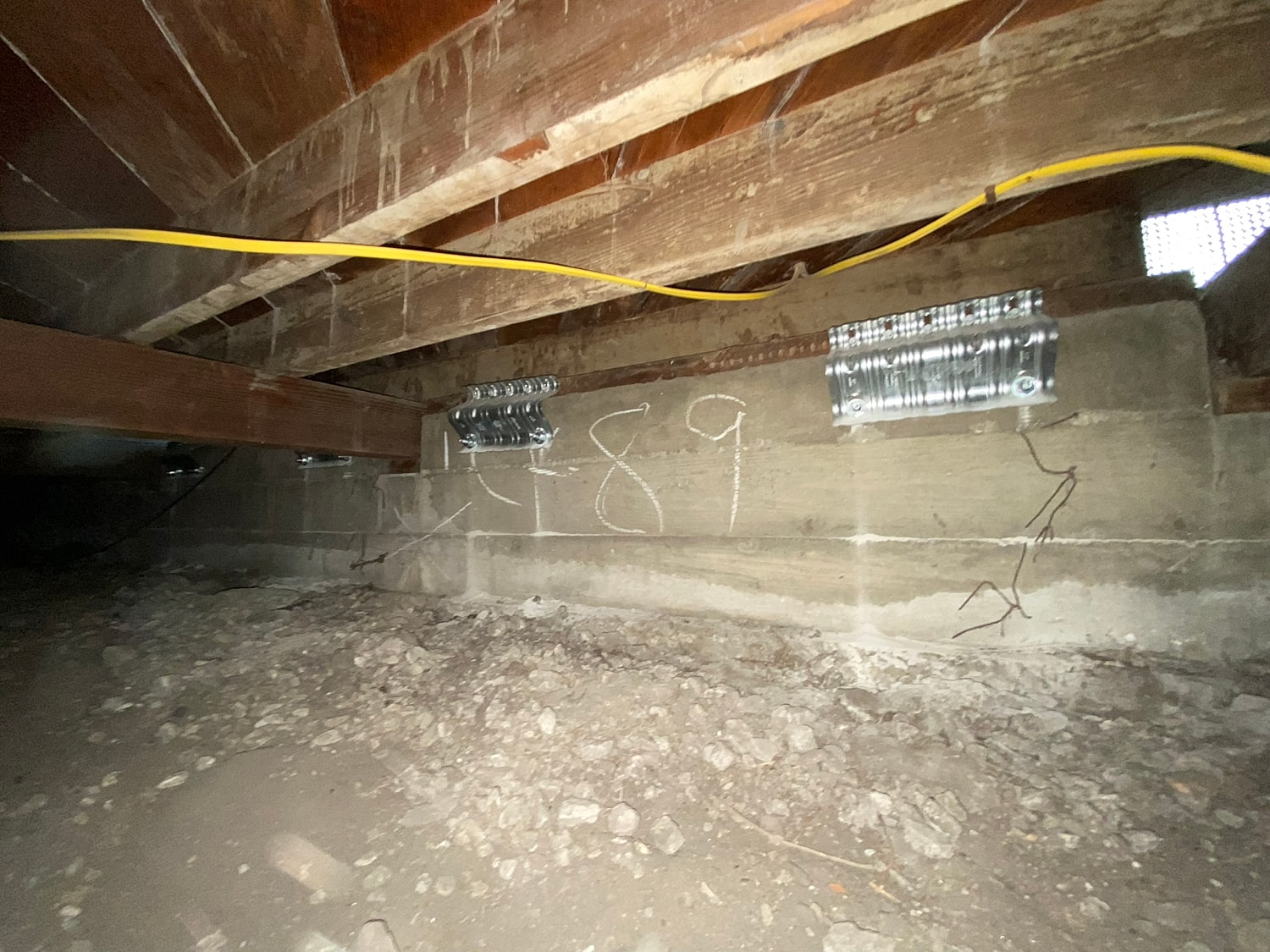
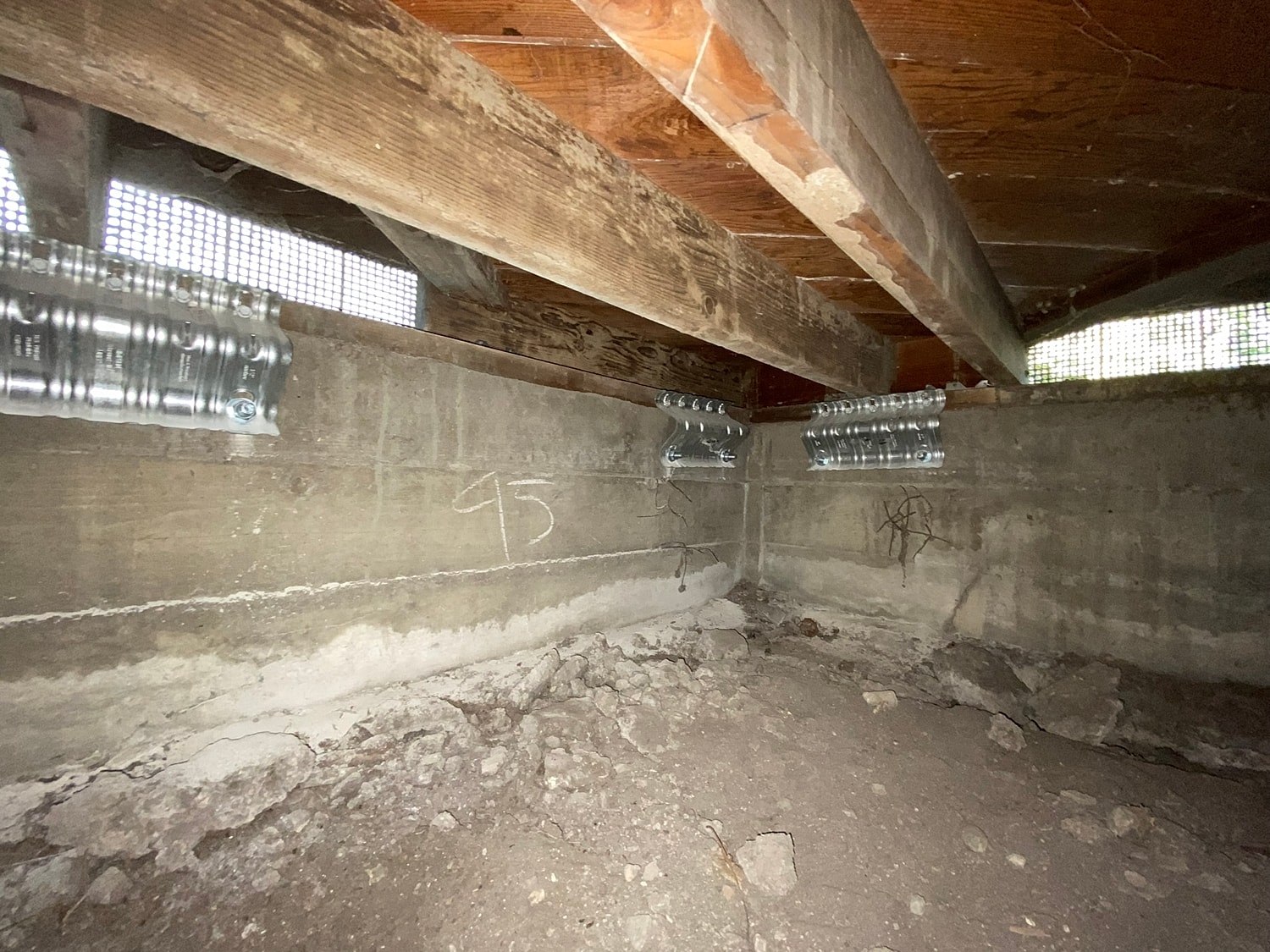
The retrofit included foundation anchorage, structural bracing, and the installation of engineered seismic hardware to reinforce the connection between the wood framing and the concrete foundation. These upgrades help create a stronger load path, allowing earthquake forces to be distributed more effectively throughout the structure and reducing the risk of excessive movement or foundation separation.
Every earthquake retrofitting project is customized to the home's age, foundation type, framing system, and structural condition. By combining licensed in-house engineering with experienced construction crews, Alpha Structural delivers engineered seismic retrofit solutions that help homeowners improve the safety, stability, and long-term resilience of their homes while meeting current building standards.
Commercial/Multi-Family
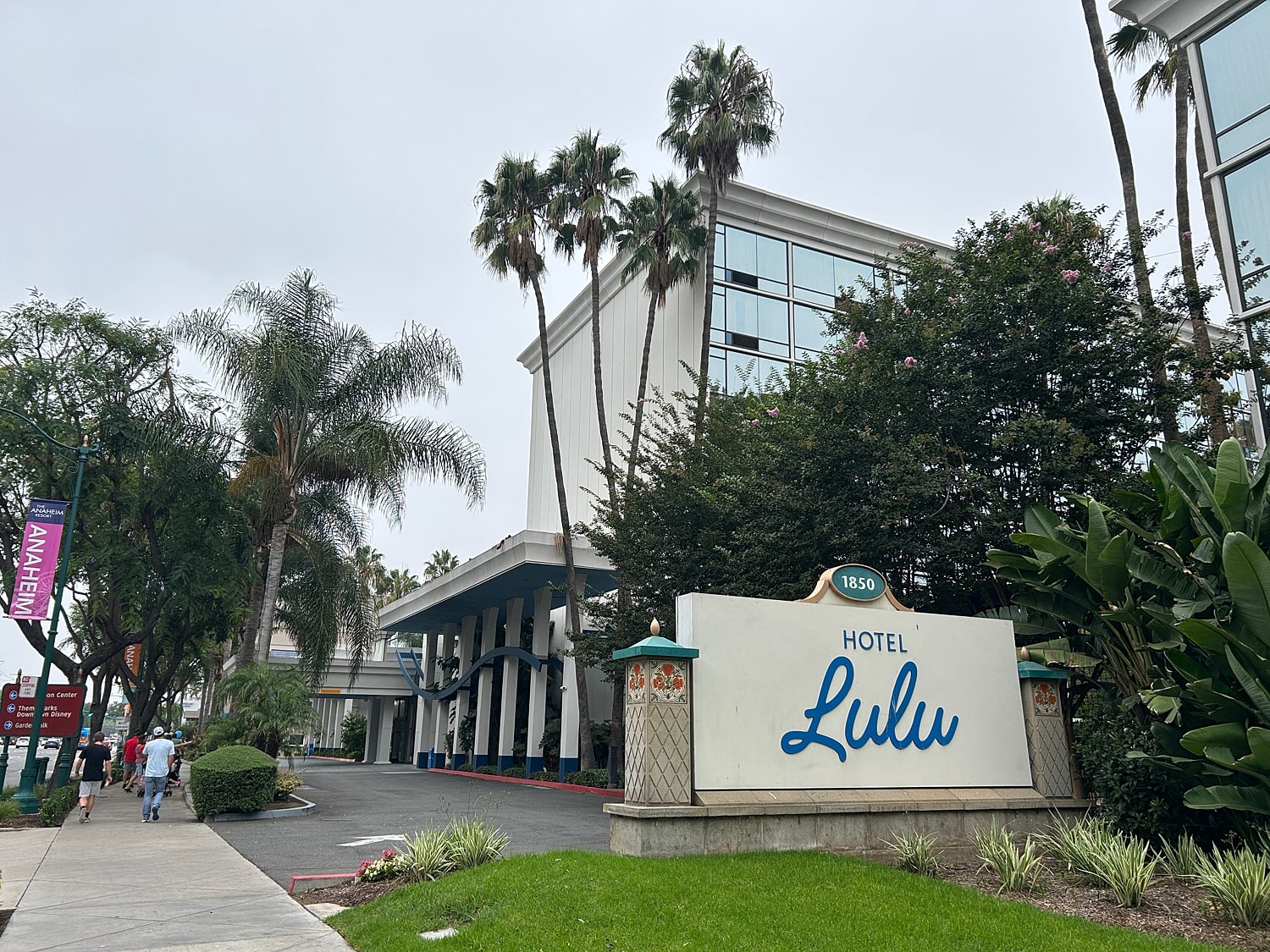
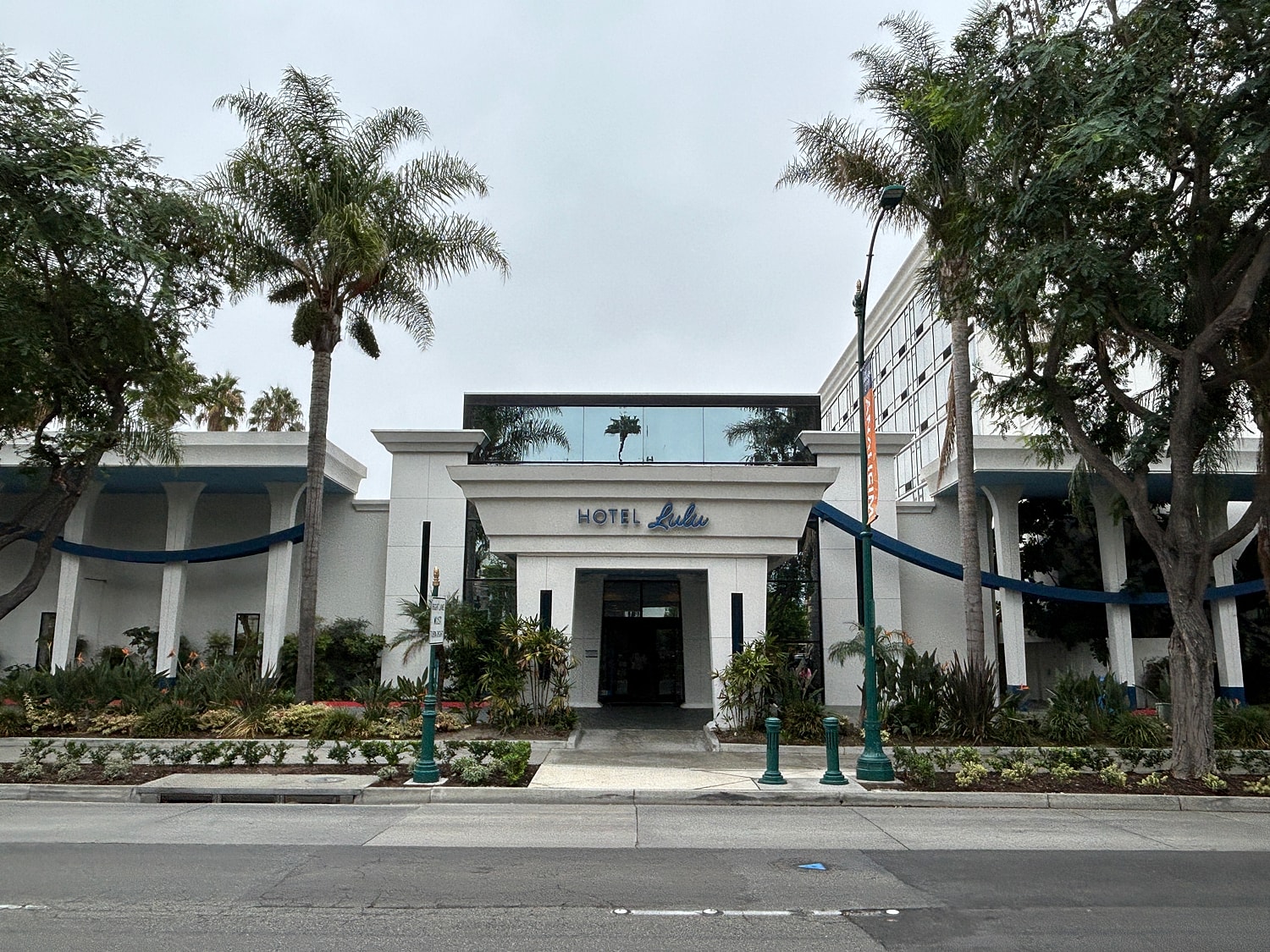
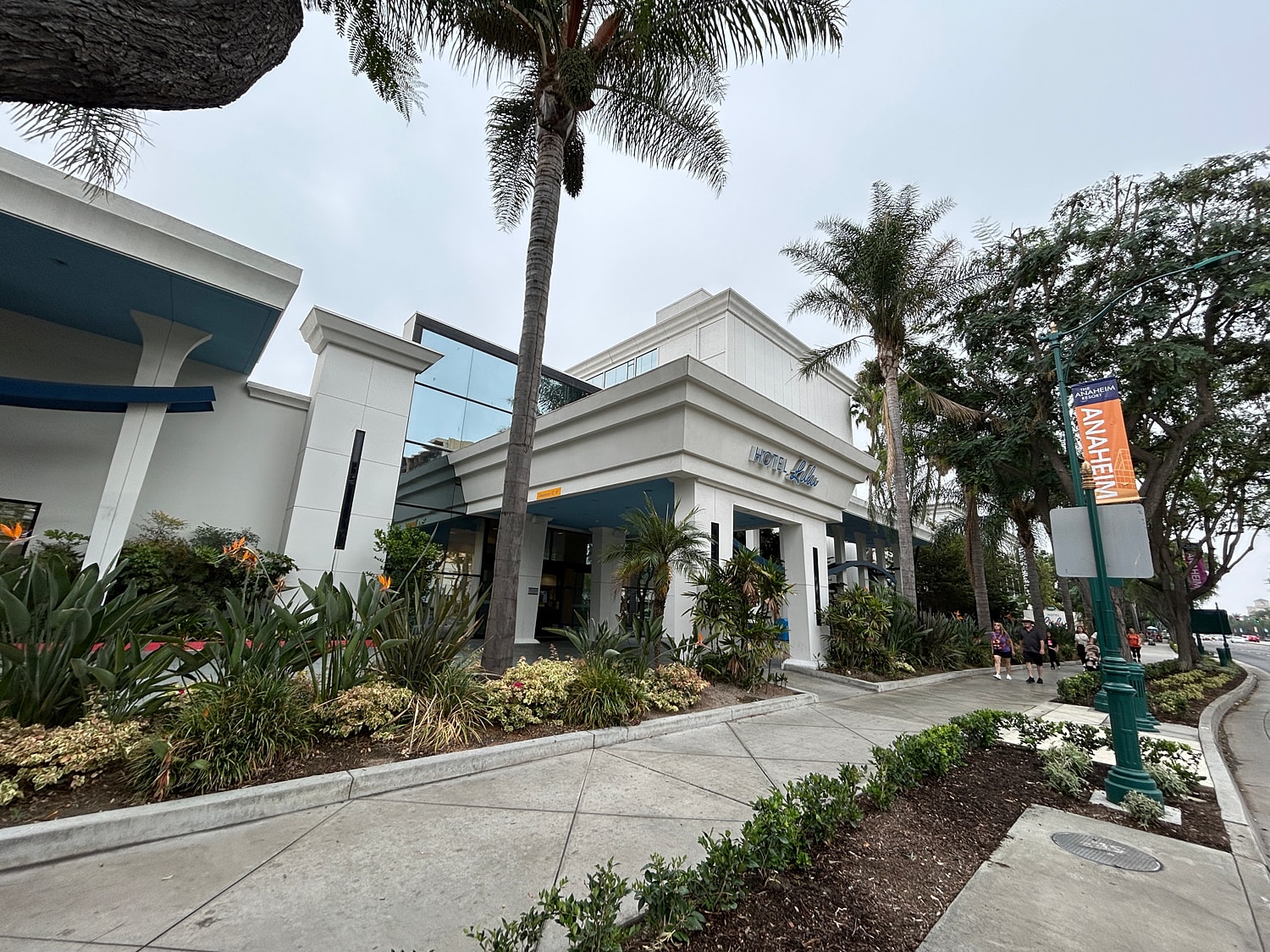
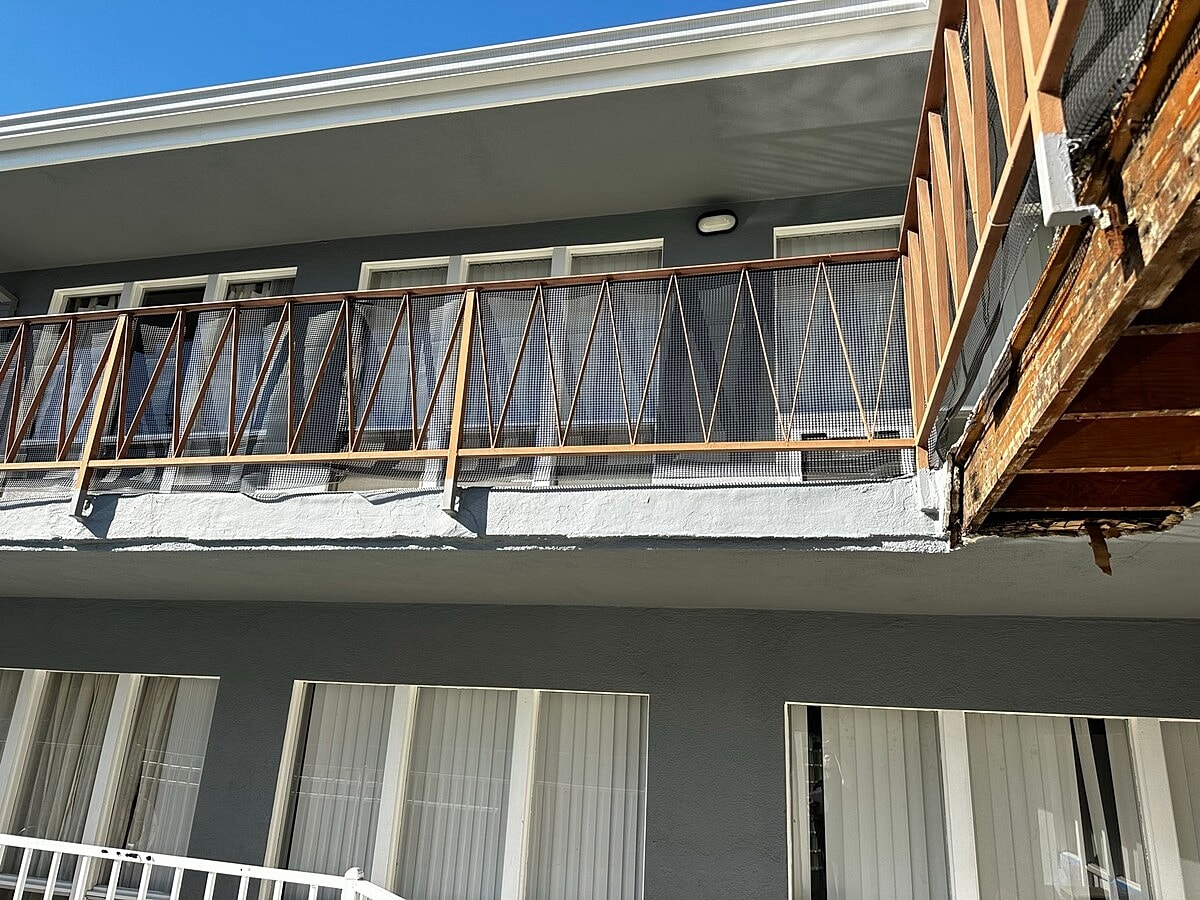
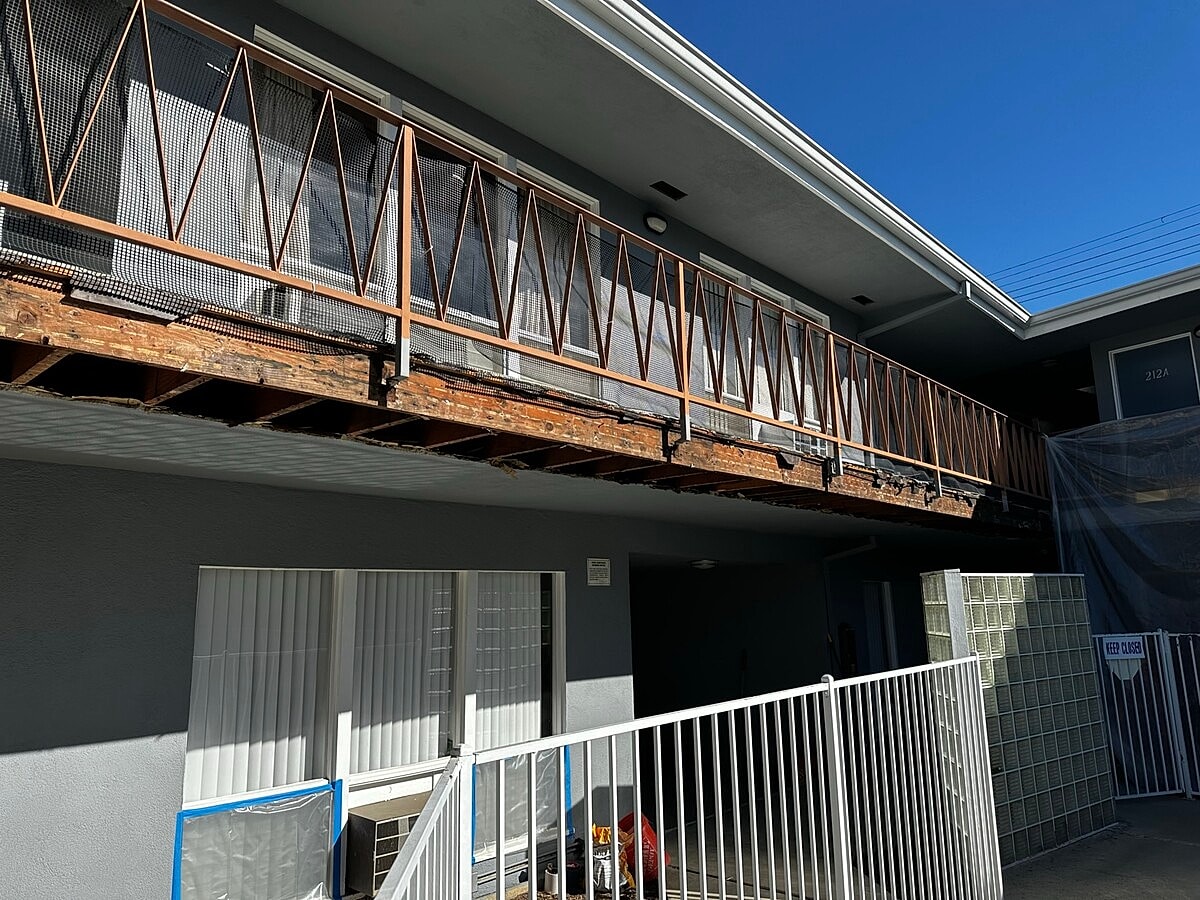
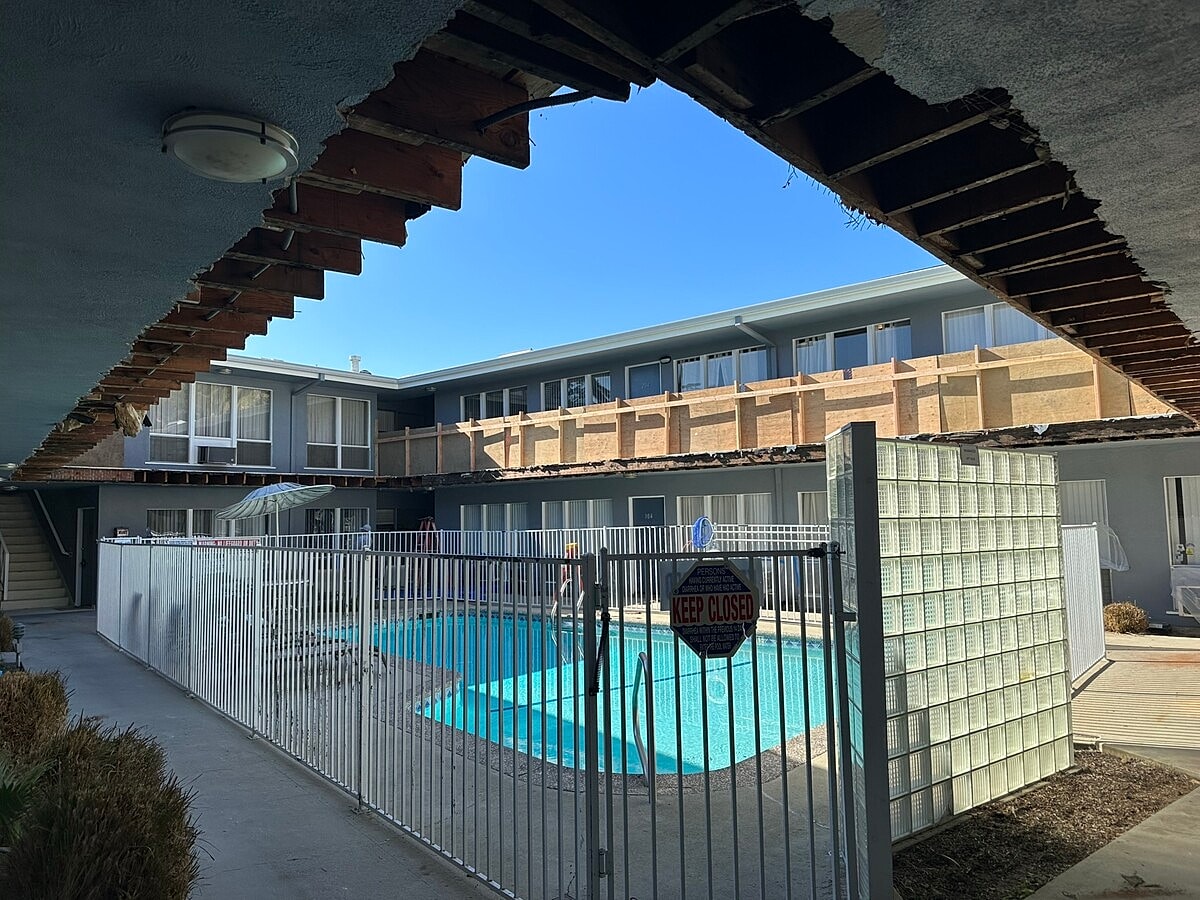
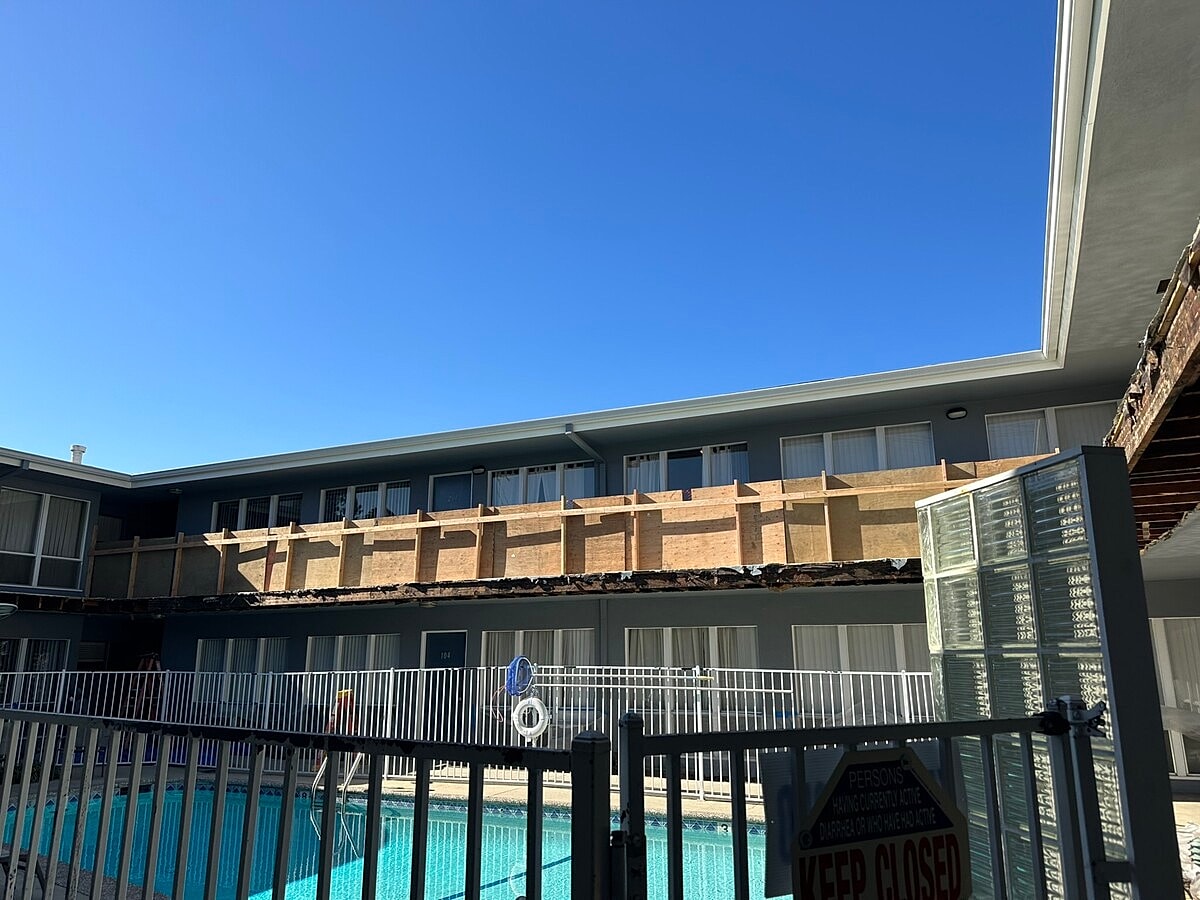
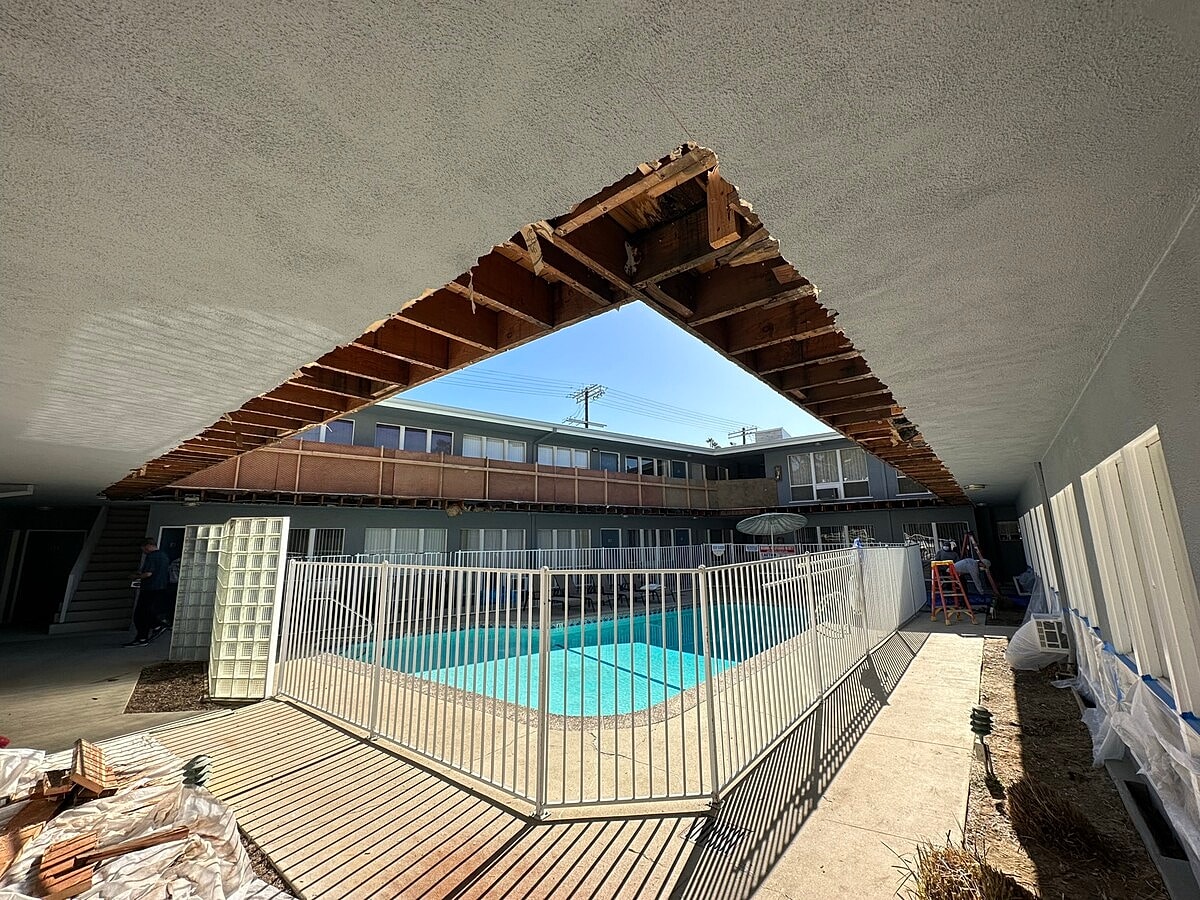
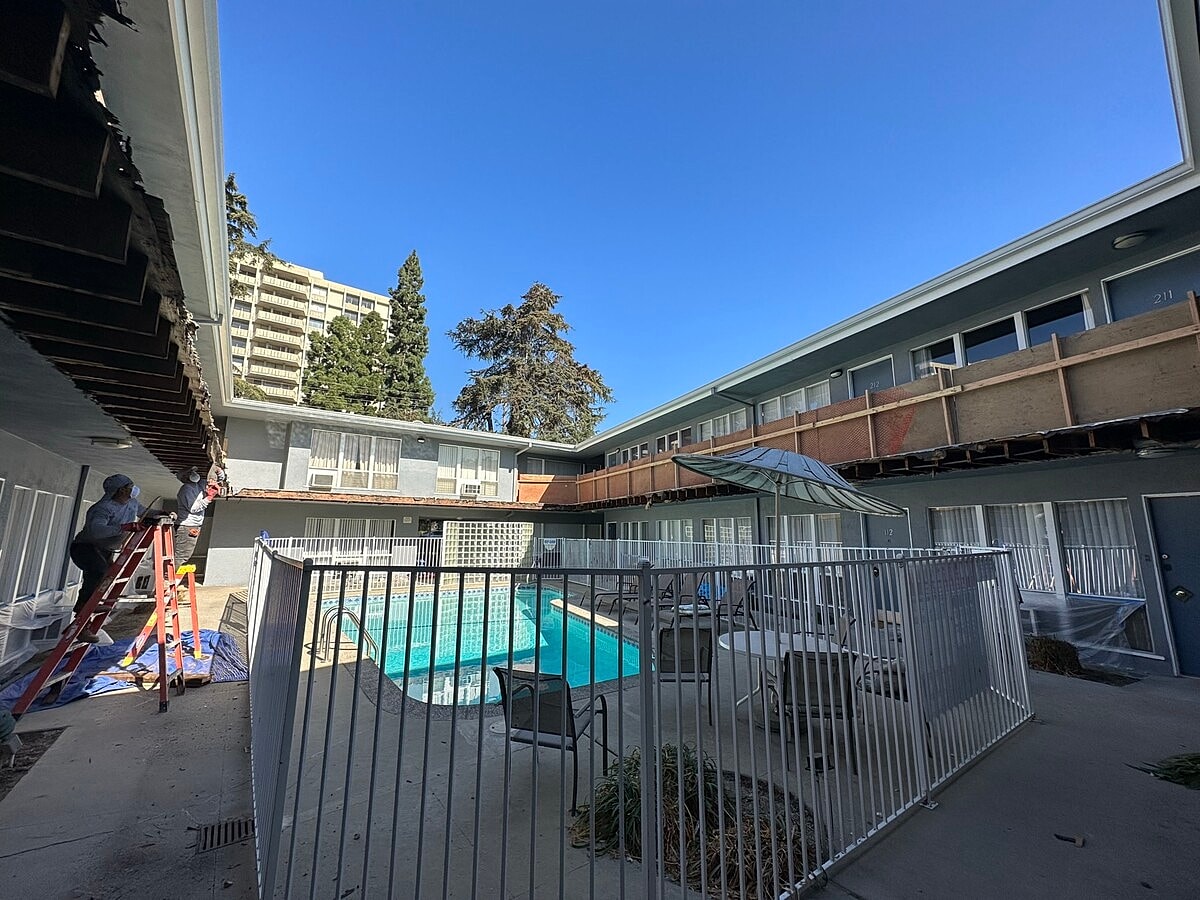
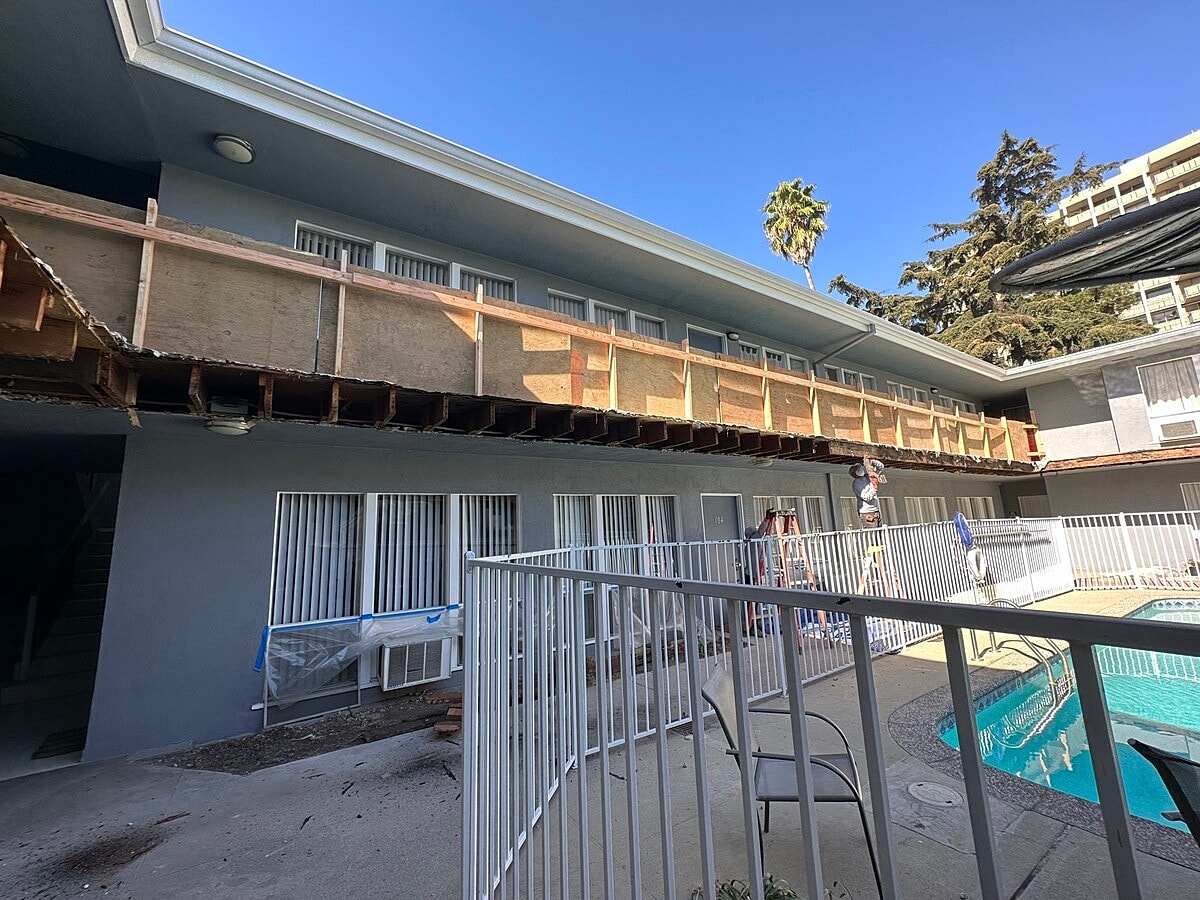
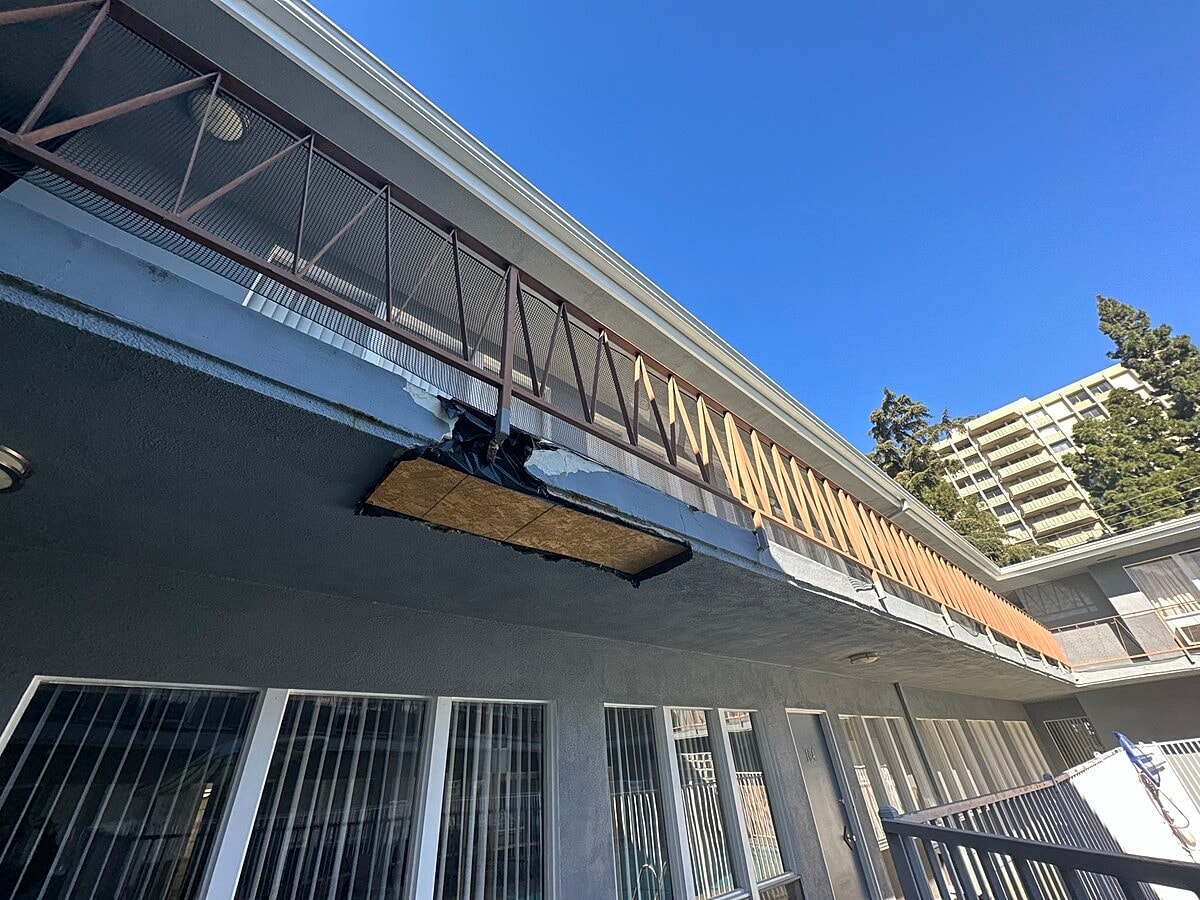
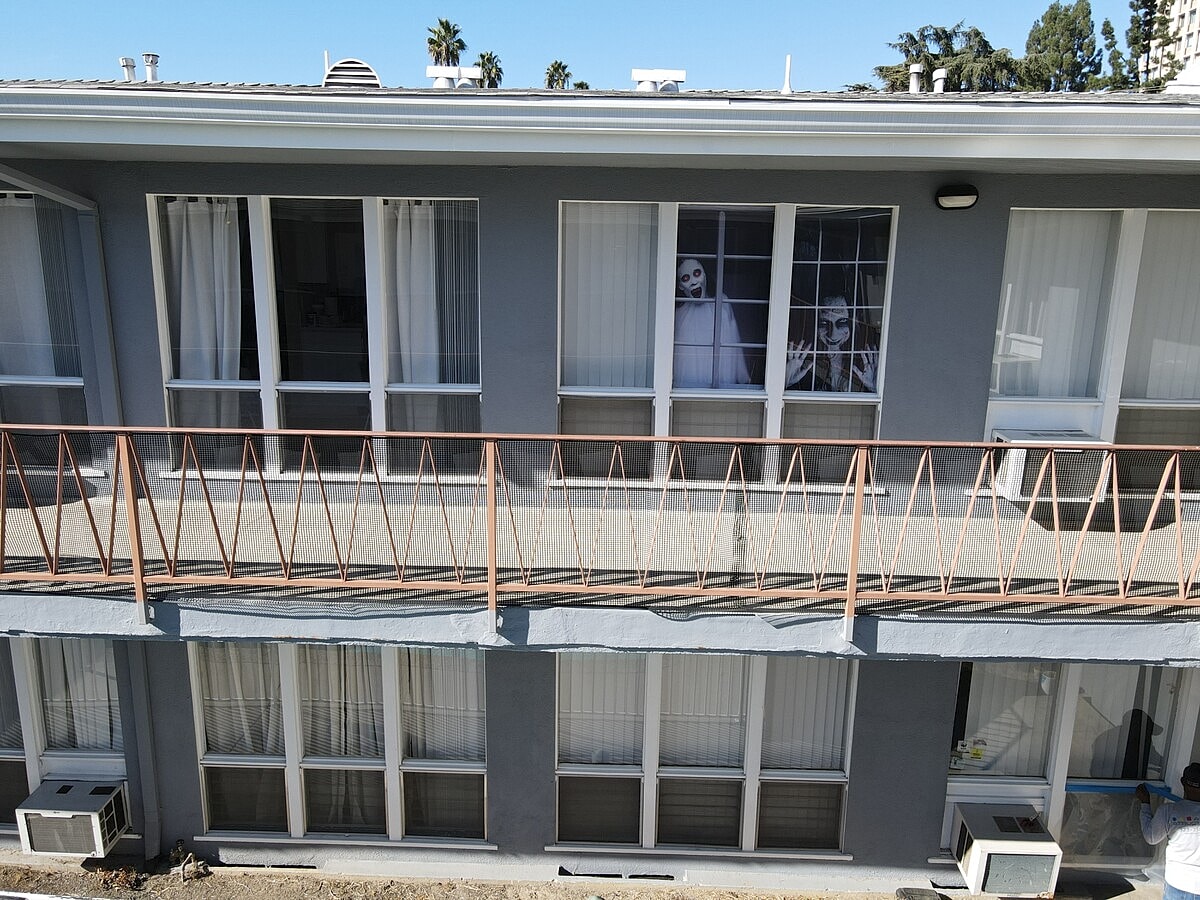
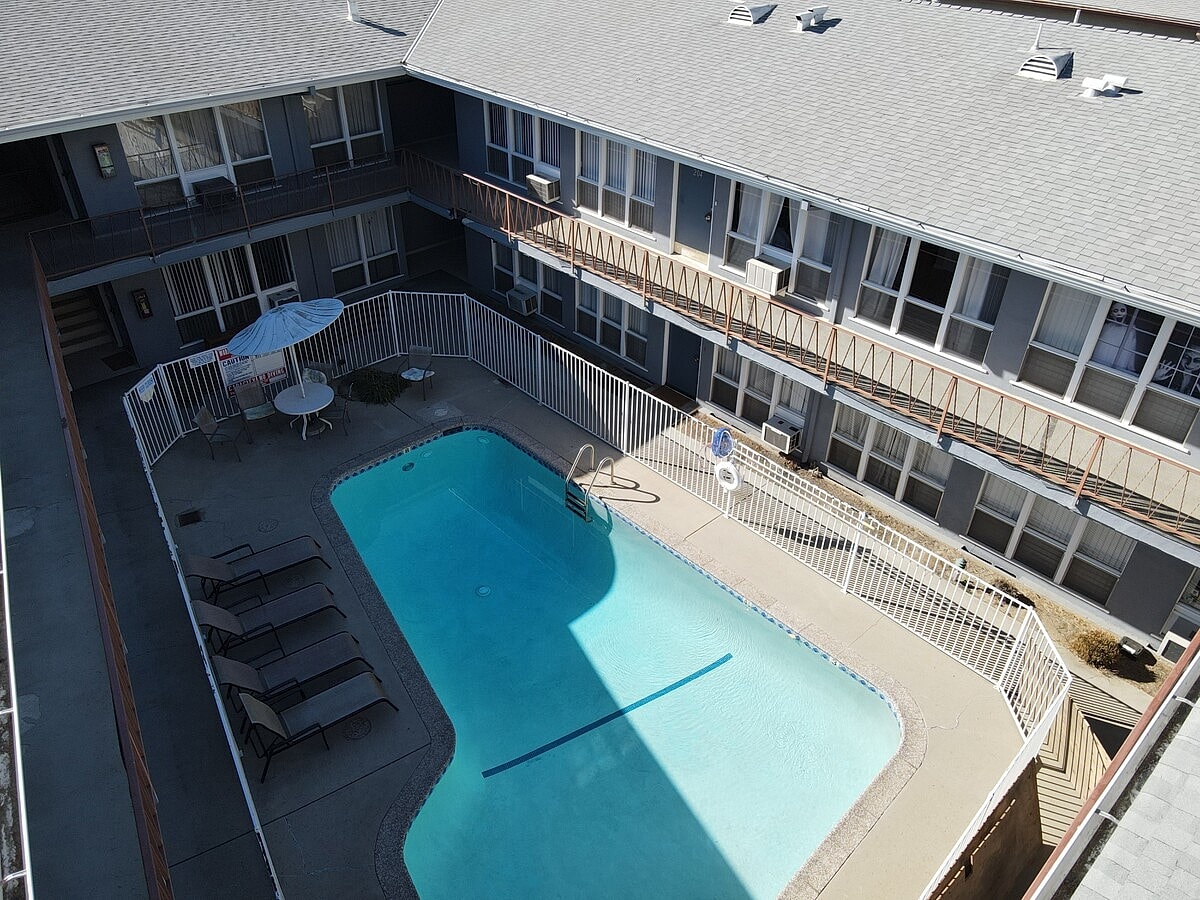
This commercial structural repair project involved upgrading the roof framing at Hotel Lulu in Anaheim after existing beams became overloaded by rooftop mechanical equipment. Following a structural evaluation, Alpha Structural designed an engineered beam upgrade to increase the roof's load-carrying capacity and improve long-term structural performance.
Our team developed permit-ready structural plans and engineered a remedial beam solution tailored to the building's existing framing and loading conditions. By reinforcing the roof structure with properly designed beam upgrades, the project helps provide reliable support for rooftop equipment while improving the overall integrity of the building's structural system.
Residential
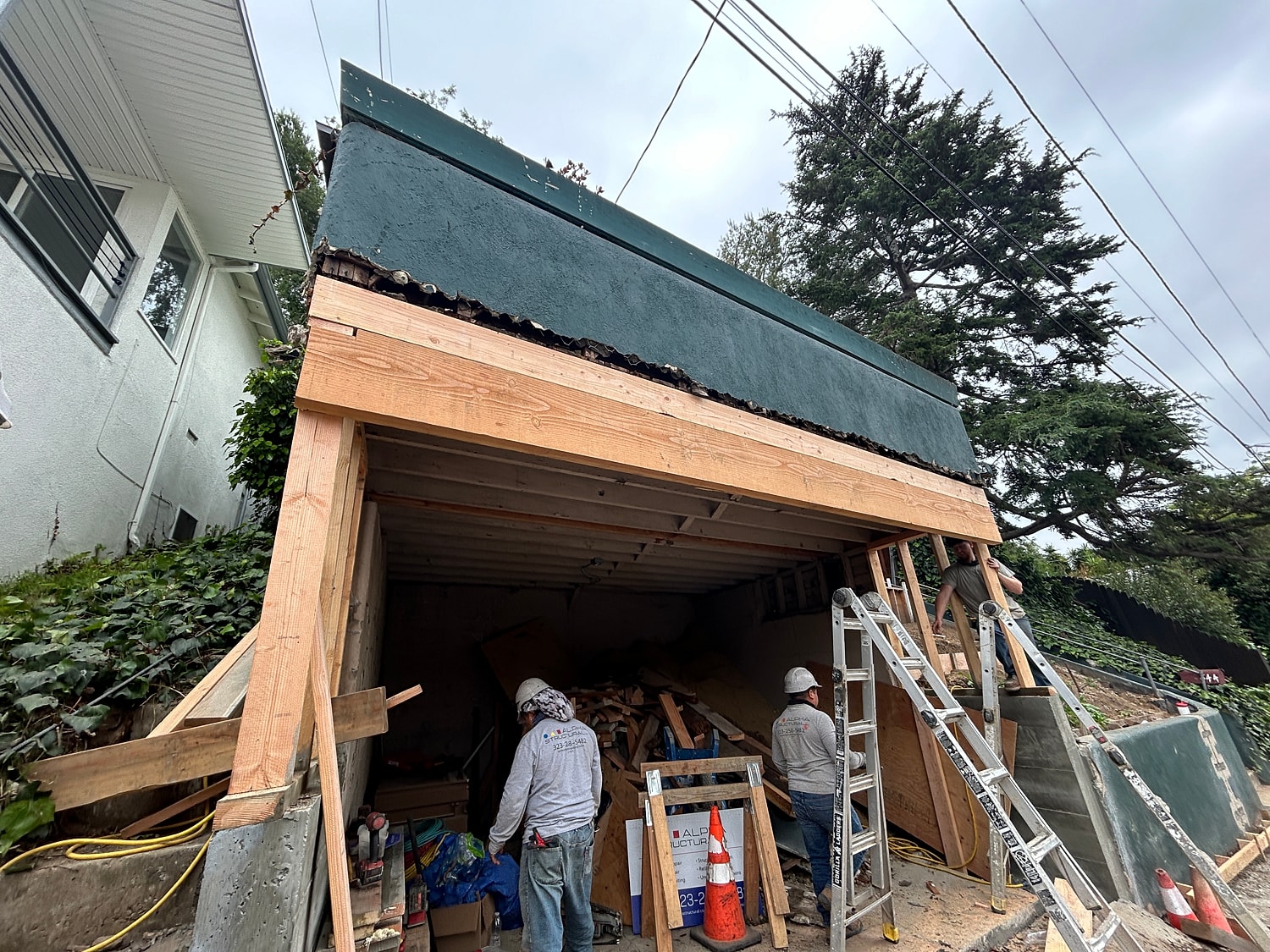
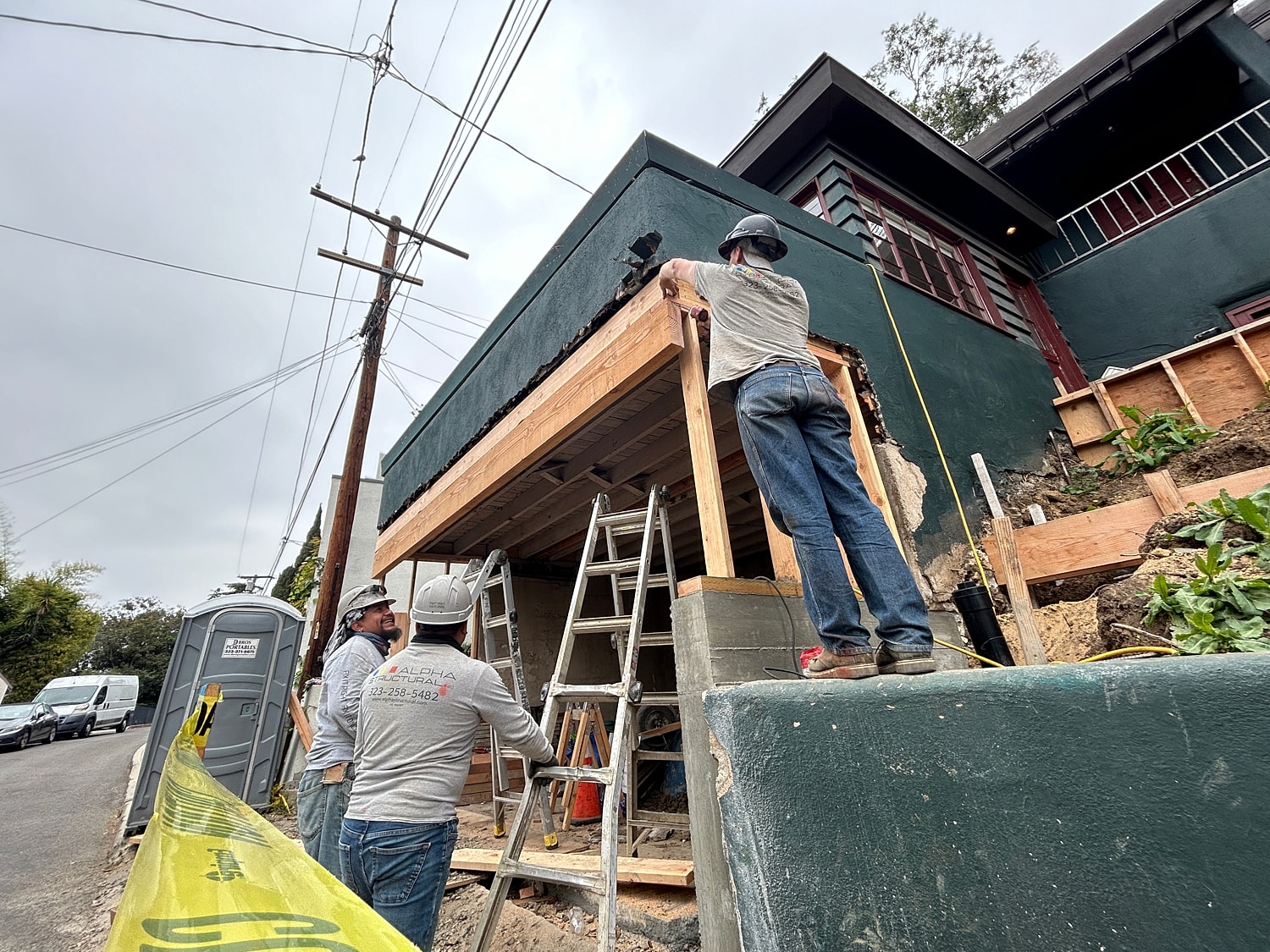
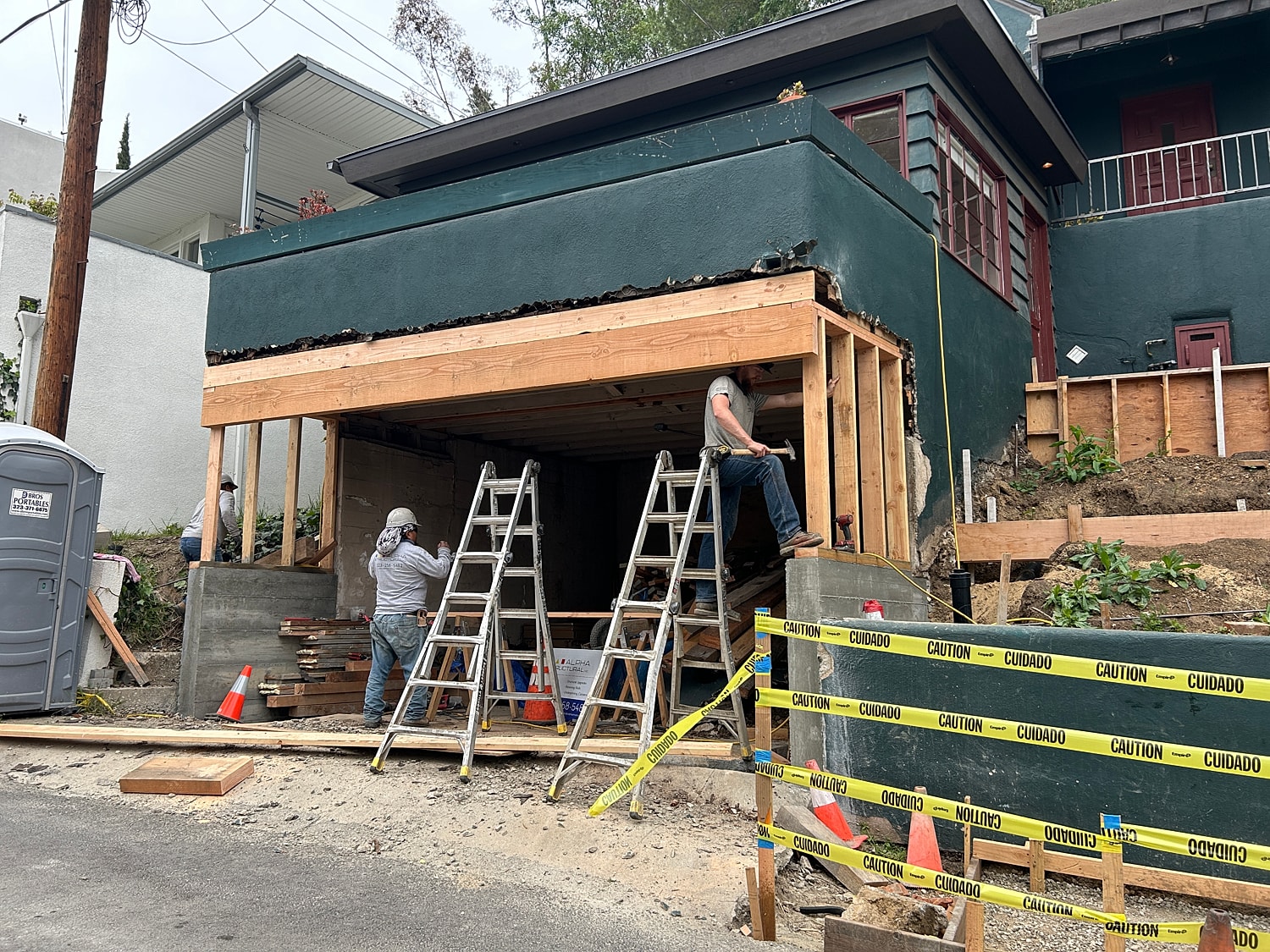
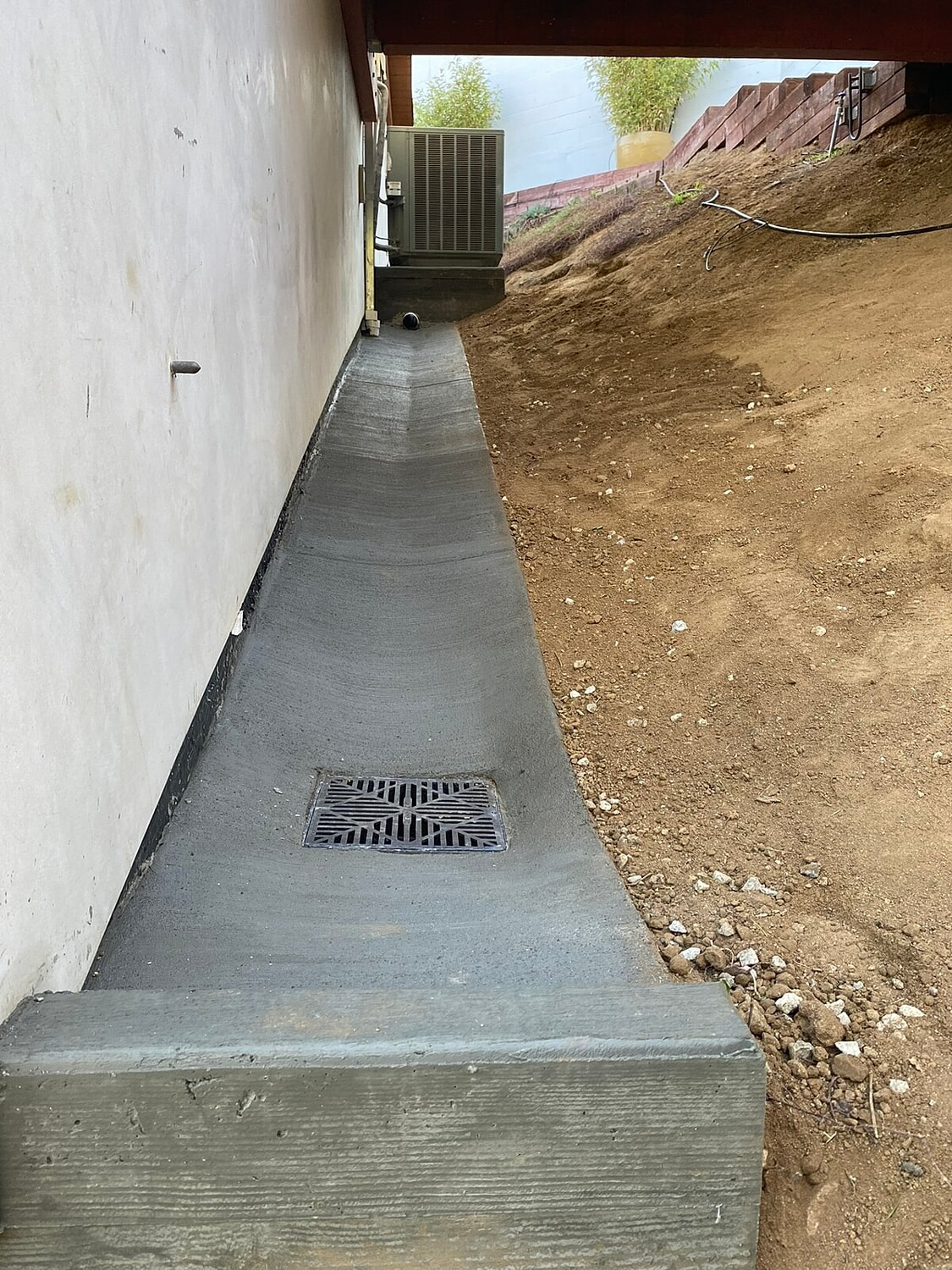
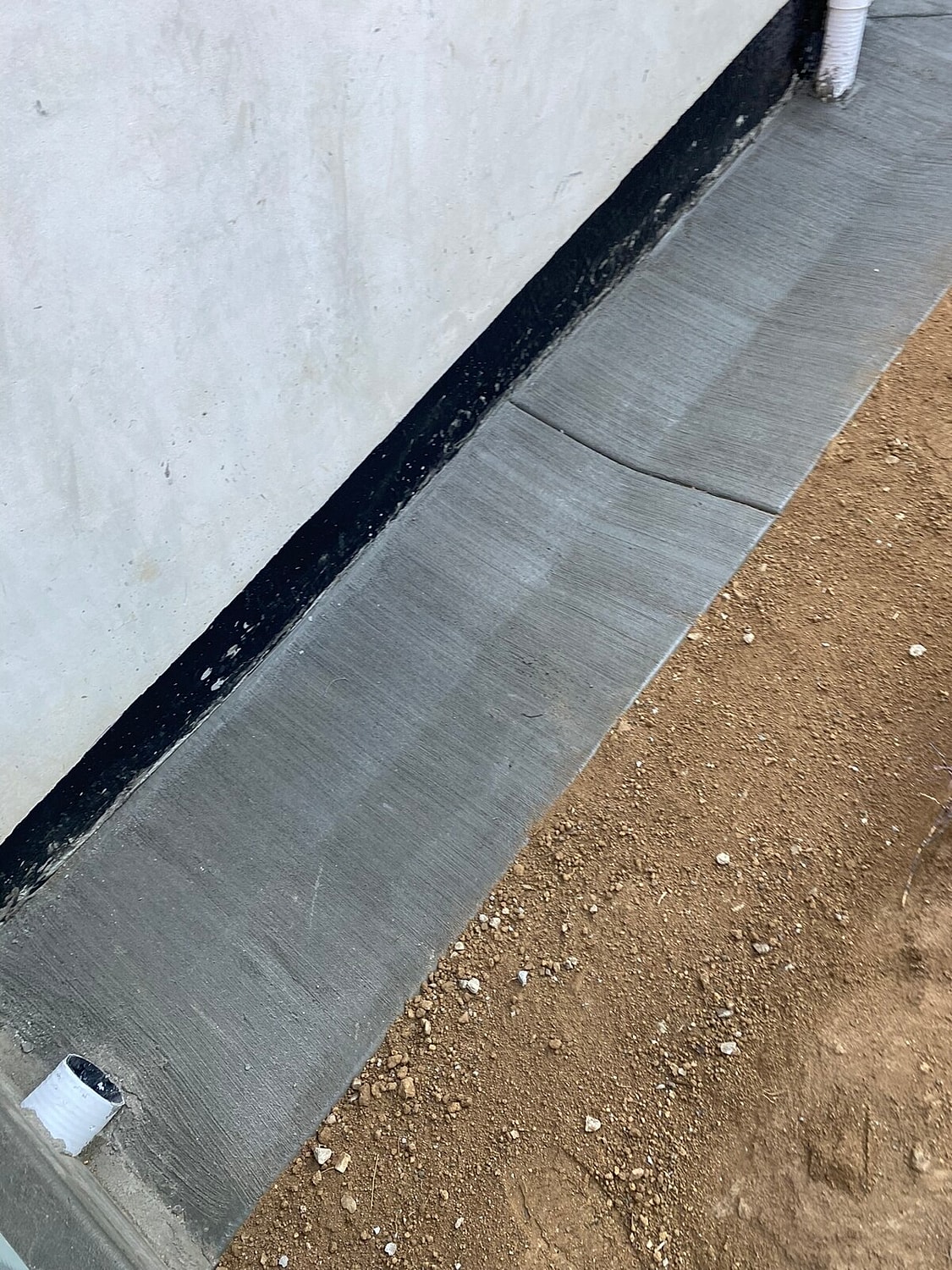
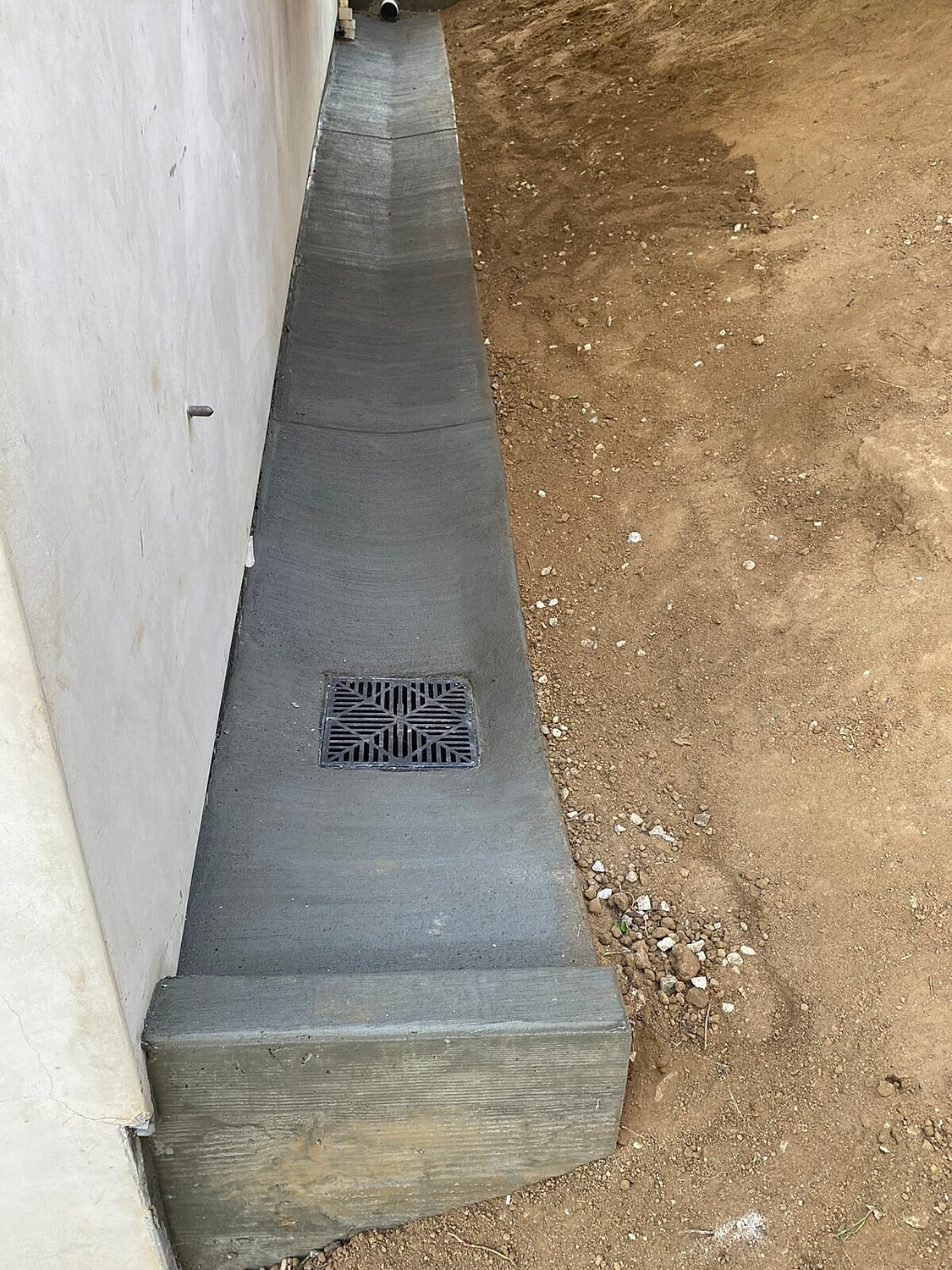
A hillside drainage project was completed for a 1925 home situated on a slope in Los Angeles. The scope of work was designed to resolve drainage issues occurring during rainfall that were directly causing foundation problems. To properly protect the structure, a system was installed to divert water from the hillside, mitigating the runoff away from the home and directing it safely down to the street. The home's existing downspouts and gutters were also integrated into the overall water mitigation strategy.
Residential
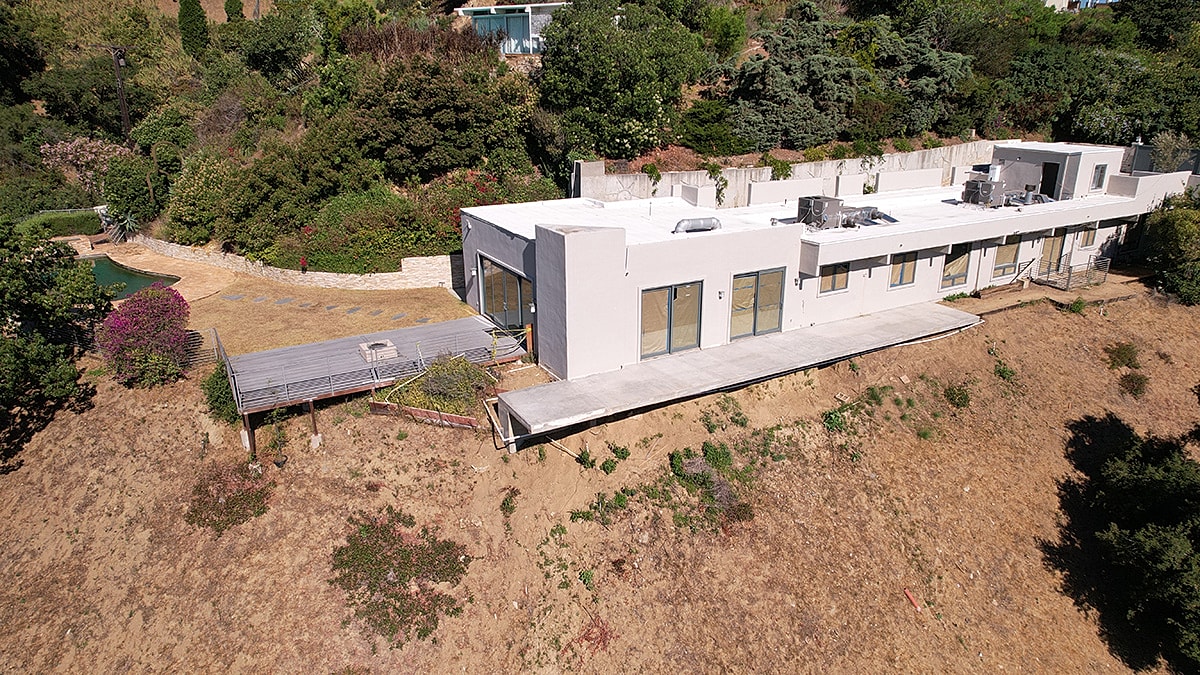
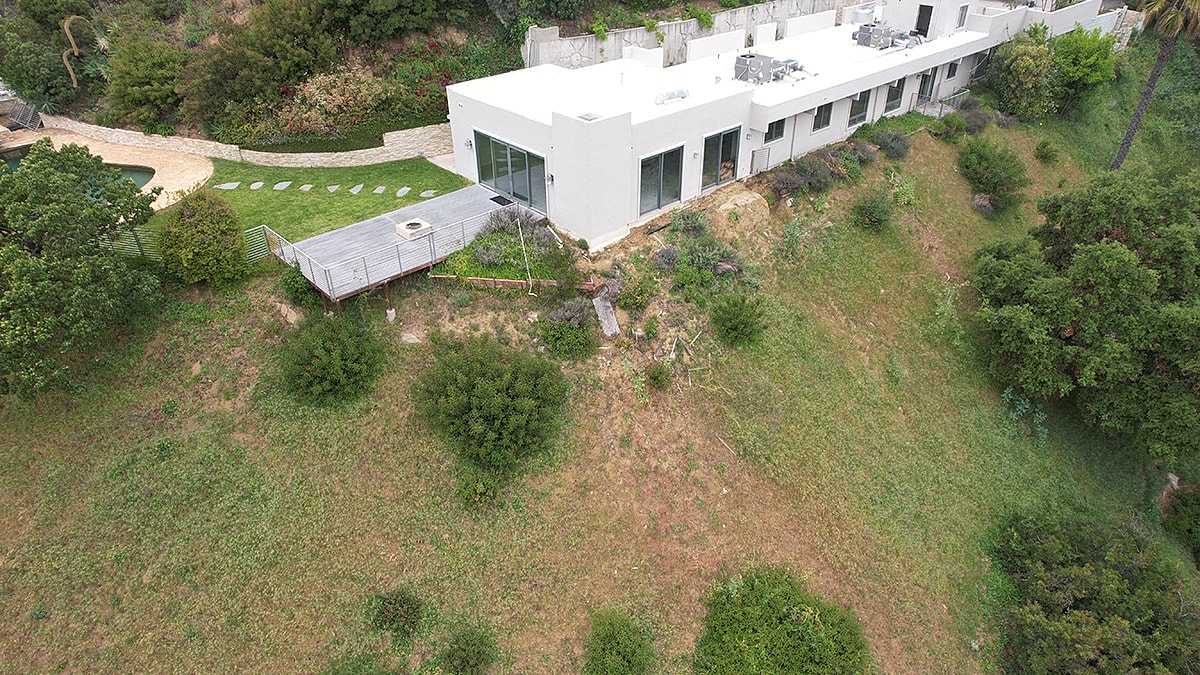
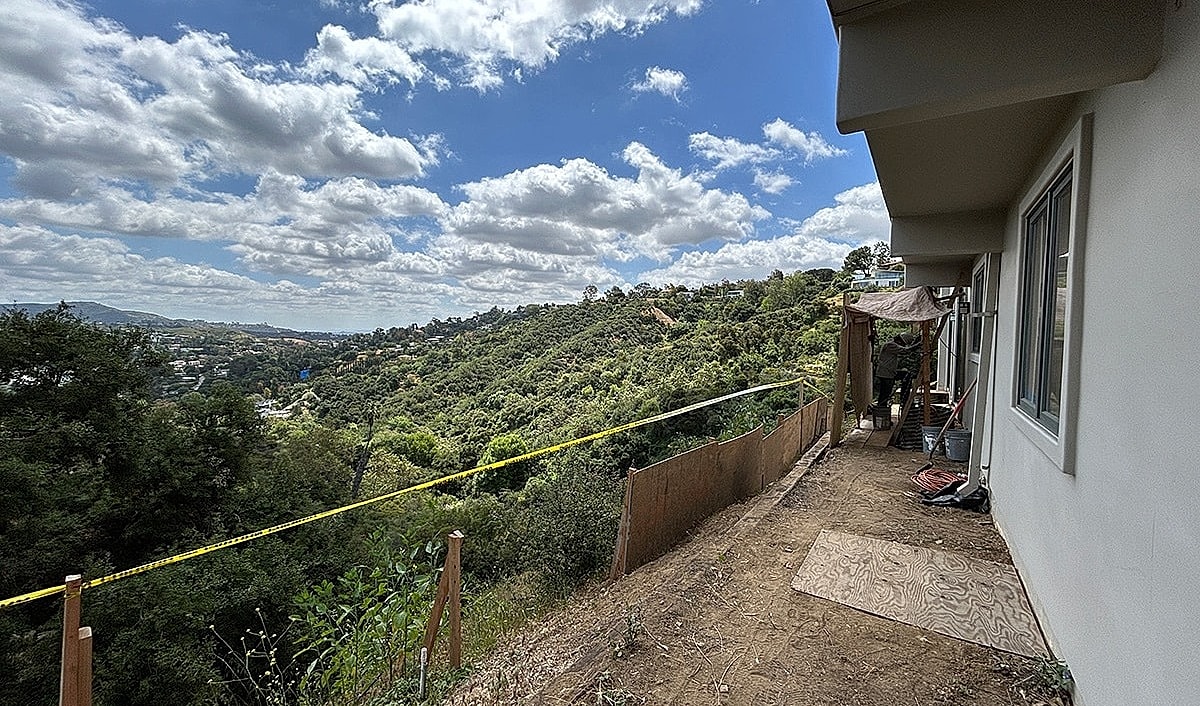
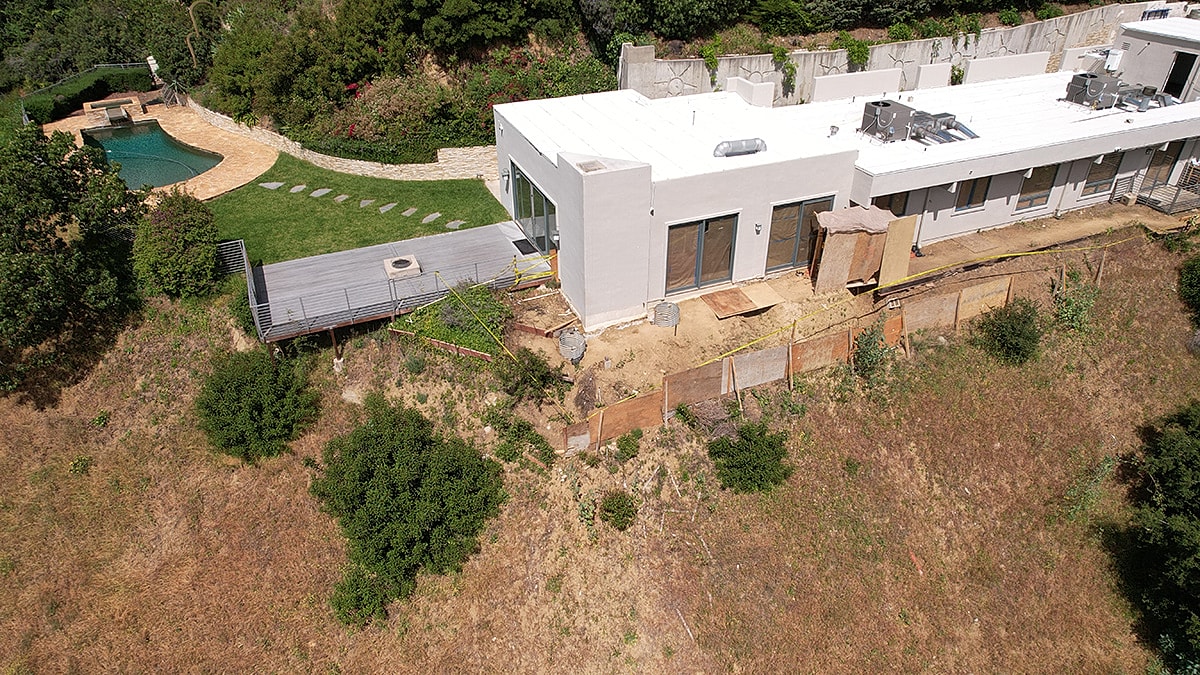
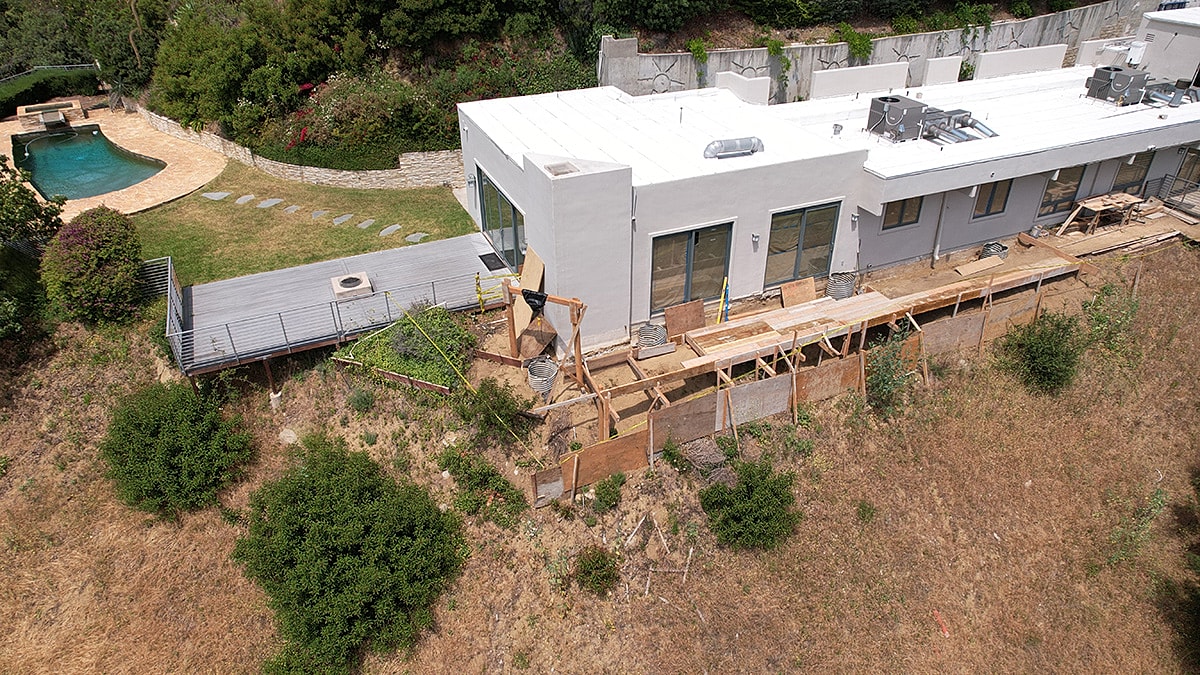
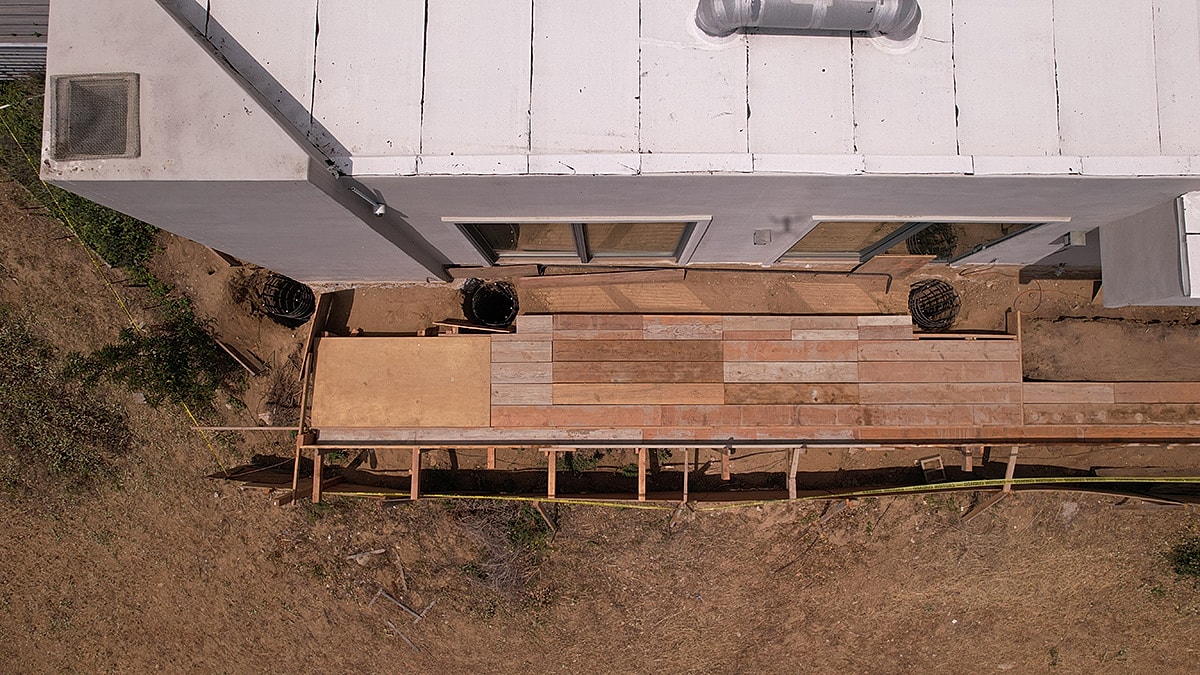
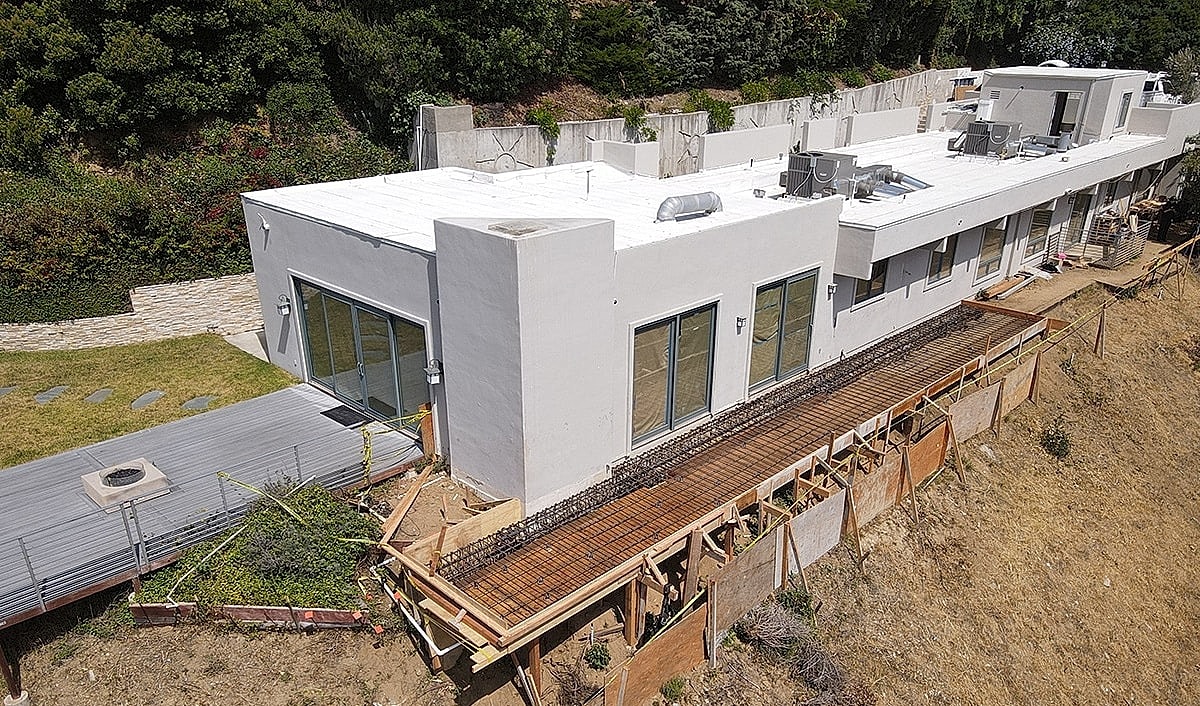
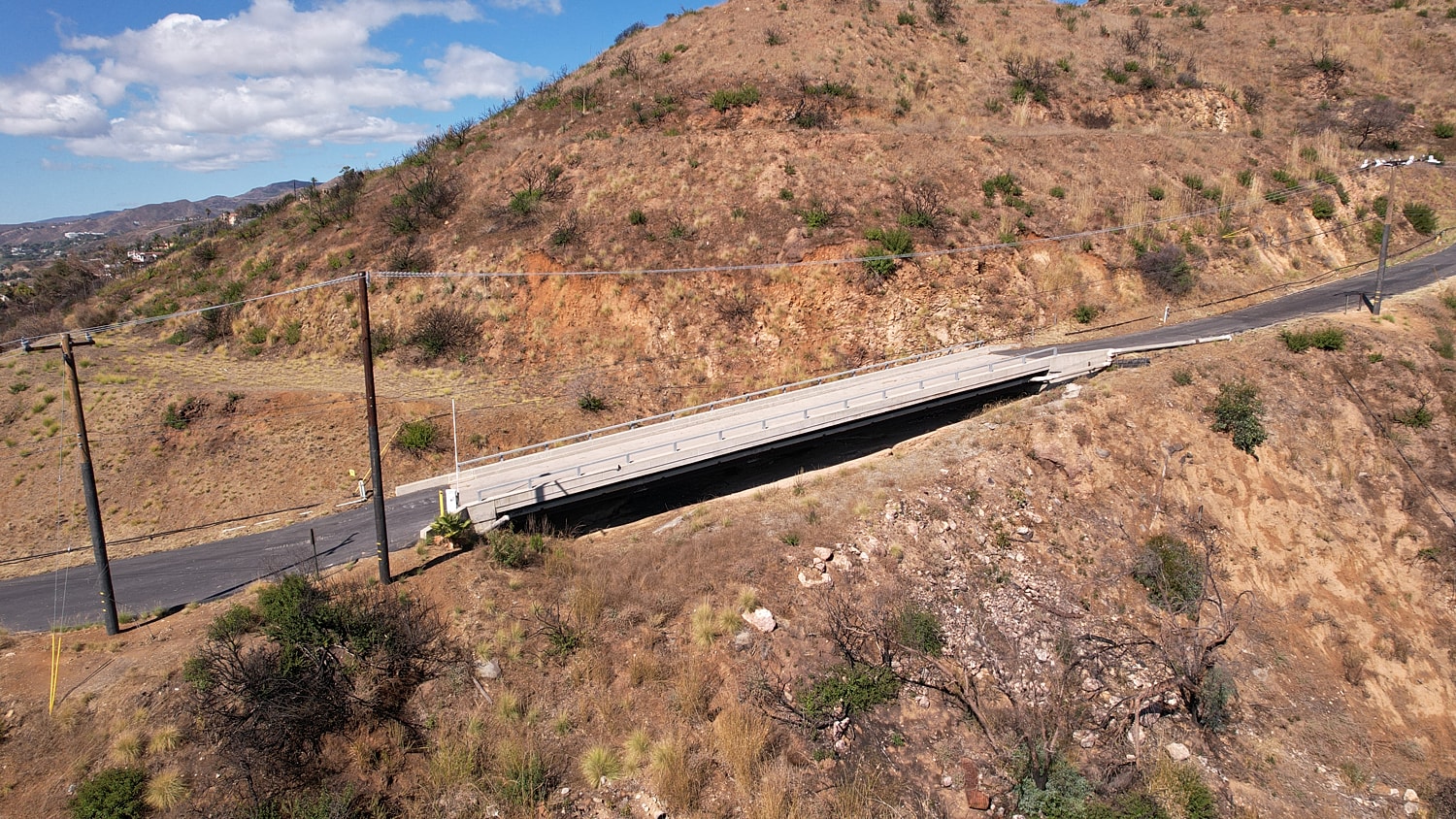
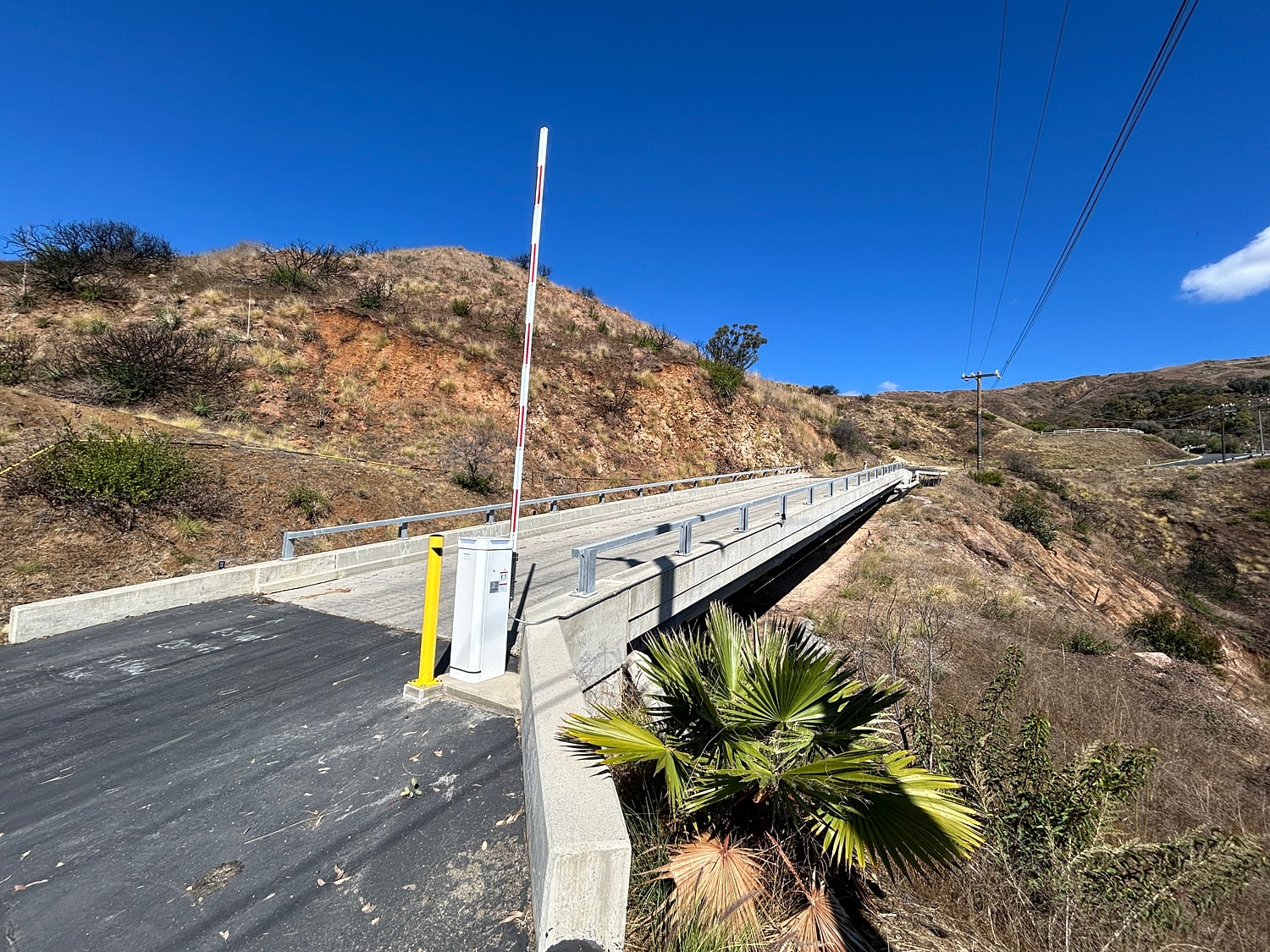
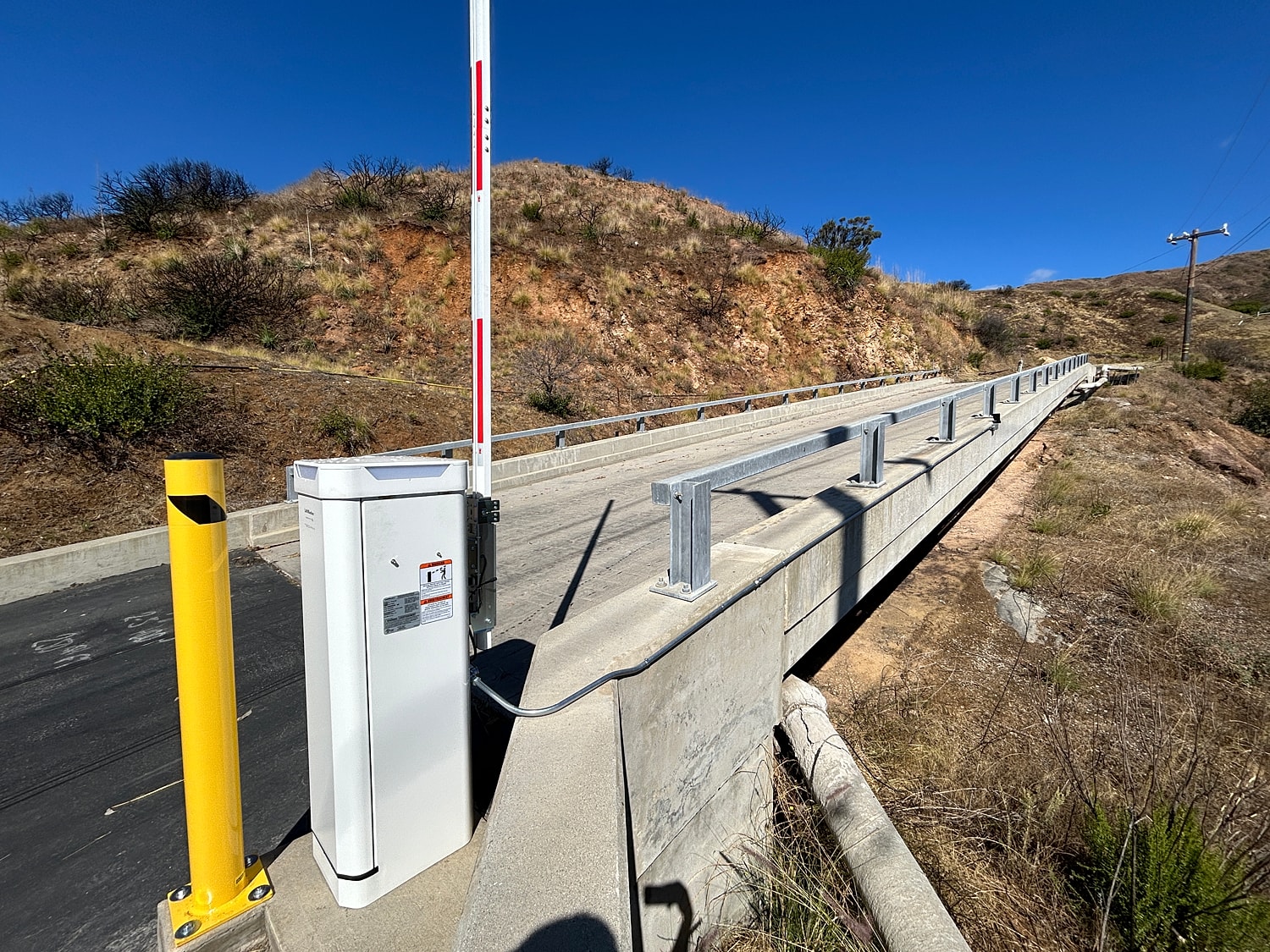
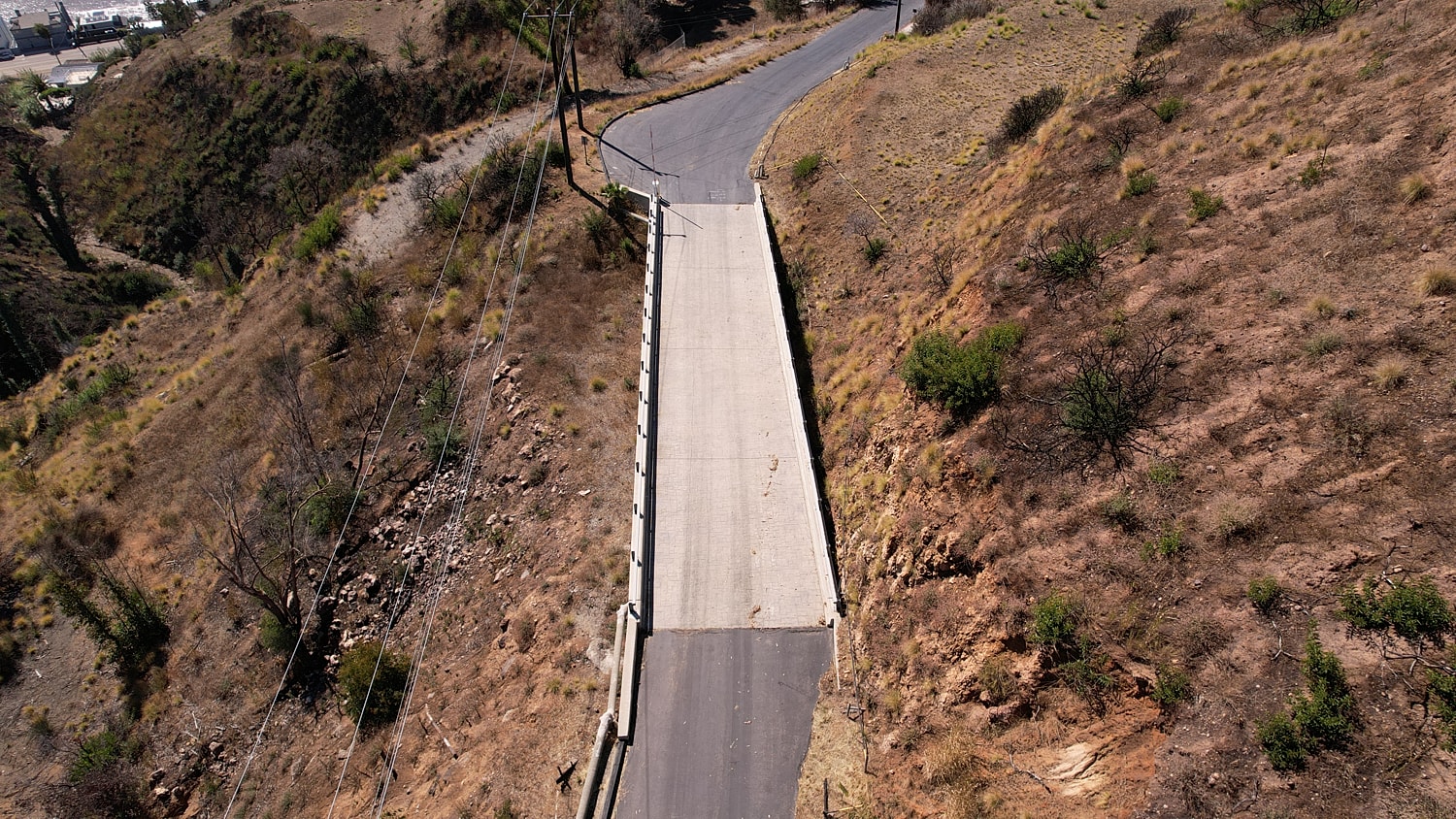
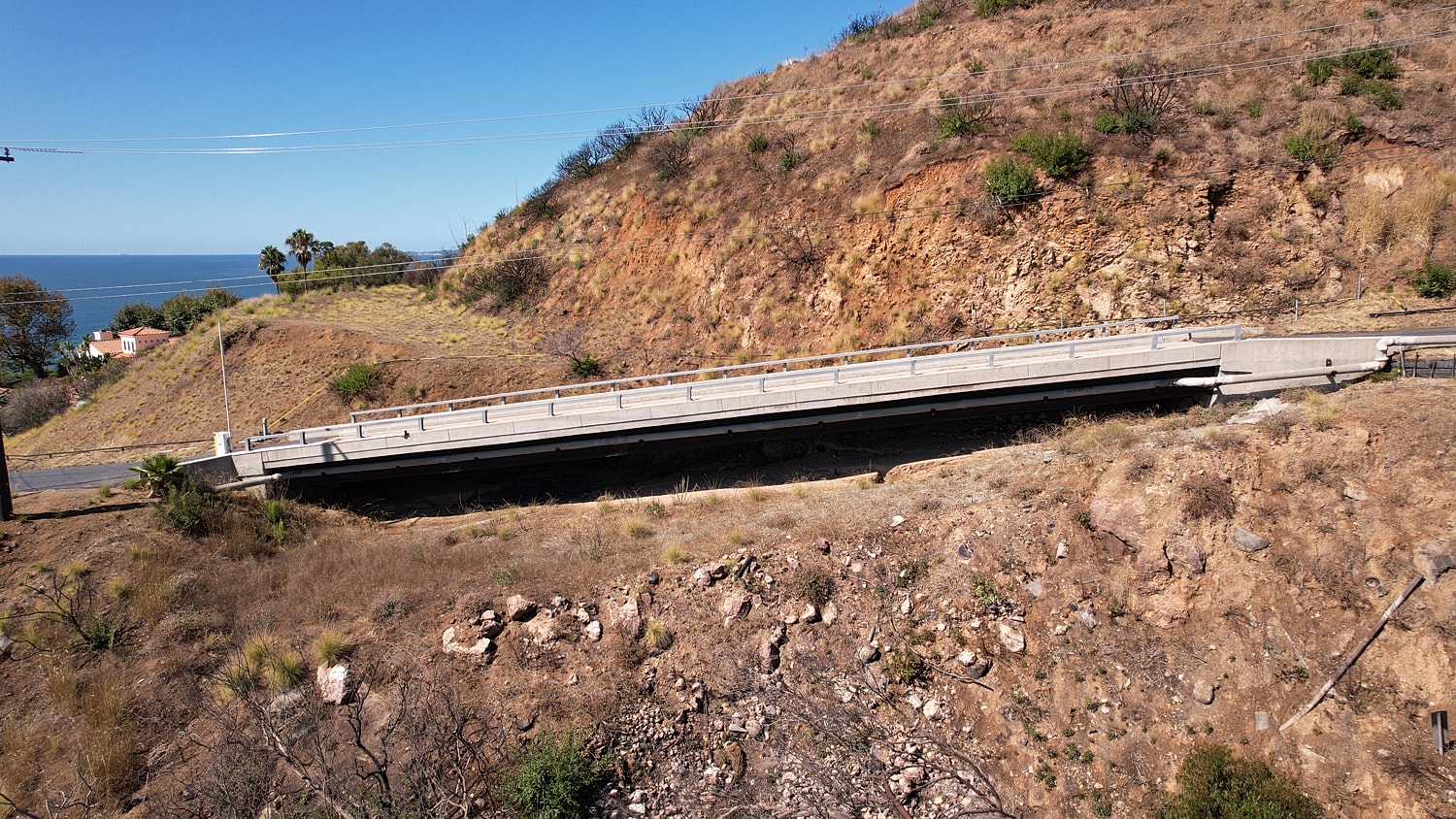
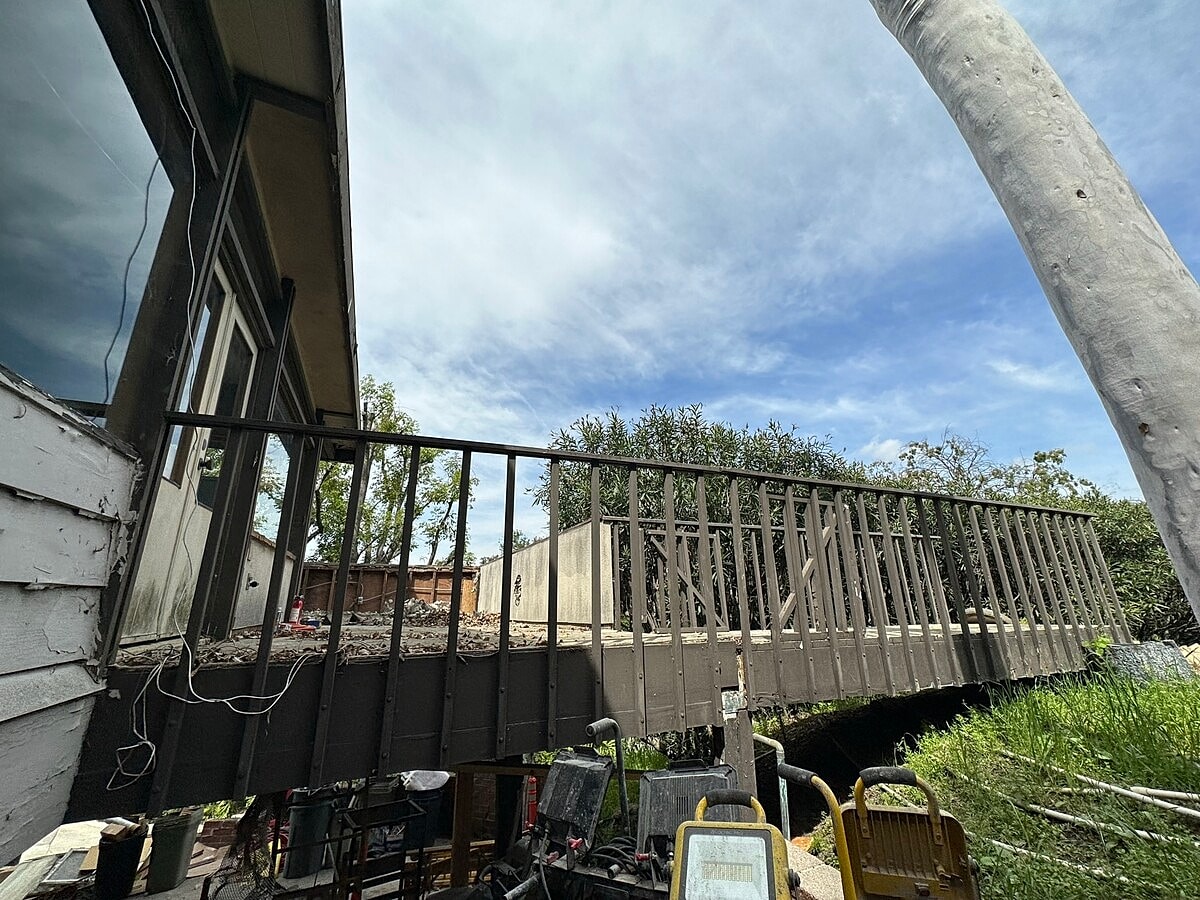
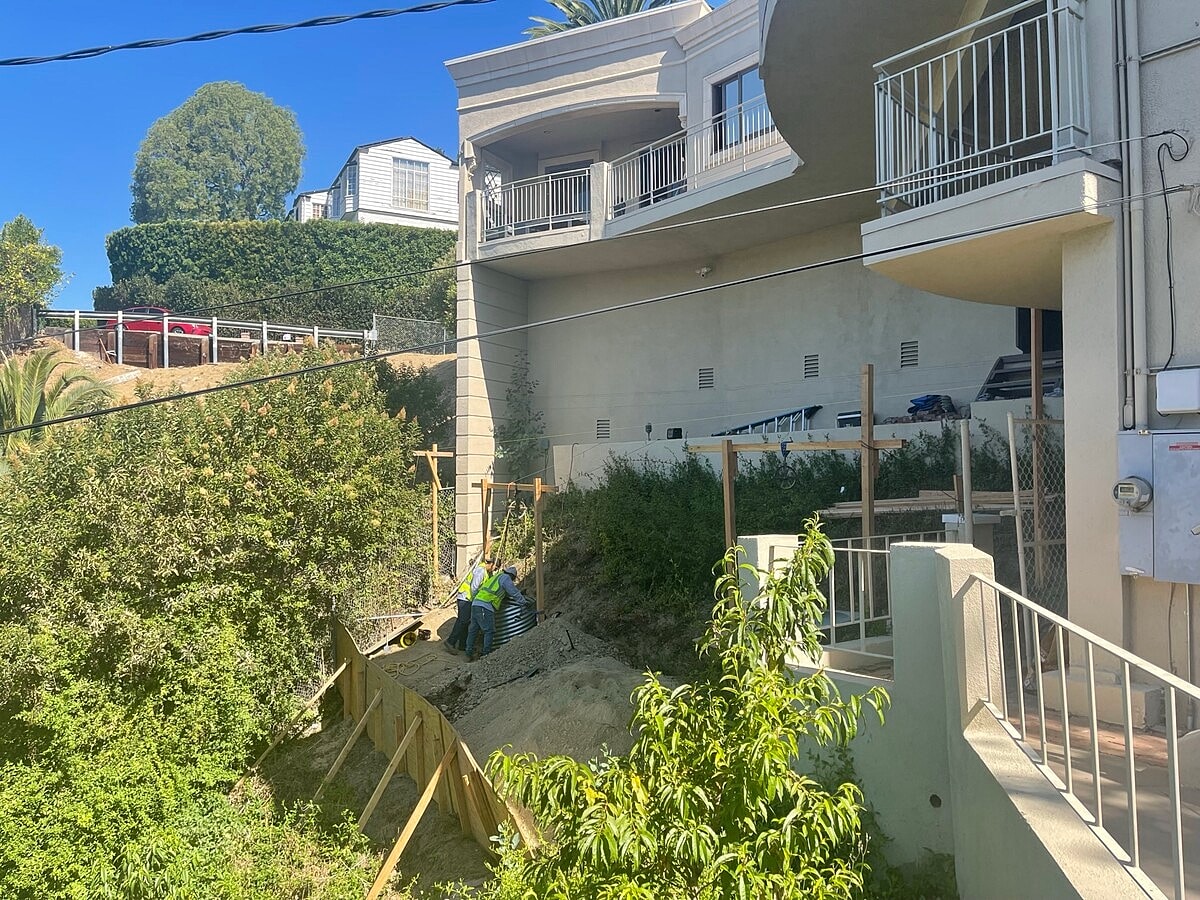
This Malibu bridge project required a custom structural solution to provide safe, reliable access across challenging site conditions. Our engineering team designed the bridge to accommodate the property's loading requirements, environmental conditions, and long-term performance objectives while integrating with the surrounding landscape.
Alpha Structural provided both the engineering and construction for the project, ensuring every component of the bridge was designed and built to perform as a complete structural system. From foundation support to the bridge framing, each element was carefully engineered to provide strength, stability, and durability for years to come.
The completed bridge delivers dependable access while demonstrating the value of combining structural engineering expertise with specialized construction for complex hillside and coastal properties.
Residential
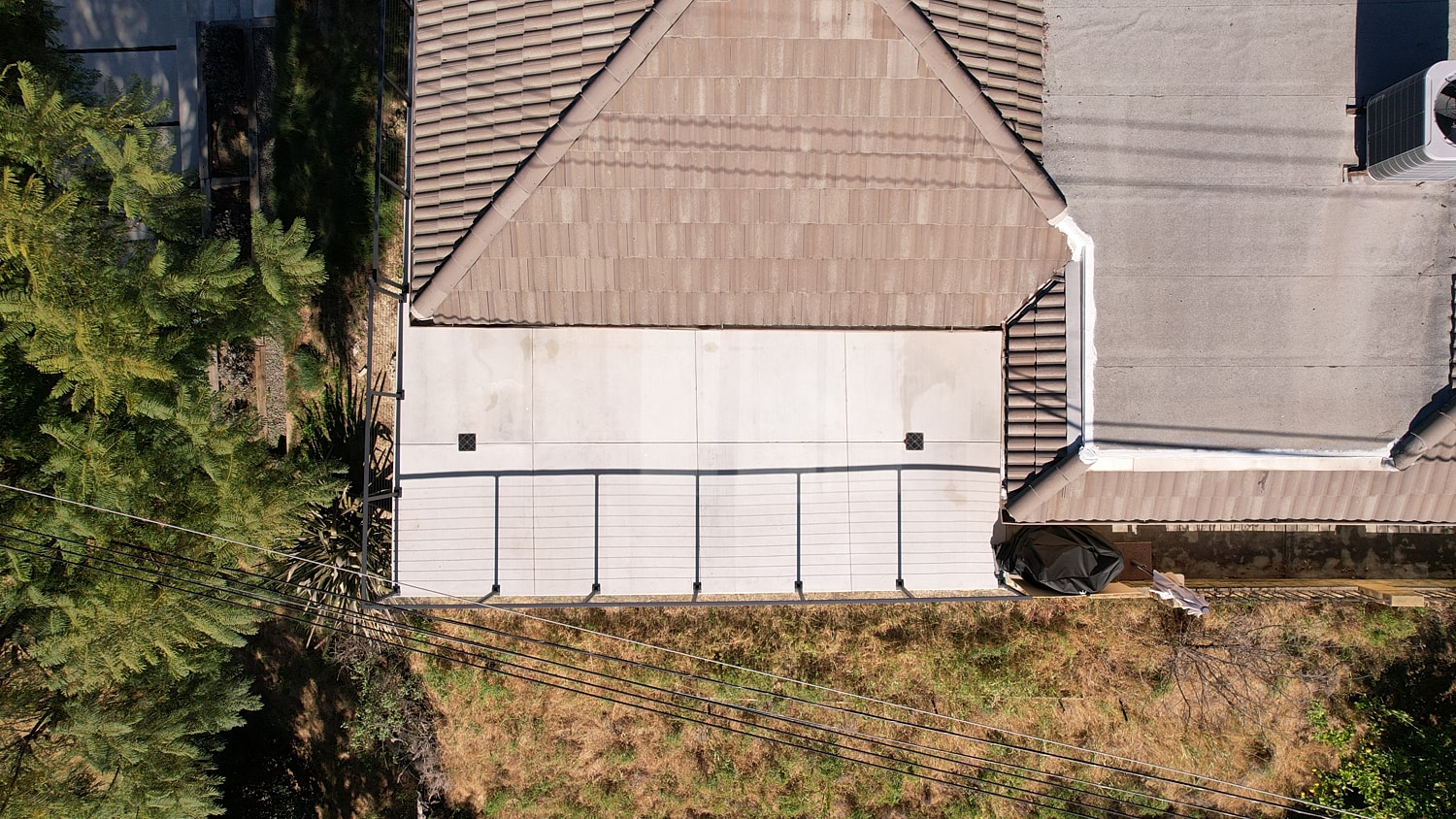
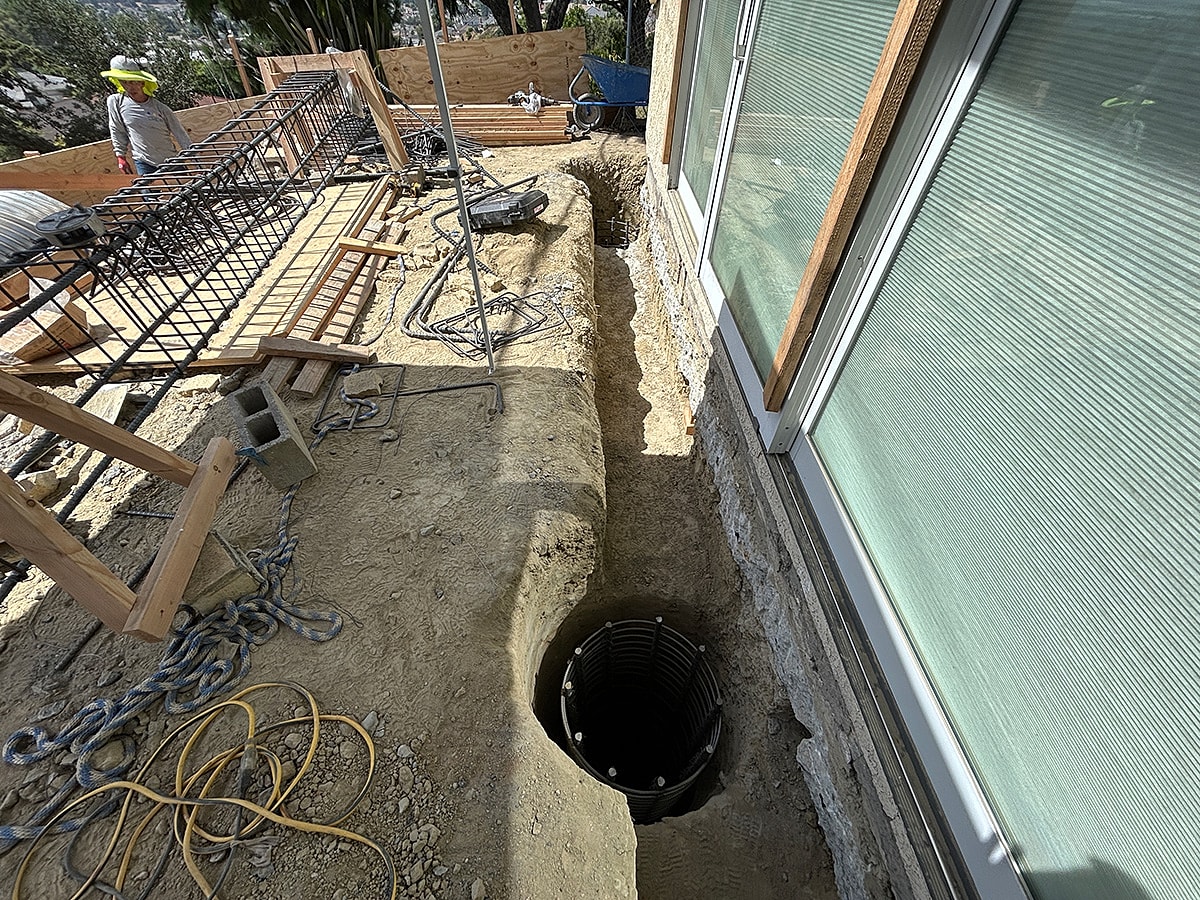
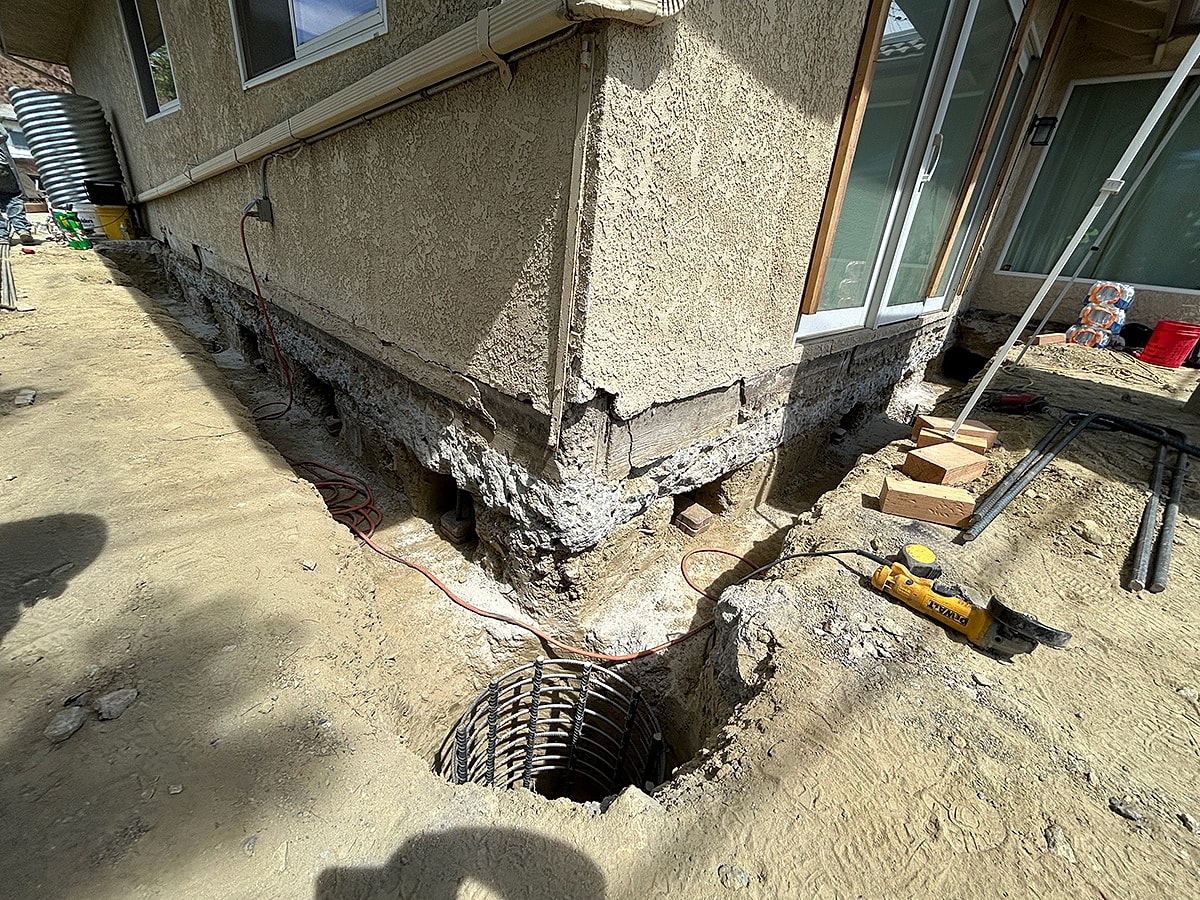
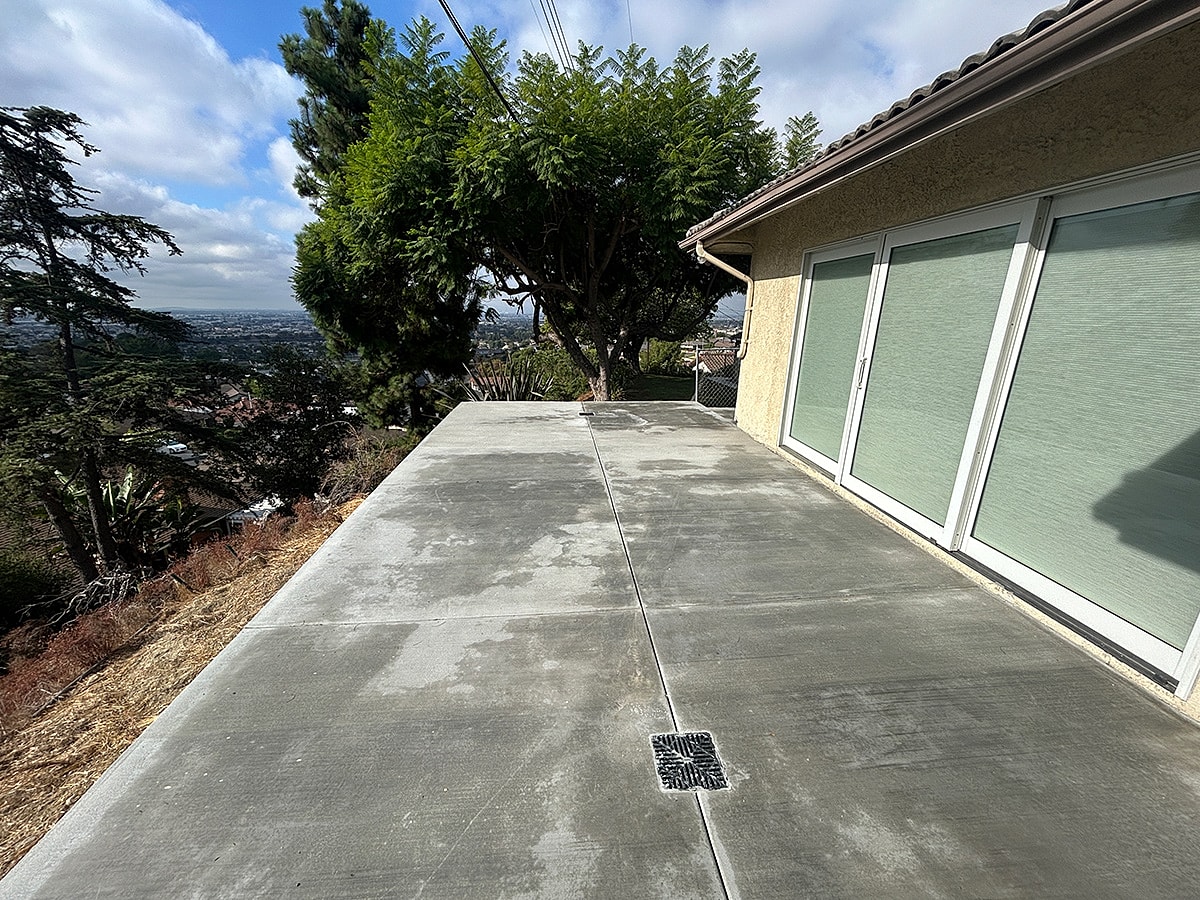
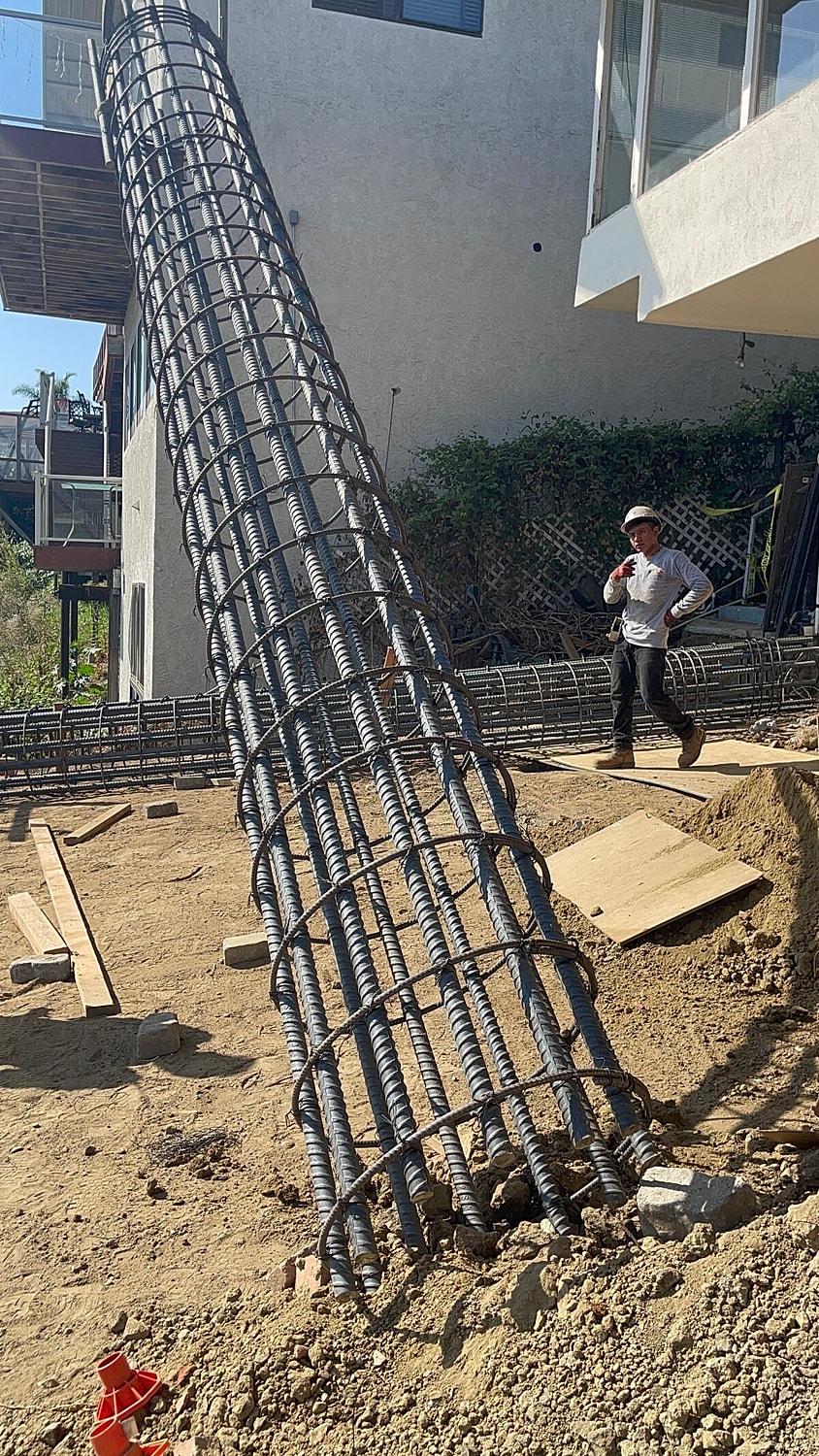
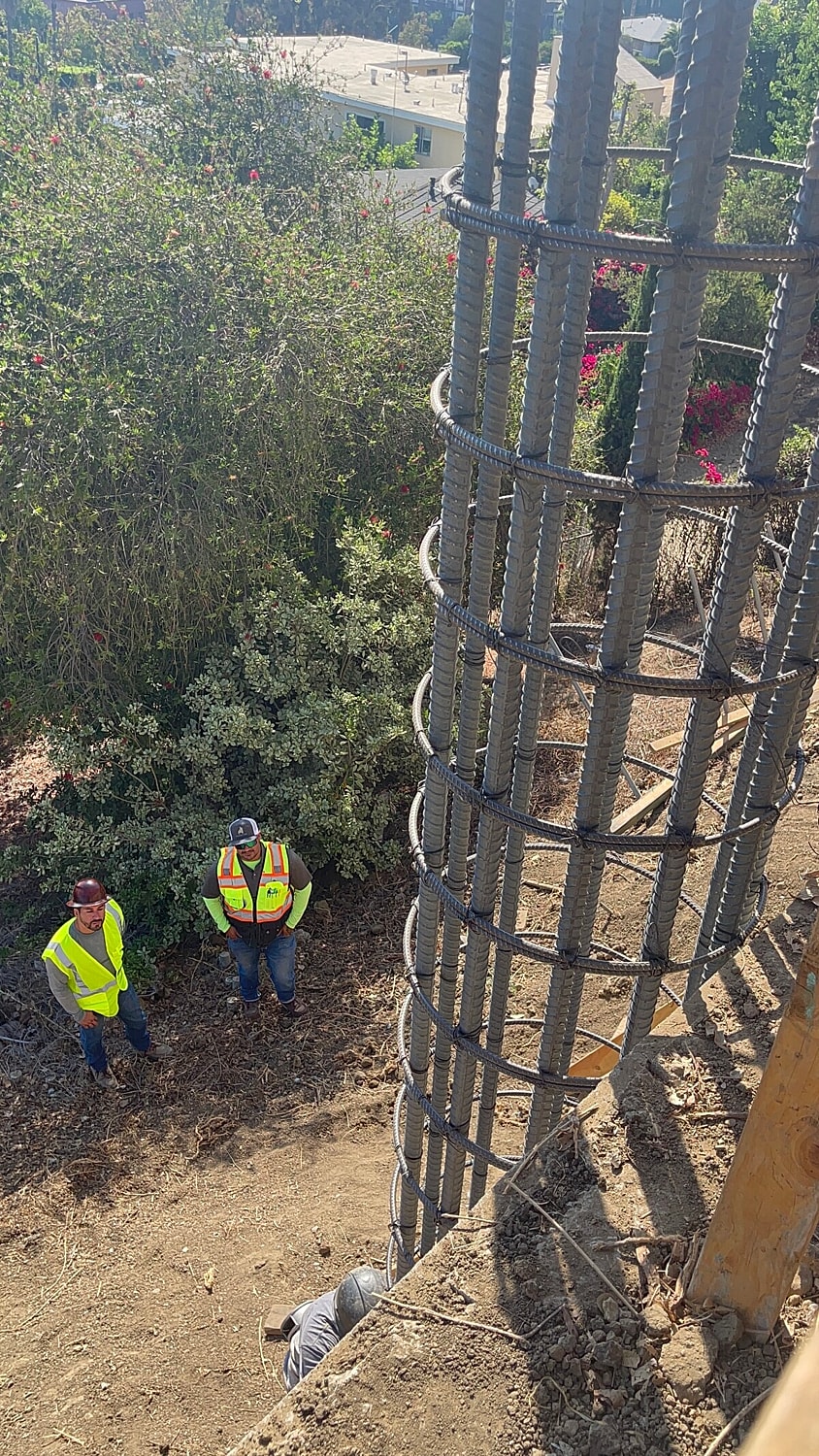
This Monterey Park project required modifications to the deep foundation system after field observations and geotechnical recommendations called for additional pile depth to achieve the required bearing capacity. Alpha Structural extended the pile foundations, incorporating additional excavation, reinforcing steel, and concrete to meet the project's engineering requirements.
Deep foundation systems are designed to transfer structural loads through weaker surface soils into deeper, more competent ground. By working closely with the project geologist and implementing the recommended foundation upgrades, our team ensured the foundation system was constructed to support the structure while addressing the site's subsurface conditions.
Residential
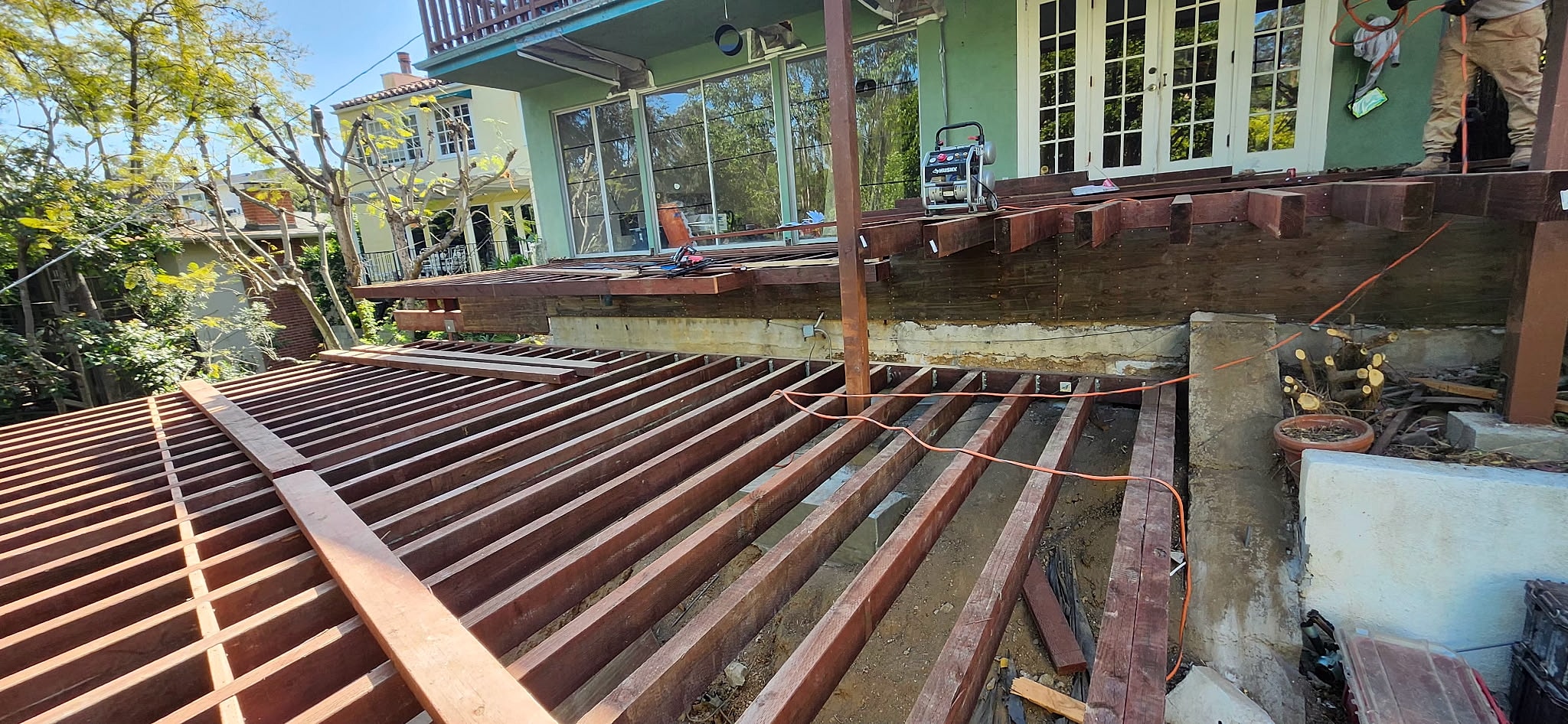
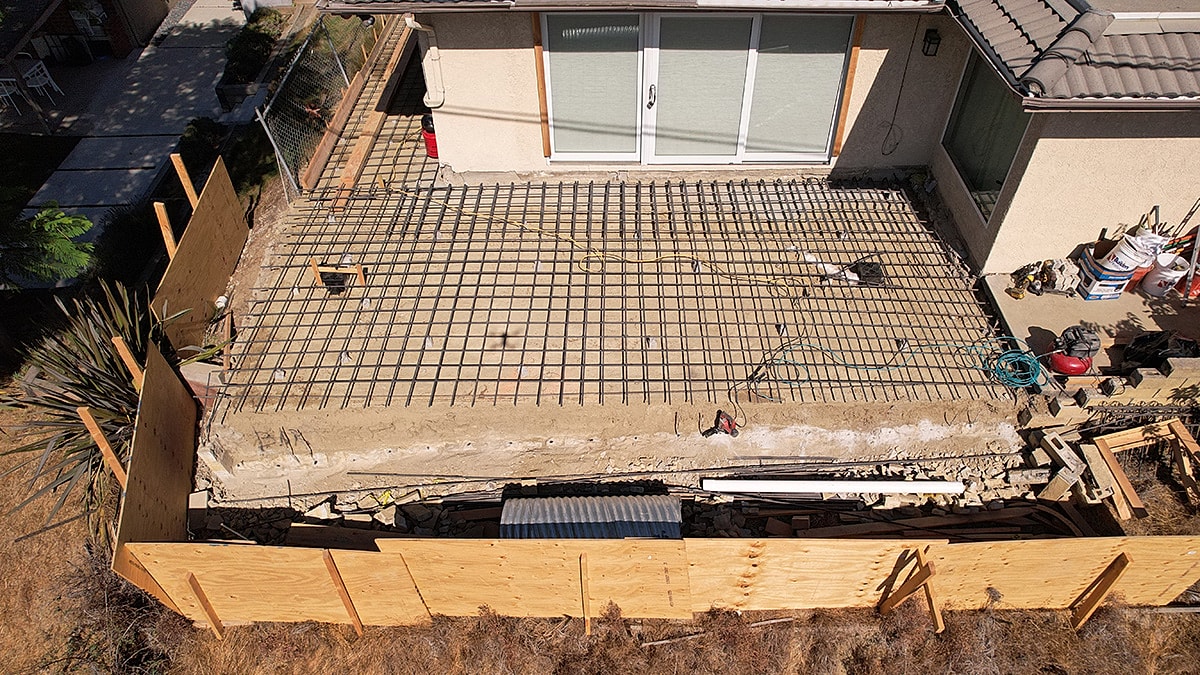
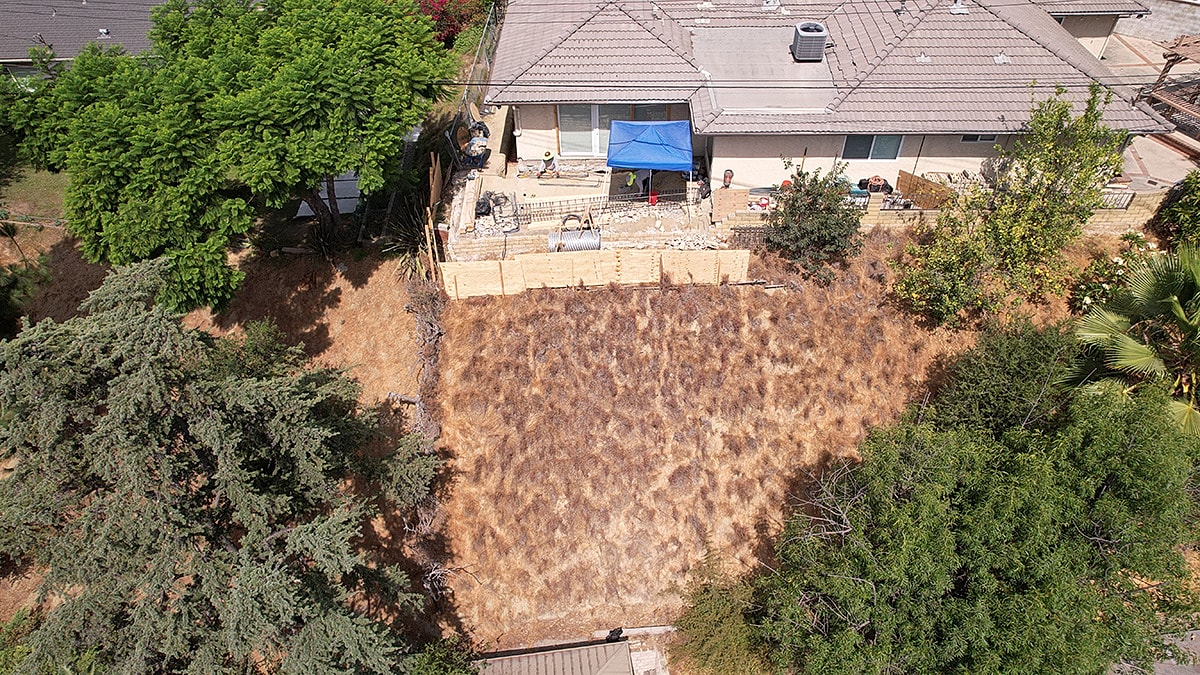
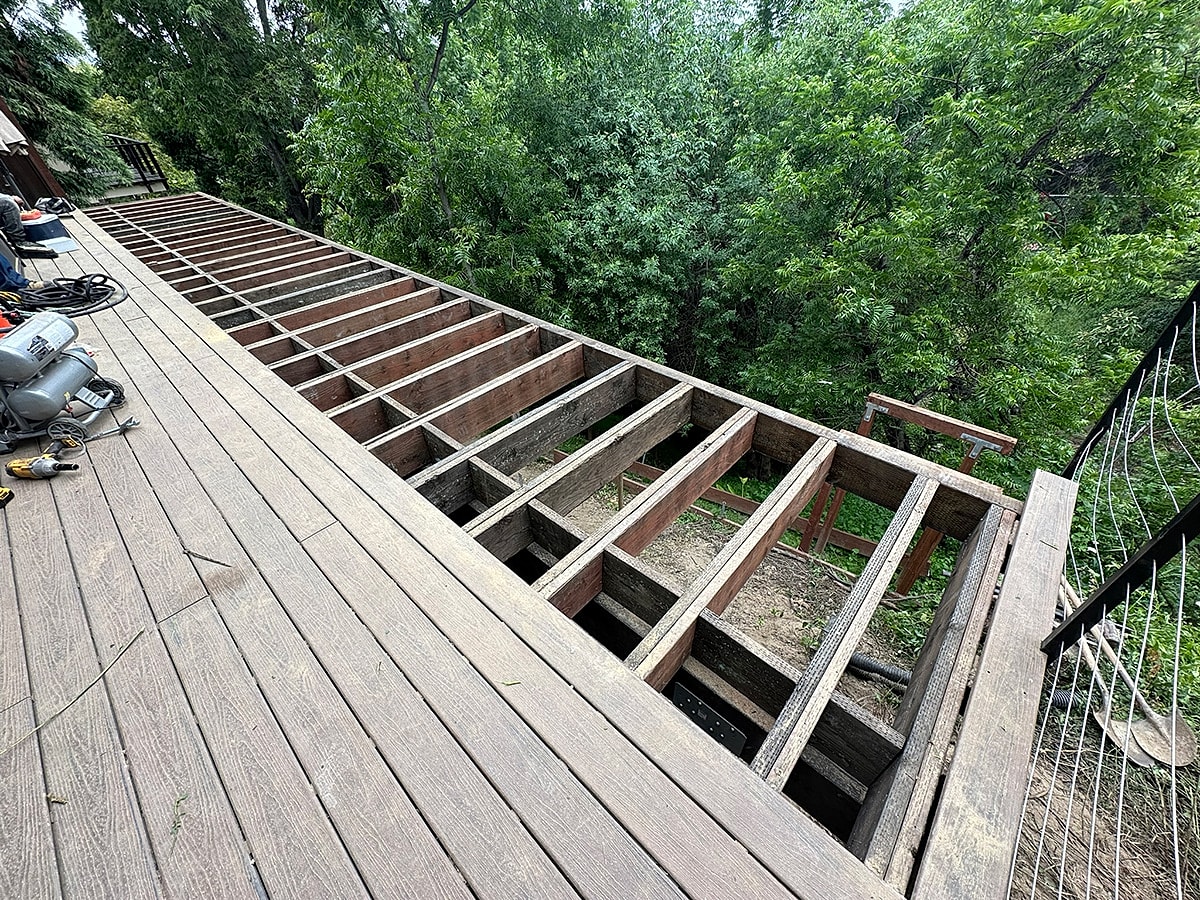
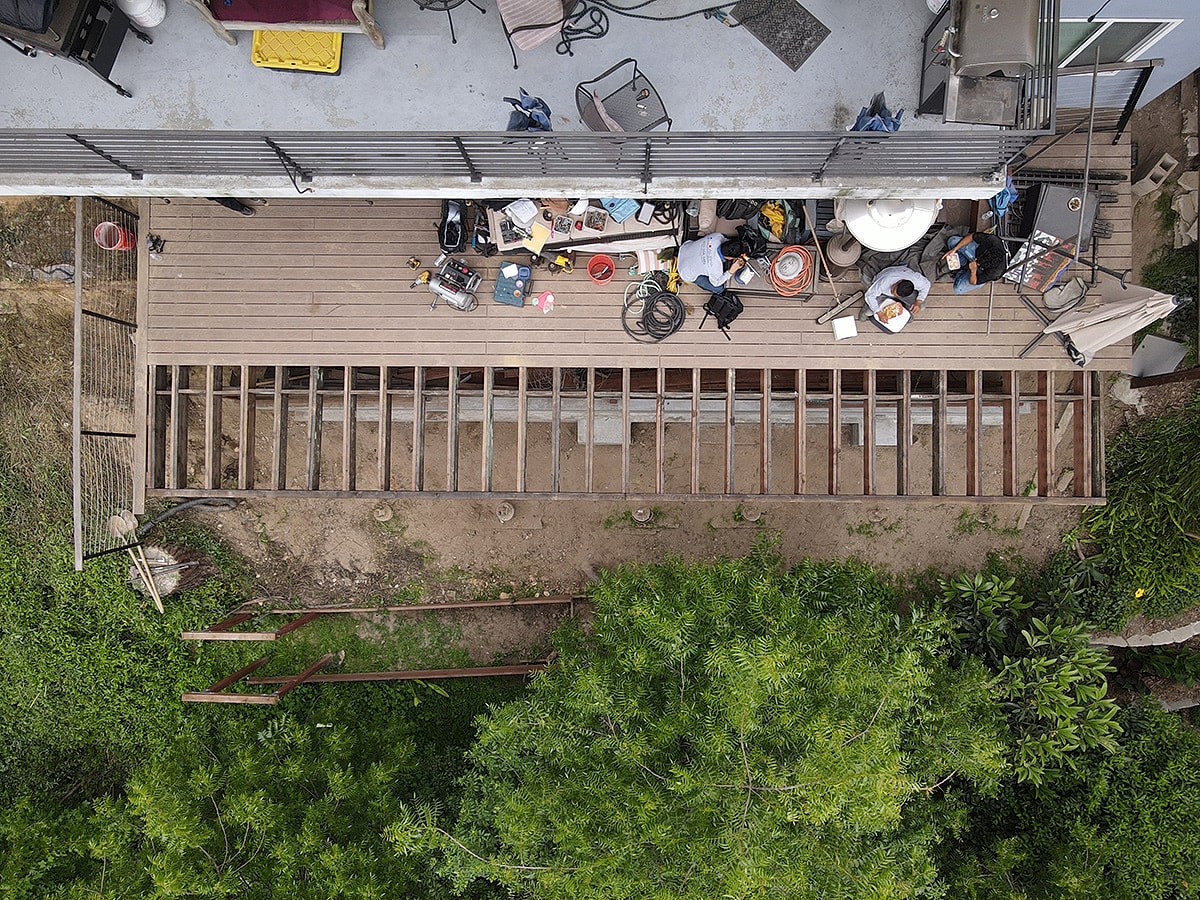
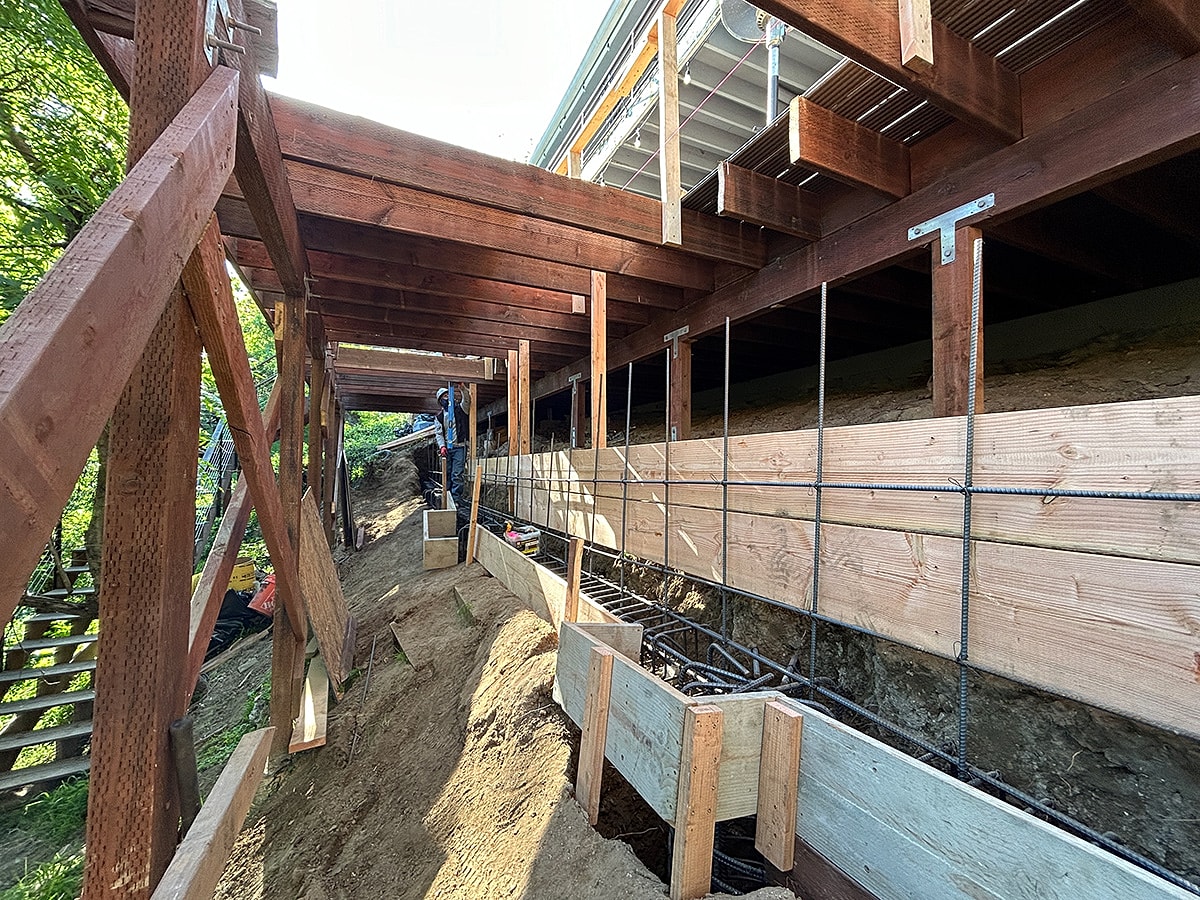
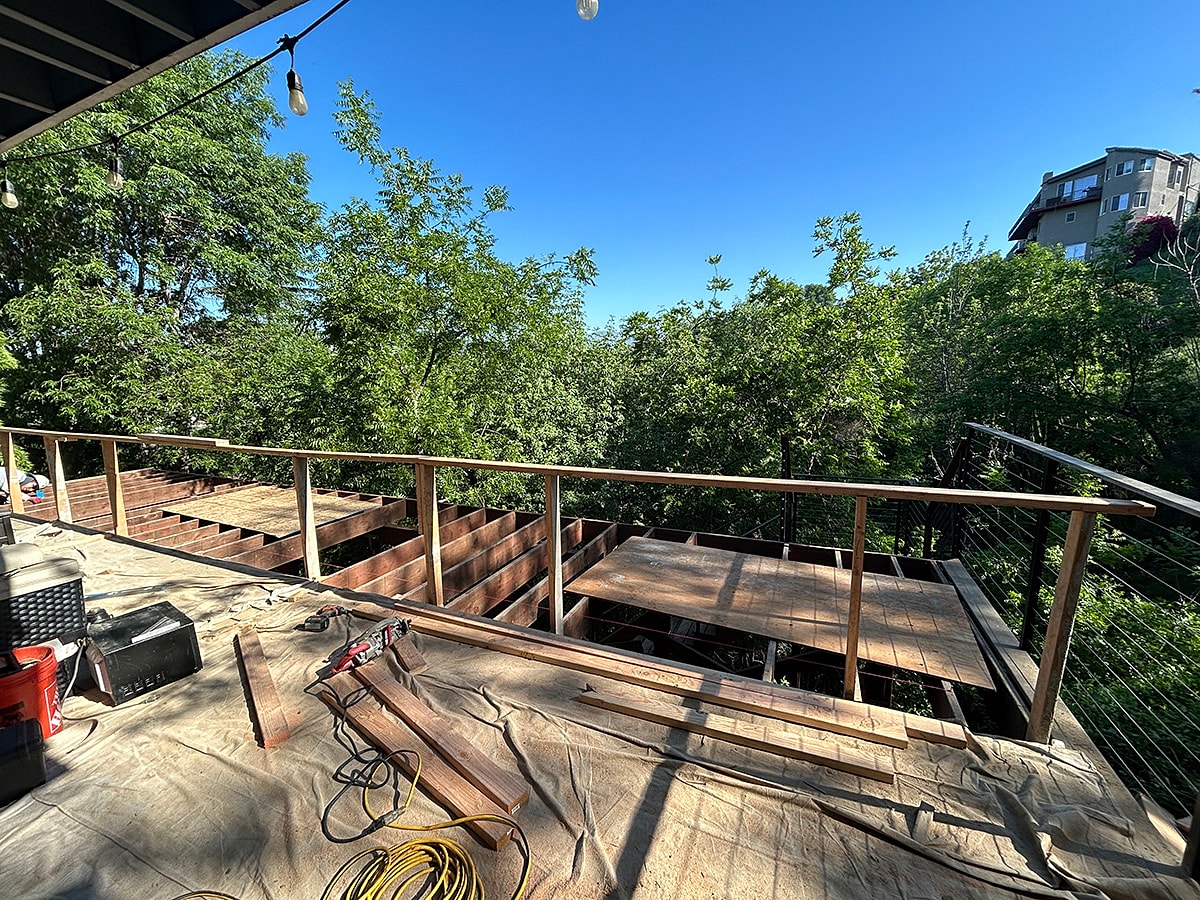
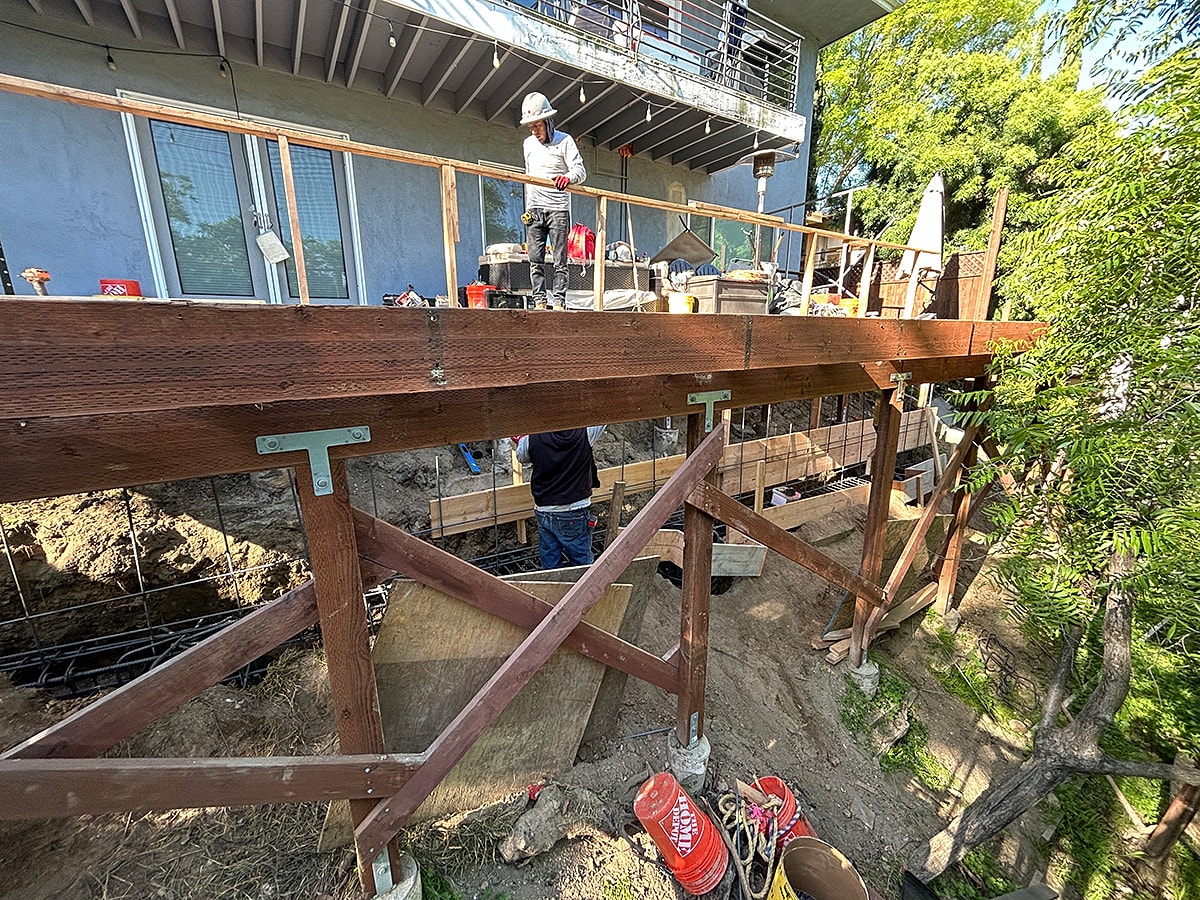
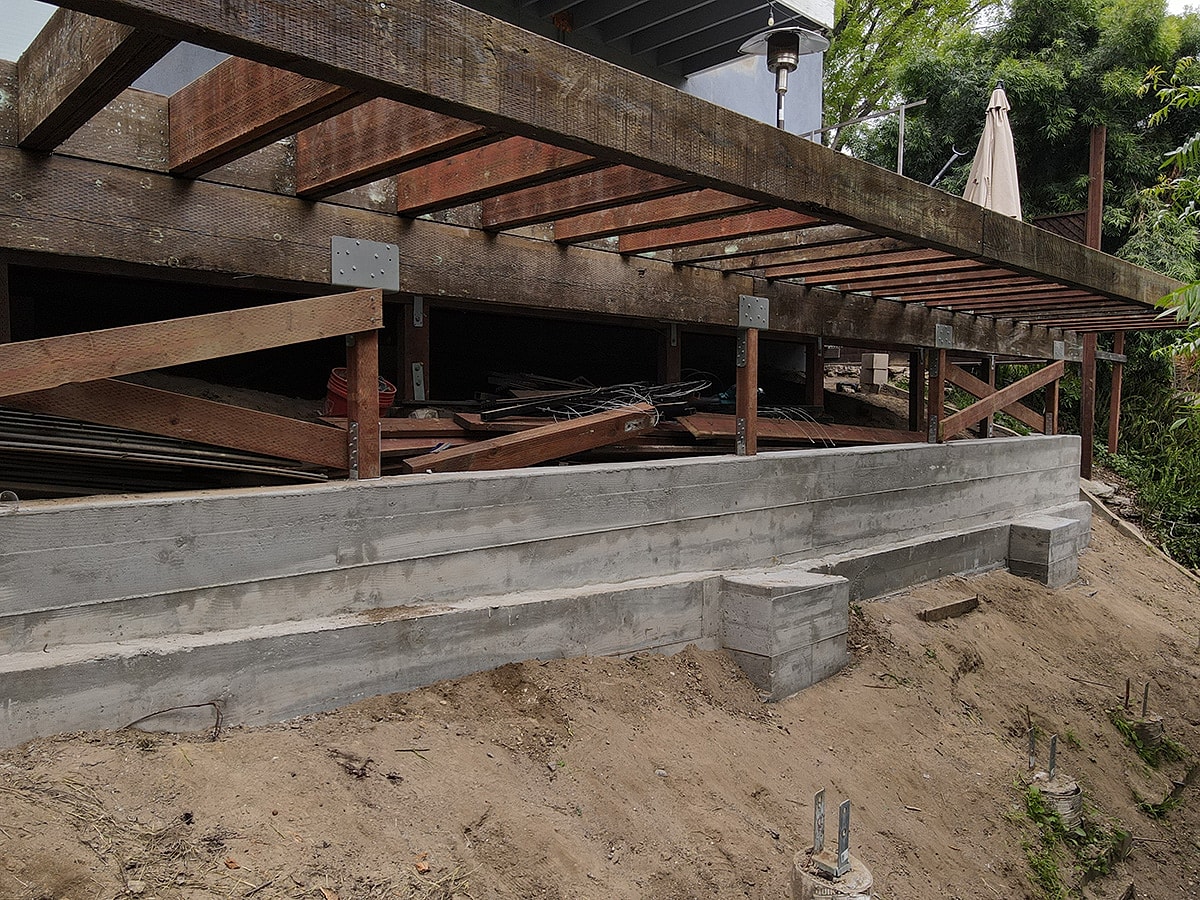
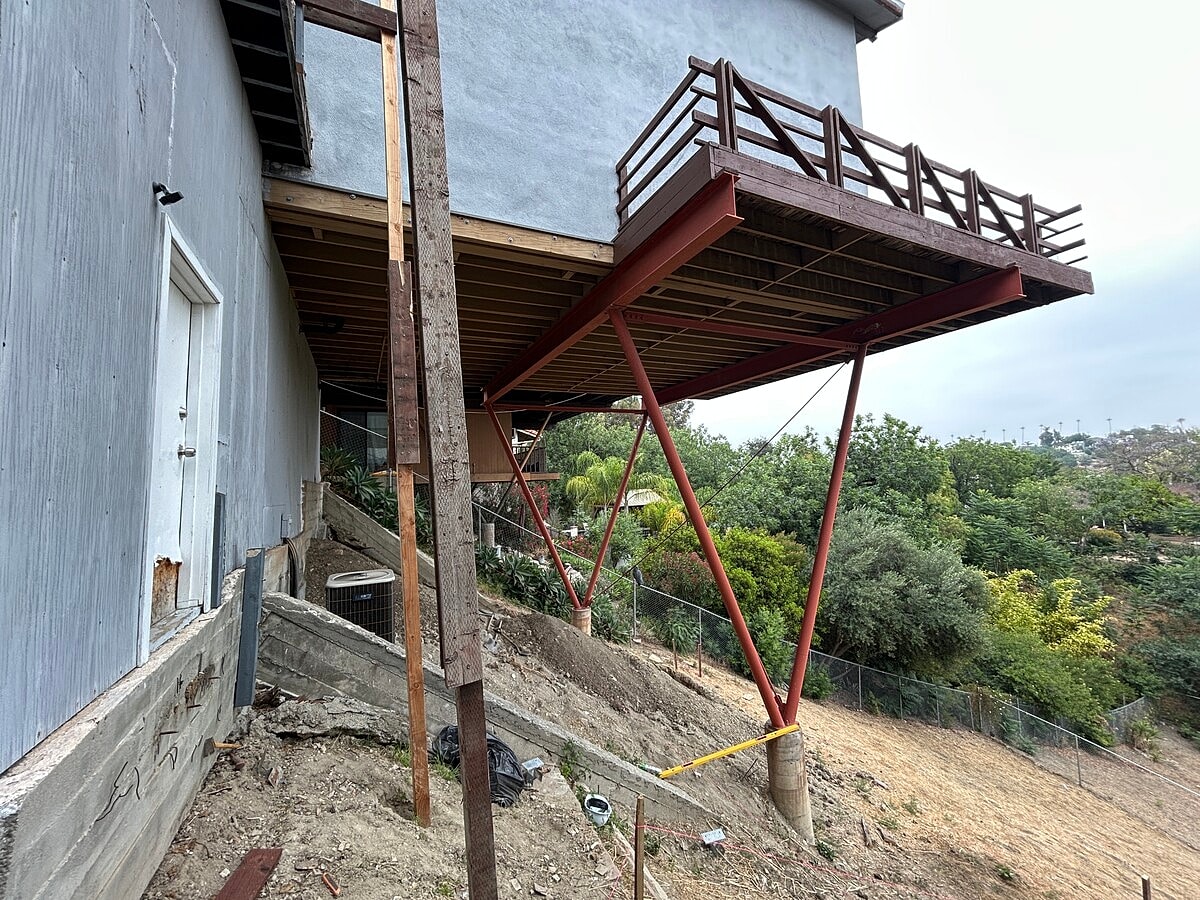
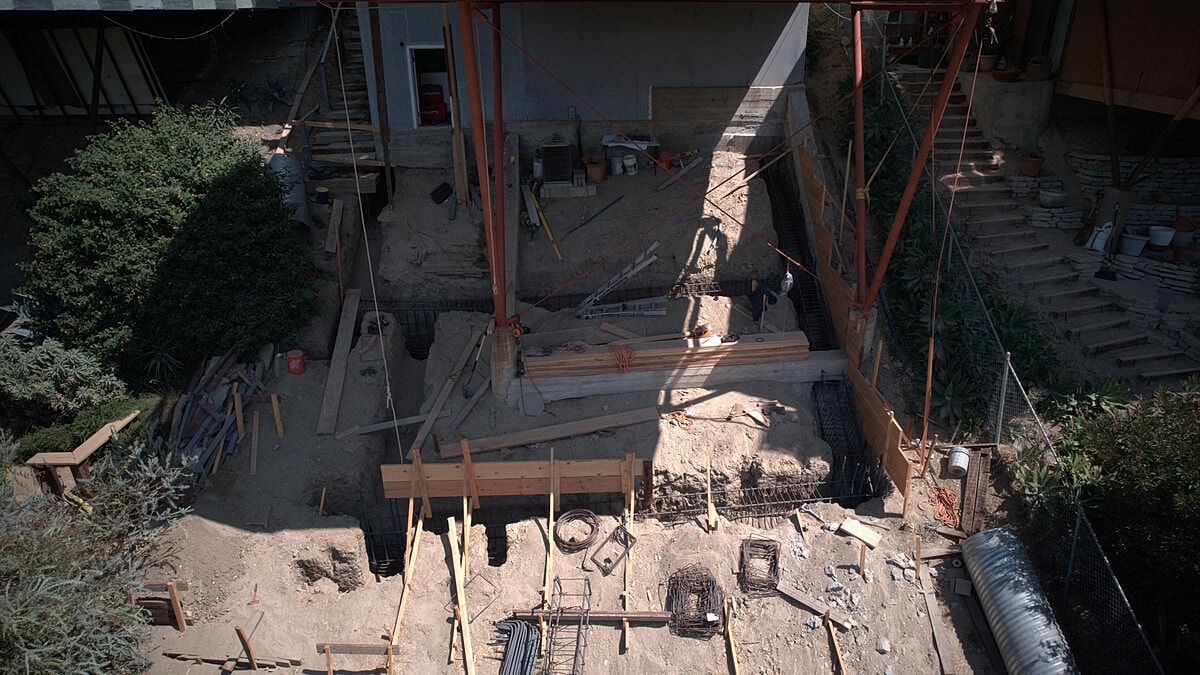
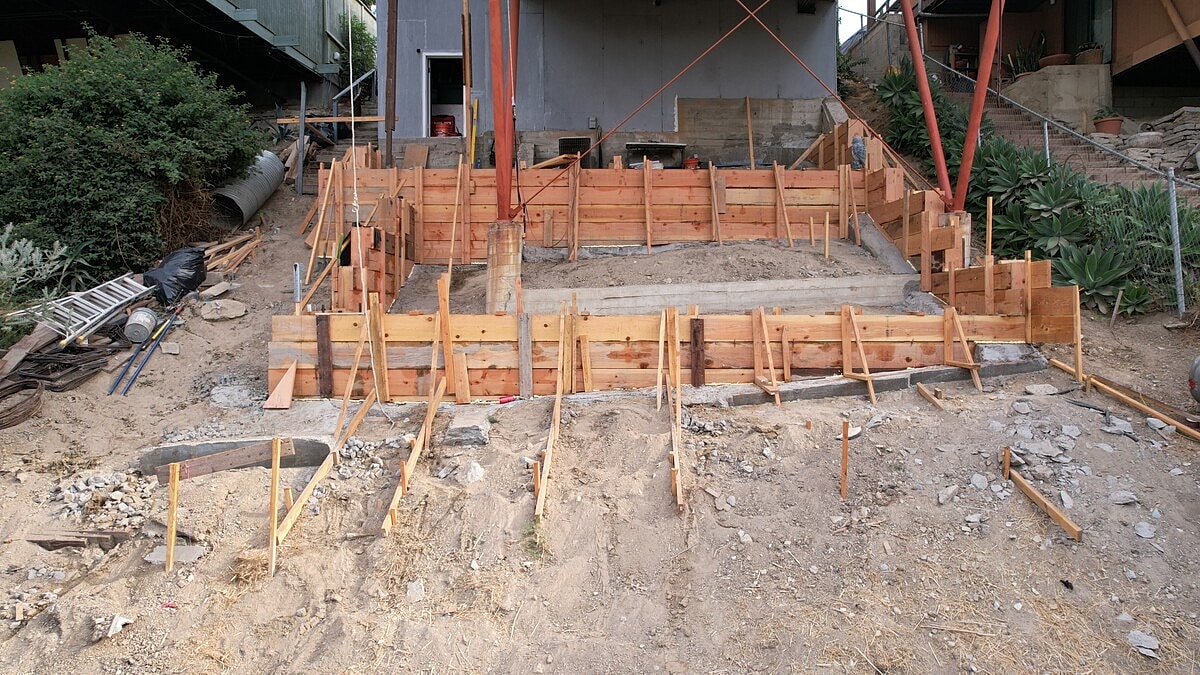
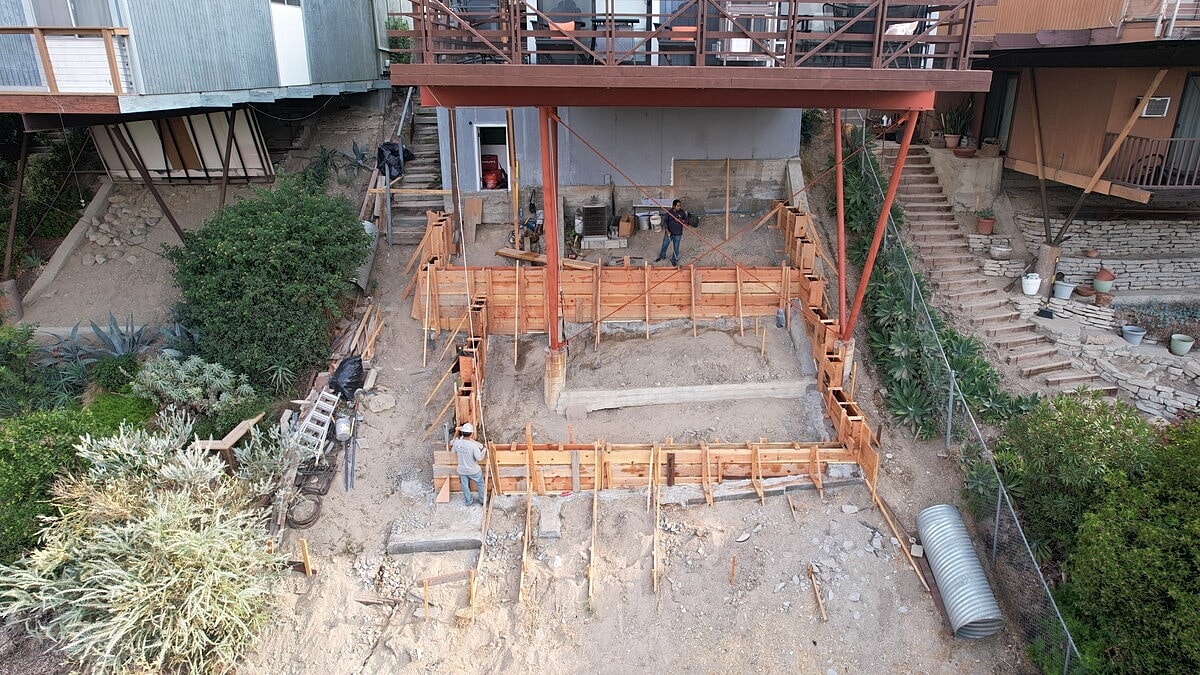
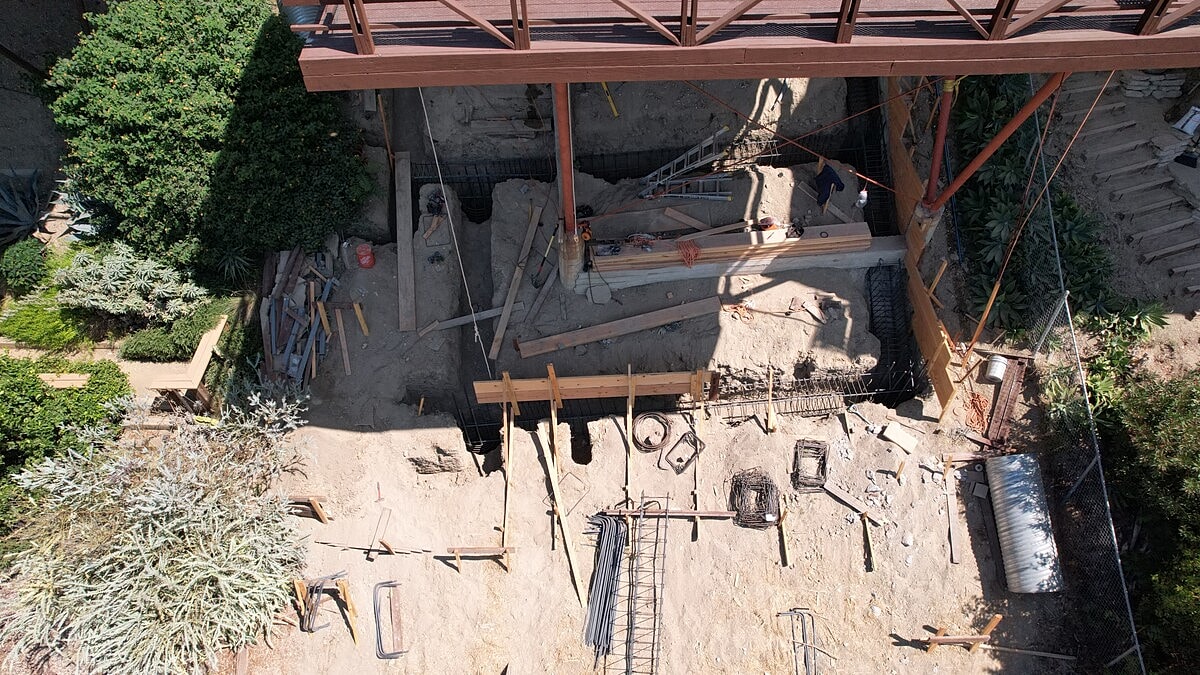
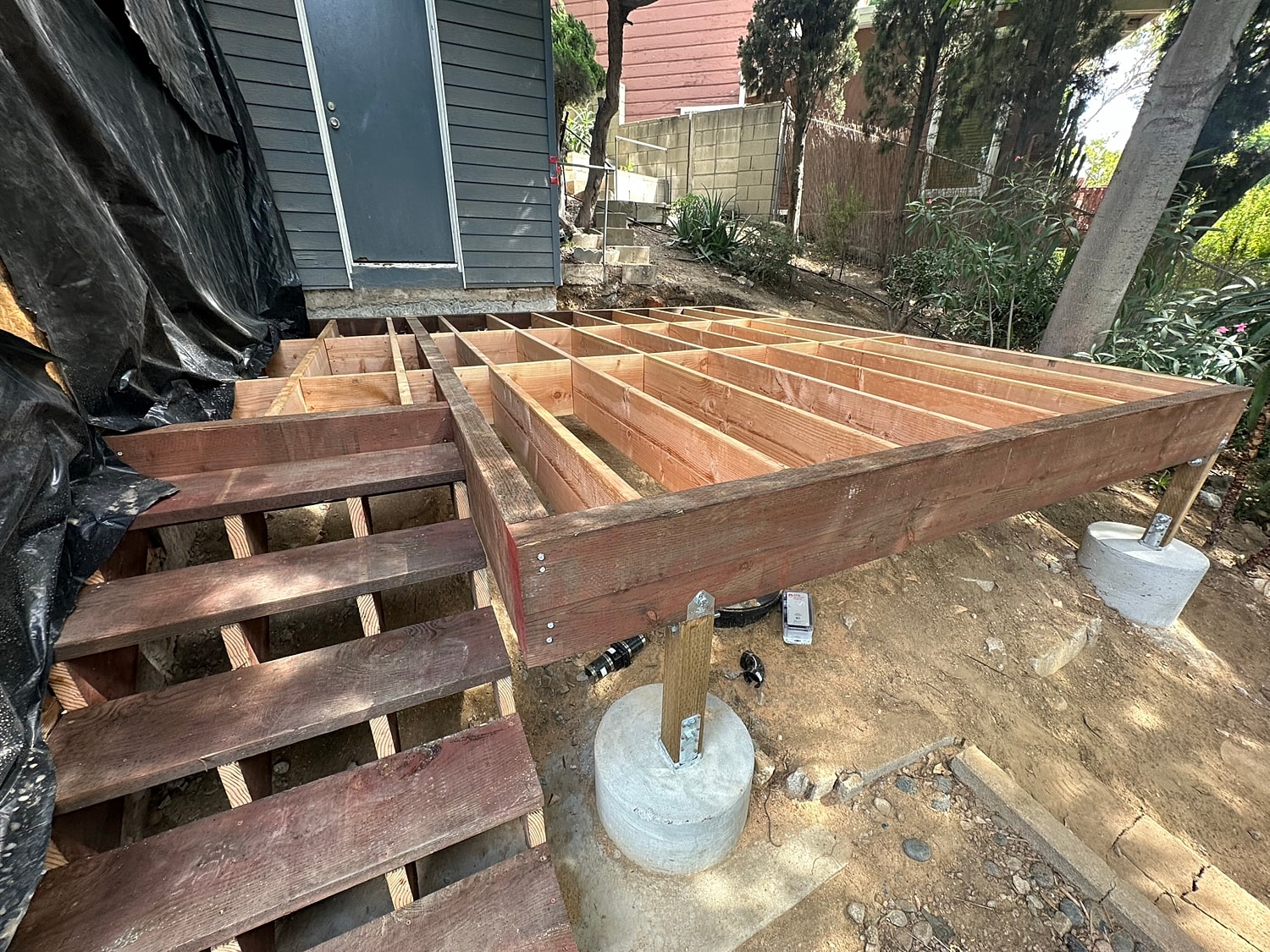
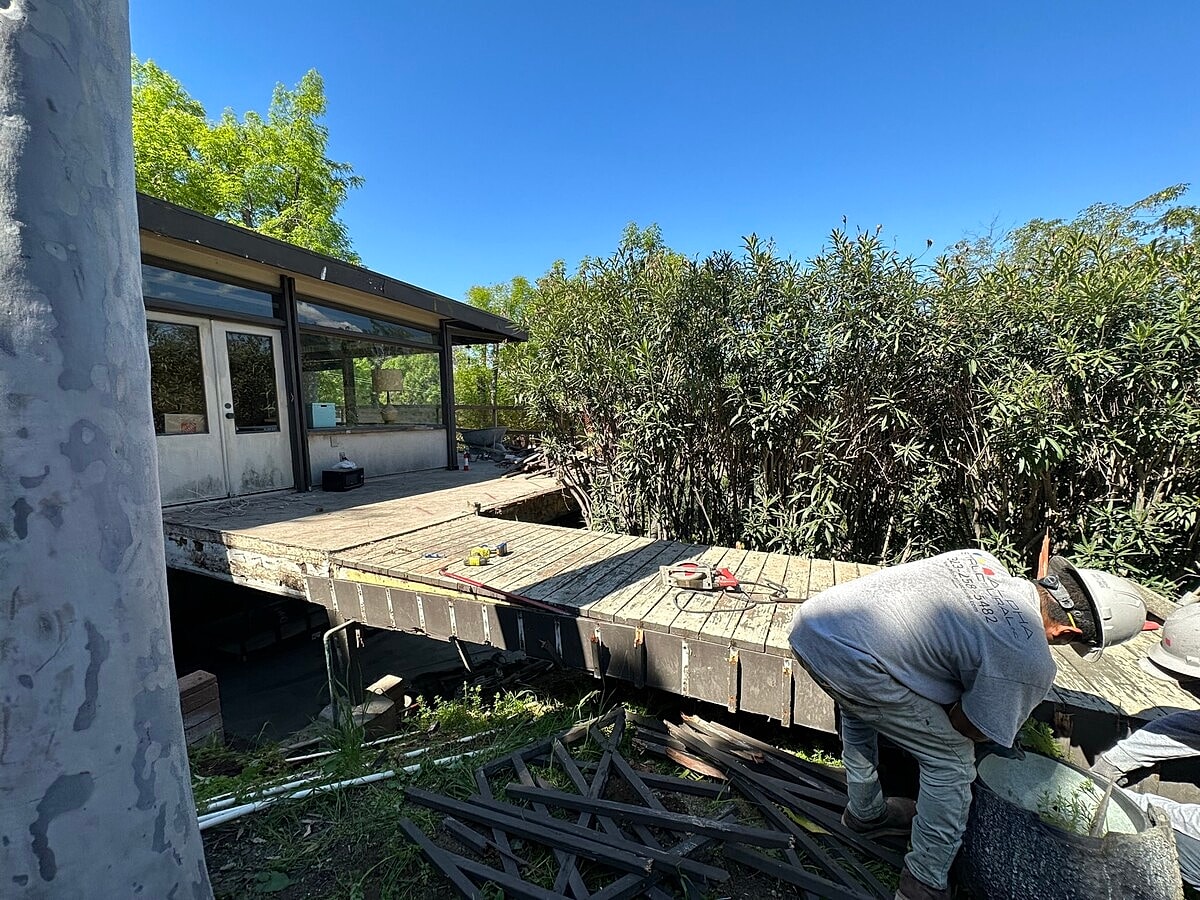
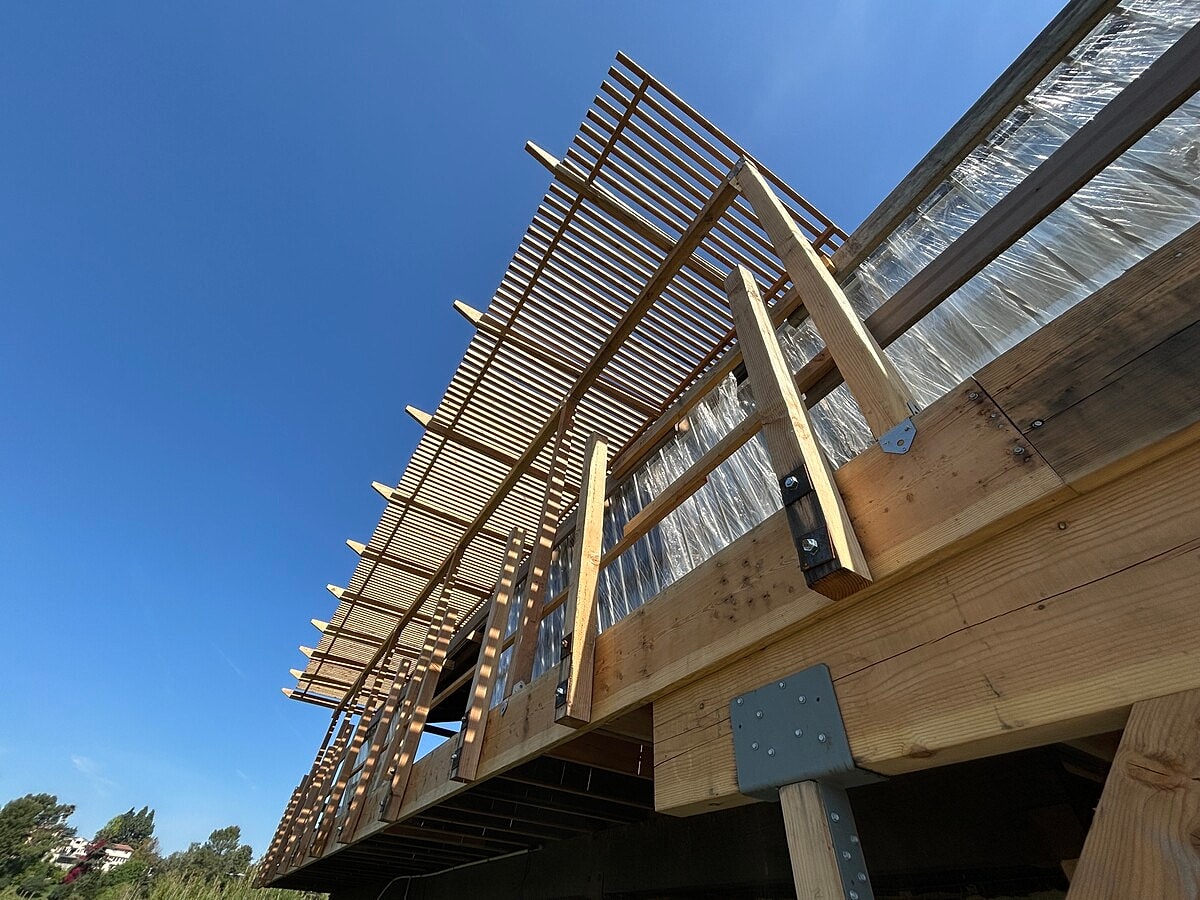
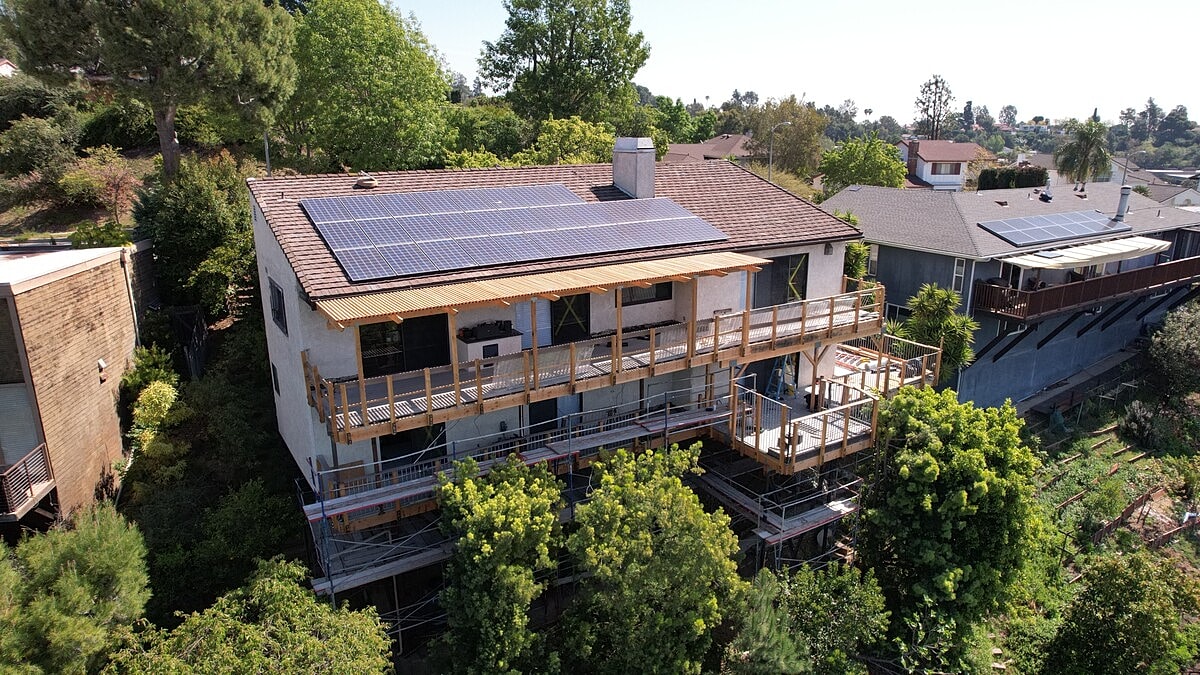
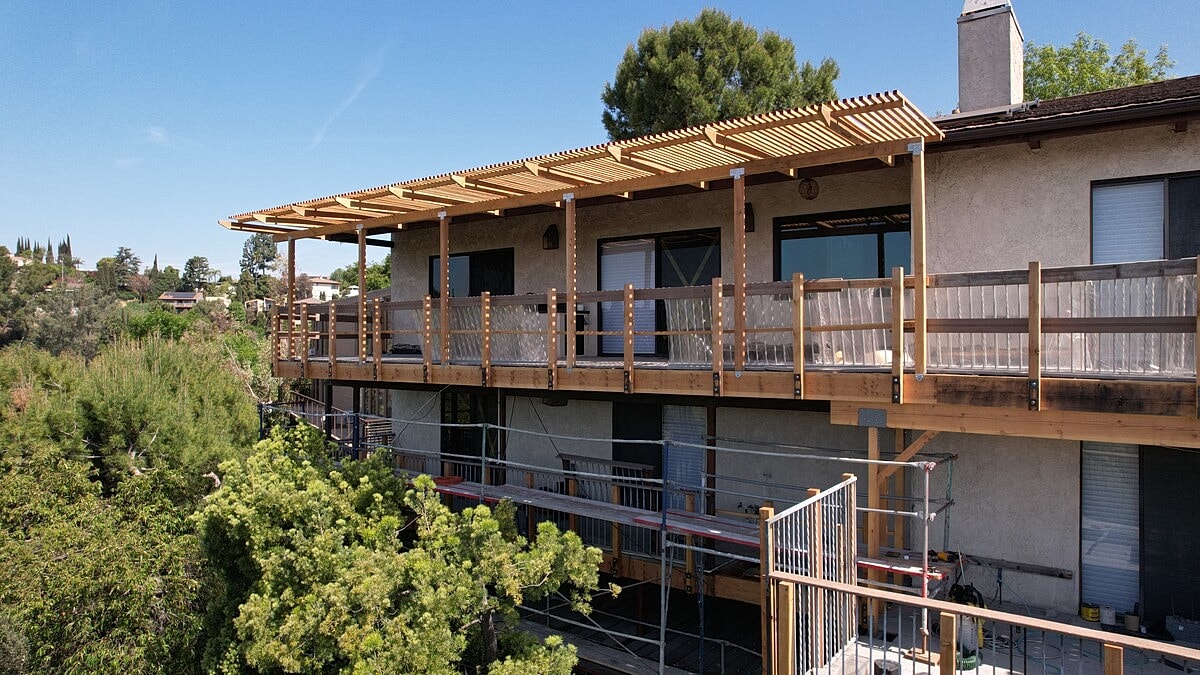
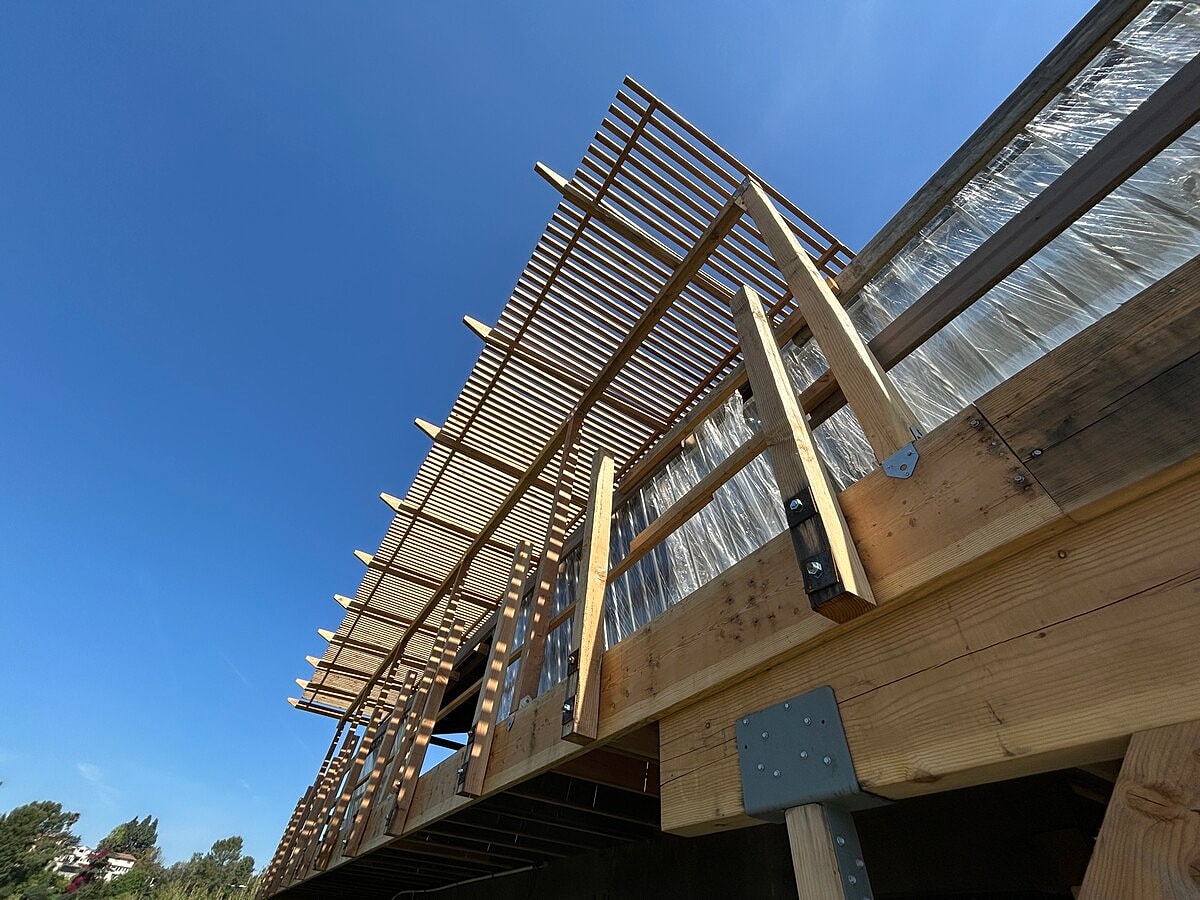
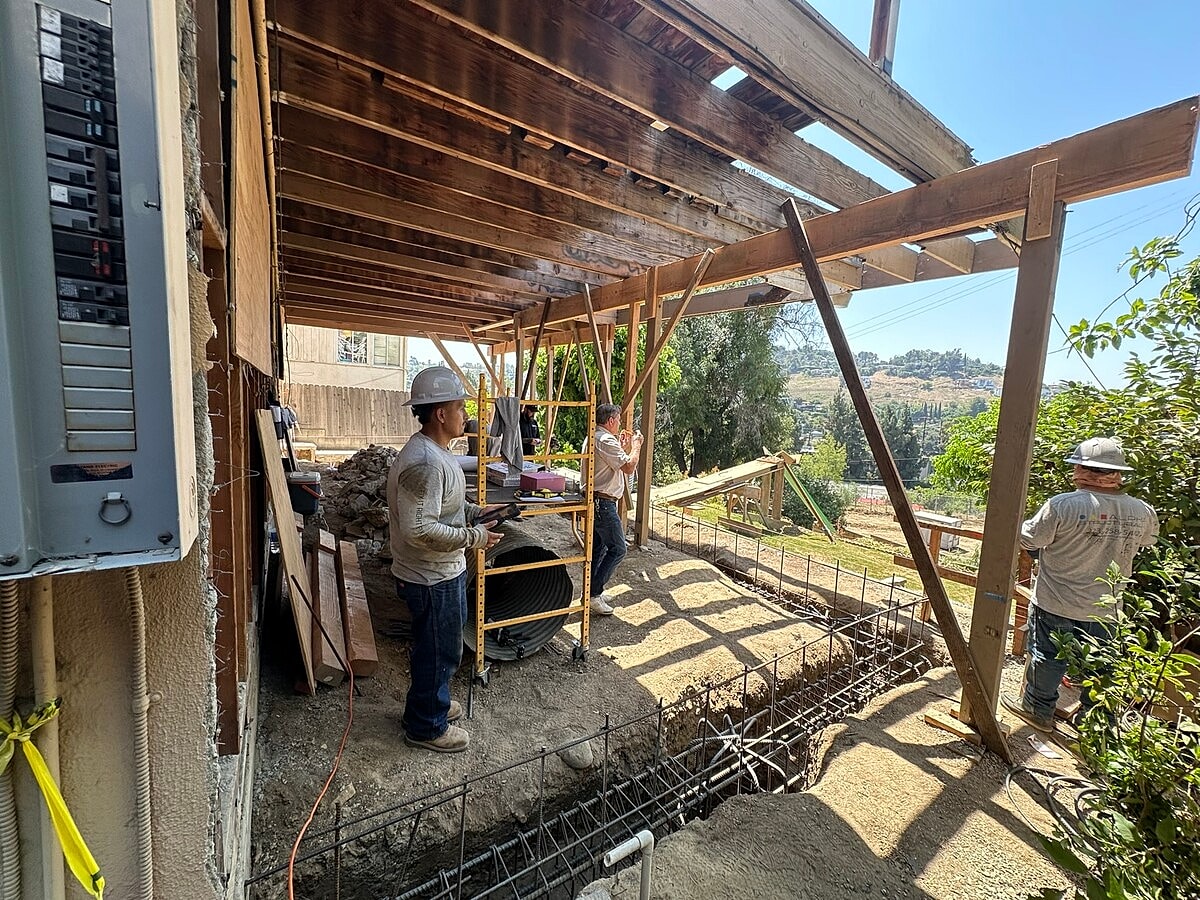
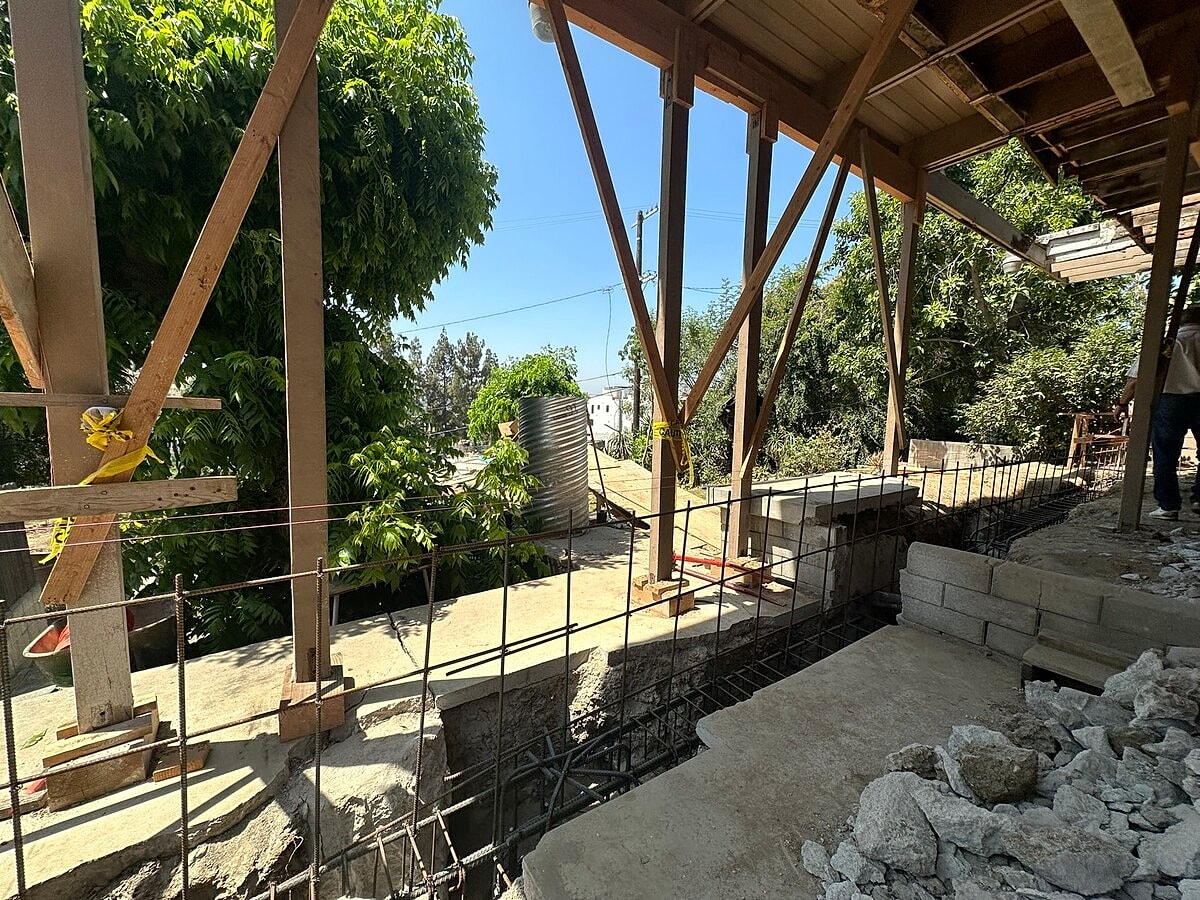
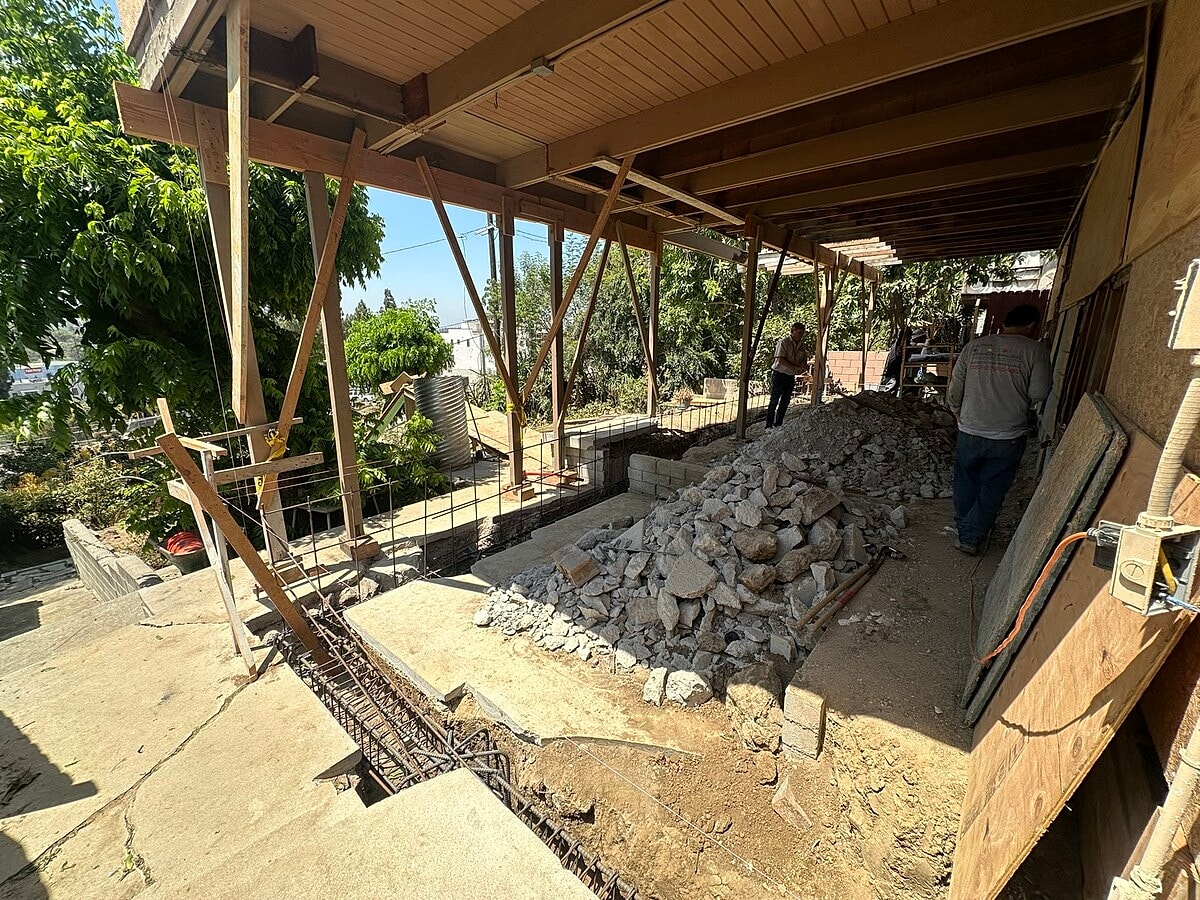
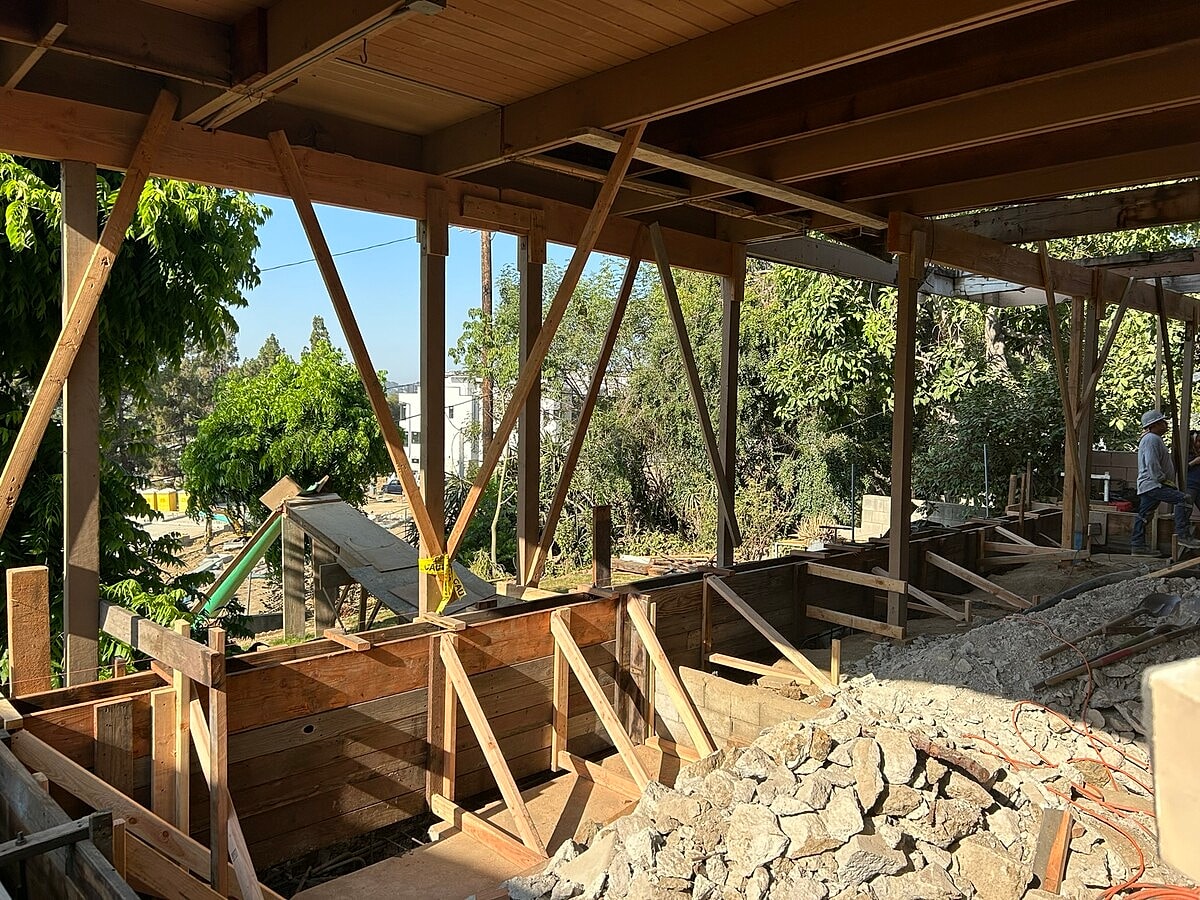
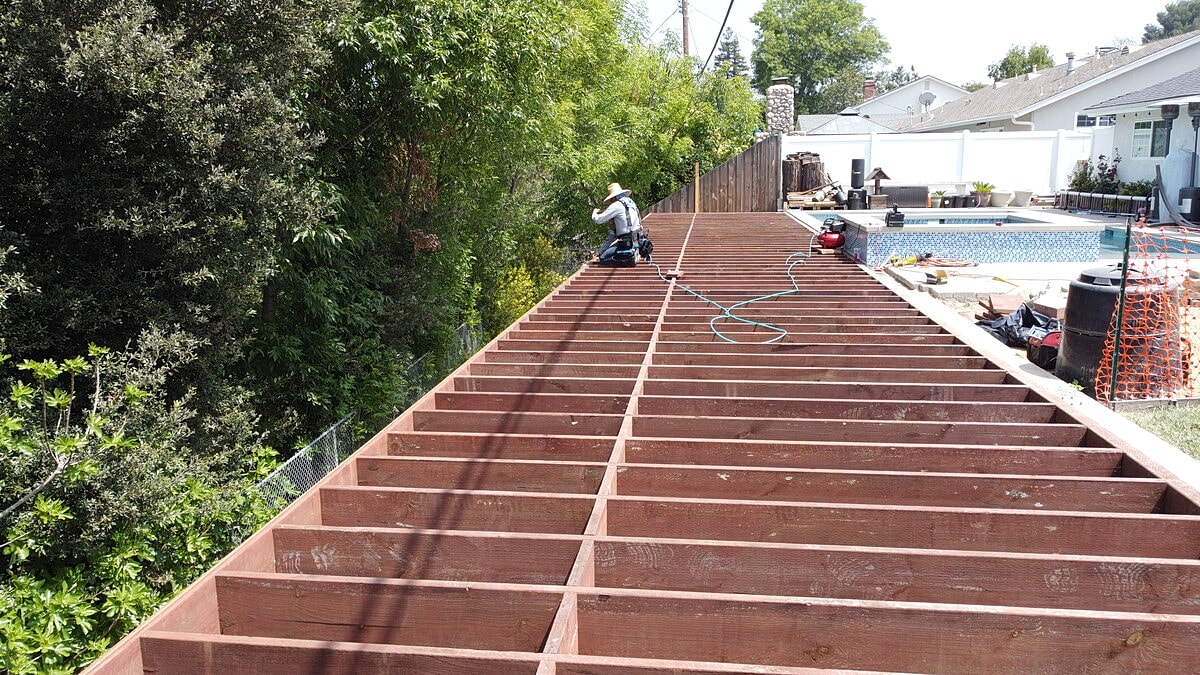
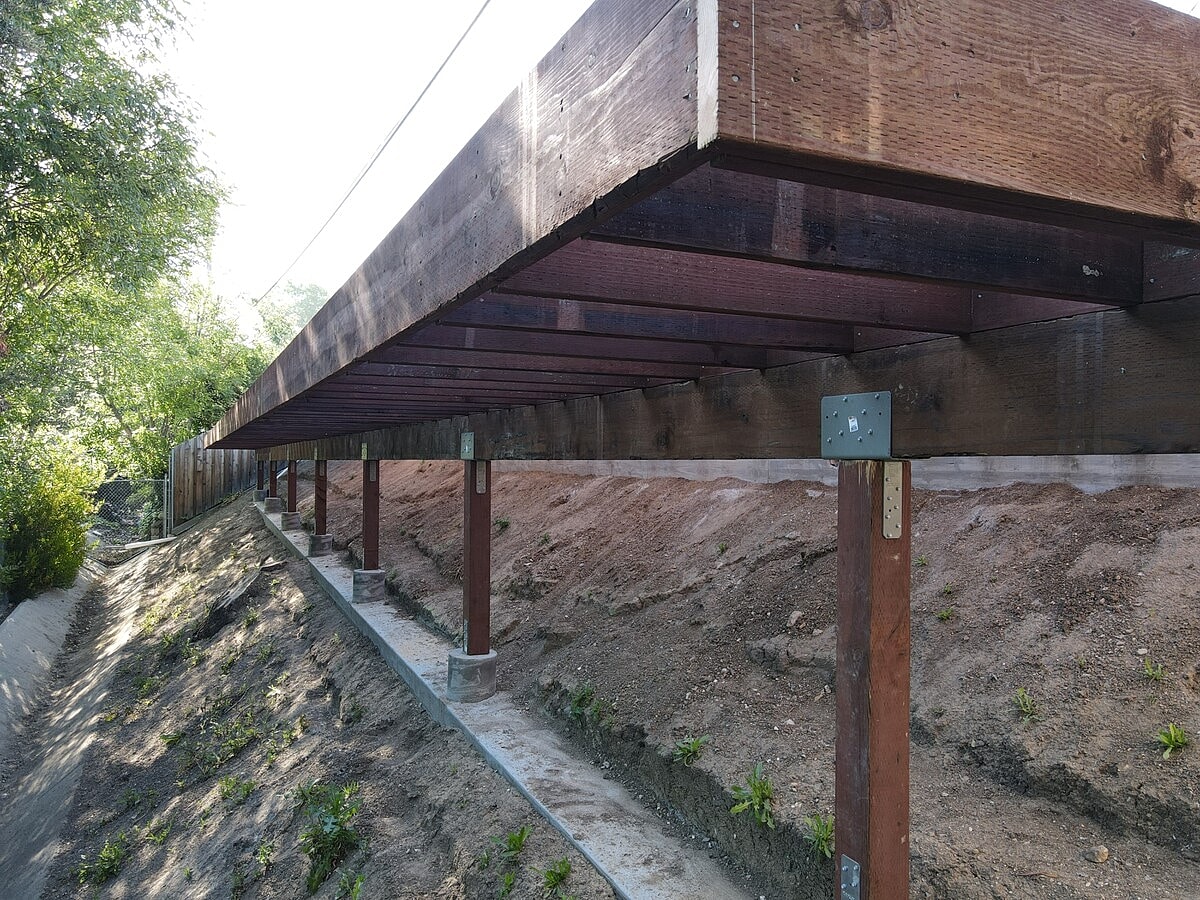
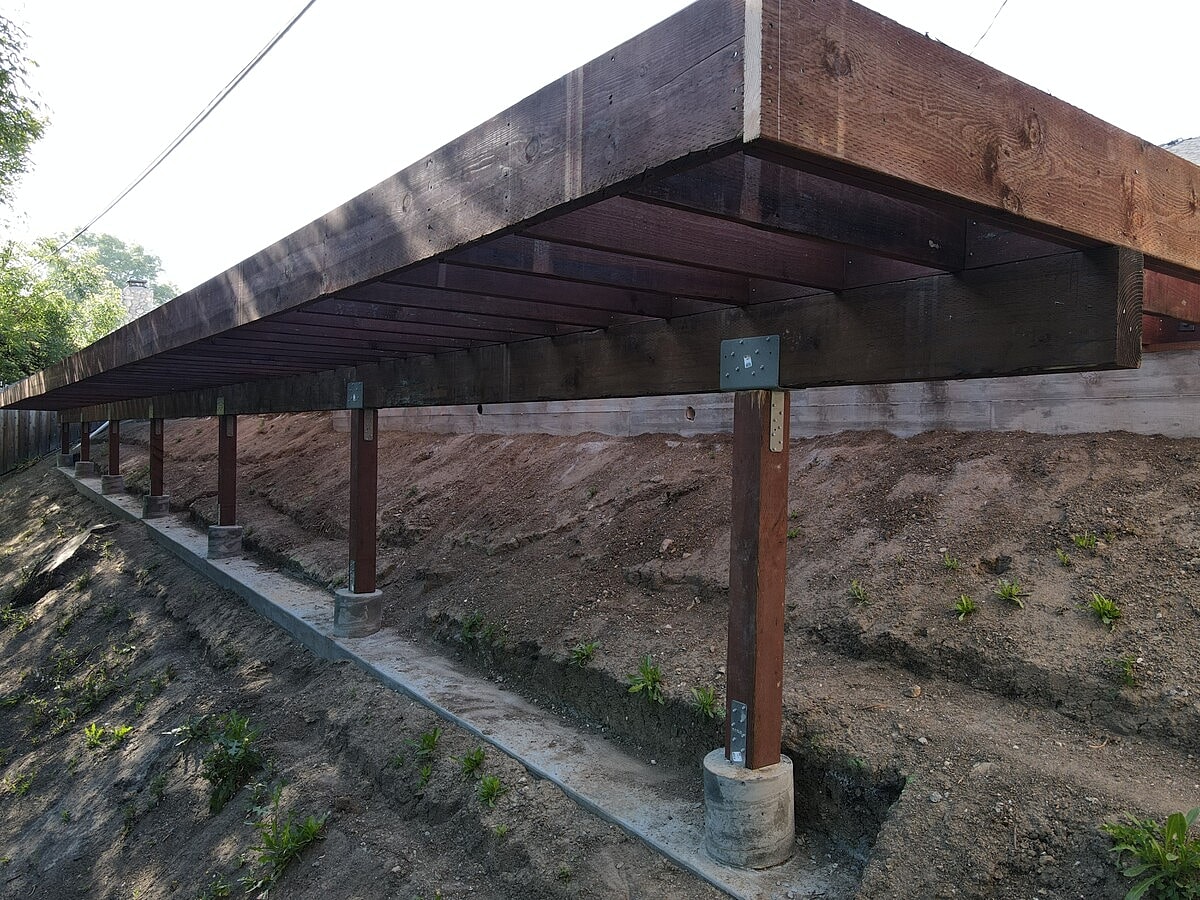
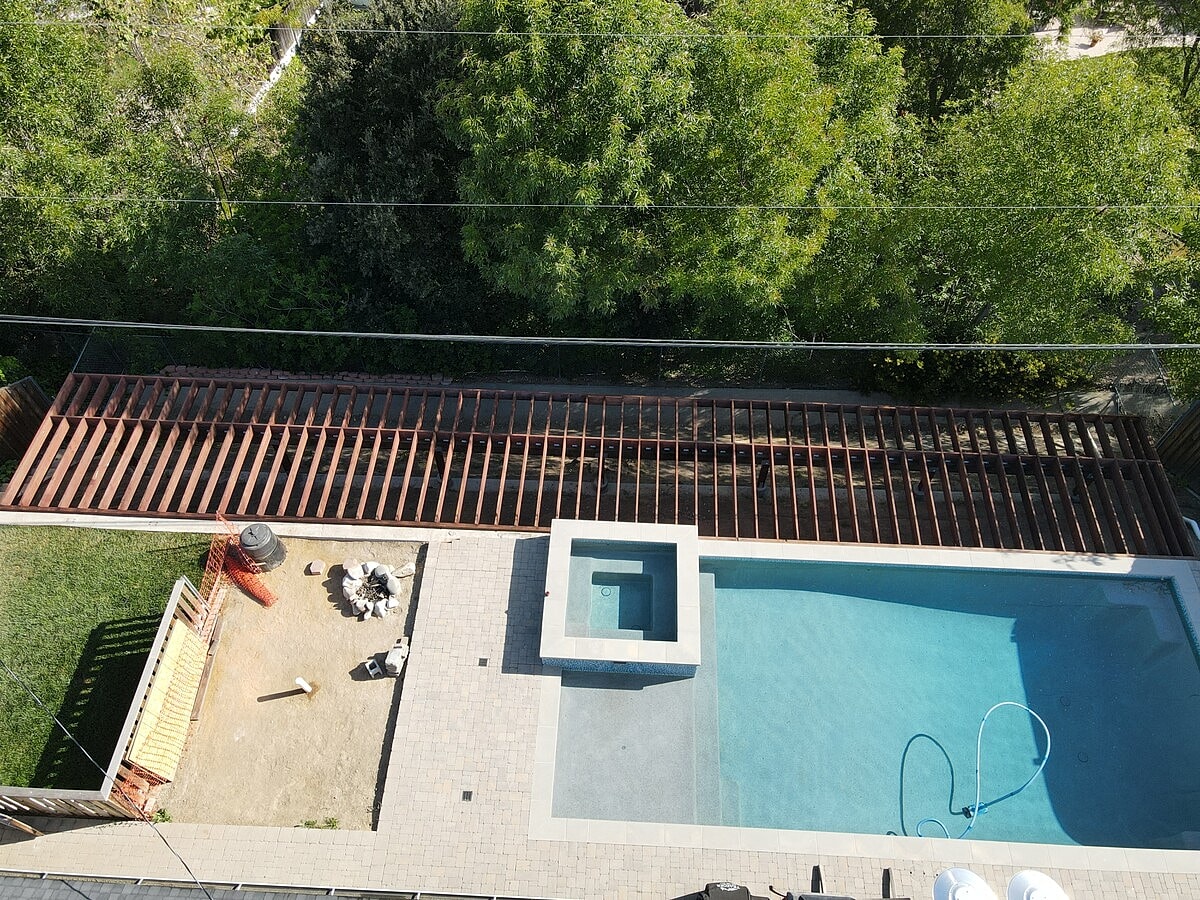
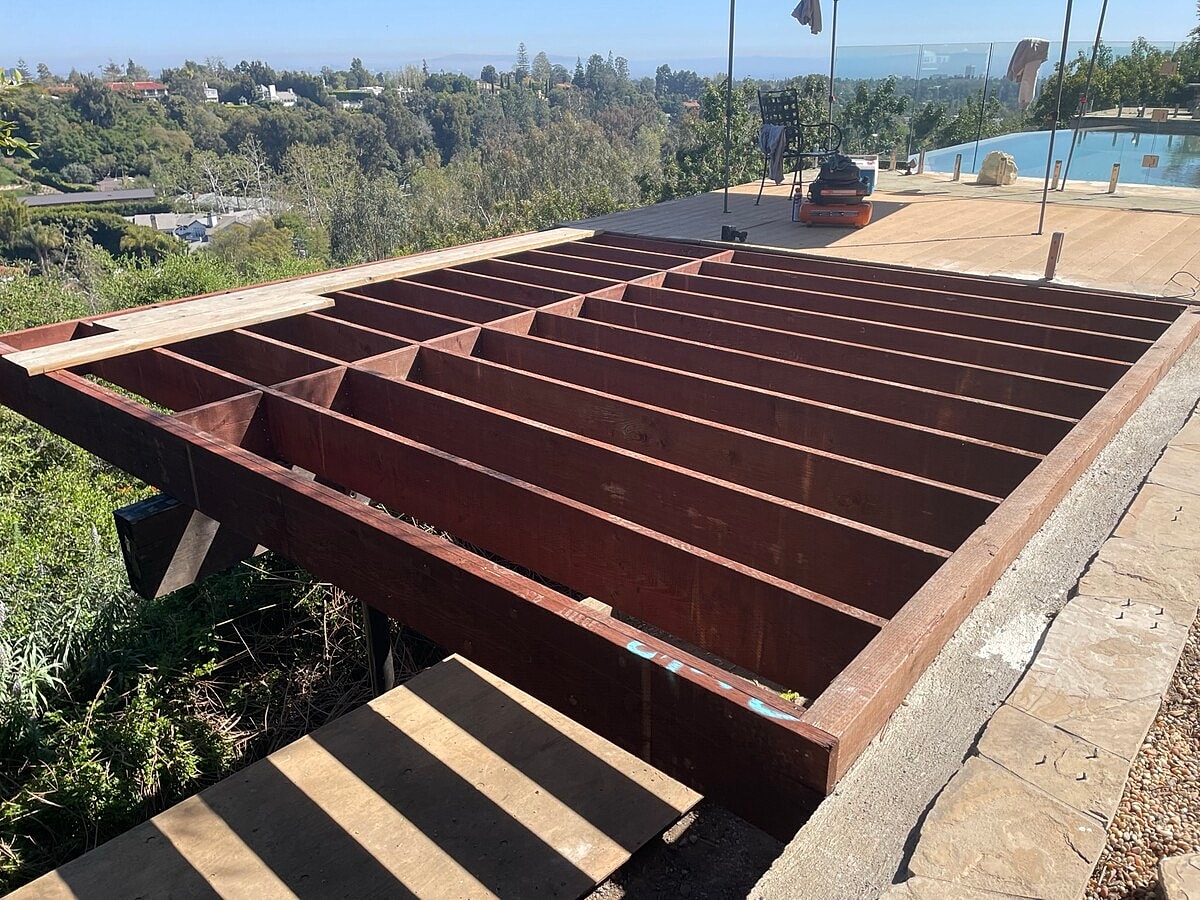
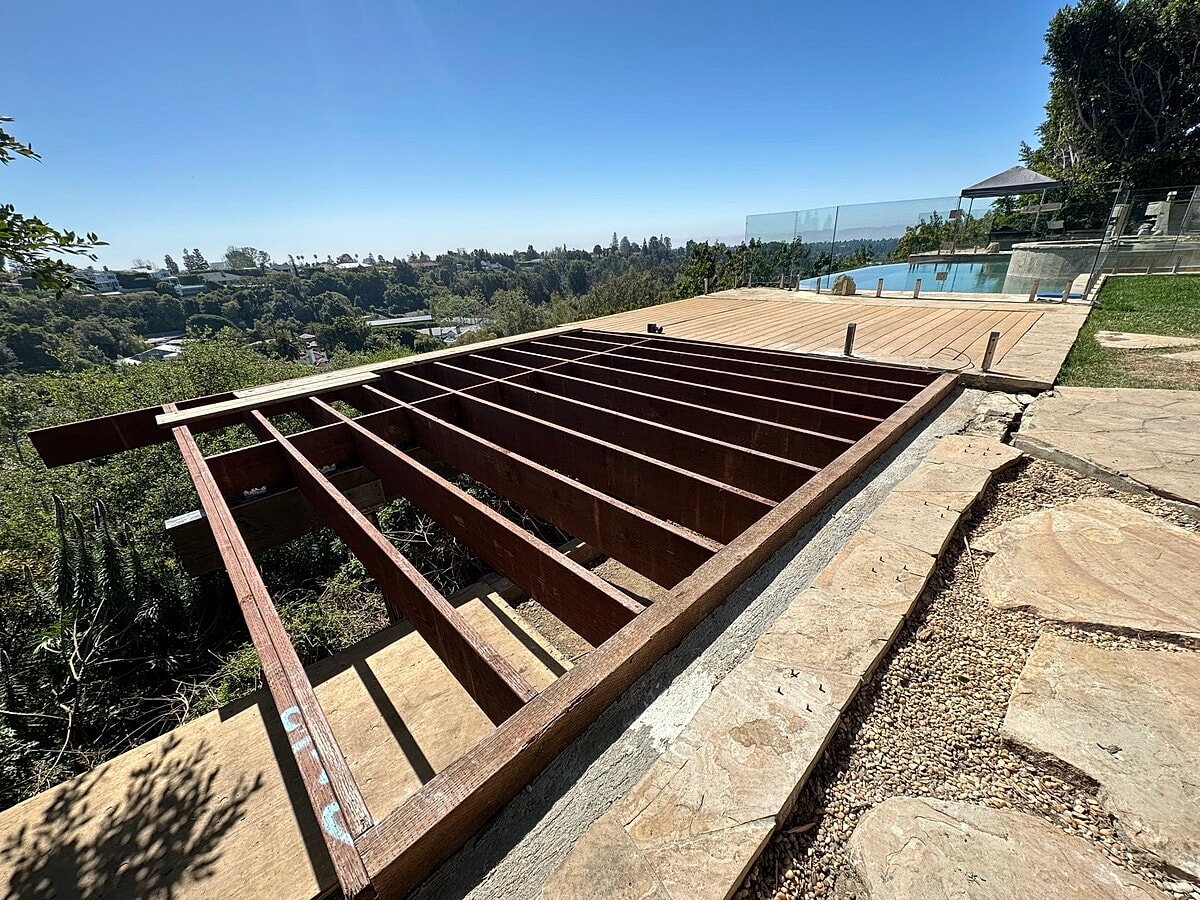
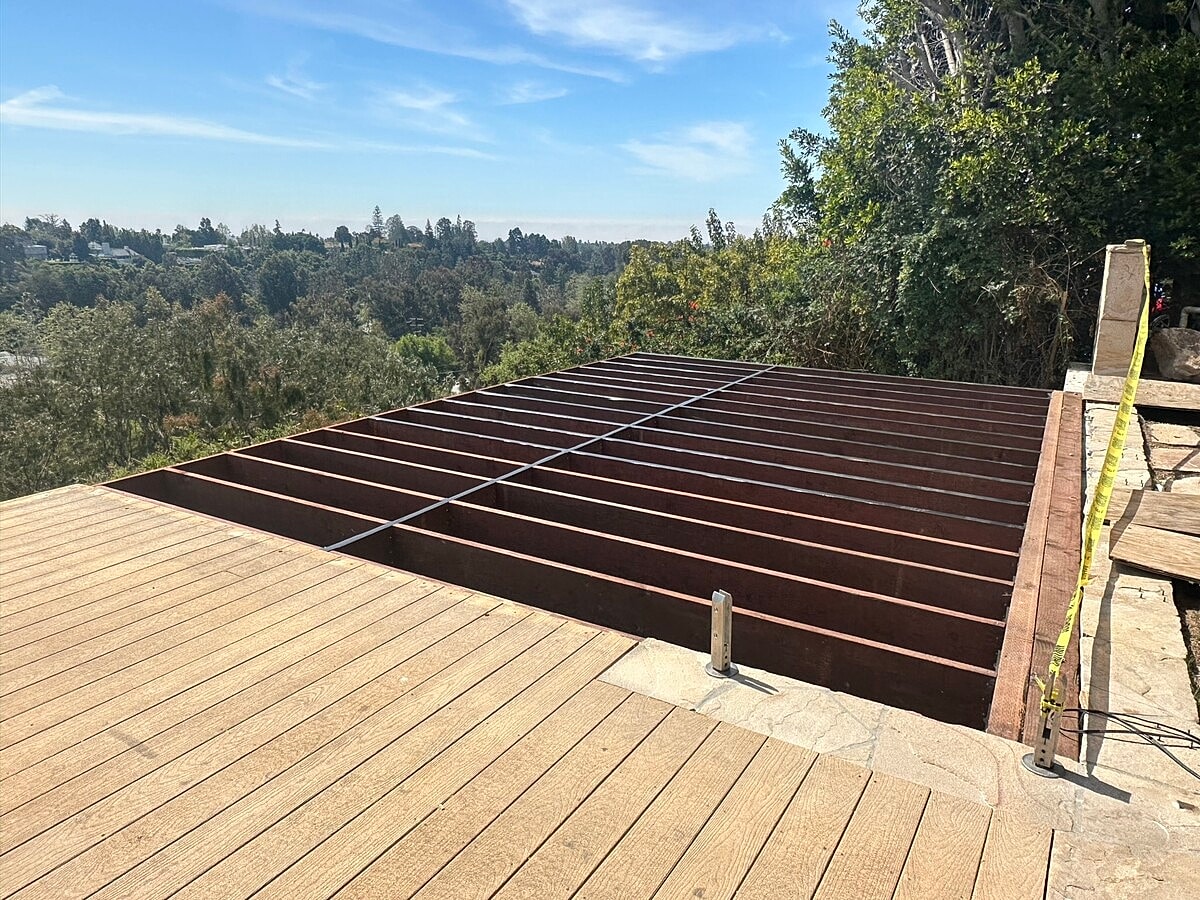
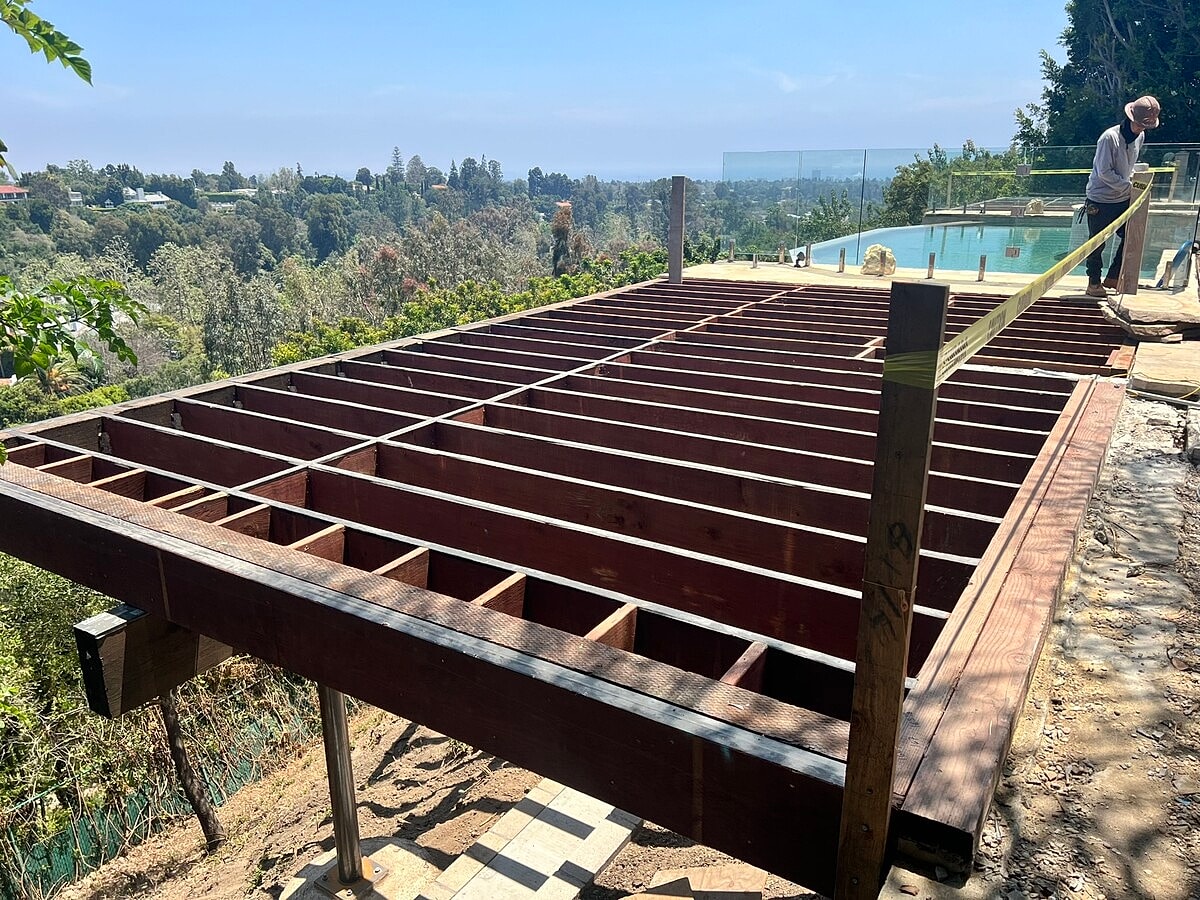
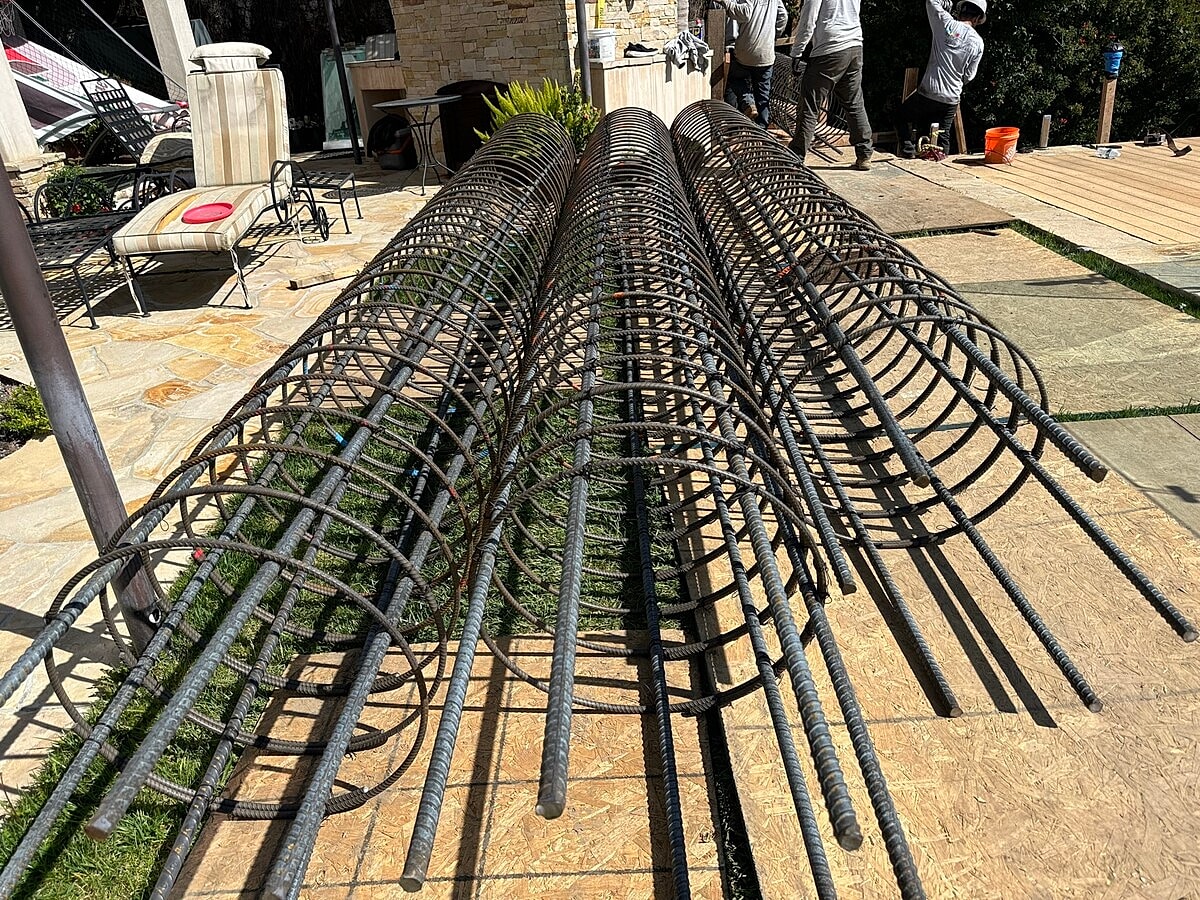
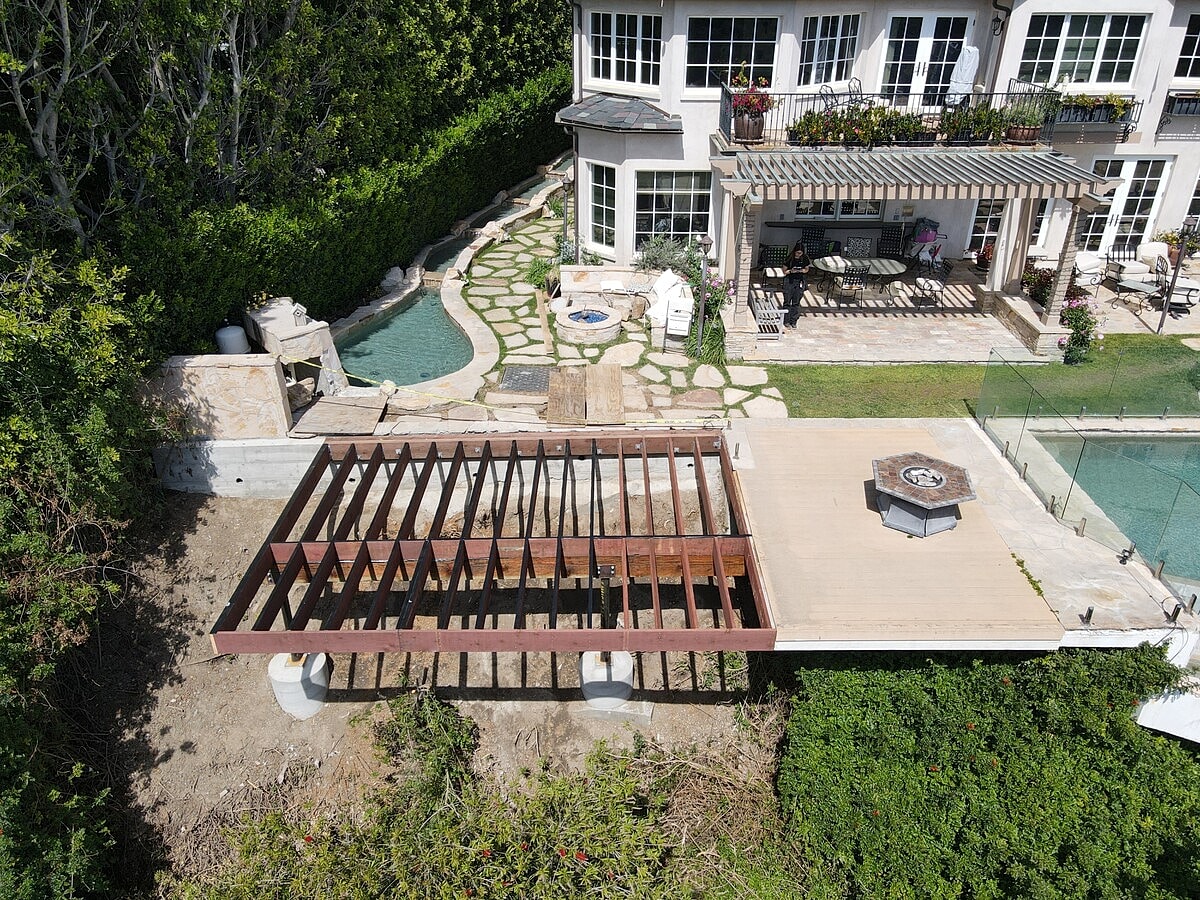
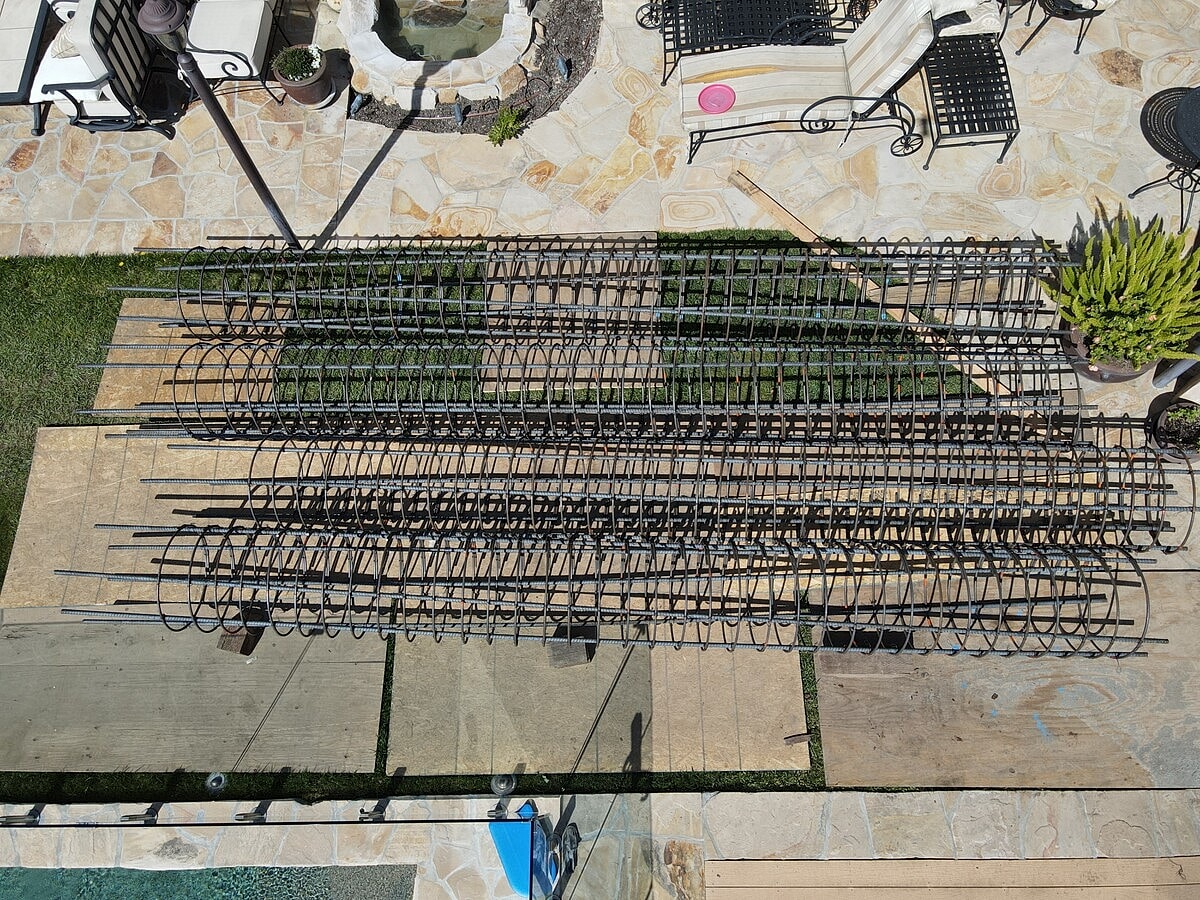
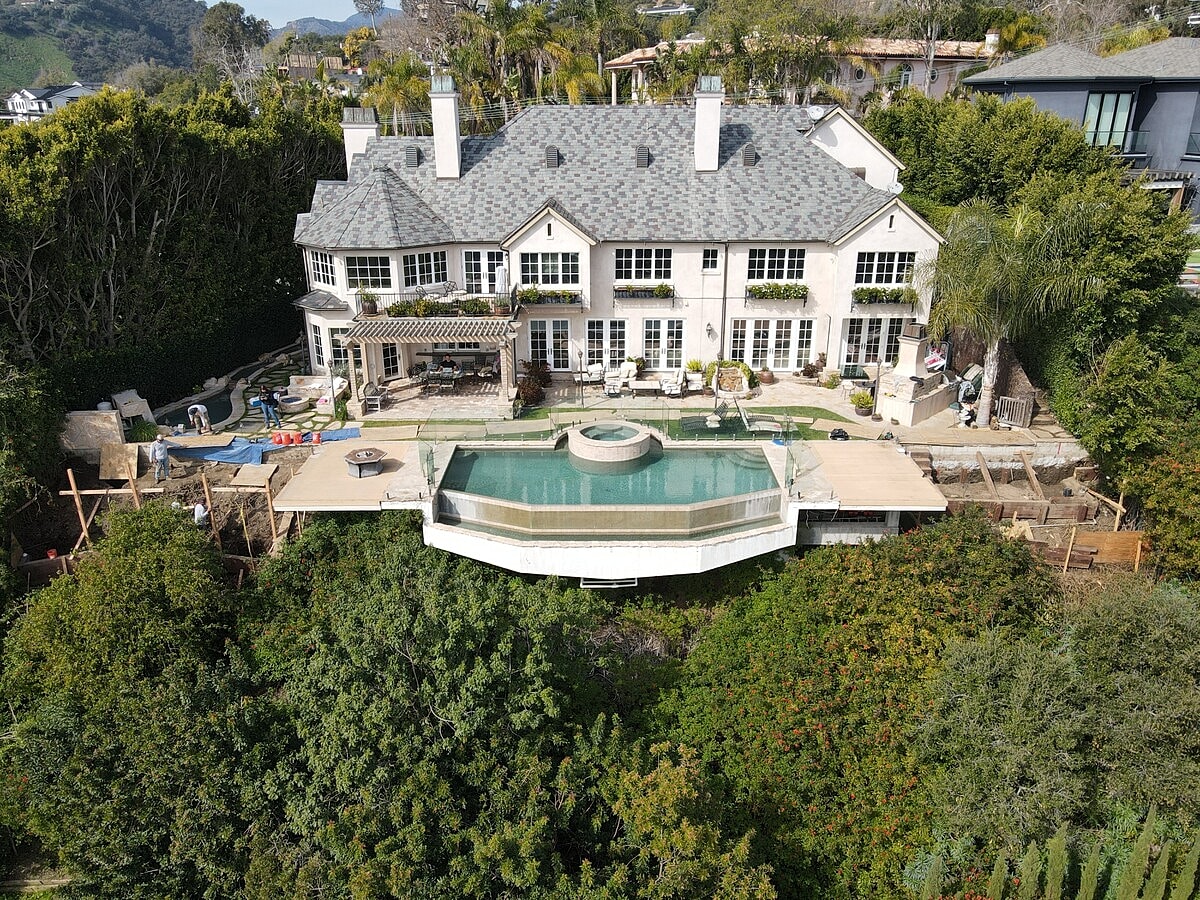
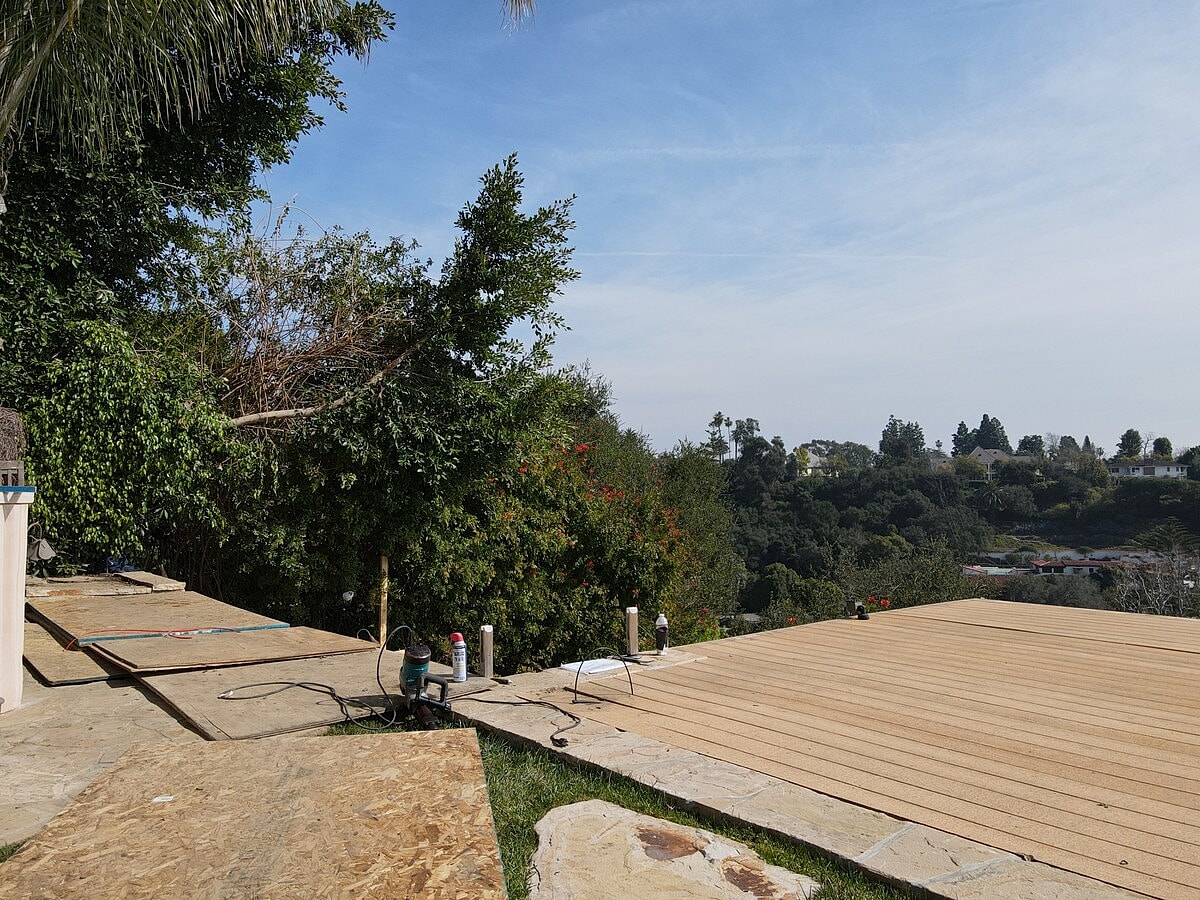
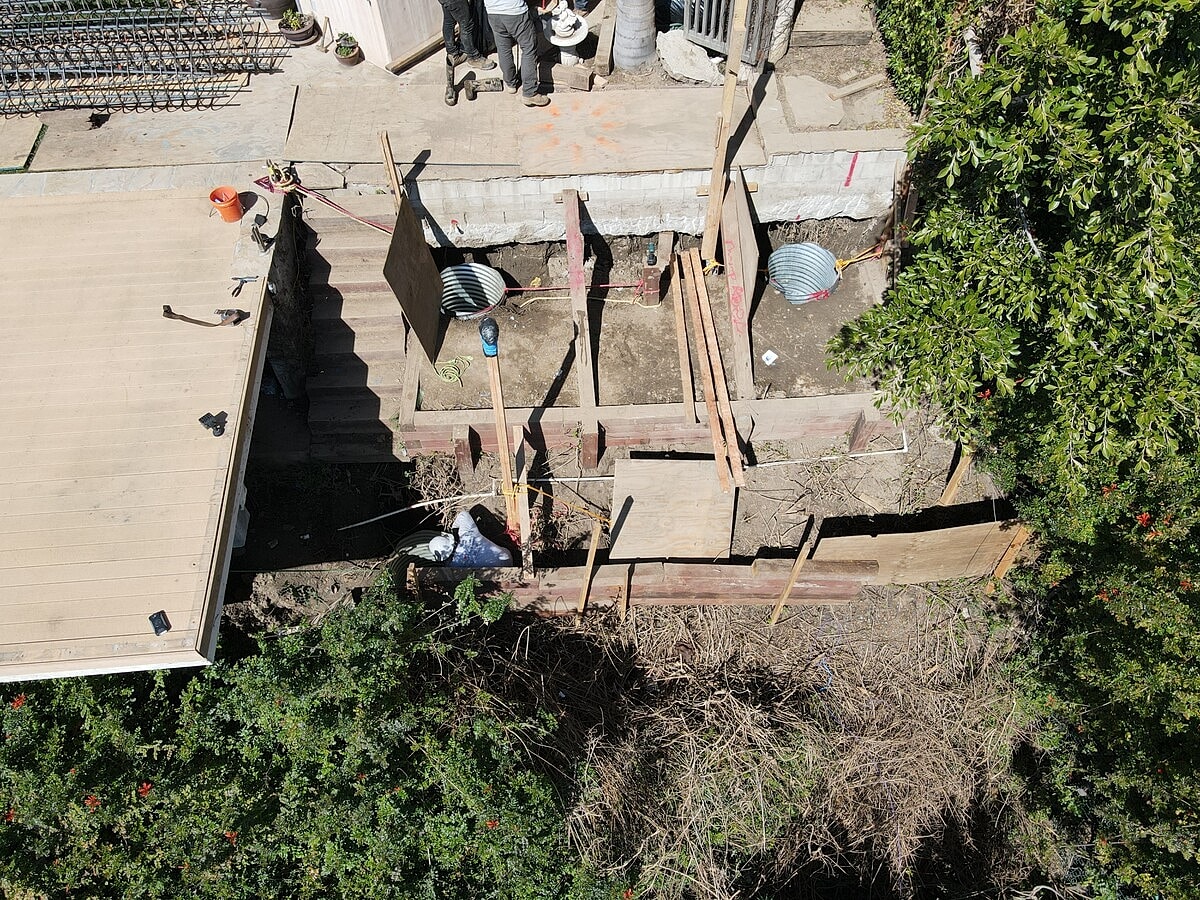
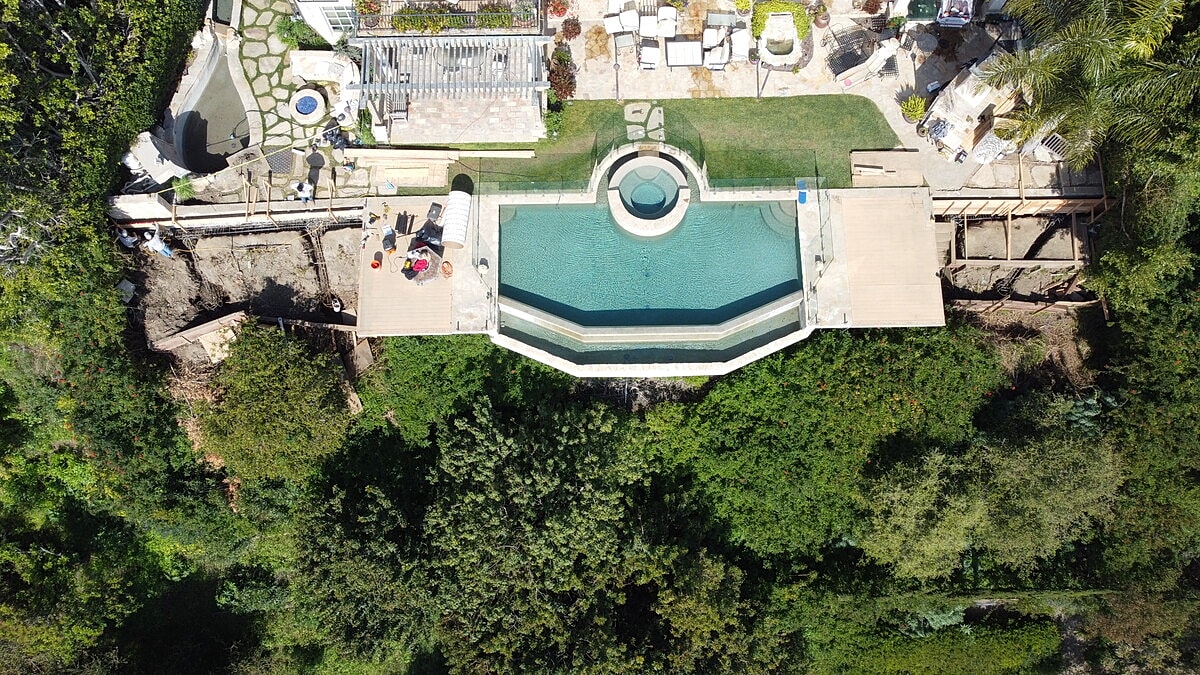
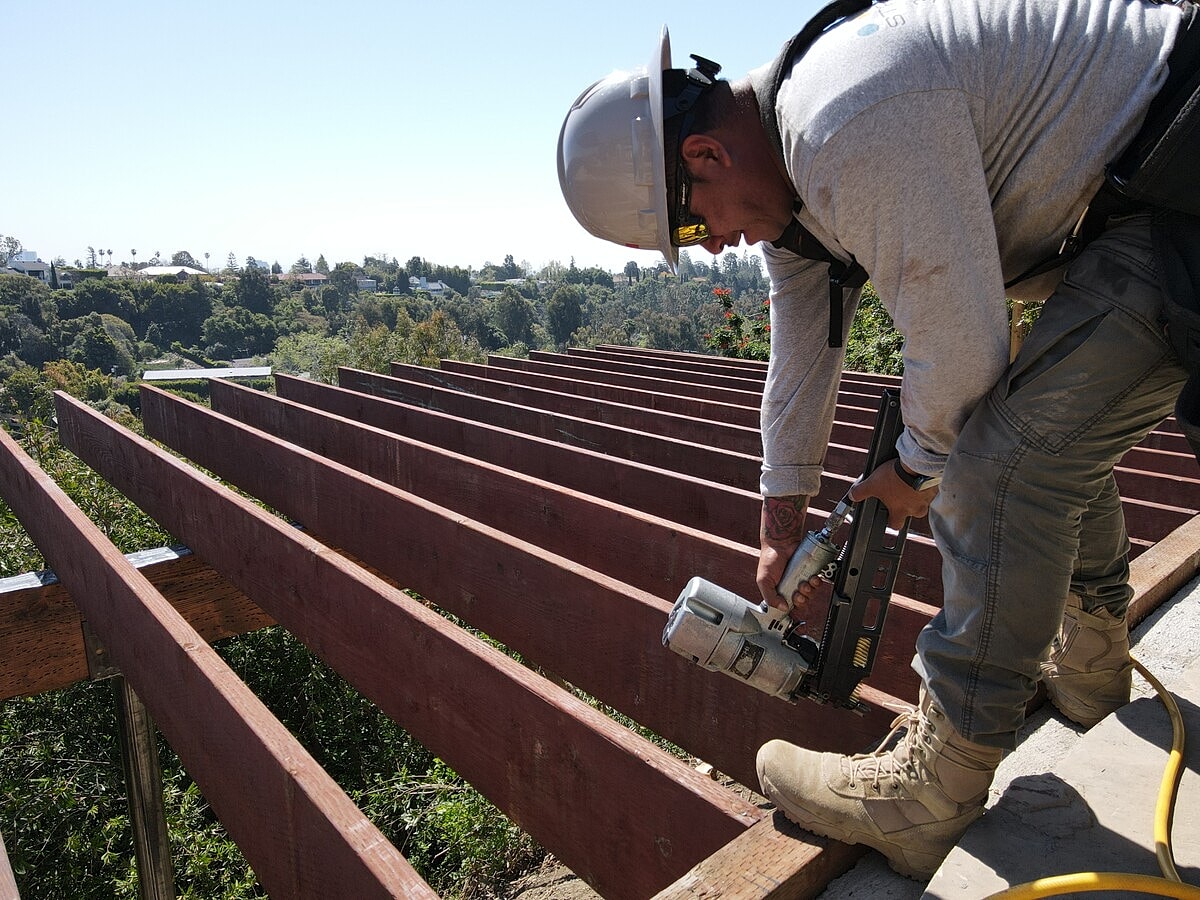
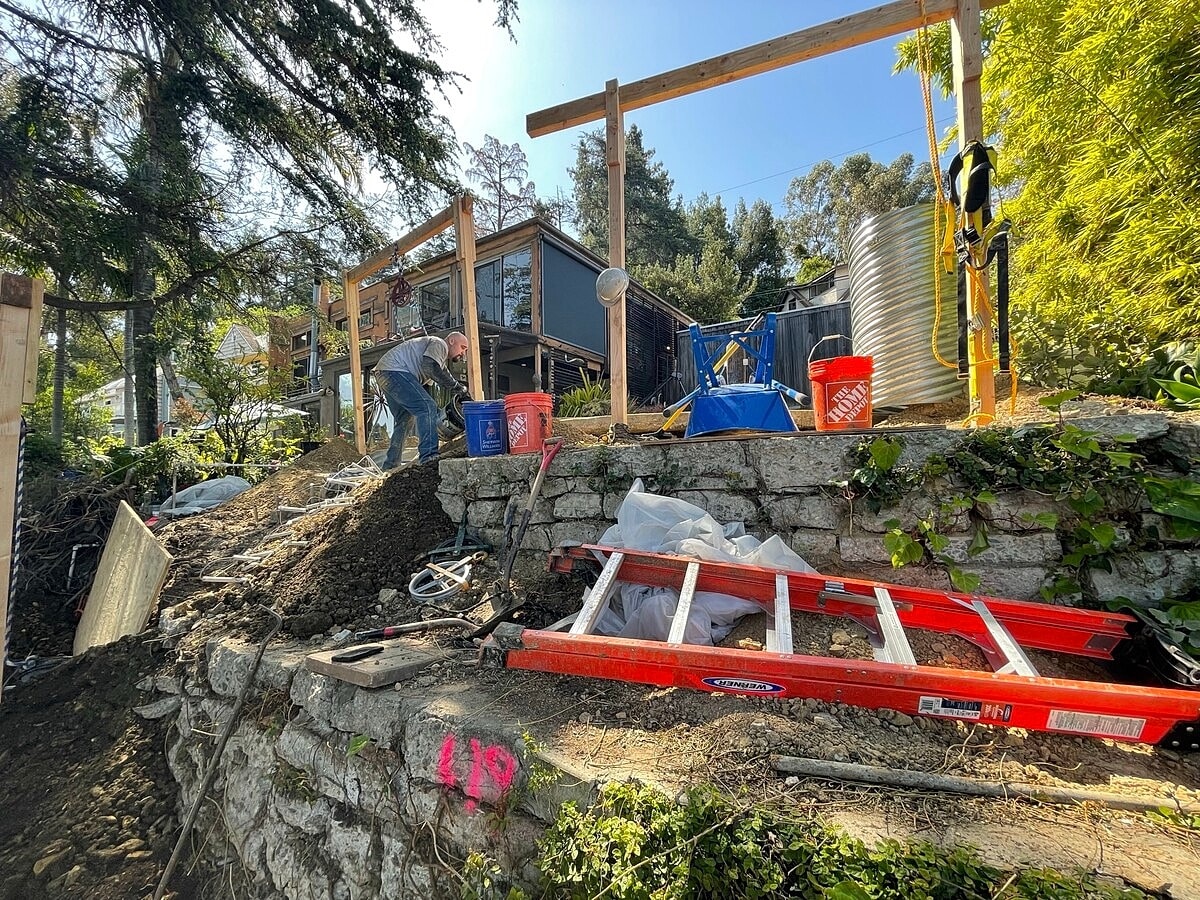
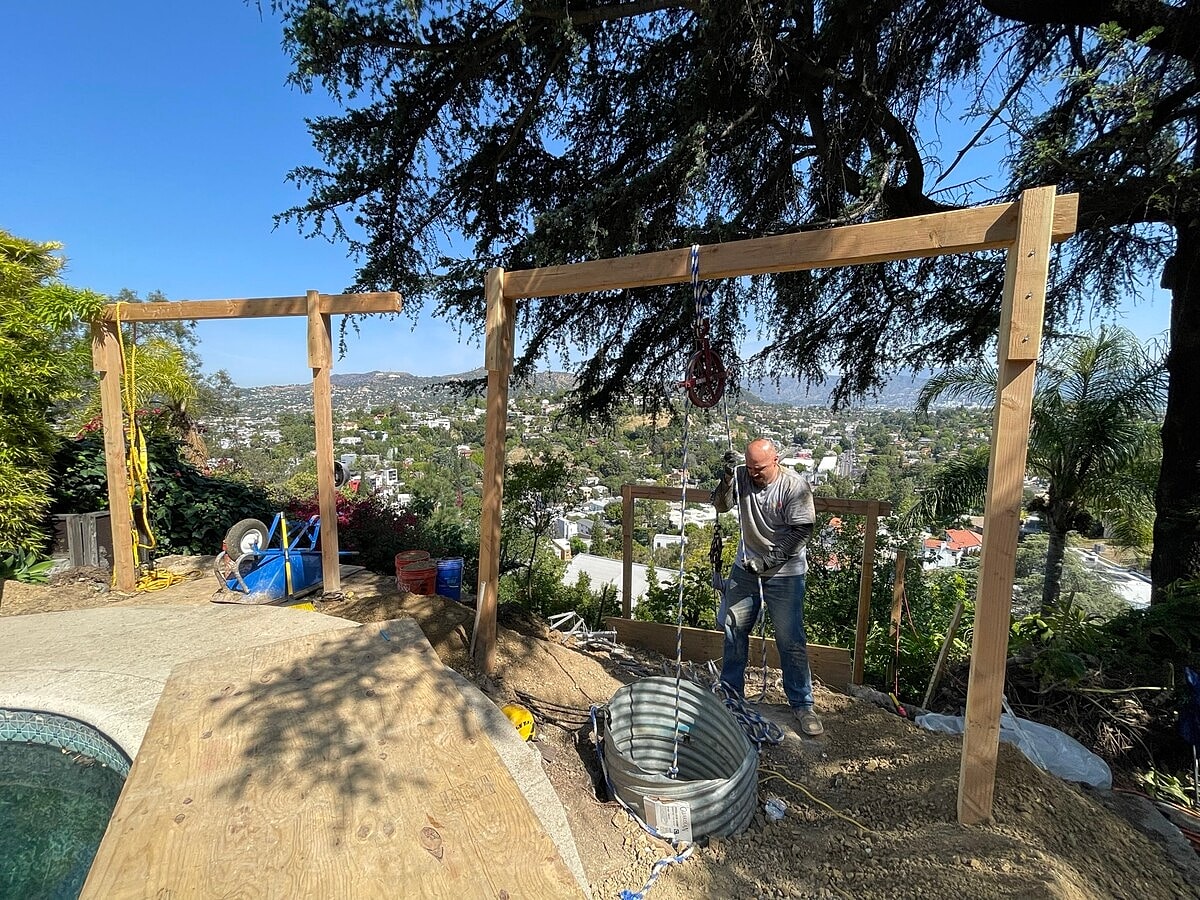
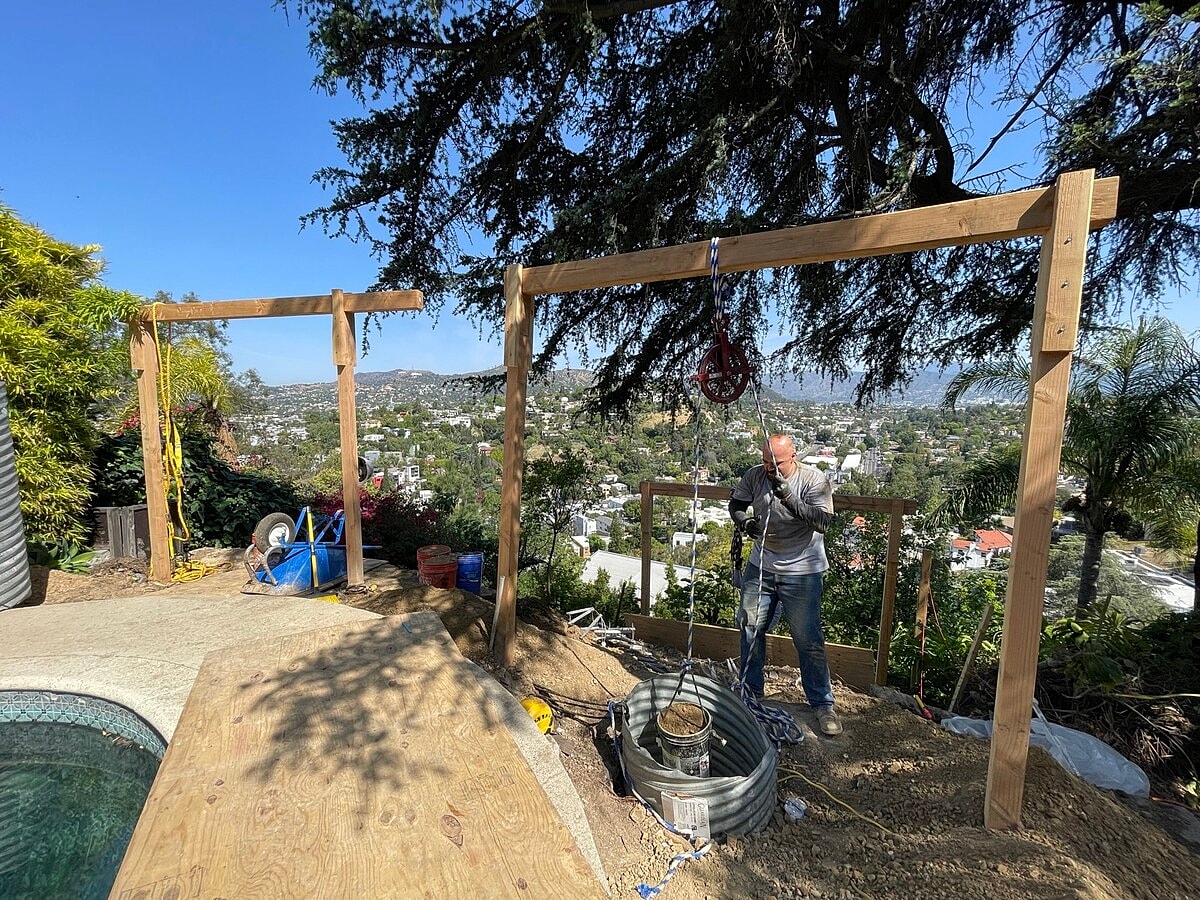
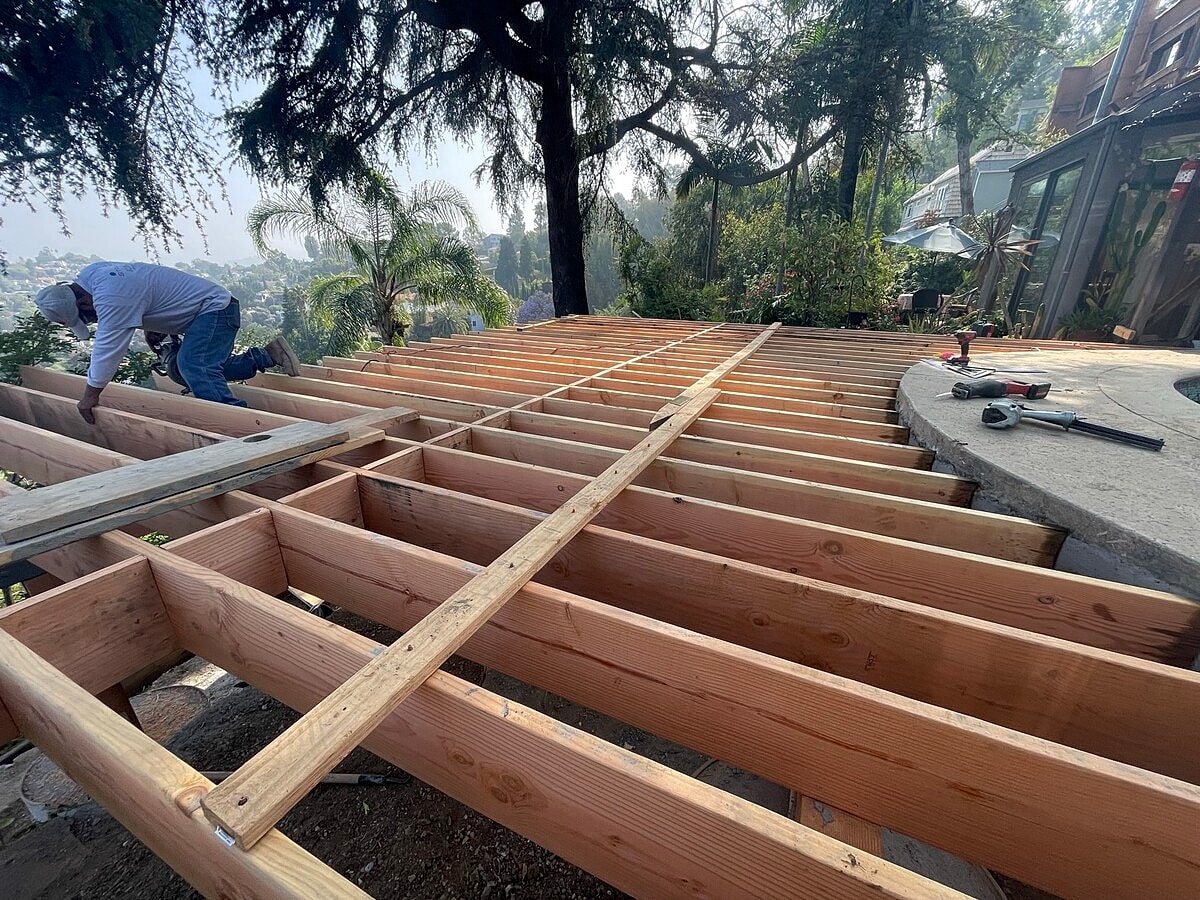
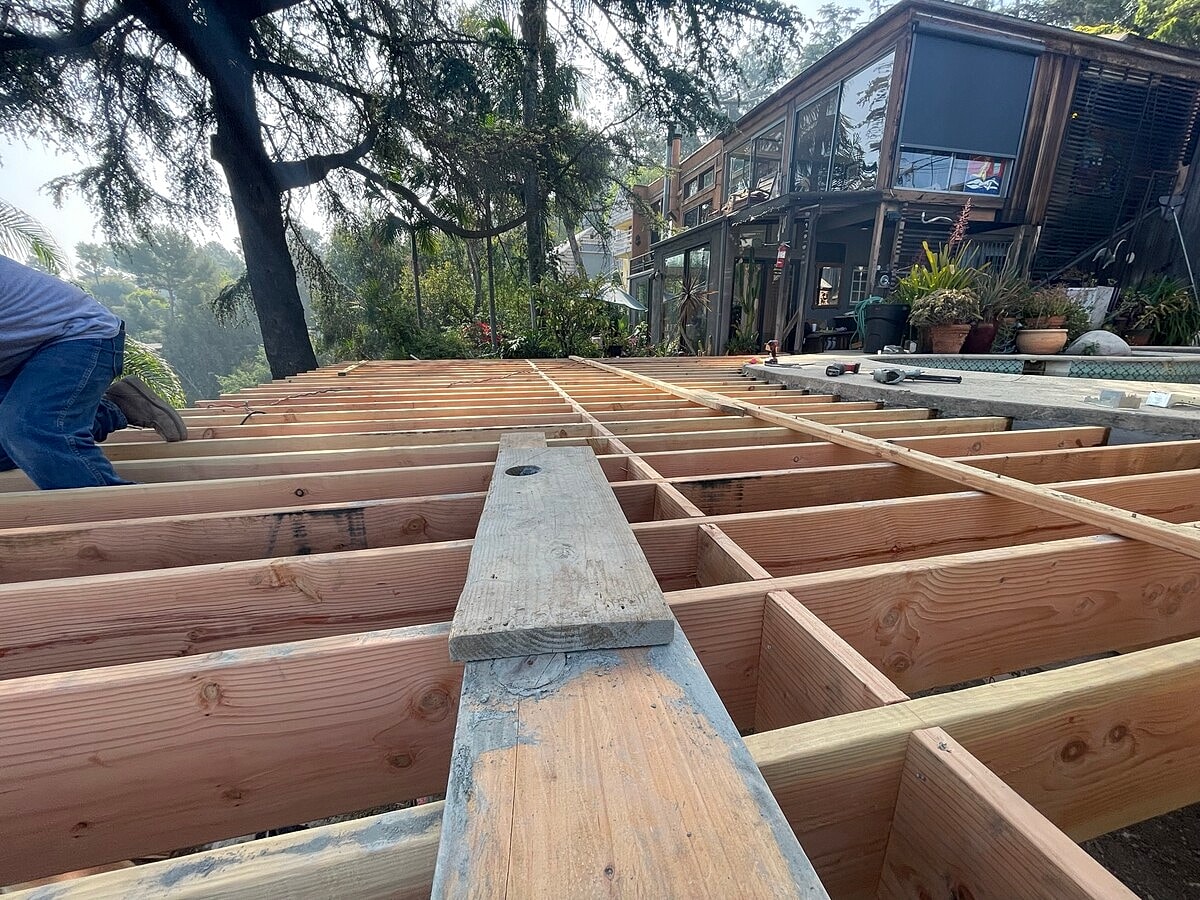
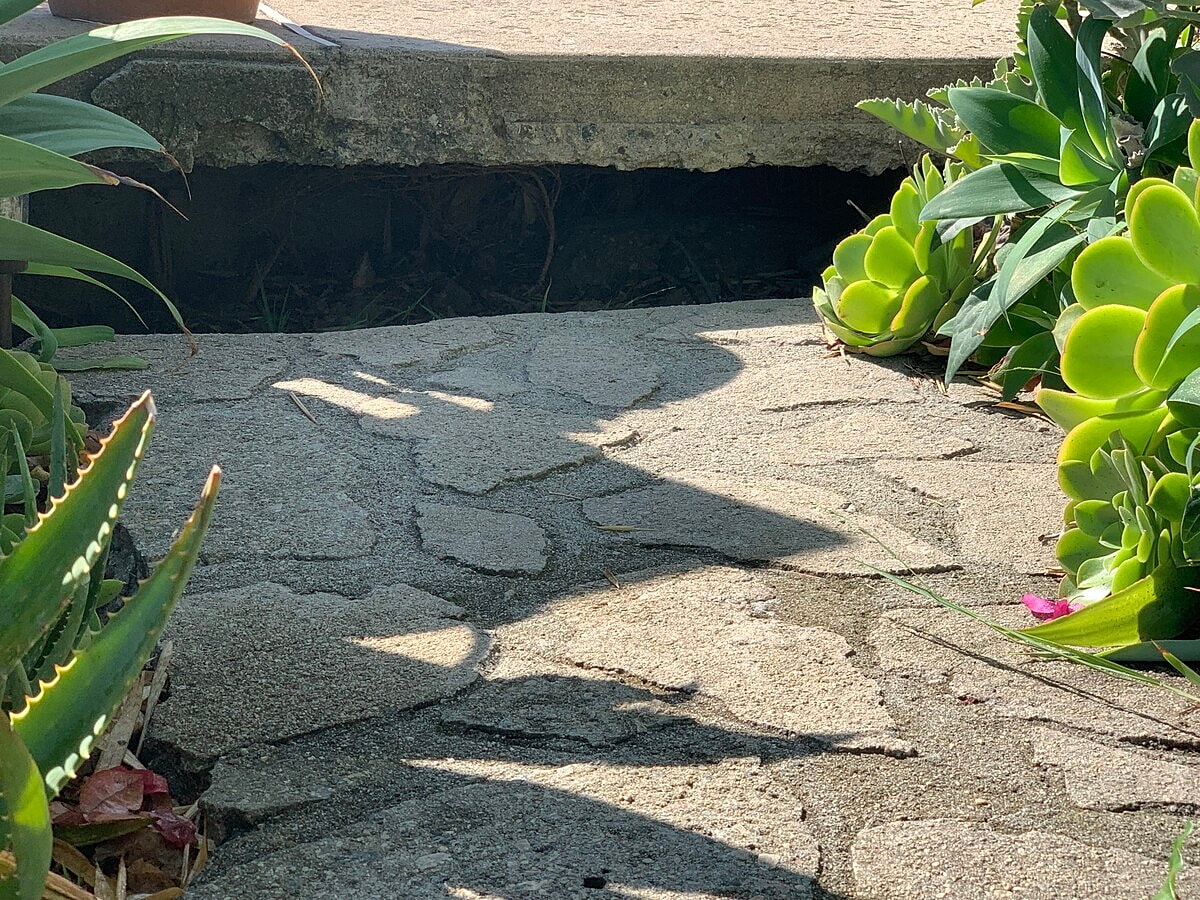
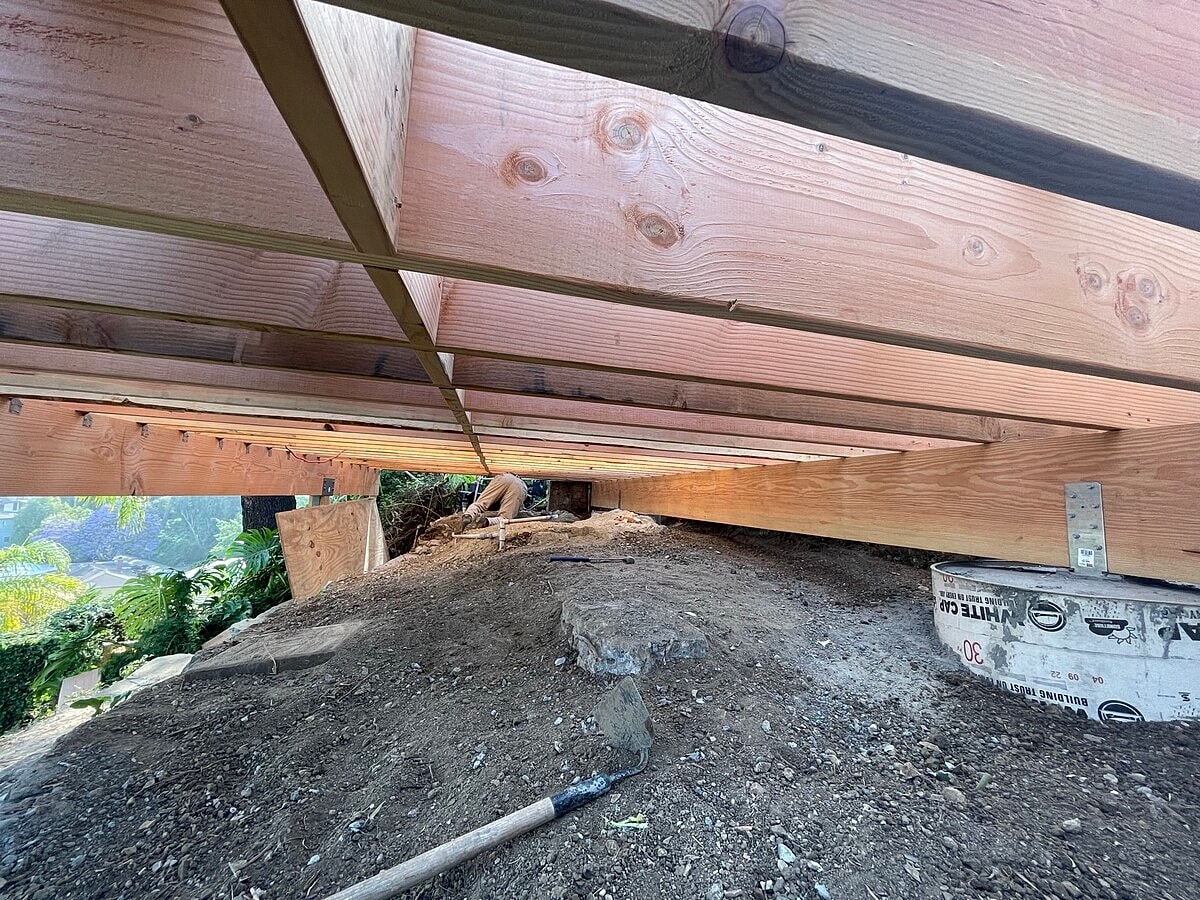
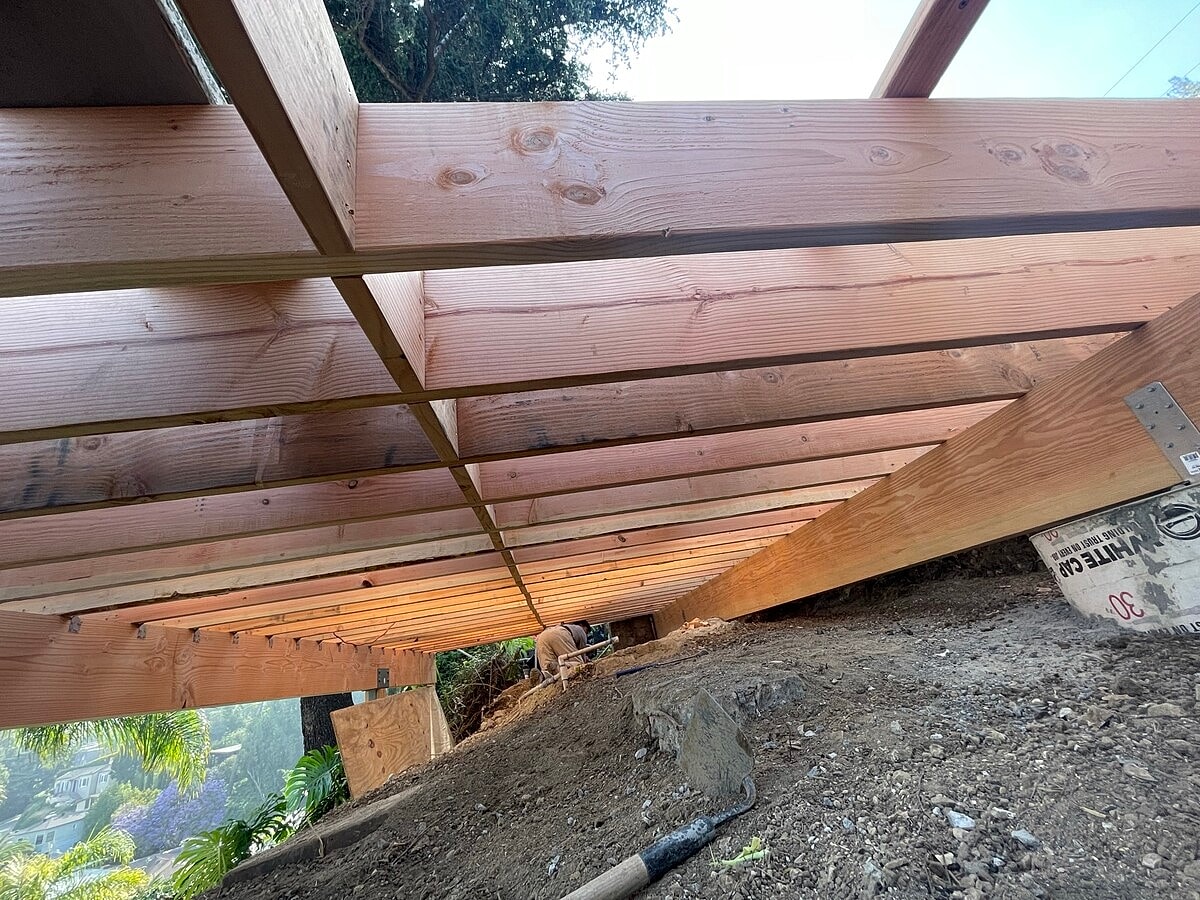
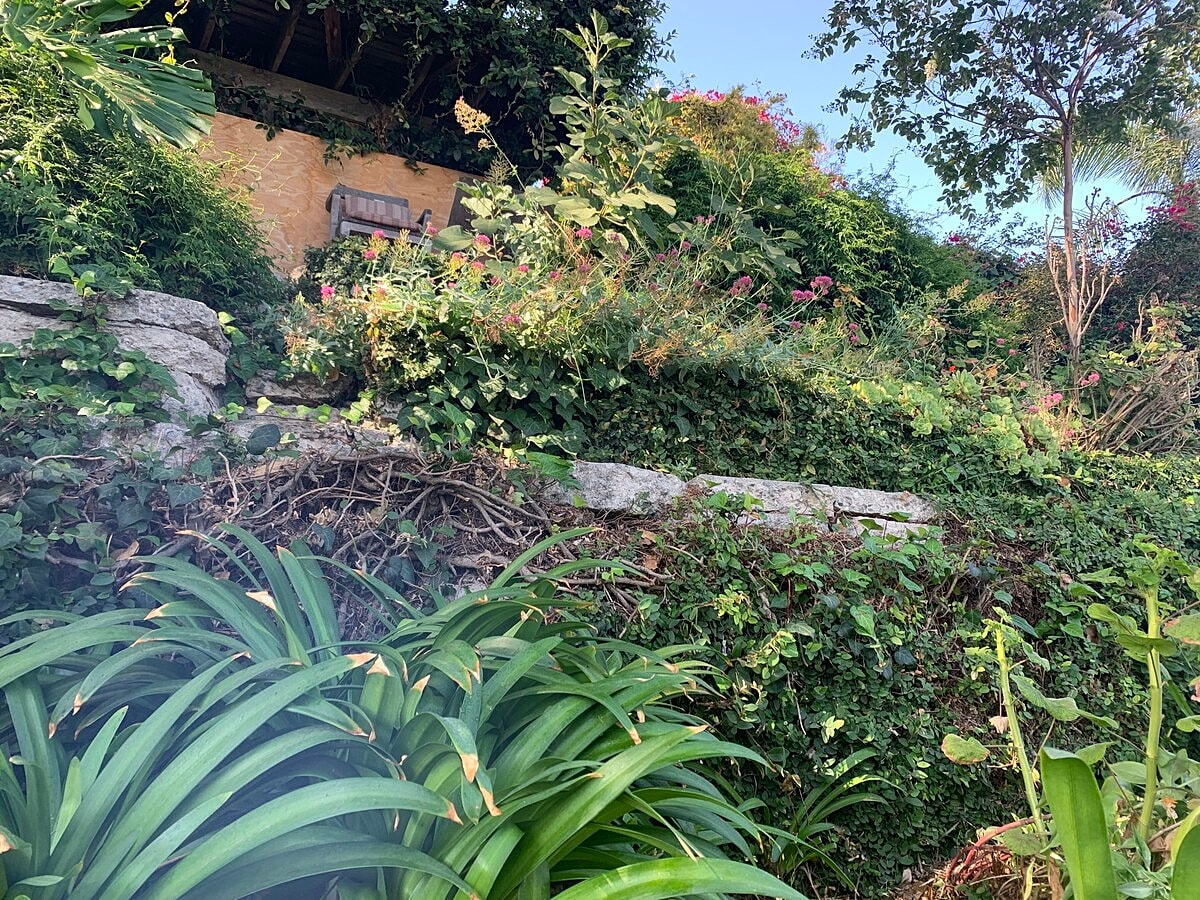
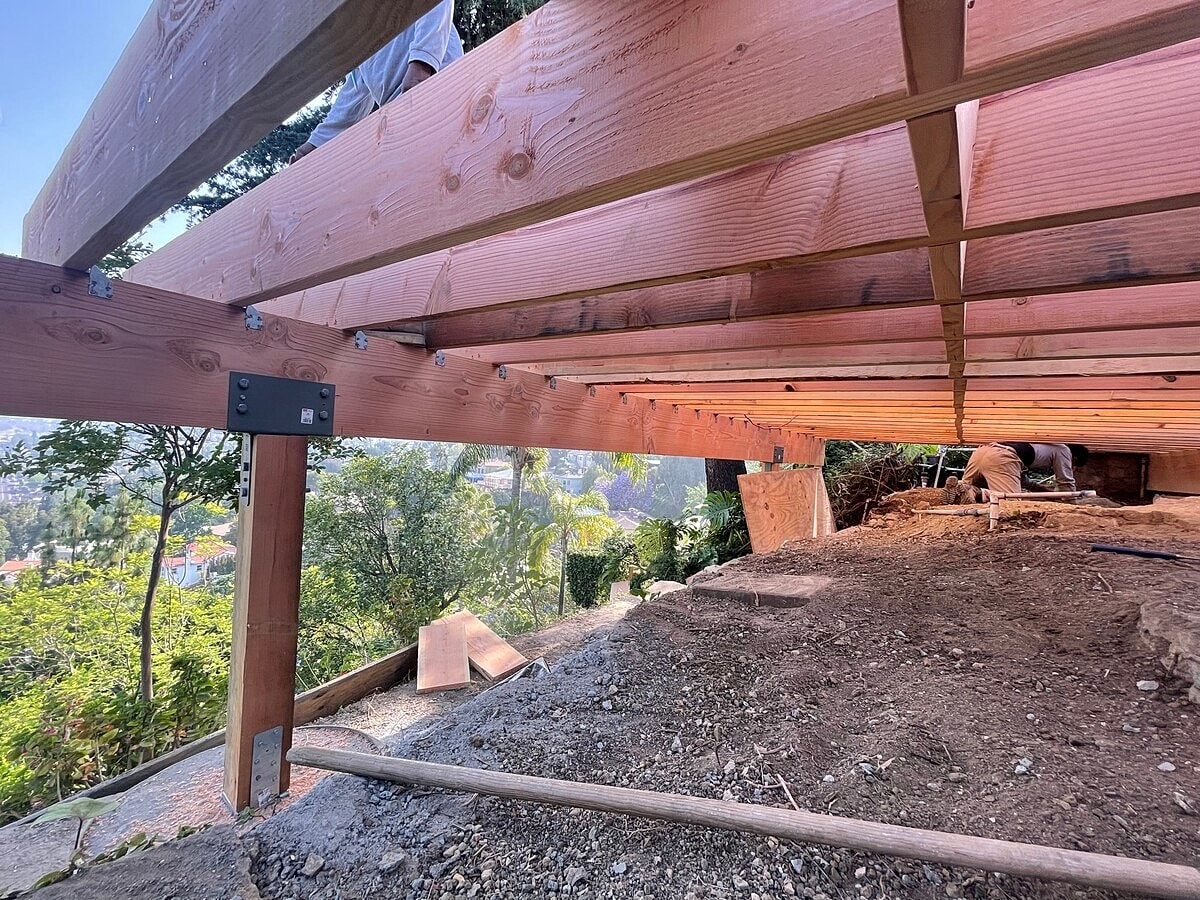
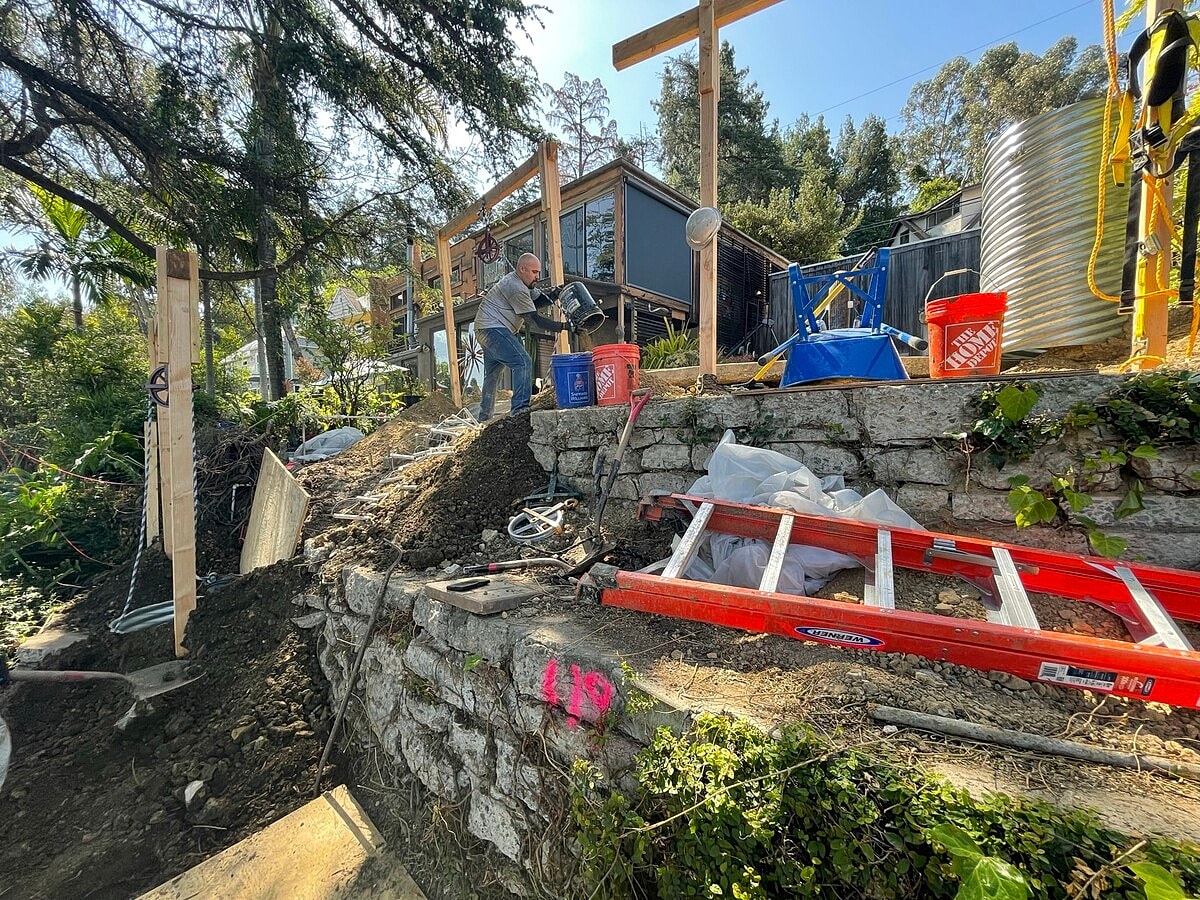
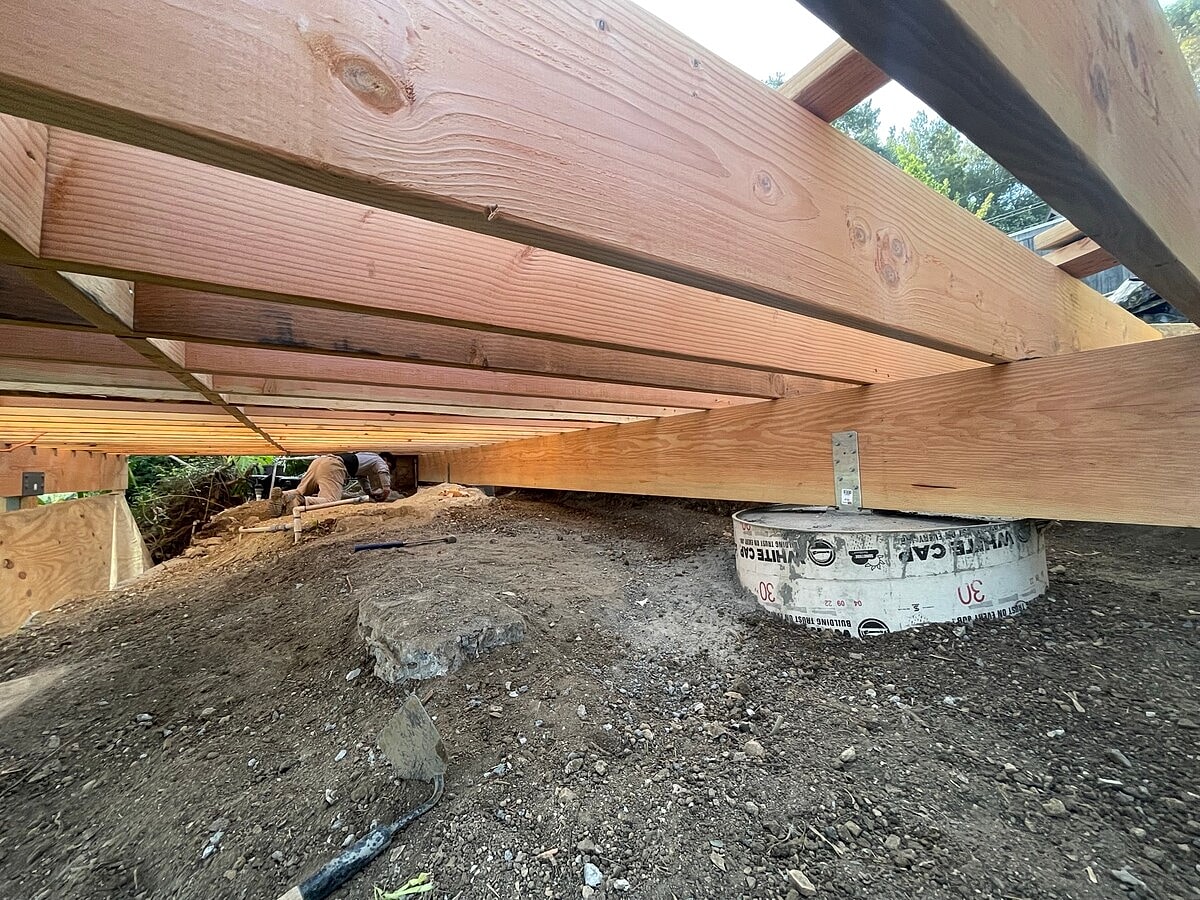
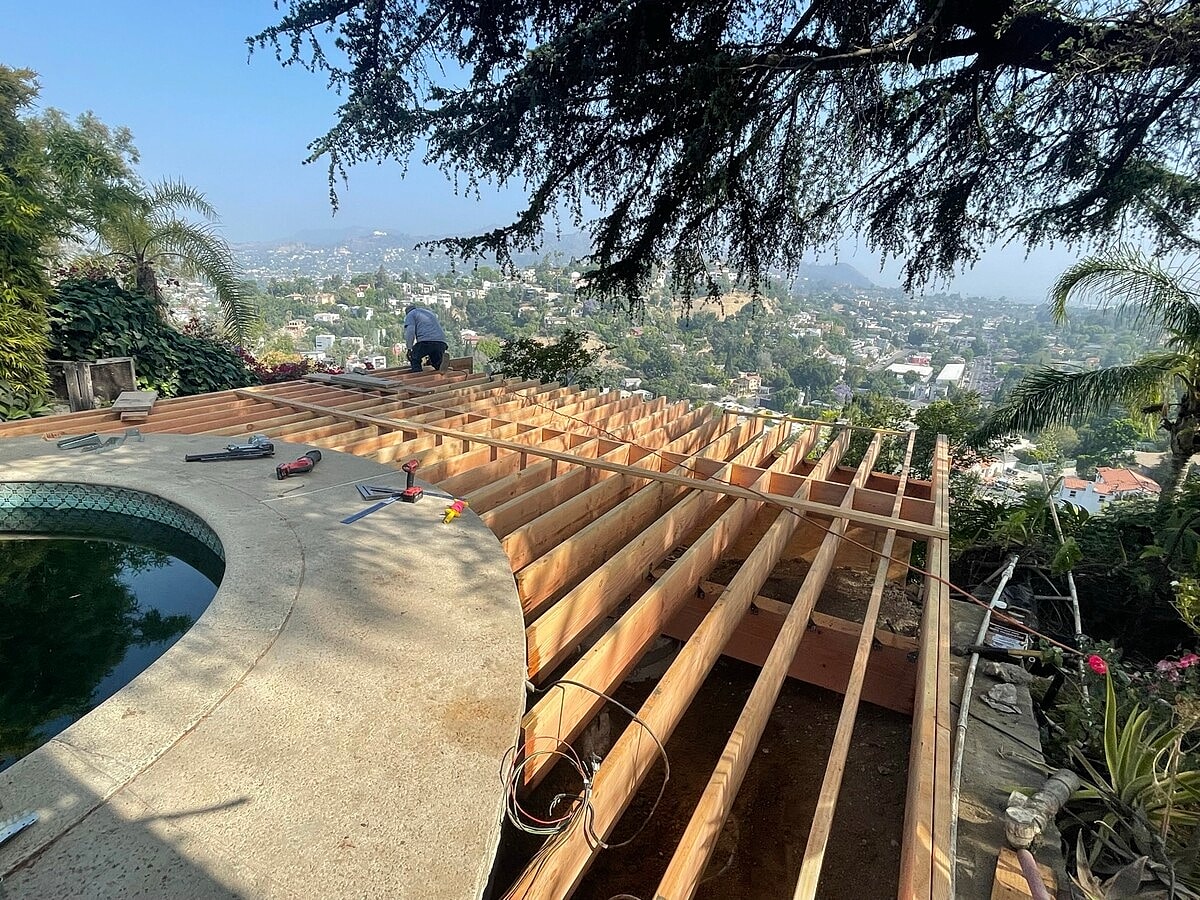
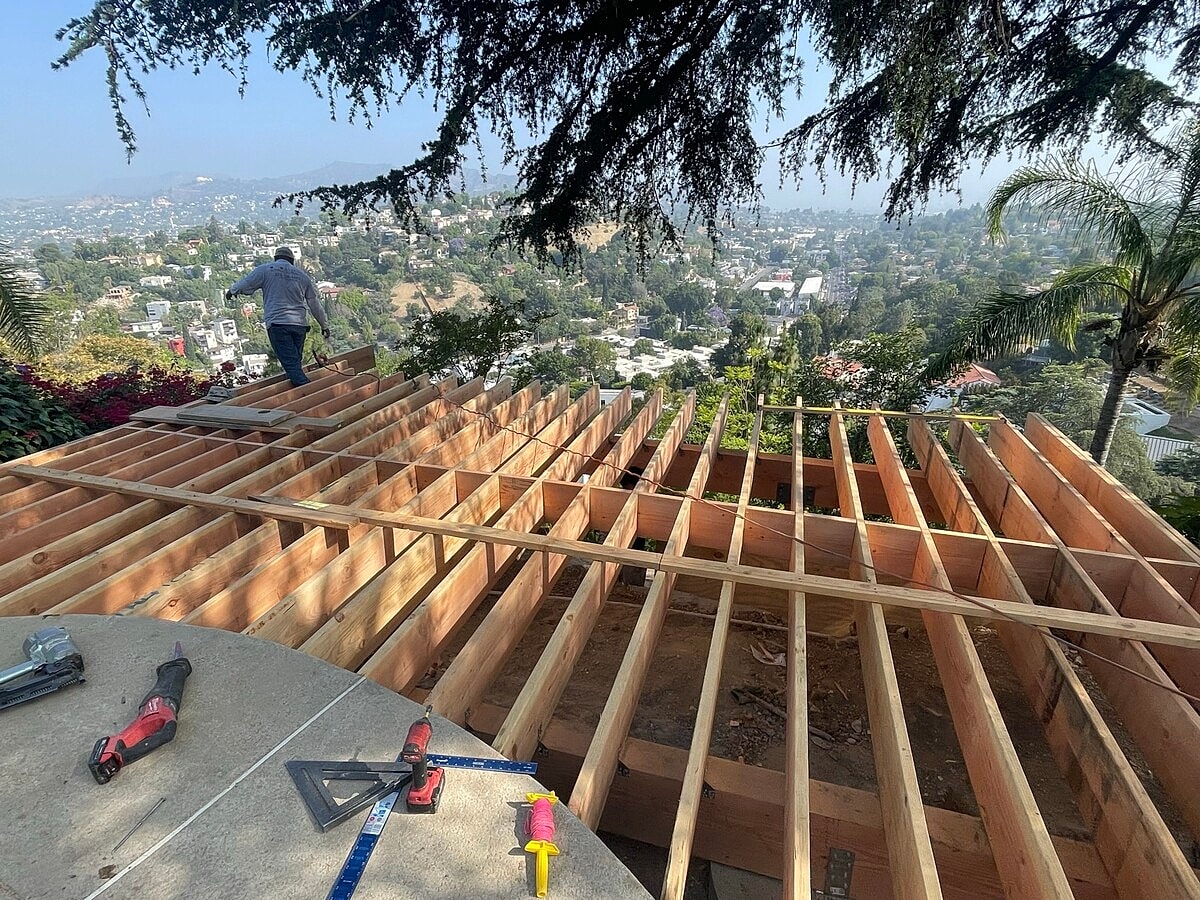
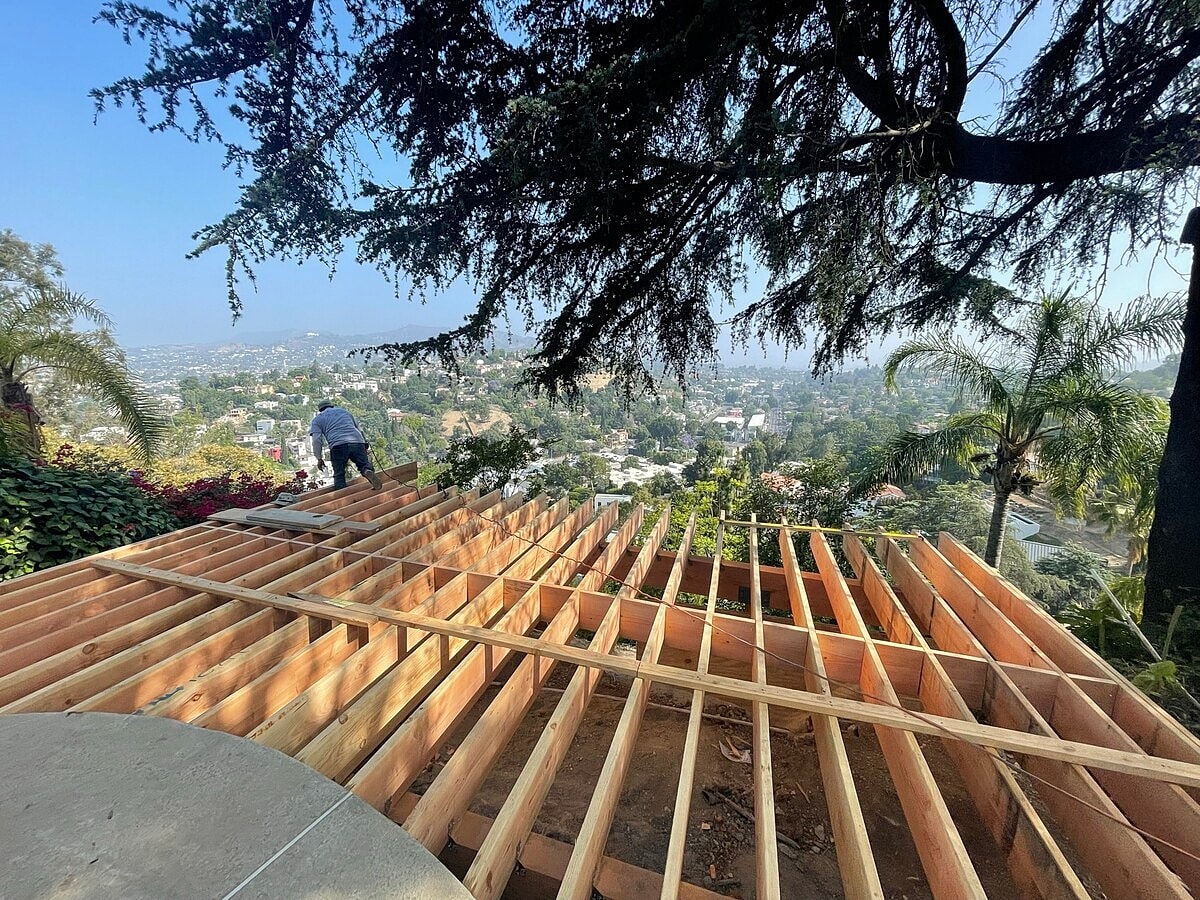
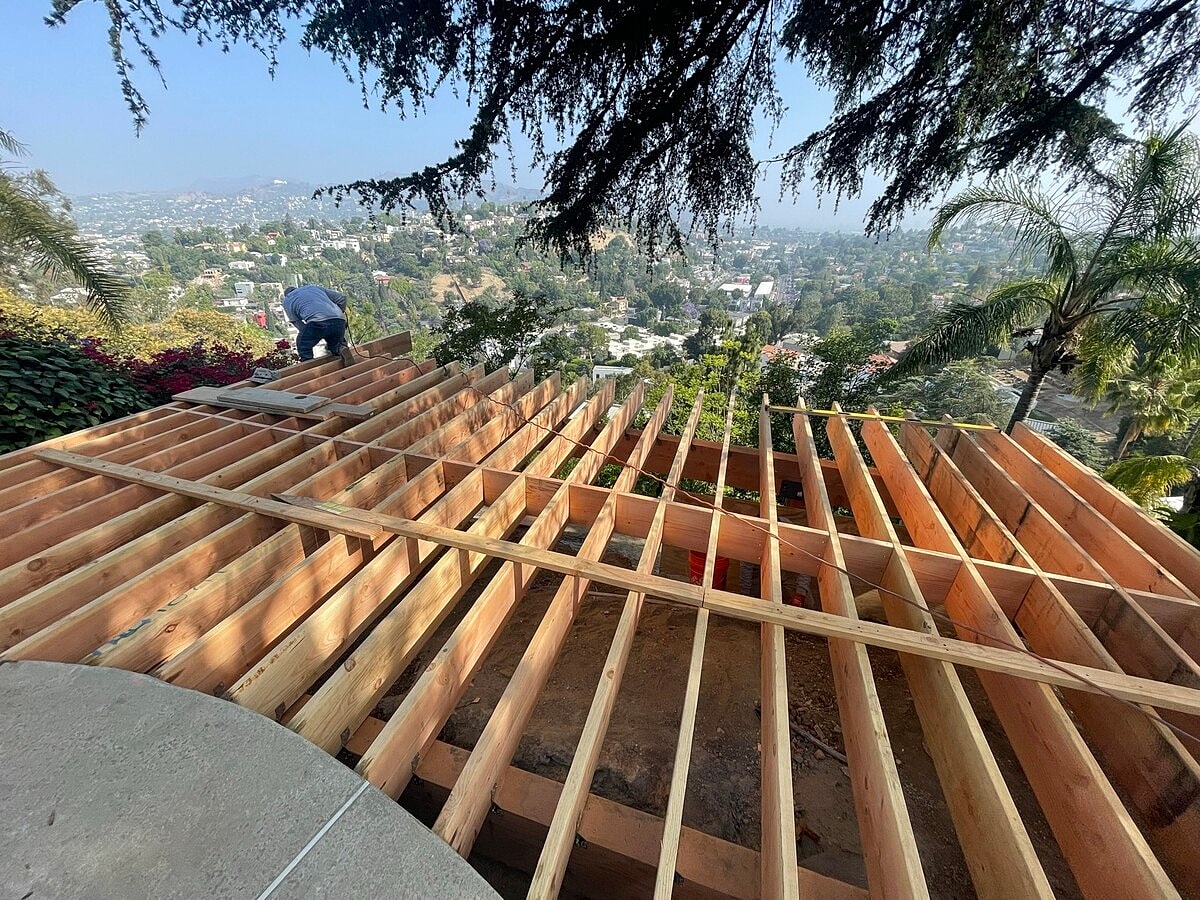
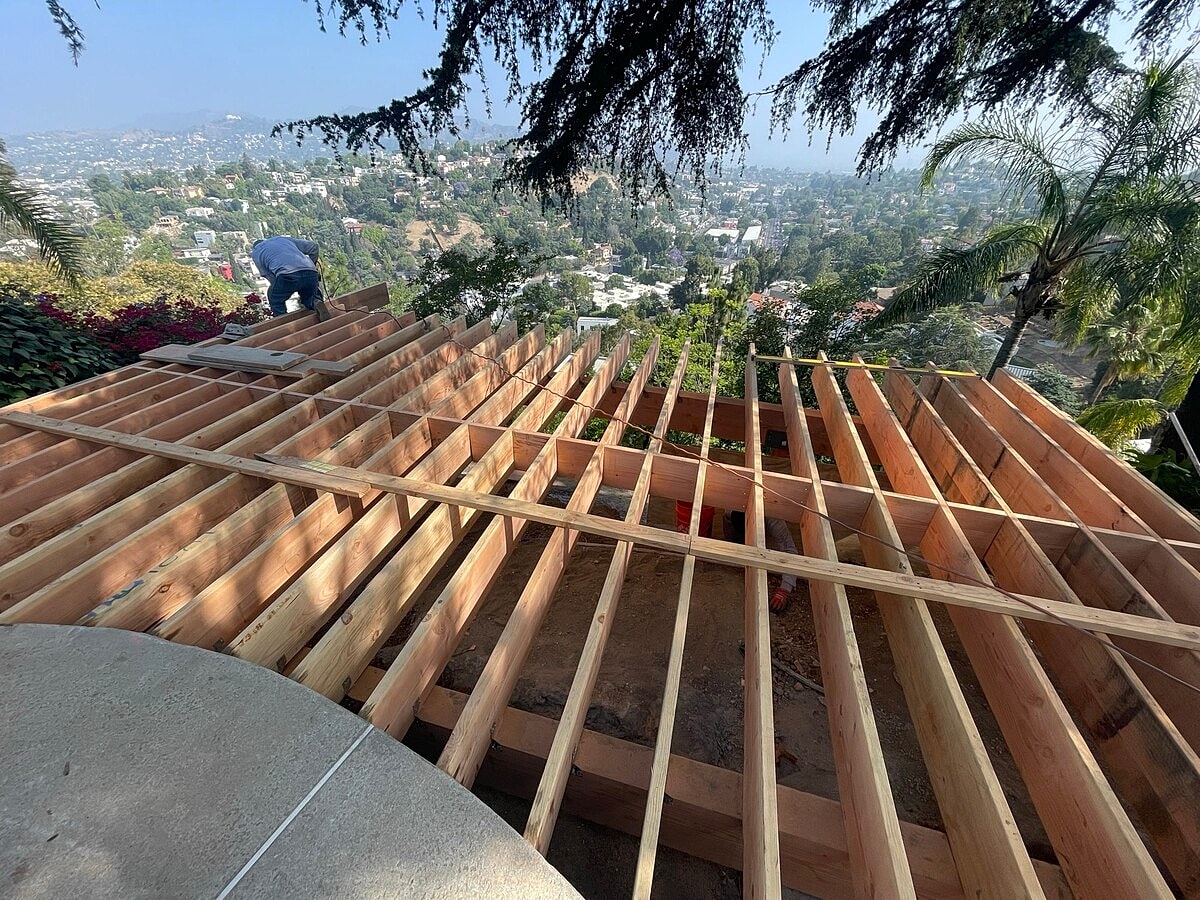
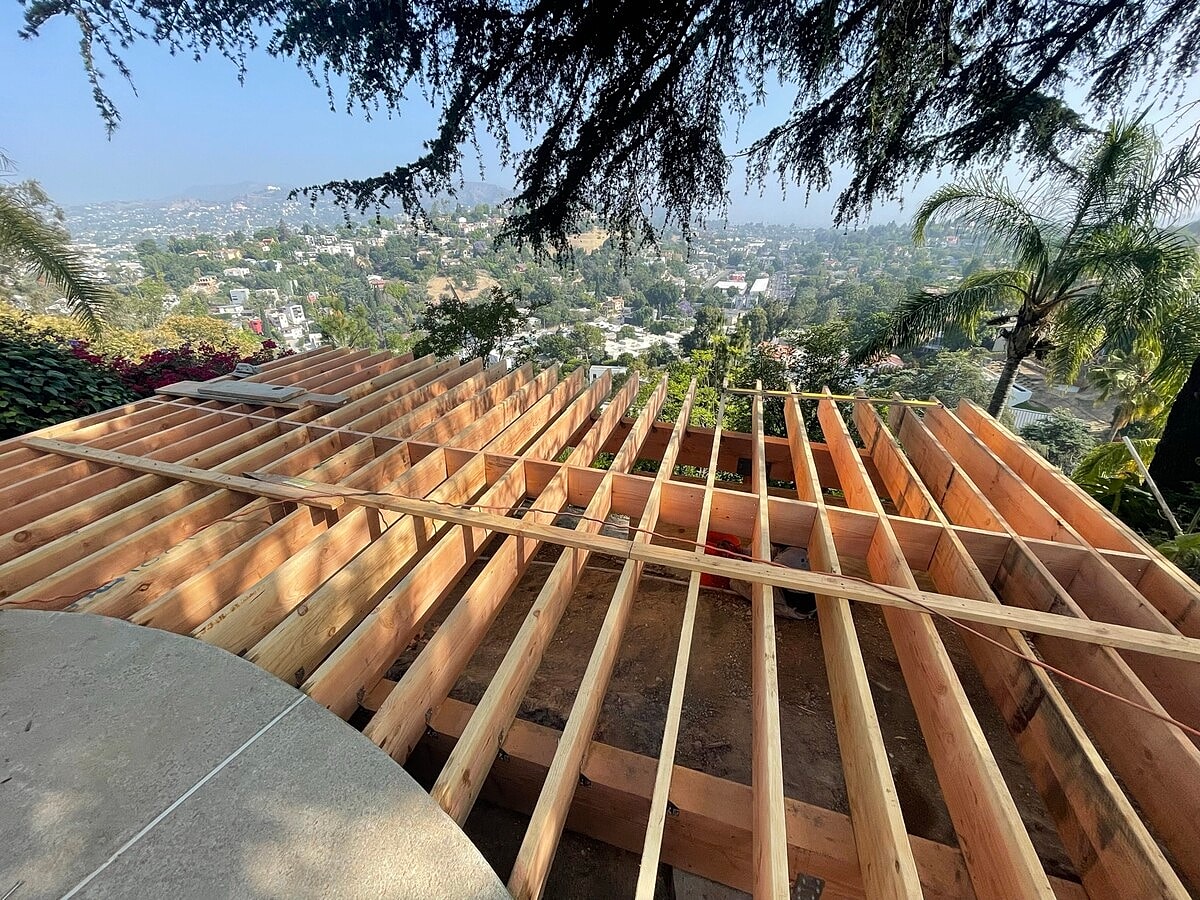
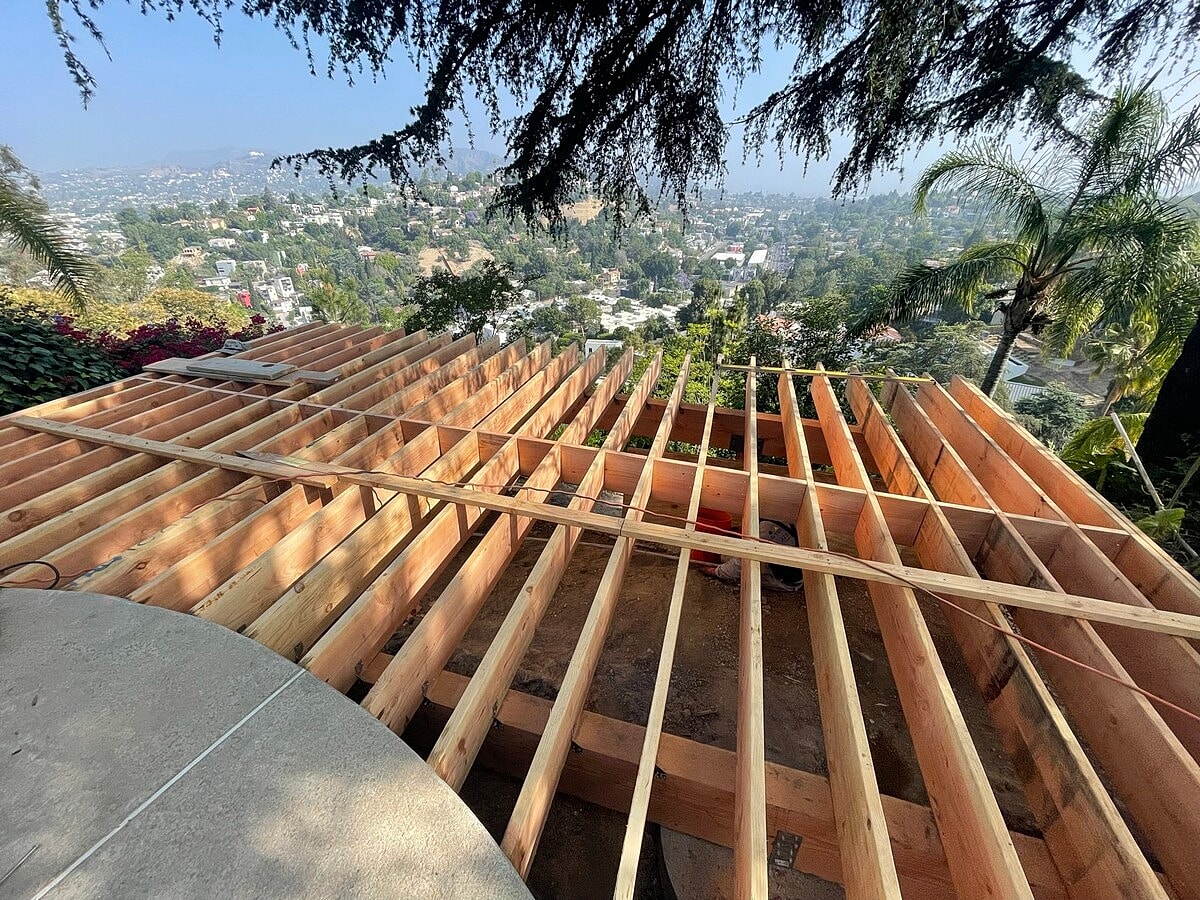
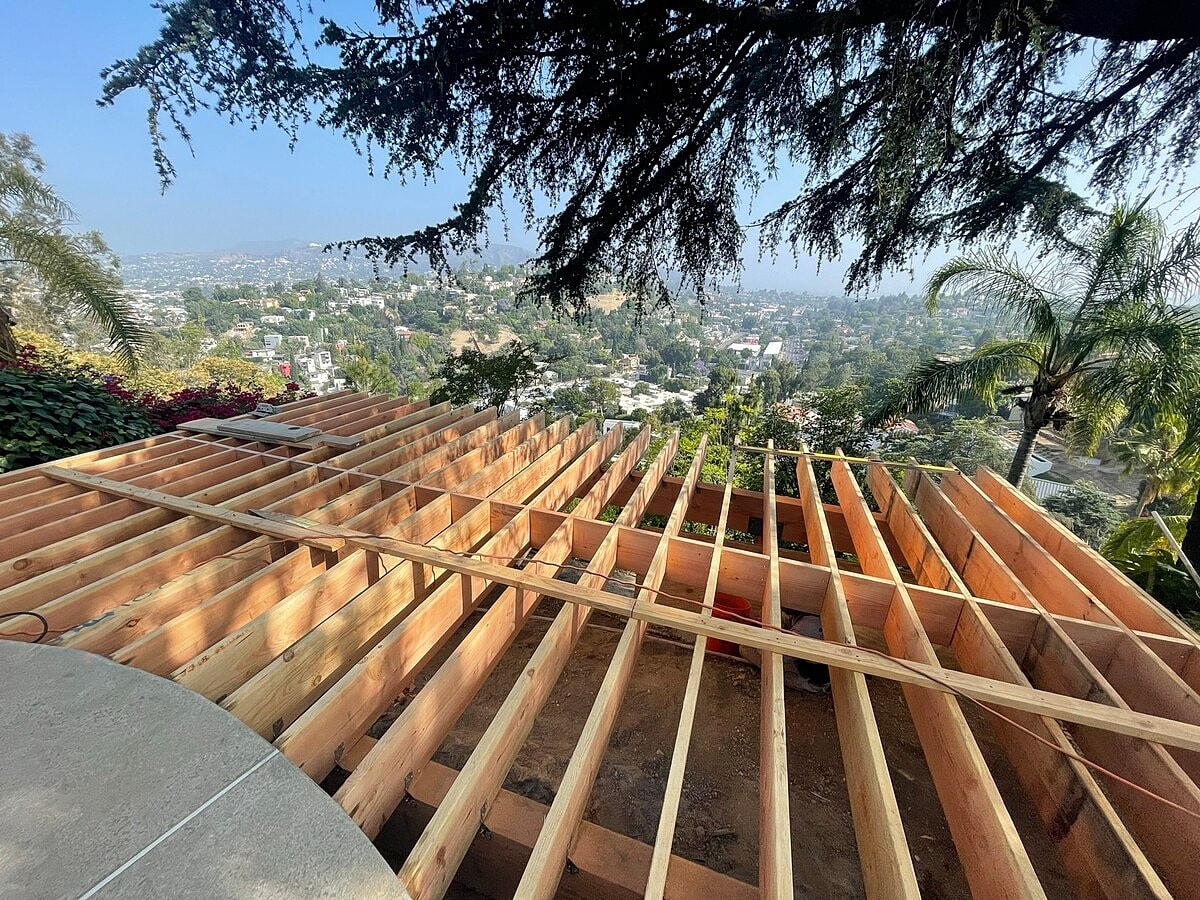
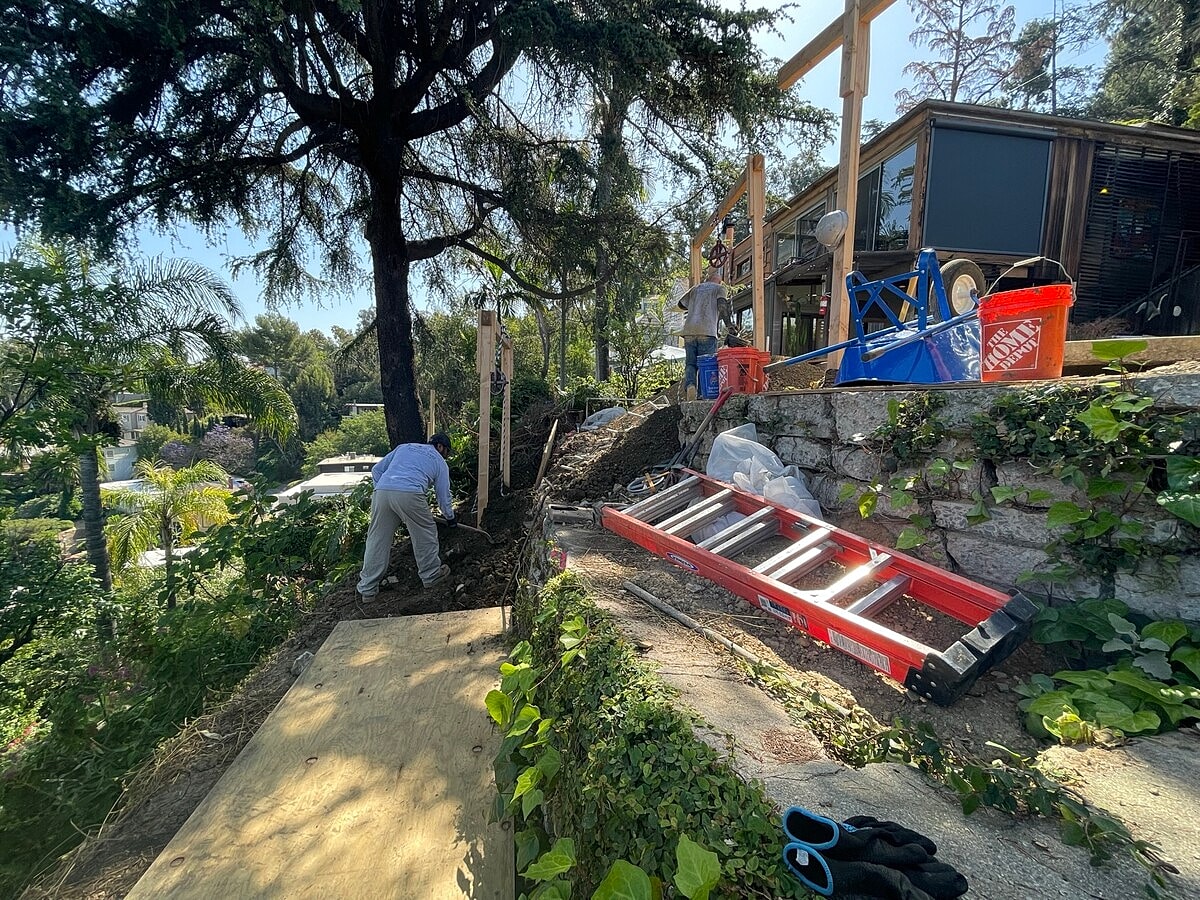
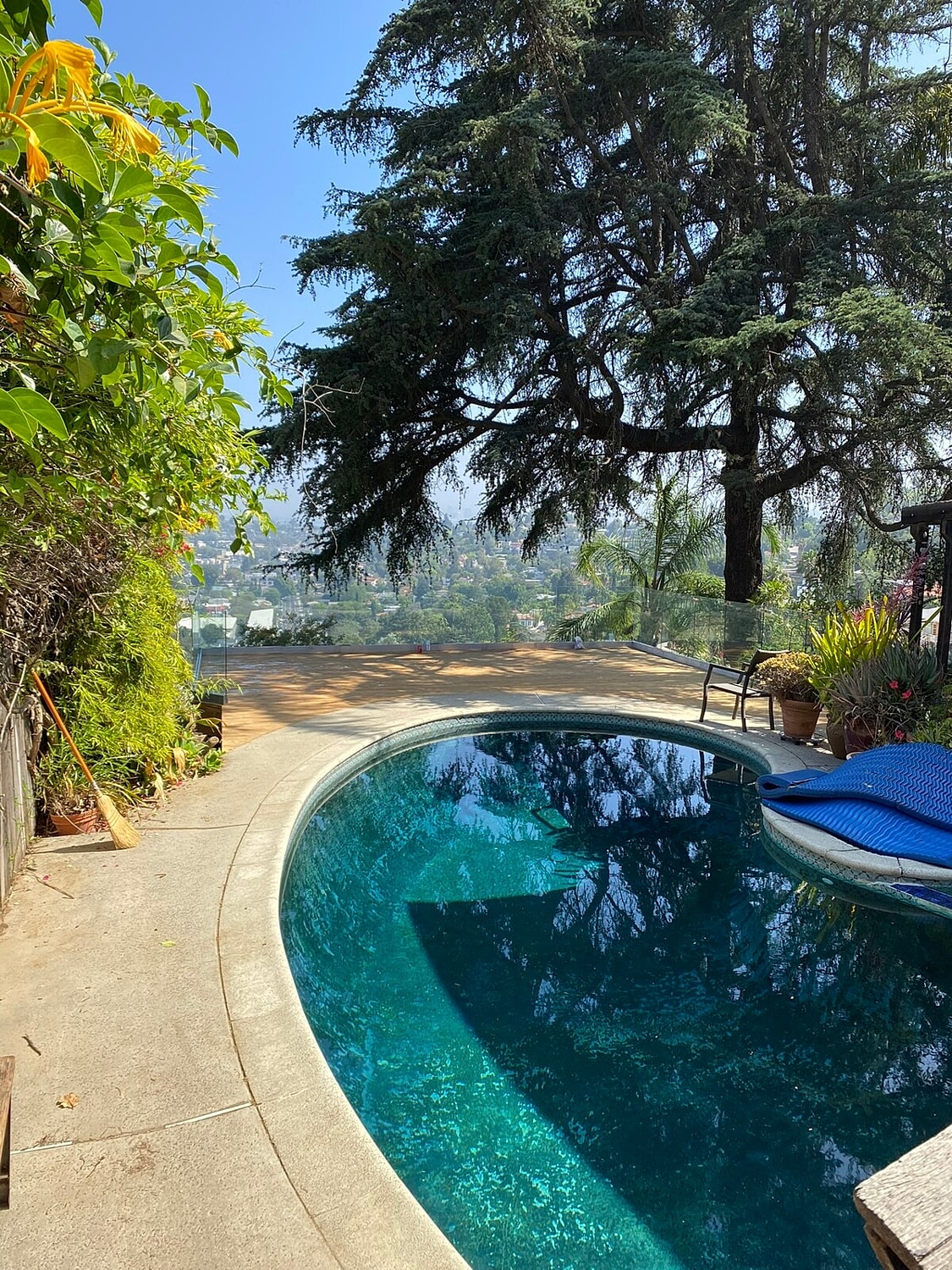
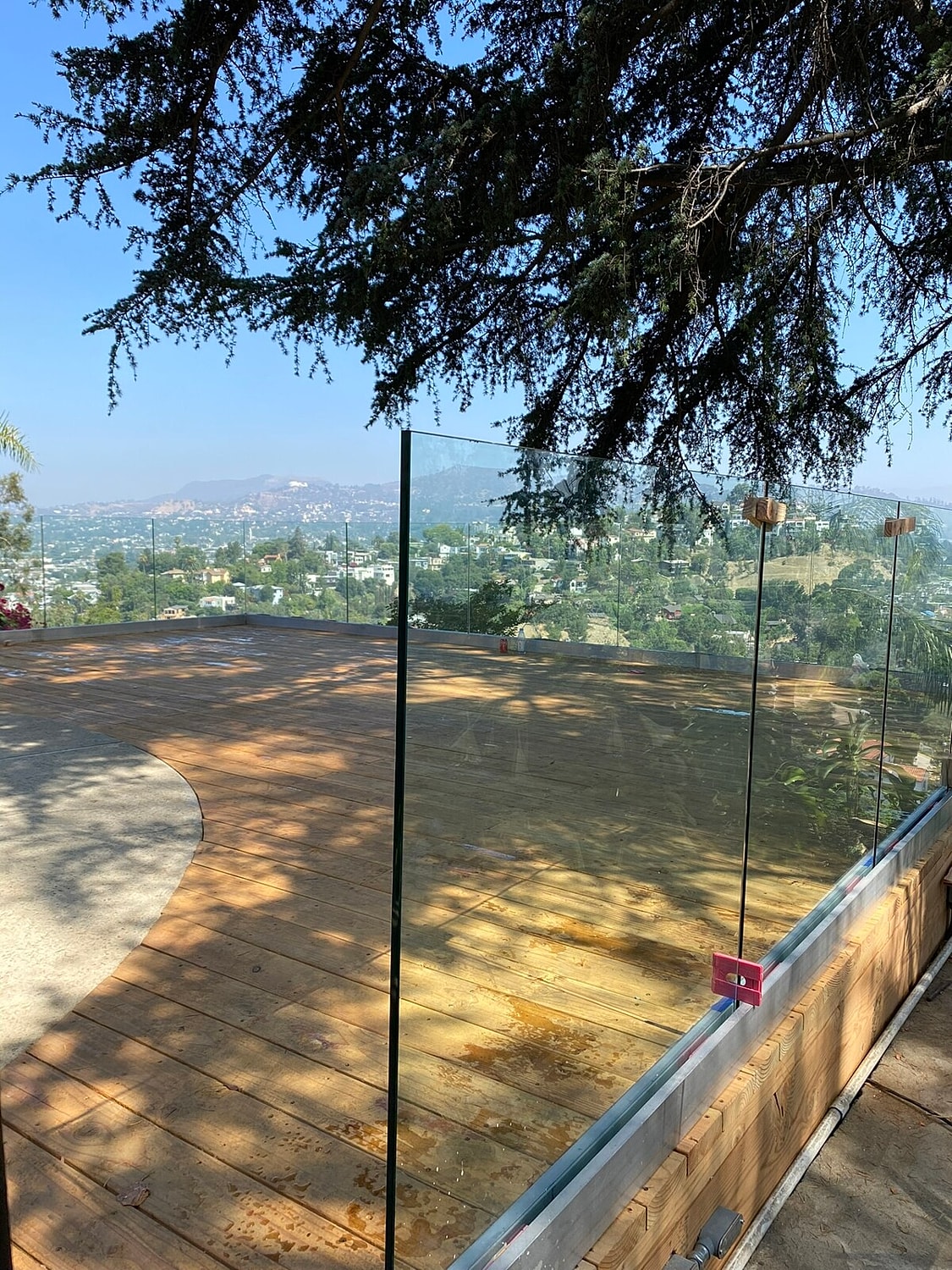
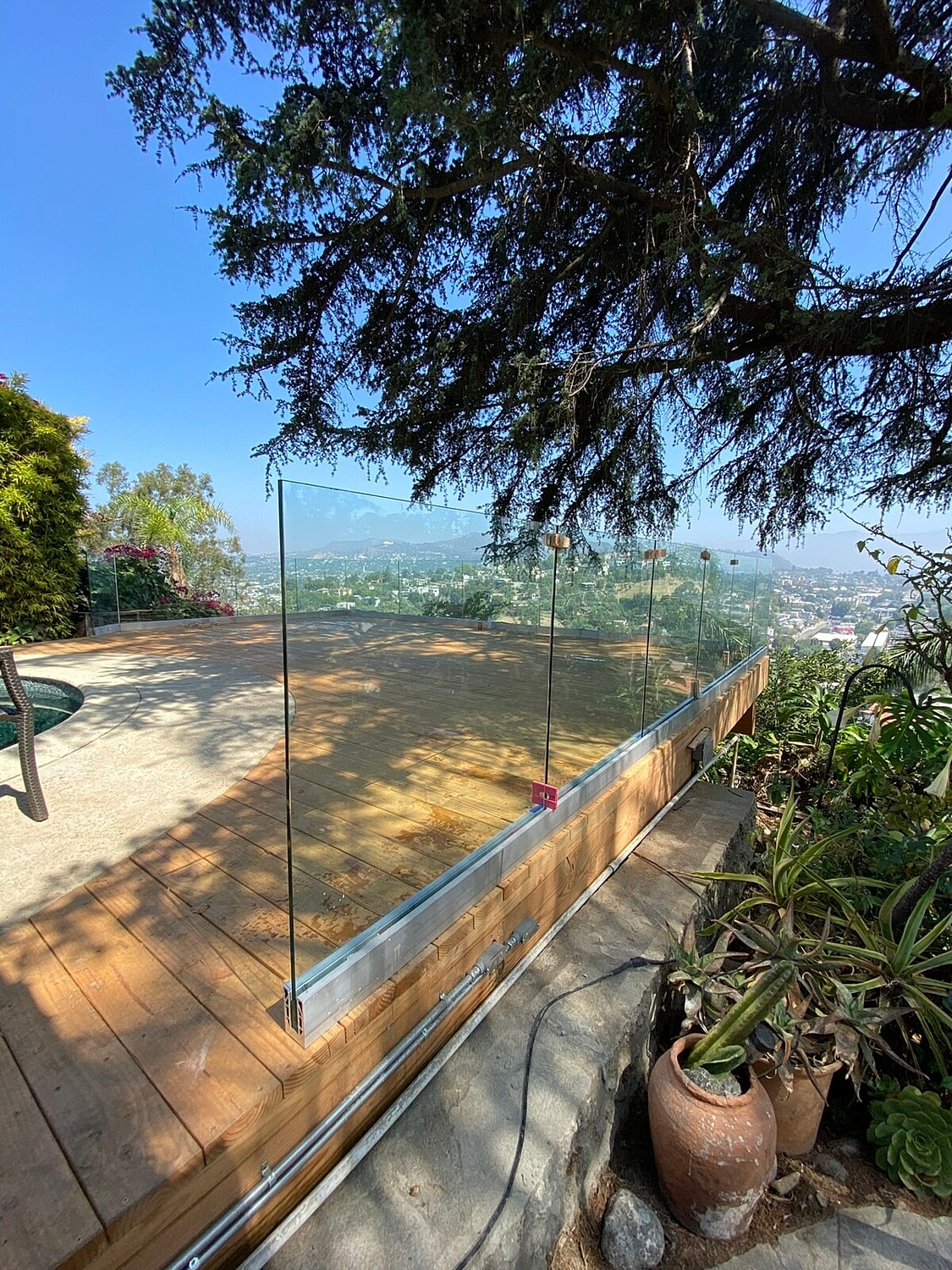
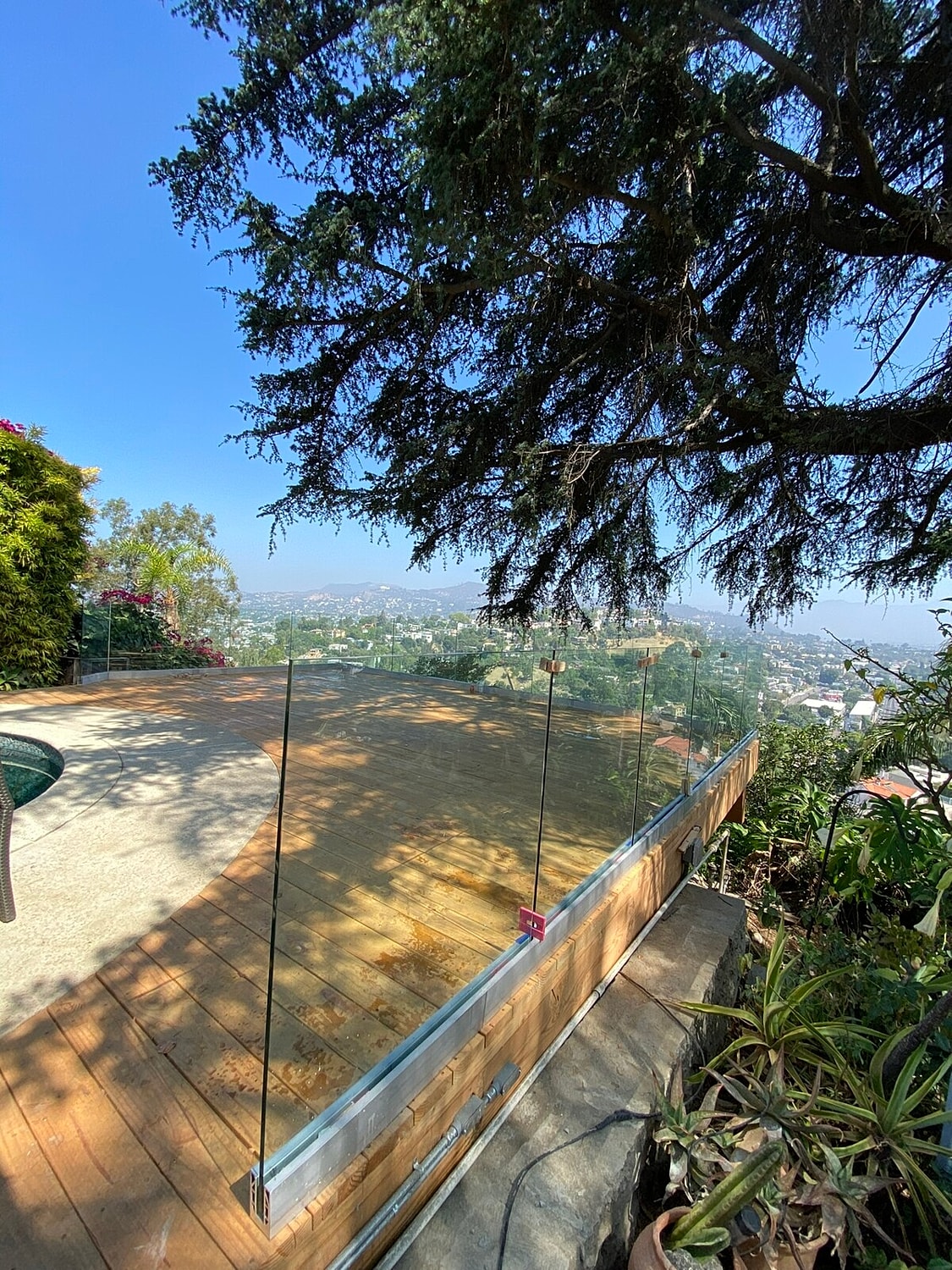
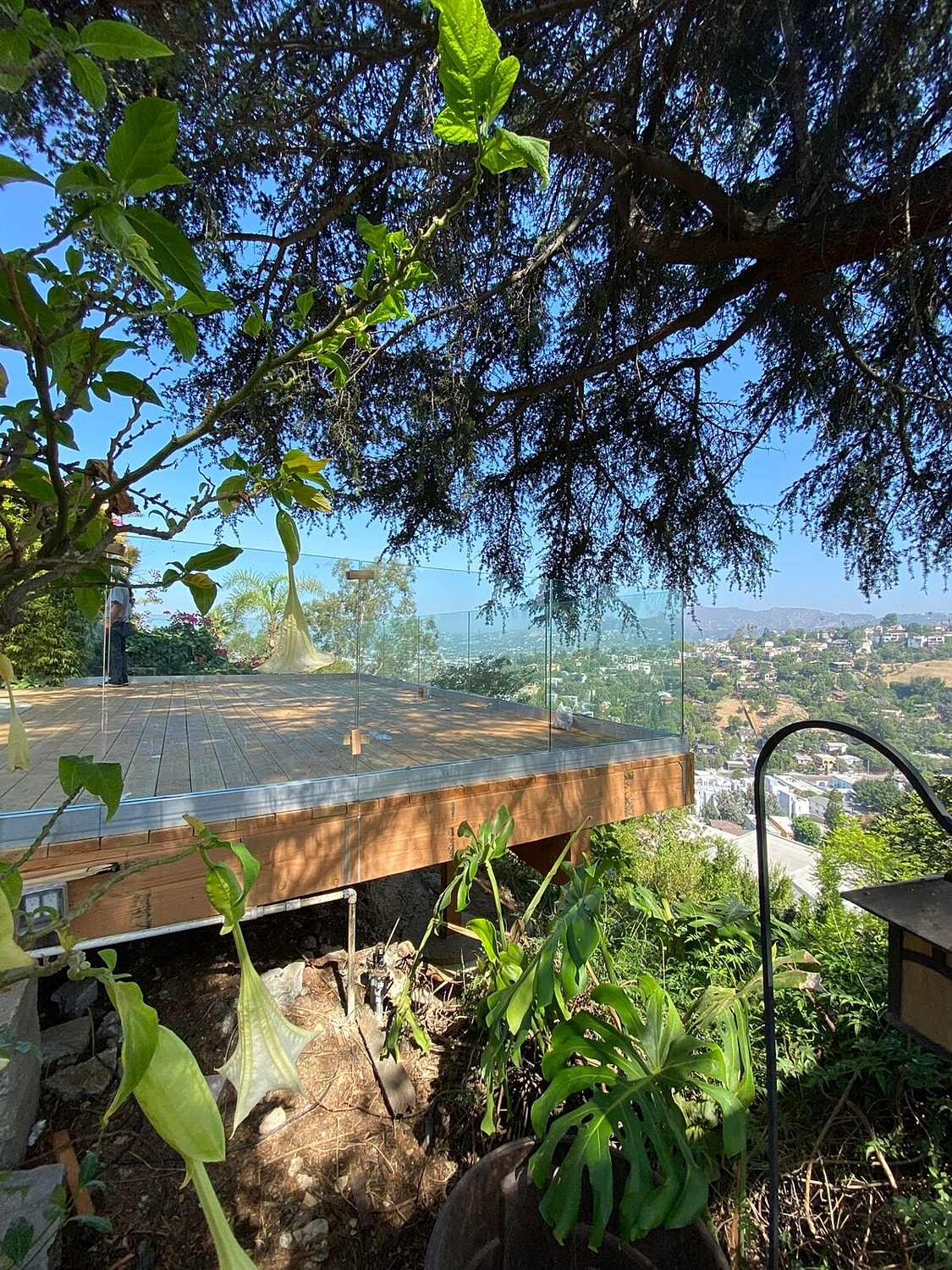
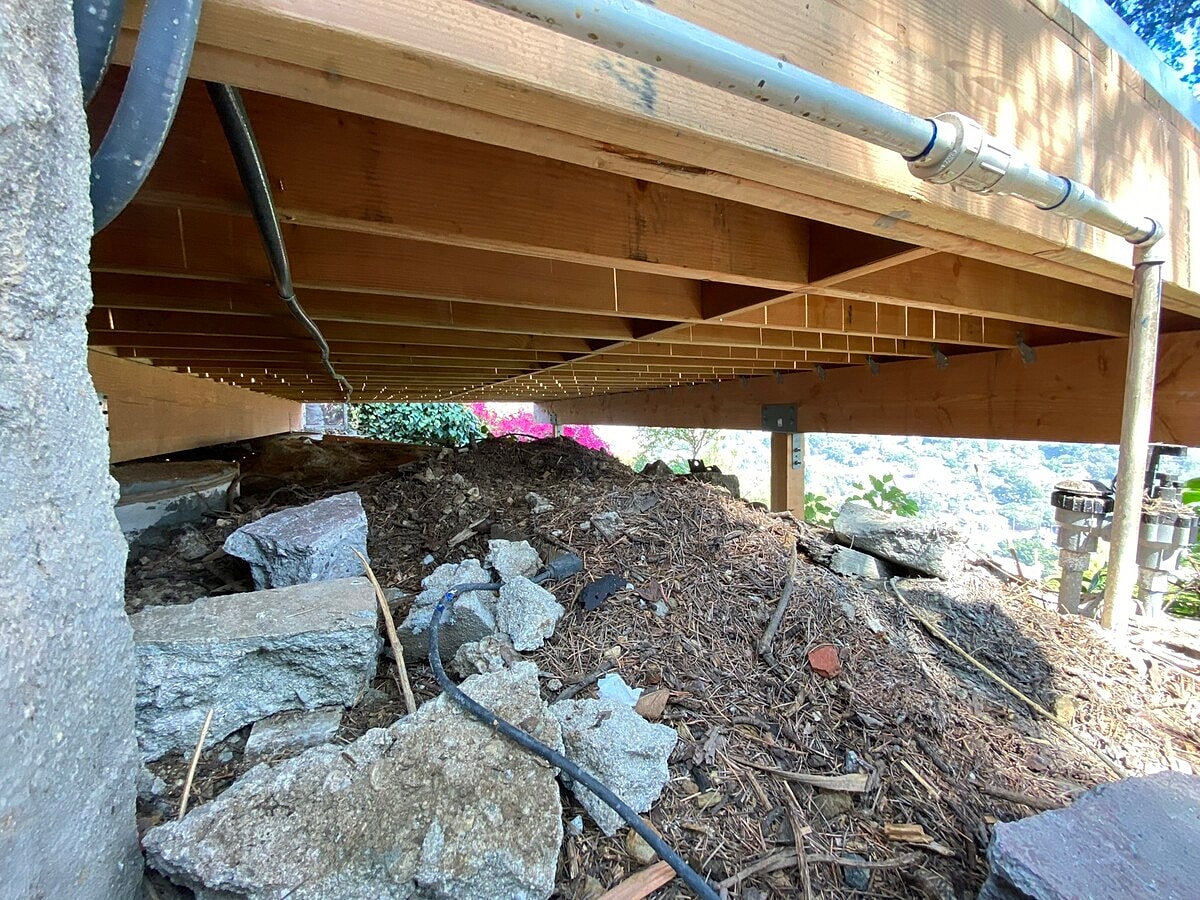
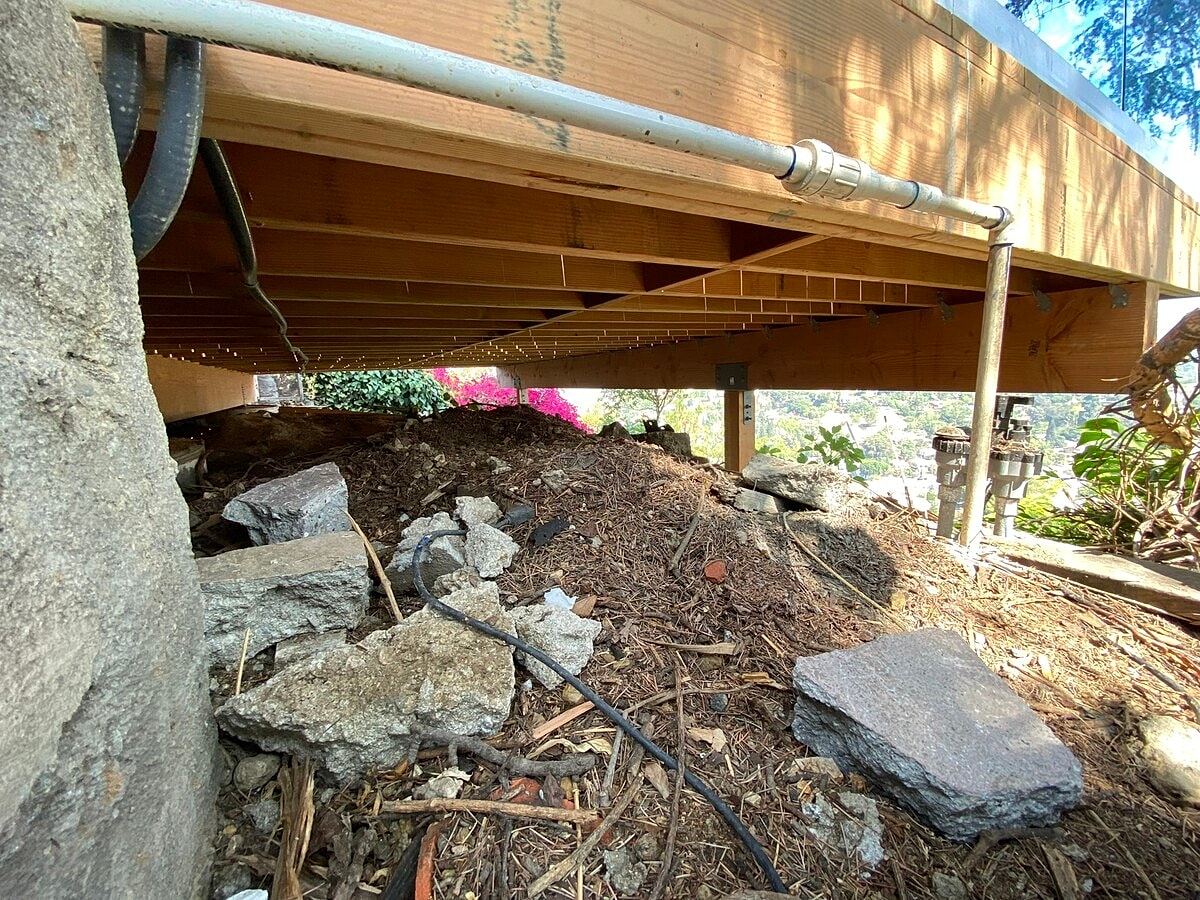
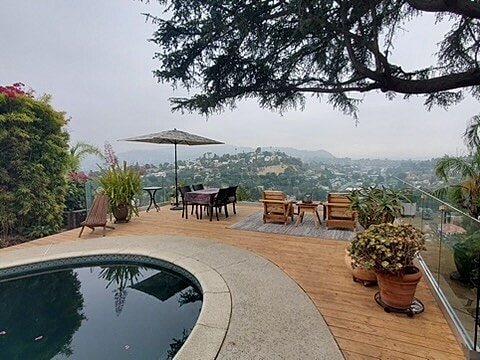
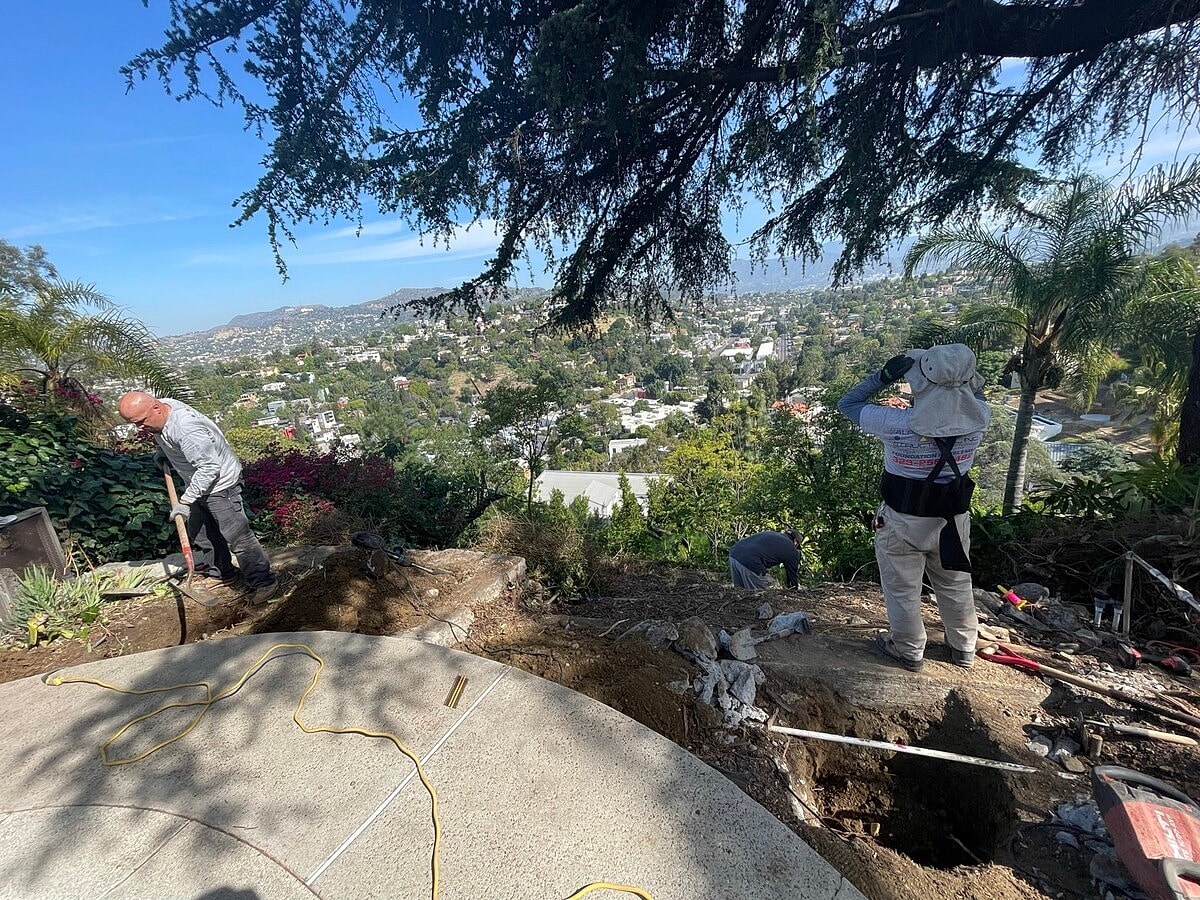
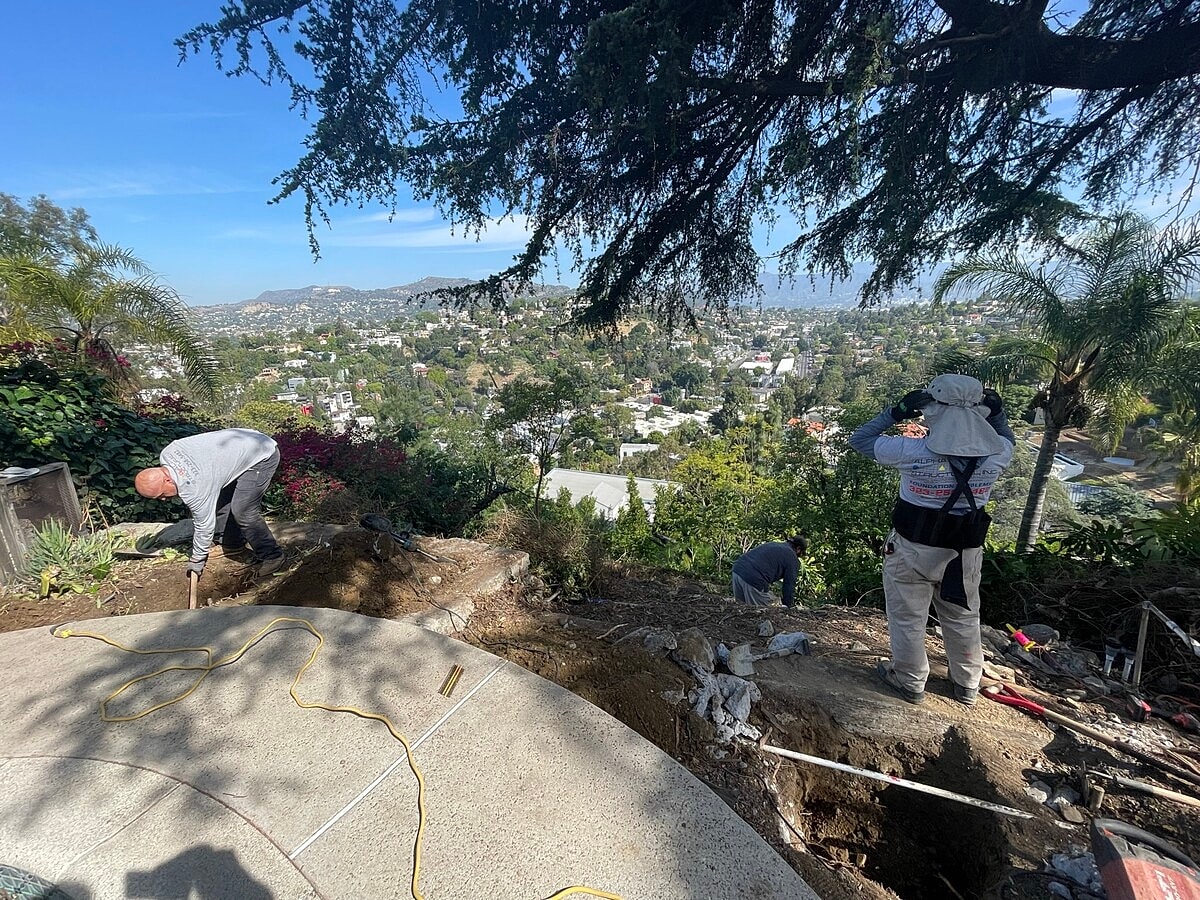
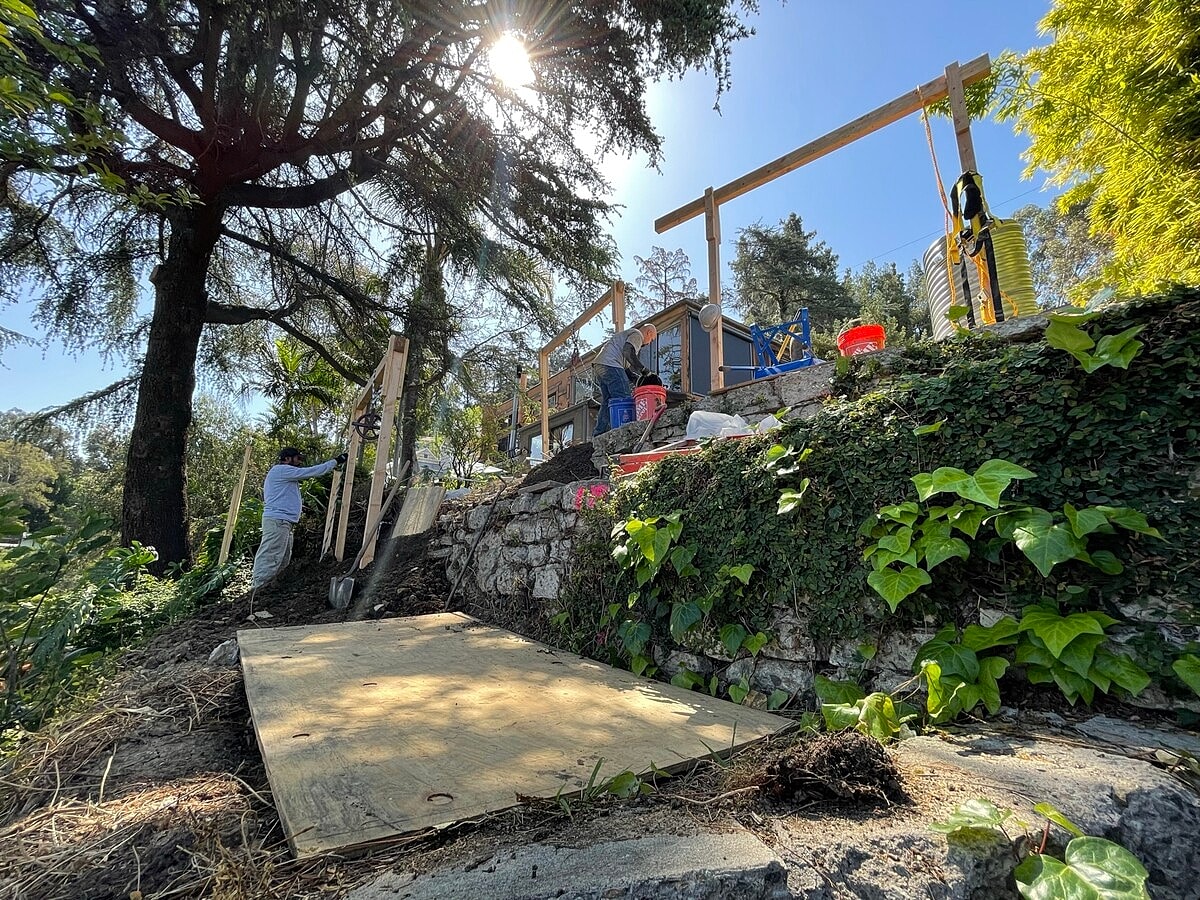
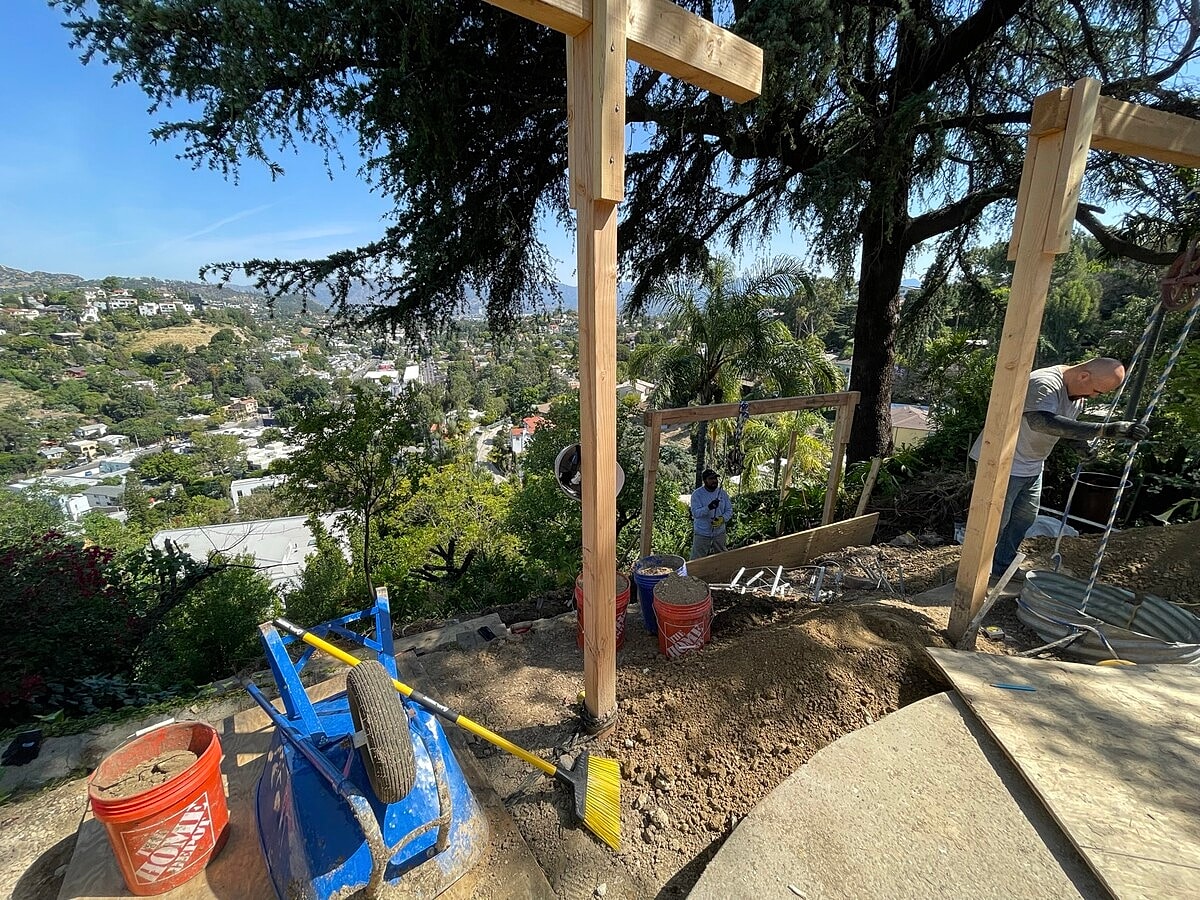
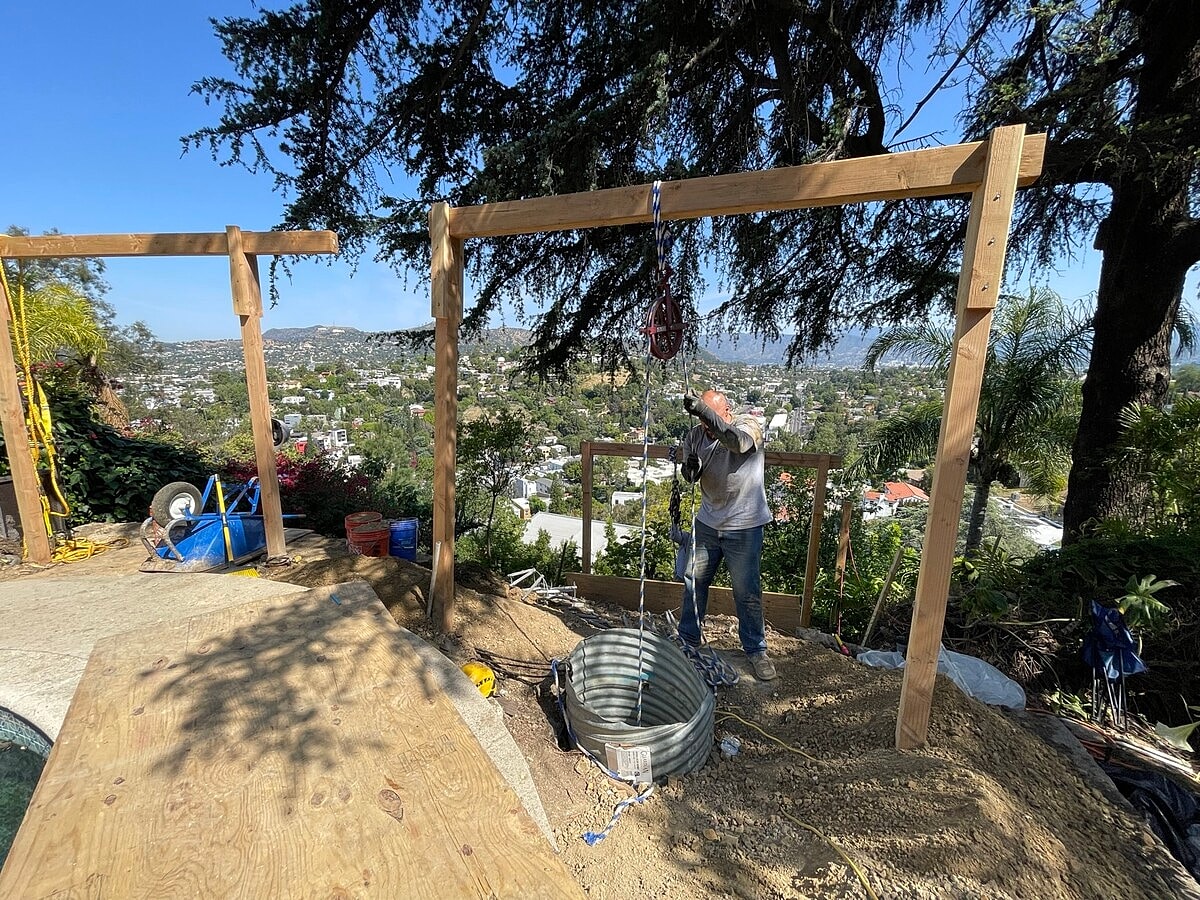
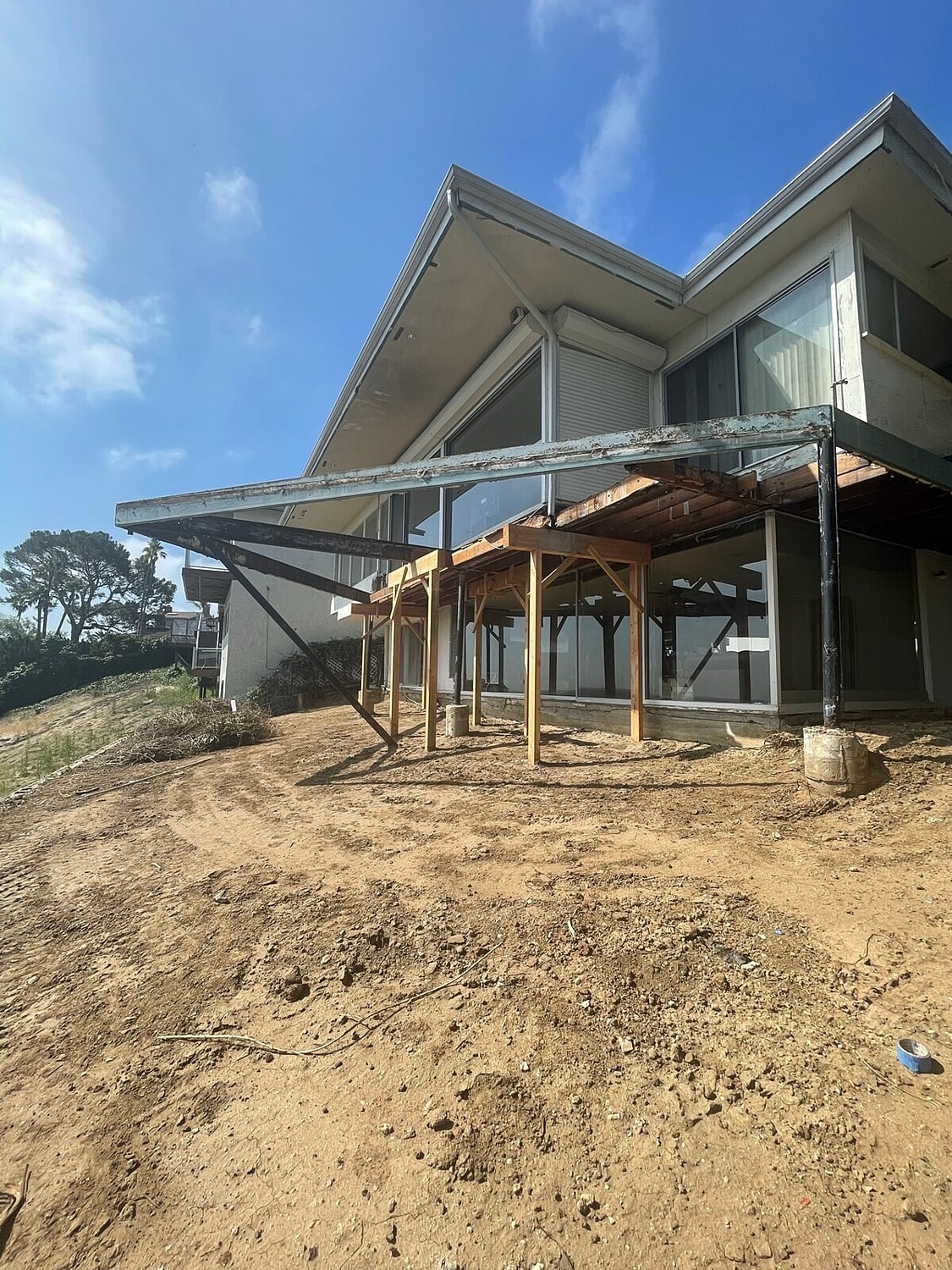
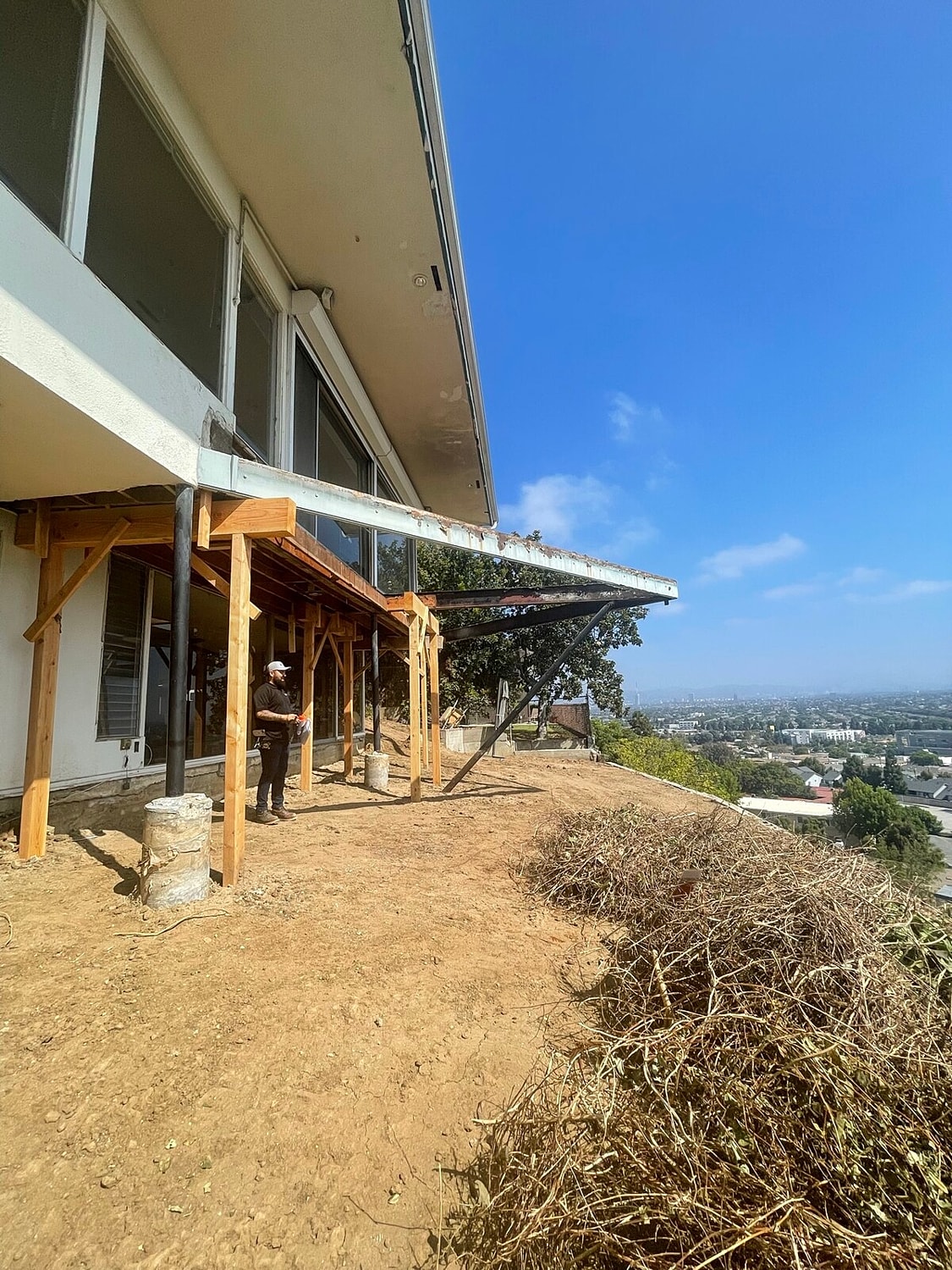
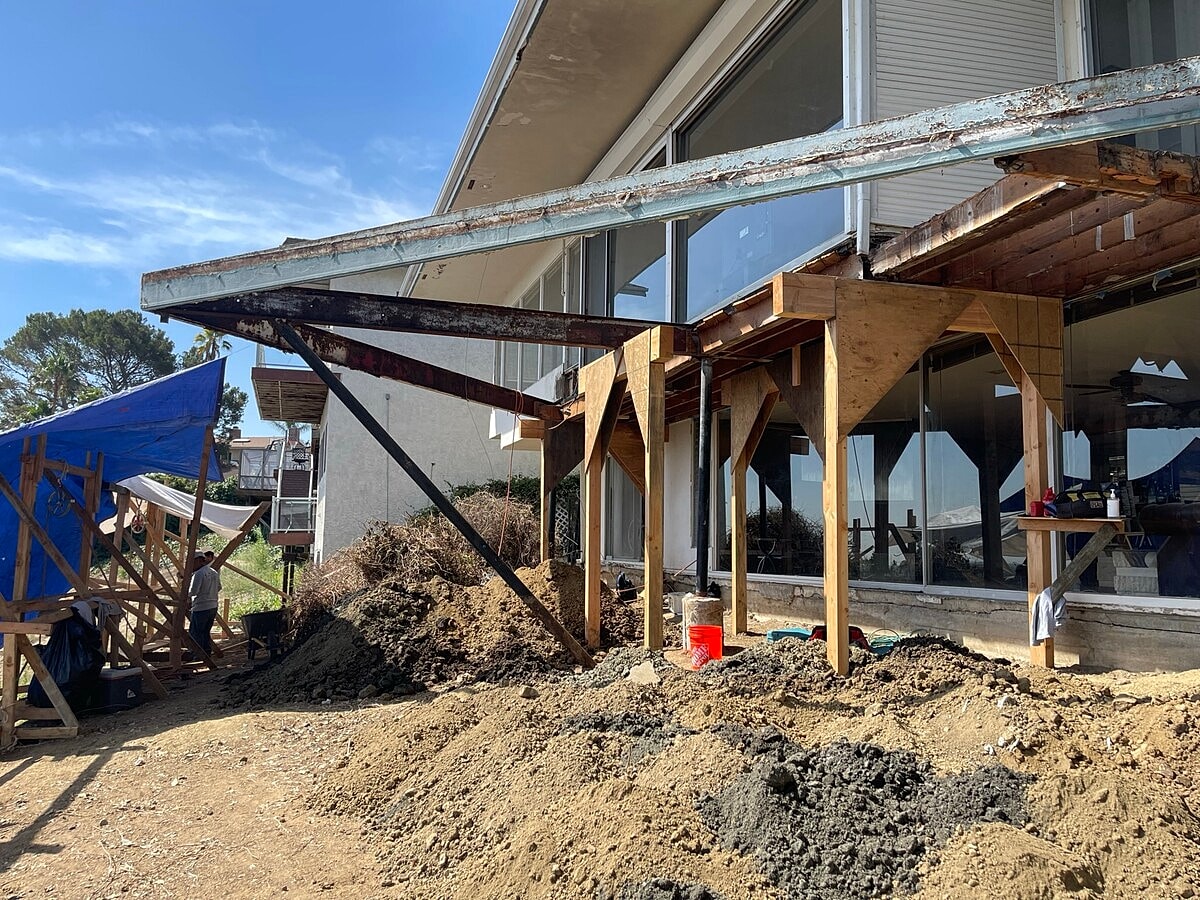
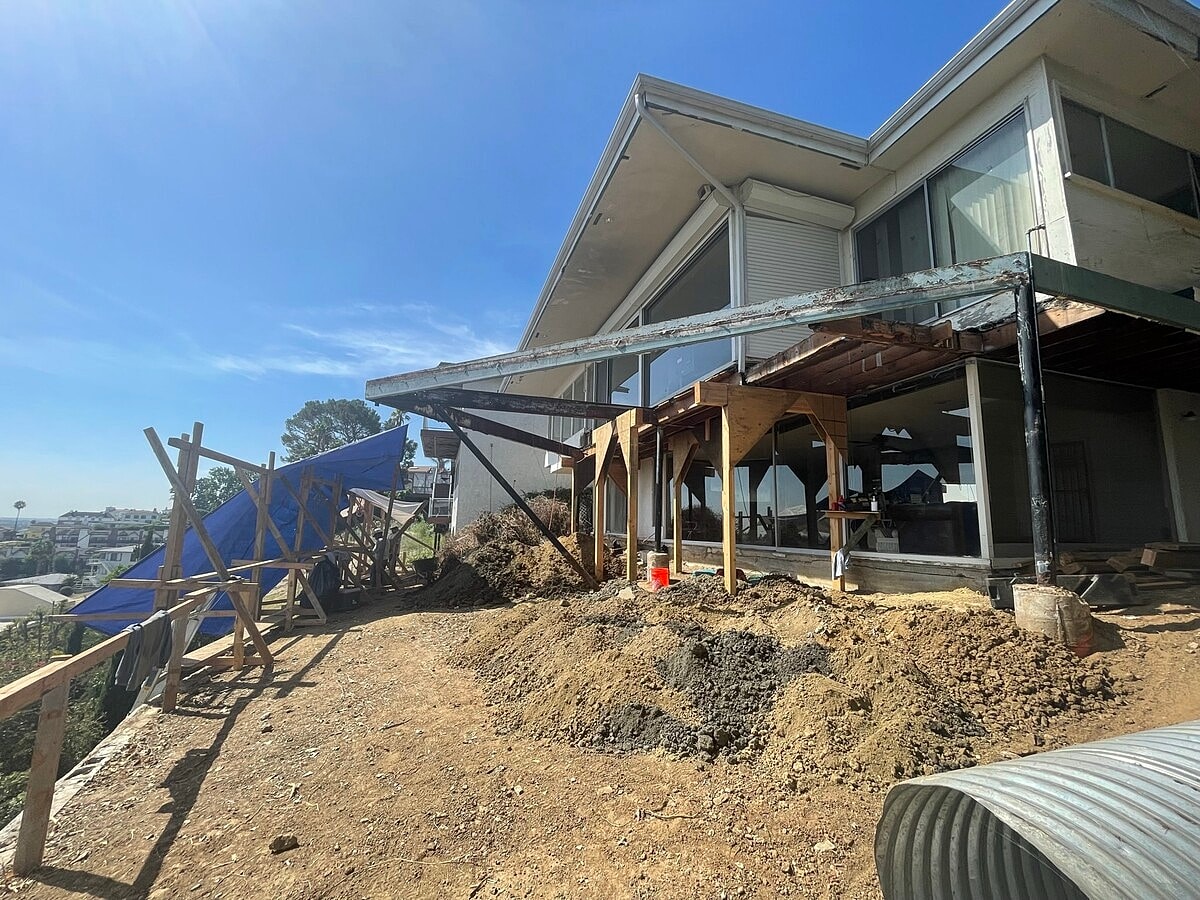
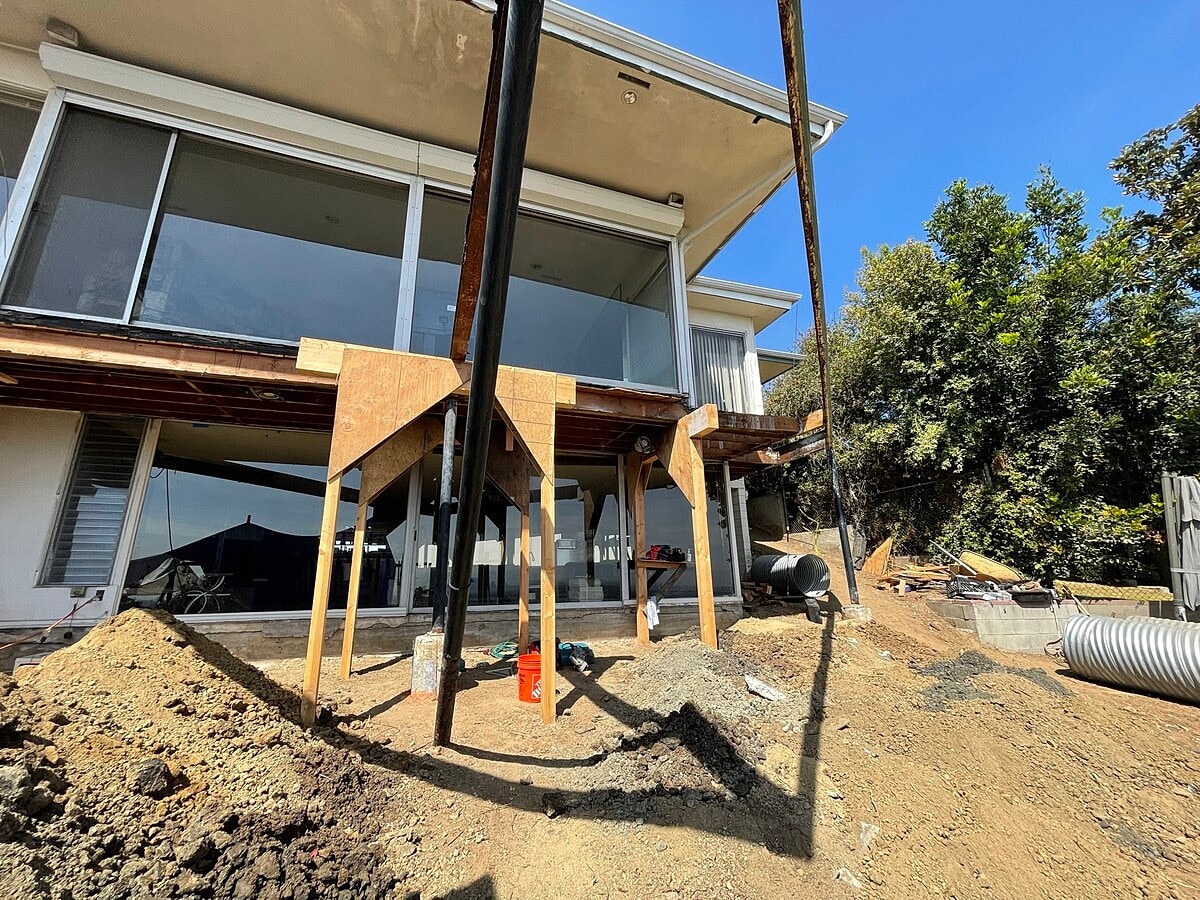
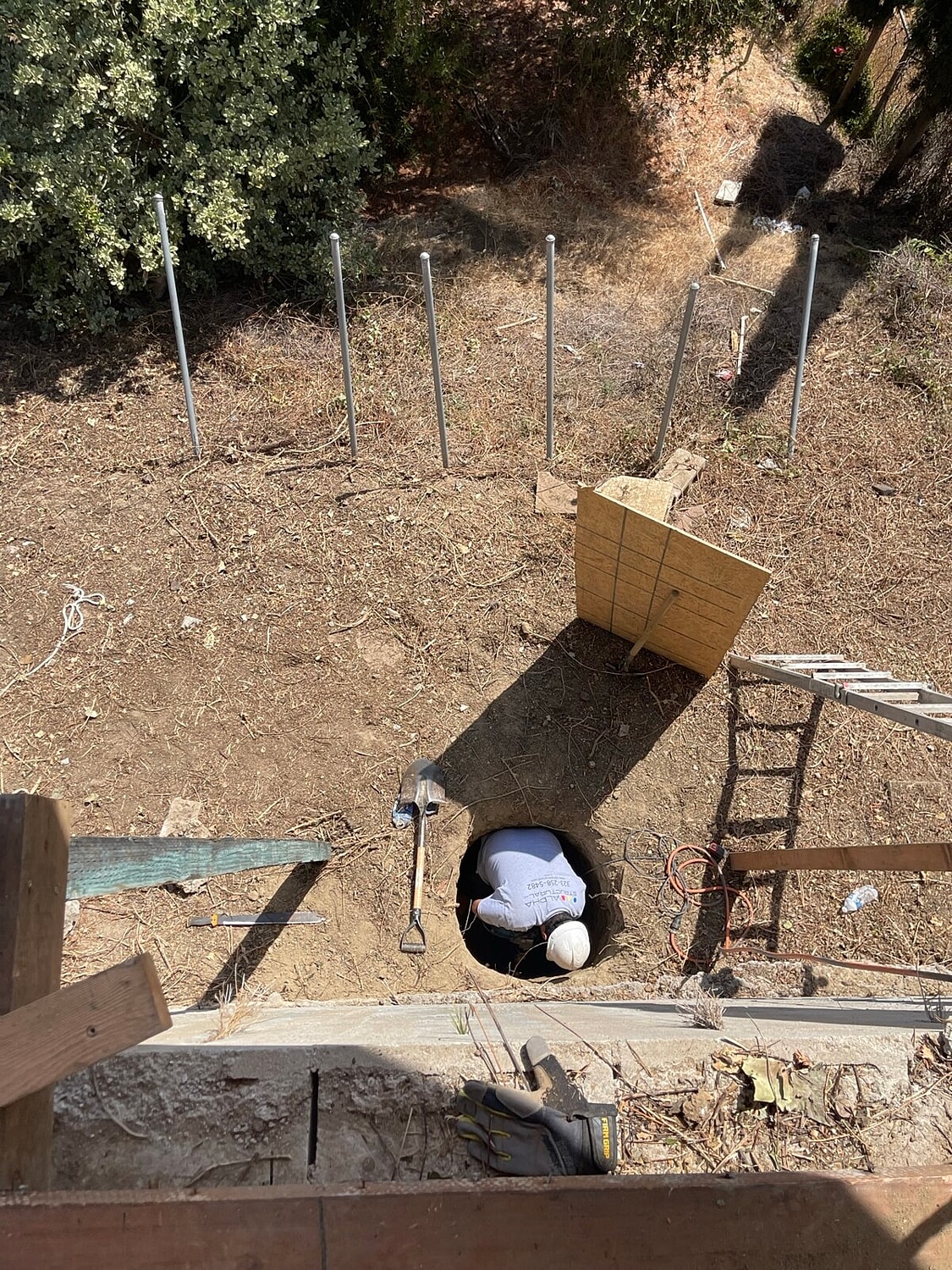
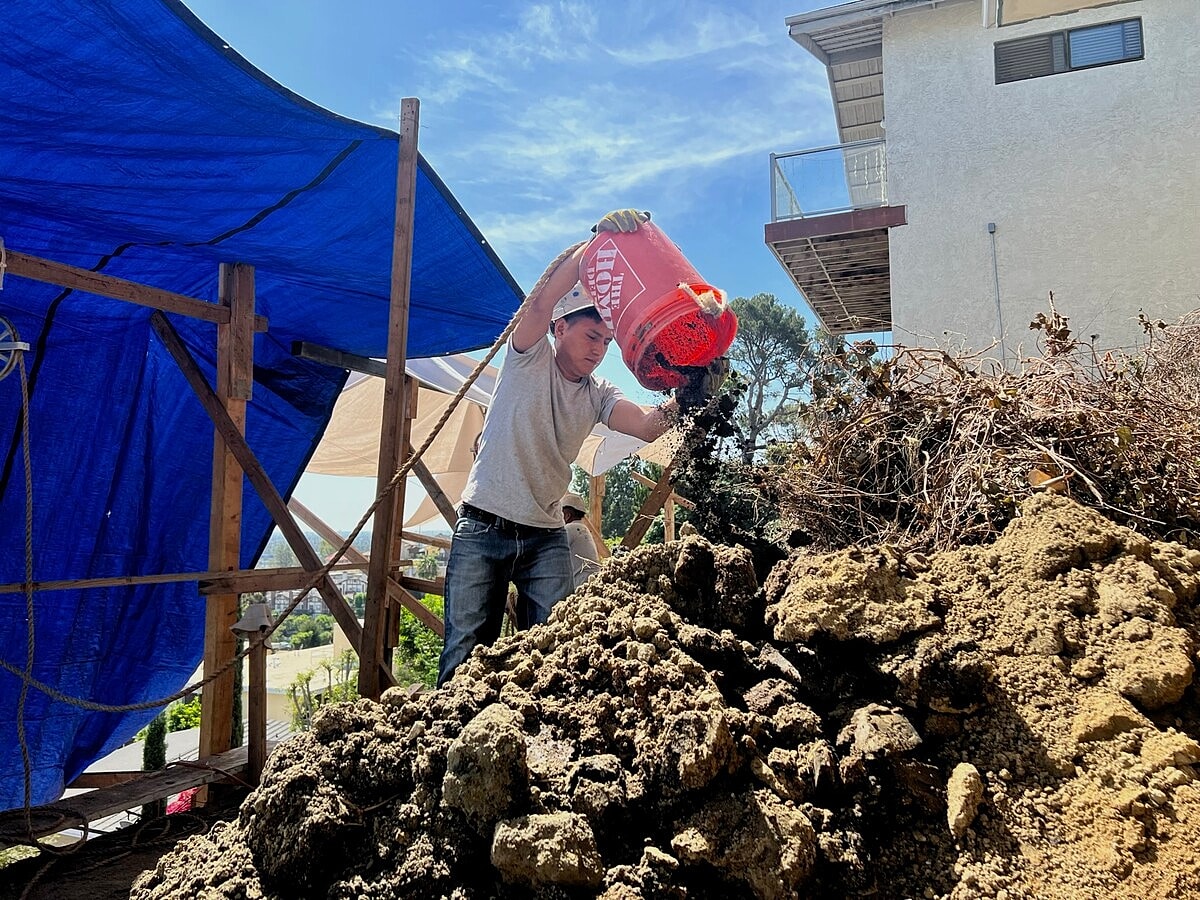
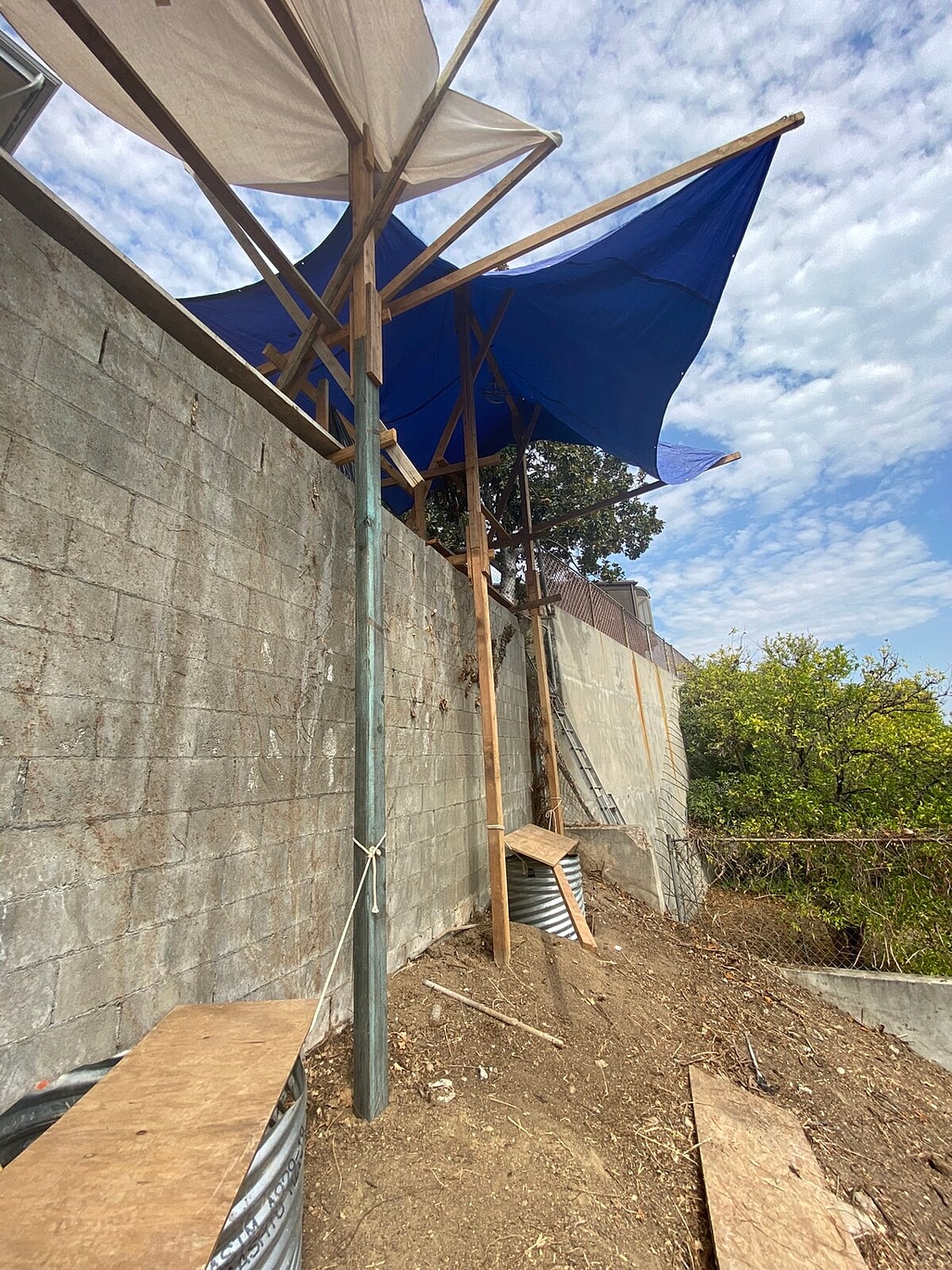
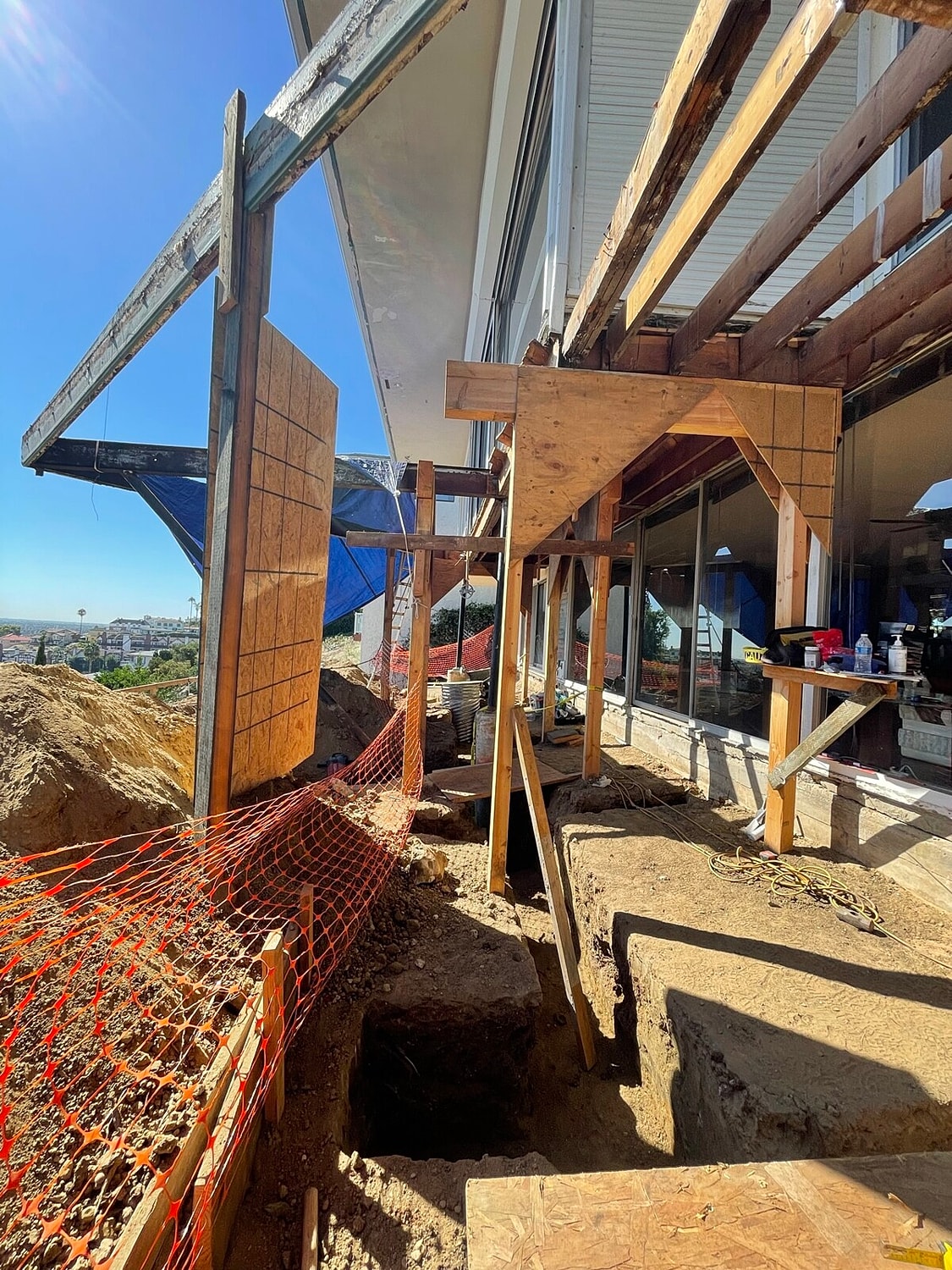
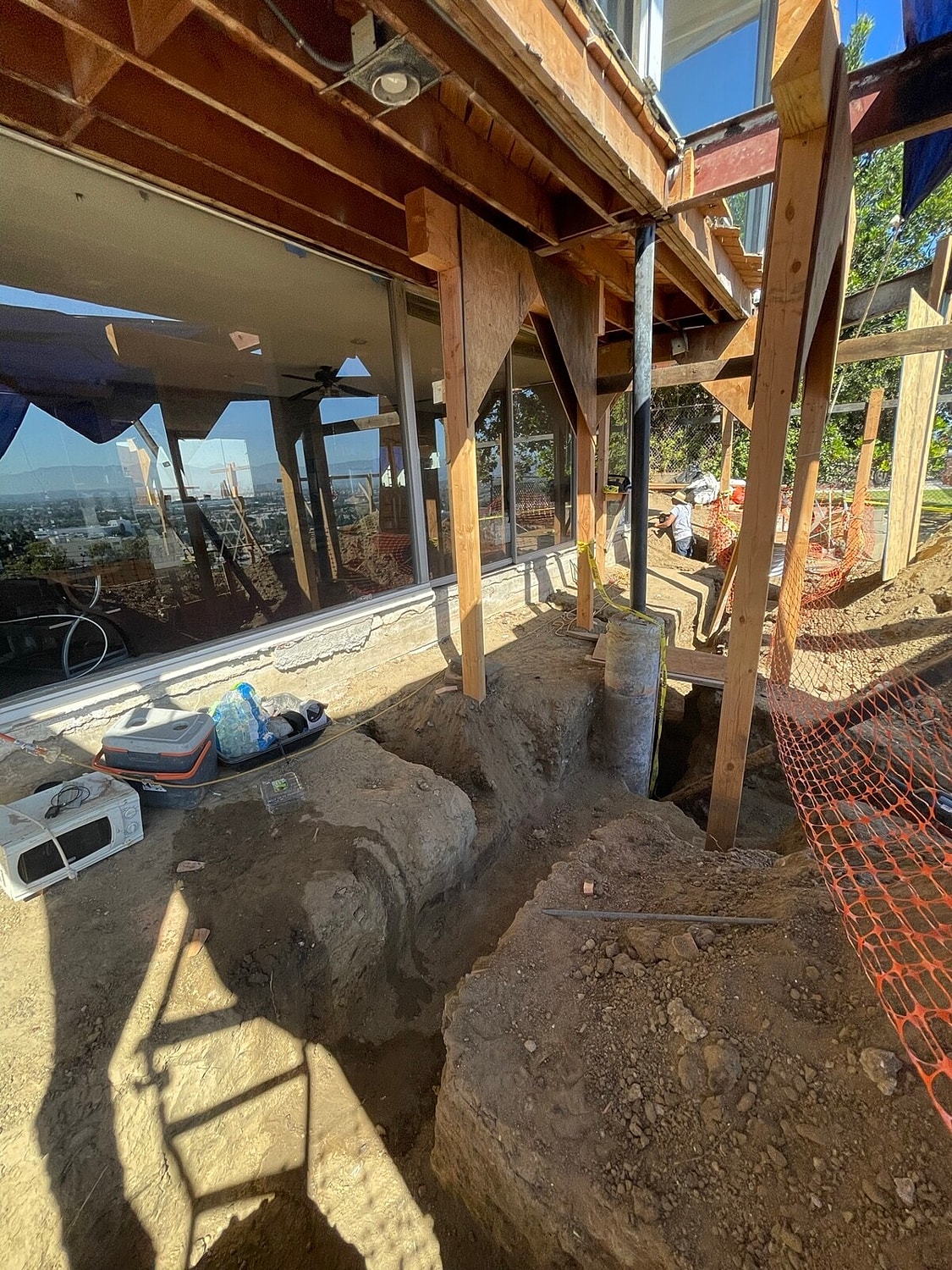
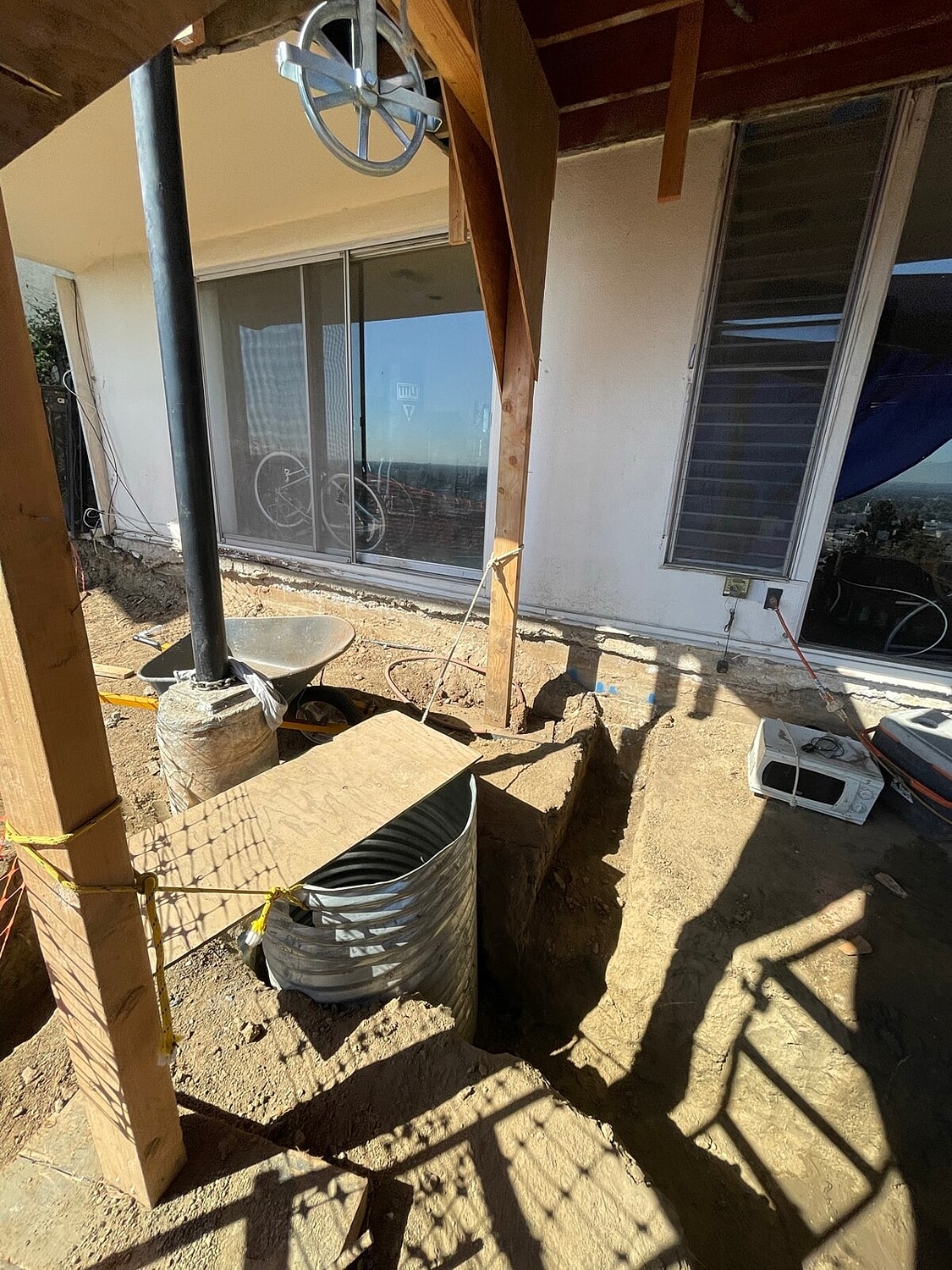
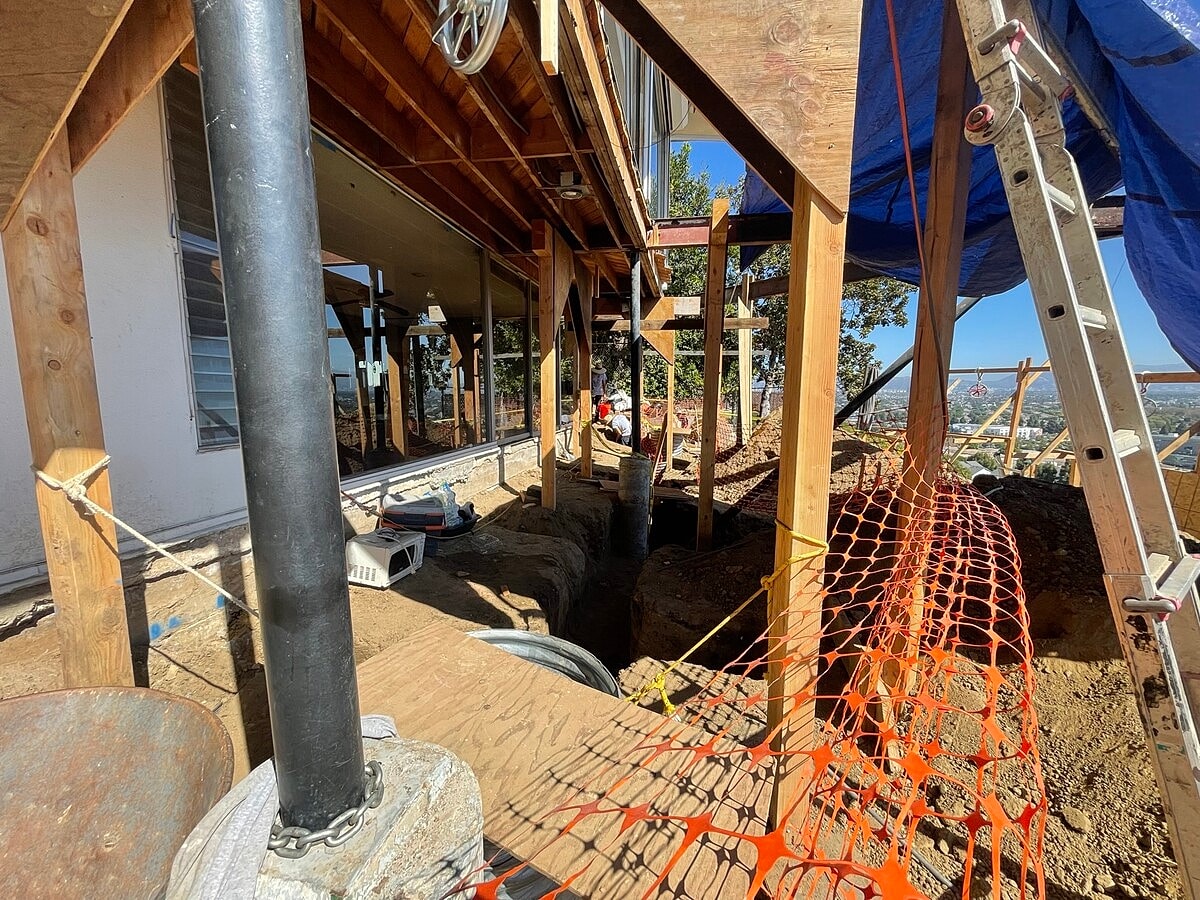
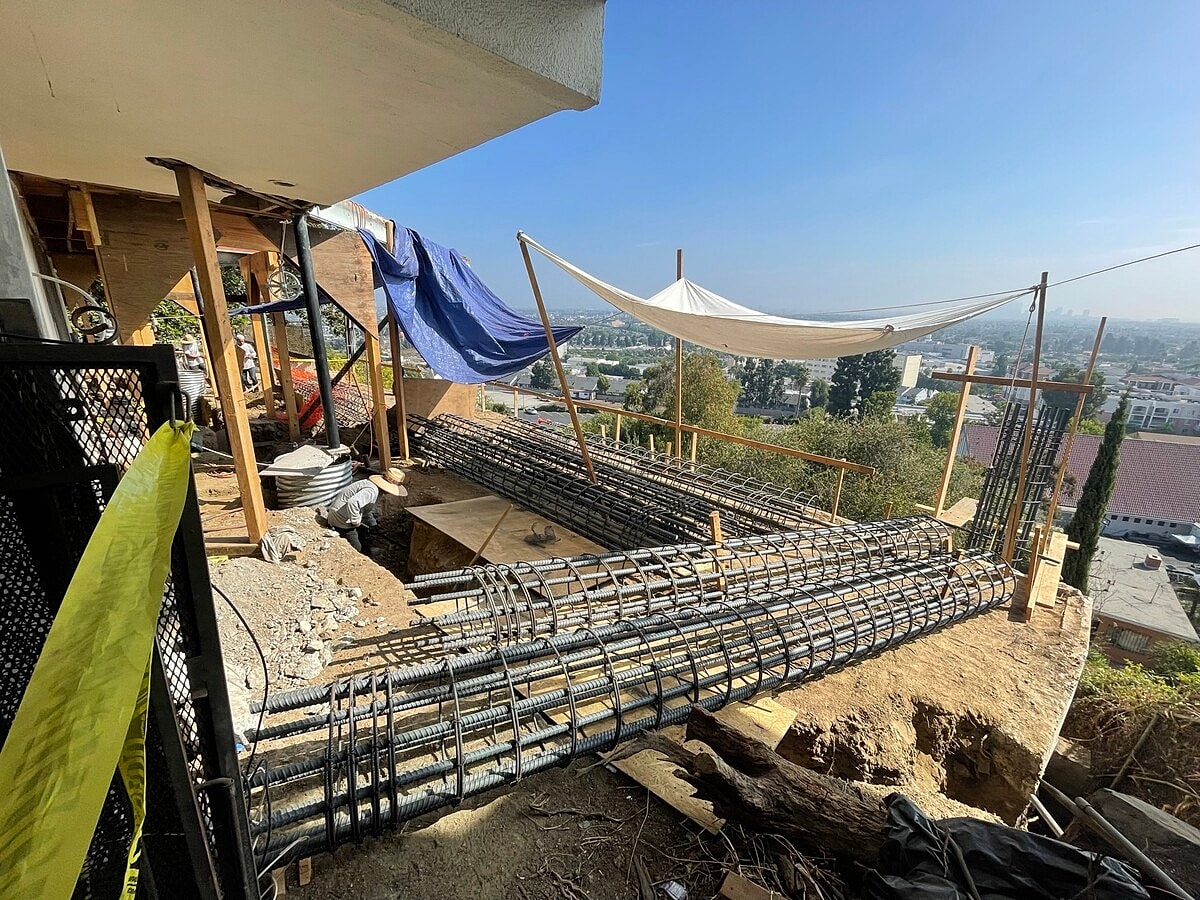
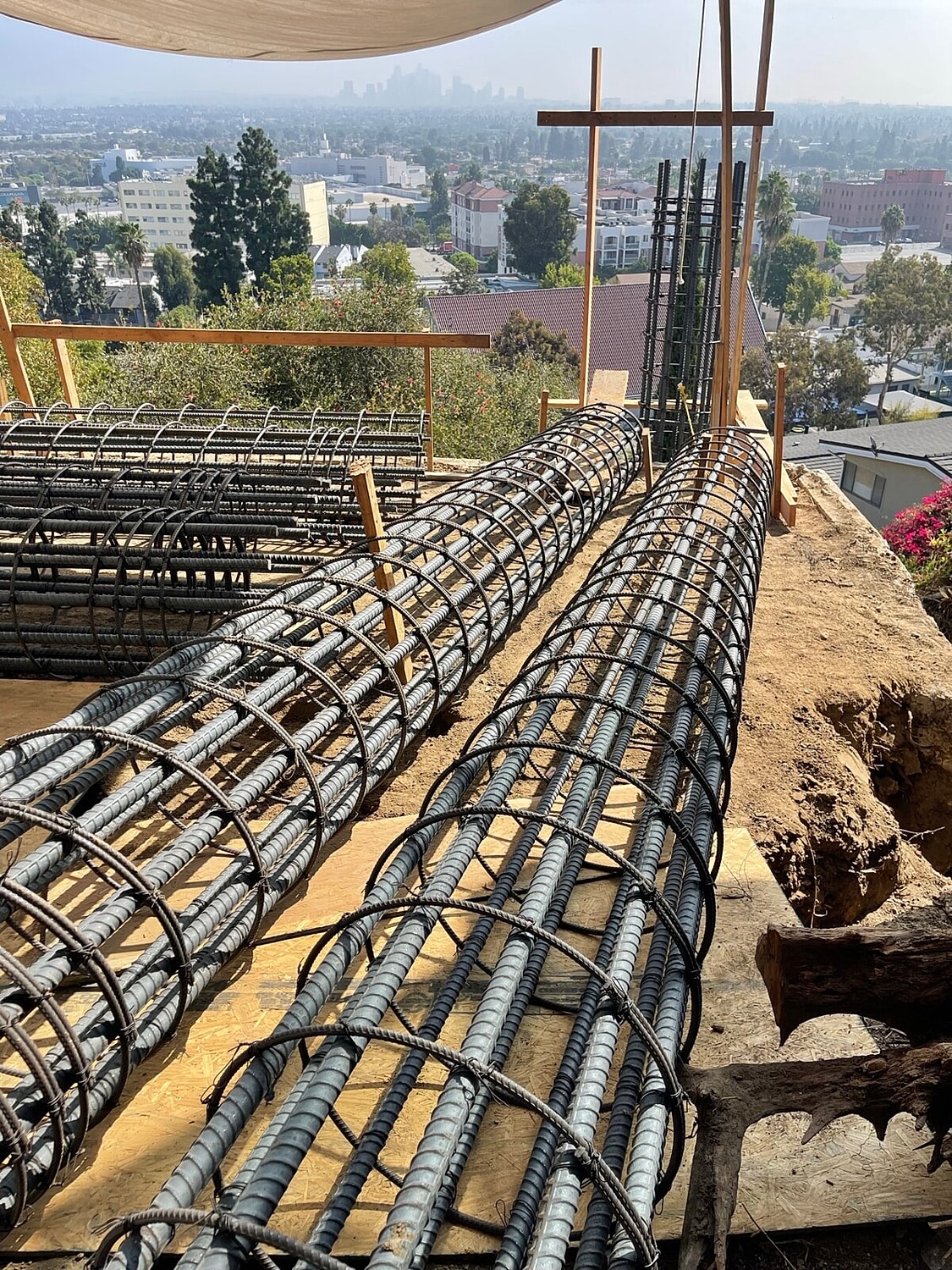
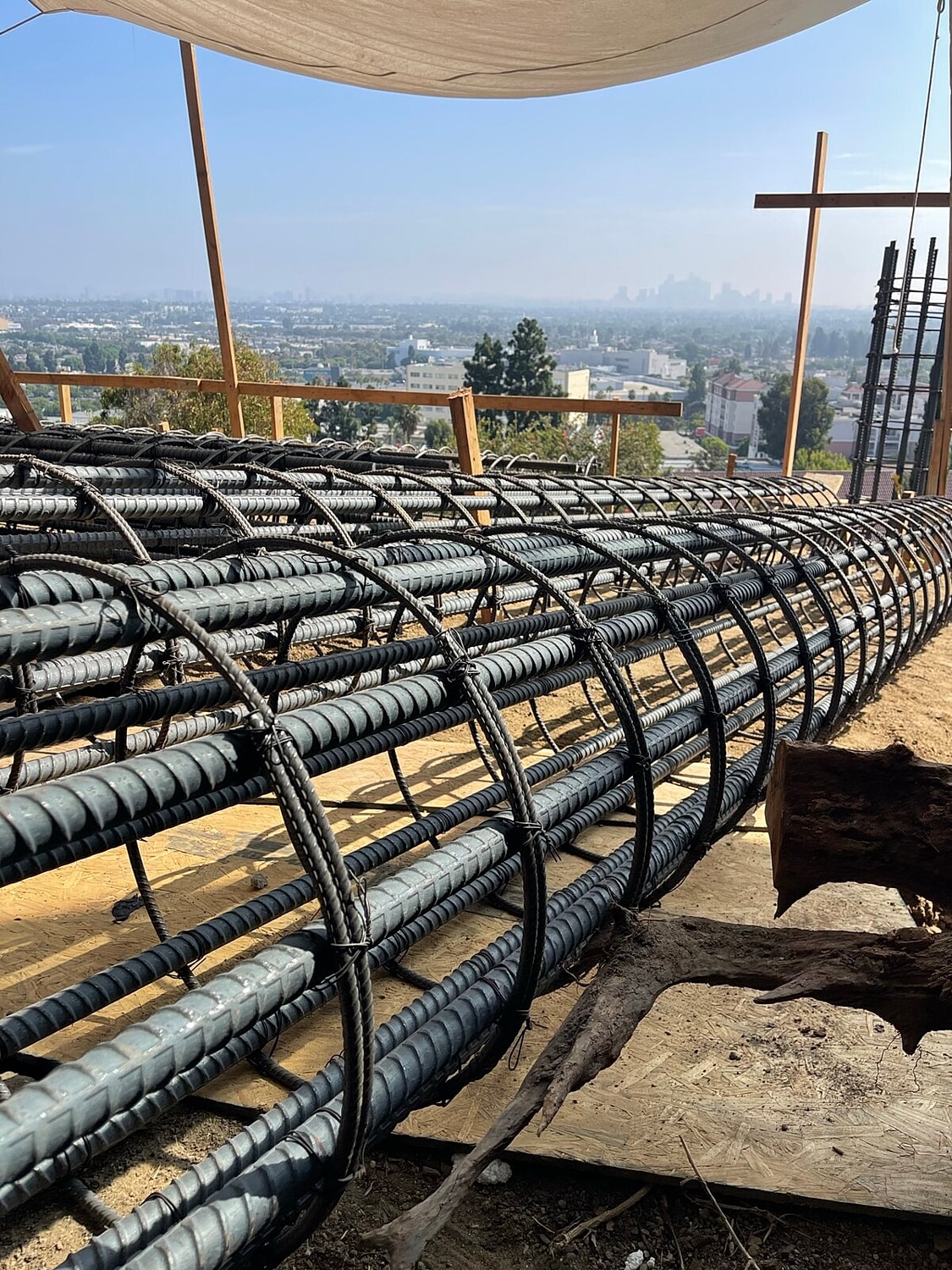
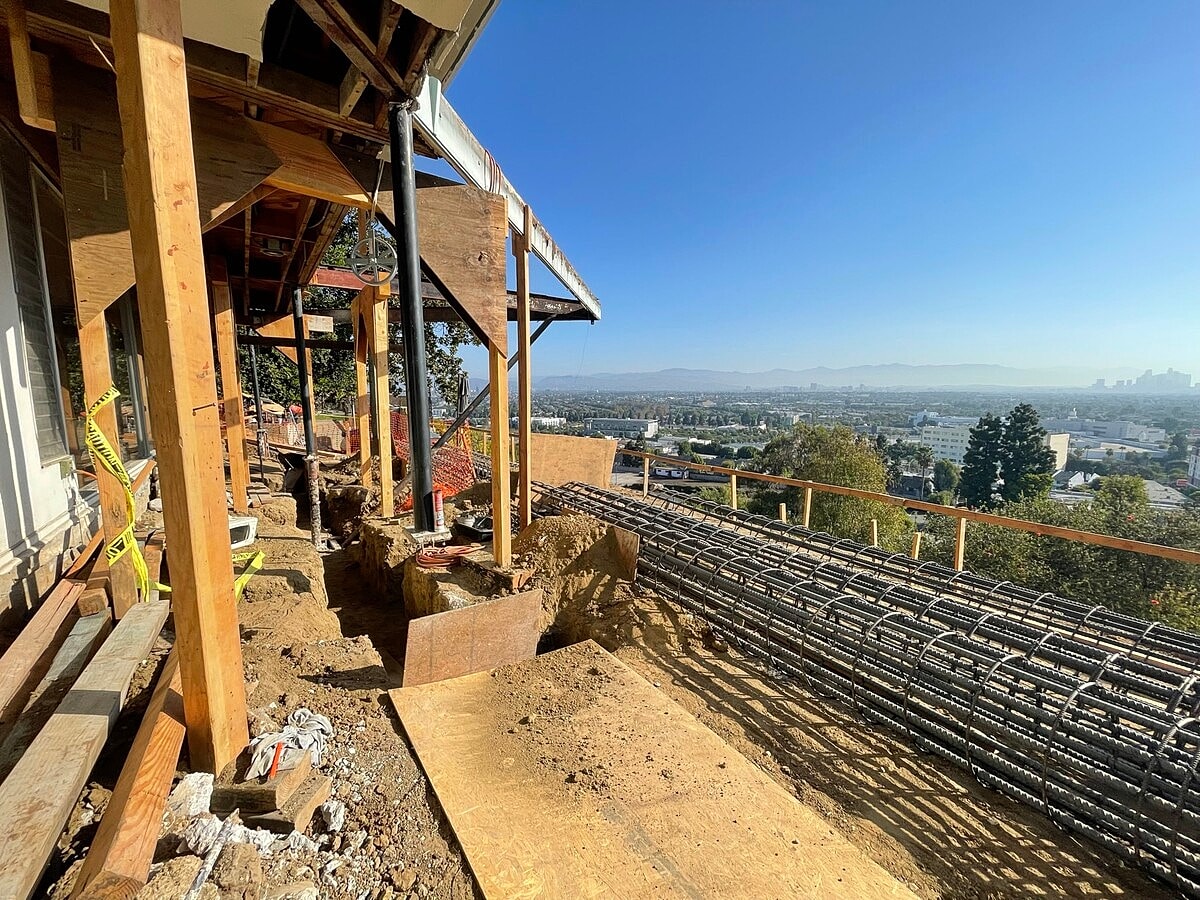
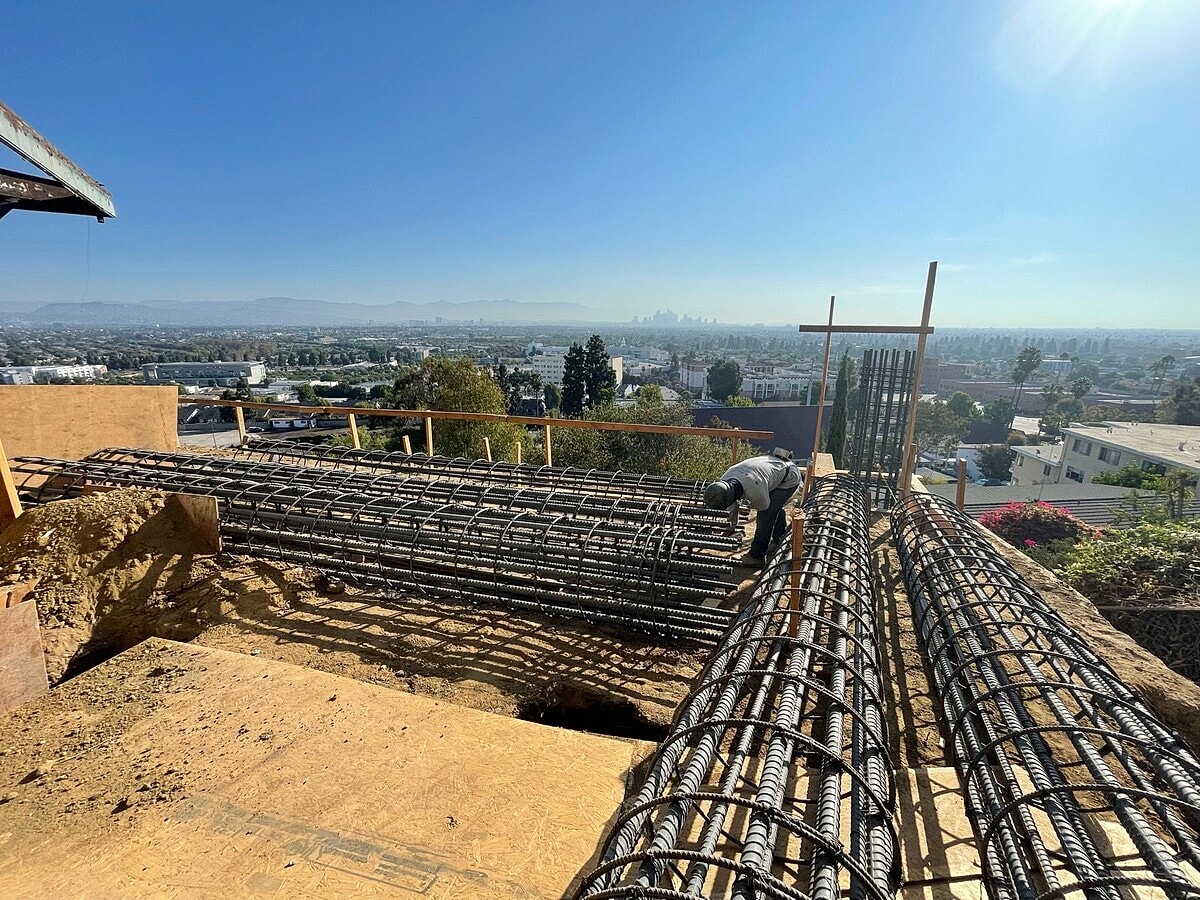
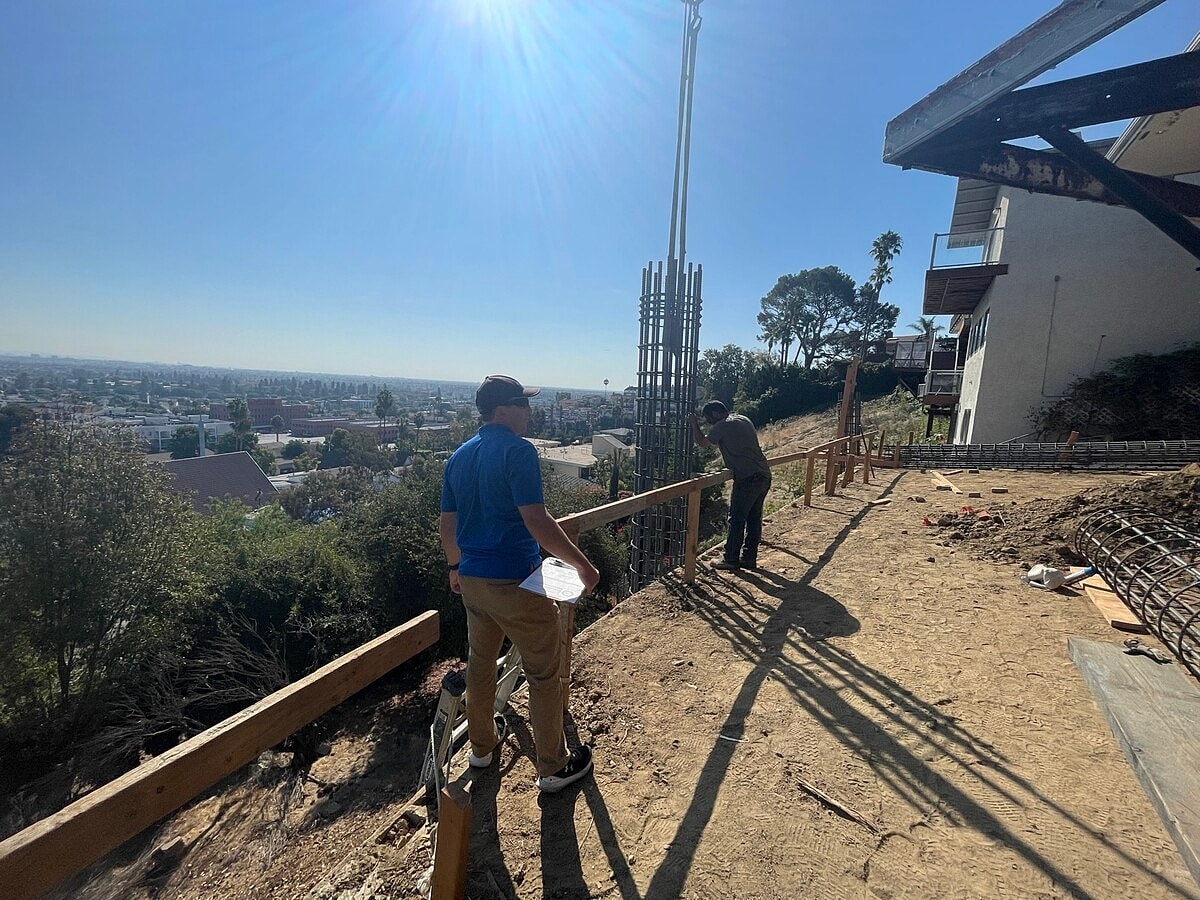
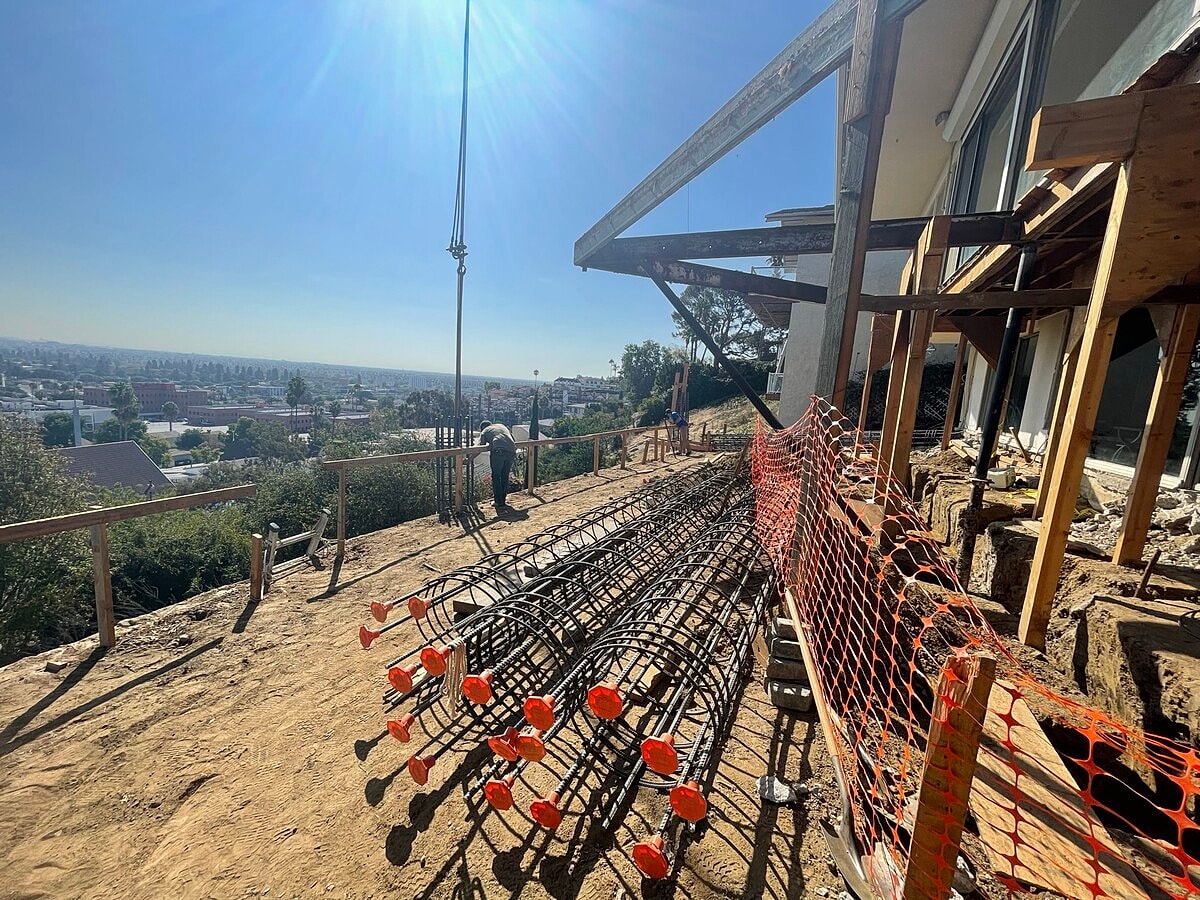
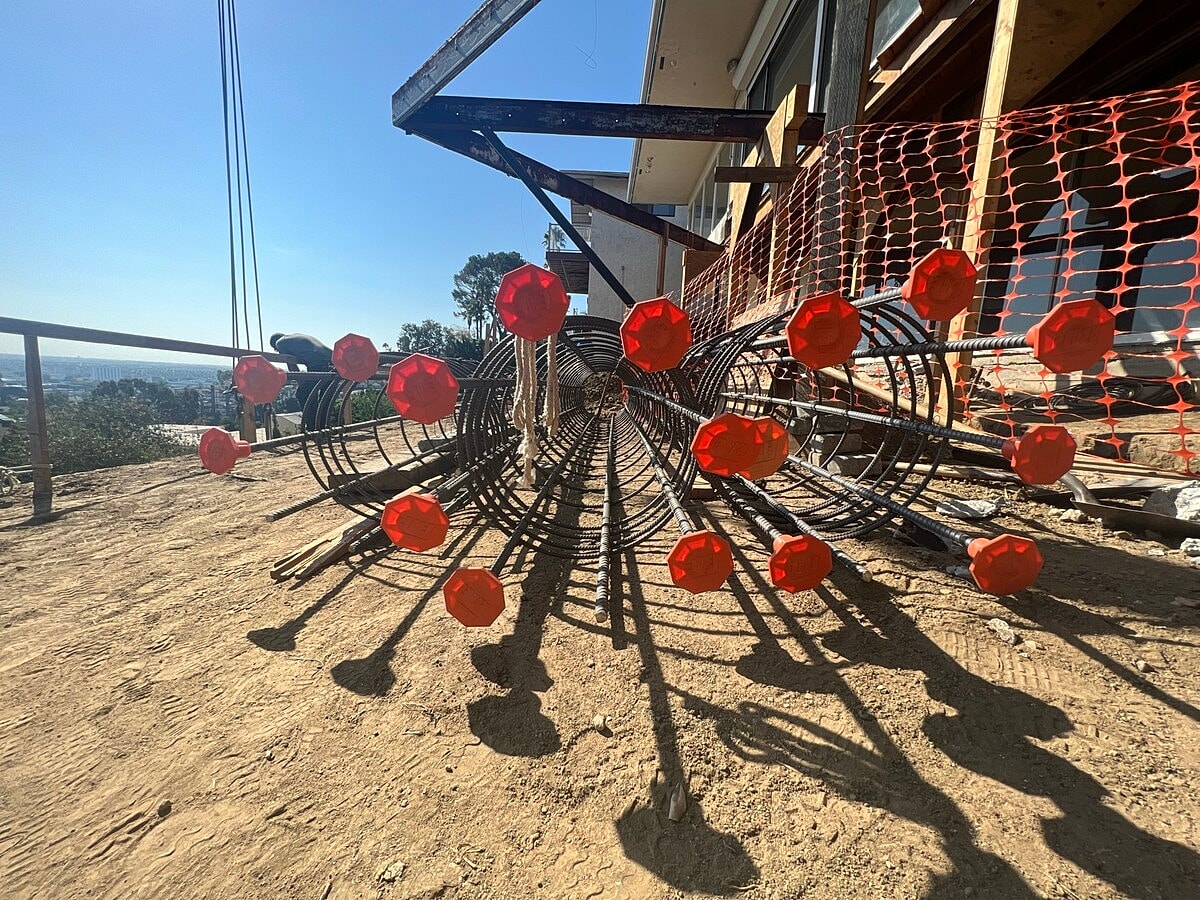
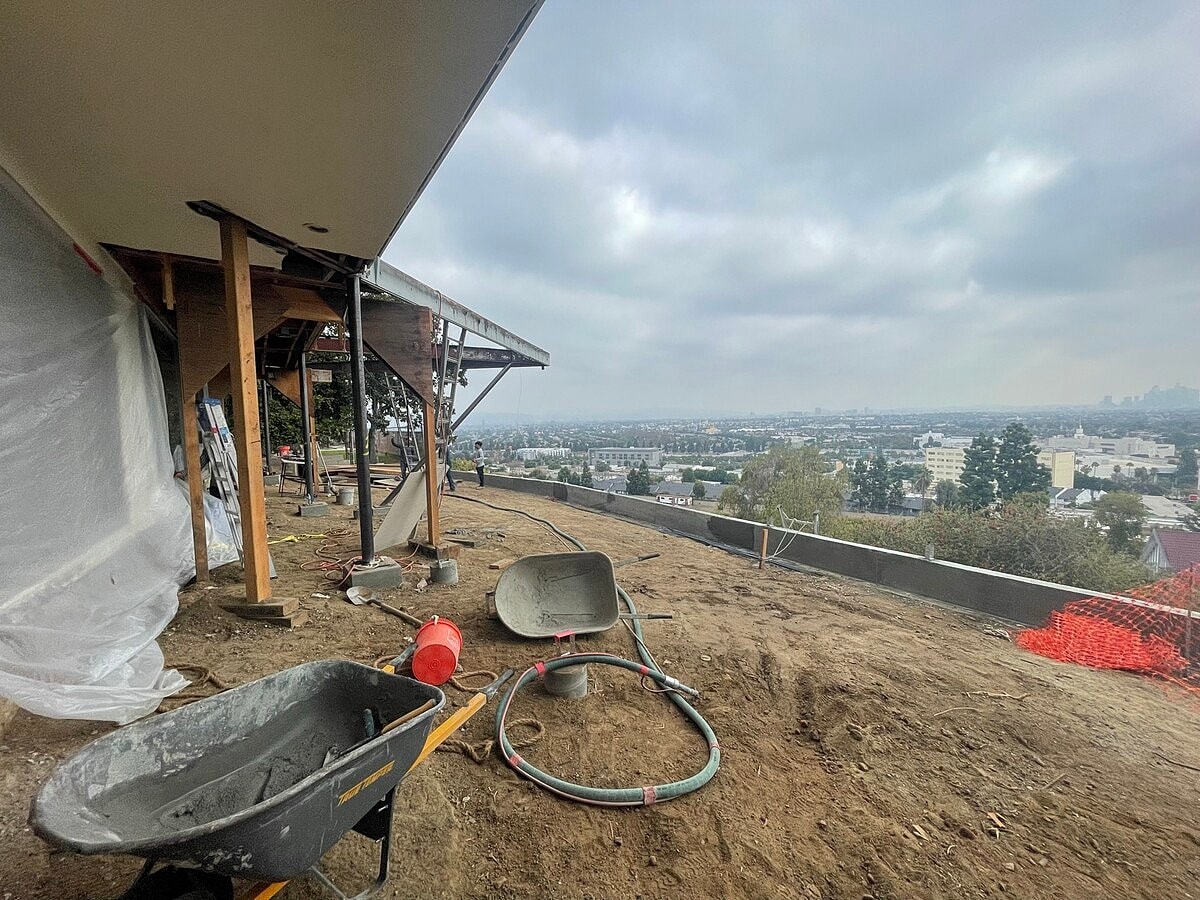
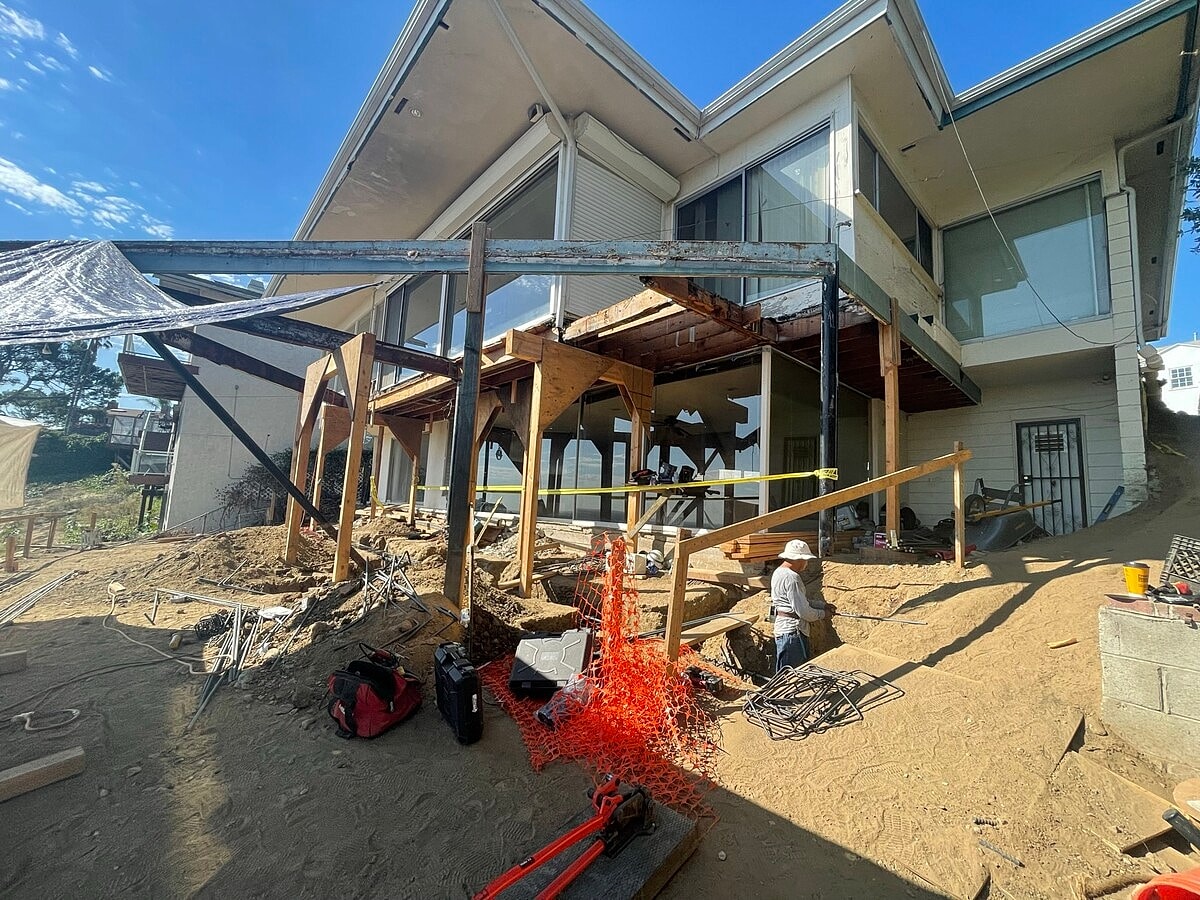
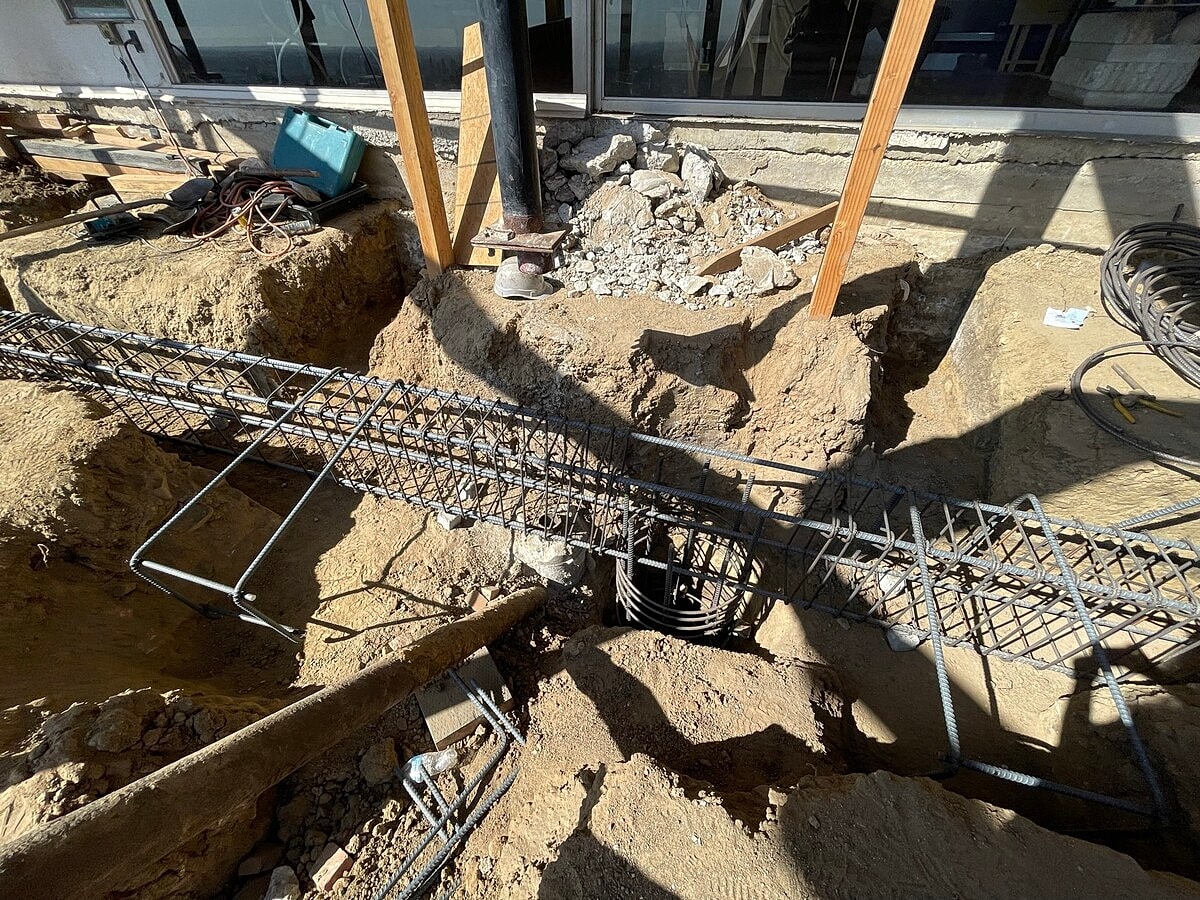
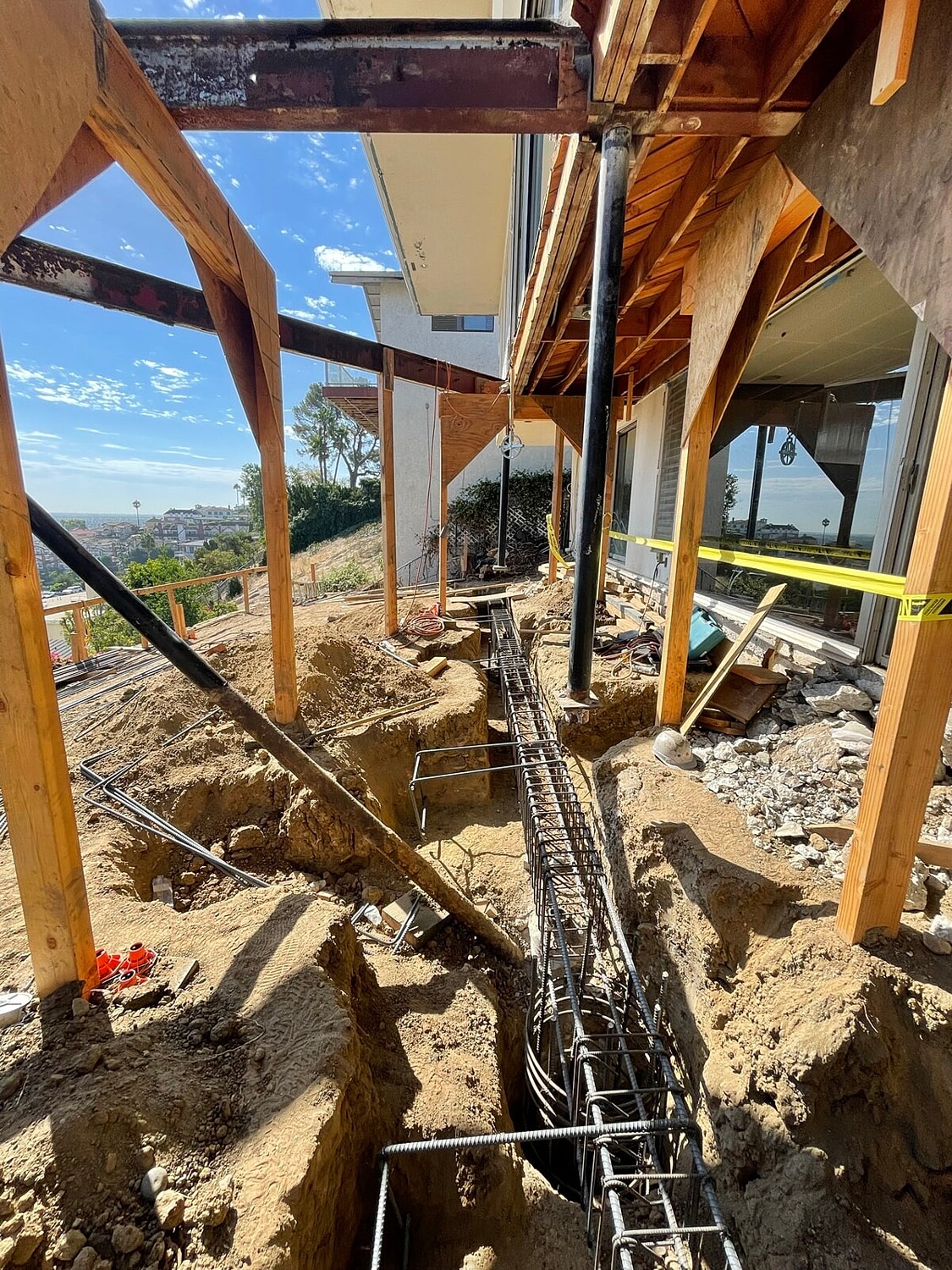
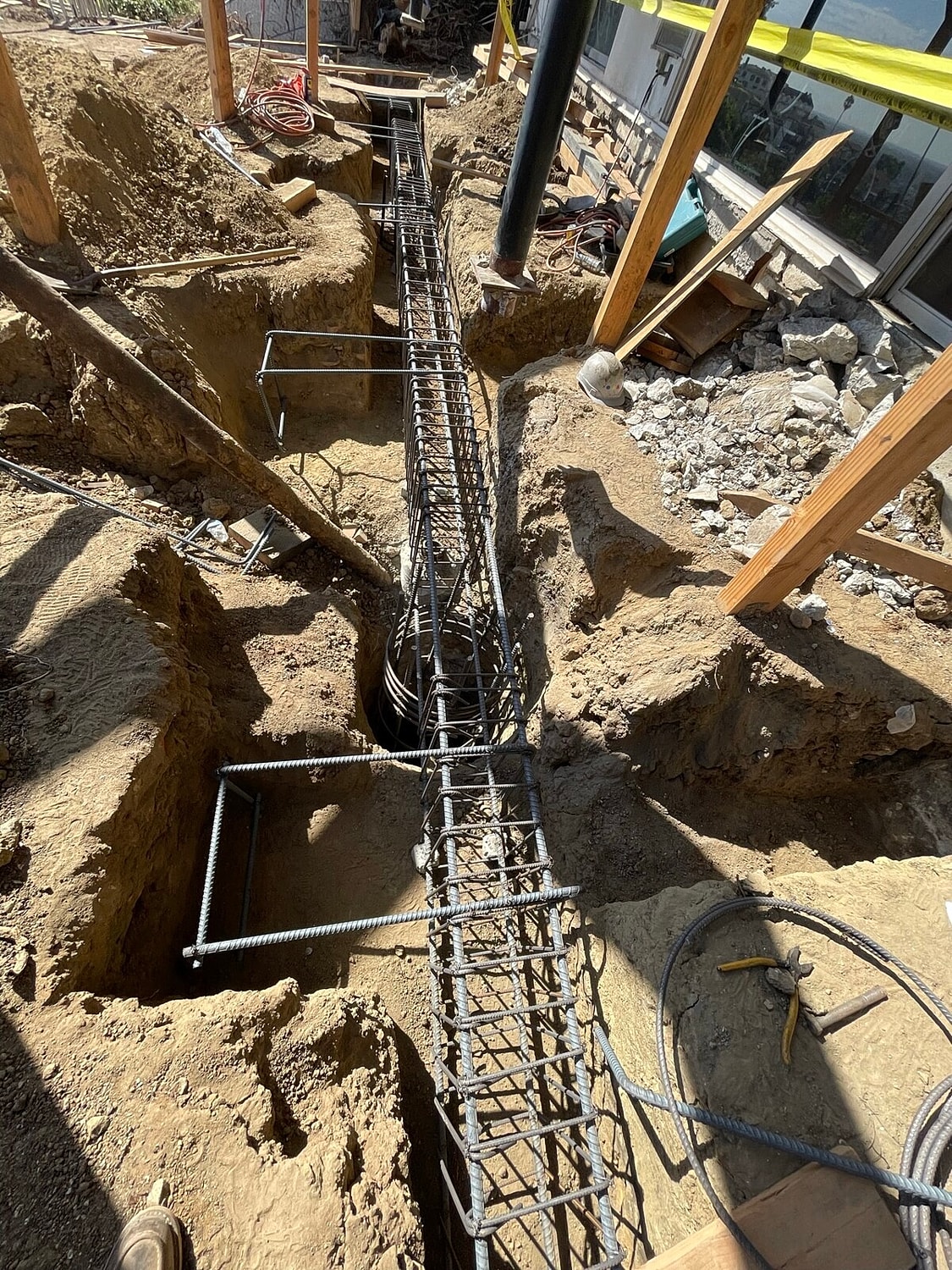
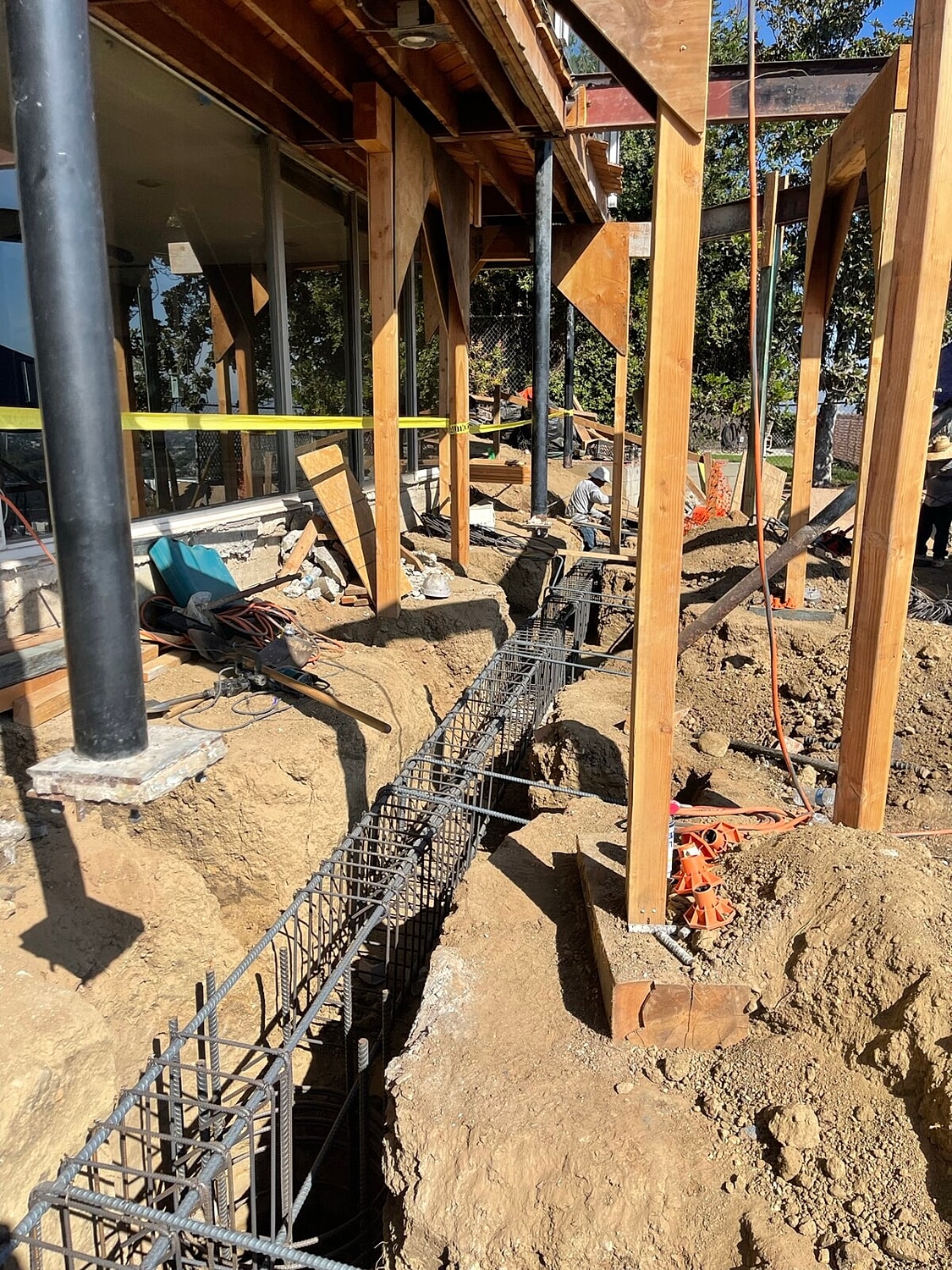
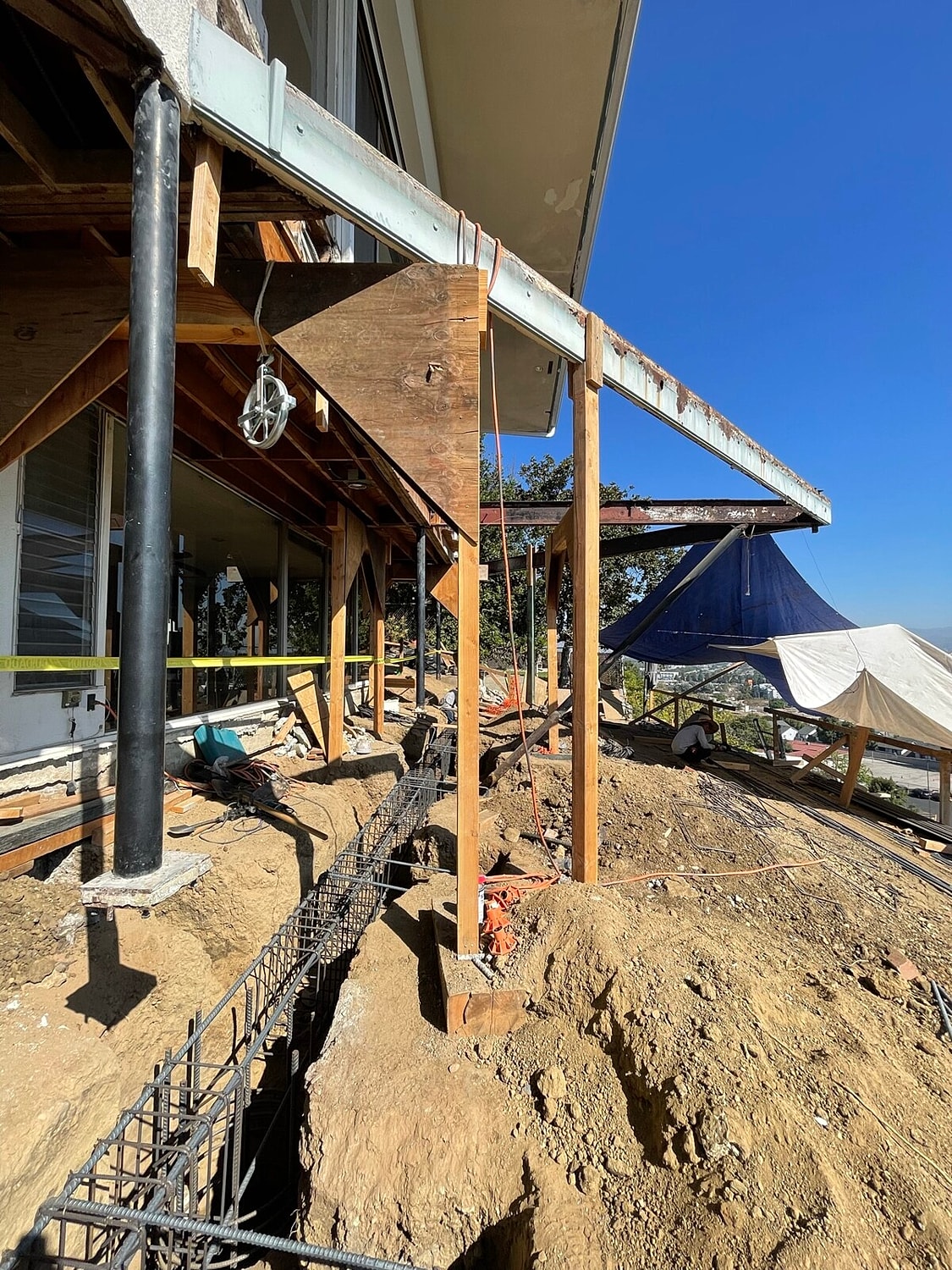
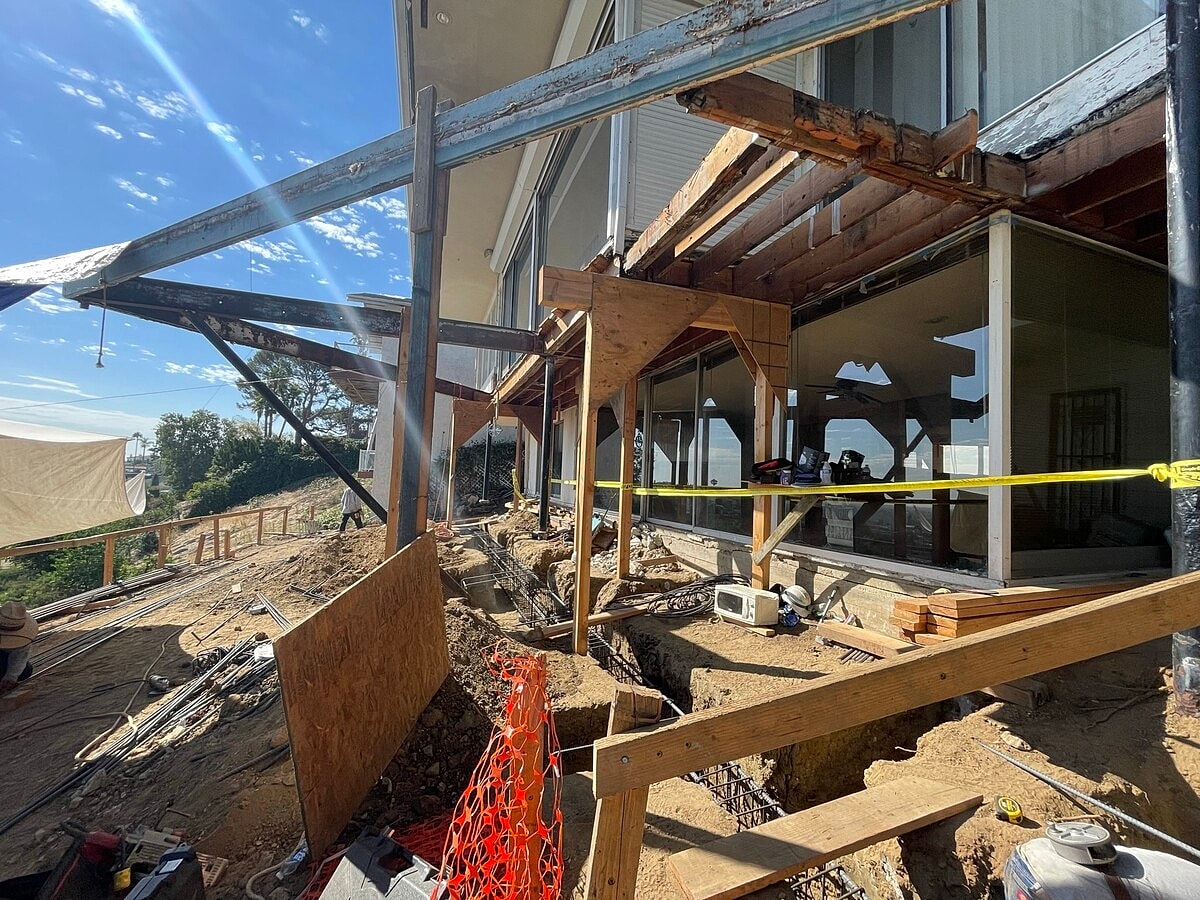
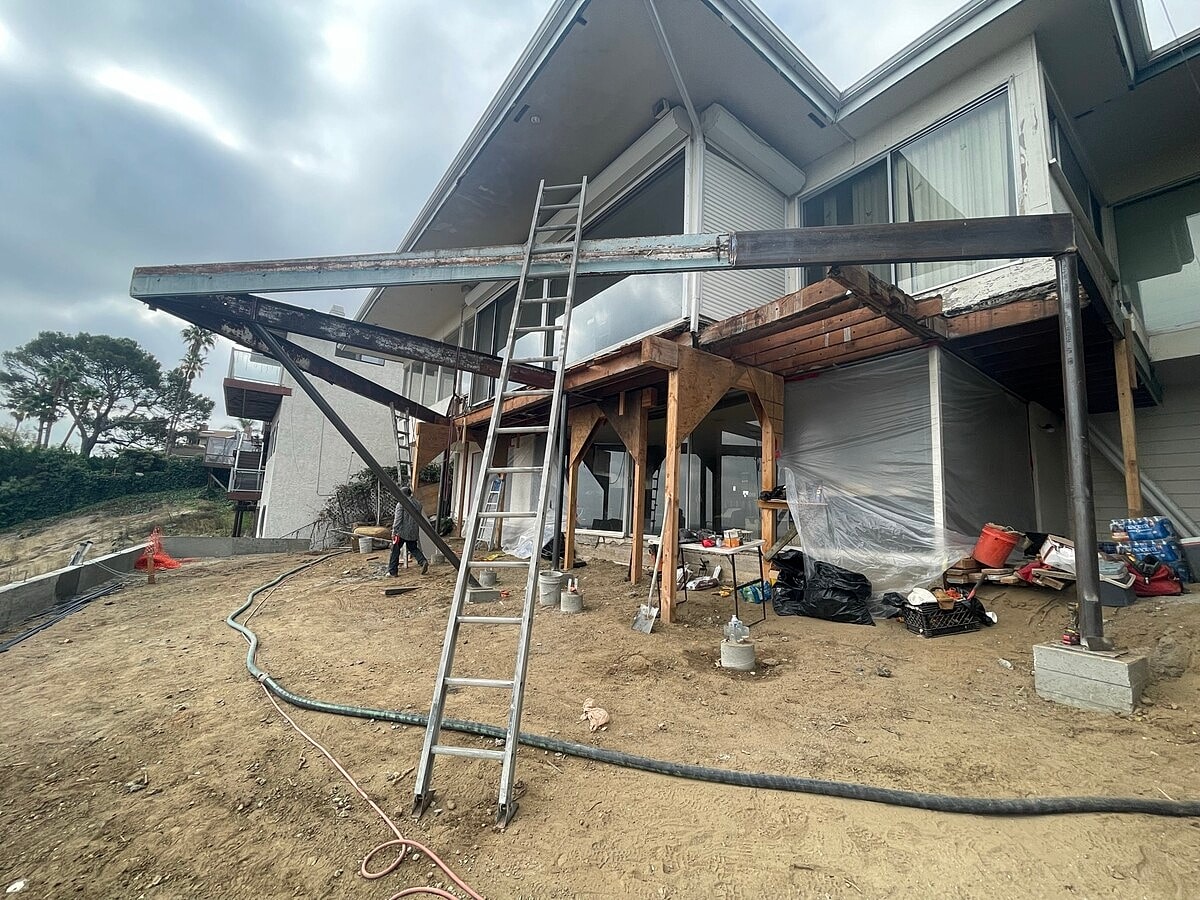
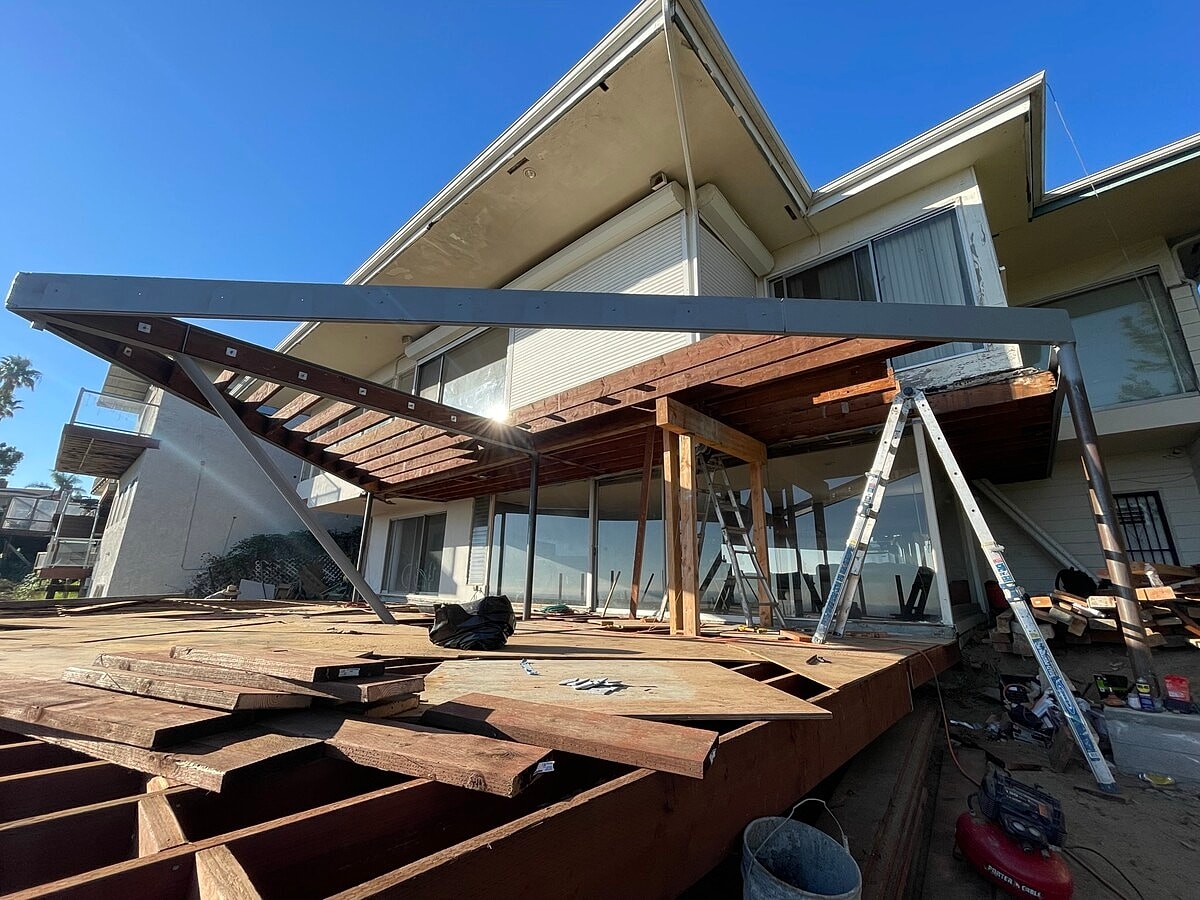
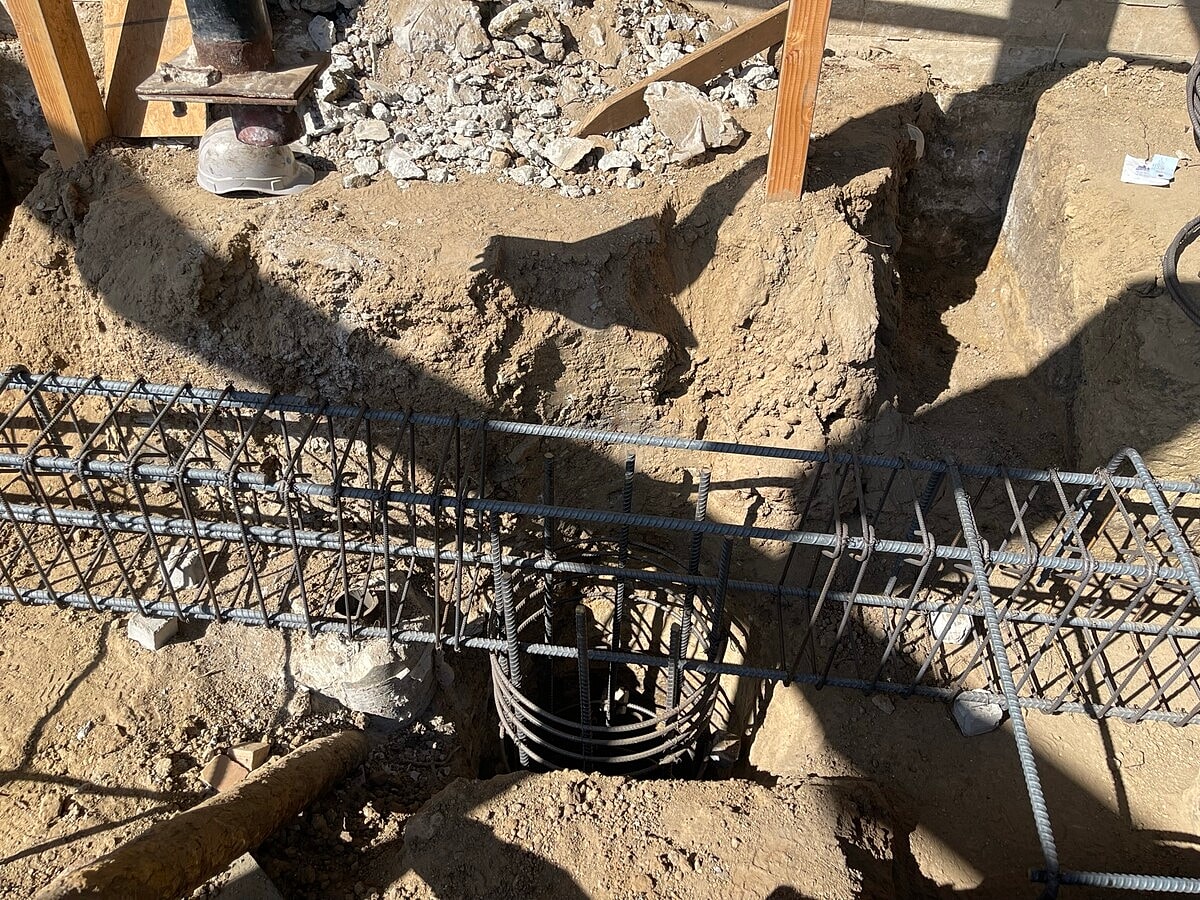
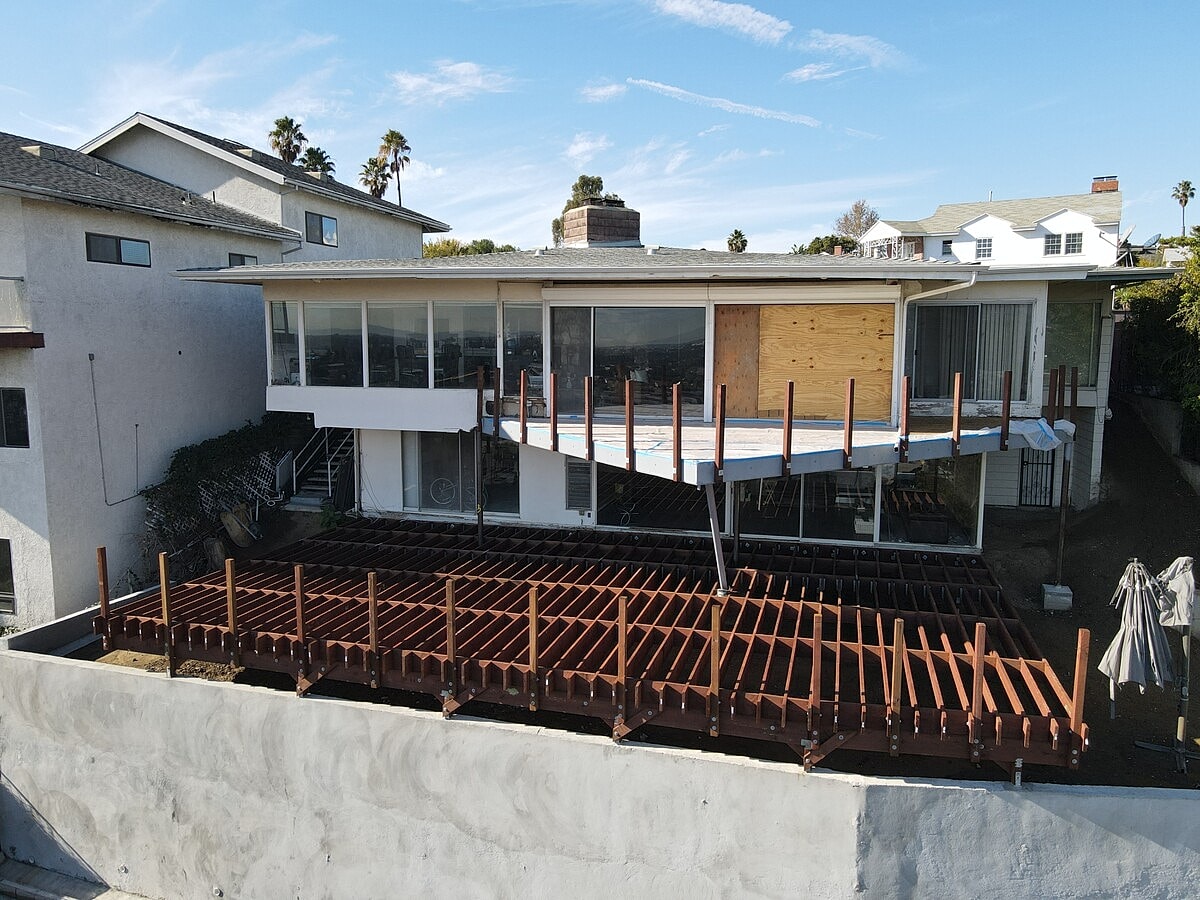
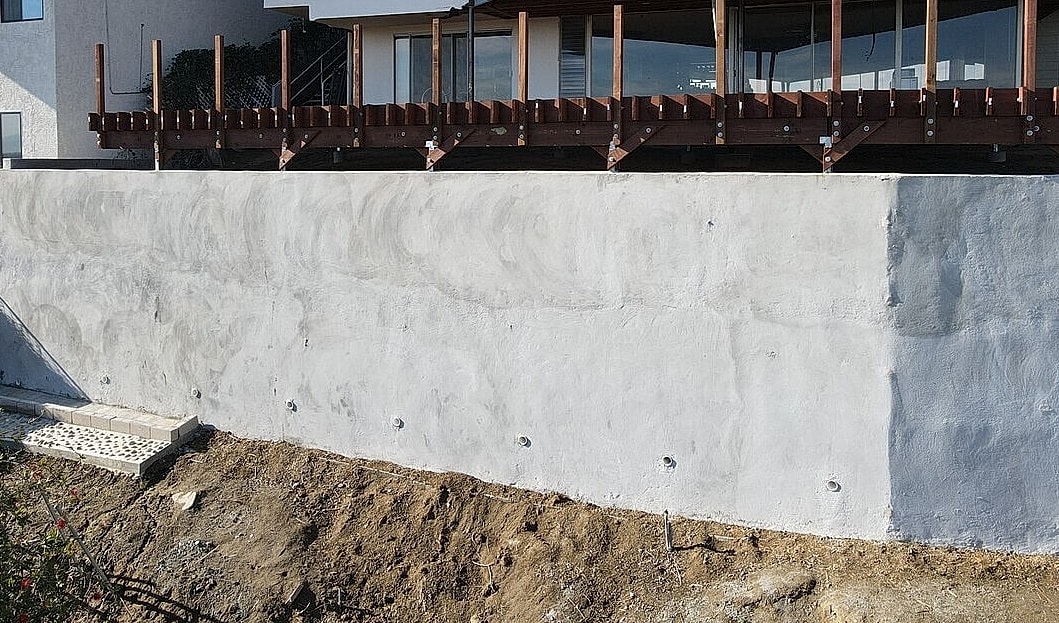
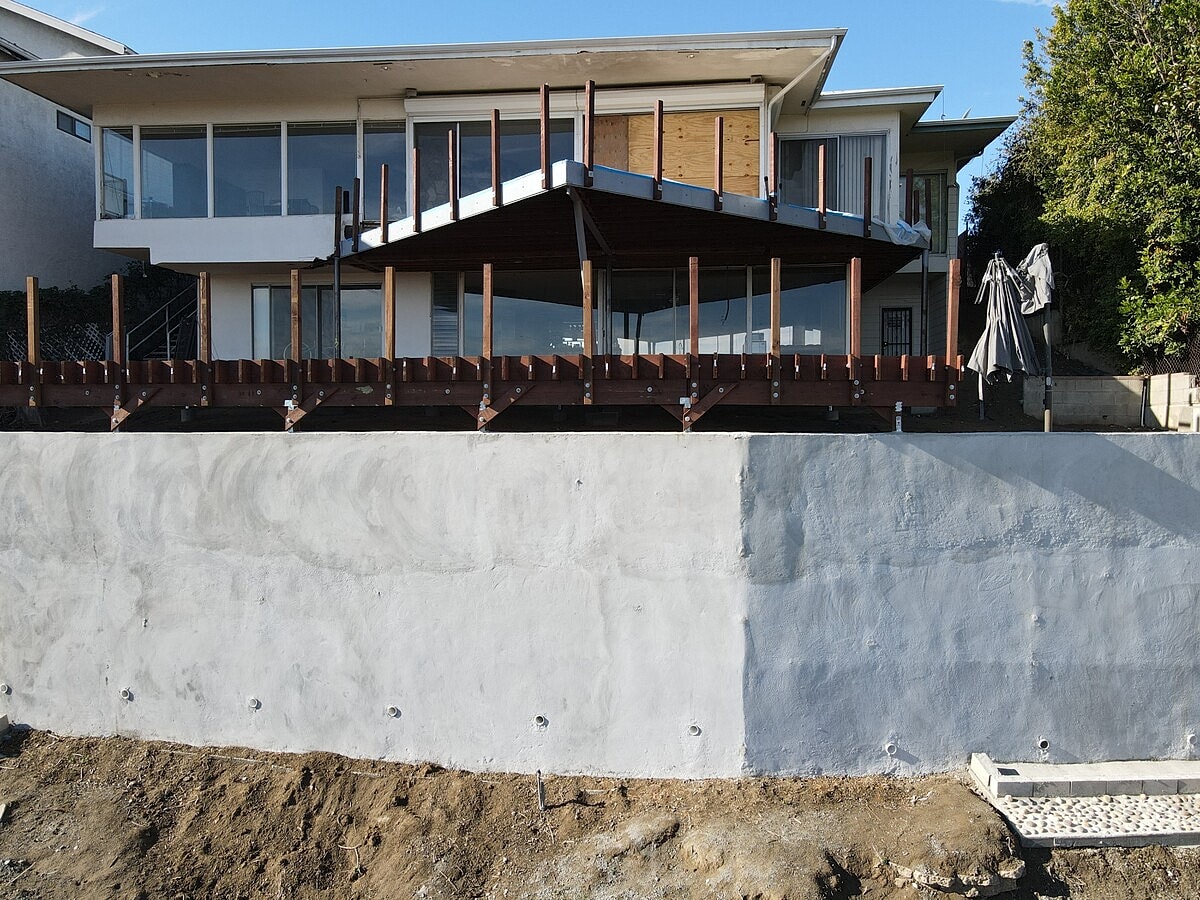
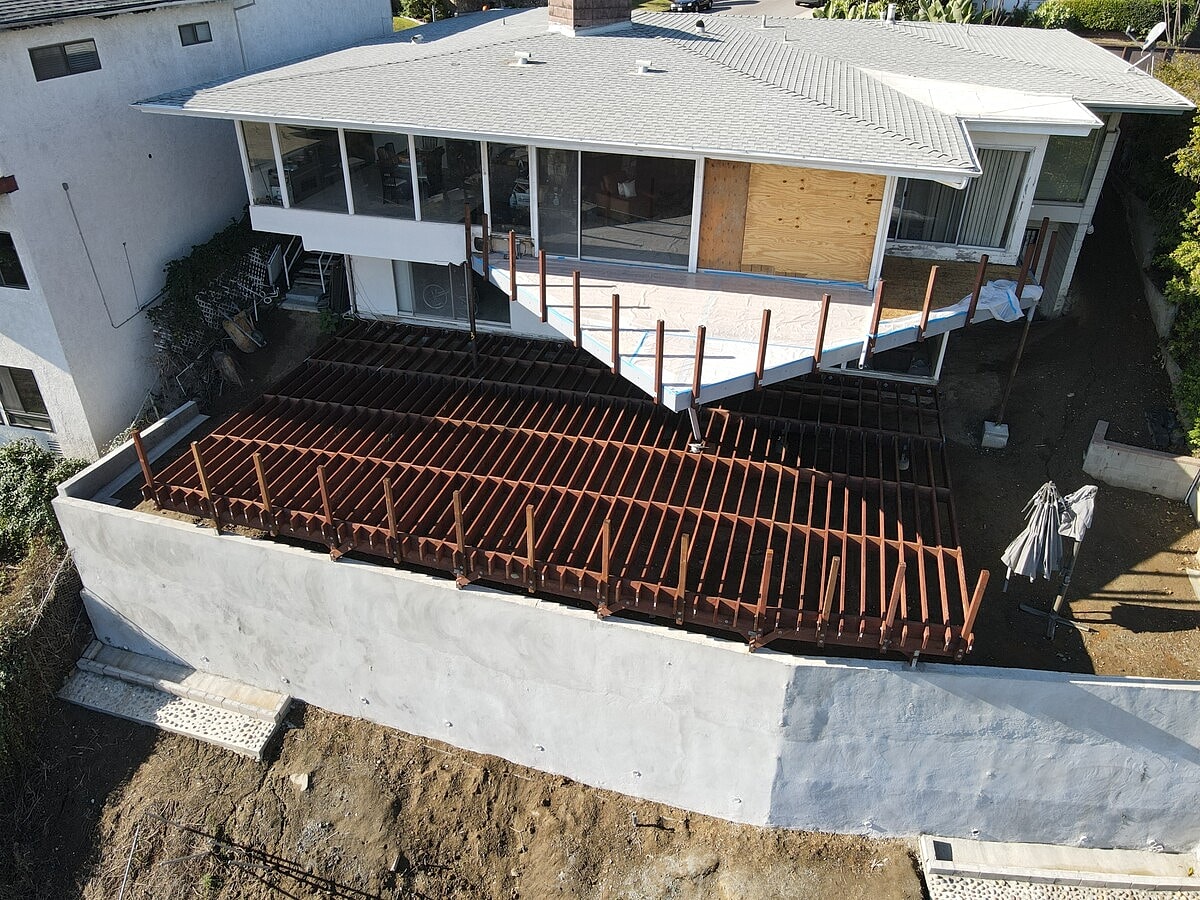
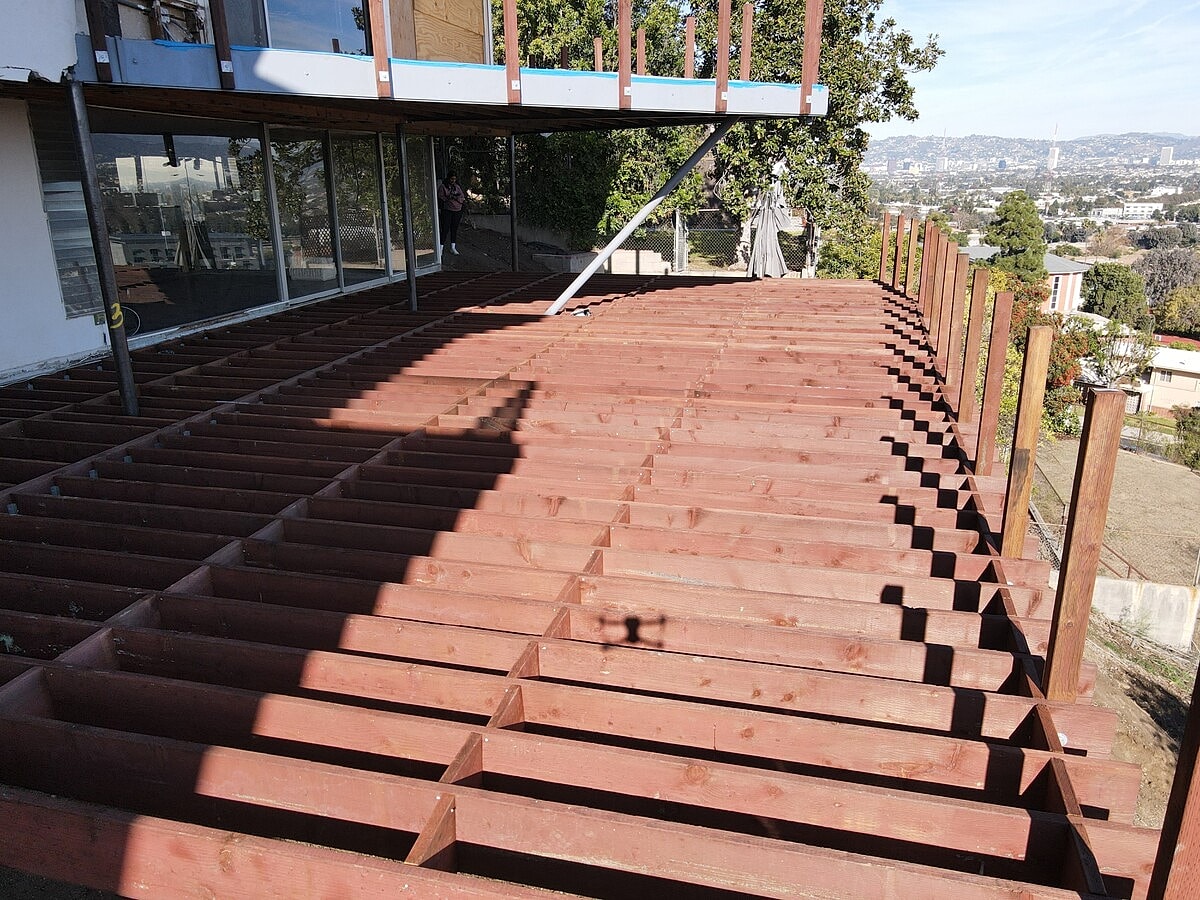
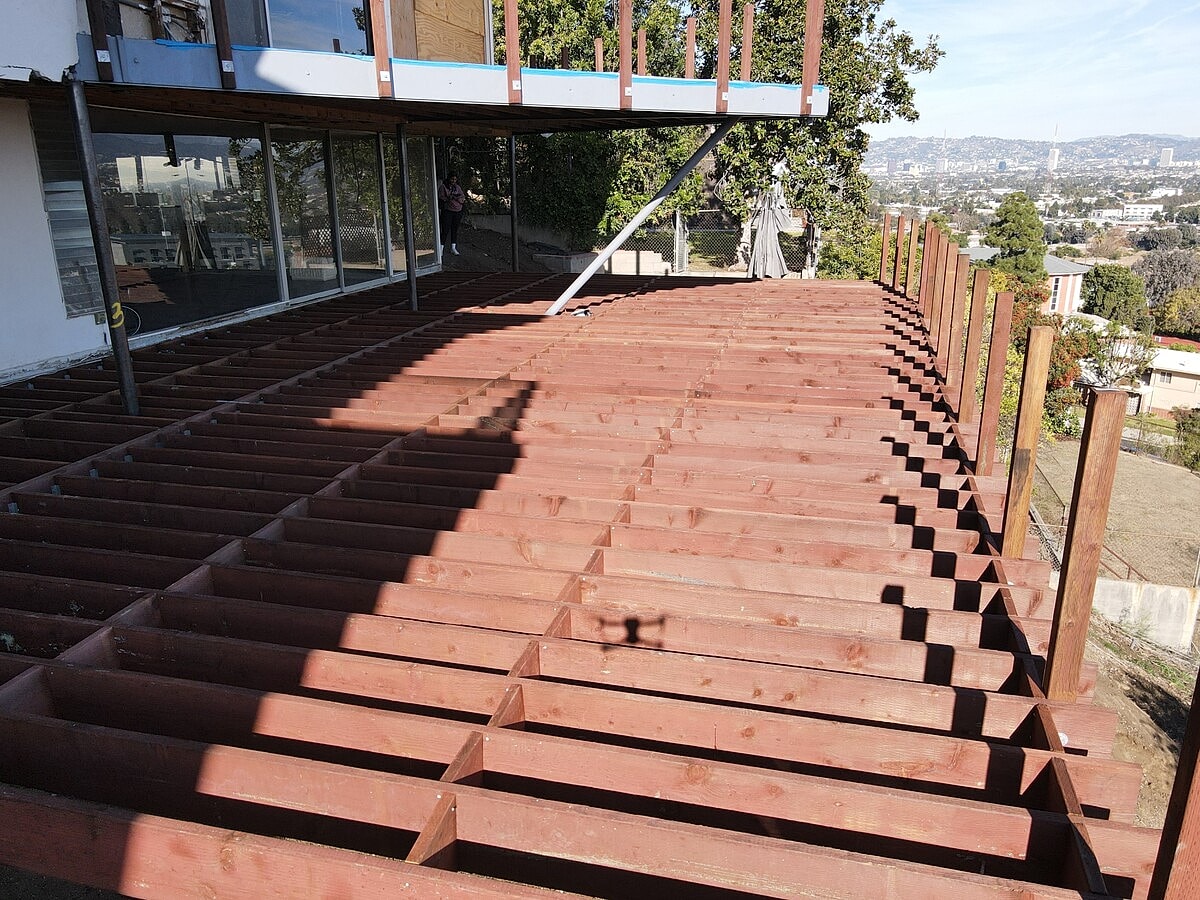
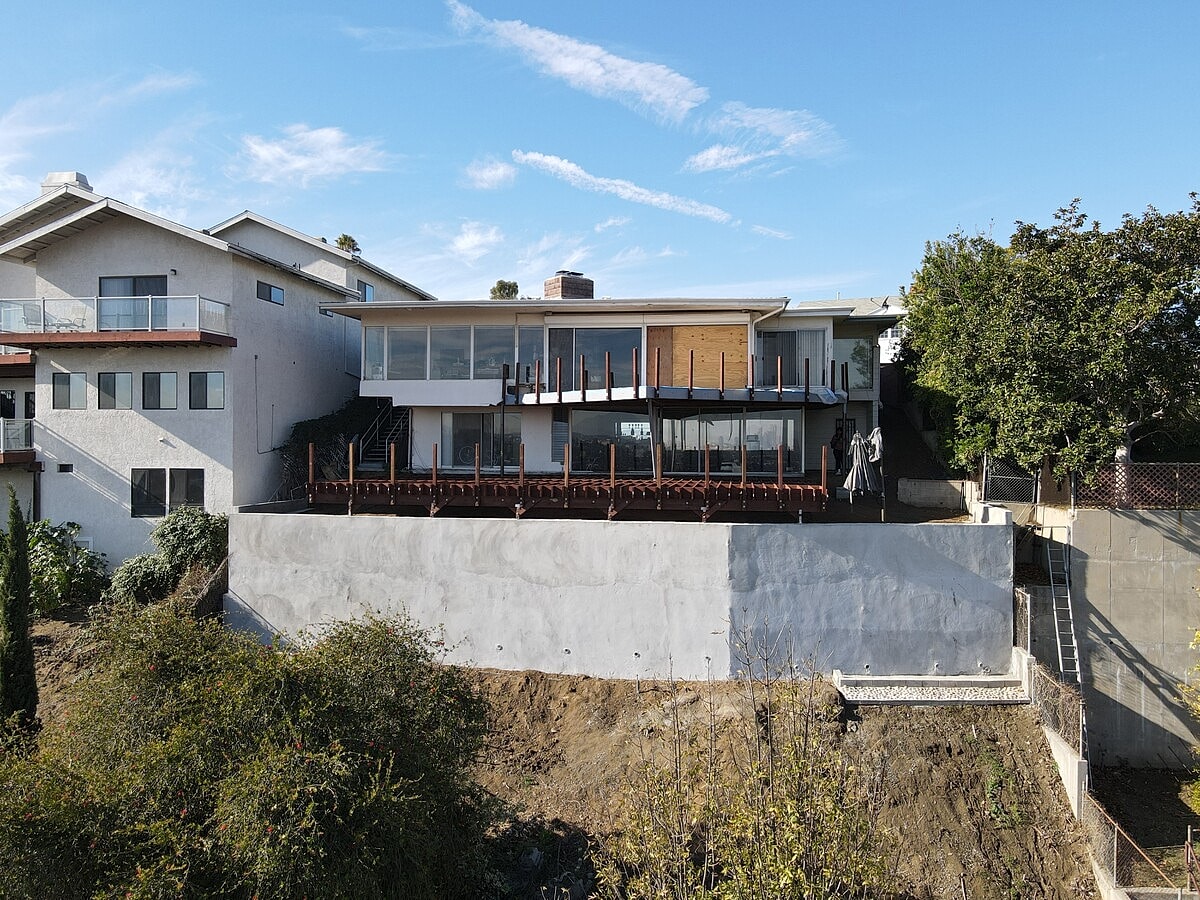
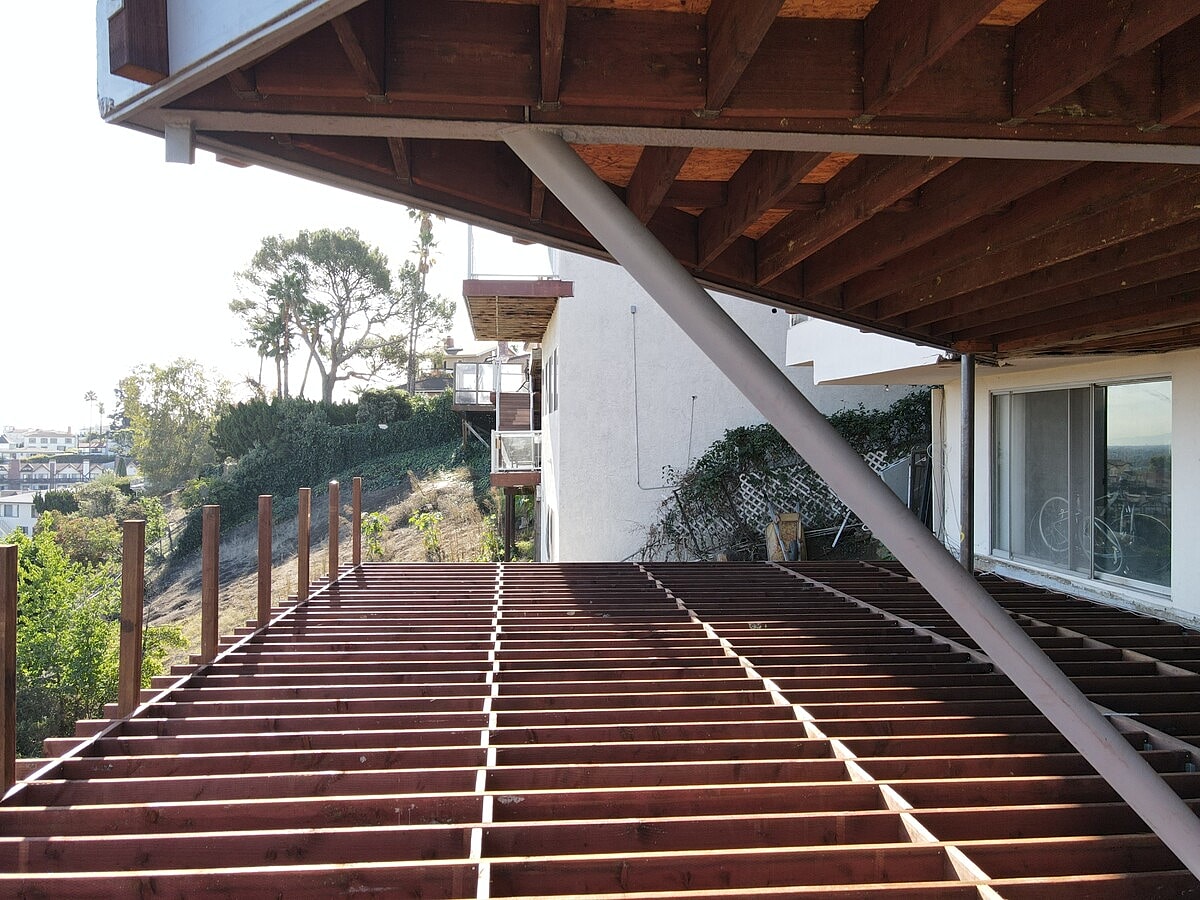
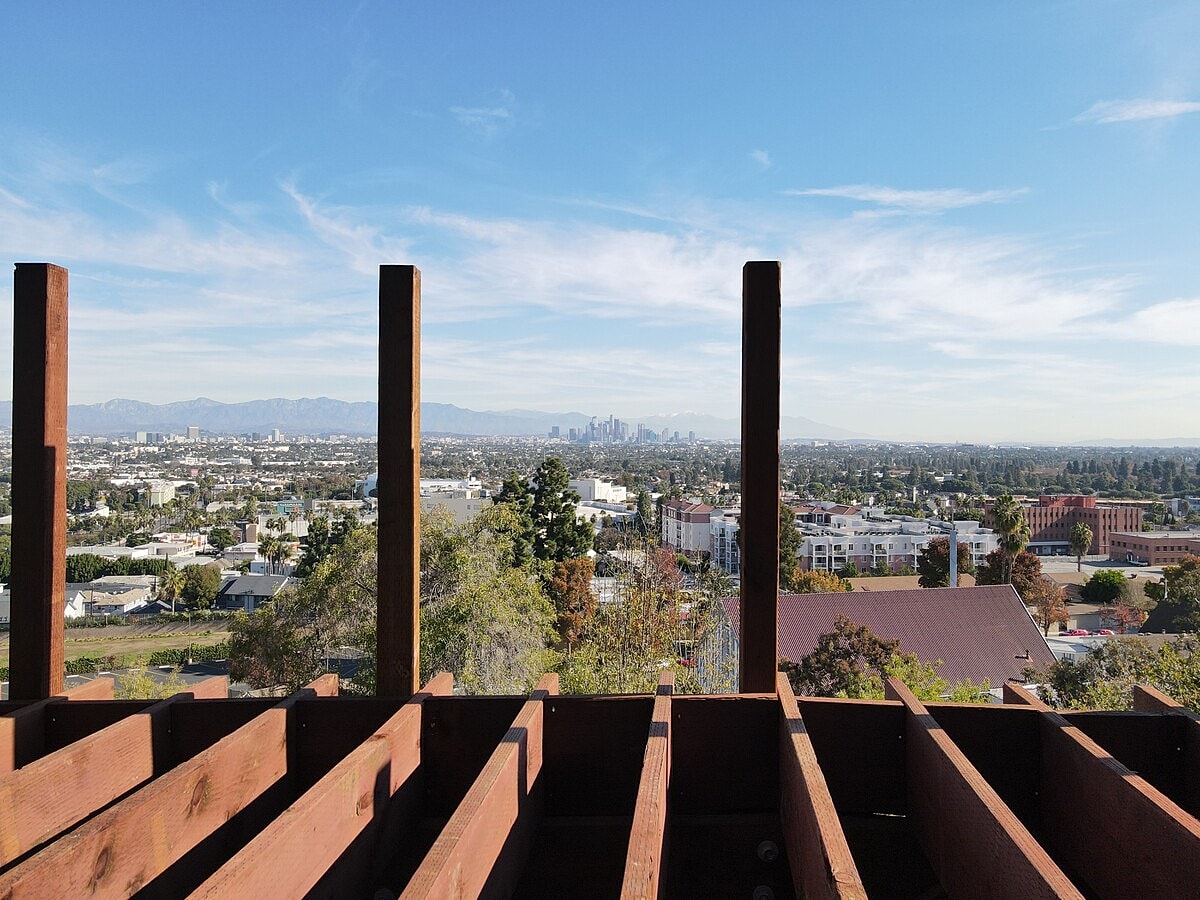
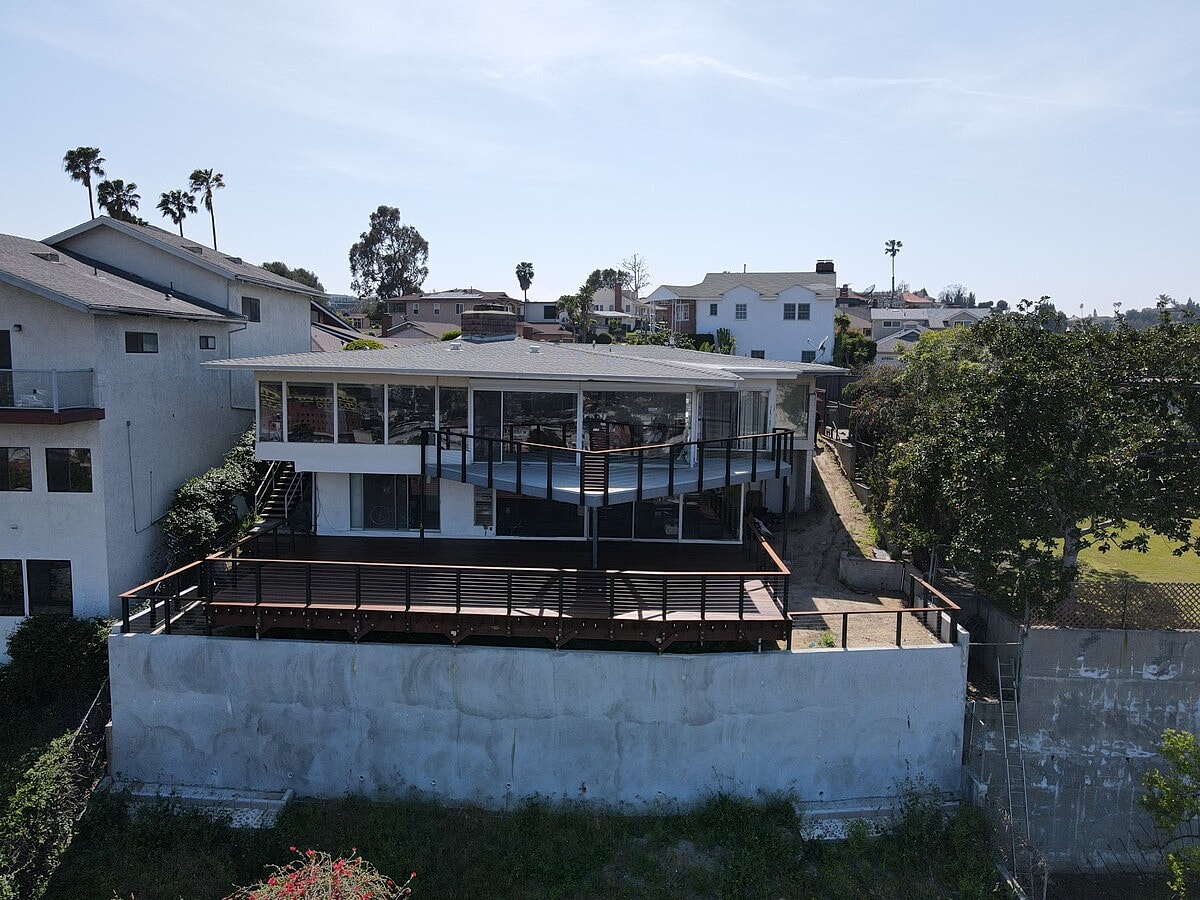
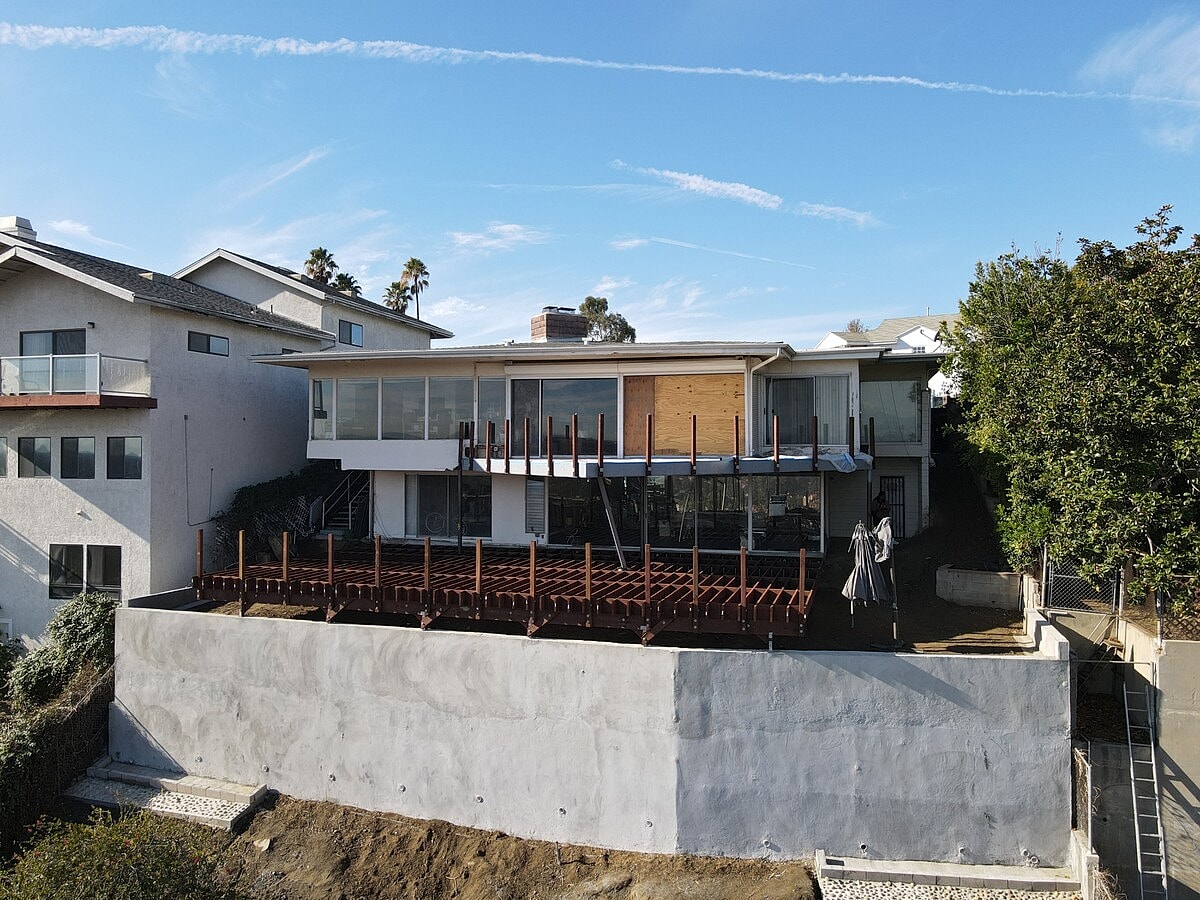
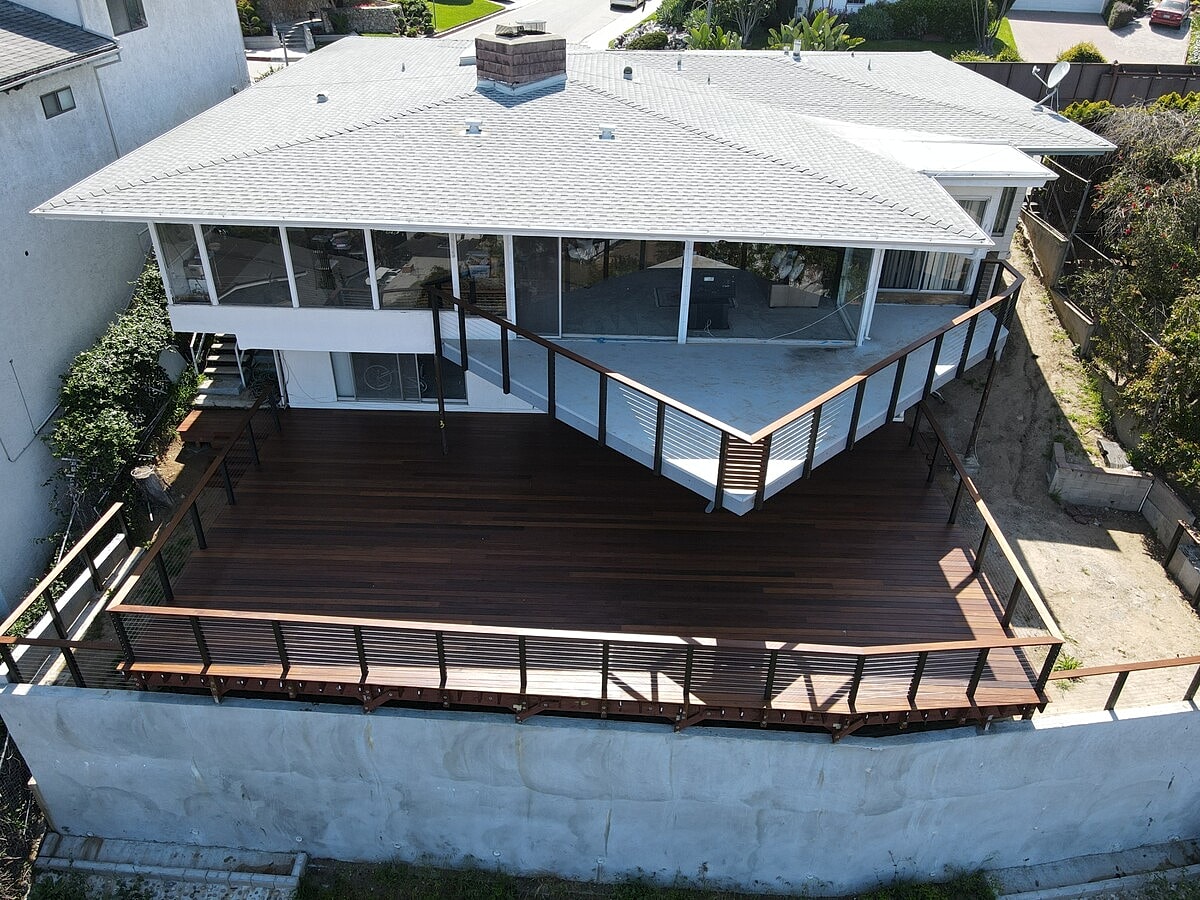
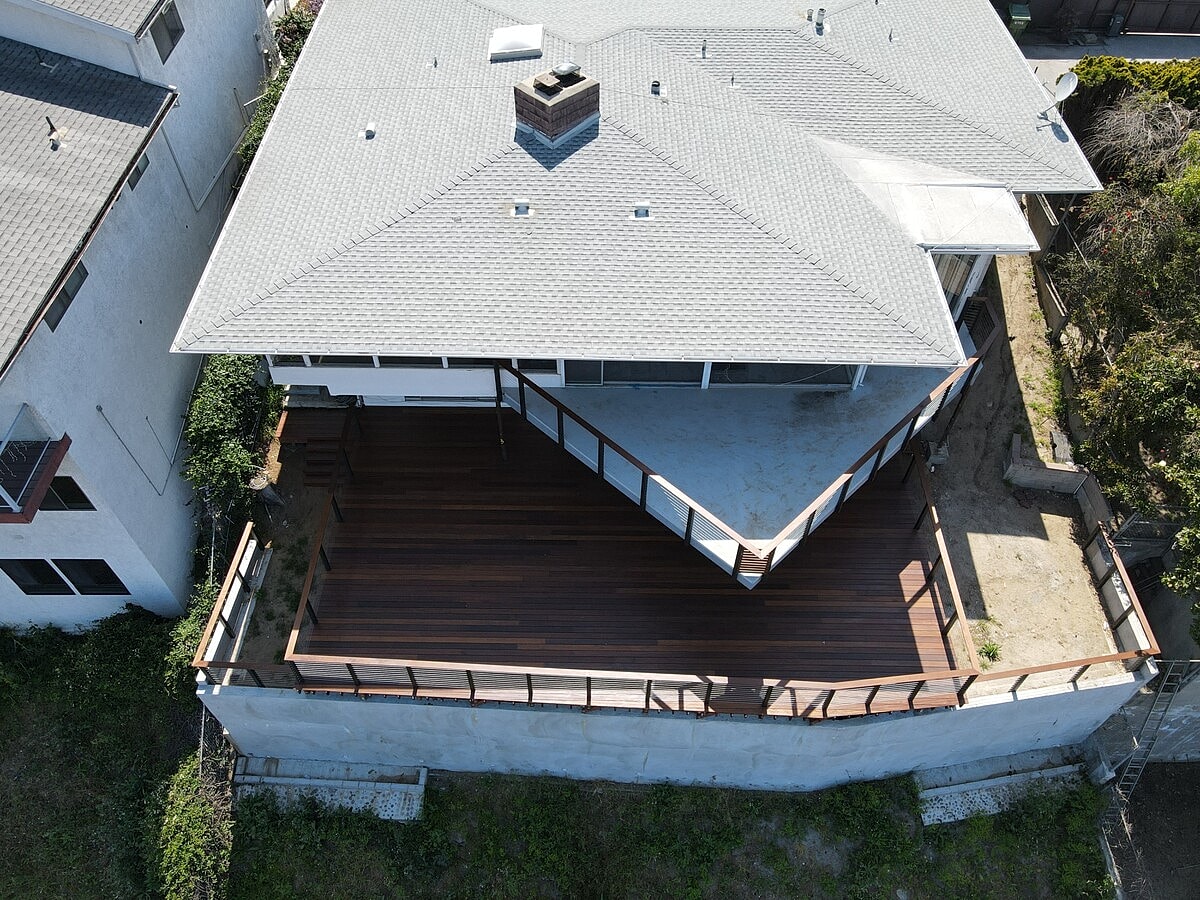
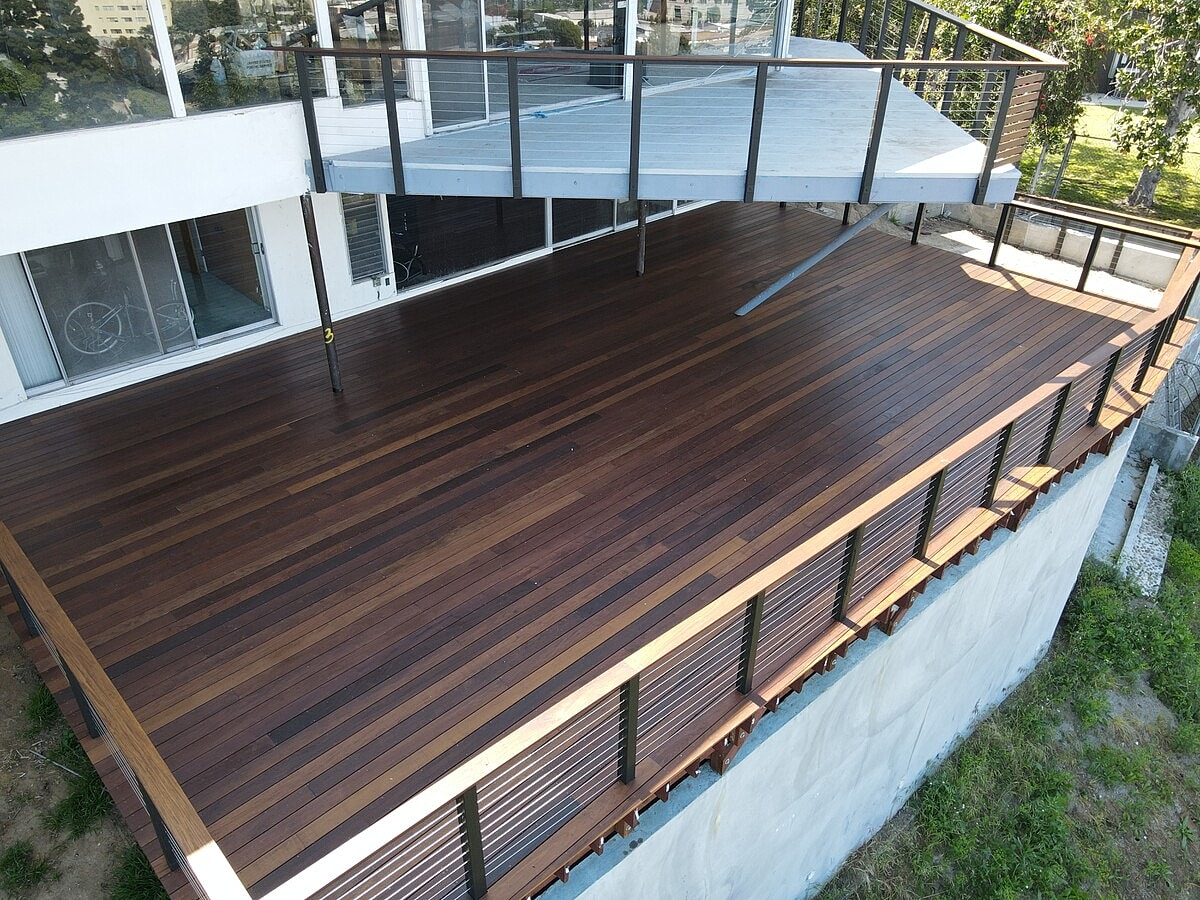
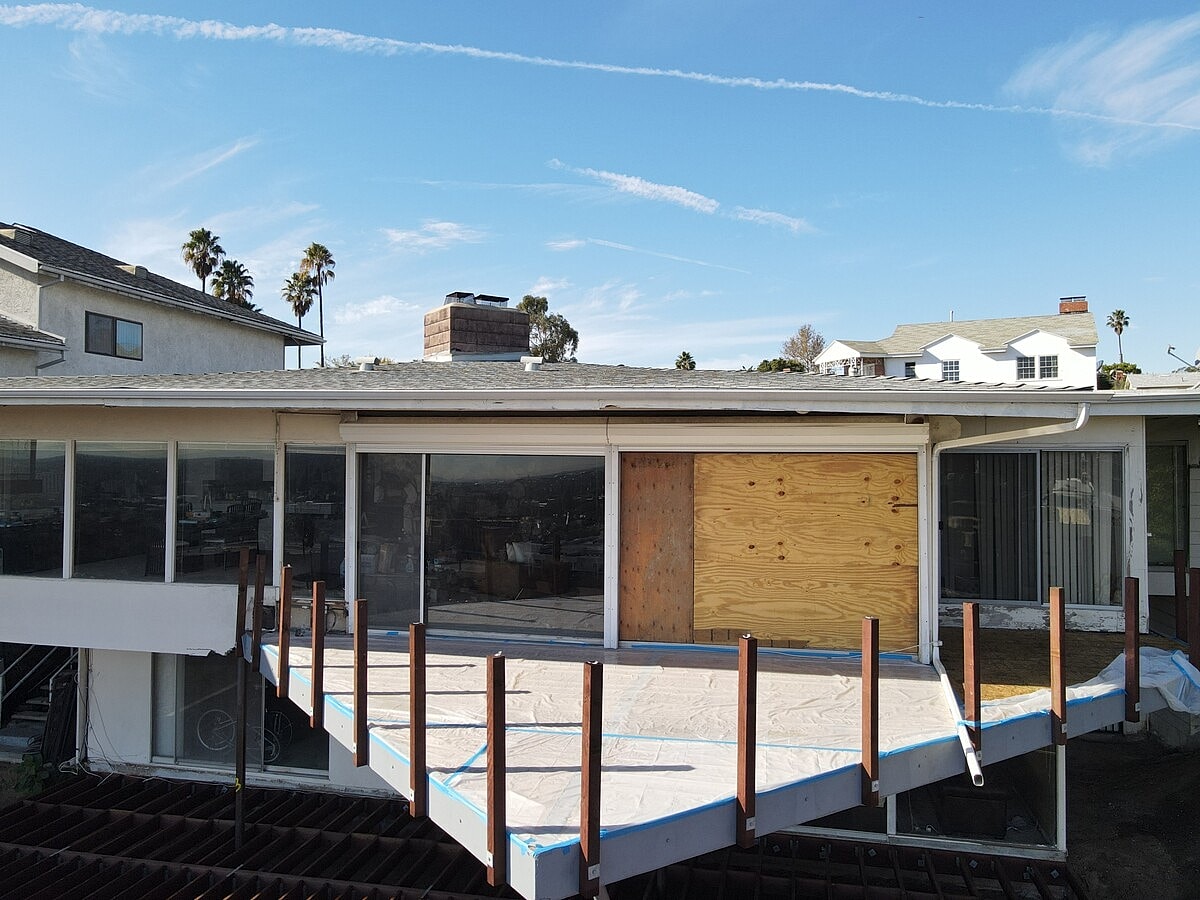
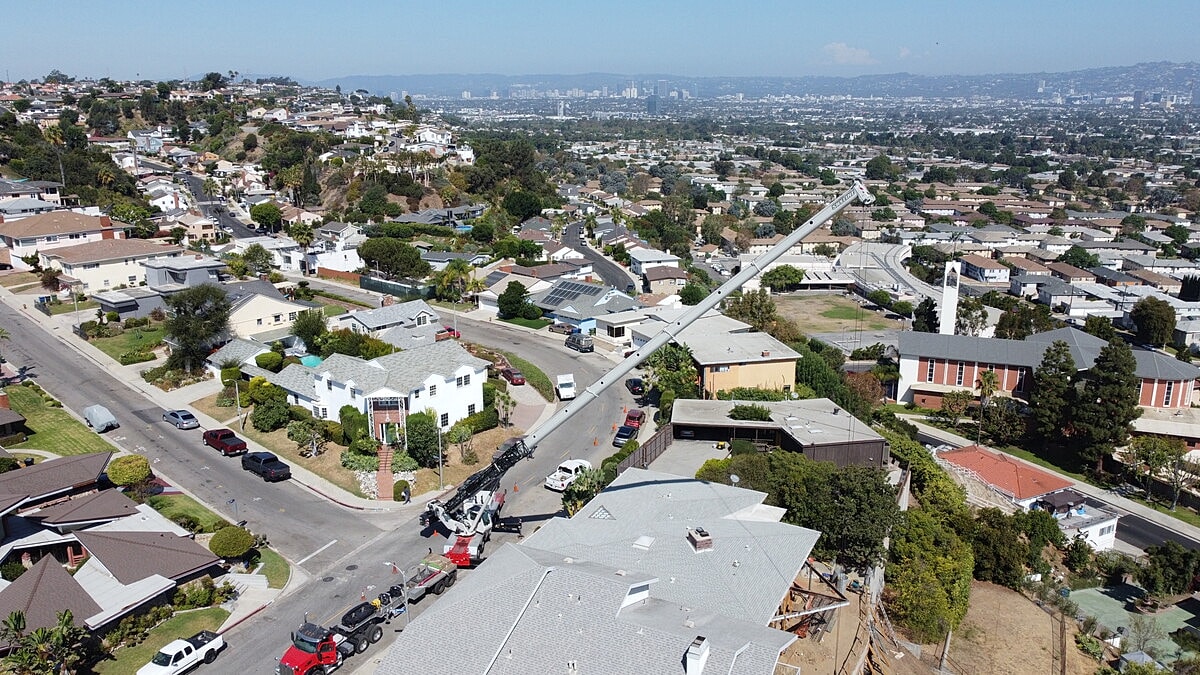
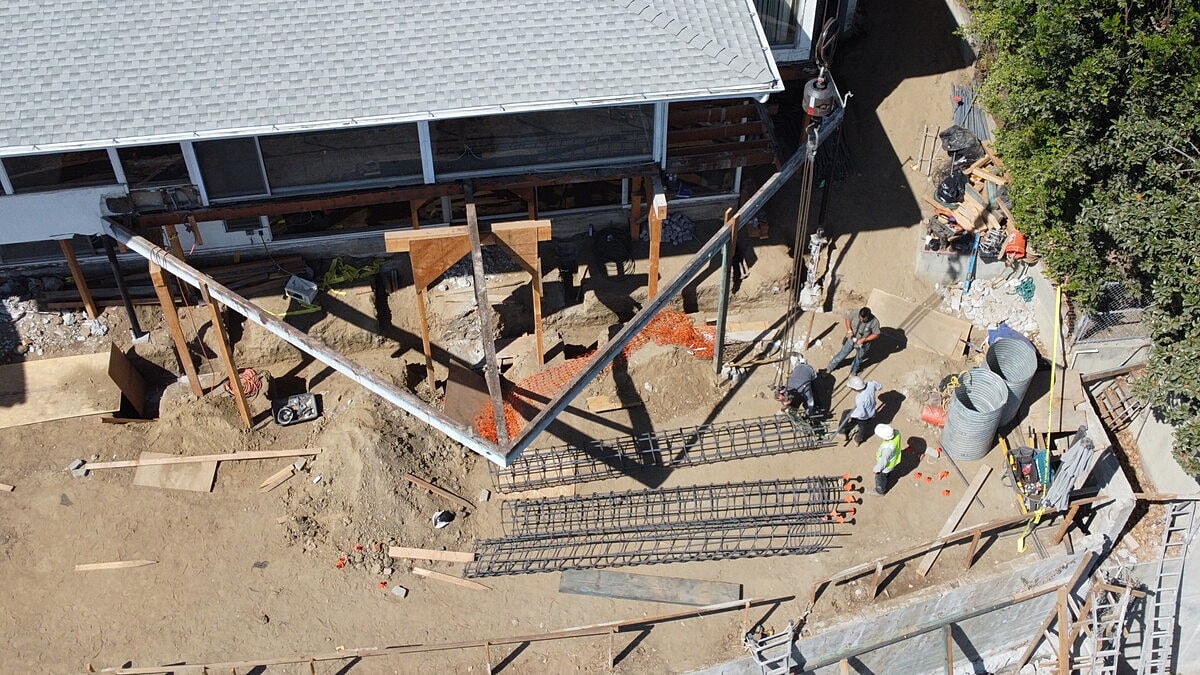
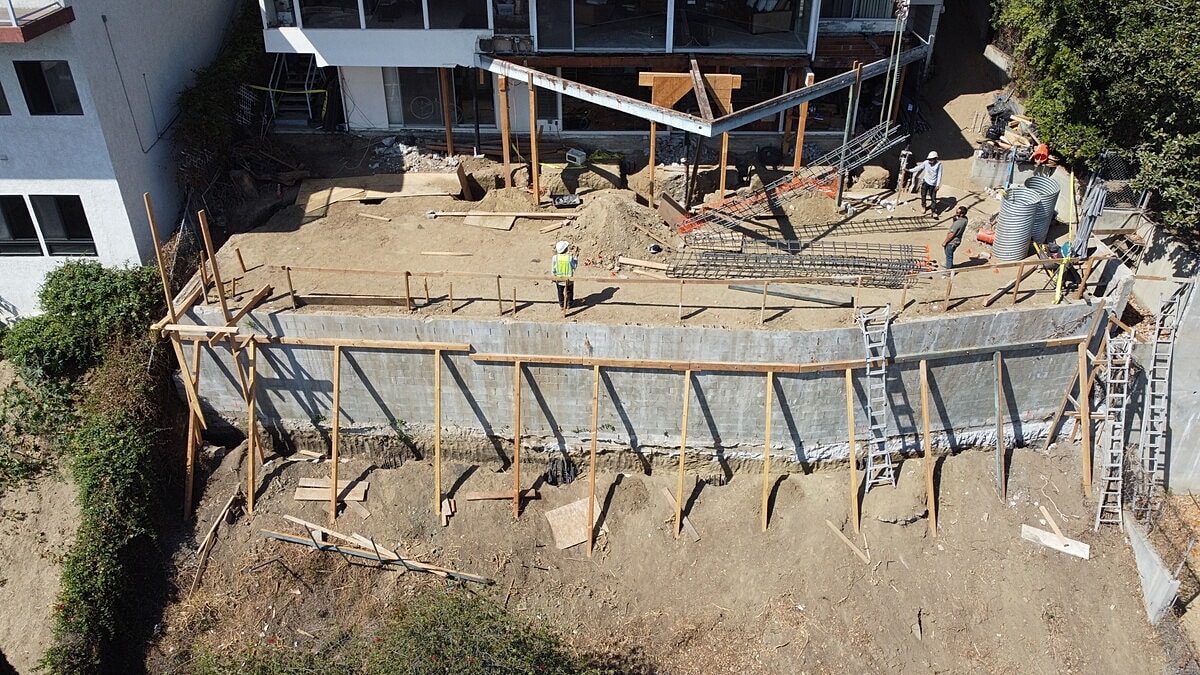
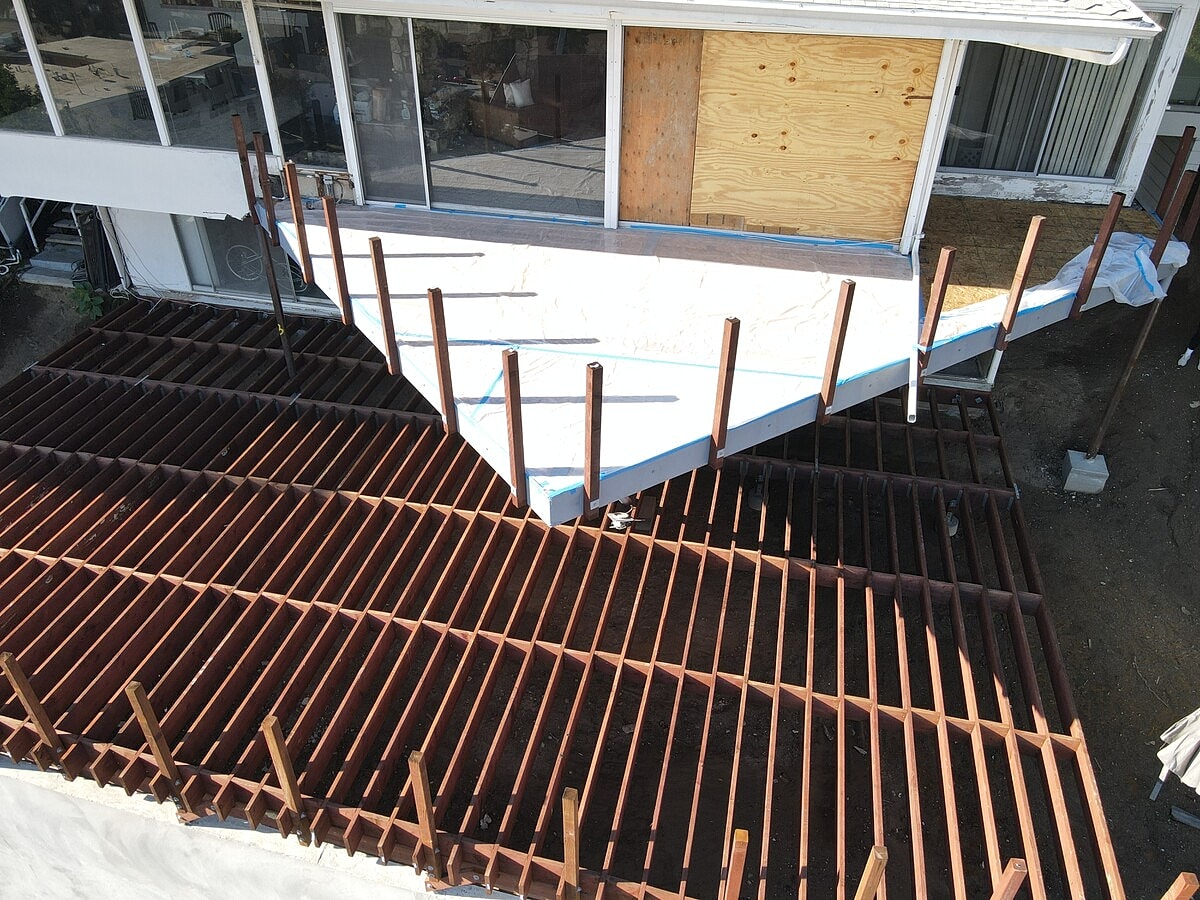
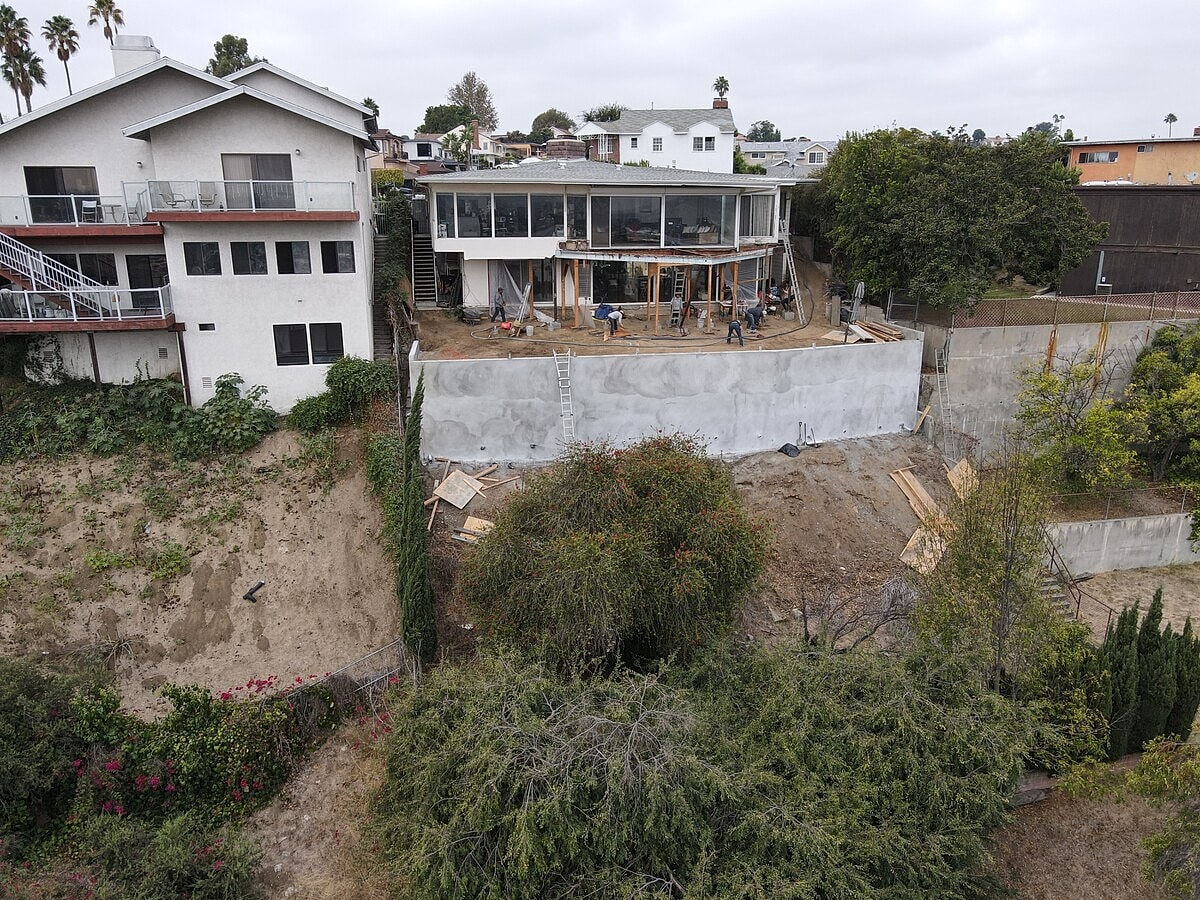
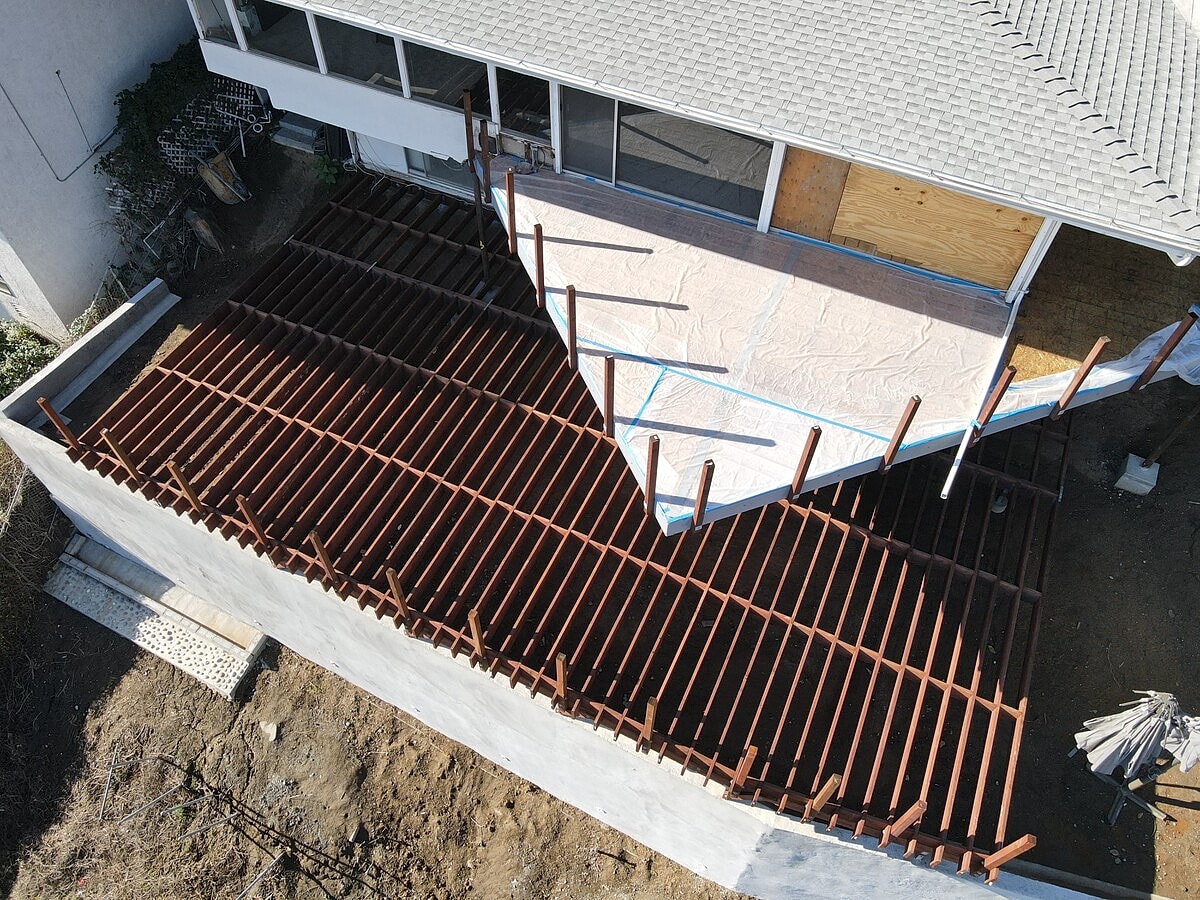
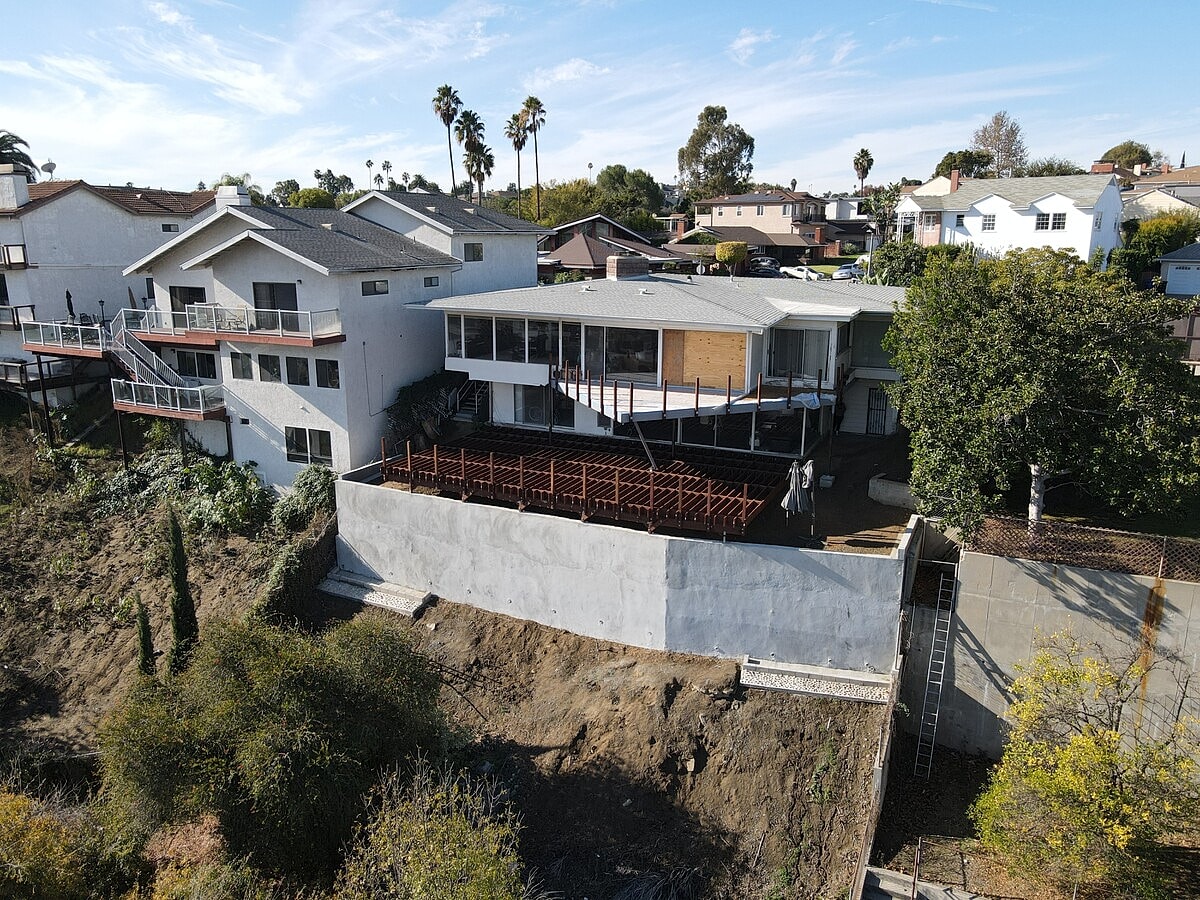
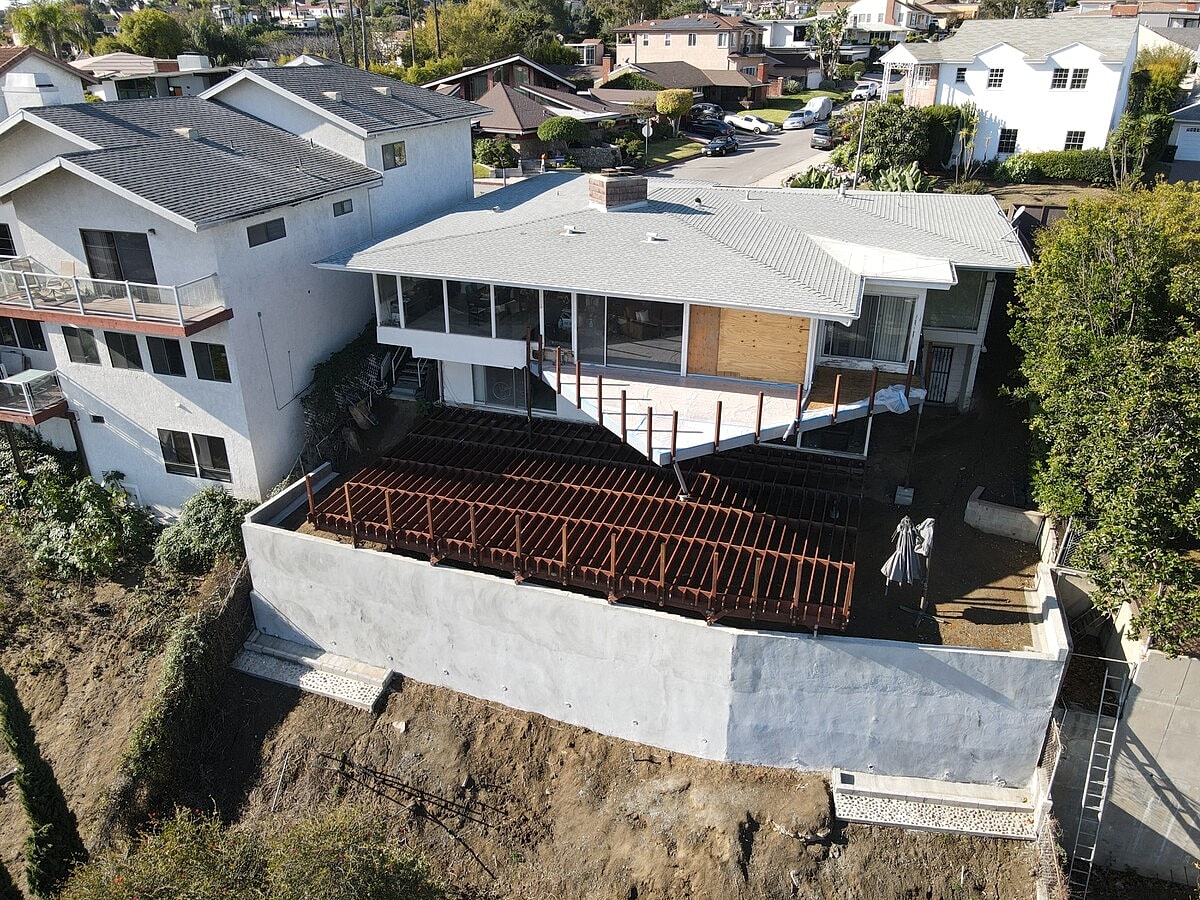
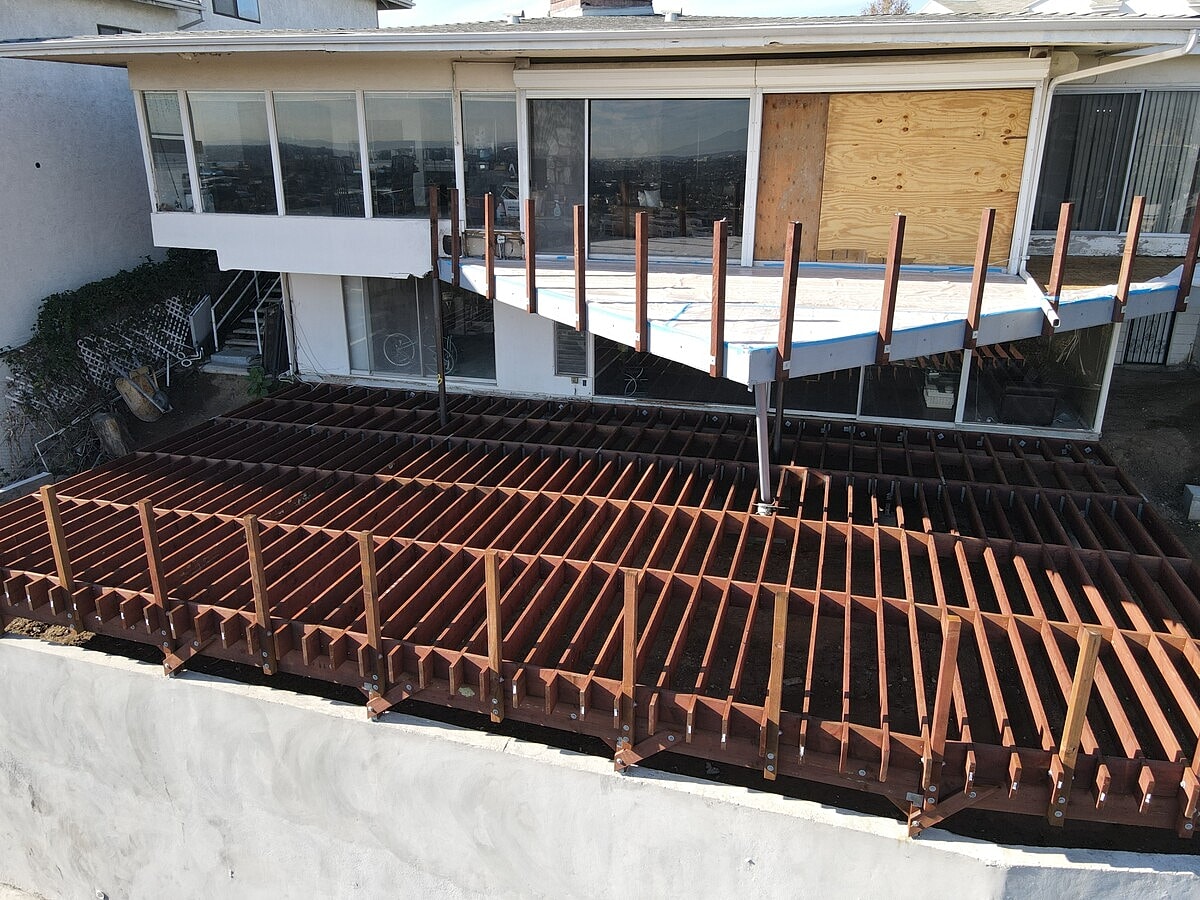
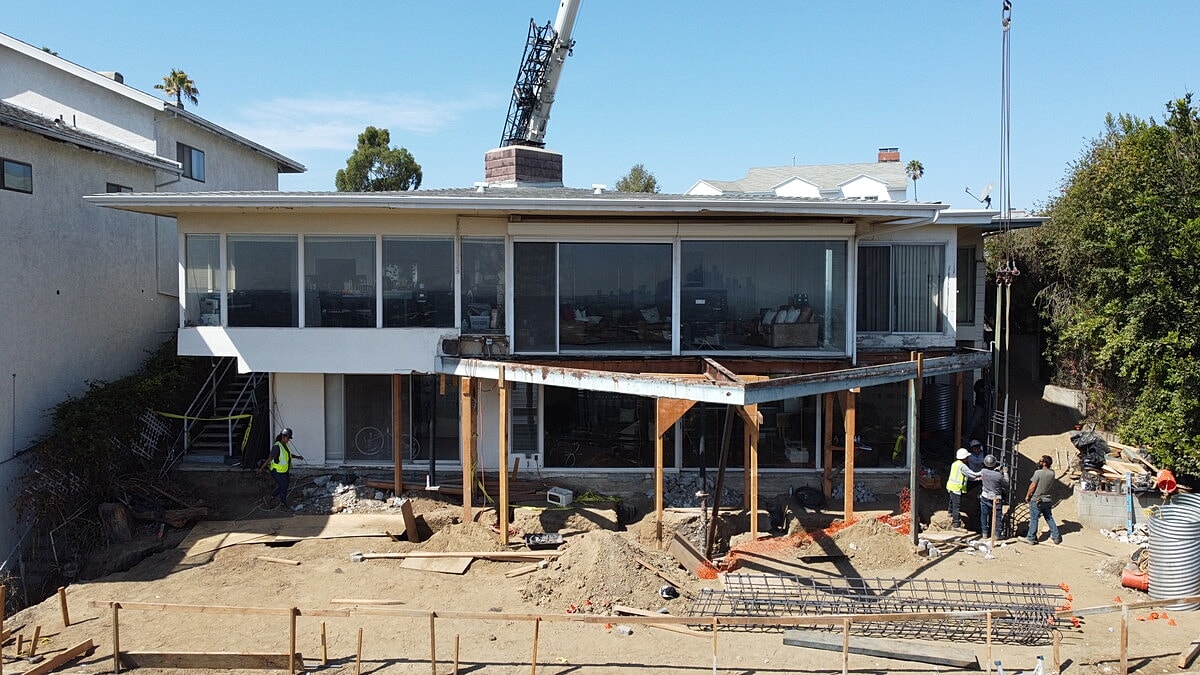
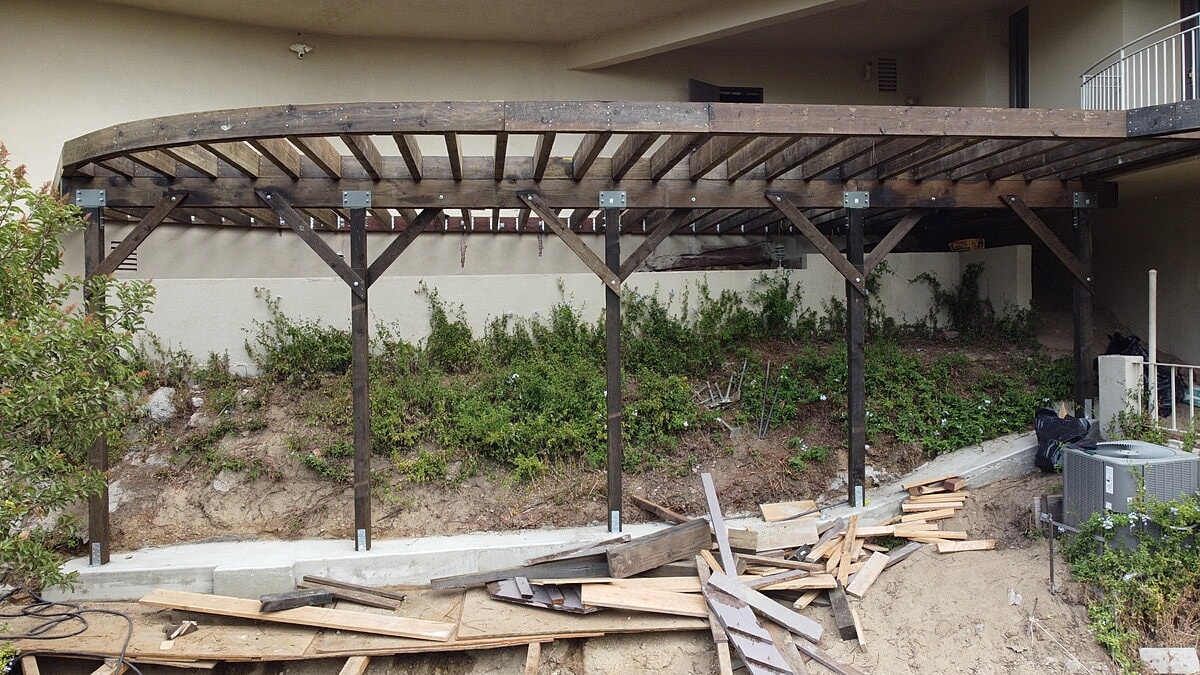
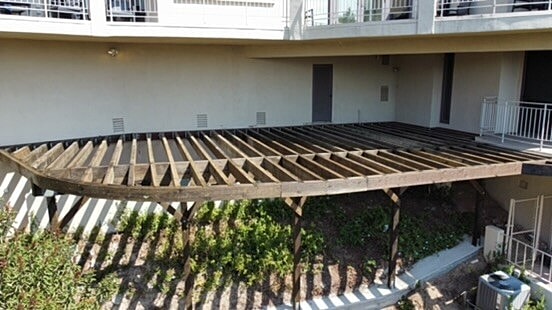
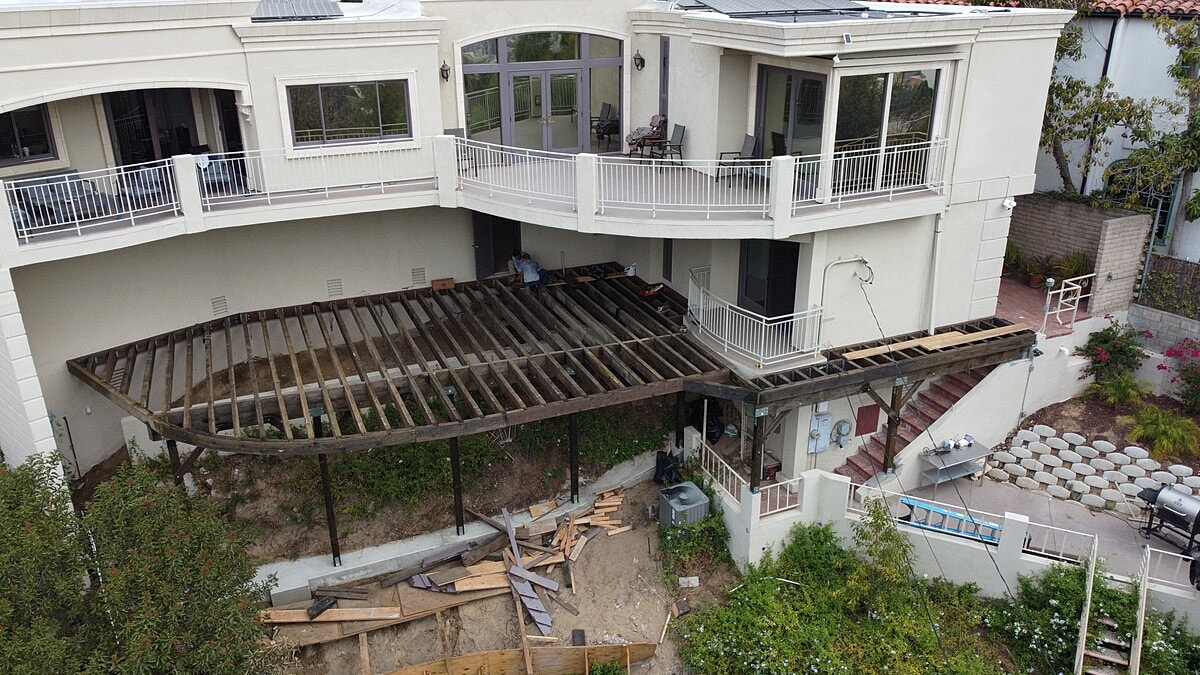
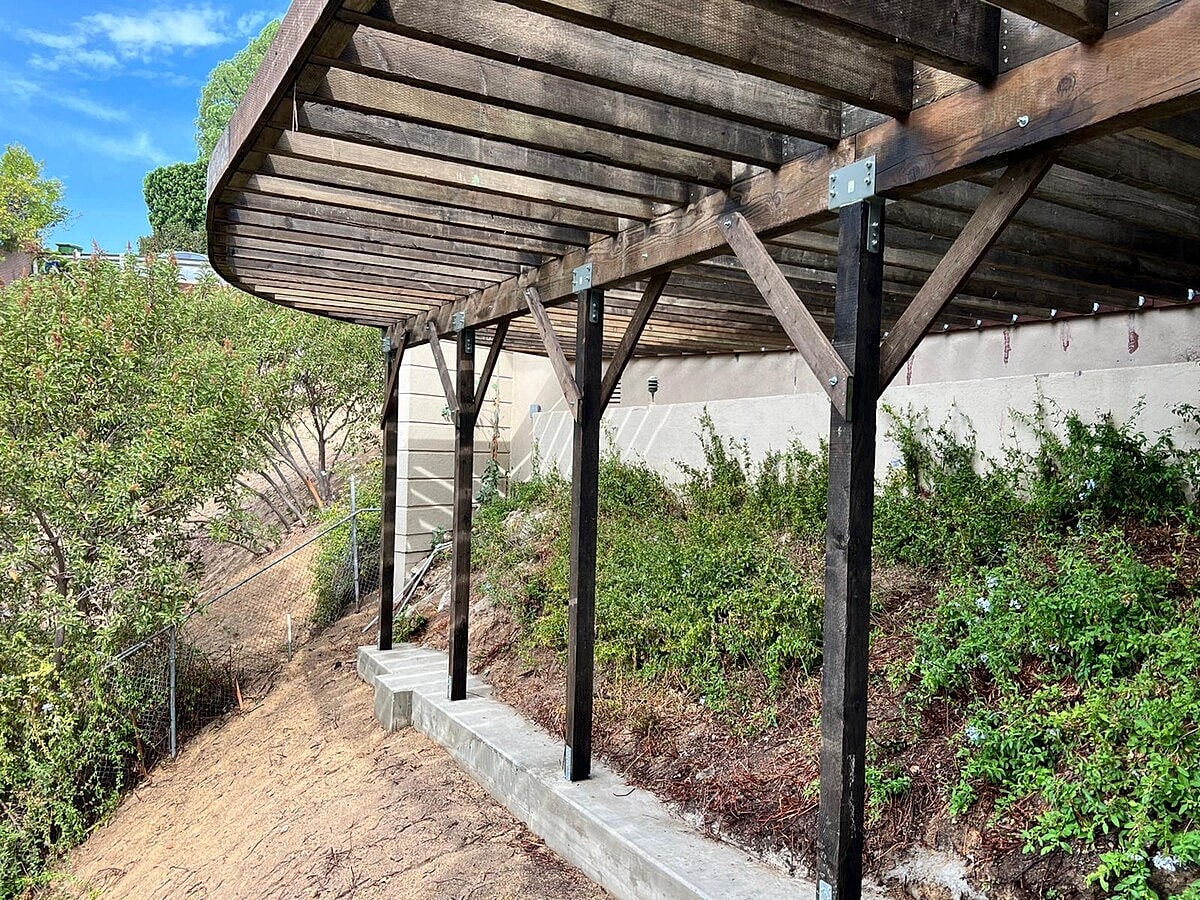
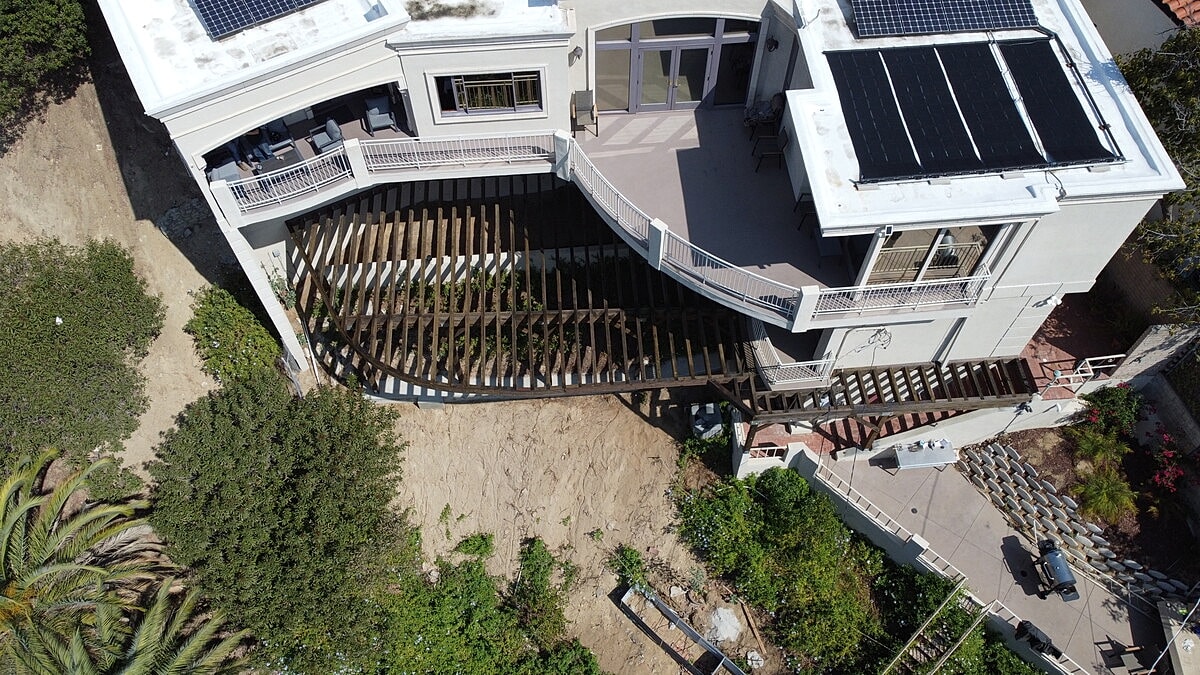
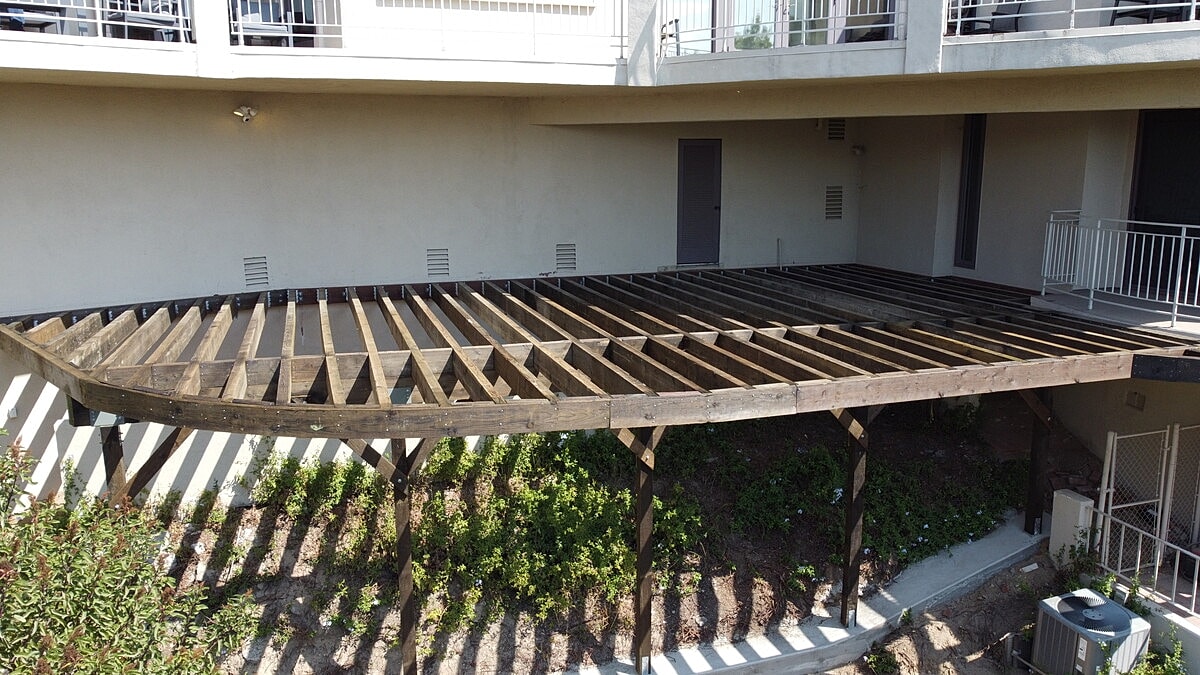
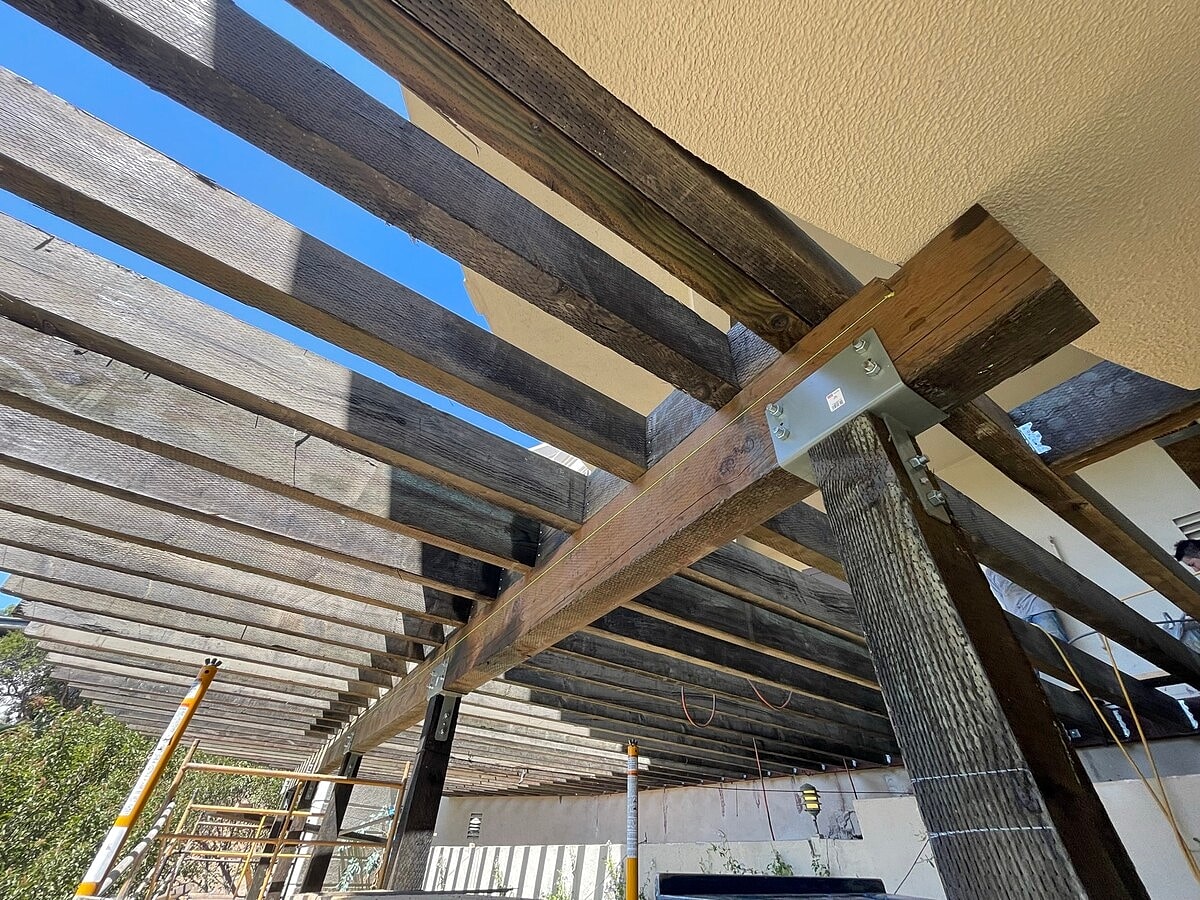
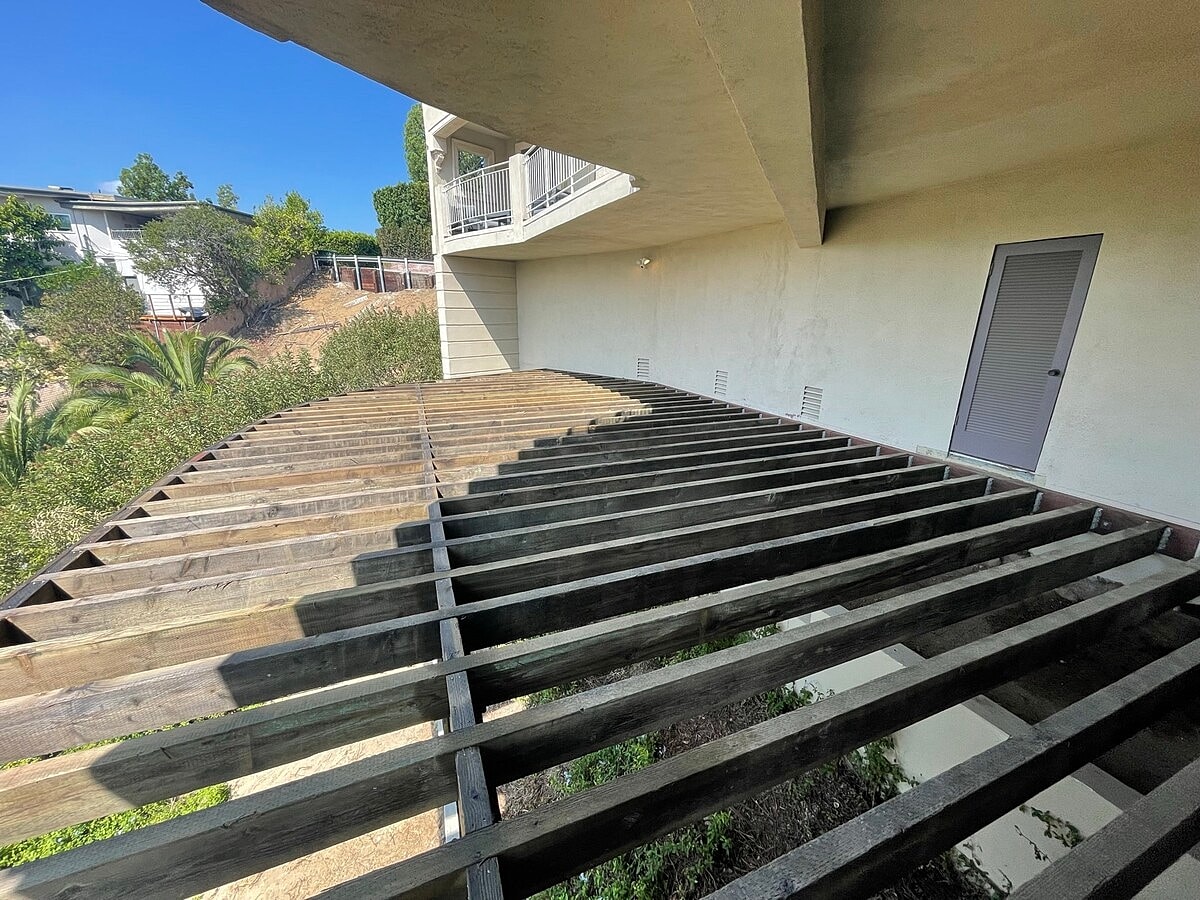
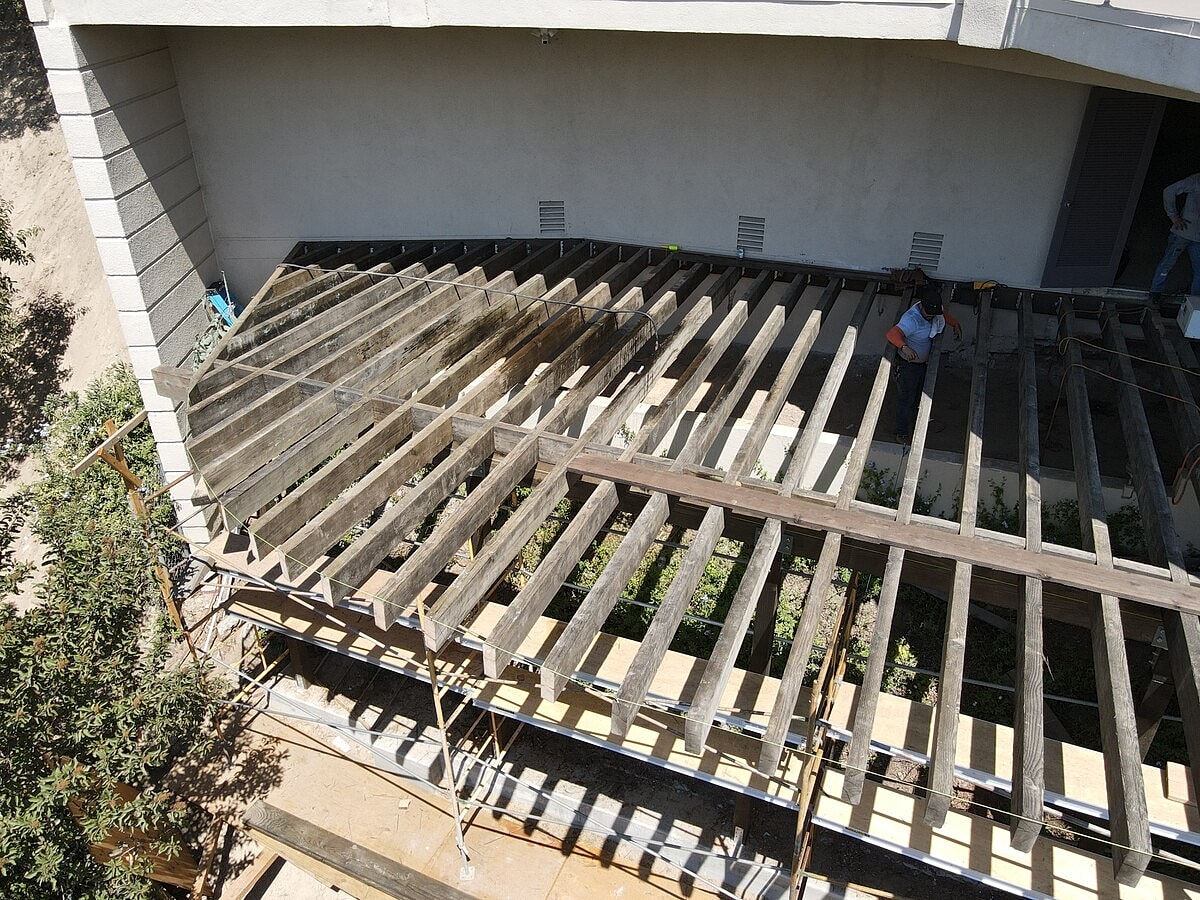
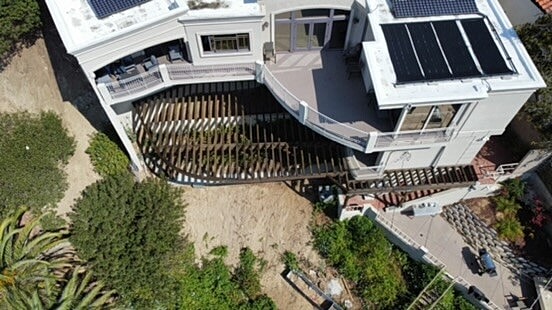
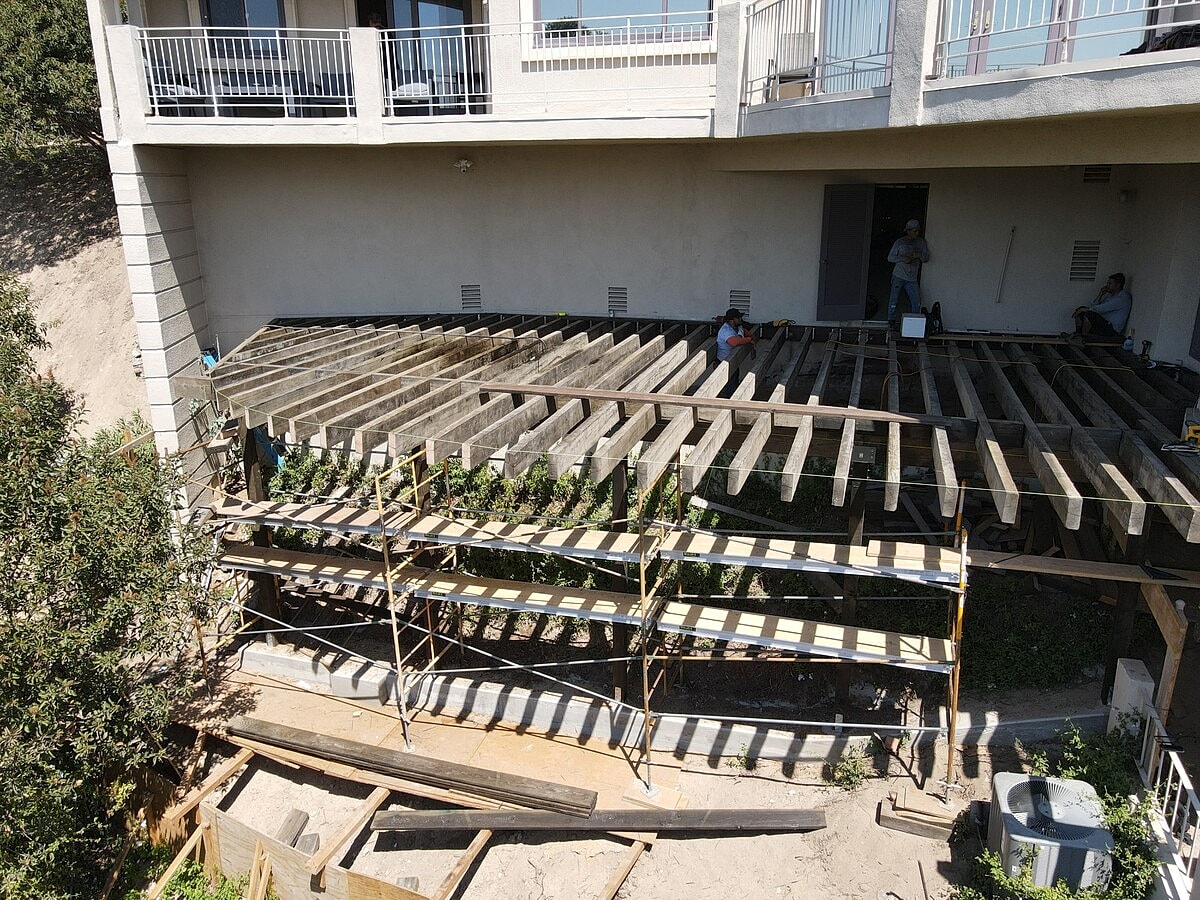
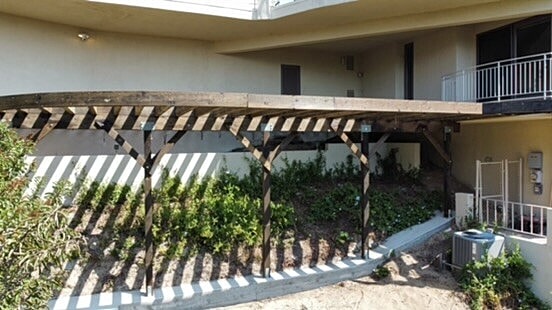
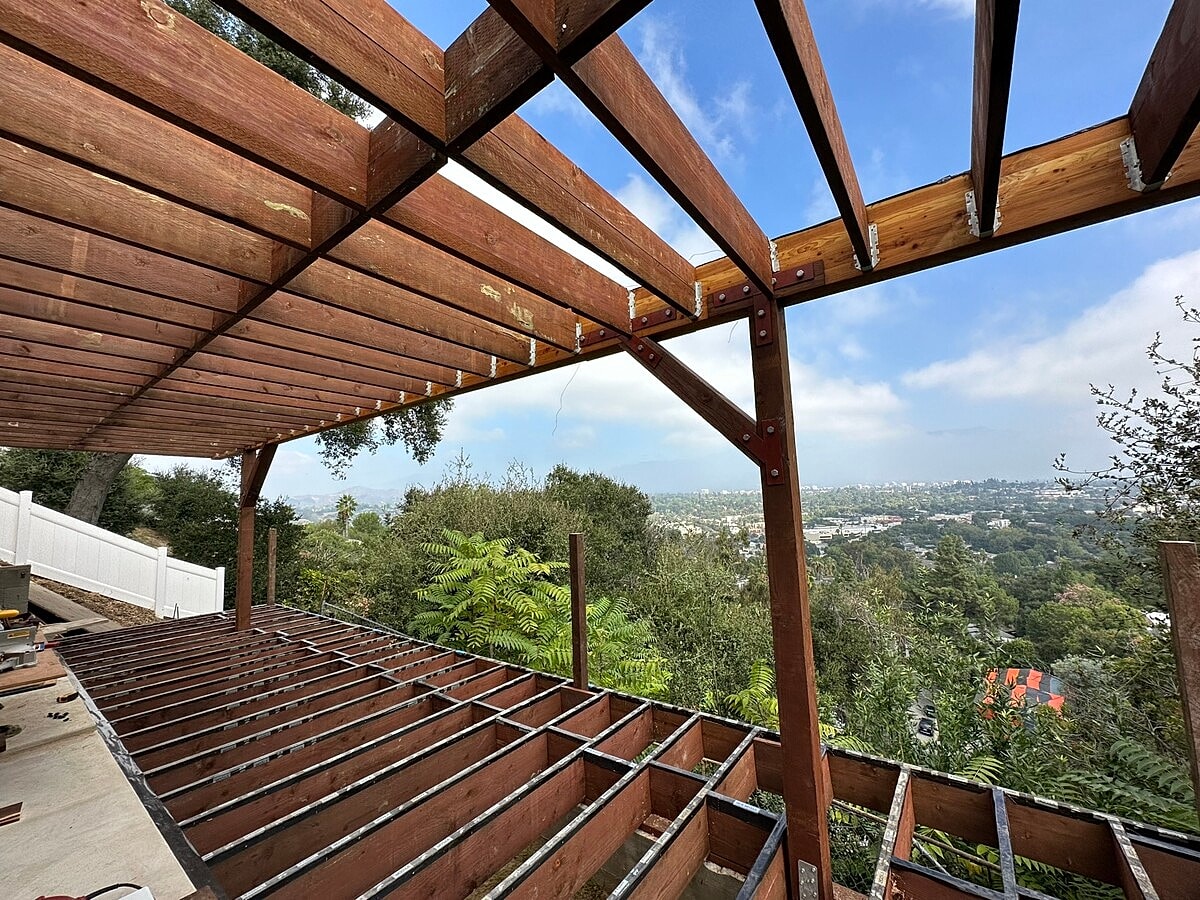
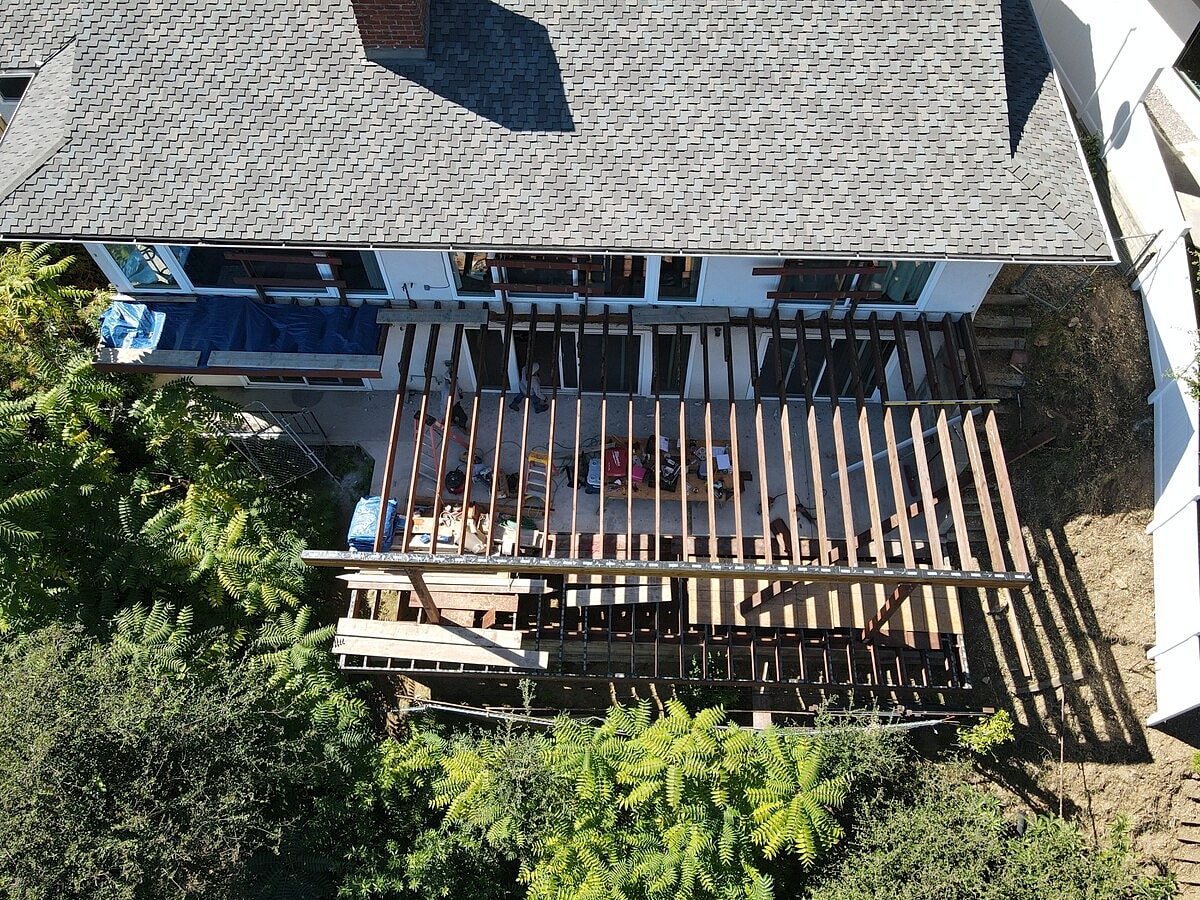
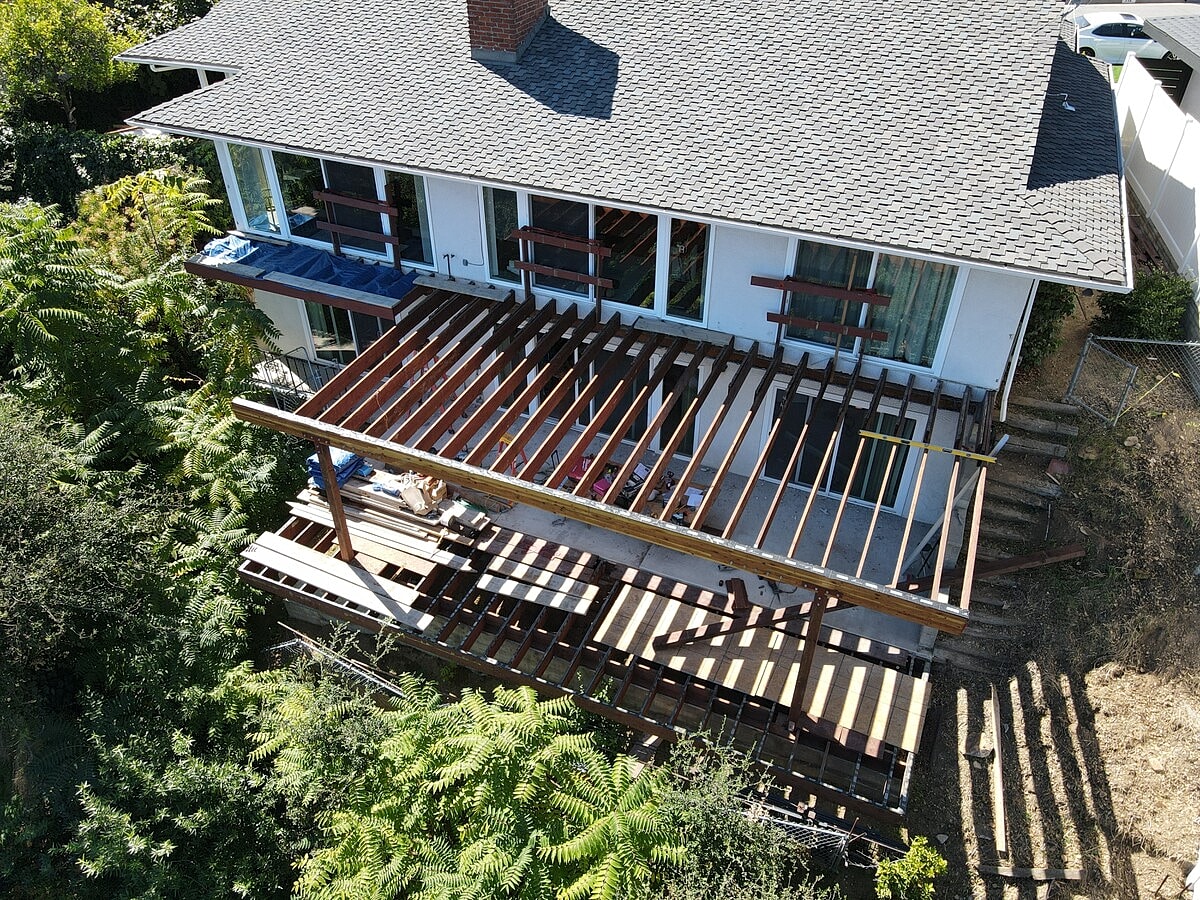
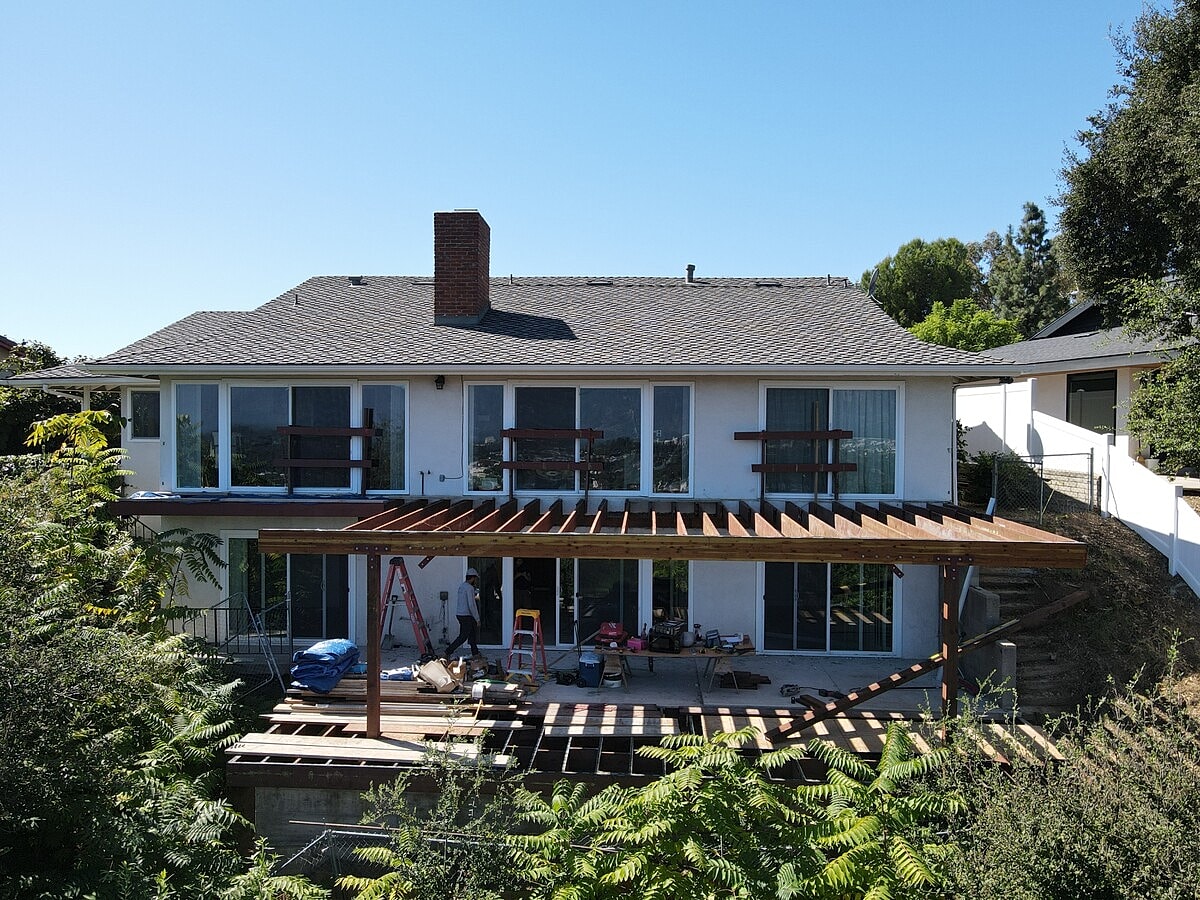
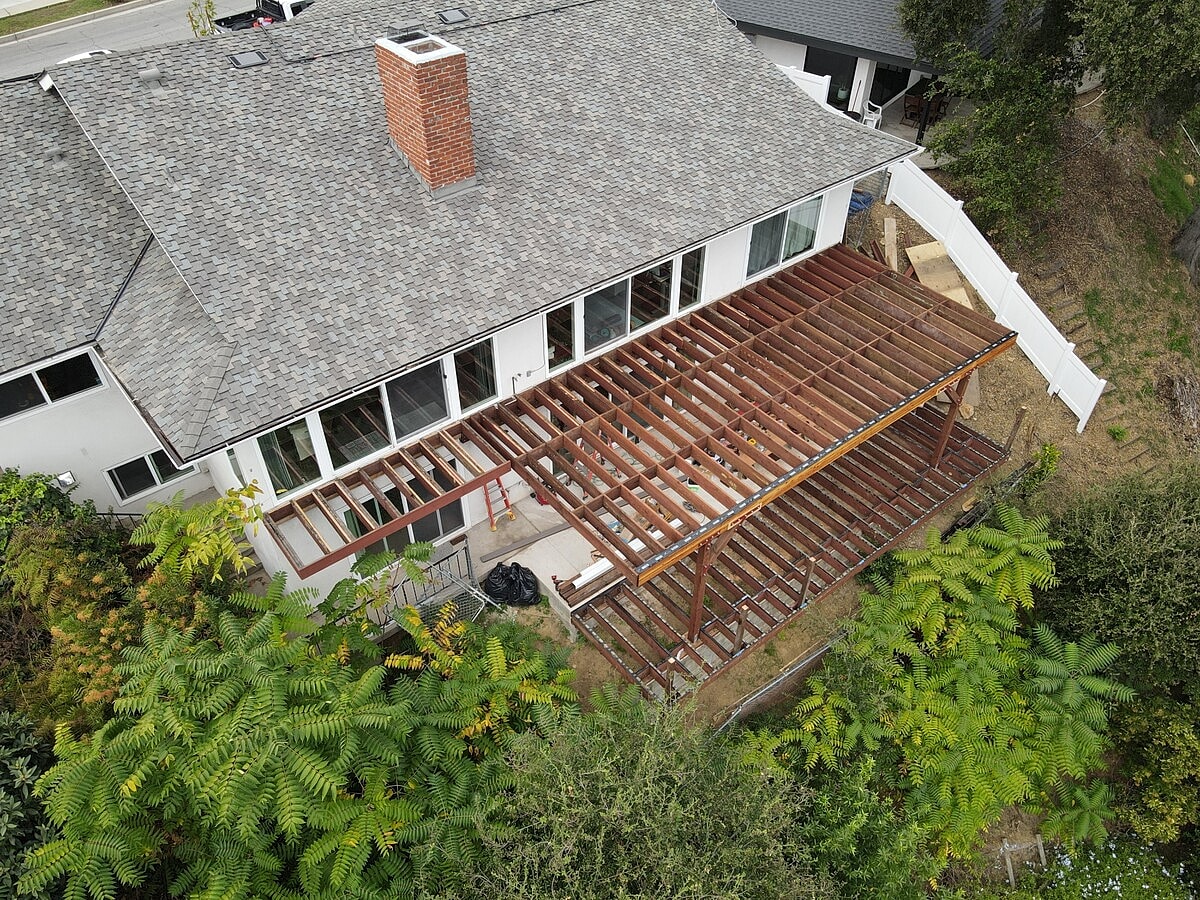
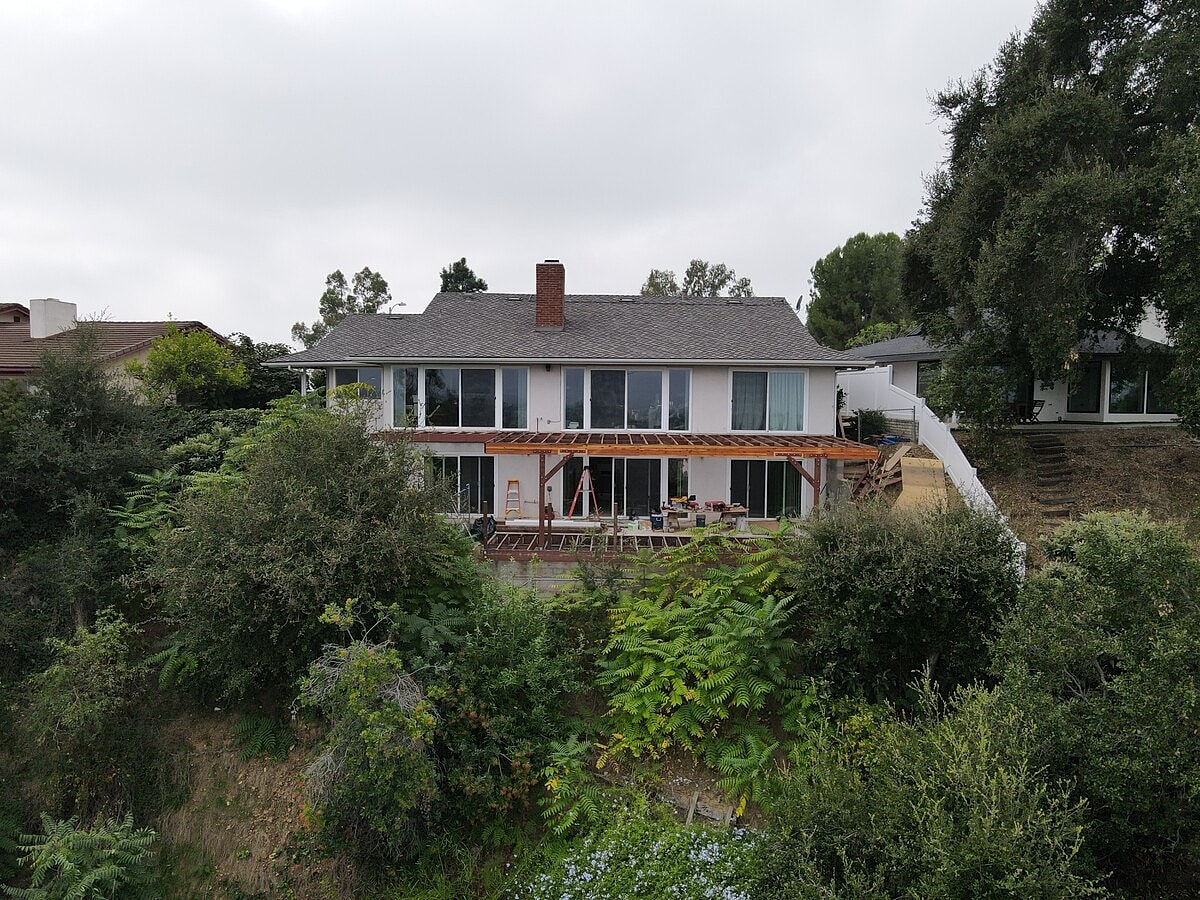
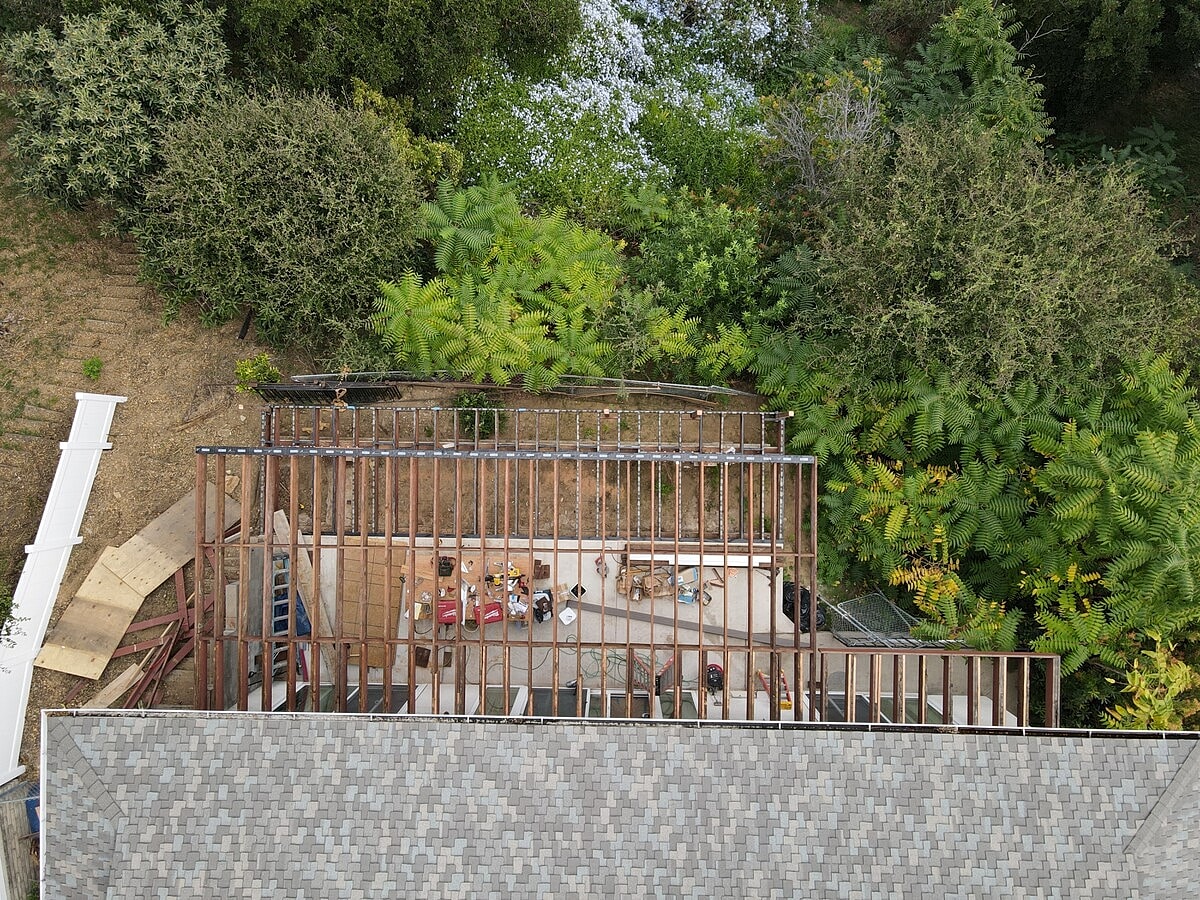
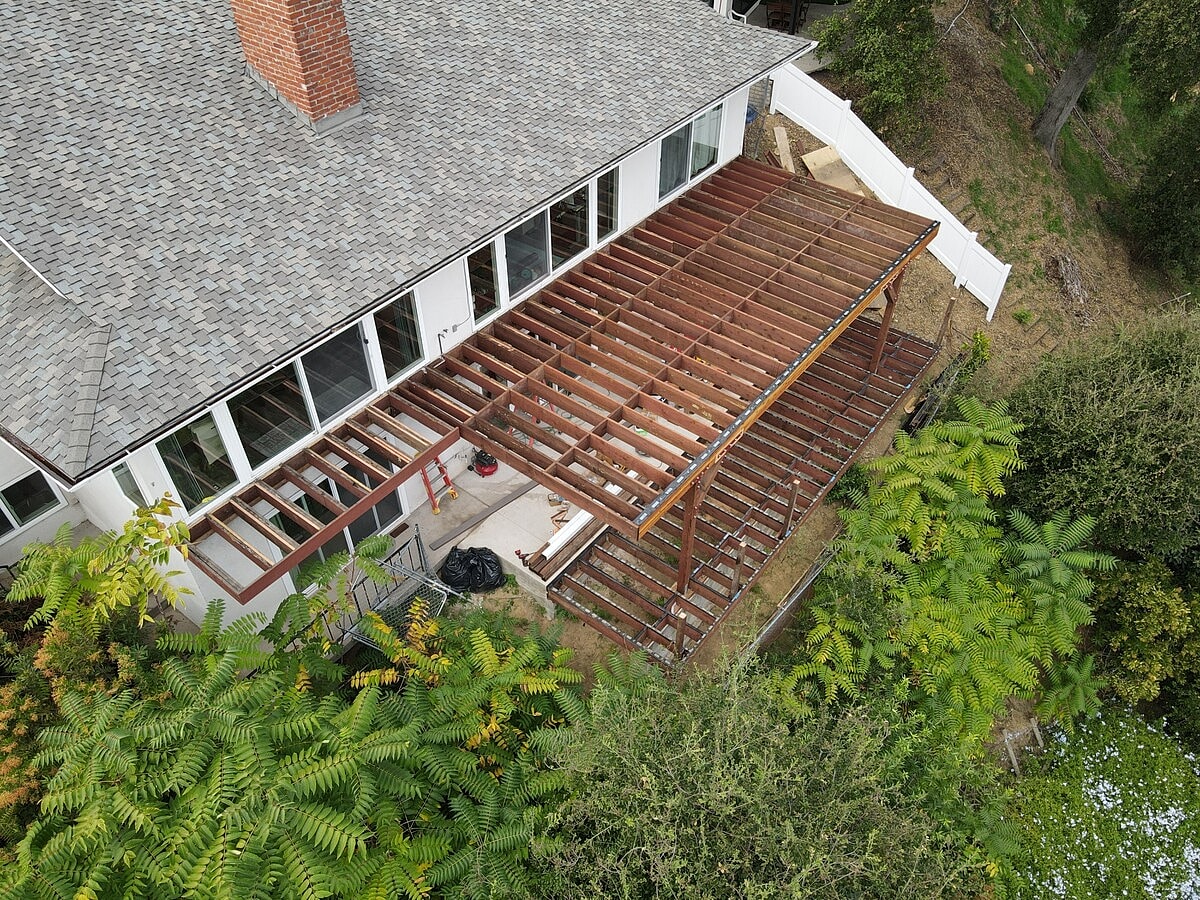
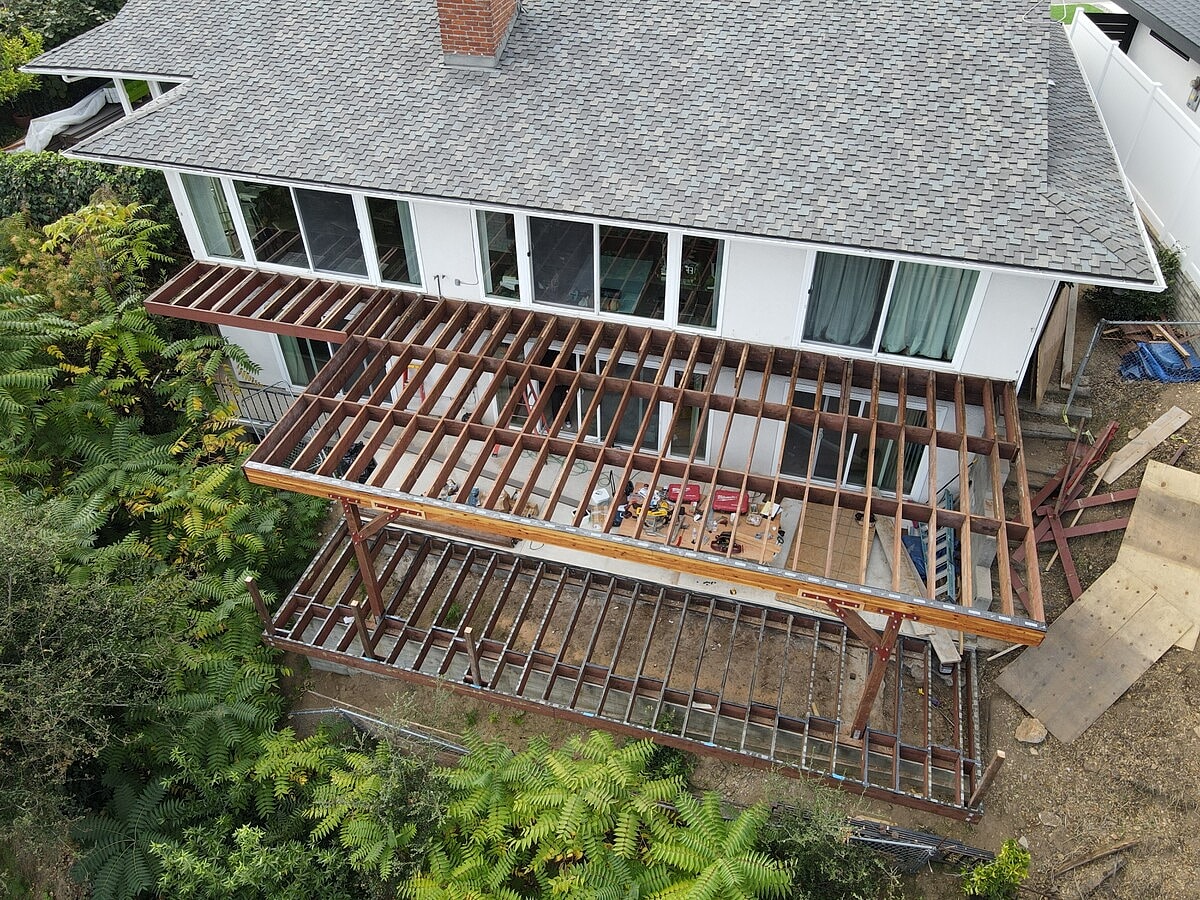
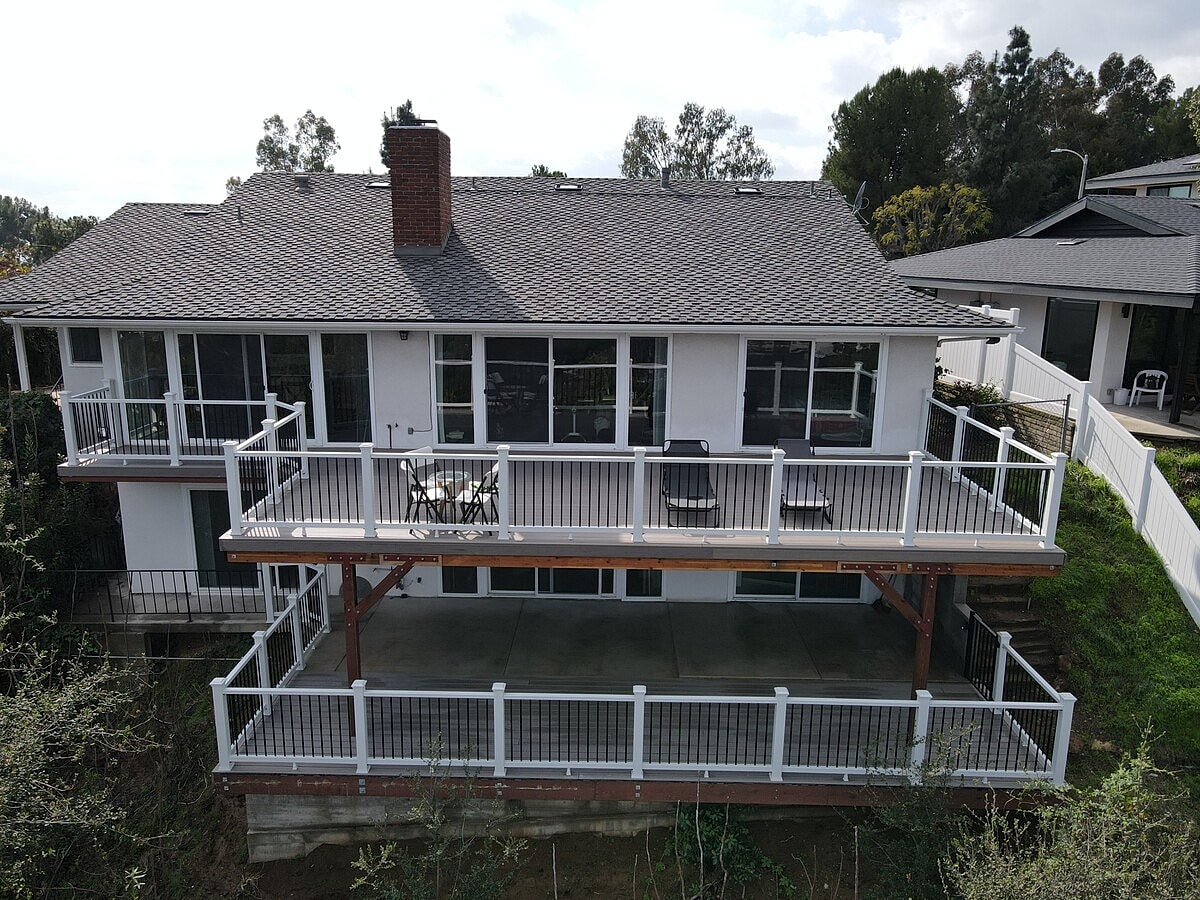
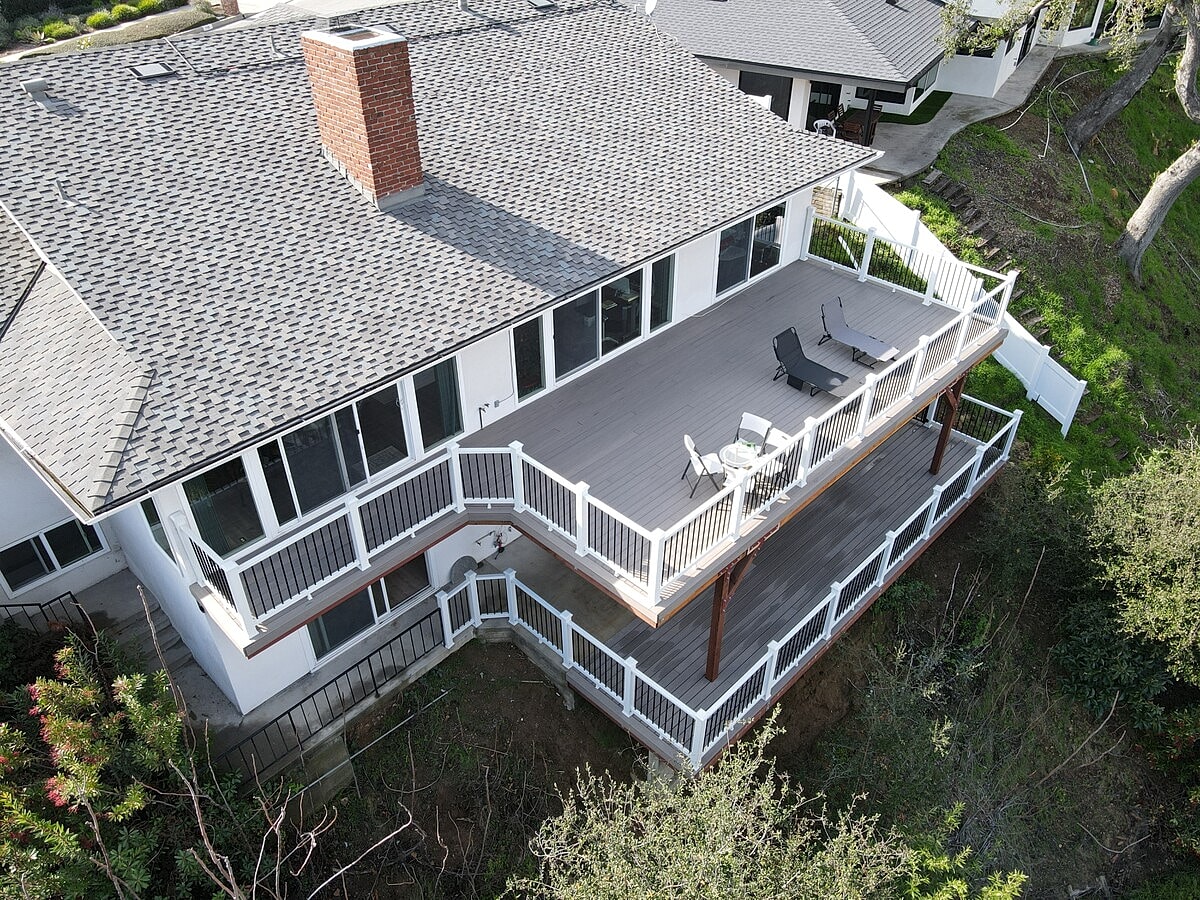
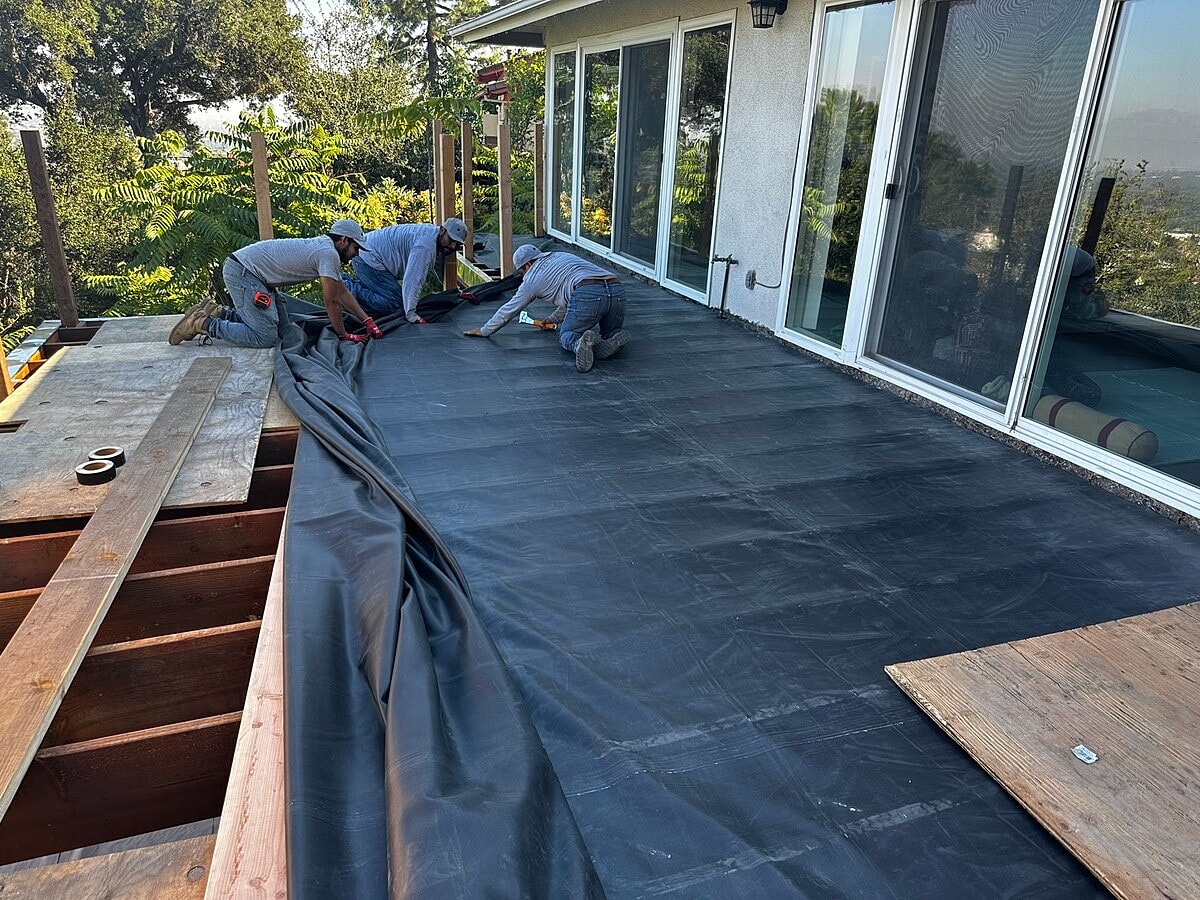
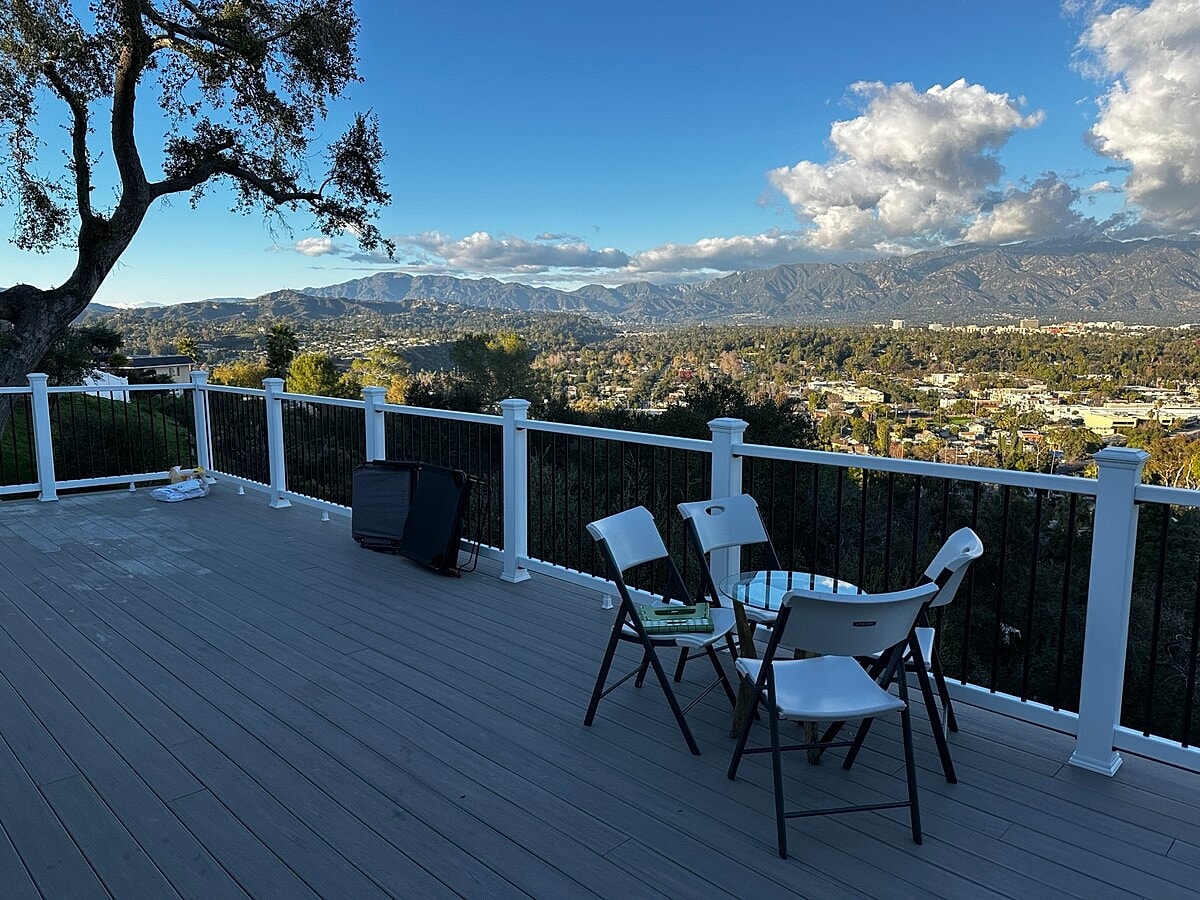
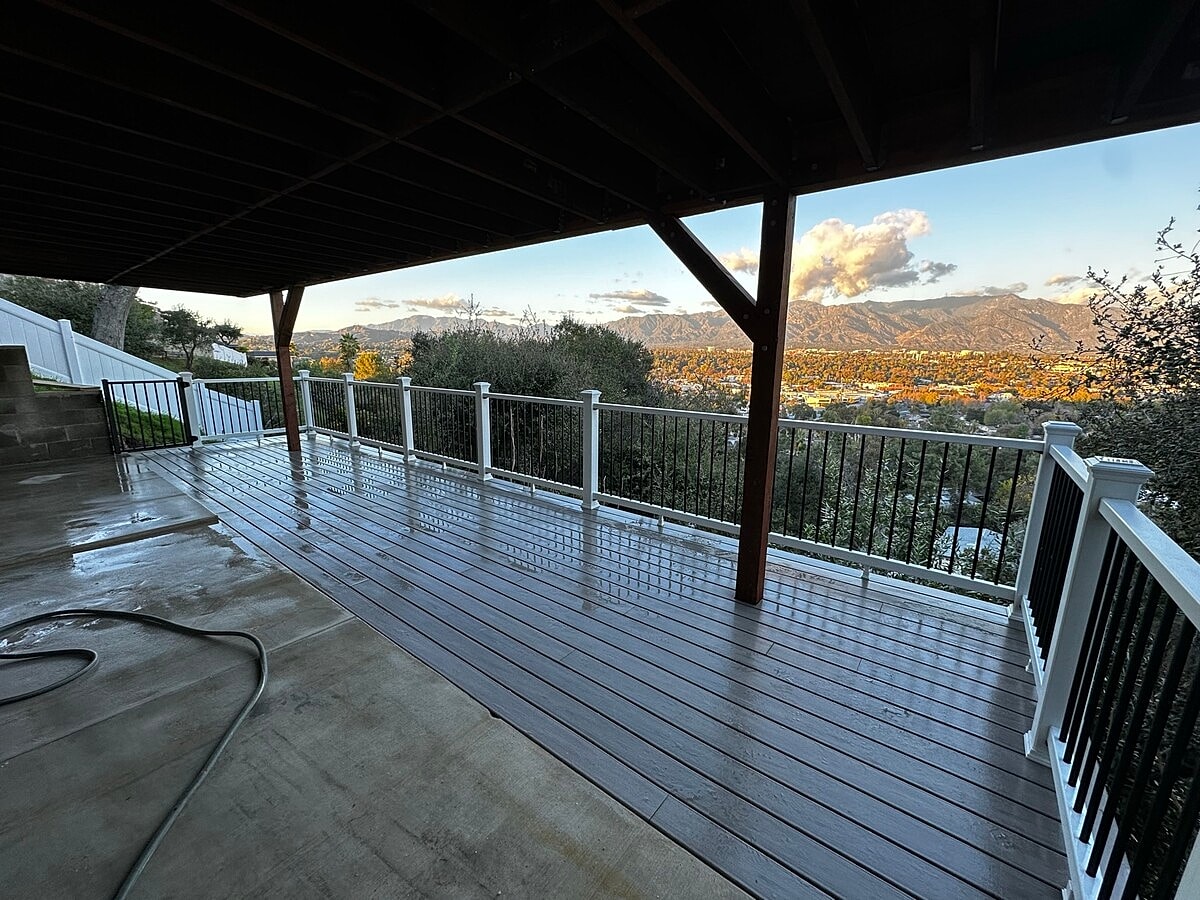
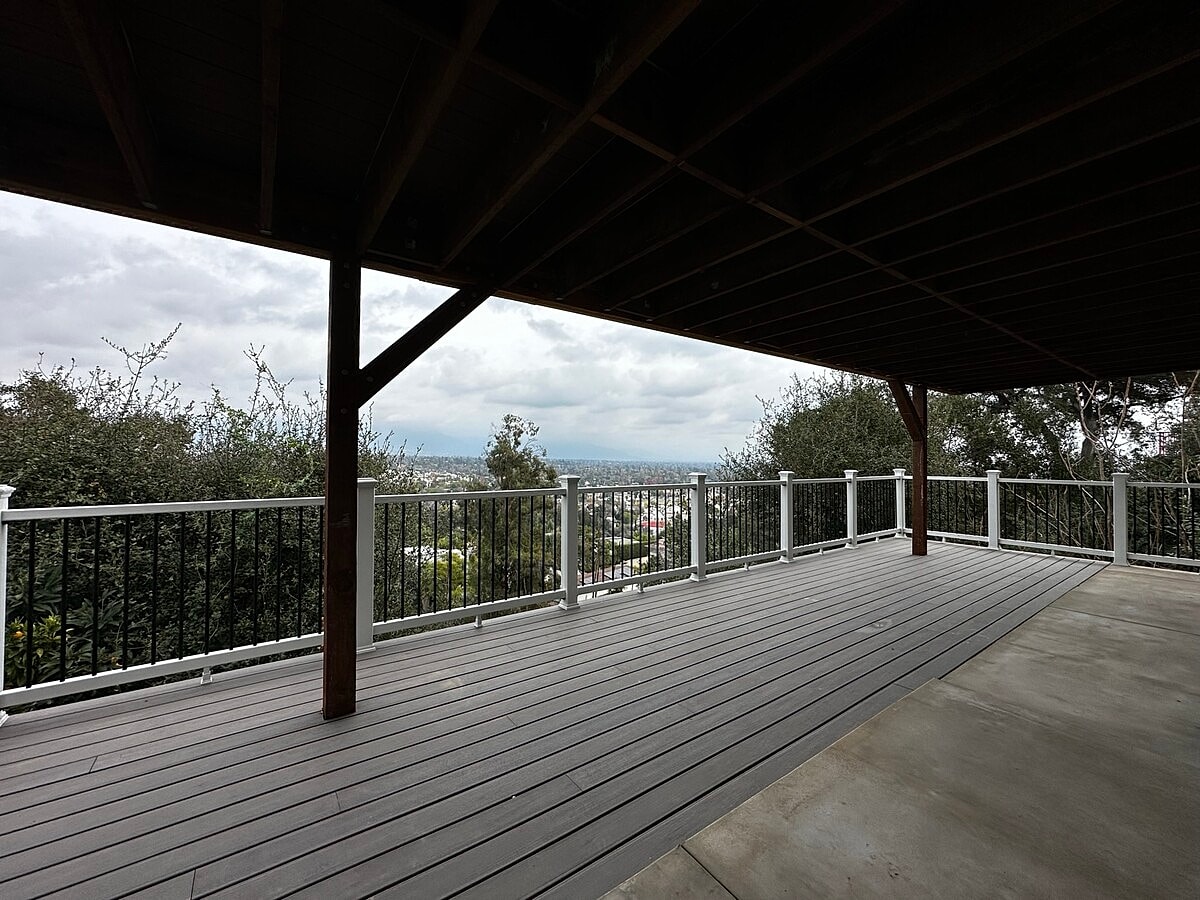
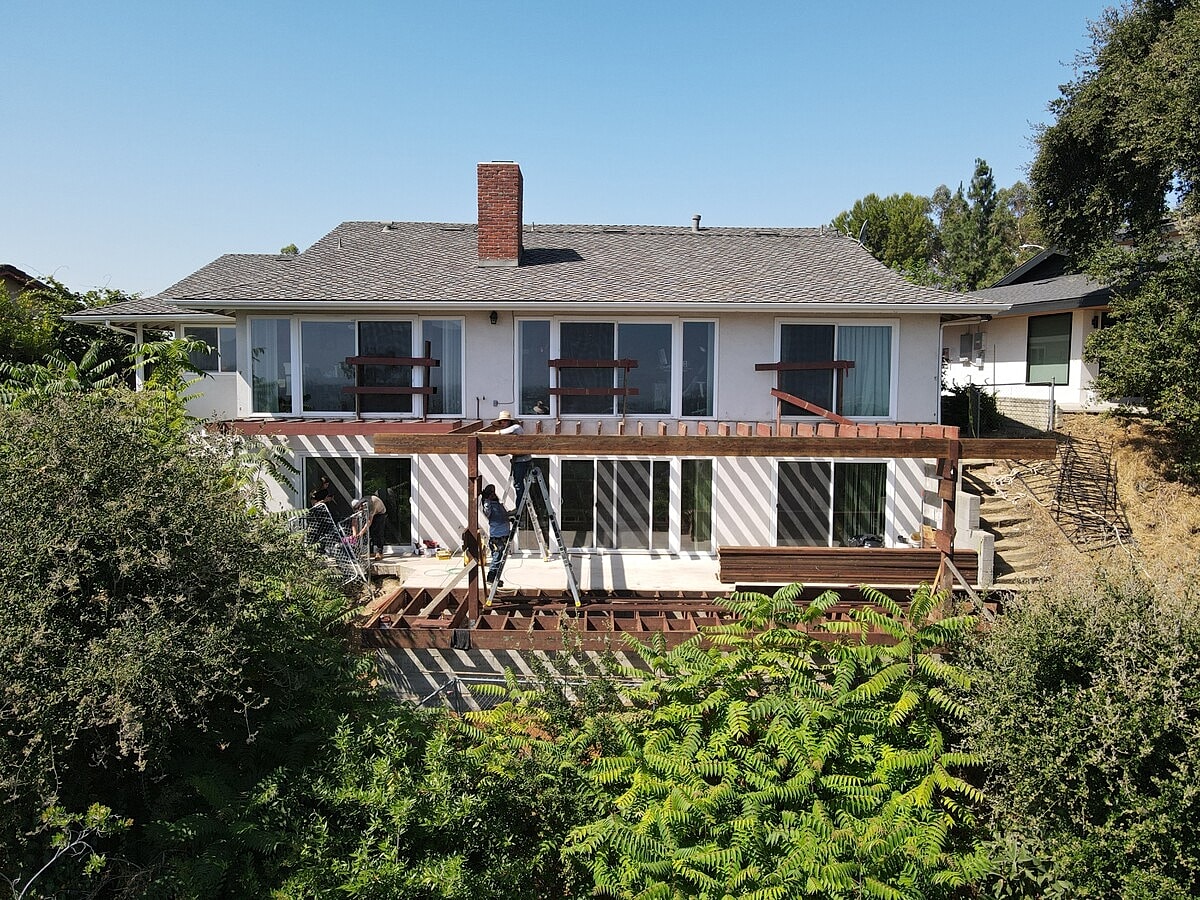
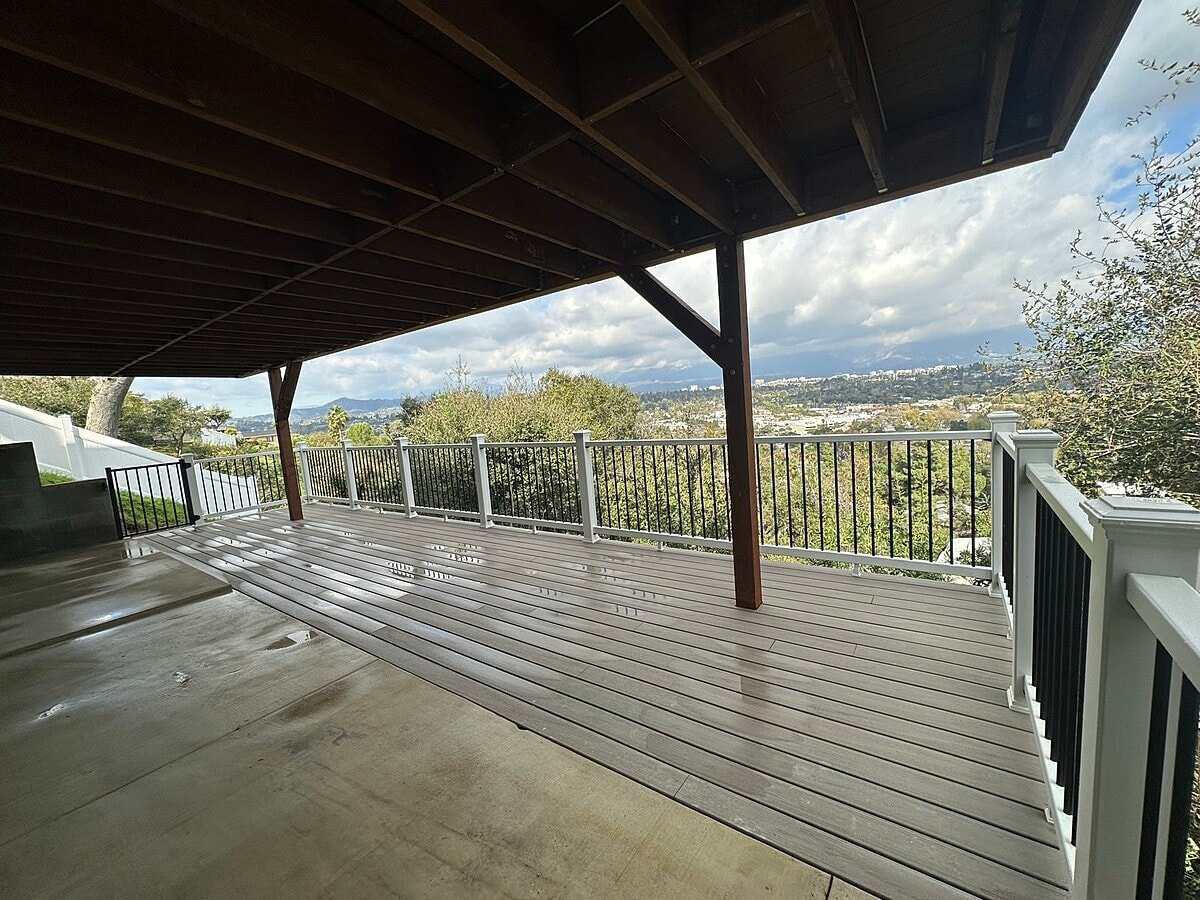
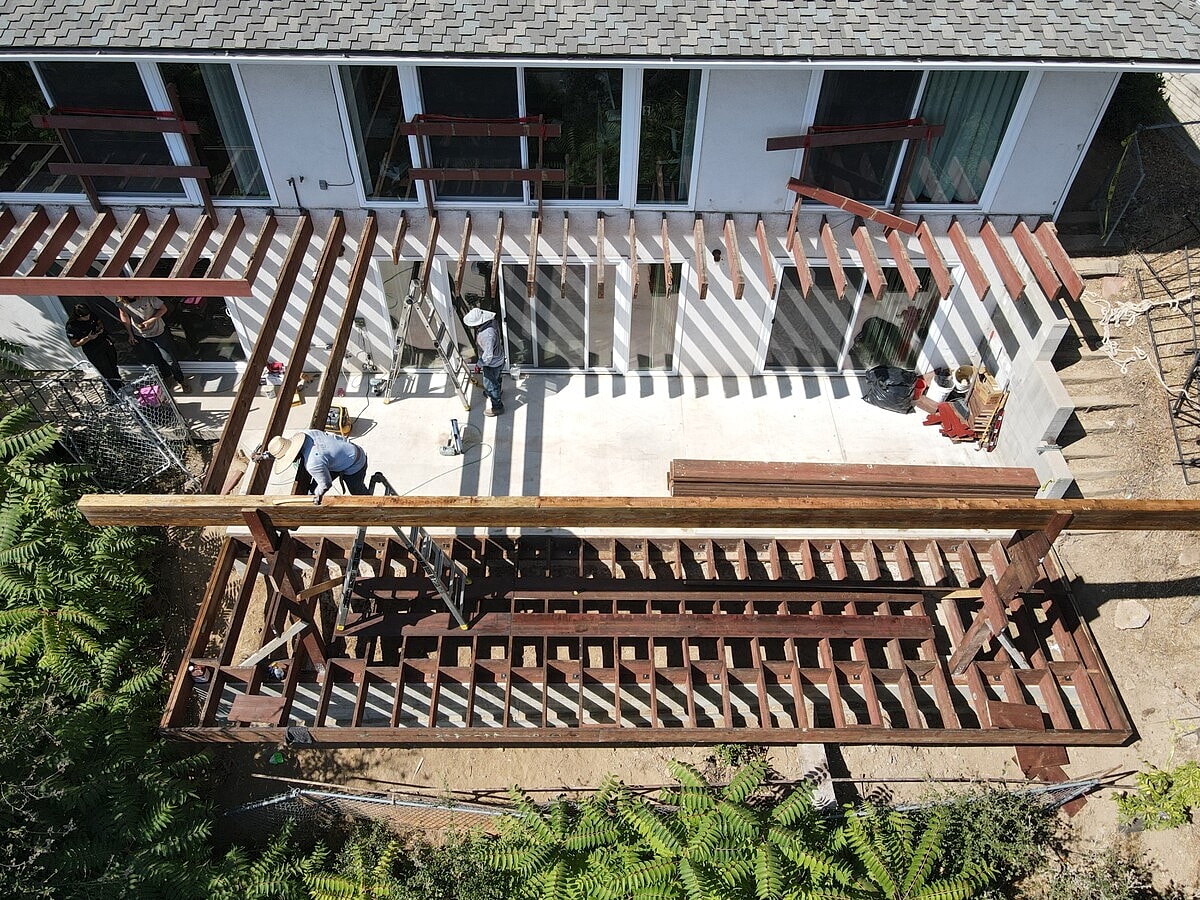
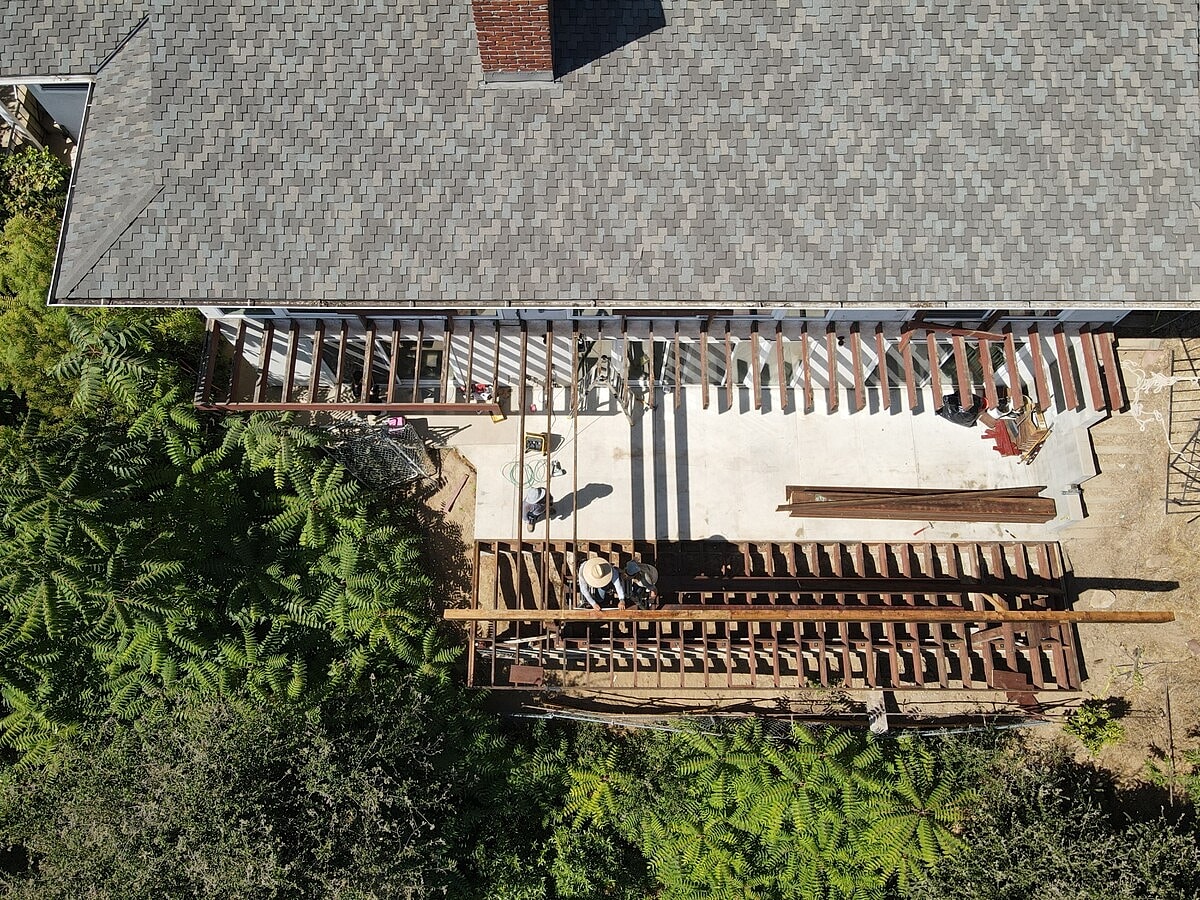
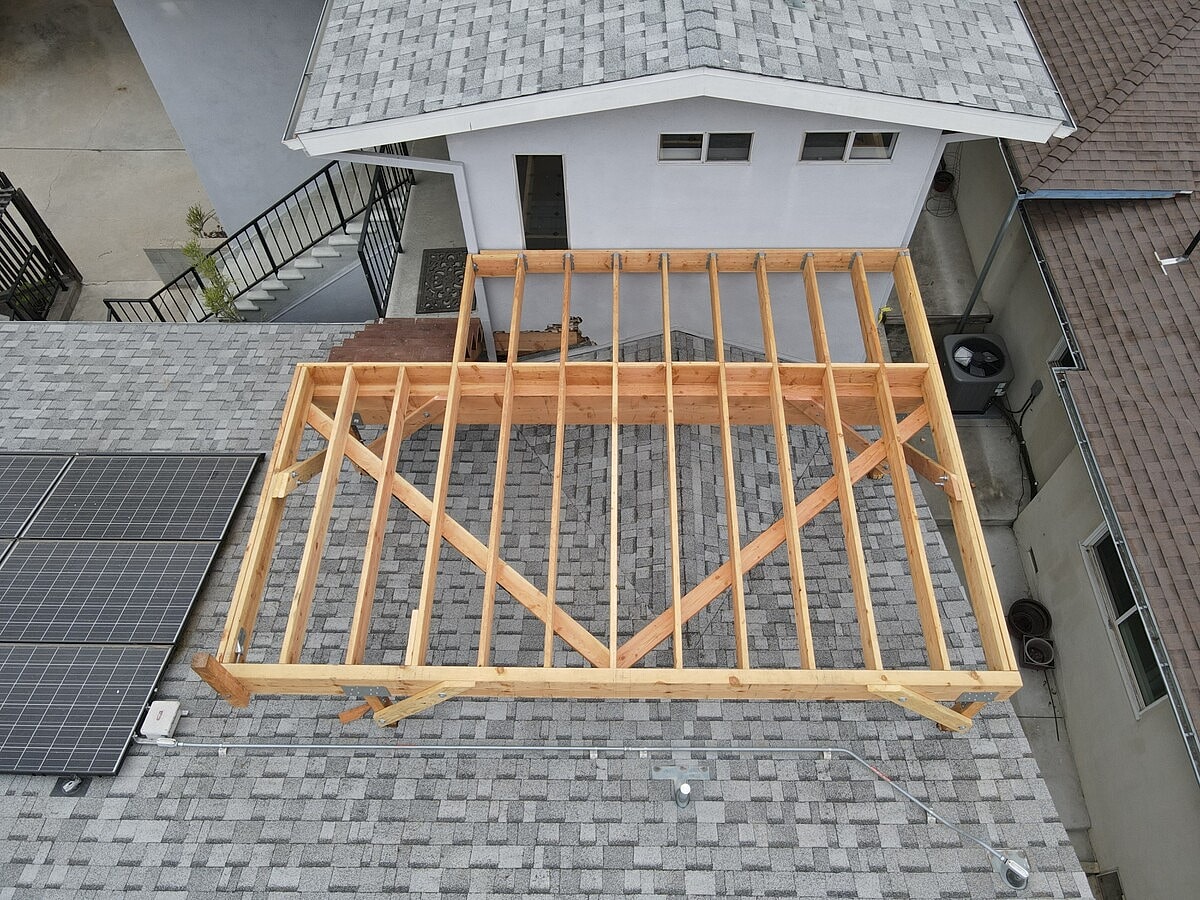
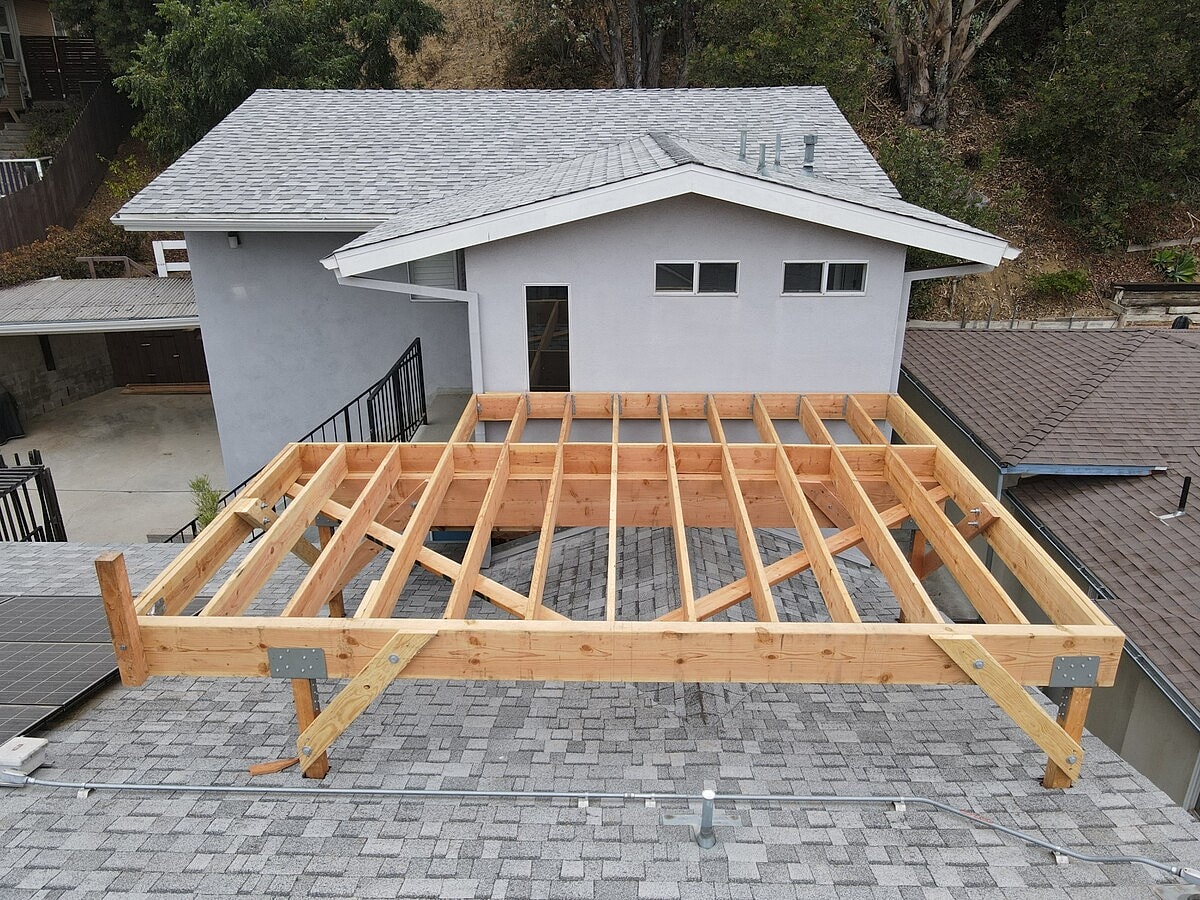
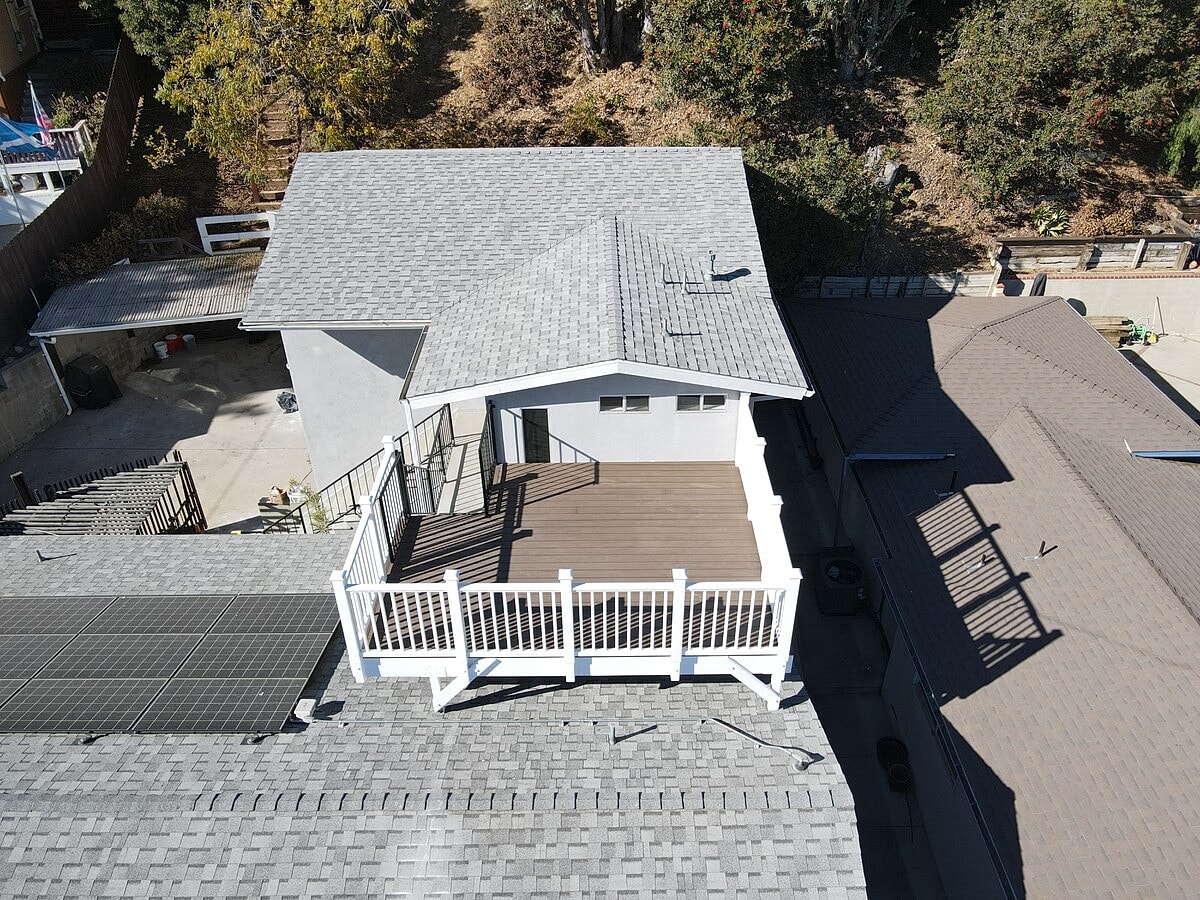
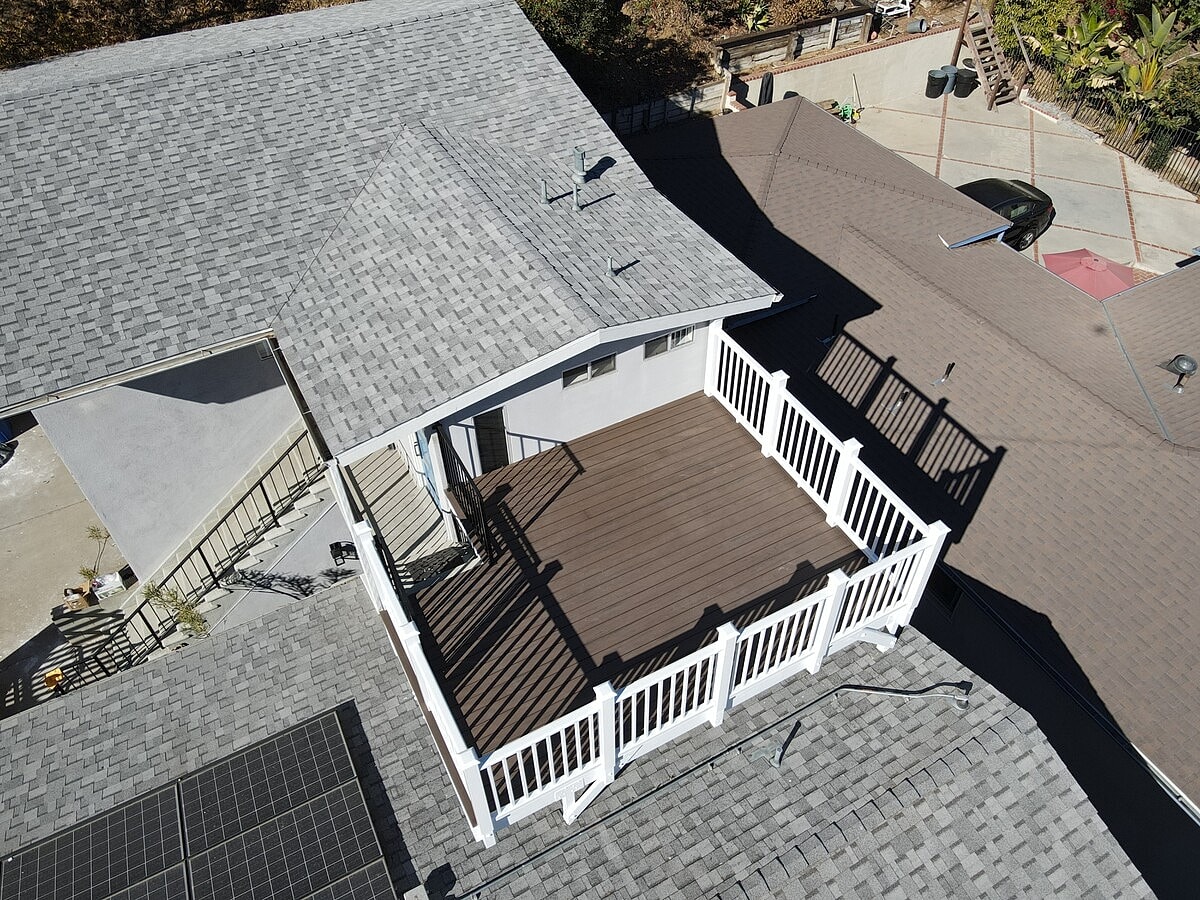
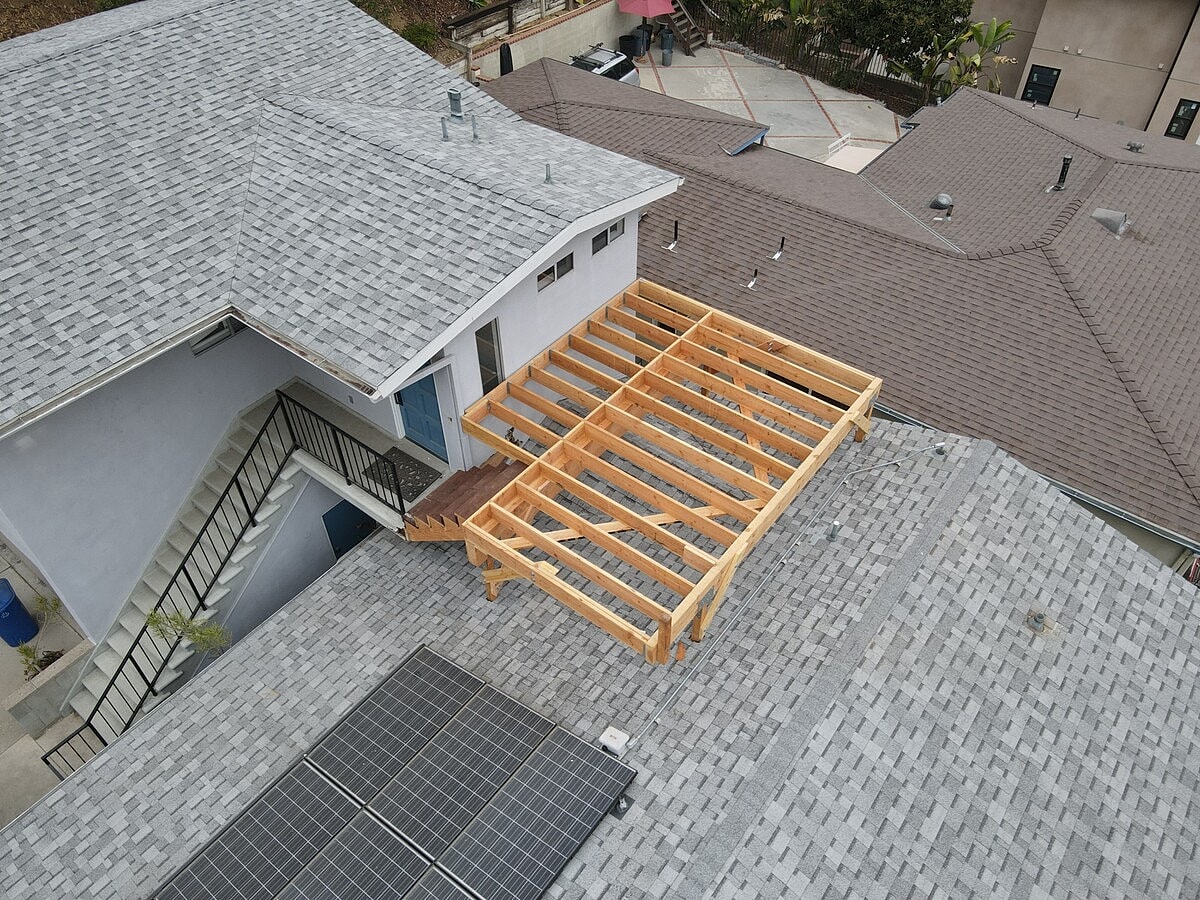
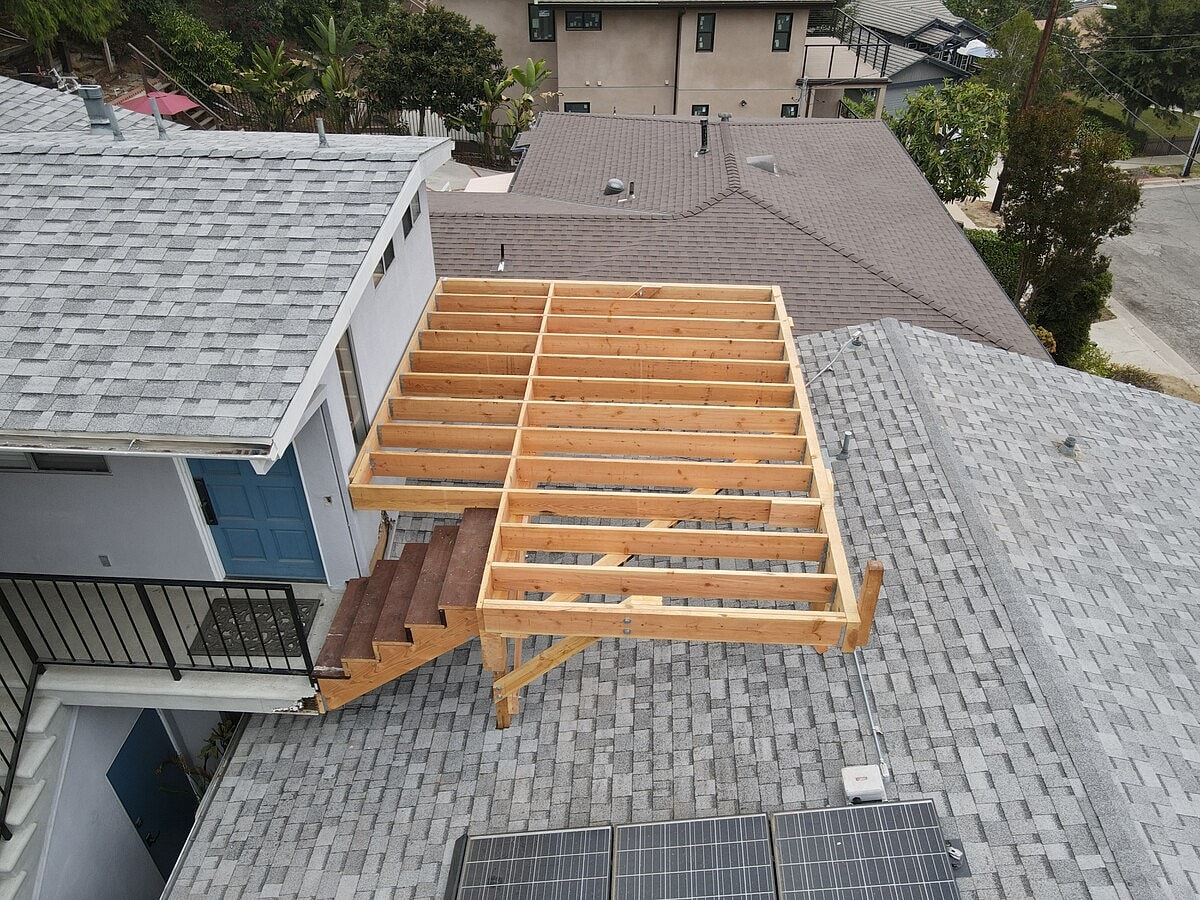
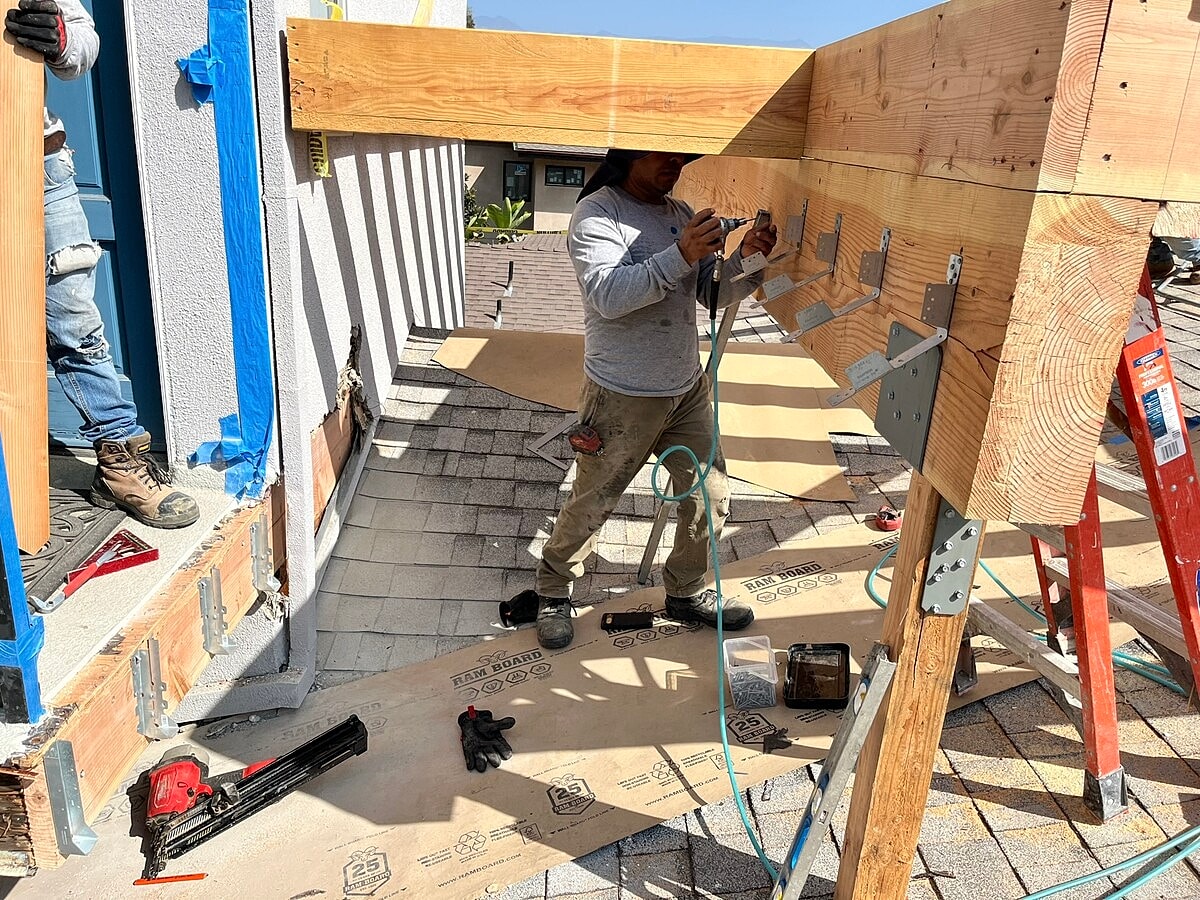
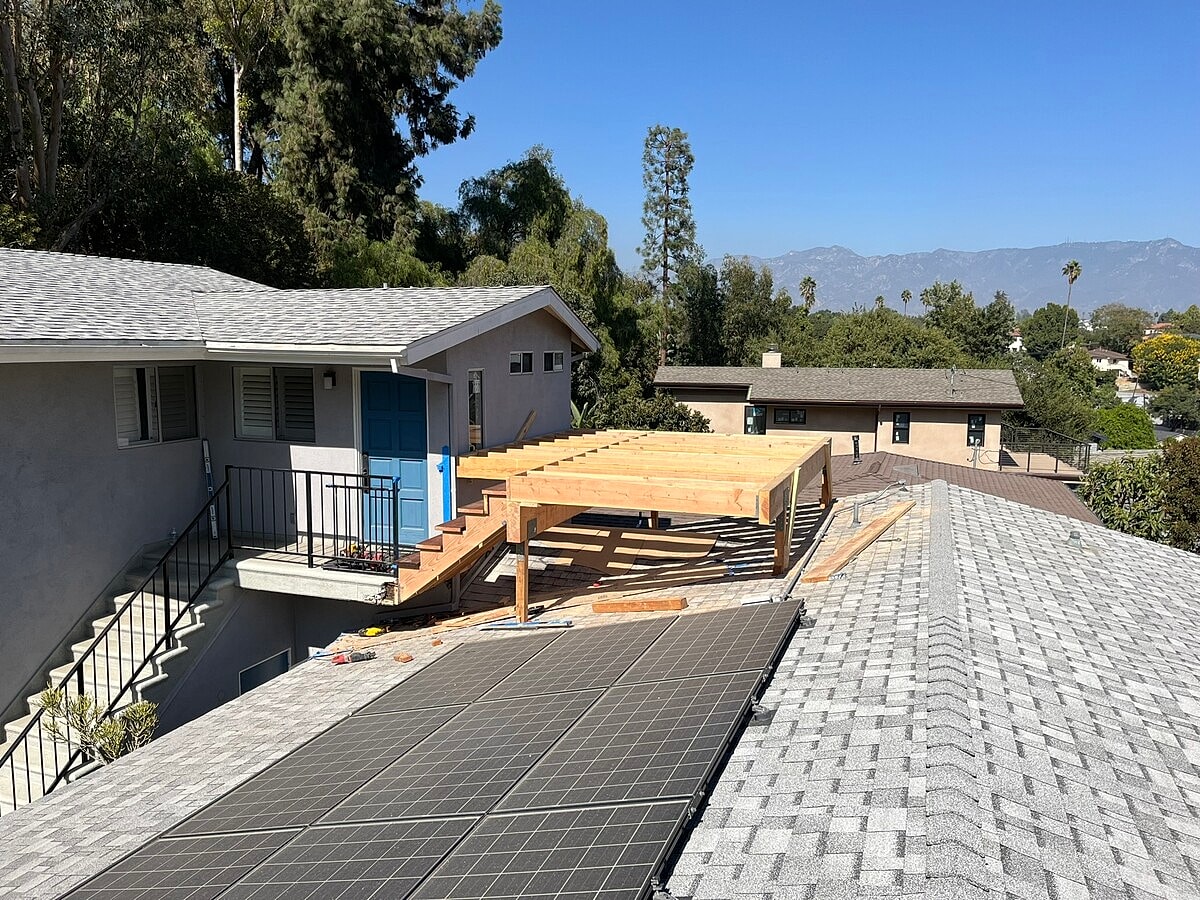
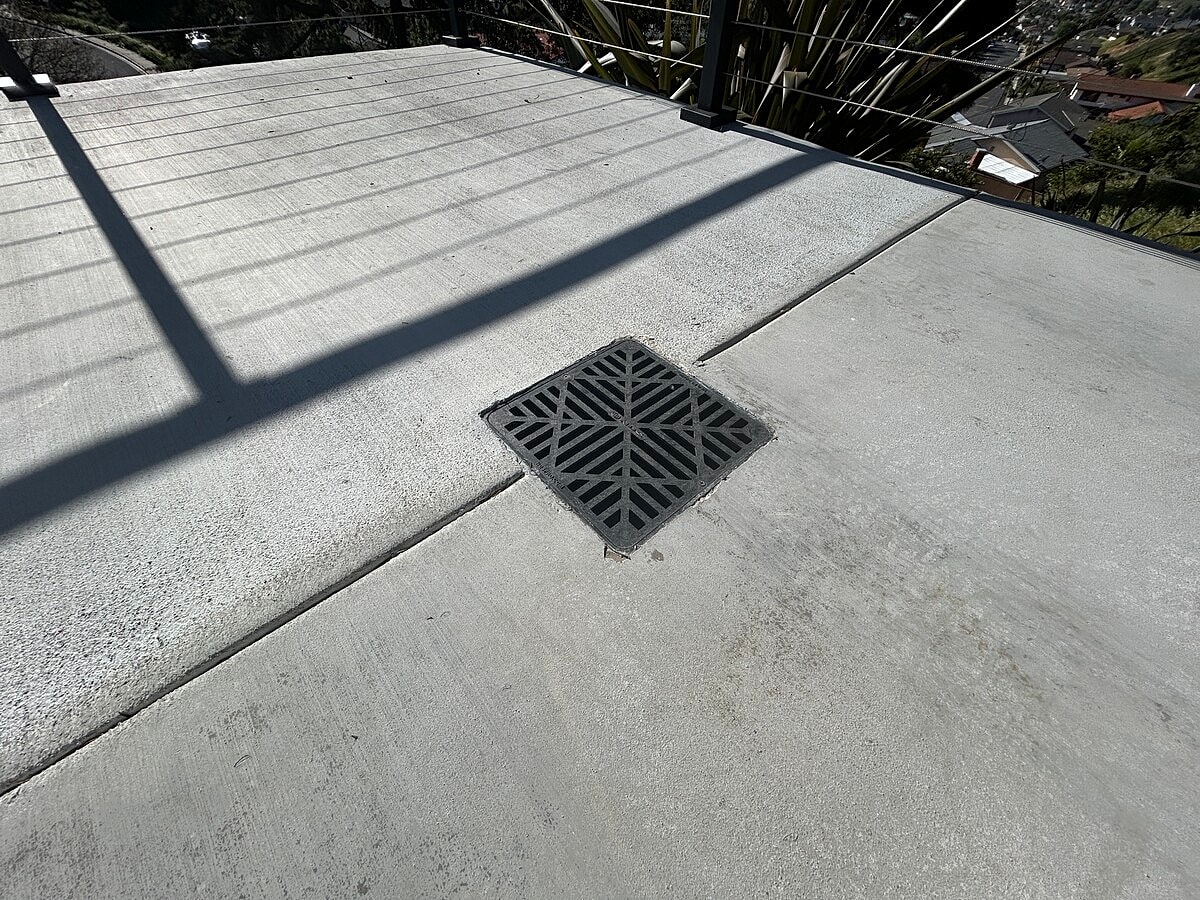
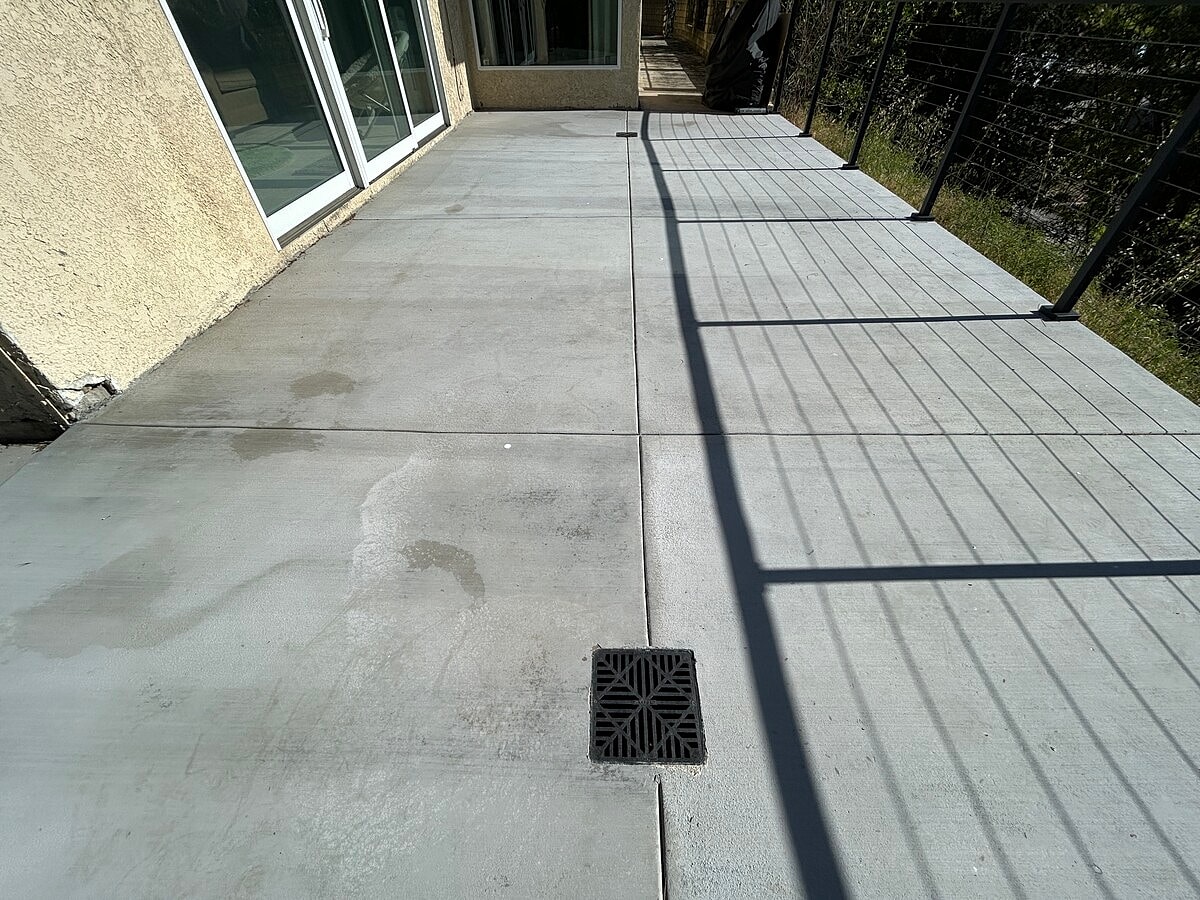
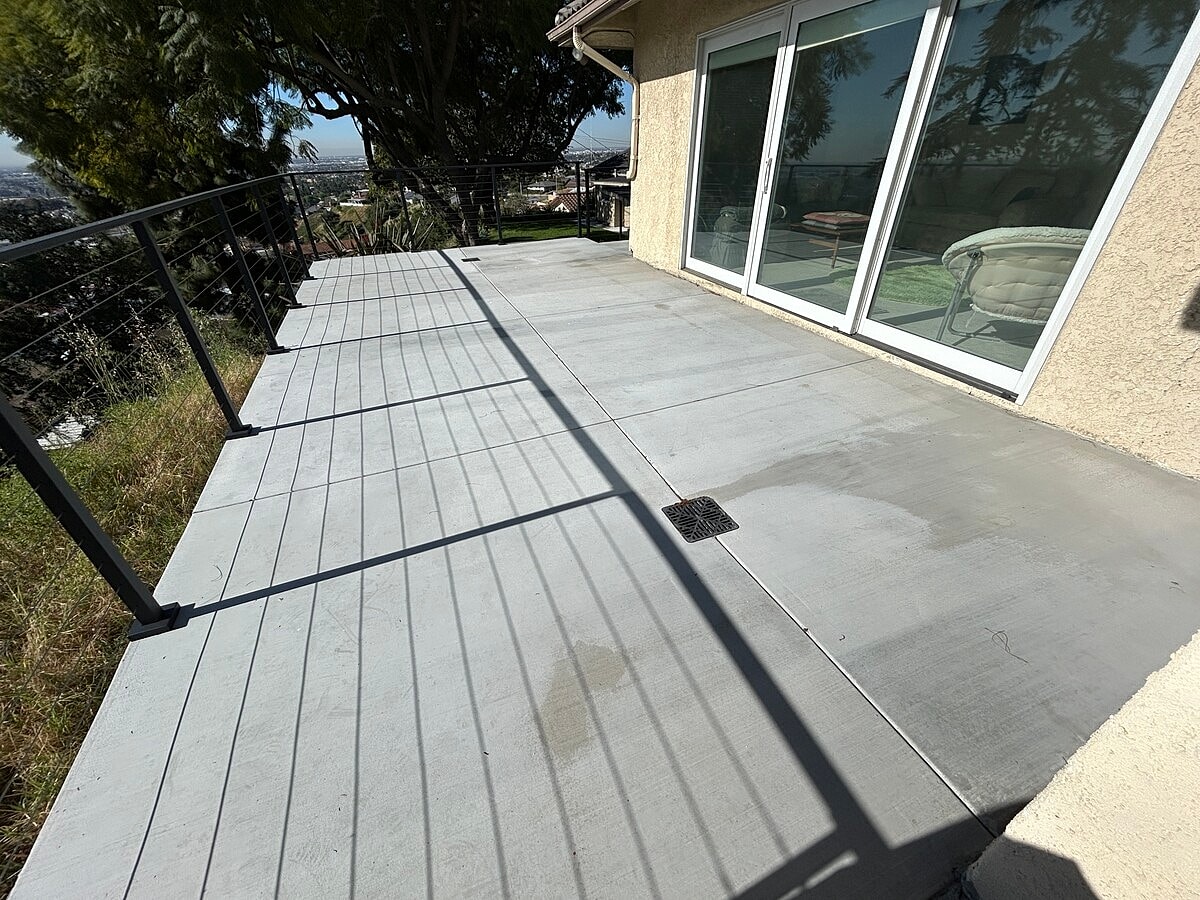
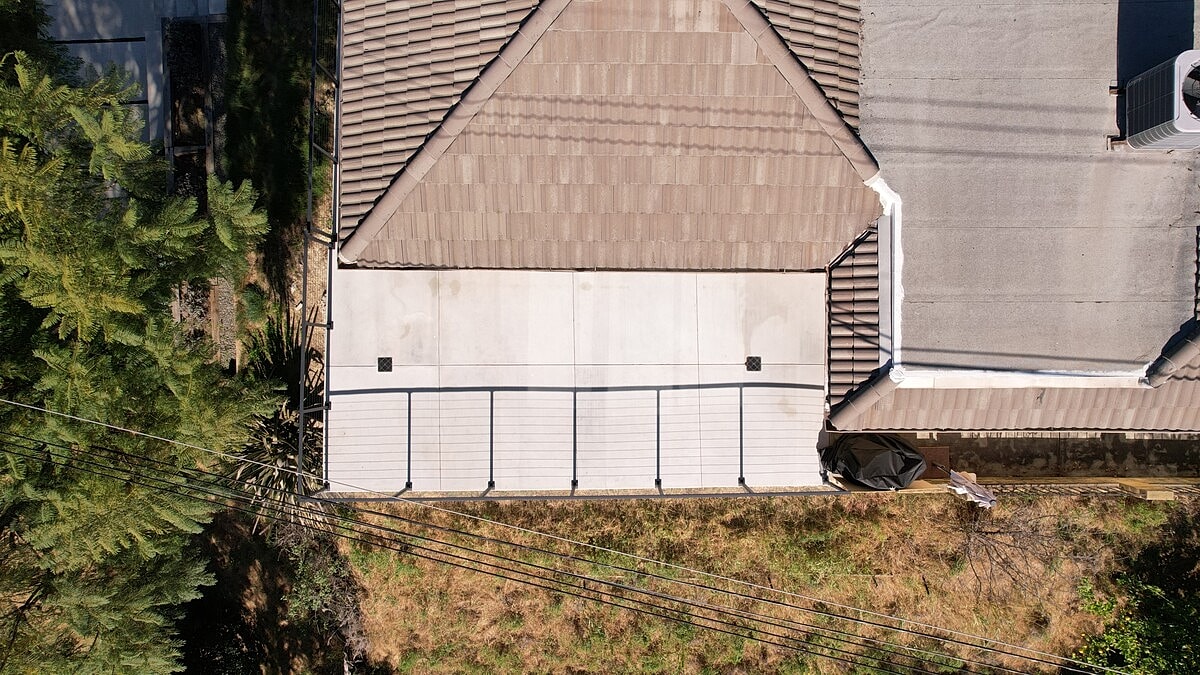
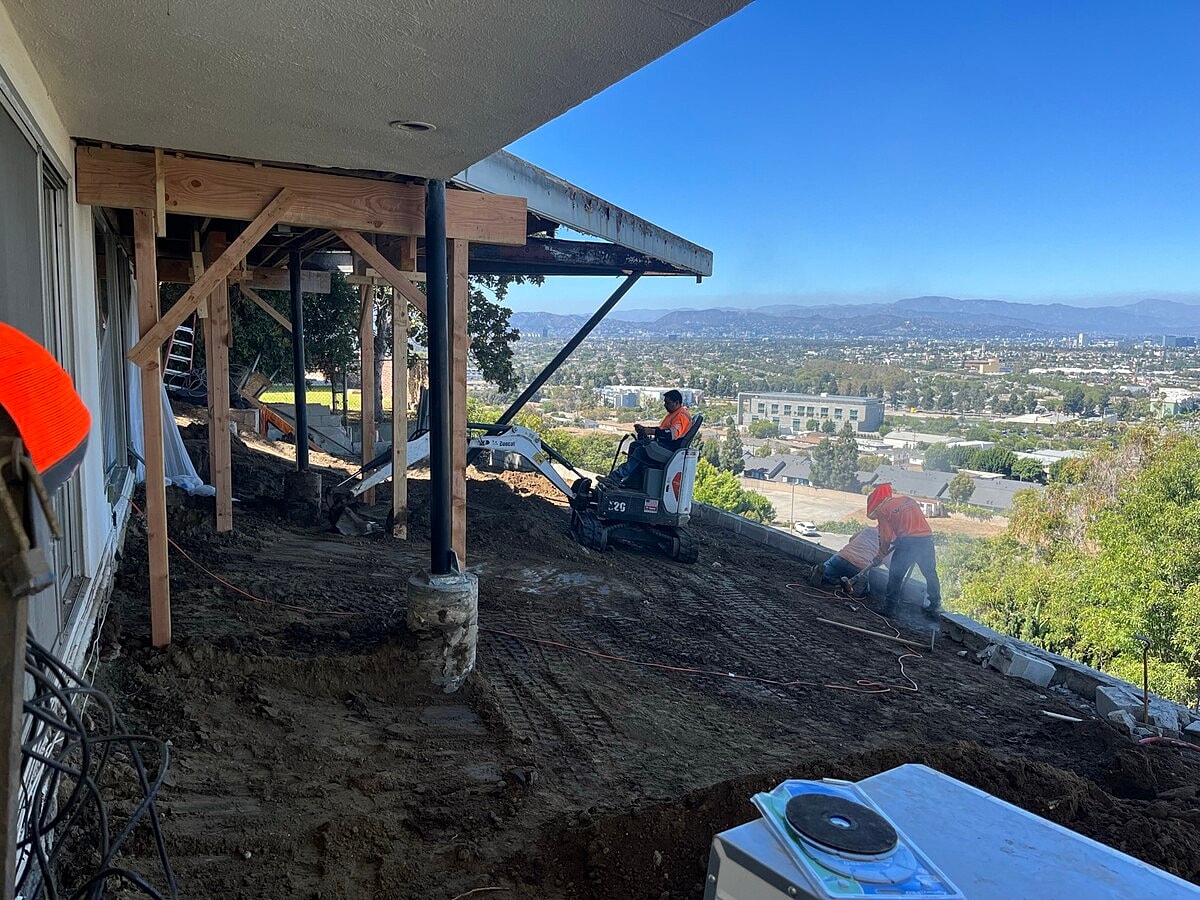
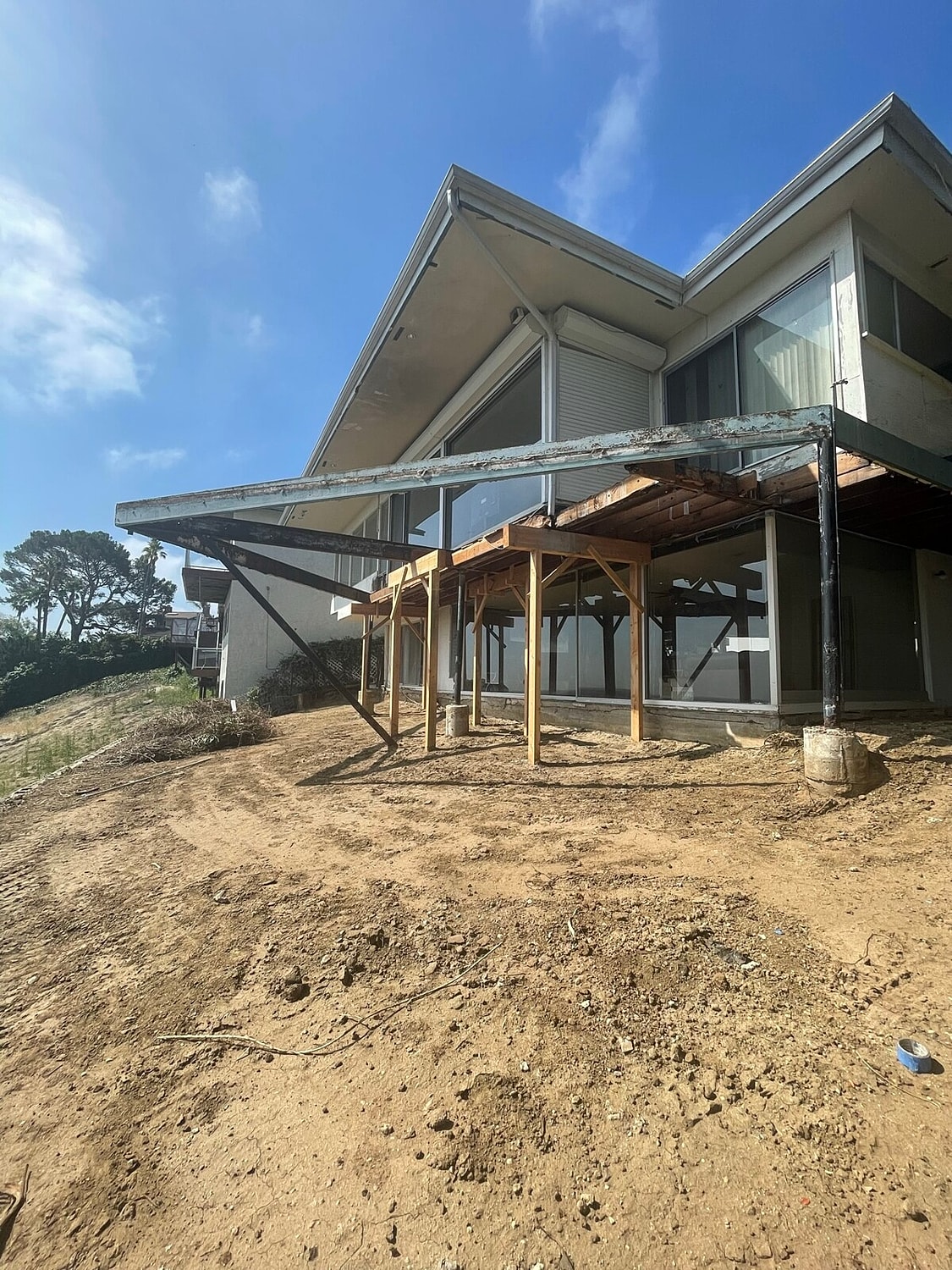
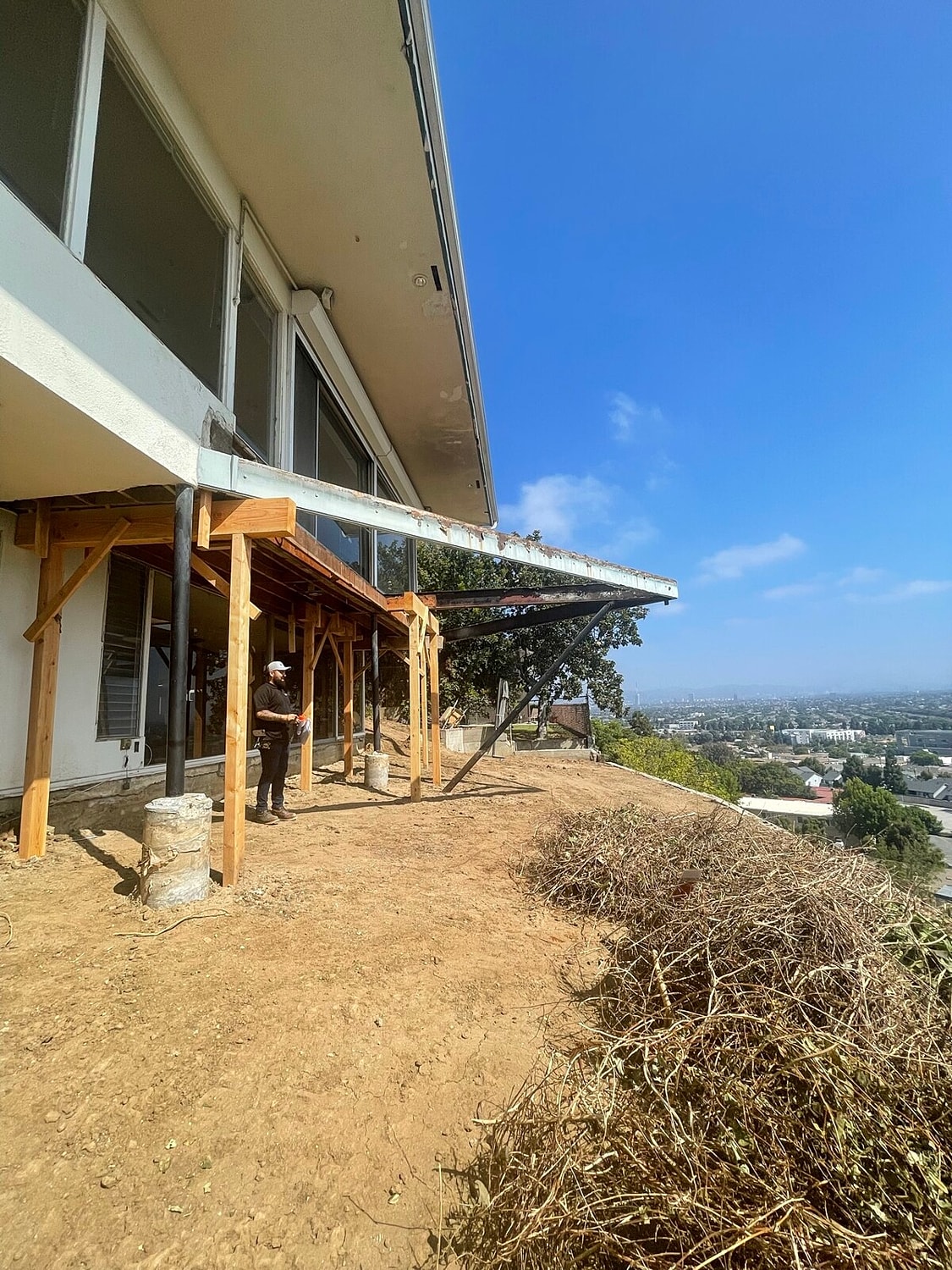
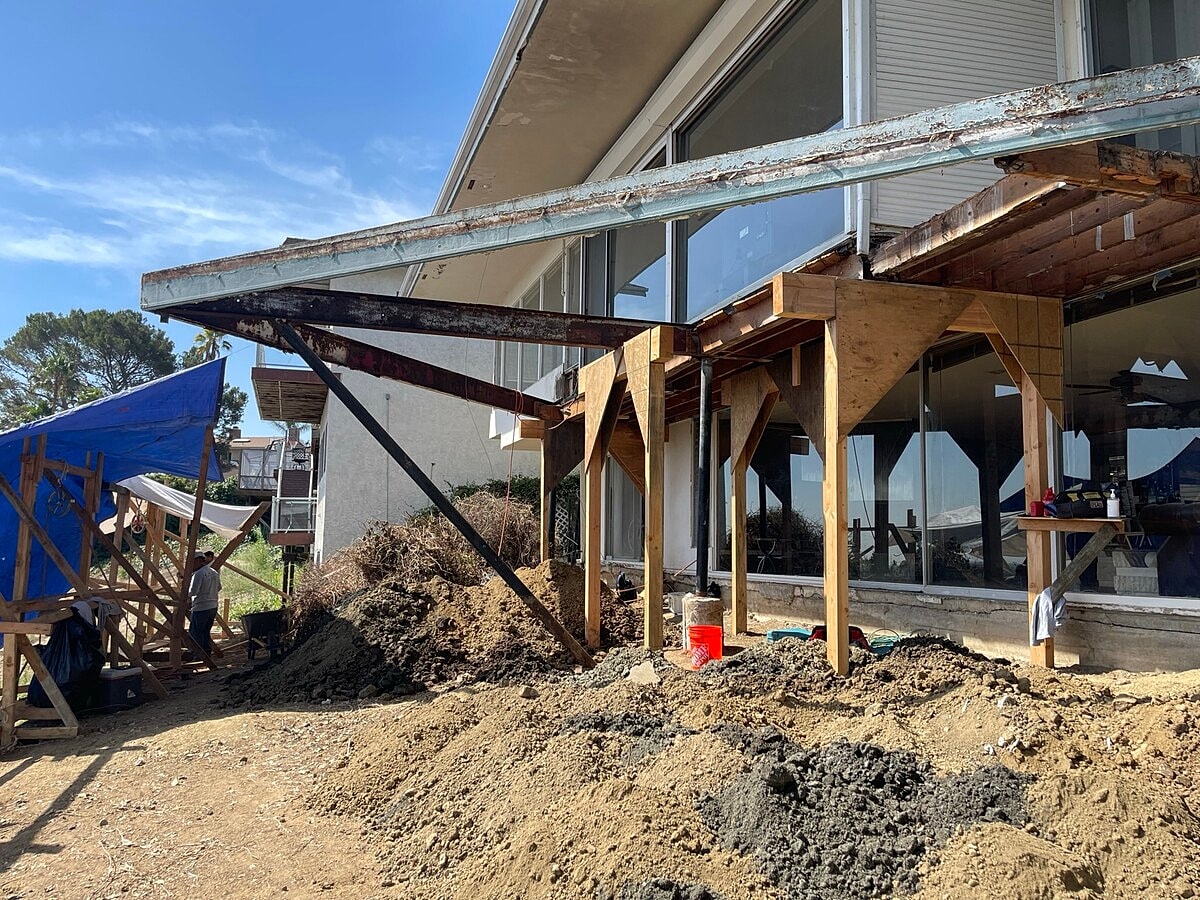
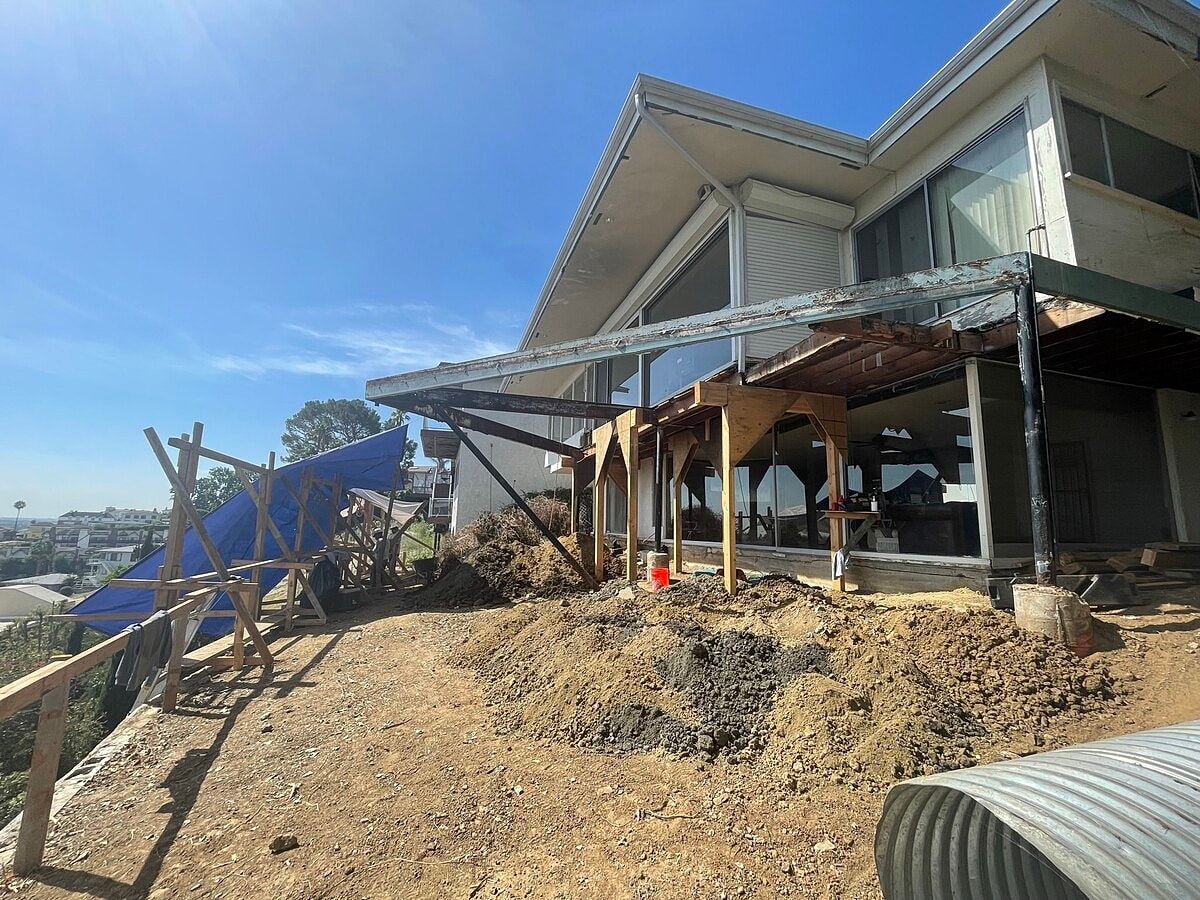
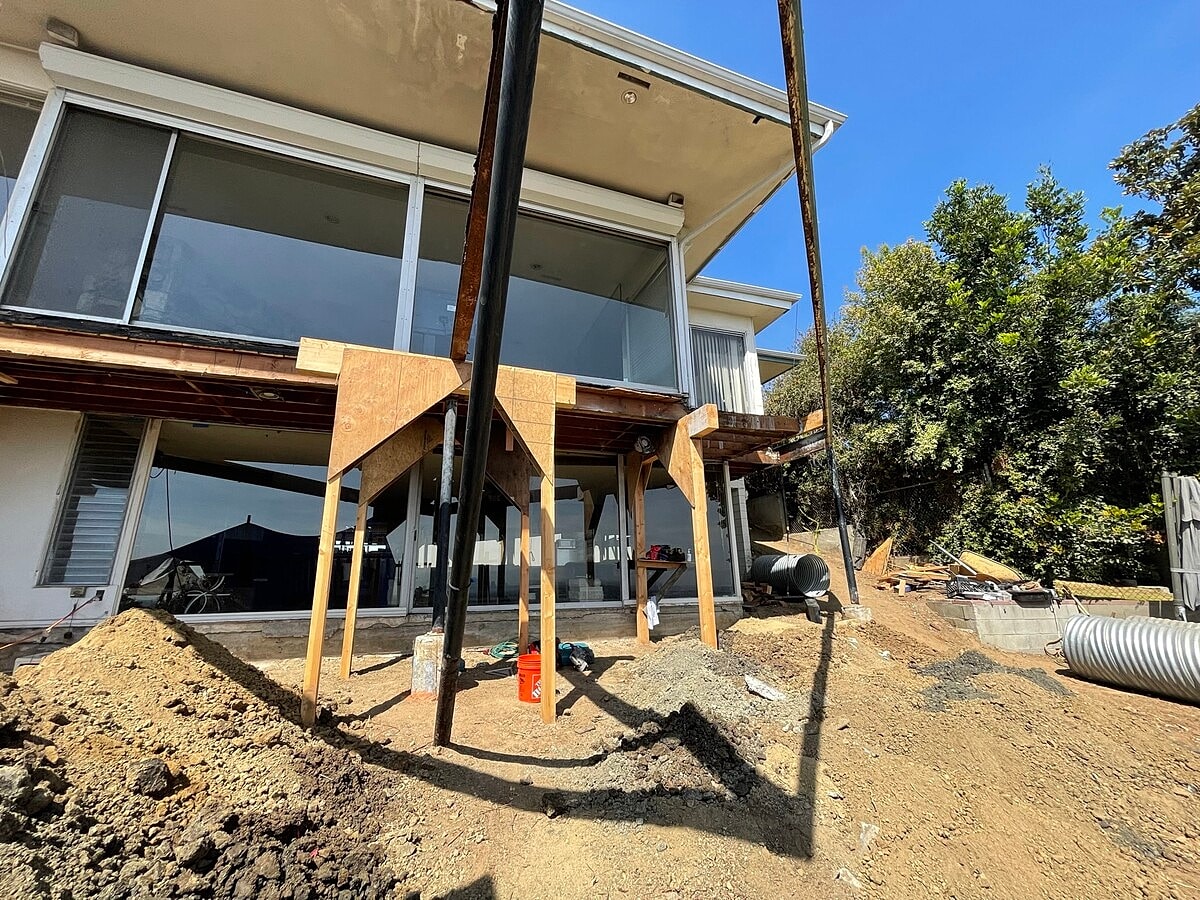
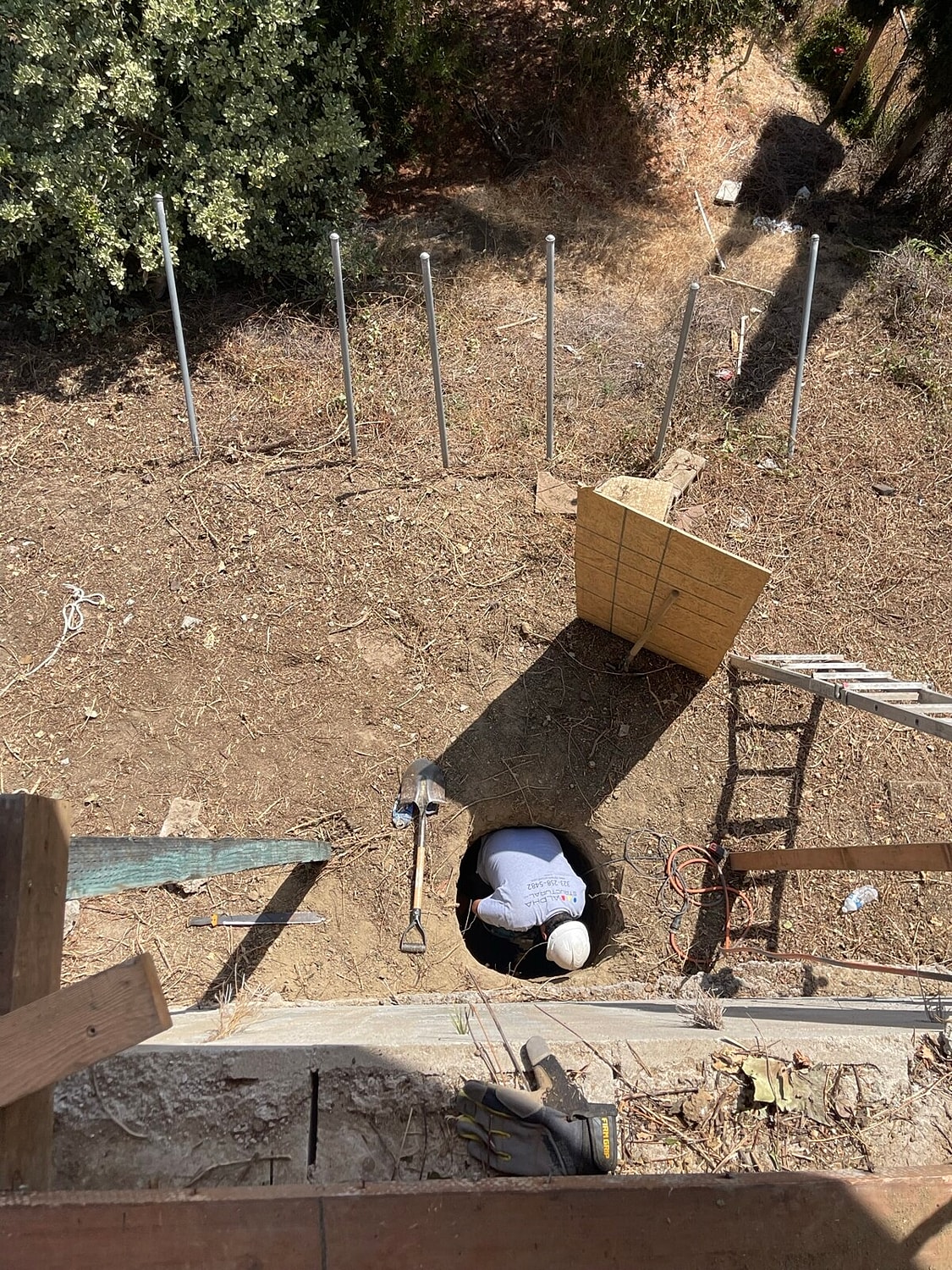
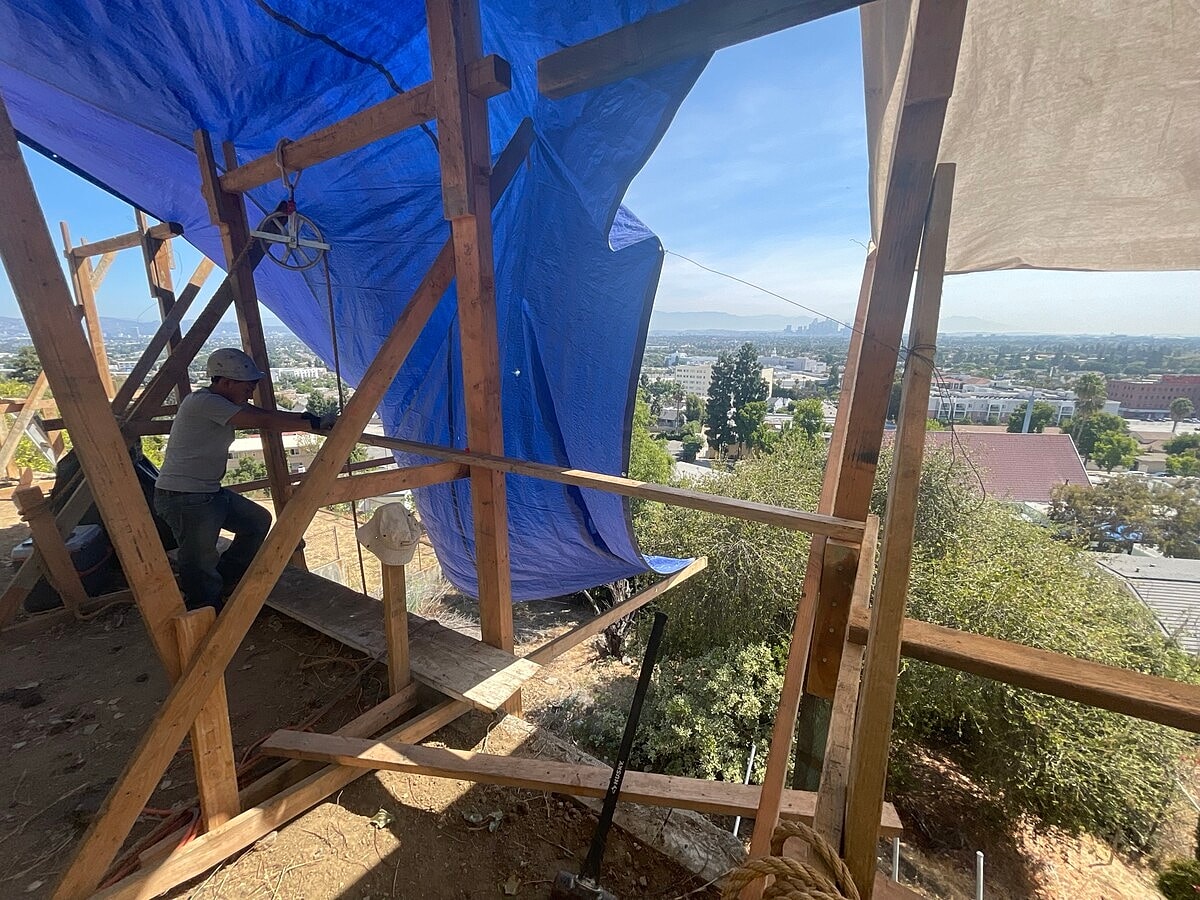
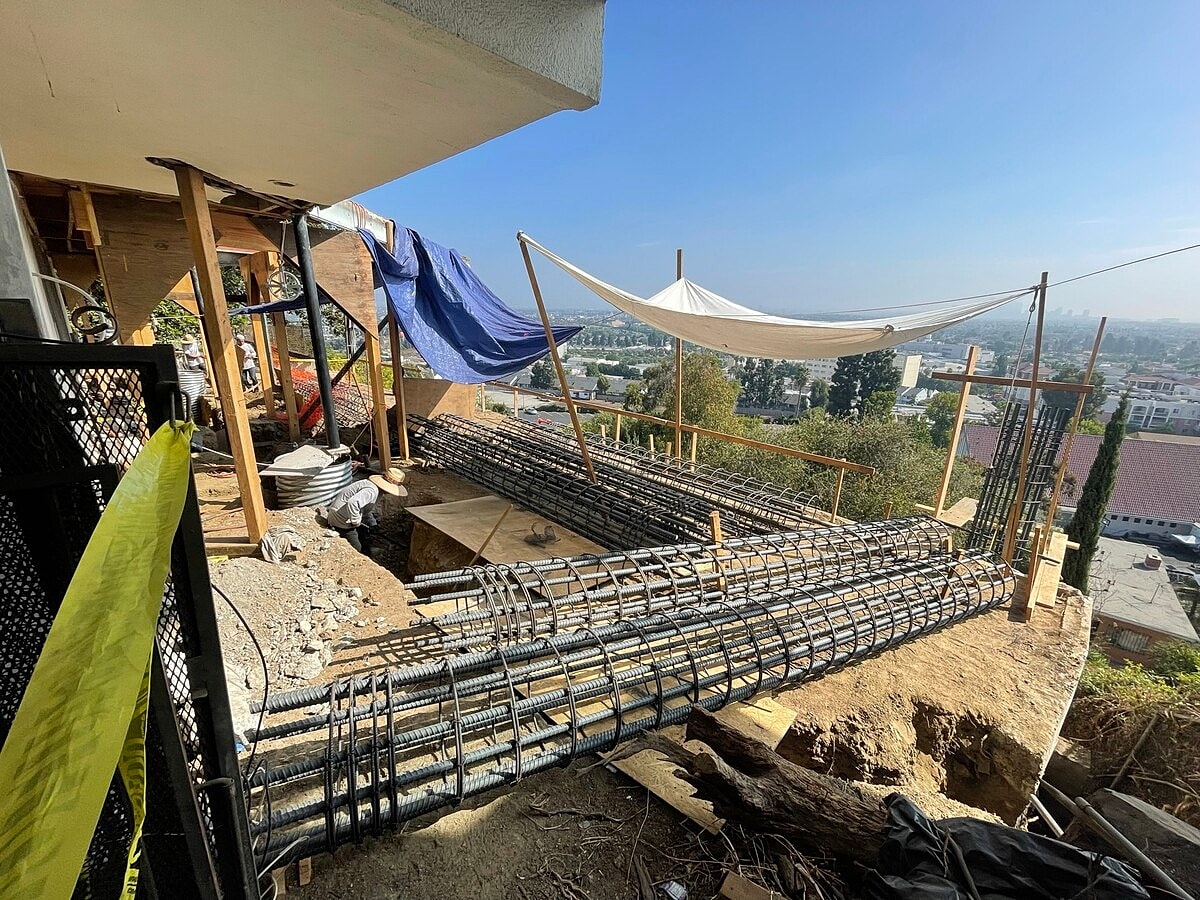
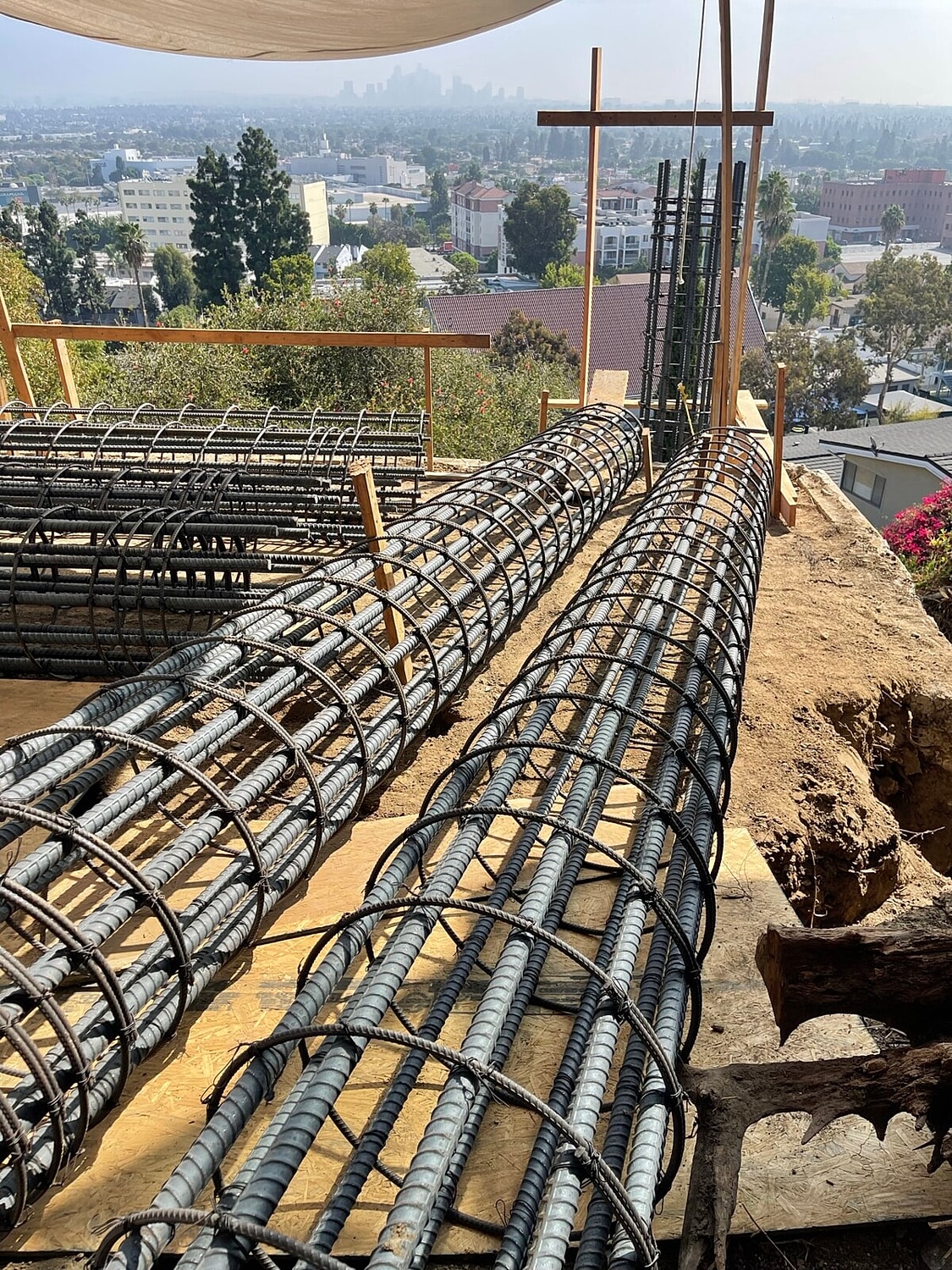
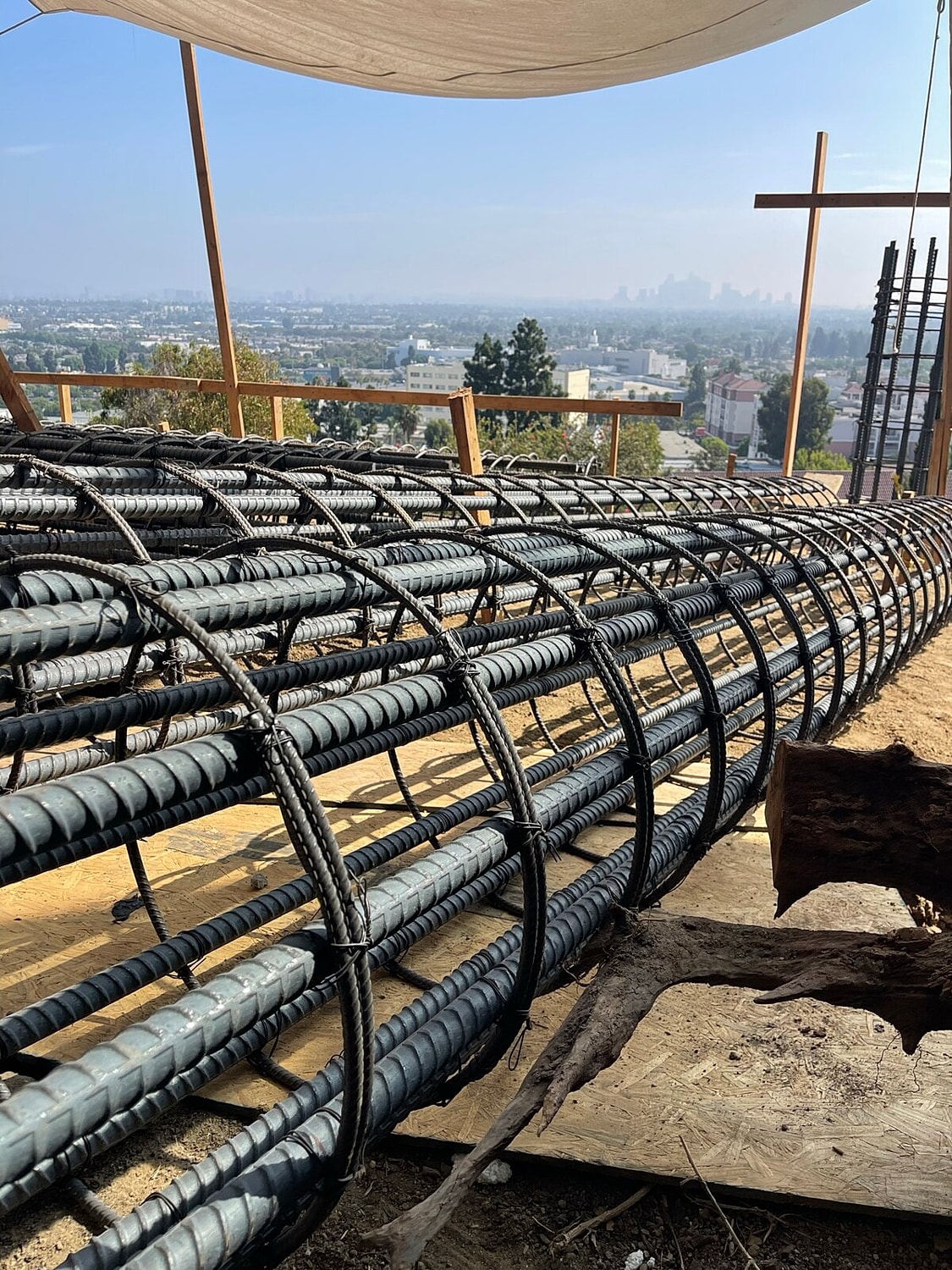
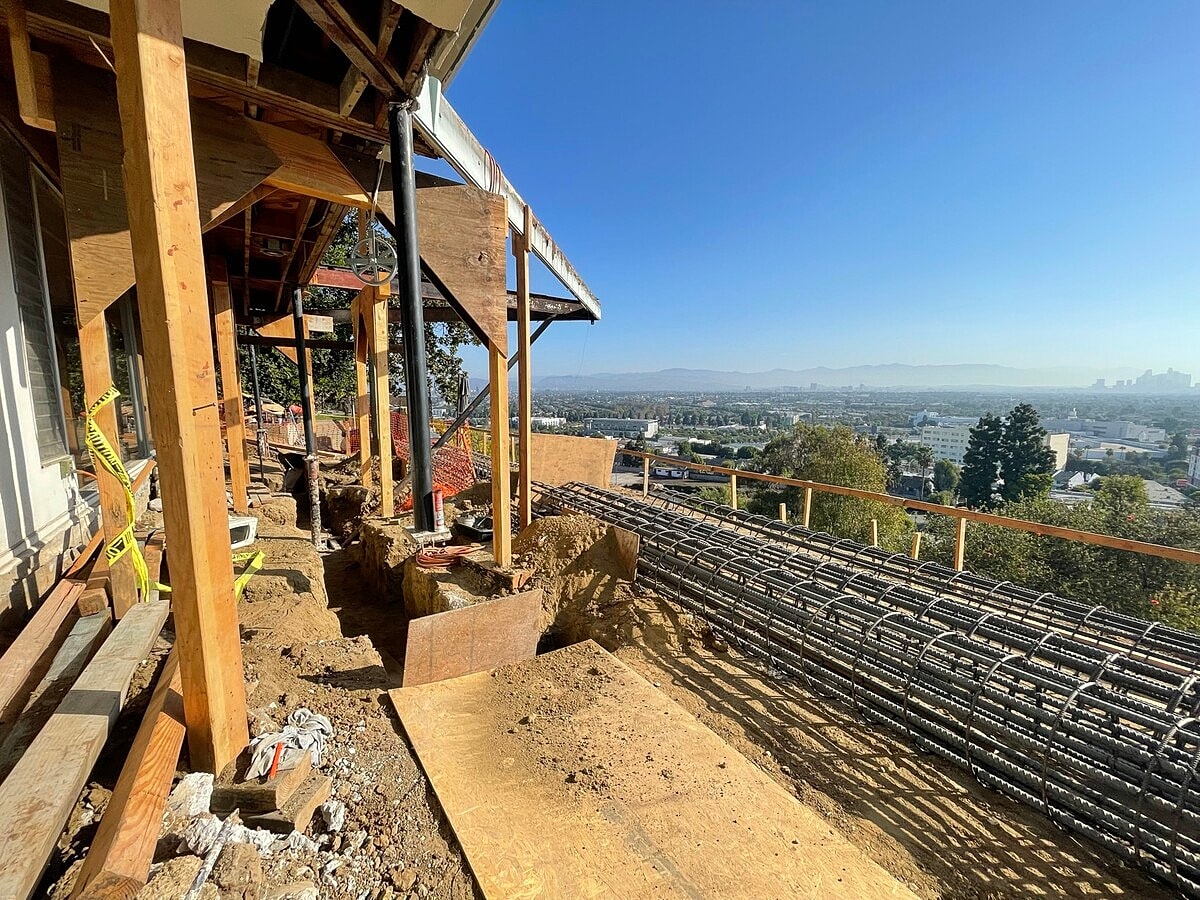
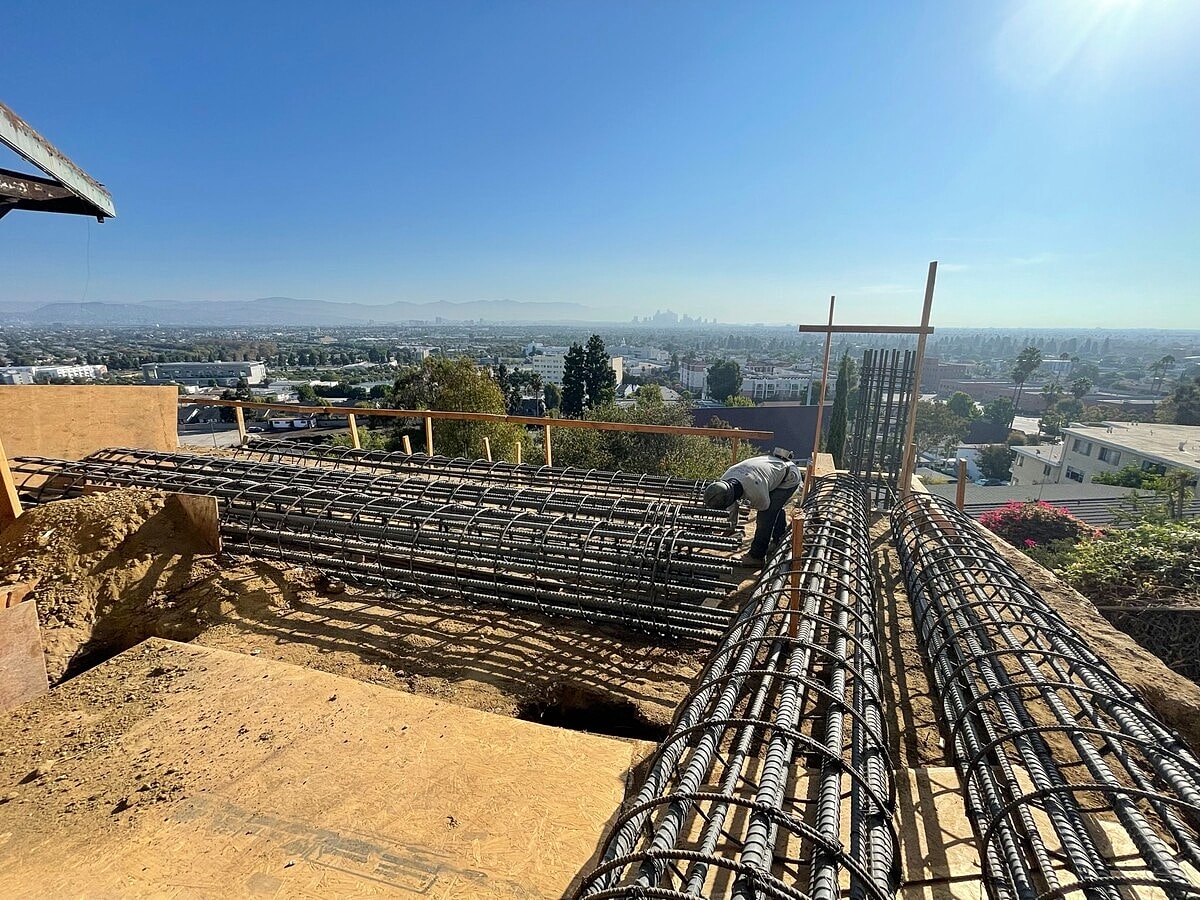
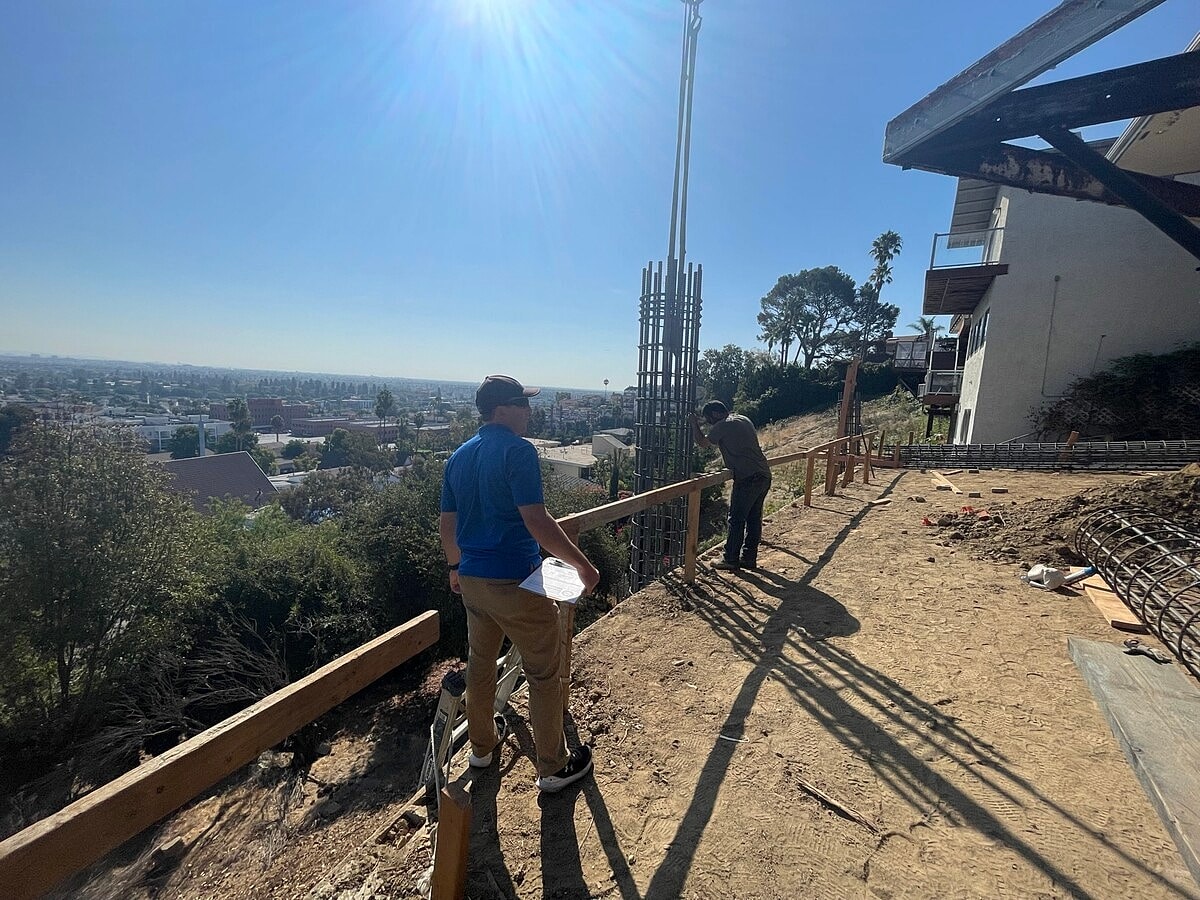
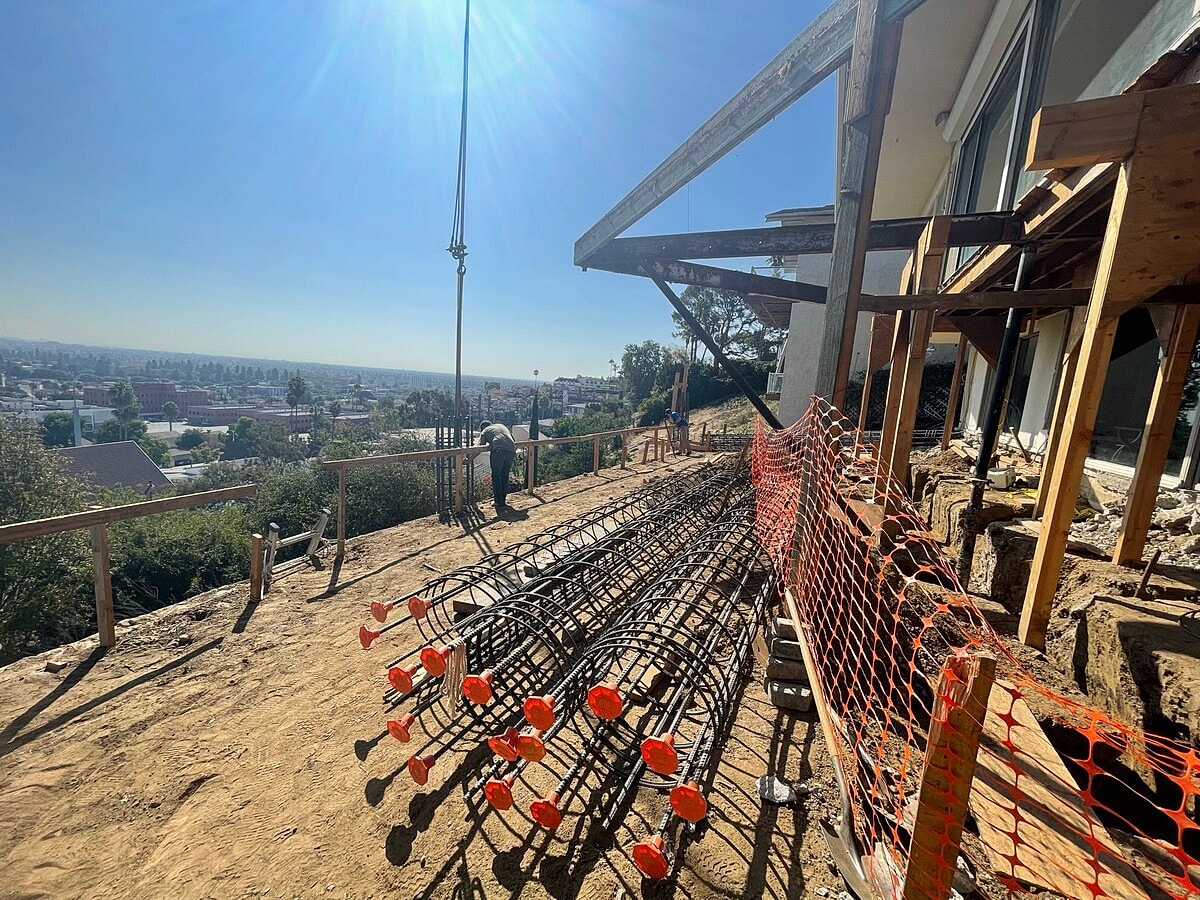
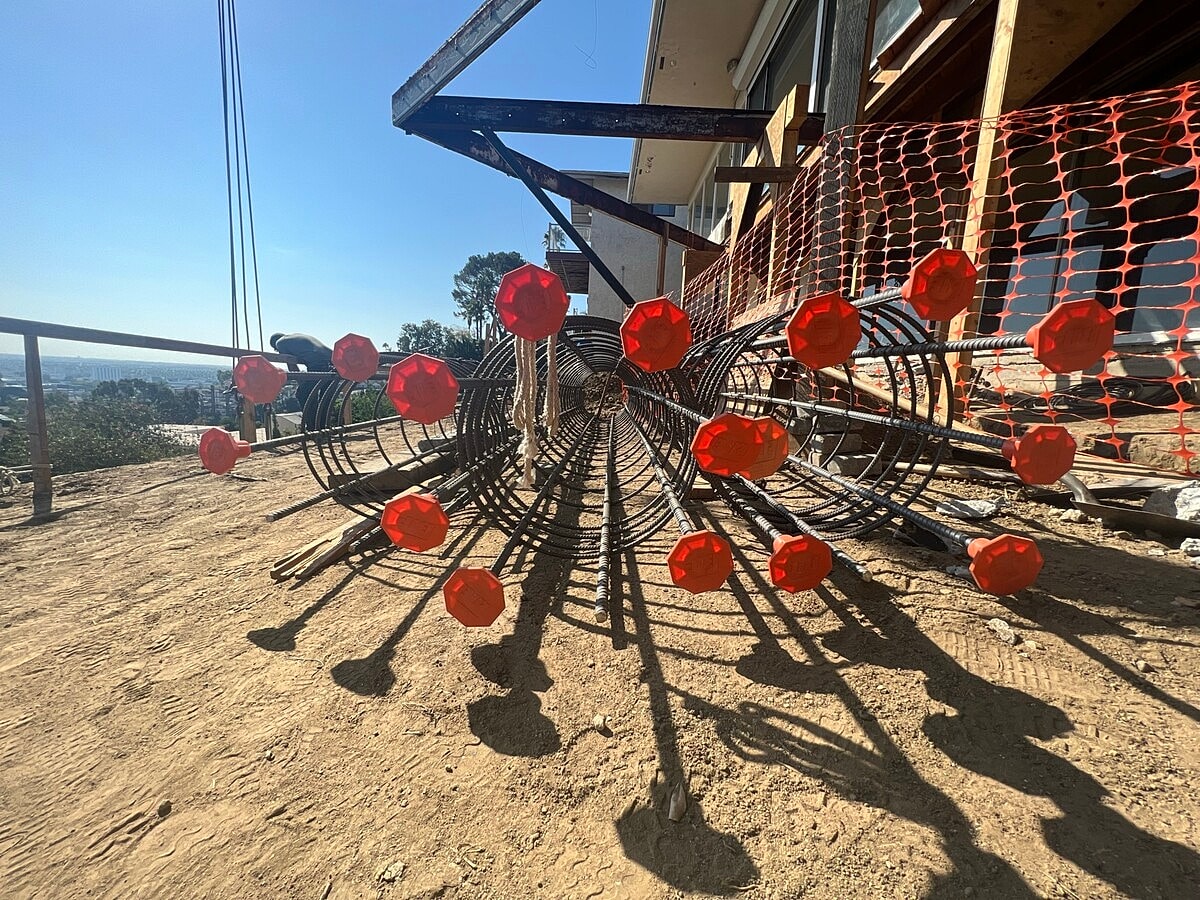
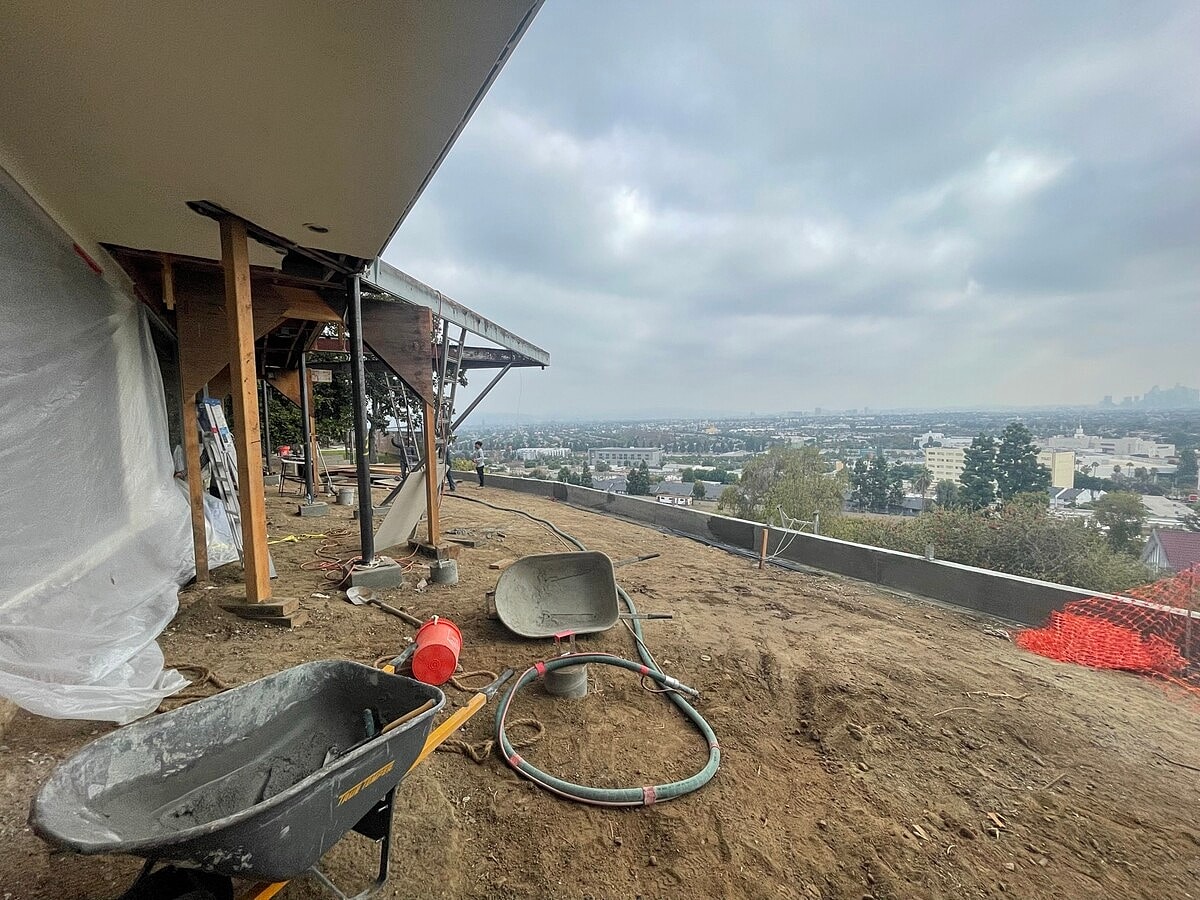
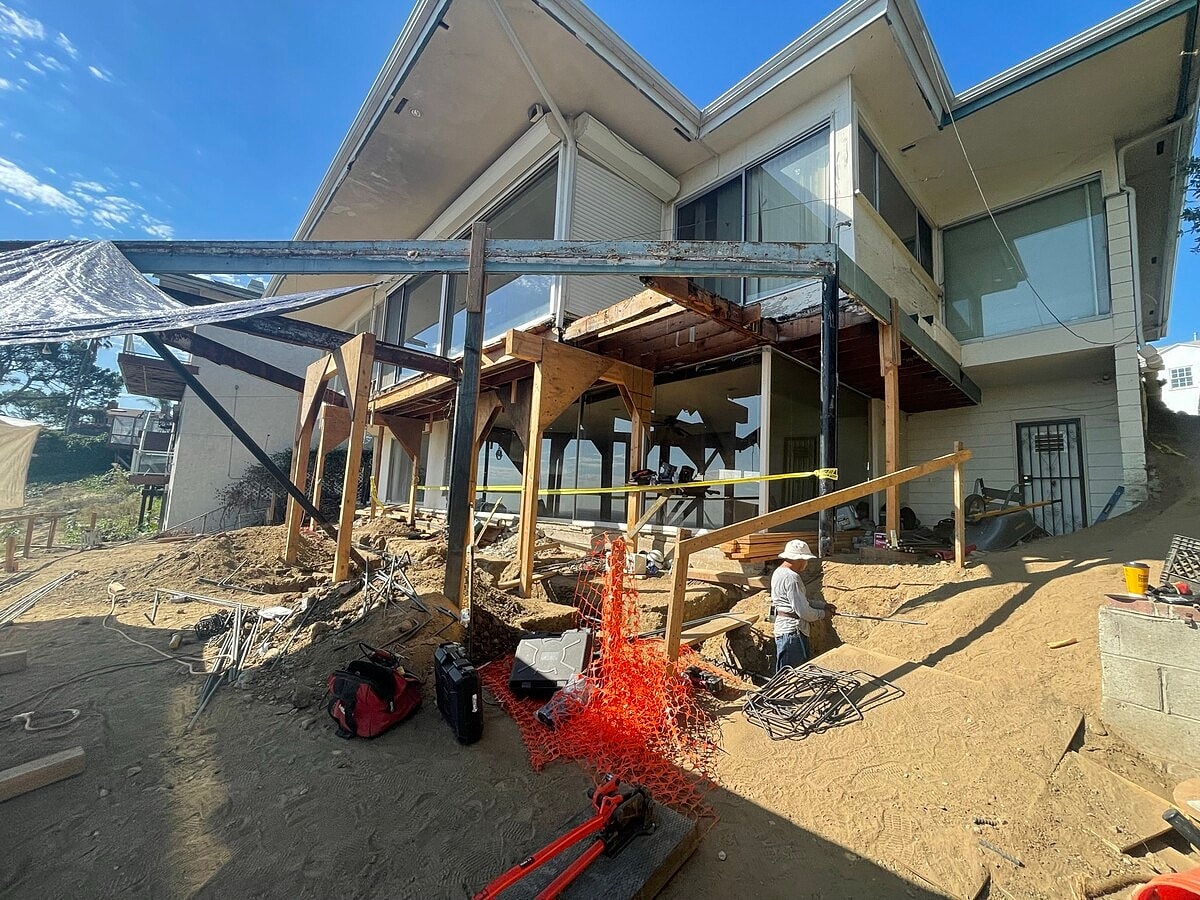
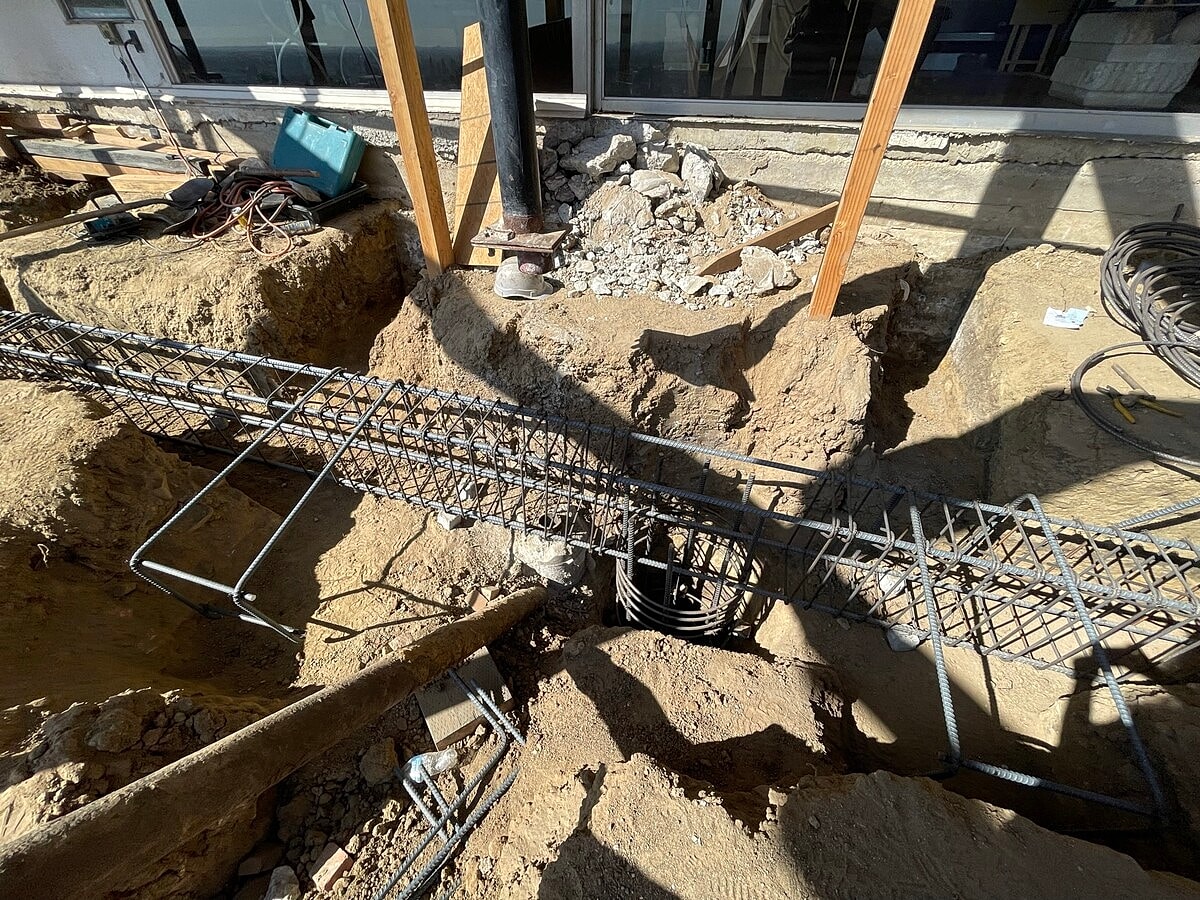
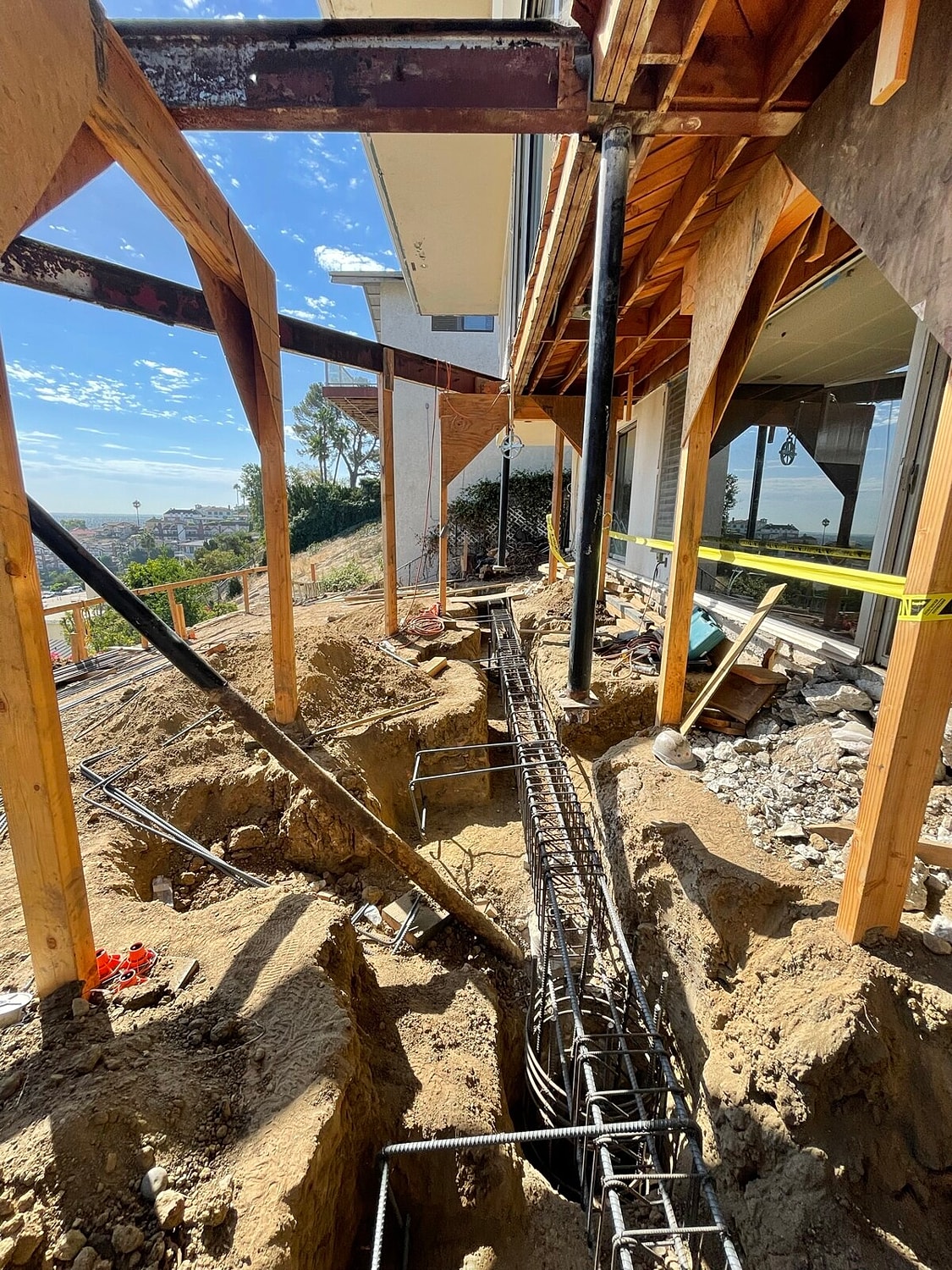
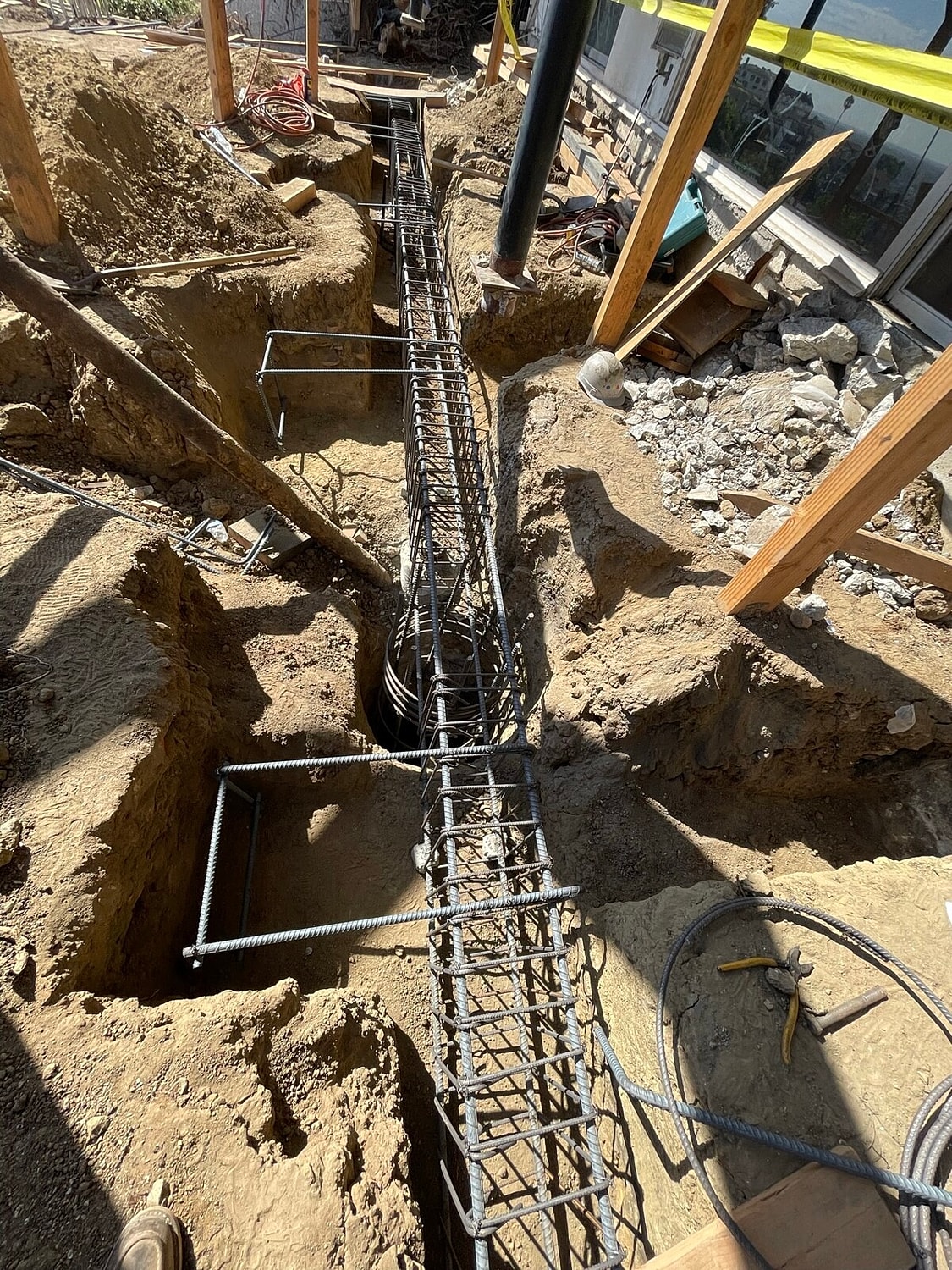
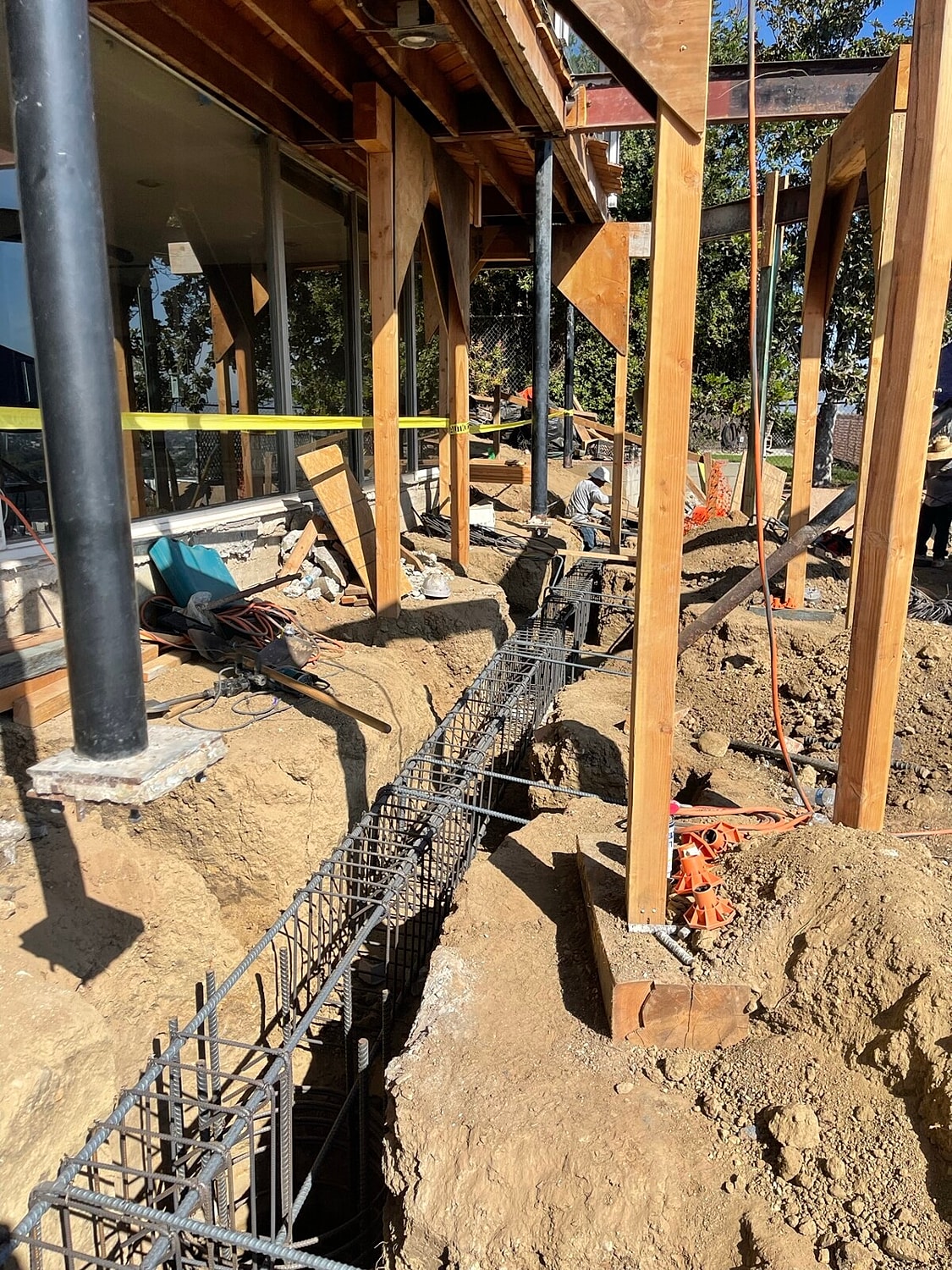
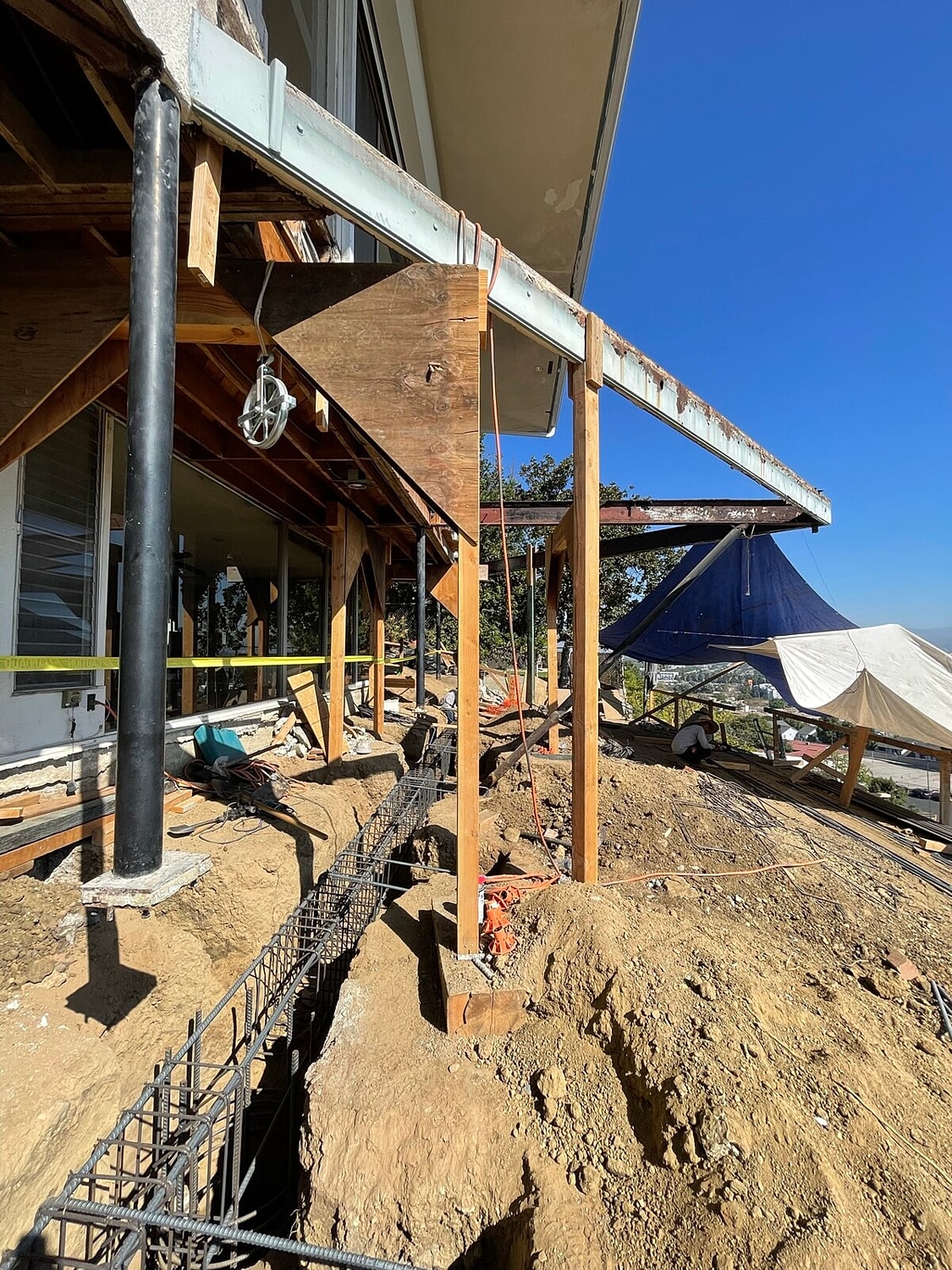
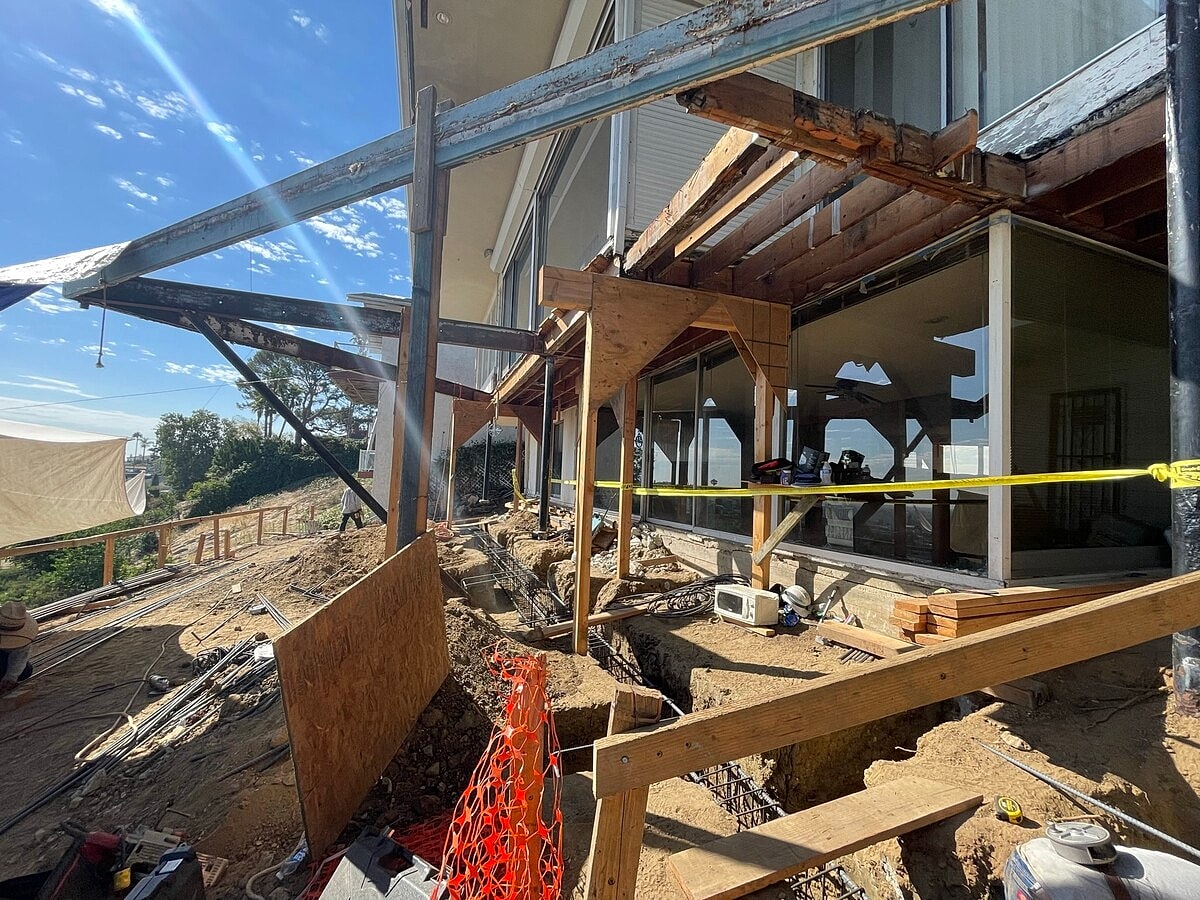
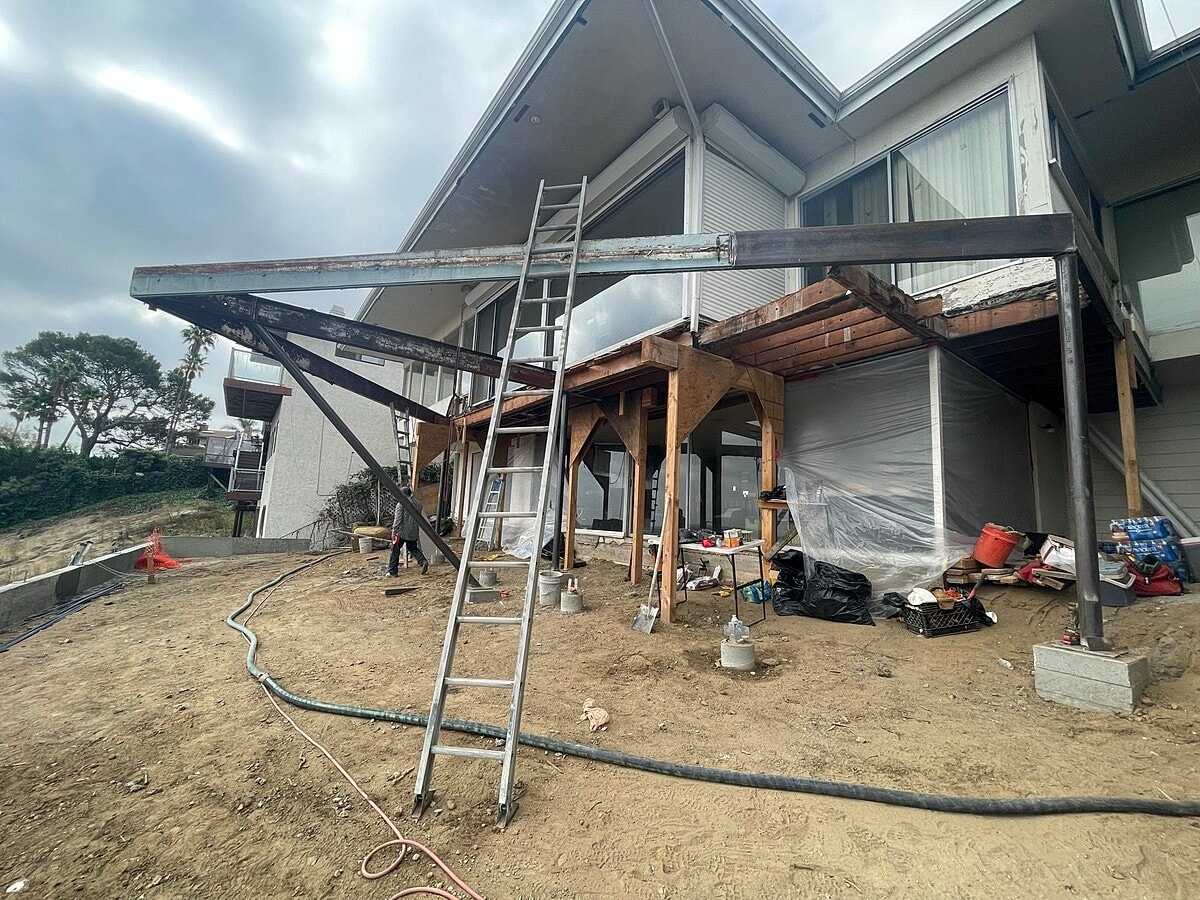
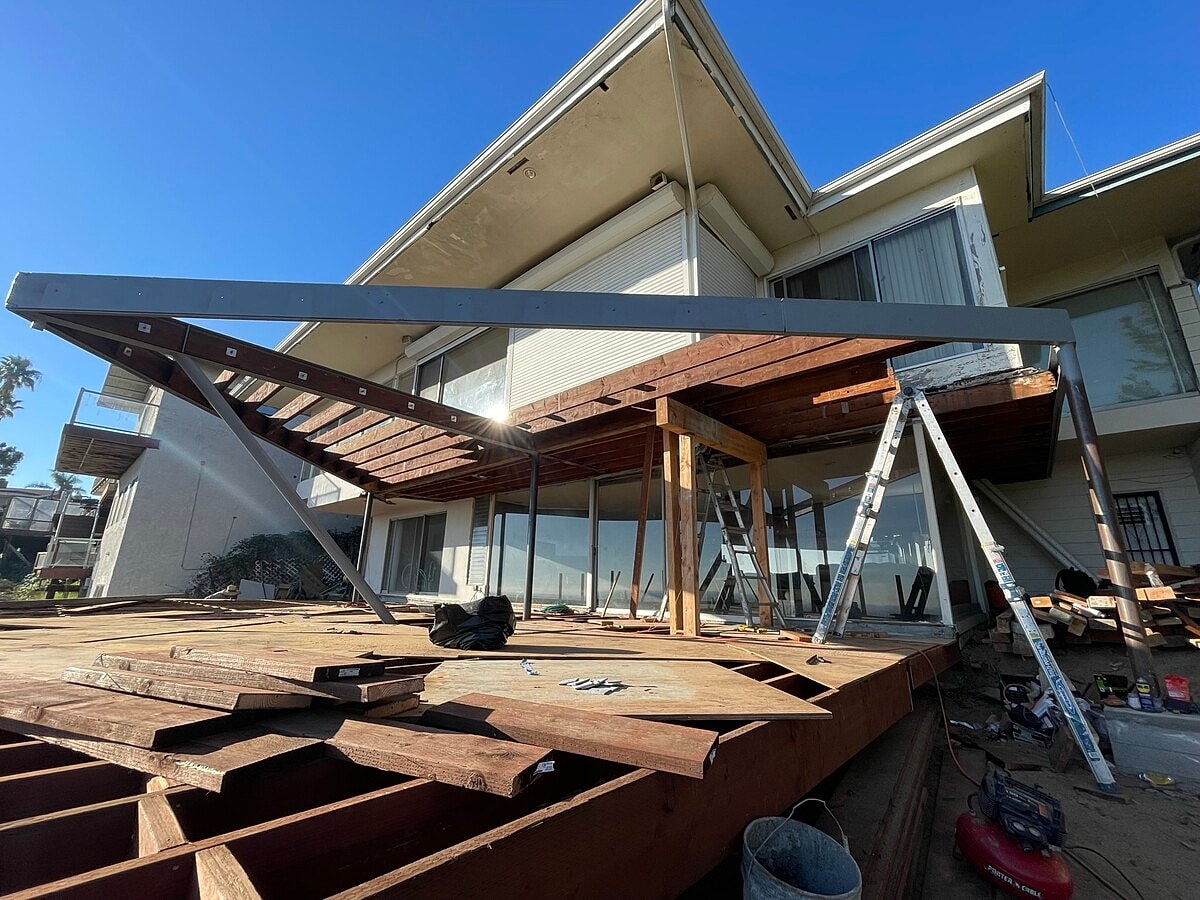
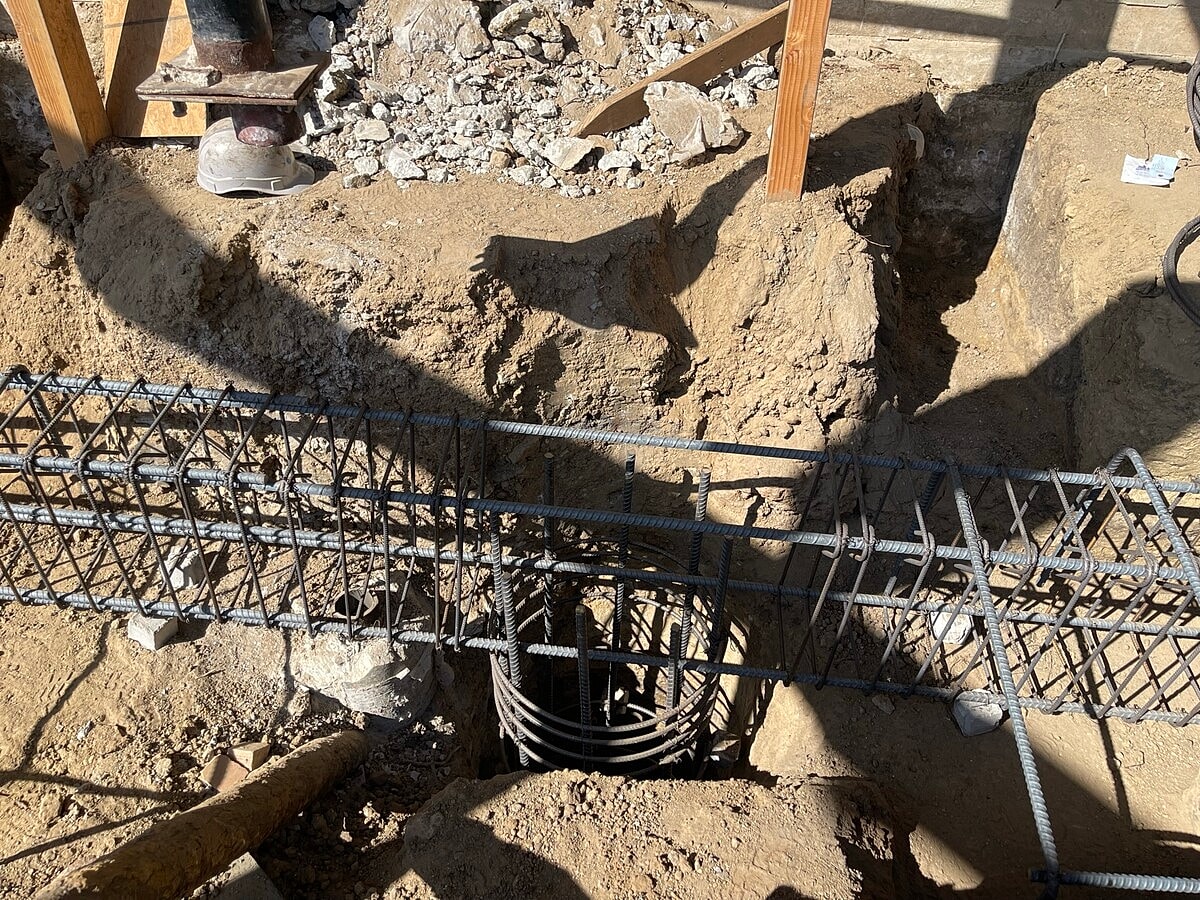
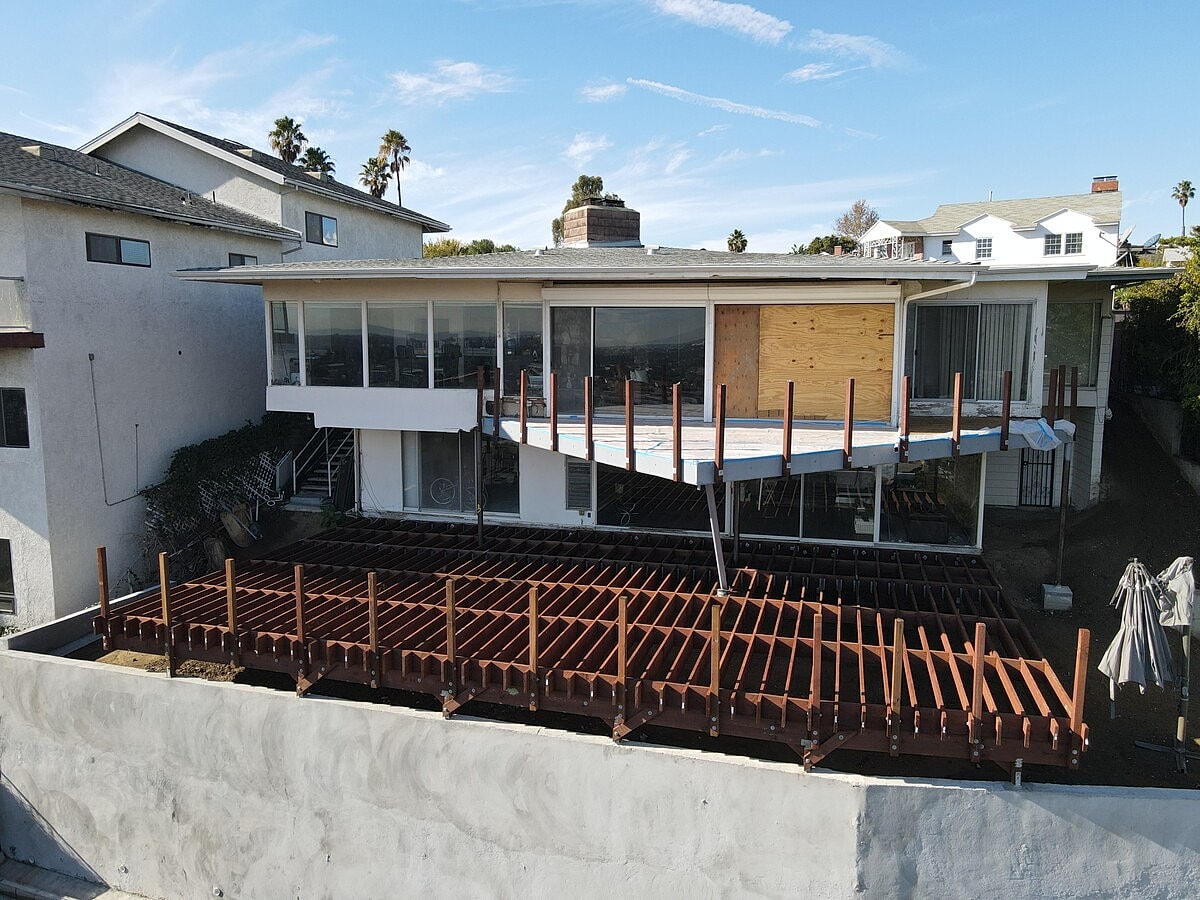
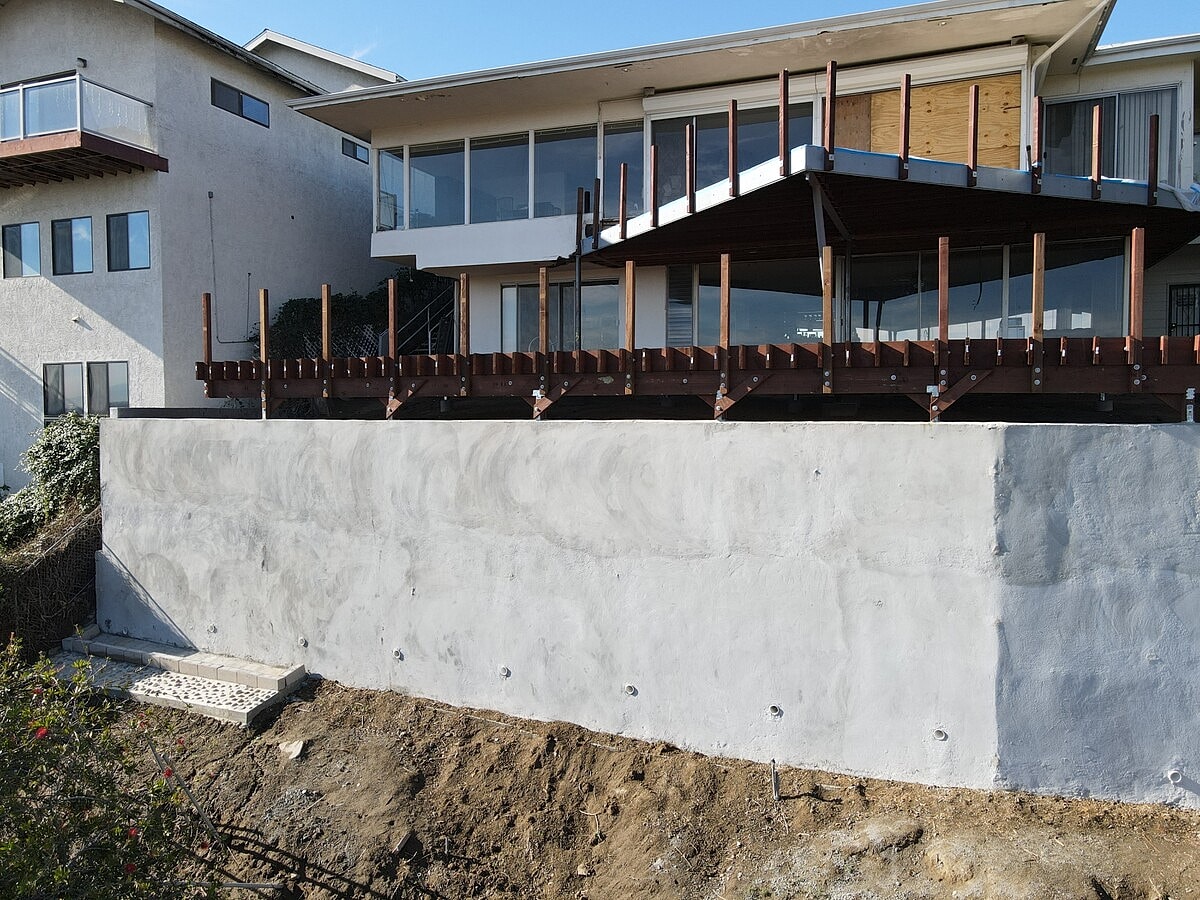
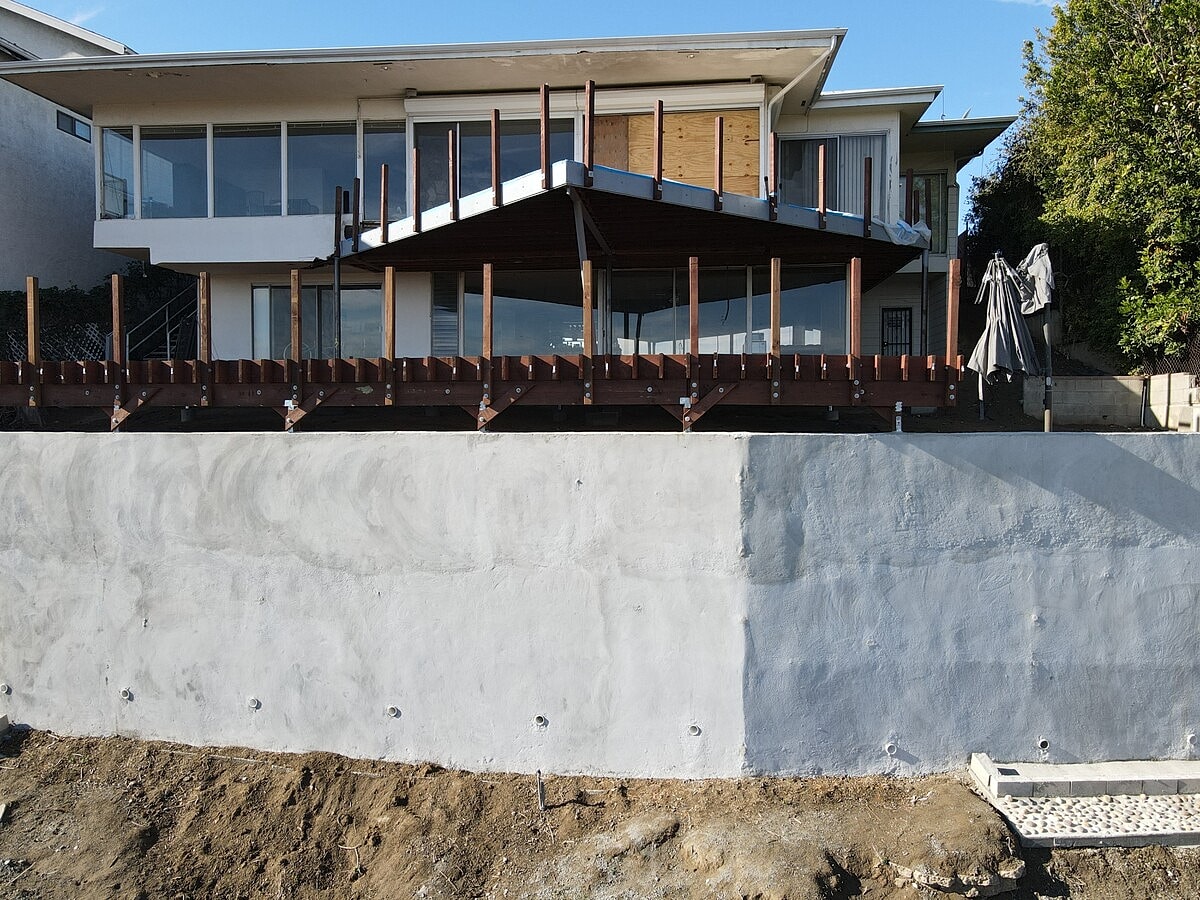
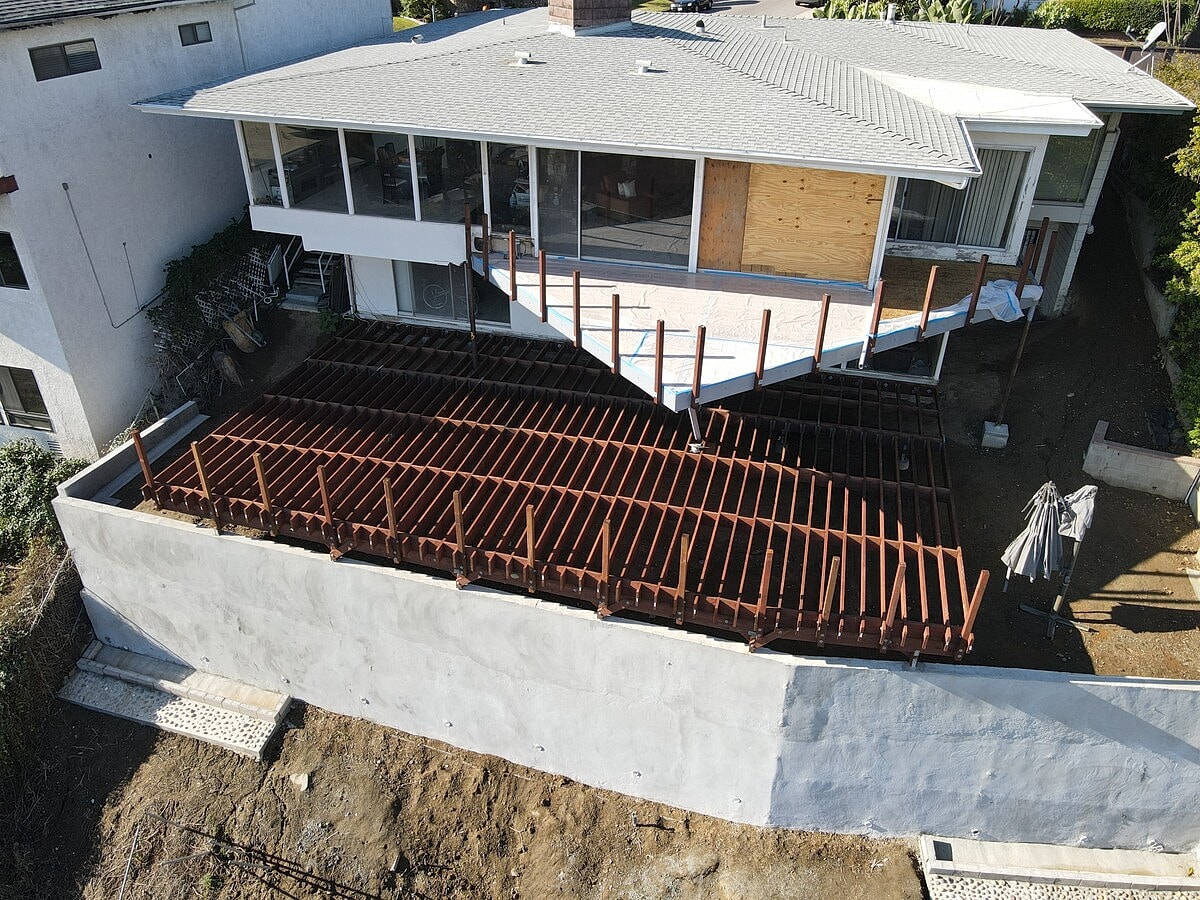
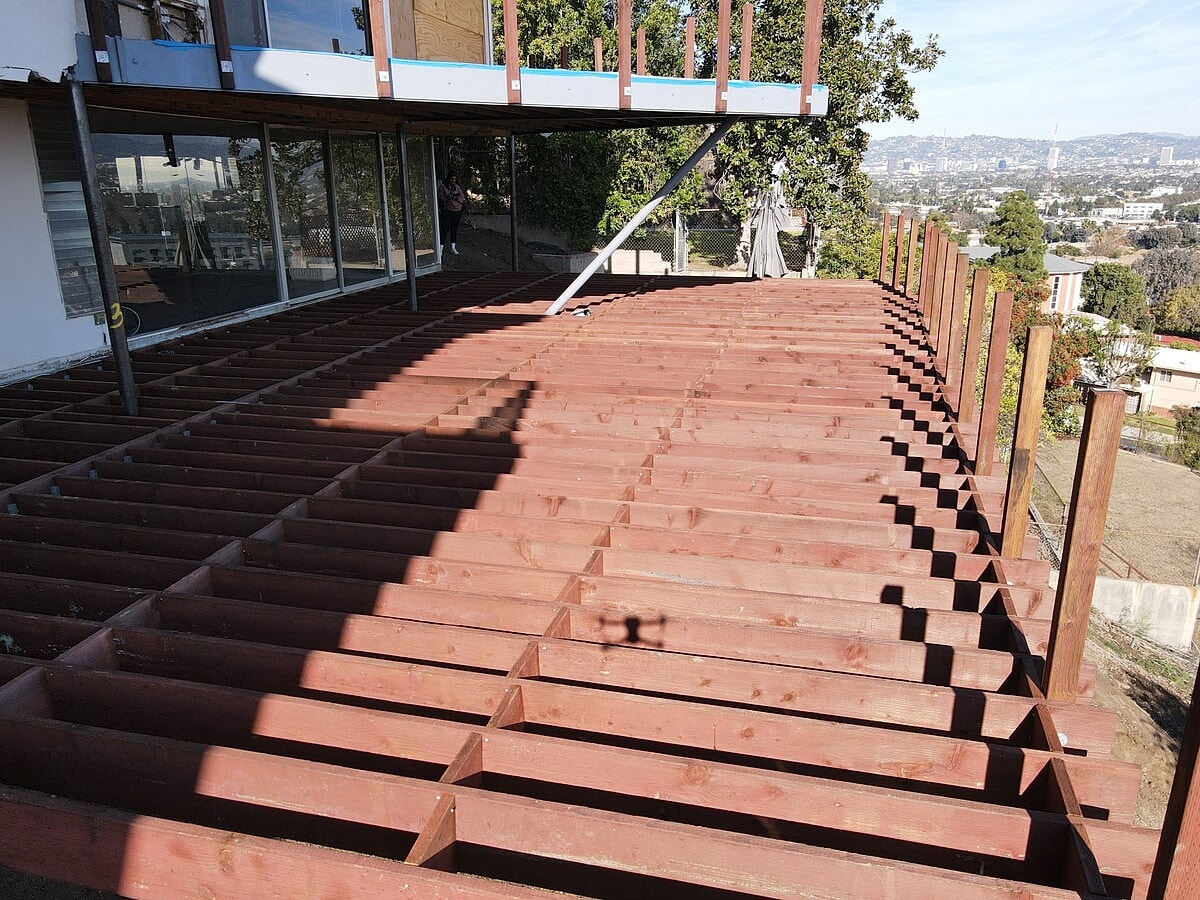
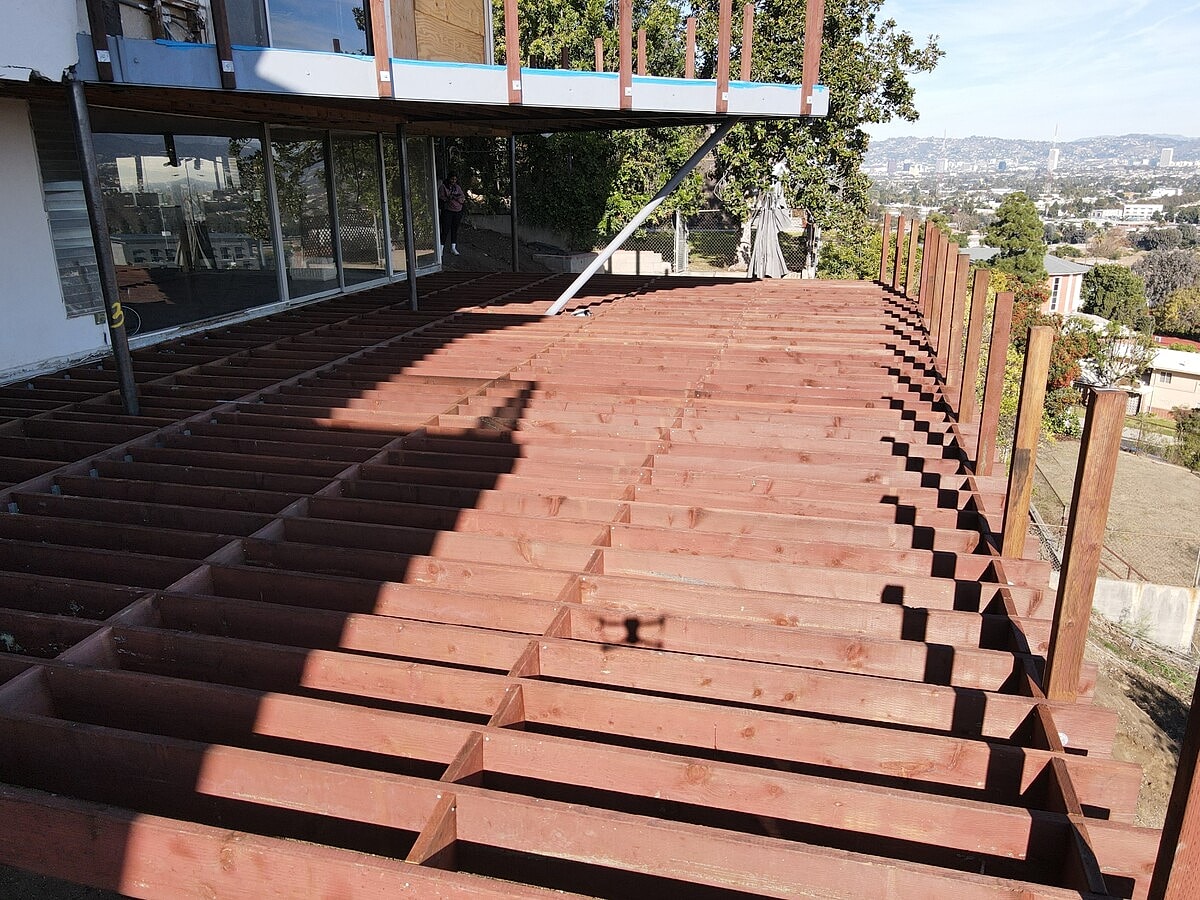
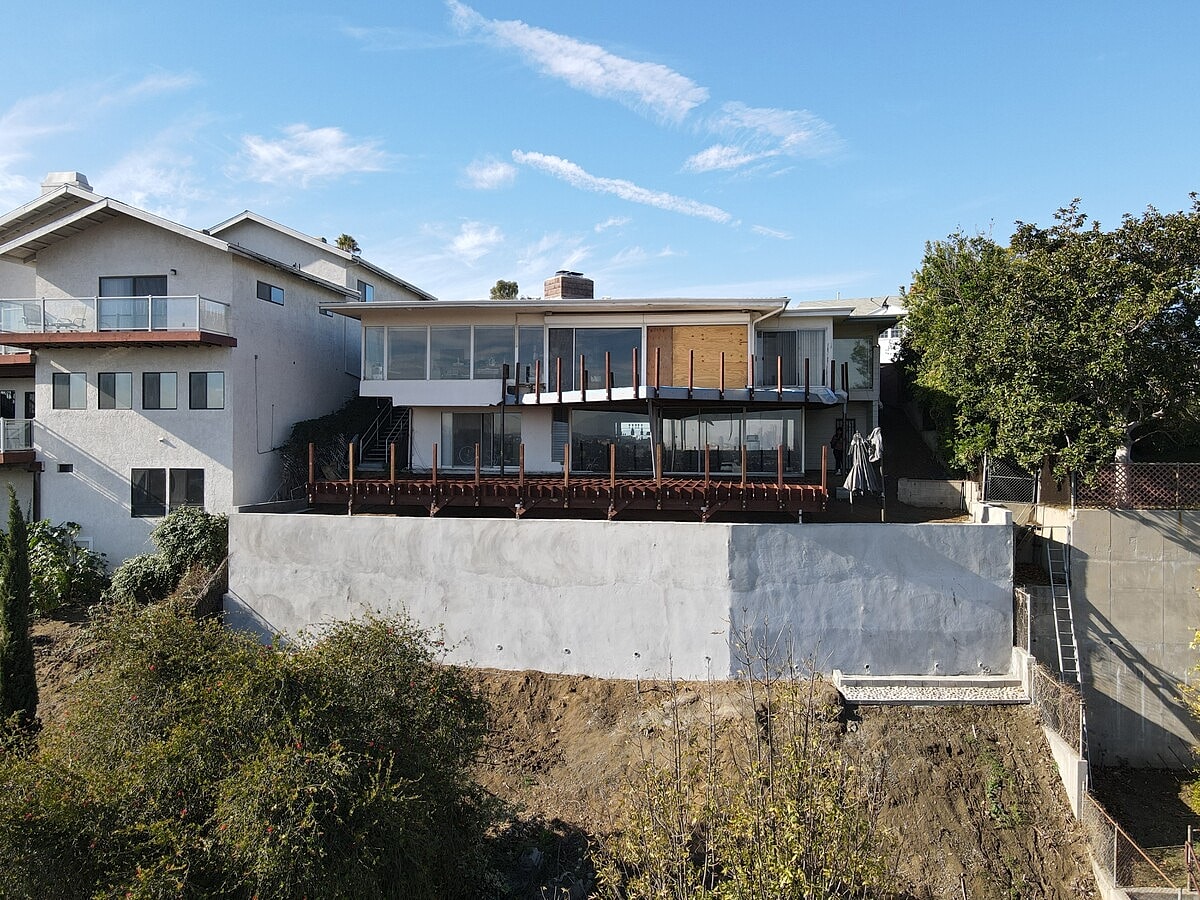
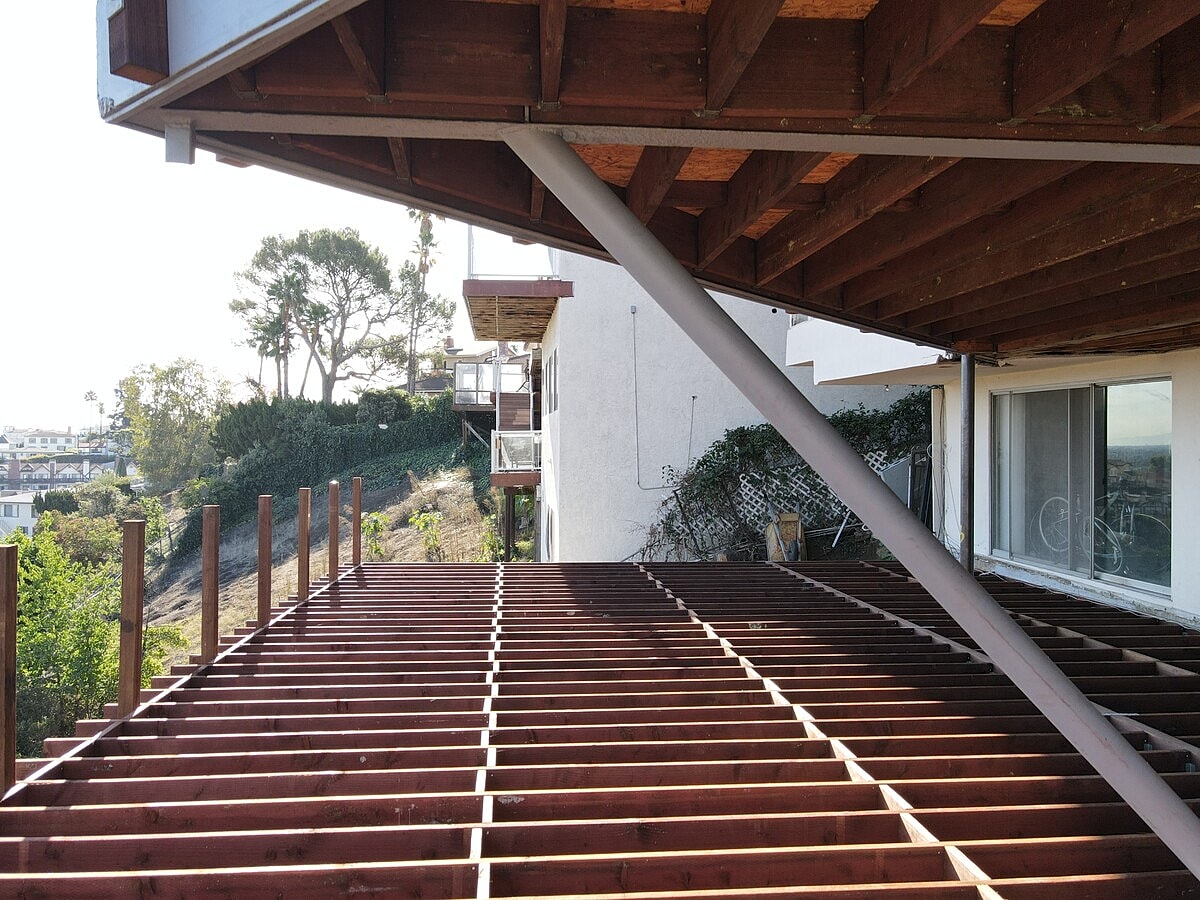
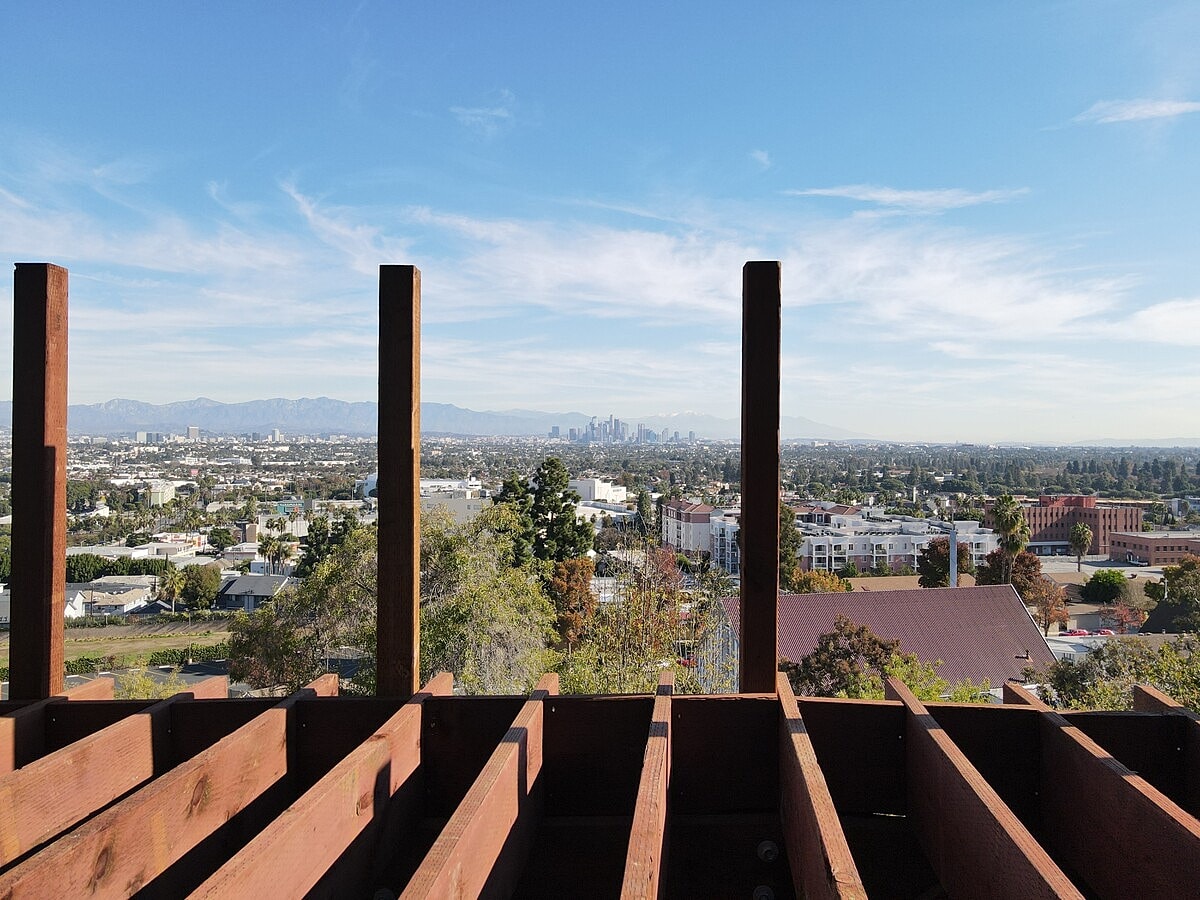
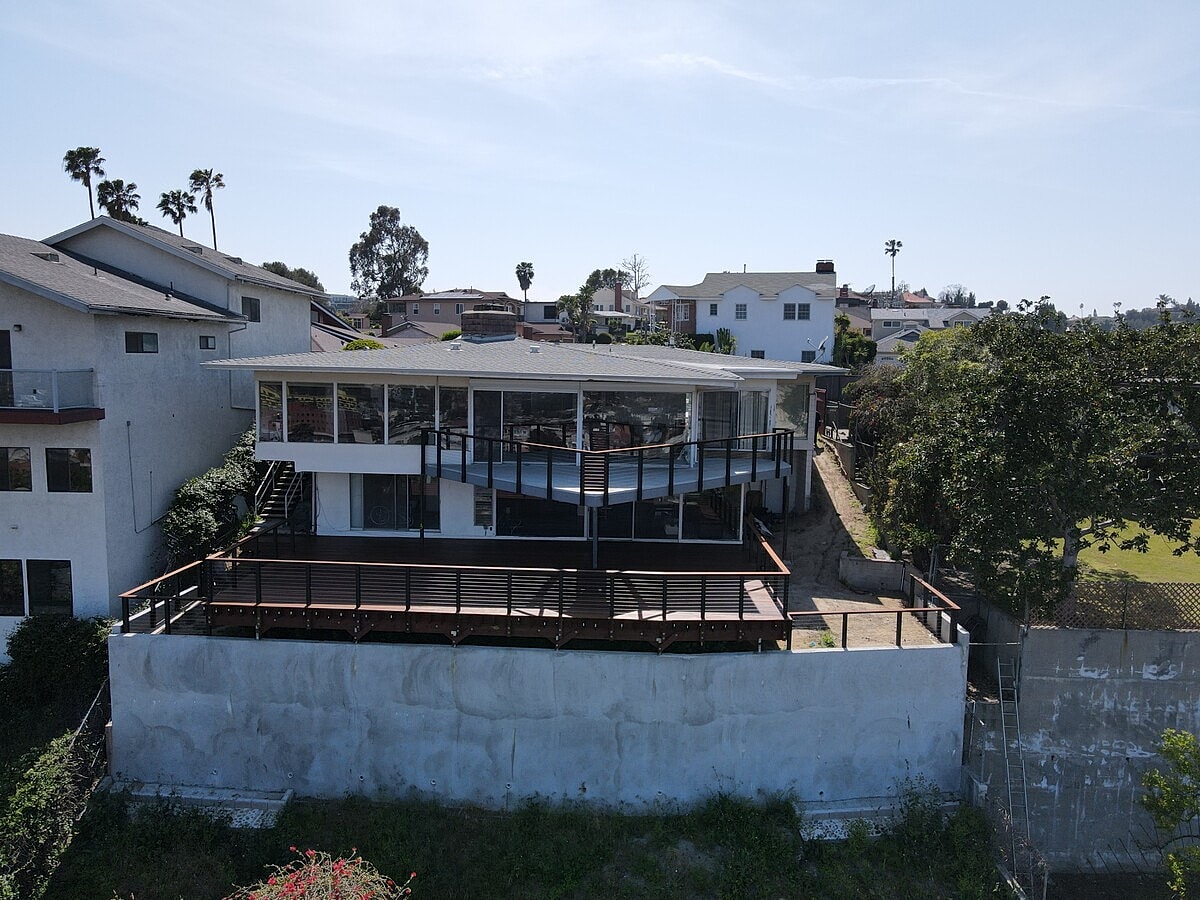
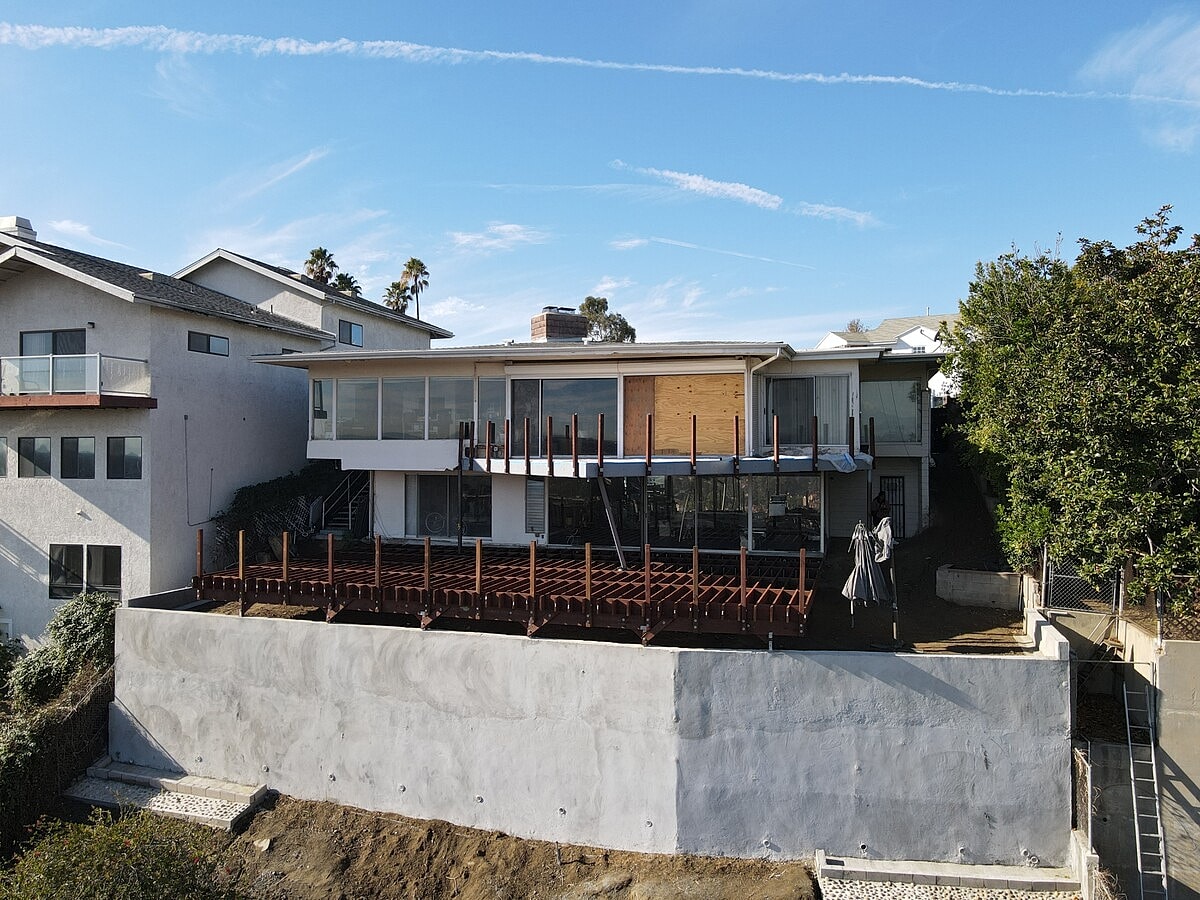
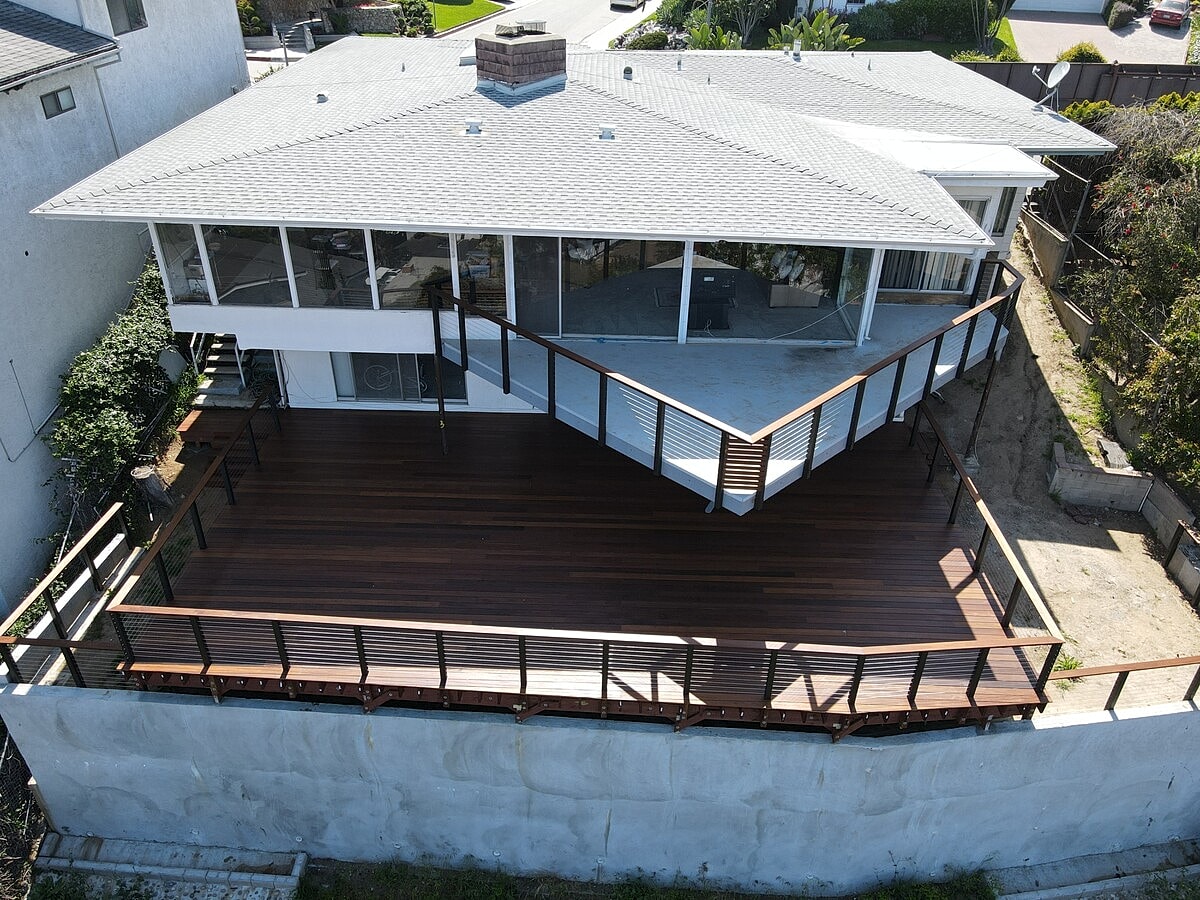
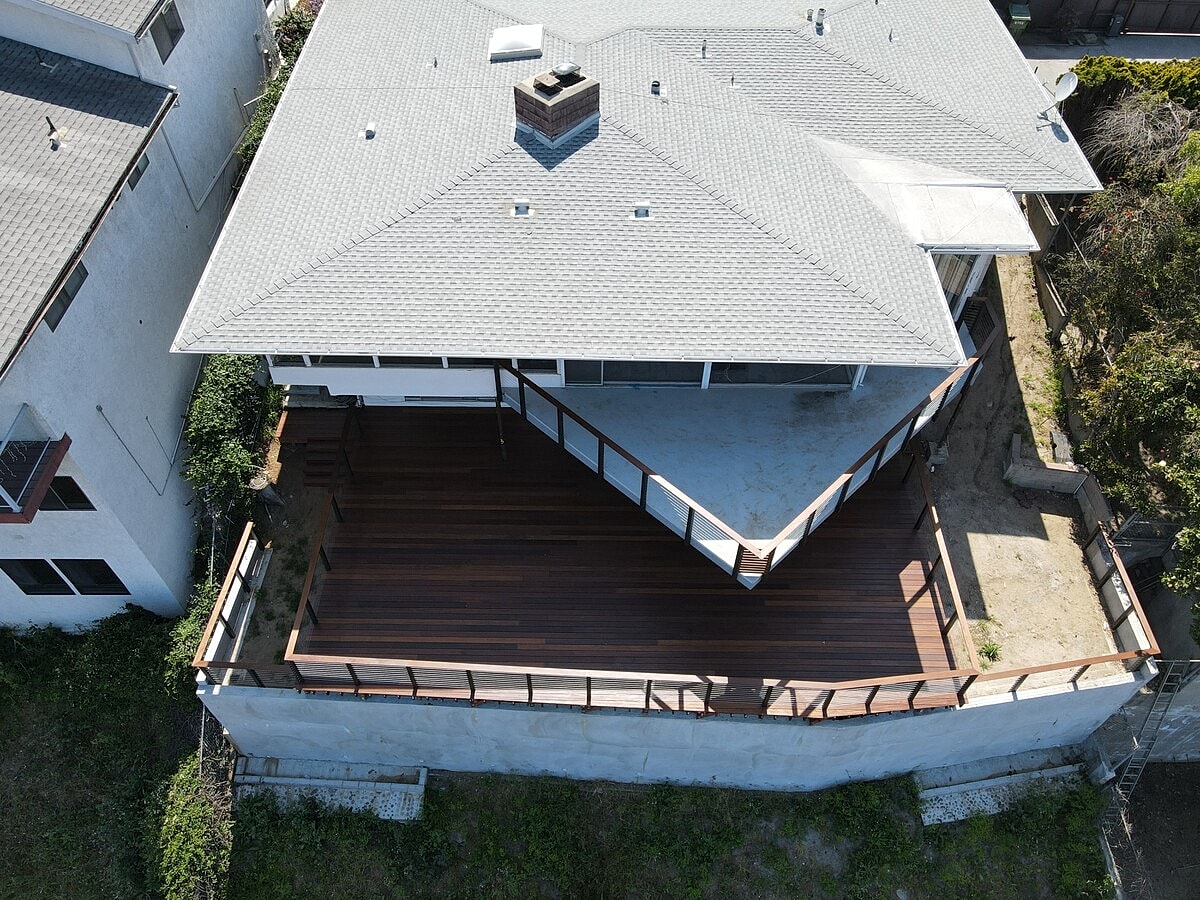
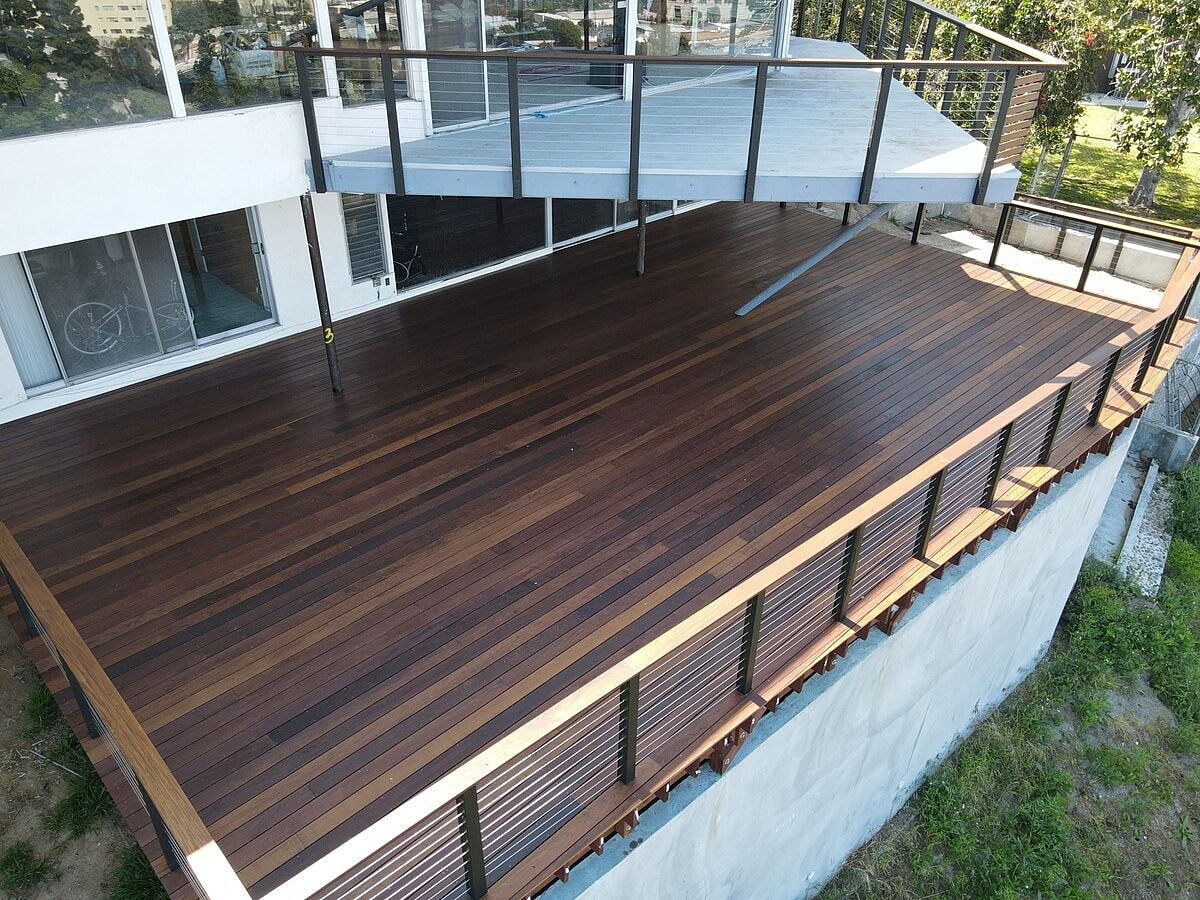
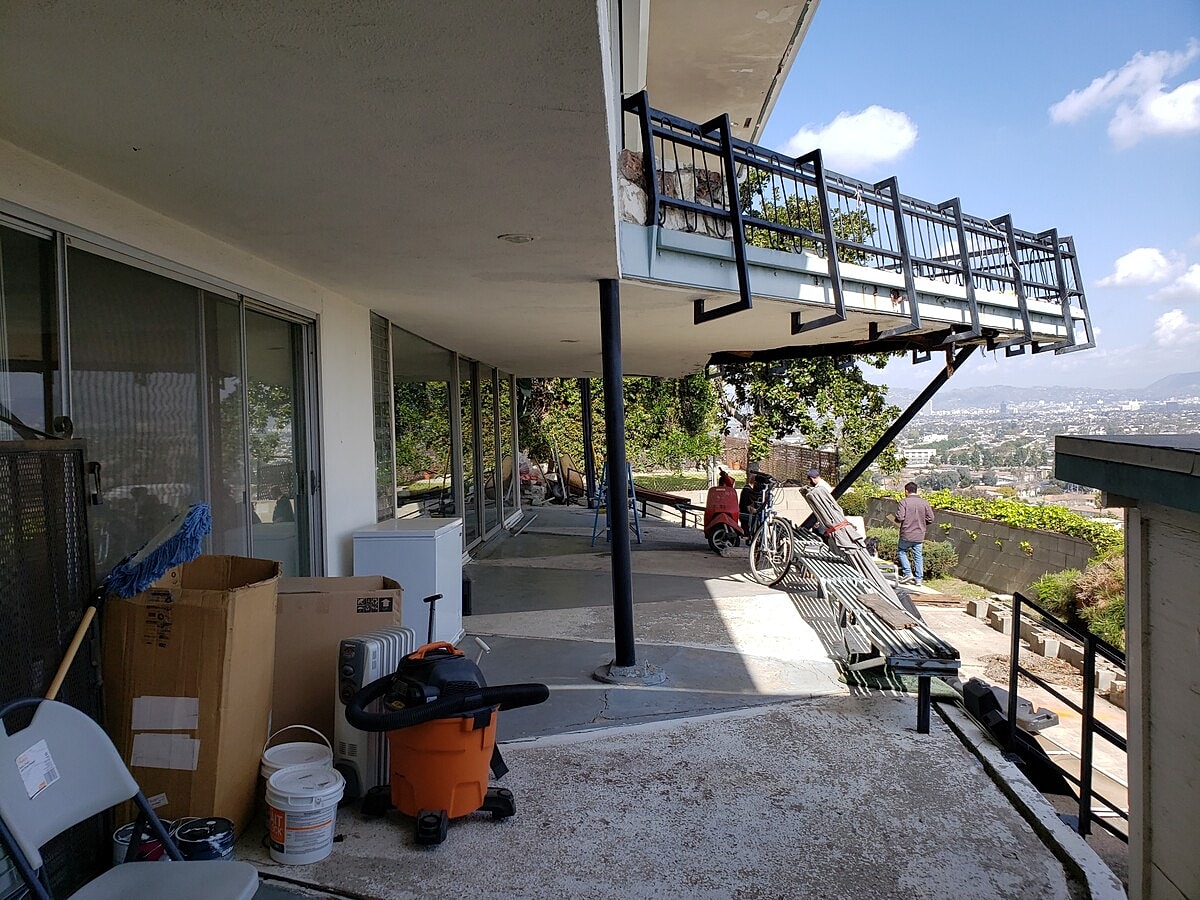
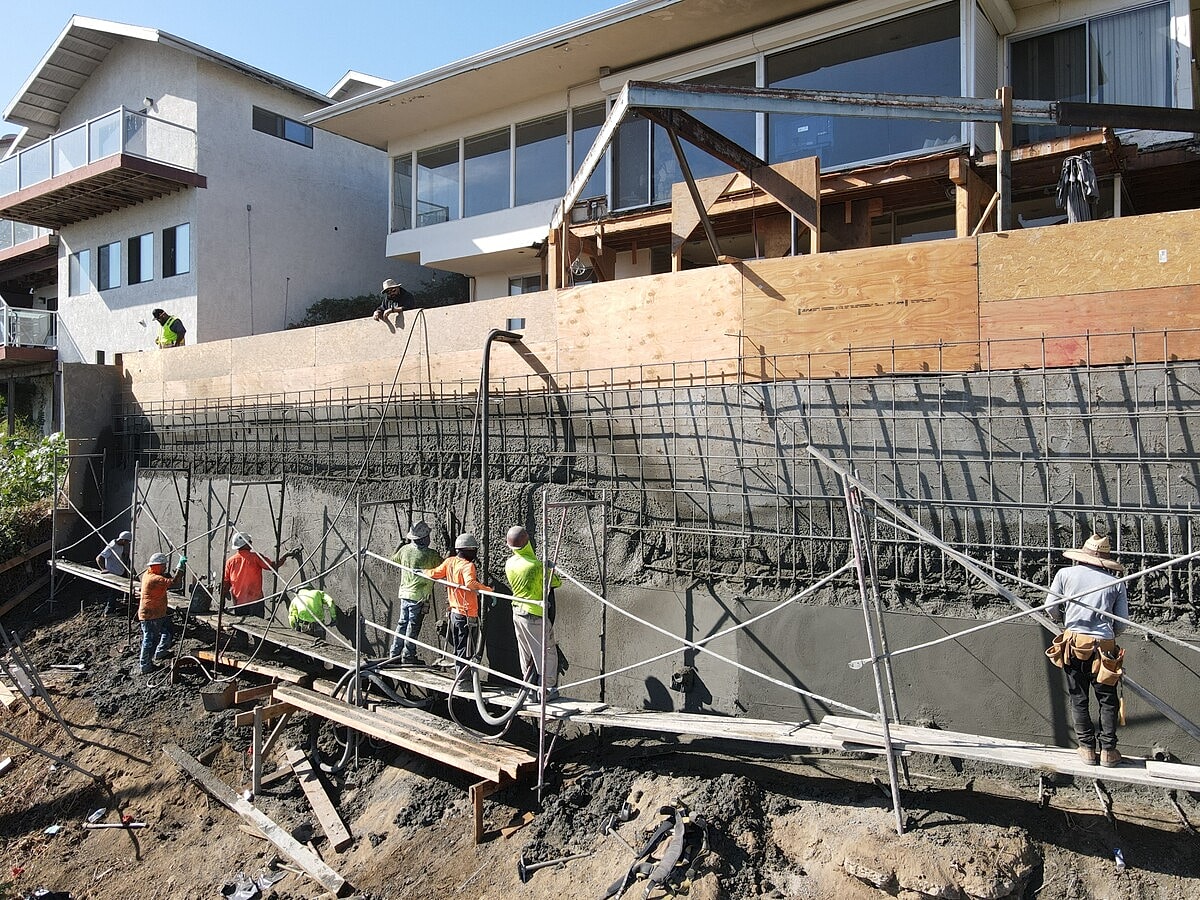
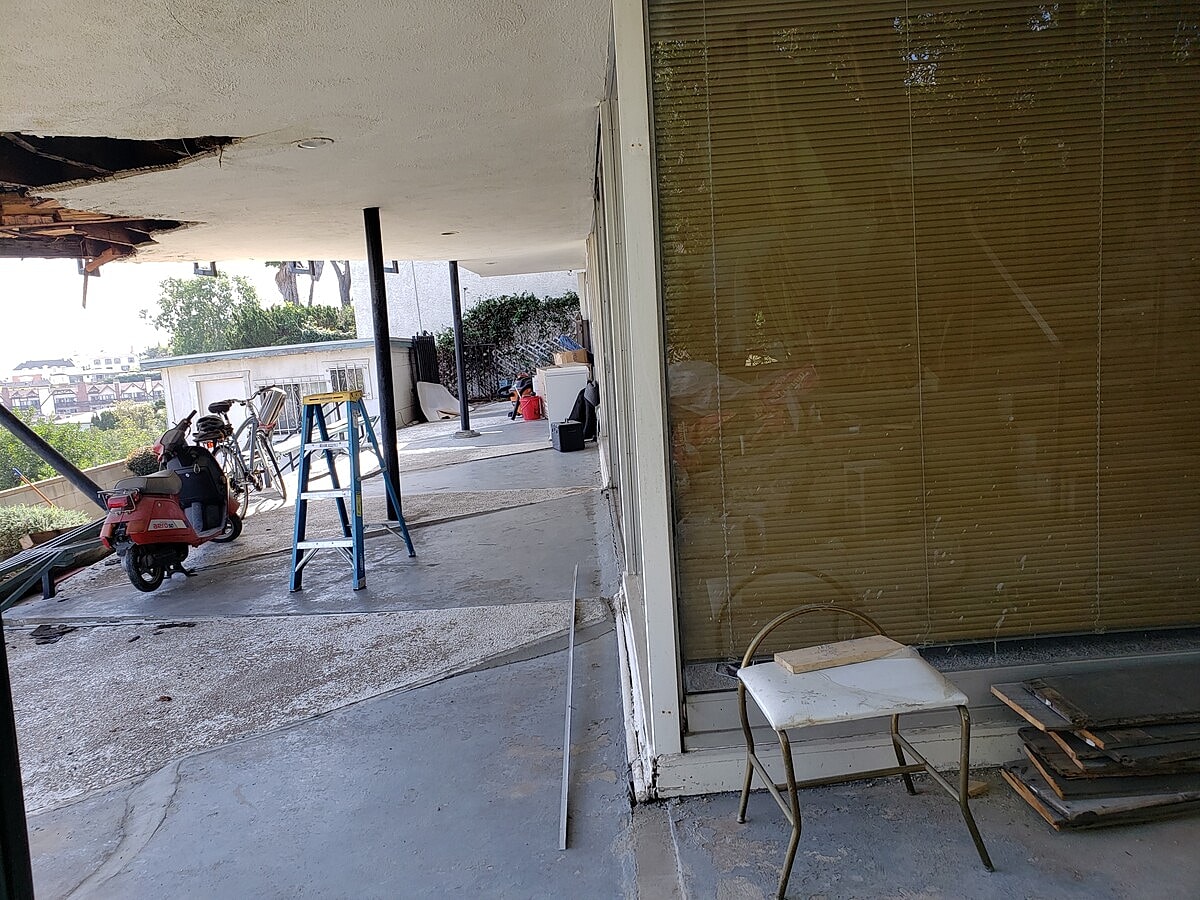
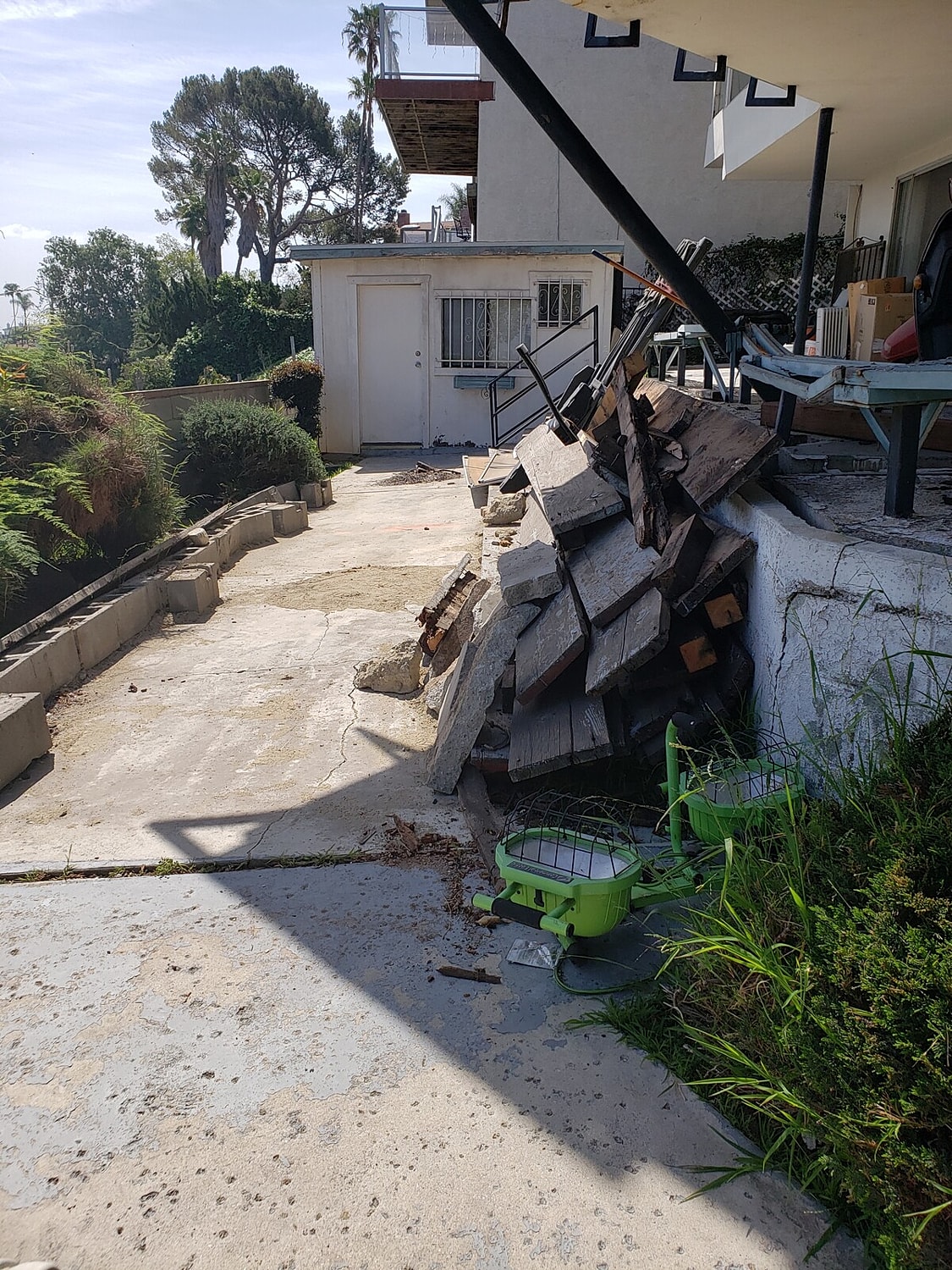
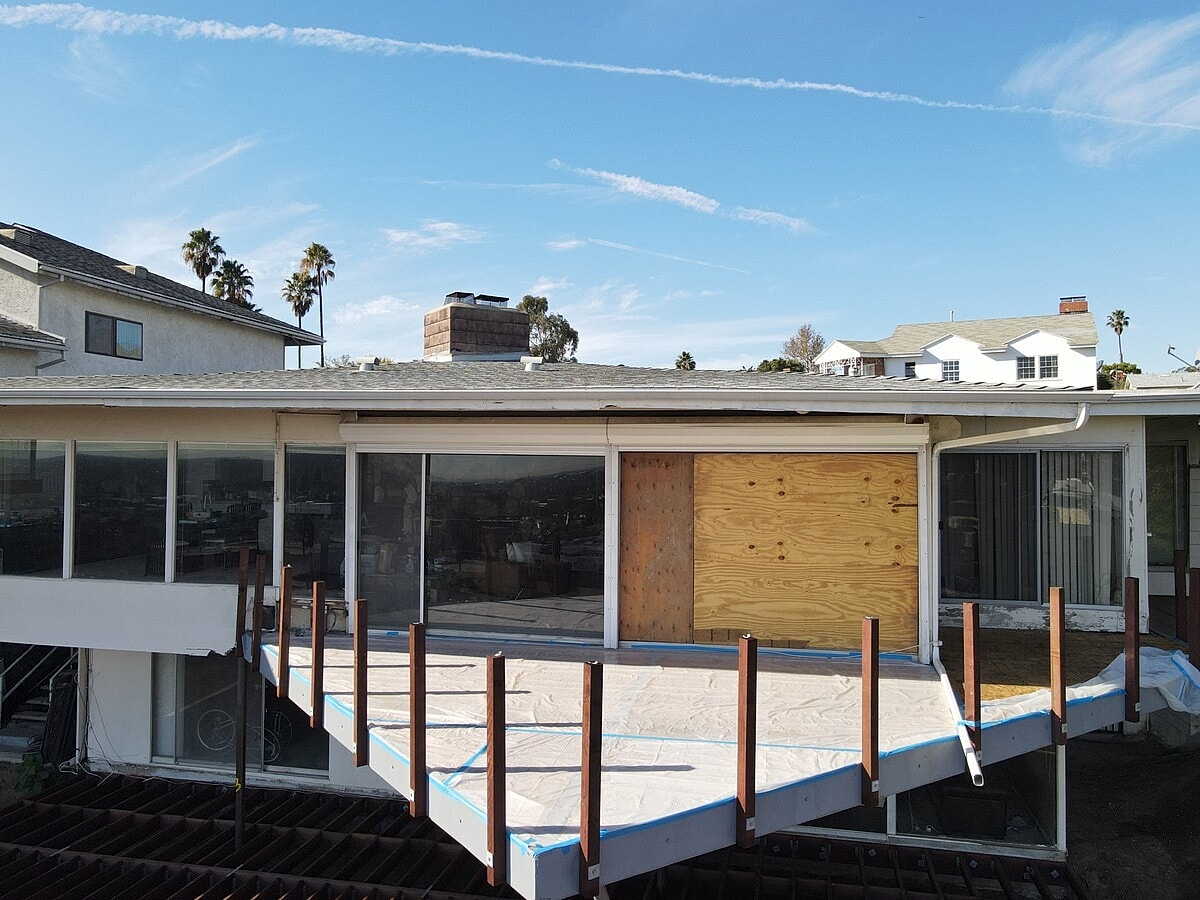
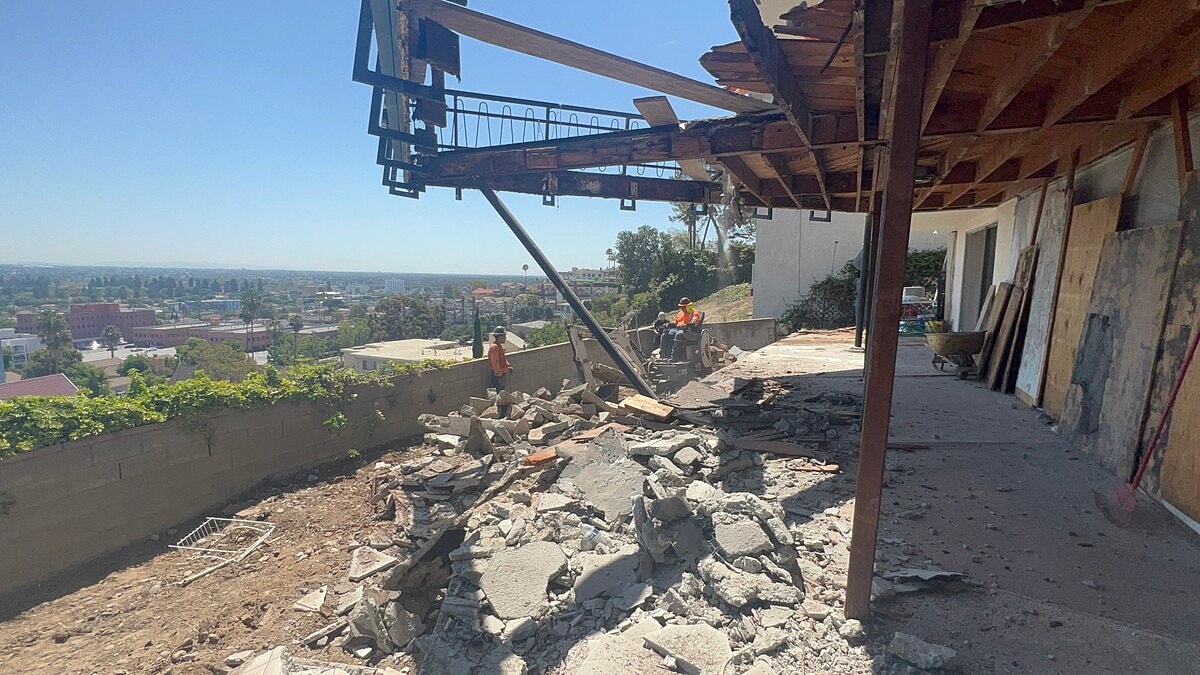
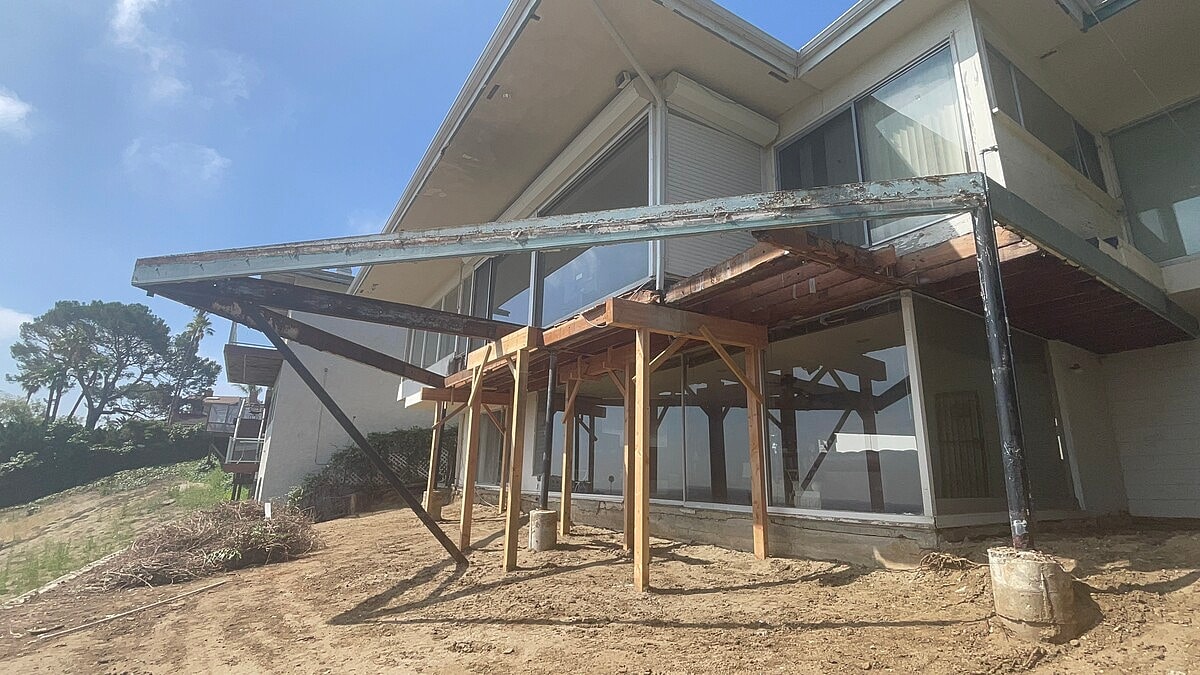
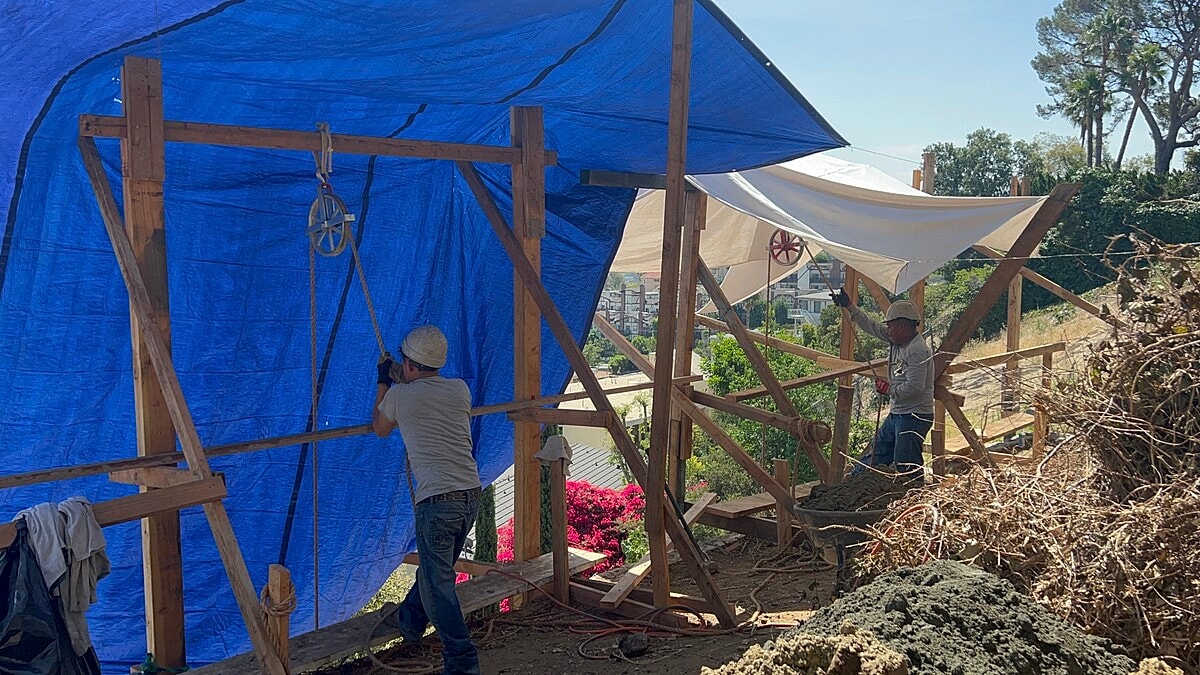
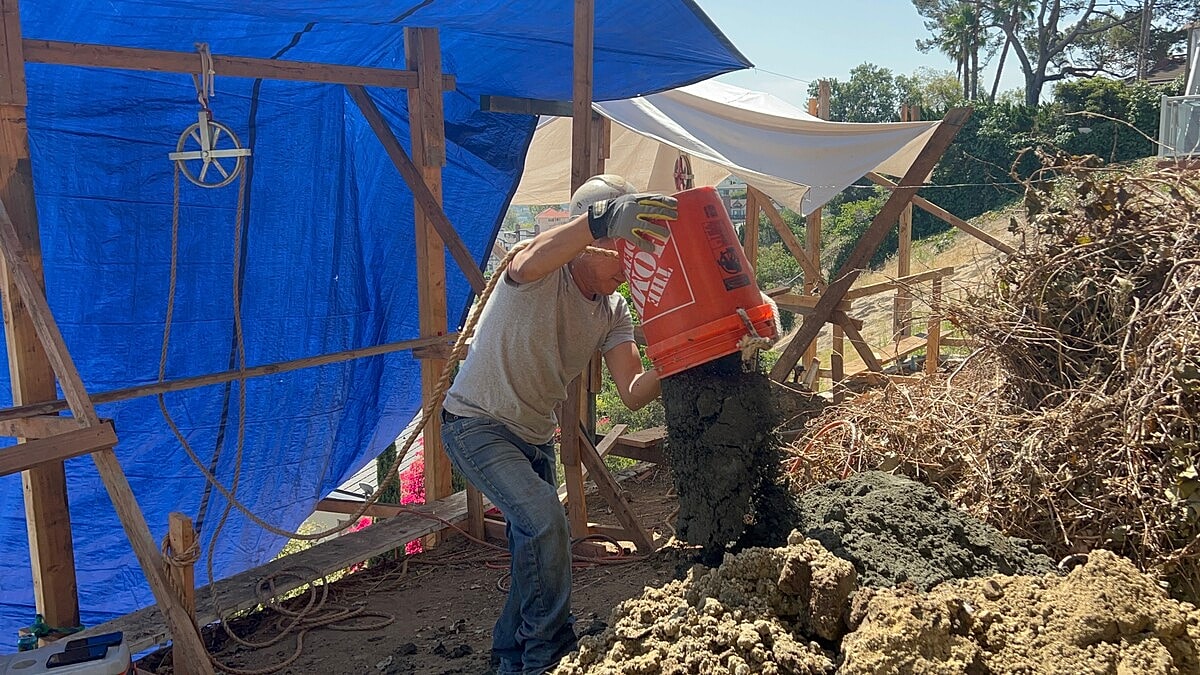
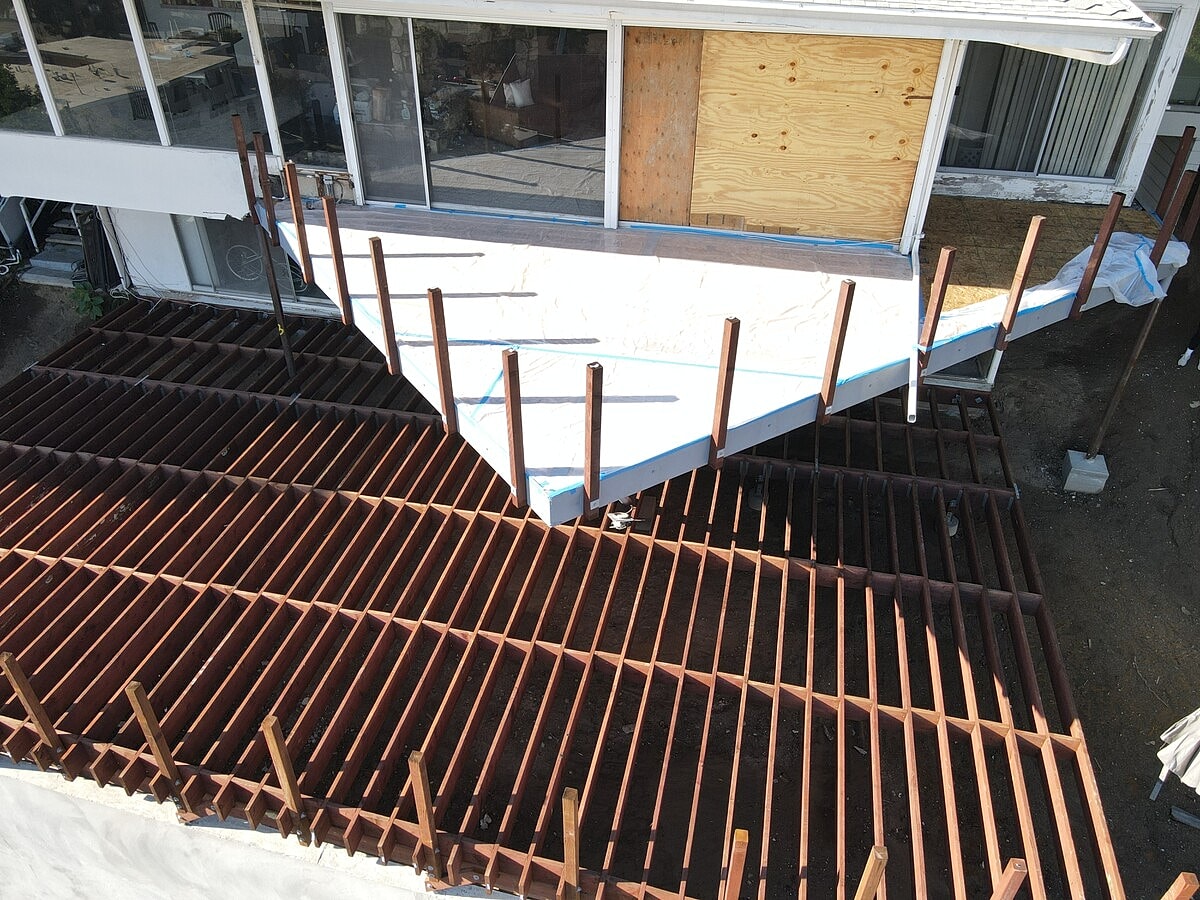
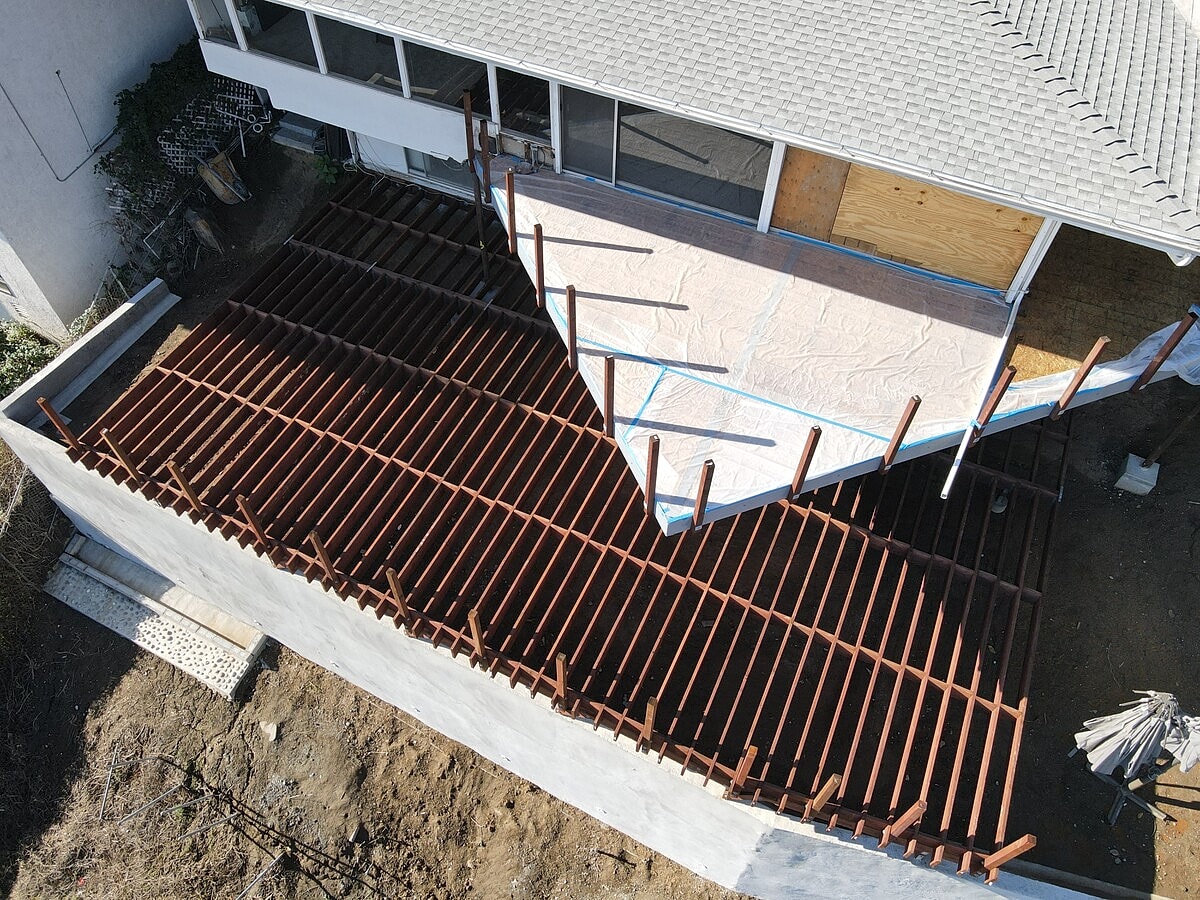
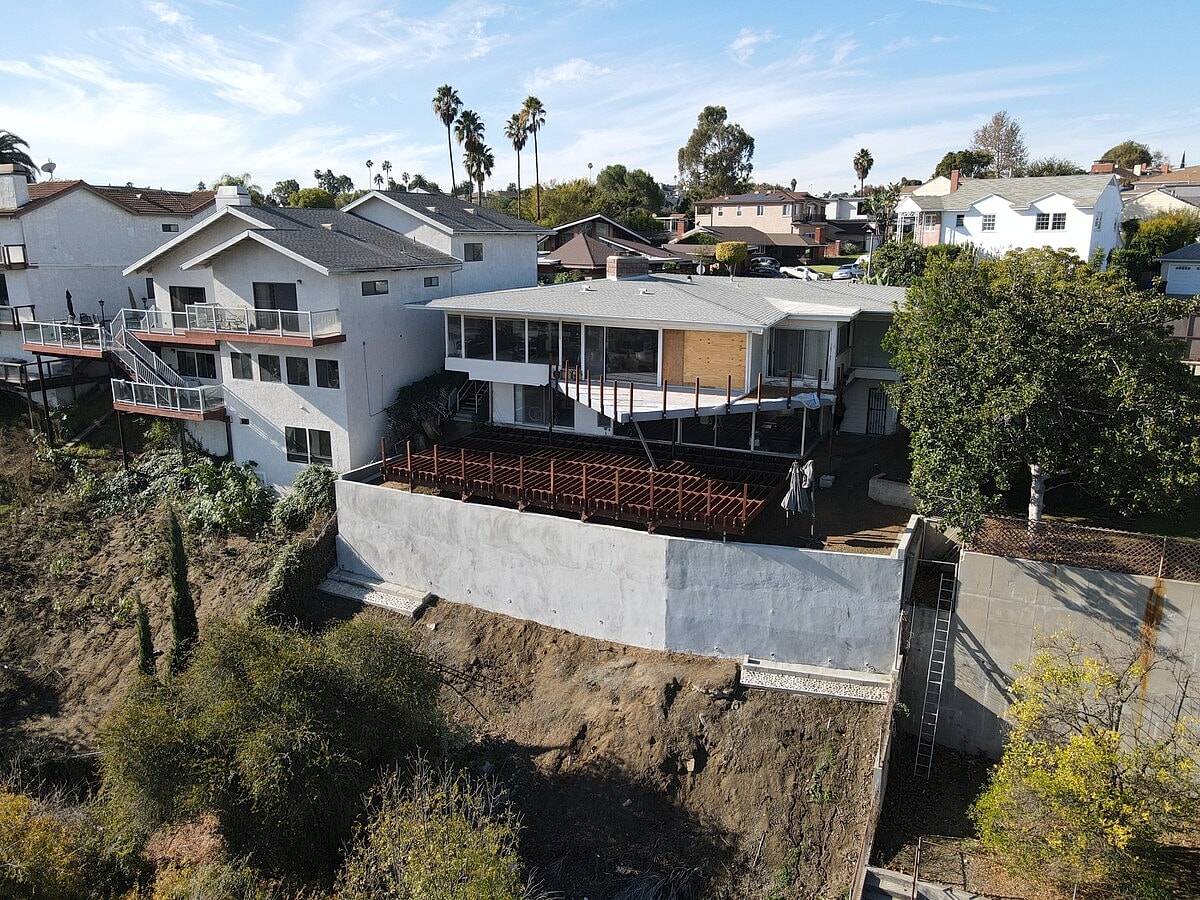
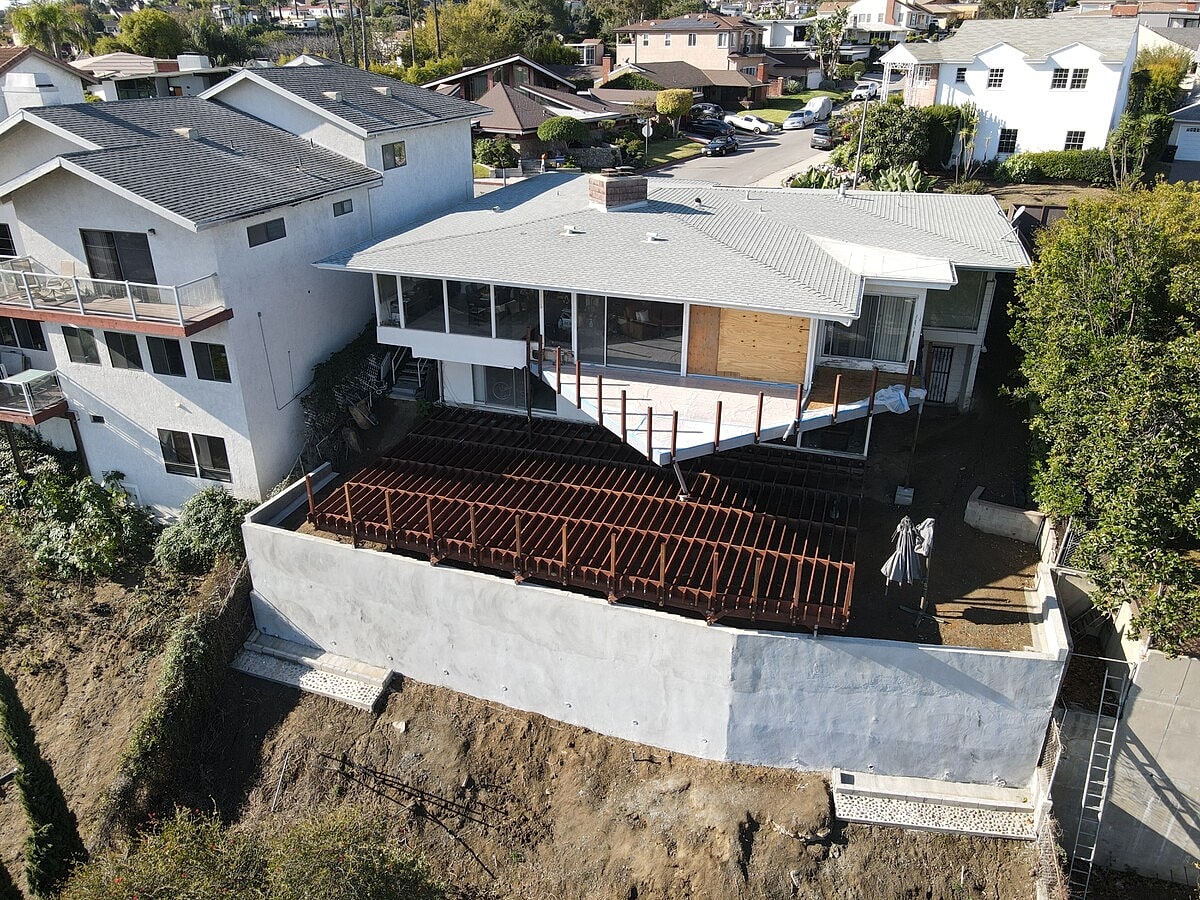
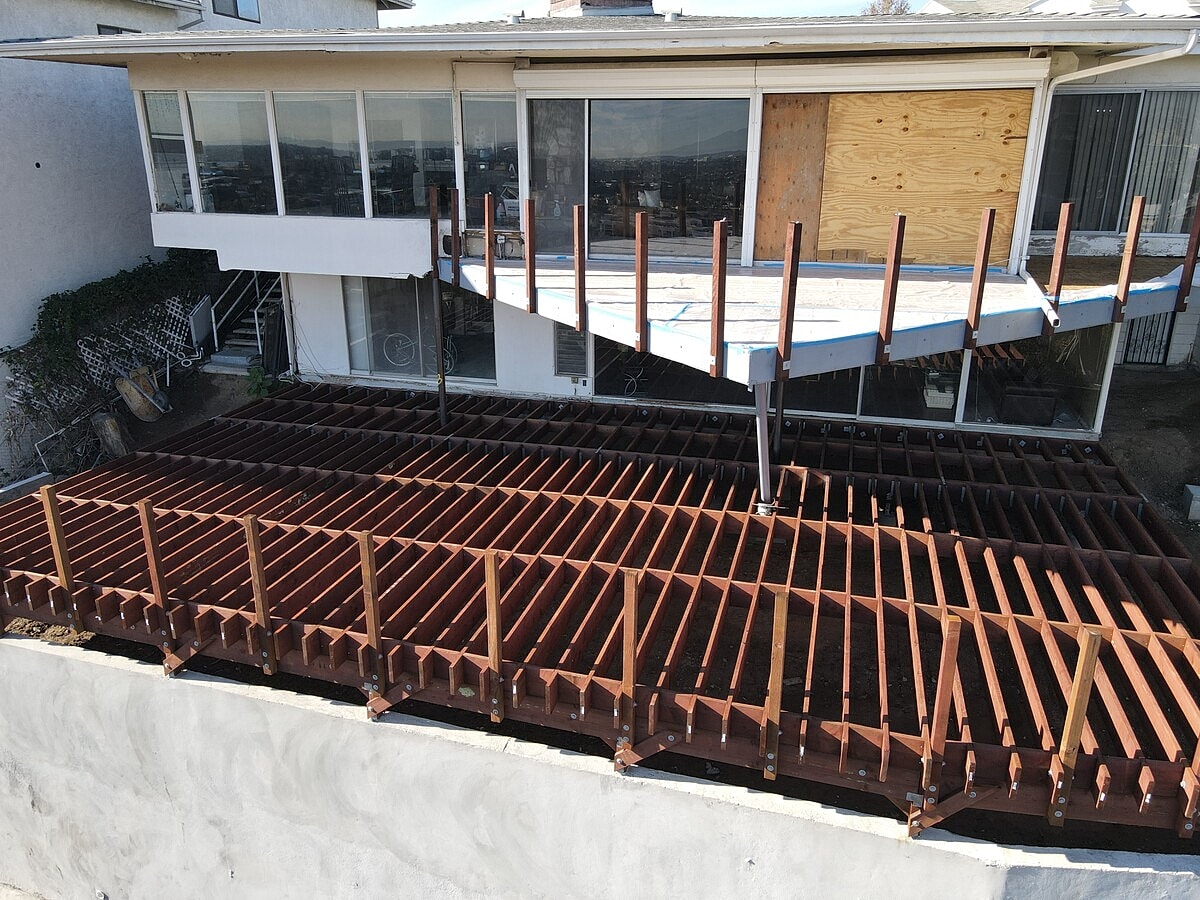
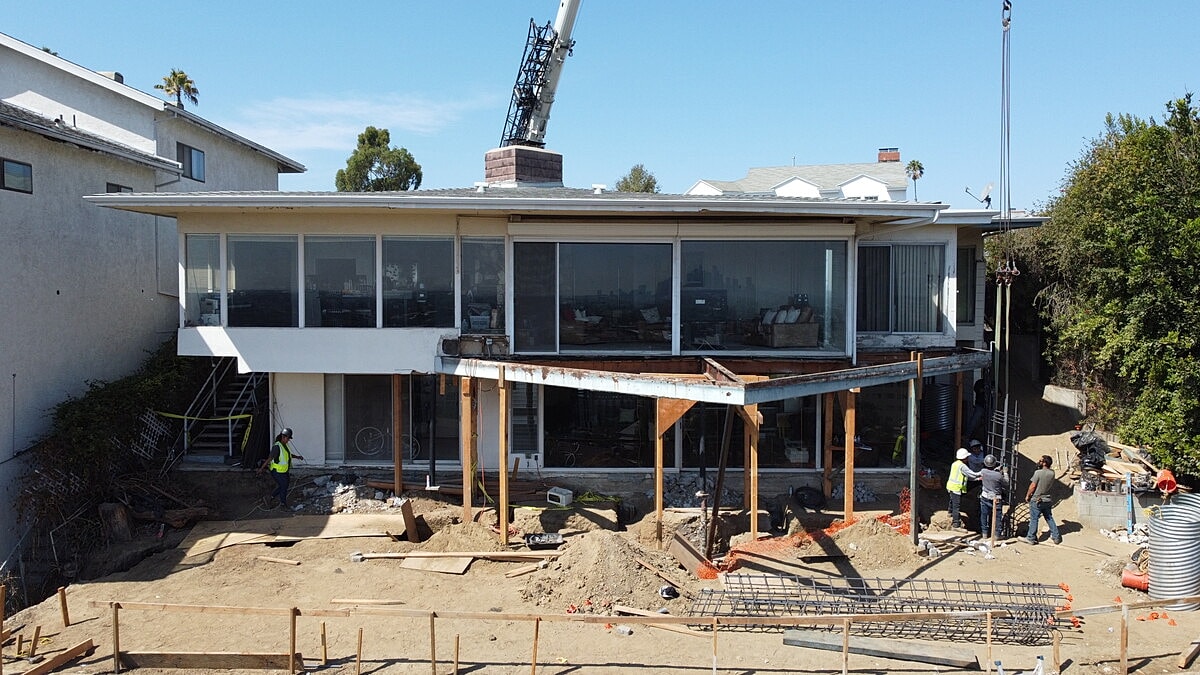
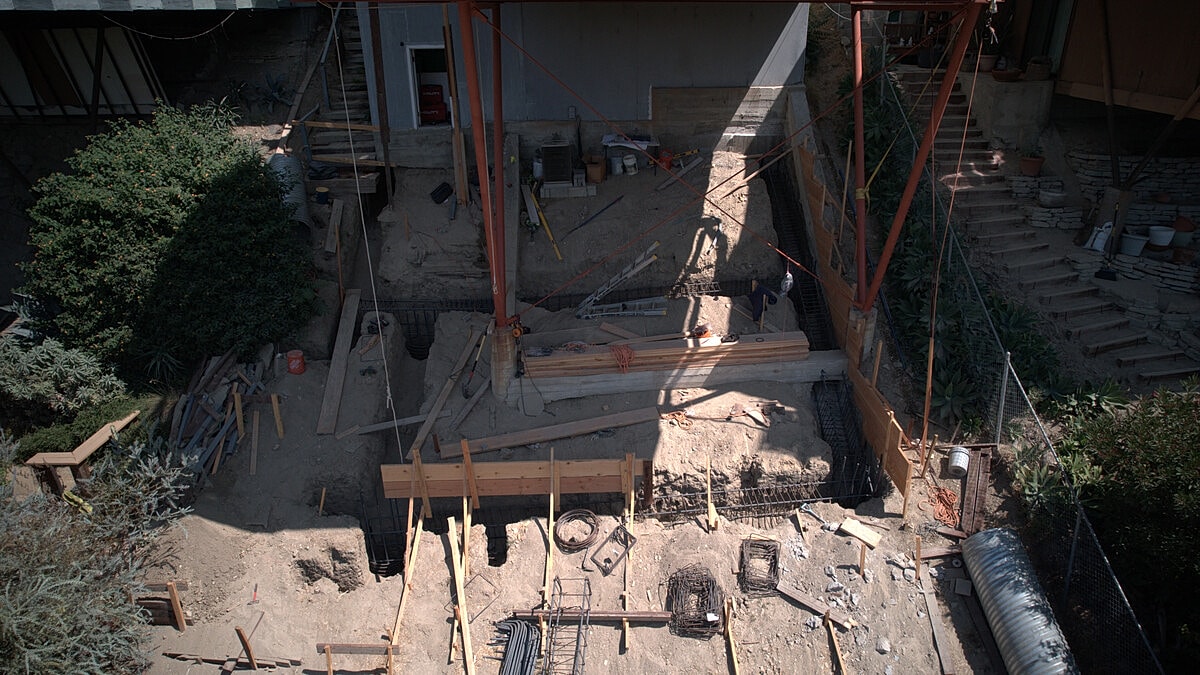
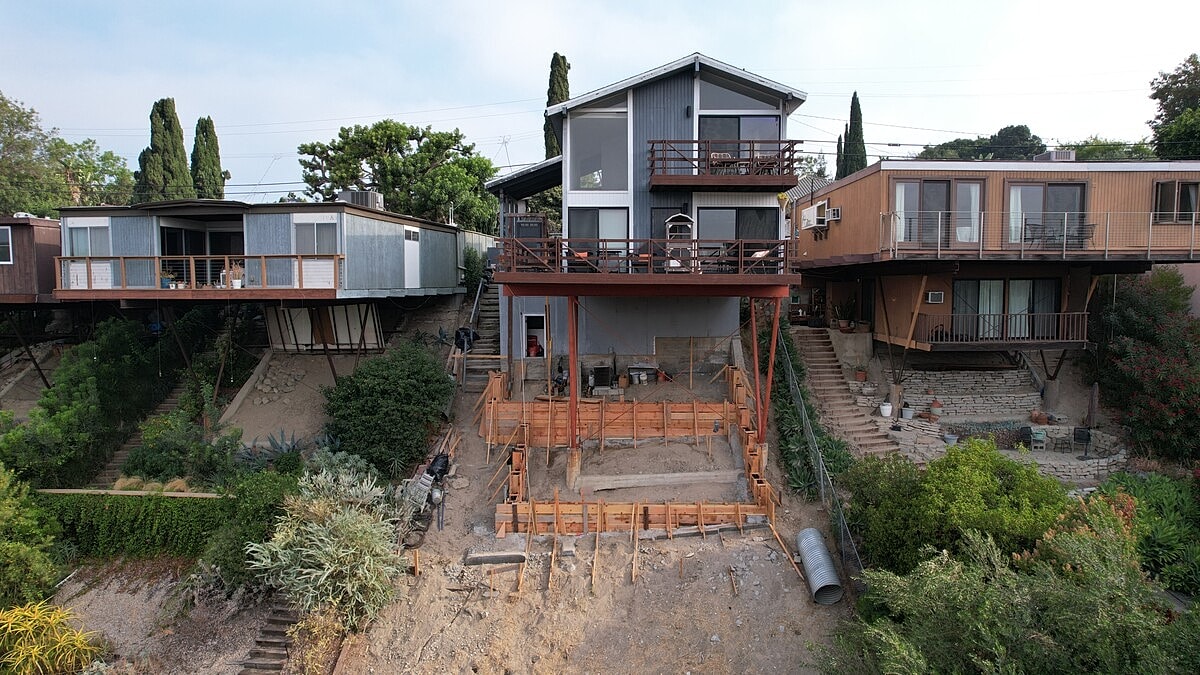
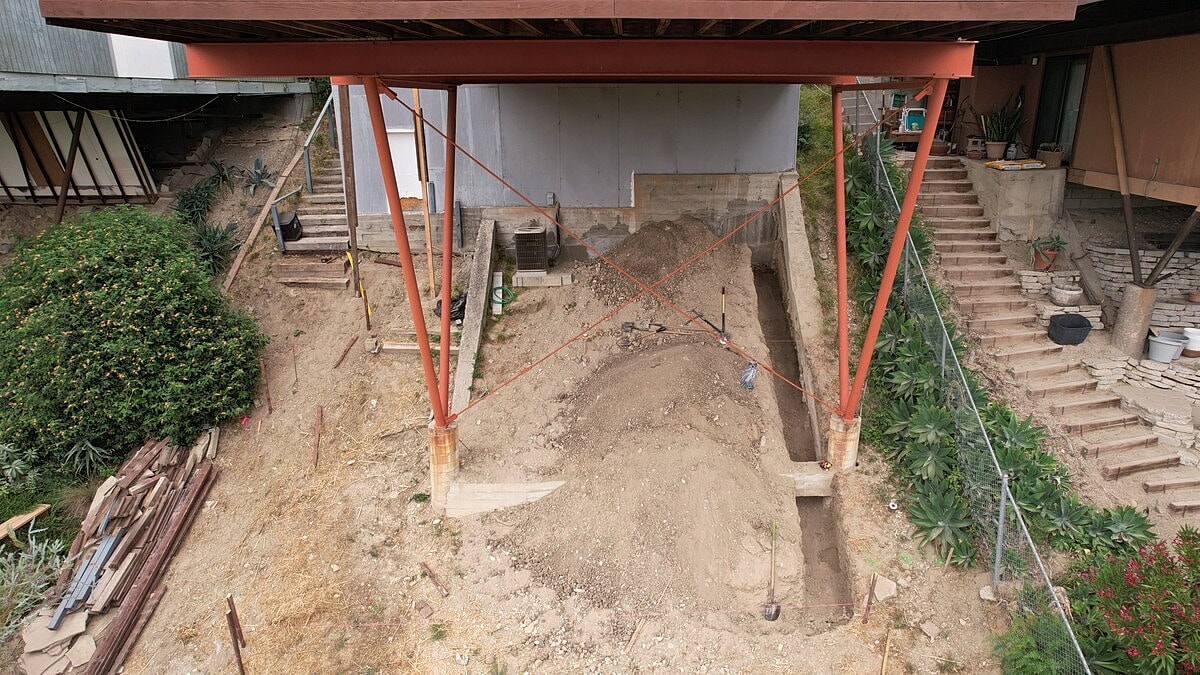
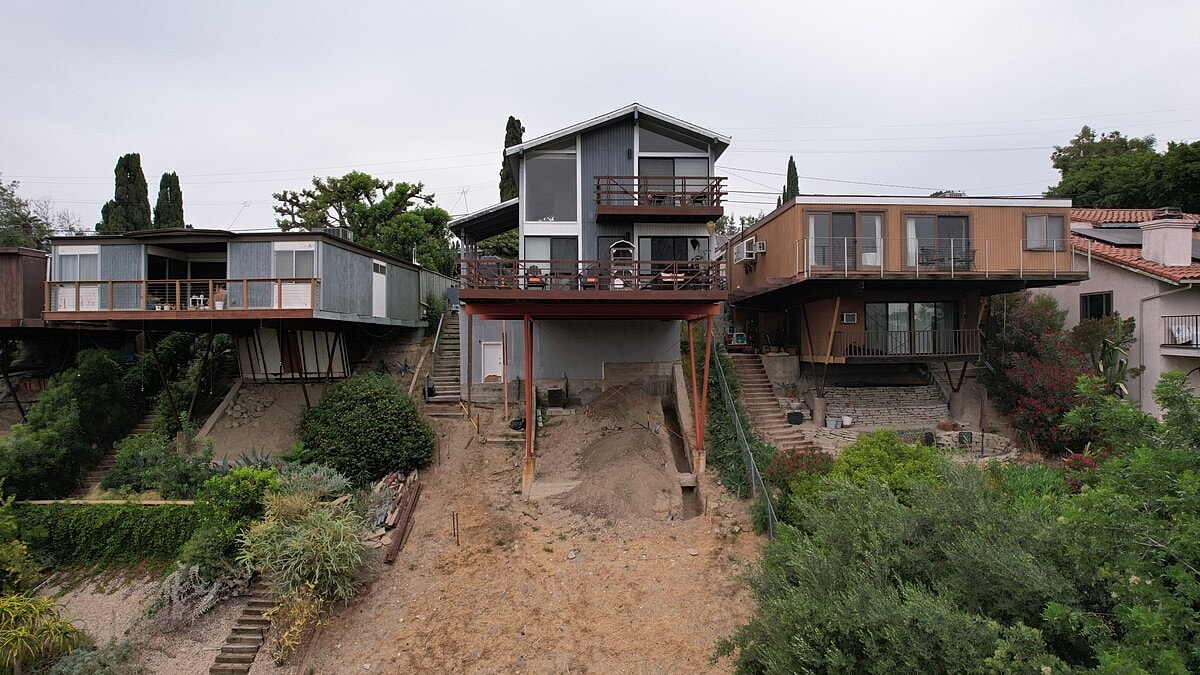
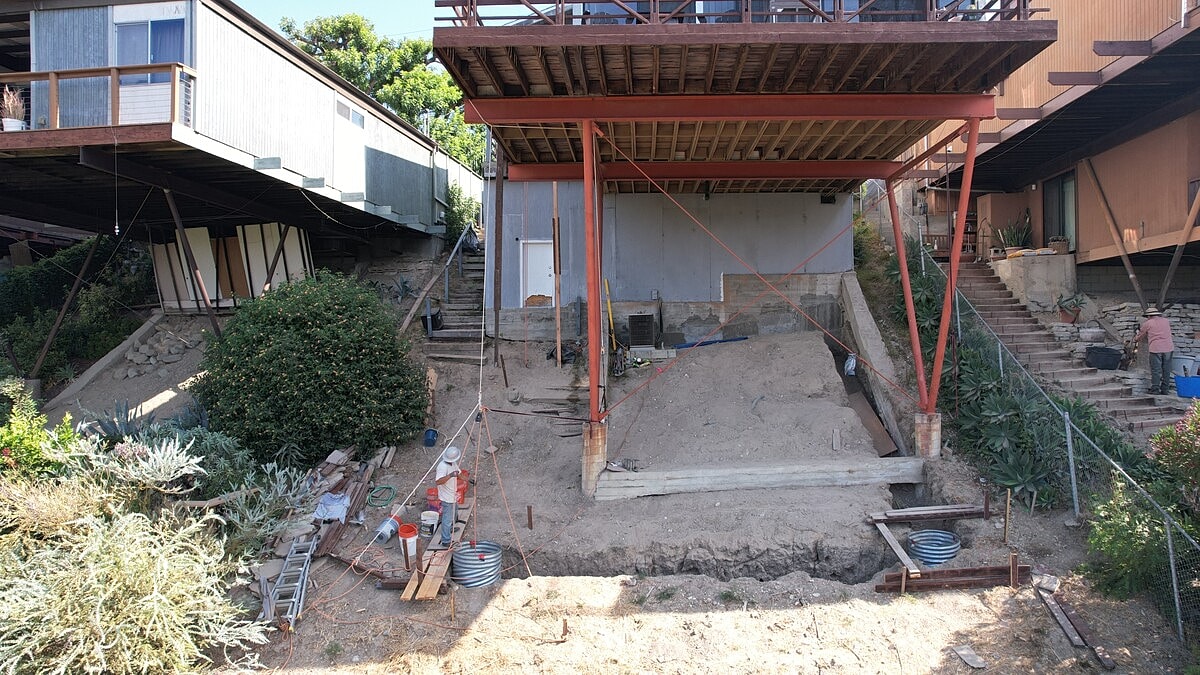
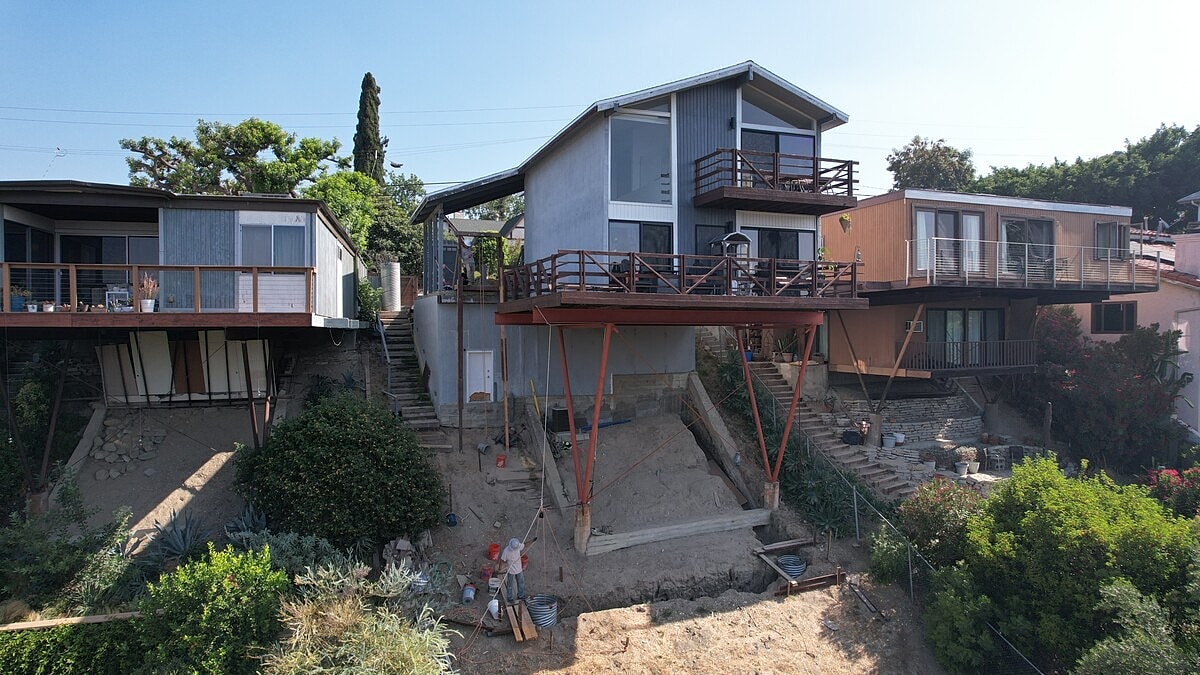
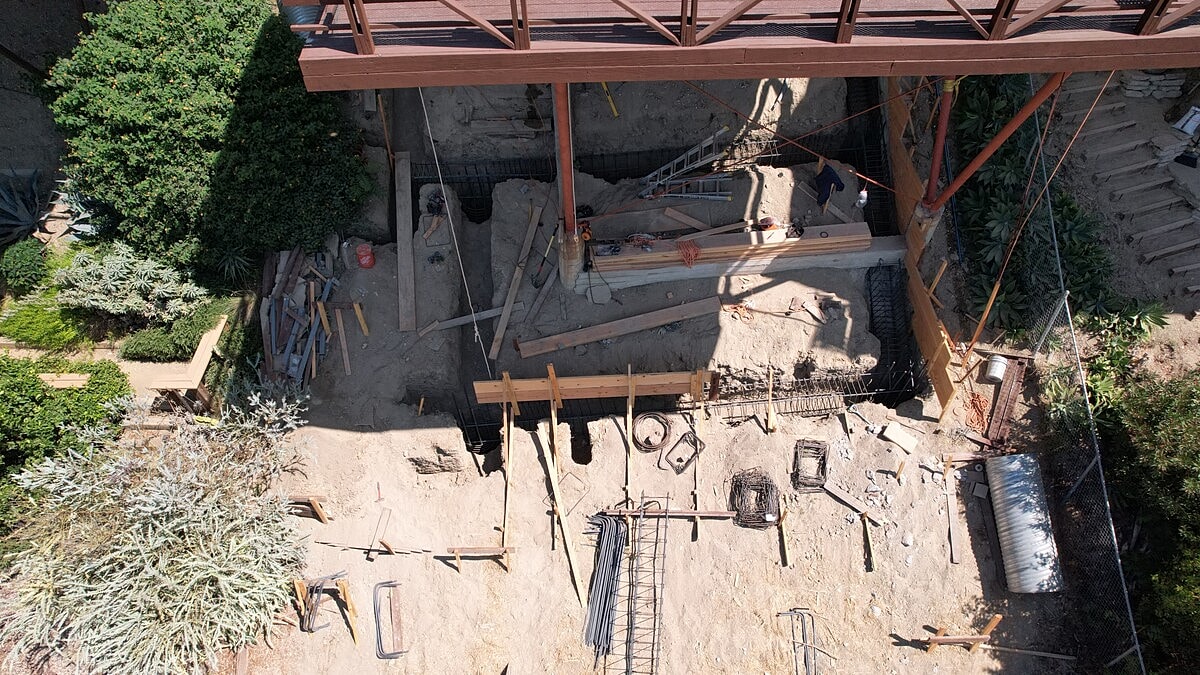
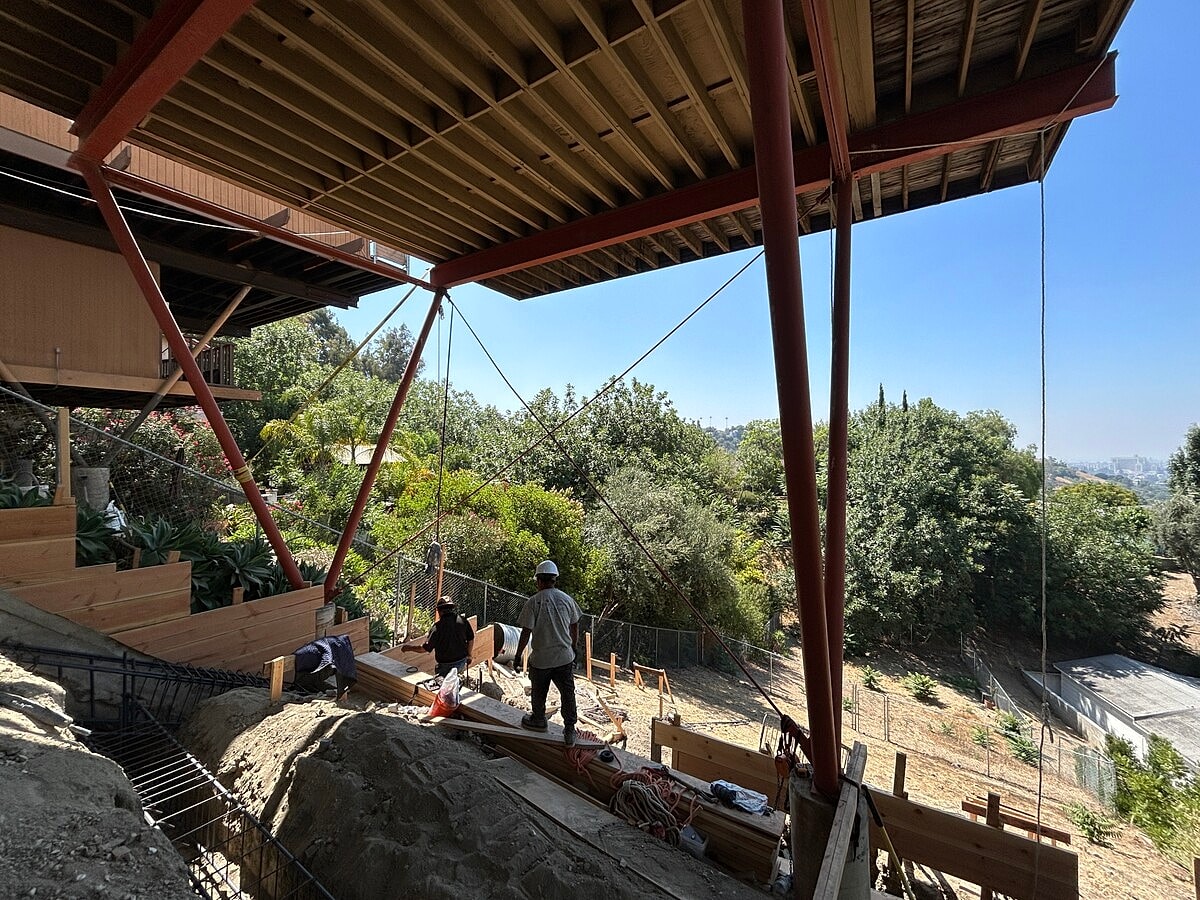
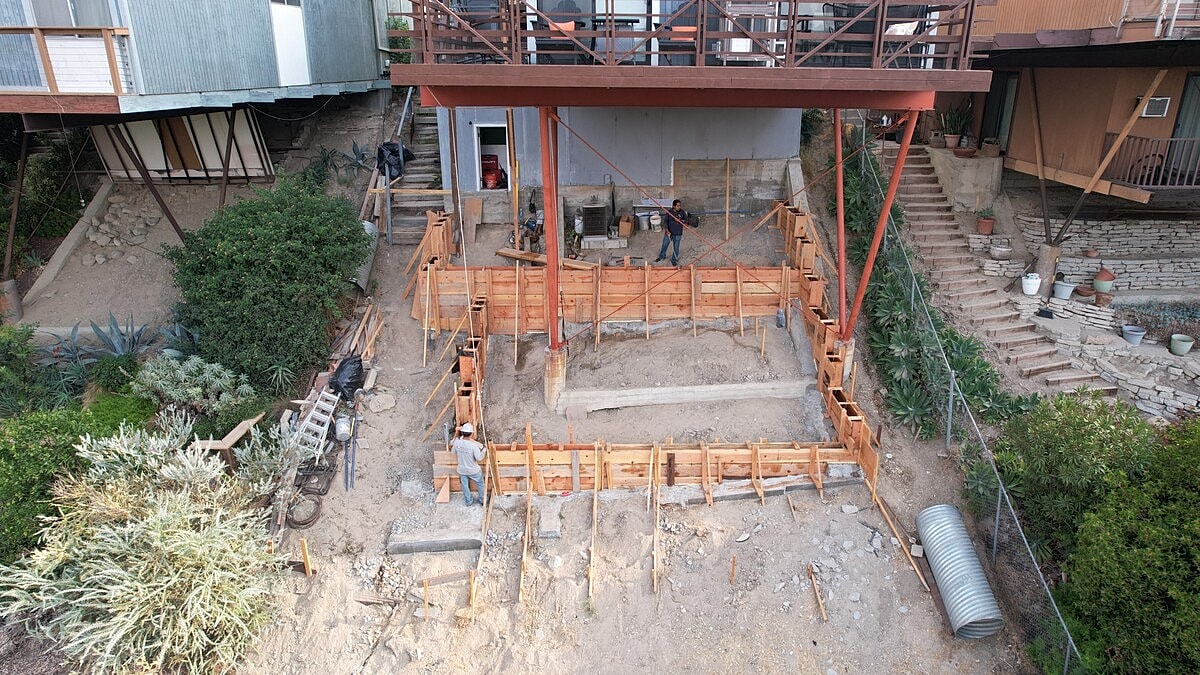
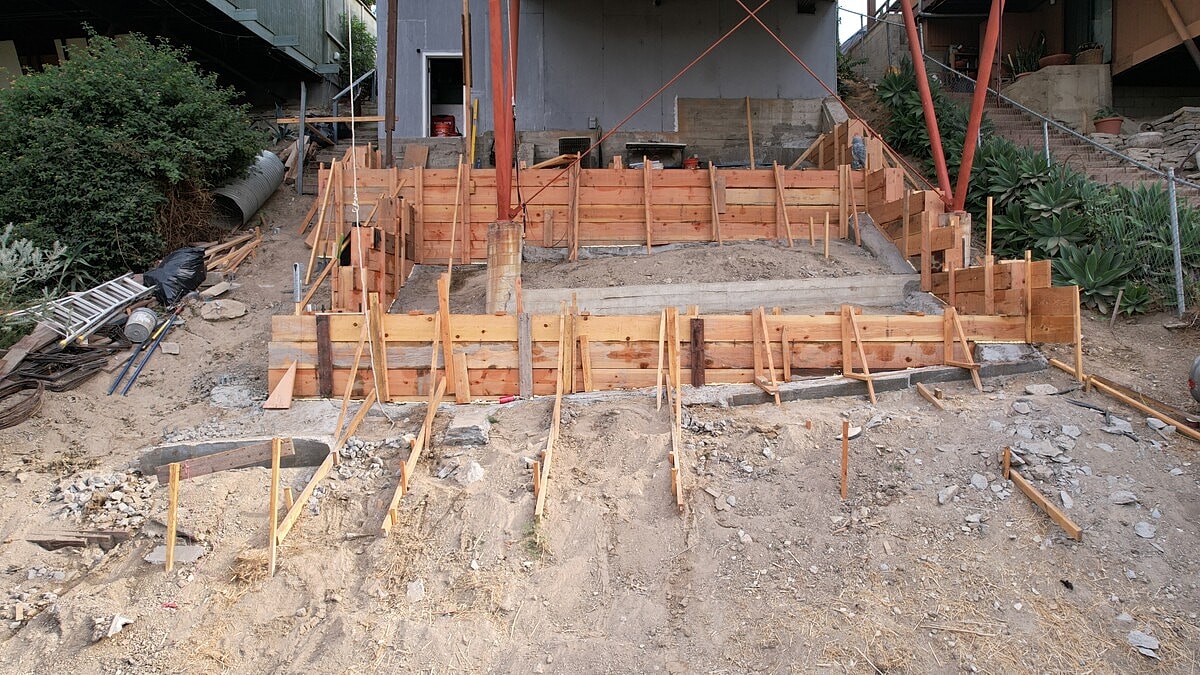
This Los Angeles hillside project involved the construction of a custom deck supported by an engineered pile and grade beam foundation system. Designed specifically for the site's challenging terrain, the deep foundation system transfers structural loads into competent soil while providing a stable base for the deck and its framing system.
Alpha Structural provided the engineering, foundation design, and construction, creating a fully integrated structural solution tailored to the property's unique conditions. By combining deep foundation piles, reinforced grade beams, and engineered framing, the completed deck delivers long-term strength, stability, and reliable performance for a challenging hillside environment.
Residential
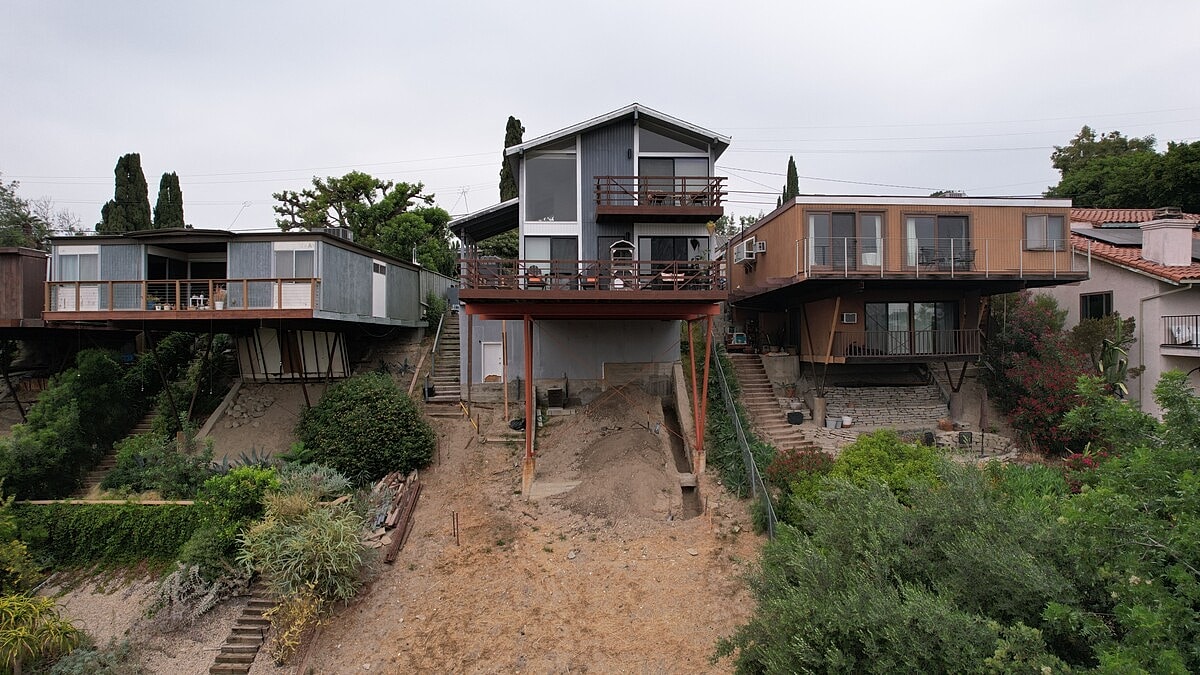
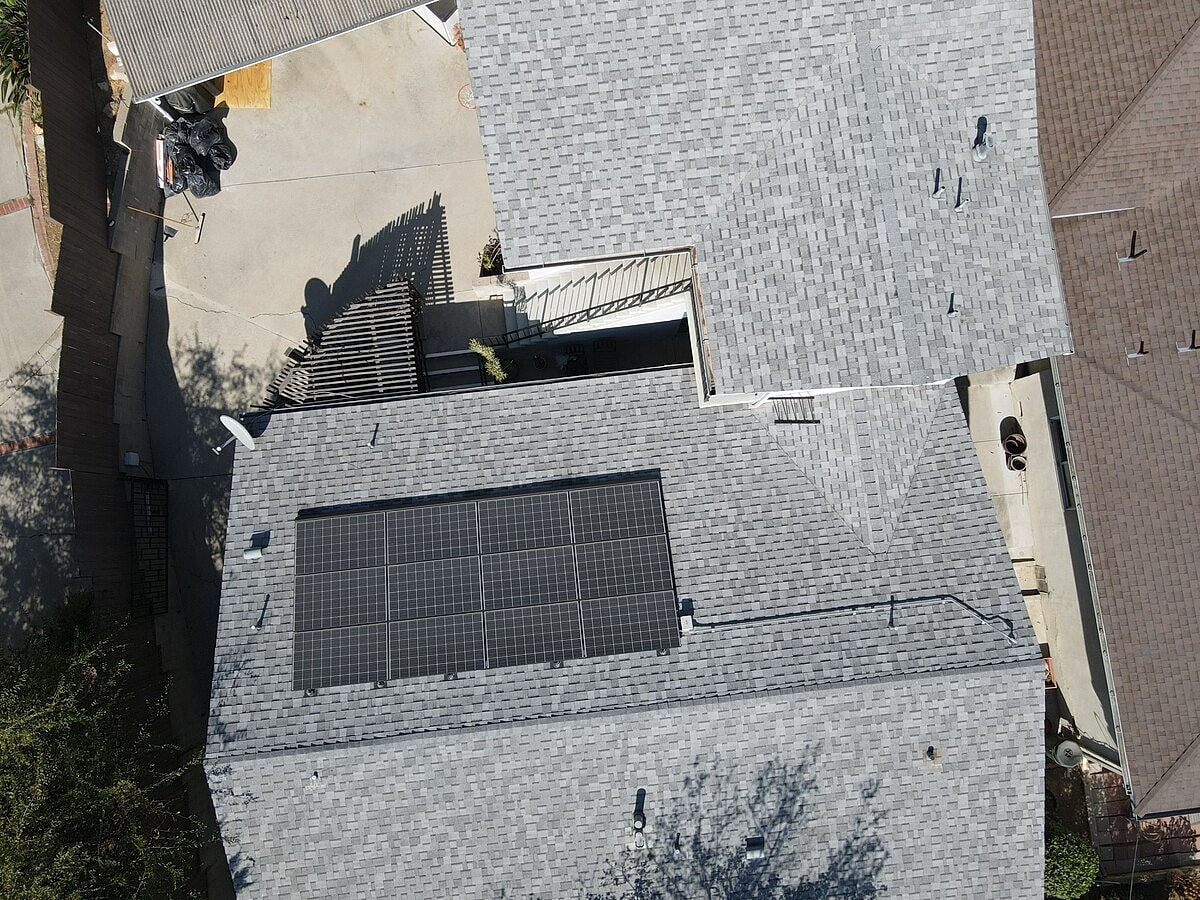
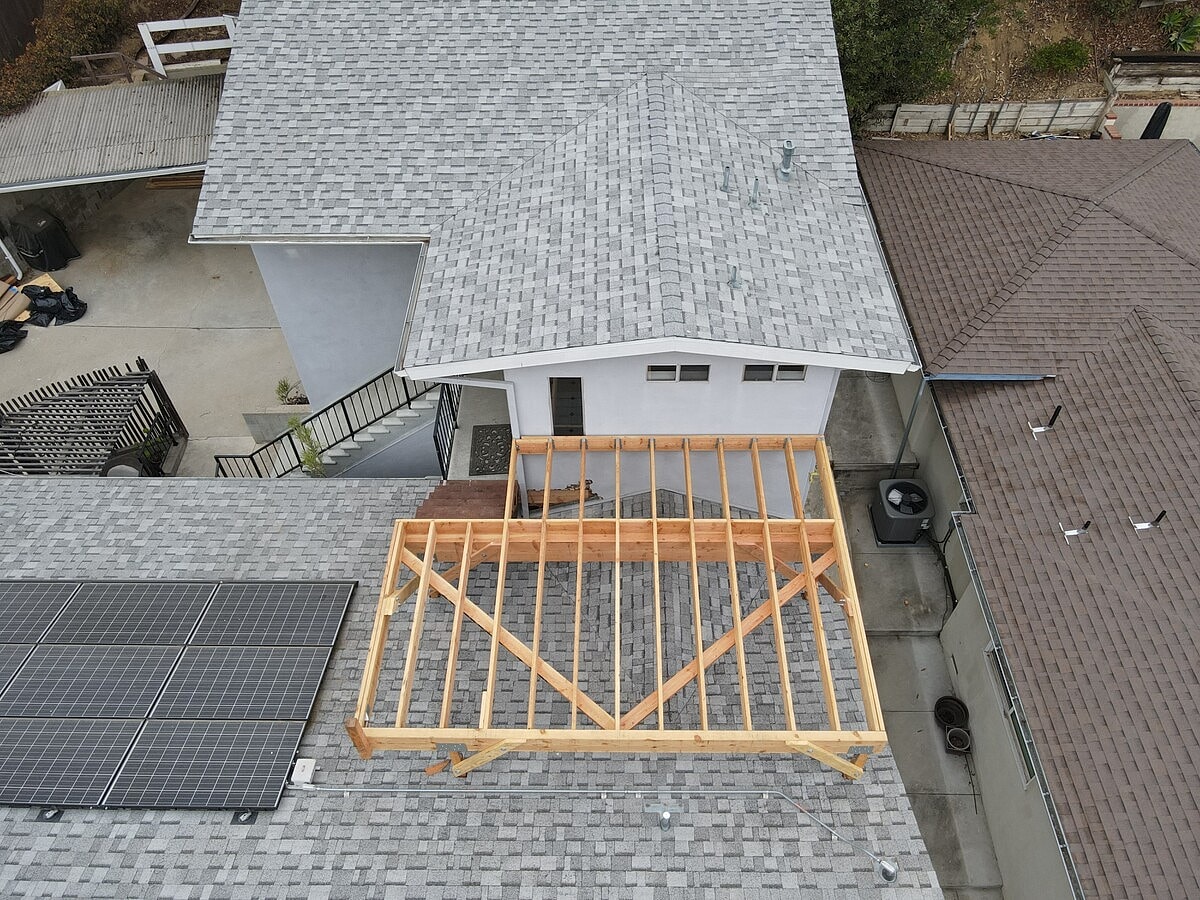
This Los Angeles project involved the construction of a custom pile-supported foundation system and structural framing for a new accessory dwelling unit (ADU). Designed for challenging site conditions, the project utilized deep foundation piles, reinforced grade beams, and concrete stem walls to create a stable structural base capable of supporting the new residence.
Alpha Structural completed the engineered foundation system along with the structural framing, including floor framing, shear walls, seismic-resistant framing components, and roof framing. By combining licensed in-house engineering with specialized construction expertise, the completed ADU was built on a robust structural system designed to provide long-term strength, stability, and performance.
Residential
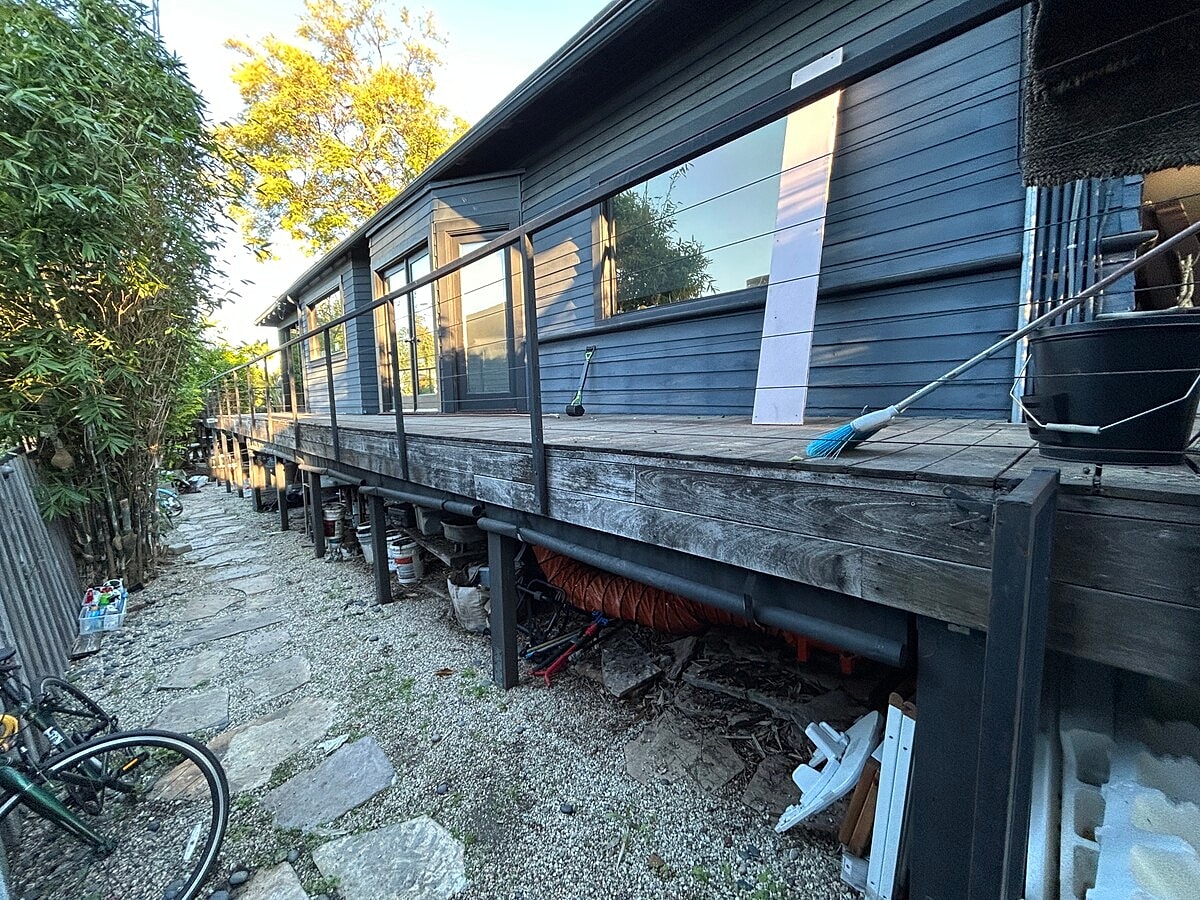
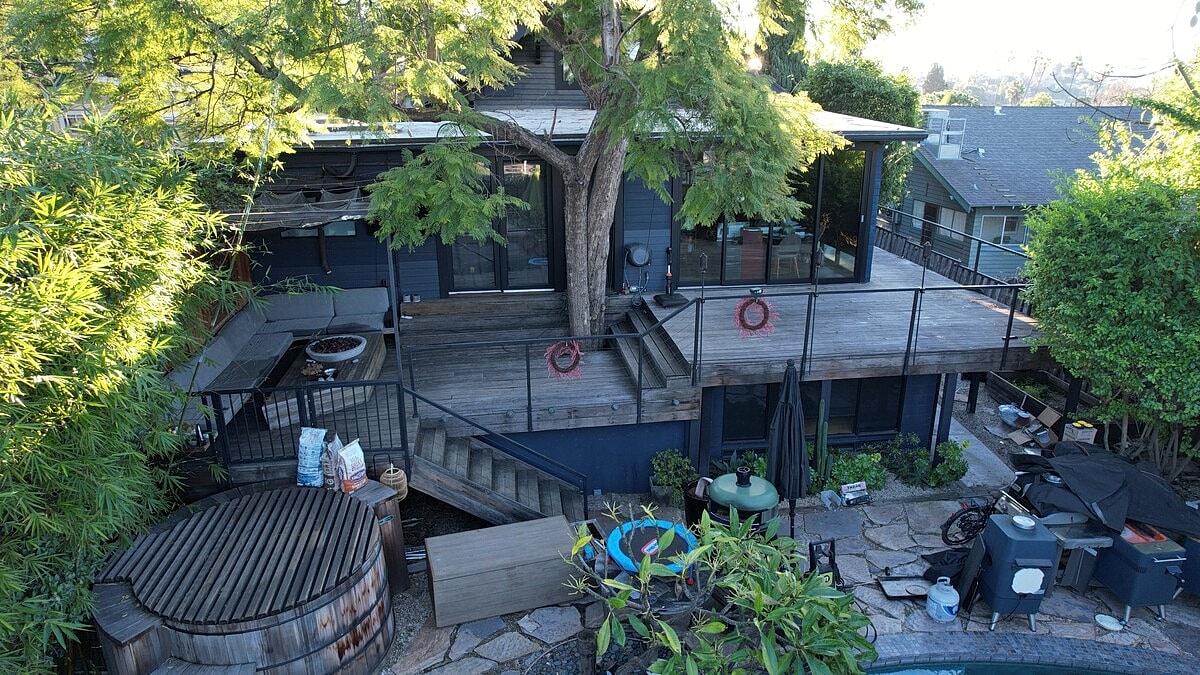
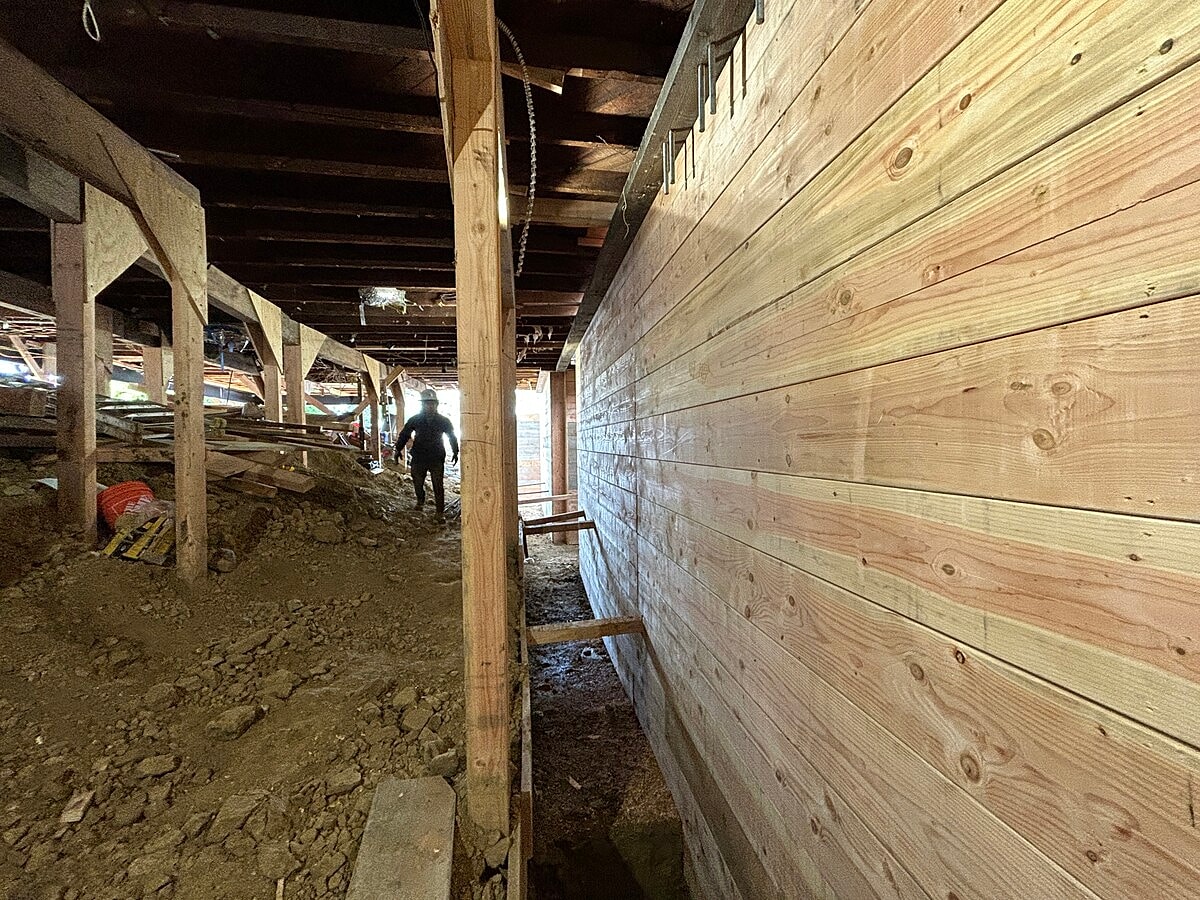
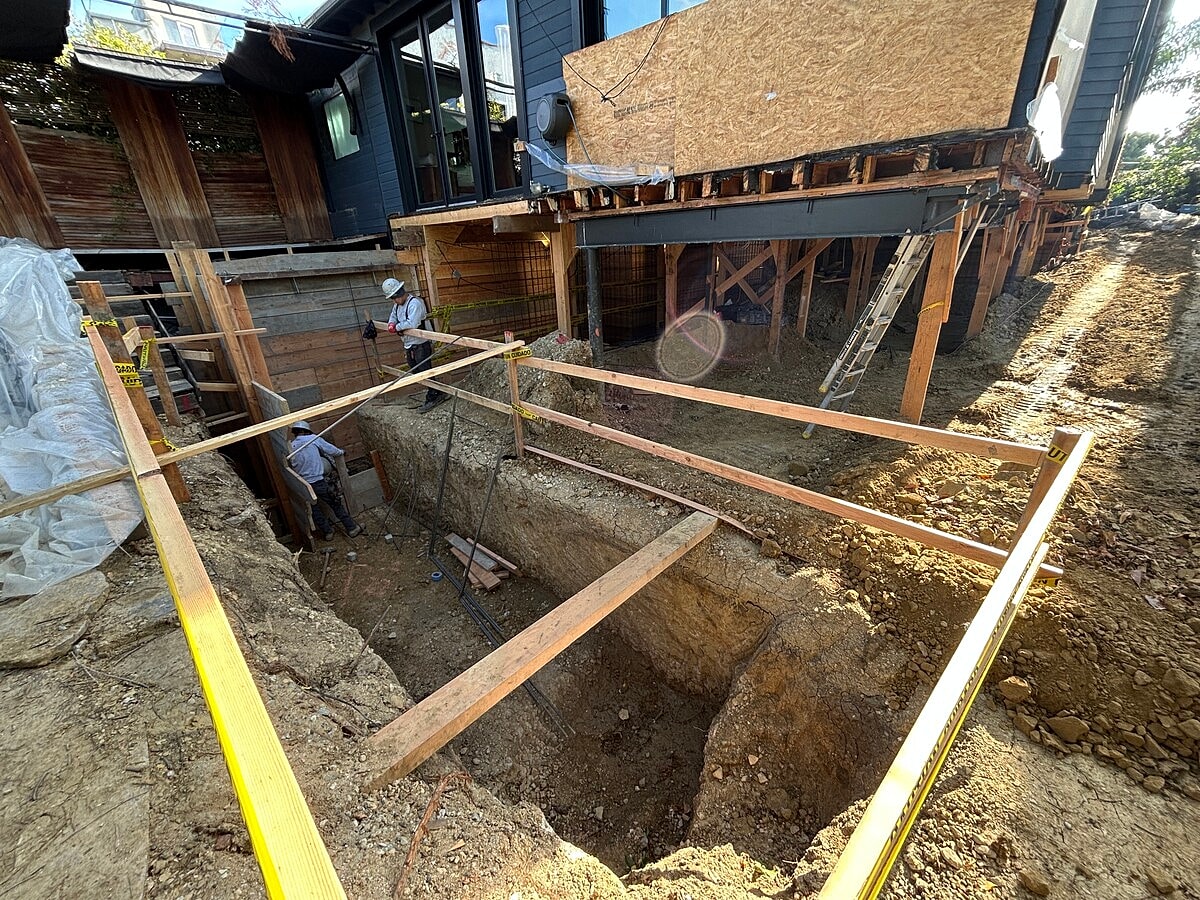
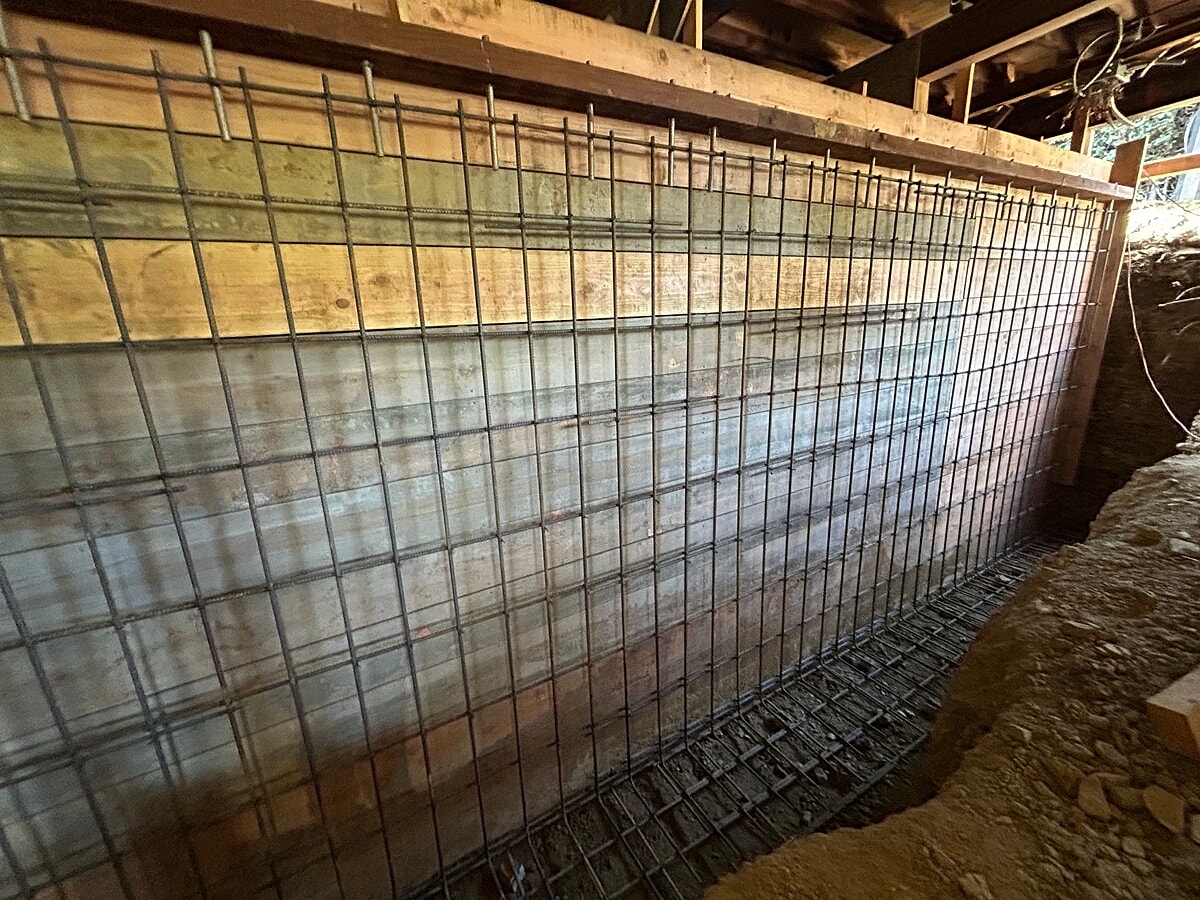
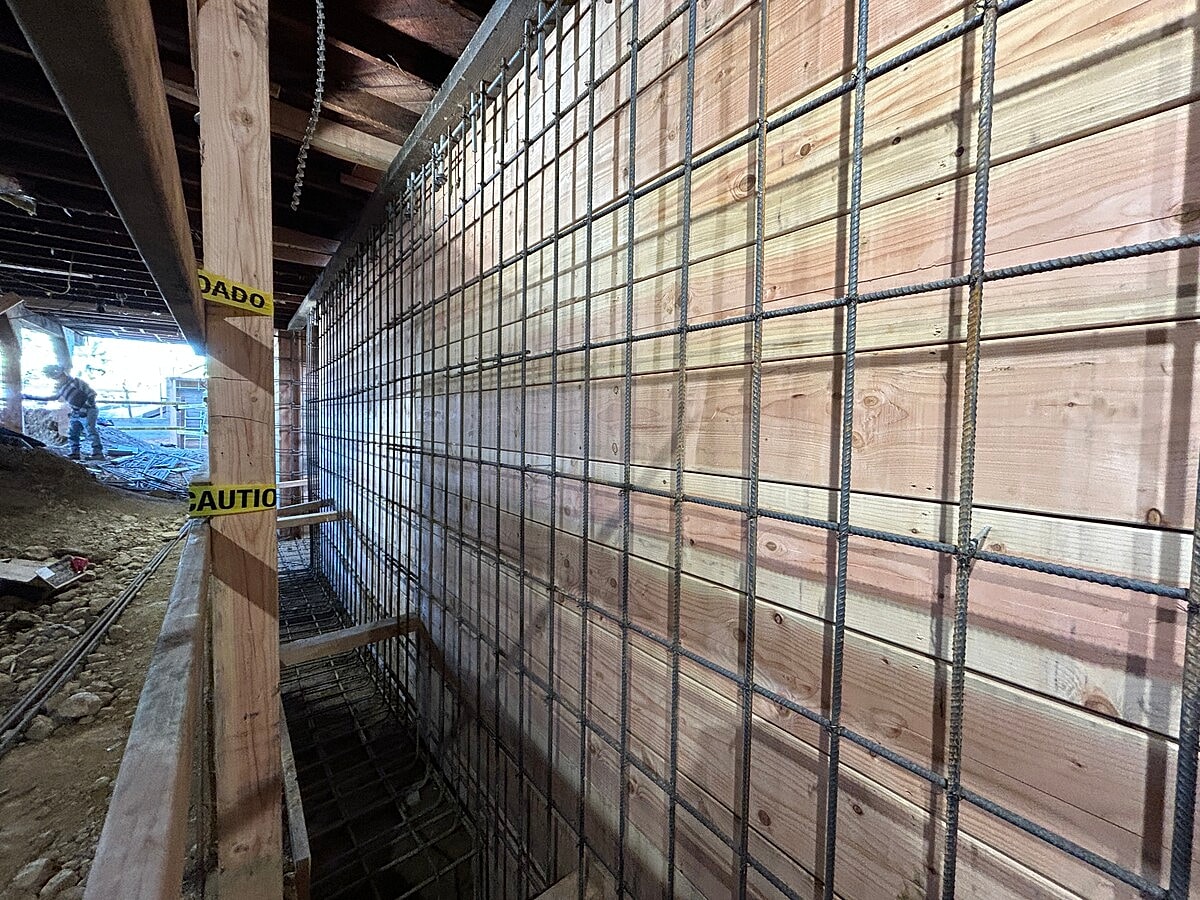
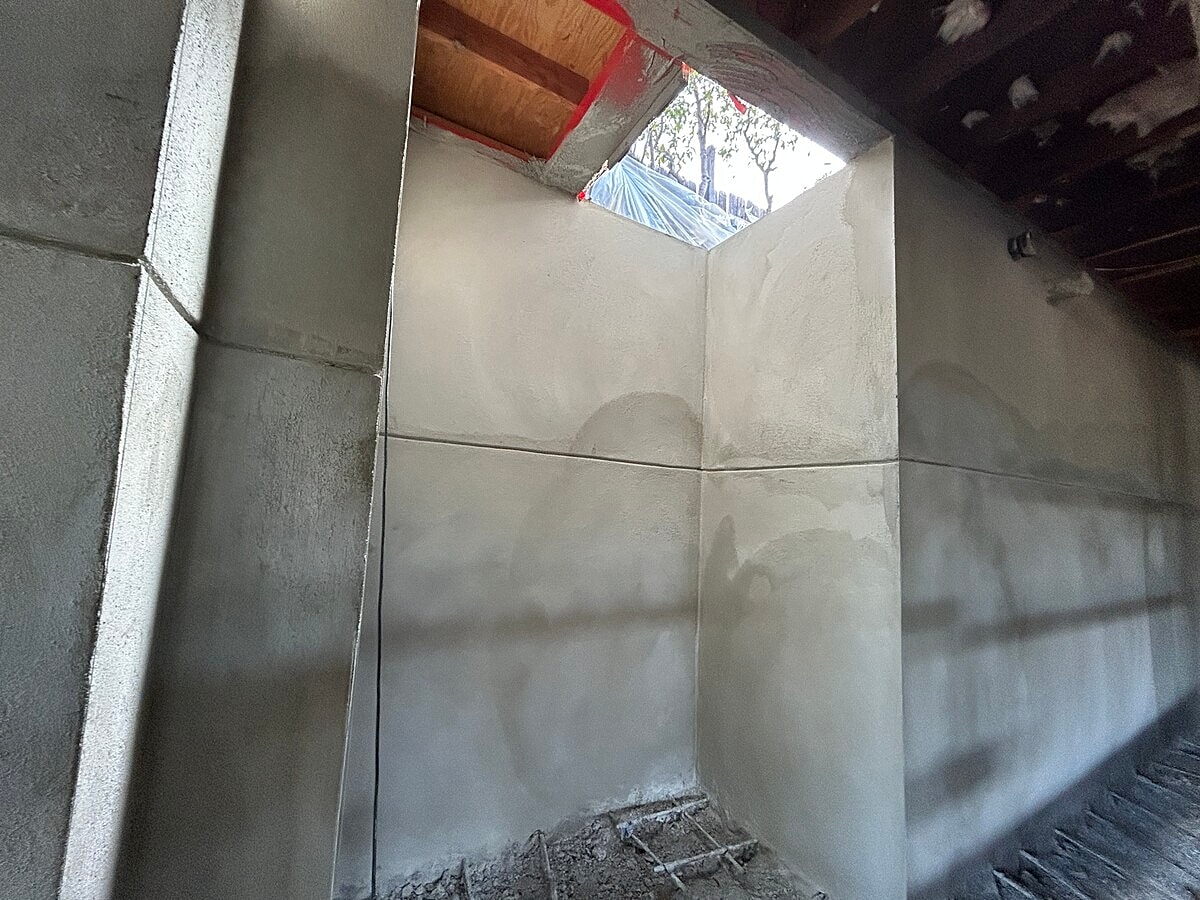
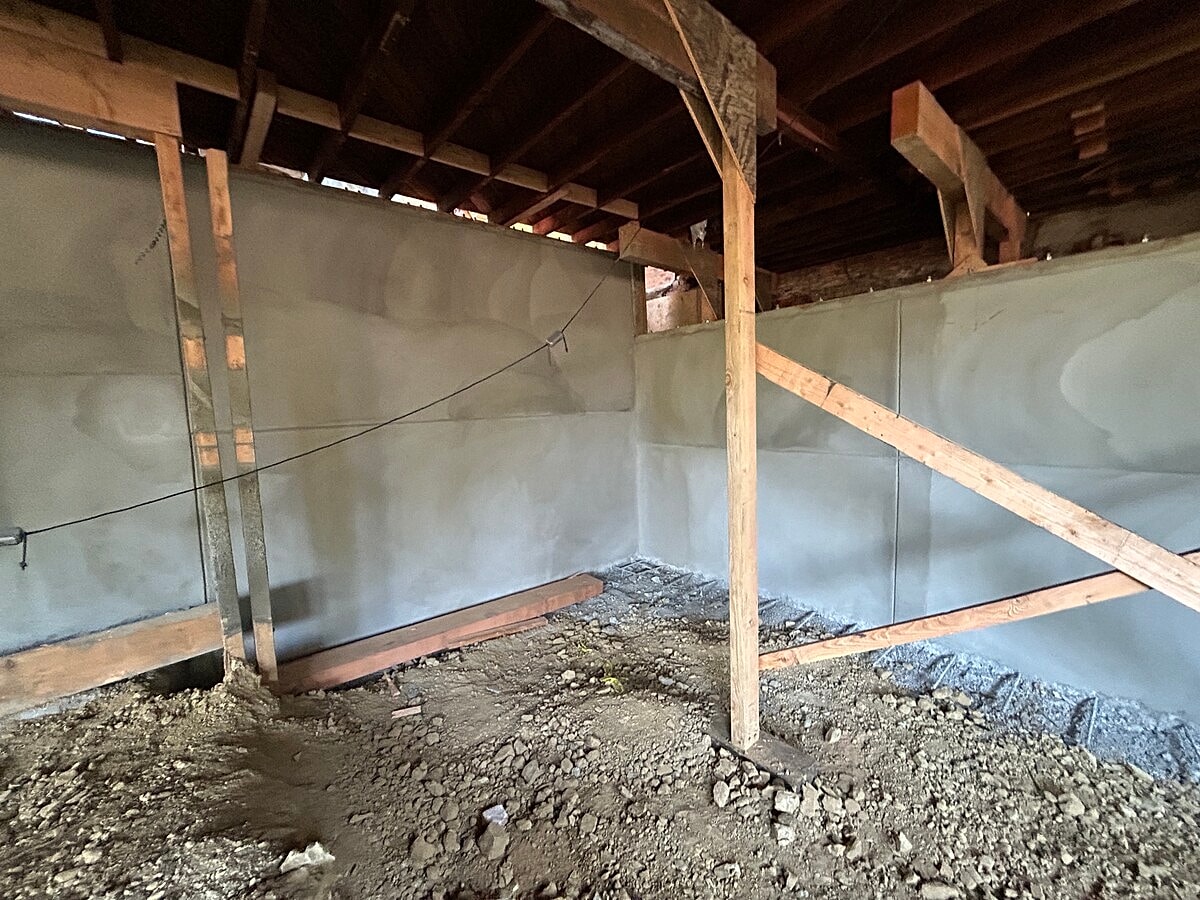
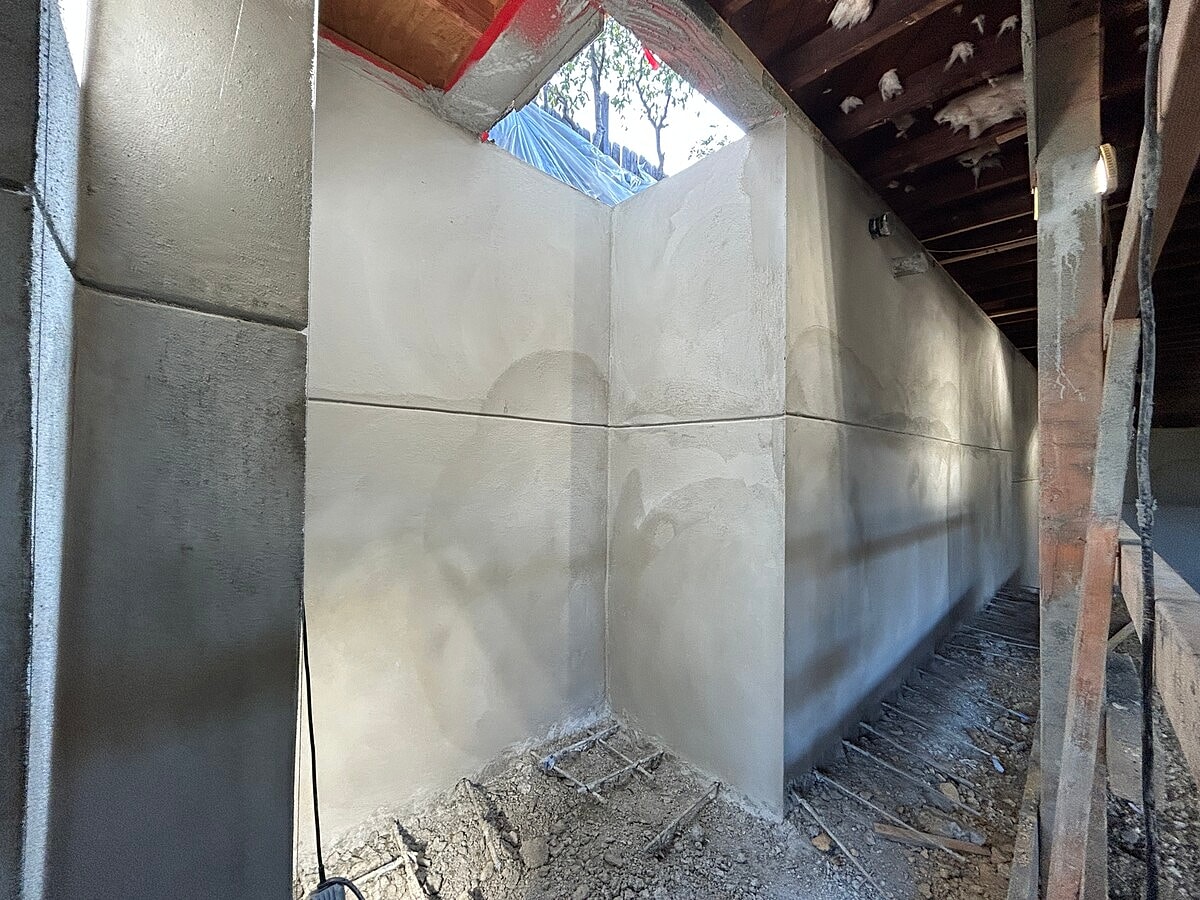
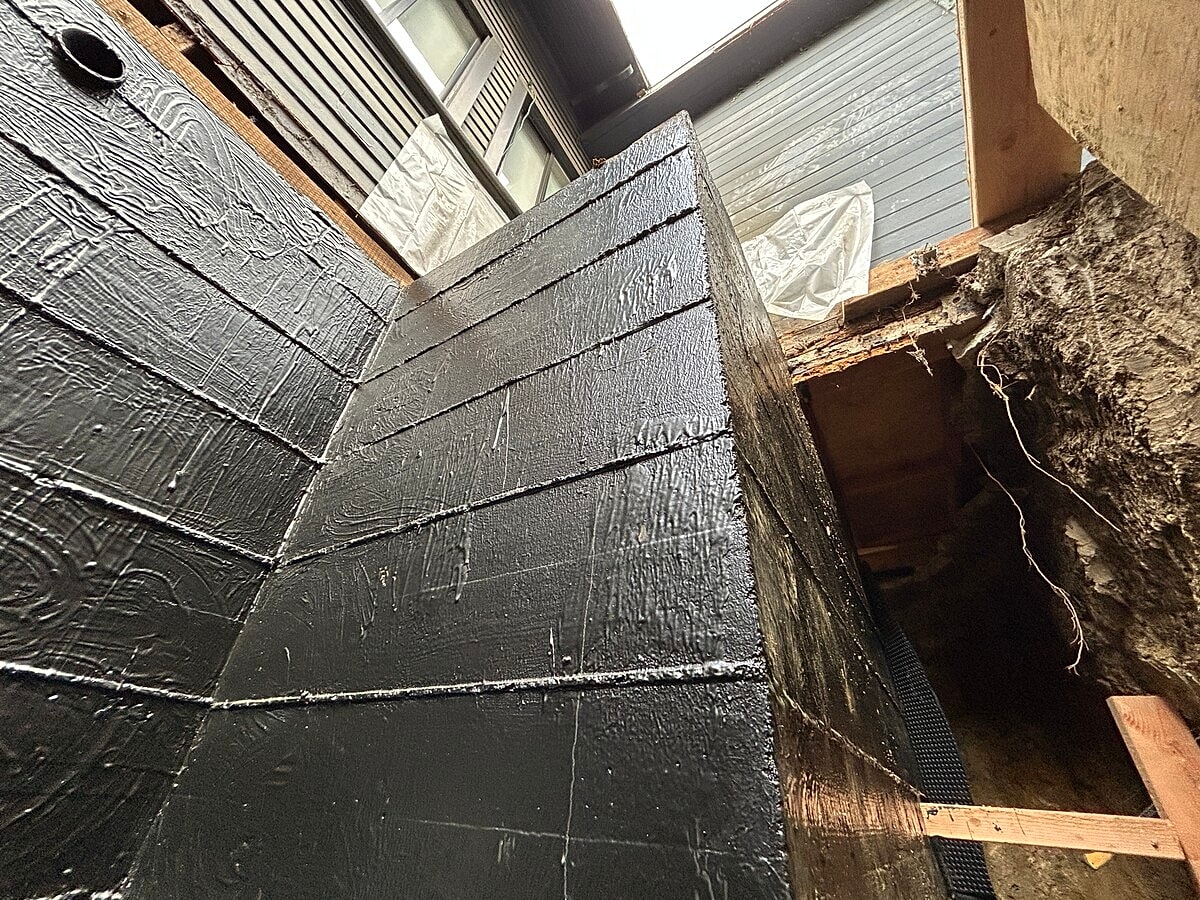
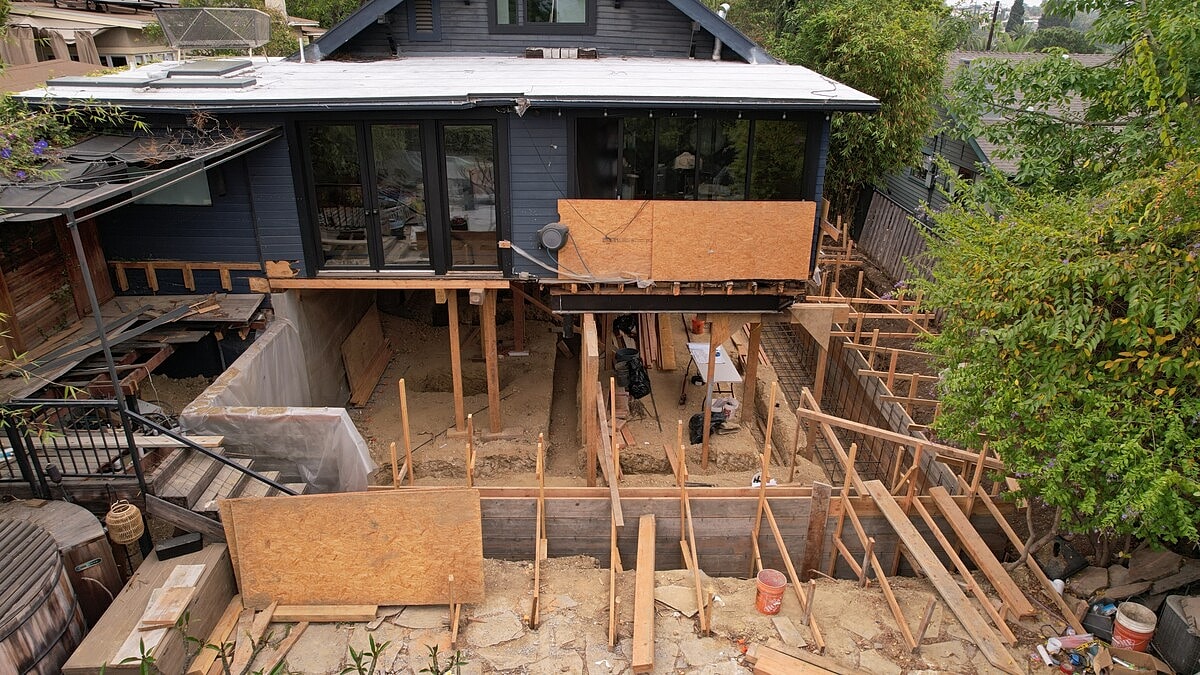
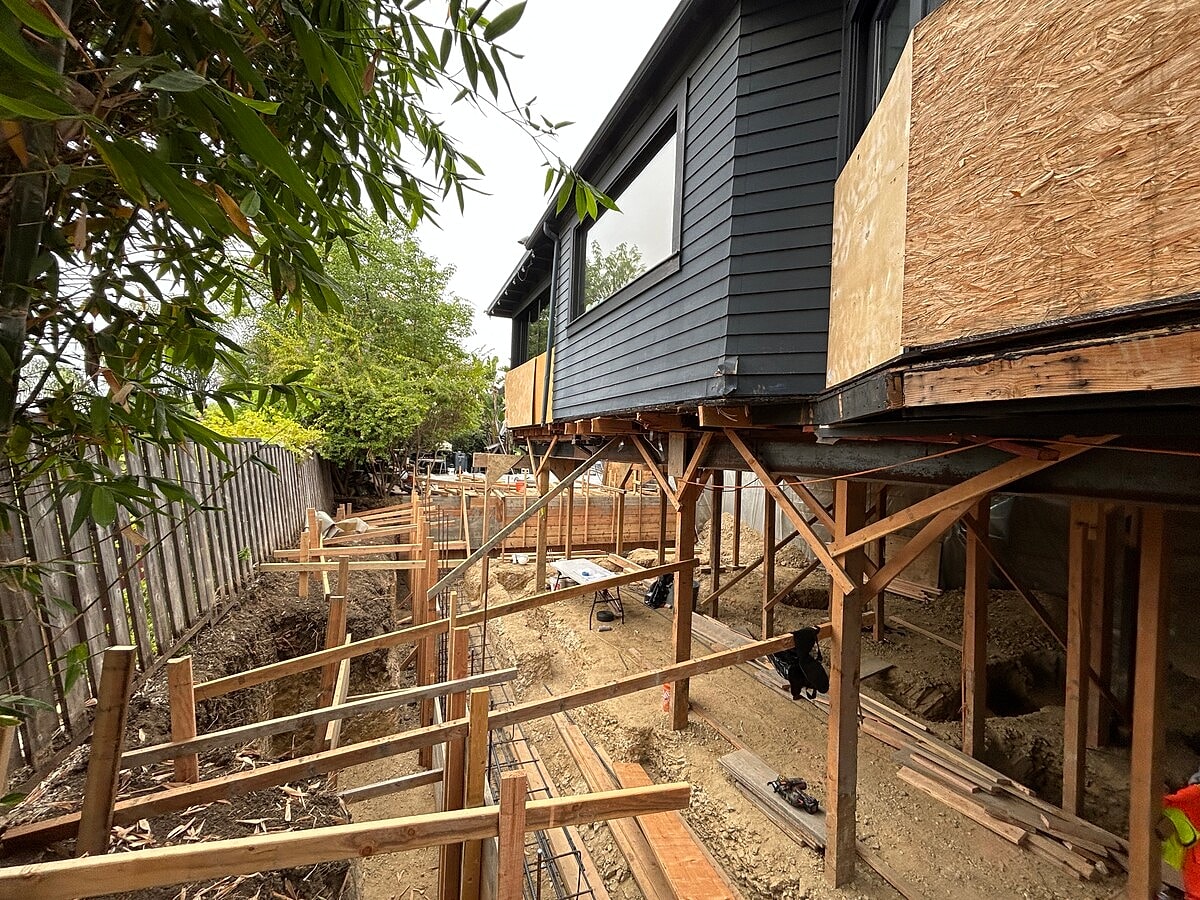
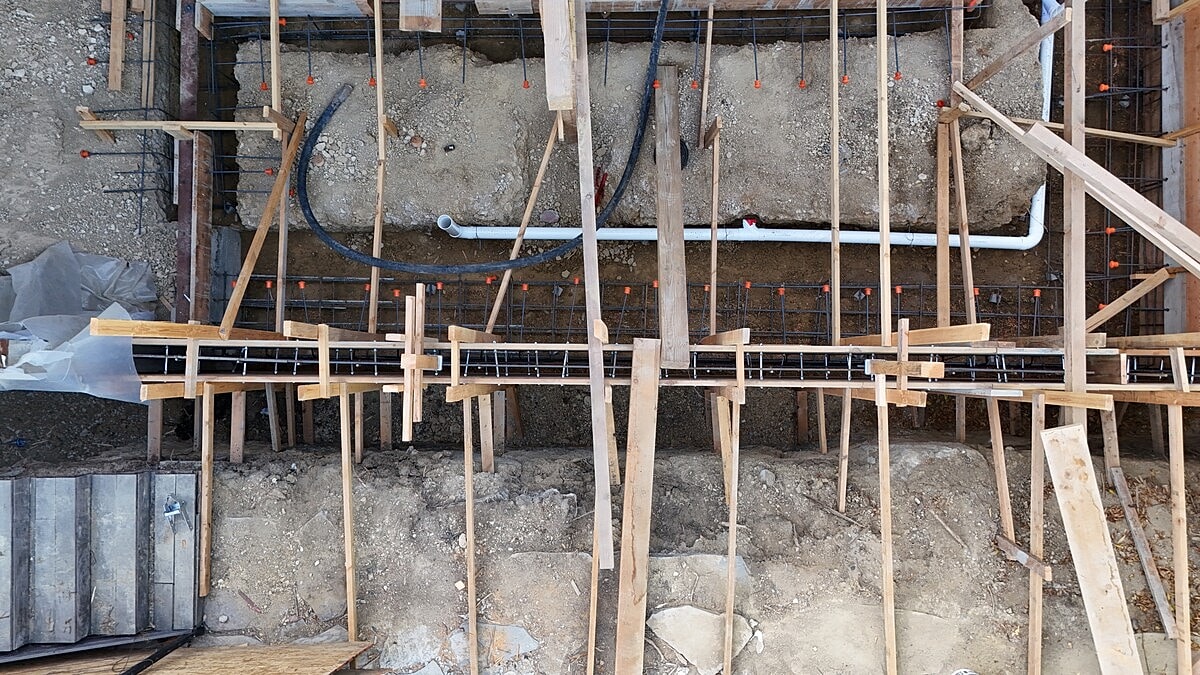
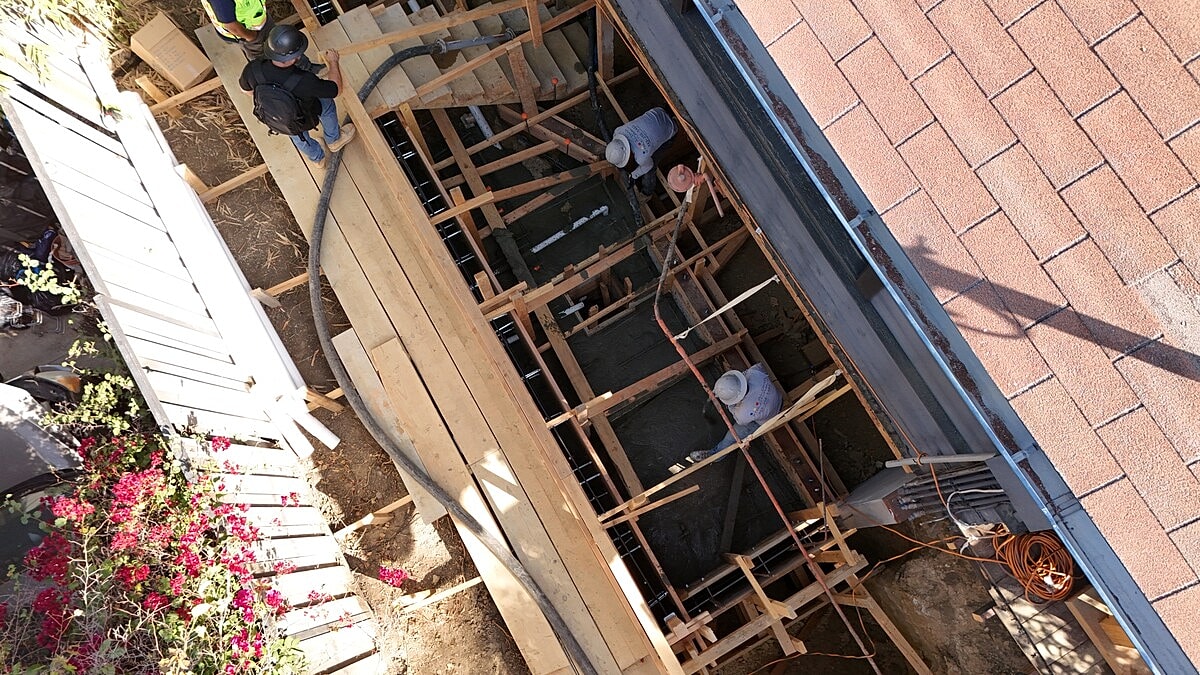
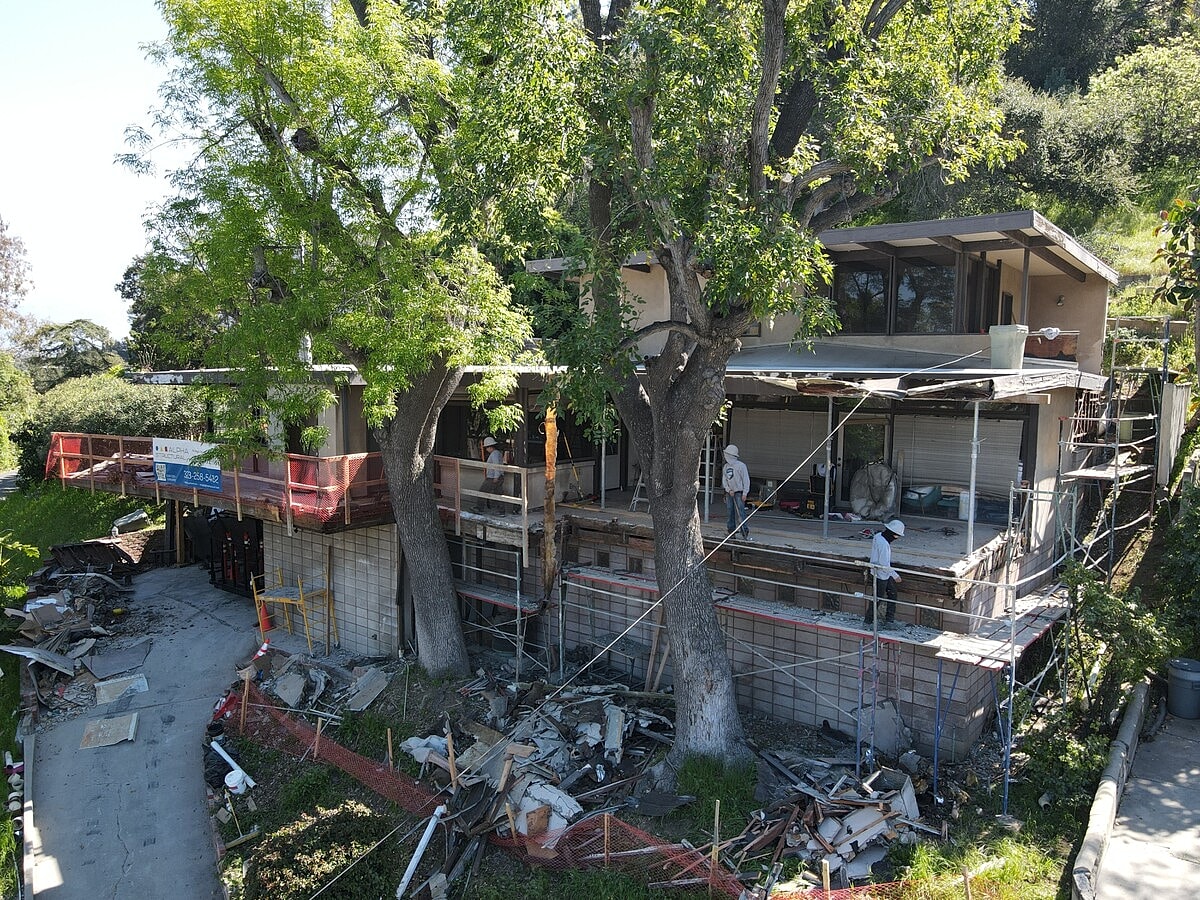
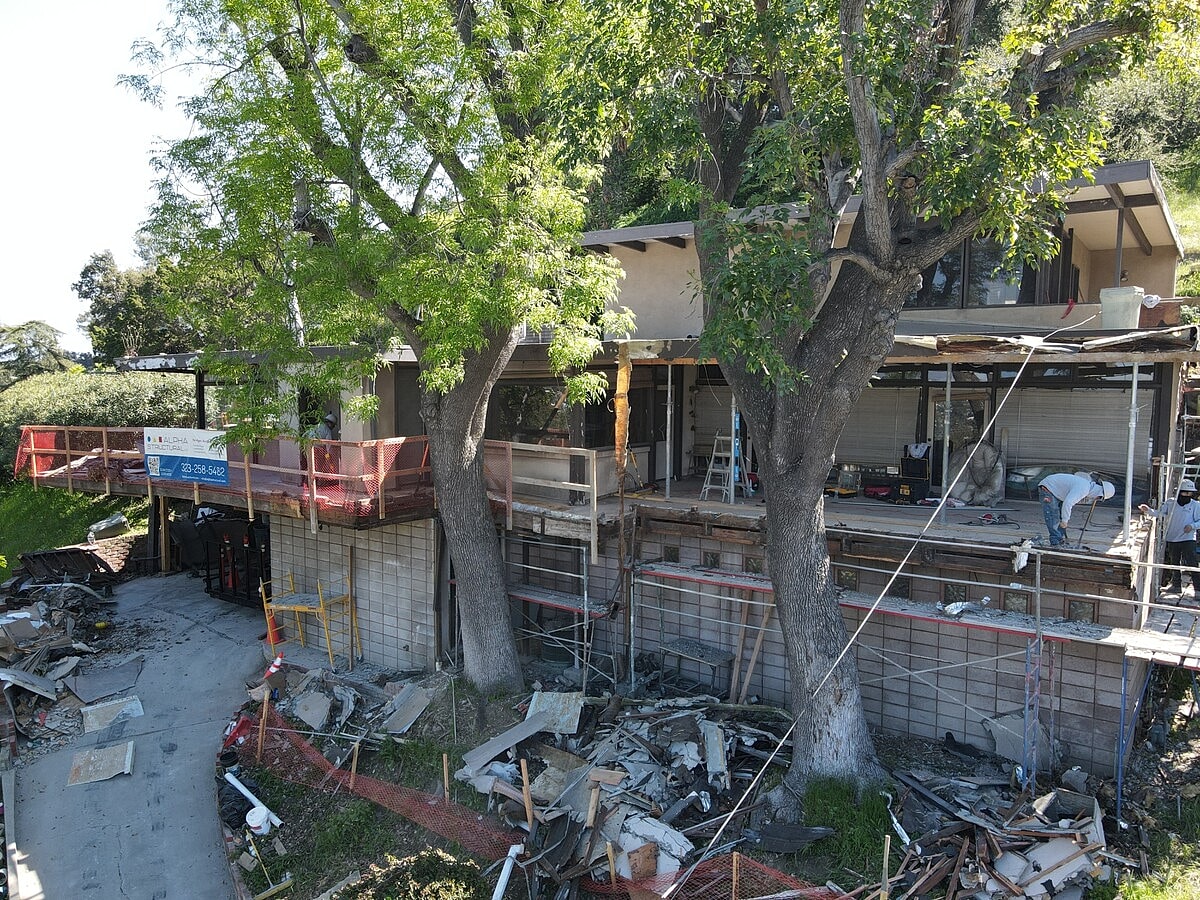
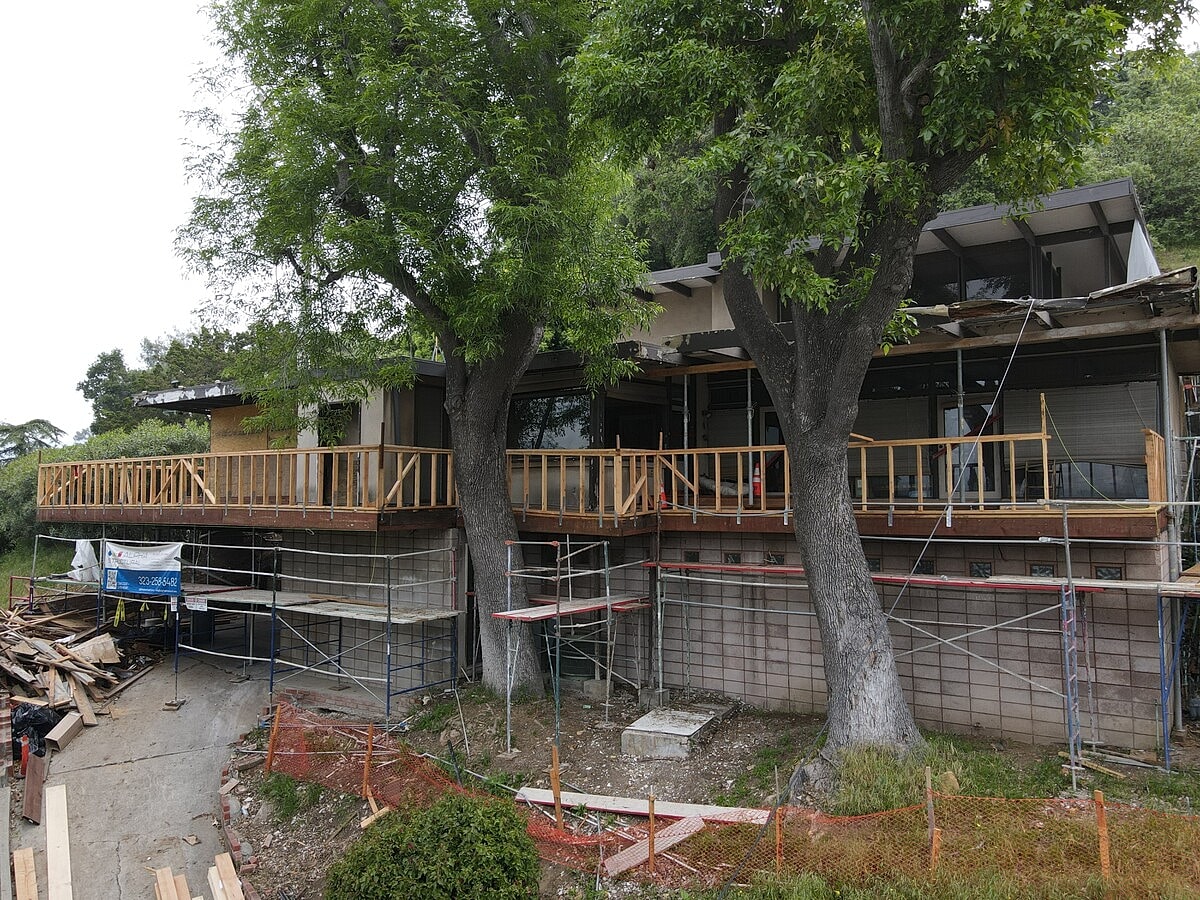
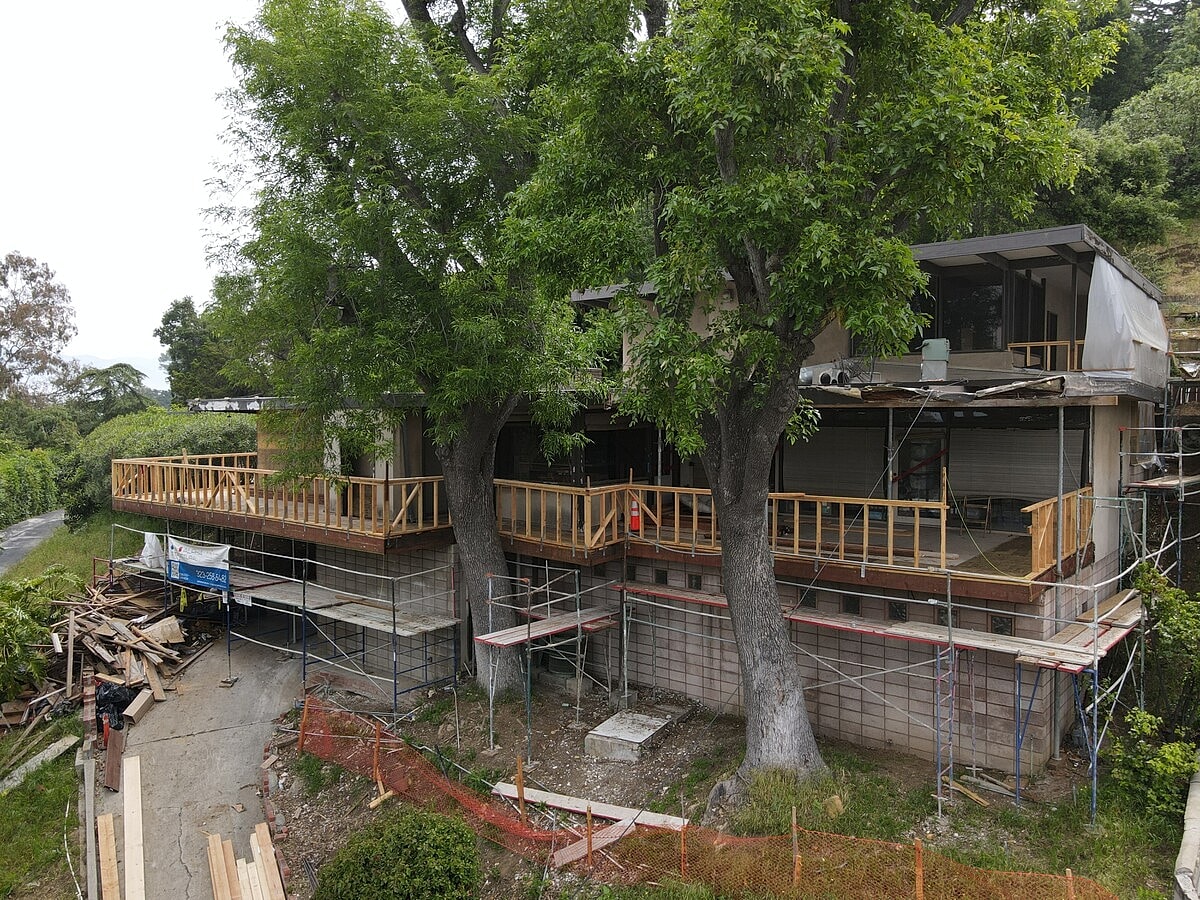
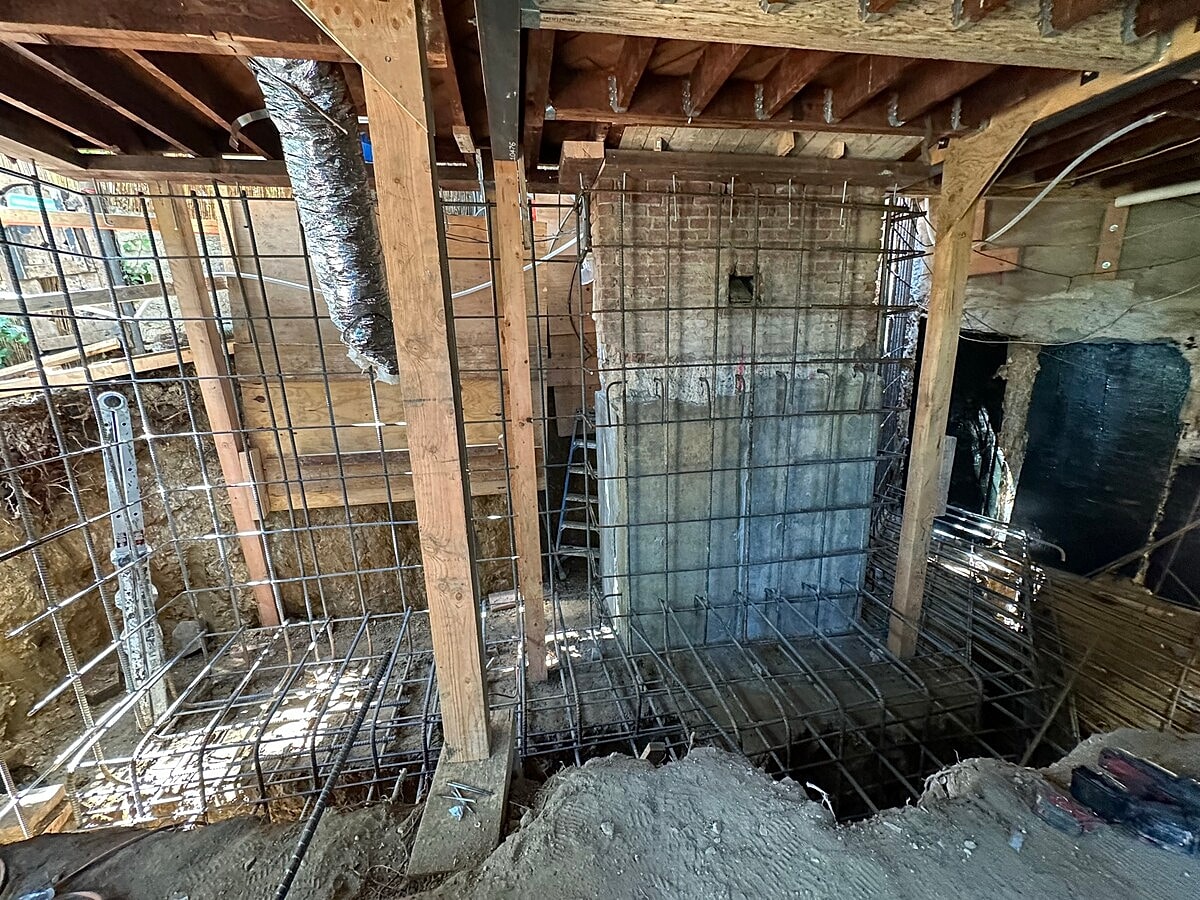
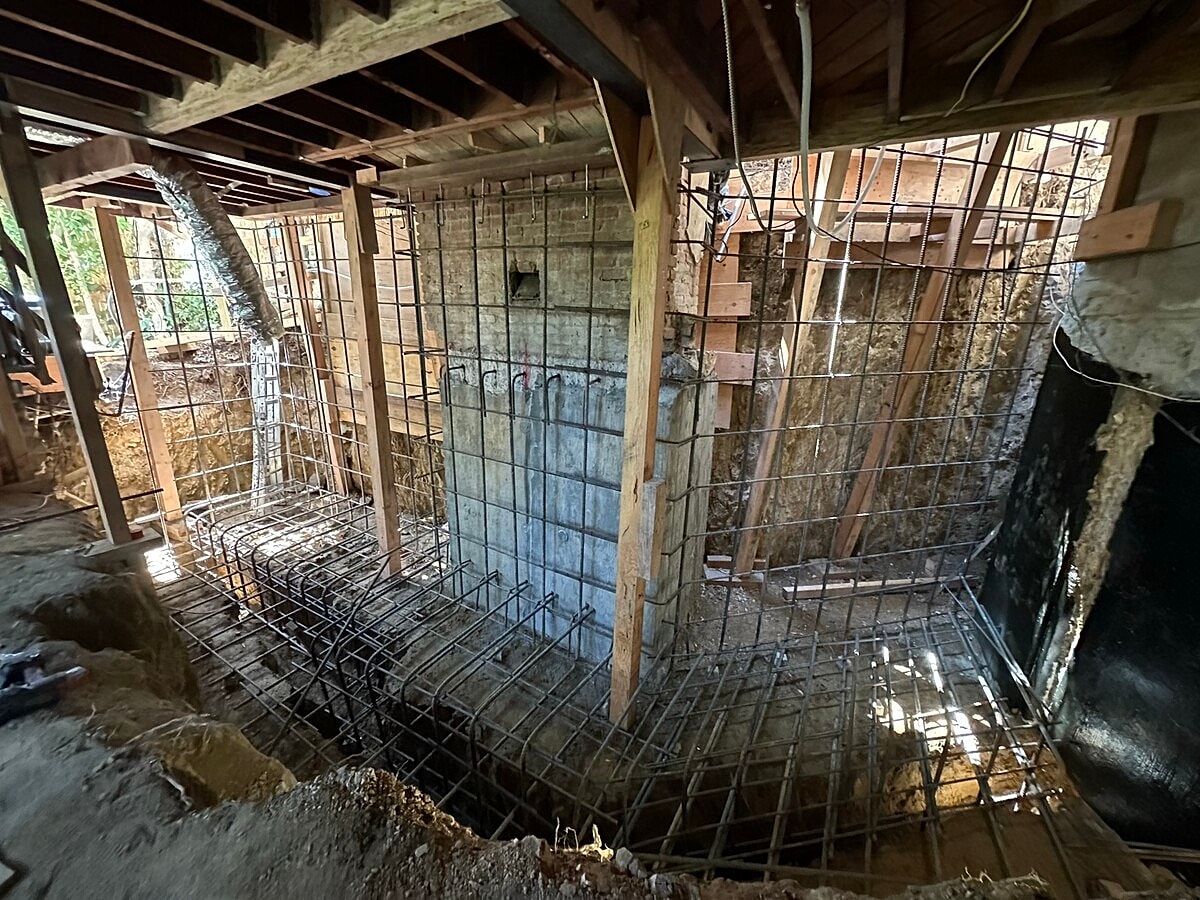
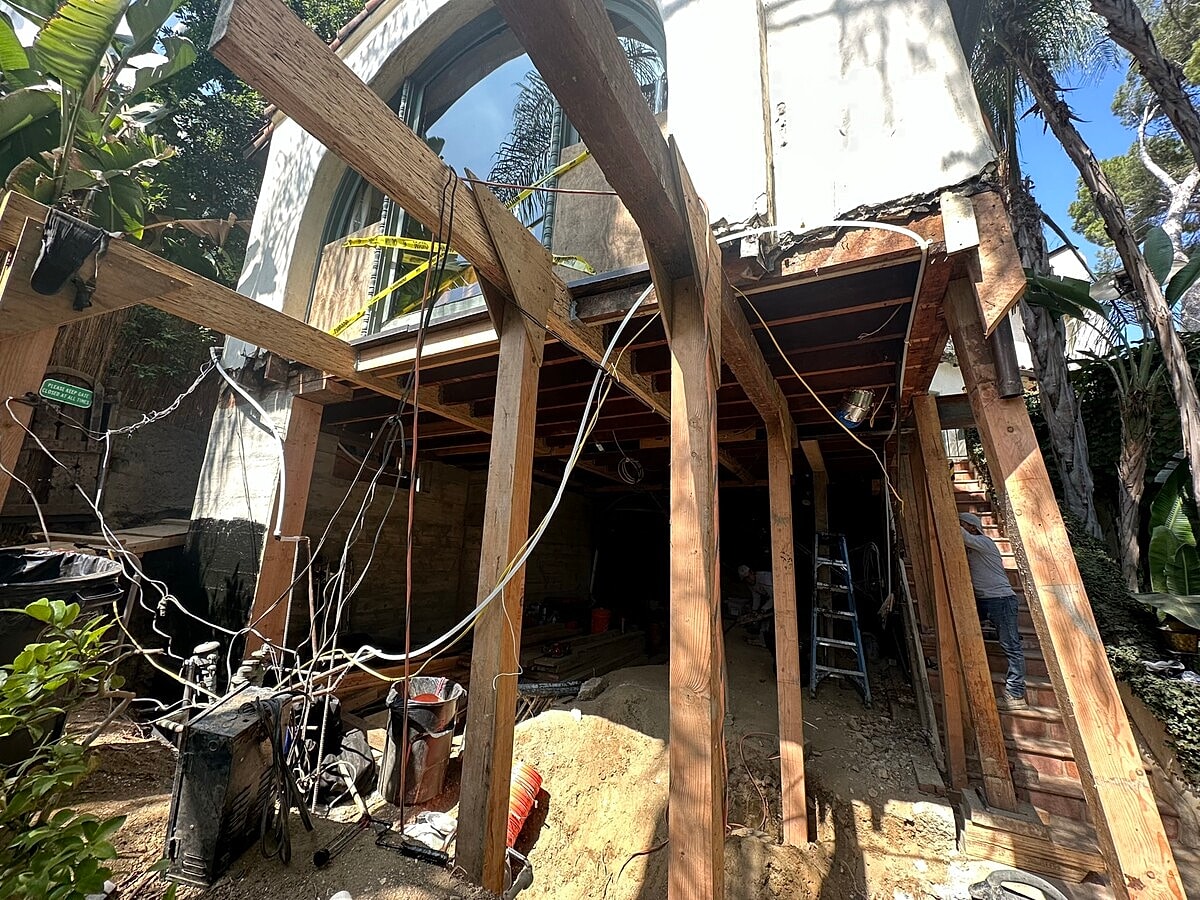
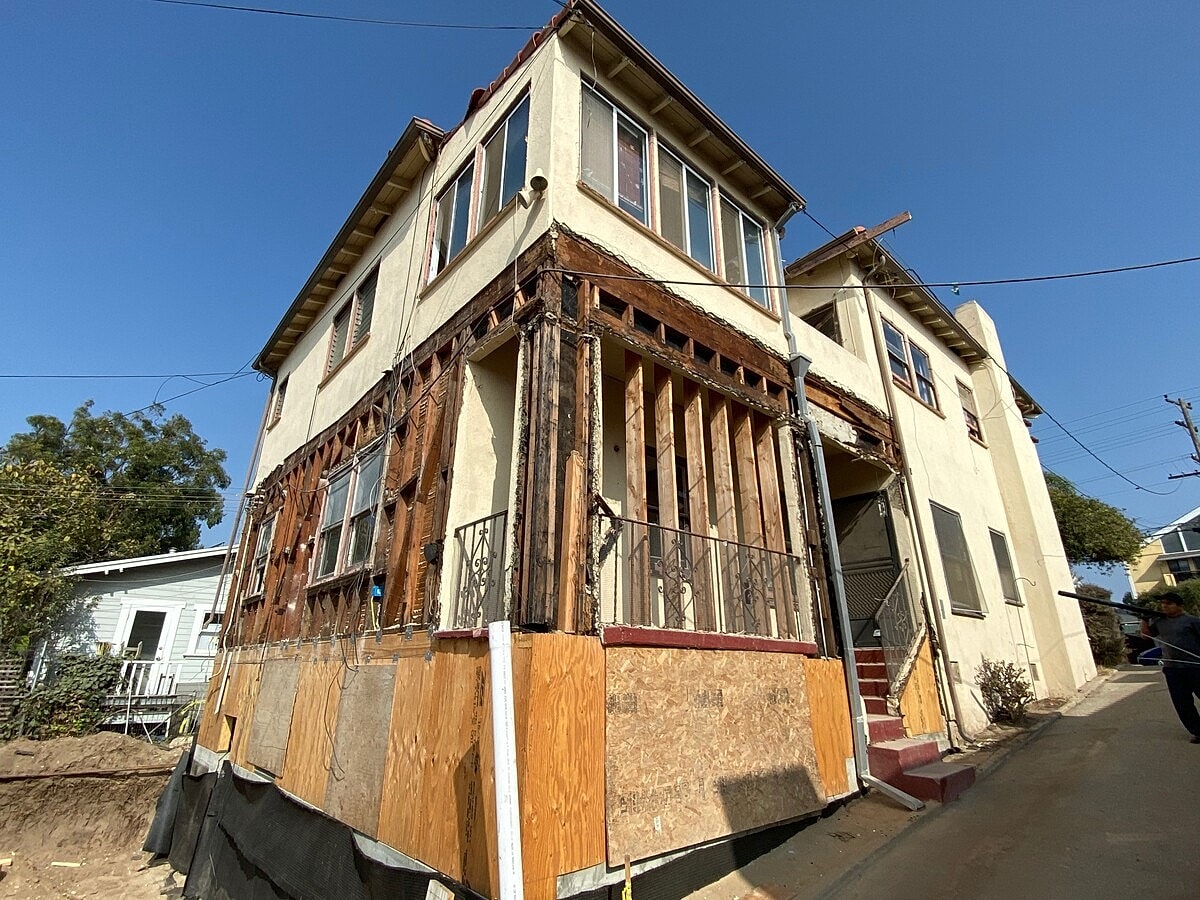
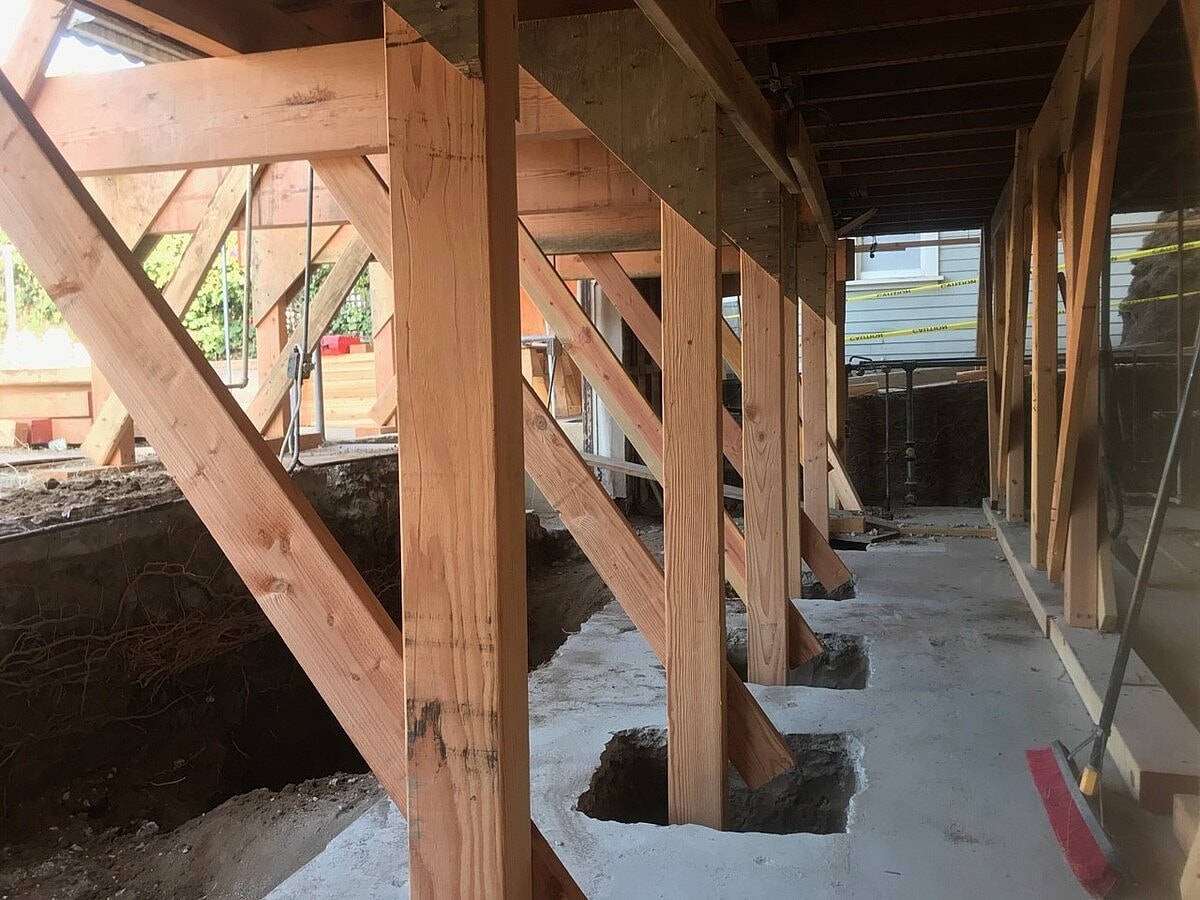
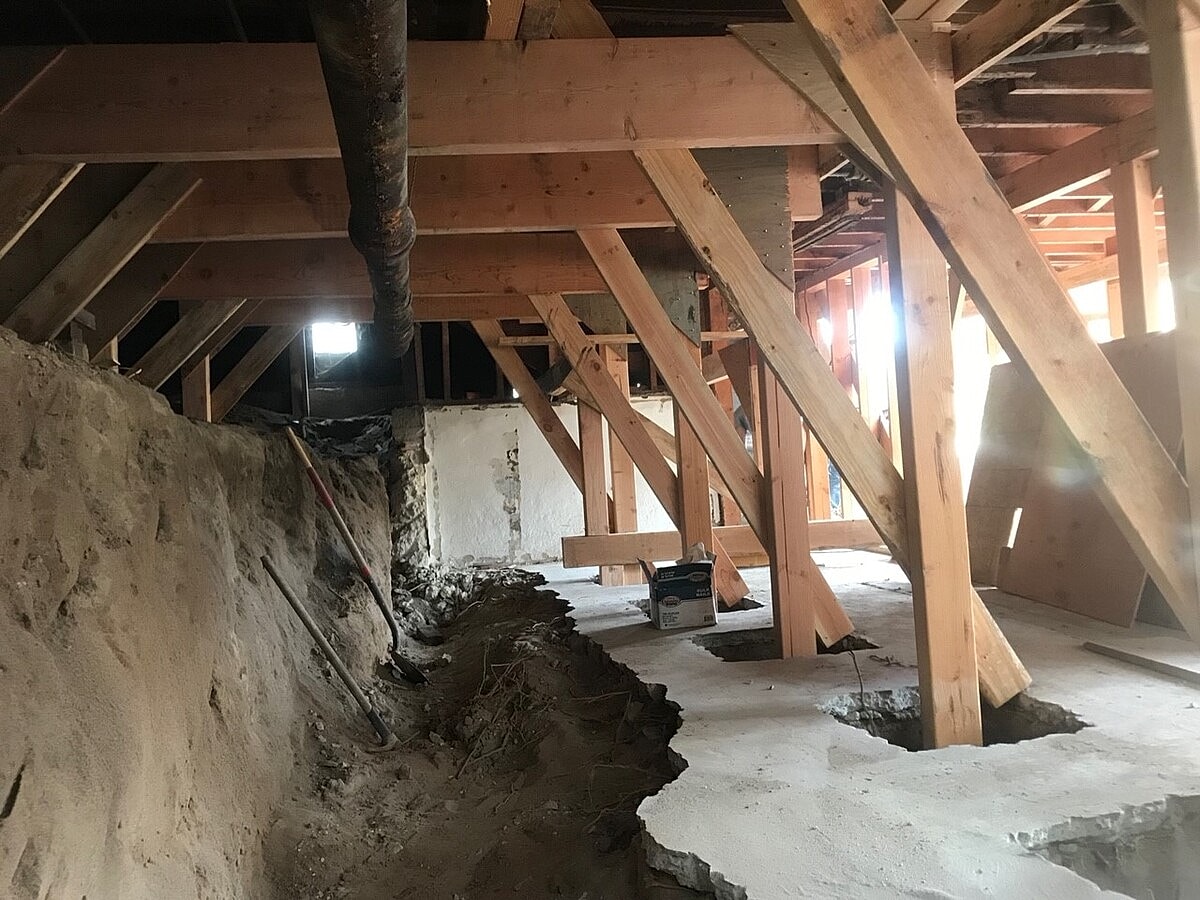
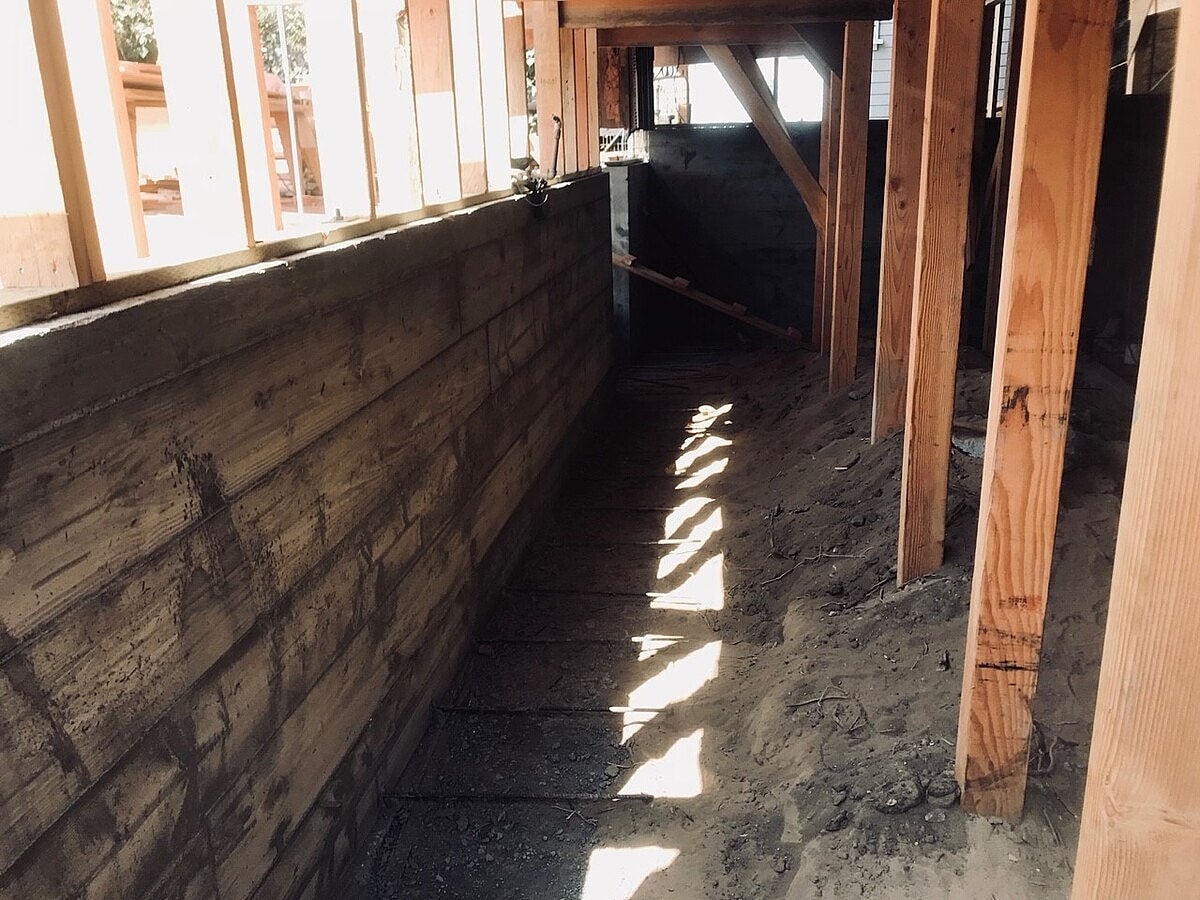
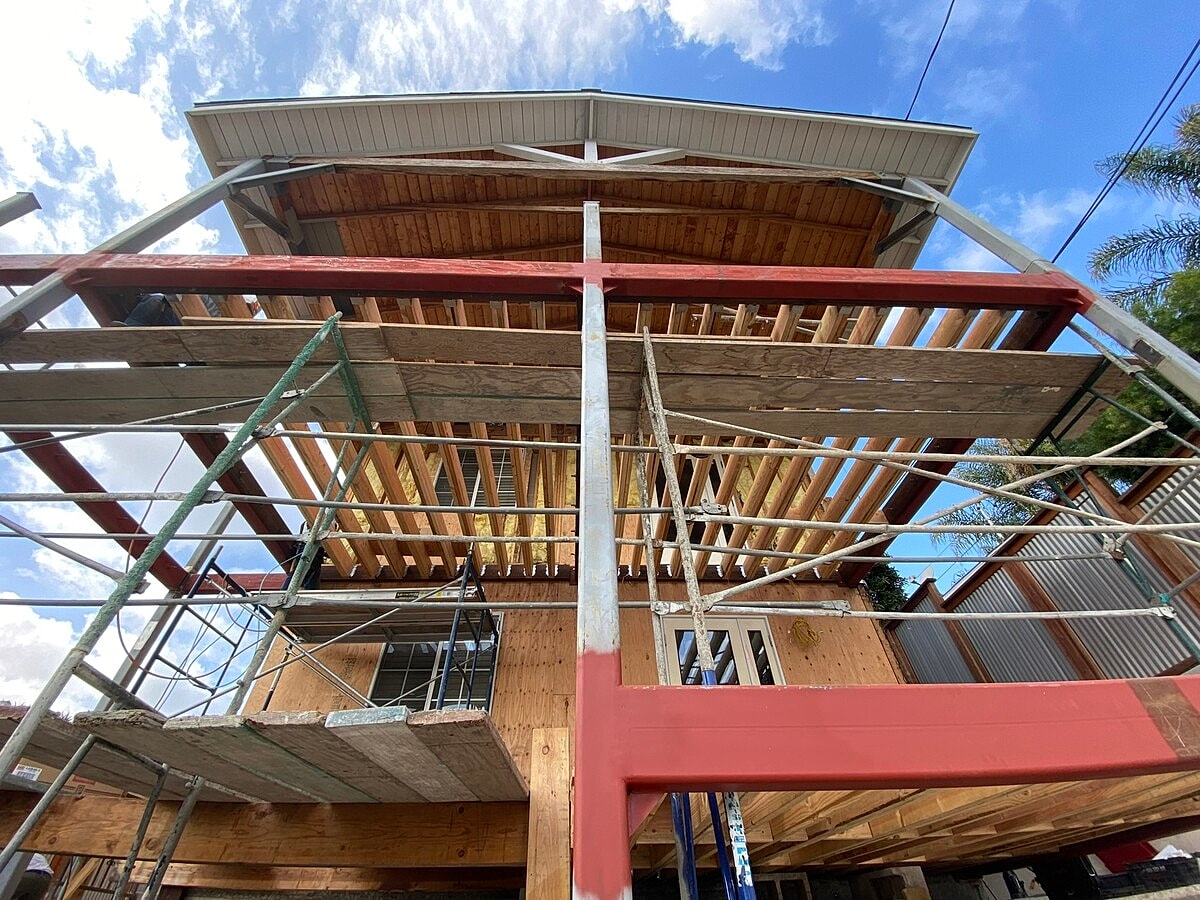
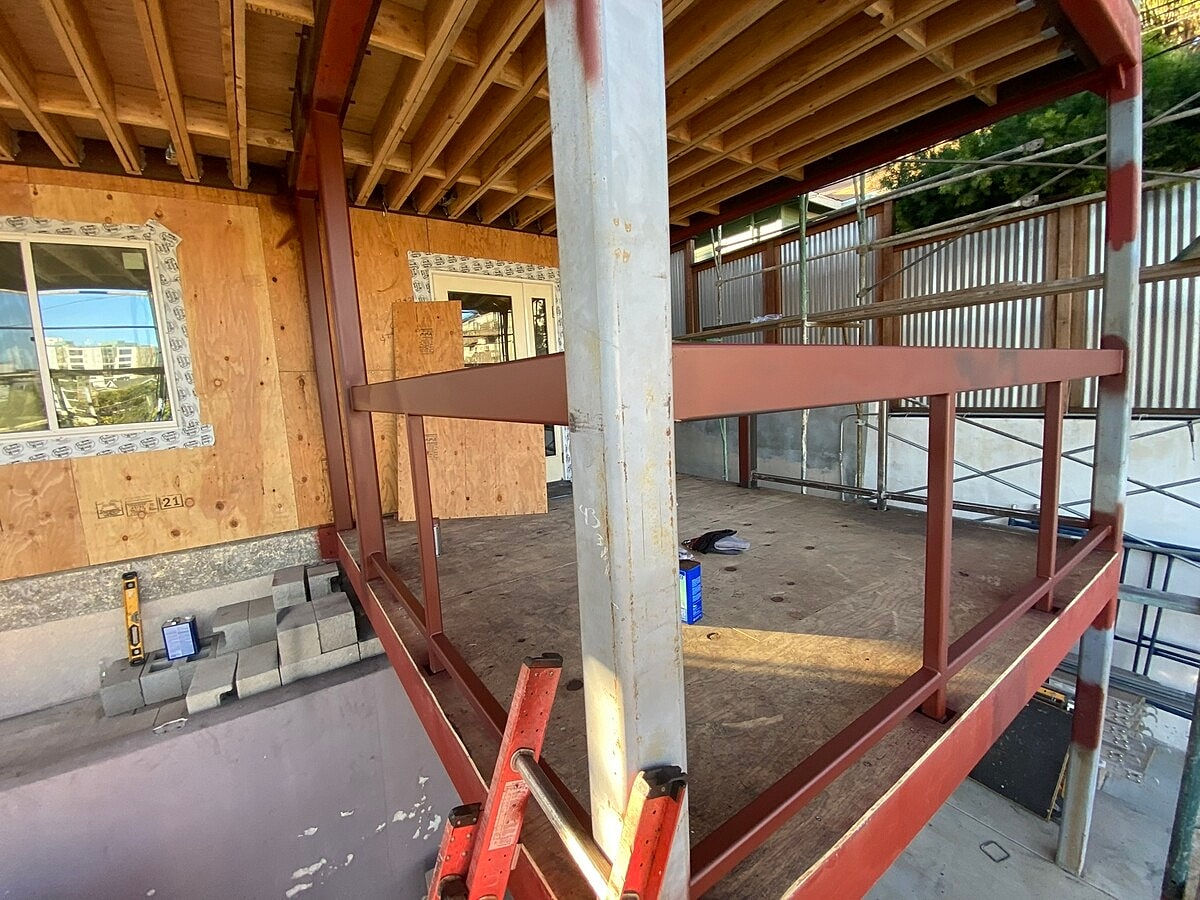
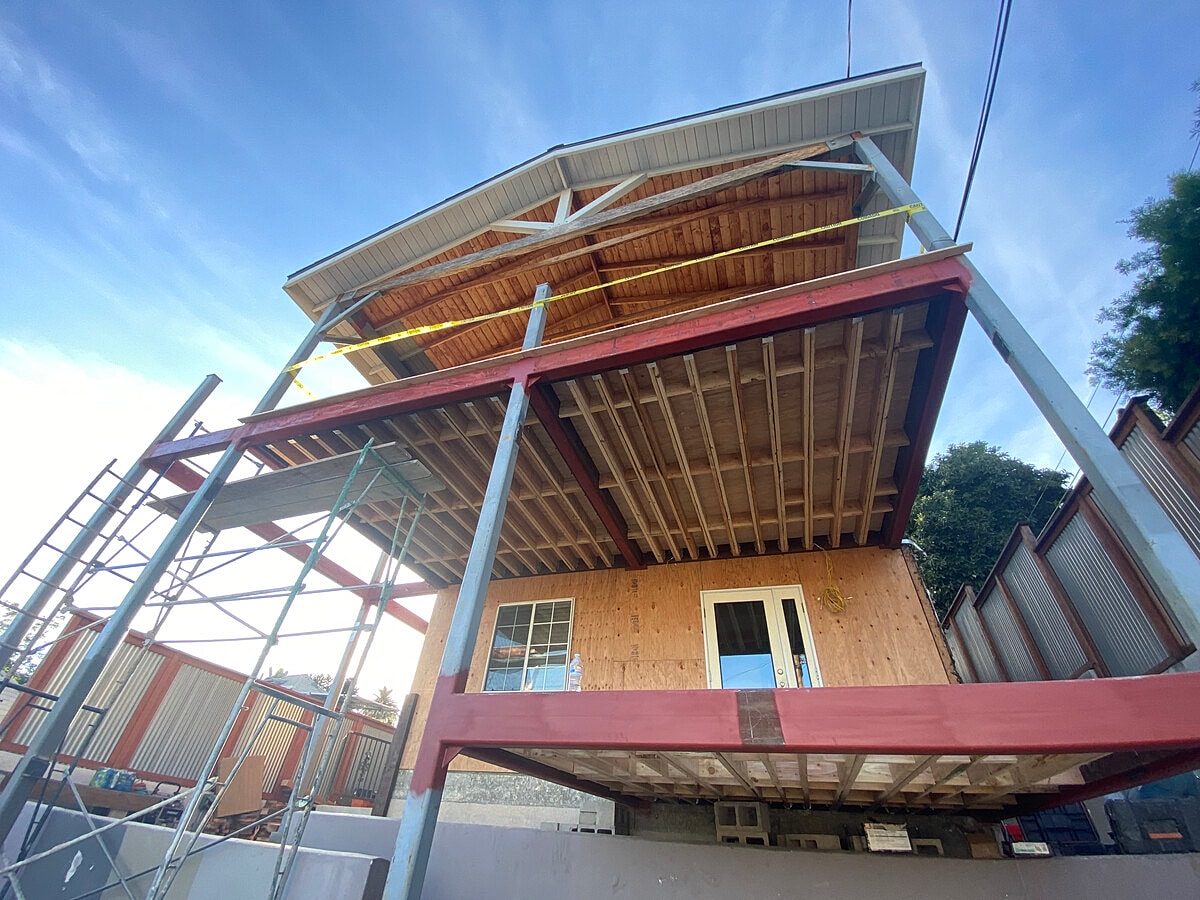
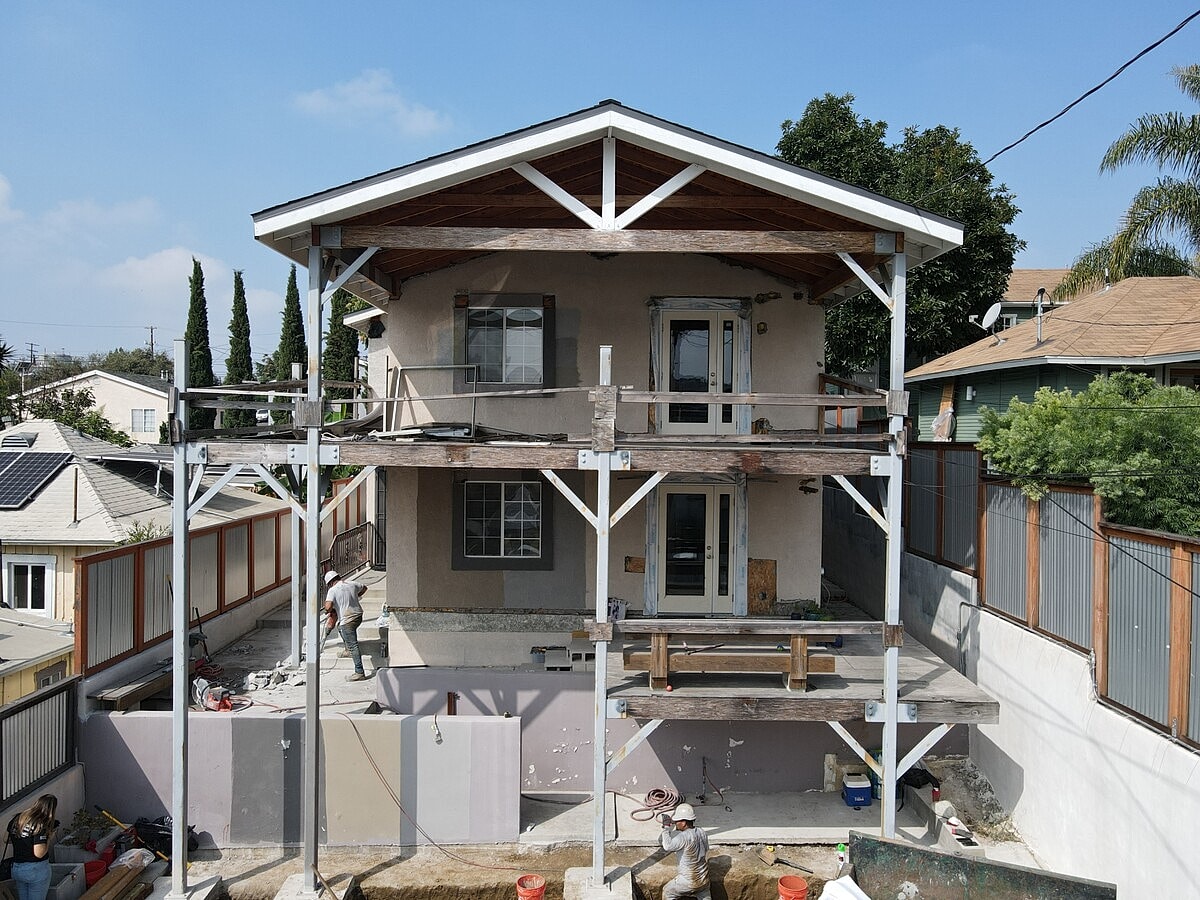
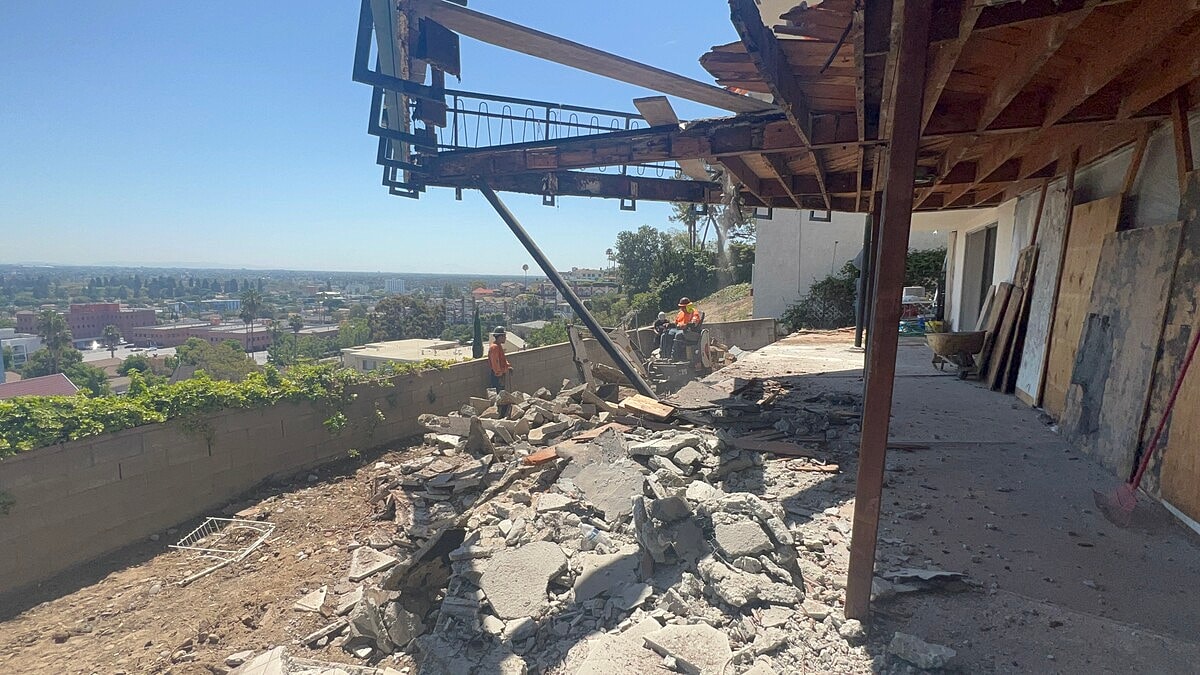
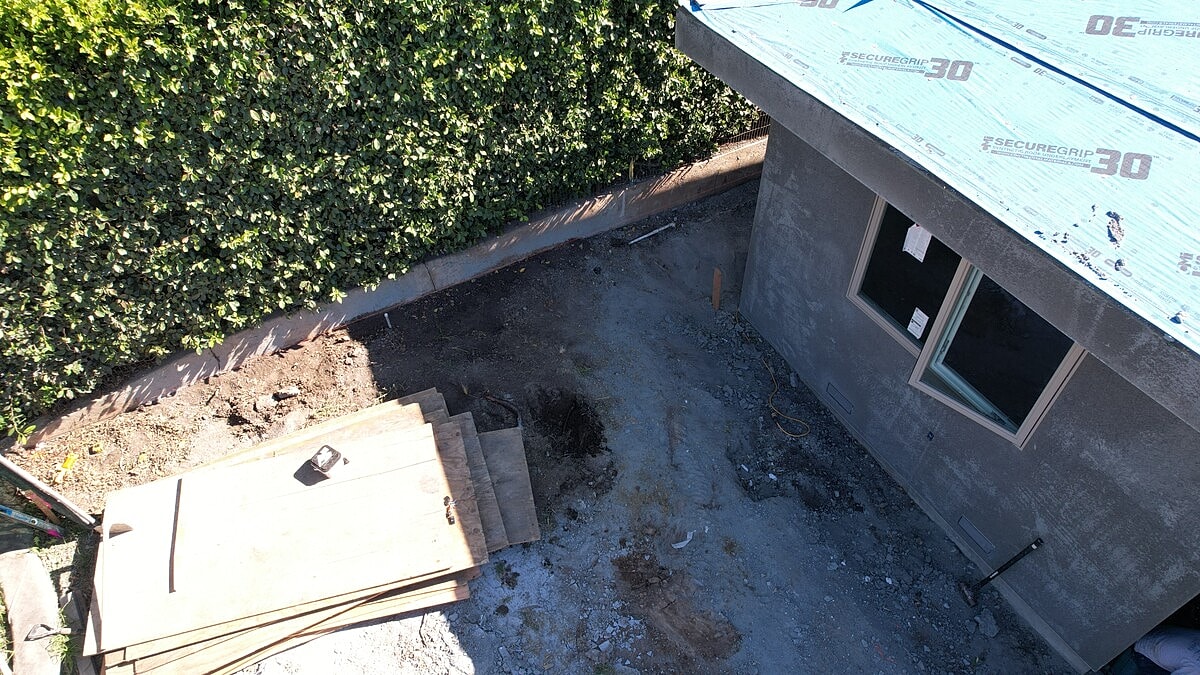
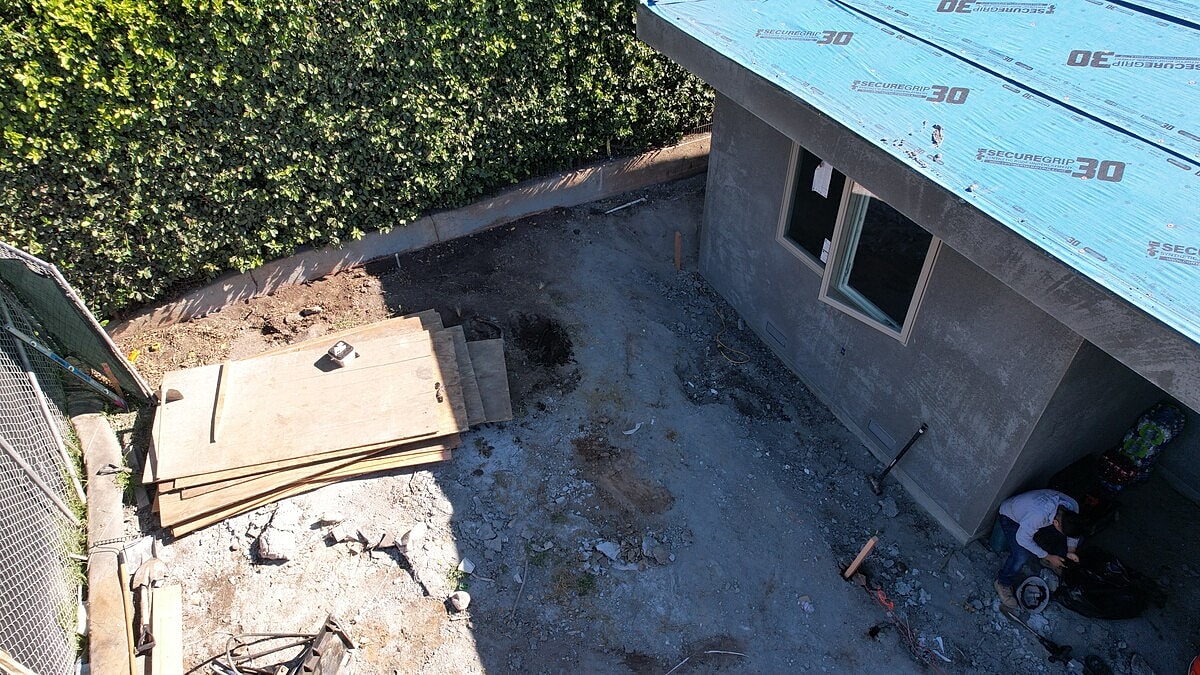
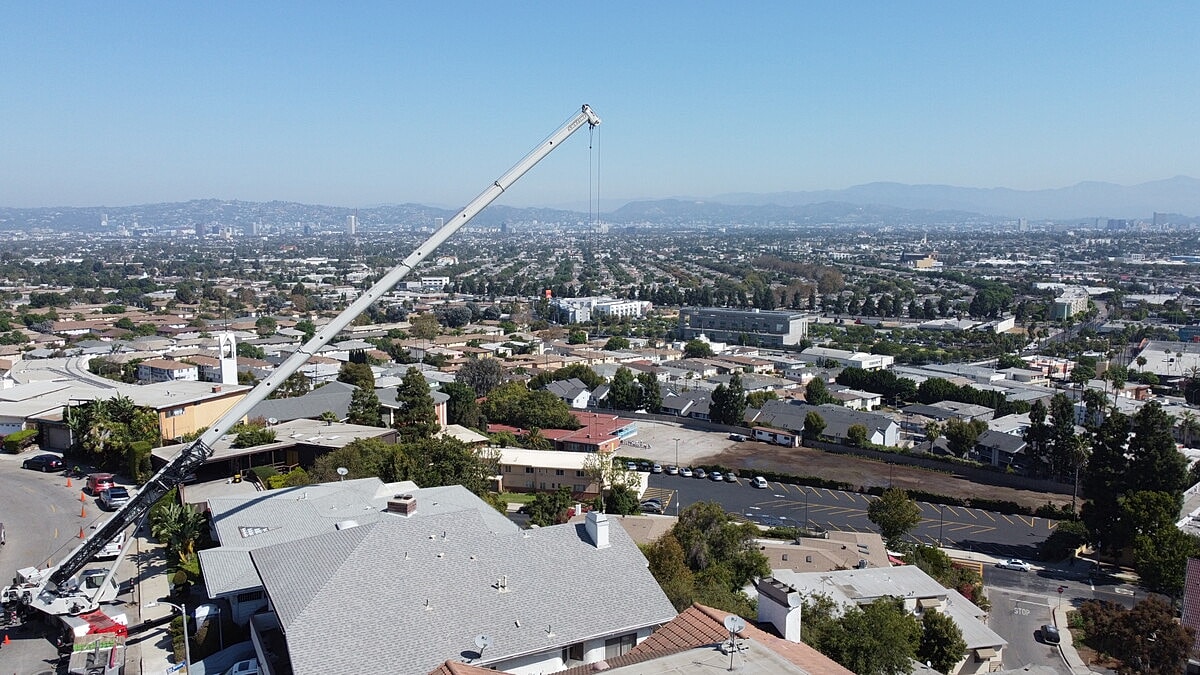
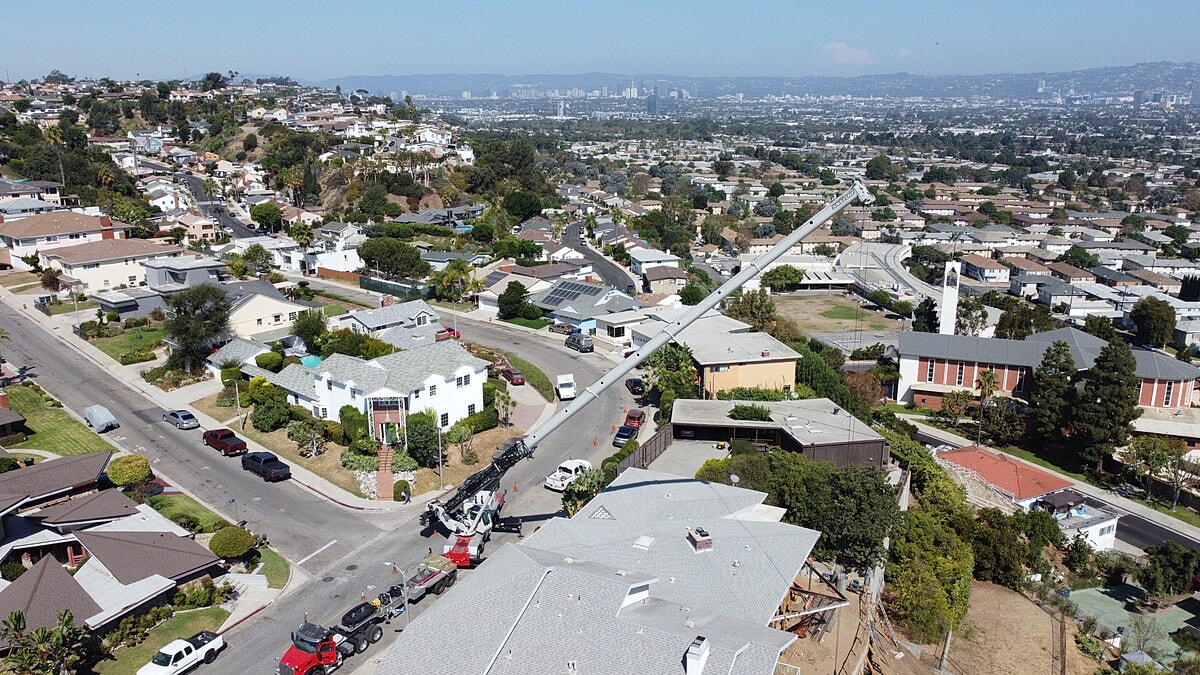
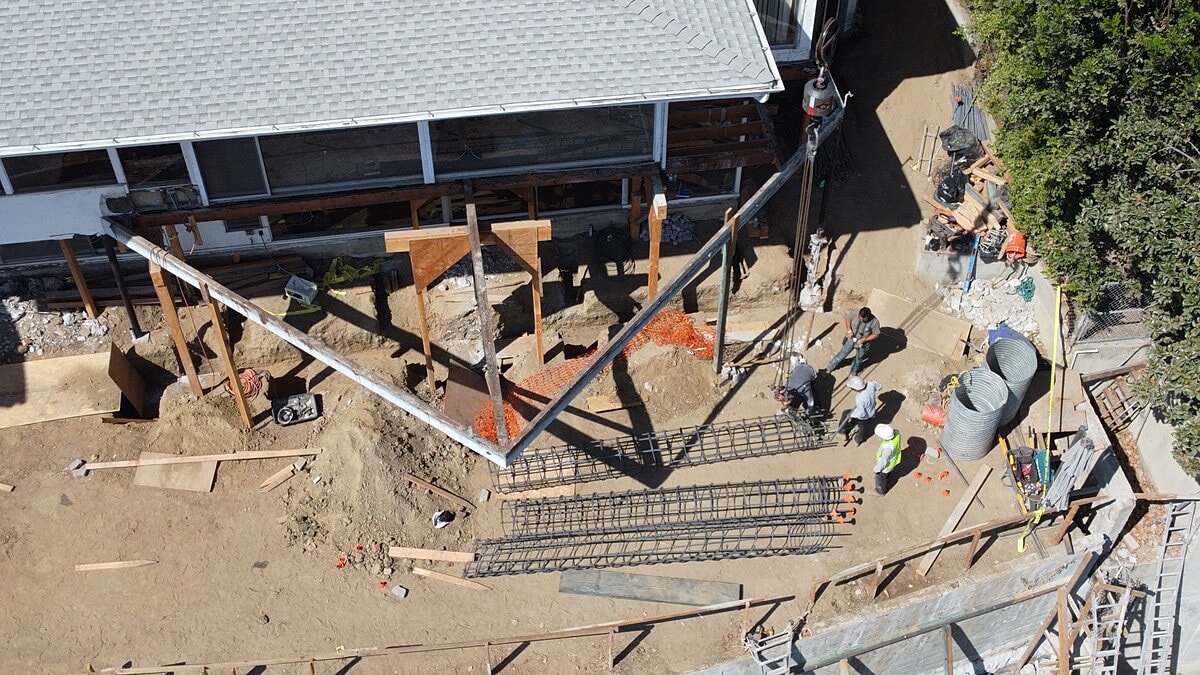
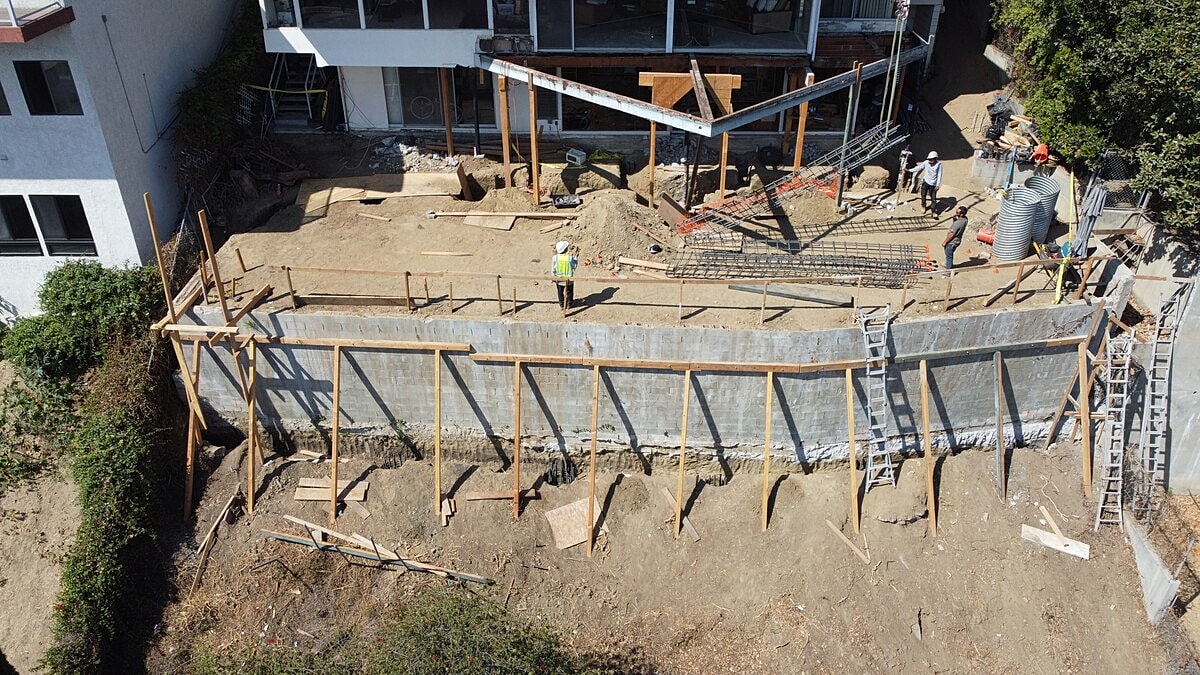
This Los Angeles home underwent a comprehensive structural transformation to support a new subterranean junior accessory dwelling unit (ADU) while strengthening the existing residence. The design-build project included a complete perimeter and interior foundation replacement, house jack-and-lift operations, new retaining walls, structural framing modifications, seismic upgrades, and the legalization of an attic conversion into a master bedroom.
As part of the project, Alpha Structural provided both the engineering and construction services, preparing structural calculations, grading plans, and permit documents before completing the structural work. The scope also included reinforced retaining walls, deep pile/caisson foundations, concrete slabs, grade reduction, and structural framing modifications to safely integrate the new below-grade junior ADU with the existing home.
By combining licensed in-house engineering with specialized construction, this project transformed the property's structural capacity while creating new livable space, improving seismic performance, and providing a durable foundation system designed for long-term stability.
Residential
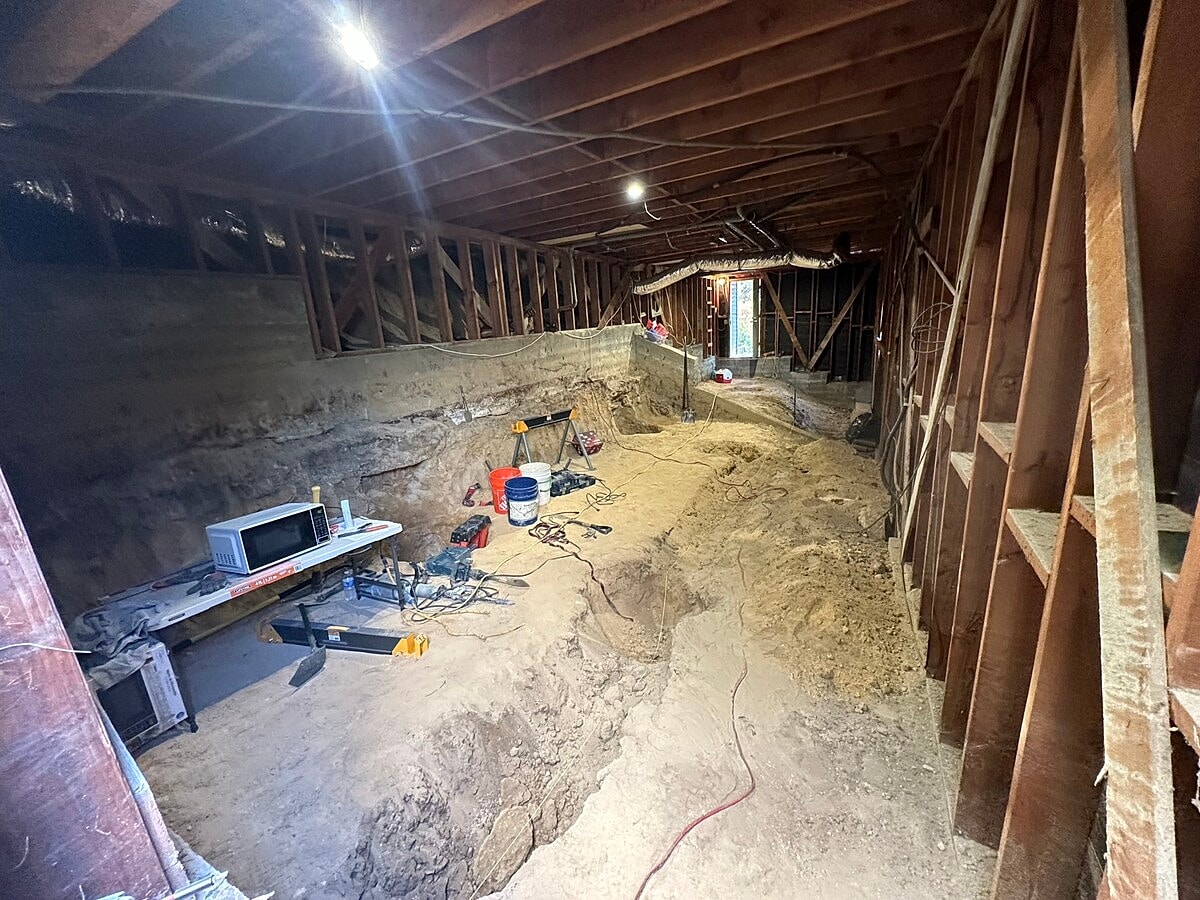
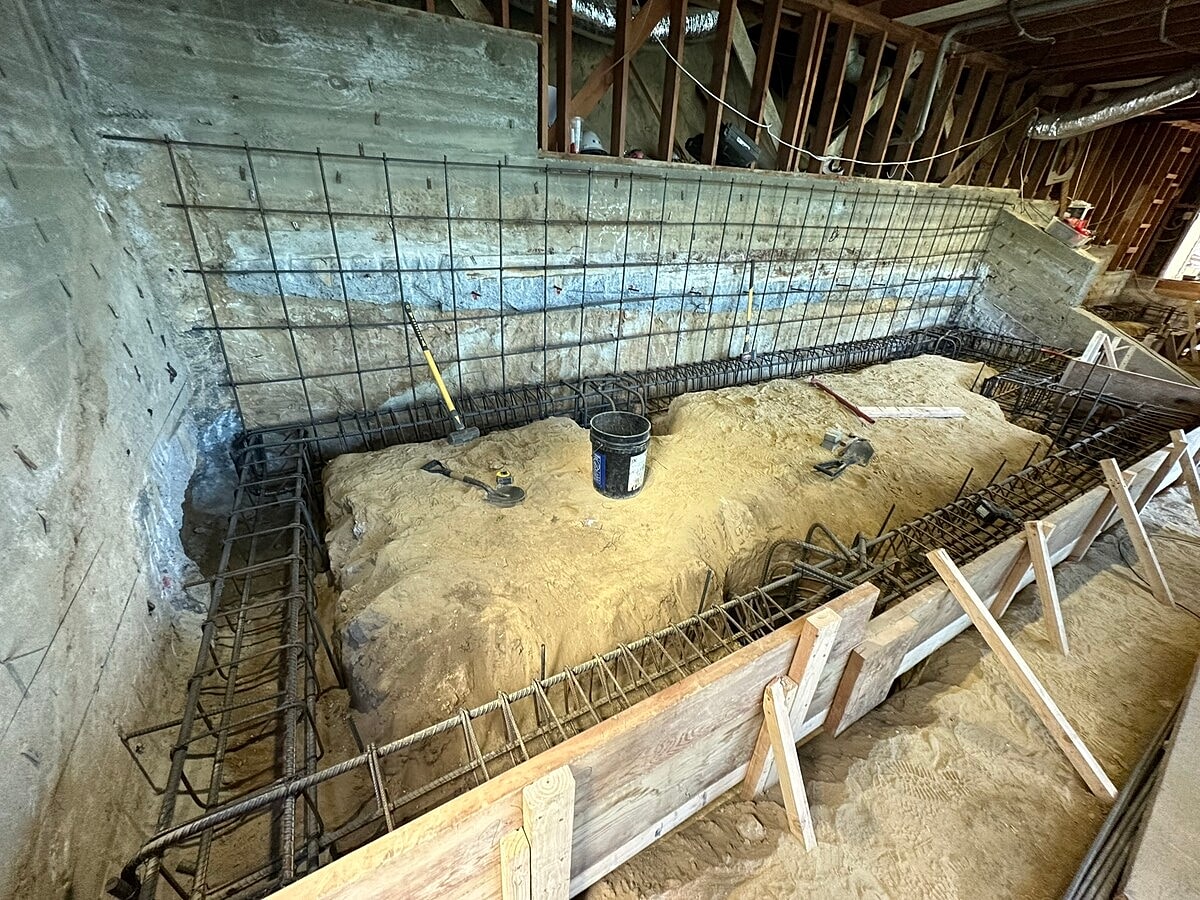
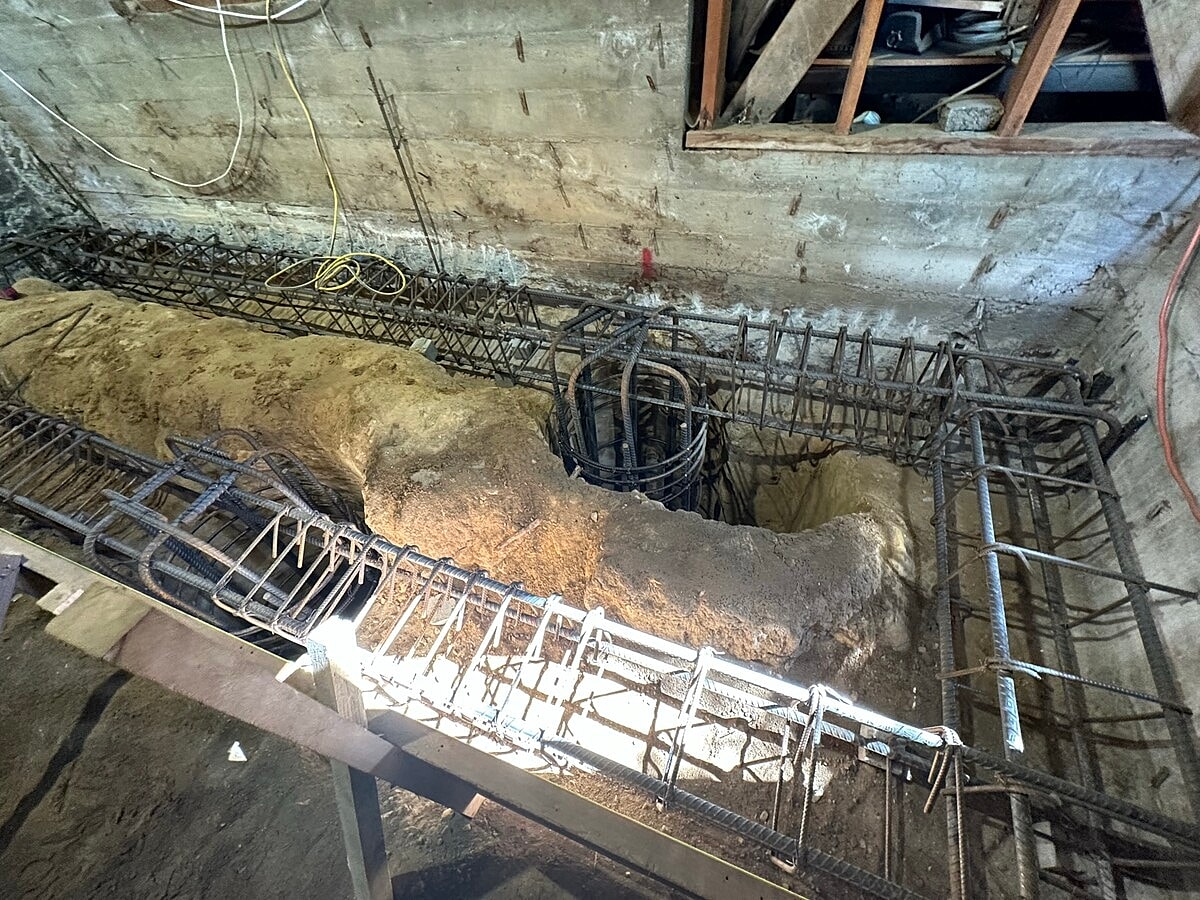
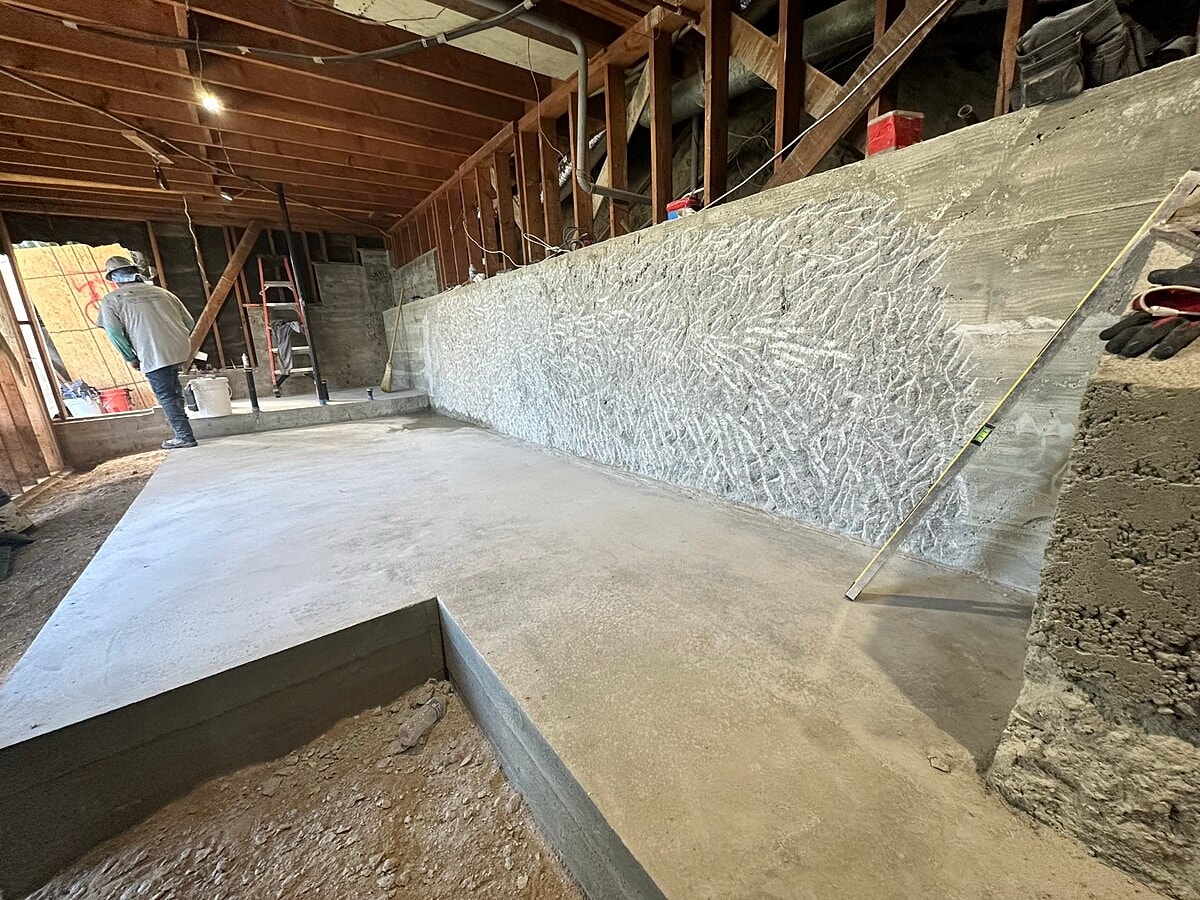
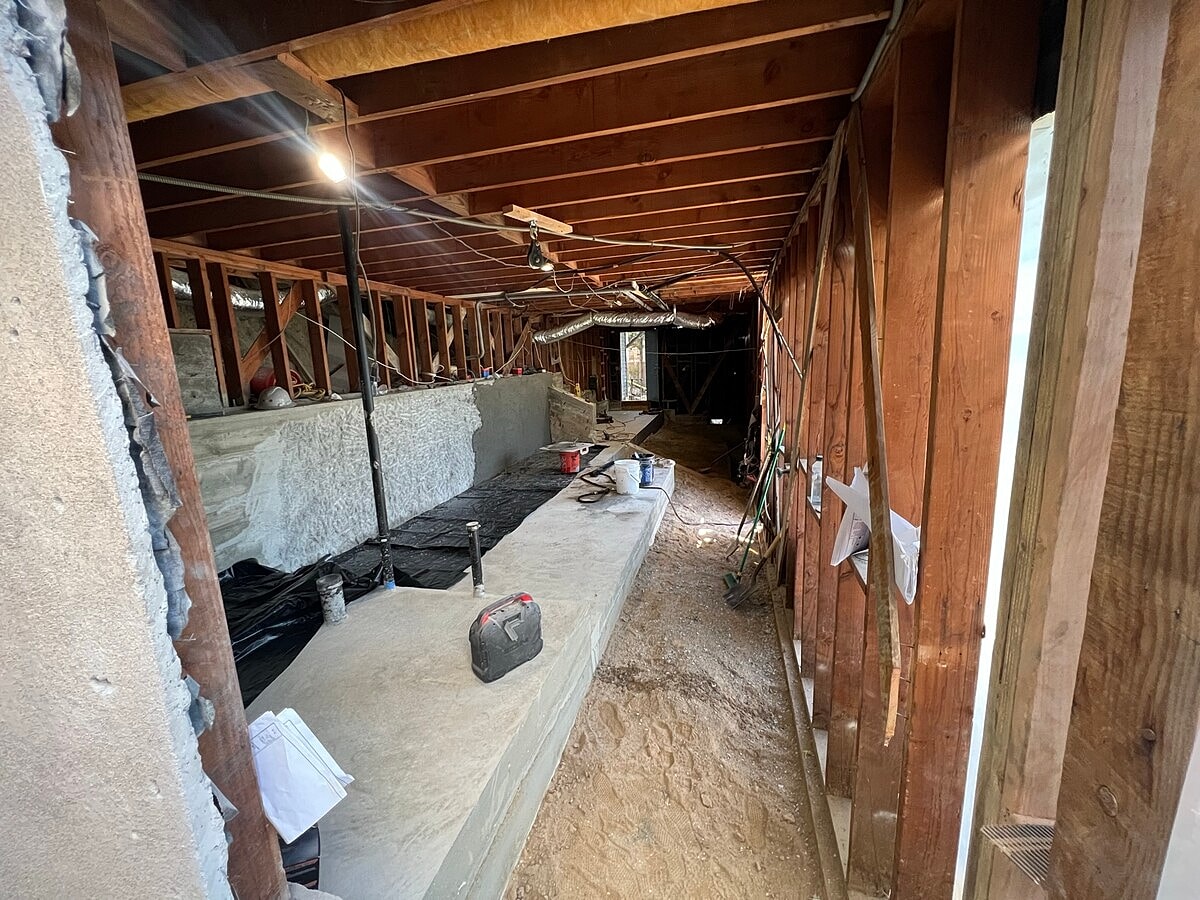
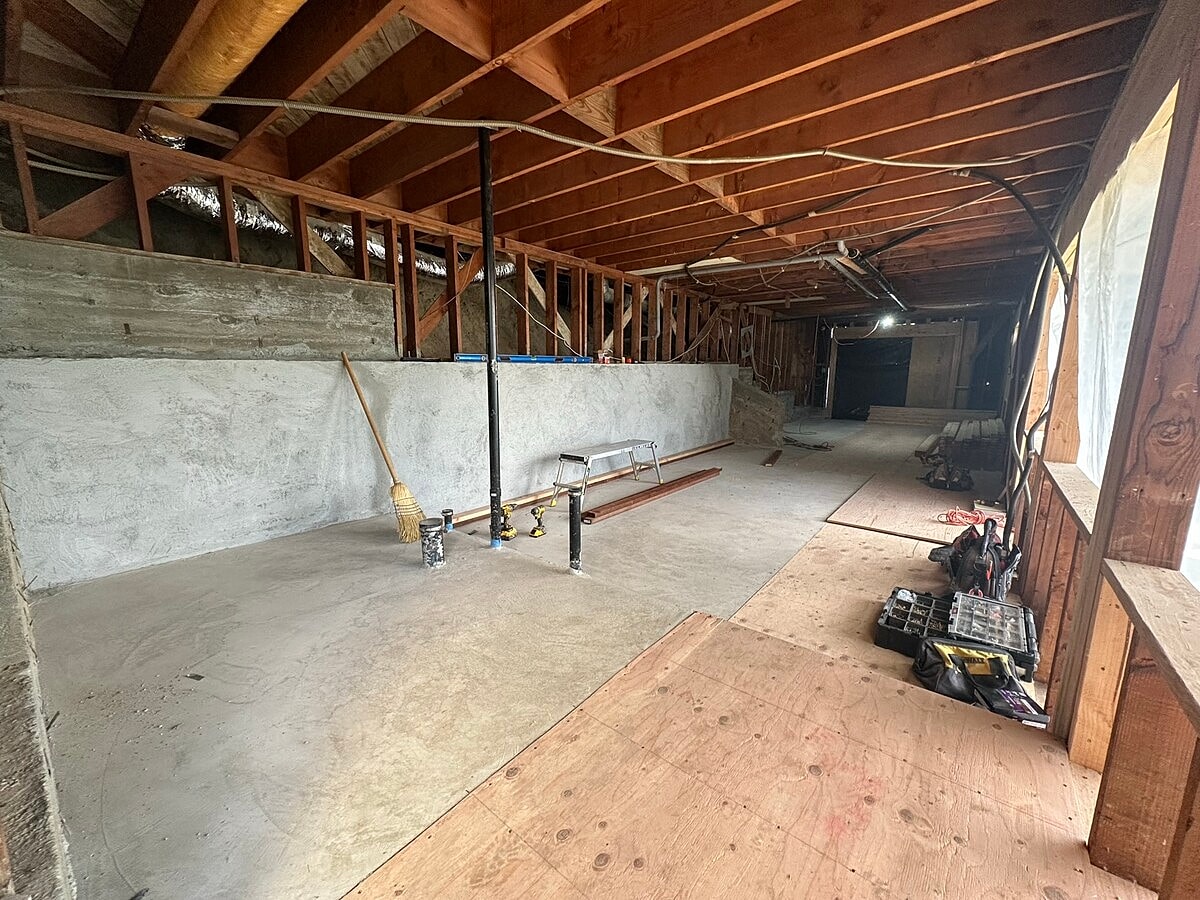
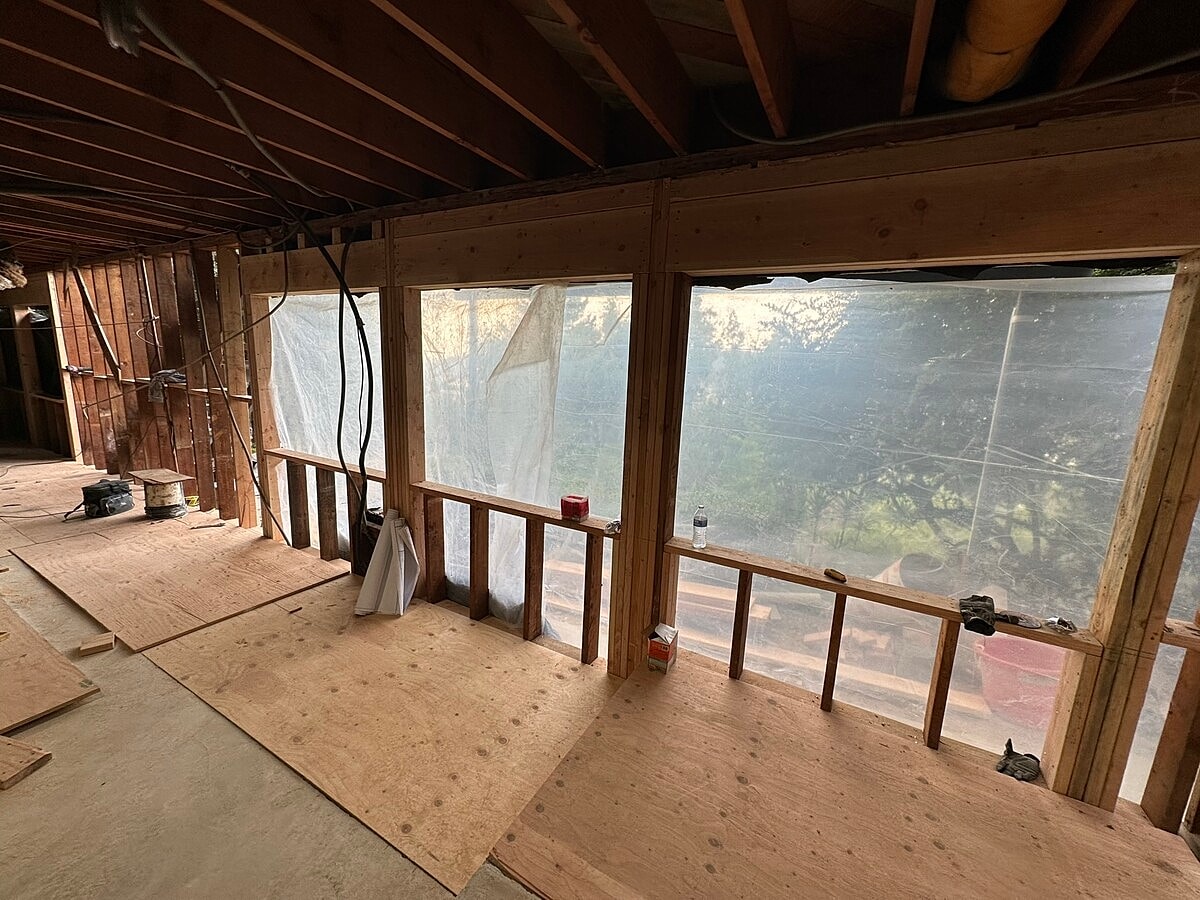
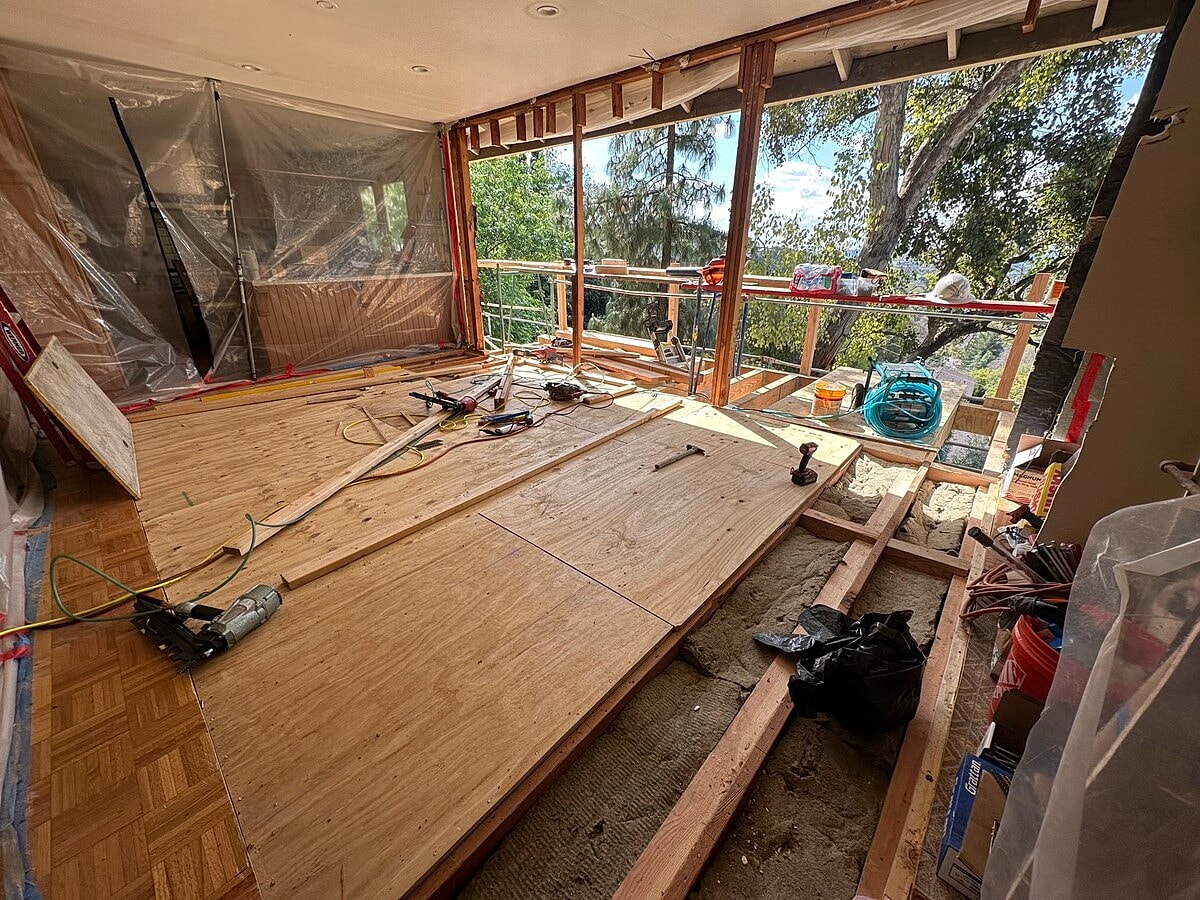
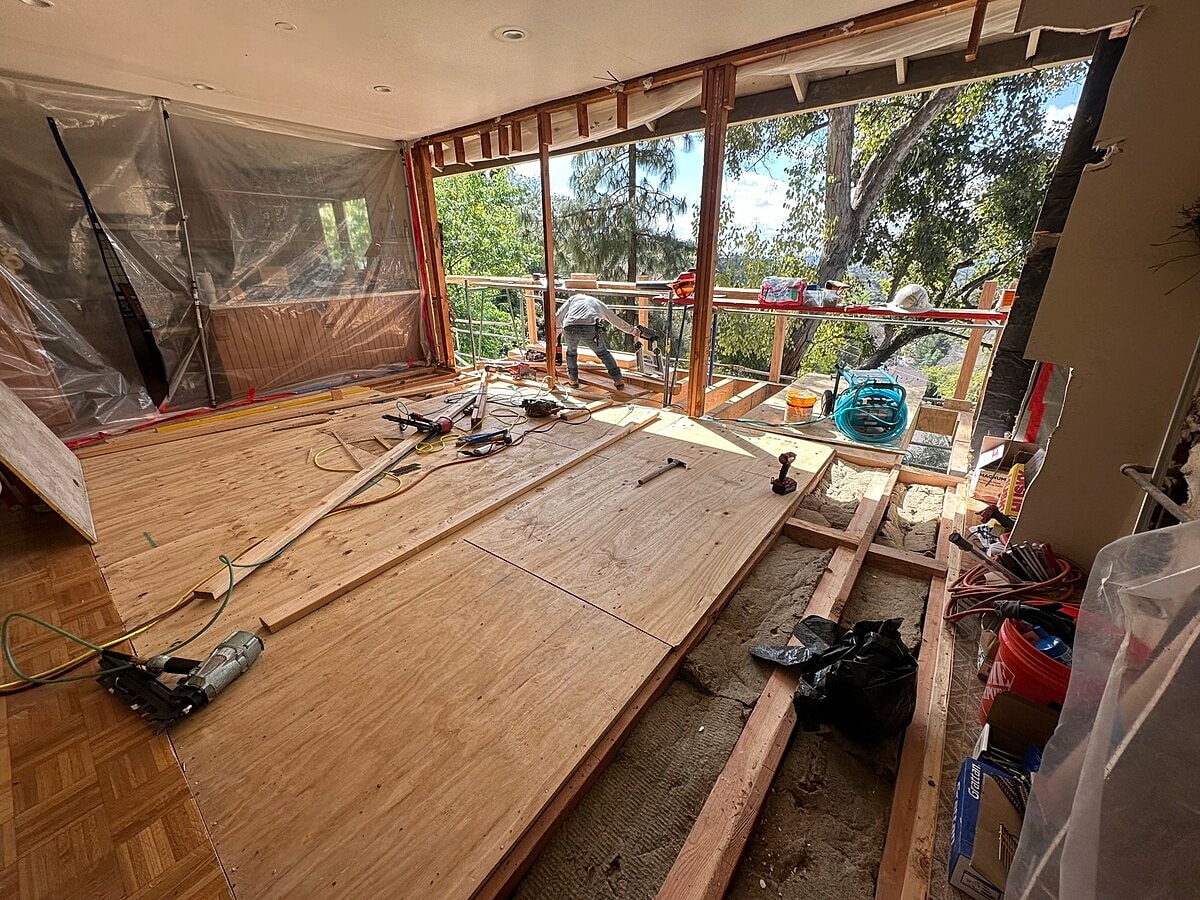
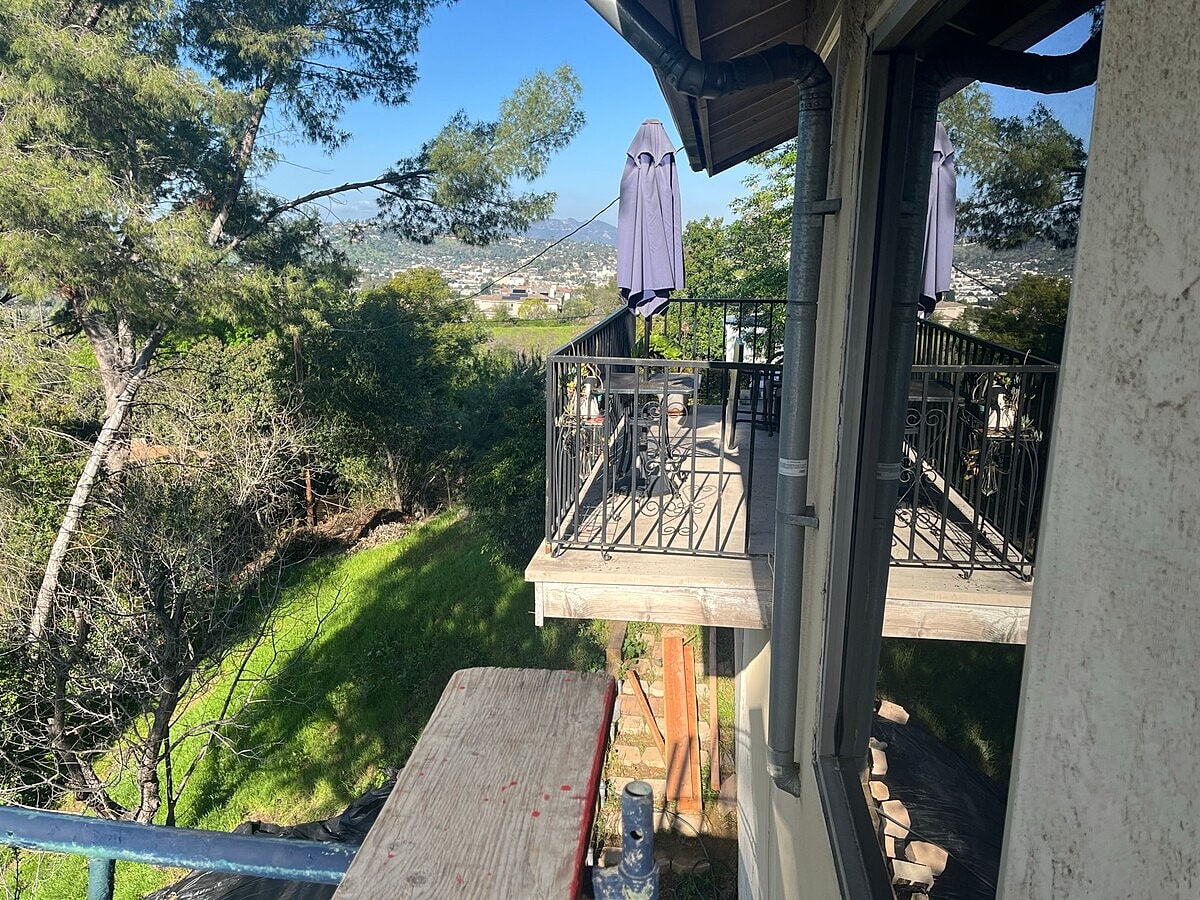
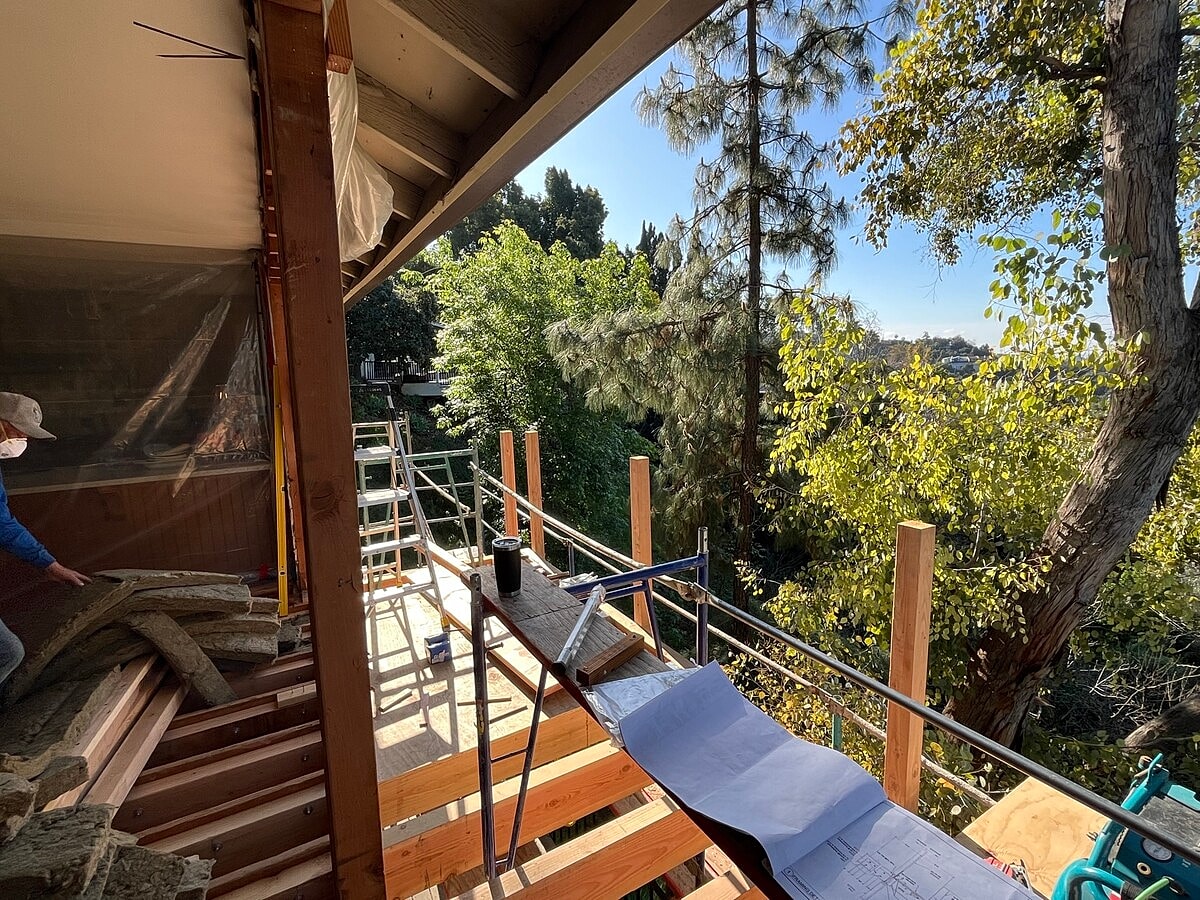
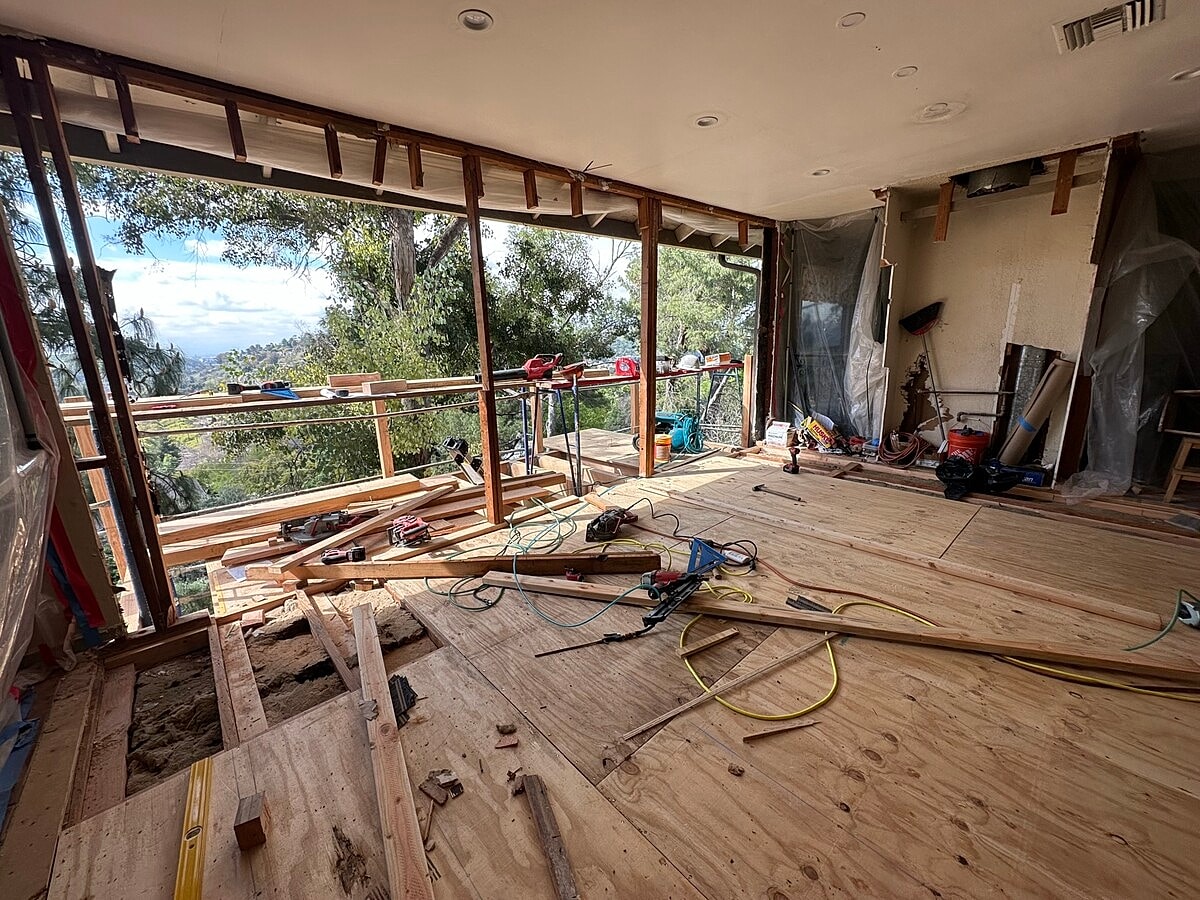
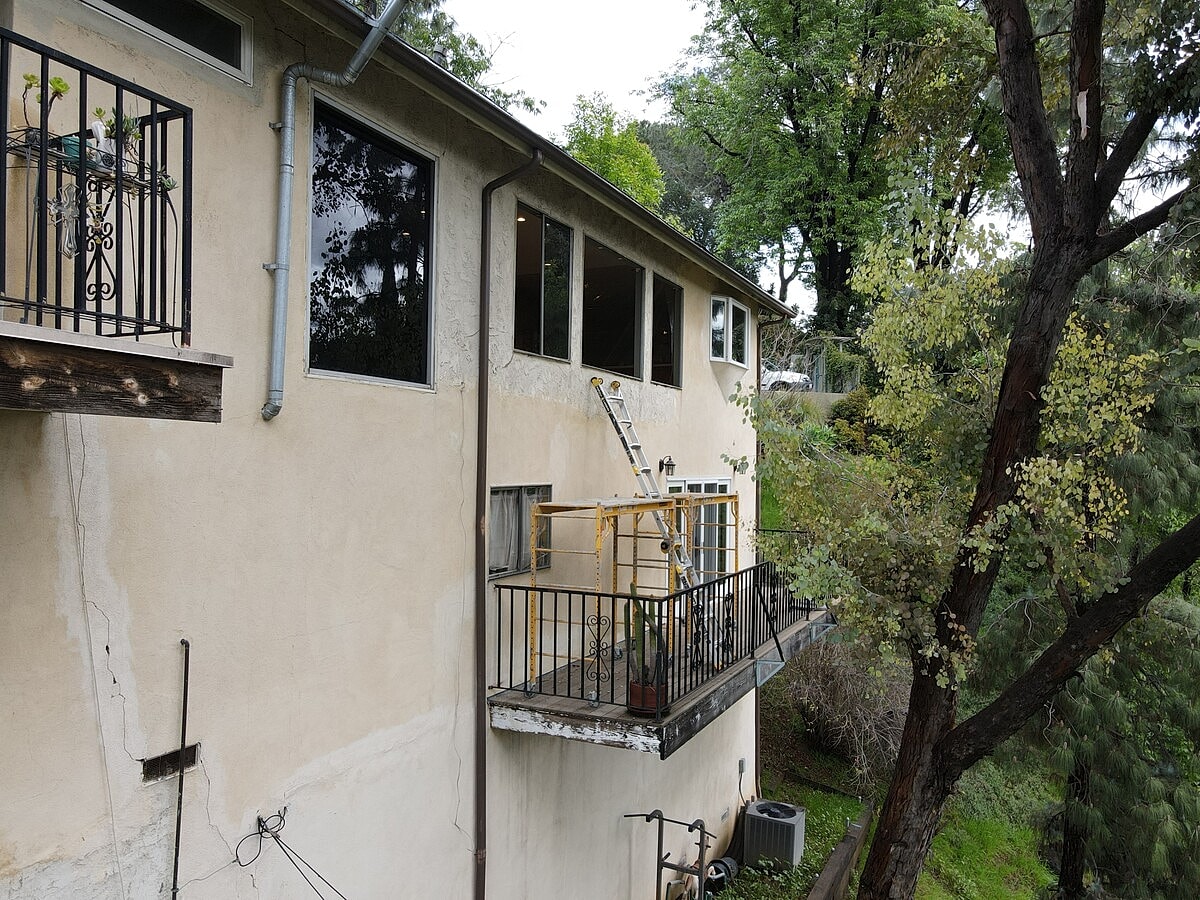
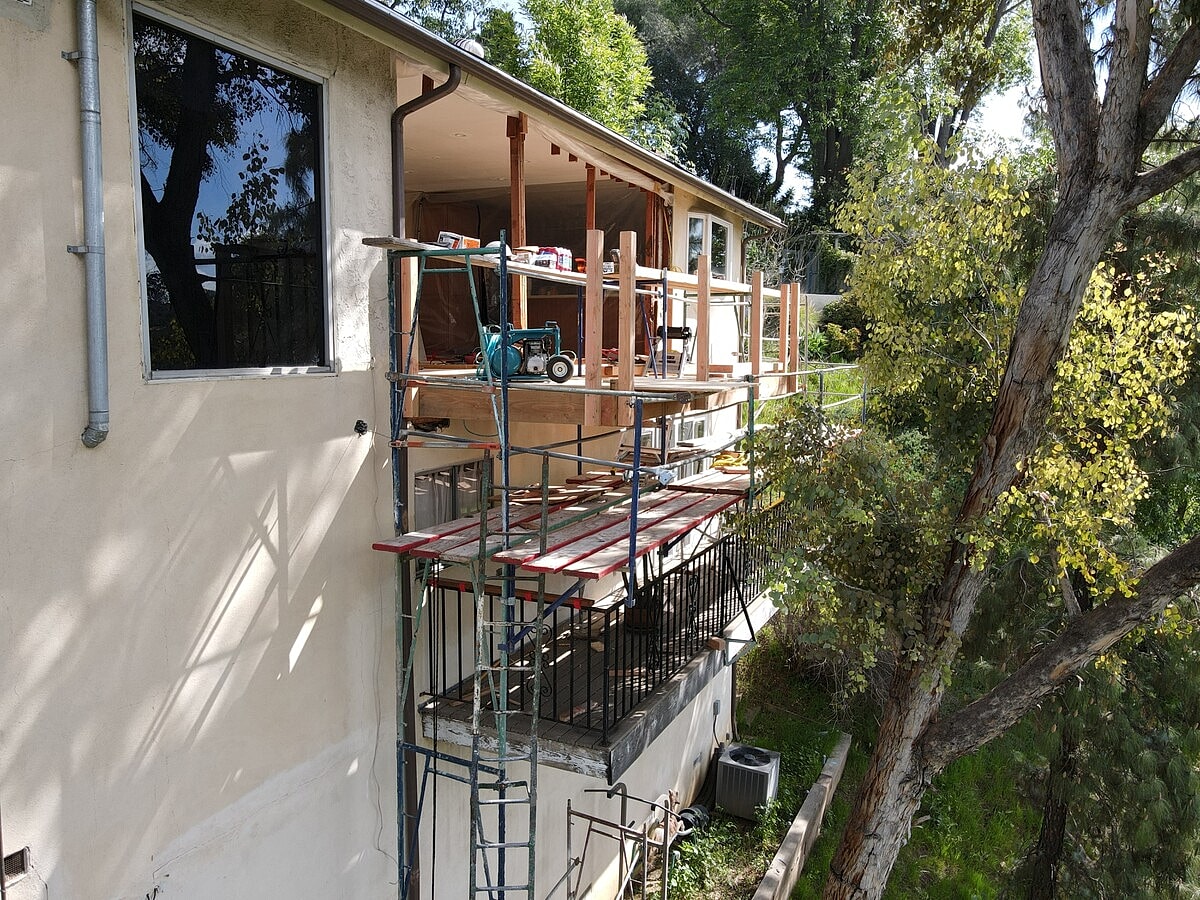
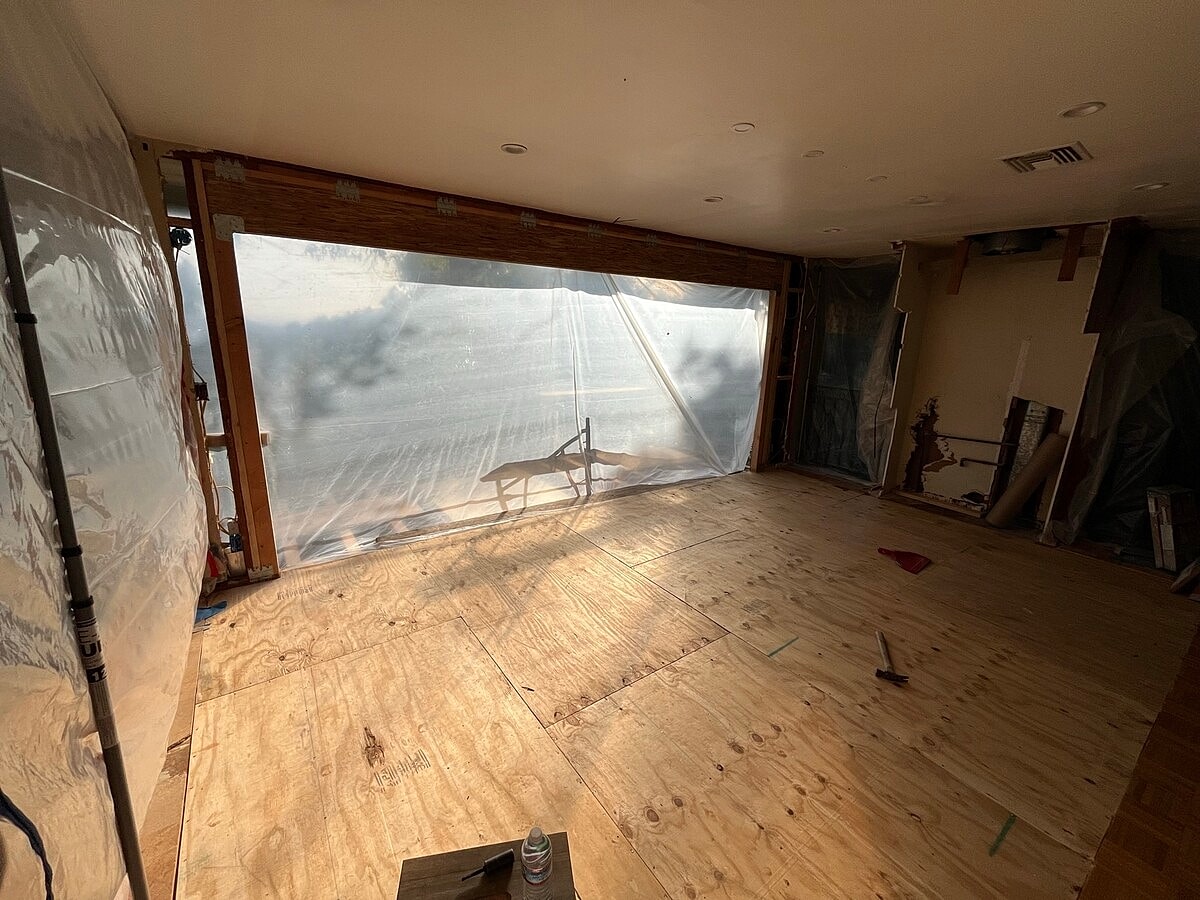
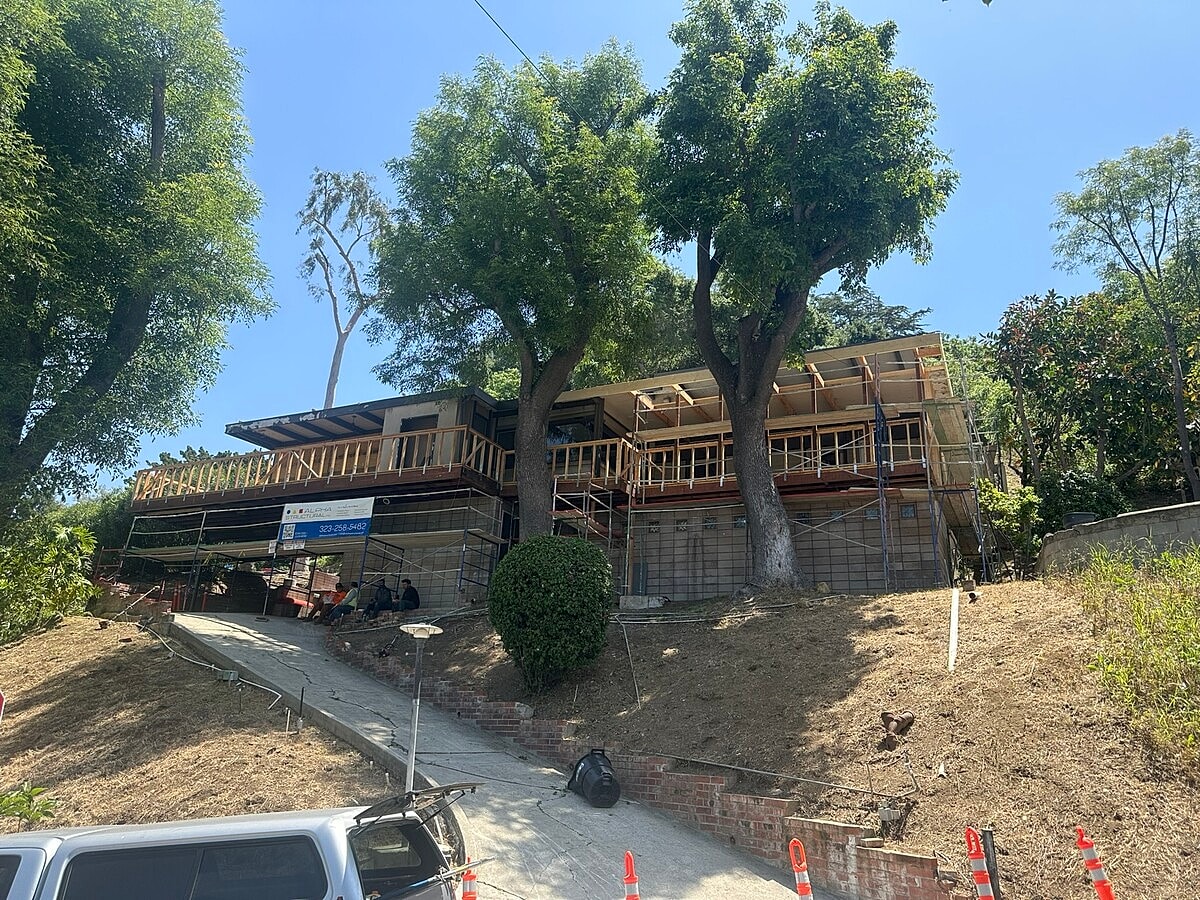
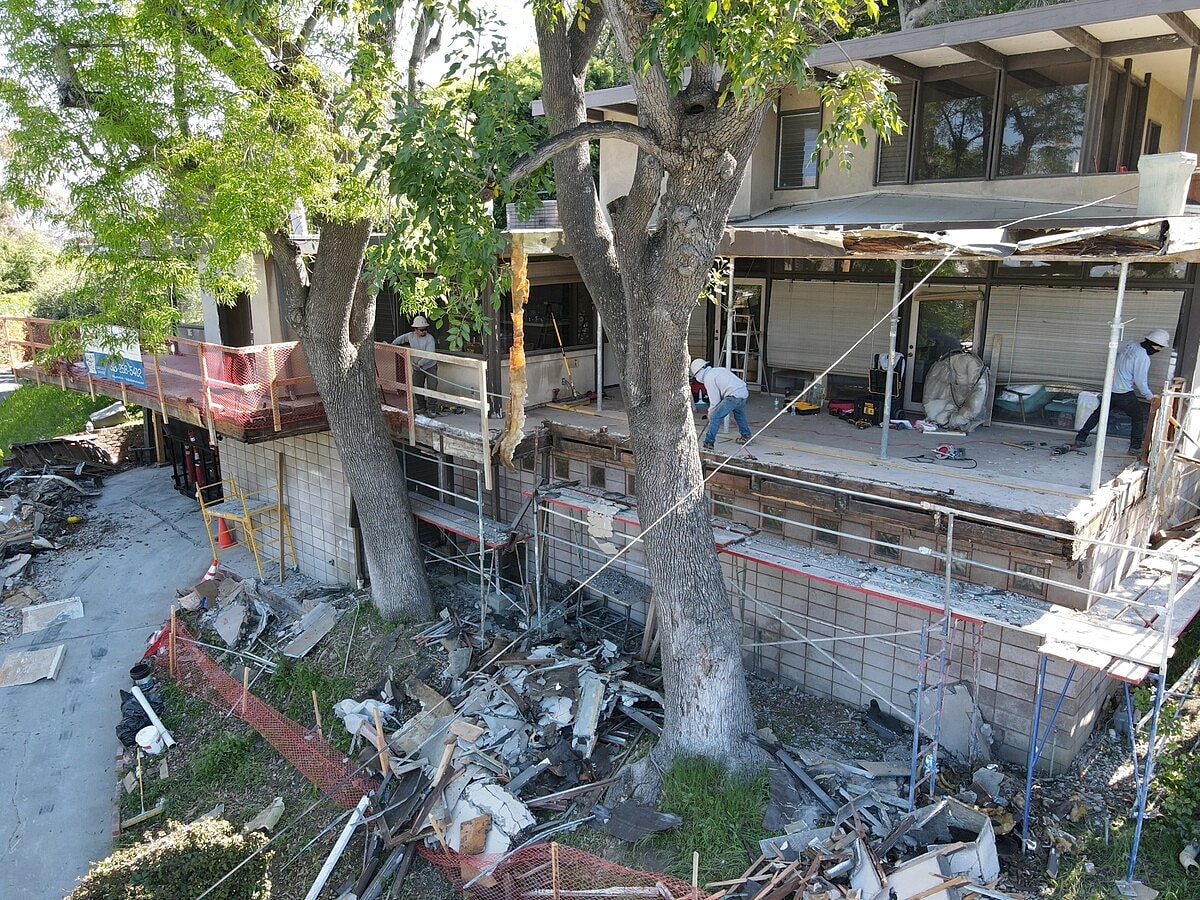
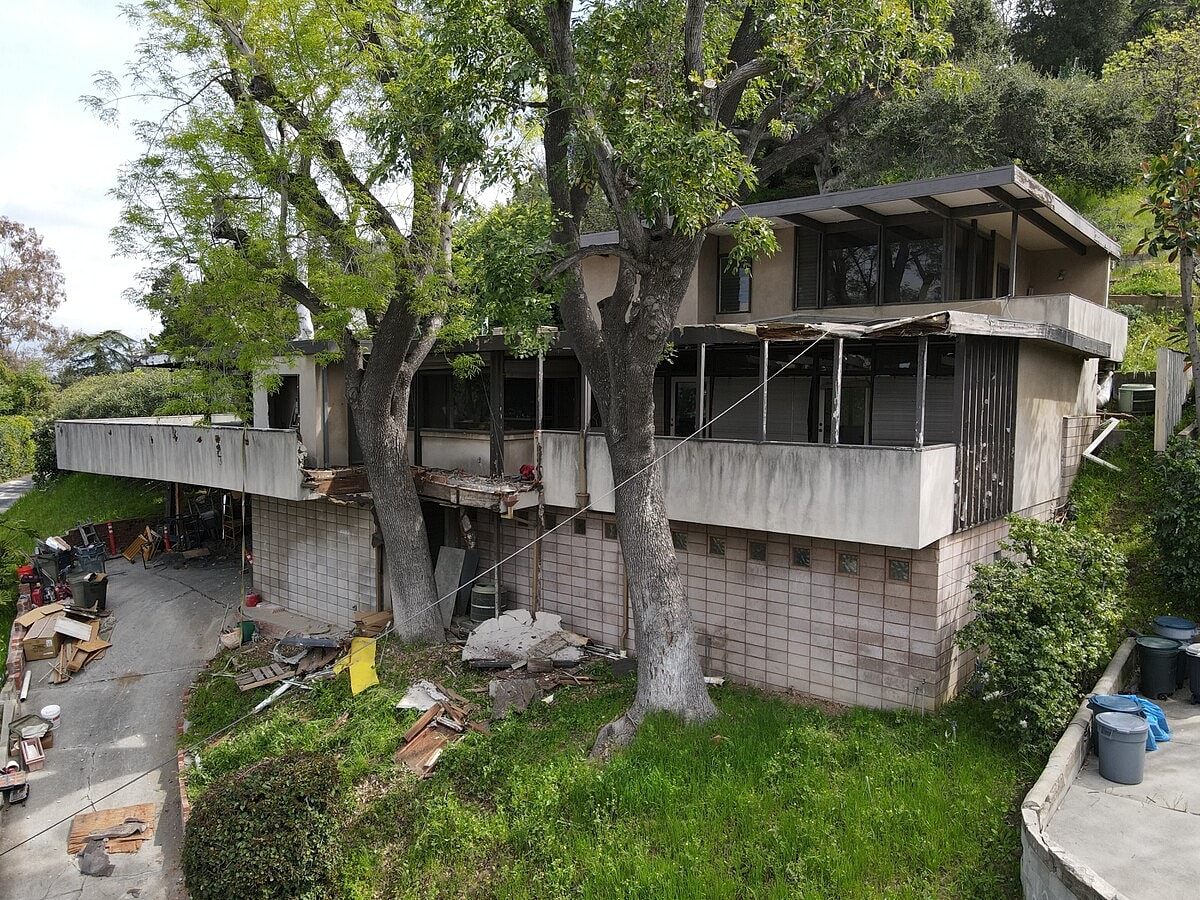
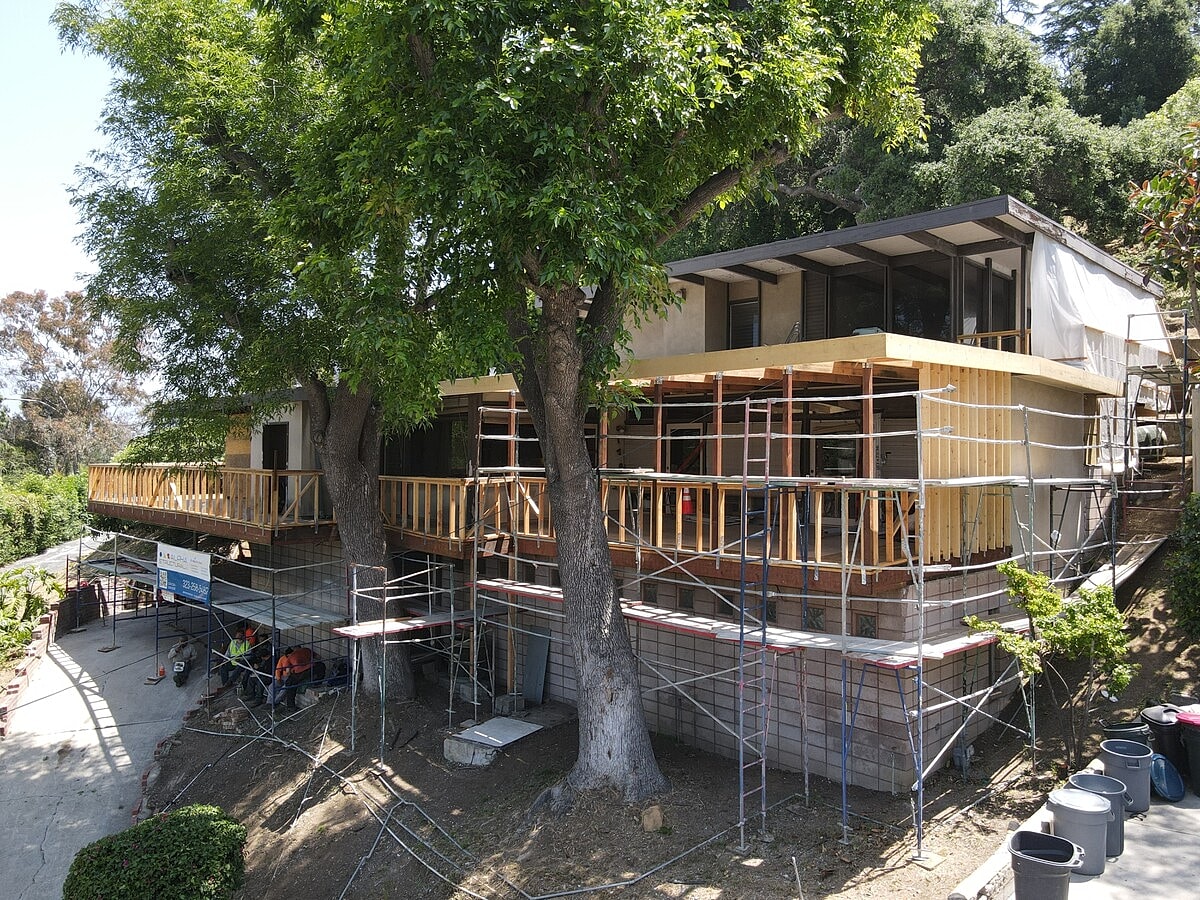
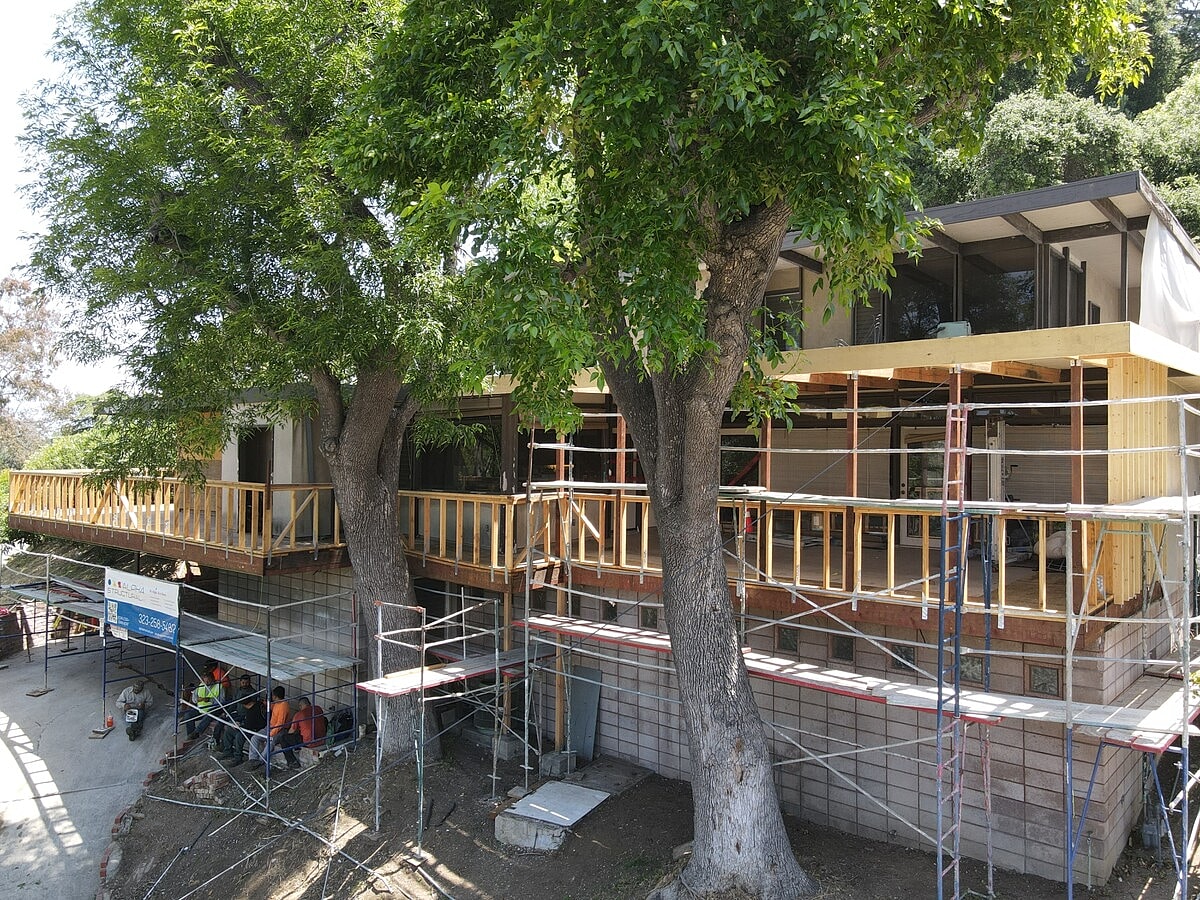
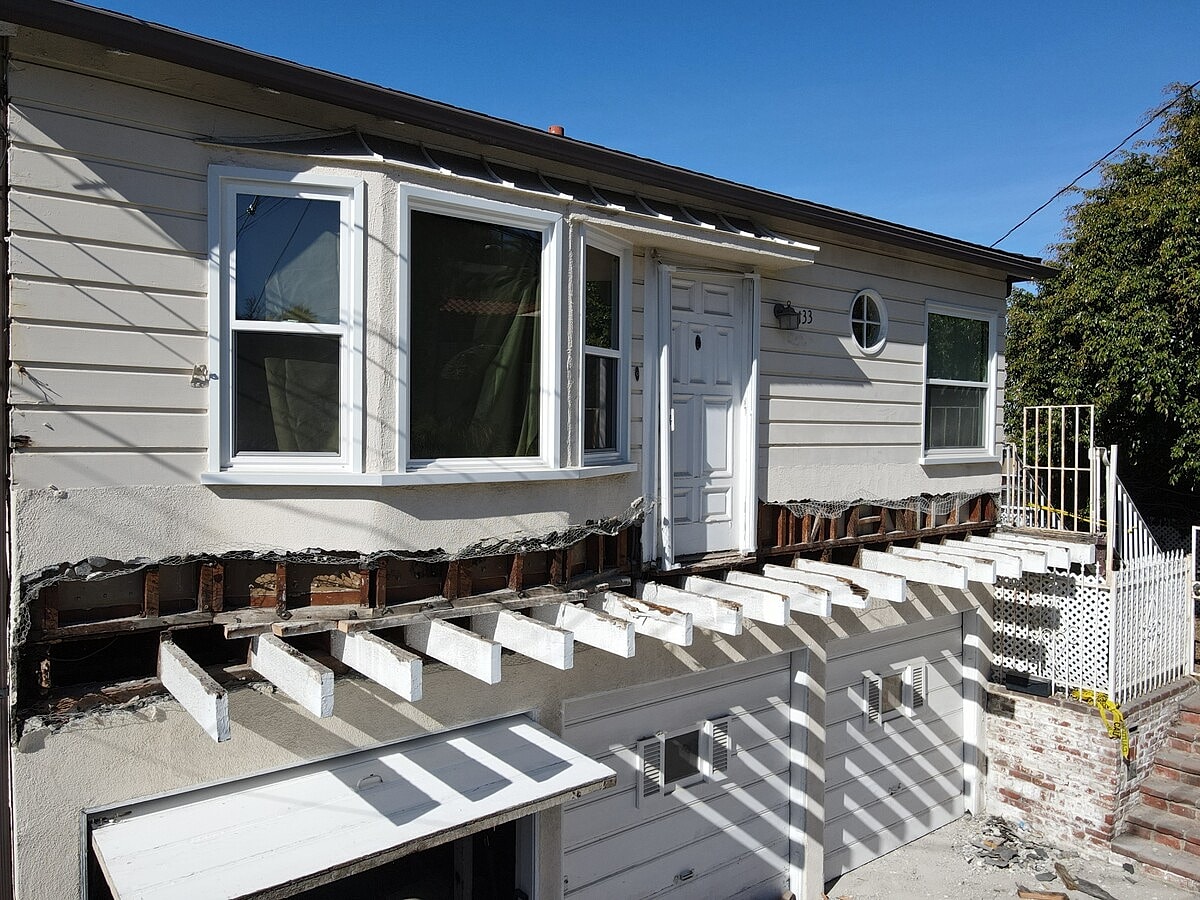
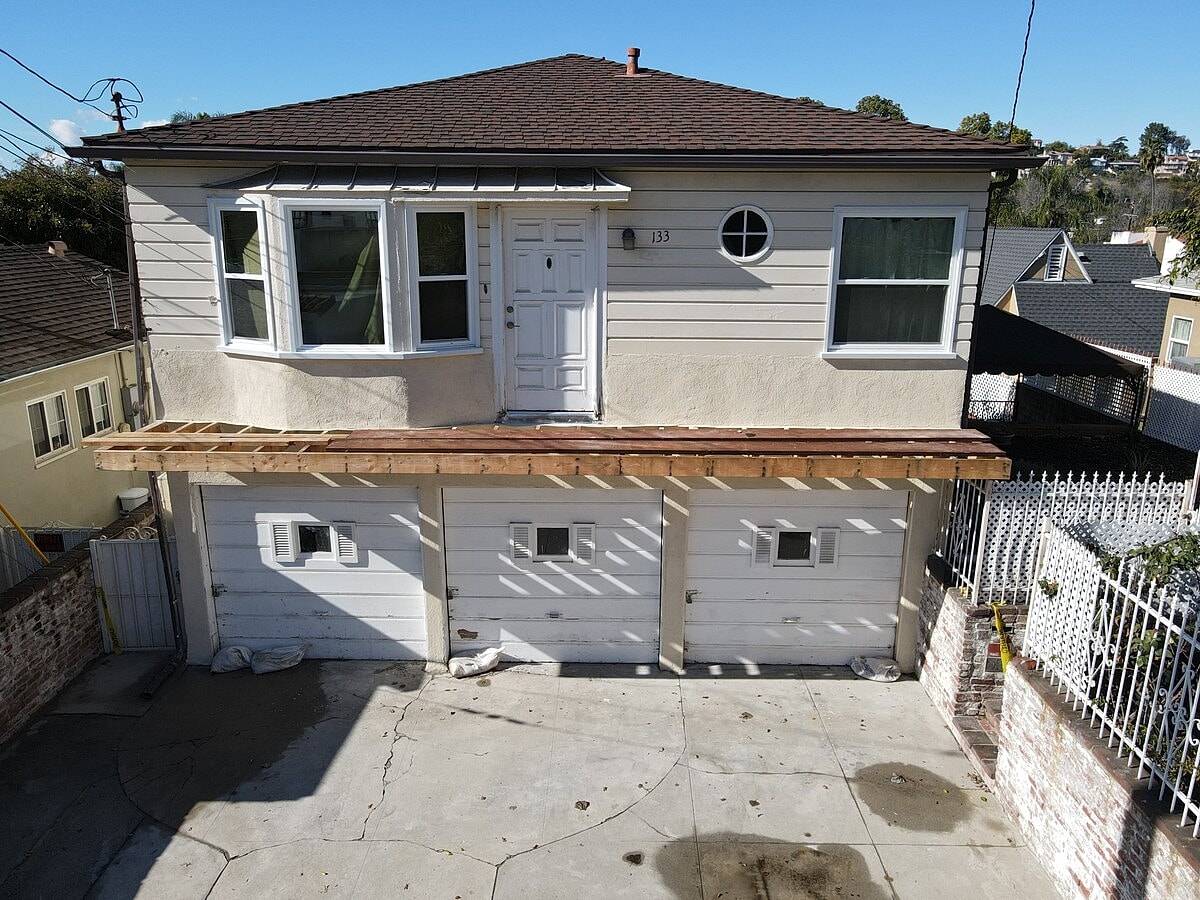
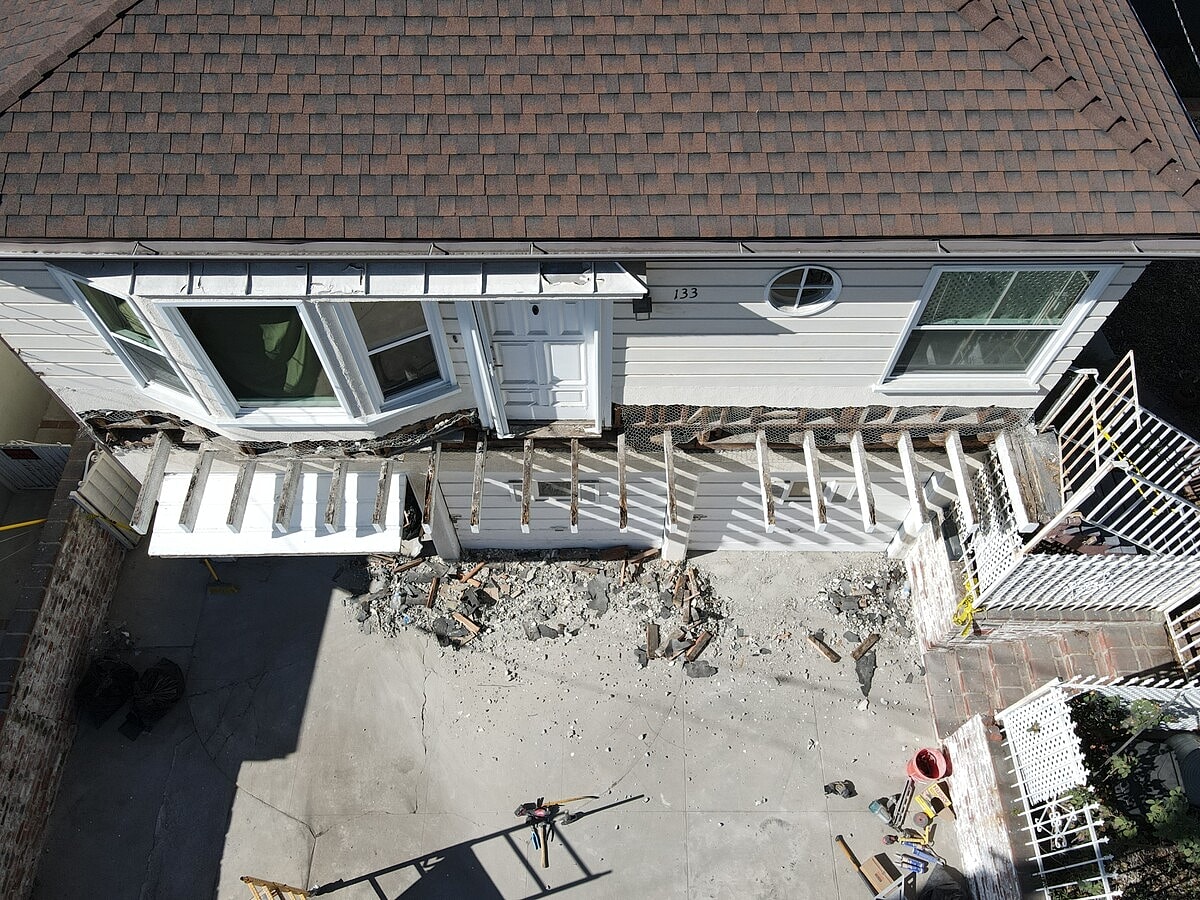
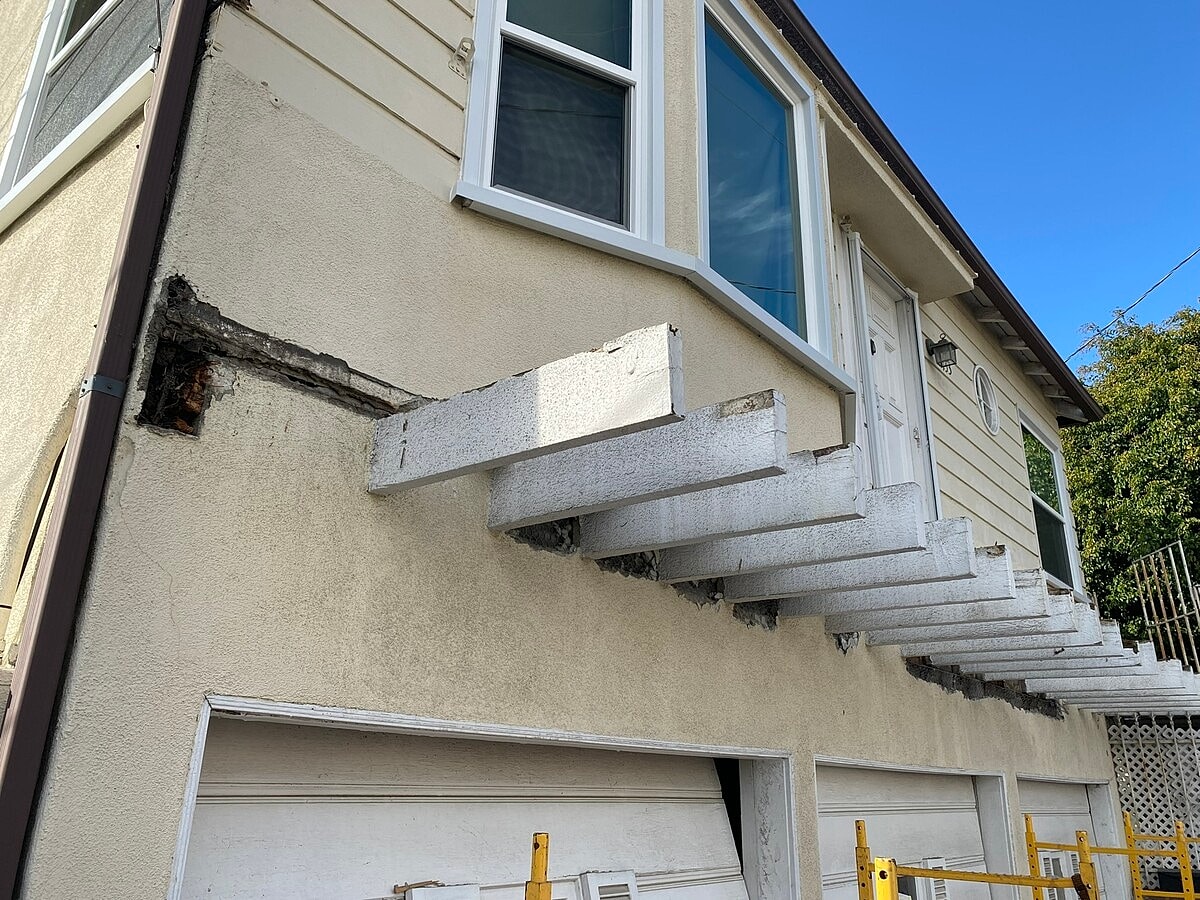
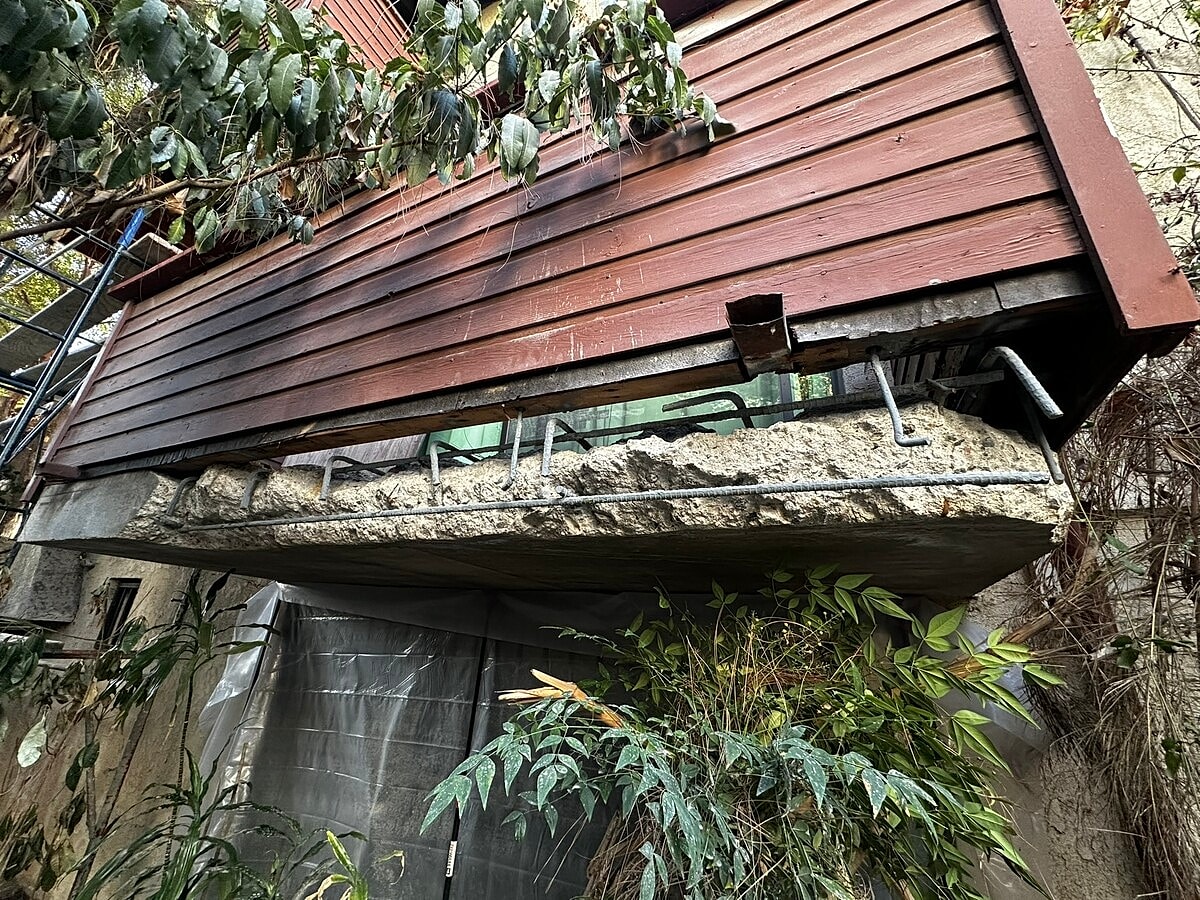
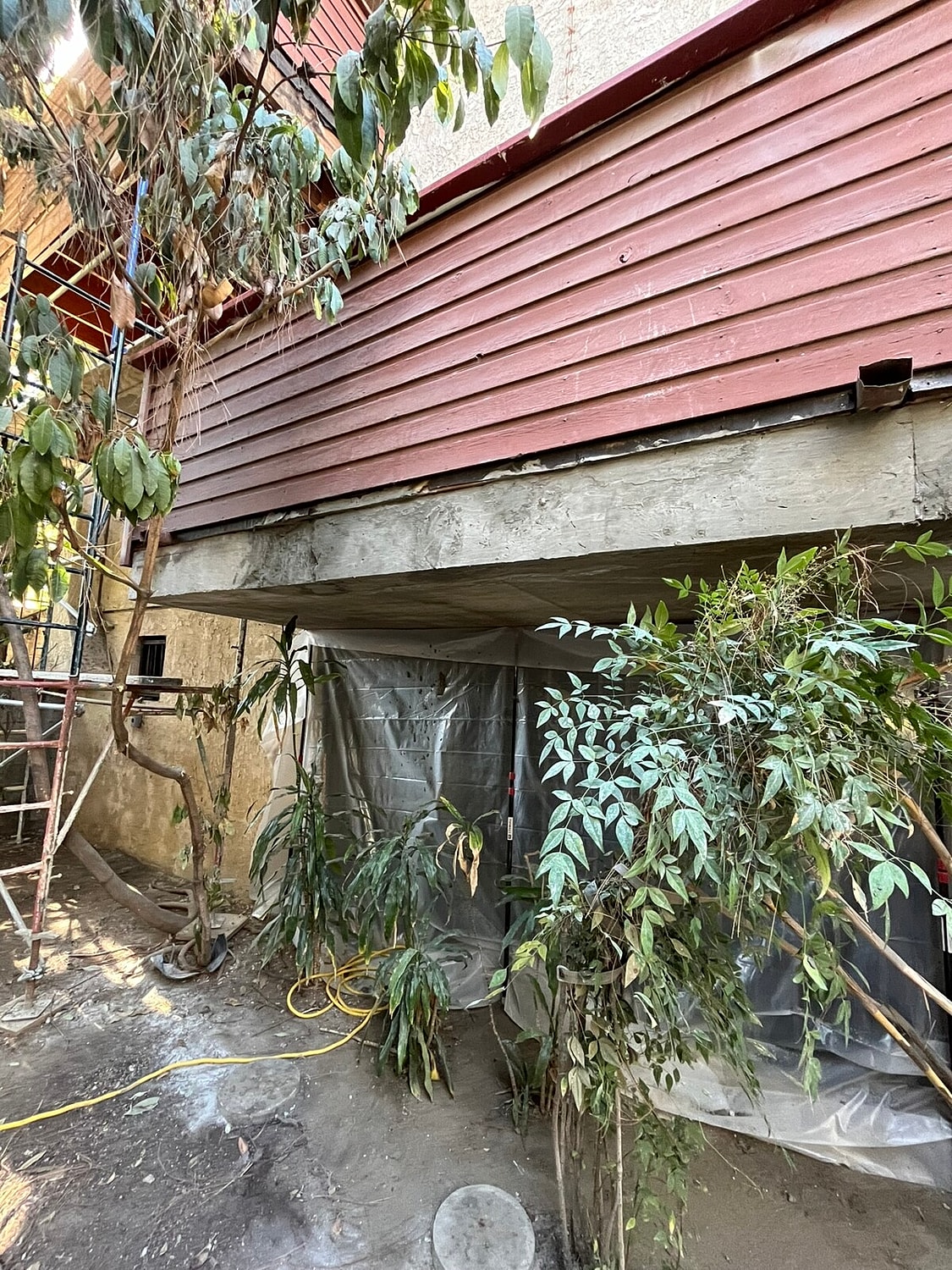
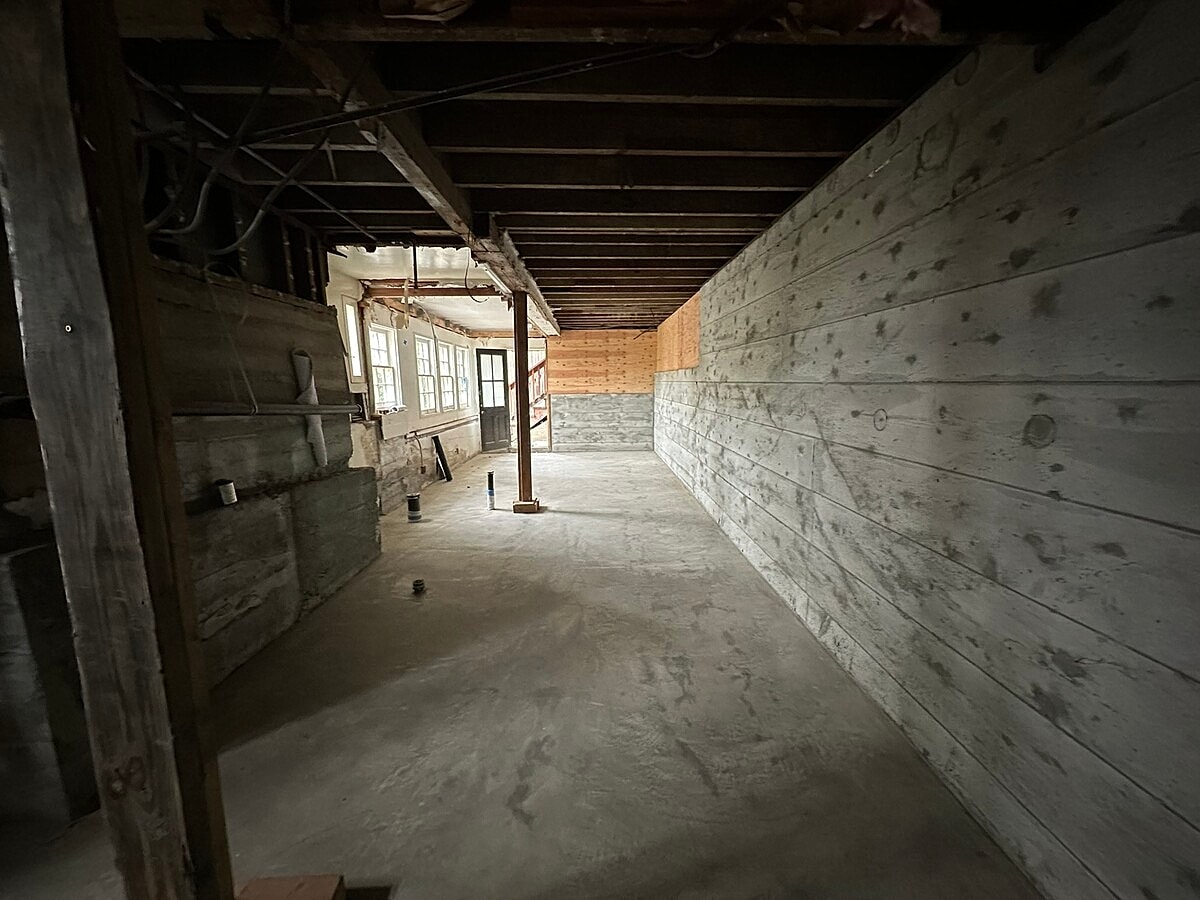
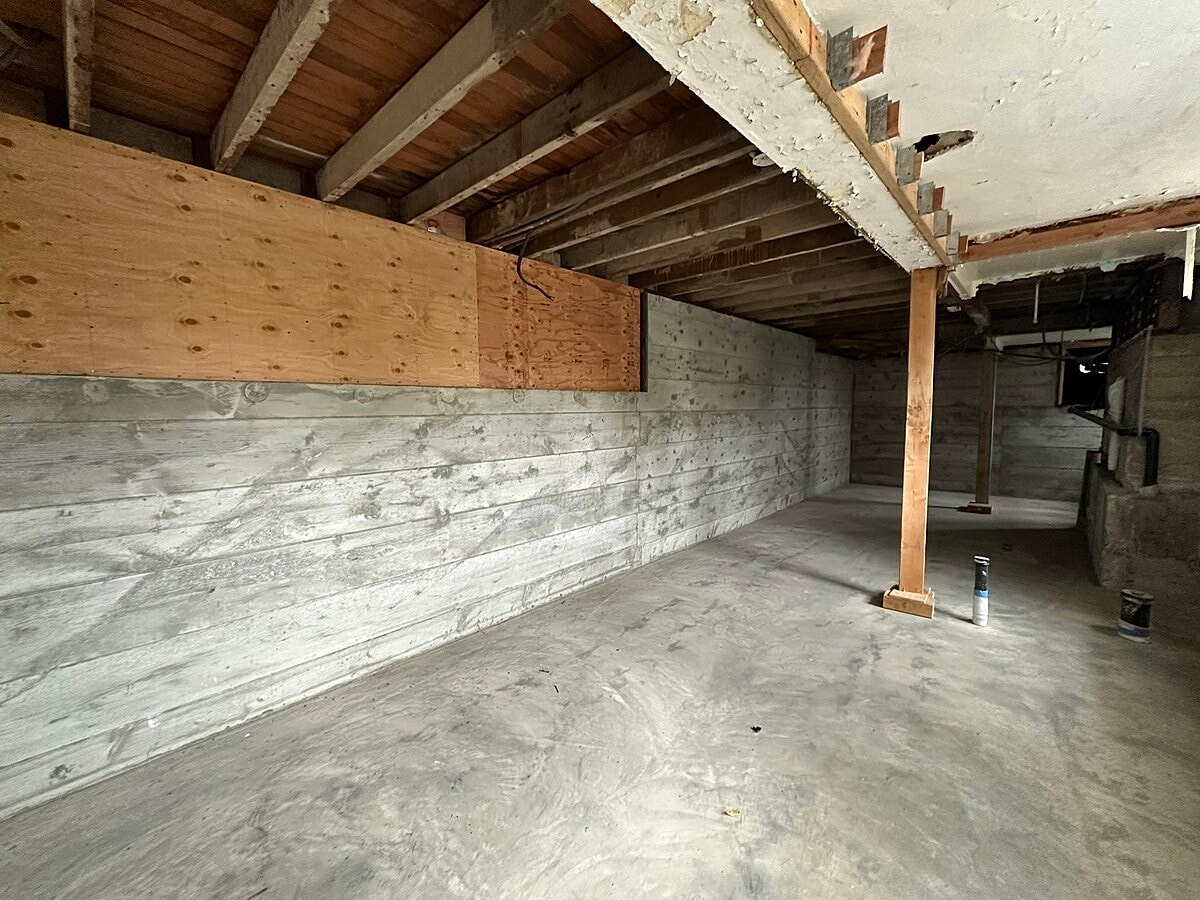
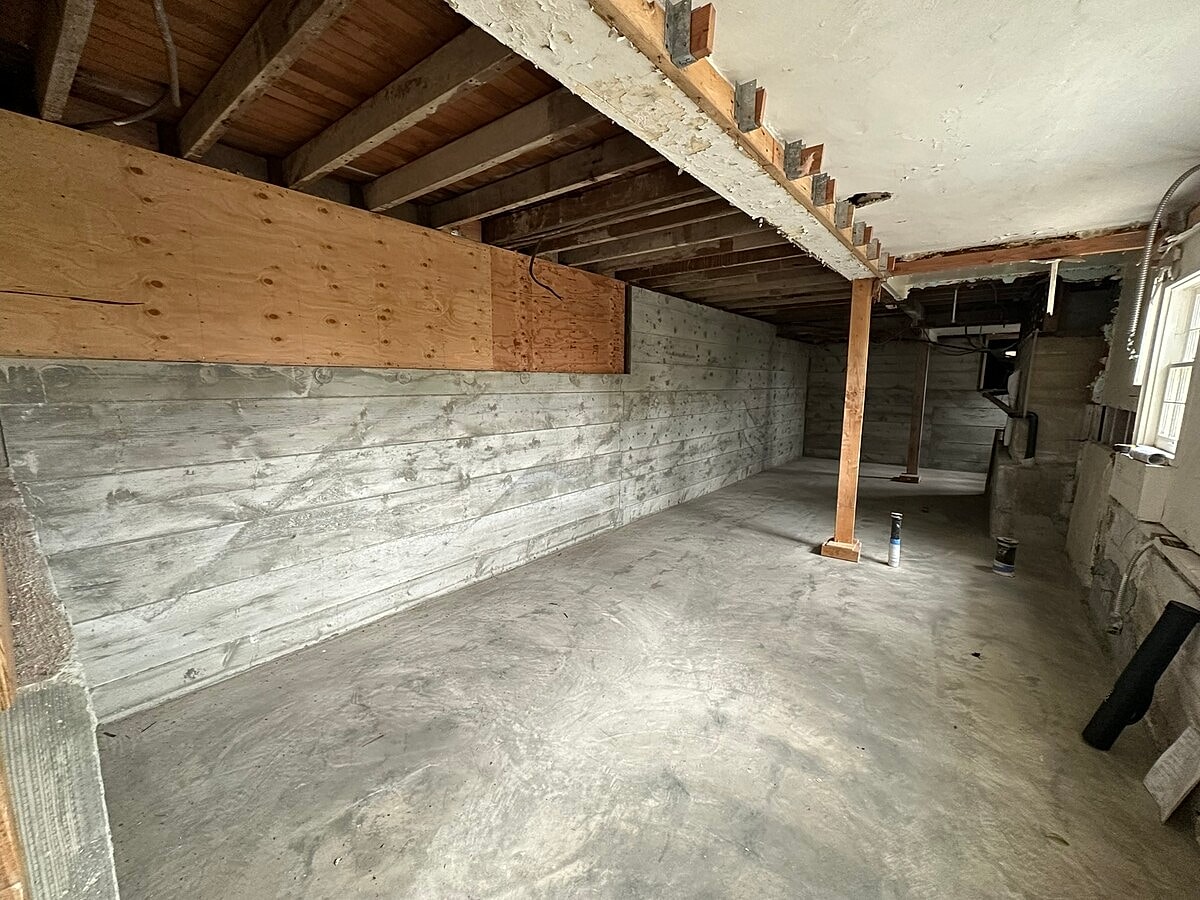
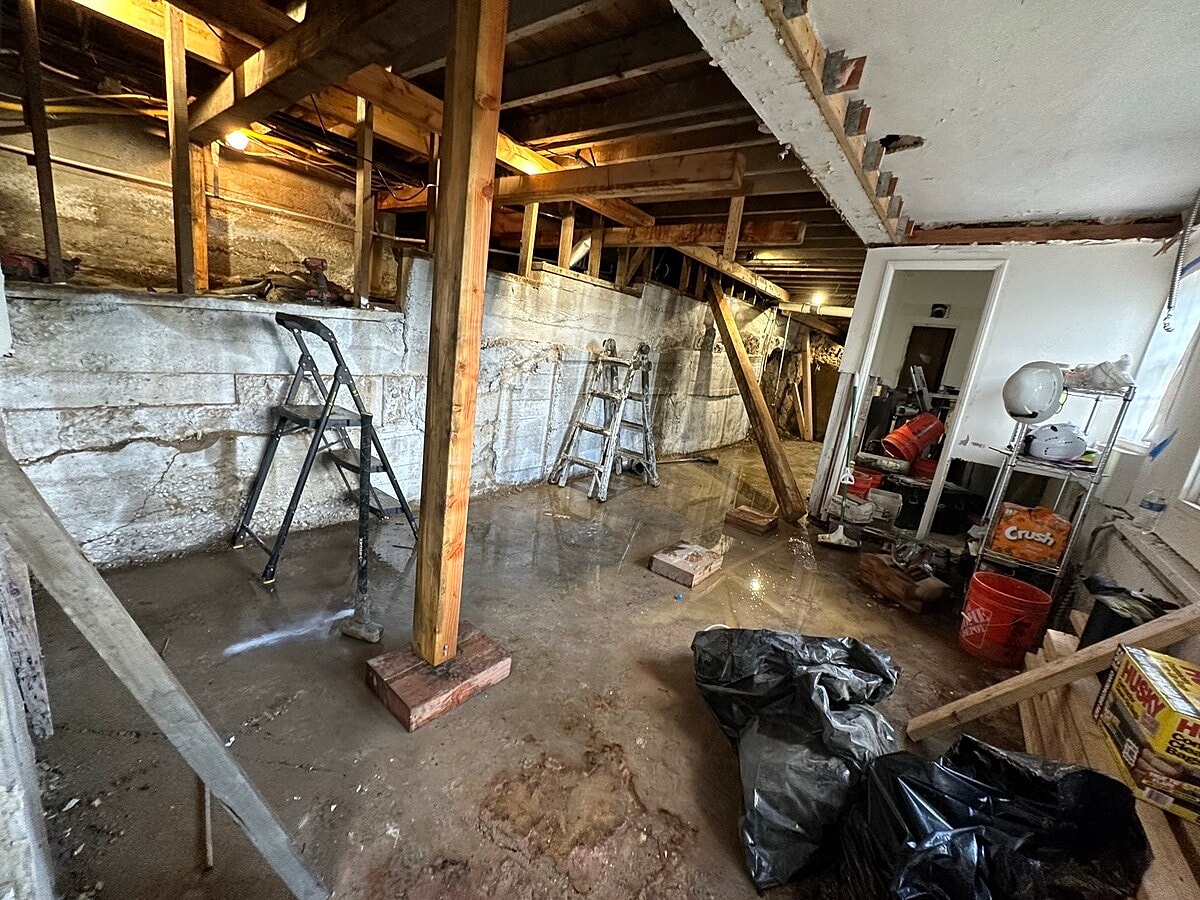
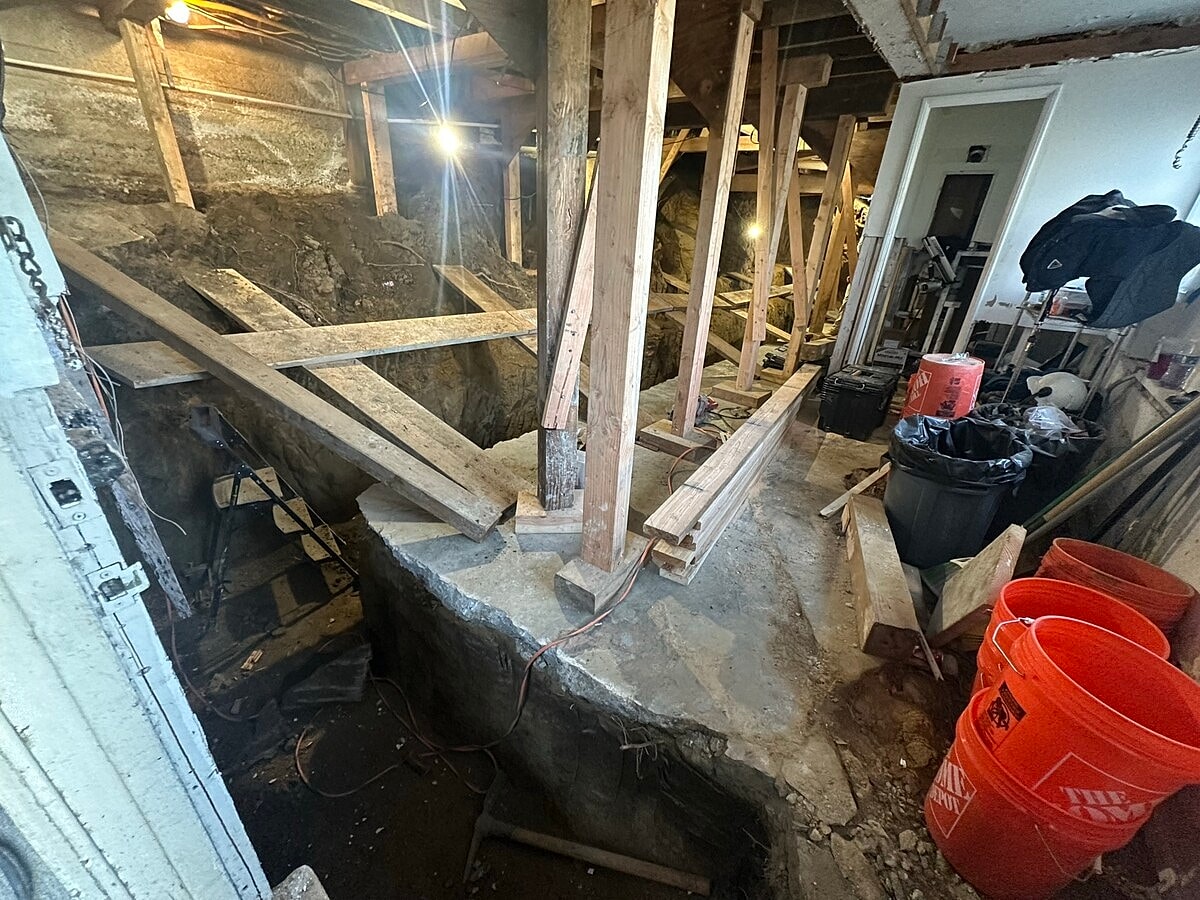
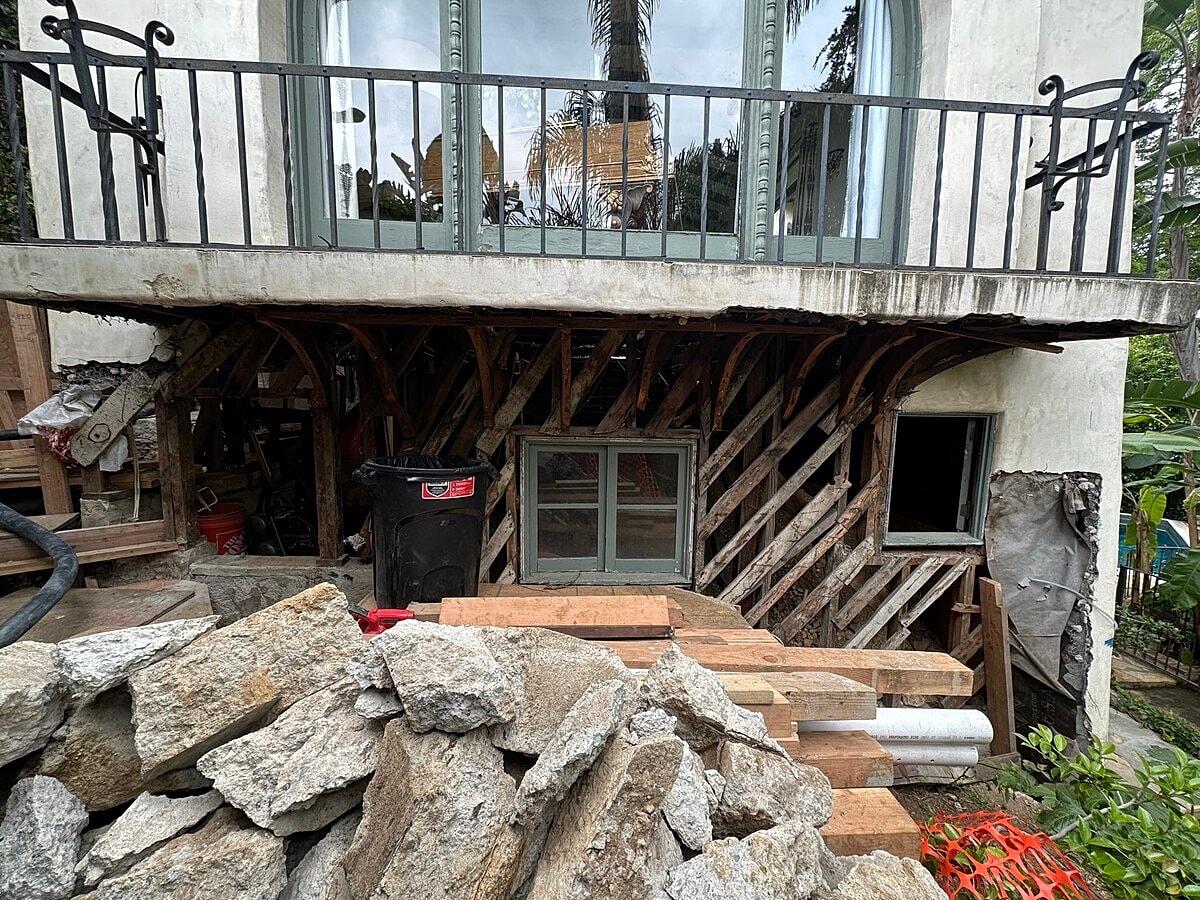
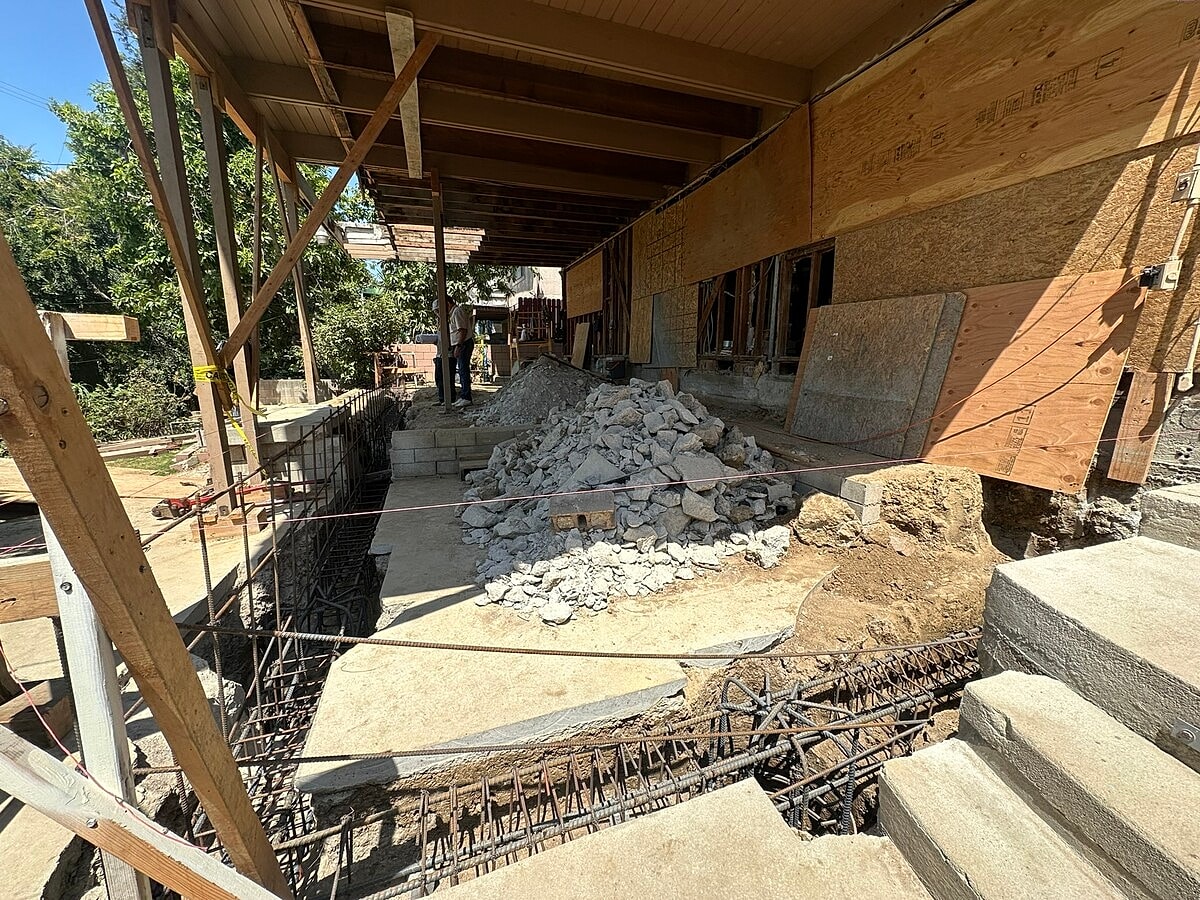
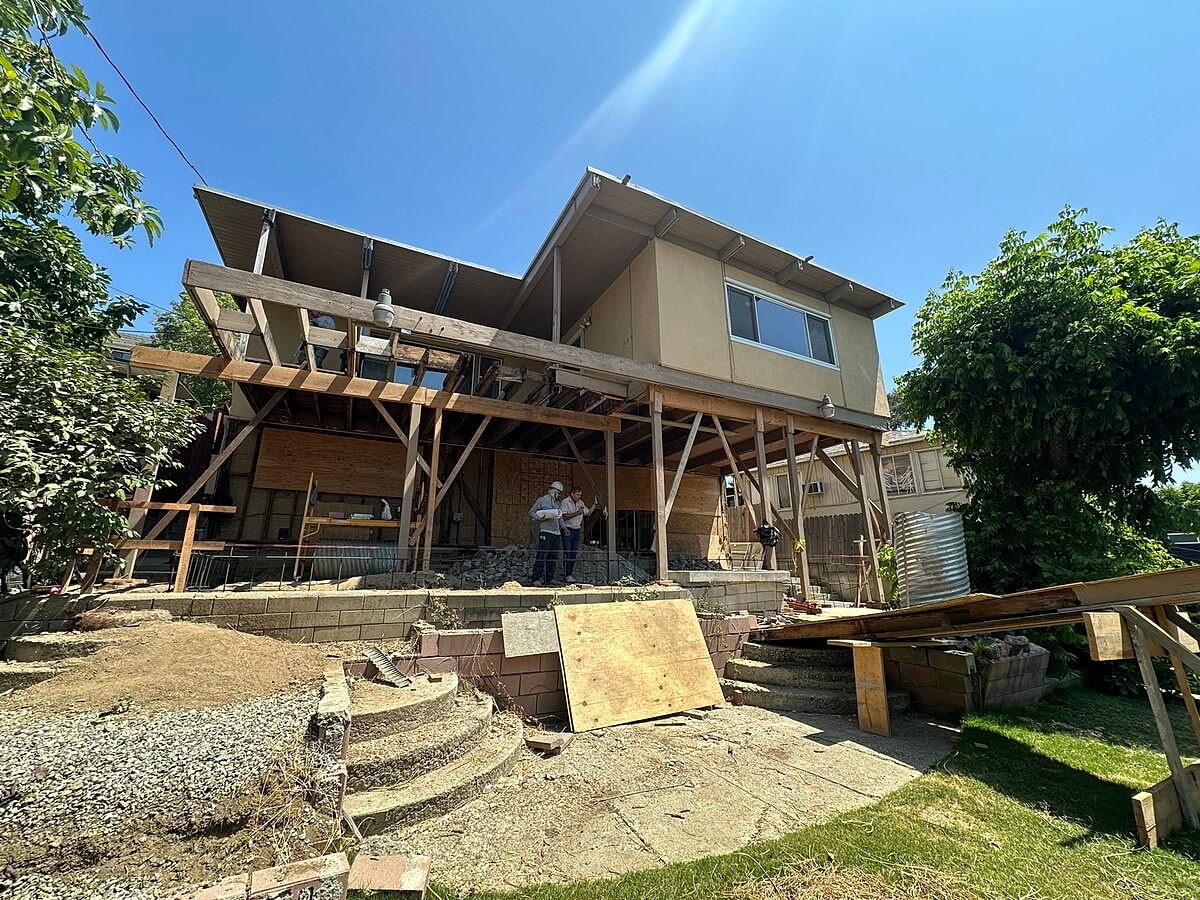
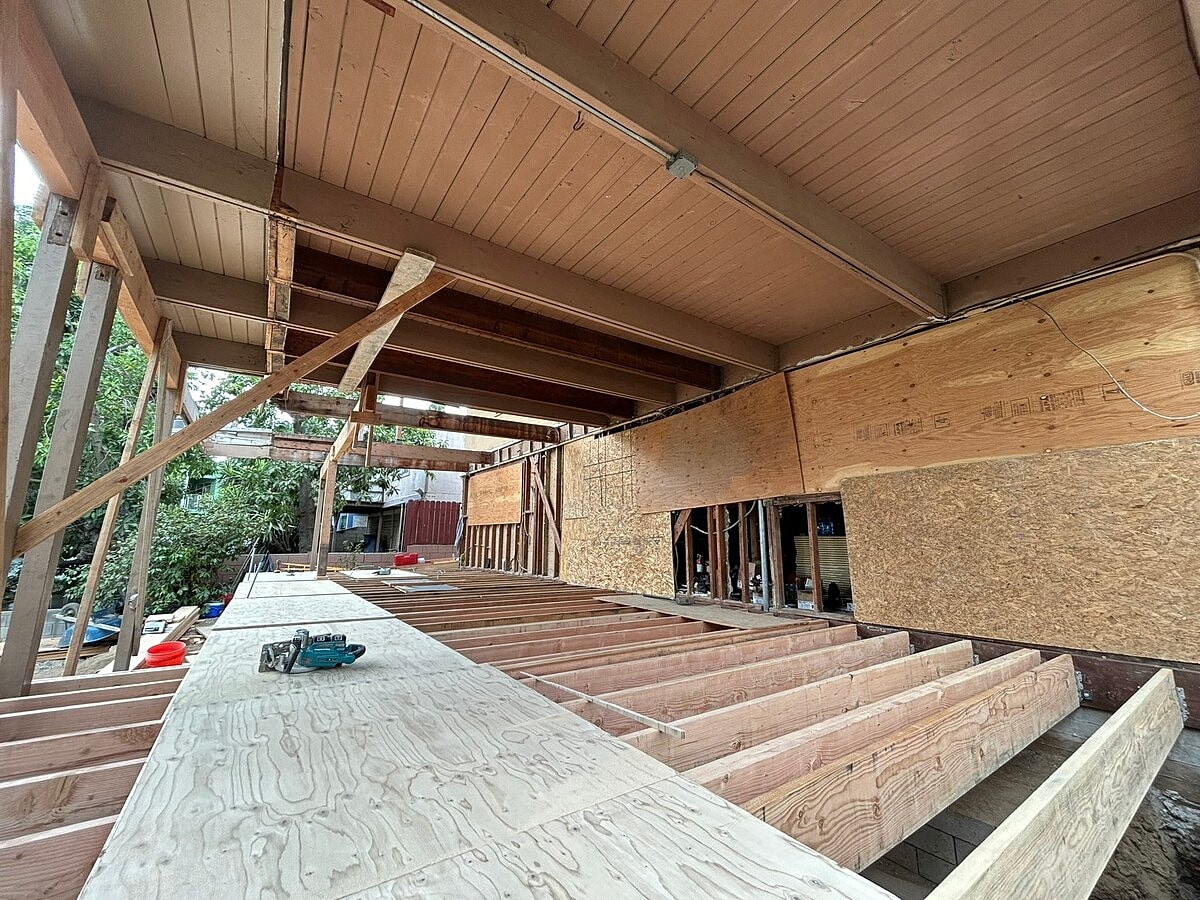
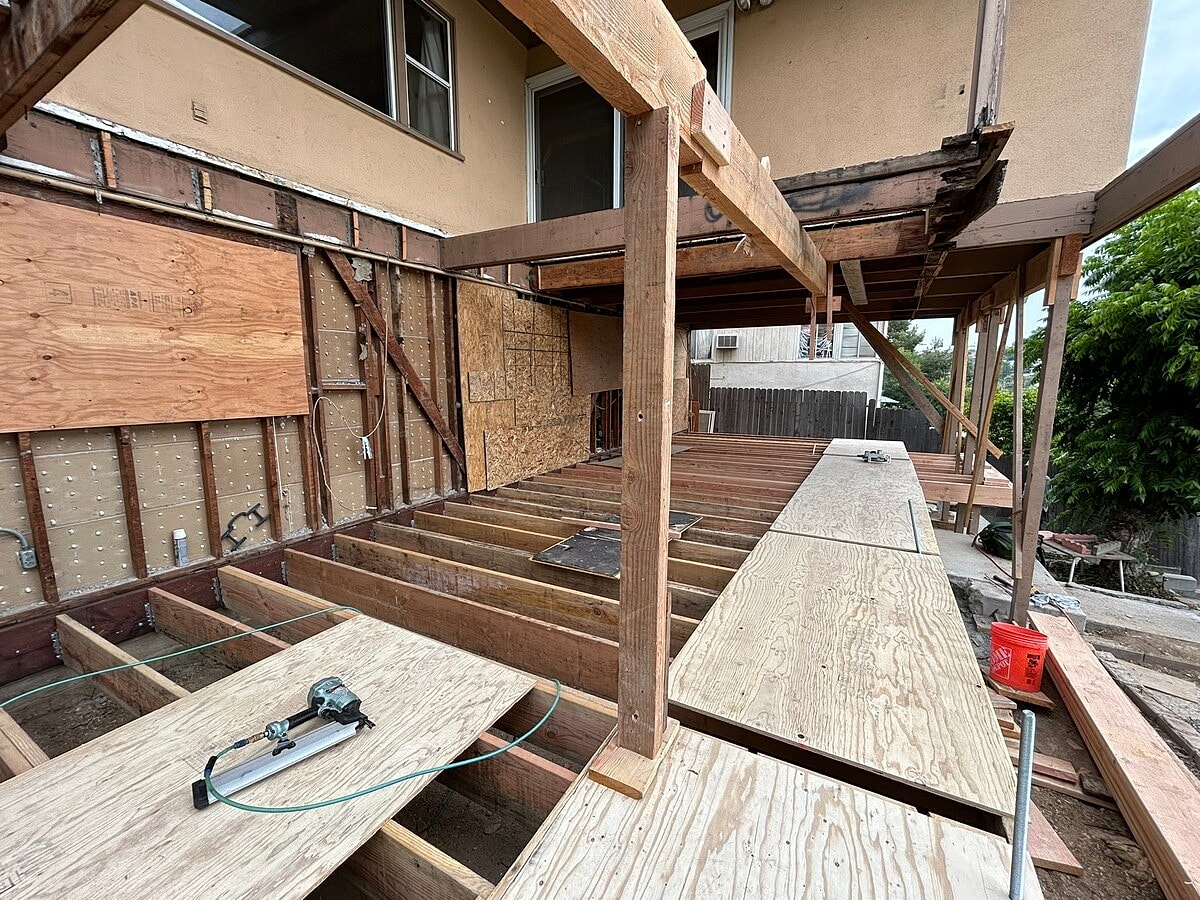
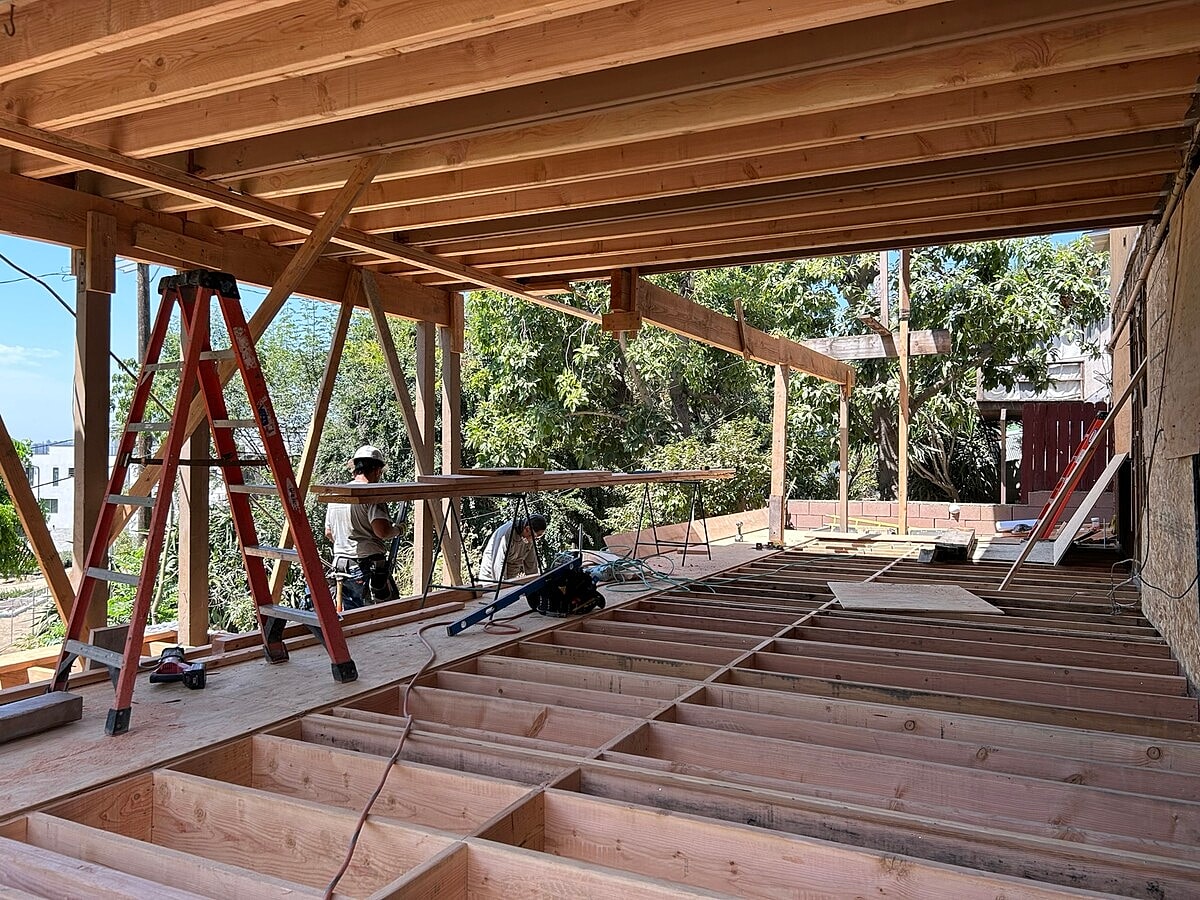
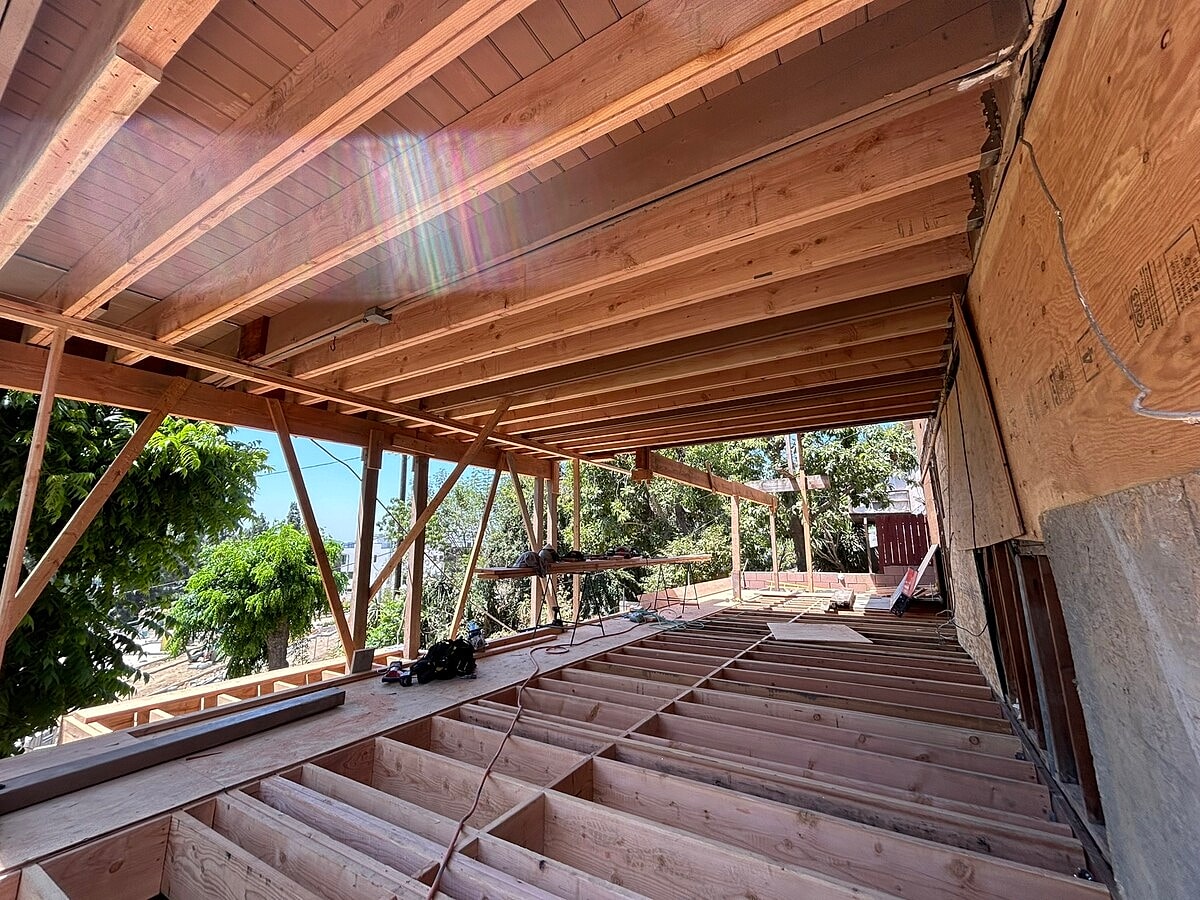
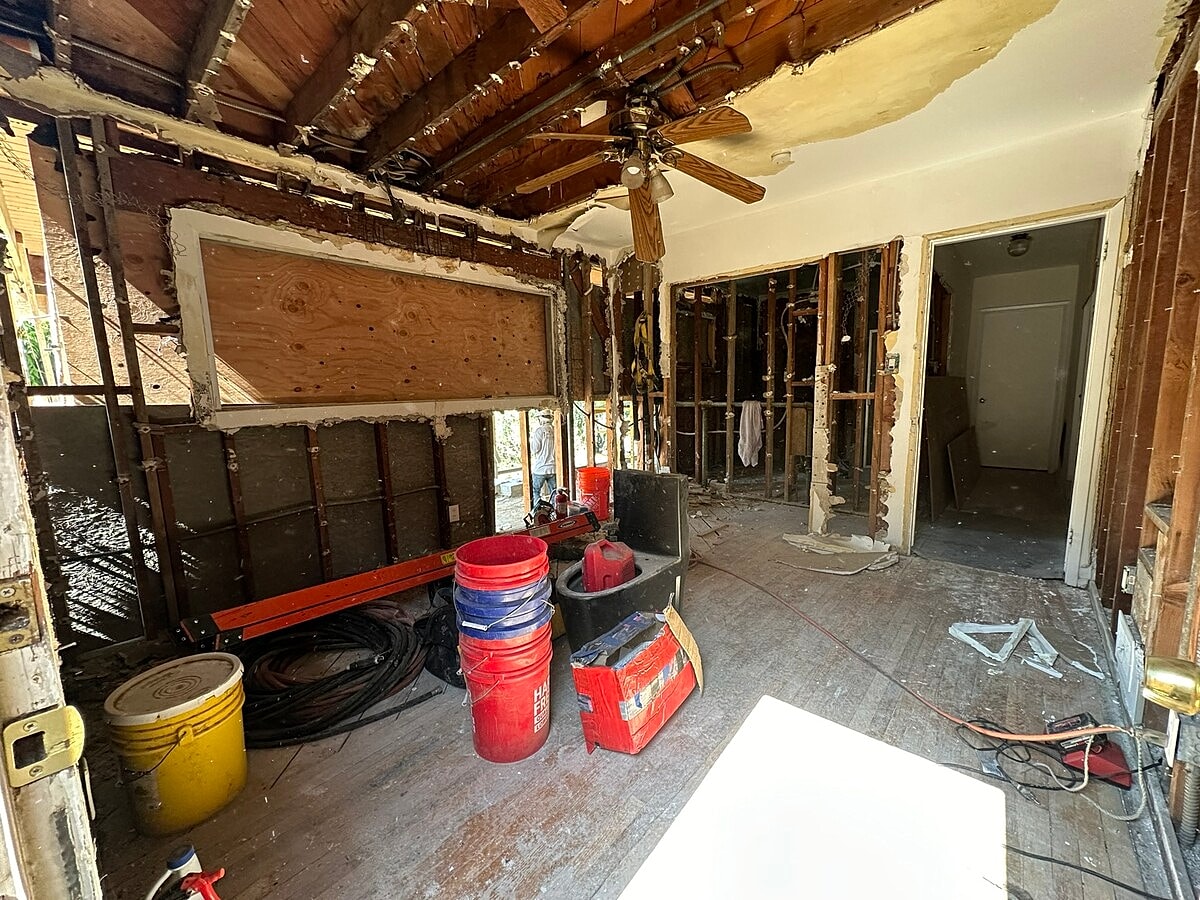
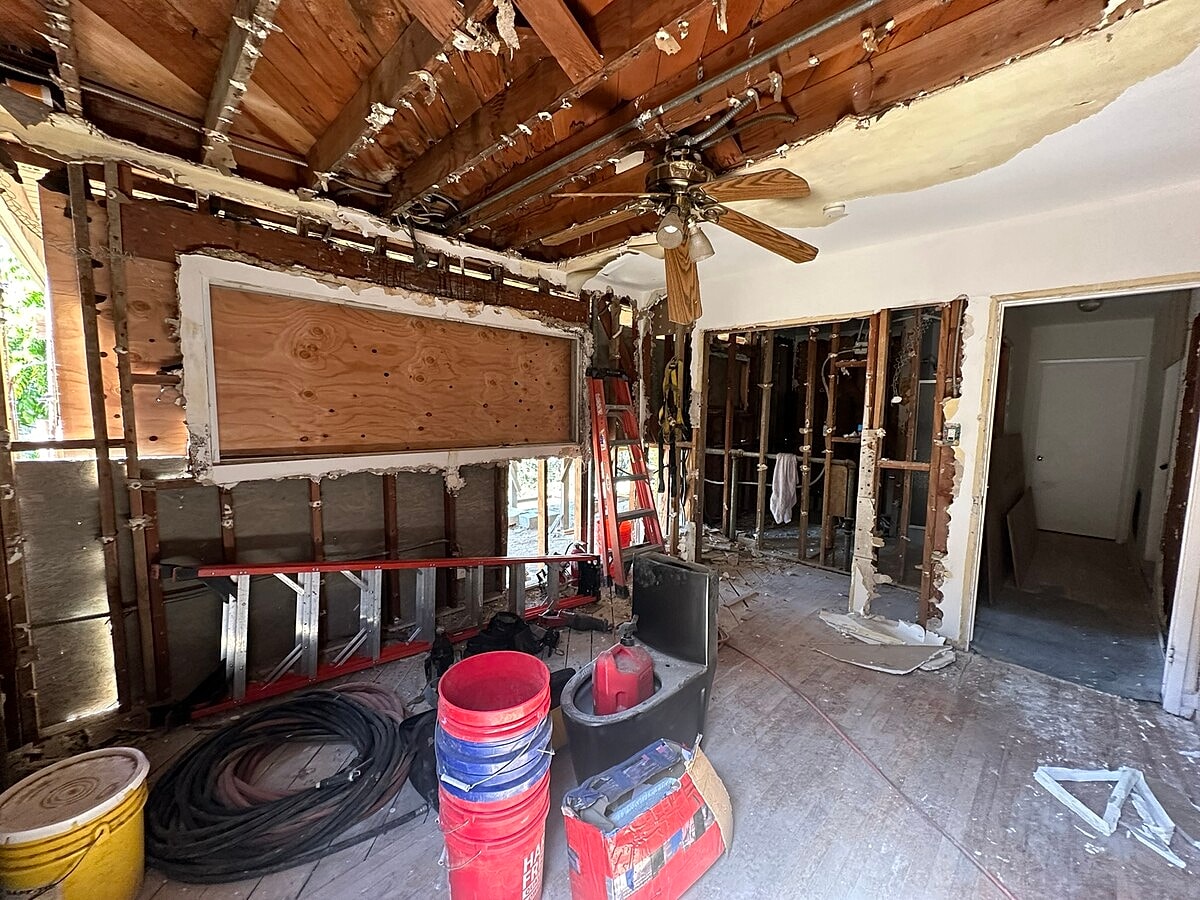
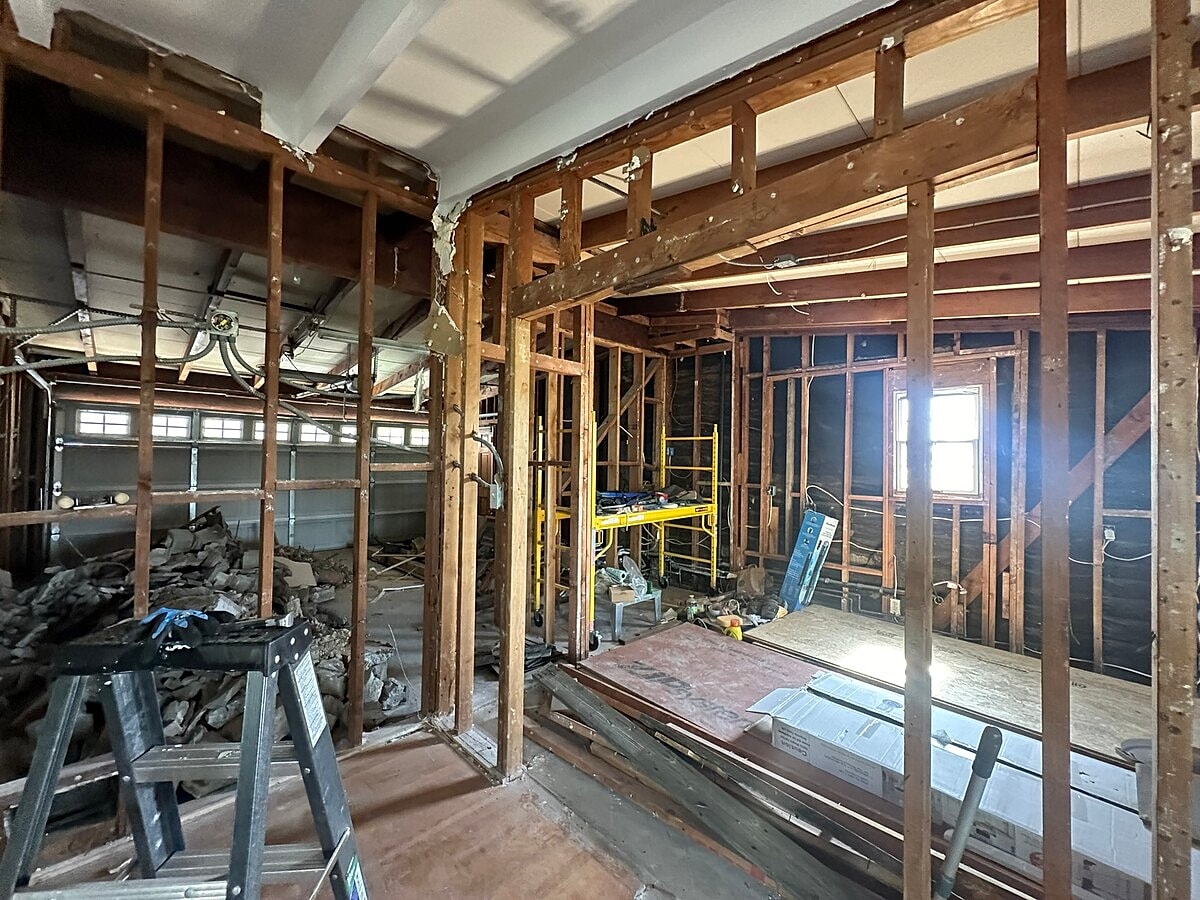
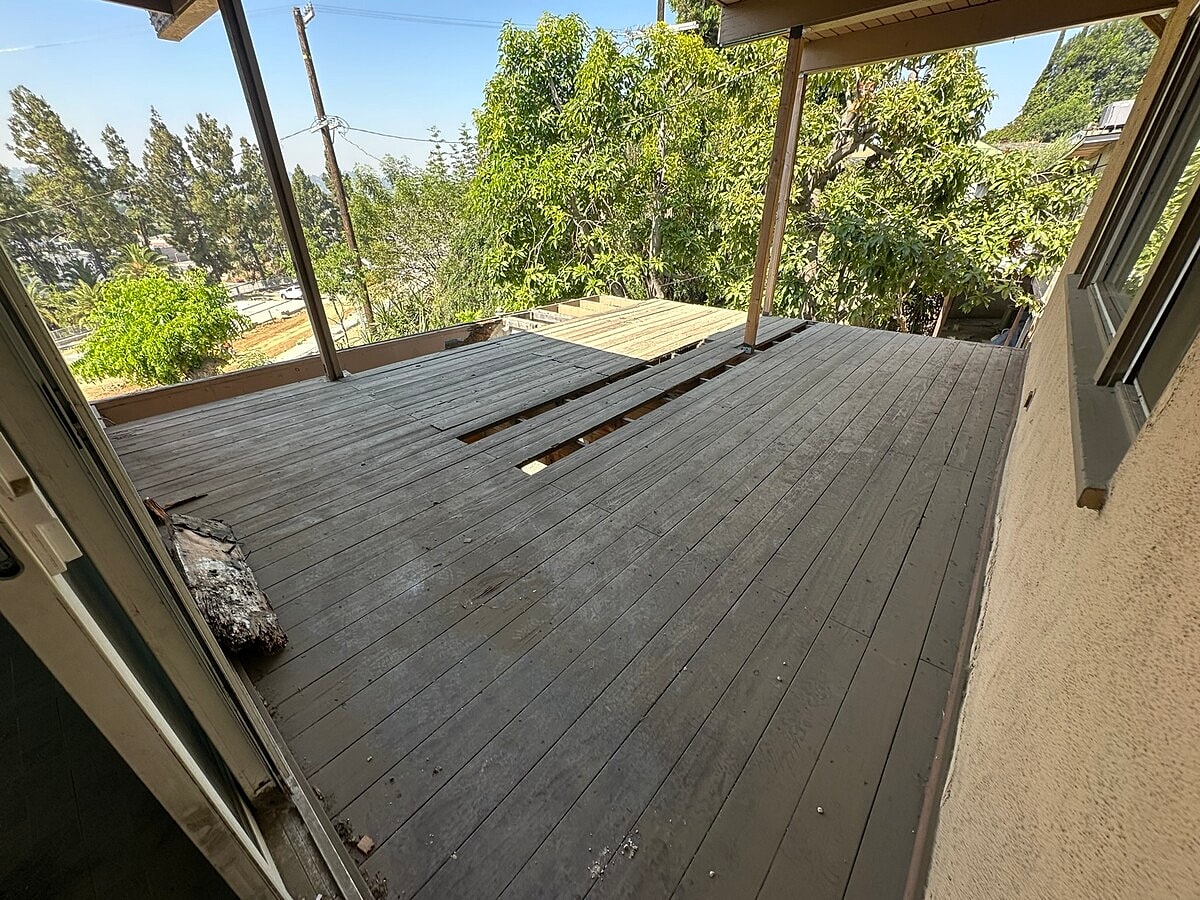
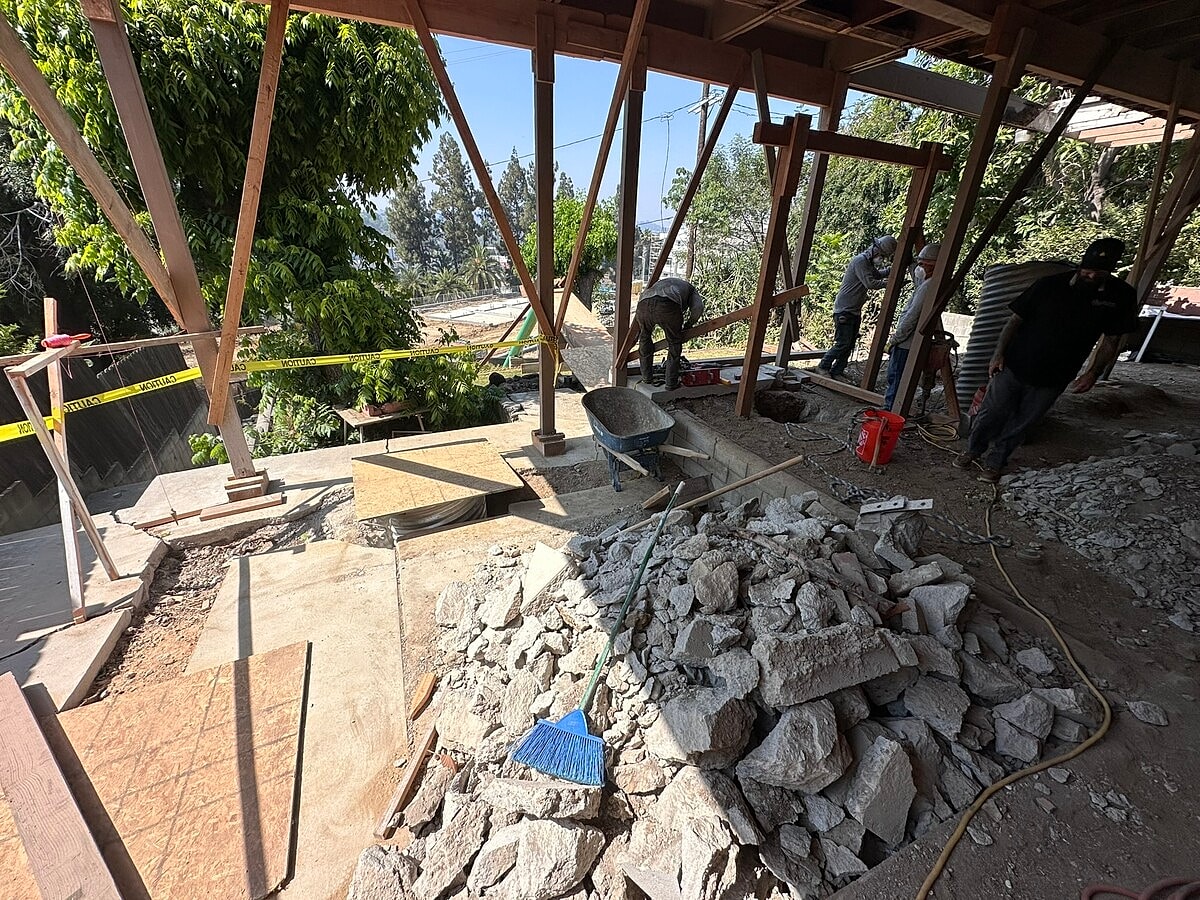
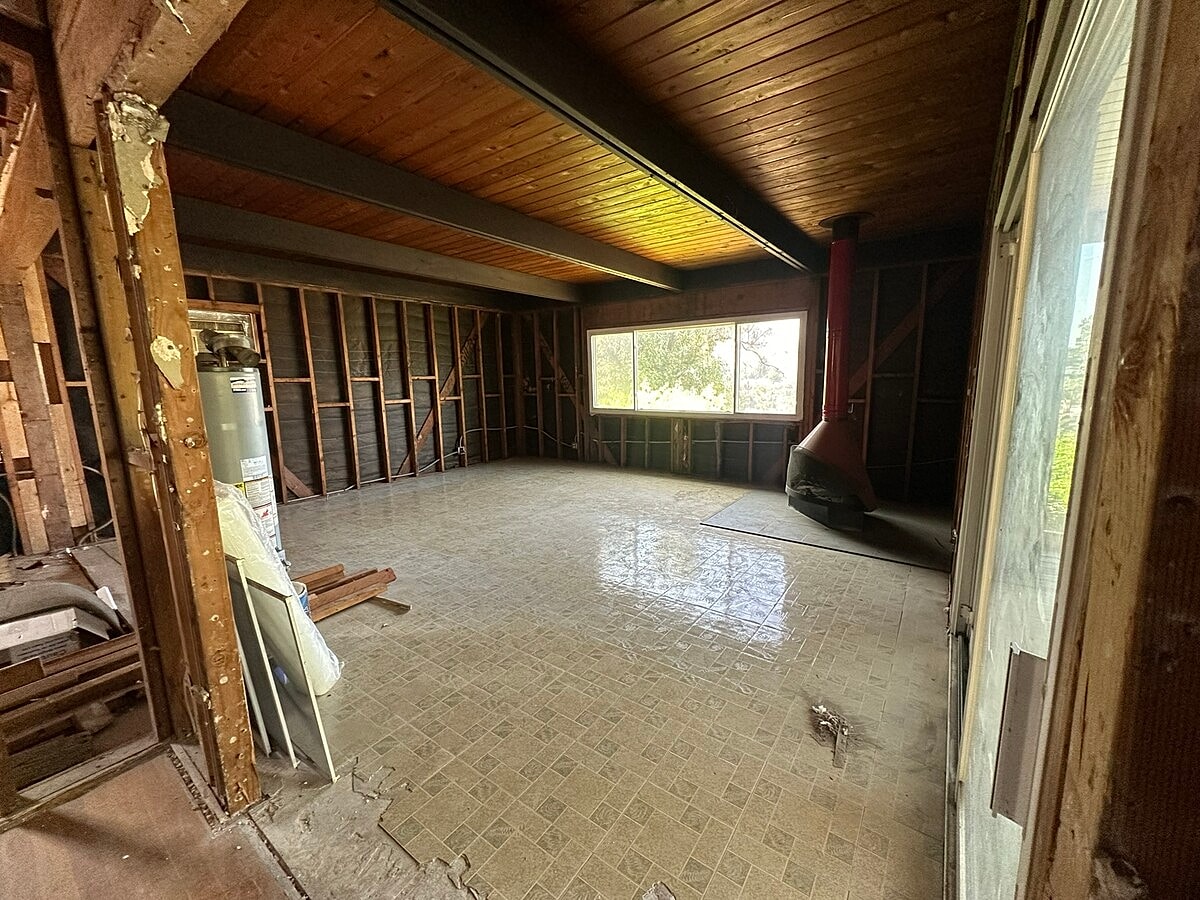
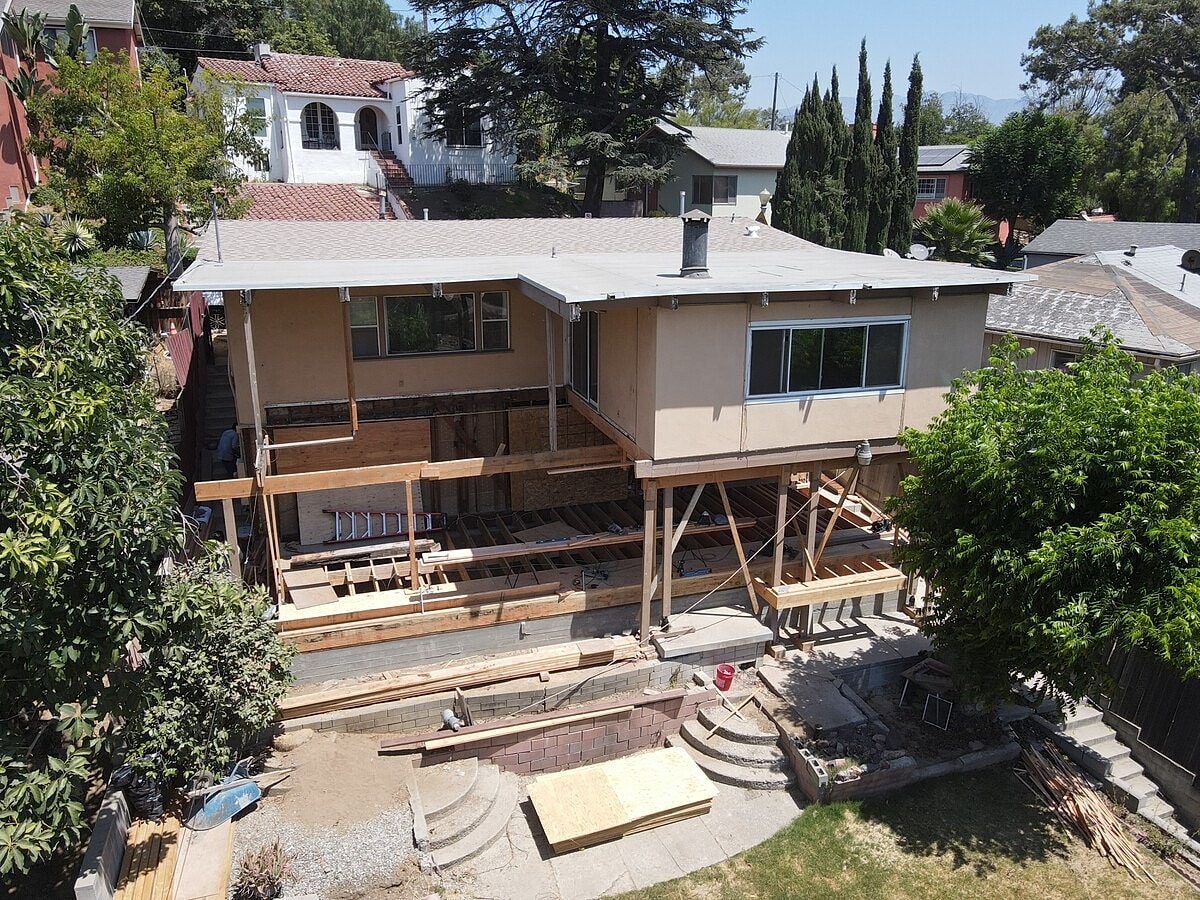
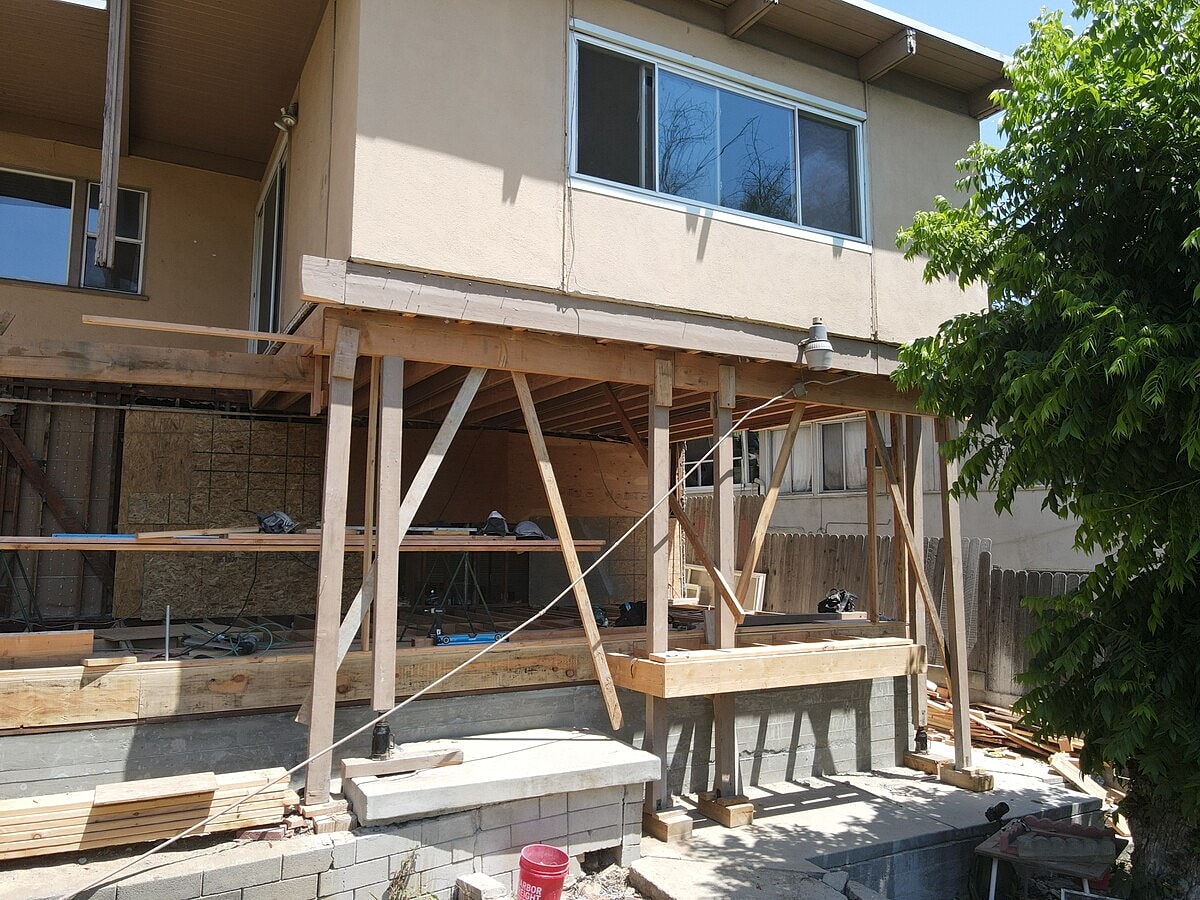
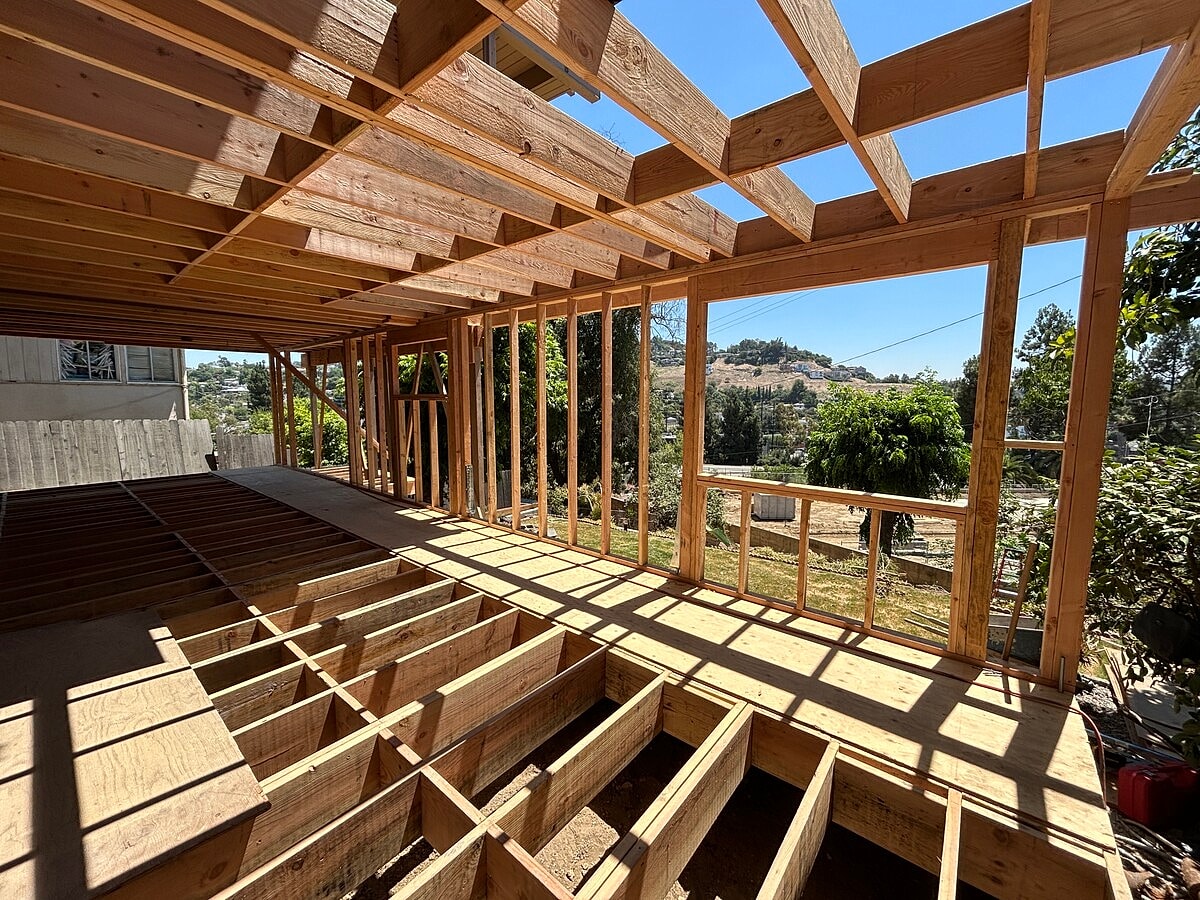
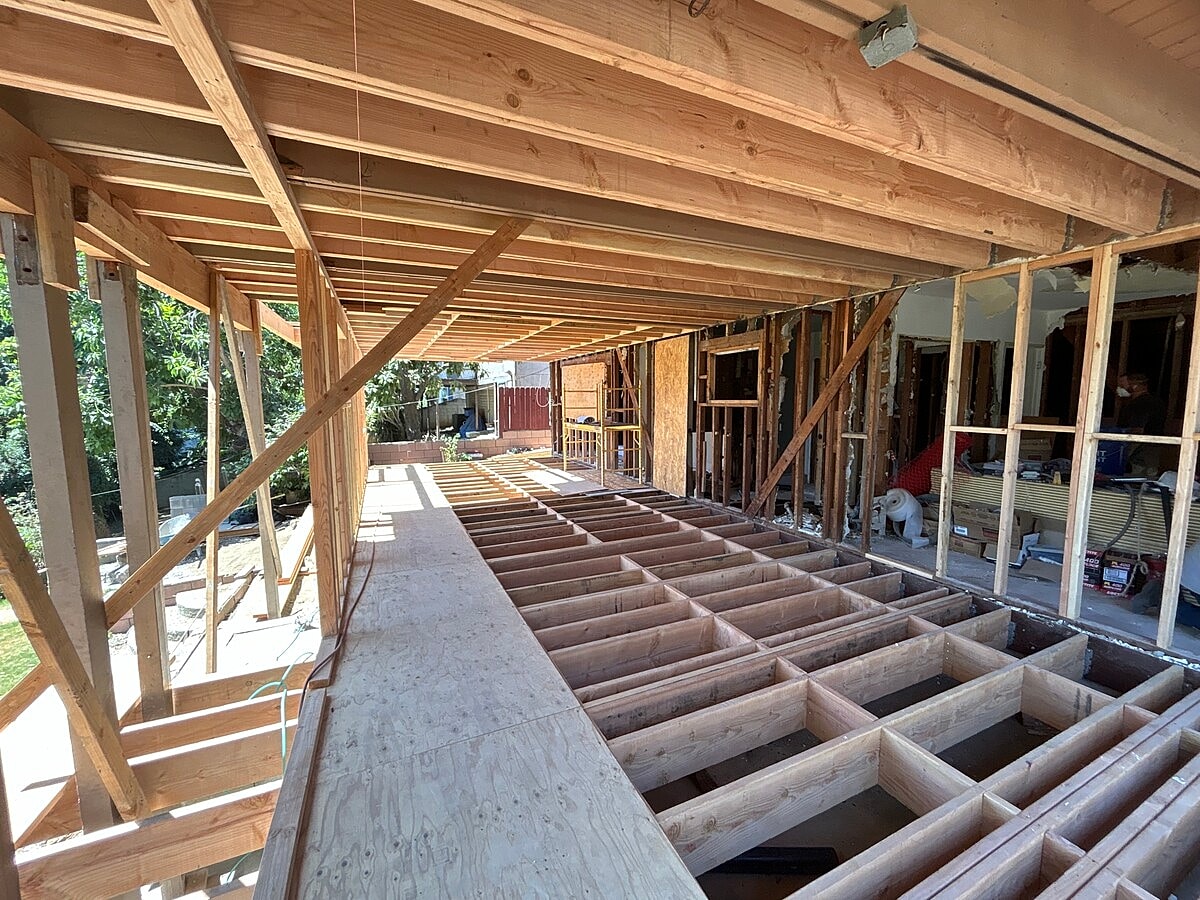
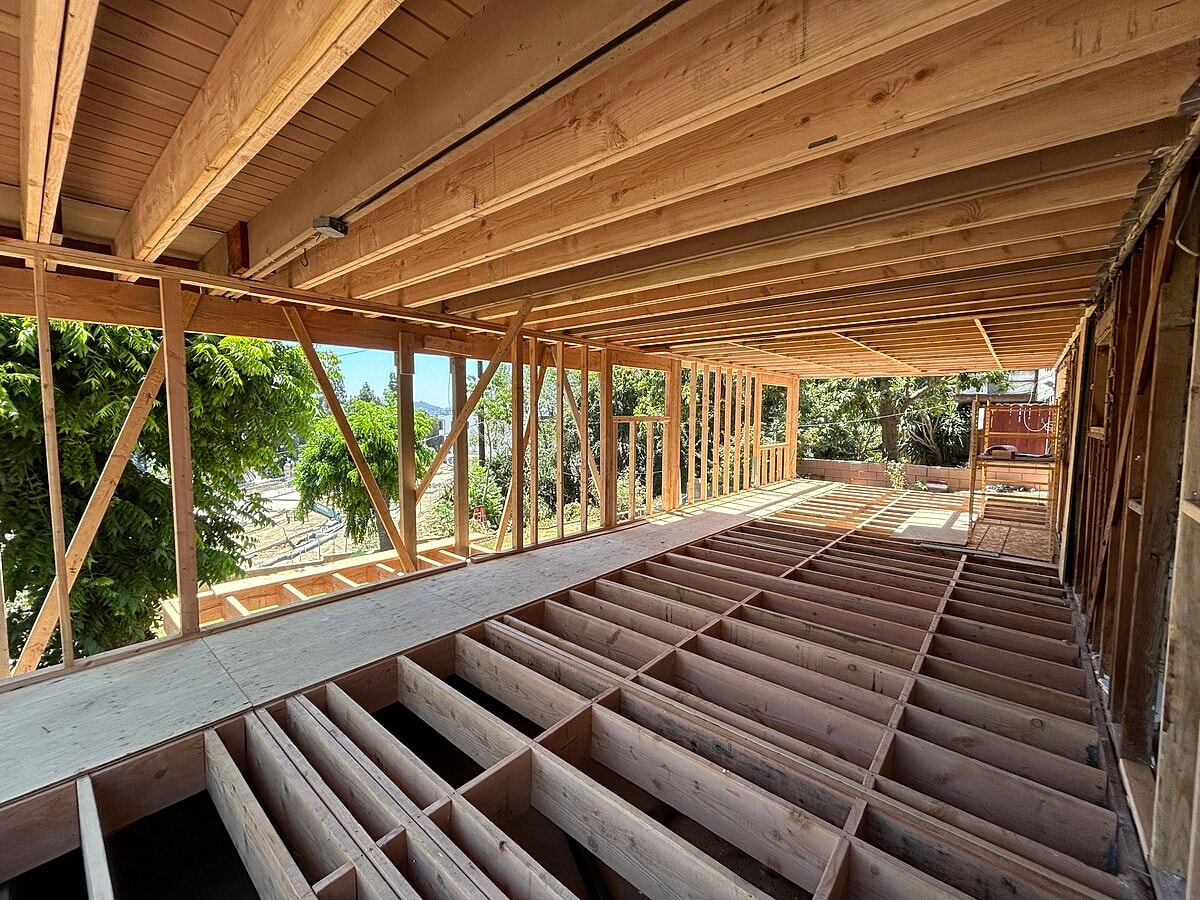
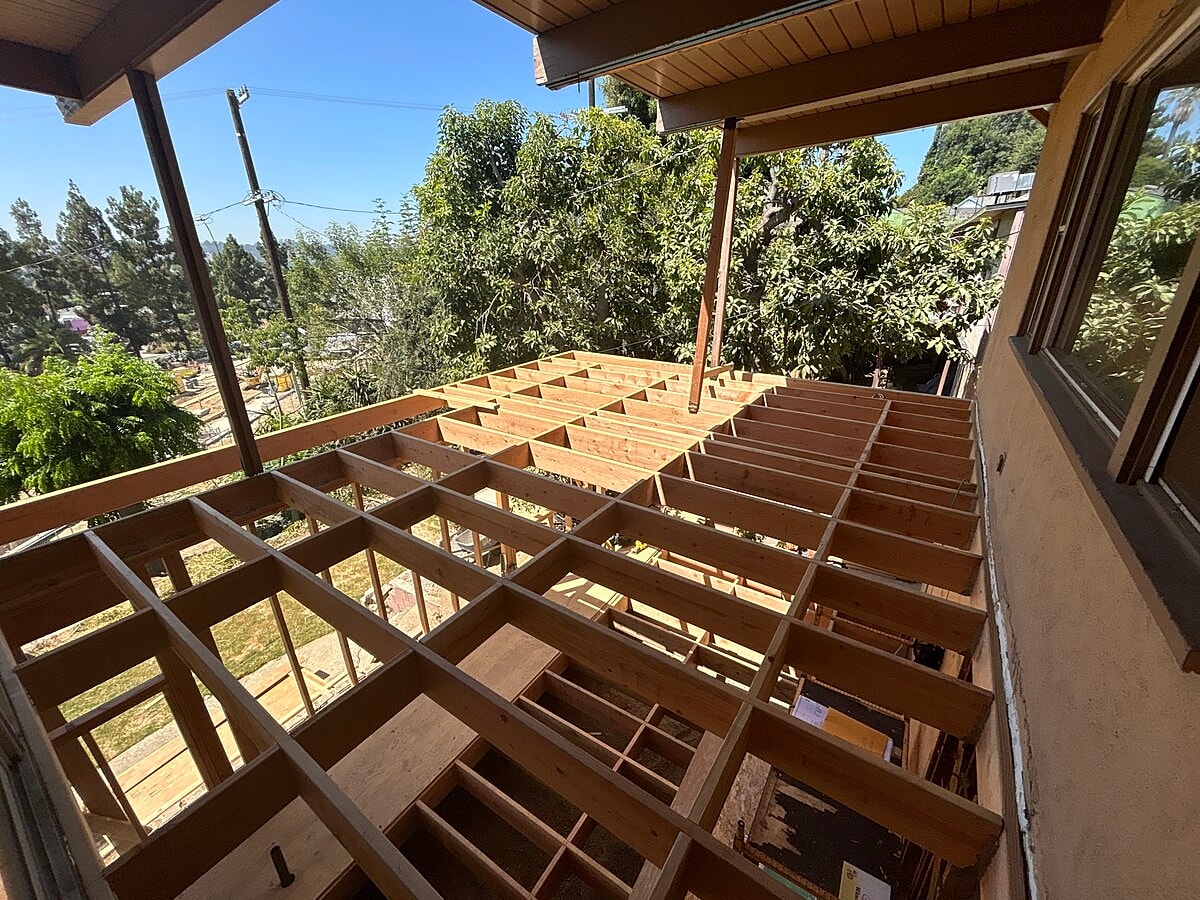
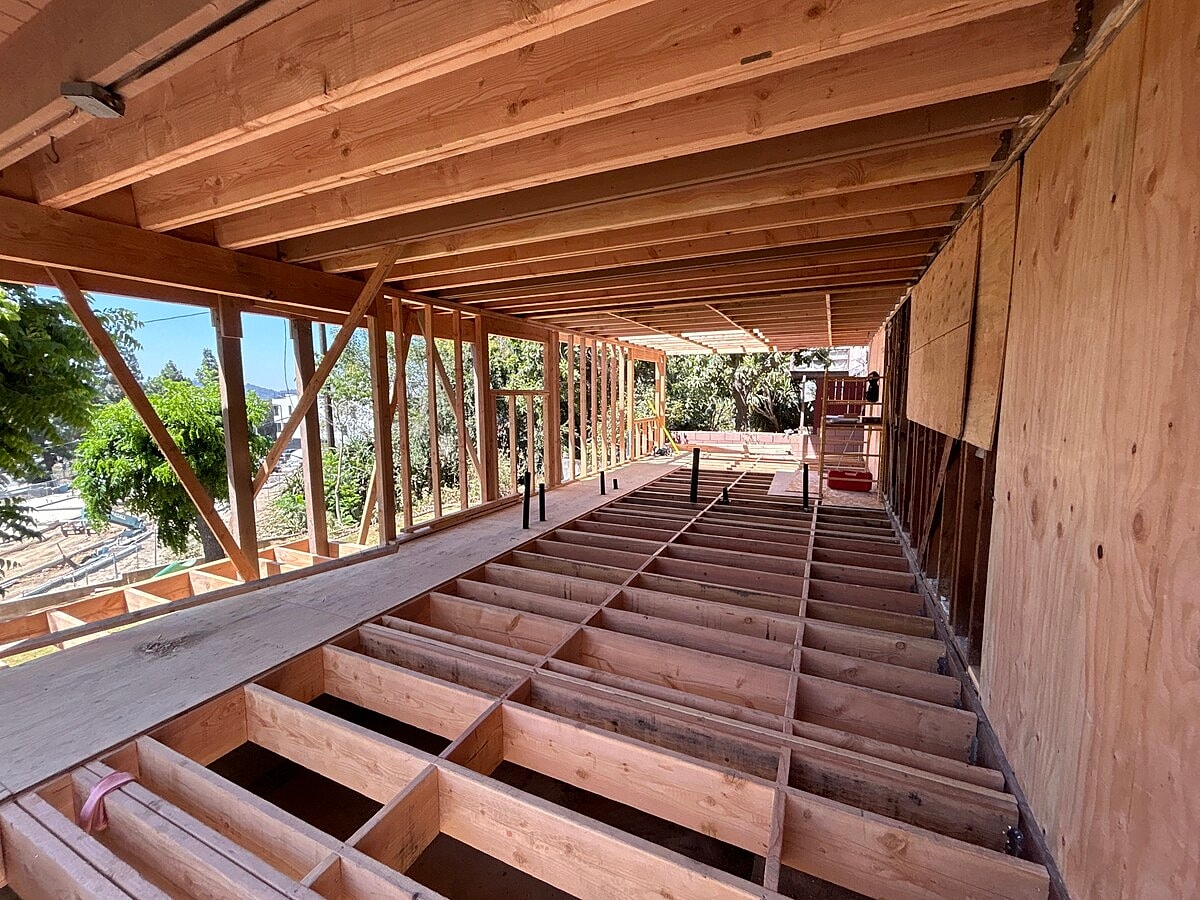
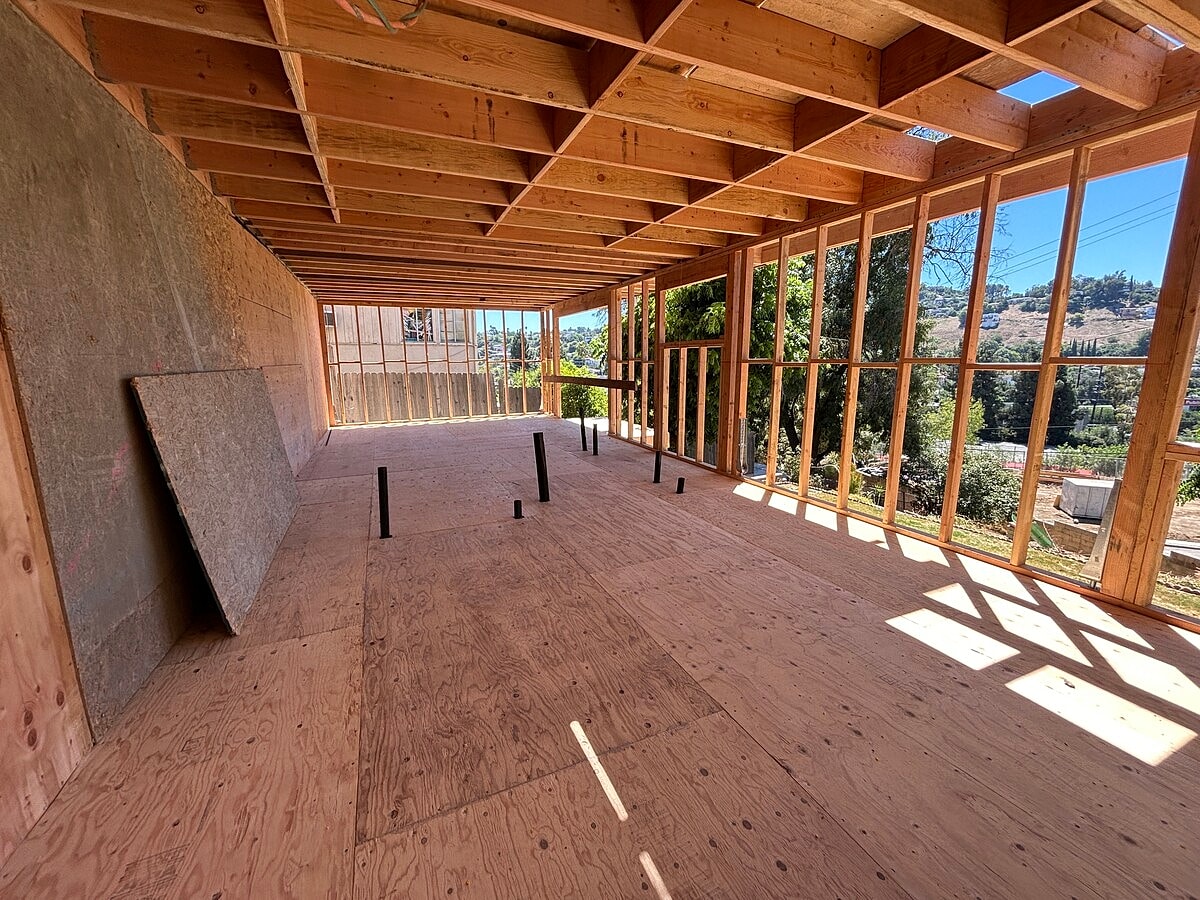
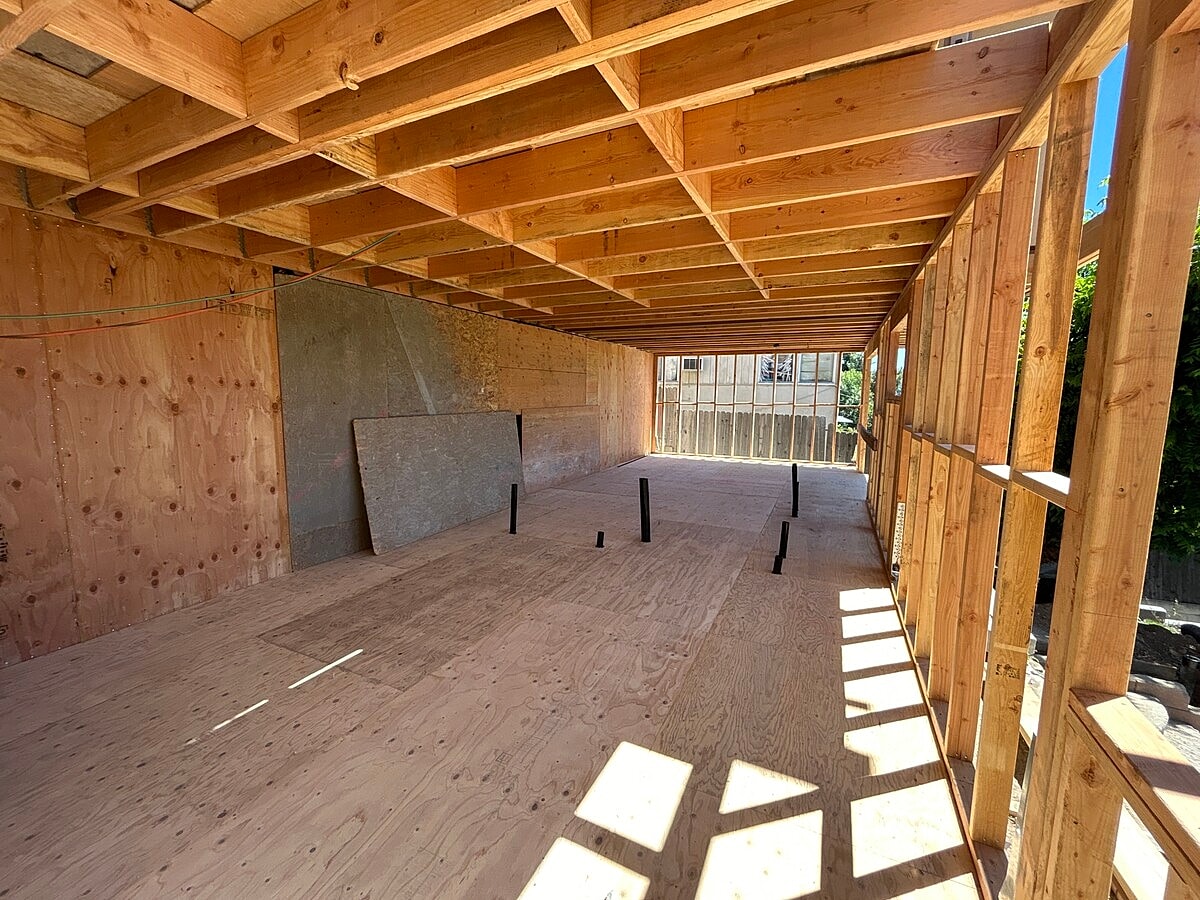
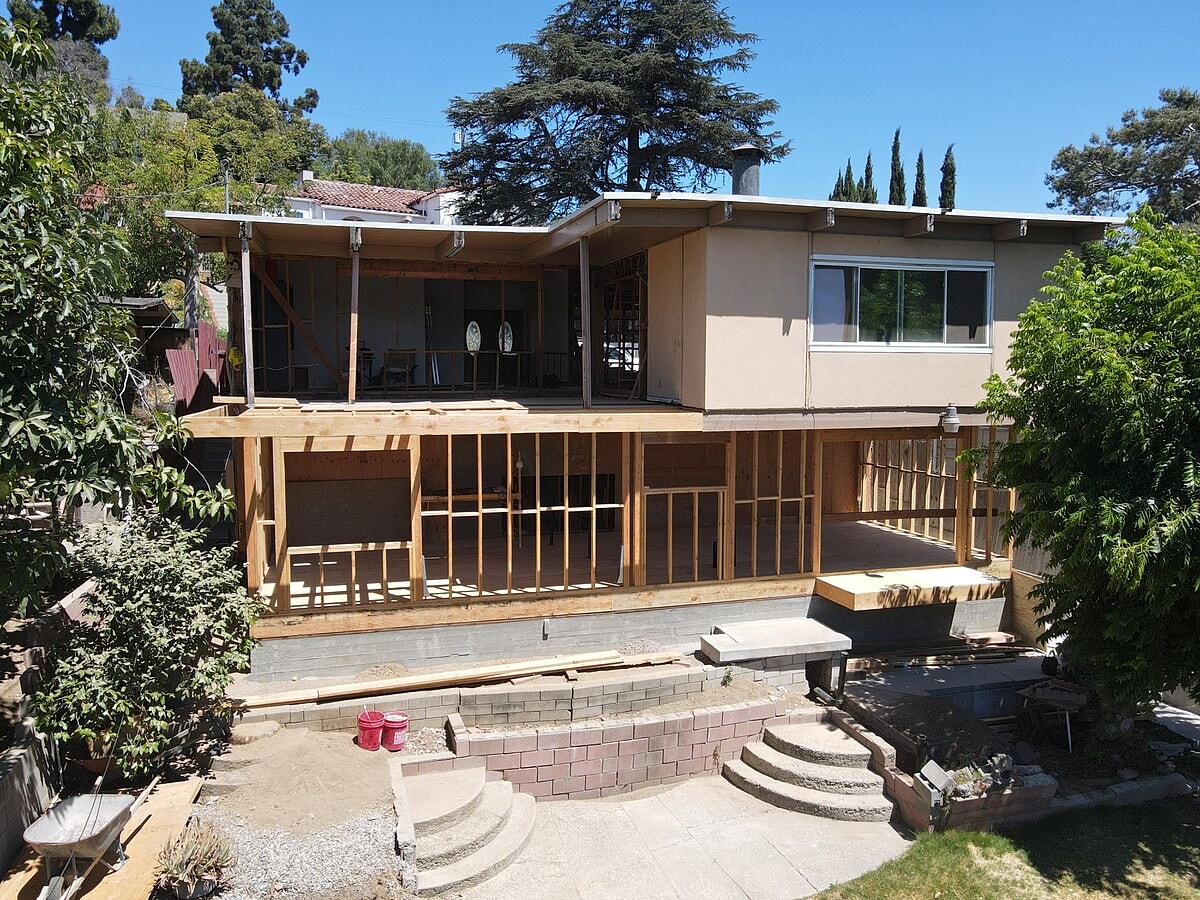
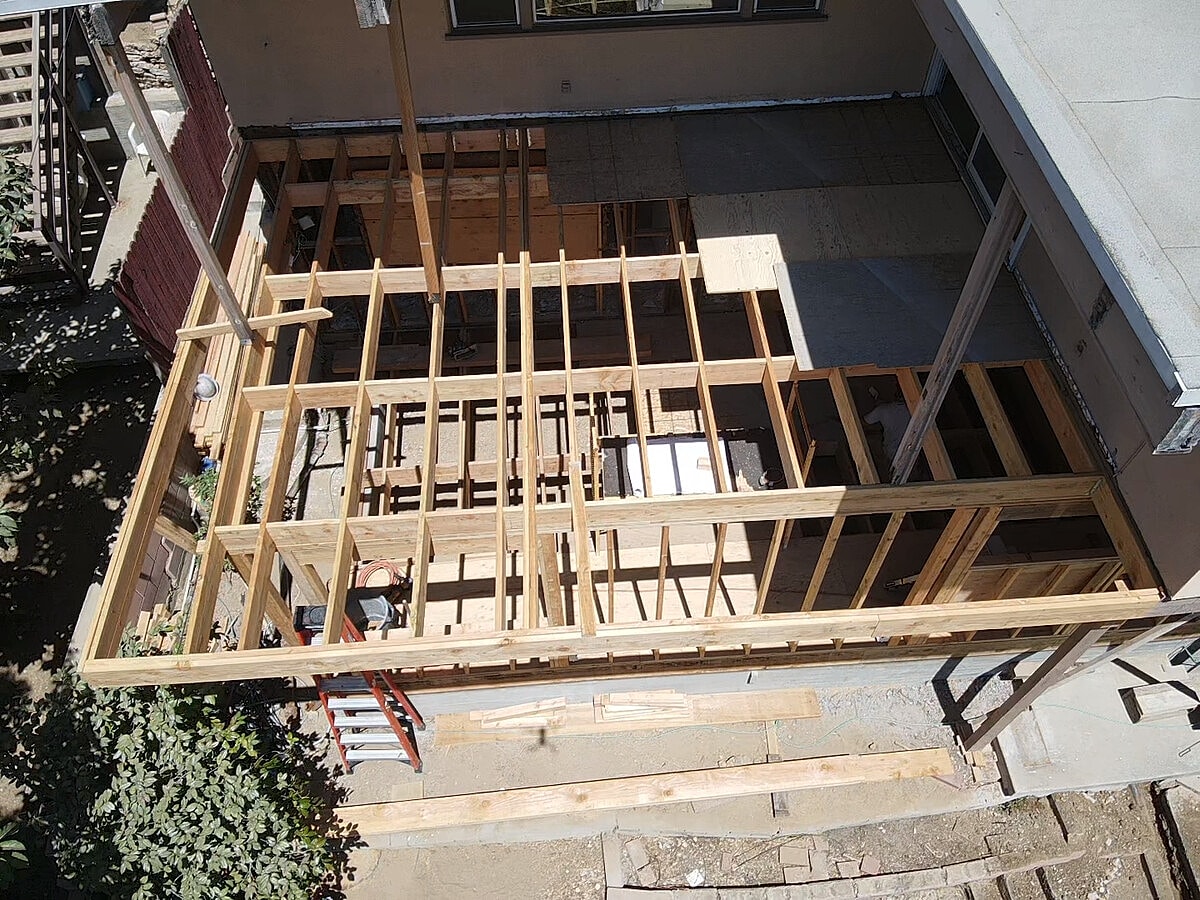
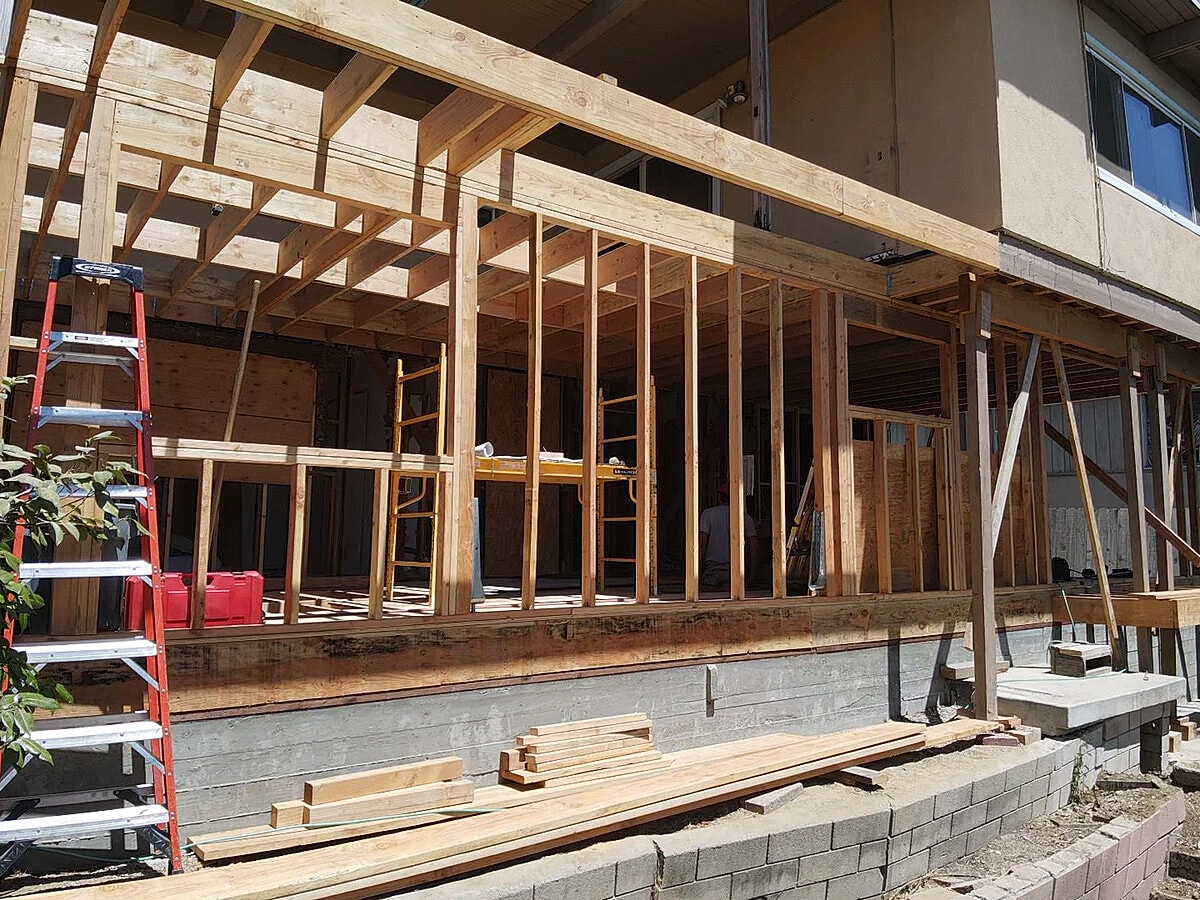
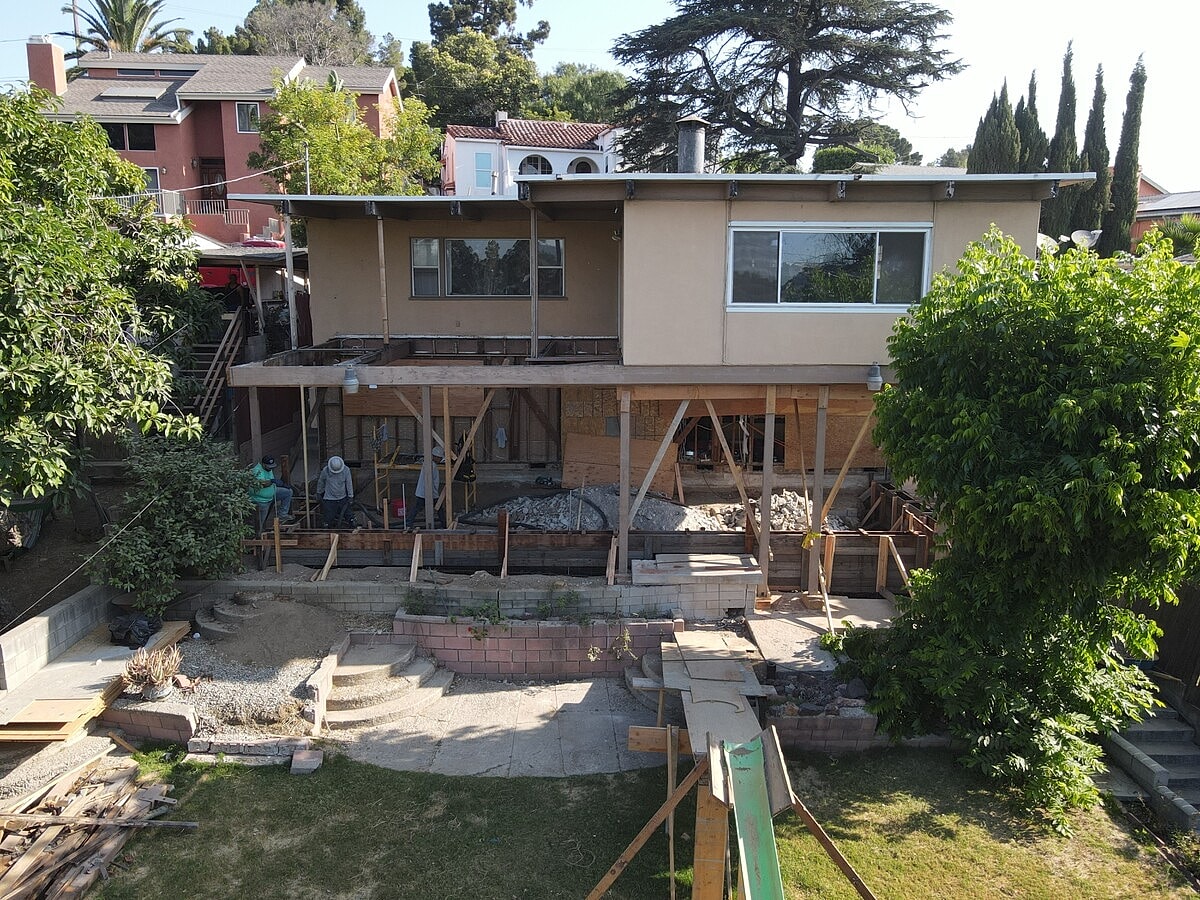
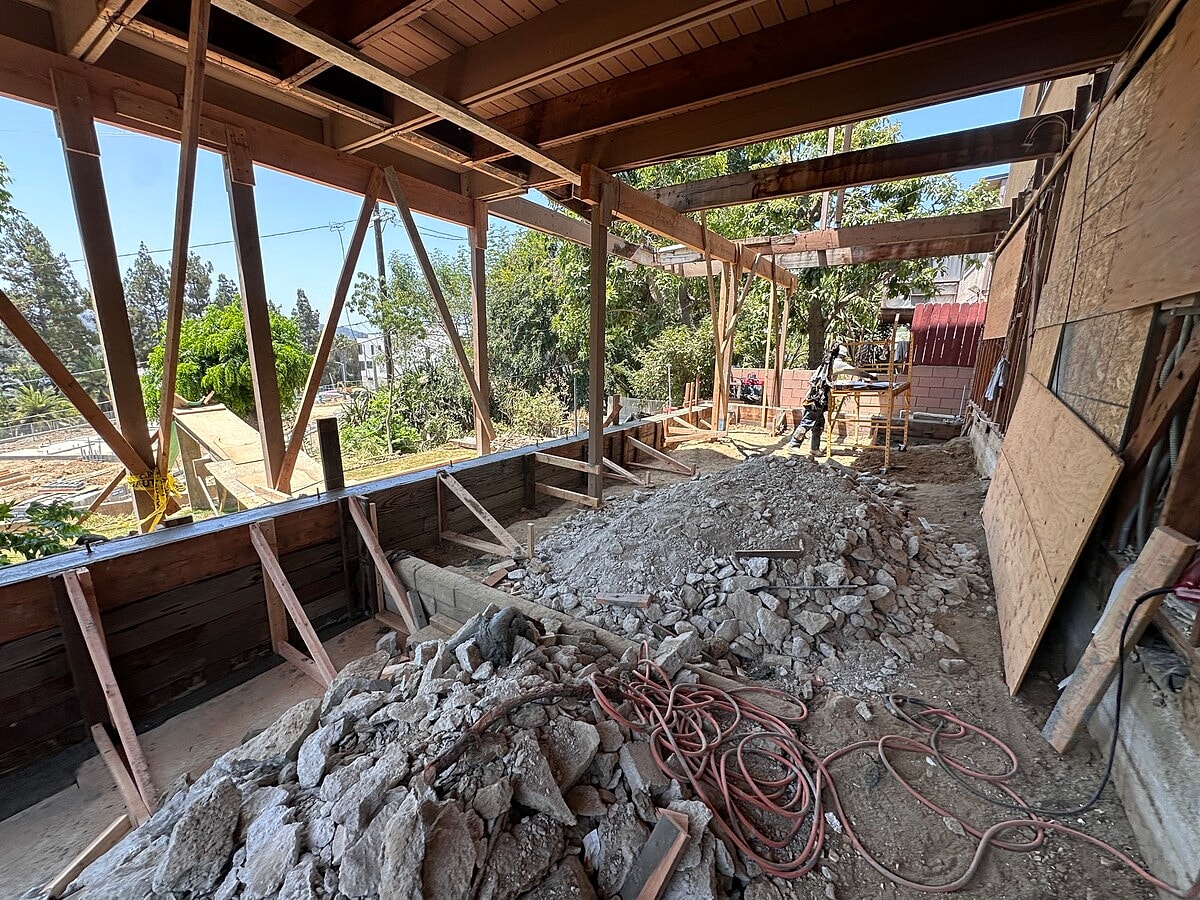
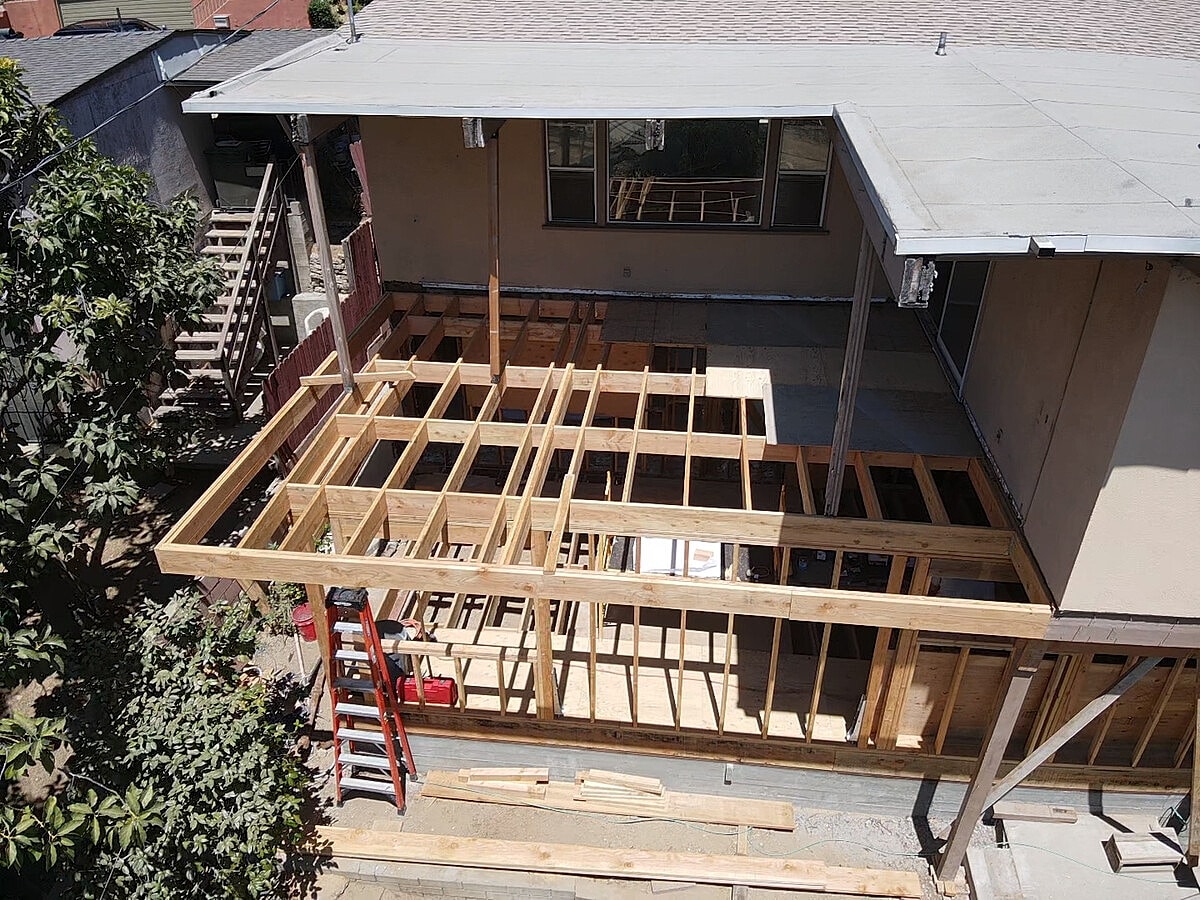
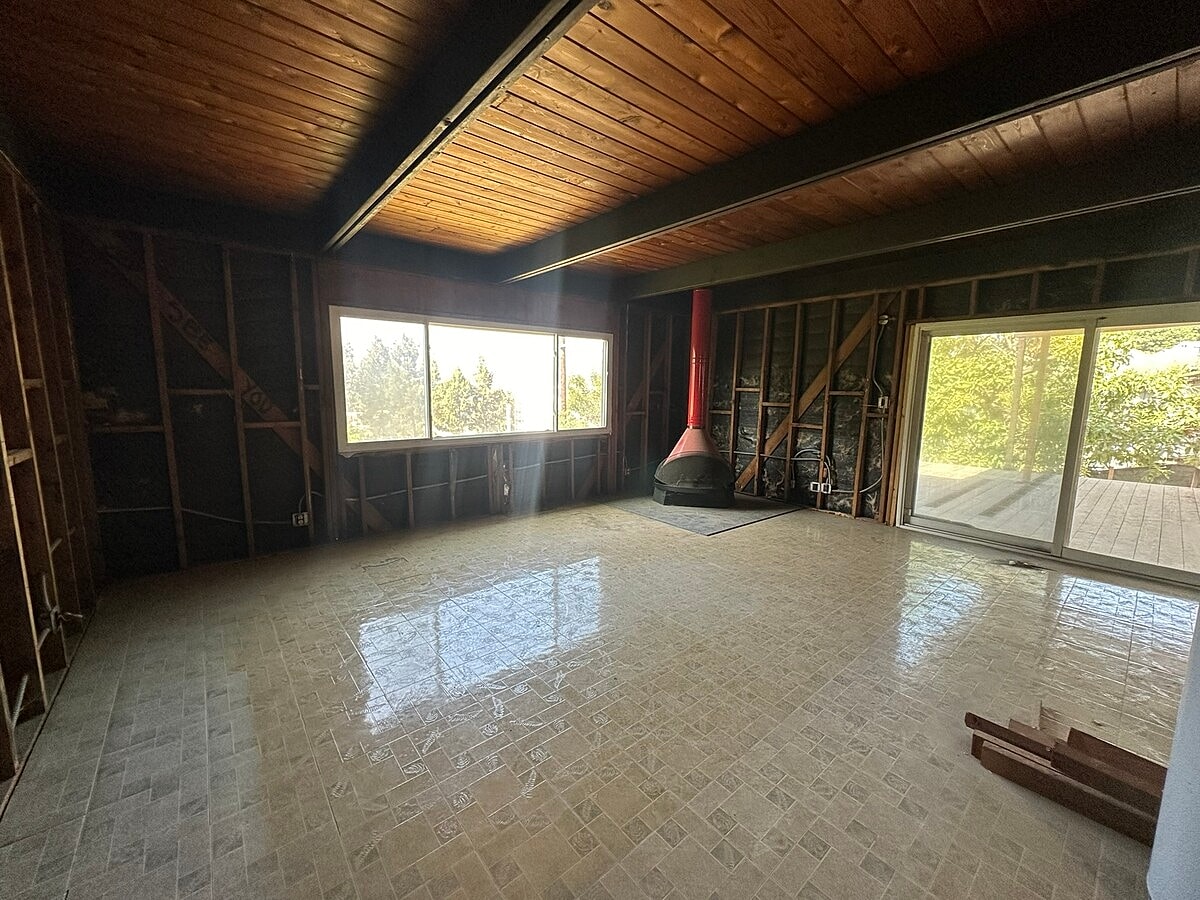
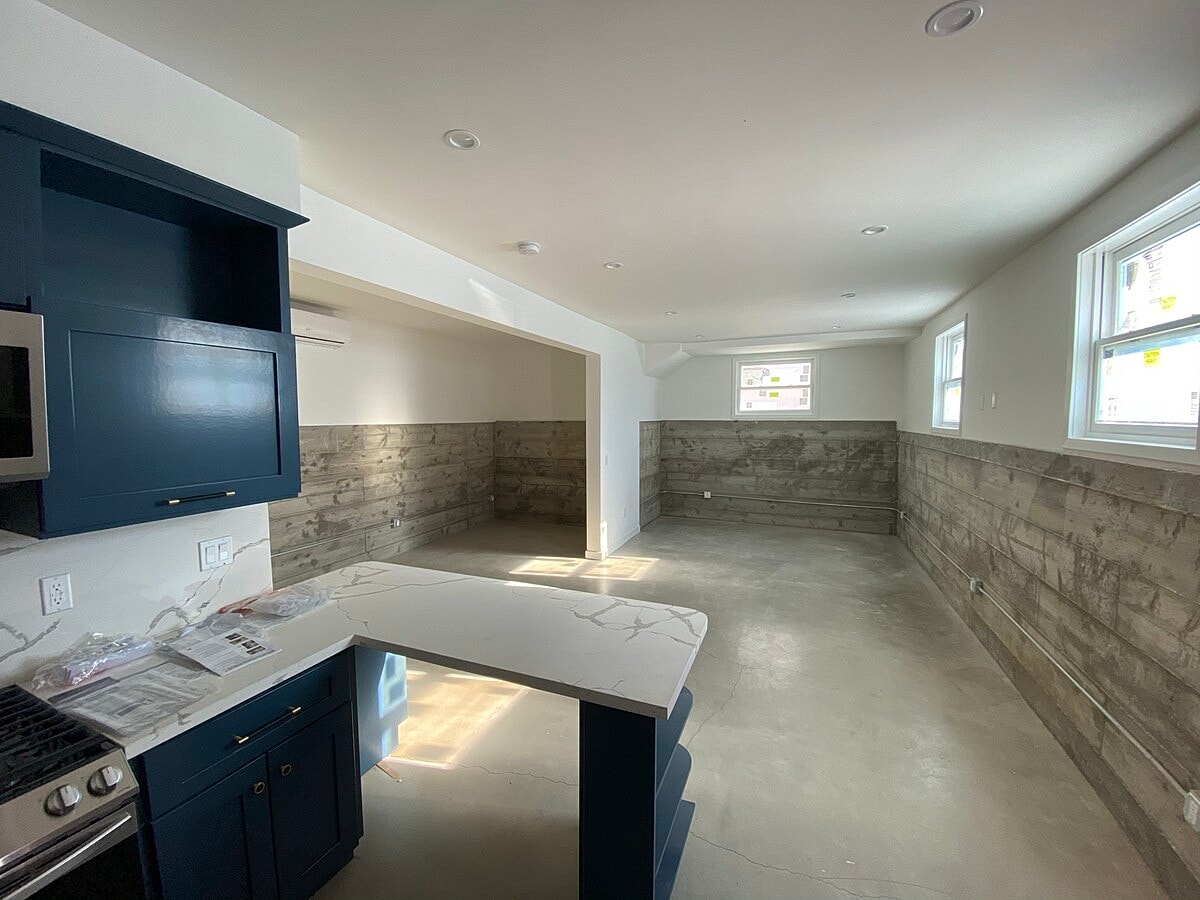
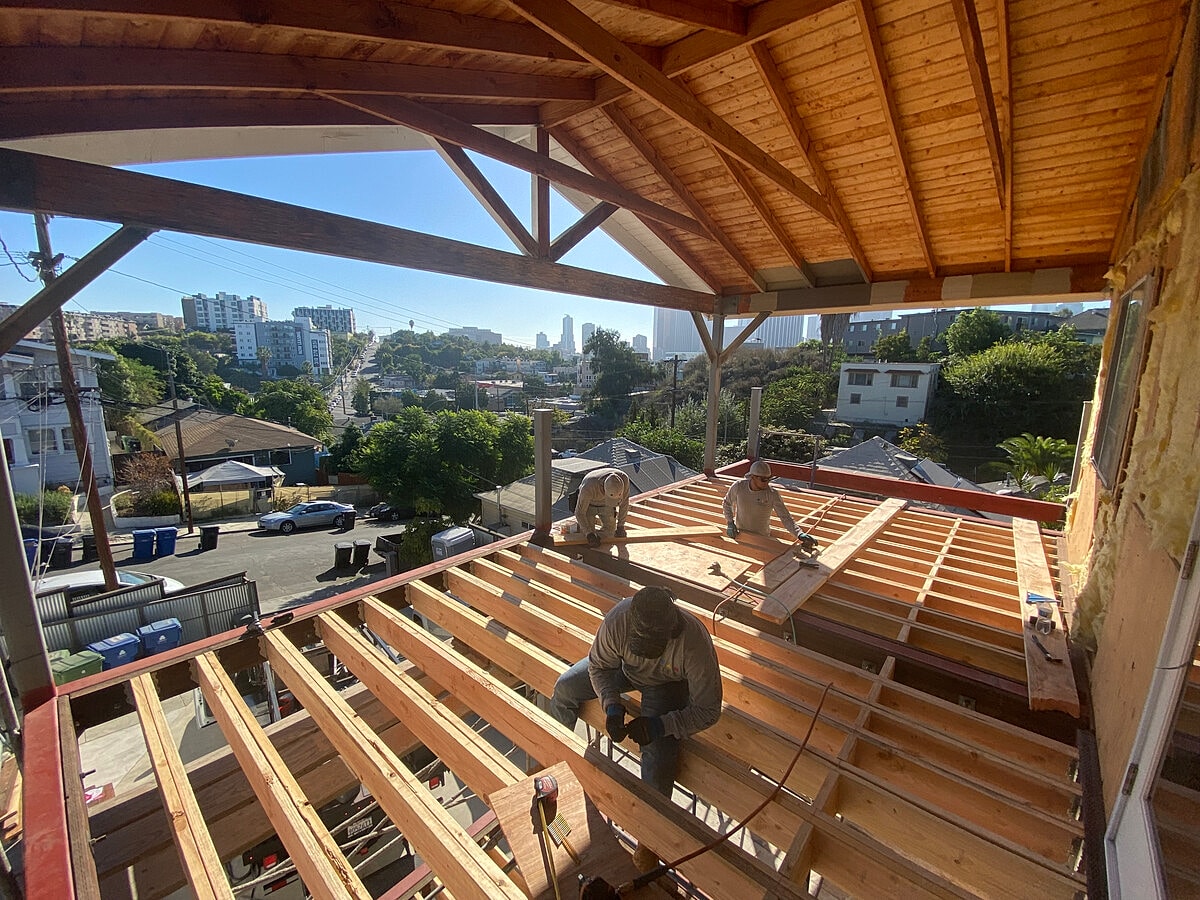
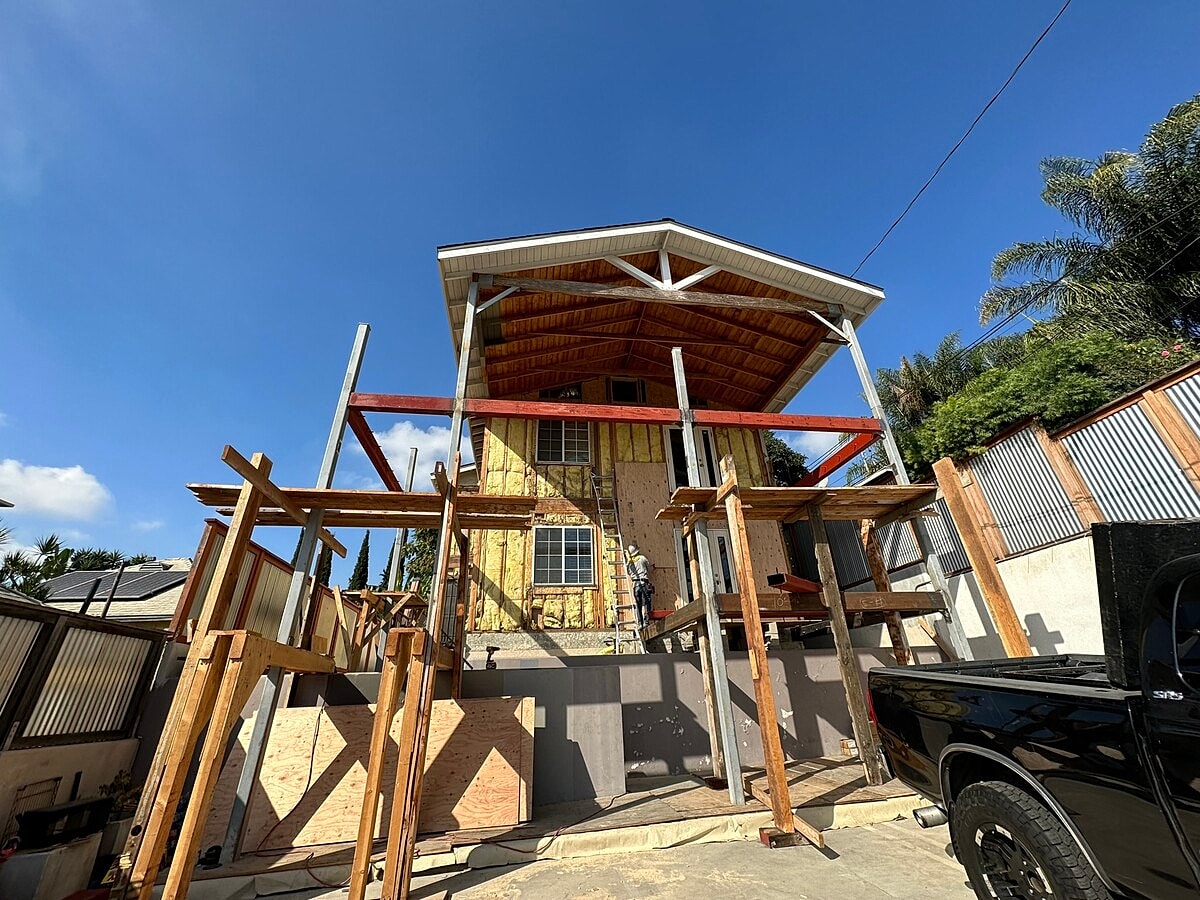
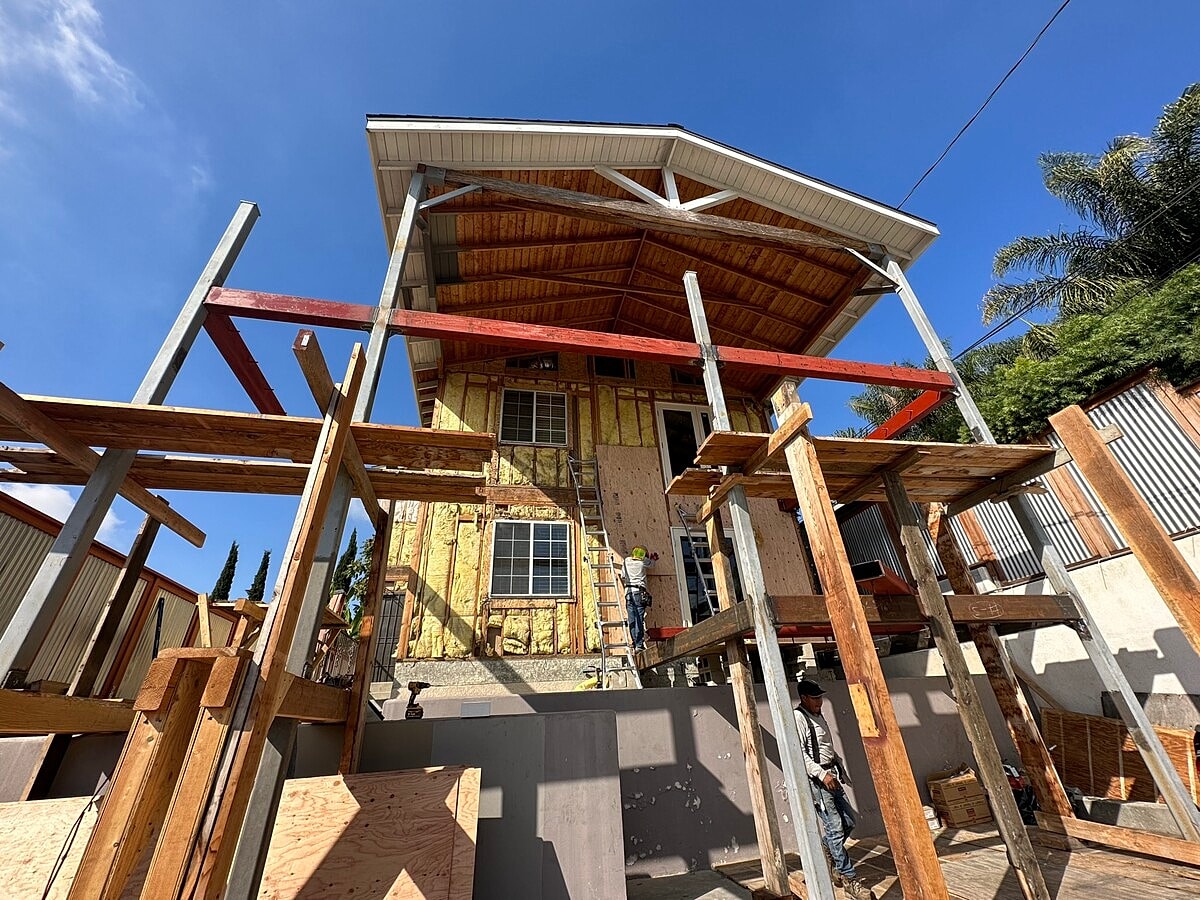
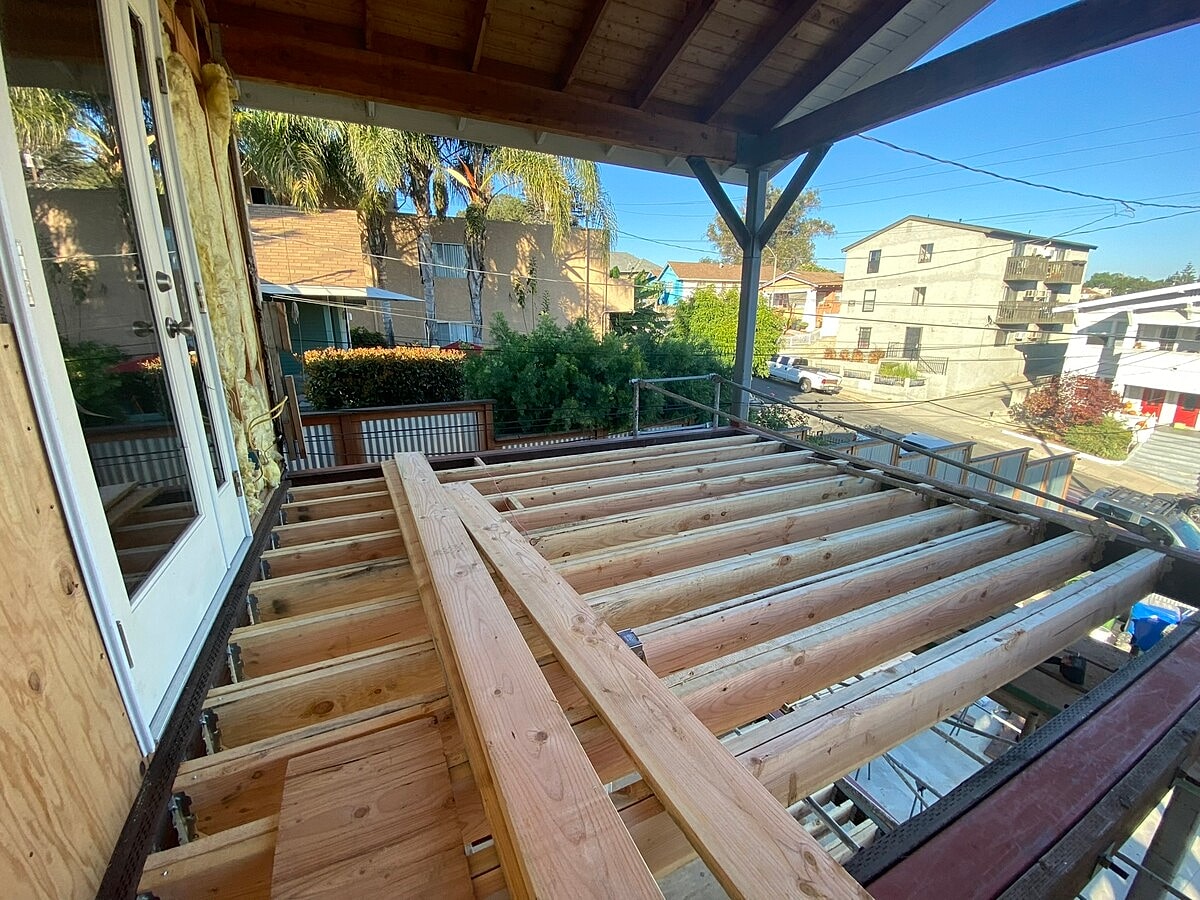
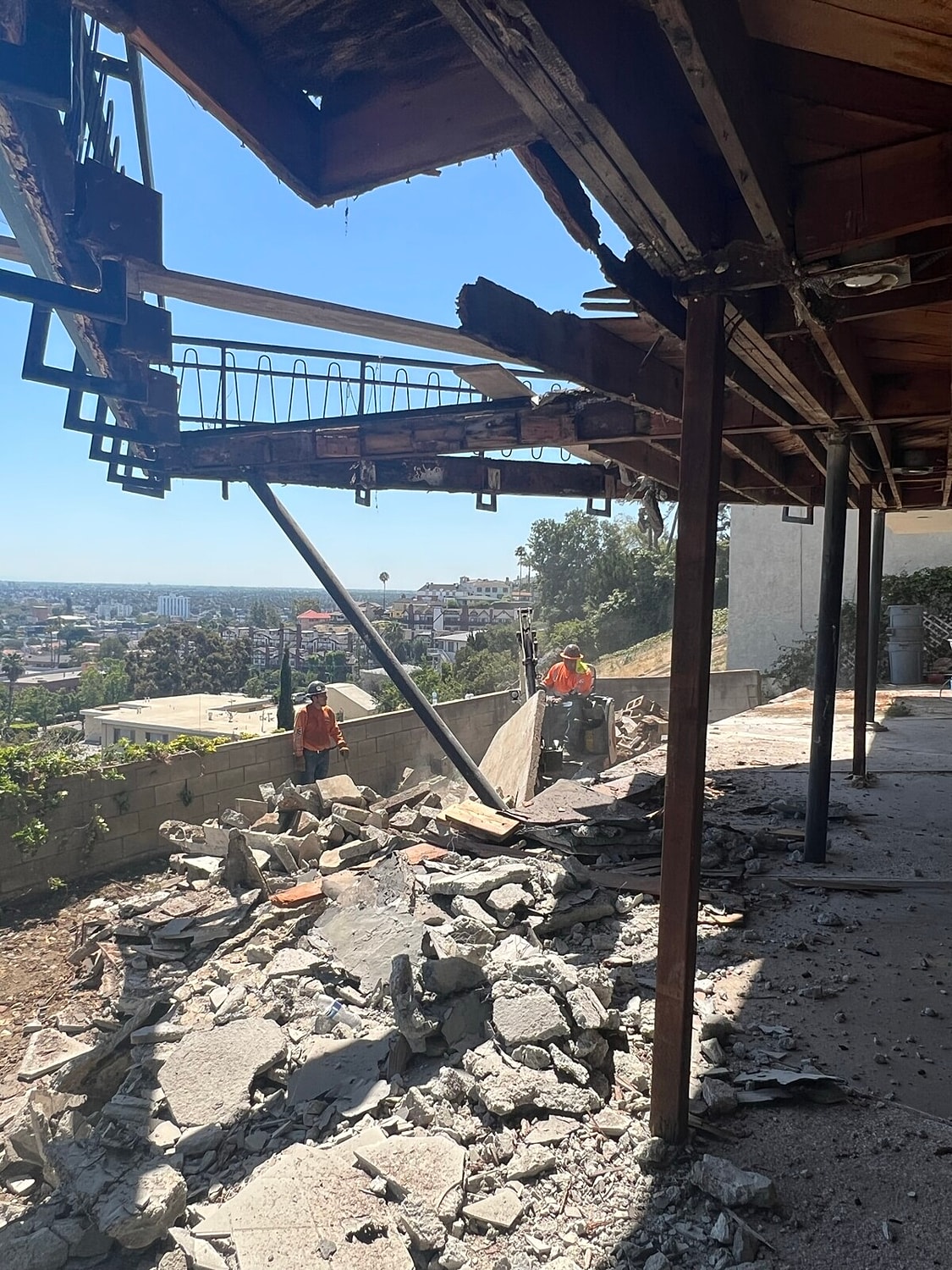
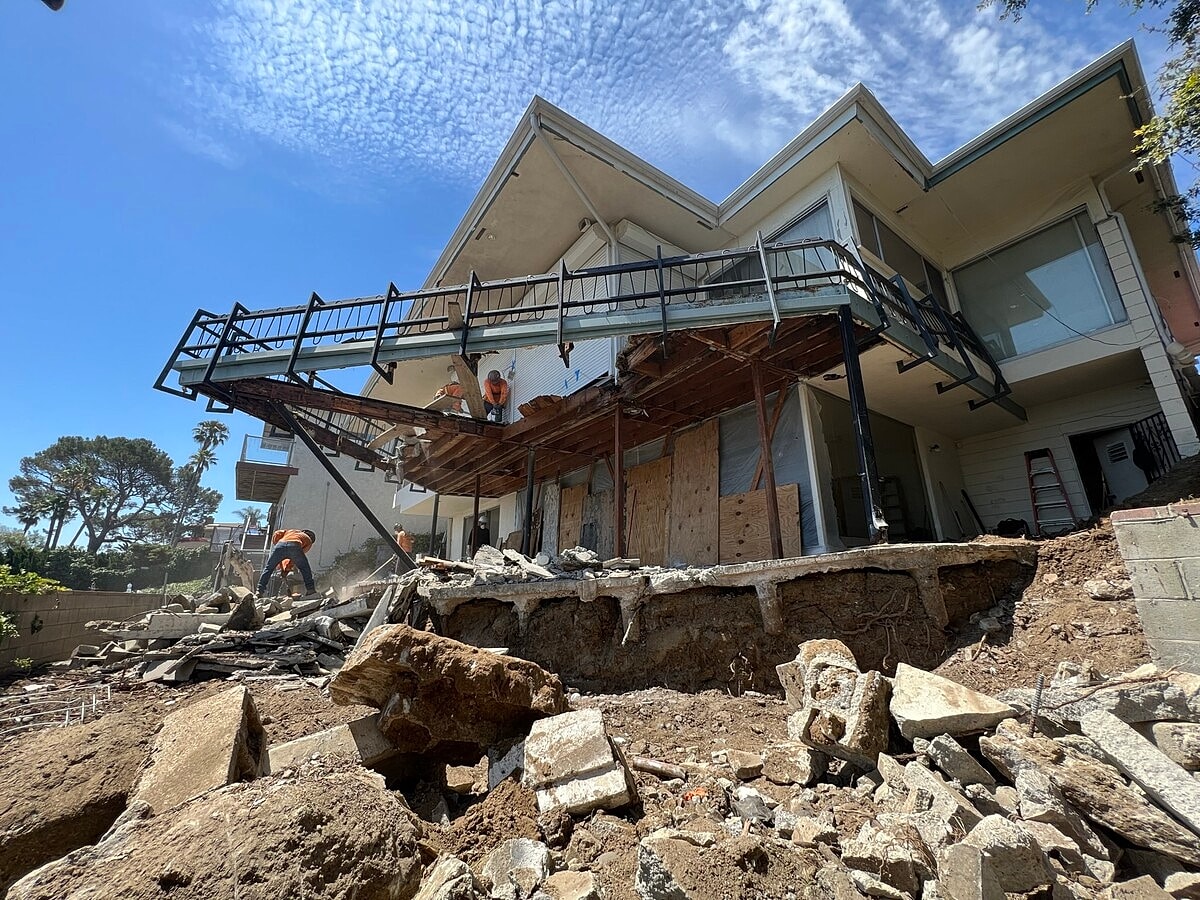
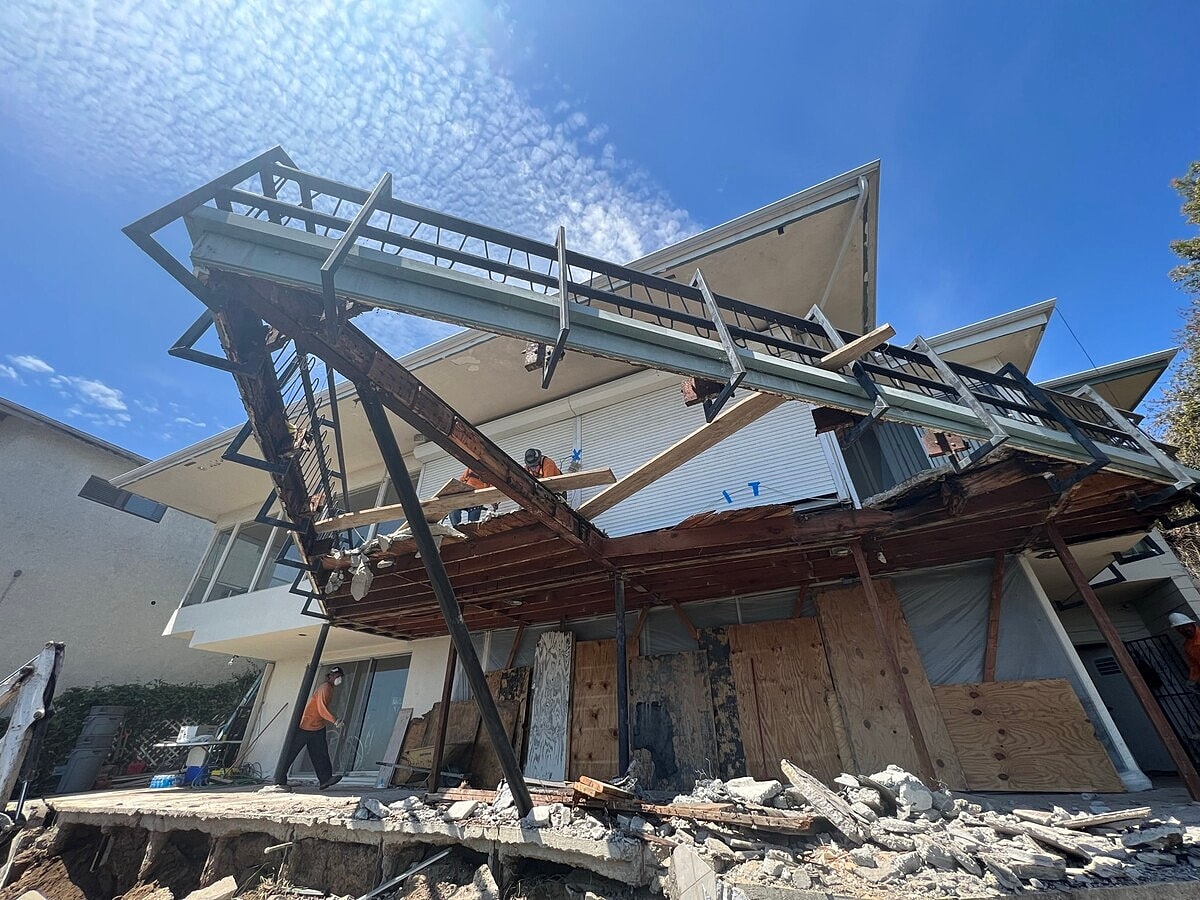
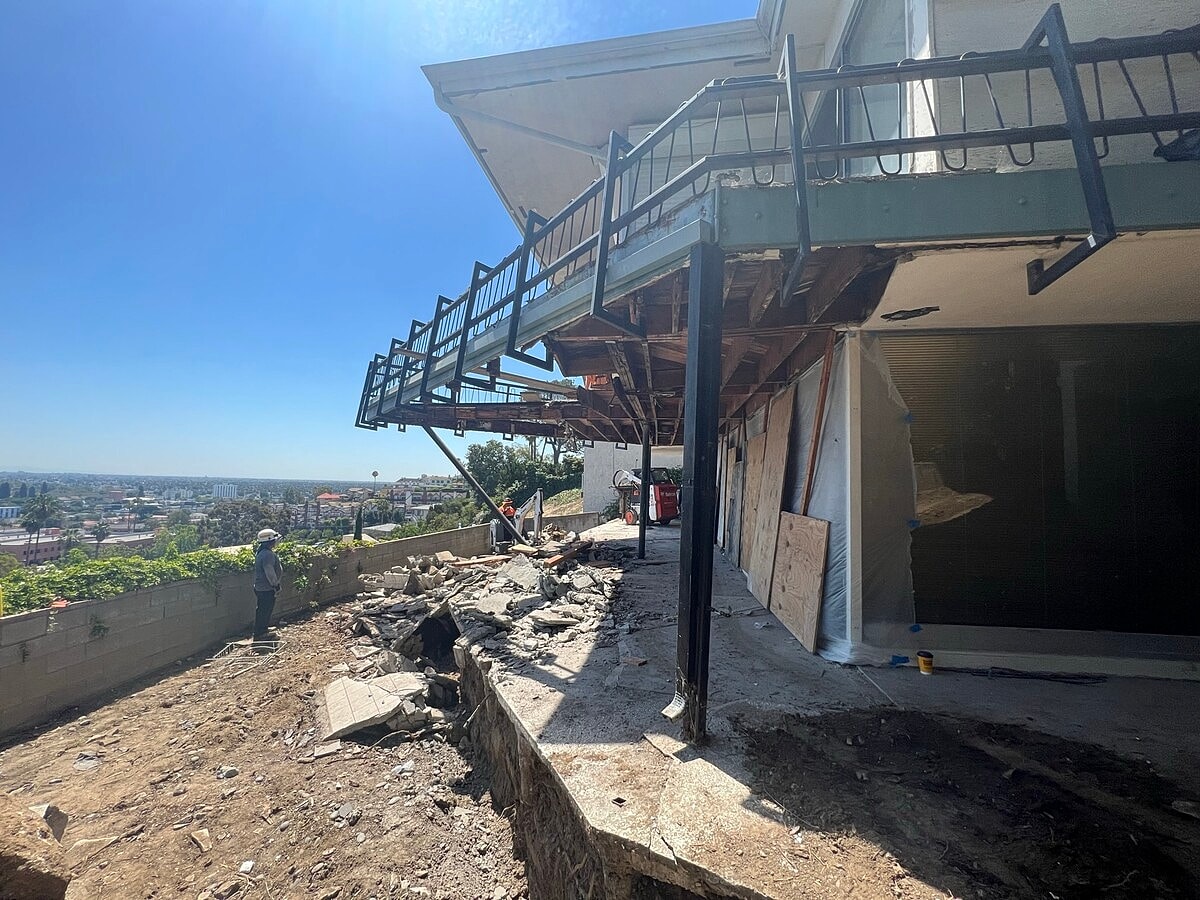
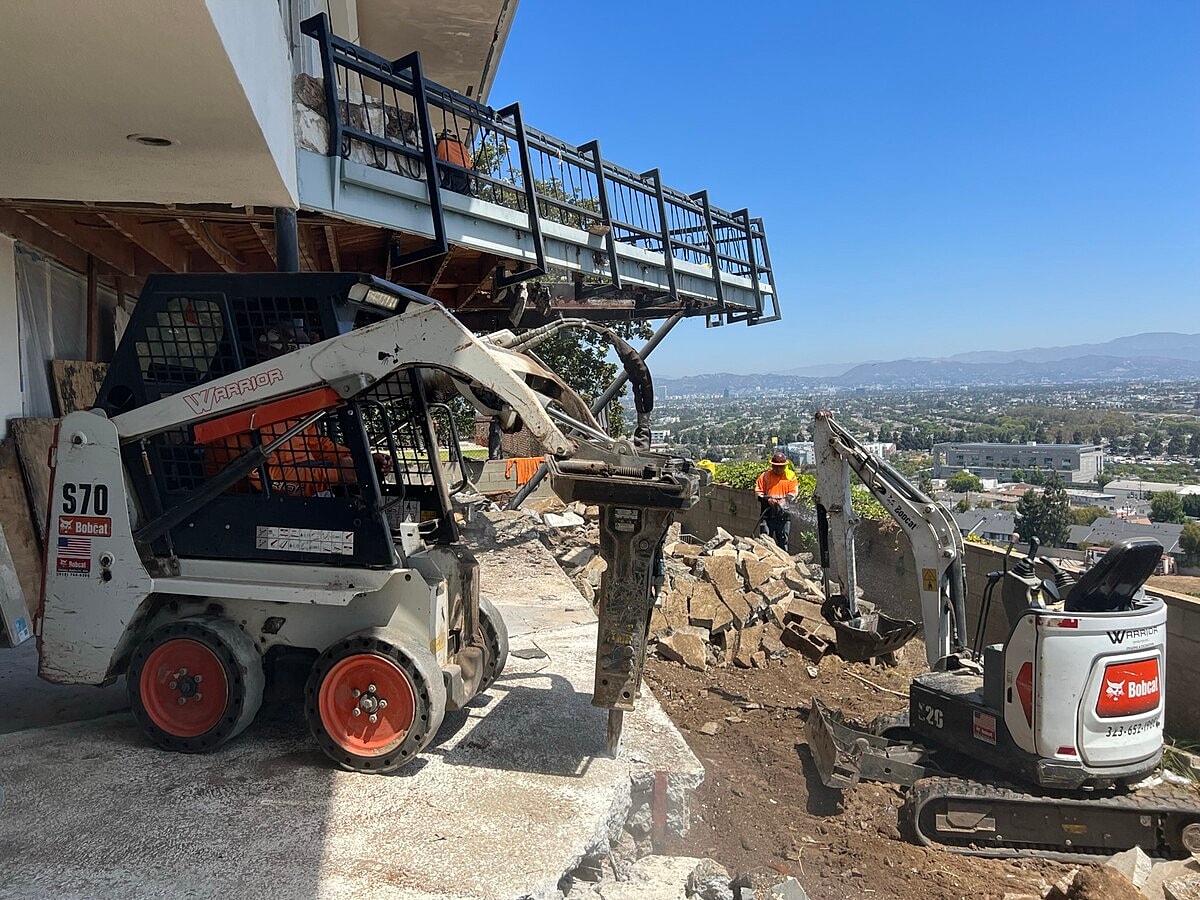
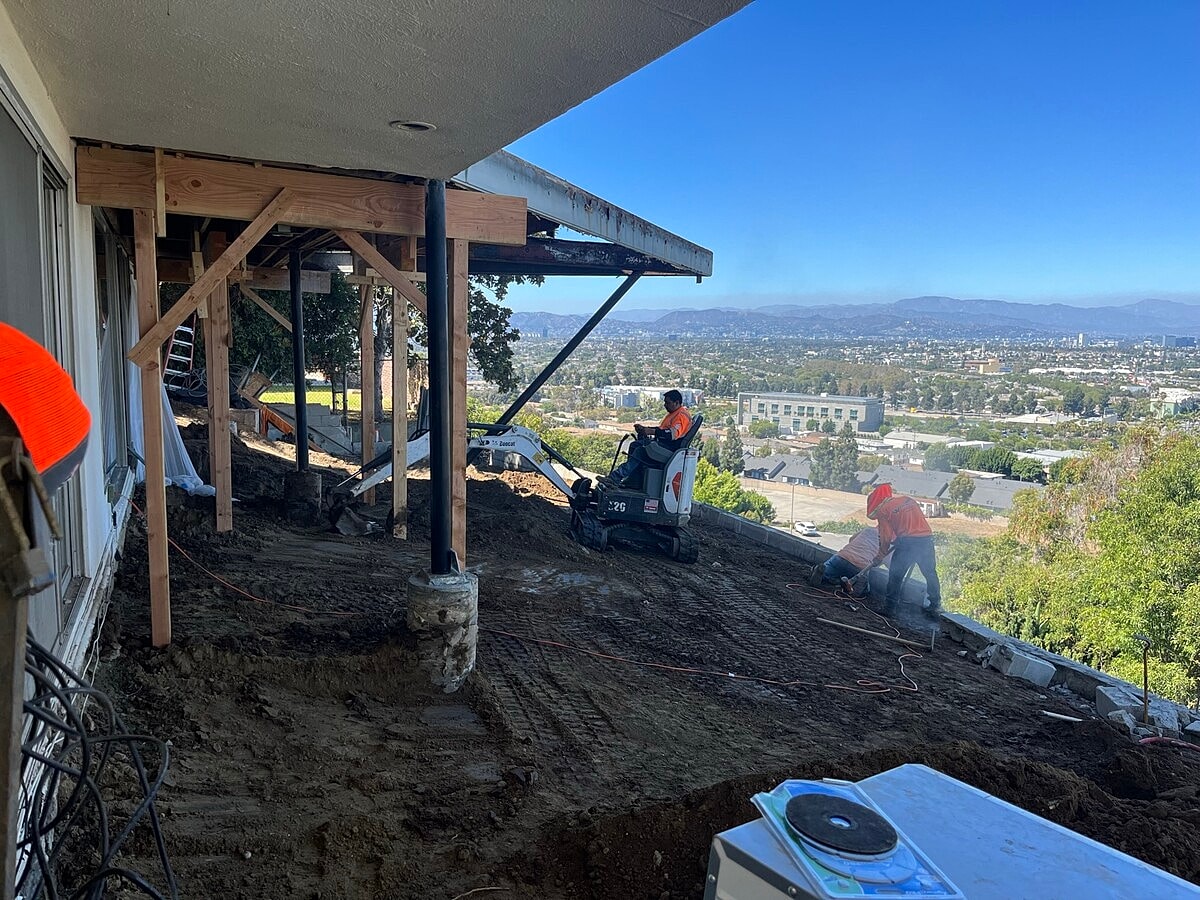
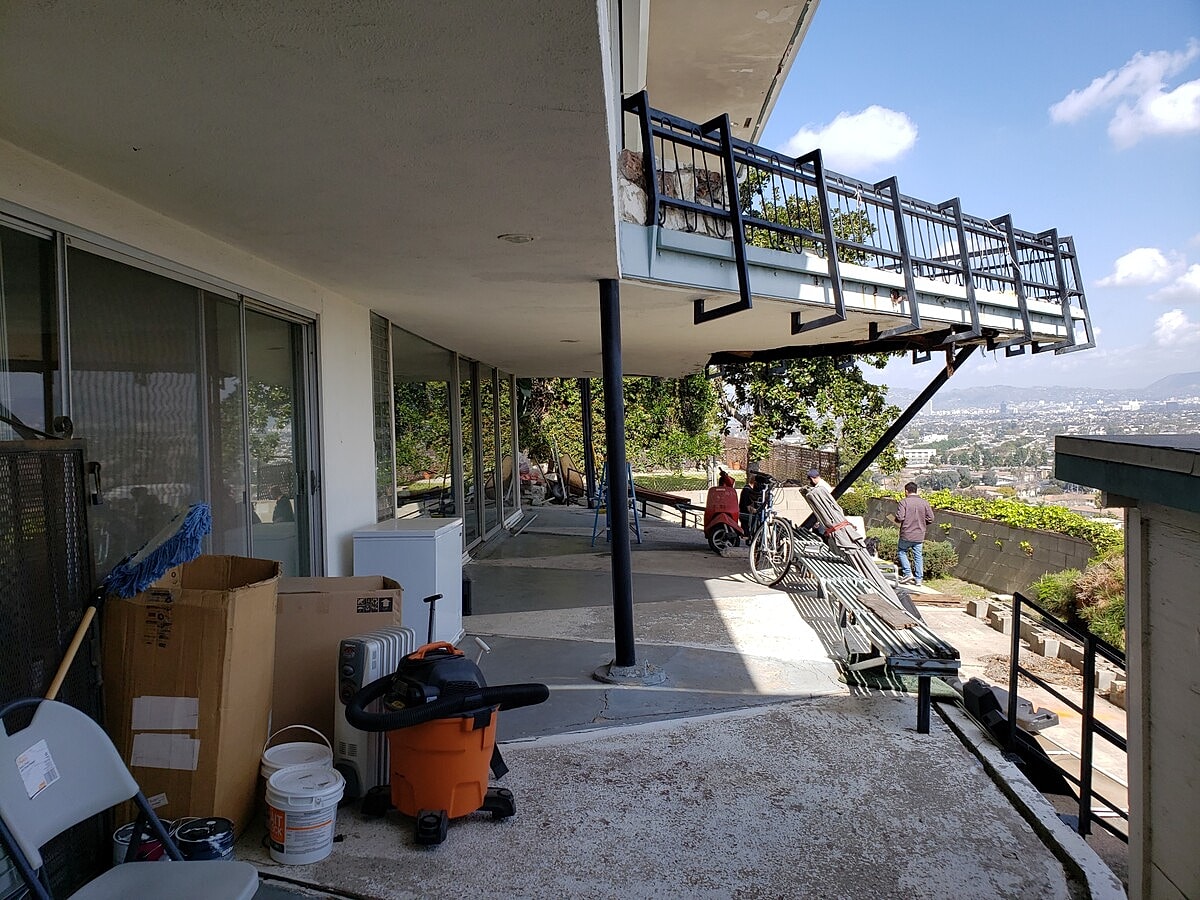
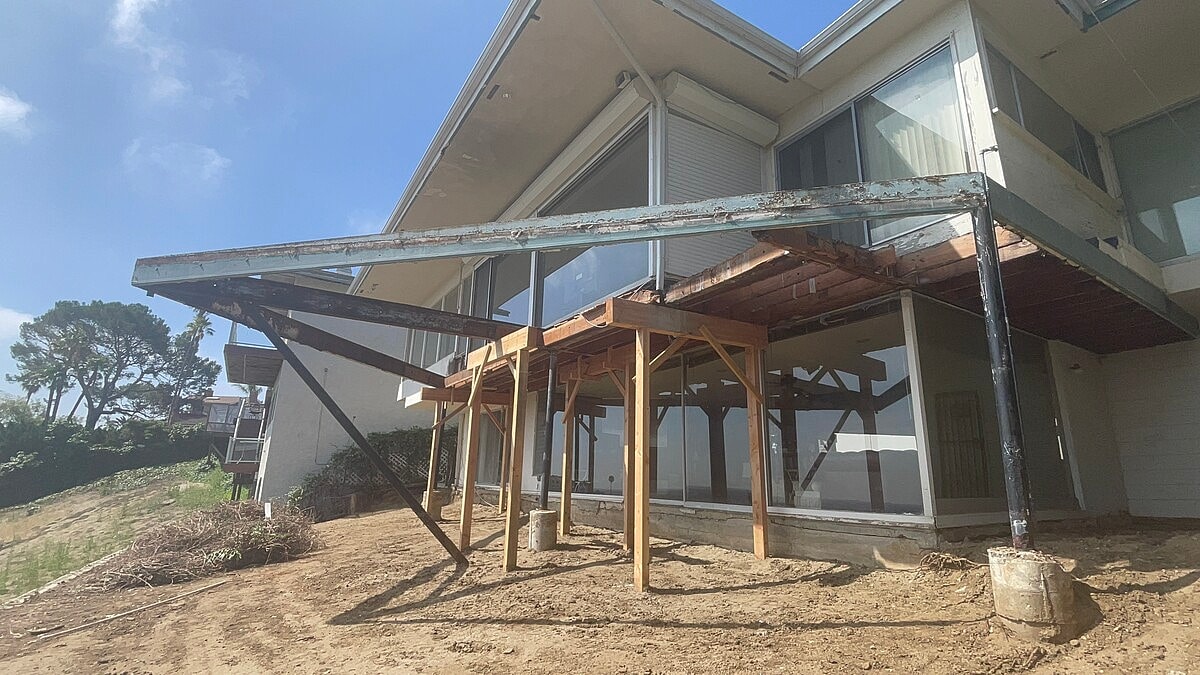
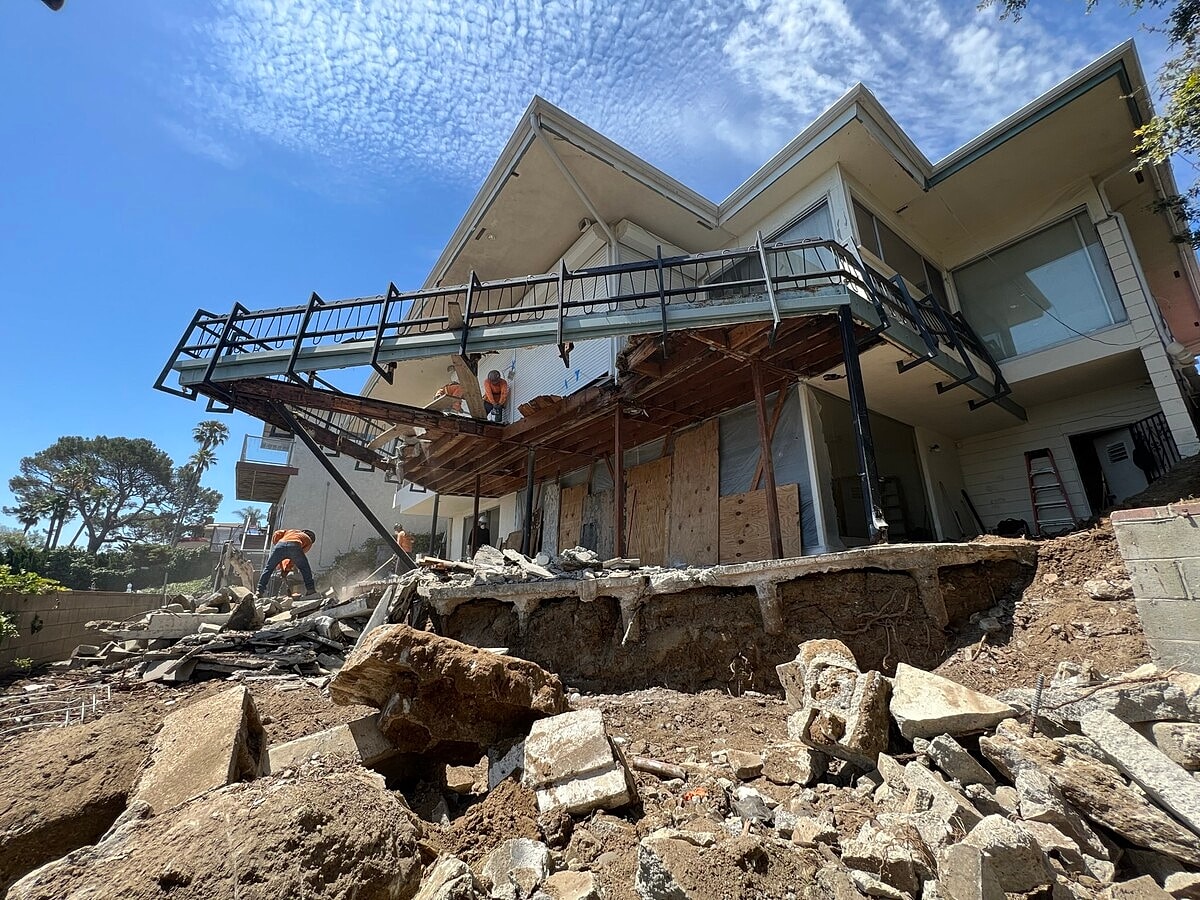
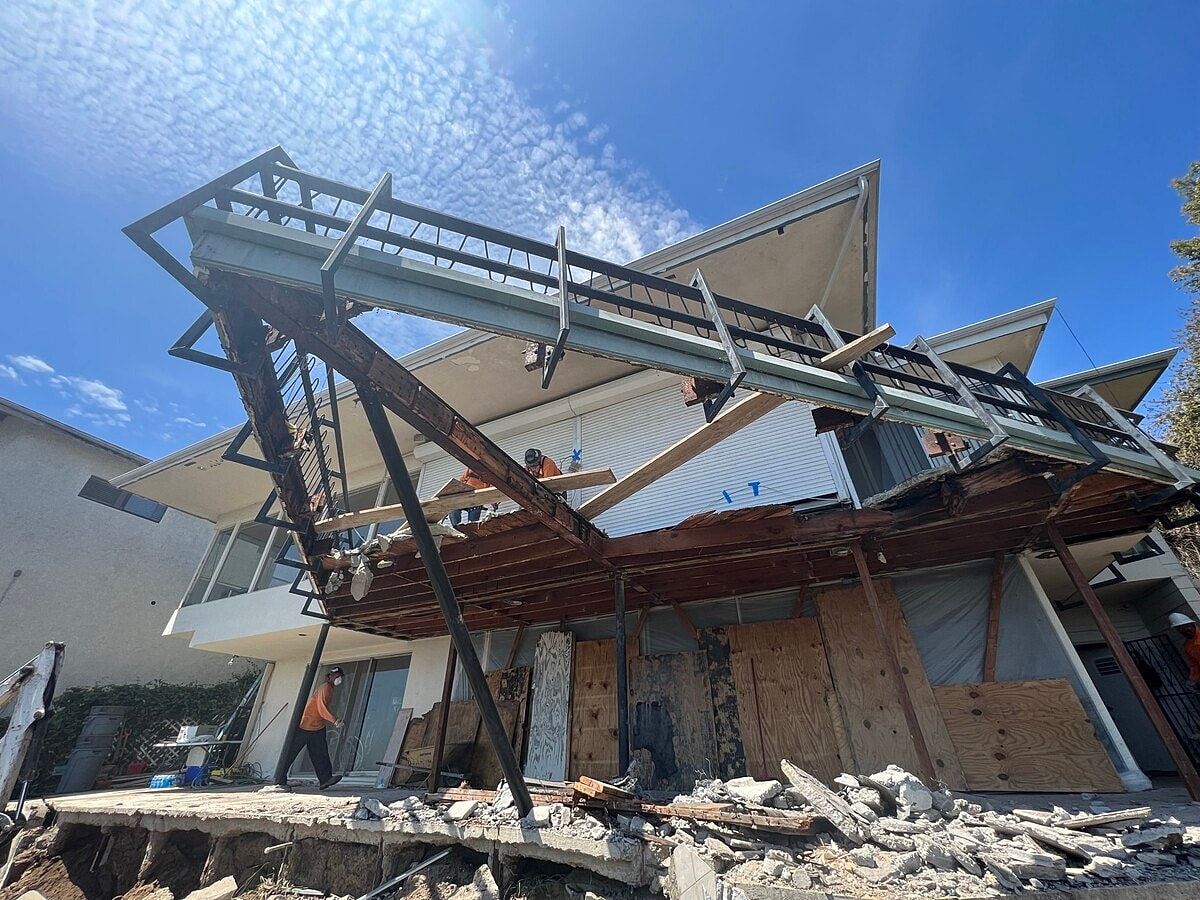
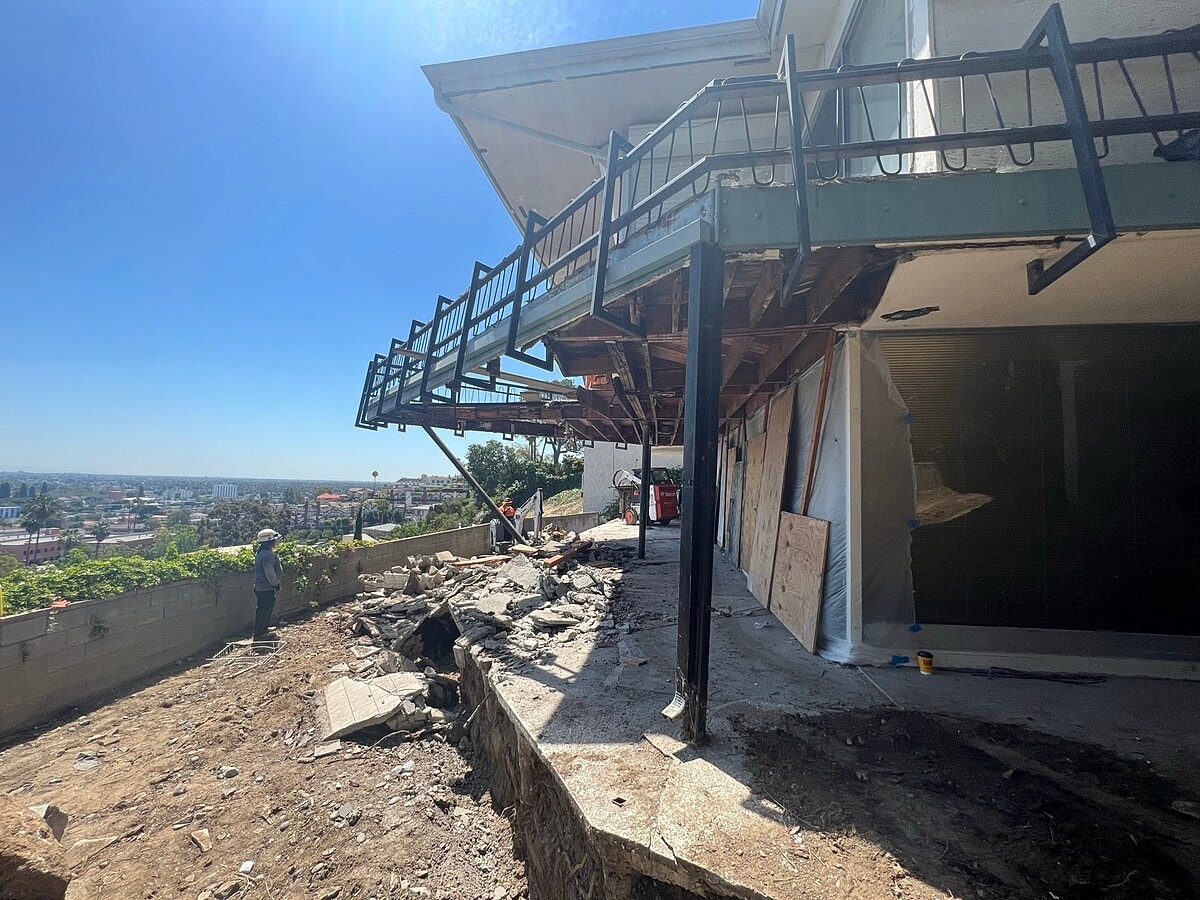
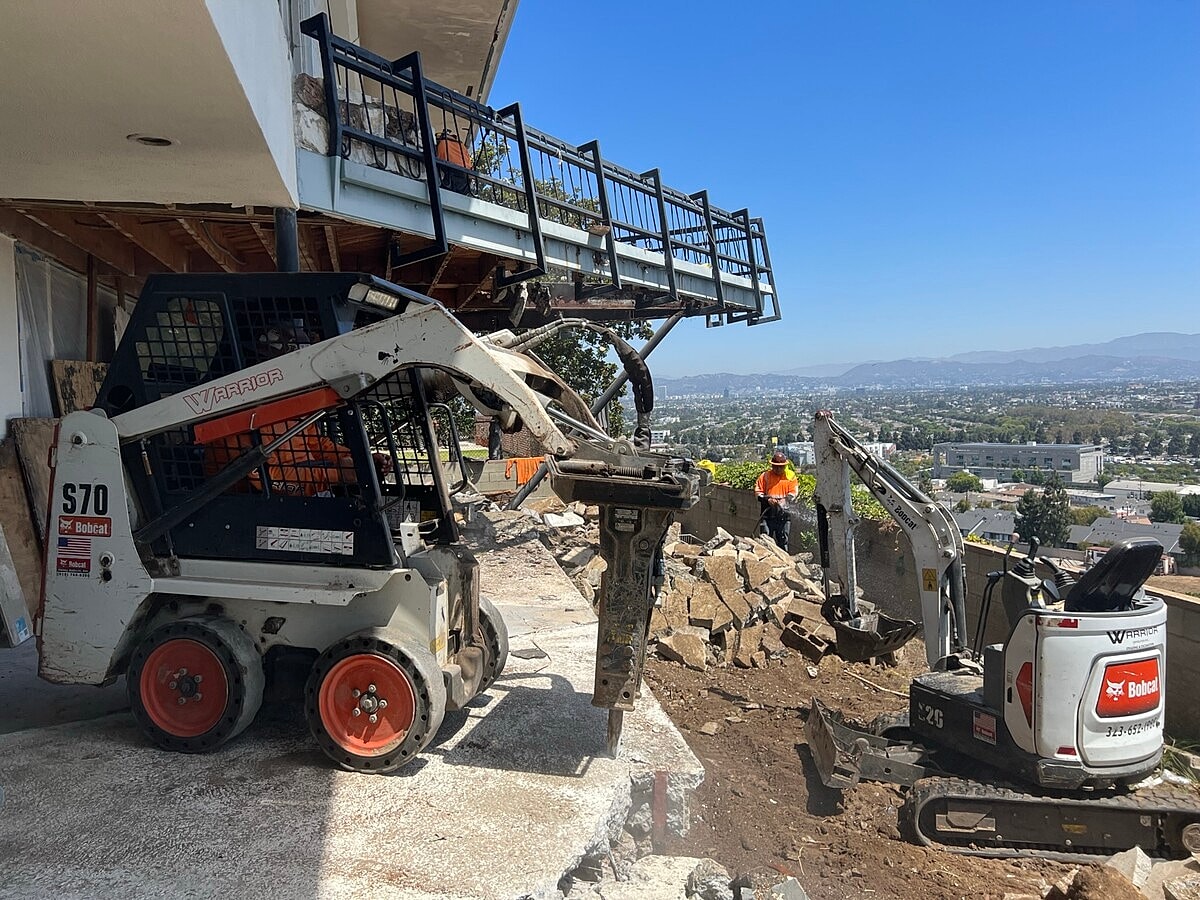
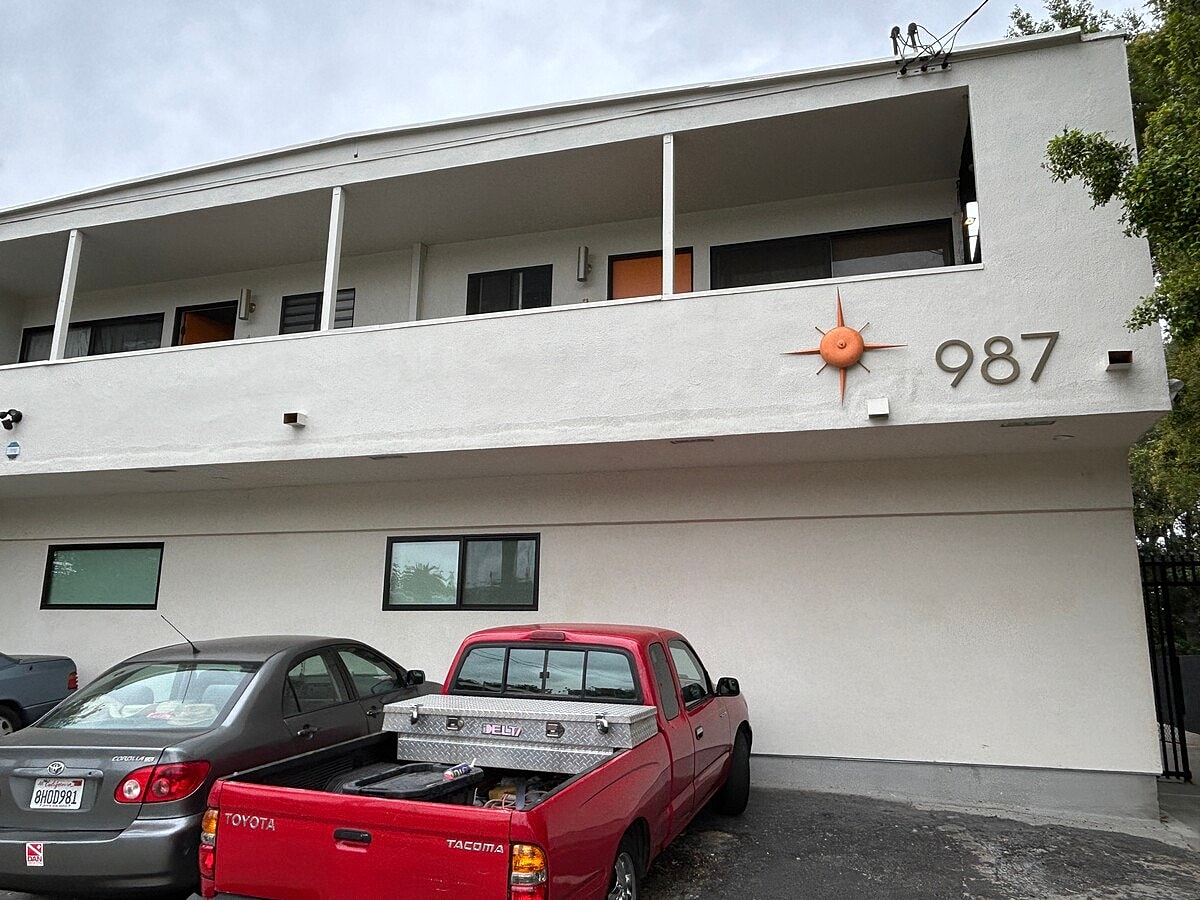
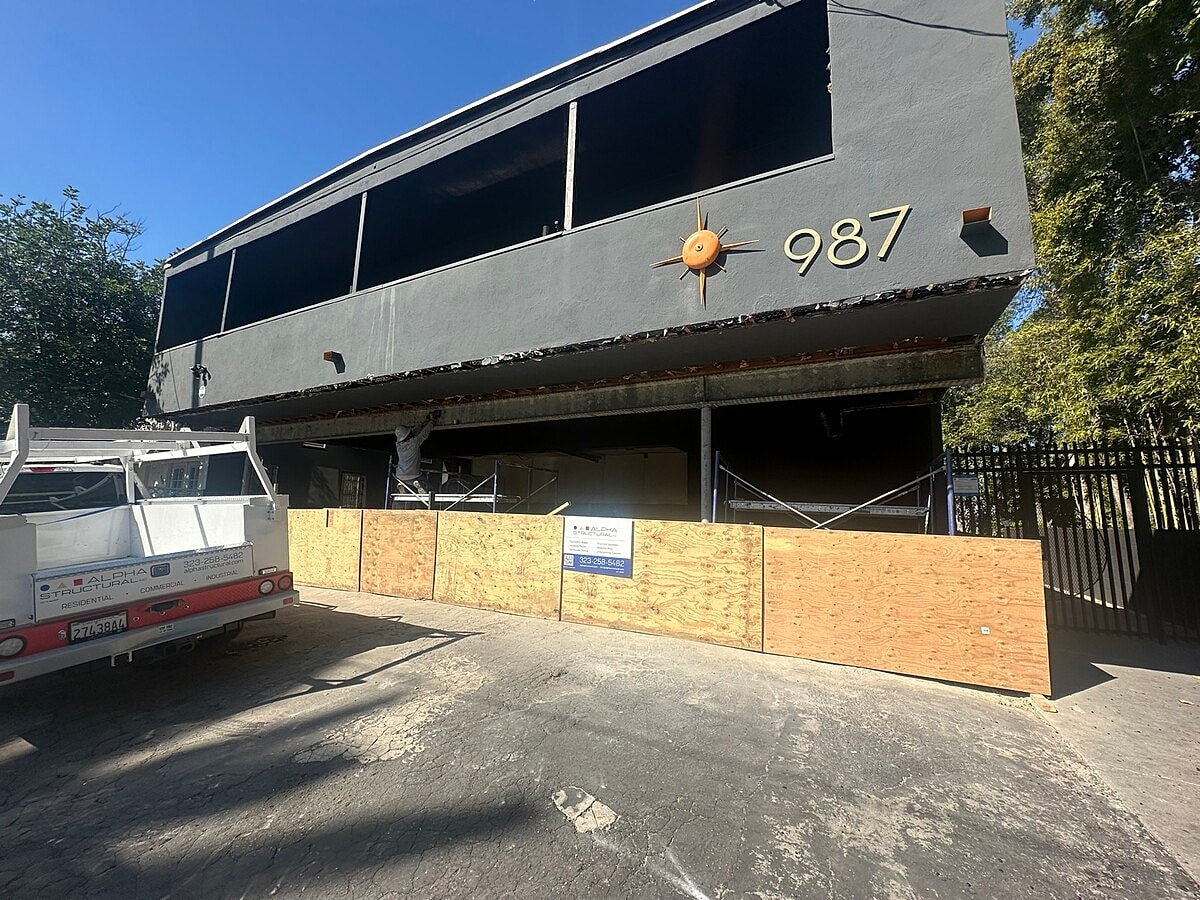
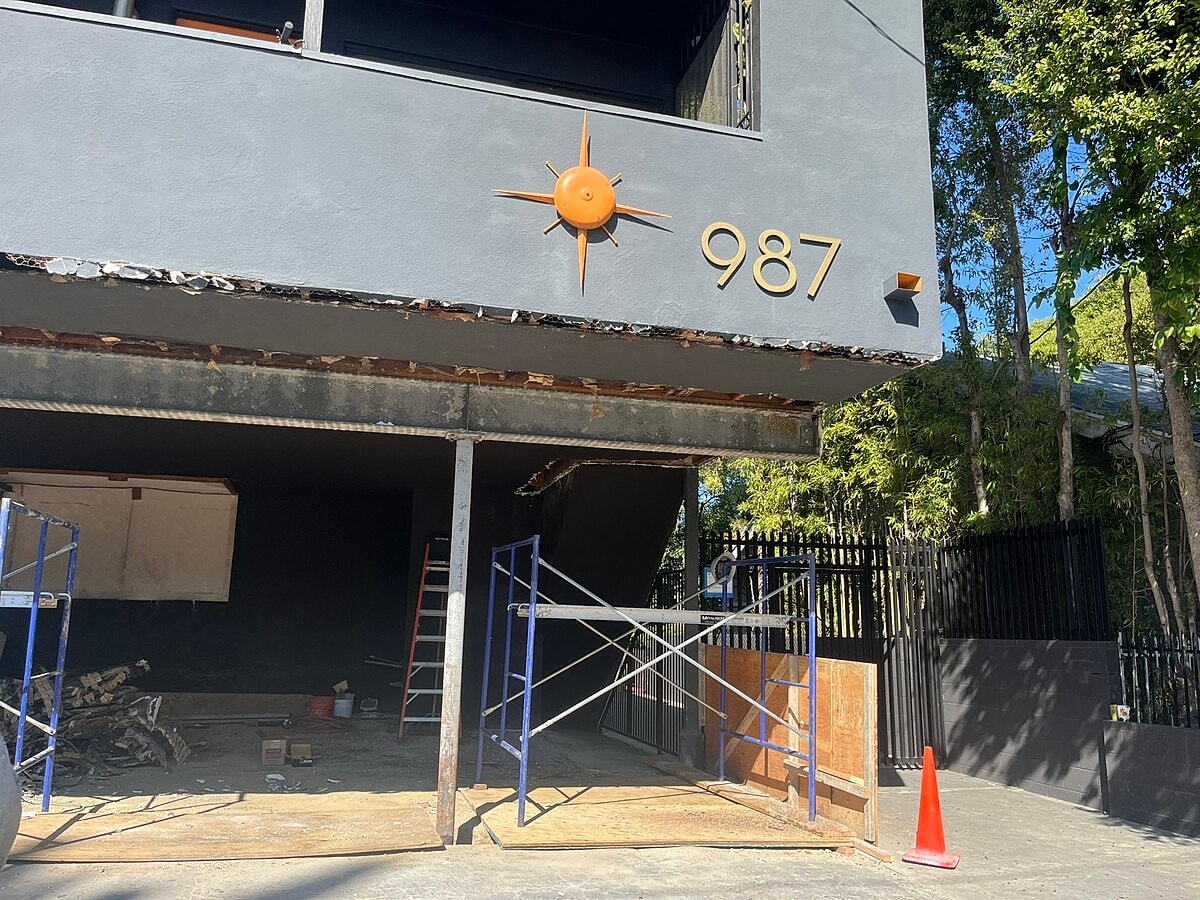
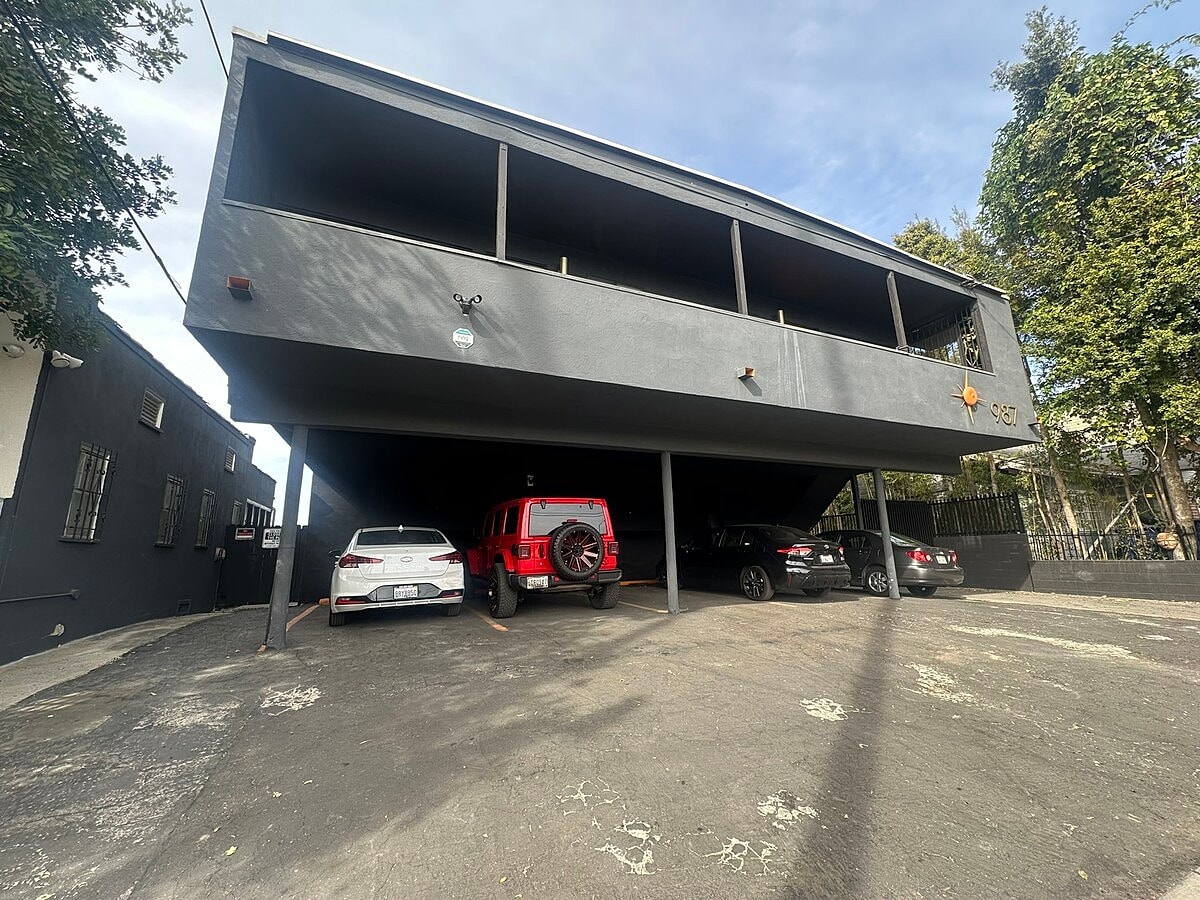
This Los Angeles project transformed an existing crawlspace into a new lower-level living space through a comprehensive design-build approach. The project involved deepening the existing foundation system, strengthening structural supports, and constructing a new wood floor diaphragm to create a stable foundation for the new addition. A rear cantilevered balcony was also incorporated into the structural design to maximize the home's usable space.
By combining structural engineering with specialized construction, Alpha Structural delivered an integrated foundation and framing system designed to support the home's expansion while maintaining long-term structural performance. This crawlspace conversion demonstrates how engineered foundation modifications can unlock additional living space without expanding the home's footprint.
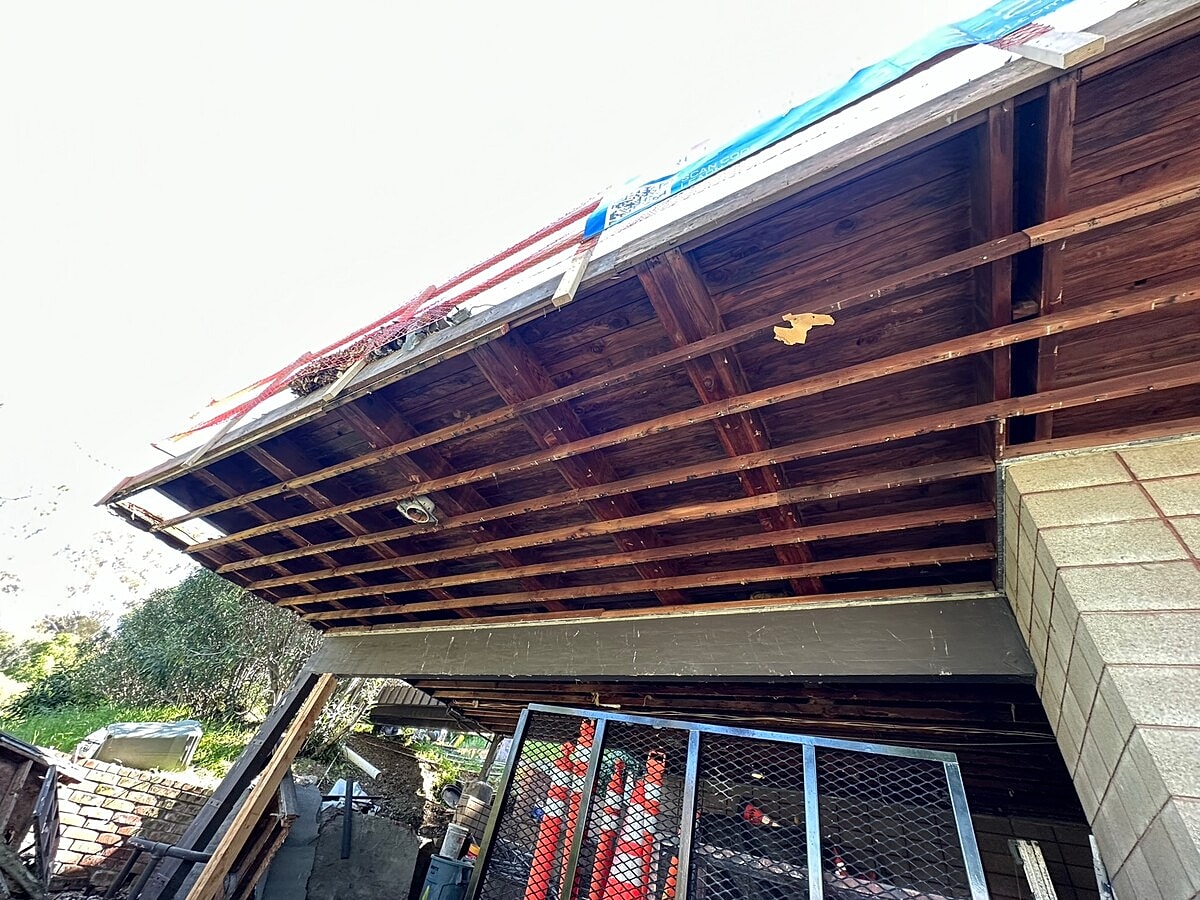
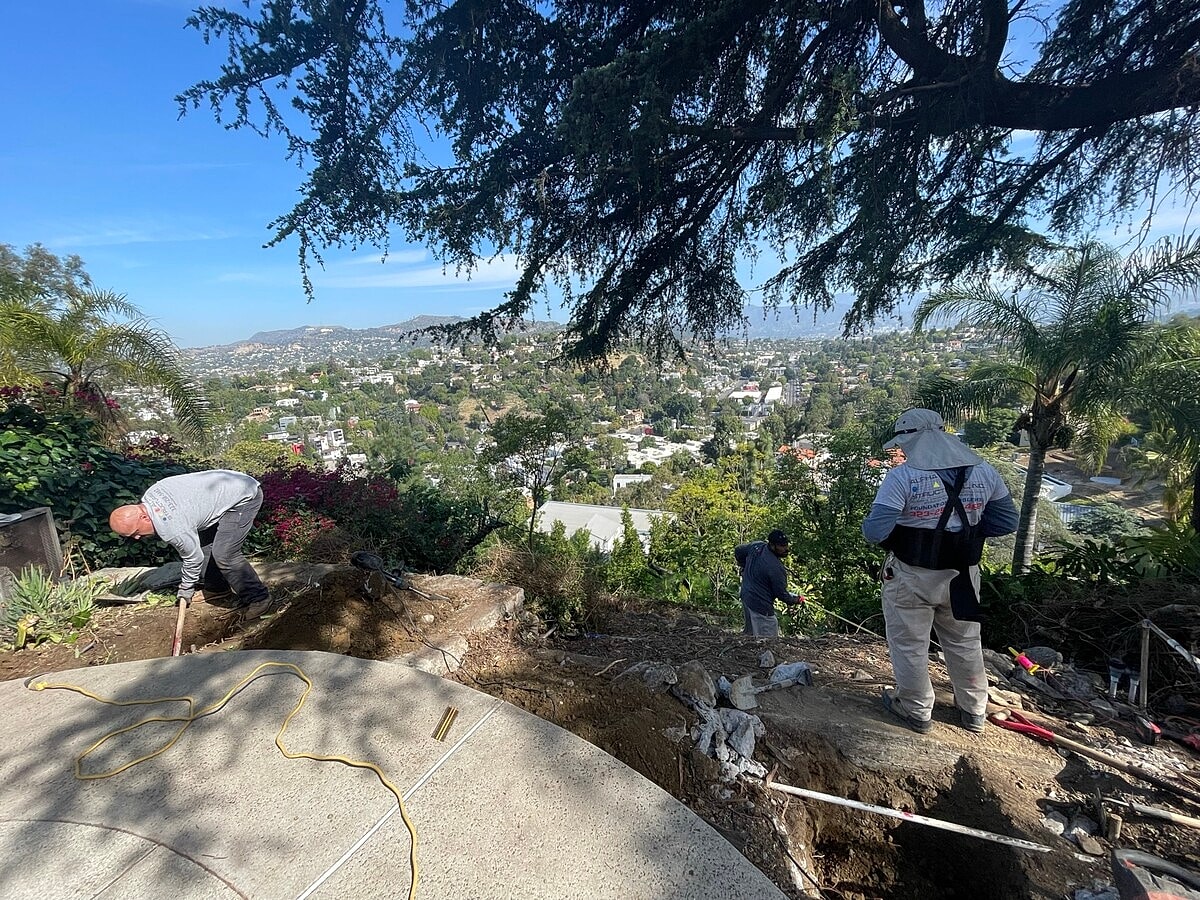
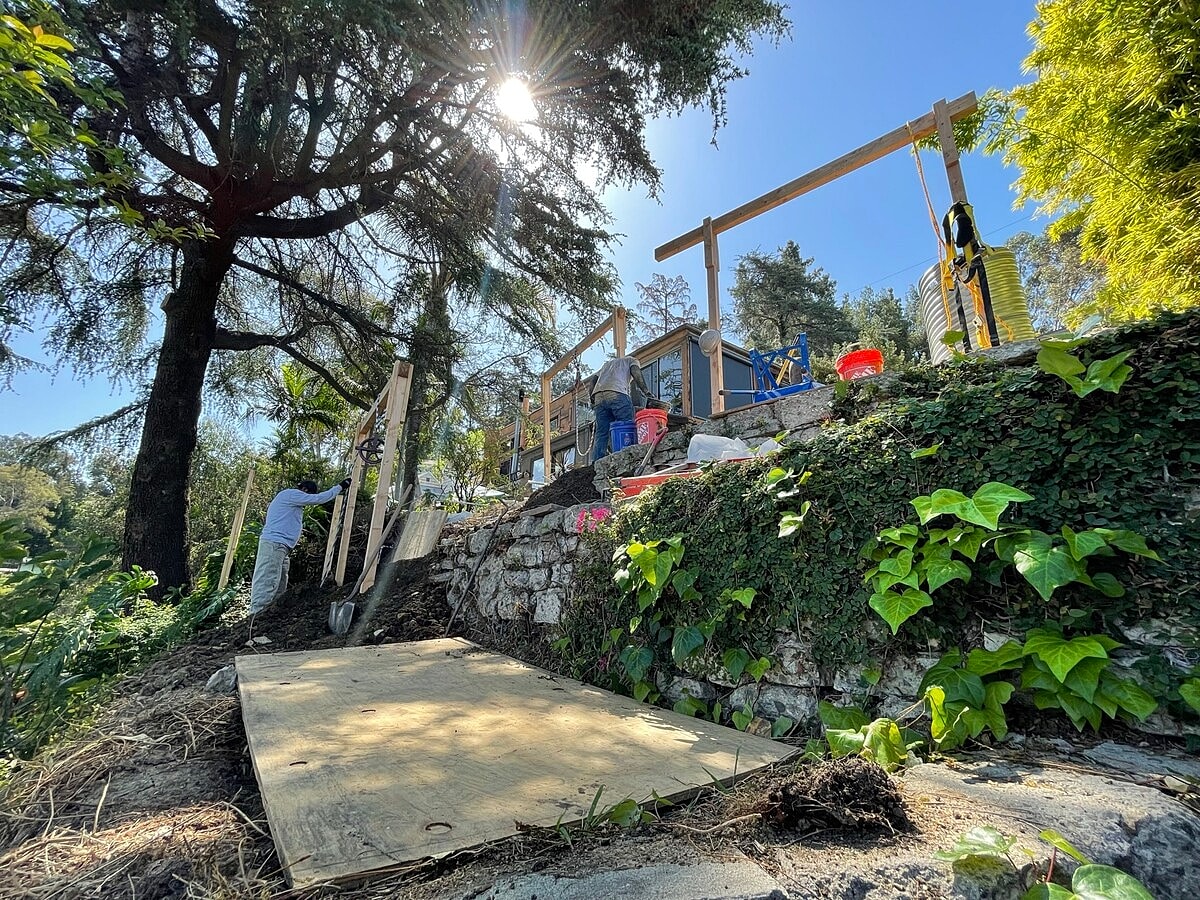
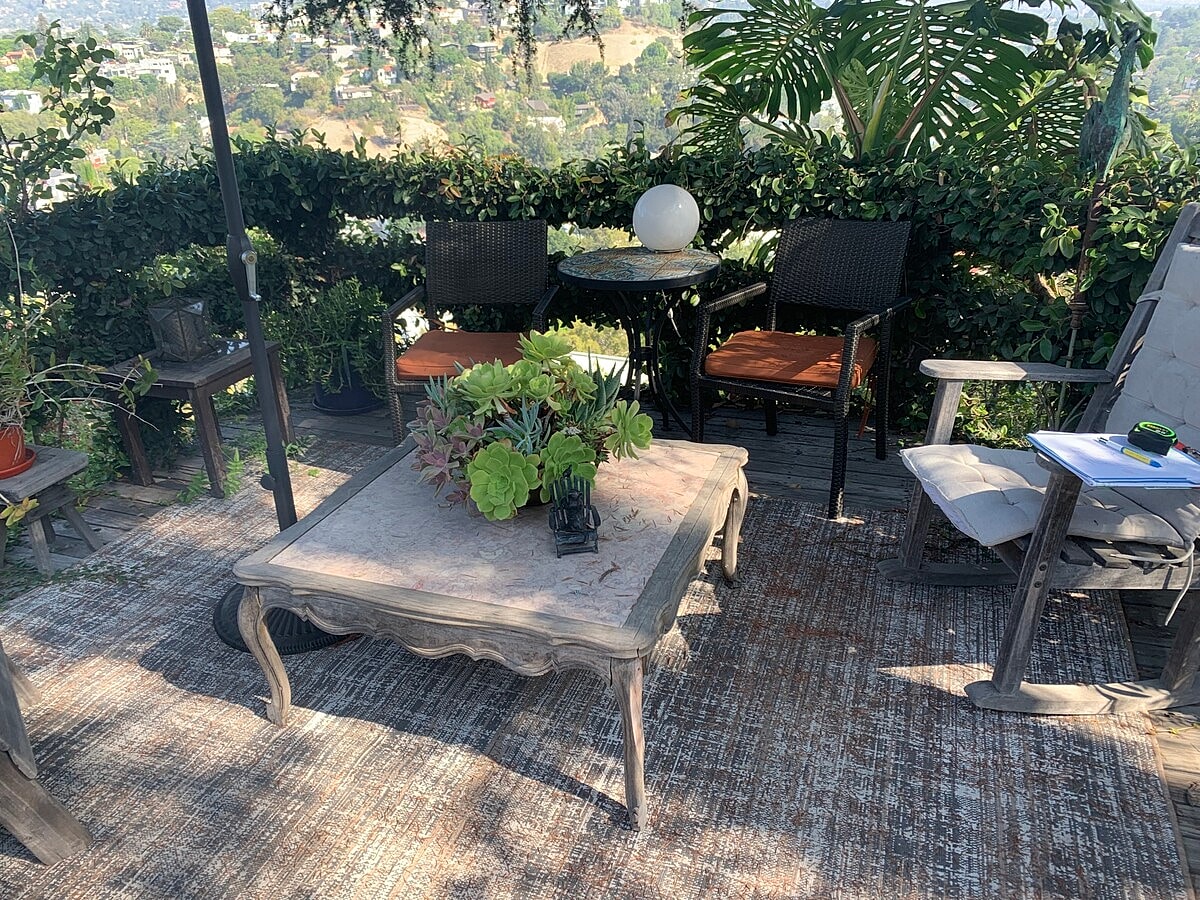
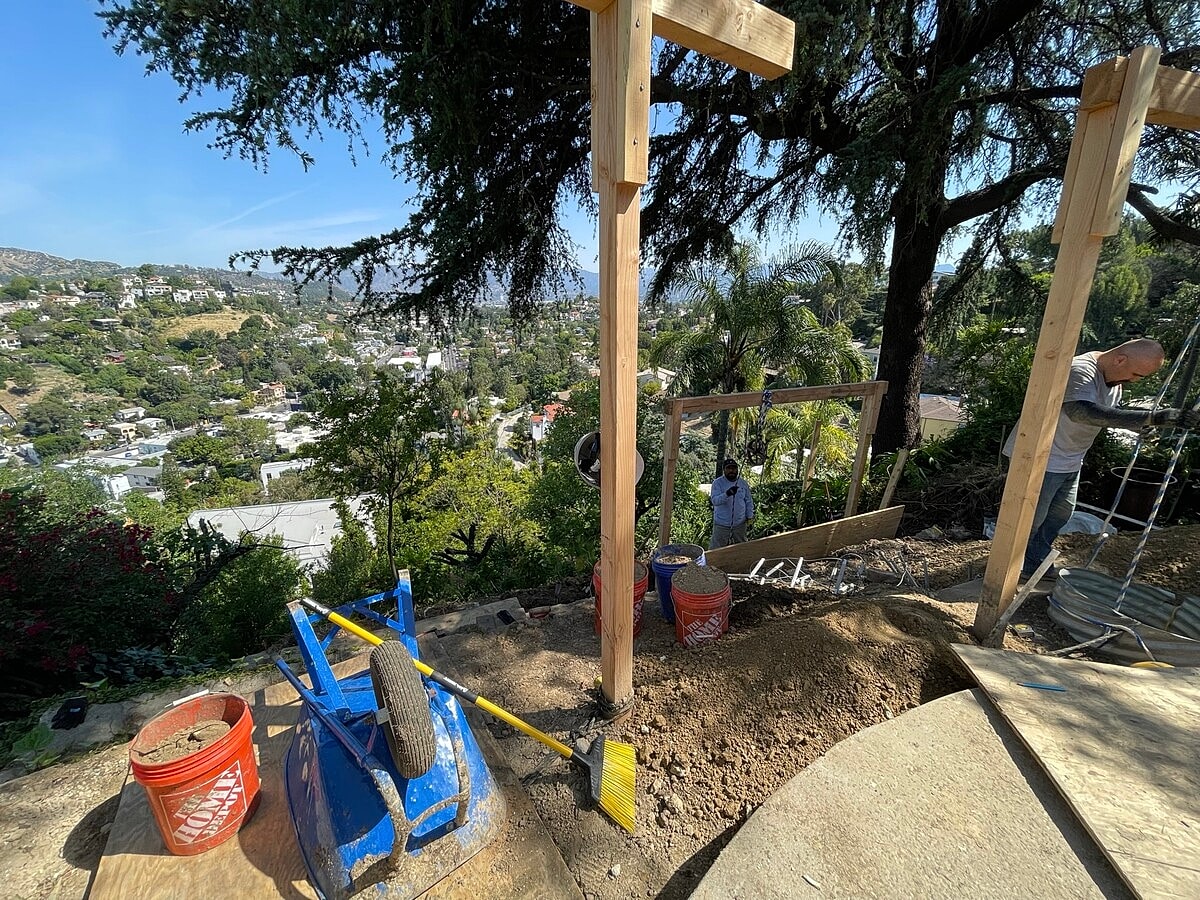


Call Alpha Structural for your Los Angeles Foundation Repair. With over 30 years of experience, Alpha Structural can handle the projects that other contractors are afraid to do. There is no job too small and no job too big for our team. Contact us today to get a quote.
There was an error processing your form. Please try again later.
We'll get back to you as soon as possible.
© Alpha Structural, Inc. LIC. A-663409
Servicing the following areas: Anaheim, Bel-Air, Beverly Hills, Brentwood, Burbank, Calabasas, Costa Mesa, Culver City, Eagle Rock, Glendale, Hidden Hills, Hollywood, Hollywood Hills, Huntington Beach, Irvine, La Canada Flintridge, La Crescenta, Laguna Niguel, Long Beach, Los Angeles, Malibu, Manhattan Beach, Marina Del Ray, Mission Viejo, Mount Washington, Newport Beach, Orange, Pacific Palisades, Palos Verdes Estates, Pasadena, Rancho Palos Verdes, Redondo Beach, Rolling Hills, San Clemente, Santa Ana, Santa Clarita, Santa Monica, Sherman Oaks, Temple City, Thousand Oaks, Topanga, Torrance, West Covina, West Hollywood, Woodland Hills, Yorba Linda
Accessibility: If you are visually impaired or have some other impairment and you wish to discuss potential accommodations related to using this website, please contact our office at (323) 258-5482.