
If you’ve ever walked past a crumbling sidewalk or noticed flaking concrete on your porch steps, you’ve seen spalling firsthand. But when it starts happening on your home’s foundation, it’s not just cosmetic—it’s a red flag.
Concrete spalling is one of those issues that sneaks up on homeowners. It doesn’t look catastrophic at first. But under the surface, it could be signaling bigger problems with your foundation, water management, or even your home’s overall structural integrity.
Let’s walk through what spalling actually is, why it matters, how to spot it, and what you can do to prevent long-term damage.
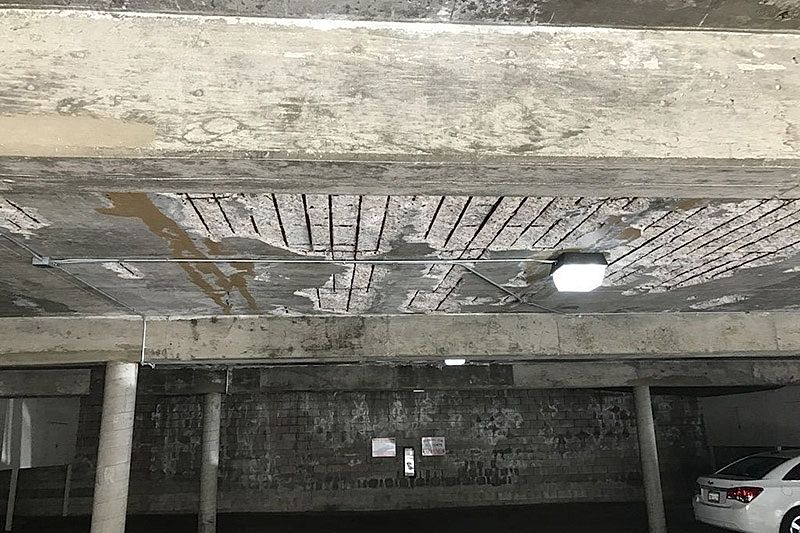
Spalling happens when the surface of concrete starts to peel, flake, or crumble away. The texture can look patchy or pitted, and the area might feel rough or sound hollow when you knock on it. In some cases, you’ll even see exposed steel reinforcement (called rebar) peeking through the damaged surface.
The real problem isn’t just that the concrete looks bad—it’s that spalling means something has compromised the internal structure. Usually, water has seeped in and started causing internal pressure, freezing and thawing, or corroding the rebar inside.
If your foundation is spalling, it could mean the concrete is weakening, and that’s where things get serious.
Spalling doesn’t occur overnight. It’s the result of a combination of factors that wear down your concrete over time:
In other words, spalling is often a symptom of a larger issue, like inadequate waterproofing, poor drainage, or outdated construction methods.
We get it—it’s tempting to shrug off a few flaking patches on a walkway or basement wall. But if spalling is happening on your foundation, it could mean the structural integrity of your home is at risk.
It’s not just about keeping things pretty. It’s about keeping your home upright.
Wondering if what you’re seeing is actually spalling? Check for these warning signs:
Also keep an eye out for related issues like water stains, musty smells in the basement, or uneven floors—they could point to a foundation problem tied to spalling.
Spalling doesn’t always stop at the surface. Left unaddressed, it can lead to:
If your home sits in an area with clay-heavy soil, seasonal rainfall, or seismic activity (hello, Southern California), you’re especially vulnerable.
The good news? Concrete spalling repair is both possible and effective. The earlier you catch it, the simpler (and cheaper) the solution.
It all depends on the depth and spread of the damage. That’s why a professional inspection is crucial.
Yes—and prevention often costs less than repair. Here’s what you can do:
If you’ve had foundation repairs before, keep up with routine maintenance to avoid recurrence.
You don’t need to panic over every flake of concrete. But if you’re seeing signs of progressive damage—or if the spalling is near a load-bearing wall—it’s time to bring in the pros.
A licensed concrete repair contractor will assess whether the damage is isolated or if it signals deeper foundation issues. They’ll also help you determine the best fix for your structure, budget, and long-term goals.
Concrete spalling is more than an eyesore—it’s a sign that something’s not right. Fortunately, when caught early, it’s highly treatable.
If you’re seeing signs of spalling foundation damage, don’t wait for it to spread. Call a trusted foundation expert or connect with our Los Angeles foundation repair specialists and get ahead of it. Your home (and your wallet) will thank you.