
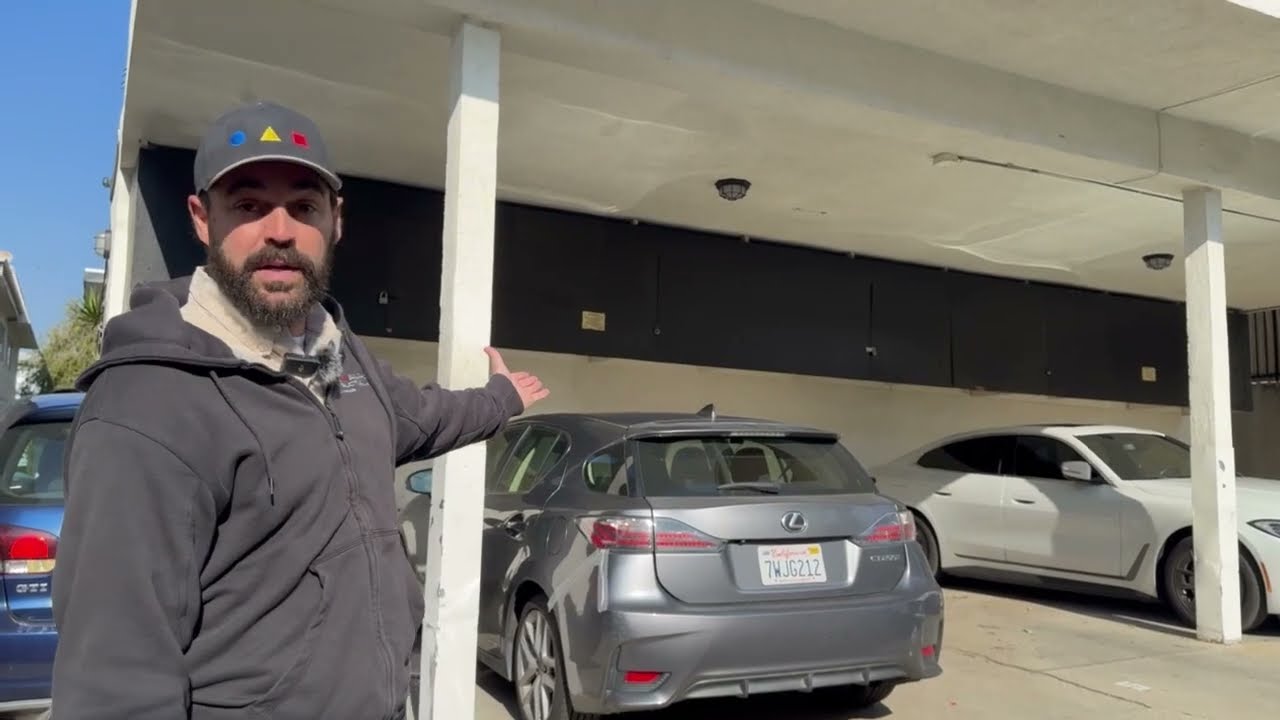

If you live in Los Angeles, you've probably driven past dozens of soft story buildings without even realizing it. Picture a typical apartment complex in Hollywood with ground-level parking beneath two or three floors of apartments above. Those wide-open parking spaces are convenient—but they come at a price. The lower level has far fewer structural supports than the floors above, making it dangerously weak during an earthquake.
Here’s the uncomfortable truth: when the next big quake hits, soft story buildings could be among the first to collapse. During the 1994 Northridge earthquake, over 200 of these structures in Los Angeles either collapsed or sustained serious damage, leading to devastating losses. Statistically speaking, soft story buildings are five times more likely to fail during an earthquake compared to properly reinforced buildings. It's not about scaring you—it's about facing reality.
To tackle this issue, Los Angeles passed an ordinance in 2015 requiring mandatory retrofitting of soft story buildings constructed before 1978. It's not just a legal issue; it's about saving lives and property.
Think of soft story retrofitting like giving your building some much-needed backbone. It involves adding structural reinforcements to protect your property during seismic activity. Common methods include:
Together, these upgrades significantly reduce the risk of structural failure during an earthquake.
Back in 2015, the city realized we couldn't afford another Northridge-level disaster. Ordinance 183893 requires buildings built before January 1, 1978, to undergo mandatory retrofitting. If you own one of these buildings, here's your checklist:
Ignoring these steps isn't just risky; it could lead to hefty fines, legal complications, and liability nightmares if something goes wrong.
Here's the rundown of what retrofitting looks like from start to finish:
A qualified structural engineer visits your building to pinpoint vulnerabilities and craft a custom reinforcement plan.
You submit the engineer’s plans to city officials for approval. They'll confirm everything meets current seismic safety codes.
Contractors install the recommended reinforcements, such as steel frames and shear walls. The construction typically takes several months, depending on complexity.
A city inspector will visit your site to ensure the retrofit meets all safety standards. After approval, your building is officially compliant.
Let's get real—retrofitting isn't cheap. Costs typically range from about $60,000 to $200,000, depending on factors like:
Despite the upfront cost, retrofitting is substantially cheaper than repairing or replacing a collapsed building—not to mention the value of lives and peace of mind.
Good news, you're not alone in covering retrofit costs. There are programs and benefits to help ease the financial burden:
This state-backed program offers grants to eligible property owners, significantly offsetting retrofit expenses.
Many insurance providers offer reduced rates for retrofitted buildings, leading to considerable savings over time.
Seismic codes and standards are always evolving. Staying informed about local regulations helps you remain compliant and avoid penalties. Plus, advancements in earthquake engineering—like base isolation systems and innovative materials—continue to make retrofitting safer, smarter, and more cost-effective.
Retrofitting isn't a job to trust to just anyone. At Alpha Structural, we’ve spent decades making LA buildings safer.
Here's why property owners choose us:
It’s not about whether another major earthquake will hit LA; it’s about when. Protecting your tenants, your property, and your financial future isn't just about following regulations—it's about peace of mind.
Call Alpha Structural at (323) 300-2190 or connect with our Los Angeles foundation repair experts today. Take the first step in safeguarding your building and community from earthquake risks through soft story retrofitting.