
Has your crawl space or basement ever felt damp or musty after a heavy rain? You’re not alone. In fact, an estimated 60% of U.S. homes suffer from below-ground wetness or moisture issues in the foundation or basement. Water intrusion isn’t just a minor nuisance – it can lead to serious problems like mold growth, wood rot, erosion, and structural damage if left unaddressed.
The key to a dry, healthy crawl space or basement is proper foundation drainage. In this ultimate guide, we’ll explain why foundation drainage matters so much, how to spot signs of trouble, and the best solutions (from French drains to sump pumps) to keep water under control. You’ll also find maintenance tips to protect your home over the long haul, and we’ll wrap up with advice on when to call in a professional for help.
Let’s dive in and get your crawl space or basement on the path to dryness!
Effective foundation drainage around your home is critical for maintaining a safe, dry space. When water is allowed to collect around the base of your house, it can wreak havoc in ways you might not expect:
In short, proper foundation drainage protects your home’s structure, preserves your health, and saves you money by preventing water-related problems before they start. It’s an investment in peace of mind – and in the longevity of your house.
How do you know if your home has a drainage problem? Fortunately, water leaves clues. Here are some common signs of poor foundation drainage that every homeowner should watch out for:
If you notice one or more of these warning signs, take action. Even minor leaks or dampness today can turn into major foundation headaches down the line. The good news is that there are effective foundation drainage solutions to fix issues, from relatively simple fixes to professional waterproofing systems.
When it comes to keeping water out of your crawl space or basement, you have several tools in your toolbox. In this section, we’ll overview of the most effective foundation drainage solutions available. Many homes use a combination of these strategies to ensure a dry foundation. Let’s explore the big four:
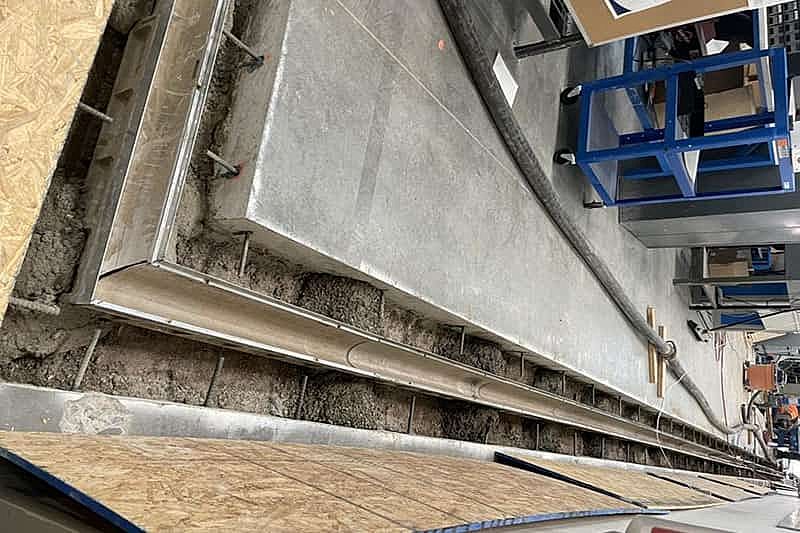
If you’re dealing with chronic water issues near your foundation, a perimeter foundation drainage system can be one of the most reliable ways to keep things dry. These systems are installed around the outside or inside of your foundation and are designed to collect and redirect water before it causes trouble. The goal is simple: capture water early and send it away from your home, so a well-designed perimeter drainage system becomes invaluable.
There are several types of perimeter drainage setups—some are buried just outside the foundation wall, while others run along the inside of your basement or crawl space. Some use gravel and perforated pipe, others include channels or panels that guide water to a sump pump. The exact system will depend on your home’s layout, soil conditions, and drainage needs, but the core purpose stays the same.
What matters most is having a well-thought-out plan that moves water away from your foundation efficiently. These systems are often part of a bigger waterproofing approach, working alongside sump pumps, grading, and gutter systems to keep your home dry from all angles. If you’re not sure what type of perimeter drainage is right for your home, a professional inspection can help you figure out the best fit, without getting lost in the technical weeds.
In many basements, a sump pump is the last line of defense against flooding. Think of a sump pump as your basement’s ejector pump for water. It sits in a pit (sump basin) at the lowest point of the basement or crawl space. As groundwater or seepage flows into the pit (often fed by interior drain tiles or French drains), a float switch triggers the pump to kick on and pump the water out and away from the home via a discharge pipe.
Sump pumps are especially useful if your basement is below the municipal storm sewer level or in areas with frequent heavy rainfall. Even with good exterior drainage, some water might find its way in – and that’s where the sump pump saves the day by removing any water that accumulates under your basement floor. Modern sump pumps are typically electric (with a battery backup recommended in case of power outages). Tip: test your sump pump periodically by pouring a bucket of water into the pit to ensure it engages and drains properly. A well-functioning sump pump system provides peace of mind that even if water breaches your perimeter, it won’t stay for long.
One of the simplest yet most important drainage solutions is managing roof runoff. Gutters and downspouts collect rainwater from your roof, but where does that water go? If downspouts dump it right at your foundation (as in the image below, which is a big no-no), you’re asking for trouble. Every downspout should have a downspout extension or be directed to a leader pipe that carries water well away from the foundation.
A good rule of thumb is to extend downspouts at least 5 to 6 feet from the foundation – the farther, the better. You can use inexpensive flexible plastic extenders, buried PVC pipe, or even creative solutions like a dry creek bed that starts at the downspout outlet. The goal is to discharge roof water downhill and away, ideally on a slope where it won’t flow back toward the house. Also, make sure your gutters remain clear and functional. Clogged gutters will overflow and pour water straight down the walls. Regular gutter cleaning (at least twice a year) is essential to keep that first line of defense working. With clean gutters and properly extended downspouts, you can prevent thousands of gallons of rainwater from ever reaching your foundation perimeter.
Last but certainly not least is the grading of the soil around your home. The ground adjacent to your foundation should slope downward, away from the house. This ensures that rainwater flows by gravity away from the foundation rather than toward it. A common guideline (based on building code) is a slope of about 6 inches drop over the first 10 feet from the foundation. In practical terms, that means the soil touching your foundation wall should be the highest point, and everything should slope down from there for several feet out.
If your lot is flat or poorly graded, you may need to bring in some topsoil to build up a gentle slope. Pay attention to landscaped beds against the house – sometimes edging or berms can unintentionally trap water next to the foundation. It’s wise to avoid having flower beds or hard edging that forms a dam; instead, grade the beds so water flows outwards. In some cases (especially if neighboring properties or hillsides drain toward you), you might need to incorporate swales (shallow ditches) or catch basins in the yard to help divert water. But for most homes, simply maintaining a proper slope around the house does the trick. Good grading works hand-in-hand with your other drainage solutions: even the best French drain or gutter system won’t perform well if the surrounding ground directs water the wrong way. Take a walk around your home and assess the landscape – does it gently guide water away, or are there low spots against the foundation? Correct any negative grading, and your crawl space/basement will thank you.
Installing the right drainage systems is half the battle – the other half is ongoing maintenance. By staying proactive, you can ensure your home’s defenses against water remain strong year after year. Here are some practical tips for maintaining good foundation drainage over time:
By following these maintenance tips, you’ll greatly extend the life and effectiveness of your drainage systems. A weekend of upkeep here and there beats dealing with a flooded crawl space or basement later! Good drainage is not a one-time project – it’s an ongoing part of responsible home ownership.
Despite your best efforts, some foundation drainage issues can be complex or persistently puzzling. Maybe you’ve tried the DIY fixes, and the crawl space or basement is still getting wet, or you see worrying signs like significant foundation cracks. When in doubt, it’s time to call in the experts. Here’s when you should consider a professional assessment:
Remember, seeking professional help doesn’t mean you’ve failed as a homeowner – some problems are just tricky or extensive. A qualified foundation drainage expert will know exactly what to look for. They can provide a thorough assessment and recommend the right fix, saving you time, money, and stress in the long run. Many companies (including some that offer free inspections) will evaluate your drainage situation and give you an honest game plan.
If you’re ever unsure, trust your gut and get a second opinion from an expert. As one foundation repair company advises, if you notice warning signs, “don’t wait to call” for professional help. It’s far better to address issues now than to deal with a flooded crawl space or basement or major structural repair later.
While this guide is geared toward educating and empowering you as a homeowner, some drainage and foundation repairs truly require professional intervention. Companies like Alpha Structural (and other reputable foundation specialists nationwide) have the experience to tackle complex drainage challenges – from engineering a French drain system for a tough hillside, to installing exterior waterproofing membranes, to reconstructing a failed footing drain. If your home is showing serious signs of water problems, getting a professional assessment is the next best step. An expert can customize a solution that fits your home’s needs, whether that’s a heavy-duty sump pump installation or a re-grading of your entire perimeter.
Don’t hesitate to reach out for help – protecting your biggest investment (and the safety of those living in it) is well worth it. With proper foundation drainage in place, you can rest easy knowing your crawl space or basement will stay dry and your home’s structure secure, no matter how hard the rain falls. Here’s to a dry, healthy, and worry-free crawl space or basement!
Water might be a homeowner’s worst enemy, but it’s an enemy you can defeat with knowledge and the right strategy. We’ve covered why foundation drainage is so vital – preventing everything from structural damage to moldy air – and how to spot the symptoms of trouble early. By implementing solutions like French drains, sump pumps, downspout extensions, and careful grading, you’ll dramatically reduce the risk of a wet foundation or basement. Combine that with regular maintenance and a willingness to call in professionals when needed, and you have the ultimate recipe for keeping your crawl space or basement dry.
A dry crawl space or basement isn’t just about comfort; it’s about preserving your home’s value, your family’s health, and your peace of mind. So take action today. Walk around your home and check those gutters and grading. Fix that downspout that’s too short. Consider adding a drainage system if necessary. Every improvement you make now is one less emergency you’ll face in the future.
Remember: if you ever feel in over your head, professionals like our Los Angeles foundation repair specialists and Alpha Structural are ready to help solve even the toughest drainage dilemmas. Foundation drainage may not be a glamorous topic, but it’s undoubtedly an important one for homeowners everywhere. With the guidance from this ultimate guide, you’re now equipped to tackle water issues head-on and keep your home safe and dry for years to come.
Keep an eye on the water, keep your foundation strong, and enjoy the confidence of a crawl space or basement that weathers any storm!