
For many property owners, particularly in earthquake-prone areas like Southern California, retrofitting soft-story buildings isn't just smart—it's essential. However, the costs associated with these structural upgrades can be daunting. Fortunately, numerous financial assistance options are available to help property owners manage these essential upgrades. Let's explore these options, from government grants and loans to local incentives, so you can confidently move forward with soft-story retrofits for your property.
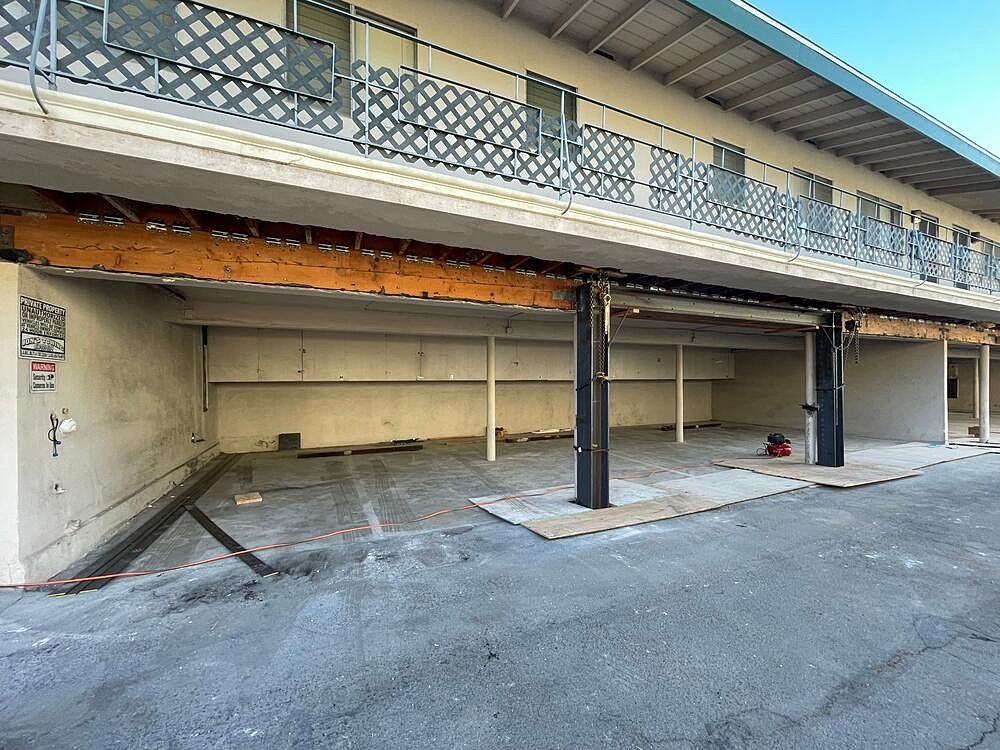
Soft-story buildings, characterized by their structurally weak ground floors often used for parking or commercial space, pose serious risks during seismic activity. Retrofitting involves structural upgrades designed to strengthen the building and mitigate earthquake damage.
The cost of a soft-story retrofit depends on several factors, including:
Costs typically range from $20,000 to over $100,000 for larger, more complex properties. While this might seem overwhelming, various financial support mechanisms are available.
One of the primary sources of funding assistance comes in the form of government grants. These grants are typically offered by state and local agencies dedicated to promoting community safety.
The Brace + Bolt (EBB) program provides eligible homeowners grants of up to $3,000 to strengthen their homes through seismic retrofitting. Although primarily aimed at single-family homes, similar initiatives are periodically introduced to assist owners of multifamily properties and soft-story buildings.
The Federal Emergency Management Agency (FEMA) offers Hazard Mitigation Assistance (HMA) programs, which provide funding opportunities to retrofit vulnerable structures, including soft-story buildings. FEMA grants typically require applications through local or state emergency management offices.
In addition to grants, several low-interest loan options are available to property owners:
The Small Business Administration (SBA) offers low-interest disaster loans for mitigation projects that reduce future disaster risks, including seismic retrofits. Property owners can secure these loans at favorable terms, making large retrofit projects financially feasible.
Property Assessed Clean Energy (PACE) financing allows property owners to finance retrofit improvements and repay them over time through their property tax bill. This financing model is particularly beneficial for large retrofit projects due to its manageable repayment structure and competitive interest rates.
Many cities and counties, particularly in earthquake-prone areas like Los Angeles, San Francisco, and Santa Monica, offer local incentive programs to encourage property owners to retrofit soft-story buildings:
Checking with your local building or housing department will help you identify what specific programs or incentives are available in your area.
Accessing financial assistance makes seismic retrofitting achievable for property owners who might otherwise delay essential upgrades due to budget constraints. The benefits of retrofitting, supported by financial aid, are clear:
Navigating the process can seem intimidating, but with clear steps, it becomes manageable:
Seismic retrofitting of soft-story buildings is not just a prudent safety measure—it's a critical investment in your property's future. Fortunately, numerous financial assistance opportunities exist to help offset the costs. By leveraging these resources, you can ensure the safety of your tenants, protect your investment, and meet local compliance requirements without undue financial stress.
If you're unsure about the available financial assistance or how to start your retrofit project, contact our trusted Los Angeles foundation repair team so an experienced retrofitting specialist can guide you through every step of the process.
Take action now—your property’s safety and your peace of mind are worth it.